
FREE WORLD WIDE SHIPPING
HANDCRAFTED IN THE DOMINICAN REPUBLIC
30% DISCOUNT APPLIED AT CHECKOUT
FREE WORLD WIDE SHIPPING
HANDCRAFTED IN THE DOMINICAN REPUBLIC
30% DISCOUNT APPLIED AT CHECKOUT
FREE WORLD WIDE SHIPPING
HANDCRAFTED IN THE DOMINICAN REPUBLIC
30% DISCOUNT APPLIED AT CHECKOUT
FREE WORLD WIDE SHIPPING
HANDCRAFTED IN THE DOMINICAN REPUBLIC
30% DISCOUNT APPLIED AT CHECKOUT
FREE WORLD WIDE SHIPPING
HANDCRAFTED IN THE DOMINICAN REPUBLIC
30% DISCOUNT APPLIED AT CHECKOUT
FREE WORLD WIDE SHIPPING
HANDCRAFTED IN THE DOMINICAN REPUBLIC
30% DISCOUNT APPLIED AT CHECKOUT
100% Handcrafted in DR.
by Admin August 01, 2026 5 min read
A collector can recognize memorable Larimar before seeing its price tag. The stone may hold a saturated blue that recalls deep Caribbean water, a crisp white pattern that moves like surf, or a polished surface that lets its natural character speak without distraction. Current larimar collector market trends reflect that discerning eye: buyers are increasingly separating truly exceptional Dominican material from ordinary pale stones and mass-produced jewelry.
Larimar has always invited an emotional response, but the collector market is becoming more exacting. Beauty still matters first. Yet origin, cutting quality, treatment disclosure, and the individuality of each stone now carry greater weight in a purchase decision. For collectors, the appeal is not simply owning blue jewelry. It is holding a rare piece of the Caribbean shaped by nature and craftsmanship.
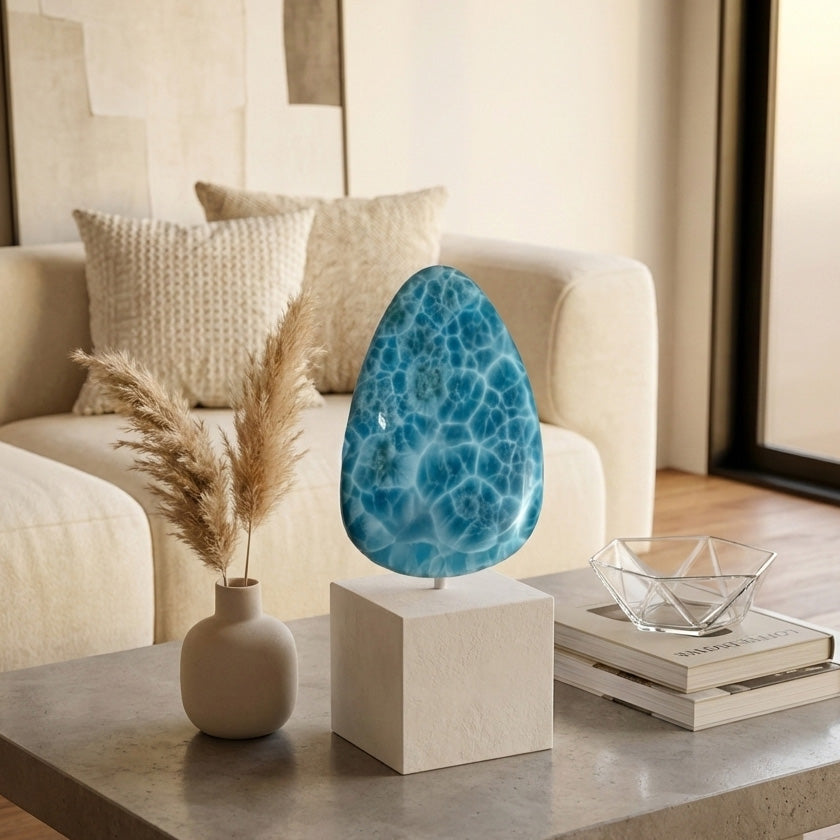
The strongest trend is a move toward selective buying. Rather than accumulating many similar pieces, collectors are often looking for one exceptional cabochon, carving, bead strand, or wearable jewel with unmistakable visual presence. A high-grade stone can feel like a small seascape, with clean blue fields, dramatic white marbling, and a composition that remains interesting from every angle.
This preference favors Larimar with rich blue color, balanced contrast, and a polished finish free from distracting flaws. It does not mean every collector wants the same look. Some favor vivid, concentrated blue. Others value the cloud-like white patterns and softer sky-blue tones that make Larimar instantly recognizable. The market rewards quality, but it also rewards personality. A stone with a distinct, harmonious pattern may be more compelling than one that is simply blue.
Collectors are also paying closer attention to scale. Large stones can offer impressive patterning and make meaningful display pieces, while smaller calibrated cabochons suit designers and buyers building coordinated jewelry suites. Neither is automatically more valuable. Color, stability, cut, polish, and overall visual impact remain the deciding factors.
Larimar is associated with the Dominican Republic, its singular and deeply meaningful place of origin. For serious buyers, that connection is not a decorative detail. It is part of the stone's identity and collectibility.
As awareness grows, shoppers increasingly ask direct questions: Is this genuine Larimar? Is the origin represented clearly? Has the stone been treated or misrepresented? Can the seller explain the quality of the material rather than relying on broad labels such as "AAA" without context?
This is a healthy change for the market. A genuine stone deserves more than a vague story, particularly when it is set in fine jewelry or purchased as a collector specimen. Clear sourcing information, accurate product photography, and meaningful certification or authenticity documentation give buyers greater confidence. They also help distinguish authentic Larimar from imitation materials, dyed look-alikes, and stones sold under misleading descriptions.
For a gift buyer, provenance adds meaning. For a collector, it protects the integrity of the collection. For both, it creates a stronger connection to the Caribbean landscape behind the jewel.
Larimar is not valued like a standardized commodity. Each piece is assessed visually, and market values can vary widely based on the individual stone. That makes transparency especially valuable. When a seller accurately describes color, inclusions, dimensions, setting materials, and origin, a buyer can judge a piece on its real merits.
Documentation alone does not make a stone beautiful, of course. But a beautiful stone with credible provenance is easier to enjoy, gift, insure, and retain as part of a thoughtfully built collection.
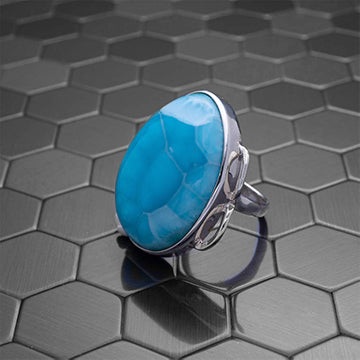
Blue remains the visual benchmark that draws many collectors to Larimar. More saturated blue material, particularly when paired with attractive white veining, tends to command attention because it captures the ocean-inspired character buyers seek. A well-cut blue cabochon can become the entire focal point of a ring or pendant.
Still, color should not be judged in isolation. A stone may have appealing blue but a weak polish, awkward shape, prominent fracture lines, or a pattern that feels flat. Conversely, a lighter blue stone can be highly collectible when its natural markings are elegant, its surface is expertly finished, and its design lets the material shine.
Lighting also affects perception. Larimar should be viewed in clear, honest photographs and, when possible, in more than one lighting condition. Overly edited images can make pale material appear improbably saturated. Buyers should expect the stone received to reflect the character shown, not an idealized digital version.
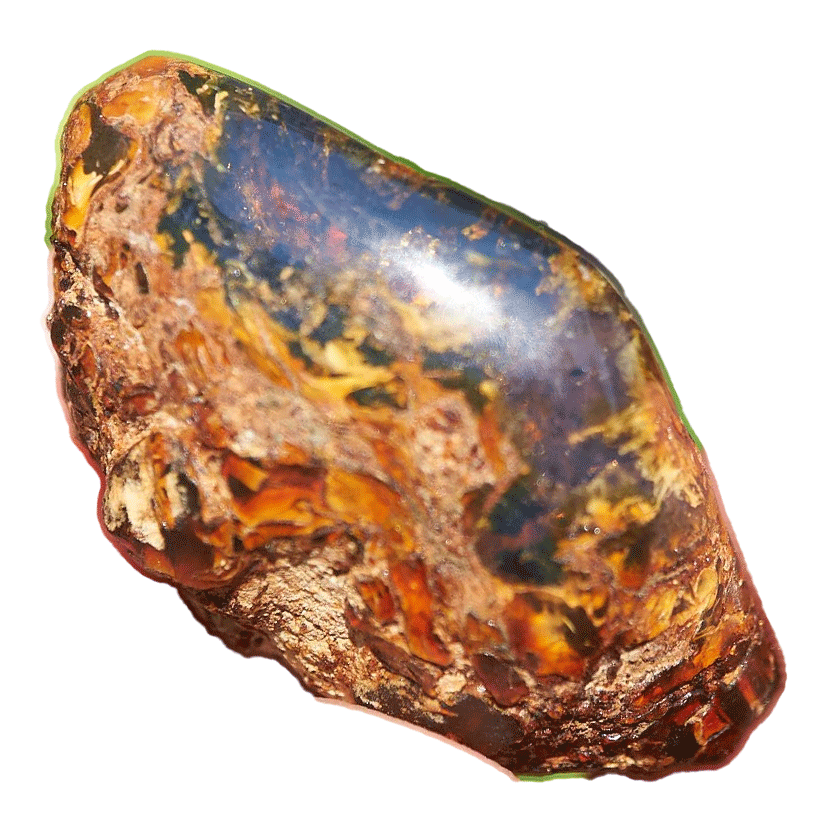
The rise of collector interest in one-of-a-kind gems has placed more attention on lapidary work. Larimar is opaque to translucent rather than faceted like a diamond, so its appeal depends heavily on the cutter's decisions. The orientation of the rough, the cabochon profile, the symmetry, and the final polish all influence how the stone presents its color and natural pattern.
A thoughtful cutter does not force every piece of rough into the same commercial shape. Sometimes an oval offers the best balance. Sometimes an organic freeform preserves a dramatic wave pattern that a conventional cut would lose. This is why collectors often gravitate toward unique cabochons and hand-carved pieces. They can see the collaboration between natural material and human skill.
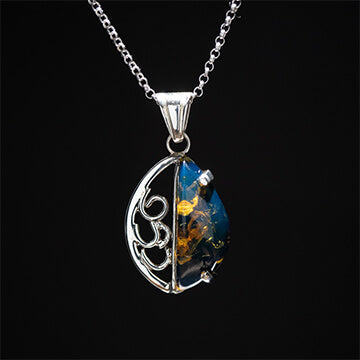
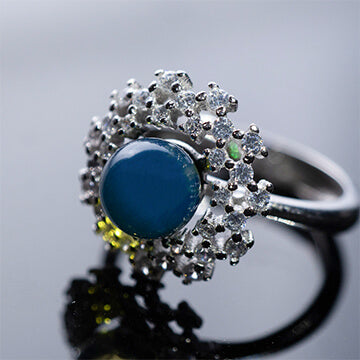
In jewelry, setting quality matters just as much. Fine sterling silver can emphasize Larimar's cool, oceanic color, while gold settings create a warmer contrast and a more formal presence. Secure bezels, clean prongs, balanced proportions, and carefully finished backs are not secondary details. They determine whether a beautiful stone becomes a piece that can be worn and cherished for years.
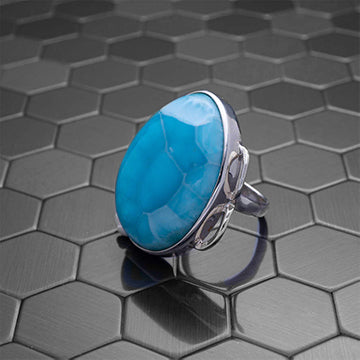
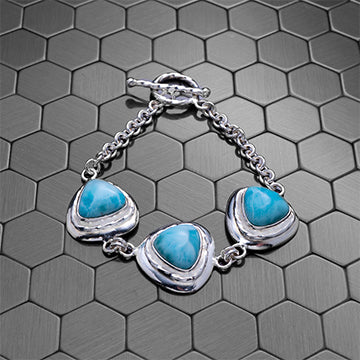
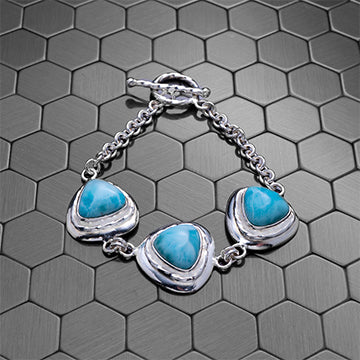
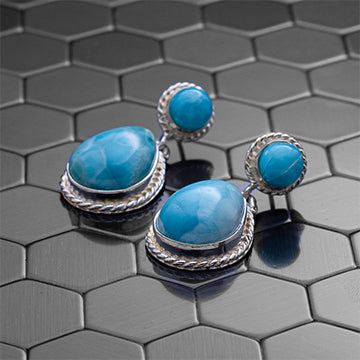
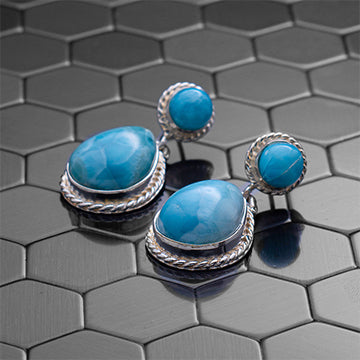
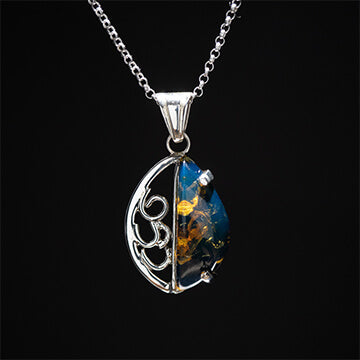
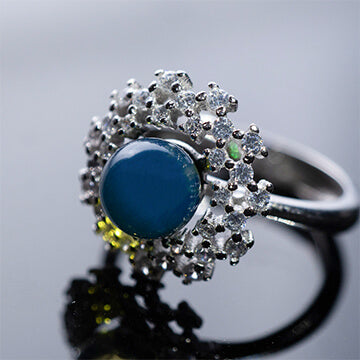
Pendants remain a natural entry point because Larimar's broad patterns are easy to appreciate at a glance. Yet the collector market is expanding across categories. Rings offer a more personal daily connection to the stone. Earrings create opportunities for carefully matched pairs. Bracelets and bead designs appeal to buyers who enjoy tactile color and movement.
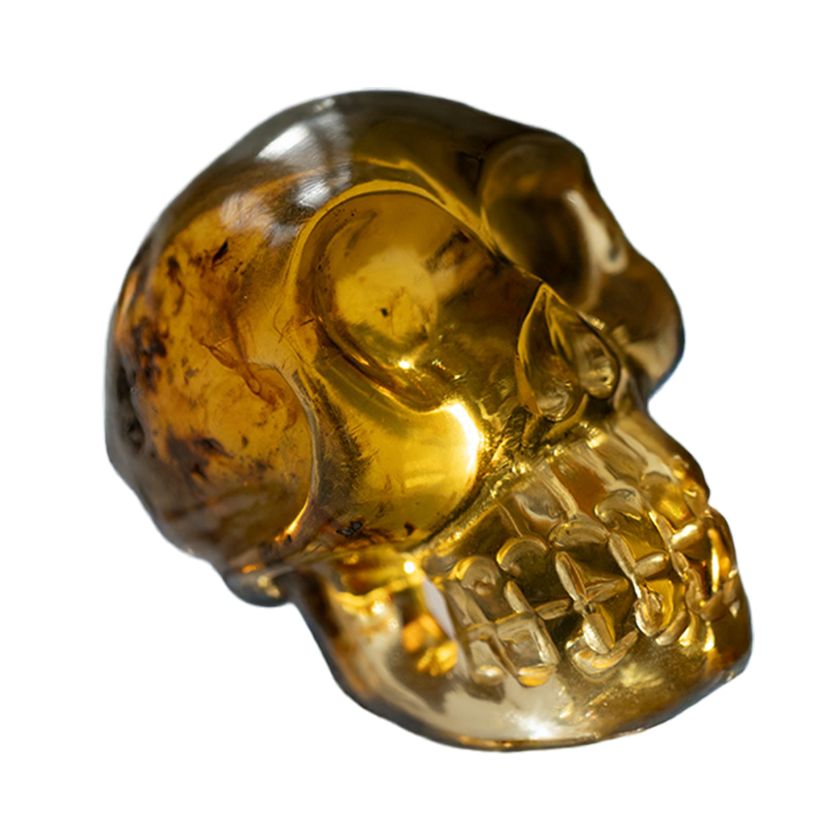
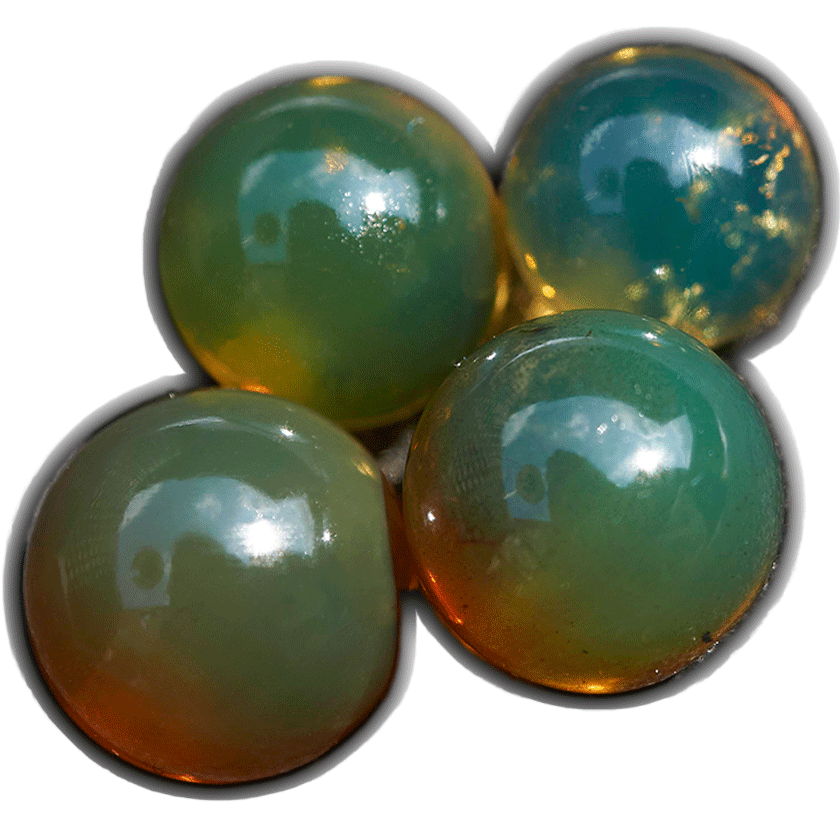
Outside finished jewelry, collector interest in cabochons, carvings, loose beads, and statement specimens is growing because these forms reveal the material in different ways. A loose cabochon allows a buyer to study polish and pattern closely. A carving turns a stone into an object of art. Beads create a challenge of matching color and character across a strand, which can make a well-composed set especially appealing.
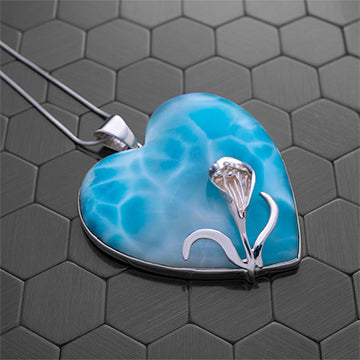
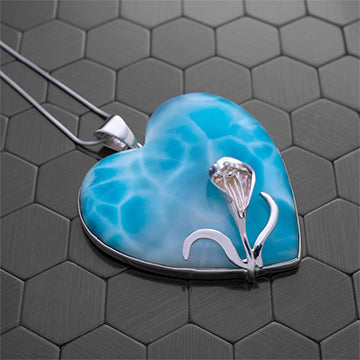
This variety also means that the right purchase depends on the buyer's purpose. A jewelry lover may prioritize wearability and setting craftsmanship. A lapidary enthusiast may want unusual rough character or a distinctive cabochon. A gift buyer may choose a heart pendant for its symbolism. There is no single collector profile, and the strongest collections often reflect that personal point of view.
As Larimar becomes more recognized as a collectible gemstone, buyers are increasingly considering condition before purchase. Natural inclusions and pattern variations are part of the material's character. Surface damage, unstable fractures, poor polishing, or chips around drill holes and setting edges are different matters and should be disclosed.
Care also protects value and appearance. Larimar jewelry is best treated as a treasured natural-stone piece rather than an indestructible accessory. Avoid harsh chemicals, prolonged high heat, and abrasive cleaning methods. Store pieces separately when possible, and use a soft cloth for routine cleaning. A little attention preserves the luminous polish that makes the stone feel like a captured stretch of Caribbean water.
The market is moving toward informed appreciation, not trend chasing. Exceptional Larimar will always draw attention because no two stones tell the same visual story. But the most rewarding purchases bring several qualities together: authentic Dominican origin, a color and pattern you genuinely love, skilled cutting, careful setting, and a seller prepared to stand behind the description.
When choosing Larimar, let your eye lead, then let the details confirm what your eye has found. The right piece should feel more than rare. It should feel unmistakably yours, a wearable piece of the Caribbean with a story worth keeping.
Sign up to get the latest on sales, new releases and more …
9 min read
6 min read
9 min read