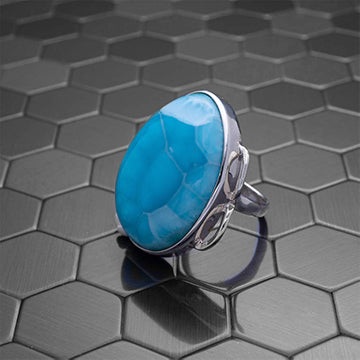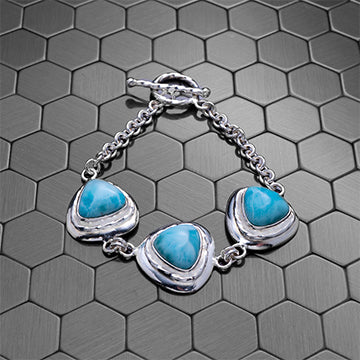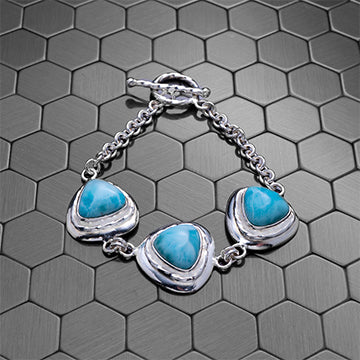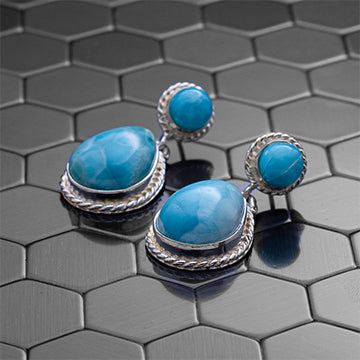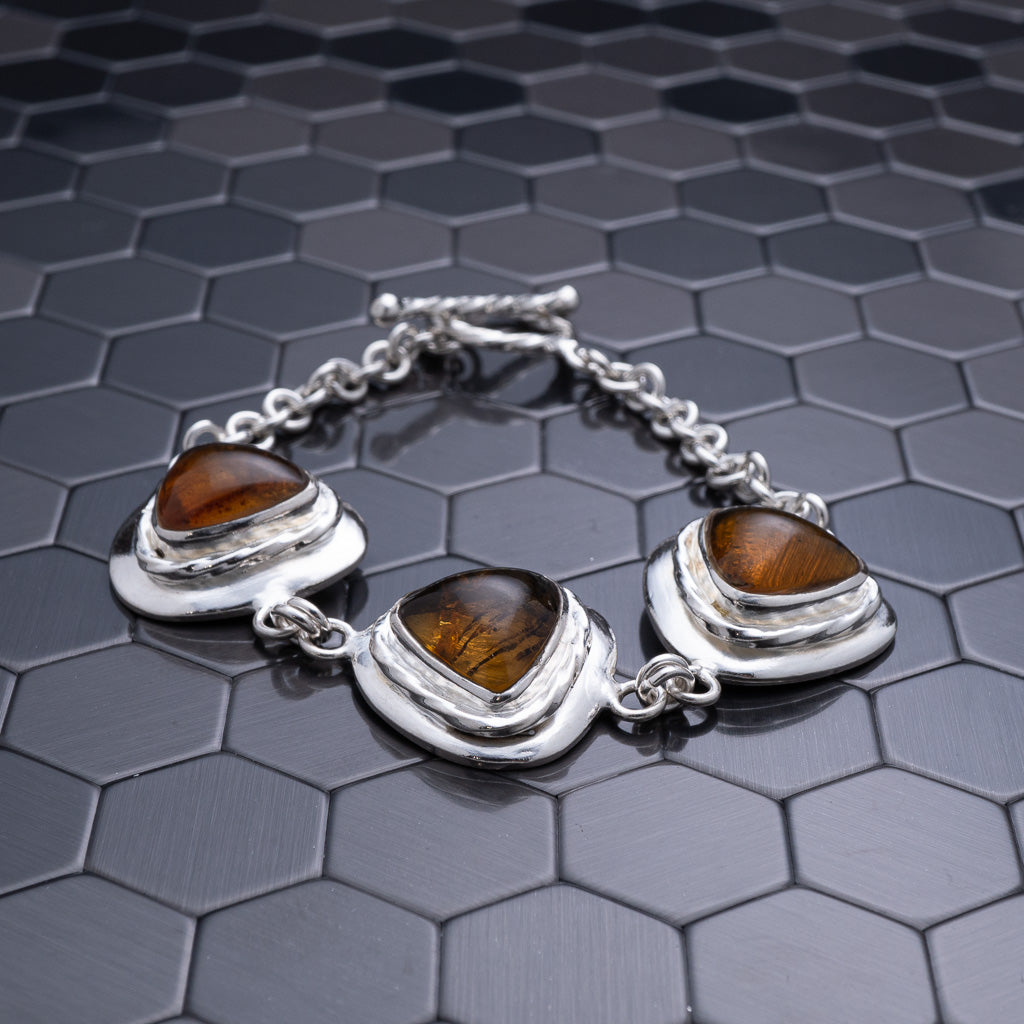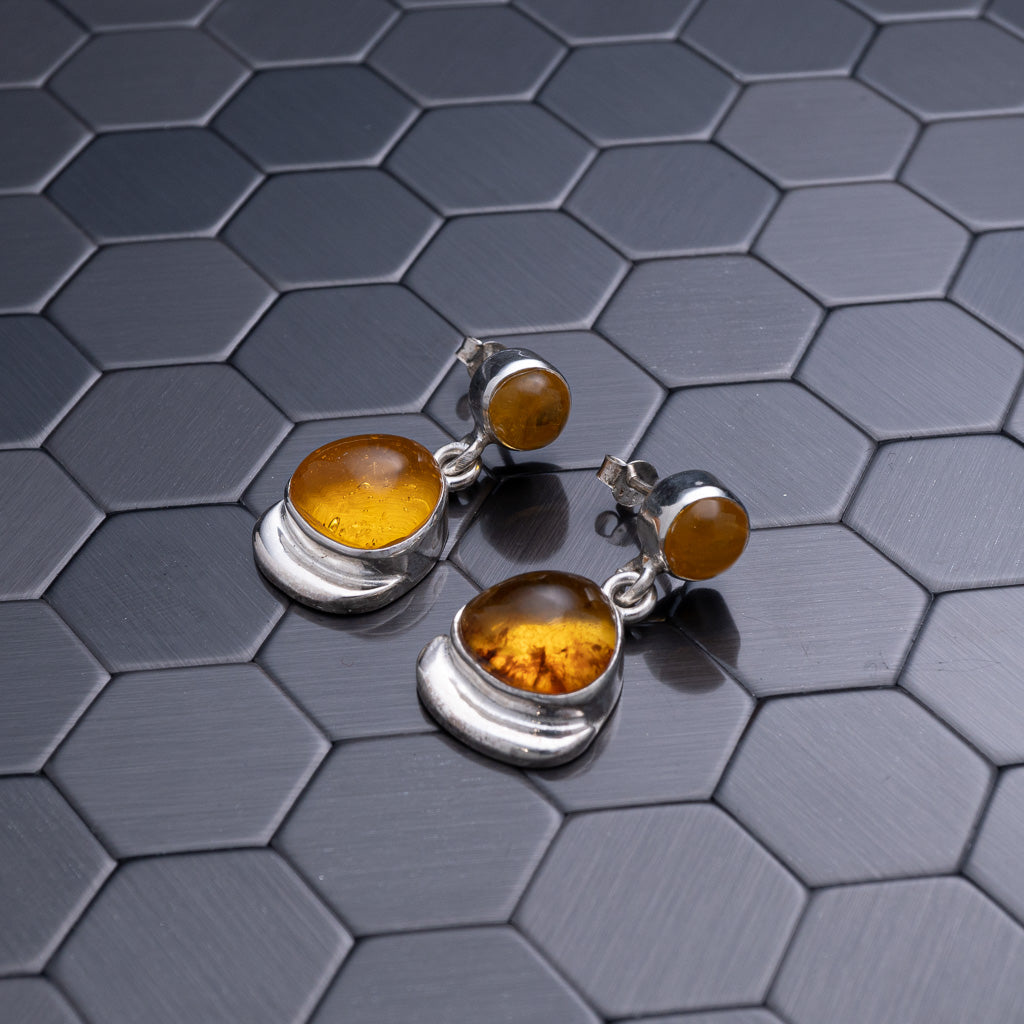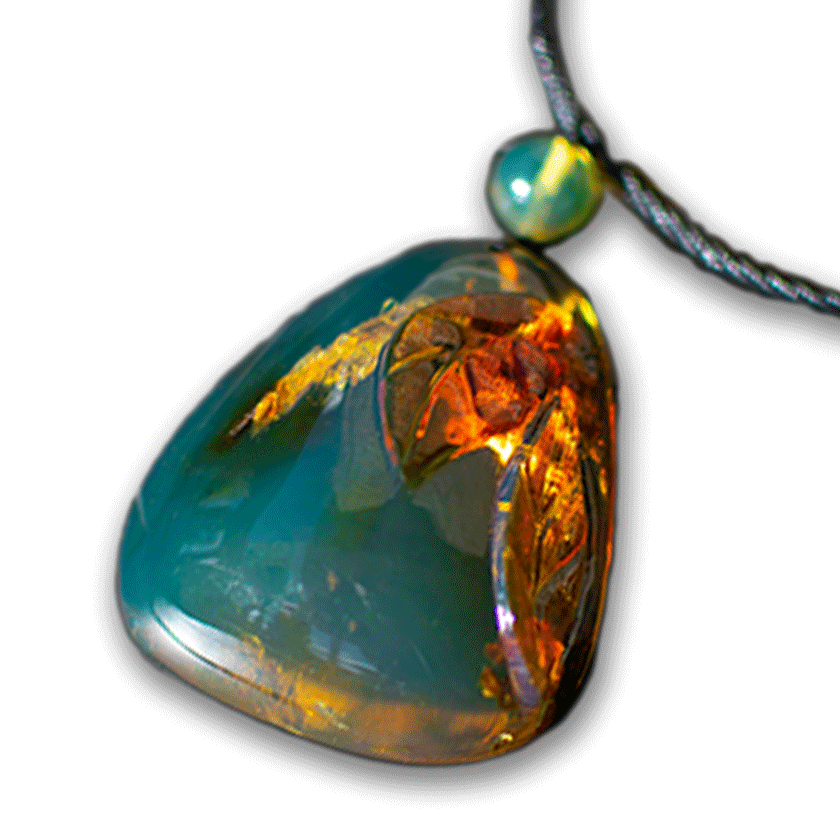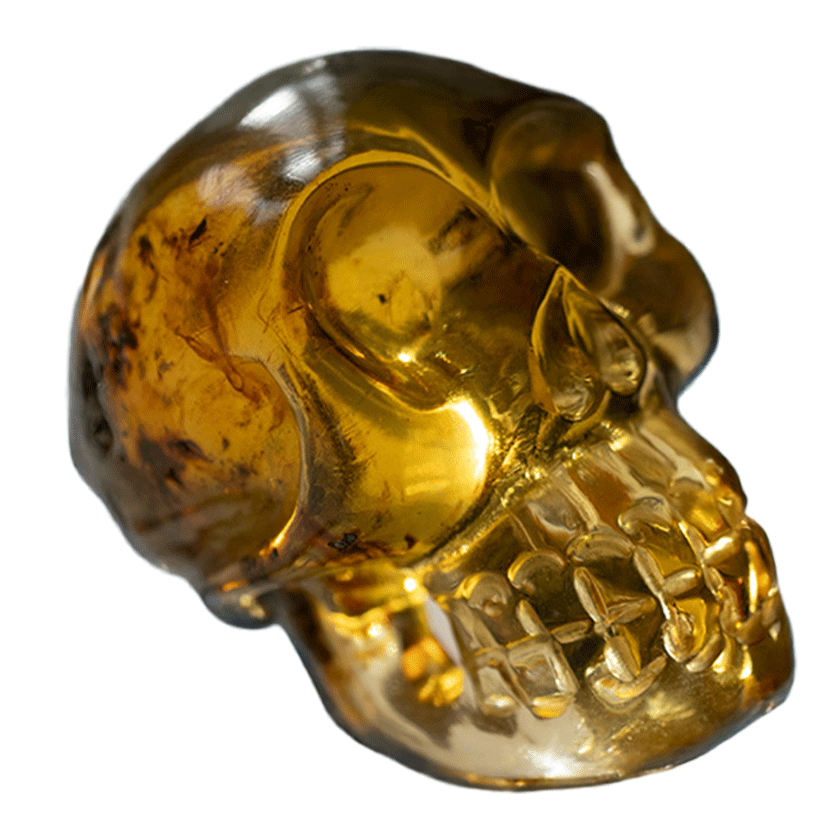


Handcrafted in DR.

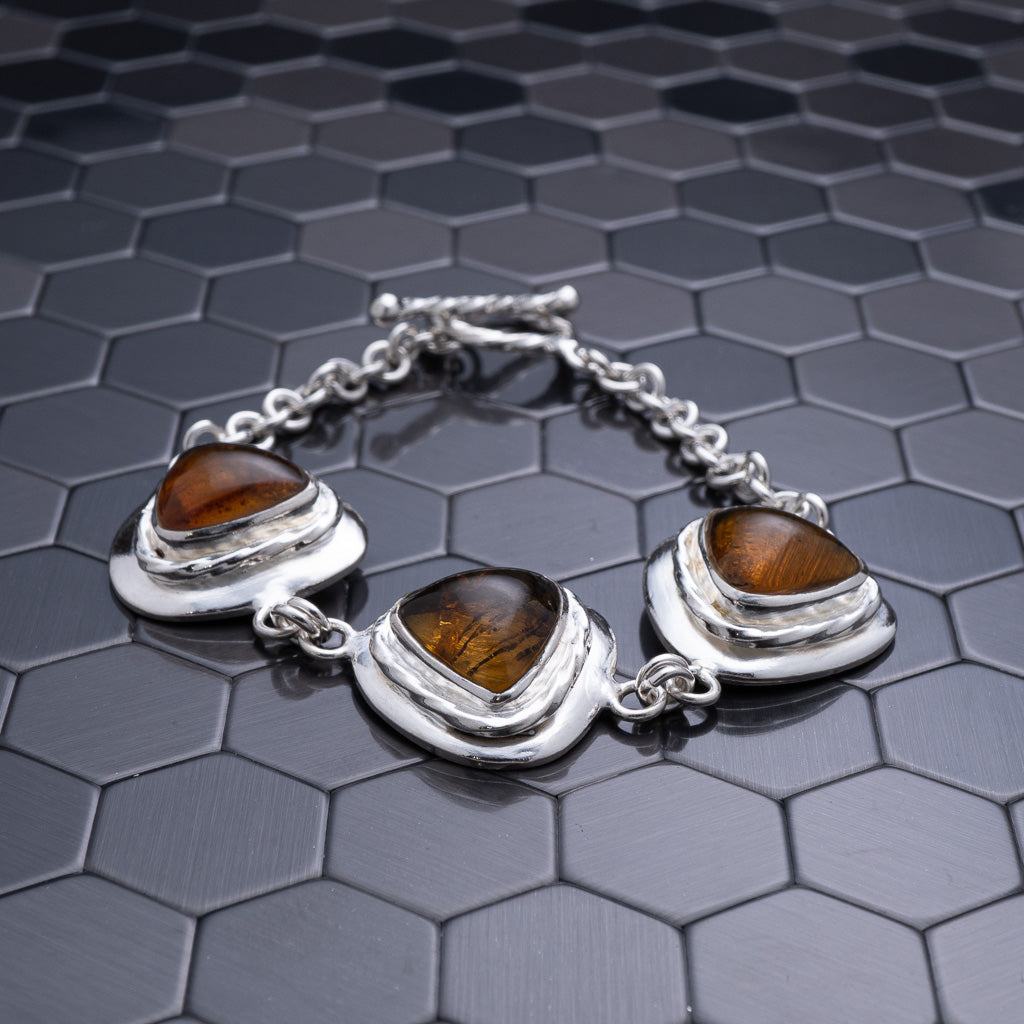
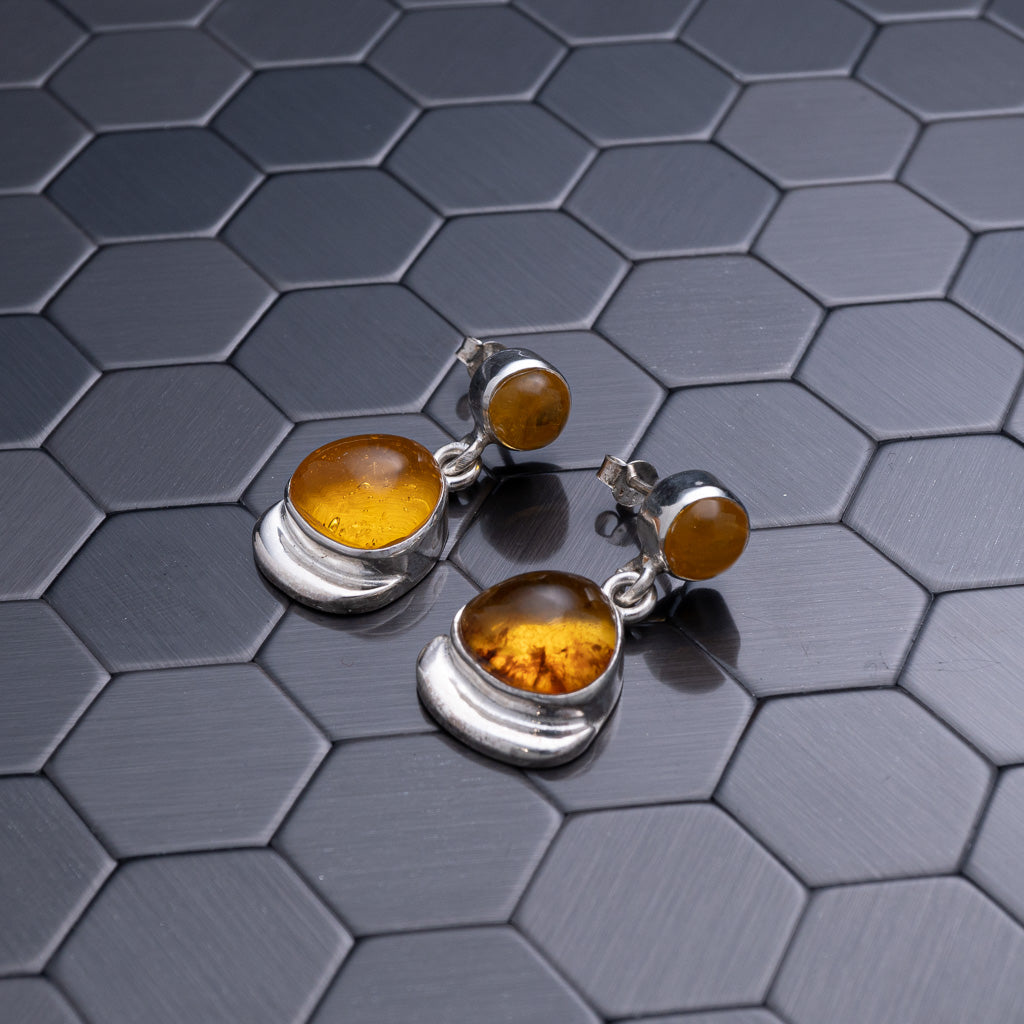


100% Handcrafted in DR.

A 925 silver necklace represents one of the most popular and accessible forms of fine jewelry, combining the beauty of precious metal with everyday wearability. The "925" marking indicates sterling silver, a specific alloy composition that has been the jewelry industry standard for centuries. Understanding what makes these necklaces valuable, how to verify their authenticity, and how to maintain their lustrous appearance helps buyers make informed decisions whether purchasing for themselves or as gifts. This comprehensive guide explores the technical composition, quality indicators, styling options, and care requirements that every 925 silver necklace owner should know.
The numerical designation "925" refers to the precise metallurgical composition of sterling silver. This mark indicates that the metal contains 92.5% pure silver and 7.5% other metals, typically copper. Pure silver alone is too soft for most jewelry applications, making it prone to bending, scratching, and deformation with regular wear.
The addition of copper and occasionally other metals creates a durable alloy that retains silver's beautiful appearance while providing structural integrity. This standard composition has remained consistent across the jewelry industry for generations, making it a reliable benchmark for quality.
Pure silver, also known as fine silver, measures 99.9% purity but lacks the hardness needed for daily wear jewelry. A necklace made from pure silver would bend out of shape, develop deep scratches, and lose its form within weeks of regular use.
The copper content in 925 silver increases hardness significantly without substantially altering the metal's appearance. This balance allows jewelers to create intricate designs, secure settings, and durable clasps that withstand years of use. The alloying process also affects how the metal responds to different finishing techniques, from high polish to matte textures.
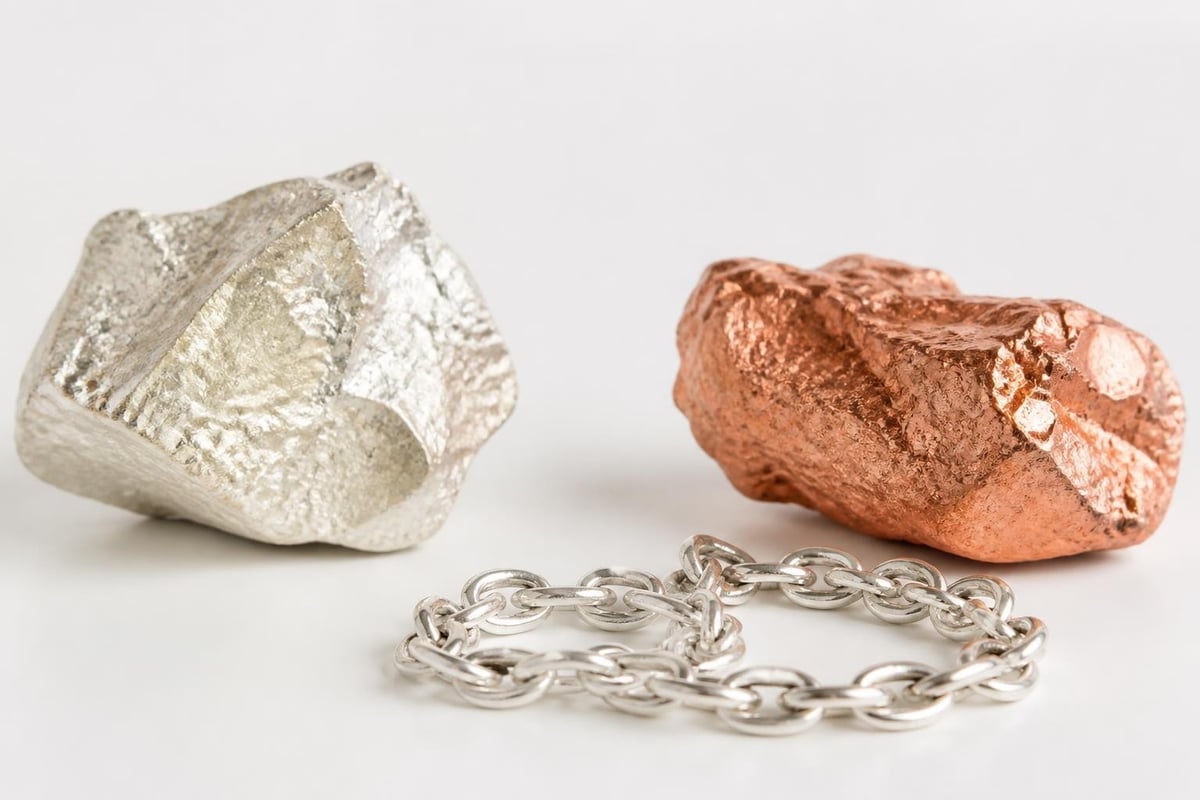
Verifying the authenticity of a 925 silver necklace protects buyers from counterfeit products and ensures they receive genuine sterling silver. Understanding the metallurgy of 925 silver necklaces helps identify authentic pieces through multiple verification methods.
The most straightforward authentication method involves locating and examining the hallmark stamp. Legitimate sterling silver necklaces feature a "925" stamp, often accompanied by additional marks indicating the manufacturer or country of origin. Common variations include:
The stamp typically appears on the clasp, a small tag near the clasp, or on decorative elements. Use a jeweler's loupe or magnifying glass to examine these marks closely, as counterfeit pieces sometimes feature poorly struck or irregular stamps.
Beyond visual inspection, several physical tests help confirm authenticity:
| Test Method | Procedure | Expected Result |
|---|---|---|
| Magnet Test | Hold a strong magnet near the necklace | No magnetic attraction (silver is non-magnetic) |
| Ice Test | Place ice on the metal surface | Rapid ice melting (silver conducts heat efficiently) |
| Smell Test | Rub the metal and smell your fingers | No odor (fake metals often produce metallic smell) |
| Weight Test | Compare to known sterling pieces | Substantial weight (heavier than plated alternatives) |
Professional jewelers can perform acid tests or electronic testing for definitive verification. These methods provide absolute confirmation when purchasing high-value pieces or vintage necklaces where authenticity questions arise.
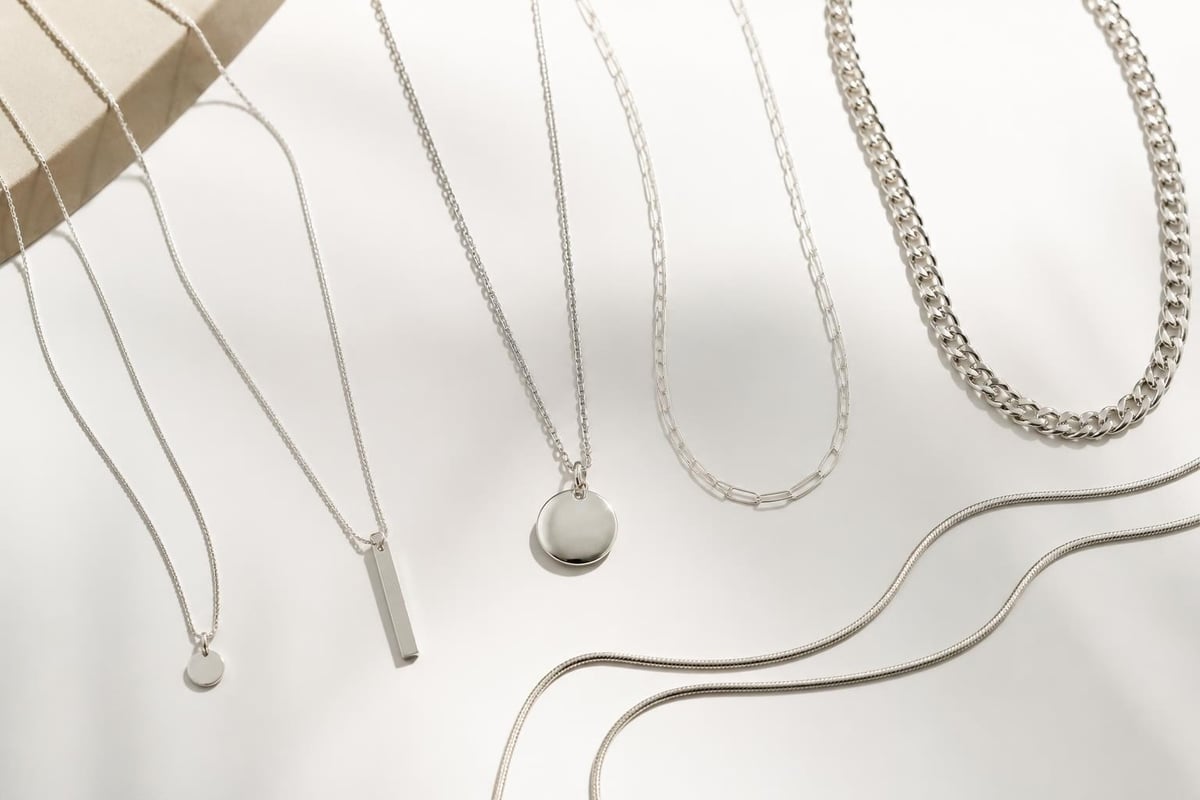
The versatility of 925 silver allows jewelers to create an extensive range of necklace styles suitable for various occasions and preferences. Understanding these categories helps buyers select pieces that align with their personal style and intended use.
Different chain lengths affect how a 925 silver necklace fits and appears when worn. Common options include:
Chain link patterns range from delicate cable chains to substantial curb designs. Figaro, rope, box, and snake chains each offer distinct visual textures and durability characteristics.
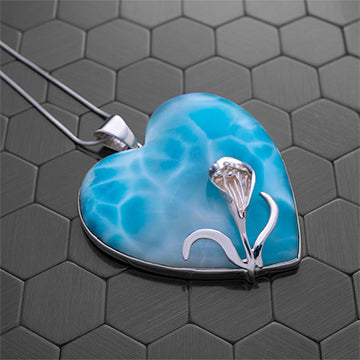
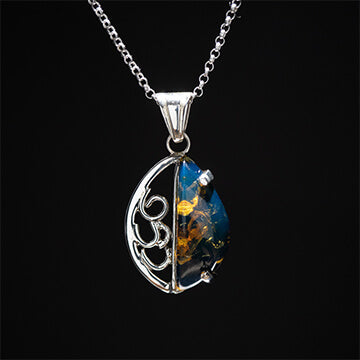
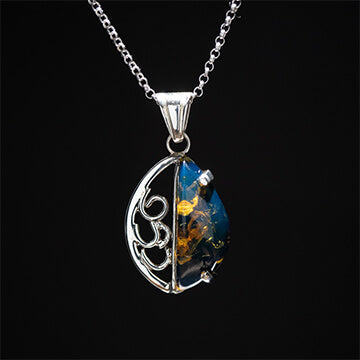
A 925 silver necklace often serves as the foundation for pendant jewelry. The combination of sterling silver chains with gemstone pendants creates opportunities for personalization and meaningful symbolism. When pairing gemstones with silver, consider how the cool tone of silver complements different stones.
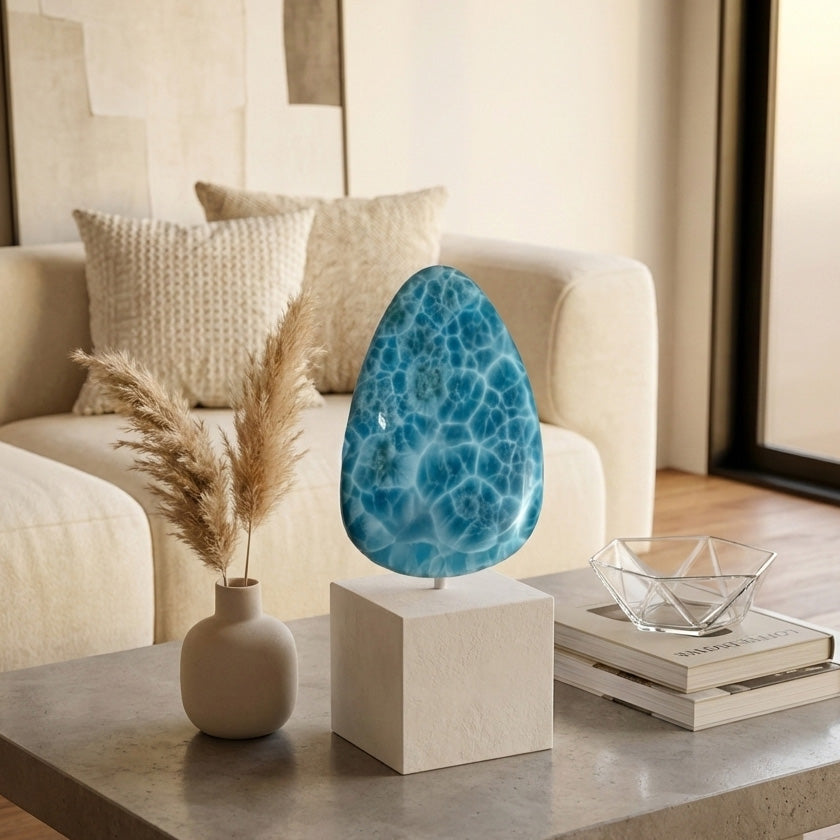
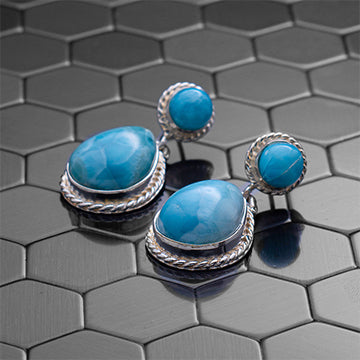
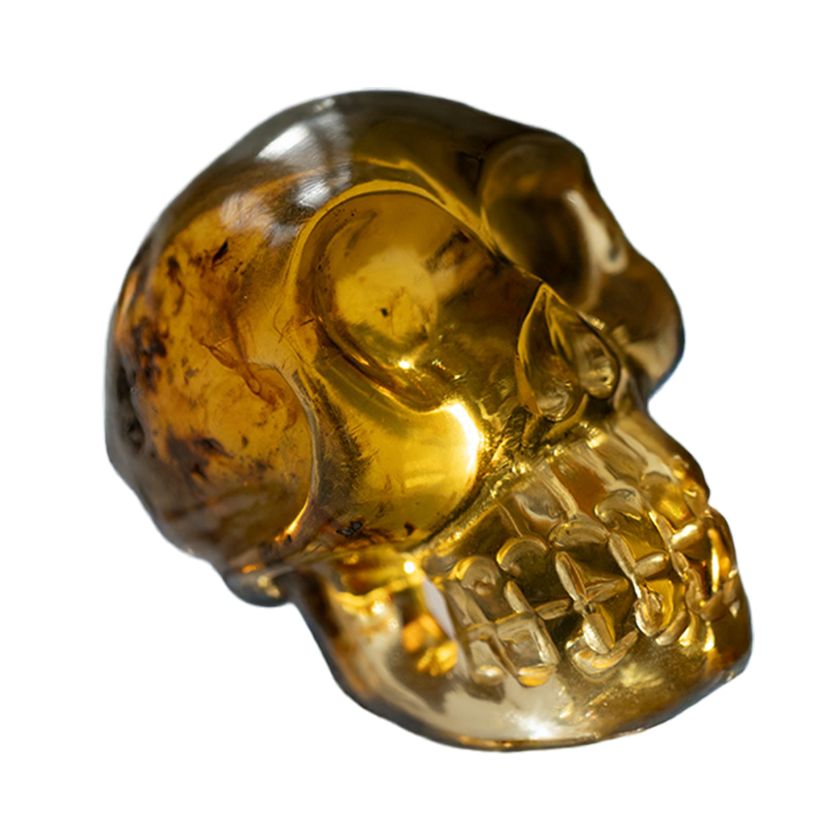
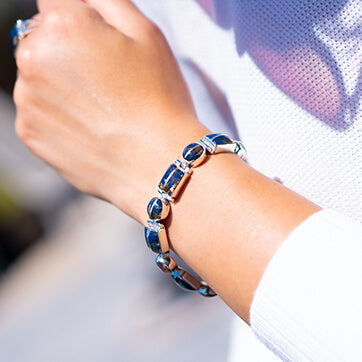
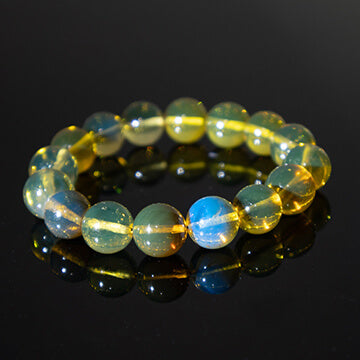
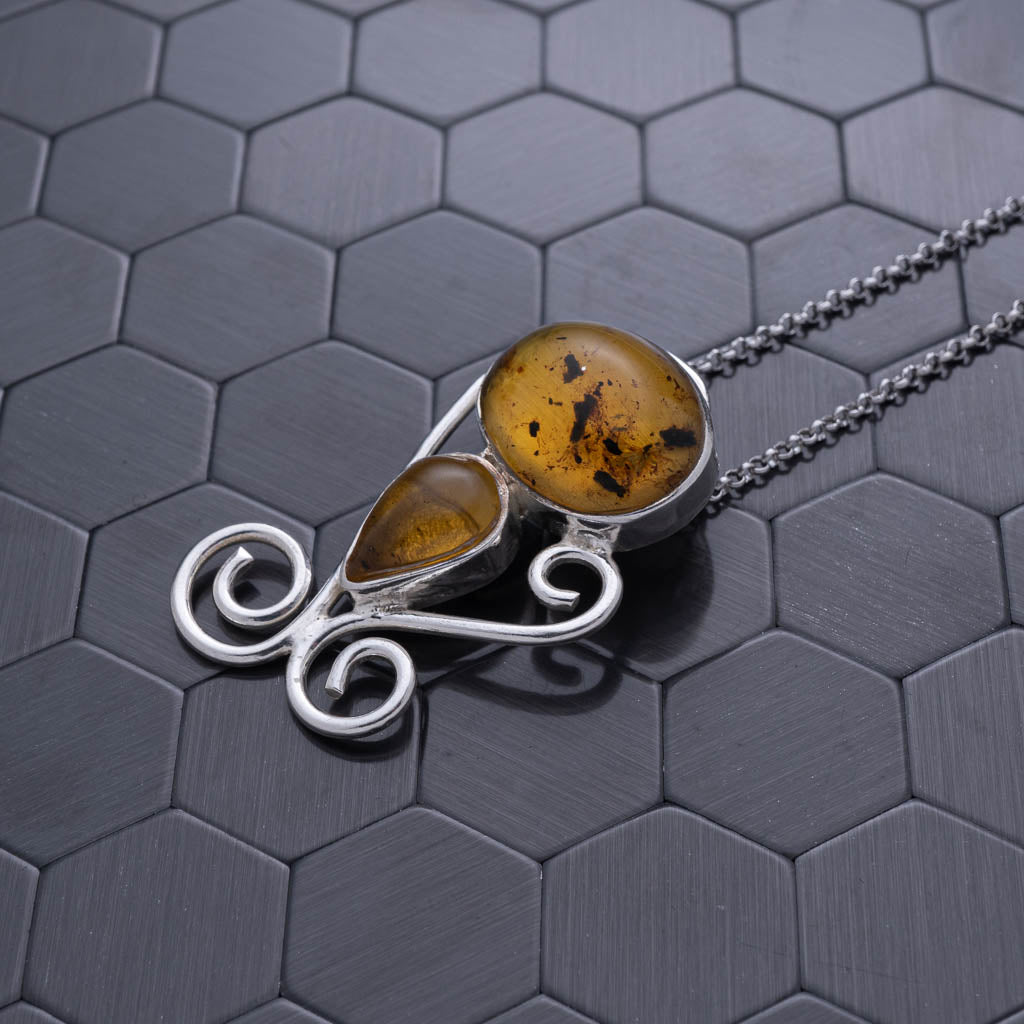
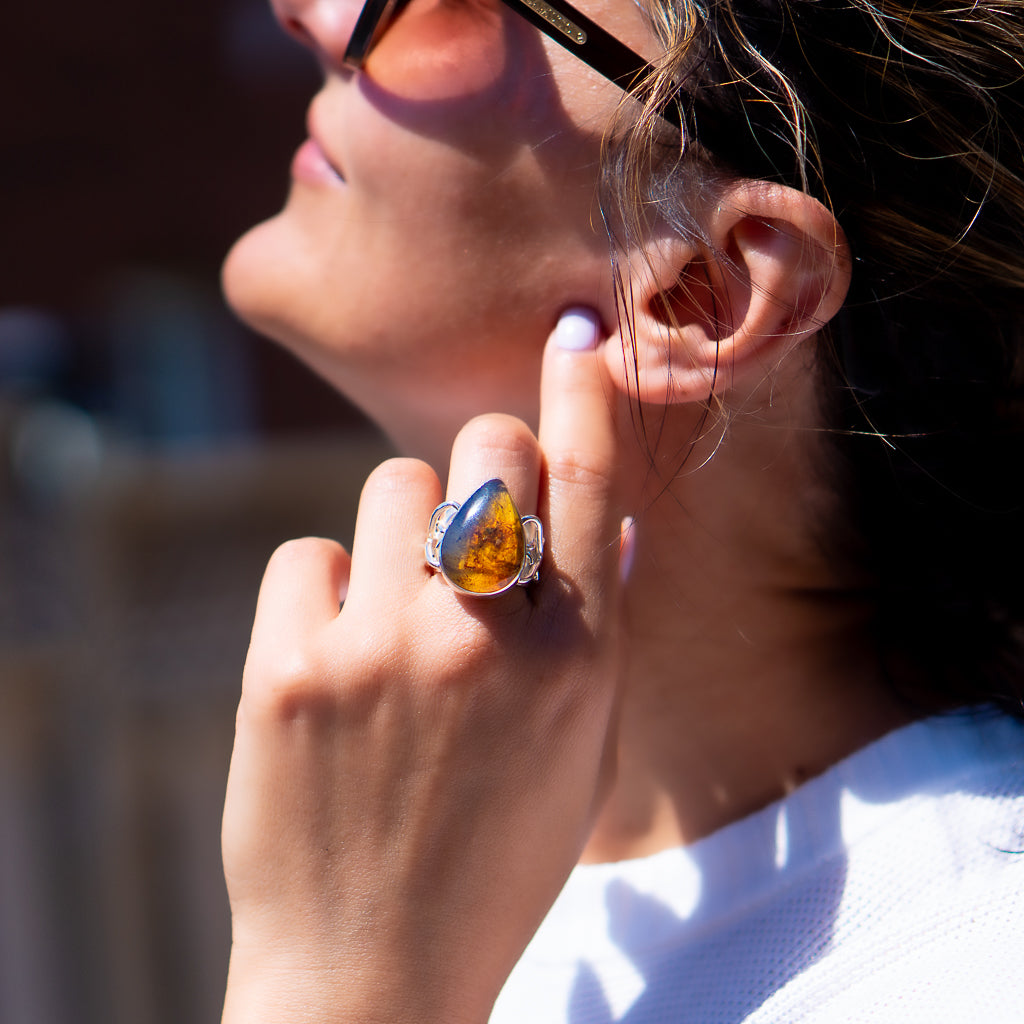
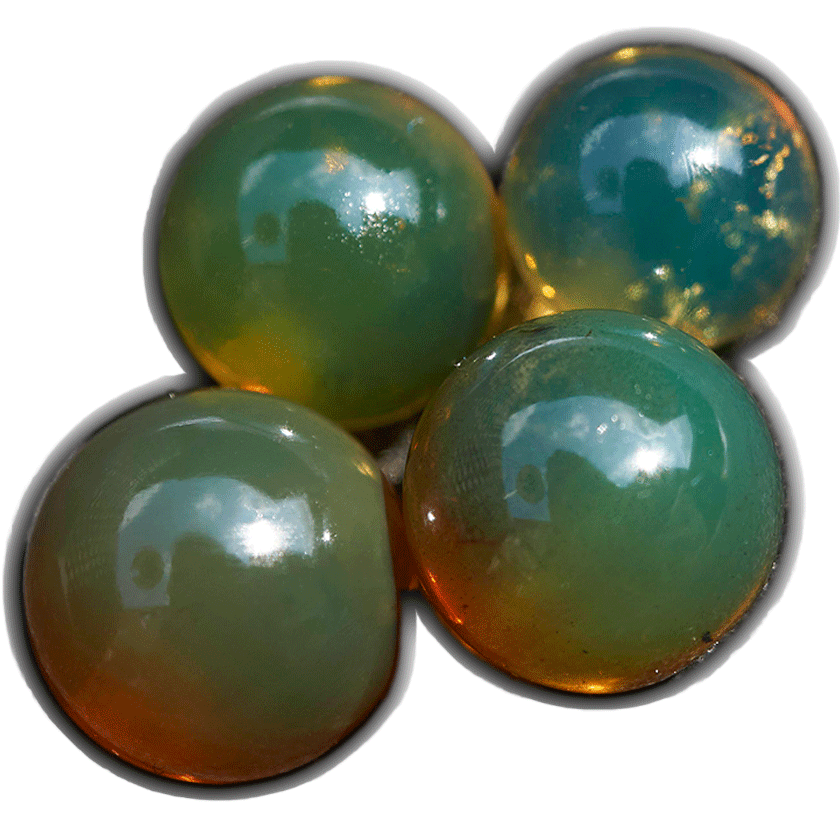
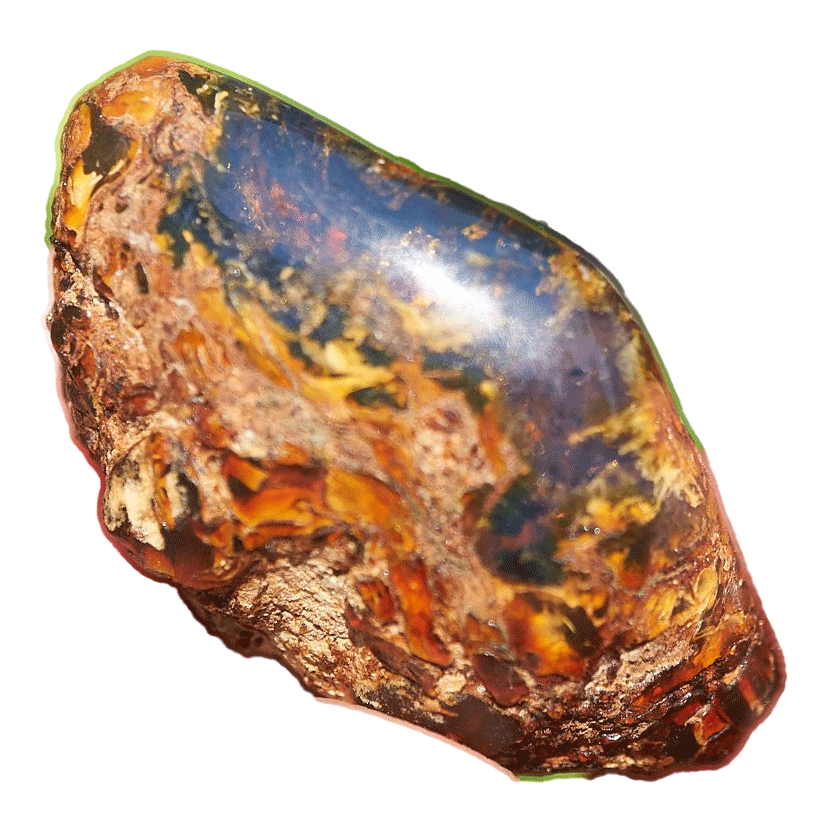
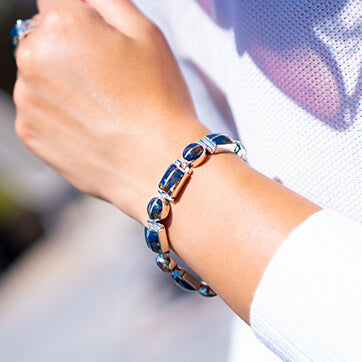
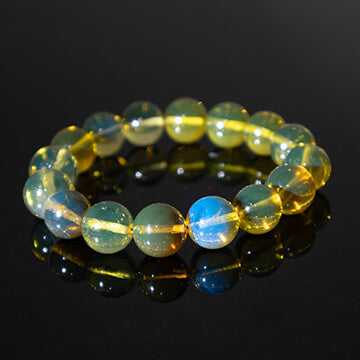
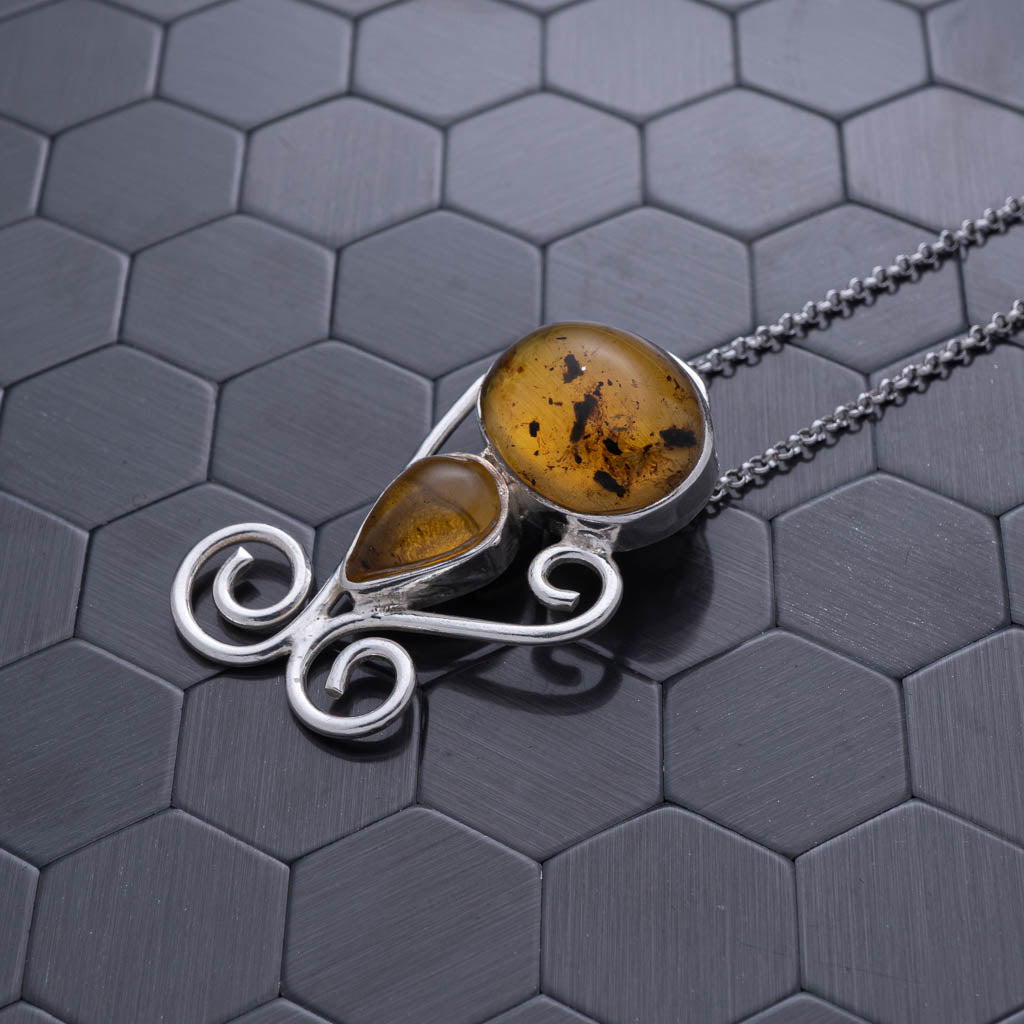
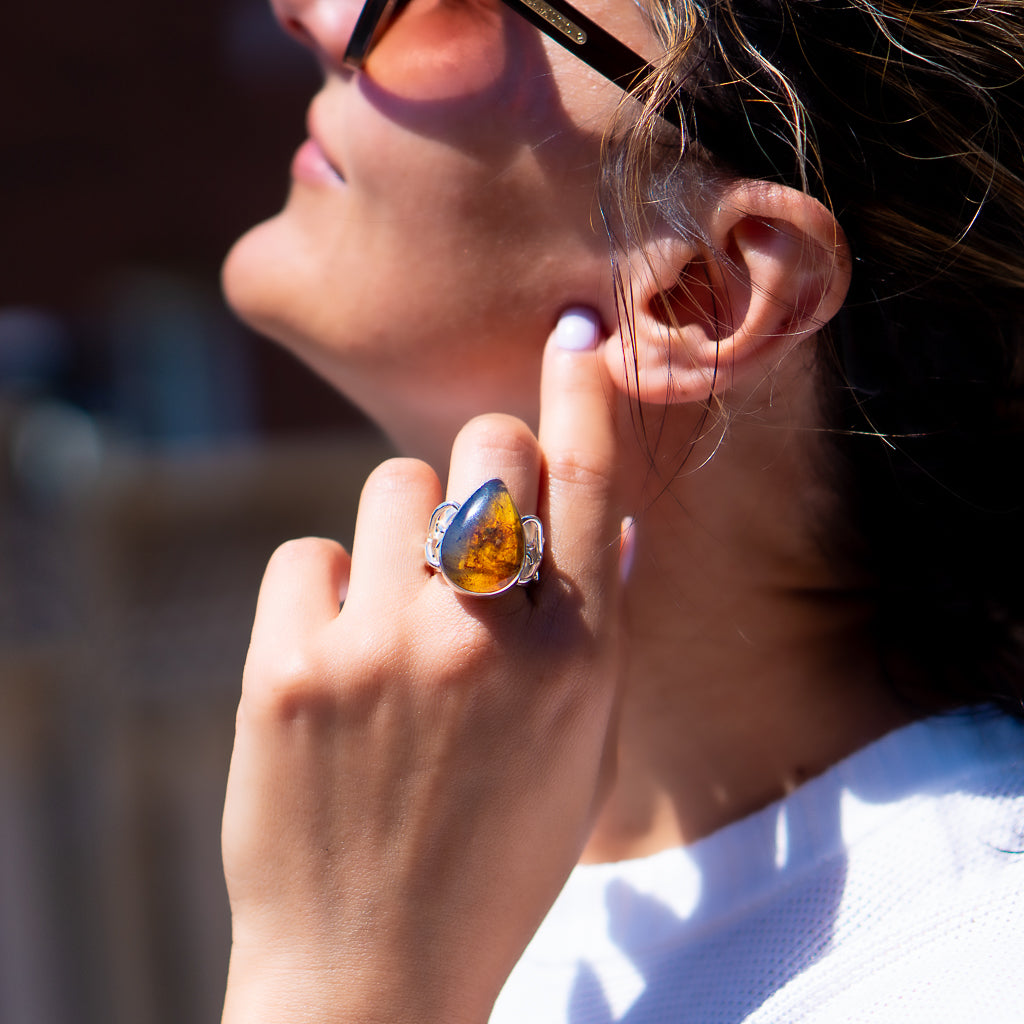
For instance, pairing pendants with sterling silver necklaces requires attention to proportion, with the chain thickness balancing the pendant's visual weight. Blue gemstones like larimar create striking contrasts against silver's bright finish, while amber provides warm color variation that enhances silver's cool elegance.
Not all 925 silver necklaces exhibit the same level of quality despite sharing identical metal composition. Discerning buyers should evaluate multiple factors beyond the hallmark stamp when selecting pieces.
Examine these critical construction elements:
Selecting high-quality 925 silver choker necklaces requires attention to these details, as superior craftsmanship directly impacts longevity and wearing comfort.
Many manufacturers apply rhodium plating to 925 silver necklaces to enhance appearance and reduce tarnishing. This thin layer of rhodium, a platinum-family metal, provides:
While rhodium plating offers benefits, it eventually wears through with use, requiring professional replating every few years. Some buyers prefer the natural patina that unplated sterling silver develops, finding the subtle color variations appealing.
Proper maintenance preserves the beauty of a 925 silver necklace and extends its lifespan. Sterling silver requires more attention than some alternative metals but rewards owners with enduring brilliance when properly cared for.
Tarnish occurs when silver reacts with sulfur compounds in air, water, and certain materials. This natural chemical process creates a darkened surface layer that obscures silver's natural luster. Prevention strategies include:
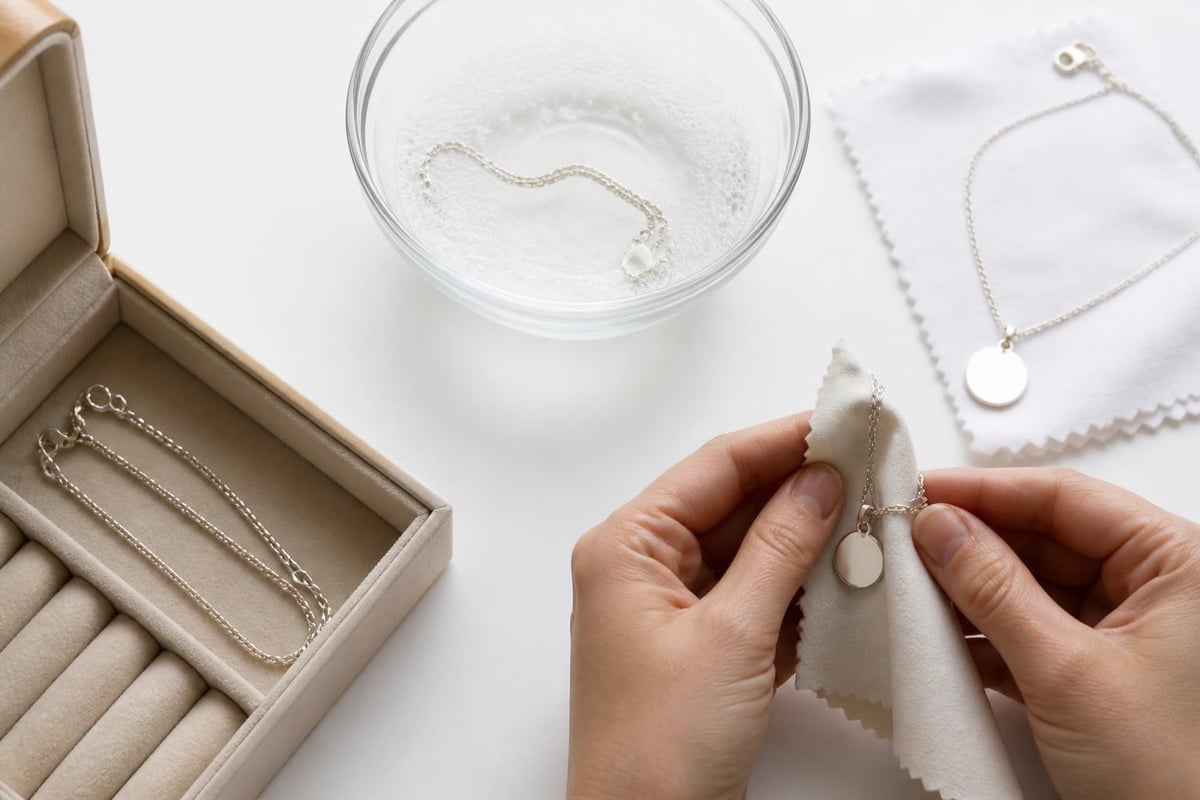
When tarnish appears, several cleaning methods restore shine:
Never use harsh chemicals, abrasive materials, or automatic dishwashers, as these can damage the metal's surface and remove intentional oxidation in detailed designs.
Proper storage significantly impacts how frequently a 925 silver necklace requires cleaning. Individual storage prevents scratching from contact with other jewelry and limits air exposure that accelerates tarnishing.
Consider these storage solutions:
| Storage Method | Benefits | Best For |
|---|---|---|
| Anti-tarnish pouches | Absorbs sulfur compounds | Daily wear pieces |
| Lined jewelry boxes | Organized separation | Collection storage |
| Hanging organizers | Prevents tangling | Chain necklaces |
| Sealed plastic bags | Maximum air restriction | Long-term storage |
Place chalk or silica gel packets in storage containers to absorb moisture and further slow tarnish development.
A 925 silver necklace represents both aesthetic enjoyment and tangible asset ownership. Understanding the factors that influence pricing helps buyers evaluate fair market value and make informed purchasing decisions.
Multiple variables affect the cost of sterling silver necklaces:
The base silver content provides inherent value, with current market prices determining the minimum worth based on weight. Artisanal work, unique designs, and precious stone inclusions add value beyond the raw material cost.
When evaluating different 925 silver necklaces, consider cost per gram of silver alongside aesthetic preferences. A simple chain might offer better metal value, while an ornate design provides artistic merit that justifies higher pricing.
Machine-made chains typically cost less than handcrafted alternatives but may lack the character and uniqueness of artisan work. Choosing silver necklaces requires balancing quality factors with personal preferences and budget constraints.
The neutral appearance of a 925 silver necklace makes it extraordinarily versatile across different wardrobes and occasions. This adaptability explains why sterling silver remains consistently popular despite fashion trends favoring various metals.
Mixing metals has become widely accepted in contemporary jewelry styling. A 925 silver necklace pairs successfully with:
This flexibility allows wearers to build cohesive jewelry wardrobes without strict matching requirements, expanding styling possibilities significantly.
Wearing multiple necklaces simultaneously creates dimensional visual effects. Successful layering with 925 silver necklaces involves:
Delicate chains work beautifully for layering, while statement pieces typically stand alone. Experiment with different combinations to discover personally appealing arrangements.
Many individuals choose a 925 silver necklace specifically for its hypoallergenic properties. While pure silver rarely causes allergic reactions, the copper content in sterling silver occasionally triggers sensitivity in highly reactive individuals.
The most common jewelry metal allergy involves nickel, which does not appear in standard 925 silver composition. This makes sterling silver an excellent alternative for those who react to costume jewelry or lower-quality metal alloys.
However, verify that the specific piece contains only copper as the alloying metal. Some manufacturers use alternative alloys that may include trace nickel amounts. Understanding what 925 sterling silver contains helps those with sensitivities make safe purchasing decisions.
Silver possesses natural antimicrobial properties that inhibit bacterial growth on its surface. While a 925 silver necklace worn around the neck provides minimal health benefits compared to medical applications, the metal's cleanliness characteristics contribute to skin comfort during extended wear.
Regular cleaning maintains these hygienic properties and prevents buildup of oils, dead skin cells, and environmental debris that accumulate during normal use.
Conscious consumers increasingly consider the environmental and social impact of their jewelry purchases. A 925 silver necklace from responsible sources supports sustainable practices and ethical labor conditions.
Sterling silver jewelry can be manufactured from recycled metal without quality compromise. Recycled silver possesses identical properties to newly mined material while reducing:
Many manufacturers now advertise recycled silver content, allowing buyers to make environmentally conscious choices. The recycling process involves melting existing silver items and refining the metal to appropriate purity levels before alloying to 925 standard.
Look for manufacturers who provide transparency about their silver sources and production processes. Certifications from organizations like the Responsible Jewellery Council indicate adherence to ethical standards covering:
While these certifications add complexity to purchasing decisions, they ensure that a 925 silver necklace supports responsible business practices throughout its creation.
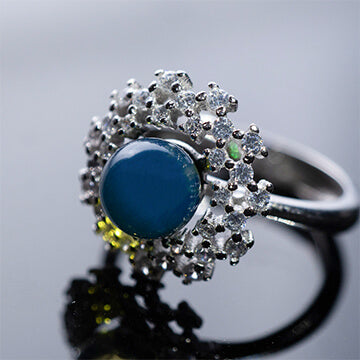
The cool tone and neutral appearance of a 925 silver necklace creates an ideal foundation for showcasing colored gemstones. The metal's versatility allows it to complement virtually any stone color while providing secure, durable settings.
Understanding how different gemstone colors interact with silver helps create visually harmonious combinations:
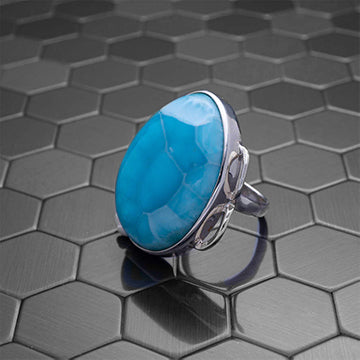
The choice between gemstone and metal often depends on personal coloring, with cool skin tones particularly complemented by silver and blue stone combinations. For those seeking unique gemstone options, exploring larimar pendants reveals how rare Caribbean stones create distinctive sterling silver jewelry with oceanic blue hues that perfectly complement the metal's brightness.
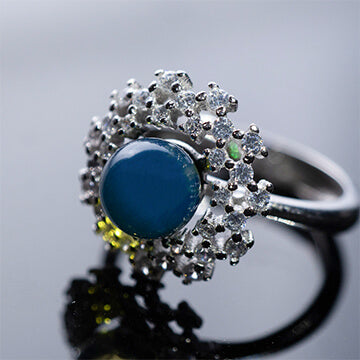
How gemstones attach to a 925 silver necklace affects both aesthetics and stone security. Common setting types include:
| Setting Style | Description | Best For |
|---|---|---|
| Bezel | Metal rim surrounds stone | Active lifestyles |
| Prong | Metal claws hold stone | Maximum light exposure |
| Channel | Stones set in metal groove | Multiple small stones |
| Tension | Pressure holds stone | Modern aesthetics |
Higher-quality settings feature precise craftsmanship with smooth finishes that protect both skin and clothing from catches or snags.
Recognizing warning signs helps buyers avoid inferior 925 silver necklaces that fail to meet quality standards. Learning about 925 jewelry authenticity empowers informed purchasing decisions.
Watch for these indicators of substandard construction:
Extremely inexpensive pieces claiming 925 silver composition often contain less silver than marked or use silver plating over base metals. While bargains exist, prices substantially below market norms warrant skepticism and additional verification.
Buy from established jewelers, certified retailers, or artisans with verifiable track records. Request documentation including:
Online purchases should include clear photographs showing hallmarks, clasp details, and overall construction. Read customer reviews focusing on quality comments rather than just aesthetic praise.
A 925 silver necklace combines precious metal value with everyday wearability, offering timeless beauty that transcends temporary fashion trends. Understanding composition, authentication methods, and proper care ensures your sterling silver jewelry maintains its lustrous appearance for generations. Whether you're drawn to the cool elegance of silver chains or the striking combinations possible with gemstone pendants, informed selection and maintenance maximizes both enjoyment and investment value. Larimar Creations specializes in pairing exceptional 925 sterling silver with rare Caribbean gemstones, creating distinctive pendant necklaces that showcase both the metal's brilliance and the unique beauty of larimar and Dominican blue amber, with worldwide shipping bringing these handcrafted treasures to discerning jewelry enthusiasts globally.