Your Cart is Empty

Larimar stands as one of Earth's rarest gemstones, found exclusively in a single mountain range in the Dominican Republic. This comprehensive larimar-guide explores everything from the stone's geological origins to practical buying advice, helping both collectors and jewelry enthusiasts understand what makes this blue gemstone so exceptional. Whether you're considering your first purchase or deepening your knowledge about this Caribbean treasure, understanding Larimar's unique characteristics ensures informed decisions and lasting appreciation for this remarkable mineral.
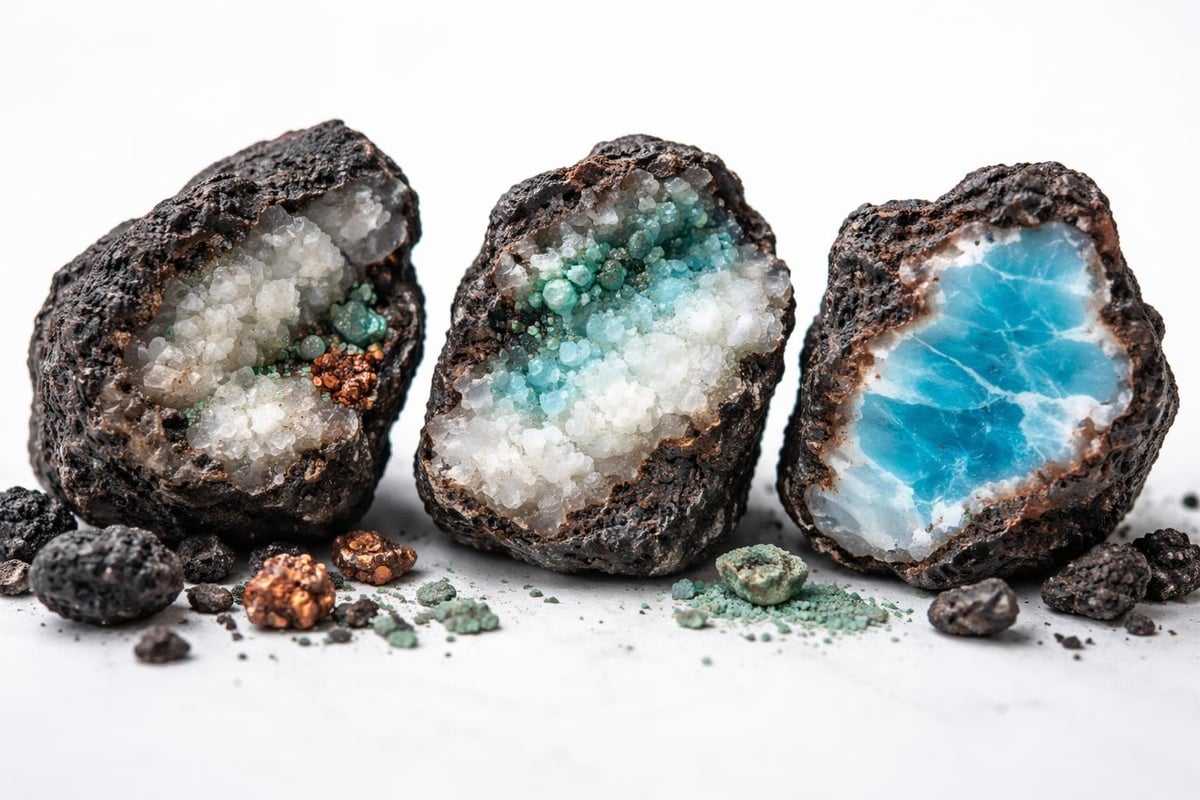
Larimar represents a rare variety of pectolite, distinguished by its extraordinary blue coloration resulting from copper substitution during crystallization. The gemstone formed millions of years ago through volcanic activity in the Bahoruco Mountain Range, where hot gases pushed minerals through tubular cavities in basaltic lava. This specific geological process occurred only in this isolated region of the Dominican Republic, making Larimar's formation both scientifically fascinating and commercially significant.
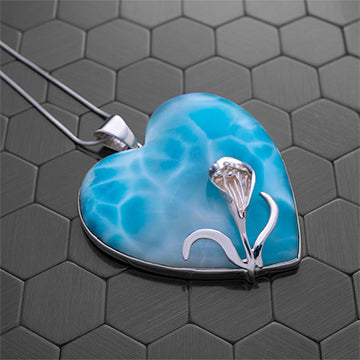
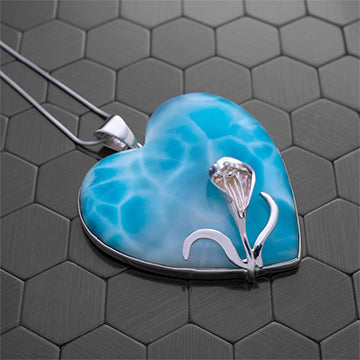
The blue hues range dramatically from pale sky blue to intense volcanic blue, with variations depending on copper concentration and mineral composition. White calcite inclusions create distinctive patterns resembling ocean waves or cirrus clouds, contributing to Larimar's visual appeal. Geologists have documented Larimar's unique formation within specific volcanic conditions that haven't been replicated elsewhere on Earth.
Although local inhabitants knew about blue stones in the region for decades, Larimar's official discovery occurred in 1974 when Miguel Méndez and Peace Corps volunteer Norman Rilling found specimens near the village of Barahona. Méndez combined his daughter's name, Larissa, with "mar" (Spanish for sea) to create the name Larimar. This relatively recent discovery explains why Larimar remains less known than gemstones with centuries of documented history.
The gemstone quickly gained cultural importance in the Dominican Republic, becoming a national symbol and significant economic resource for mining communities. The history and exclusive location of Larimar mining has created a robust artisan economy centered around gemstone extraction and craftsmanship.
Any reliable larimar-guide must address authentication, as the gemstone's value has led to numerous imitations flooding the market. Authentic Larimar exhibits specific physical characteristics that distinguish it from substitutes like dyed howlite, blue calcite, or synthetic materials.
Hardness and Durability
Visual Properties
Testing Methods
Understanding how to identify authentic Larimar protects buyers from fraudulent sellers and ensures investment value. The natural variations in color and pattern mean no two pieces are identical, making each genuine Larimar specimen unique.
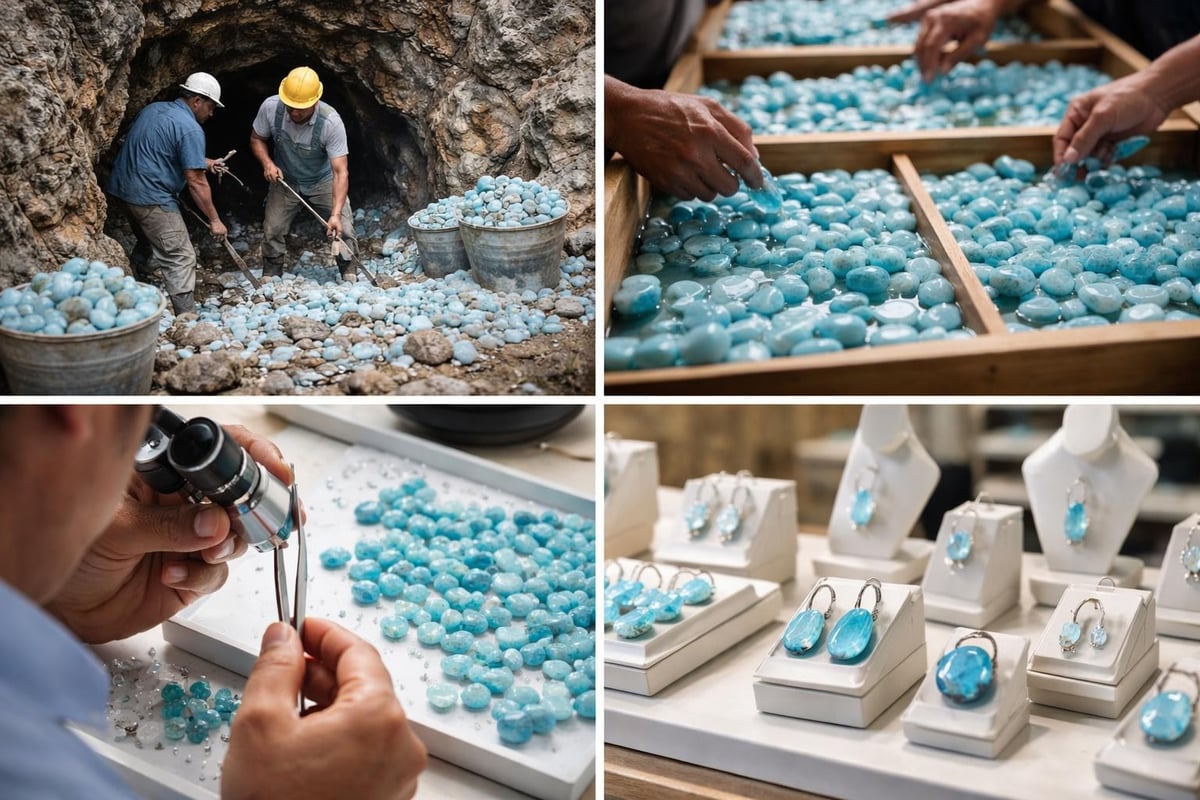
The Larimar mining process presents significant challenges that directly impact availability and pricing. Extraction occurs through small-scale operations in the Los Chupaderos mine near Bahoruco, where miners work manually in difficult terrain. Unlike large industrial gemstone operations, Larimar mining remains labor-intensive and weather-dependent.
The limited geographic source creates natural scarcity, but additional factors compound availability issues. Rainy seasons make mountainous mining areas inaccessible for months. Political and economic conditions in the Dominican Republic influence mining consistency. Environmental concerns have led to increased regulations protecting the fragile ecosystem surrounding mining zones.
| Challenge Category | Impact on Production | Market Effect |
|---|---|---|
| Geographic Limitation | Single 1km² area | High rarity premium |
| Weather Dependency | Seasonal shutdowns | Supply fluctuations |
| Manual Extraction | Limited daily output | Higher labor costs |
| Depth Accessibility | Decreasing surface deposits | Rising prices |
These constraints ensure that genuine Larimar maintains significant value, particularly for specimens exhibiting intense coloration and minimal white inclusions. Understanding these production realities helps buyers appreciate why quality pieces command premium prices in today's market.
This larimar-guide section addresses the critical factors determining gemstone value, helping buyers make informed purchasing decisions. Quality assessment combines objective criteria with subjective aesthetic preferences, though certain standards universally indicate superior specimens.
Color Intensity Deep volcanic blue commands the highest prices, while pale blue specimens cost considerably less. The most desirable shade resembles pristine Caribbean waters with saturated blue tones. Medium blue stones with consistent coloration offer excellent value for buyers balancing quality and budget.
Pattern and Inclusions White calcite creates natural patterns that some collectors prize, while others prefer uniform blue coloration. Fine, lacy white patterns resembling ocean foam enhance appeal, whereas chunky white sections reduce value. The pattern distribution significantly affects both beauty and price.
Translucency Higher translucency generally indicates superior quality, allowing light to pass through the stone and creating depth. Completely opaque specimens, while authentic, typically cost less than translucent pieces. The interplay between translucency and color creates the gemstone's visual impact.
Size and Shape Larger specimens become exponentially rarer and more valuable. Well-proportioned cuts that maximize color display command premiums over irregular shapes. Cabochon cuts remain most popular for Larimar, showcasing the stone's patterns and translucency effectively.
When selecting Larimar jewelry, understanding how different settings protect and showcase the gemstone ensures lasting satisfaction. The stone's moderate hardness requires thoughtful design choices that balance aesthetics with durability.
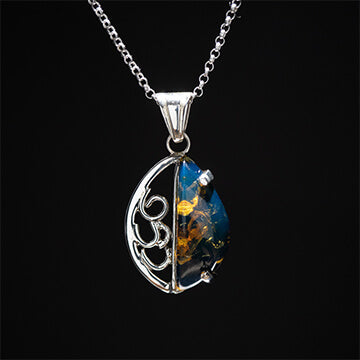
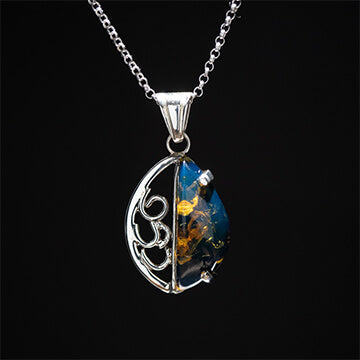
Pendants represent ideal applications for Larimar, minimizing exposure to impacts while displaying the stone prominently. Larimar pendants allow the gemstone to catch light beautifully while protected from the scratches and impacts that rings encounter daily. The pendant format also accommodates larger stones that showcase Larimar's distinctive patterns.
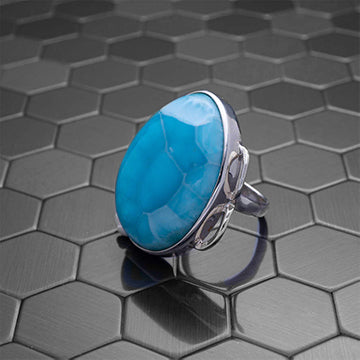
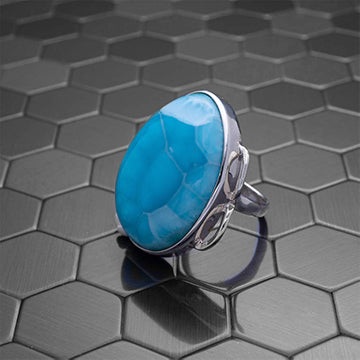
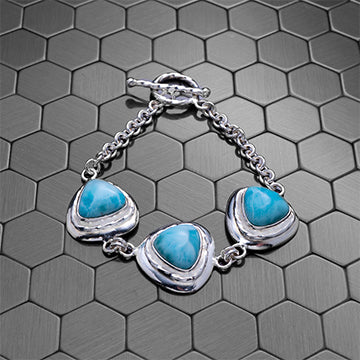
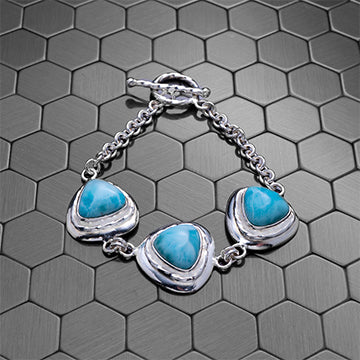
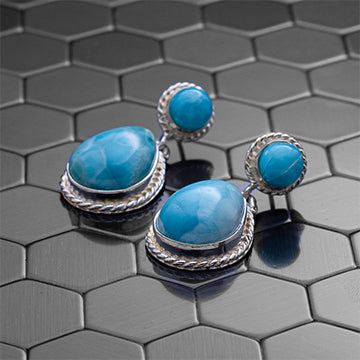
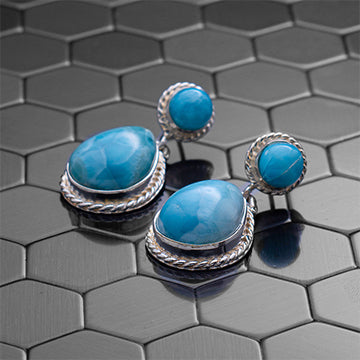
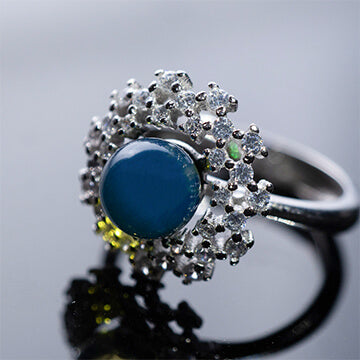
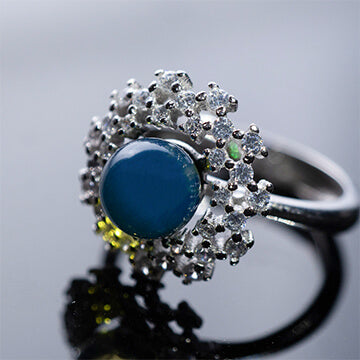
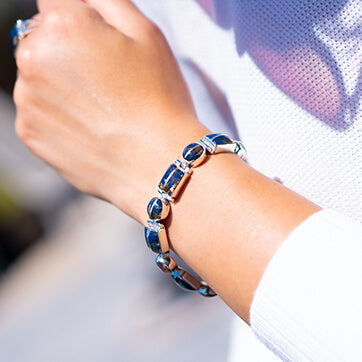
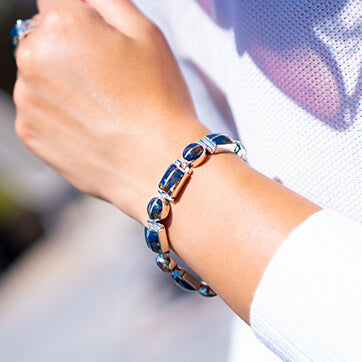
Rings require protective settings like bezels that encircle the stone's perimeter, preventing edge chips. Earrings work well for Larimar since they experience minimal contact with hard surfaces. Bracelets present moderate risk, acceptable with secure settings and careful wearing habits.
Silver complements Larimar's cool blue tones while remaining affordable and traditional in Dominican craftsmanship. White gold provides durability and contemporary appeal for modern designs. Yellow gold creates beautiful contrast, though personal preference determines whether the warm-cool combination appeals. The metal choice should enhance rather than compete with Larimar's natural beauty.
Preserving Larimar's beauty requires specific care practices that differ from harder gemstones like sapphires or diamonds. This larimar-guide section outlines essential maintenance routines protecting your investment for generations.
Remove Larimar jewelry before physical activities, cleaning with chemicals, or bathing in chlorinated water. The stone's moderate hardness makes it susceptible to scratching from harder materials, including other gemstones. Store pieces separately in soft cloth pouches, preventing contact with harder jewelry that could cause surface damage.
Avoid exposure to sudden temperature changes, harsh chemicals, ultrasonic cleaners, and steam cleaning equipment. These conditions can cause fracturing, color changes, or surface degradation. Perfumes, hairsprays, and cosmetics should be applied before wearing Larimar to minimize chemical contact.
Safe Cleaning Protocol
Professional jewelry care recommendations emphasize gentle handling and avoiding abrasive materials. Never use commercial jewelry cleaners unless specifically formulated for delicate gemstones. Annual professional inspection ensures settings remain secure and identifies potential issues before they cause stone loss.
Larimar pricing varies dramatically based on quality factors, seller location, and market conditions. This larimar-guide pricing section helps buyers understand reasonable price ranges and identify suspiciously low offers that likely indicate fake stones.
| Quality Grade | Color Description | Price per Carat | Finished Jewelry Premium |
|---|---|---|---|
| Premium | Deep volcanic blue | $15-$40 | 300-500% markup |
| High | Medium to dark blue | $8-$15 | 250-400% markup |
| Medium | Sky to medium blue | $4-$8 | 200-300% markup |
| Commercial | Pale blue, heavy white | $2-$4 | 150-250% markup |
Finished jewelry includes labor, design, and metal costs beyond raw gemstone value. Handcrafted artisan pieces command higher prices reflecting skilled workmanship. Mass-produced items cost less but may sacrifice quality in stone selection or setting security.
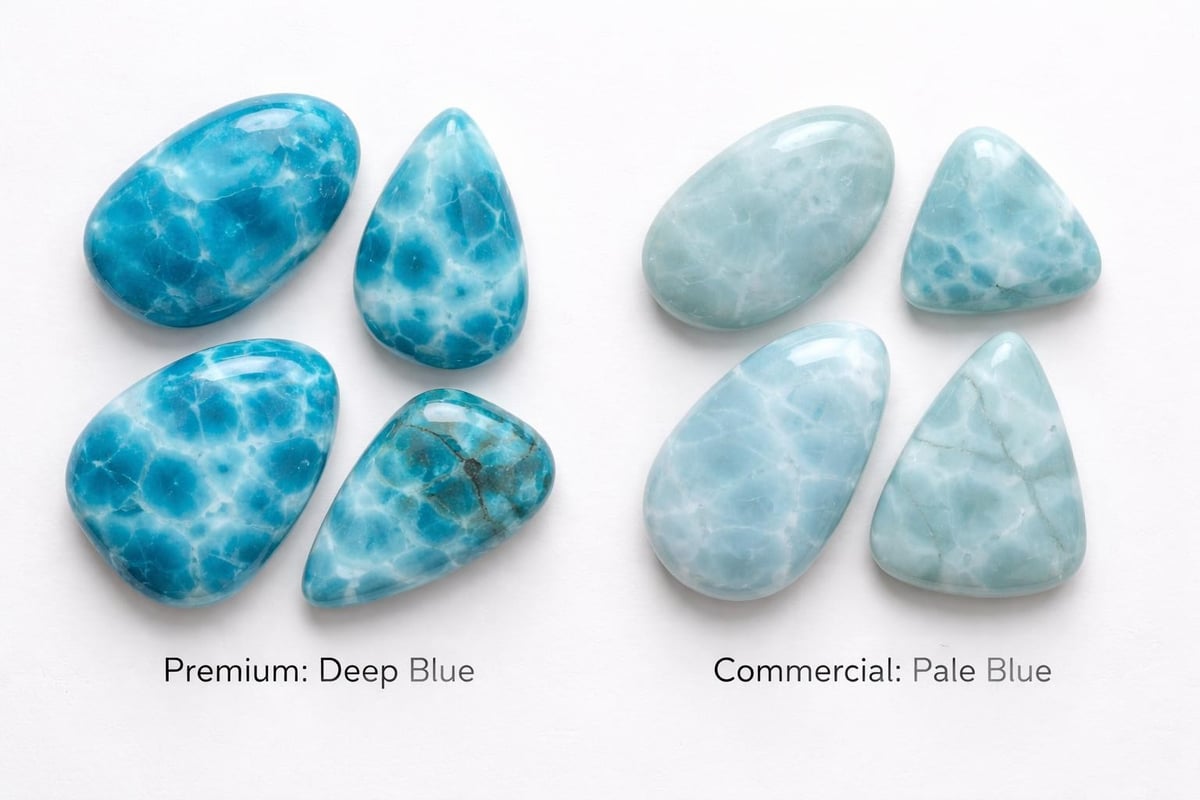
Prices significantly below market rates almost certainly indicate fake stones. Sellers unable to provide origin documentation or authenticity certificates warrant skepticism. Claims of "rare colors" like purple or green Larimar should raise concerns, as genuine Larimar exhibits only blue and white coloration. The gemstone's properties and authentic characteristics are well-documented, making verification straightforward with proper knowledge.
While scientifically unverified, many people value Larimar for perceived metaphysical properties beyond aesthetic appeal. Understanding these cultural associations provides context for the gemstone's popularity in holistic wellness communities.
Practitioners associate Larimar with calming energy, stress reduction, and emotional balance. The stone's oceanic appearance connects it symbolically to water element properties in various spiritual traditions. Some believe Larimar facilitates communication, particularly in expressing emotions constructively.
The gemstone features prominently in crystal healing practices, though these applications lack scientific validation. Users report subjective benefits including relaxation, clarity, and emotional centering. Exploring Larimar's perceived healing properties reveals widespread cultural significance beyond conventional gemology.
New Age practitioners link Larimar primarily to throat chakra work, believing it enhances communication and self-expression. Secondary associations include heart chakra connections supporting emotional healing. These metaphysical frameworks, while not scientifically supported, contribute to Larimar's appeal among certain buyer demographics.
As a single-source gemstone with finite deposits, Larimar presents interesting investment considerations. This larimar-guide section examines factors affecting long-term value retention and appreciation potential.
Limited geographic source ensures scarcity regardless of demand fluctuations. Increasing mining difficulty as surface deposits deplete suggests future supply constraints. Growing international awareness expands the collector base competing for quality specimens. The gemstone industry's recognition of Larimar has elevated its status from regional curiosity to internationally appreciated gem.
Quality specimens, particularly those exhibiting deep color and excellent translucency, demonstrate strongest appreciation potential. Documented provenance and certification enhance investment value. Finished jewelry from recognized artisans may appreciate both for gemstone quality and craftsmanship.
Serious collectors focus on premium grade specimens showing exceptional color saturation and minimal white inclusions. Acquiring pieces across the color spectrum creates comprehensive collections demonstrating Larimar's natural variation. Documentation including photographs, certificates, and purchase records establishes provenance and supports future valuation.
Recommended Collection Categories
Unlike many gemstones, Larimar currently lacks commercial synthetic alternatives, though this may change as technology advances. Understanding current treatments and potential future developments protects buyers in evolving markets.
Genuine Larimar receives minimal treatment beyond cutting and polishing. Heating, dyeing, or chemical treatments are not standard industry practices for authentic stones. However, unethical sellers may dye similar-looking minerals to imitate Larimar's appearance. White howlite particularly often appears dyed blue and misrepresented as Larimar.
Surface coatings or resins applied to enhance color or hide damage represent deceptive practices that should be disclosed. These treatments compromise value and durability. Reputable sellers provide full disclosure of any treatments, though quality Larimar requires none.
As Larimar's value increases, synthetic production becomes economically viable. Currently, no successful synthetic Larimar exists commercially, but technology continues advancing. Lab-created alternatives would require disclosure under trade practice regulations, though enforcement varies internationally.
Buyers should request certification from recognized gemological laboratories for significant purchases. Documentation establishes authenticity at time of sale, protecting investment value. Understanding what genuine Larimar is through authoritative sources helps buyers recognize authentic specimens.
This final section of our larimar-guide provides practical buying advice for various customer categories, from first-time buyers to serious collectors.
Start with medium-quality pieces balancing beauty and affordability while learning to recognize quality characteristics. Purchase from established sellers offering authenticity guarantees and return policies. Request detailed photographs showing color accuracy and pattern distribution before committing to online purchases.
Consider pendants or earrings for initial purchases, as these applications showcase Larimar beautifully while minimizing wear concerns. Budget $100-$300 for quality starter pieces featuring attractive color and acceptable craftsmanship. Avoid extremely low-priced offerings that almost certainly represent fake stones.
Seek premium specimens directly from Dominican artisans or specialized dealers with documented sourcing. Invest in gemological certification for significant purchases exceeding $500. Build relationships with reputable sellers who can source exceptional pieces meeting specific criteria.
Attend gem shows where Dominican vendors display Larimar selections, allowing personal inspection before purchase. Join collector communities sharing information about reputable sources and market conditions. Document collections photographically and maintain purchase records supporting provenance.
Support sellers committed to fair trade practices benefiting Dominican mining communities. Ask about sourcing practices and miner compensation. Avoid suspiciously cheap pieces that may result from exploitative labor conditions. Ethical purchasing supports sustainable mining practices and community development in source regions.
Reputable businesses like those specializing in handcrafted Larimar jewelry typically maintain direct relationships with Dominican suppliers, ensuring fair compensation and quality control. Transparency about sourcing indicates seller integrity and product authenticity.
Though all genuine Larimar originates from a single region, miners recognize quality variations based on specific extraction locations within the Los Chupaderos area. Understanding these subtle distinctions adds depth to collector knowledge.
Certain mine sections produce stones with characteristic color tendencies or pattern styles. While not officially graded by location, experienced dealers recognize subtle differences. These variations remain minor compared to quality factors like color intensity and translucency.
Local miners use informal terminology describing color shades and patterns that don't translate directly into international grading systems. "Volcanic blue" indicates the deepest, most valuable color. "Sky blue" describes paler specimens. "Milk" refers to white calcite content affecting pattern.
This comprehensive larimar-guide has explored the geological origins, physical properties, quality evaluation, care requirements, and purchasing considerations essential for anyone interested in this remarkable gemstone. Armed with this knowledge, you can confidently identify authentic specimens, assess quality accurately, and make informed buying decisions. Whether you seek a meaningful piece of wearable art or wish to start a collection of this rare Caribbean treasure, Larimar Creations offers expertly crafted jewelry featuring carefully selected Larimar specimens, with worldwide shipping bringing the beauty of the Dominican Republic directly to you.