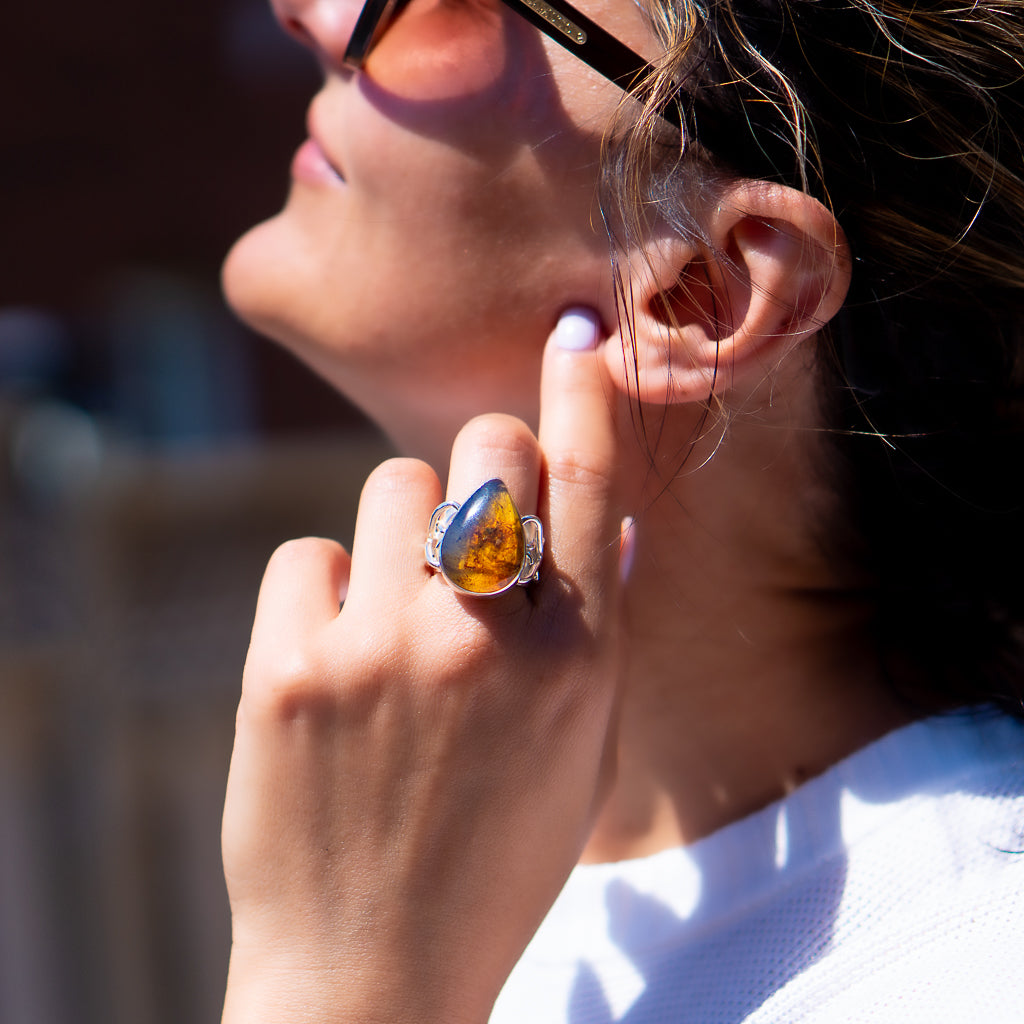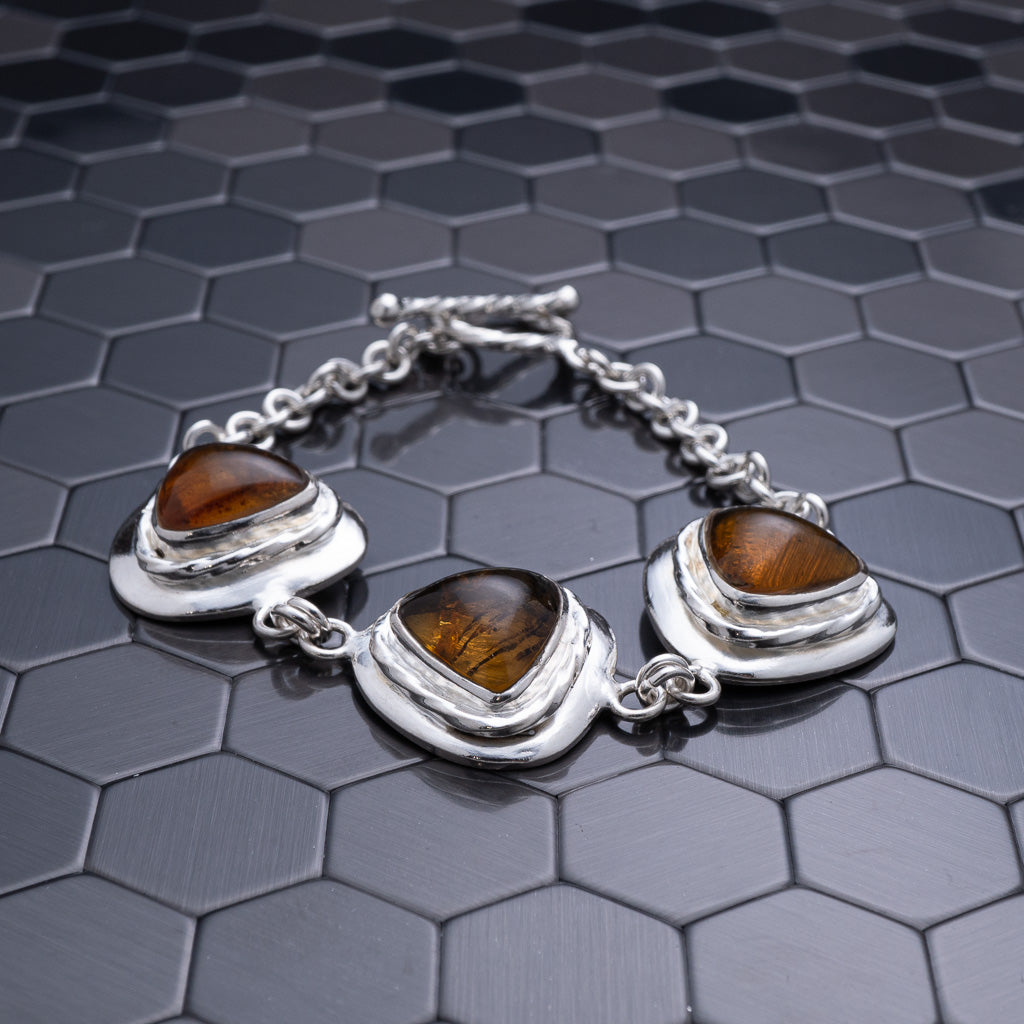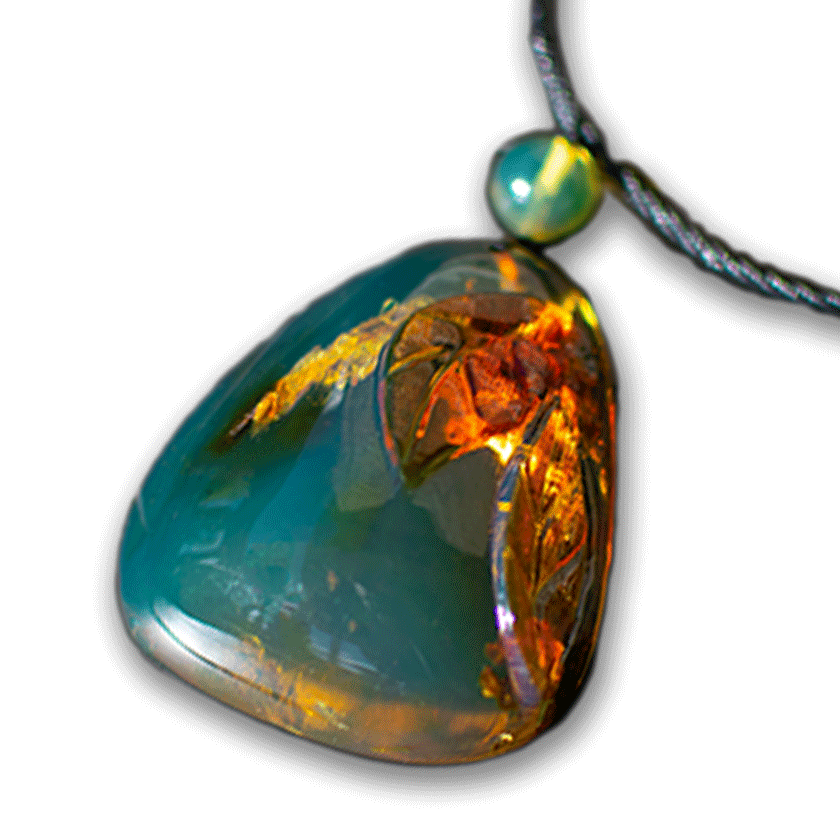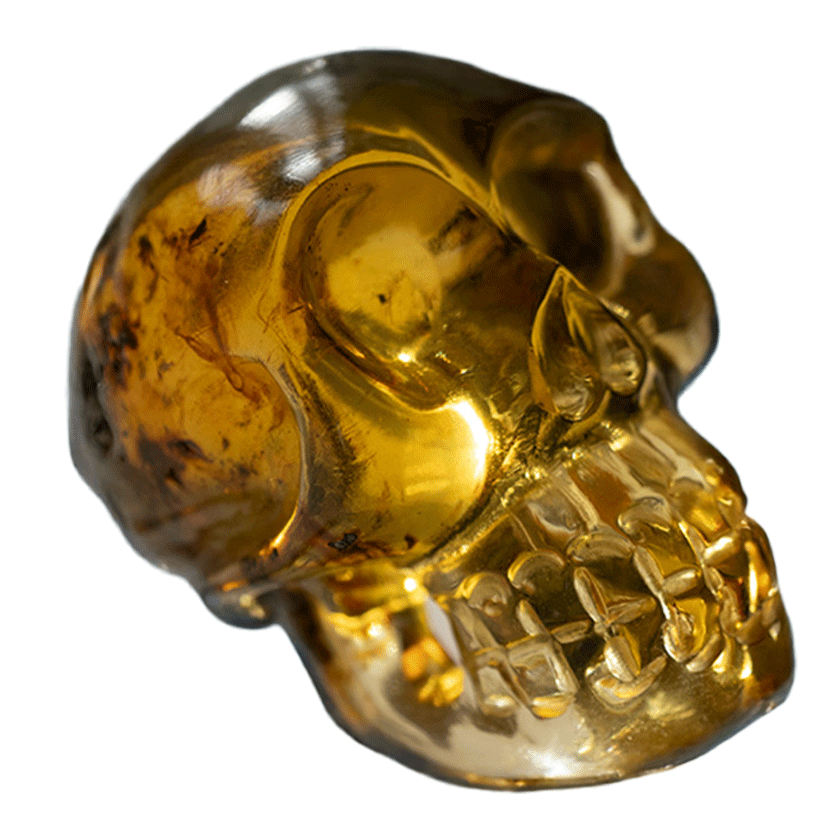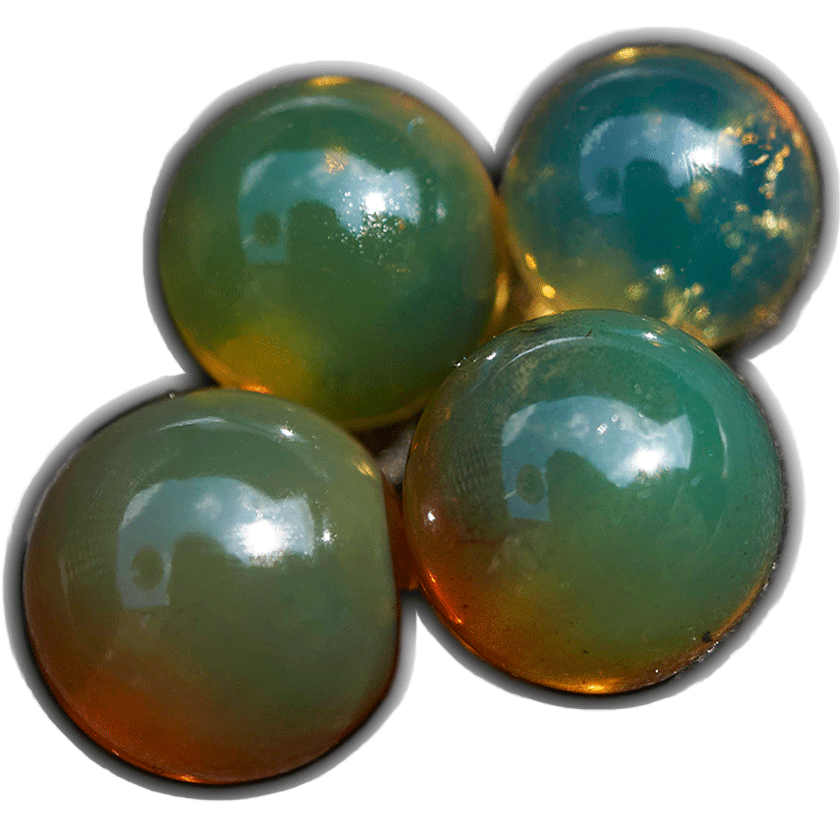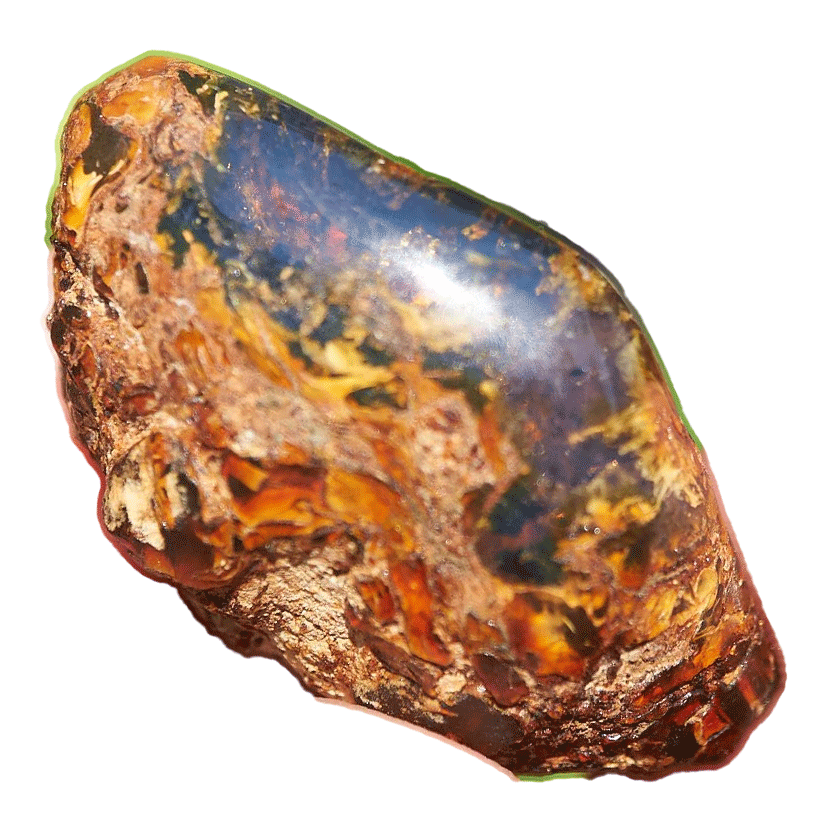


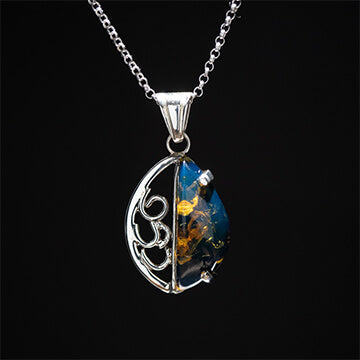



Handcrafted in DR.

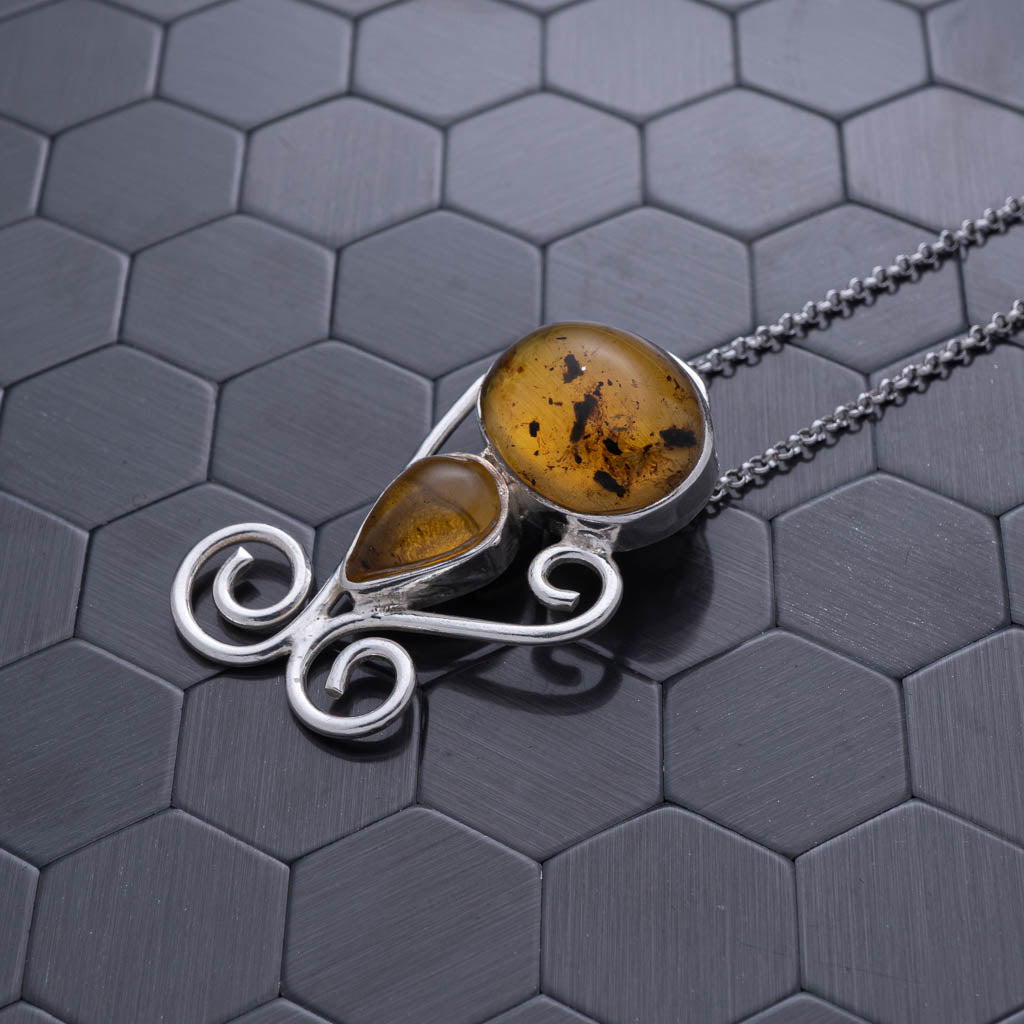
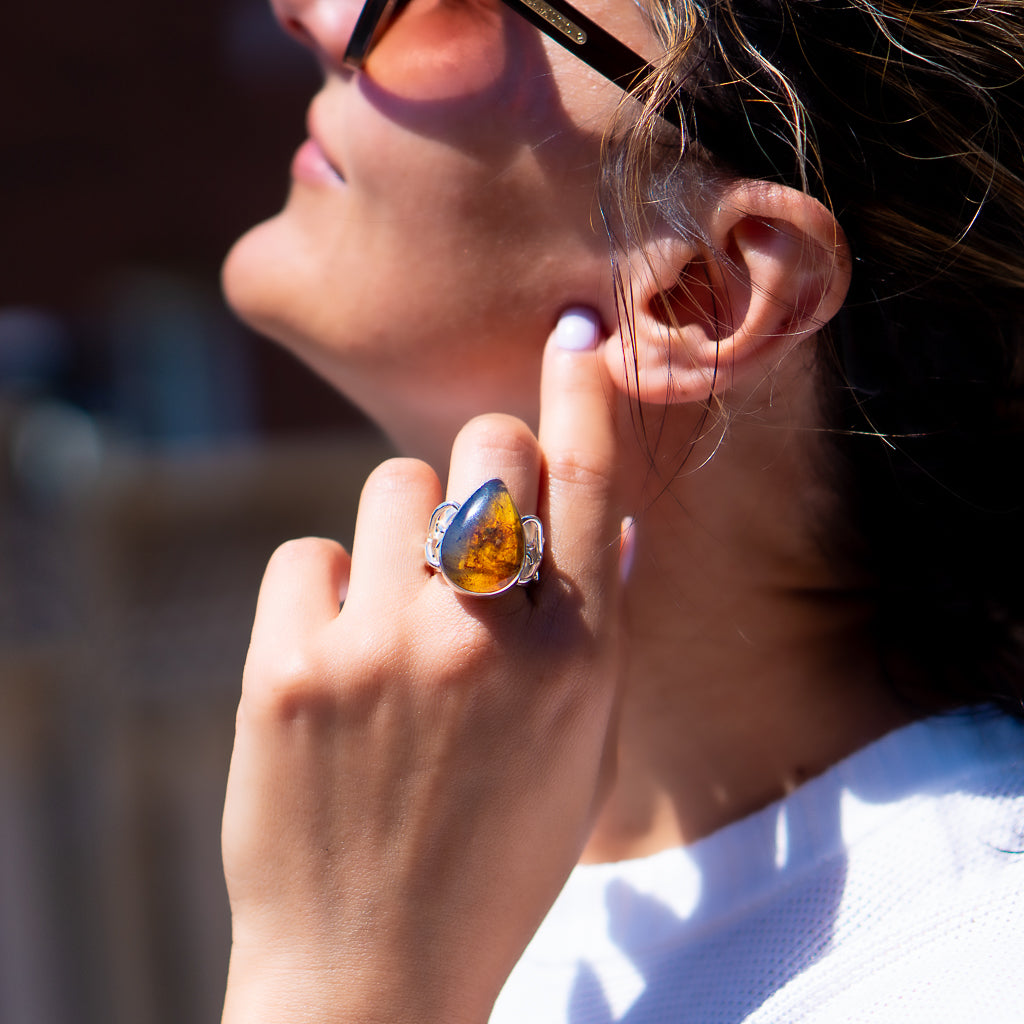
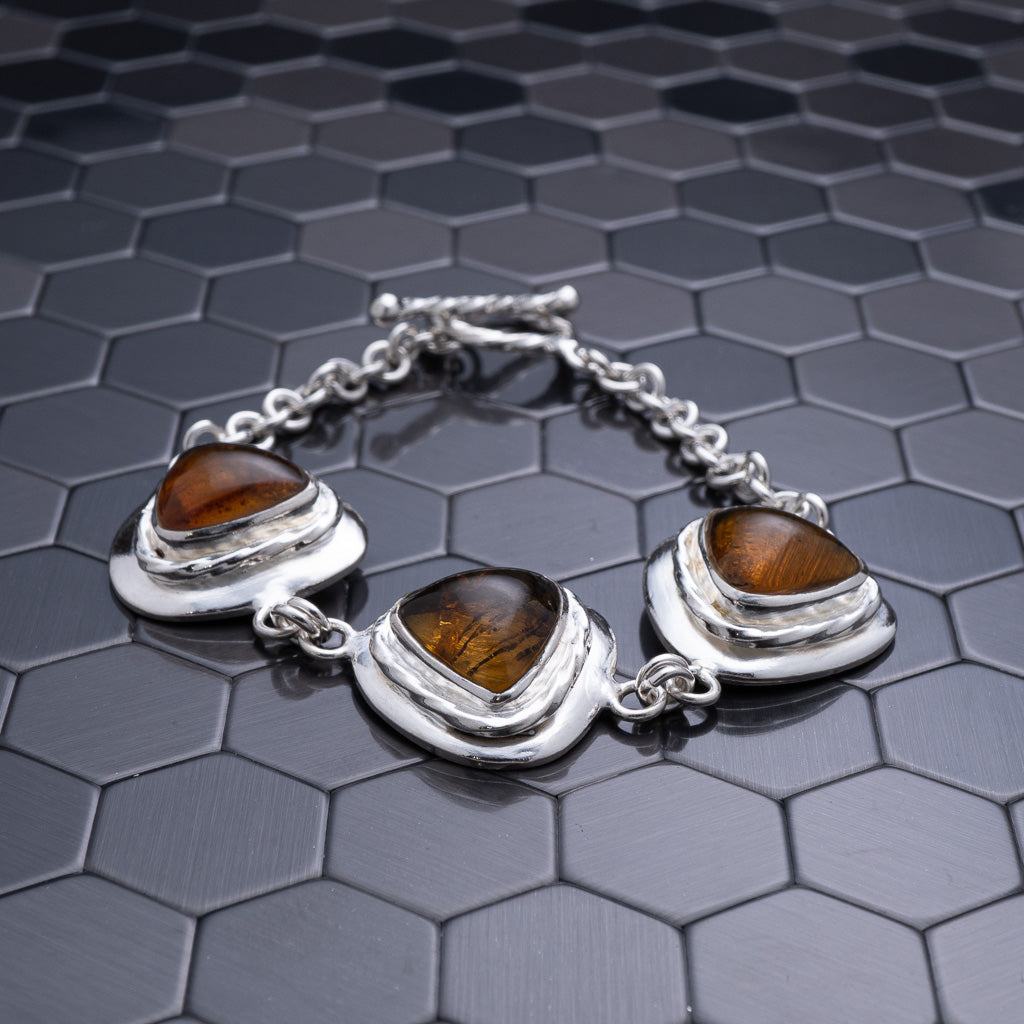



100% Handcrafted in DR.

The story of larimar stands as one of the most captivating tales in gemstone history, combining ancient legends, missed opportunities, and ultimate discovery. This rare blue stone, found exclusively in the Dominican Republic, has captured the hearts of collectors and jewelry enthusiasts worldwide since its official discovery in the 1970s. Understanding larimar history provides insight into why this gemstone commands such admiration and value in today's market, and how its scarcity continues to drive demand among those seeking unique, meaningful jewelry pieces.
Long before modern larimar history was written, indigenous Taíno people inhabiting the Caribbean islands were aware of unusual blue stones in their territories. Local folklore suggests these native inhabitants recognized the gemstone's beauty and incorporated it into their cultural practices, though concrete archaeological evidence remains limited. The Taíno civilization, which thrived in Hispaniola before European colonization, left behind oral traditions that hinted at sacred blue stones connected to the sea and sky.
The larimar history narrative gained mystical dimensions when spiritual practitioners and crystal enthusiasts began associating the gemstone with the lost civilization of Atlantis. Edgar Cayce, a renowned American clairvoyant, predicted in the early 20th century that remnants of Atlantis would be discovered near the Caribbean. When larimar was later found in the Dominican Republic, some believers interpreted this as fulfillment of his prophecy. While lacking scientific basis, this connection added romantic intrigue to the stone's appeal and contributed to its alternative name, "Atlantis Stone."
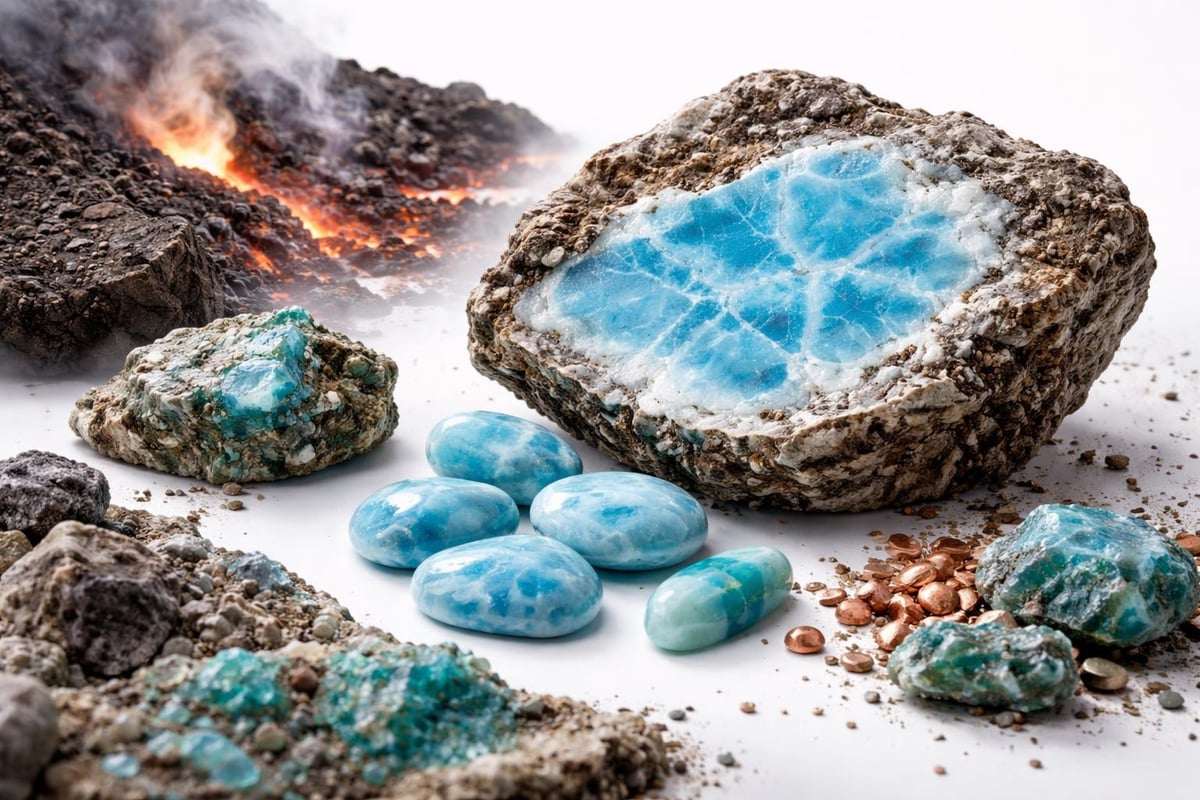
The geological reality behind larimar formation is equally fascinating, even without mythological associations. The gemstone's creation required specific volcanic conditions that occurred millions of years ago, making its existence remarkably rare. The unique blue coloration results from copper substitution within the mineral structure, a phenomenon that occurred only in this particular Caribbean location.
A critical chapter in larimar history unfolded in 1916 when Father Miguel Domingo Fuertes Loren, a Spanish priest, requested permission from the Dominican Republic's Ministry of Mining to explore and exploit a blue rock deposit he had discovered. His application specifically mentioned unusual blue stones he encountered in the mountainous Barahona region. However, his request was denied, and the opportunity to establish larimar mining slipped away for nearly six decades.
Historical records indicate Father Loren's discovery represented the first documented Western acknowledgment of larimar, though he never received authorization to pursue commercial extraction. The reasons for denial remain somewhat unclear, but bureaucratic processes and lack of geological understanding about the stone's potential value likely contributed to the decision. This rejection meant that larimar history would pause for another generation before resuming.
The intervening years saw occasional local awareness of blue stones washing down mountain streams after heavy rains. Coastal residents would sometimes find attractive blue pebbles along beaches, polished smooth by ocean currents. These specimens represented larimar fragments that had broken from source veins and traveled downstream, eventually reaching the Caribbean Sea. Yet without systematic investigation, the gemstone remained largely unknown outside immediate local communities.
Modern larimar history truly began on November 22, 1974, when Miguel Méndez, a local Dominican, and Norman Rilling, an American Peace Corps volunteer, found beautiful blue stones on a beach near the village of Bahoruco. Unlike previous casual encounters, Méndez and Rilling recognized the potential significance of their discovery and pursued it systematically. They traced the stones upstream to their source in the Los Chupaderos mountains, identifying the primary deposit where larimar originated.
Méndez chose the name "larimar" by combining his daughter's name, Larissa, with "mar," the Spanish word for sea. This naming perfectly captured the stone's oceanic blue coloration while adding personal meaning. The choice proved commercially astute, as "larimar" is both memorable and evocative, helping establish the gemstone's distinct identity in international markets.
Following the 1974 rediscovery, mining operations commenced in earnest within the Barahona Province, specifically in an area now known as Los Chupaderos. The mining process quickly revealed several challenging aspects:
The Dominican government established regulations governing larimar extraction, recognizing the gemstone as a national treasure. These policies aimed to balance economic opportunity for local miners with conservation concerns about the finite resource. Understanding the geological investigation became crucial for sustainable mining practices that would preserve this unique deposit for future generations.
| Mining Aspect | Characteristics | Impact on Supply |
|---|---|---|
| Location | Los Chupaderos, Barahona Province | Limited geographic availability |
| Methods | Primarily artisanal/manual | Lower production volumes |
| Depth | Varies, some tunnels exceed 200 feet | Increasingly difficult extraction |
| Quality variance | Wide range from pale to deep blue | Premium specimens command higher prices |
| Annual production | Estimated few hundred kilograms | Supports scarcity and value |
As larimar history progressed through the late 1970s and 1980s, international awareness expanded gradually. Gem dealers visiting the Dominican Republic encountered the stone and began introducing it to markets in North America and Europe. Trade shows and gem exhibitions provided platforms where larimar could reach collectors, jewelers, and enthusiasts seeking unusual specimens.
The gemstone's unique properties and rarity attracted attention from geological institutions and mineralogical societies. Scientific analysis confirmed larimar as a variety of pectolite, distinguishing it from similar-appearing stones through specific chemical composition. The presence of copper in its structure, responsible for the characteristic blue shades, became a defining identifier.
For Dominicans, larimar history represents more than geological curiosity. The gemstone has become a symbol of national identity and pride, recognized as the country's national stone. Tourism campaigns frequently feature larimar, and visitors to the Dominican Republic often seek authentic pieces as meaningful souvenirs. This cultural embrace has helped establish quality standards and authenticity practices within the industry.
The economic impact extends throughout the Barahona region, where mining provides income for numerous families. Artisans who cut, polish, and set larimar into handcrafted jewelry pieces have developed specialized skills passed between generations. This craft tradition ensures each piece receives individual attention, contributing to the personal connection many wearers feel toward their larimar jewelry.
Throughout the 1980s and 1990s, gemological research advanced understanding of larimar history from a scientific perspective. Researchers determined that the stone formed approximately 25 million years ago during volcanic activity in the Caribbean region. Hydrothermal processes carried copper-bearing solutions through cavities in volcanic rock, where they crystallized as pectolite with distinctive blue coloration.
Detailed geological studies revealed why larimar occurs exclusively in this single location worldwide. The specific combination of volcanic rock type, copper-rich groundwater, temperature, pressure, and timing created conditions that have not been replicated elsewhere on Earth. This absolute geographic limitation fundamentally distinguishes larimar from gemstones like turquoise or aquamarine, which occur in multiple global locations.
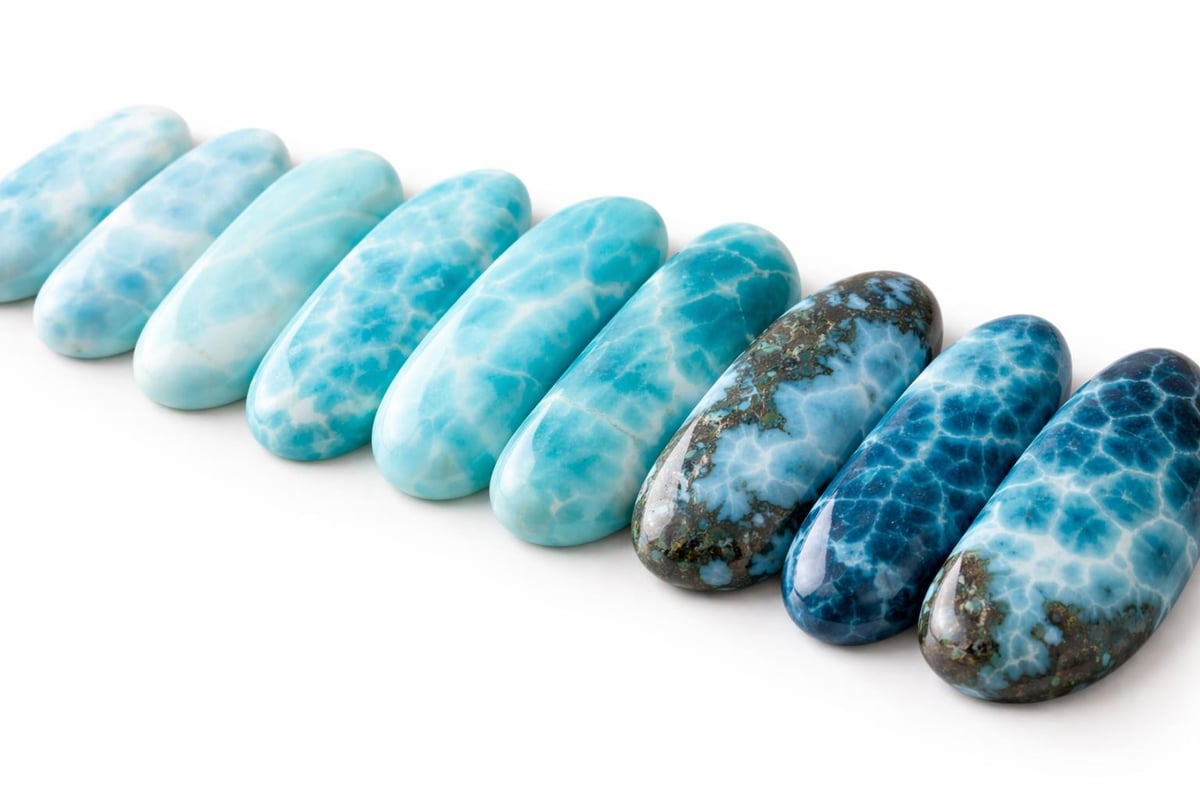
The classification system for larimar quality emerged as the market matured:
Understanding these grades became essential for both sellers and buyers navigating the larimar market. Each grade has legitimate appeal, though volcanic blue specimens command premium pricing due to their intensity and rarity.
Contemporary larimar history involves complex market dynamics balancing supply constraints with growing international demand. As social media and e-commerce expanded global reach, more customers worldwide discovered this Caribbean treasure. However, production limitations mean supply cannot easily scale to meet increased interest, creating upward price pressure, particularly for premium specimens.
The rise in larimar's popularity inevitably attracted imitation stones and synthetic alternatives. Establishing authentication methods became crucial for protecting consumers and maintaining market integrity. Reputable dealers developed verification procedures, while gemological laboratories offered certification services. Understanding authentic larimar characteristics empowers buyers to make informed decisions and avoid counterfeit products.
Education initiatives help distinguish genuine larimar from similar-appearing stones like turquoise, amazonite, or dyed howlite. Authentic larimar displays specific patterns, hardness levels, and optical properties that trained observers can identify. The healing properties and spiritual associations attributed to larimar also motivate buyers to ensure they acquire genuine specimens rather than substitutes.
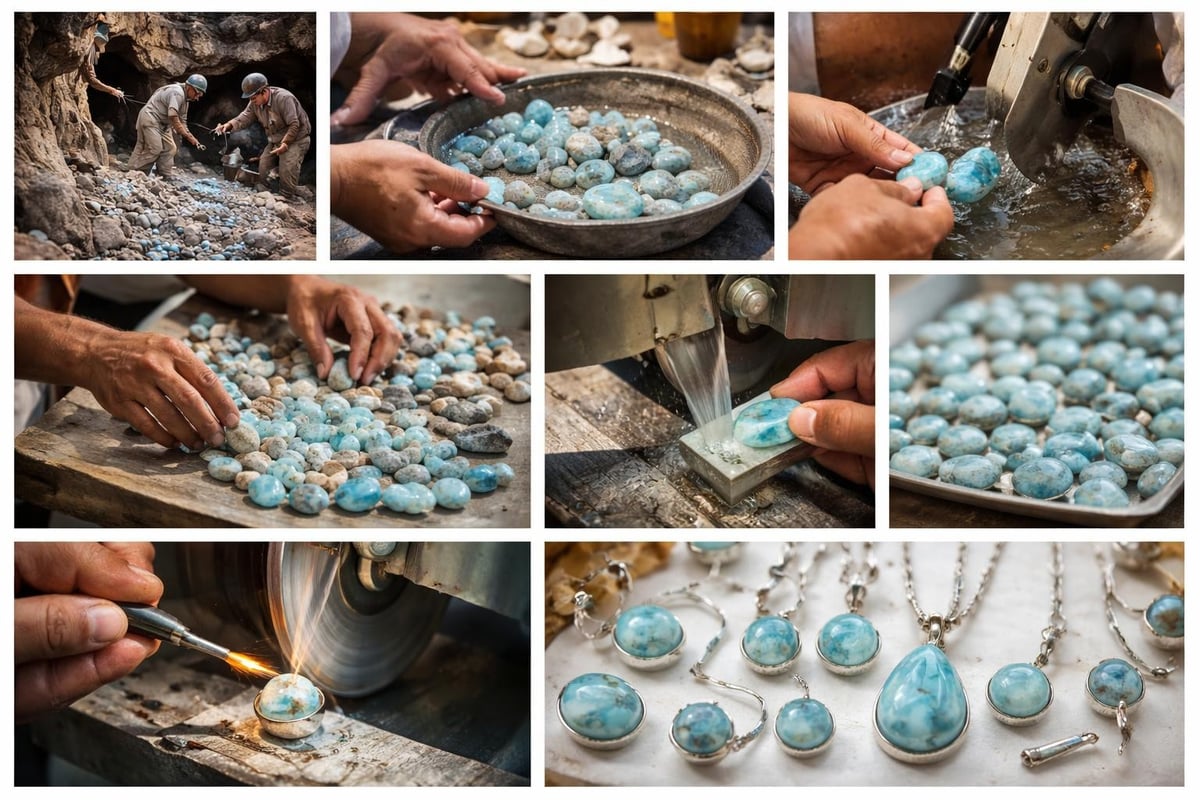
Recent chapters in larimar history address sustainability concerns about finite geological resources. Unlike renewable materials, larimar deposits will eventually exhaust, though estimates about remaining reserves vary. This reality has prompted discussions about responsible mining practices that minimize environmental impact while supporting local communities dependent on larimar income.
Some initiatives focus on reforestation around mining areas, proper waste management, and worker safety standards. Fair trade principles have gained traction, ensuring miners receive equitable compensation for their labor. Consumers increasingly value transparency about sourcing, preferring jewelry from suppliers who demonstrate ethical practices throughout their supply chain.
| Sustainability Factor | Traditional Practice | Emerging Best Practice |
|---|---|---|
| Extraction methods | Manual tunneling with minimal oversight | Safety protocols and structural support |
| Land rehabilitation | Limited reclamation efforts | Reforestation and erosion control |
| Worker compensation | Variable, market-dependent | Fair wage standards and benefits |
| Waste management | On-site disposal | Proper containment and processing |
| Community impact | Economic benefit to miners only | Broader community development programs |
Looking forward, larimar history continues to unfold as new generations discover this unique gemstone. Educational efforts help customers appreciate the geological rarity and cultural significance behind each piece. Digital platforms enable artisans in the Dominican Republic to connect directly with international customers, sharing the authentic story of larimar's journey from mountain to marketplace.
Investment interest in rare gemstones has brought attention to larimar as a potentially appreciating asset, particularly for exceptional specimens. While gemstone investment carries inherent risks and requires expertise, the absolute scarcity of larimar from a single global location provides fundamental support for long-term value. Rare larimar colors command particular attention from collectors seeking distinctive pieces unlikely to depreciate.
Conservation advocates emphasize responsible consumption to ensure larimar availability extends as long as possible. This includes:
The narrative of larimar history demonstrates how a gemstone can transcend mere aesthetic appeal to embody cultural identity, geological wonder, and human enterprise. From ancient Caribbean legends through Father Loren's 1916 encounter to the systematic mining that began in 1974, each chapter reveals humanity's enduring fascination with natural beauty. Today, wearing larimar pendants connects individuals to this remarkable story, carrying a piece of Dominican heritage and geological history wherever they go.
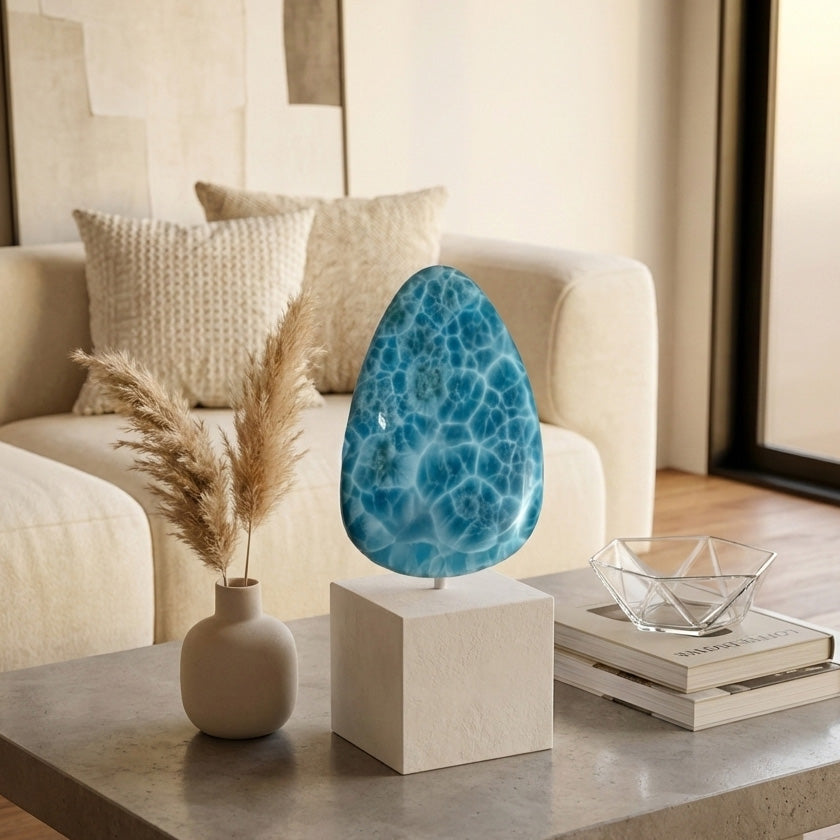
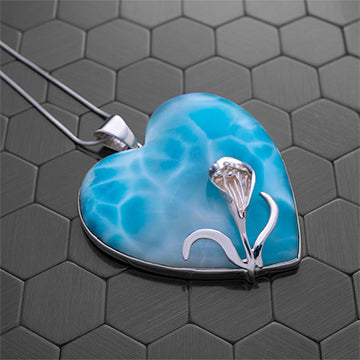
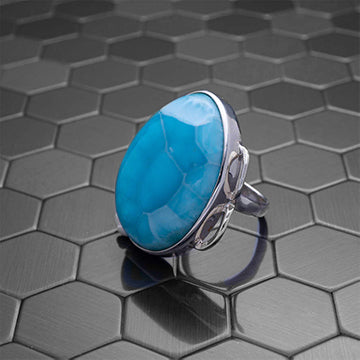
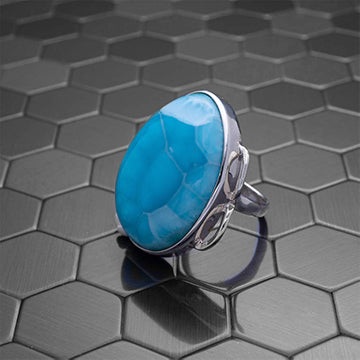
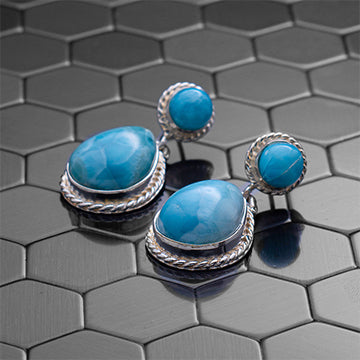
Modern jewelry designers have embraced larimar's distinctive character, creating pieces that showcase the stone's natural patterns and coloration. Unlike faceted gemstones that follow standardized cuts, larimar typically receives cabochon polishing that preserves its unique cloud-like patterns and swirling blue hues. This approach honors the stone's organic beauty rather than imposing geometric uniformity.
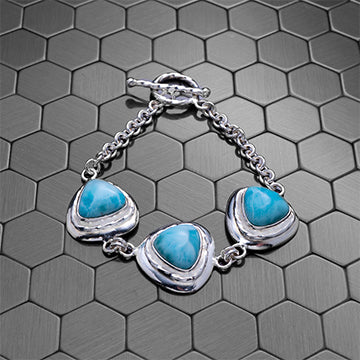
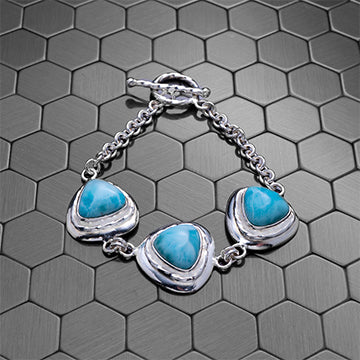
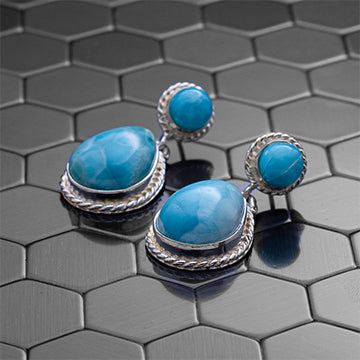
Contemporary larimar jewelry reflects diverse aesthetic sensibilities, from minimalist settings that emphasize the stone itself to elaborate designs incorporating complementary metals and accent gems. Sterling silver remains the most popular metal pairing, as its cool tone harmonizes with larimar's blue shades without competing for visual attention. The combination creates affordable luxury that makes this rare gemstone accessible to broader audiences.
Design innovations continue expanding larimar's versatility across jewelry categories. While pendants and rings dominate traditional offerings, creative artisans now craft earrings, bracelets, and even statement necklaces featuring multiple stones. Each piece tells part of the larger larimar history, connecting wearers to the Caribbean origins and volcanic forces that created this singular gemstone millions of years ago.
The journey through larimar history reveals a gemstone unlike any other, formed by ancient volcanic processes in a single Caribbean location and discovered through a combination of persistence and fortunate timing. Whether you're drawn to larimar's oceanic beauty, its cultural significance, or its geological rarity, owning an authentic piece connects you to this remarkable story. Larimar Creations specializes in transforming this exceptional Dominican gemstone into exquisite handcrafted jewelry, offering worldwide shipping so customers everywhere can experience the unique beauty and authenticity of genuine larimar pieces.