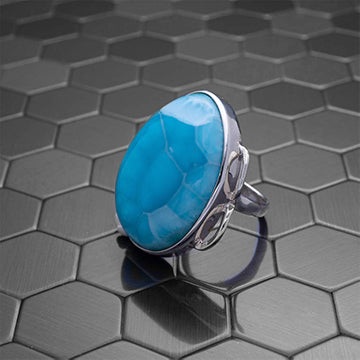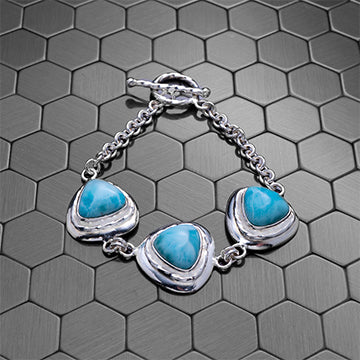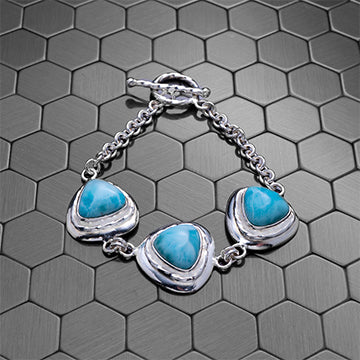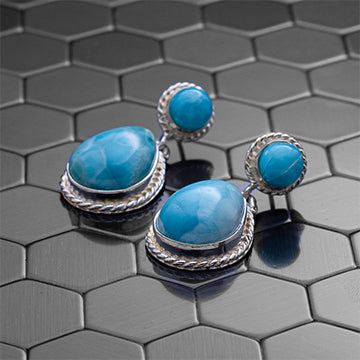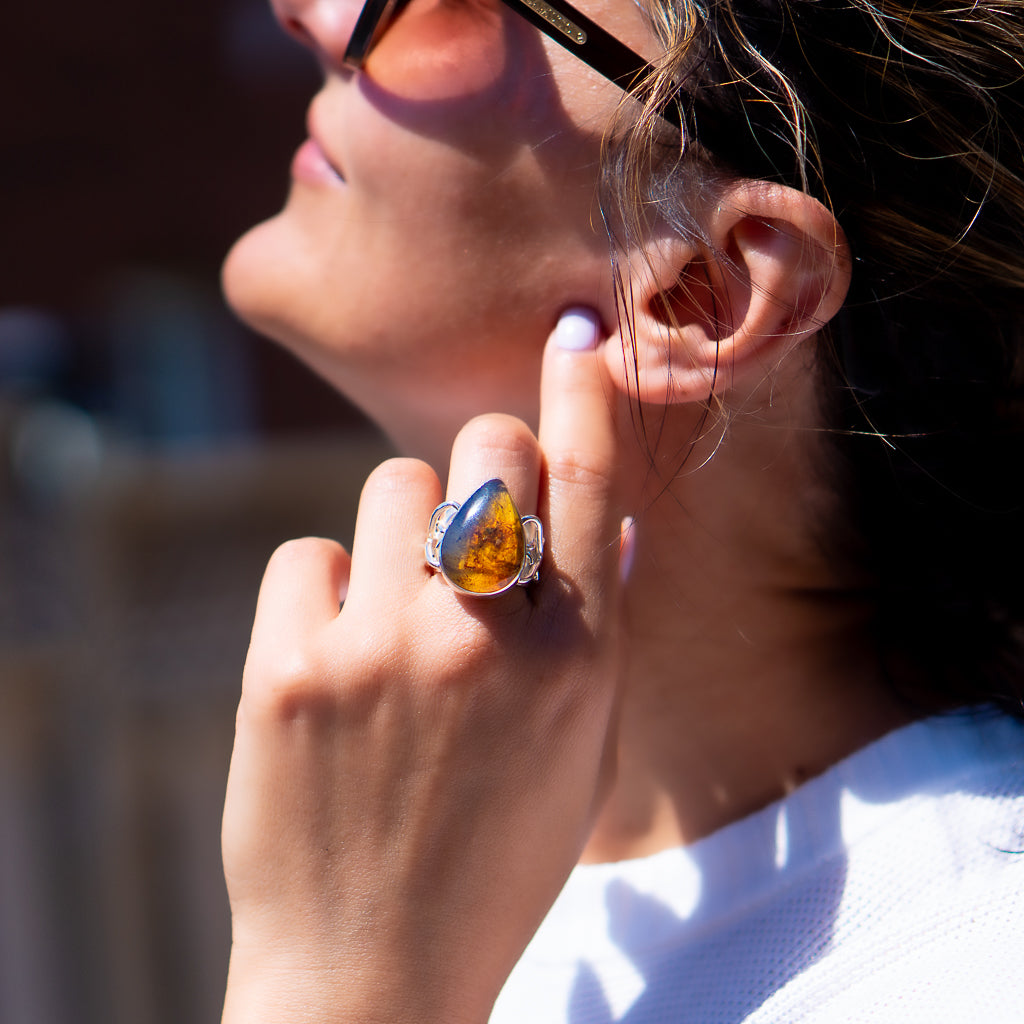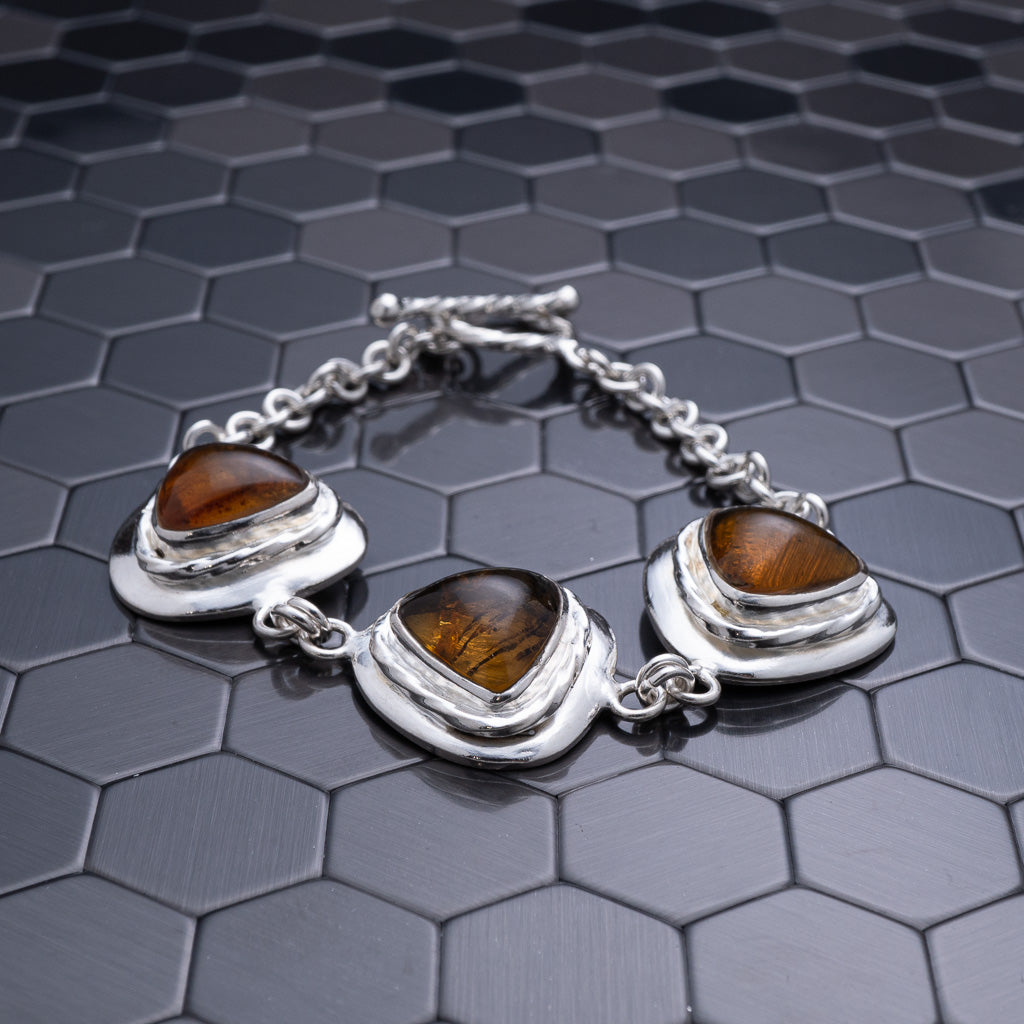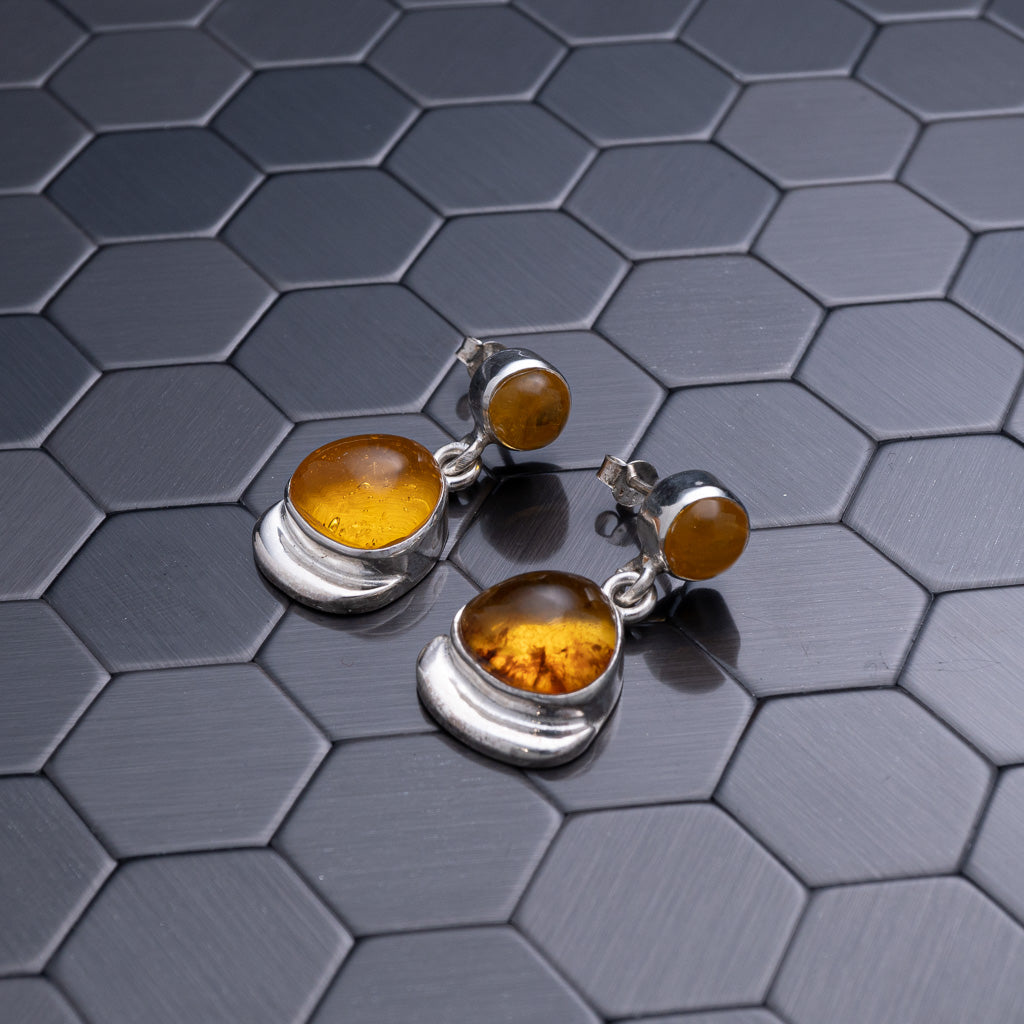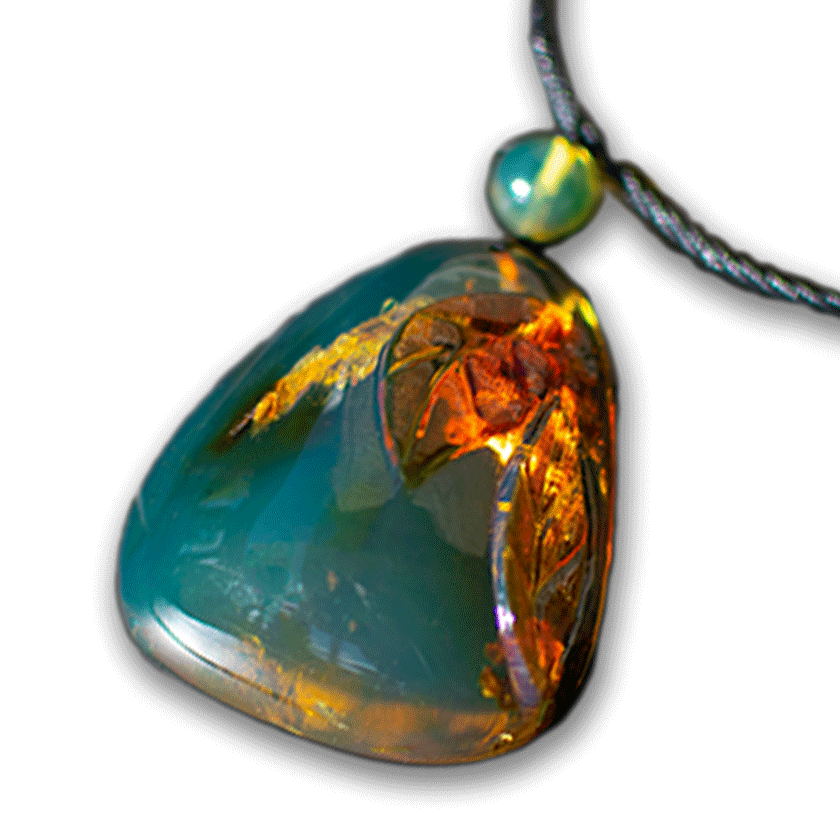





Handcrafted in DR.

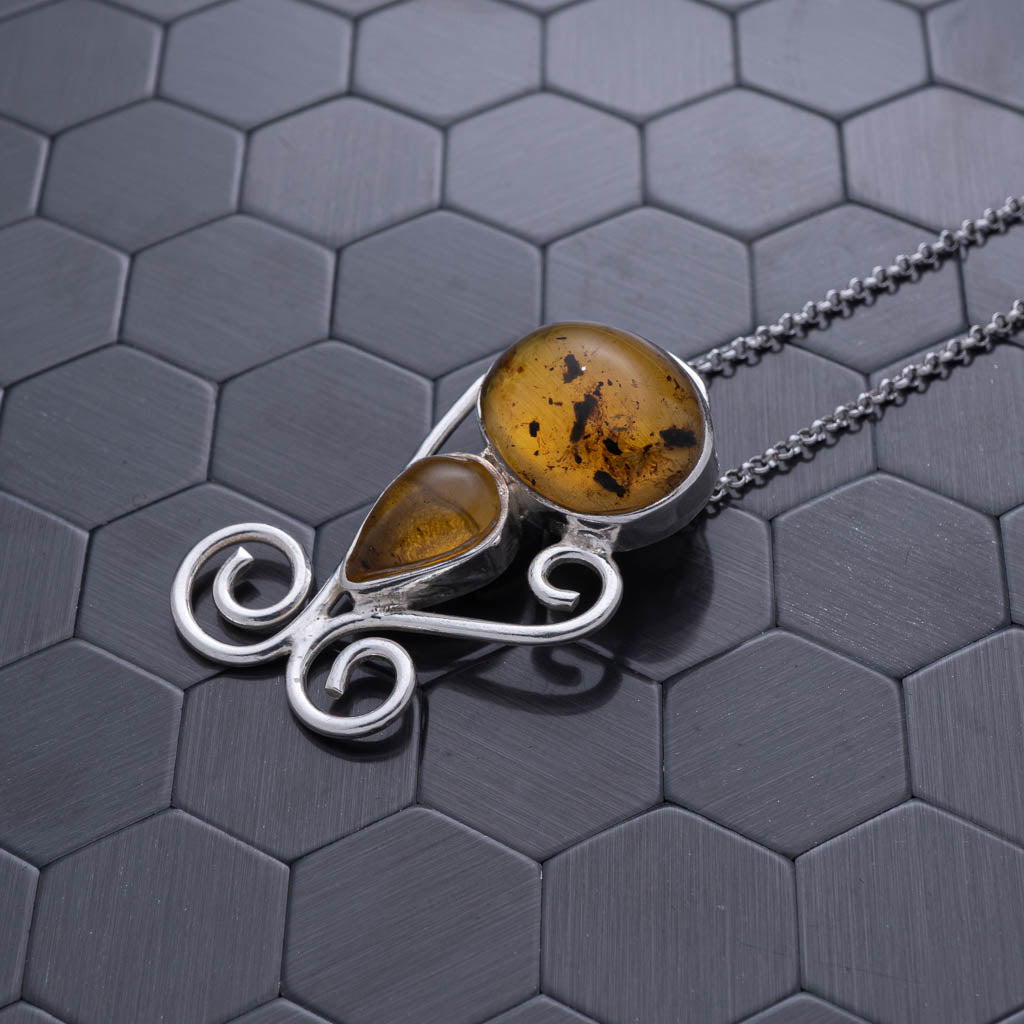
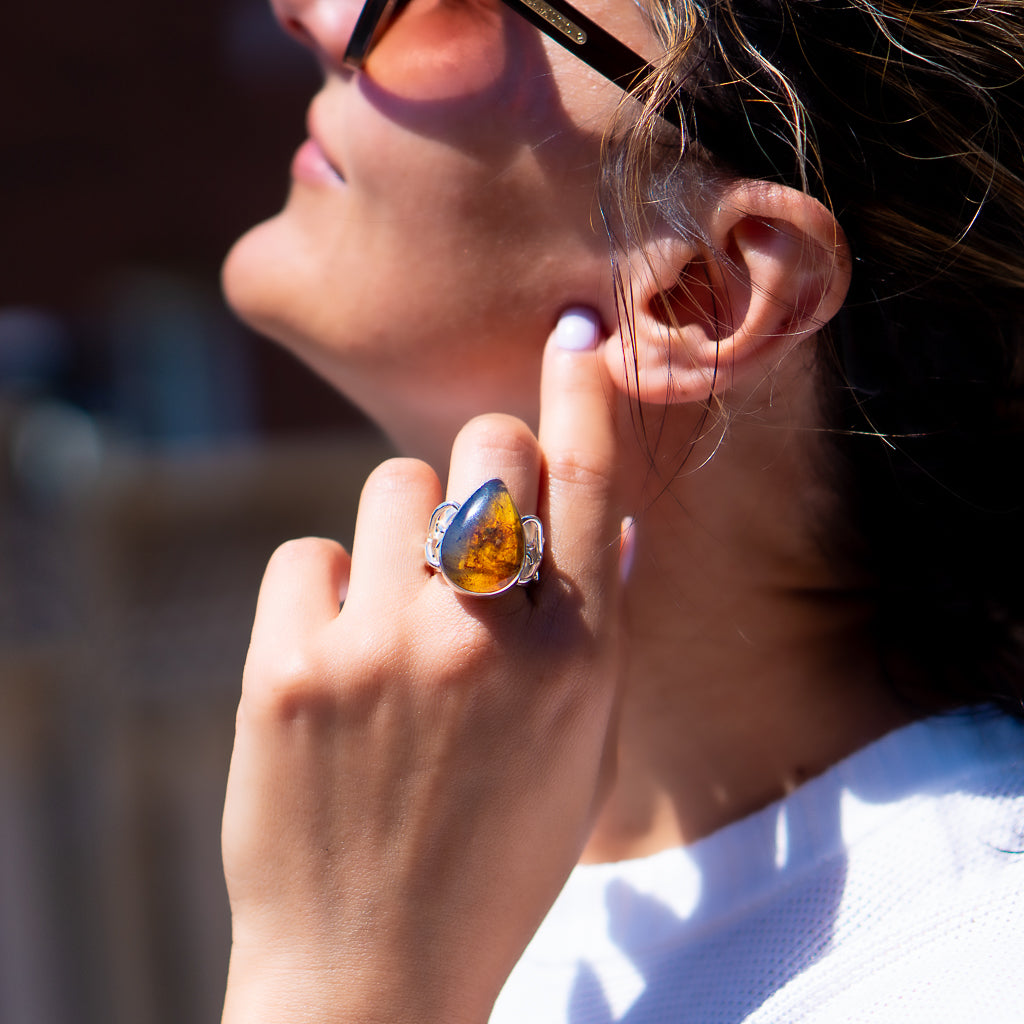
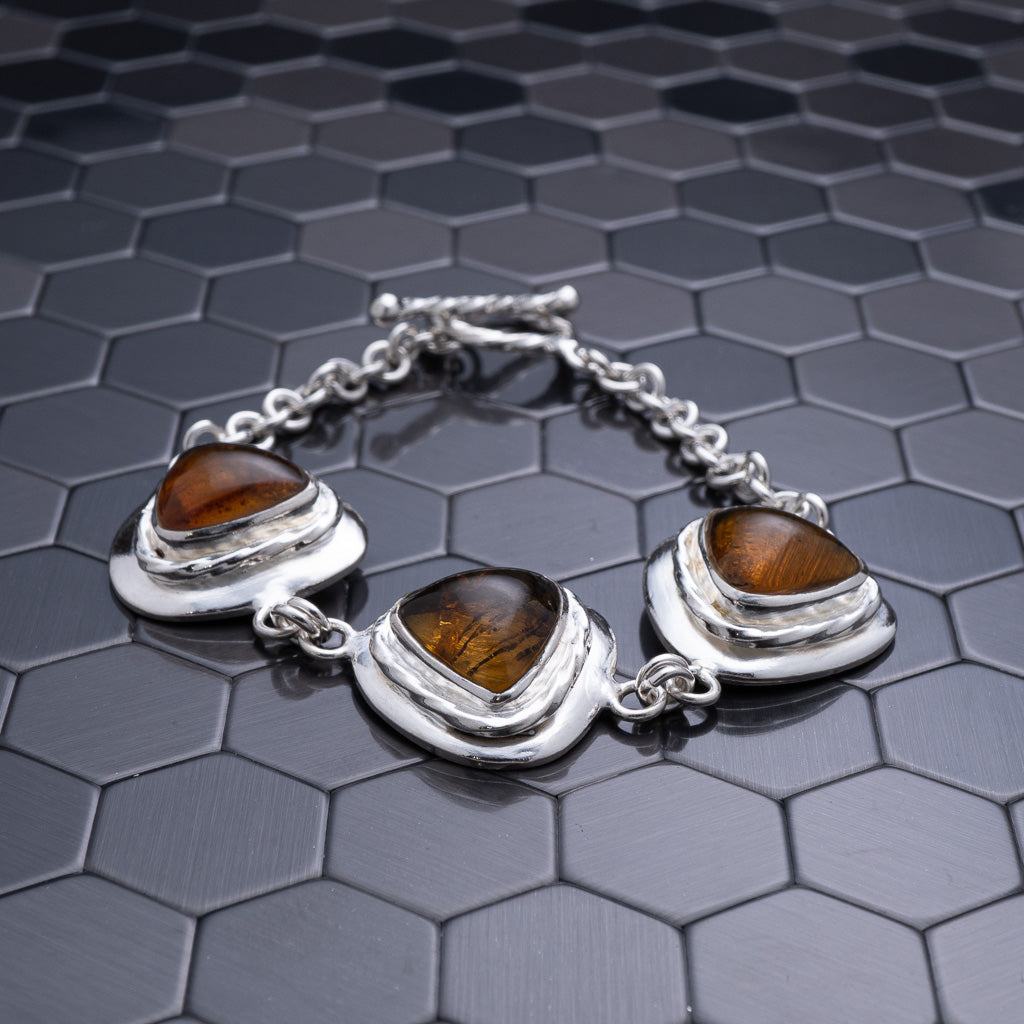
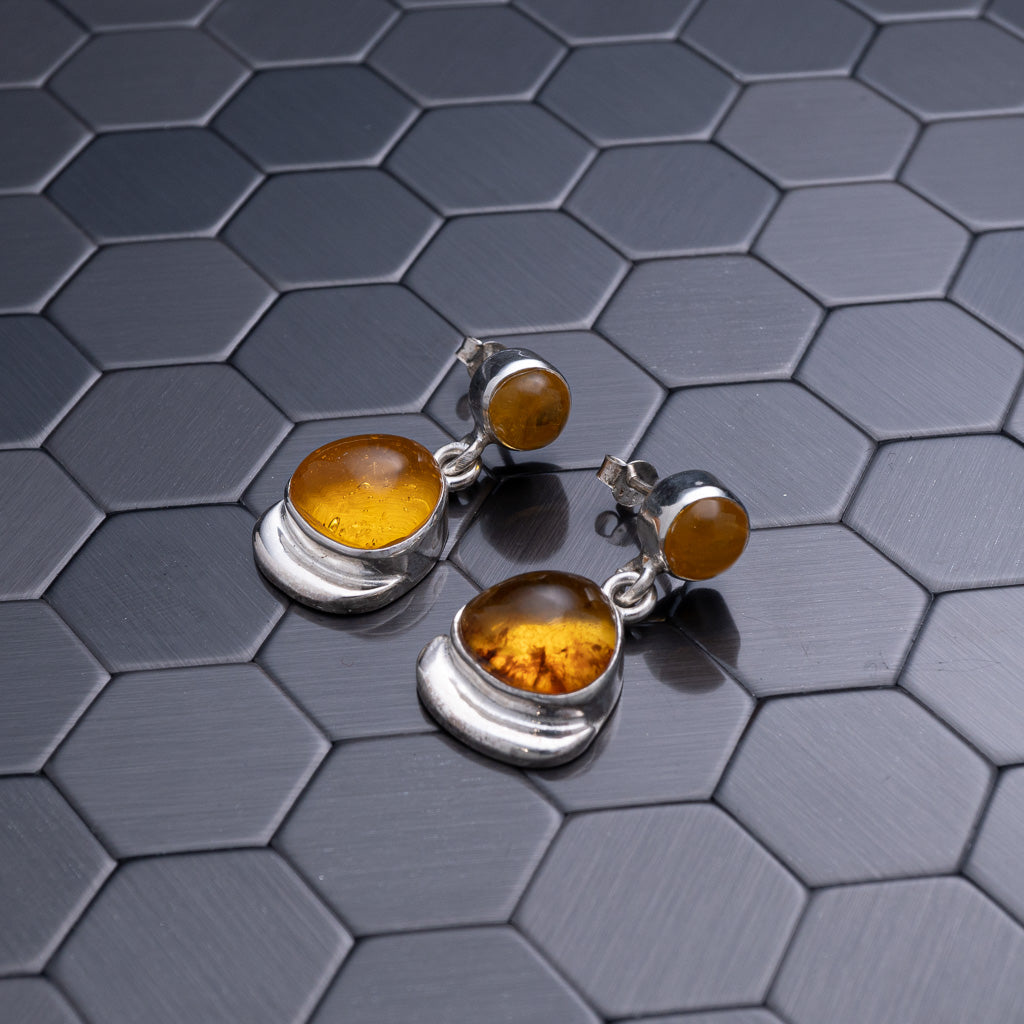


100% Handcrafted in DR.

The larimar-mines-dominican-republic represent one of the world's most unique gemstone extraction sites, producing a rare blue stone found nowhere else on Earth. Located in the southwestern region near Barahona, these mines have become essential to understanding both the geological wonder and cultural significance of larimar. Since the gemstone's official discovery in 1974, mining operations have evolved from small-scale artisanal efforts to organized extraction sites that attract visitors and gem enthusiasts from around the globe. The distinctive turquoise-to-deep-blue coloration of larimar, reminiscent of Caribbean waters, has made it one of the most sought-after semi-precious stones in the jewelry industry.
The Larimar Mine in Barahona sits within the mountainous terrain of the southwestern Dominican Republic, specifically in a region called Los Chupaderos. This area lies approximately 10 kilometers from the coastal town of Barahona, making it accessible yet remote enough to have remained undiscovered for centuries.
The primary mining zone encompasses several square kilometers of volcanic hillside. Access to active mining sites requires navigating steep terrain and rugged paths that wind through tropical vegetation. While the journey presents challenges, the reward of witnessing firsthand extraction of this rare gemstone draws geological enthusiasts and jewelry professionals alike.
Multiple extraction sites operate within the broader larimar-mines-dominican-republic region:
Transportation to these sites typically requires four-wheel-drive vehicles during the rainy season from May through November. Local guides familiar with the terrain provide essential navigation services and ensure visitors can safely access viewing areas without interfering with active mining operations.
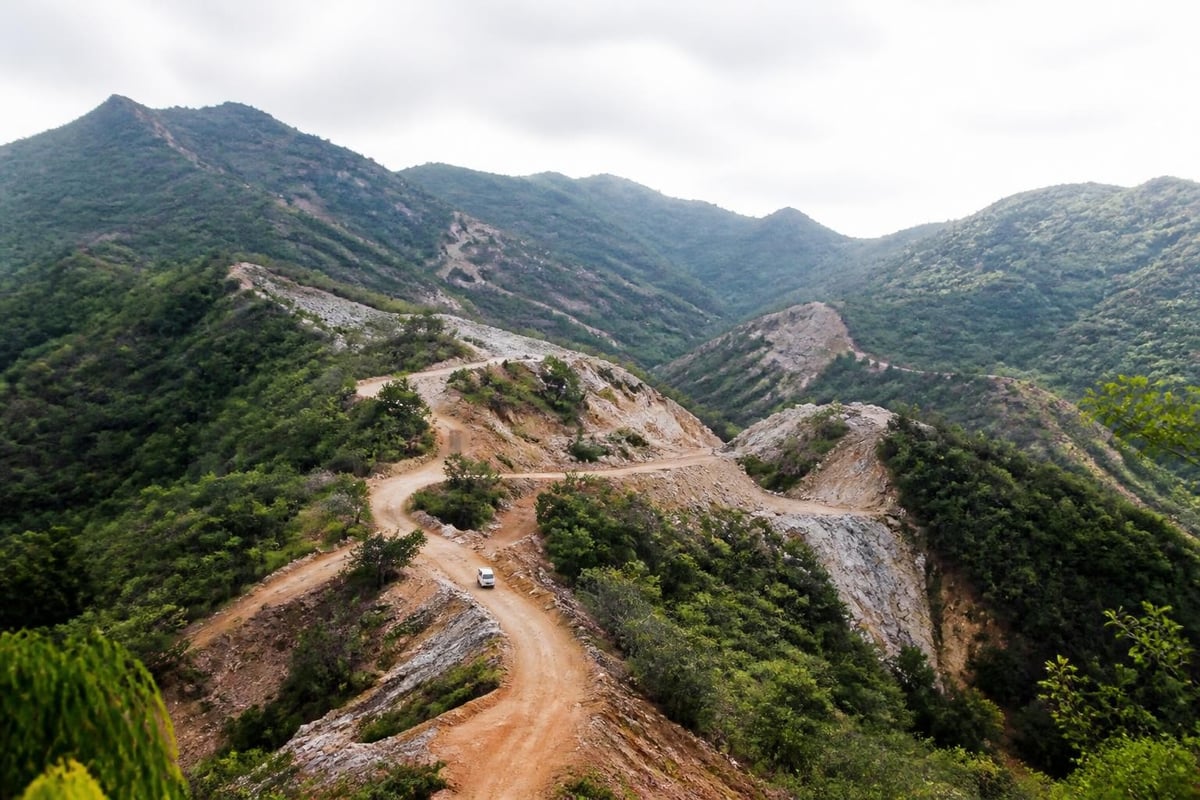
Larimar's exclusivity to the Dominican Republic stems from unique geological conditions that occurred millions of years ago. The volcanic origin of larimar involves specific combinations of mineral elements, temperature, and pressure found only in this Caribbean location.
The gemstone forms within volcanic rocks called basalt, created during ancient eruptions. Copper ions substituting for calcium in the mineral pectolite produce the characteristic blue coloration. The intensity of blue varies based on copper concentration, with deeper blues containing higher copper content.
| Geological Factor | Impact on Larimar Formation |
|---|---|
| Volcanic Activity | Creates basalt host rock environment |
| Copper Presence | Determines blue color intensity |
| Temperature Range | 392-752°F during crystallization |
| Pressure Conditions | Enables proper crystal structure |
| Cooling Rate | Affects pattern and clarity |
Scientists estimate that larimar formed between 5 and 10 million years ago during the Miocene epoch. The specific combination of volcanic activity, mineral-rich solutions, and cooling conditions has never been replicated elsewhere, making the larimar-mines-dominican-republic the sole source worldwide.
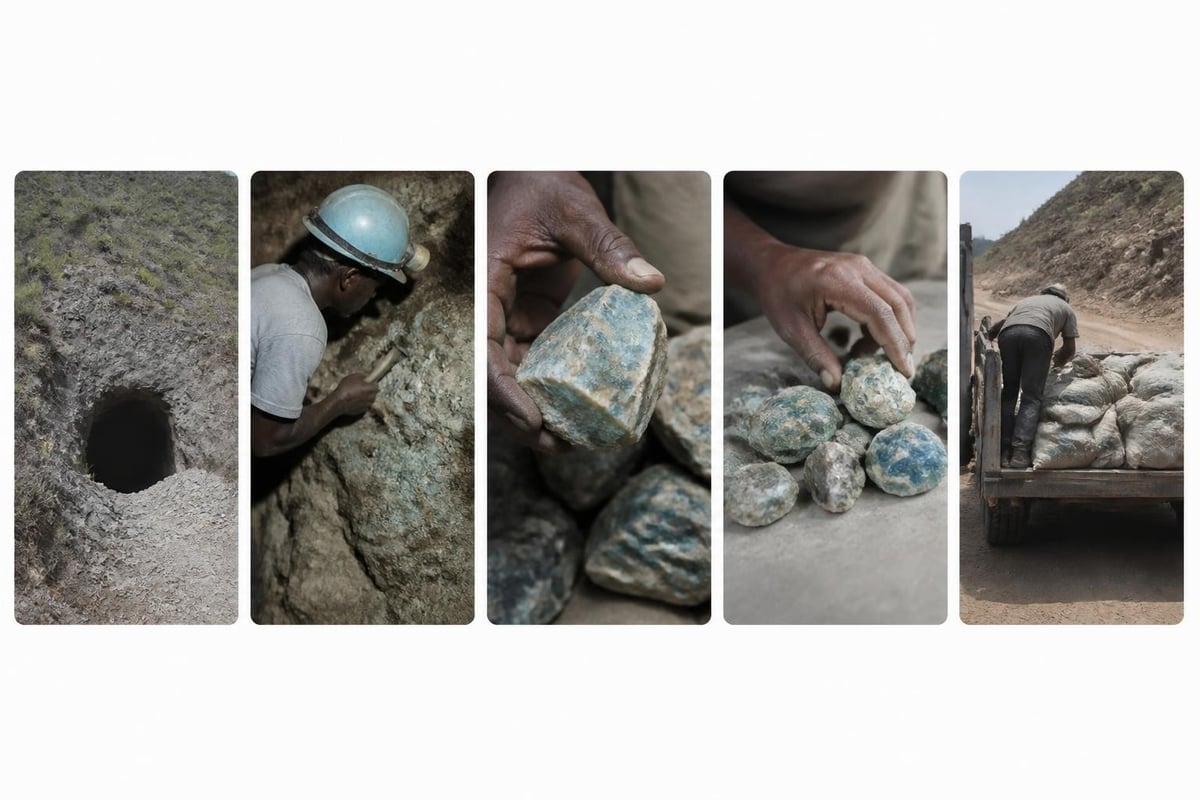
Traditional extraction methods at the larimar-mines-dominican-republic remain largely artisanal, preserving techniques passed down through generations. Miners work in challenging conditions, often excavating tunnels that extend deep into hillsides following veins of blue stone.
The detailed mining process begins with identifying promising areas through visual inspection of exposed rock faces. Once a vein is located, miners carefully remove surrounding material using hand tools to avoid damaging the delicate gemstone.
Safety considerations remain paramount in these operations. Miners work in teams, ensuring proper ventilation in tunnels and using support structures to prevent collapses. The Dominican government has implemented regulations requiring basic safety equipment and periodic inspections of active sites.
Modern technology has introduced some improvements while maintaining traditional methods. Battery-powered lights have replaced candles, and small generators power ventilation fans in deeper tunnels. However, the actual extraction remains a manual process requiring skill and patience.
The fascinating history of larimar spans over a century, though official recognition came relatively recently. The story of larimar begins with an initial discovery in 1916 by Father Miguel Domingo Fuertes Loren, though he did not pursue commercial development.
The gemstone remained largely unknown until 1974 when Miguel Méndez, a local artisan, and Peace Corps volunteer Norman Rilling rediscovered it. Méndez combined his daughter's name, Larissa, with "mar" (Spanish for sea) to create "larimar," reflecting the stone's oceanic colors.
| Year | Milestone |
|---|---|
| 1916 | First documented discovery by Father Loren |
| 1974 | Rediscovery and naming by Méndez and Rilling |
| 1979 | Recognition as Dominican national gemstone |
| 1985 | First international jewelry exhibitions |
| 1996 | Establishment of mining cooperatives |
| 2010s | Growth in global jewelry market presence |
Recognition by the International Colored Gemstone Association in the early 1980s elevated larimar's status among precious stones. This acknowledgment brought international attention to the larimar-mines-dominican-republic, establishing quality standards and promoting the gemstone in global markets.
The connection to Dominican Republic culture has deepened over decades, with larimar becoming a symbol of national pride. Local communities near mining sites have developed economies around the gemstone, with families dedicating multiple generations to mining and craftsmanship.
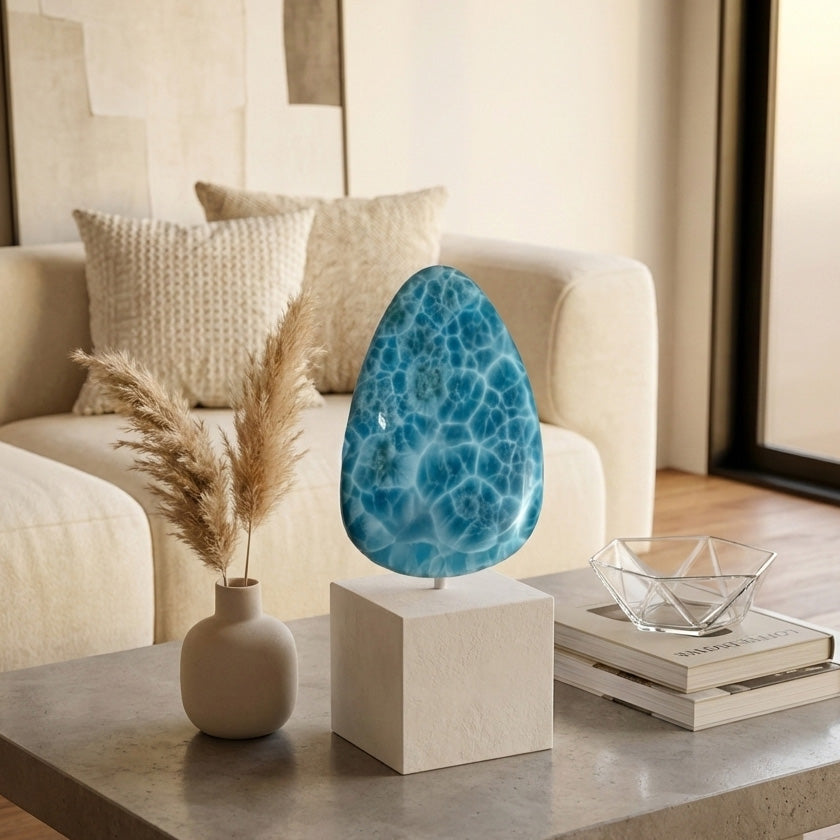
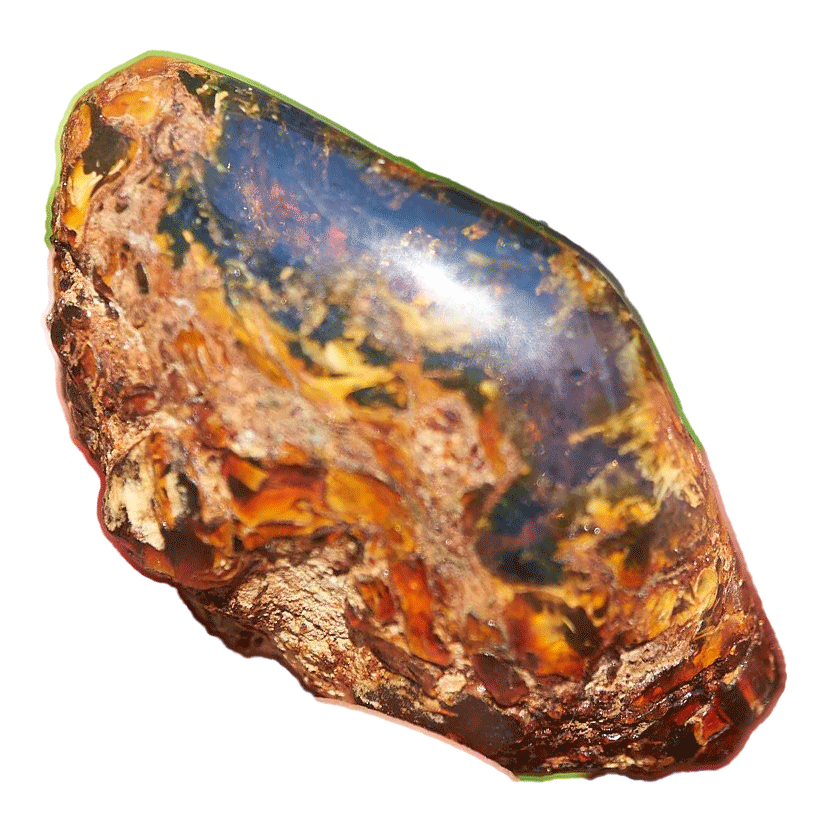
Larimar exhibits remarkable color diversity, ranging from pale sky blue to deep volcanic blue with white patterns resembling ocean waves. Quality assessment considers multiple factors that determine both aesthetic appeal and market value.
Primary quality indicators include:
The most prized larimar from the larimar-mines-dominican-republic displays a rich volcanic blue color with white streaks creating natural patterns. These premium specimens often feature in high-end jewelry collections and command significantly higher prices than lighter varieties.
Environmental factors during formation influence final appearance. Stones formed under higher temperatures and copper concentrations develop deeper blues, while those crystallizing at lower temperatures produce lighter, sometimes greenish-blue hues.
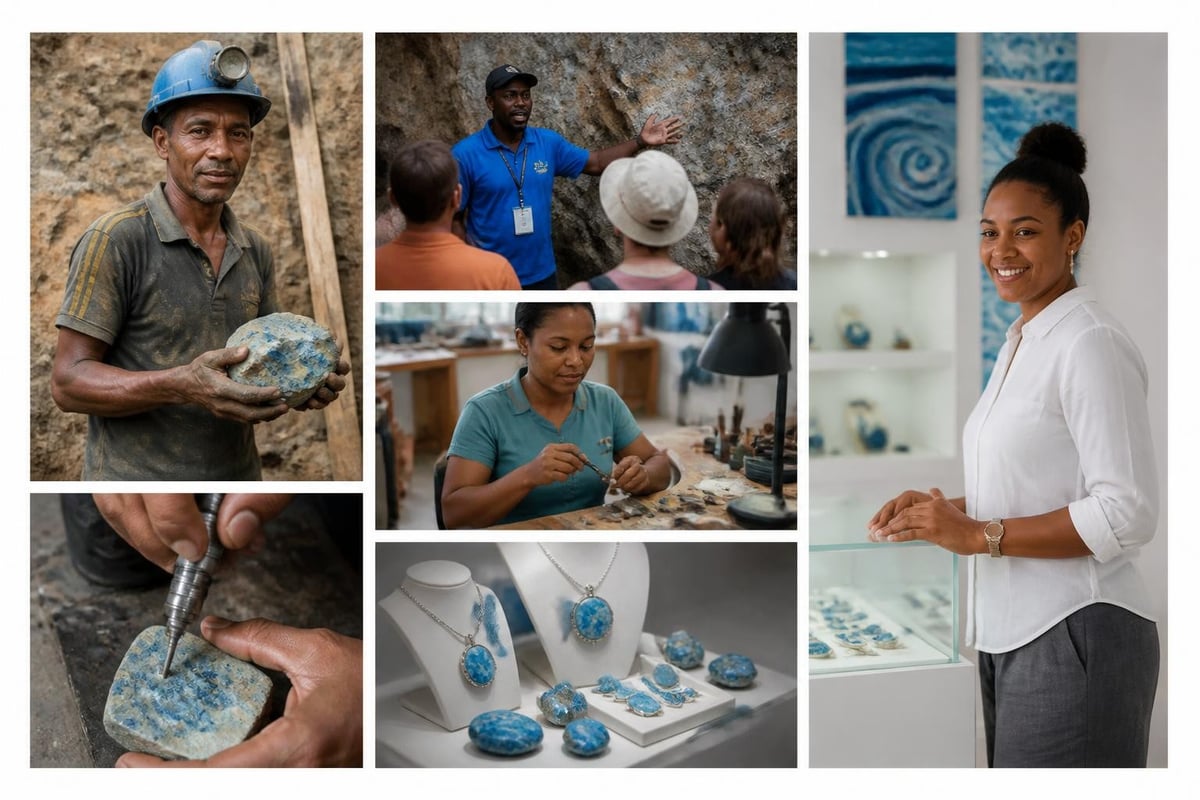
Tourism has become an important aspect of the larimar-mines-dominican-republic economy. Guided tours allow visitors to observe mining operations, learn about geological formation, and purchase stones directly from miners.
Most tour operators offer half-day or full-day excursions from Barahona. These experiences typically include transportation, guide services, and opportunities to interact with miners. Visitors witness the challenging conditions under which extraction occurs and gain appreciation for the labor-intensive process.
Tour inclusions typically feature:
Travel guides to Barahona recommend visiting during the dry season (December through April) when roads remain passable and weather conditions favor outdoor exploration. The region offers additional attractions including pristine beaches, mountain scenery, and ecological reserves.
Photography restrictions apply in certain areas to protect proprietary mining locations and respect workers' privacy. Visitors should confirm policies with tour operators before departure.
The larimar-mines-dominican-republic provide essential employment for thousands of families in the Barahona region. Mining represents one of the primary economic activities in an area with limited industrial development, creating opportunities across multiple sectors.
Direct employment includes miners, sorters, and transporters. Indirect opportunities have emerged in tourism, hospitality, jewelry manufacturing, and retail. Local women often specialize in polishing and basic jewelry assembly, while men typically handle extraction work.
| Economic Sector | Employment Type | Estimated Workers |
|---|---|---|
| Direct Mining | Extraction, sorting | 2,000-3,000 |
| Processing | Cutting, polishing | 800-1,200 |
| Retail/Tourism | Shops, guides | 1,500-2,000 |
| Support Services | Transport, food | 500-800 |
Community benefits extend beyond wages:
Mining cooperatives have established systems for fair compensation and sustainable practices. These organizations ensure miners receive equitable shares of profits while implementing environmental protections and safety standards.
Responsible management of the larimar-mines-dominican-republic addresses environmental concerns while preserving this valuable resource for future generations. Mining activities inevitably impact surrounding ecosystems, prompting government and industry efforts to minimize damage.
Current sustainability initiatives include:
The finite nature of larimar deposits raises questions about long-term availability. Understanding where larimar is mined helps appreciate conservation efforts. Geologists estimate accessible deposits could sustain current extraction rates for several decades, though exact reserves remain uncertain.
Artisanal mining methods, while labor-intensive, prove less environmentally disruptive than industrial-scale operations. Small teams working limited areas reduce habitat destruction and allow natural regeneration between mining cycles.
Global demand for larimar jewelry has grown steadily since the 1990s, with the gemstone appearing in collections from independent artisans to established jewelry houses. The distinctive color and rarity appeal to consumers seeking unique pieces with compelling origin stories.
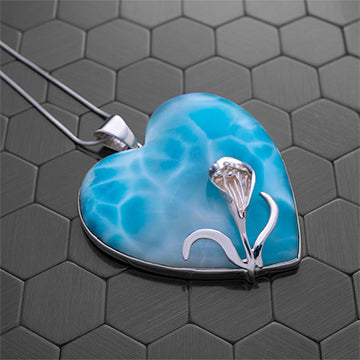
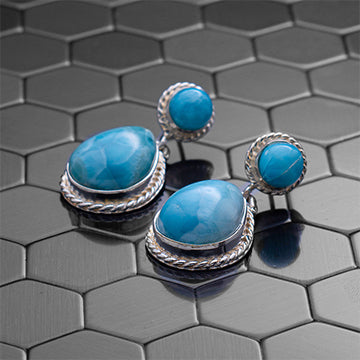
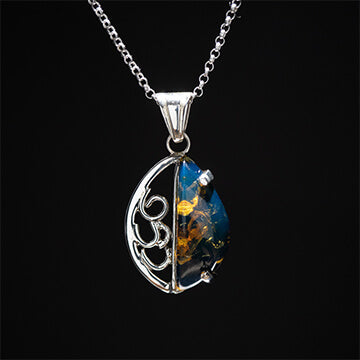
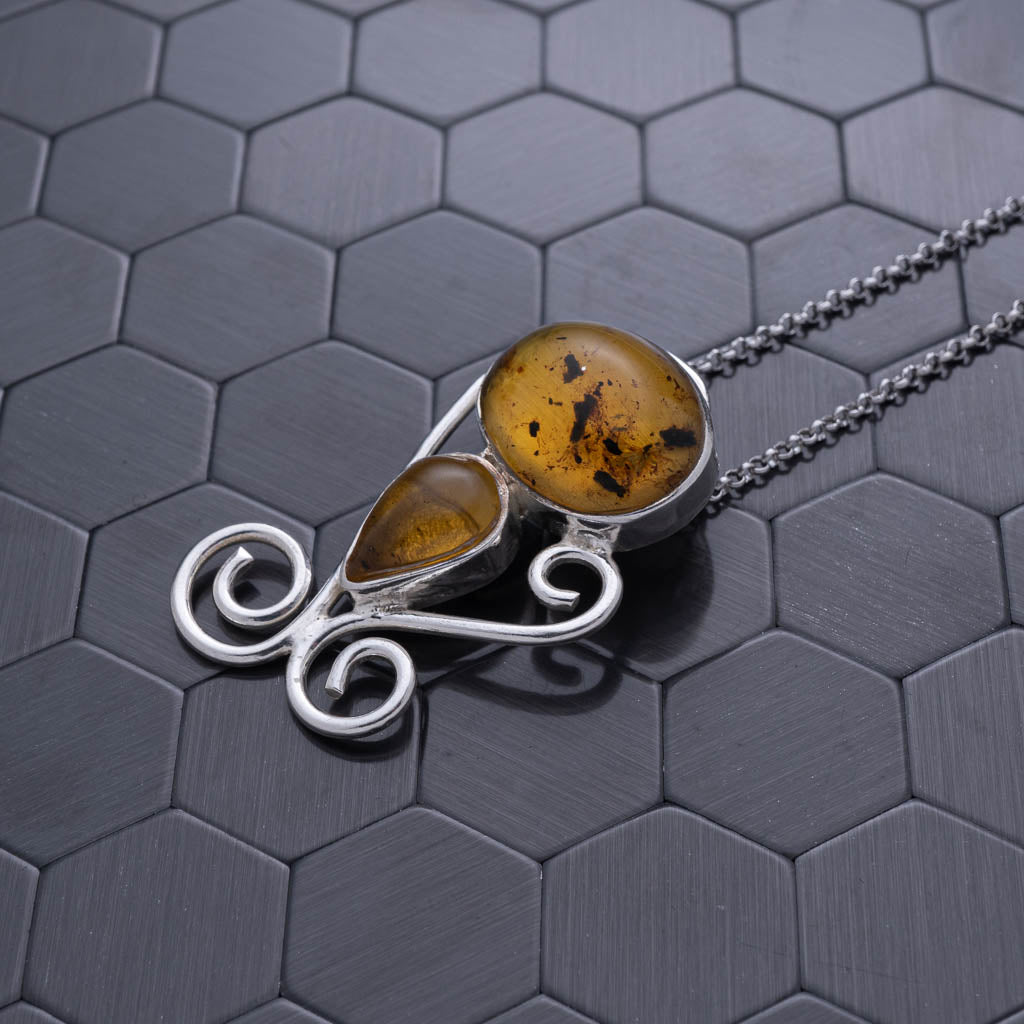
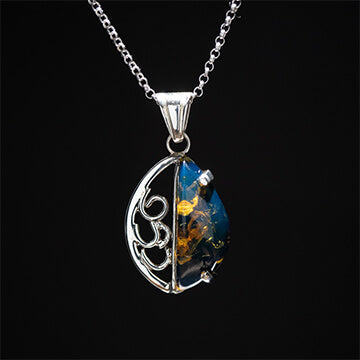
Quality larimar pendants showcase the stone's natural beauty while requiring skilled craftsmanship to highlight optimal color and pattern. The collection of Larimar Pendants demonstrates how expert cutting and setting can transform rough stones from the larimar-mines-dominican-republic into elegant jewelry pieces that tell the story of their Caribbean origins.
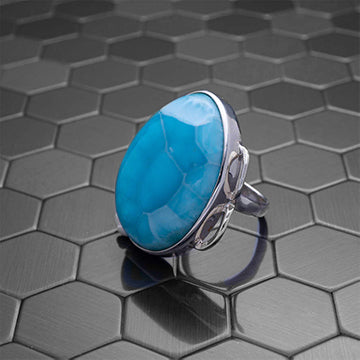
Design trends emphasize natural shapes that preserve the stone's organic character. Bezel settings protect softer larimar (ranking 4.5-5 on the Mohs hardness scale) from damage while allowing maximum visibility of distinctive patterns. Sterling silver remains the preferred metal, complementing blue tones without overpowering the gemstone.
As larimar's popularity increases, so does the prevalence of imitations and misrepresented stones. Consumers purchasing jewelry must verify authenticity through reputable dealers familiar with characteristics of genuine material from the larimar-mines-dominican-republic.
Authentic larimar exhibits specific properties:
Gemological testing can definitively identify larimar through spectroscopic analysis and mineral composition verification. Reputable sellers provide documentation of origin and offer return policies if authenticity concerns arise.
Price variations reflect quality differences, but exceptionally low prices should raise suspicion. Premium volcanic blue larimar commands higher values than lighter varieties, with pricing transparent among established dealers.
The outlook for the larimar-mines-dominican-republic balances conservation needs with economic realities. Government agencies collaborate with mining cooperatives to develop sustainable extraction plans ensuring resource longevity while supporting dependent communities.
Emerging trends shaping the industry include:
Technological integration may modernize certain aspects while preserving artisanal character. GPS mapping helps prevent over-mining specific areas, while digital record-keeping improves transparency in supply chains from mine to market.
The unique status of larimar as a single-source gemstone provides both opportunities and challenges. Scarcity drives value but requires careful management to prevent depletion. The Dominican Republic recognizes larimar as a national treasure worthy of protection while acknowledging its economic importance to mining communities.
The larimar-mines-dominican-republic stand as a testament to geological wonder and human craftsmanship, producing gemstones that capture the essence of Caribbean waters in crystalline form. Understanding the mining process, geographic exclusivity, and cultural significance enhances appreciation for jewelry featuring this remarkable stone. Larimar Creations transforms these precious stones from Barahona's mines into exquisite pendants, rings, and other handcrafted pieces, offering worldwide shipping so collectors everywhere can own authentic larimar jewelry that connects them to the Dominican Republic's unique geological heritage.