
by Admin June 14, 2026 5 min read

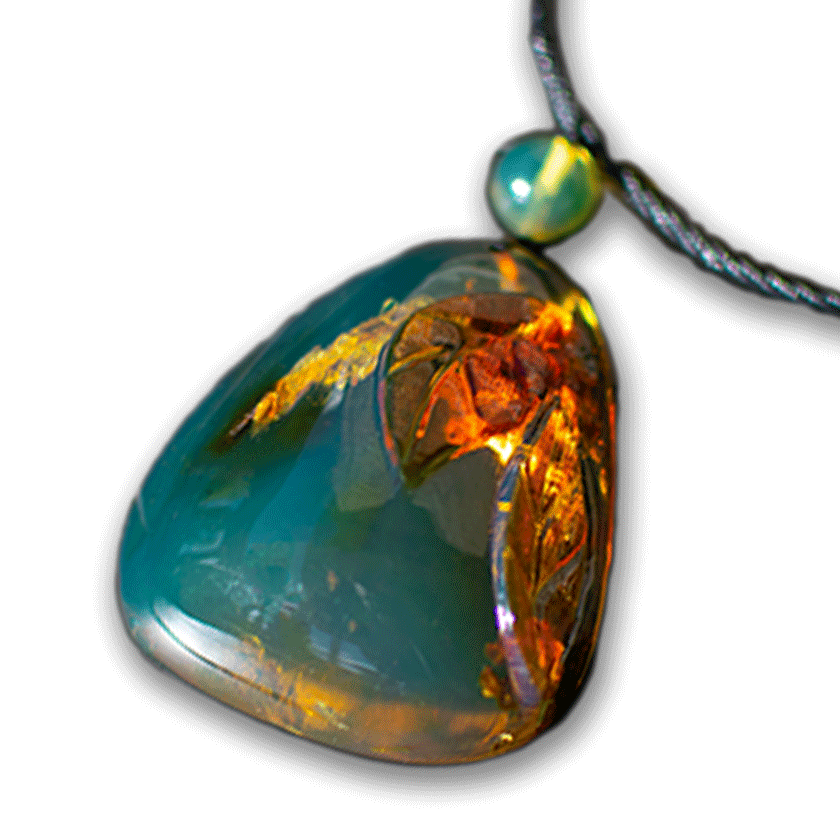
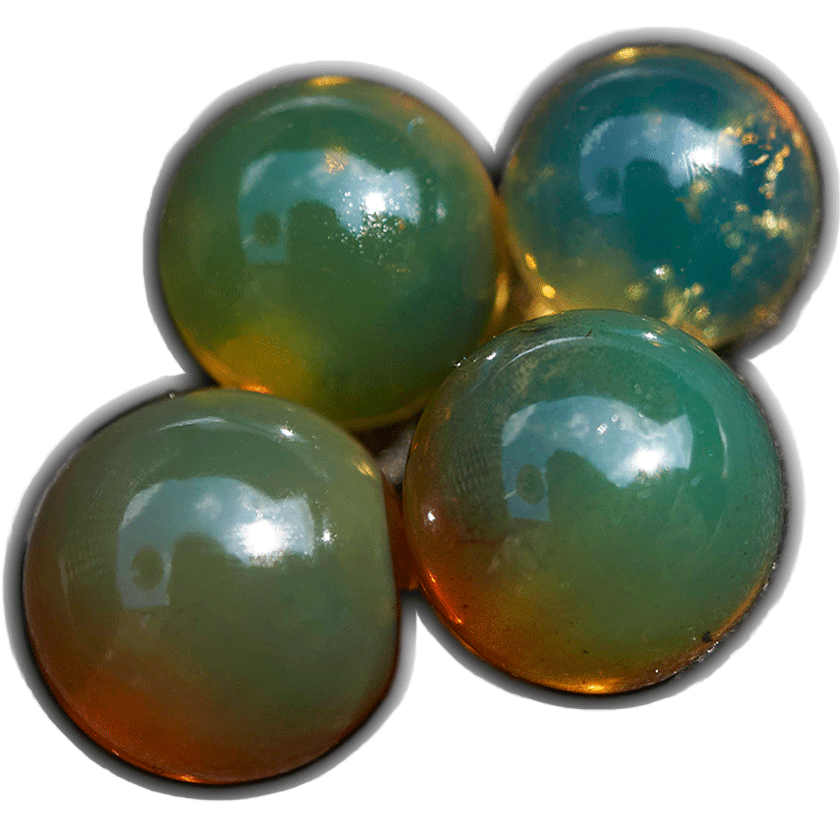
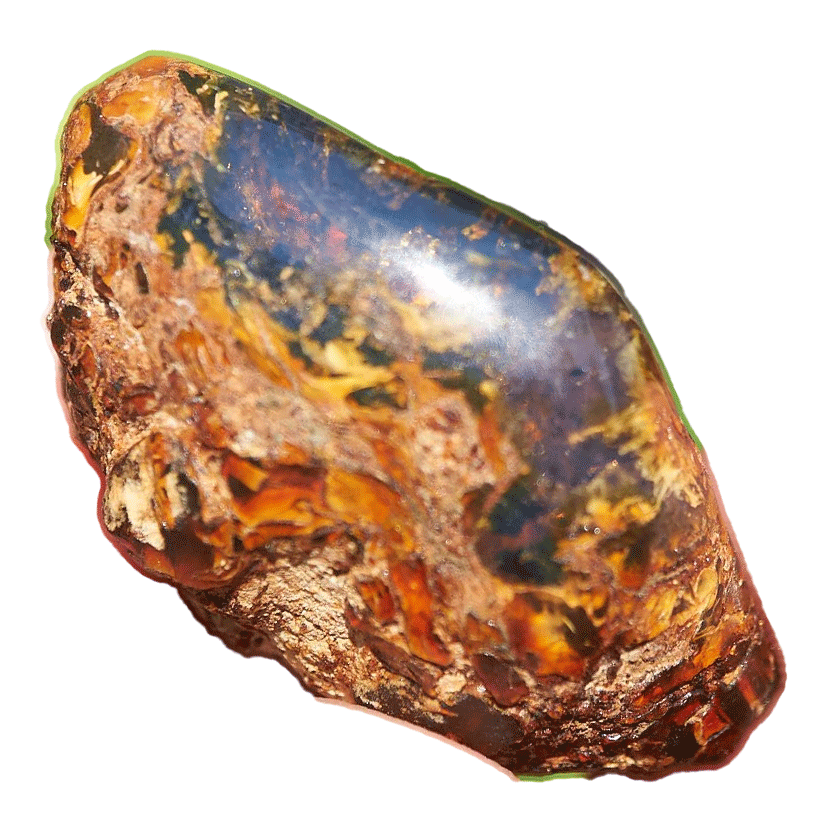
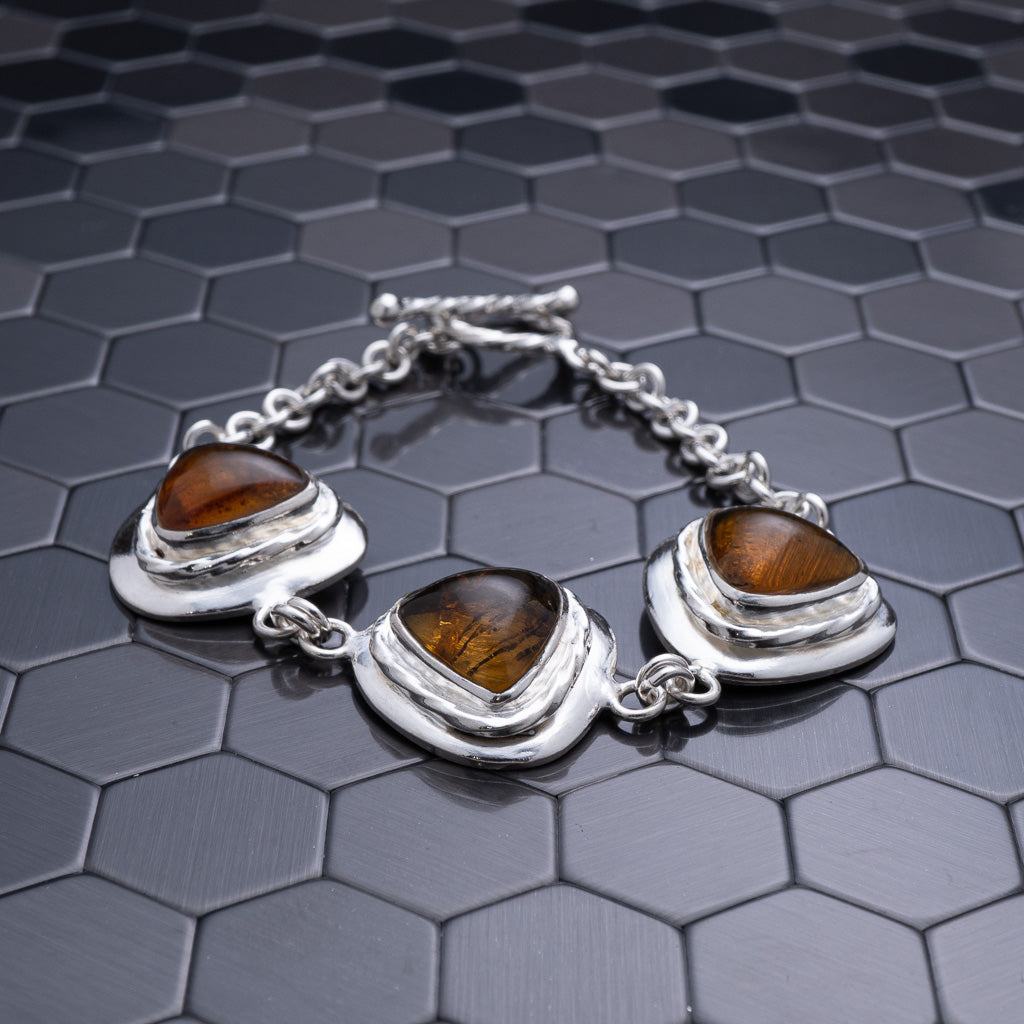
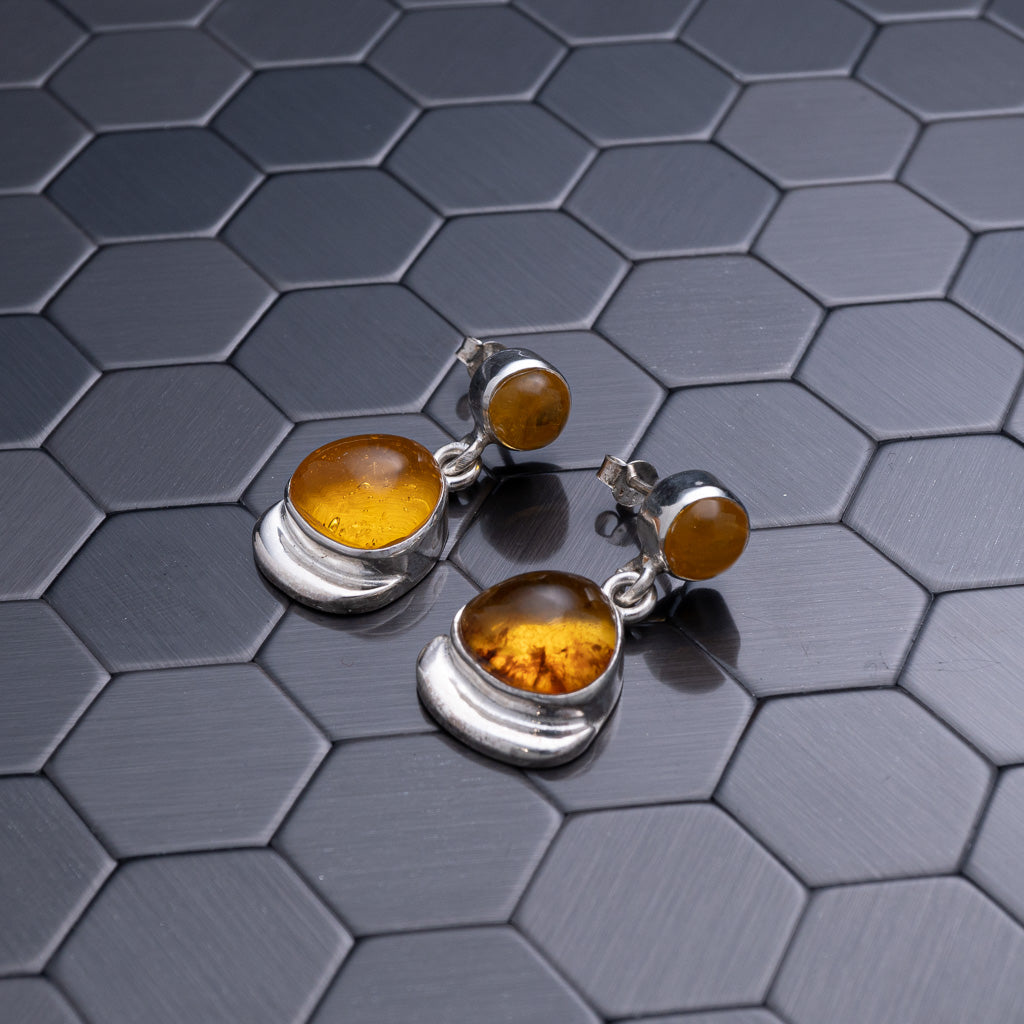
A few drops of water on your amber ring after washing your hands usually are not a disaster. Still, if you have ever wondered, can amber jewelry get wet, the honest answer is yes - but only briefly, and not without some caution. Amber is not a hard mineral gemstone. It is fossilized tree resin, prized for its warm glow, organic beauty, and in the case of rare Dominican Blue Amber, its extraordinary light.

That difference matters. Amber wears beautifully, but it does not behave like sapphire, diamond, or even quartz. If you collect fine amber jewelry or wear it often, understanding how moisture affects the stone helps preserve both its surface and its setting.

Can amber jewelry get wet without damage?

Amber can tolerate brief, incidental contact with water. Rain, a quick hand rinse, or a few splashes while cleaning up are generally not enough to ruin a genuine amber pendant or pair of earrings. The bigger concern is not a moment of moisture. It is repeated exposure, soaking, heat, chemicals, and the materials surrounding the amber.

Amber is relatively soft and lightweight, which is part of its charm. That softness also means the surface can lose polish over time if it faces the wrong conditions. Water alone is not always the main culprit, but water often comes with soap, shampoo, salt, chlorine, or sudden temperature changes. Those are much harder on amber than plain water by itself.

If your piece includes sterling silver, gold-filled elements, silk cord, leather, adhesive, or artisan inlay work, moisture can affect those components too. So the better question is not simply whether amber can get wet. It is how much water, how often, and under what conditions.

Why water affects amber differently

Amber is an organic gemstone with a structure that is far less dense than traditional mineral stones. That gives it its signature warmth and natural depth, but it also makes it more sensitive to environmental stress. Prolonged moisture can dull the finish, and repeated wet-dry cycles may gradually weaken the appearance of a highly polished surface.

This is especially relevant for finely handcrafted pieces, where the setting is designed to showcase natural color, clarity, and glow. A beautifully cut cabochon or polished bead can lose some of its visual refinement if it is exposed to rough treatment over time.

With Dominican amber, authenticity and origin add another layer of value. These stones are chosen for their rarity and character, not just durability. When you wear a piece of the Caribbean, you are wearing something naturally formed and distinct - and that deserves gentler care than mass-market fashion jewelry.

Plain water vs. harmful water exposure

A brief splash of clean, lukewarm water is one thing. Swimming in a chlorinated pool, soaking in a hot tub, showering daily, or wearing amber in the ocean is another. Chlorine can be harsh on both amber and metal settings. Saltwater leaves residue and can dry on the surface. Hot water and steam may stress the stone, especially if the jewelry also contains glue-set components or delicate craftsmanship.

Even shower water is rarely just water. It usually includes soap, shampoo, conditioner, body wash, and heat. Those layers build up over time and can leave amber looking cloudy or less luminous.

When it is usually fine - and when it is not

For everyday wear, brief accidental contact is usually manageable if you dry the piece soon after. If you are caught in light rain while wearing an amber pendant, there is little reason to panic. If you rinse your hands and your amber bracelet gets a few drops on it, that is also generally fine.

It is not fine to wear amber jewelry in the shower, bath, pool, sauna, or ocean. It is also wise to remove it before washing dishes, cleaning the house, exercising heavily, or using lotions and perfumes. Those habits do more to protect amber than any special cleaner ever will.

Collectors and frequent wearers sometimes assume a premium piece can tolerate more because it is better made. In reality, a finer piece often deserves more attentive care precisely because the stone is authentic, the craftsmanship is elevated, and the finish is meant to highlight natural beauty rather than hide wear.

How to care for amber jewelry after it gets wet

If your amber jewelry gets wet, dry it gently with a soft, clean cloth. Do not rub aggressively. The goal is to remove moisture without creating friction on the surface. Let the piece air dry fully before placing it back in a jewelry box, especially if the setting has small crevices where water can collect.

Avoid hair dryers, direct sunlight, radiators, or any fast heat source. Amber responds better to patience than intensity. If residue is left behind, use only a slightly damp soft cloth and then dry immediately. Harsh cleaners, ultrasonic machines, and jewelry dips should stay far away from amber.

If the piece looks dull after repeated wear, professional polishing may be possible depending on the finish and setting. That should be handled carefully, especially for valuable Dominican amber and artisan-made jewelry where preserving the original surface is important.

Storage matters as much as cleaning

Amber benefits from a stable environment. Store it separately from harder gemstones and metal pieces that could scratch it. A soft pouch or lined jewelry box works well. Keep it away from high heat, intense sunlight, and very dry or very humid conditions for long periods.

This is one reason amber remains so appealing to discerning buyers. It feels personal. It asks for a little mindfulness. In return, it offers a glow and individuality that more conventional stones simply do not replicate.

Can amber jewelry get wet if it is set in gold or silver?

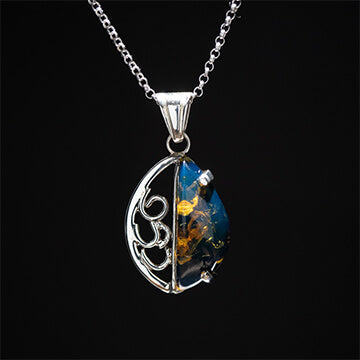
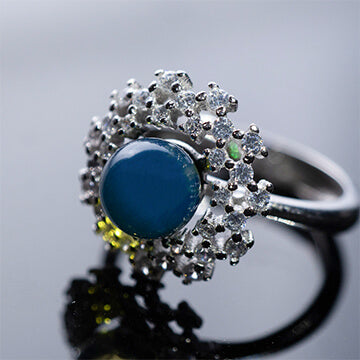
The metal does not make the amber waterproof. Gold and sterling silver settings can add structure and protection, but the amber itself remains the same organic material. In some designs, the setting may even create small areas where moisture lingers if the piece is not dried properly.

Silver brings another factor: tarnish. If water, soap, or humidity remain on the piece, the metal may dull faster. So while a fine setting can support the stone beautifully, it does not change the basic care rule. Brief contact is acceptable. Routine water exposure is not.

This is especially true for handcrafted jewelry, where the beauty often lies in the balance between stone and setting. The craftsmanship deserves the same thoughtful treatment as the amber itself.

Signs your amber has had too much moisture or rough wear

If amber has been exposed too often to water and daily stress, the first sign is usually a loss of luster. The surface may look less glossy or slightly hazy. In some cases, the setting may loosen, adhesives may weaken, or surrounding materials such as cord or leather may show wear before the amber itself visibly changes.

That does not always mean the piece is permanently damaged. It may simply need drying, gentle cleaning, or professional attention. But it is a reminder that amber jewelry is best treated like a fine natural treasure, not an all-conditions accessory.

For buyers who choose amber because it is rare, meaningful, and visually unlike anything else, this trade-off is usually easy to accept. You are not choosing a stone for industrial toughness. You are choosing depth, history, warmth, and authenticity.

The best habit for everyday wear

The simplest rule is this: put your amber jewelry on after you finish washing, applying fragrance, lotion, or hair products, and take it off before any activity involving water, heat, or chemicals. That one habit protects both the gemstone and the handcrafted details around it.

At Larimar Creations, that kind of care aligns naturally with the value of authentic Caribbean stones. Whether you wear amber for its golden glow, its spiritual symbolism, or the rarity of Dominican origin, thoughtful handling helps the piece remain as captivating as the day you chose it.

Amber does not need perfect conditions to stay beautiful. It just asks not to be treated like something ordinary.


Let's Stay In Touch