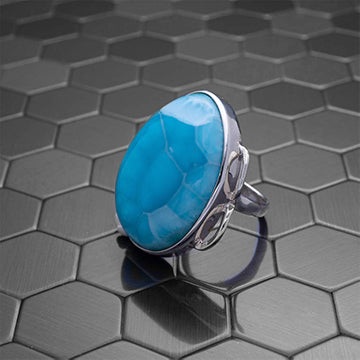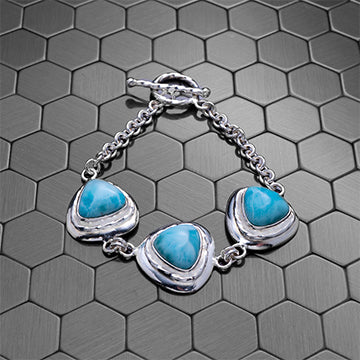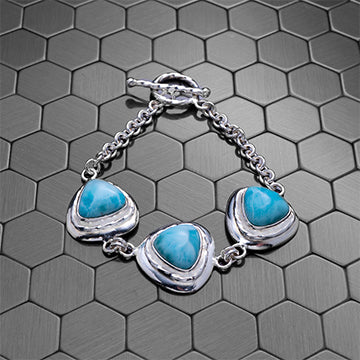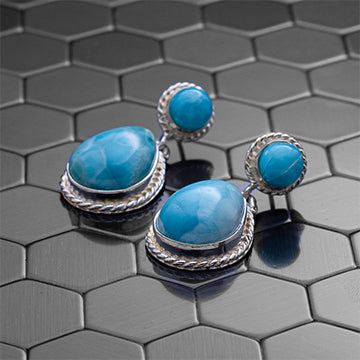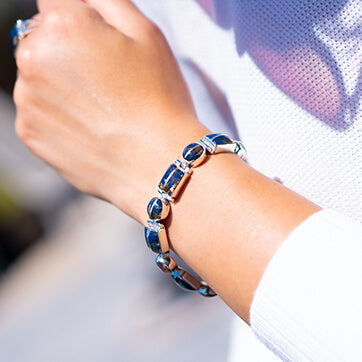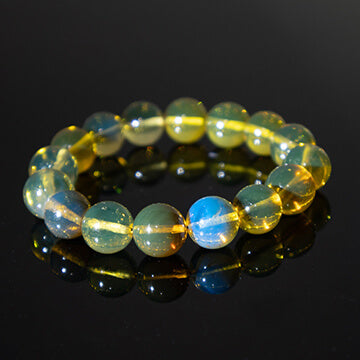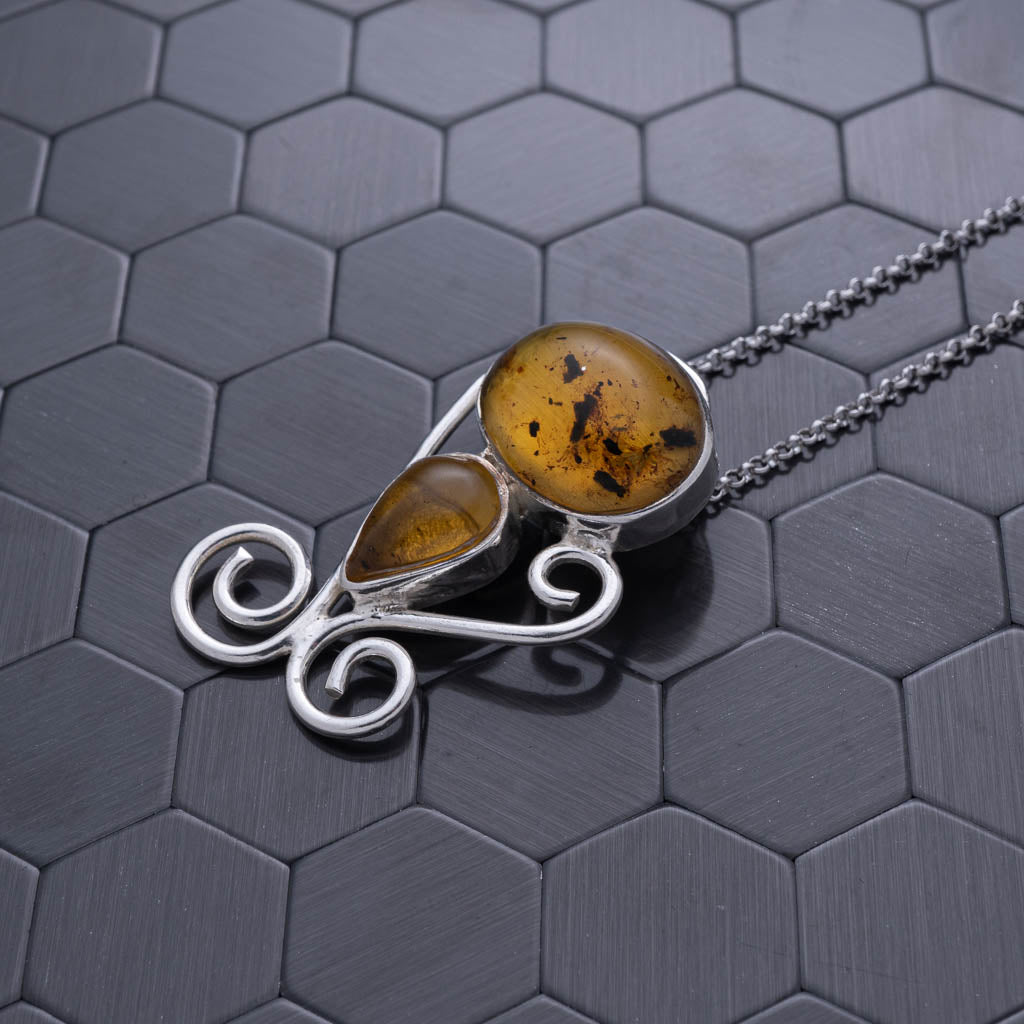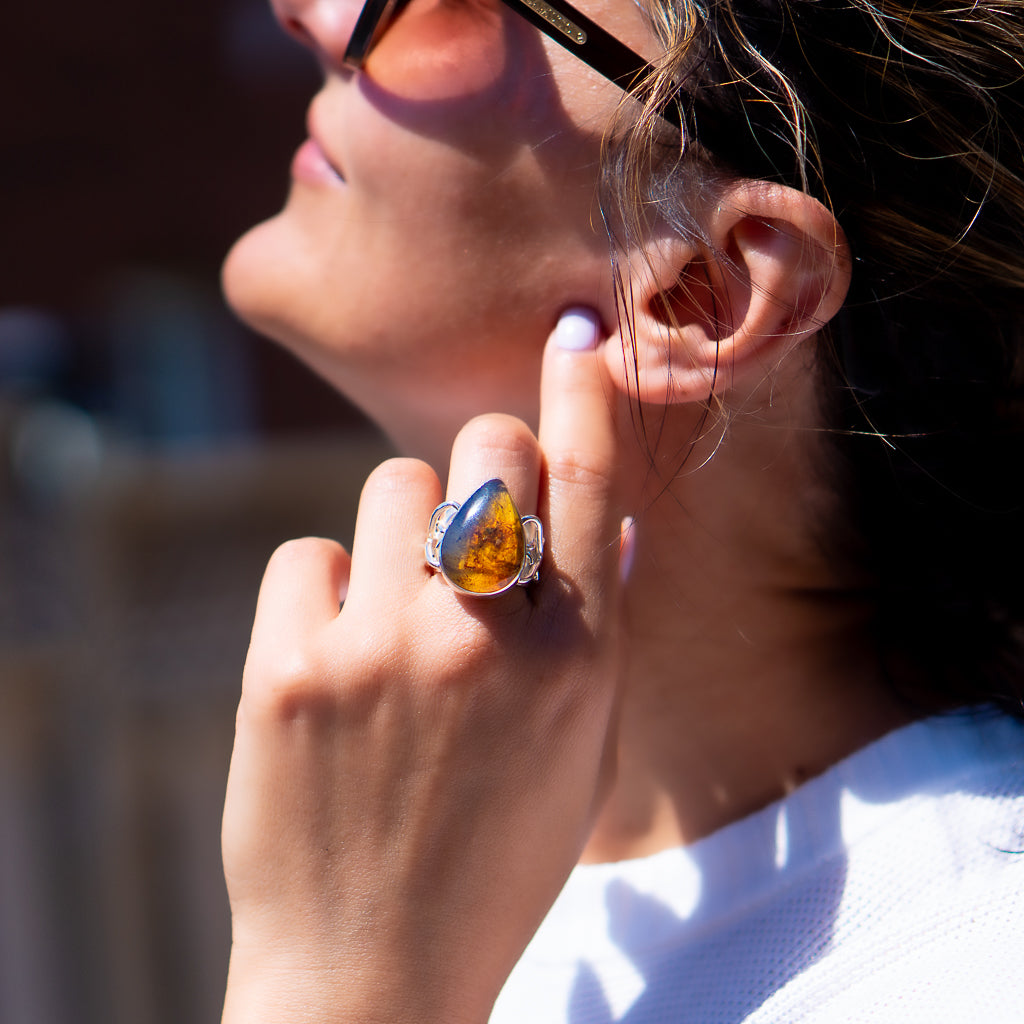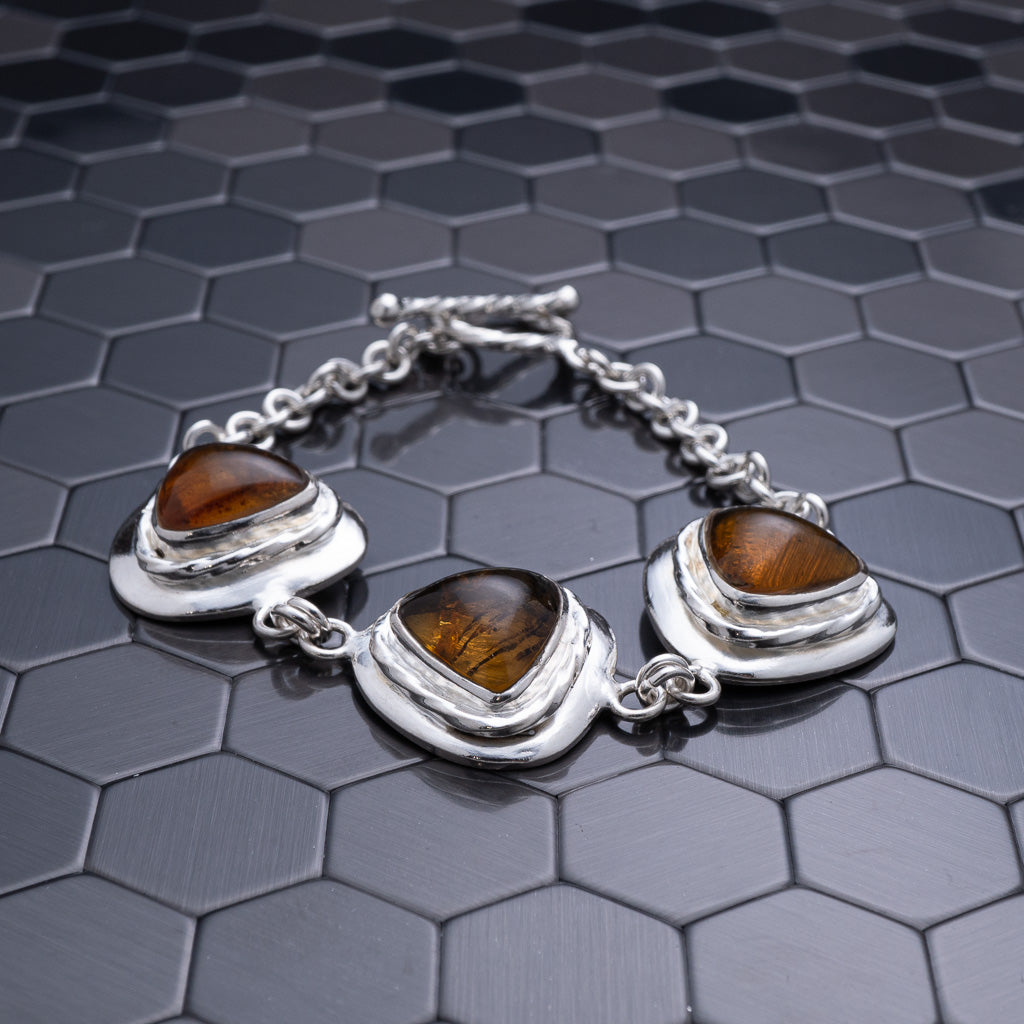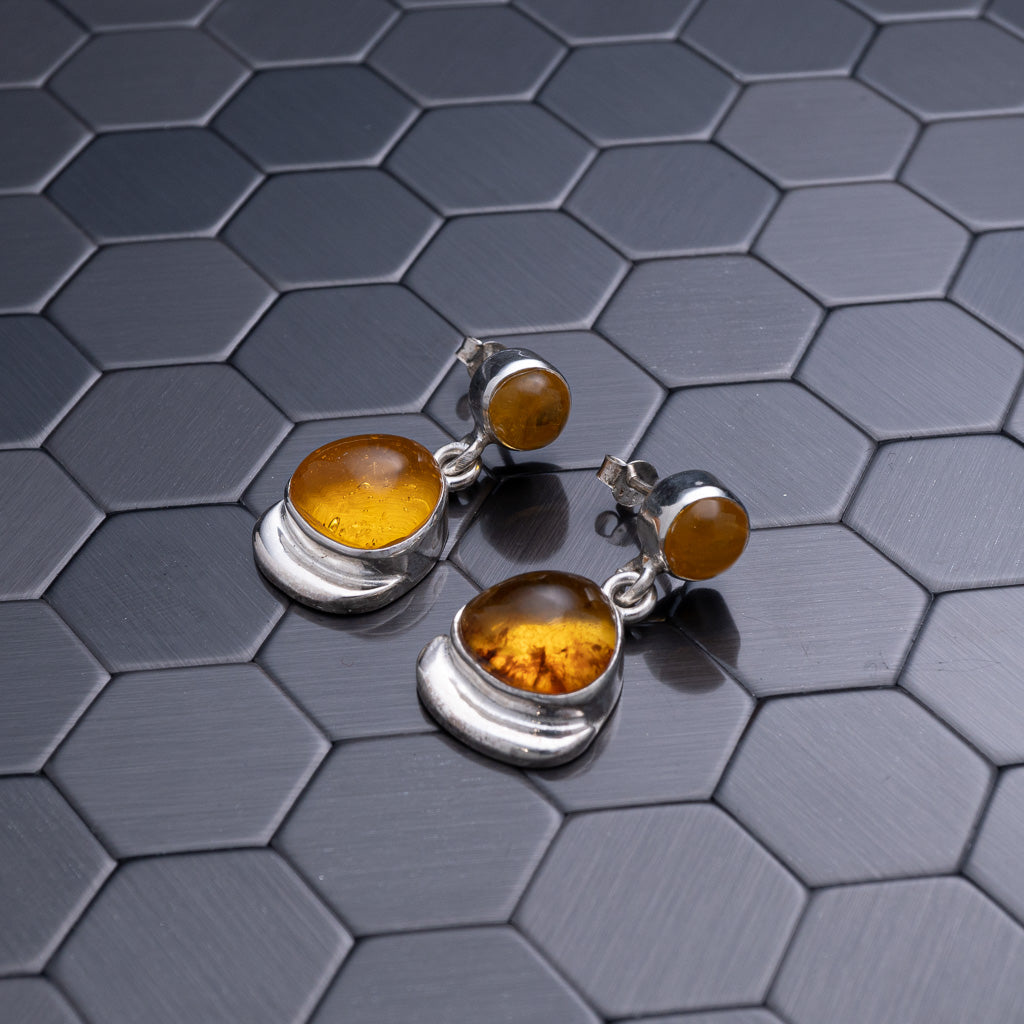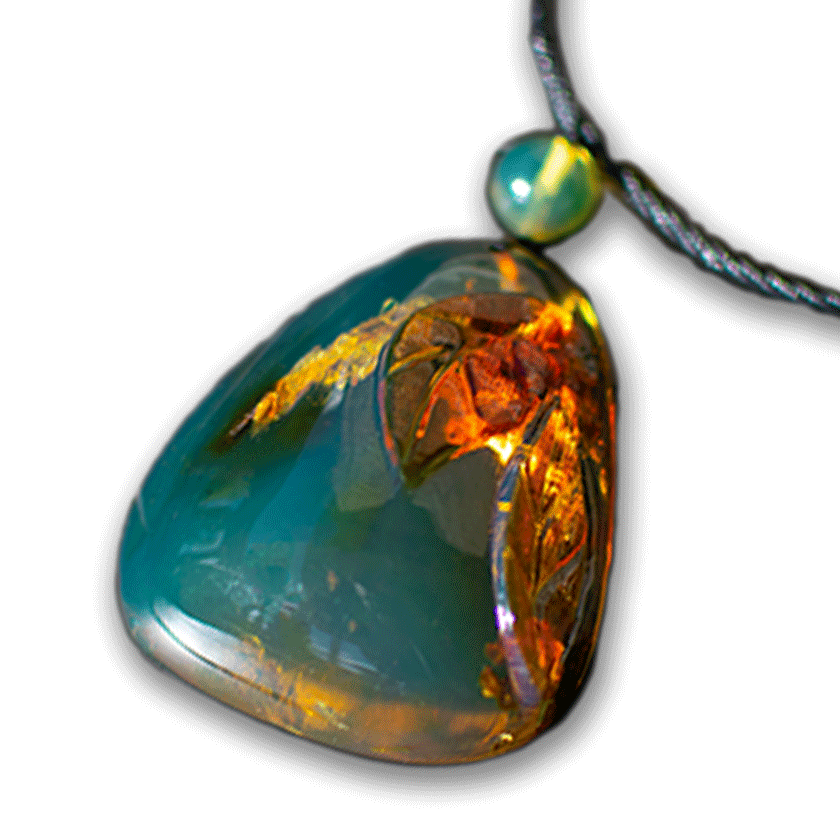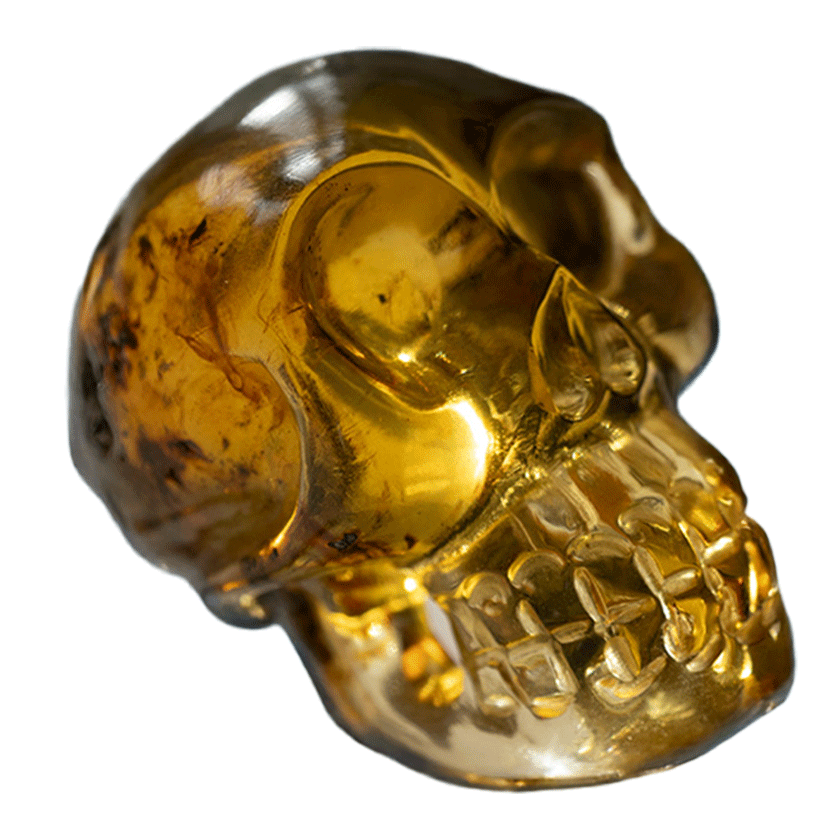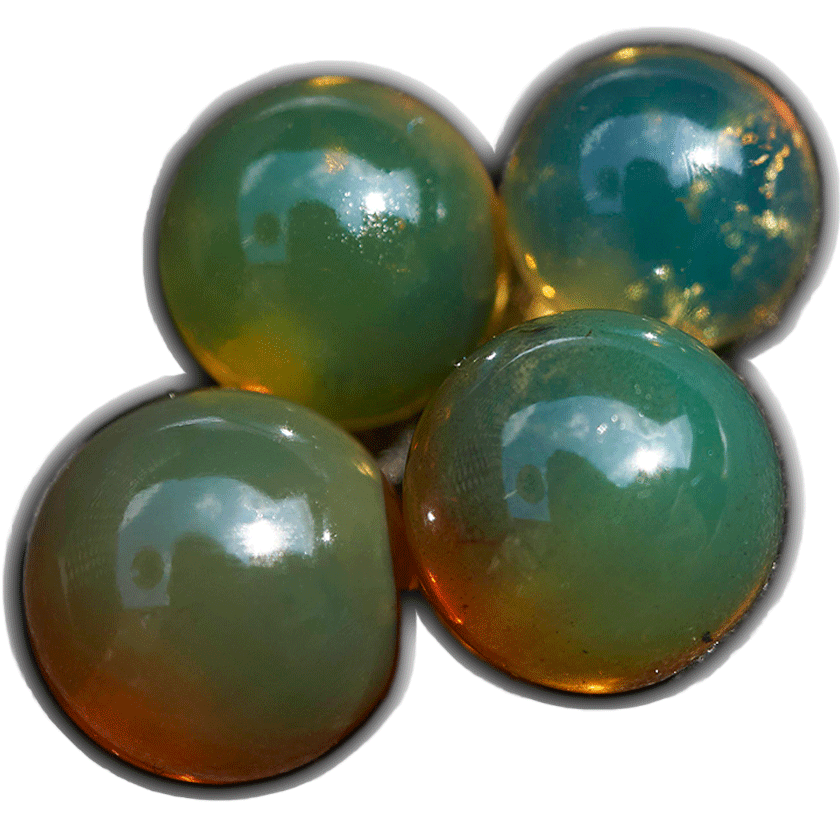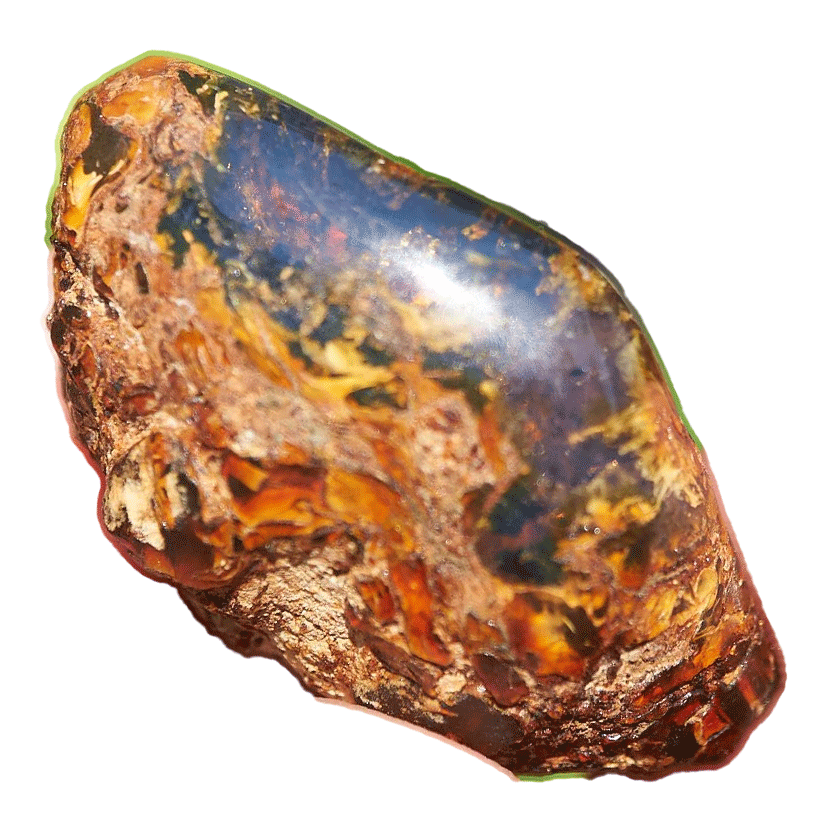


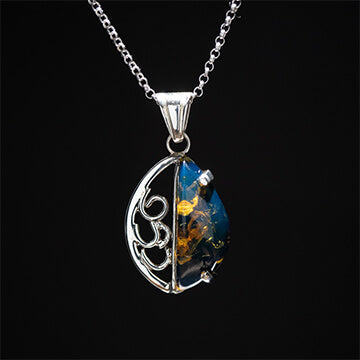
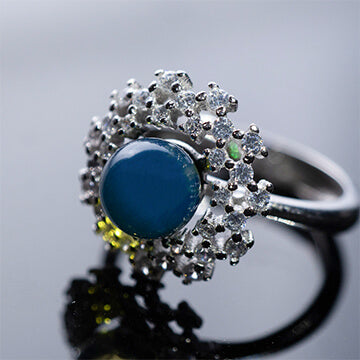
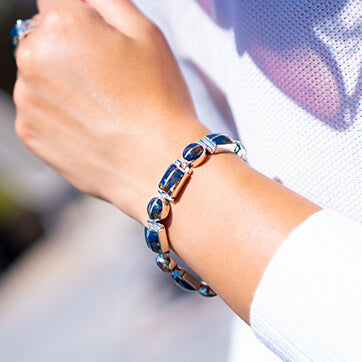
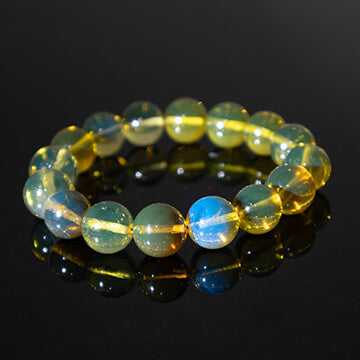
Handcrafted in DR.

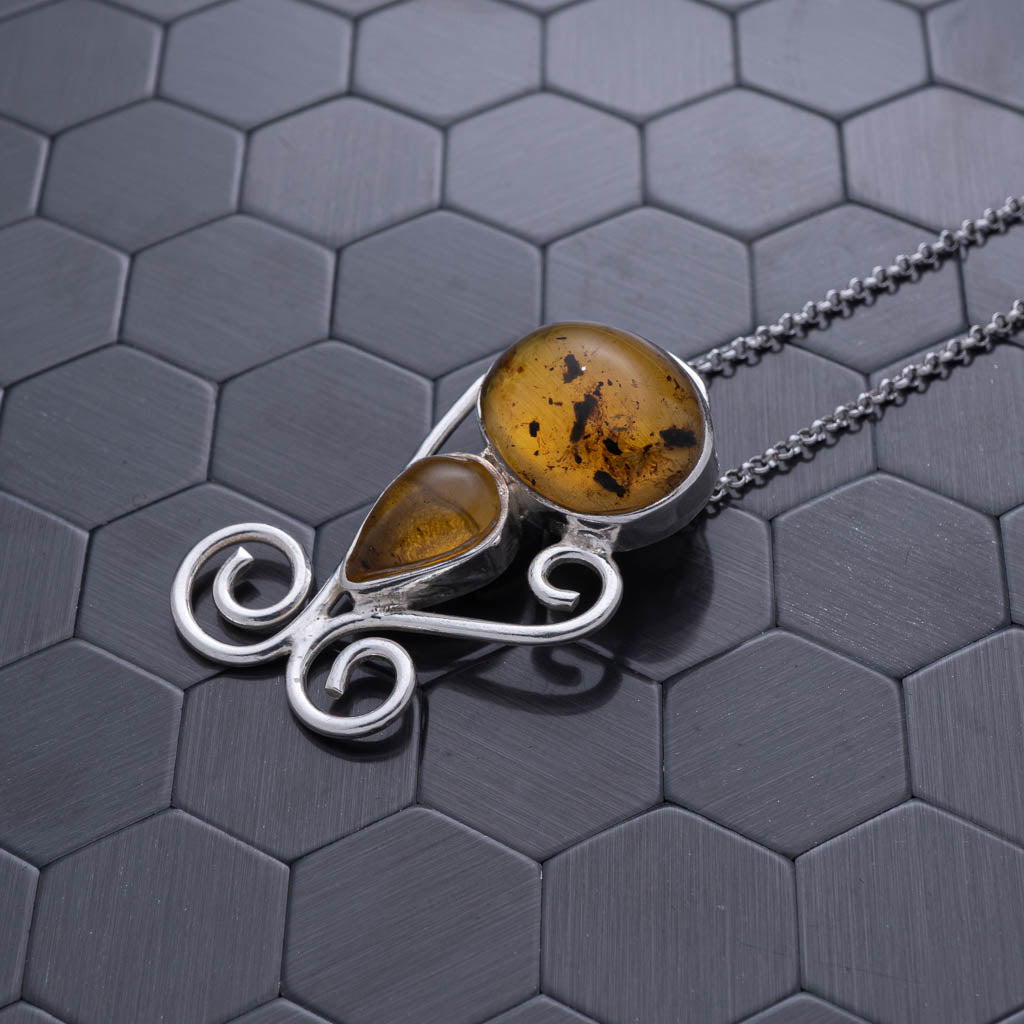
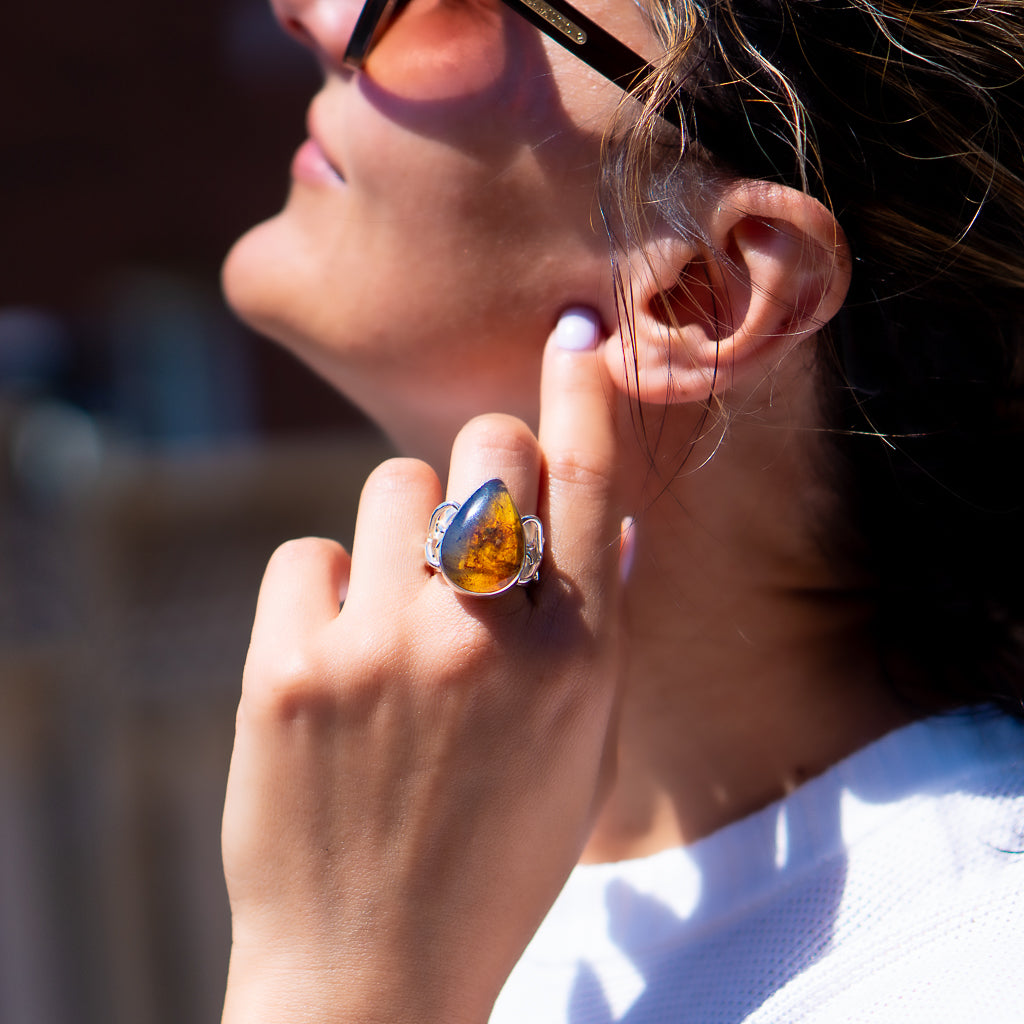
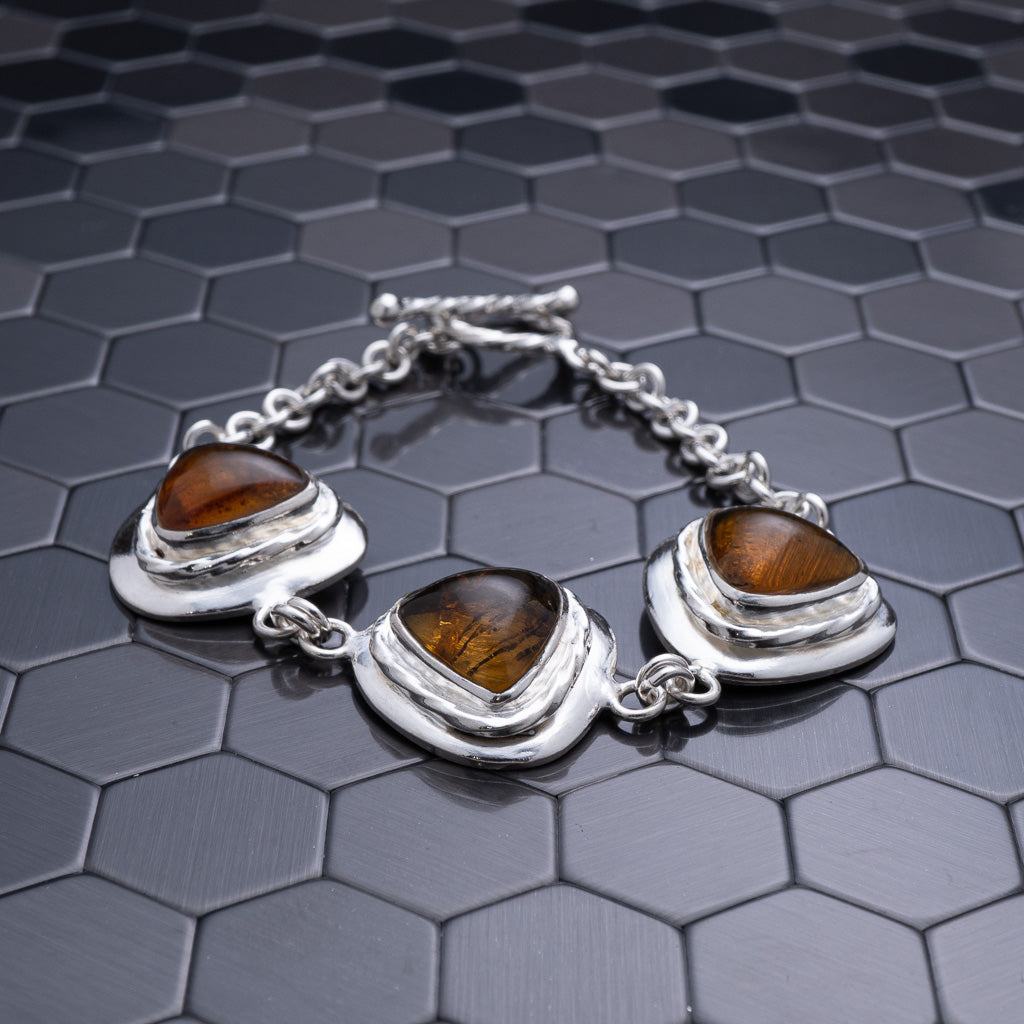
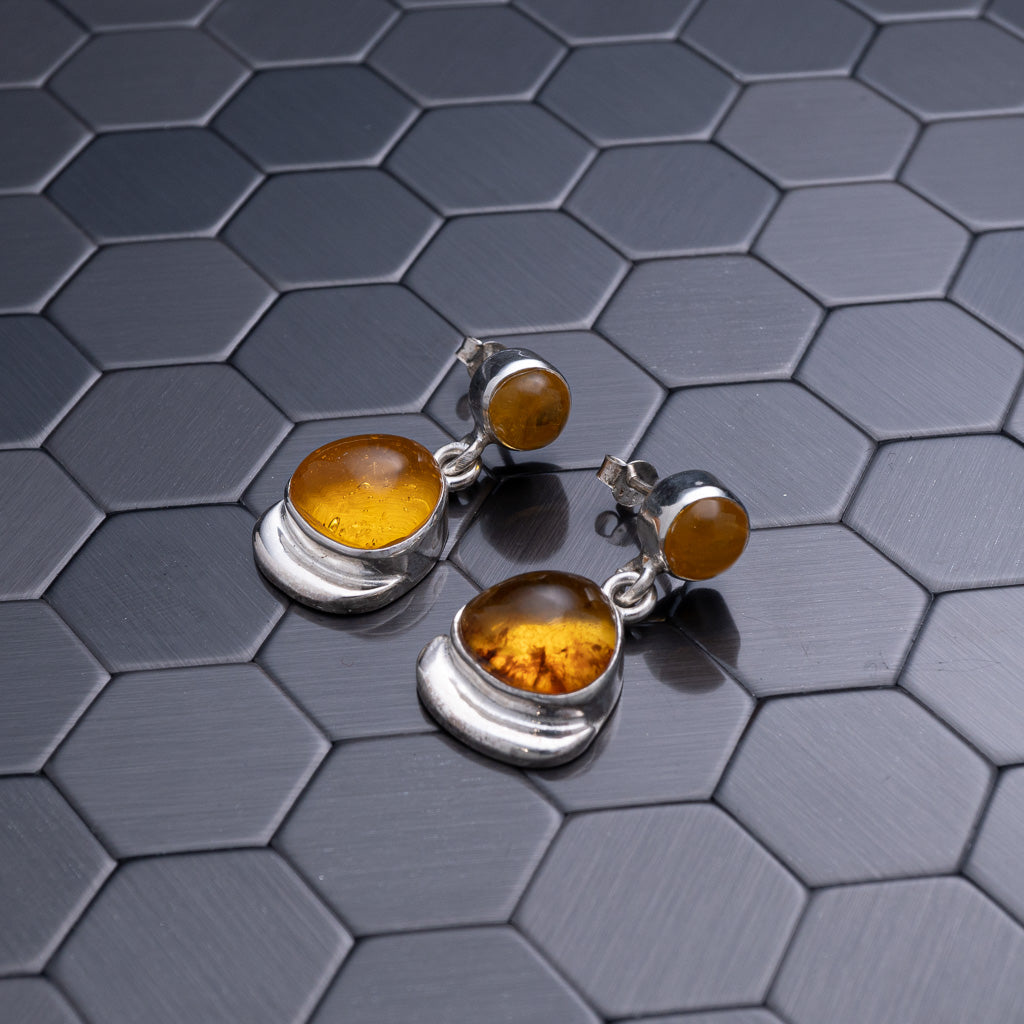


100% Handcrafted in DR.

Silver necklace jewelry represents one of the most versatile and enduring choices in personal adornment, combining affordability with elegance that transcends generations and fashion trends. Whether you're drawn to delicate chains, statement pendants, or layered designs, understanding the characteristics, quality markers, and care requirements of silver jewelry ensures your investment maintains its beauty for years to come. The timeless appeal of silver makes it an ideal foundation for showcasing precious gemstones, creating heirloom pieces, or building a collection that adapts to every occasion. From understanding sterling silver standards to selecting the perfect length and style, this comprehensive exploration will guide you through everything you need to know about silver necklace jewelry.
Sterling silver stands as the benchmark for quality in silver necklace jewelry, defined by specific composition requirements that balance durability with the lustrous properties of pure silver. The sterling silver standard requires 92.5% pure silver content, with the remaining 7.5% typically composed of copper or other metals that enhance strength and workability.
This alloy composition creates several advantages for jewelry wearers:
Hallmarks and authenticity marks provide crucial verification of sterling silver quality. Look for stamps reading "925," "Sterling," or "Ster" on your necklace, typically found on the clasp or a small tag near the closure. These markings guarantee the metal composition meets international standards for sterling silver content.
The addition of copper to pure silver serves multiple purposes beyond structural integrity. This alloying process prevents the excessive softness that makes pure silver impractical for everyday jewelry while maintaining the characteristic bright white color that defines silver's aesthetic appeal.
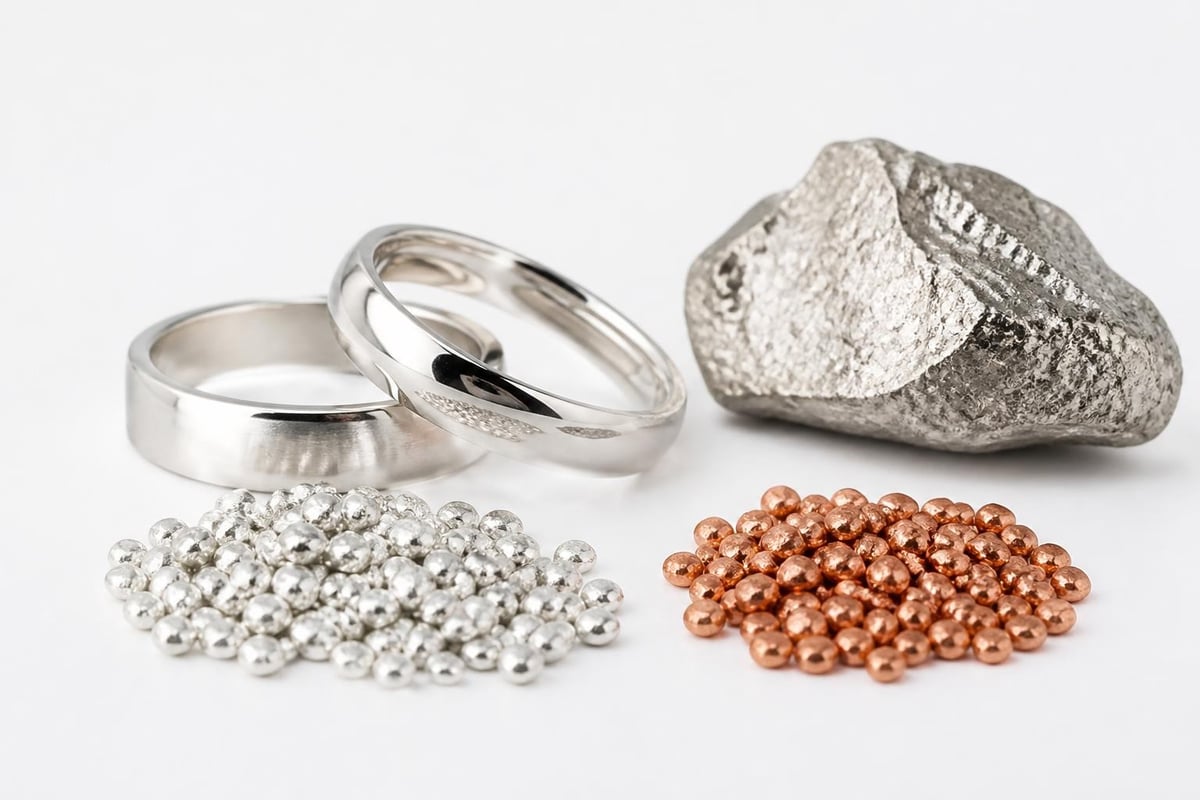
Different silver alloys have emerged to address specific challenges. Argentium silver incorporates germanium instead of some copper content, offering enhanced tarnish resistance. Fine silver, at 99.9% purity, appears in specialized applications where malleability outweighs durability concerns. Understanding these variations helps you select silver necklace jewelry that matches your lifestyle and maintenance preferences.
The versatility of silver necklace jewelry manifests in an extraordinary range of styles, from minimalist chains to elaborate statement pieces that command attention. Contemporary jewelry design embraces both traditional craftsmanship and modern aesthetics, offering options for every personal style and occasion.
Chain styles form the foundation of most silver necklaces:
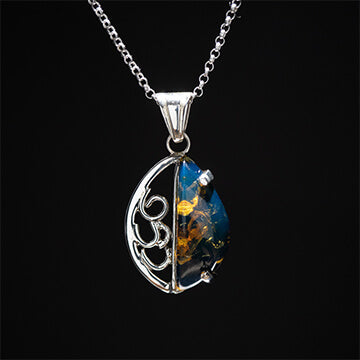
Silver provides an exceptional setting for showcasing colored gemstones, creating contrast that enhances both the metal's brightness and the stone's hue. The craftsmanship involved in silverwork allows artisans to create intricate bezels, prong settings, and decorative elements that complement gemstone characteristics.
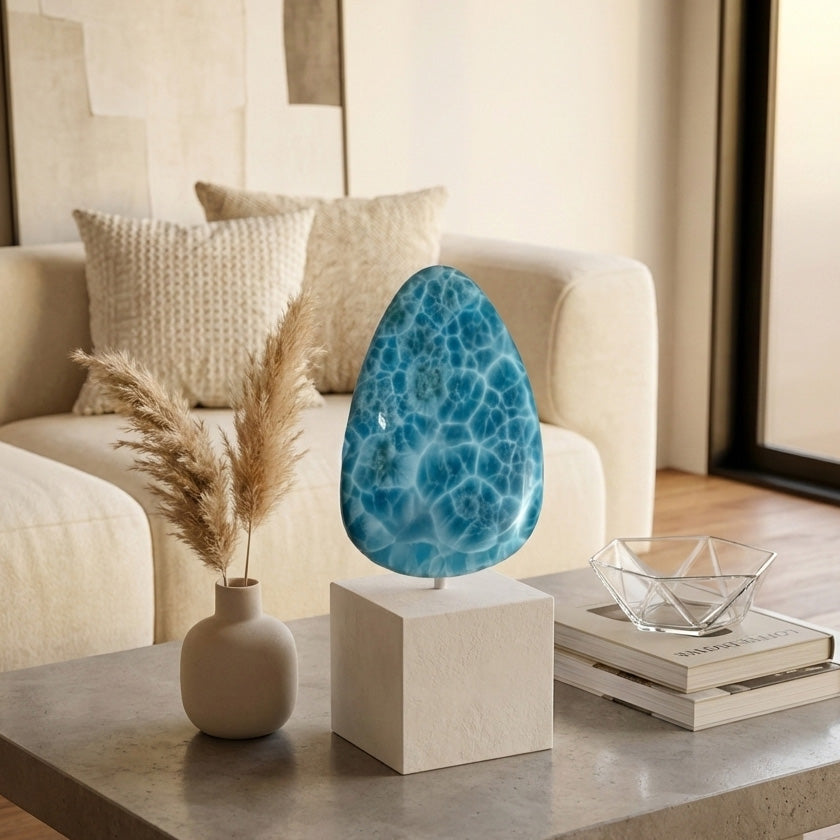
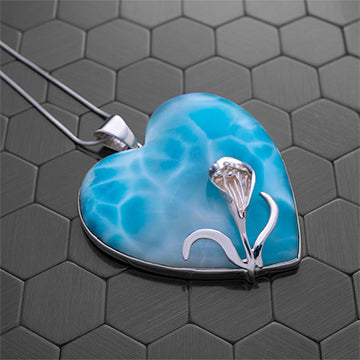
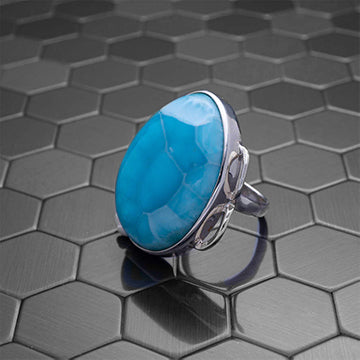
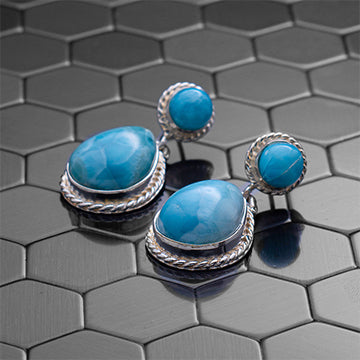
For those seeking unique gemstone pairings, combining silver with rare stones creates distinctive pieces. Larimar Pendants exemplify how silver settings can enhance the serene blue tones of unusual gemstones, creating jewelry that tells a story while maintaining elegant simplicity. The cool tones of silver particularly complement blue, green, and purple stones, though warm-colored gems create striking contrasts.
| Necklace Style | Best For | Length Range | Formality Level |
|---|---|---|---|
| Choker | Defined necklines | 14-16 inches | Evening/Formal |
| Princess | Universal wear | 17-19 inches | Versatile |
| Matinee | Layering | 20-24 inches | Business/Casual |
| Opera | Statement looks | 28-34 inches | Dramatic/Formal |
| Rope | Versatile styling | 36+ inches | Adaptable |
Understanding necklace lengths helps you select pieces that flatter your frame and work with your wardrobe. Princess length represents the most popular choice for silver necklace jewelry, falling just below the collarbone for a universally flattering position.
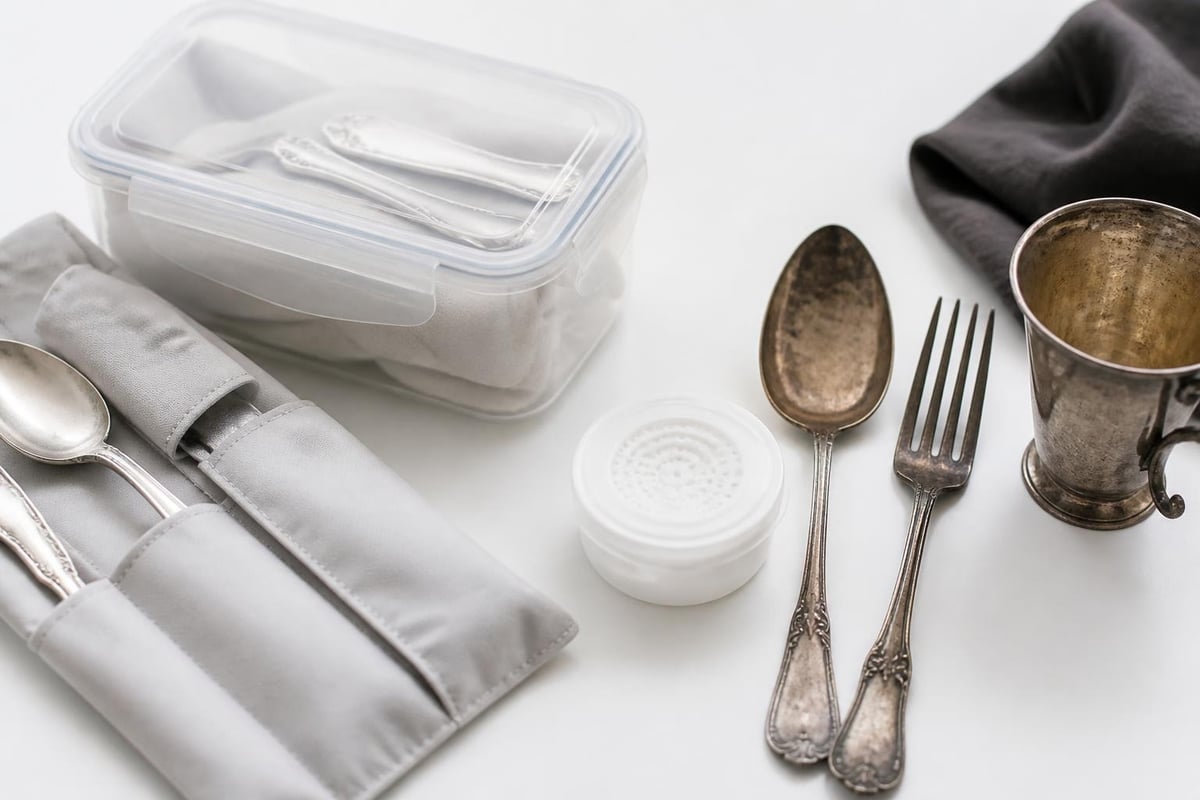
Proper maintenance preserves the beauty of silver necklace jewelry and prevents common issues like tarnishing, scratches, and structural damage. Silver's reactive nature with sulfur compounds in air creates the characteristic darkening that many pieces develop over time, but strategic care minimizes this natural process.
Smart wearing habits extend the life of your silver pieces significantly. Remove necklaces before swimming, showering, or exercising, as chlorine, salt water, and perspiration accelerate tarnishing. Apply cosmetics, hairspray, and perfumes before putting on silver jewelry to minimize chemical exposure.
Storage solutions that protect silver necklace jewelry include:
Regular wearing actually benefits silver pieces, as the natural friction of skin contact polishes the surface. However, proper storage between wearing periods prevents oxidation buildup that requires intensive cleaning.
Multiple cleaning approaches address different levels of tarnish on silver necklace jewelry. For light cleaning, warm water with mild dish soap and a soft cloth gently removes daily buildup. A soft-bristled toothbrush reaches into chain links and decorative details without causing scratches.
Commercial silver polishes effectively remove heavier tarnish, though following product instructions prevents damage to delicate pieces or gemstone settings. The polishing cloth method offers convenience for quick touchups, with treated cloths containing gentle abrasives that restore shine without harsh chemicals.
For intricate pieces or heavily tarnished silver, professional cleaning services provide specialized care. Jewelers possess ultrasonic cleaners and expertise in handling delicate chains, ensuring thorough cleaning without compromising structural integrity. Consider professional maintenance annually for valuable or sentimental pieces.
Purchasing silver necklace jewelry requires evaluating multiple factors beyond aesthetic appeal to ensure long-term satisfaction and value retention. Quality indicators distinguish well-crafted pieces from mass-produced items that may disappoint with premature wear or breakage.
Clasp construction deserves particular attention, as this component bears the greatest stress during wear. Secure clasp types include:
Examine chain integrity by checking link consistency, smooth edges, and proper closure without gaps. Quality chains maintain uniform thickness without thin spots that indicate potential weak points. The chain should drape naturally without kinking or twisting, indicating proper construction and material quality.
Substantial weight often indicates quality construction in silver necklace jewelry, though design purpose affects this metric. Delicate chains intentionally feature lighter construction, while statement pieces require heavier gauge wire for visual impact and durability. Compare similar styles to develop a sense of appropriate weight ranges.
Chain thickness measurements guide durability expectations and aesthetic preferences. Thinner chains under 2mm suit minimalist designs and lightweight pendants, while chains exceeding 4mm provide bold presence and support heavier focal elements. Medium weights between 2-4mm offer versatility for various pendant sizes and wearing occasions.
Understanding the properties of silver as a metal helps evaluate pricing and quality claims. Current silver market values fluctuate, but sterling silver maintains relatively stable pricing compared to gold or platinum, making it accessible for building substantial collections without excessive investment.
The adaptability of silver necklace jewelry spans casual everyday wear through formal evening events, with strategic selection and styling techniques enhancing appropriateness for any setting. Understanding how to coordinate pieces with wardrobe choices and other accessories maximizes the versatility of your collection.
Contemporary jewelry styling embraces layered necklaces that create visual depth and personal expression. Successful layering combines different lengths, typically spacing each piece 2-3 inches apart to prevent tangling while maintaining distinct visibility. Start with a choker or short pendant, add a princess-length chain, and complete the look with a longer matinee piece.
Texture mixing within silver necklace jewelry adds sophisticated dimension:
Mixed metal styling has gained widespread acceptance, allowing silver necklaces to coordinate with gold, rose gold, or platinum pieces. This approach expands styling options and accommodates jewelry collections accumulated over time. Balance metal proportions by establishing one metal as dominant while using others as accents.
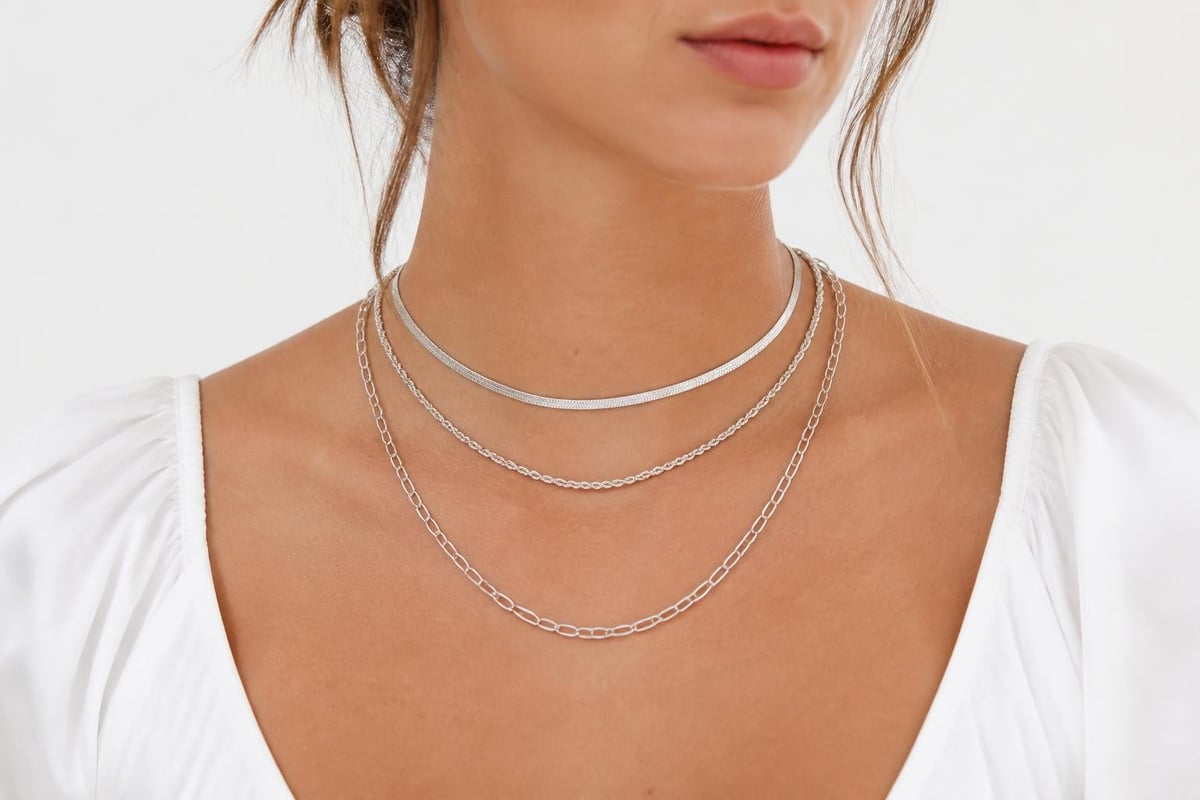
Professional environments typically favor understated silver necklace jewelry that complements rather than distracts. Simple chains with small pendants, classic pearl combinations, or minimalist bar necklaces project polished professionalism. Consider neckline compatibility, with v-necks accommodating longer chains while crew necks pair better with shorter lengths.
Casual styling permits greater experimentation and personal expression. Contemporary necklace collections showcase how relaxed styling embraces bold pendants, multiple layers, and unconventional combinations that reflect individual personality. Weekend wear accommodates chunky chains, large gemstone pendants, and mixed textures that might overwhelm formal settings.
Evening occasions present opportunities for dramatic silver necklace jewelry that captures attention. Statement pieces featuring intricate metalwork, substantial gemstones, or architectural designs elevate formal attire. Consider the neckline and overall silhouette of evening wear, selecting necklaces that enhance rather than compete with garment details.
While silver necklace jewelry generally presents minimal health concerns, understanding potential sensitivities and safety issues ensures comfortable wearing experiences. Most individuals tolerate sterling silver well, though the copper content occasionally triggers reactions in highly sensitive wearers.
Nickel allergies affect approximately 10-20% of the population, making nickel-free jewelry crucial for sensitive individuals. Quality sterling silver rarely contains nickel, but inexpensive pieces sometimes incorporate this allergenic metal in the alloy. Verify composition with retailers and request written confirmation of nickel-free construction when sensitivity concerns exist.
Contact dermatitis from silver jewelry typically results from copper content rather than the silver itself. Symptoms include redness, itching, or skin discoloration at contact points. Switching to Argentium silver or fine silver alternatives often resolves these reactions. Coating contact areas with clear nail polish provides temporary relief while testing metal tolerances.
Safety practices for wearing silver necklace jewelry include:
Colloidal silver products marketed for health benefits require careful consumer evaluation, as the National Center for Complementary and Integrative Health notes potential safety concerns and limited evidence supporting therapeutic claims. Distinguish decorative silver jewelry from products making health claims requiring regulatory scrutiny.
The silver jewelry market continues evolving with consumer preferences, economic factors, and design innovations shaping availability and pricing. Understanding current trends helps collectors and casual buyers make informed purchasing decisions aligned with personal style and budget considerations.
Current popular styles in silver necklaces reflect broader fashion movements emphasizing personalization, sustainability, and timeless design over fast-fashion trends. Customizable pieces allowing wearers to add charms, adjust lengths, or interchange pendants appeal to consumers seeking versatile investments.
Growing consumer awareness regarding ethical sourcing influences silver necklace jewelry purchasing decisions. Recycled silver offers environmentally conscious alternatives to newly mined materials without compromising quality or appearance. Many artisan jewelers now highlight sustainable practices, transparently documenting material origins and production methods.
The Silver Institute provides resources regarding responsible silver sourcing and industry standards. Consumers increasingly value transparency about supply chains, supporting companies that prioritize fair labor practices and environmental stewardship. This shift encourages jewelers toward documented sourcing and ethical business practices.
| Factor | Impact on Value | Consideration Timeline |
|---|---|---|
| Sterling Quality | Maintains base value | Immediate verification |
| Craftsmanship | Increases collectibility | Long-term appreciation |
| Designer Attribution | Enhances resale potential | Market-dependent |
| Gemstone Quality | Adds significant value | Requires certification |
| Condition | Critical for resale | Ongoing maintenance |
| Market Trends | Affects timing | Periodic assessment |
Investment value in silver necklace jewelry combines intrinsic metal worth with craftsmanship, design significance, and condition. Unlike pure investment-grade silver, jewelry incorporates artistic value and labor costs that may exceed material worth. However, quality pieces from recognized designers or featuring exceptional craftsmanship can appreciate beyond metal value alone.
The distinction between mass-produced and handcrafted silver necklace jewelry significantly impacts quality, uniqueness, and long-term satisfaction. Artisan jewelers employ traditional techniques passed through generations, creating pieces with character and attention to detail rarely found in factory production.
Handmade jewelry characteristics include:
Supporting independent jewelers and small studios preserves traditional silversmithing skills while ensuring access to distinctive designs. Many artisans specialize in particular techniques such as filigree, granulation, or repoussé, offering expertise that elevates simple silver into wearable art. For those interested in unique gemstone jewelry, exploring rare gemstone options reveals how specialized artisans source and showcase exceptional materials.
Custom silver necklace jewelry allows personal vision to manifest in unique pieces reflecting individual stories, memories, or aesthetic preferences. The design process typically begins with consultation, discussing style preferences, sizing requirements, and budget parameters. Artisans then create sketches or wax models for approval before proceeding with final fabrication.
Personalization extends beyond custom design to include engraving, birthstone incorporation, or symbolic elements carrying personal meaning. Name necklaces, initial pendants, and coordinate engravings transform simple silver chains into meaningful keepsakes. Consider how personalization affects future wearability and potential resale value when planning custom pieces.
The collaboration between wearer and artisan produces jewelry that transcends commercial alternatives, creating emotional connections that enhance both wearing experience and long-term appreciation. Investment in custom pieces often yields heirloom-quality jewelry that families treasure across generations, justifying premium pricing through enduring value and significance.
Silver necklace jewelry offers unmatched versatility, combining accessible pricing with timeless elegance that adapts to personal style evolution and varying occasions. By understanding quality indicators, care requirements, and styling strategies, you build a collection that provides lasting satisfaction and value. Whether you're drawn to minimalist chains or seeking statement pieces featuring unique gemstones, Larimar Creations specializes in handcrafted jewelry that pairs exceptional materials with artisan expertise, offering distinctive pieces that transcend ordinary silver jewelry through commitment to quality and authenticity.