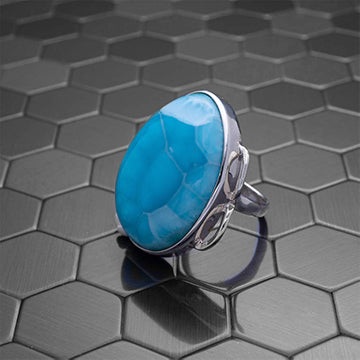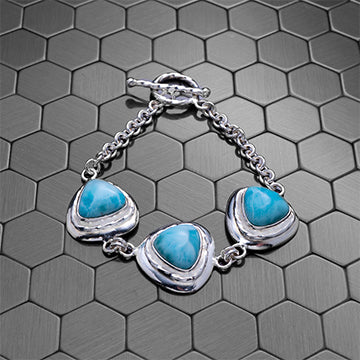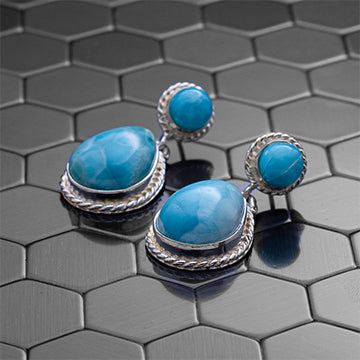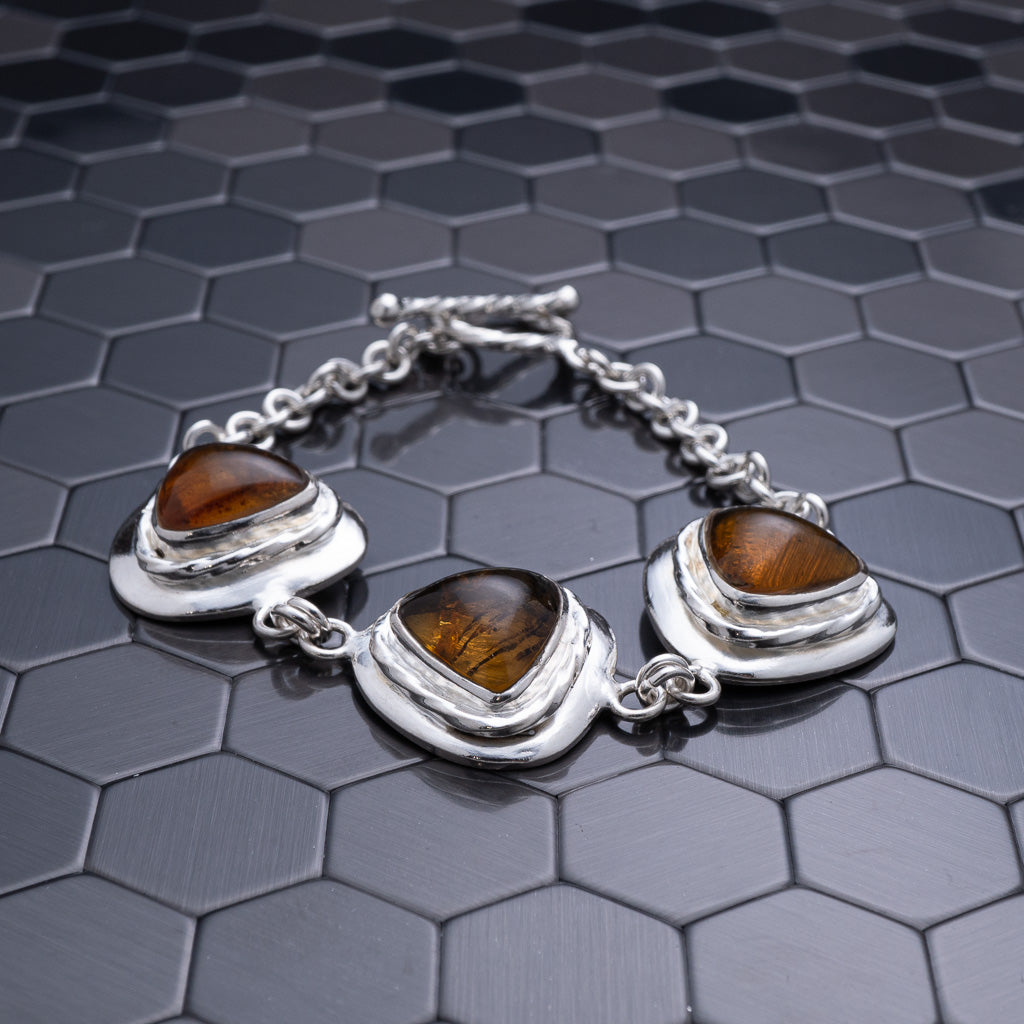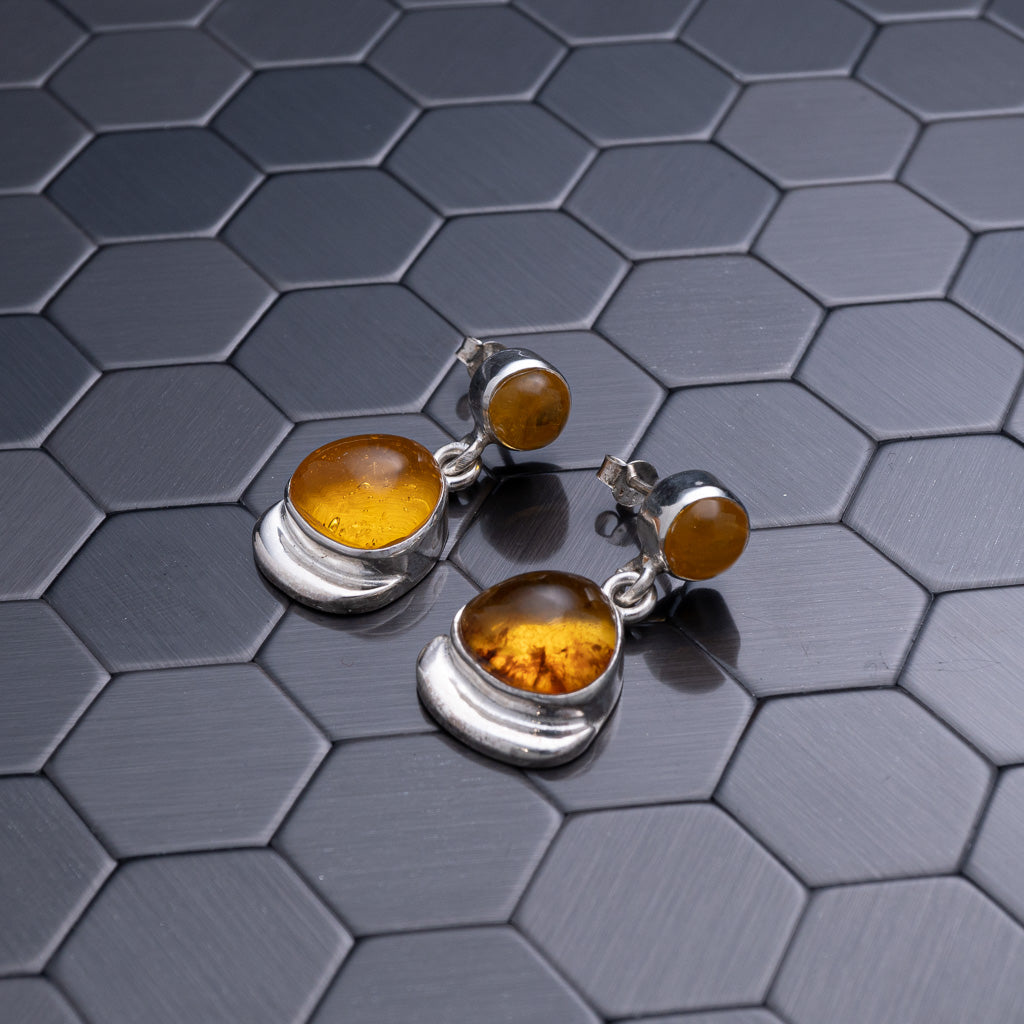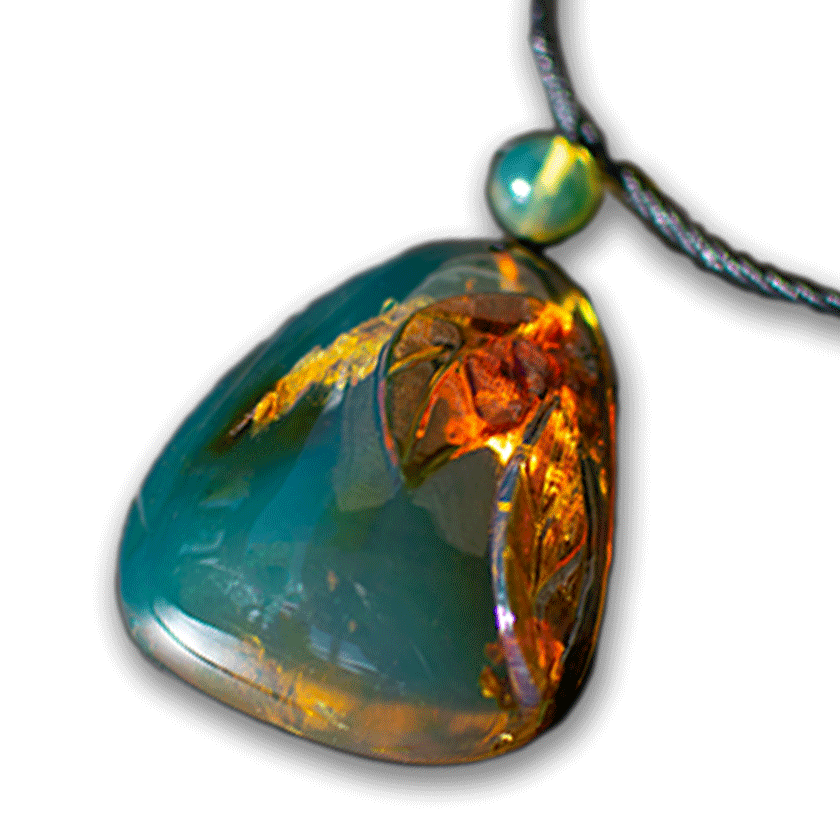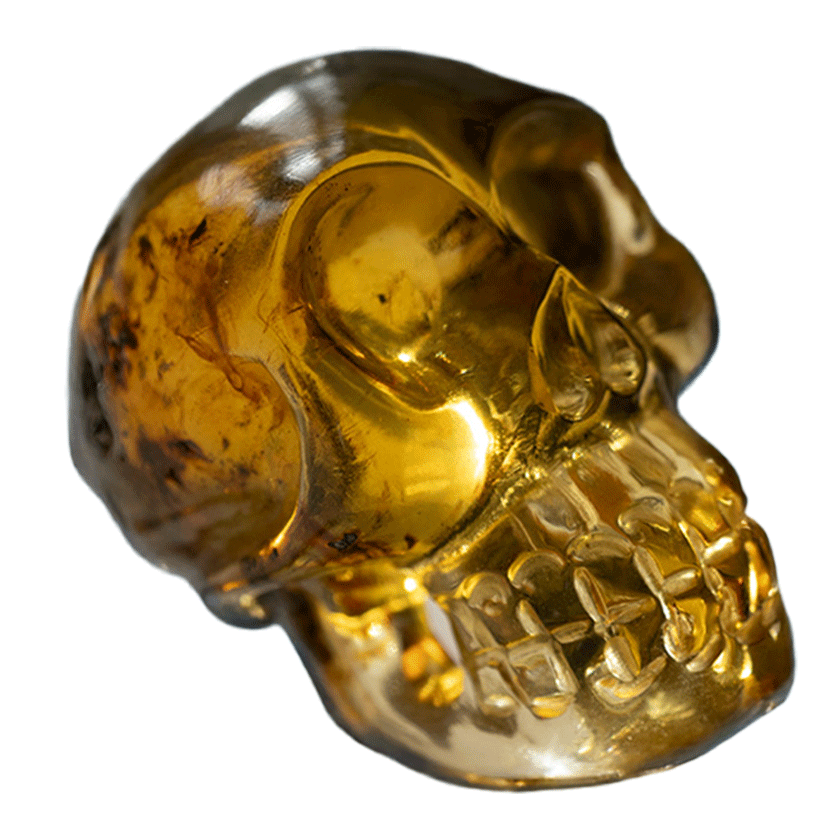


Handcrafted in DR.

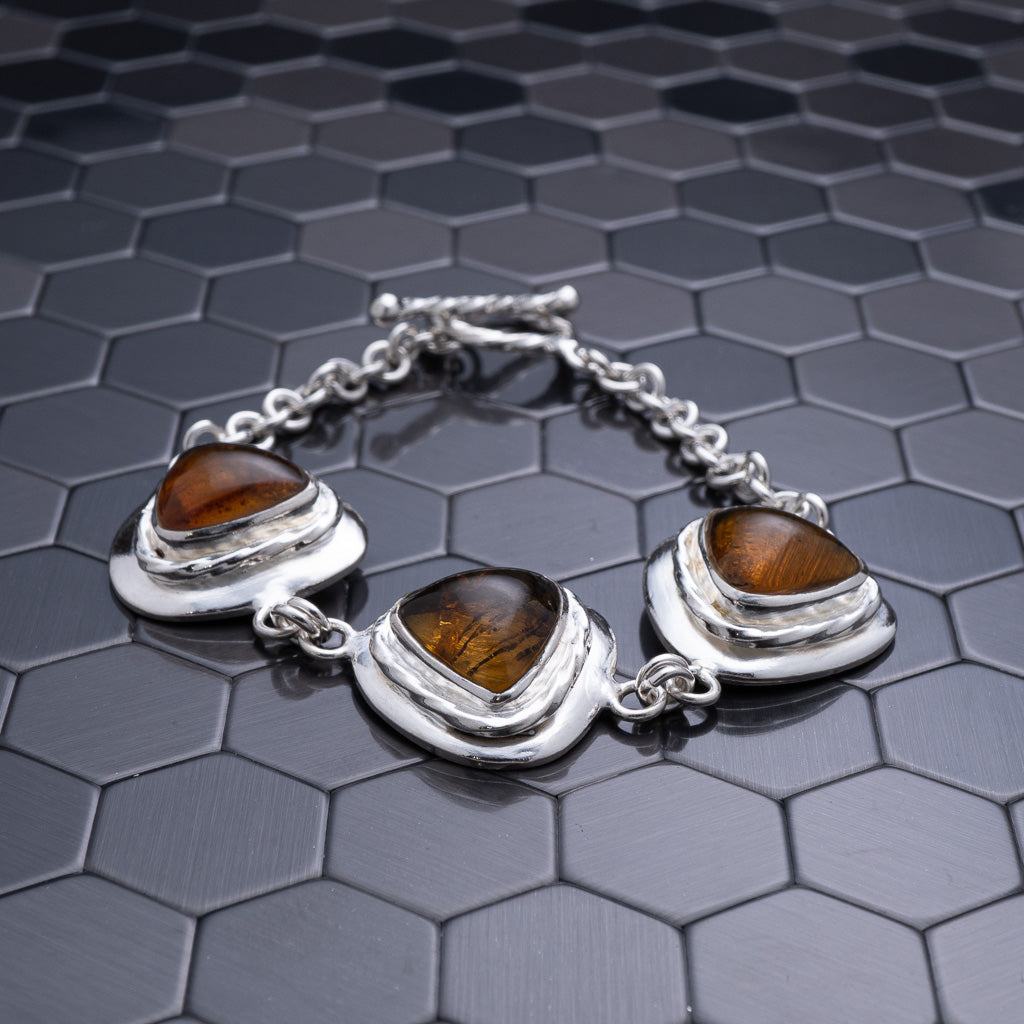
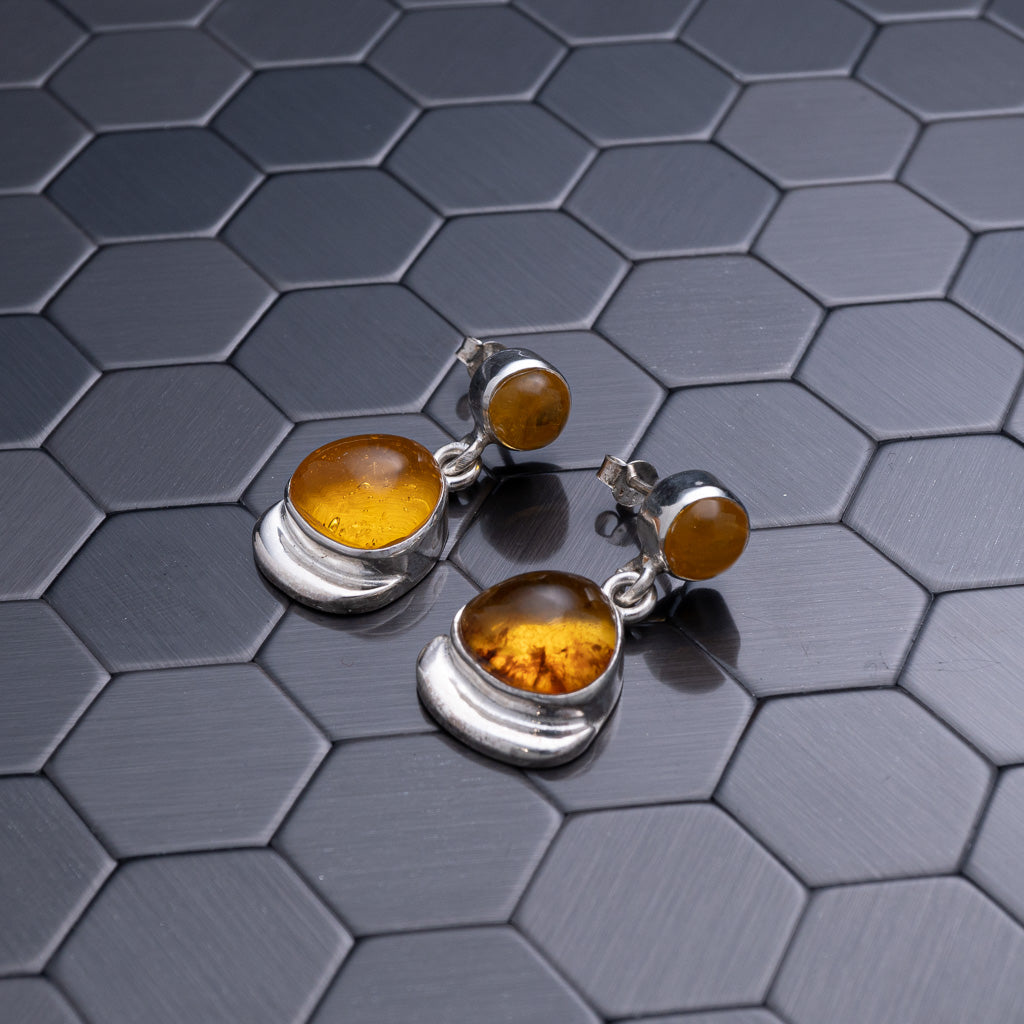


100% Handcrafted in DR.

A necklace pendant stone serves as the centerpiece of any pendant design, transforming a simple chain into a statement of personal style and elegance. Whether you're drawn to the calming blues of rare gemstones or the warm glow of amber, understanding how to select, care for, and showcase your pendant stone ensures your investment remains beautiful for generations. This comprehensive guide explores everything from durability considerations to ethical sourcing, helping you make informed decisions about the gemstones that rest closest to your heart.
The choice of a necklace pendant stone involves more than aesthetic appeal. Three critical factors determine whether a gemstone will thrive as a pendant: hardness, toughness, and stability. Hardness measures resistance to scratching, toughness describes resistance to breaking or chipping, and stability indicates how well the stone withstands environmental factors like light, heat, and chemicals.
Gemstones ideal for pendants typically share these characteristics:
The Mohs scale provides a starting point, but it doesn't tell the complete story. Jade ranks relatively low on the Mohs scale at 6-7, yet its interlocking crystal structure makes it incredibly tough and suitable for pendants worn daily. Conversely, some harder stones may be brittle and prone to chipping if knocked against hard surfaces.
The way a necklace pendant stone is cut dramatically affects its appearance and durability. Cabochon cutting creates smooth, domed surfaces that showcase phenomena like chatoyancy and asterism while protecting stones with lower hardness from edge damage. Faceted cuts maximize brilliance in transparent stones, creating sparkle through precise angular surfaces.
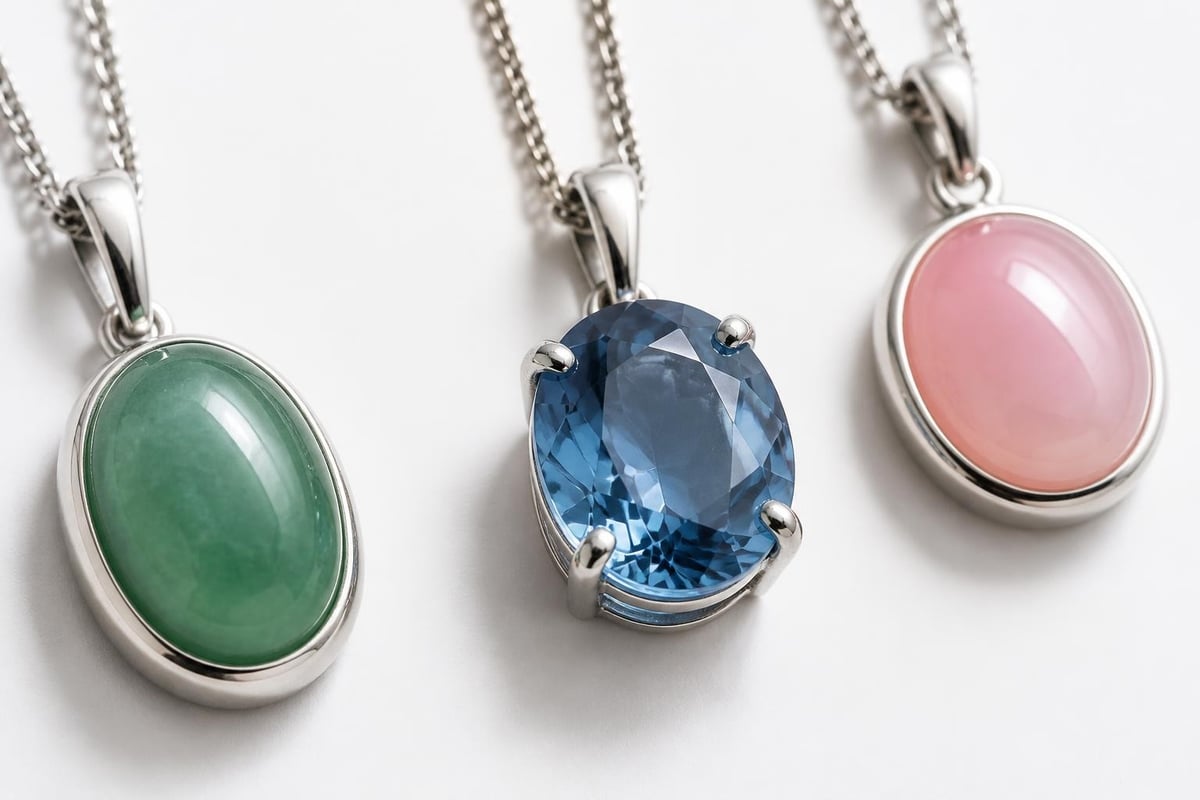
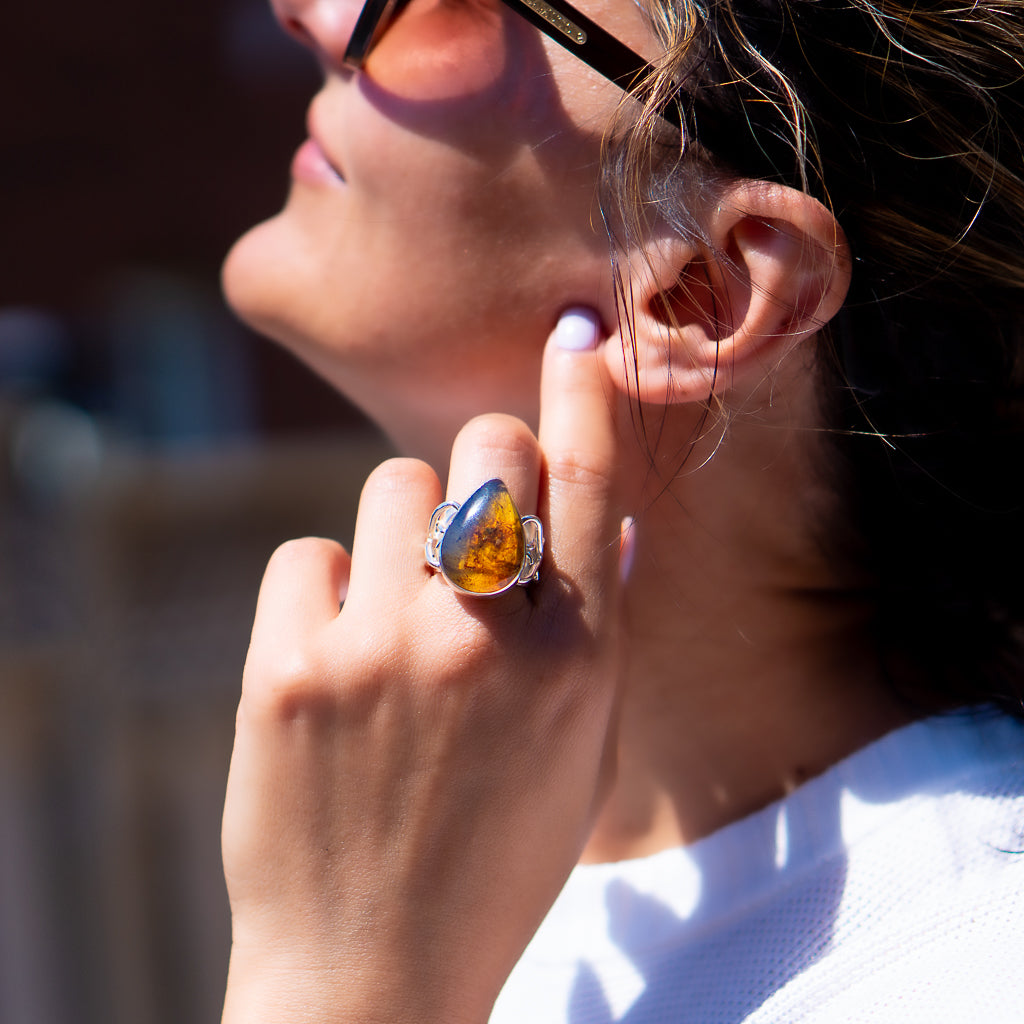
Many artisans choose cabochon cuts for organic gemstones with unique patterns or internal characteristics. This approach works beautifully for materials displaying natural variations, allowing the stone's inherent beauty to shine without competition from facet reflections. Faceted cuts suit transparent stones where light performance creates the primary visual interest.
| Cut Style | Best For | Advantages | Considerations |
|---|---|---|---|
| Cabochon | Opaque/translucent stones | Protects edges, shows patterns | Less sparkle than faceted |
| Faceted | Transparent stones | Maximum brilliance | Edges vulnerable to chipping |
| Free-form | Unique specimens | One-of-a-kind appearance | Requires custom settings |
| Carved | Softer materials | Artistic expression | Time-intensive, delicate |
Lifestyle considerations should guide your necklace pendant stone selection as much as aesthetic preferences. Someone who gardens, exercises, or works with their hands needs a more durable stone than someone who wears jewelry primarily for special occasions. Think about when and where you'll wear your pendant before committing to a particular gemstone.
Durability tiers for pendant wear:
Understanding these categories helps set realistic expectations. A lower-durability stone doesn't mean inferior quality; it simply requires more conscious wearing habits and careful storage when not in use.
The necklace pendant stone you choose makes a statement about your personality and style preferences. Cool blues and greens evoke calm and serenity, warm reds and oranges project confidence and energy, while neutral tones offer versatility across different outfits and occasions.
Pattern variations within stones add another dimension of interest. Some gemstones display consistent, uniform color throughout, while others feature dramatic color zoning, inclusions that create landscapes, or phenomenal effects like color change under different lighting. These natural variations make each piece unique, particularly in materials known for distinctive patterning.
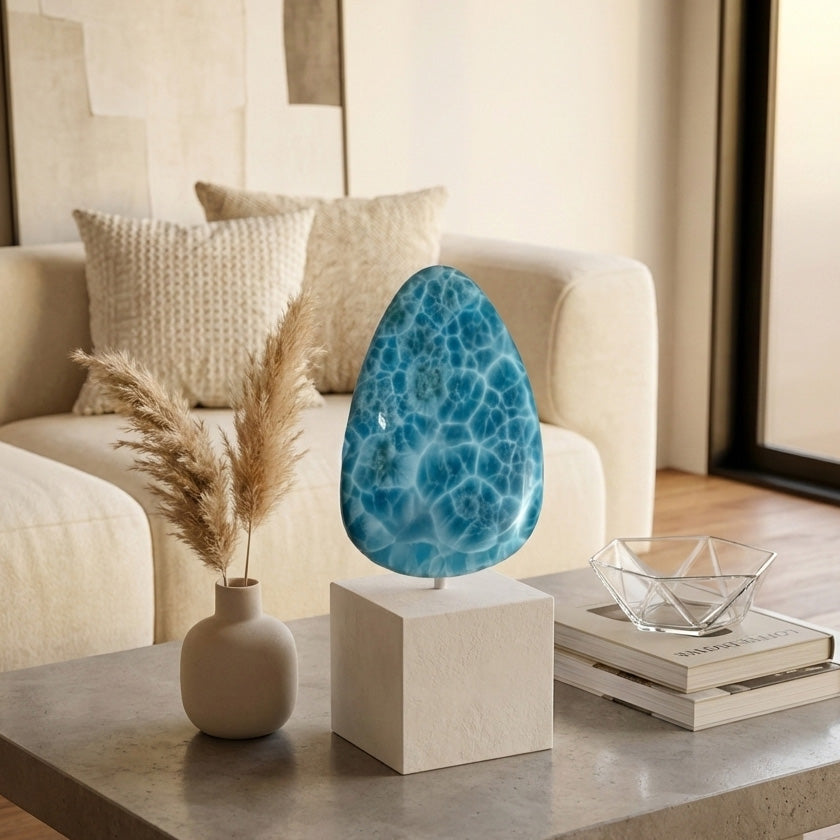
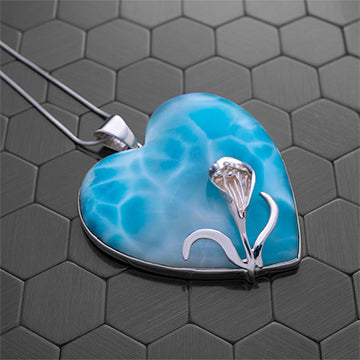
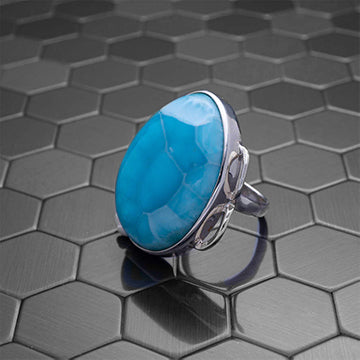
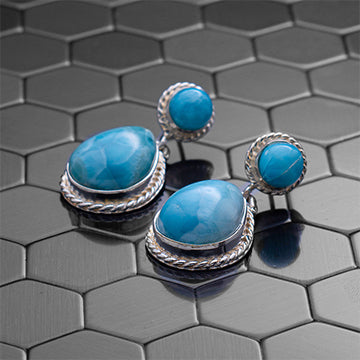
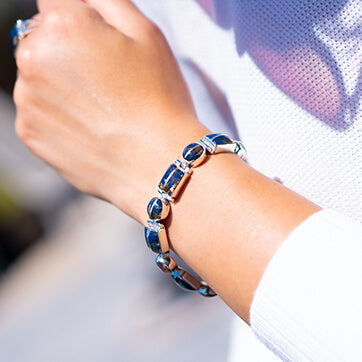
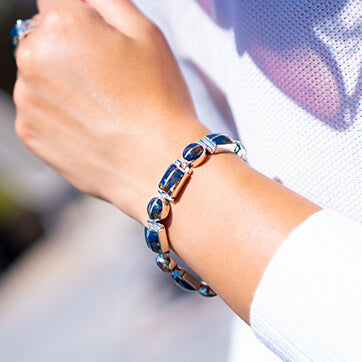
The Larimar Pendants collection showcases how rare Caribbean gemstones can create stunning centerpieces with their signature blue-white patterns reminiscent of tropical waters. This rare material, found only in the Dominican Republic, demonstrates how geographic exclusivity adds meaning and conversation value to a necklace pendant stone.
The setting protects your necklace pendant stone while enhancing its beauty. Metal choices affect both the visual presentation and the practical security of your gemstone. White metals like platinum, white gold, or silver complement cool-toned stones, while yellow and rose gold warm up neutral or warm-colored gemstones.
Popular pendant setting styles include:
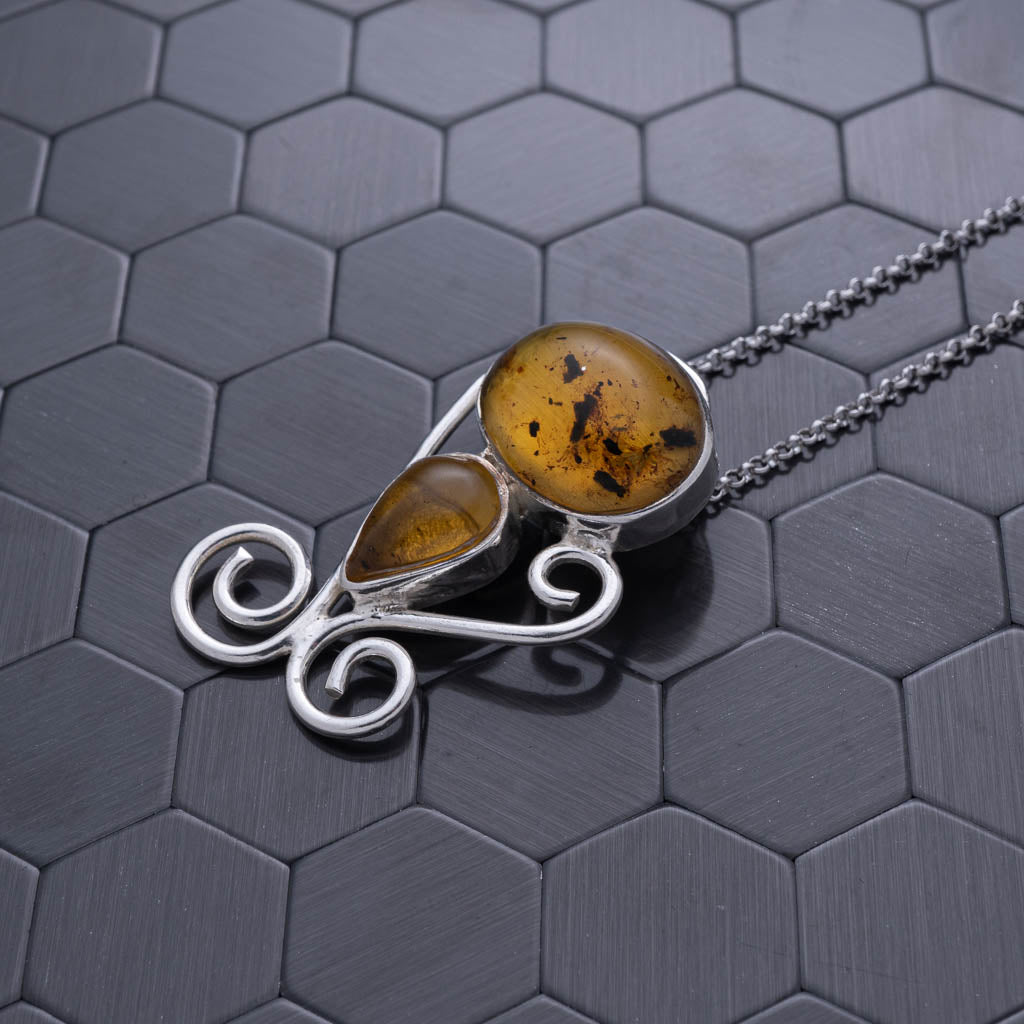
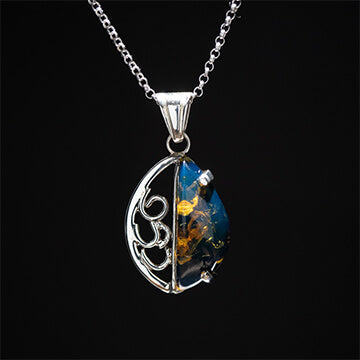
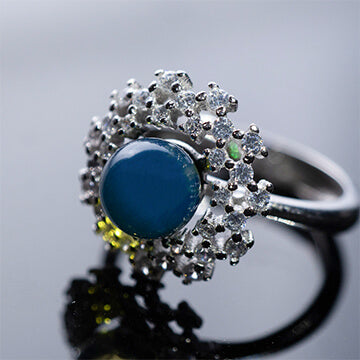
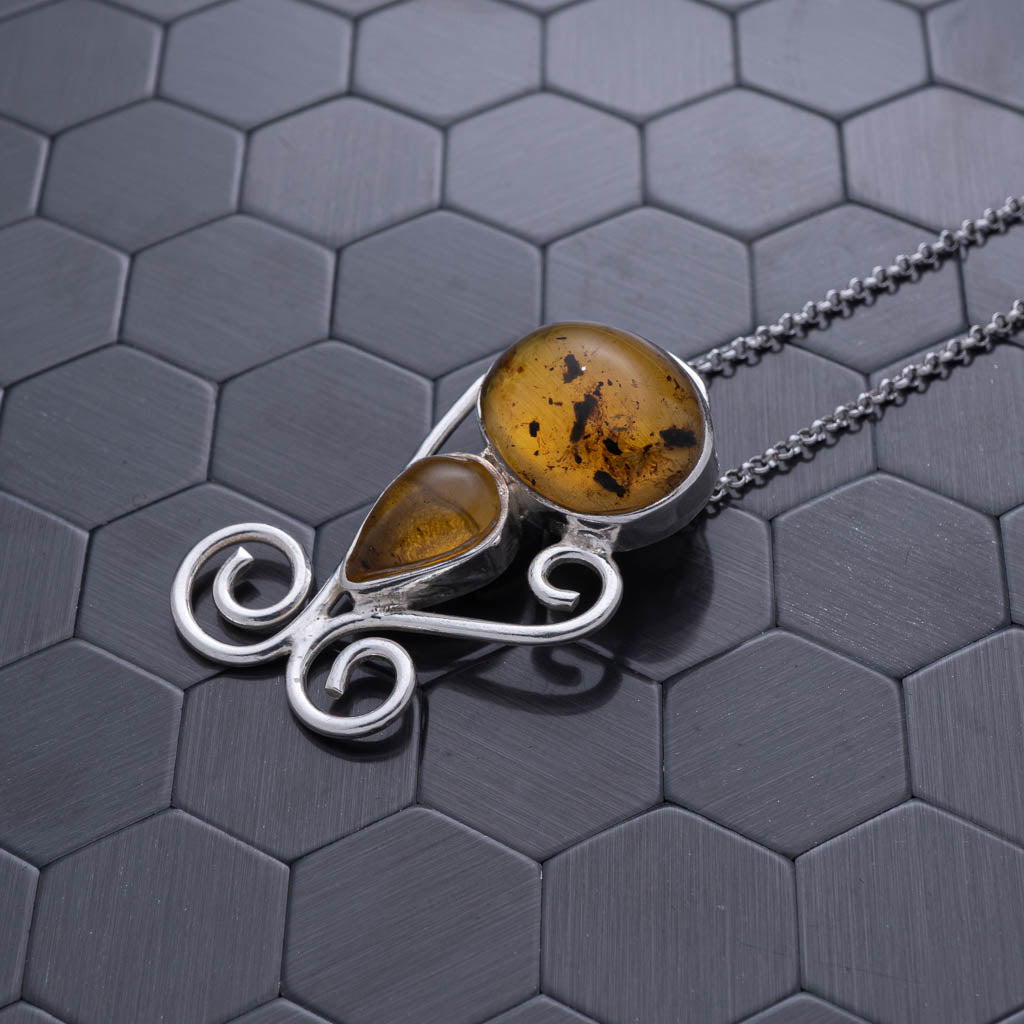
Bezel settings offer maximum protection for the edges of your necklace pendant stone, making them ideal for softer materials or stones you plan to wear daily. The metal rim prevents chips and protects vulnerable edges from impact. Prong settings, while more delicate, allow maximum light entry and showcase the stone's full form.
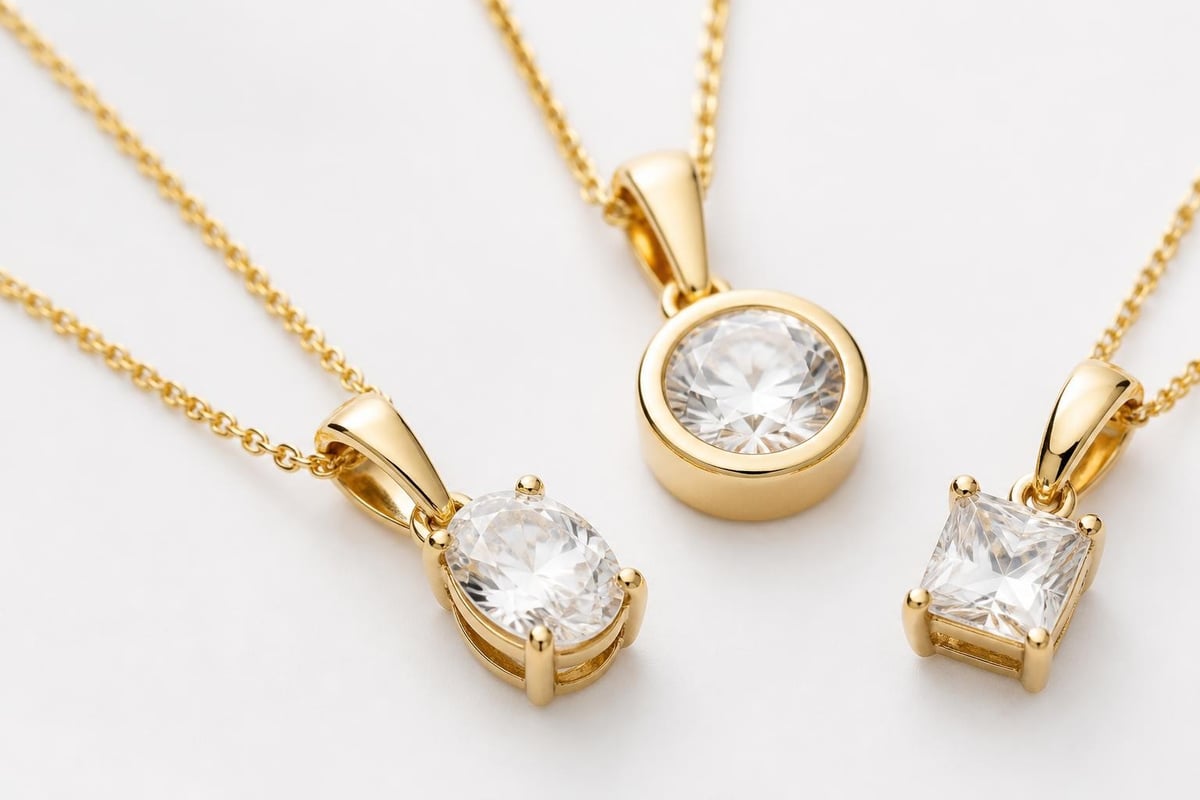
Your necklace pendant stone setting must work harmoniously with the chain that suspends it. Heavy stones require substantial chains and reinforced bails to prevent chain breakage or bail failure. A delicate stone lost to a broken chain represents not just financial loss but often irreplaceable sentimental value.
The American Gem Society offers essential questions to ask your jeweler about setting security and appropriate chain weight for your specific pendant. These conversations before purchase prevent disappointment and ensure your piece functions as beautifully as it appears.
| Stone Weight | Minimum Chain Gauge | Bail Type | Additional Security |
|---|---|---|---|
| Under 3 carats | 1.0-1.5mm | Standard soldered | Optional safety clasp |
| 3-10 carats | 1.5-2.5mm | Reinforced | Recommended safety clasp |
| 10-25 carats | 2.5-3.5mm | Heavy-duty | Required safety mechanisms |
| Over 25 carats | 3.5mm+ | Custom engineered | Multiple safety features |
Proper care extends the life and beauty of your necklace pendant stone indefinitely. Different stones require different care approaches based on their chemical composition, hardness, and structural characteristics. Generic cleaning methods that work beautifully for diamonds might damage softer or more reactive stones.
The Gemstone Care Guide from the International Gem Society provides gem-by-gem recommendations for cleaning and storage. Following these specific protocols prevents costly mistakes that can permanently damage your cherished pieces.
Safe for most stones (but verify first):
Avoid these common mistakes:
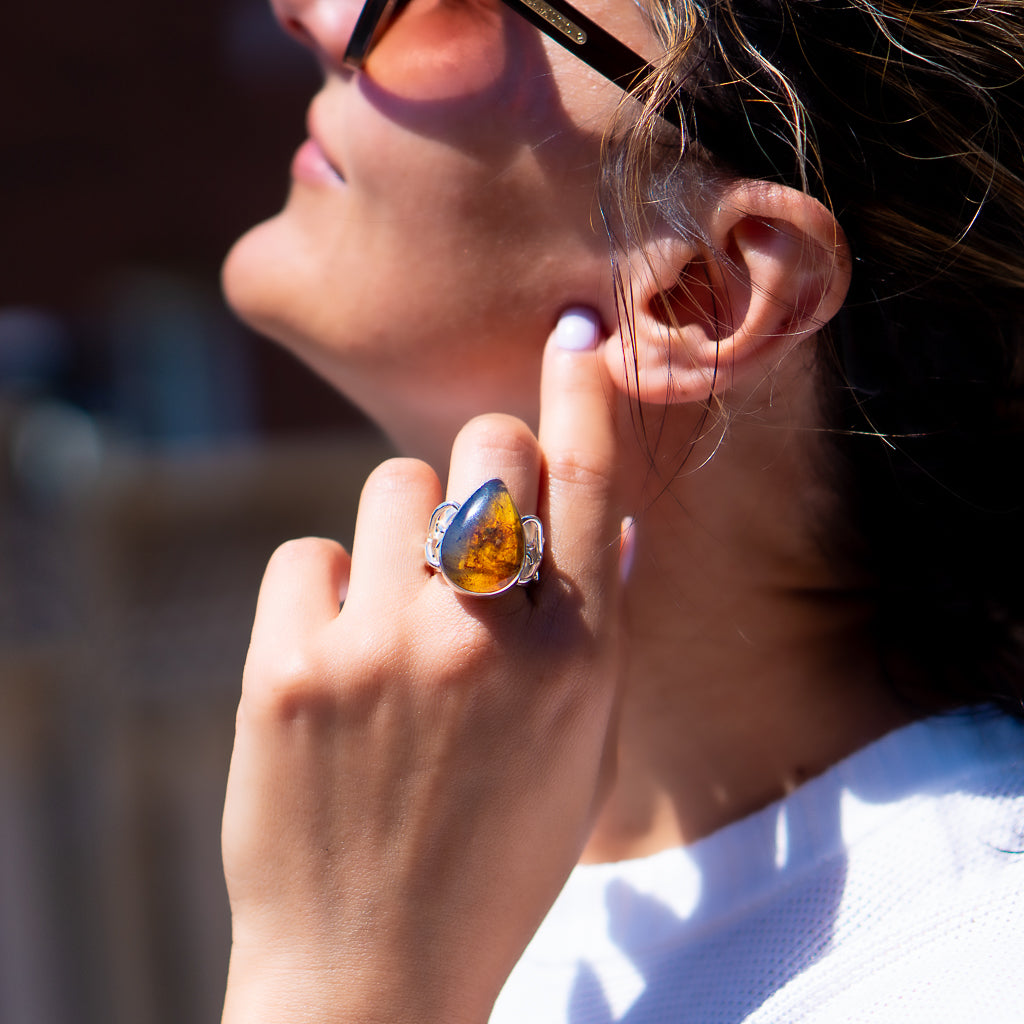
Some necklace pendant stones require specialized care. Porous materials like turquoise, coral, and certain types of amber absorb chemicals and oils from skin, perfumes, and lotions. These stones should be the last thing you put on and the first thing you remove, minimizing exposure to potentially damaging substances.
Storage matters as much as cleaning. Stones with different hardness levels can scratch each other when stored together. Keep each pendant in its own soft pouch or lined compartment, preventing contact with harder stones or metal components that might cause abrasion.
The journey of your necklace pendant stone from mine to market involves numerous hands and decisions. Understanding this supply chain helps you make ethical purchasing choices aligned with your values. Recent focus on responsible sourcing has transformed the gemstone industry, creating more transparency about origin and mining conditions.
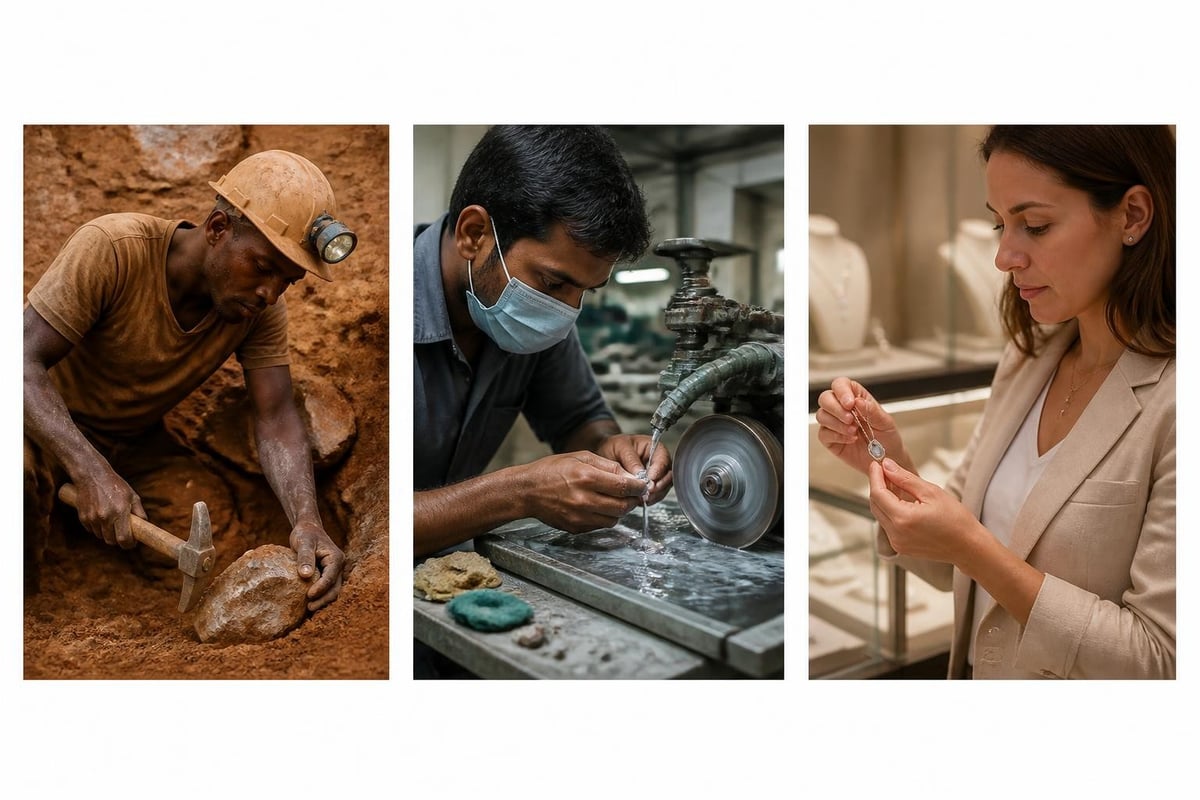
The Responsible Gemstones report examines traceability challenges and progress in small-scale mining communities. Many gemstones, particularly rare varieties, come from artisanal miners in developing nations. Supporting verified ethical sources ensures these communities benefit fairly from their natural resources.
Authentic necklace pendant stones deserve proper documentation. Reputable sellers provide information about stone identity, any treatments applied, origin when known, and quality characteristics. For valuable pieces, independent laboratory reports from recognized gemological laboratories add confidence and facilitate future insurance or resale.
Treatment disclosure remains critical. Many gemstones undergo standard treatments that improve appearance or durability. Heat treatment, for example, enhances the color of most sapphires and is widely accepted in the trade. However, some treatments are less stable or significantly affect value, making full disclosure essential for informed purchasing.
Key authentication elements:
Understanding how pendant stones are appraised helps you obtain accurate valuations for insurance purposes. Professional appraisers consider factors including stone identity, quality characteristics, current market conditions, and replacement cost when determining value.
Contemporary necklace pendant stone trends blend timeless elegance with modern sensibilities. Minimalist designs featuring a single statement stone appeal to those seeking clean, versatile pieces. Conversely, layered pendants of varying lengths create dynamic, personalized looks that express individual creativity.
Current styling approaches:
The rise of personalization has expanded beyond traditional birthstones. People increasingly choose necklace pendant stones based on metaphysical properties, personal color preferences, or emotional connections rather than birth month assignments. This shift empowers more meaningful selections aligned with individual identity.
Your necklace pendant stone collection can adapt to different seasons and occasions. Light, airy blues and greens complement spring and summer wardrobes, while deep reds, oranges, and earth tones harmonize with autumn and winter palettes. Building a versatile collection allows you to coordinate with seasonal fashion while maintaining personal style consistency.
Formal occasions may call for classic gemstones in traditional settings, while casual wear permits more experimental choices. Understanding these contextual considerations helps you build a pendant collection that serves your lifestyle comprehensively.
For those interested in expanding their gemstone jewelry collection beyond pendants, exploring necklaces and bracelets creates cohesive sets that work together seamlessly.
A well-chosen necklace pendant stone represents both aesthetic and financial investment. While not all gemstones appreciate in value, certain factors contribute to long-term value retention: rarity, durability, timeless appeal, and provenance. Understanding these elements helps you make purchases that maintain or increase worth over time.
Factors affecting pendant stone value:
Market fluctuations affect gemstone values differently than other investments. While diamonds maintain relatively stable markets due to controlled distribution, colored gemstones experience more volatility based on fashion trends, new mine discoveries, or depletion of traditional sources.
Insuring valuable necklace pendant stones protects your investment against loss, theft, or damage. Specialized jewelry insurance provides coverage beyond standard homeowner's policies, which often impose limits on jewelry claims. Scheduled policies that specifically list high-value pieces offer the most comprehensive protection.
Recent advances in gemstone testing, as covered in the Journal of Gemmology research roundup, help gemologists identify treatments and synthetics more accurately. This technological progress benefits consumers by improving authentication reliability and treatment disclosure.
Periodic professional inspections ensure your setting remains secure. Settings can loosen over time due to normal wear, and catching problems early prevents losing your cherished necklace pendant stone to a failed prong or worn bezel.
Creating a custom necklace pendant stone piece allows complete control over every design element. Working with skilled artisans transforms your vision into wearable reality, resulting in one-of-a-kind jewelry that perfectly expresses your style and values. The customization process typically involves stone selection, setting design, metal choice, and finishing details.
Custom design stages:
Custom work commands premium pricing compared to ready-made pieces, but the result justifies the investment for many buyers. The ability to specify exact dimensions, select the perfect stone, and incorporate personal symbolism creates emotional value beyond monetary worth.
Family heirloom stones can find new life in contemporary pendant designs. Repurposing gemstones from inherited pieces honors family history while creating wearable art suited to modern tastes. This approach preserves sentimental value while updating style to match current preferences.
A necklace pendant stone's geographic origin often influences its characteristics and value. Certain regions produce stones with distinctive qualities prized by collectors and connoisseurs. Kashmir sapphires, Colombian emeralds, and Burmese rubies command premiums due to their renowned quality and limited availability.
Regional characteristics develop from unique geological conditions during stone formation. These variations create signatures recognizable to trained gemologists, though origin determination requires sophisticated testing for many stone types. Origin matters most when geographic source correlates with superior quality or when provenance adds historical significance.
Notable regional gemstone characteristics:
| Region | Signature Stones | Distinctive Features |
|---|---|---|
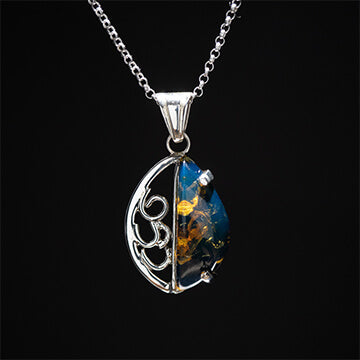
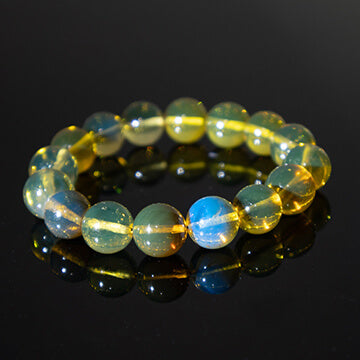
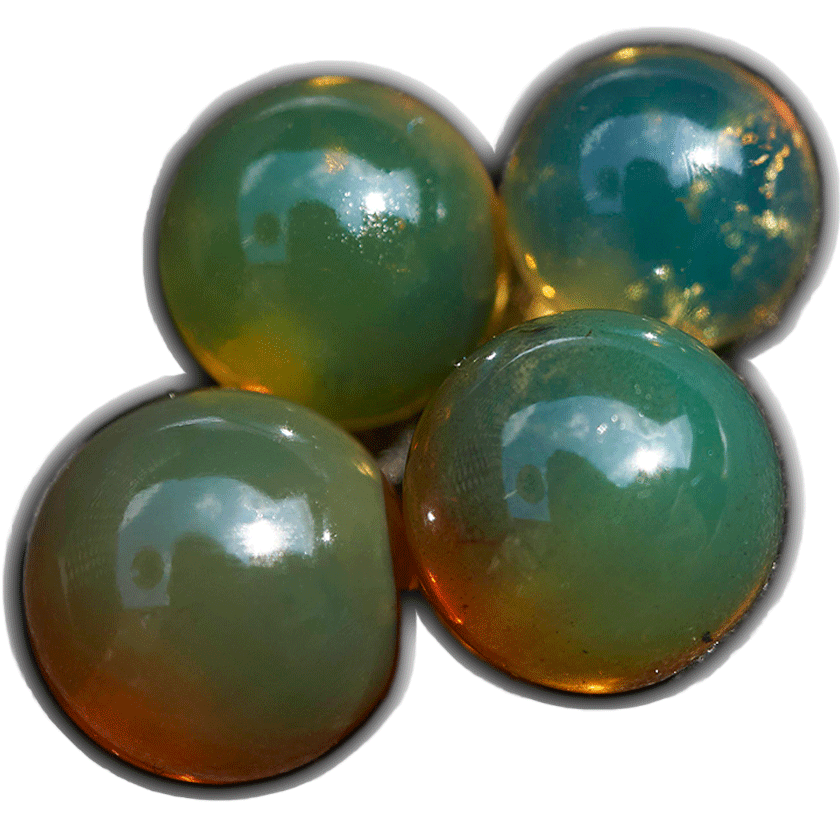
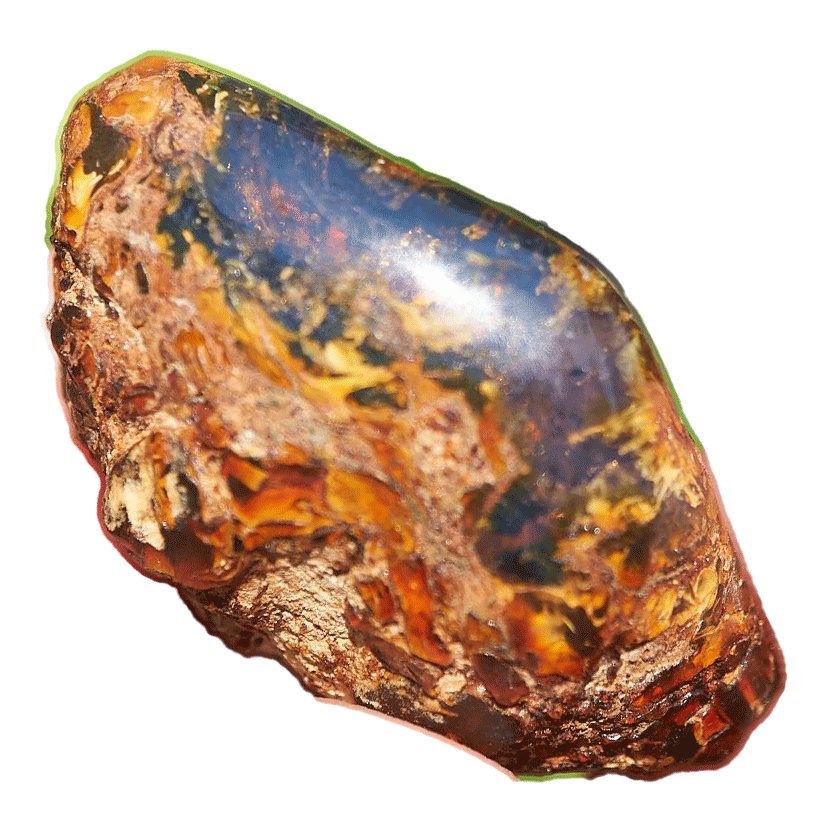
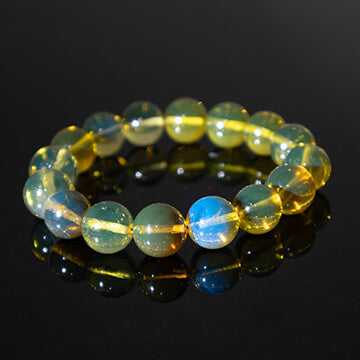
| Dominican Republic | Larimar, Blue Amber | Unique blue coloration, limited single-source availability |
| Myanmar (Burma) | Ruby, Jadeite | Vivid "pigeon's blood" red, imperial green jade |
| Colombia | Emerald | Superior color saturation, distinctive inclusions |
| Madagascar | Sapphire, Aquamarine | Wide color range, excellent clarity |
| Australia | Opal, Sapphire | Play-of-color phenomena, parti-color sapphires |
Some collectors focus exclusively on stones from specific regions, building collections that showcase geographic diversity. This approach adds educational dimension to collecting while creating conversation pieces with interesting provenance stories.
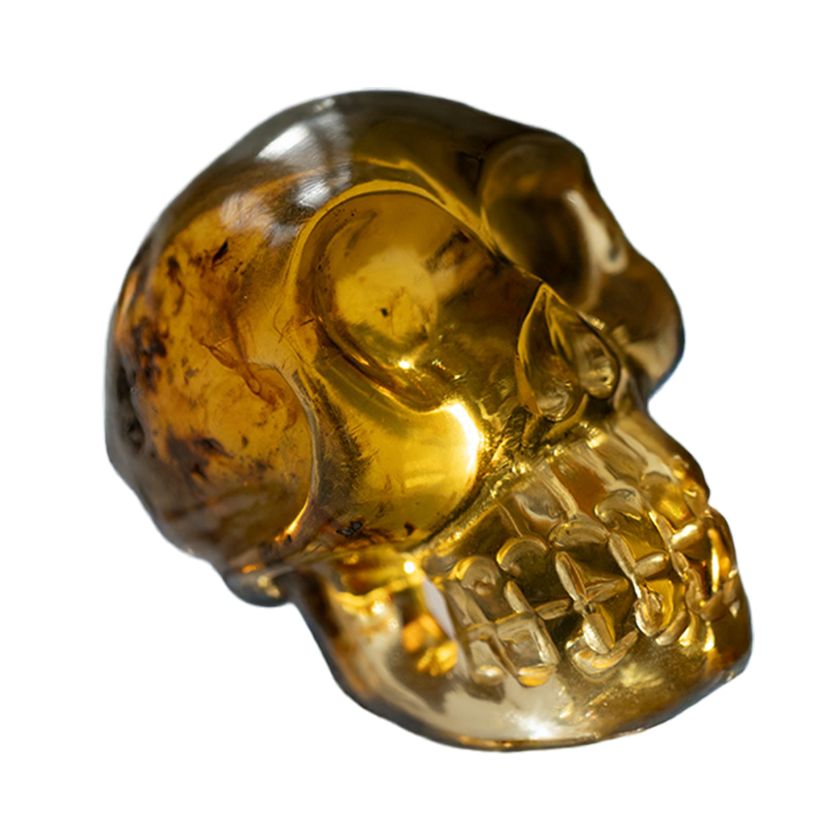
Exploring different gemstone types expands appreciation for nature's diversity. Those interested in amber's unique properties might enjoy learning about amber necklaces and the distinctive characteristics of fossilized resin jewelry.
Your necklace pendant stone should harmonize with your natural coloring for maximum flattering effect. Skin undertone, hair color, and eye color all influence which gemstone hues enhance your appearance. Cool undertones pair beautifully with blue, purple, and blue-green stones, while warm undertones glow beside yellow, orange, and warm green gems.
Color coordination guidelines:
Personal style extends beyond color to encompass size, shape, and setting complexity. Minimalist dressers often prefer simple solitaire pendants in classic cuts, while bohemian styles embrace irregular shapes, layered looks, and mixed materials. Your necklace pendant stone should feel authentic to your aesthetic rather than following trends that don't resonate personally.
Professional styling considers neckline compatibility. V-necks pair naturally with pendant necklaces, as the pendant follows the neckline's downward line. Round necklines work well with shorter pendants that rest above the neckline edge, while high necks call for longer chains that create visual balance.
Selecting the perfect necklace pendant stone combines technical knowledge, aesthetic sensibility, and practical considerations to create jewelry that brings joy for years to come. From understanding durability factors and ethical sourcing to choosing complementary settings and providing proper care, informed decisions ensure your investment remains beautiful and meaningful. Larimar Creations specializes in transforming rare Dominican gemstones into exquisite pendants that showcase nature's artistry, offering worldwide shipping so collectors everywhere can experience these unique treasures. Explore our collection today to discover how exceptional craftsmanship and extraordinary stones come together in wearable art.