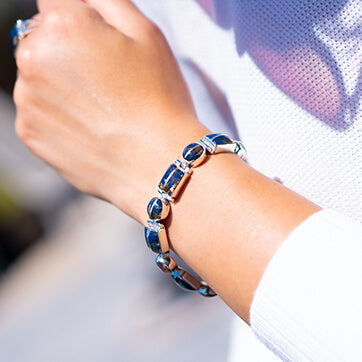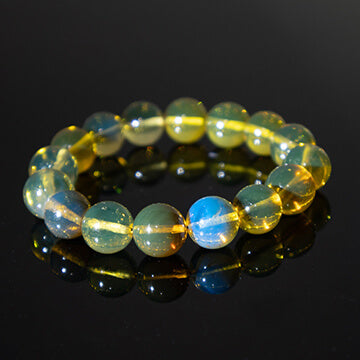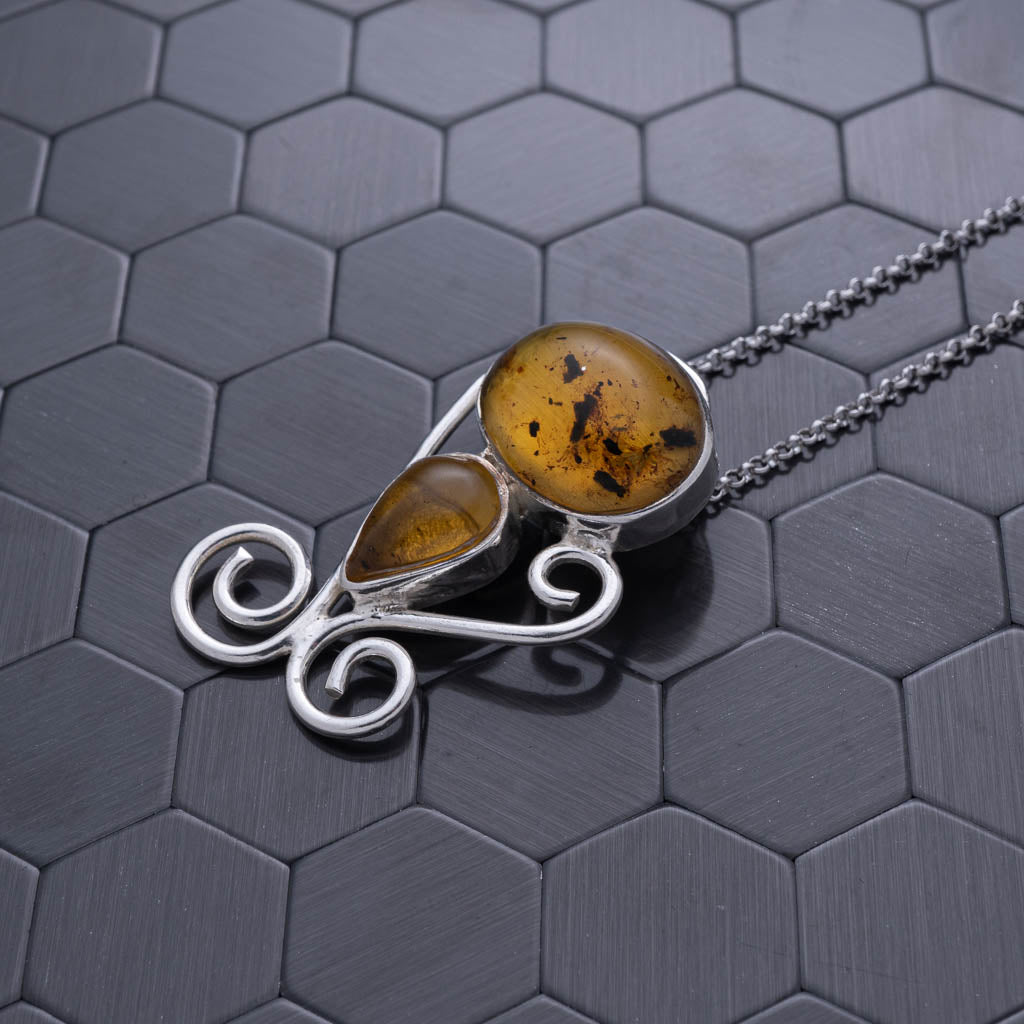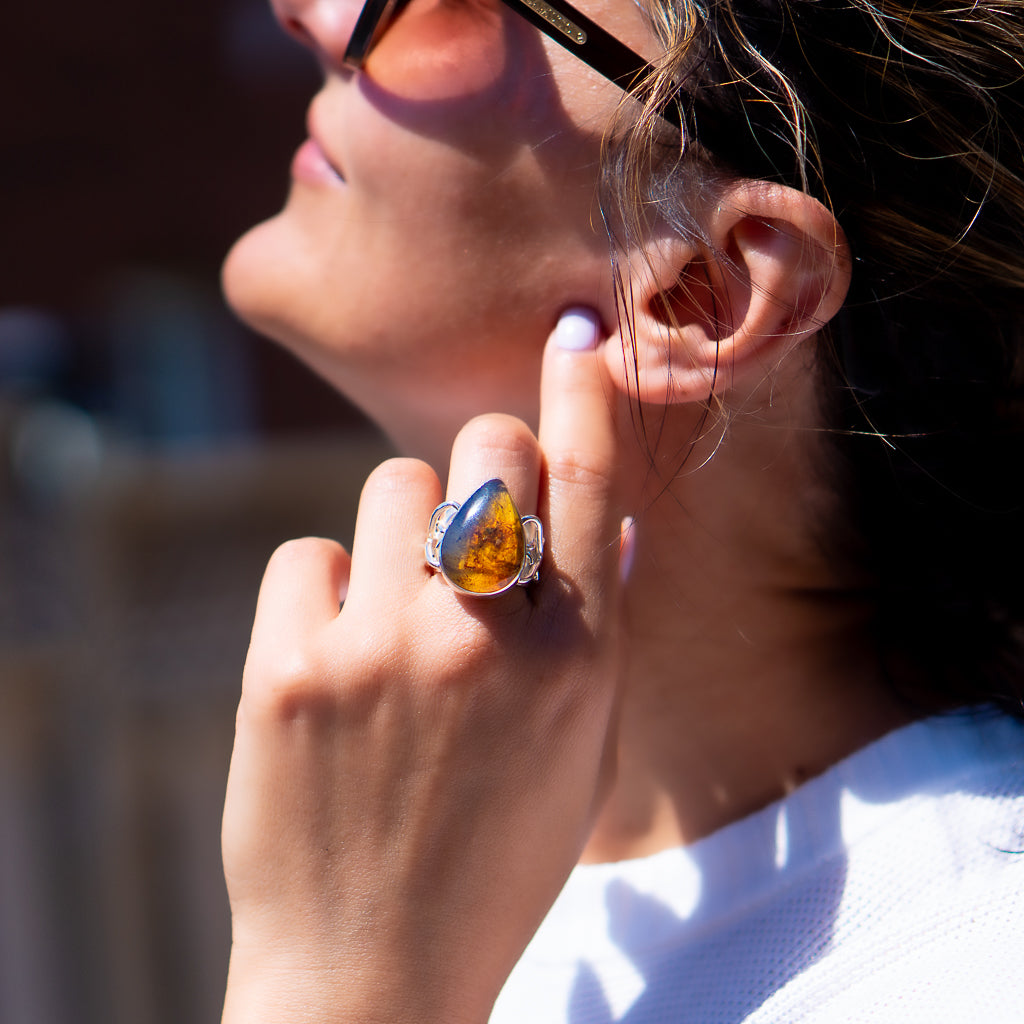

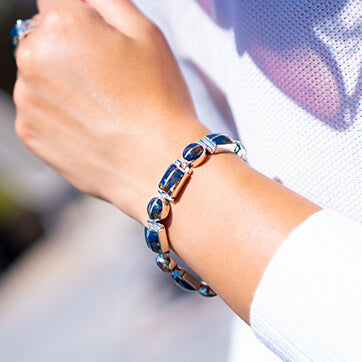
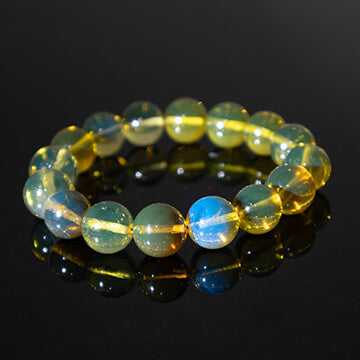
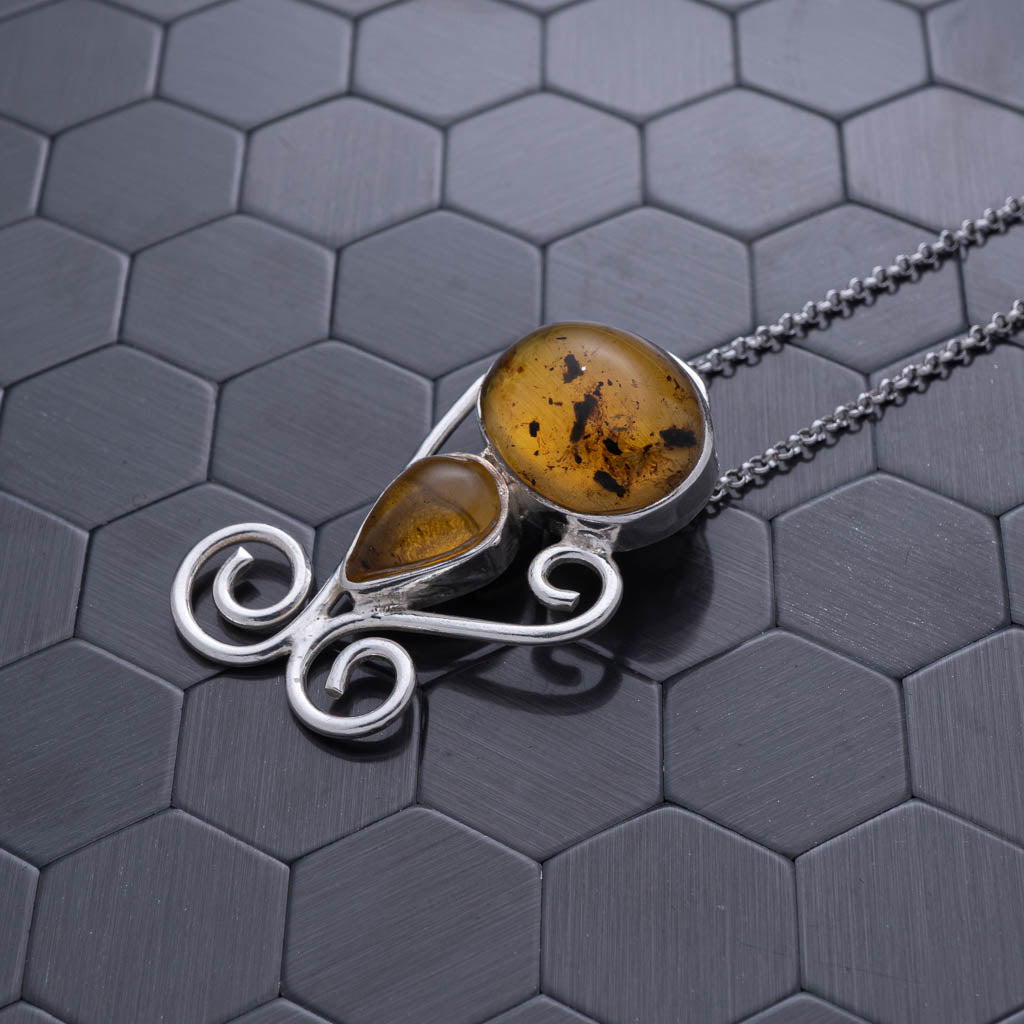
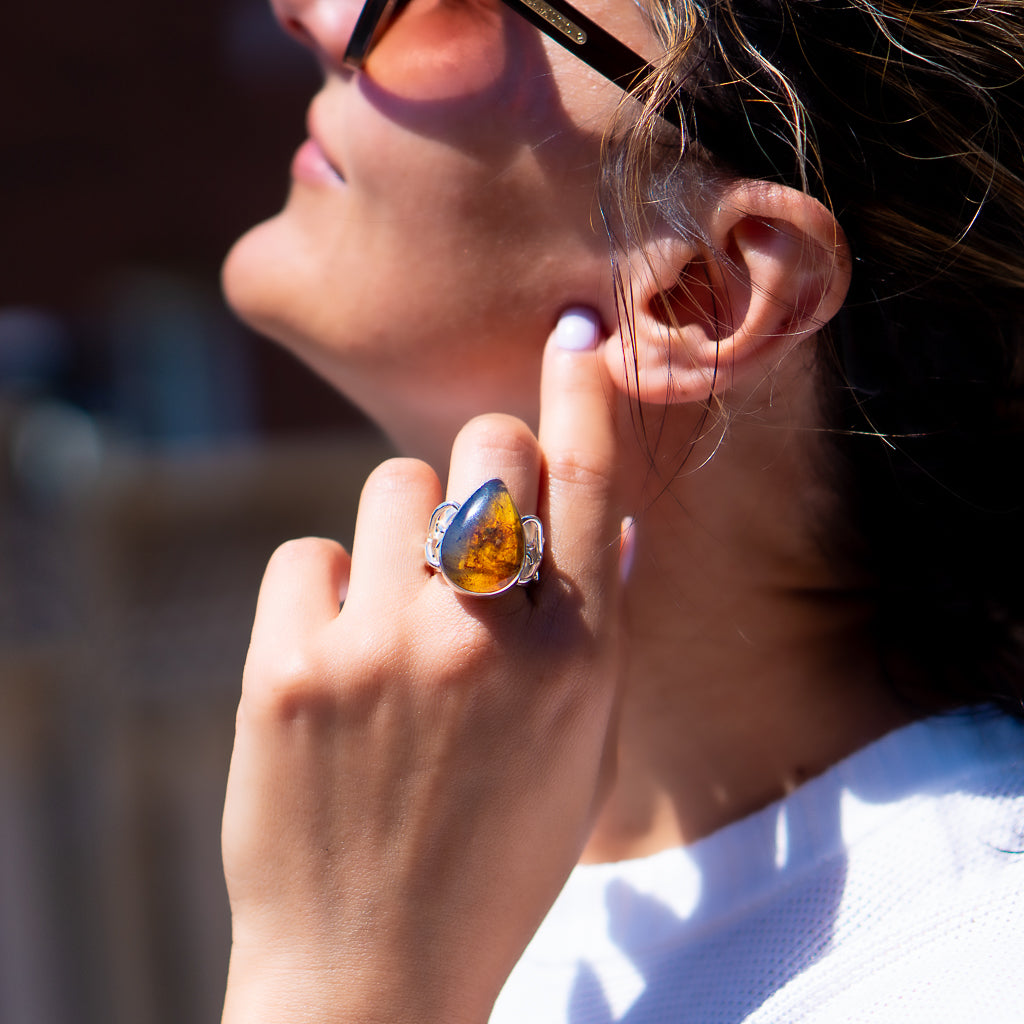
Larimar
Blue Amber
Green Amber
Amber Carvings
More

by Admin October 12, 2026 6 min read

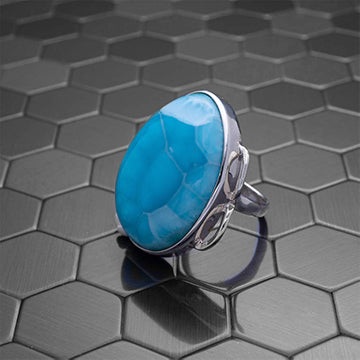
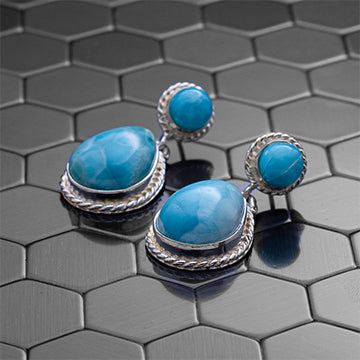
A Larimar stone should evoke the Caribbean at first glance: soft cloud white, seafoam green, and a blue that can range from quiet sky blue to rich tropical water. That beauty naturally raises a fair buyer question: is Larimar dyed? Natural Larimar is valued precisely because its color formed in the earth, not in a dye bath. Still, as with any desirable gemstone, shoppers should understand the difference between natural color, ordinary finishing, enhancement, and imitation.

Is Larimar Dyed?

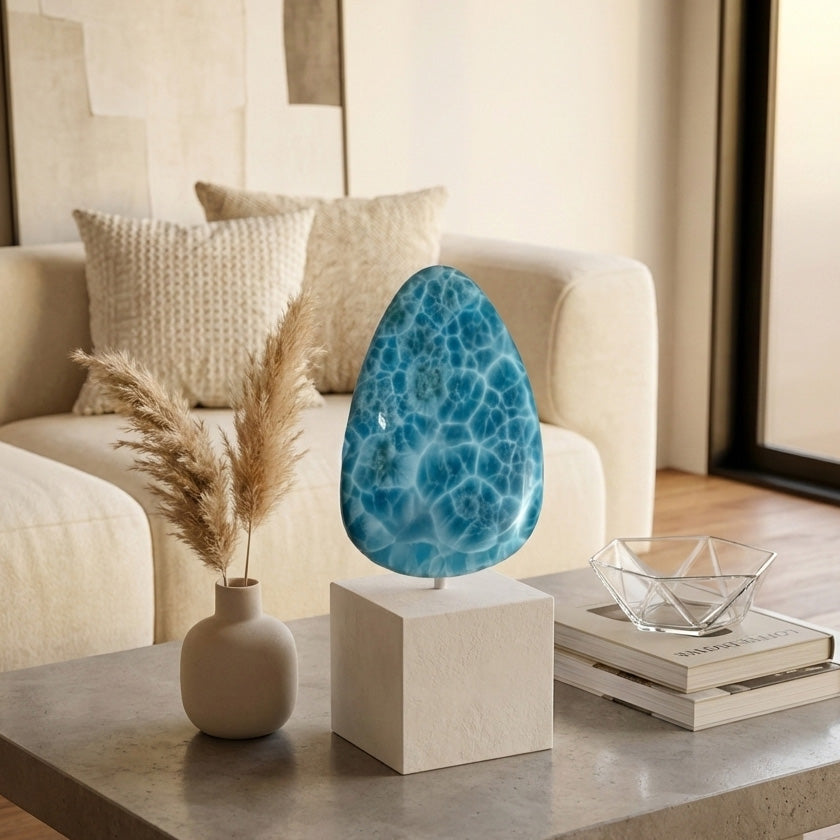
High-quality authentic Larimar is not dyed to create its characteristic blue color. Larimar is a rare blue variety of pectolite found in the Dominican Republic, and its blue tones occur naturally within the stone. Trace amounts of copper contribute to the blue coloration, while white areas and darker mineral inclusions create the marbled, wave-like patterns collectors love.

That does not mean every blue stone sold under the name Larimar deserves immediate trust. Some materials may be dyed, coated, stabilized, or simply misidentified. A dyed imitation can be made from a less valuable pale stone, resin, ceramic, or another mineral chosen to resemble Larimar's oceanic appearance. In other cases, an authentic but lower-grade Larimar may receive surface treatments intended to improve its appearance.

The distinction matters because natural Larimar has a rarity, origin, and individual character that a manufactured blue surface cannot replace. When you choose a Larimar ring, pendant, bracelet, or cabochon, you are choosing a piece of the Caribbean shaped by geology and finished by hand.

Why Natural Larimar Has So Many Shades of Blue

Larimar is not supposed to look identical from stone to stone. Its natural variation is one of its strongest signs of character. Some pieces are mostly white with delicate pale-blue veining. Others display vivid blue pools surrounded by white clouding, gray matrix, or subtle green tones. Exceptional material may show a saturated blue often compared with the waters of the Dominican coast.

Color alone does not determine quality. A deeply blue stone is often more sought after, but pattern, translucency, cut, polish, size, and the balance of the design all affect desirability. A beautifully cut stone with soft, open blue and distinctive white movement can be more captivating than a darker stone with a crowded or uneven pattern.

Natural Larimar also tends to look layered rather than flat. Its color may seem to drift through the stone in waves, patches, or soft branching lines. This visual depth is difficult to reproduce convincingly with a simple dye treatment.

Natural variation is not a flaw

Collectors sometimes worry when they see white areas, tiny dark inclusions, or irregular color zones. In genuine Larimar, these features are often part of the stone's natural identity. Expecting every piece to be solid, electric blue can lead buyers toward material that has been overtreated or toward an imitation designed for uniformity.

A reputable jeweler should present natural variation honestly. The goal is not to find a stone that looks mass-produced. It is to find one whose color and pattern feel personal.

Signs a Stone May Be Dyed or Imitation Larimar

No single visual test can confirm a gemstone's identity. A trained gemologist and transparent seller remain the best resources for certainty. Yet several details can help you decide whether a stone deserves closer questions.

First, look for color that appears unnaturally concentrated in surface cracks, pits, drill holes, or along the edges of fractures. Dye often settles where the material is more porous or where surface openings allow color to collect. Natural Larimar can have veins and inclusions, but those features should look integrated into the stone rather than filled with sharp blue pigment.

Second, be cautious of an extremely uniform, artificial-looking blue. Genuine Larimar can certainly be richly colored, especially in fine-quality stones, but it usually retains movement. If every bead in a strand is the same intense shade with no white variation, or if the blue looks like a perfectly even layer beneath a glossy surface, ask for more information.

Third, inspect the finish. A high polish is normal and desirable on Larimar jewelry. However, a thick-looking glassy coating, color that seems to sit on top of the stone, or a plastic-like feel may point to resin, coating, or imitation material. This is especially relevant when a piece is offered at a price that seems far below the expected value for its size and color.

Finally, consider the description. Terms such as “Larimar-style,” “Larimar color,” or “Caribbean blue stone” may be used for jewelry that is not Larimar at all. Clear identification, Dominican origin, and straightforward treatment disclosure are better signs than romantic language alone.

Treatments That Are Not the Same as Dyeing

Jewelry buyers deserve precise language because not all finishing practices mean the same thing. Polishing is a standard part of preparing Larimar for jewelry. A skilled lapidary cuts and polishes the stone to reveal its pattern and give it a smooth, luminous surface. This does not change the stone's natural color.

Some softer gemstones may also be stabilized with a clear substance to improve durability, particularly if they contain fractures or are too fragile for a particular jewelry design. Stabilization should be disclosed because it can affect care, long-term value, and collector preference. It is different from adding blue dye, but it is still relevant information for an informed purchase.

Waxing, oils, and surface coatings can temporarily enrich a stone's appearance. These practices may make color look deeper or hide minor surface issues, but they are not equivalent to naturally vivid Larimar. A seller should be able to explain whether a piece has received any treatment beyond cutting and polishing.

The trade-off depends on what you are buying. For an everyday statement pendant, a responsibly disclosed stabilized stone may still be beautiful and wearable. For a collector seeking an exceptional cabochon or carving, untreated material and documented origin may carry greater appeal. Neither choice should be presented as something it is not.

Questions to Ask Before Buying Larimar

A confident purchase begins with a few direct questions. Ask whether the stone is genuine Larimar, whether it was mined in the Dominican Republic, and whether any treatments have been applied. If the piece is described as certified, ask what the certification confirms and whether documentation accompanies the purchase.

Also ask for clear photographs in natural or balanced lighting. Heavily filtered images can make pale material appear more saturated than it is. Photographs that show the front, sides, and back of a cabochon offer a more honest view of the color distribution and workmanship.

For larger purchases, especially collector cabochons, carved pieces, and fine jewelry, it is reasonable to ask about the return policy and the seller's gemstone expertise. A specialist who works closely with Dominican Larimar should be comfortable discussing color grade, natural inclusions, origin, and treatment disclosure without vague answers.

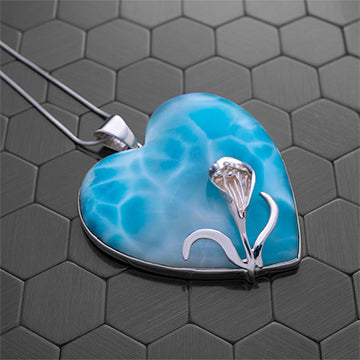
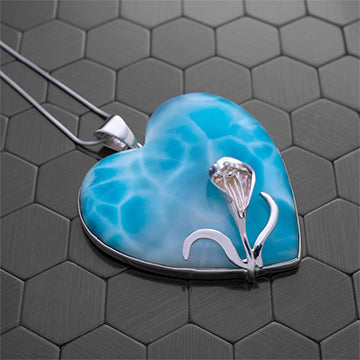
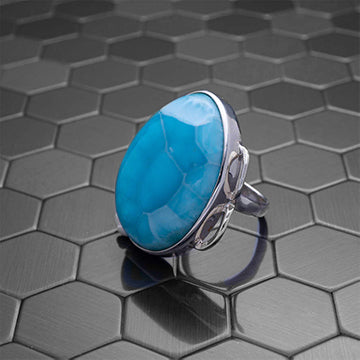
At Larimar Creations, the emphasis is on authentic Dominican gemstones and handcrafted jewelry, because provenance is part of the beauty. A Larimar heart pendant or ocean-blue ring becomes more meaningful when you know its color belongs to the stone itself.

Avoid At-Home Dye Tests

Online advice sometimes suggests rubbing a stone with acetone, scratching an inconspicuous area, soaking it in chemicals, or exposing it to heat. These methods can damage a gemstone, weaken jewelry settings, dull a polish, or harm a protective treatment without proving anything conclusive.

Larimar is relatively soft compared with diamonds, sapphires, and many everyday jewelry stones. It deserves gentle handling. If authenticity is in doubt, do not turn a new piece into a home experiment. Request information from the seller or seek an independent gem professional with experience evaluating colored stones.

Caring for Natural Larimar Color

Whether your Larimar is pale and misty or richly blue, gentle care helps preserve its beauty. Remove it before swimming, household cleaning, exercise, or tasks that could expose it to hard knocks. Avoid ultrasonic cleaners, steam cleaning, harsh chemicals, and prolonged direct sunlight.

Clean Larimar with lukewarm water, a mild soap if needed, and a soft cloth. Dry it carefully and store it separately from harder gemstones and metal pieces that could scratch its surface. This simple routine protects the polish and lets the stone's natural Caribbean color remain the focus.

The most beautiful Larimar does not need to be perfectly uniform or impossibly blue. It should feel alive with natural movement, honestly represented, and worthy of being worn as a rare expression of the Caribbean.

Larimar Palm Stone: Benefits, Uses & Buying Guide 2026 - Larimar Creations

Larimar Palm Stone: Benefits, Uses & Buying Guide 2026

9 min read

Discover larimar palm stones - their healing properties, quality grades, authenticity tips, and how to choose the perfect piece for meditation or collection.
Read More
12 Artisan Jewelry Examples Worth Knowing - Larimar Creations

12 Artisan Jewelry Examples Worth Knowing

6 min read

See artisan jewelry examples in Larimar, Dominican blue amber, and details that help you recognize rarity, craftsmanship, and authentic materials.
Read More
7 Top Birthstone Alternatives for June Gifts - Larimar Creations

7 Top Birthstone Alternatives for June Gifts

6 min read

Seeking top birthstone alternatives for June? Compare Larimar, Dominican blue amber, moonstone, alexandrite, and more gems for meaningful jewelry gifts.
Read More