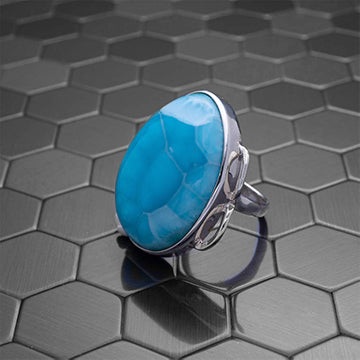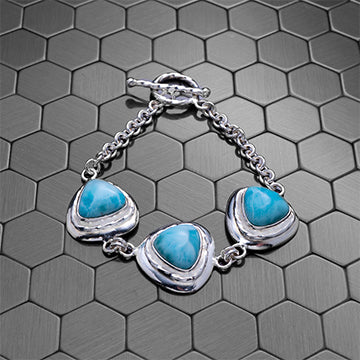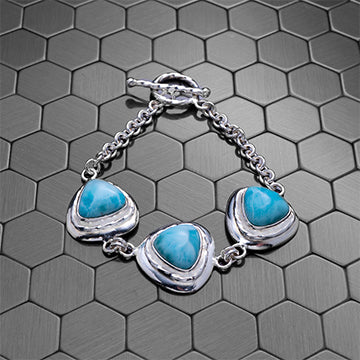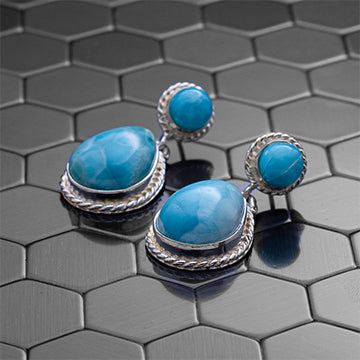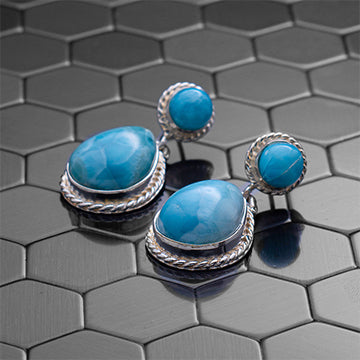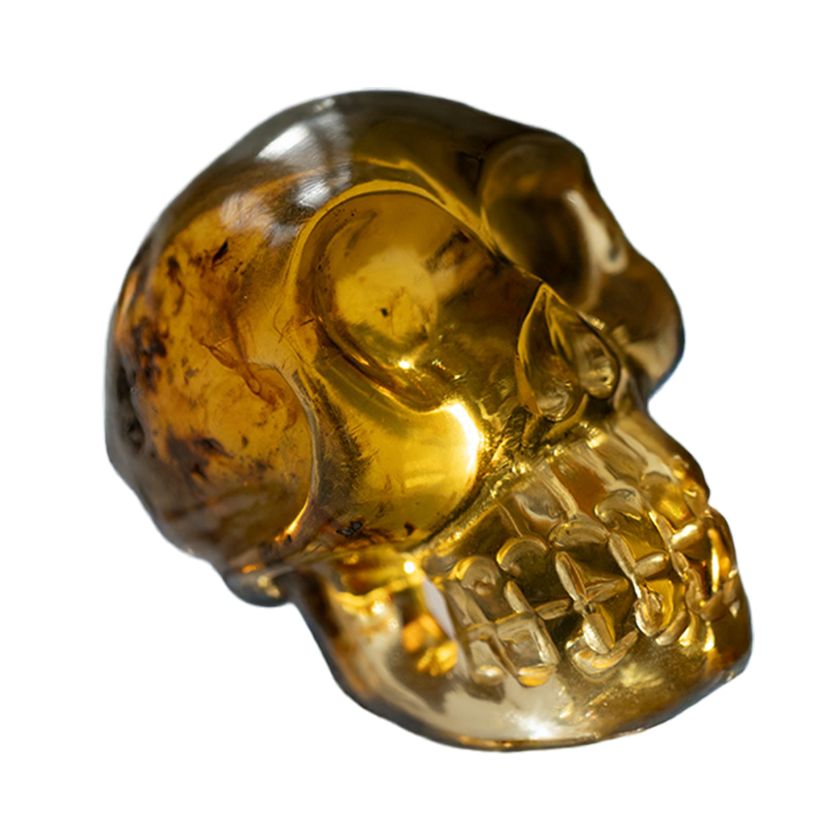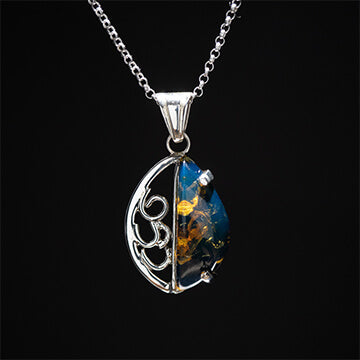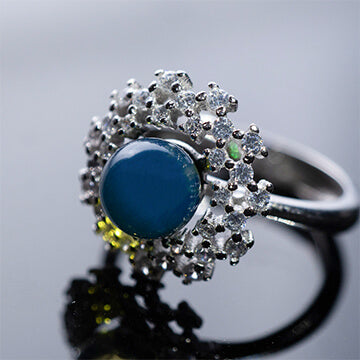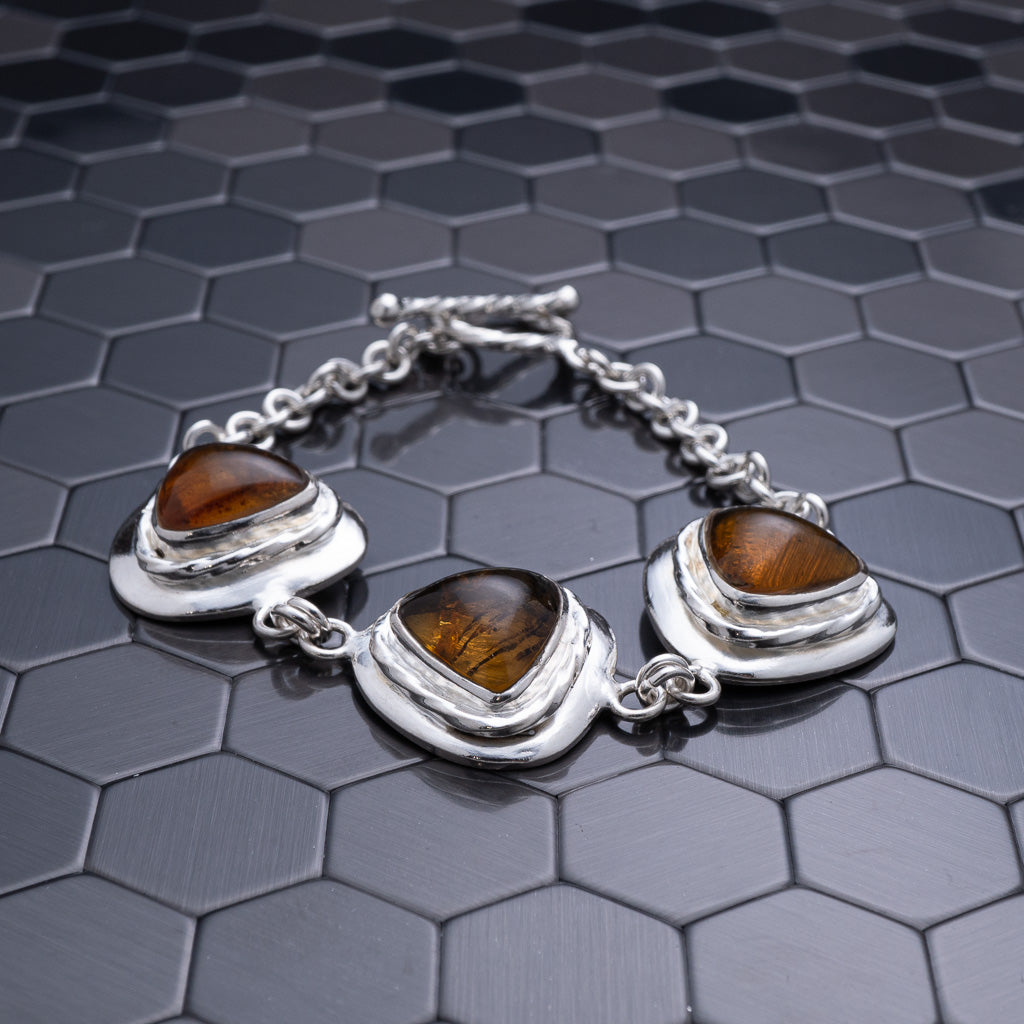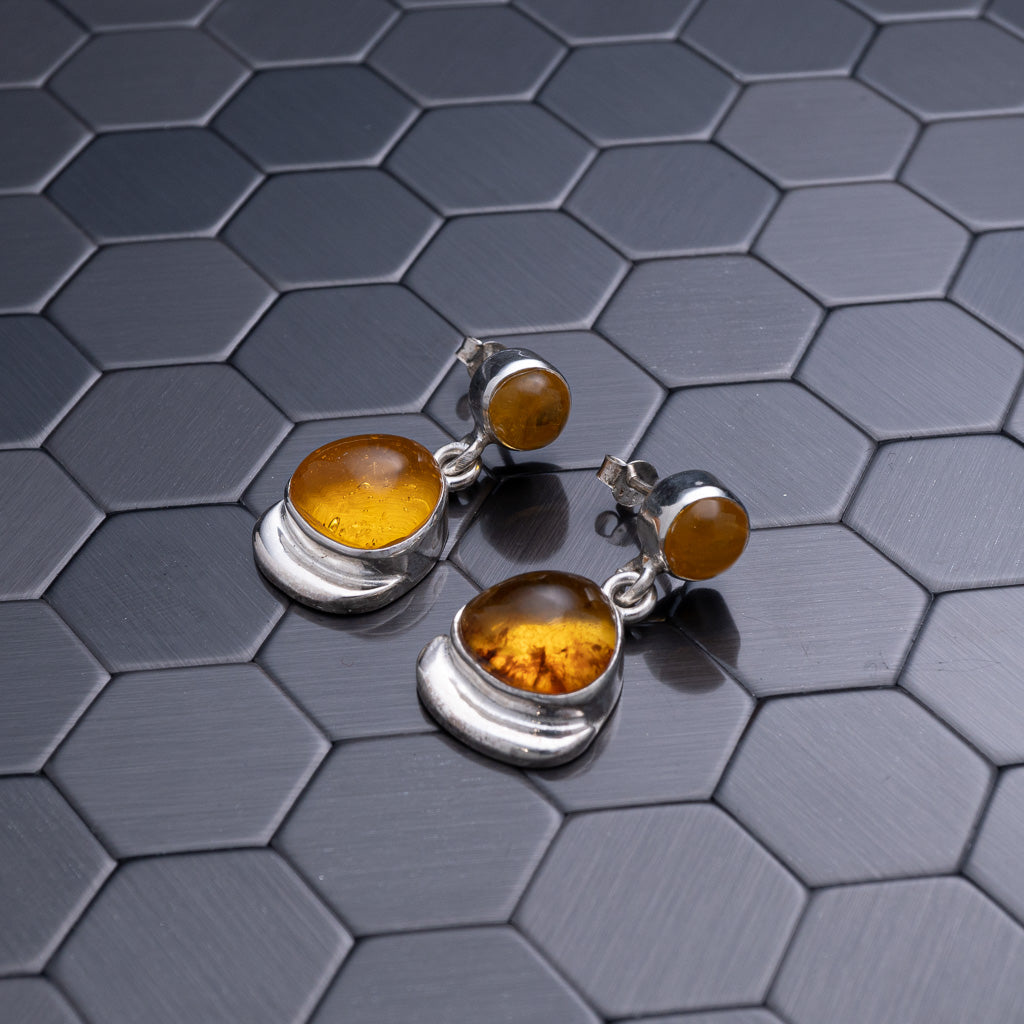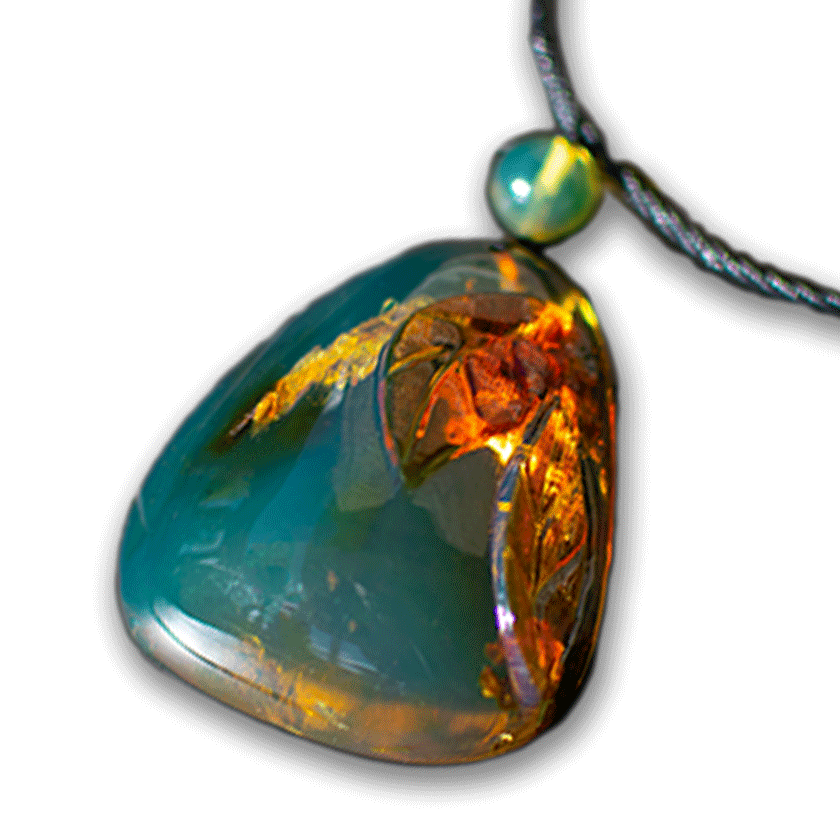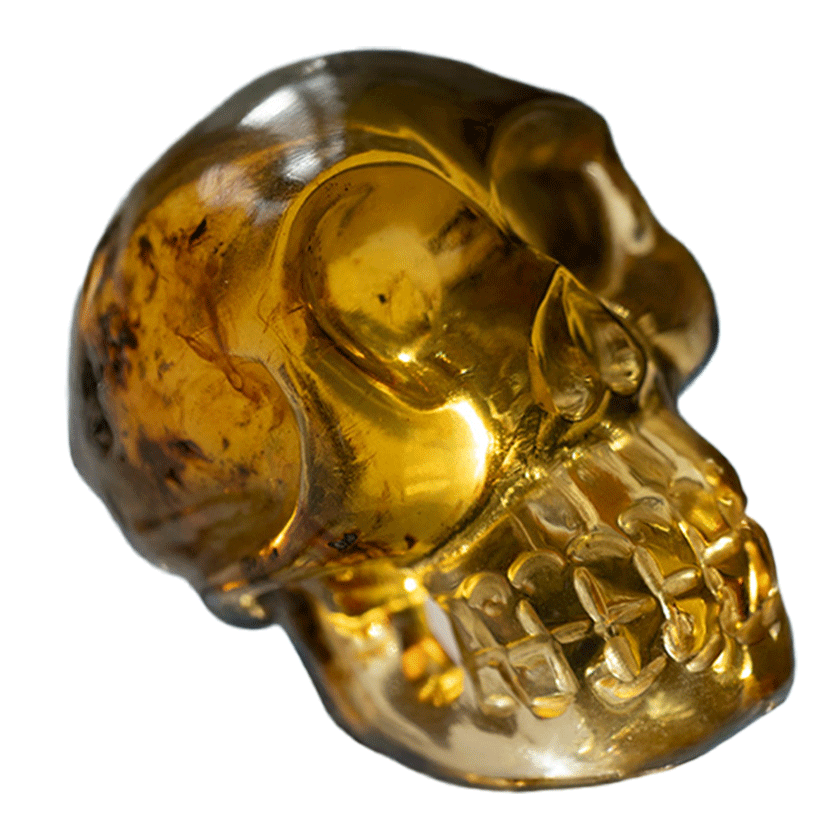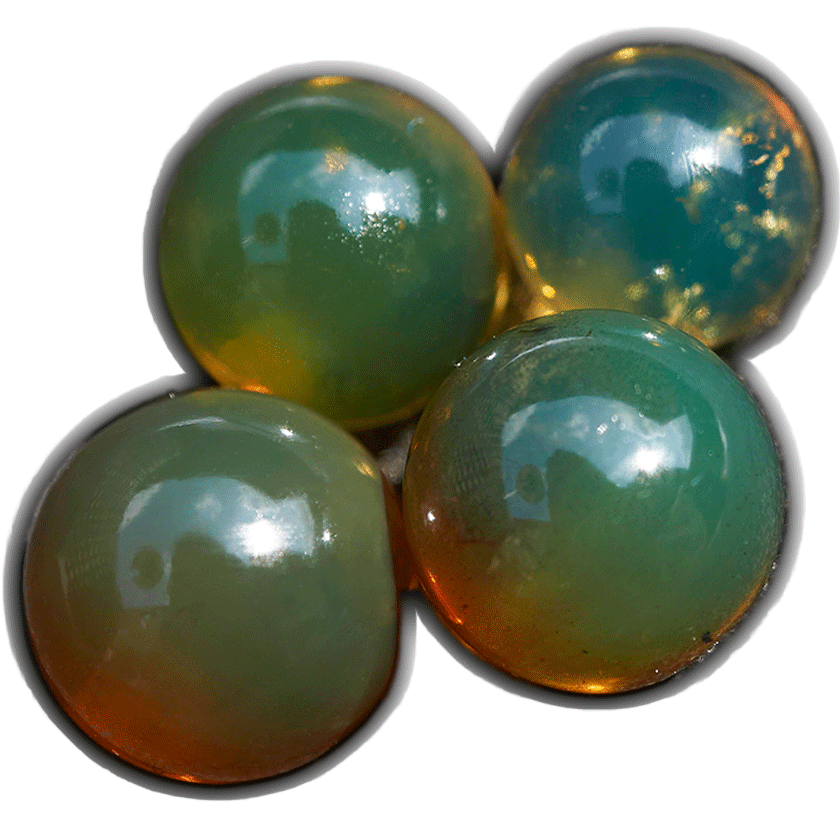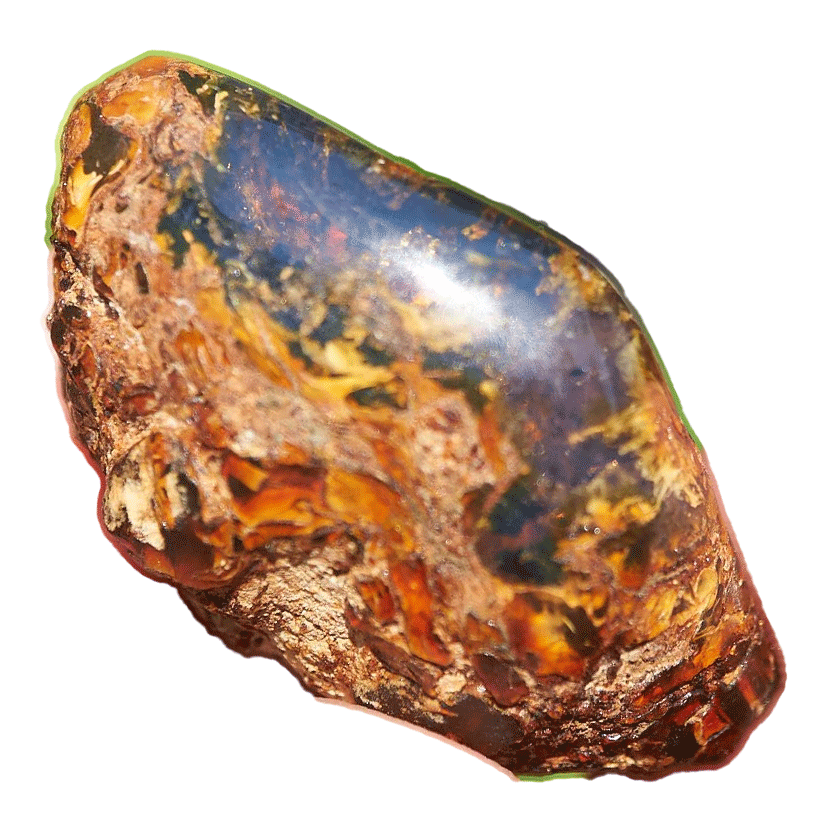


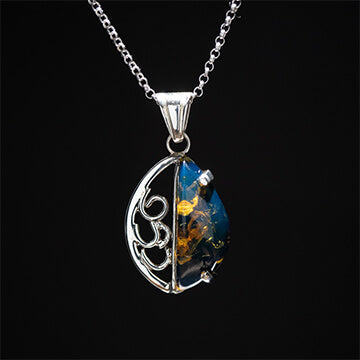
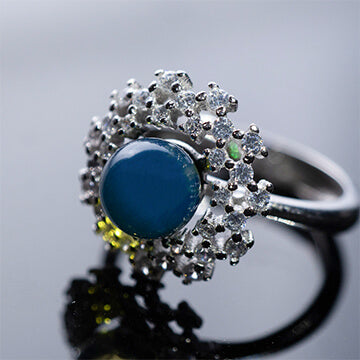
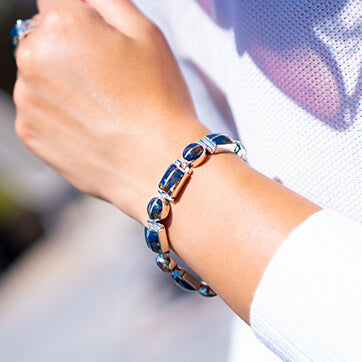
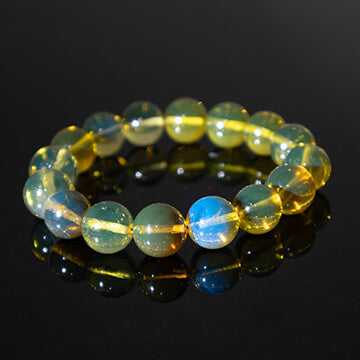
Handcrafted in DR.

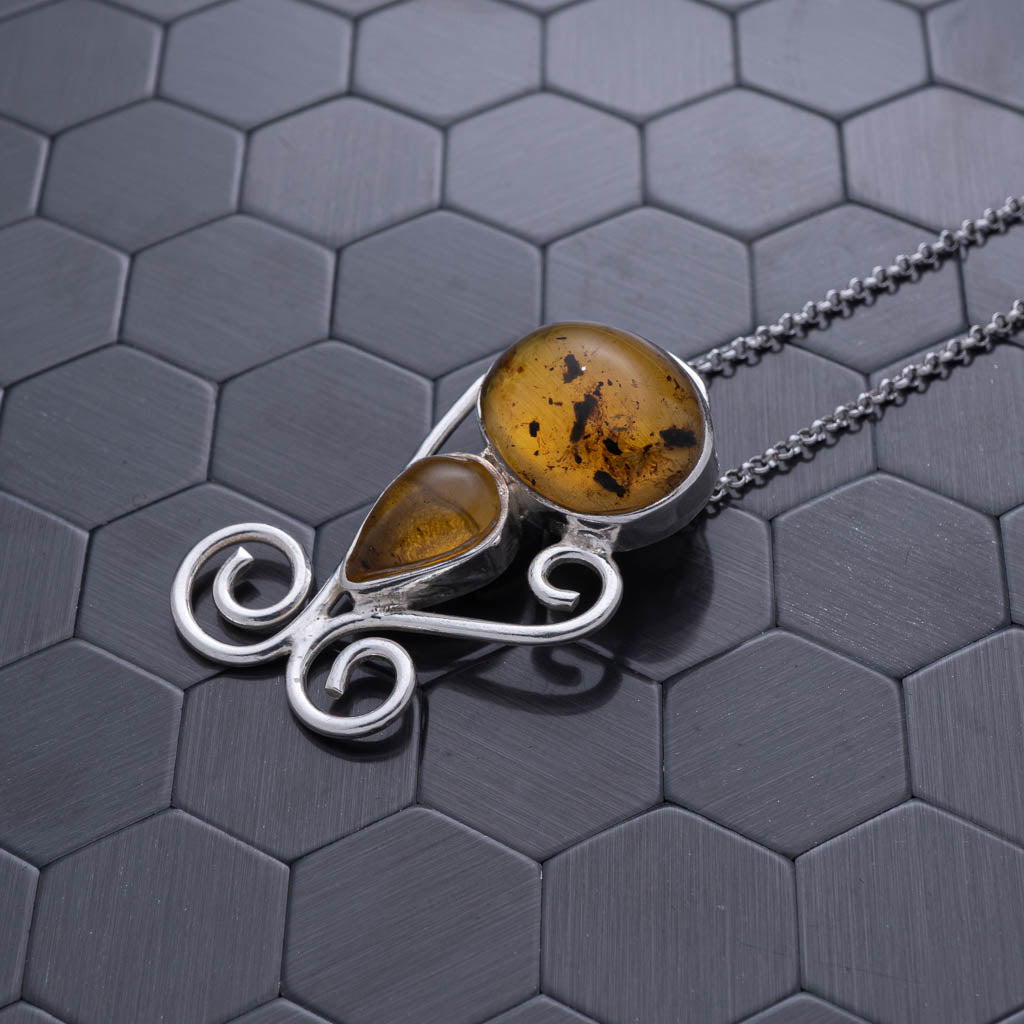
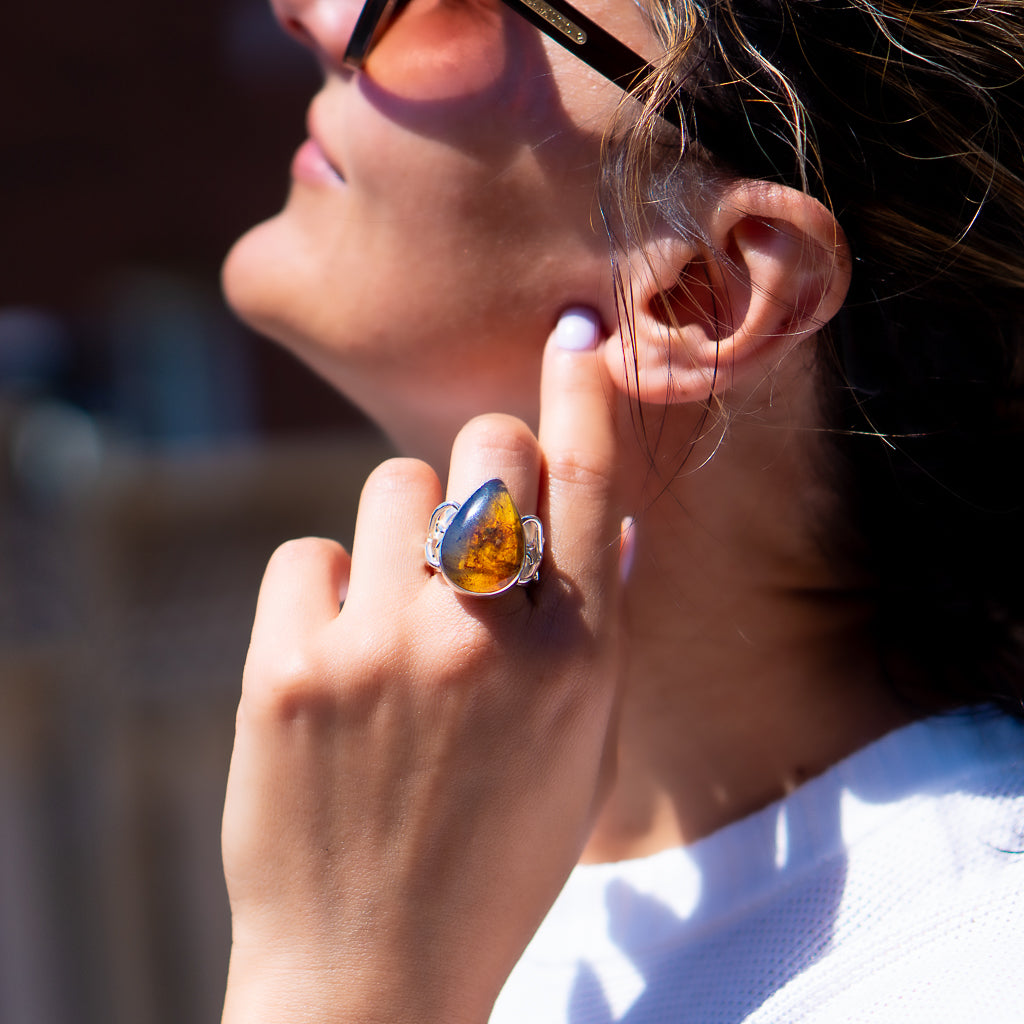
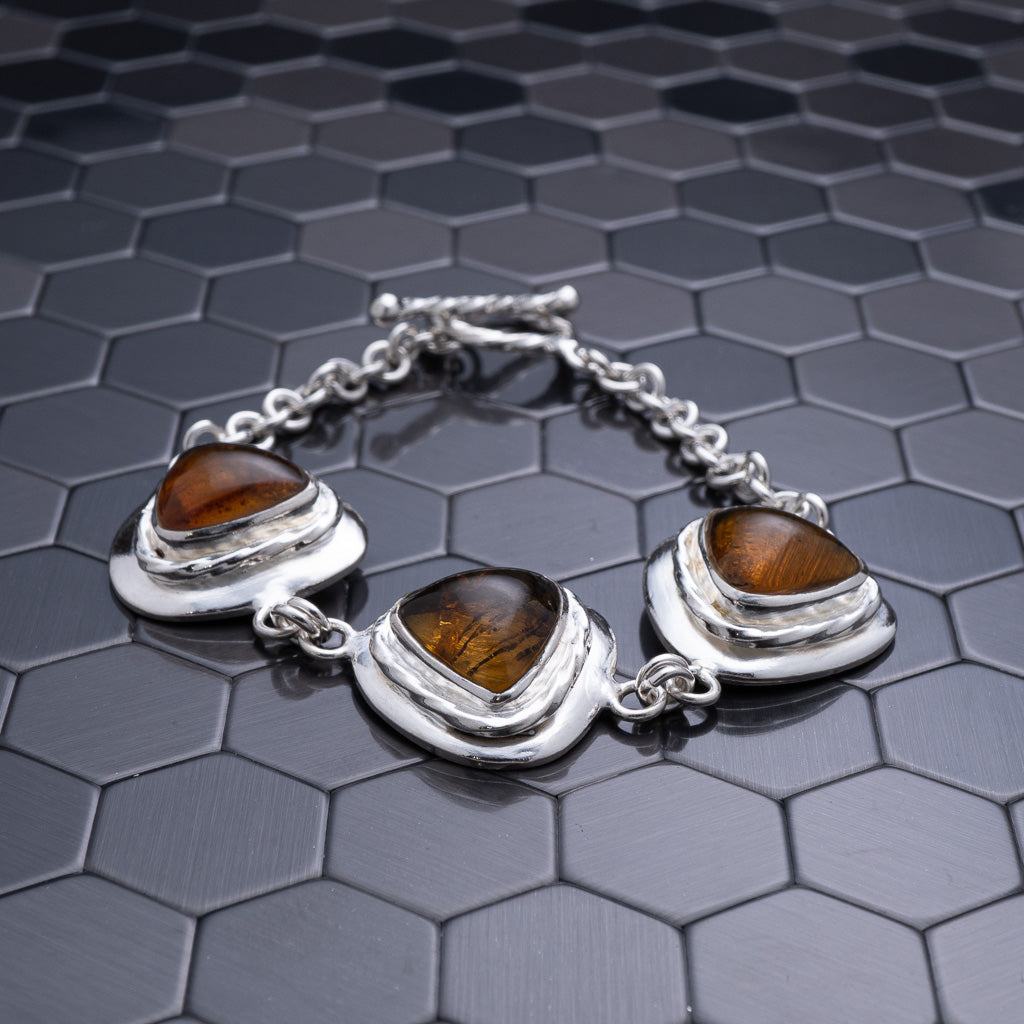
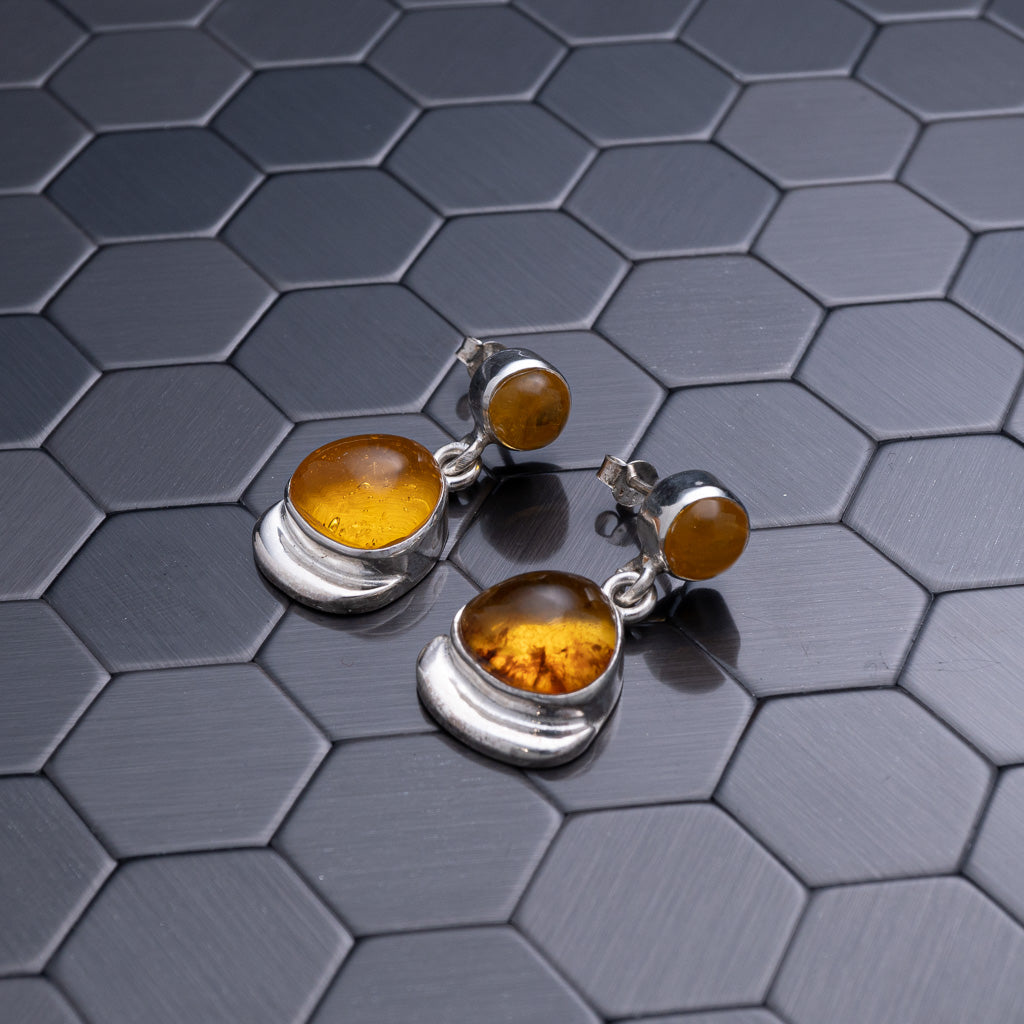


100% Handcrafted in DR.

A necklace with a stone represents far more than a simple accessory. These pieces combine the timeless elegance of precious metals with the natural beauty of gemstones, creating jewelry that tells a story and reflects personal style. Whether you're drawn to the vibrant blues of larimar, the classic appeal of sapphires, or the earthy tones of onyx, understanding how to select, wear, and care for stone necklaces ensures you make informed decisions that bring lasting satisfaction.
The world of stone necklaces offers remarkable diversity, with each style serving different aesthetic preferences and occasions. Traditional designs include solitaire pendants, where a single stone takes center stage, suspended from a delicate chain. These pieces emphasize the gemstone's inherent beauty without distraction.
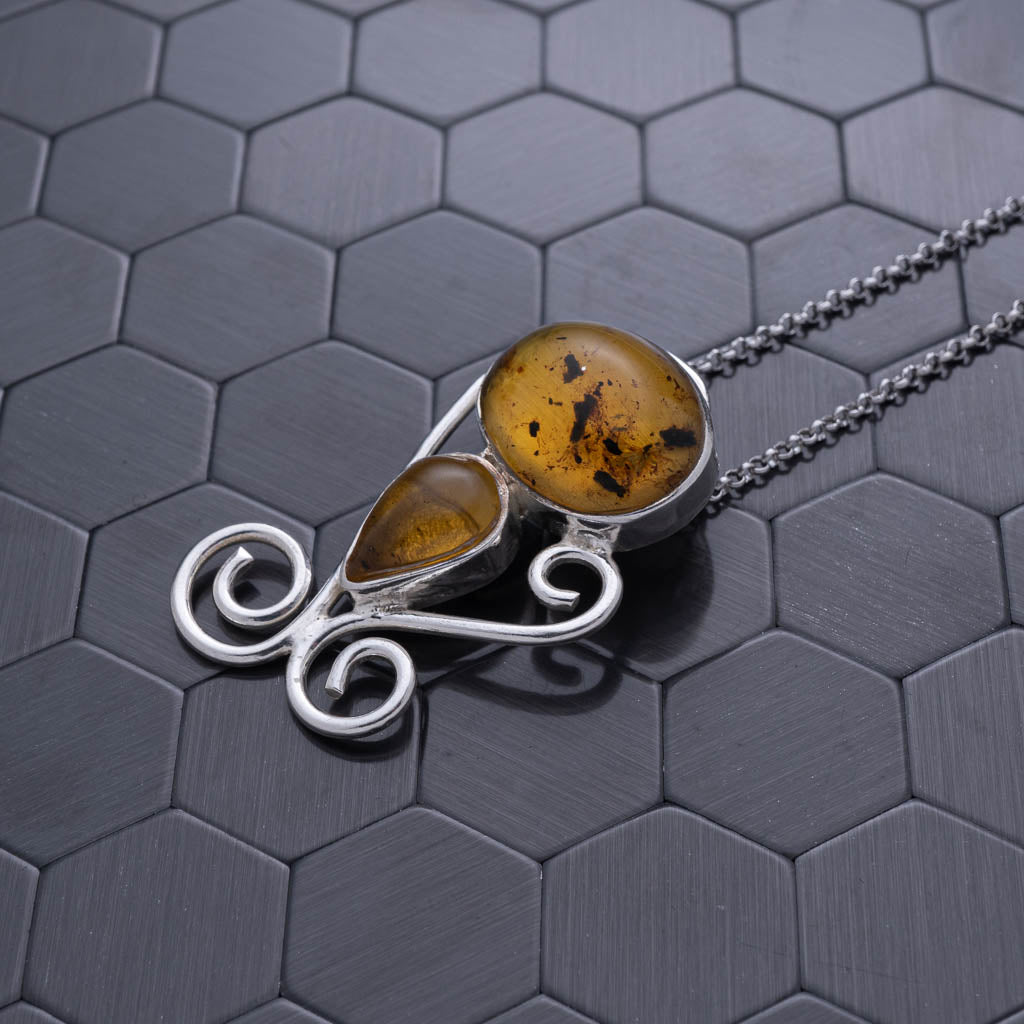
Solitaire stone pendants remain the most popular choice for those seeking understated elegance. The simplicity allows the gemstone to capture attention while maintaining versatility across casual and formal settings. Settings vary from bezel mountings that encircle the stone completely to prong settings that maximize light exposure.
Multi-stone arrangements create visual interest through patterns and combinations. Three-stone pendants symbolize past, present, and future, making them meaningful gifts for anniversaries and milestones. Cluster designs group smaller stones together, producing the appearance of a larger centerpiece while often maintaining a more accessible price point.
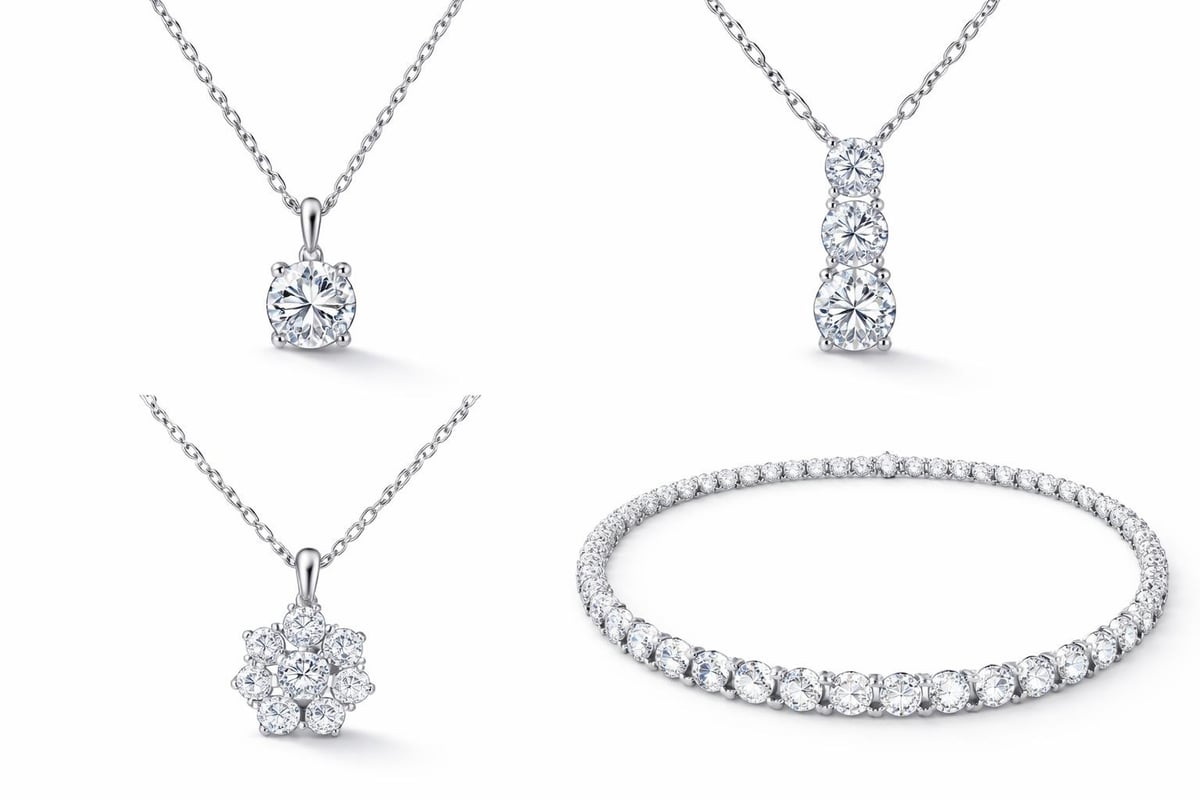
The rivière necklace style features a continuous line of individually set stones, creating a flowing river of color and brilliance. This sophisticated design works exceptionally well for formal occasions and has experienced renewed popularity among jewelry enthusiasts.
Modern interpretations of the necklace with a stone have evolved to embrace minimalist aesthetics. Cord necklaces with stone pendants have gained significant traction, offering a casual yet refined alternative to traditional metal chains. These designs pair well with bohemian and contemporary wardrobes.
Layering multiple stone necklaces has become a defining trend in 2026. This approach allows wearers to combine different lengths, stone types, and chain styles for a personalized look. The key to successful layering involves varying lengths by at least two inches and balancing stone sizes to prevent overwhelming the overall appearance.
| Style Type | Best For | Typical Price Range | Formality Level |
|---|---|---|---|
| Solitaire Pendant | Daily wear, versatility | $100 - $5,000+ | Casual to formal |
| Multi-stone Cluster | Statement pieces | $200 - $3,000+ | Semi-formal to formal |
| Rivière | Special occasions | $1,000 - $50,000+ | Formal |
| Cord Pendant | Casual, bohemian | $50 - $500 | Casual |
Selecting the appropriate stone transforms a necklace from mere ornamentation into a meaningful expression of personality and values. Each gemstone carries distinct properties, from hardness and durability to color variations and metaphysical associations.
Birthstone necklaces have experienced remarkable resurgence in popularity. The sentimental value and modern appeal of birthstone necklaces make them thoughtful gifts that connect wearers to their birth month while maintaining contemporary style. Beyond traditional birthstones, many individuals select stones based on color preference or symbolic meaning.
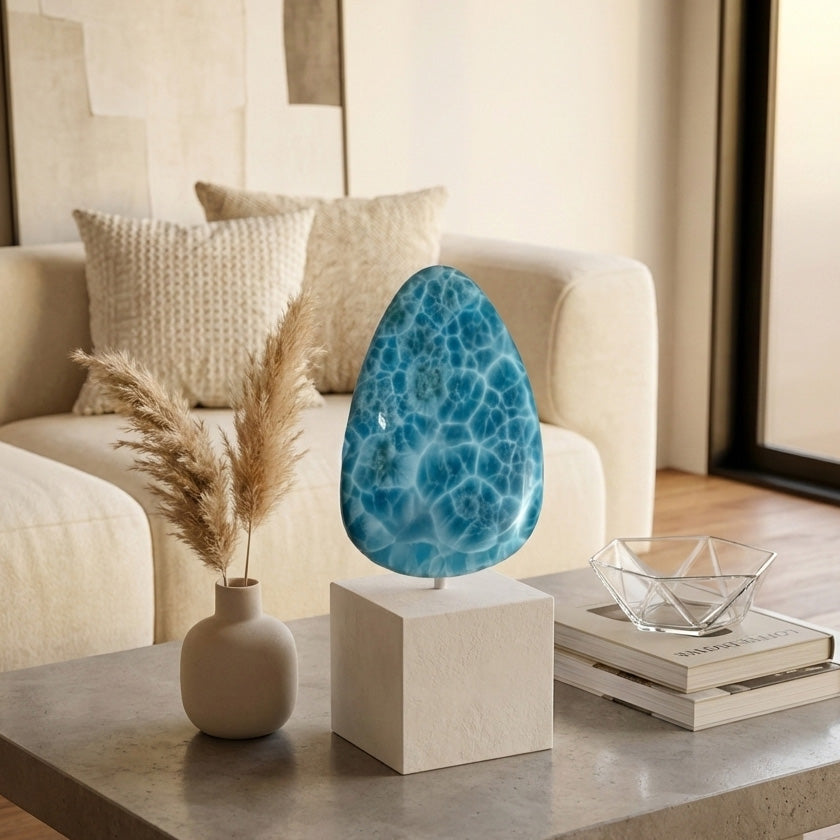
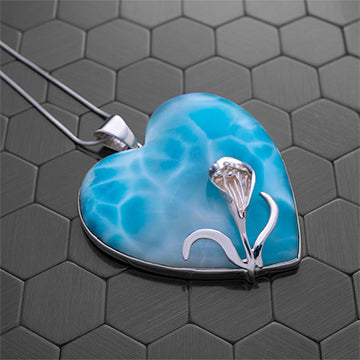
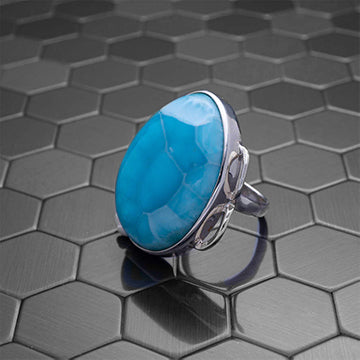
Larimar stands out as an exceptional choice for those seeking unique, conversation-starting pieces. This rare blue stone, found exclusively in the Dominican Republic, displays a captivating range of blue hues reminiscent of Caribbean waters. Larimar Pendants offer an ideal combination of rarity and beauty, creating jewelry that symbolizes peace and tranquility.
Alternative stones continue gaining momentum as preferences shift away from traditional diamonds. The growing preference for onyx jewelry reflects a sophisticated taste for understated elegance. Similarly, moonstone, opal, and turquoise provide distinctive appearances that set wearers apart from conventional choices.
Understanding quality factors ensures you invest wisely in a necklace with a stone. The four C's-cut, color, clarity, and carat weight-apply broadly across gemstone types, though specific standards vary by stone variety.
Cut quality determines how light interacts with the stone. Well-executed cuts maximize brilliance and display the stone's inherent color to best advantage. Poor cuts can diminish even the finest raw materials.
Color evaluation requires examining hue, tone, and saturation. The most valuable stones typically exhibit pure, vivid colors without muddy or grayish undertones. However, personal preference should guide your selection, as some individuals prefer softer, more subtle tones.
Clarity considerations vary significantly by gemstone type. While emeralds commonly contain visible inclusions, sapphires command premium prices for exceptional clarity. Understanding what's typical for your chosen stone prevents unrealistic expectations.
Authentication becomes particularly important with rare stones. Learning how to identify genuine larimar protects buyers from counterfeit products and ensures the value of their investment.
The metal framework supporting your stone dramatically influences the necklace's overall appearance and longevity. Material selection involves balancing aesthetic preferences, budget constraints, and practical durability requirements.
Sterling silver provides an affordable, versatile option that complements most gemstones beautifully. Its bright, reflective surface enhances cool-toned stones while offering hypoallergenic properties for most wearers. Regular polishing maintains its luster, though some prefer the character that develops through natural patina.
Gold varieties range from classic yellow to contemporary white and romantic rose tones. The karat rating indicates purity, with 14K and 18K offering excellent balances between durability and precious metal content. Gold's inherent resistance to tarnish makes it ideal for heirloom pieces intended for long-term wear.
Platinum represents the premium choice for stone settings. Its density and durability provide exceptional security for valuable gemstones, while its naturally white appearance never requires rhodium plating. The weight and feel of platinum convey substantial quality.
Choosing appropriate chain length ensures your necklace with a stone sits at the most flattering position. Standard measurements provide general guidance, though personal proportions and style preferences ultimately determine the ideal length.
| Chain Length | Name | Where It Falls | Best For |
|---|---|---|---|
| 14-16 inches | Choker | Base of neck | Formal events, off-shoulder styles |
| 18 inches | Princess | Collarbone | Most versatile, suits all necklines |
| 20-24 inches | Matinee | Below collarbone | Business attire, layering |
| 28-36 inches | Opera | Below bust | Dramatic statements, layering |
Chain styles range from delicate cable links to substantial rope chains. Finer chains suit smaller stones and feminine aesthetics, while heavier chains balance larger pendants and create bolder statements. The chain should support the pendant's weight without appearing strained or disproportionate.
Maximizing the versatility of a necklace with a stone requires understanding how to adapt styling across various contexts. The same piece can transition from workplace appropriate to evening elegant through thoughtful coordination with clothing and complementary accessories.
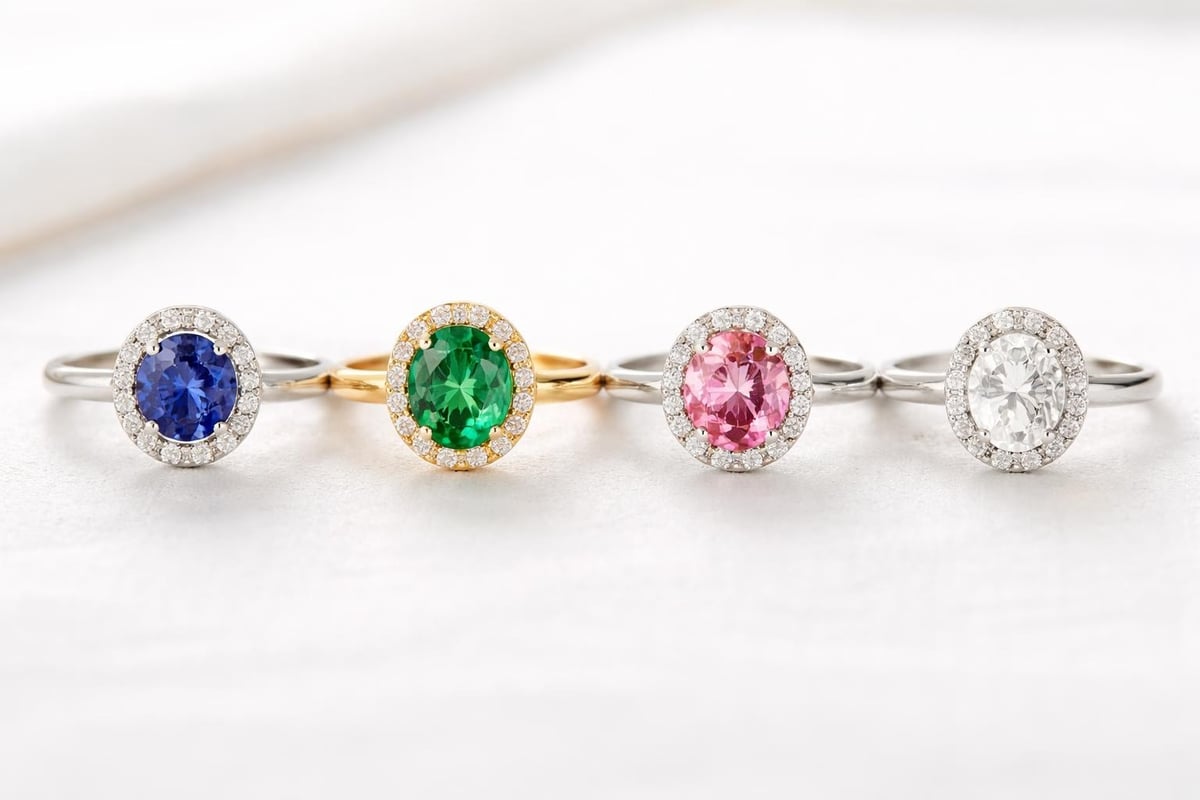
Workplace styling demands restraint and sophistication. A simple solitaire pendant in a classic stone like sapphire or pearl pairs effortlessly with business attire. Keep chain length at princess or matinee to avoid competing with collars or necklines. The complete selection of gemstone necklaces demonstrates how professional pieces maintain interest without overwhelming conservative dress codes.
Weekend and casual wear permits more experimental approaches. Layer multiple chains of varying lengths, combining your statement stone necklace with simpler accent pieces. Bohemian styles benefit from natural stones like turquoise or larimar paired with flowing fabrics and relaxed silhouettes.
Formal events provide opportunities to showcase dramatic stone necklaces that might overwhelm daytime settings. Consider these guidelines:
Color coordination involves understanding complementary and analogous relationships. Blue stones like larimar pair beautifully with coral and peach tones, while green stones complement burgundy and wine shades. Neutral clothing allows the stone to provide the color accent.
Proper care preserves both the appearance and structural integrity of your necklace with a stone. Different gemstones require specific handling protocols based on their hardness, porosity, and chemical sensitivity.
Storage solutions prevent tangling, scratching, and environmental damage. Individual soft pouches or compartmented jewelry boxes keep pieces separated. Store necklaces flat or hung to prevent chain kinking. Climate-controlled environments protect against humidity extremes that can affect certain stones.
Wearing guidelines extend jewelry lifespan significantly. Apply perfumes, lotions, and hairspray before putting on stone necklaces, as chemicals can damage both stones and metals. Remove jewelry before swimming, exercising, or sleeping to prevent physical damage and chemical exposure.
Gentle cleaning suits most stone necklaces effectively. Mix mild dish soap with warm water, soak briefly, then use a soft brush to remove accumulated oils and dirt. Rinse thoroughly and pat dry with a lint-free cloth.
Professional maintenance becomes necessary periodically for prong tightening, restringing, and deep cleaning. Annual inspections catch potential problems before stones loosen or chains weaken. Many jewelers offer these services affordably, particularly when purchasing from specialized retailers who understand Dominican handcrafted jewelry techniques.
Specific stones require specialized care:
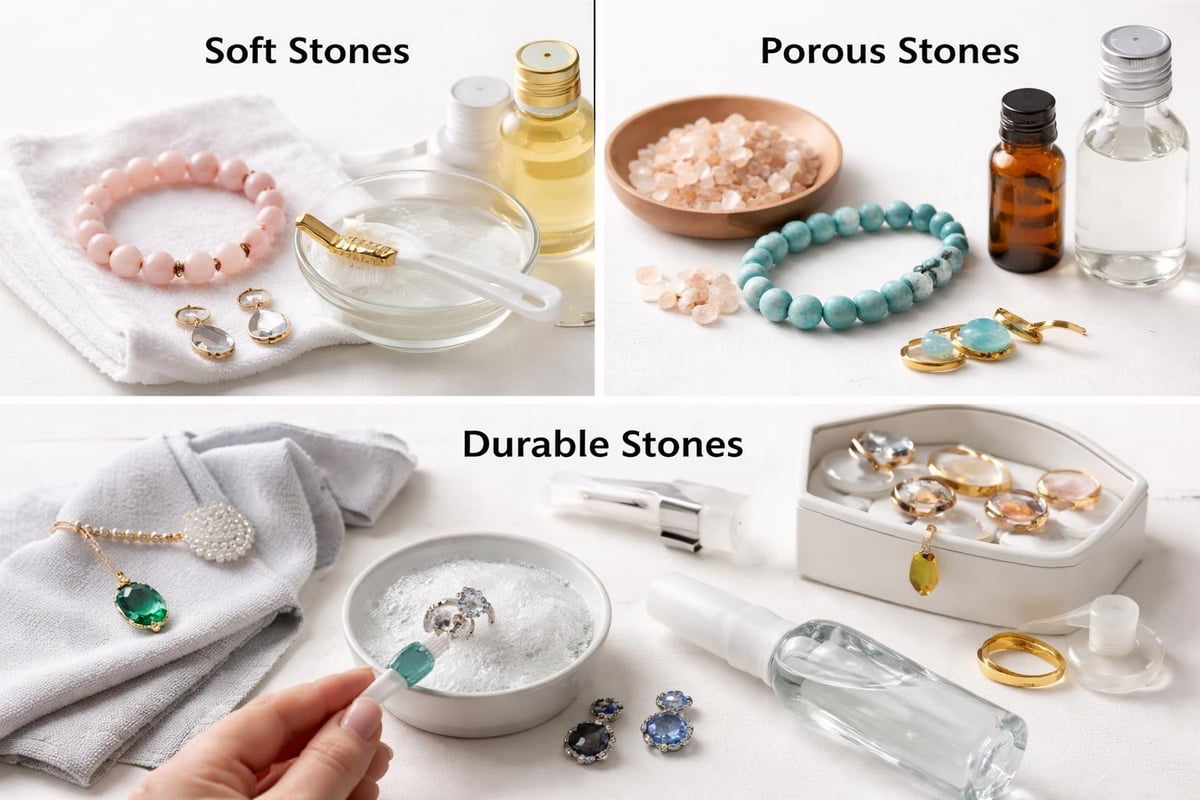
Understanding the financial aspects of purchasing a necklace with a stone empowers informed decisions that balance aesthetic desires with practical budgeting. Certain factors significantly influence both initial cost and long-term value retention.
Gemstone rarity drives pricing more than any other factor. Stones found in limited geographic locations or produced through unique geological conditions command premium prices. The exclusivity of larimar, sourced solely from the Dominican Republic, contributes to its investment appeal.
Craftsmanship quality separates mass-produced pieces from artisan creations. Handcrafted jewelry requires skilled labor and produces unique variations that machine manufacturing cannot replicate. These pieces often appreciate better than factory-made alternatives.
Brand reputation affects pricing, though not always proportionally to quality. Established houses command premiums for name recognition, while independent artisans may offer superior craftsmanship at more accessible prices. Research and comparison shopping reveal the best value propositions.
Documentation preservation maintains resale value and provides insurance support. Retain certificates of authenticity, appraisals, and purchase receipts. Photograph your necklace periodically for insurance records.
Timeless design selection ensures continued wearability as fashion trends evolve. Classic pendant styles with quality stones maintain appeal across decades, while extremely trendy designs may feel dated quickly. The rising trend of stone jewelry demonstrates how certain styles achieve lasting popularity.
Insurance considerations protect significant investments against loss, theft, or damage. Jewelry-specific policies often provide more comprehensive coverage than homeowner's insurance riders. Annual appraisals track value appreciation and ensure adequate coverage limits.
Creating a truly unique necklace with a stone allows personal expression that ready-made pieces cannot match. Modern customization extends beyond simple engraving to encompass complete design control.
Stone selection represents the most impactful customization choice. Beyond choosing the gemstone type, you can specify size, cut, and quality grade. Some jewelers offer stone-setting services for heirloom gems or stones purchased separately.
Setting modifications adapt standard designs to personal preferences. Adjusting prong count, adding decorative metalwork, or incorporating accent stones transforms basic pendants into personalized creations. Discuss feasibility with jewelers, as some modifications affect structural integrity.
Chain customization includes length adjustments, link style changes, and clasp upgrades. Consider comfort and functionality alongside aesthetics-magnetic clasps assist those with dexterity limitations, while spring rings provide security for valuable pieces.
Commissioning custom work requires clear communication and realistic expectations. Provide reference images, specify budget parameters, and discuss timeline requirements upfront. Reputable artisans provide sketches or digital renderings before beginning fabrication.
Collaborative design processes yield the most satisfying results. Share your vision while remaining open to professional guidance on proportions, setting security, and design feasibility. Experienced jewelers balance artistic vision with structural requirements.
Timeline considerations vary based on complexity and artisan availability. Simple modifications may complete within weeks, while elaborate custom designs can require several months. Rush services typically incur additional fees and may limit design options.
Contemporary consumers increasingly prioritize ethical considerations when purchasing a necklace with a stone. Understanding sourcing practices allows alignment between personal values and purchasing decisions.
Traceability ensures gemstones come from legitimate sources operating under fair labor conditions. Reputable dealers provide origin documentation and certifications demonstrating compliance with ethical standards. Ethically sourced gemstone necklaces reflect growing industry commitment to responsible practices.
Environmental impact considerations extend beyond mining to include processing and transportation. Stones sourced locally or regionally reduce carbon footprints associated with international shipping. Small-scale mining operations often employ less destructive techniques than industrial extraction.
Fair trade certifications guarantee miners receive equitable compensation and work under safe conditions. While less common in gemstone industries than agricultural products, fair trade jewelry options continue expanding.
Direct purchase from artisans ensures more money reaches makers rather than intermediaries. This model supports traditional craftsmanship while providing economic opportunities in regions where gemstones originate. Purchasing necklaces directly from specialized creators strengthens these connections.
Cultural preservation benefits from continued demand for traditional techniques. Many gemstone-producing regions possess centuries-old jewelry-making traditions that survive through commercial viability. Your purchases help maintain these cultural practices.
Community development results when jewelry commerce provides sustainable income. Educational programs, infrastructure improvements, and healthcare access often develop in communities where ethical jewelry businesses operate.
Selecting a necklace with a stone as a gift requires thoughtful consideration of the recipient's preferences, lifestyle, and the relationship significance. Strategic choices create meaningful presents that recipients treasure for years.
Milestone celebrations call for more significant investments and symbolic stones. Anniversary necklaces might feature stones representing years together, while graduation gifts could incorporate birthstones or achievement symbols. The permanent nature of quality jewelry makes these pieces lasting celebration reminders.
Everyday appreciation suits simpler, more versatile designs. Consider the recipient's daily wardrobe and whether delicate or bold pieces better match their style. Practical considerations like metal allergies and lifestyle demands inform appropriate selections.
Romantic gestures benefit from personal touches reflecting shared experiences or inside references. Custom engraving, stones in favorite colors, or designs echoing meaningful locations demonstrate thoughtfulness beyond monetary value.
Research subtle clues about jewelry preferences before purchasing:
Gift presentation enhances the experience beyond the necklace itself. Quality packaging, personal notes explaining your selection rationale, and ceremonial presentation create memorable gift-giving moments. Include care instructions to help recipients maintain their new treasure properly.
Selecting the perfect necklace with a stone involves balancing aesthetic preferences, quality considerations, and practical requirements to find pieces that bring lasting joy and value. Whether you're drawn to rare gemstones like larimar, classic options like sapphires, or contemporary alternatives, understanding the factors that influence selection, care, and styling ensures satisfying choices. Larimar Creations offers exquisite handcrafted pieces featuring rare Dominican gemstones, providing worldwide access to unique jewelry that combines exceptional craftsmanship with the natural beauty of larimar and blue amber. Explore their collection to discover distinctive stone necklaces that tell your unique story.