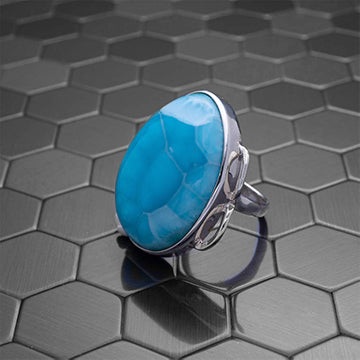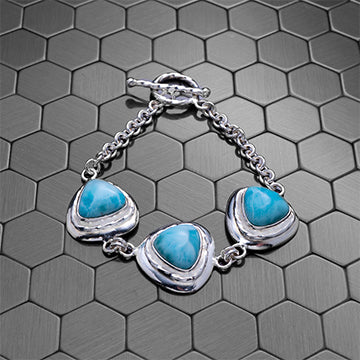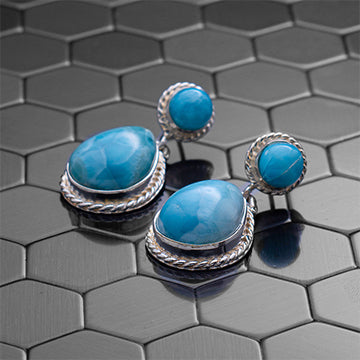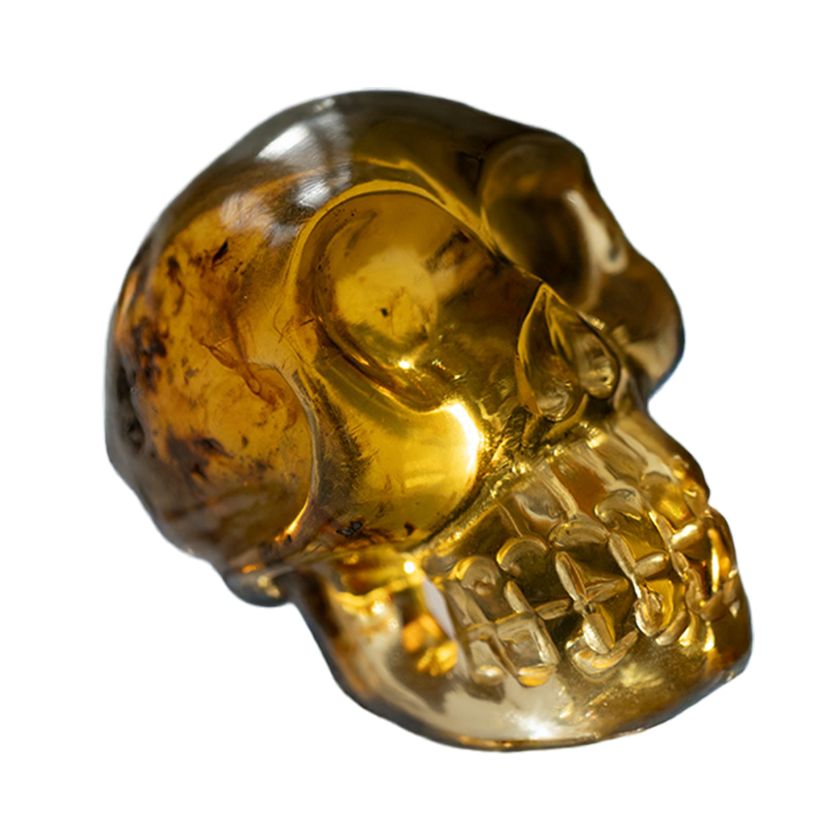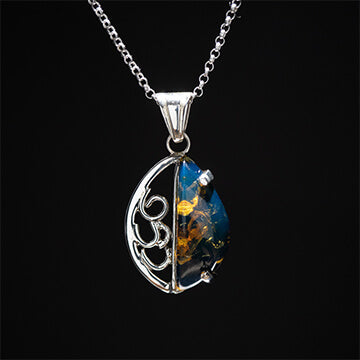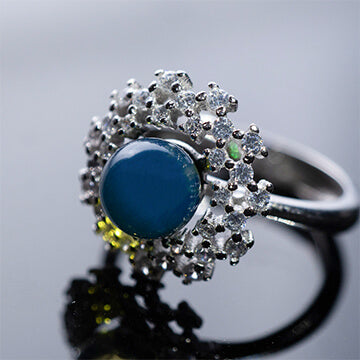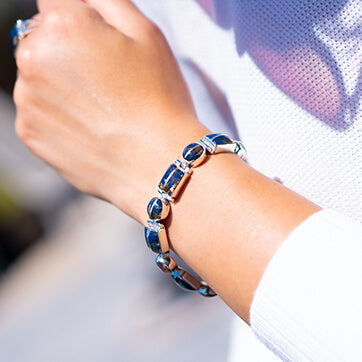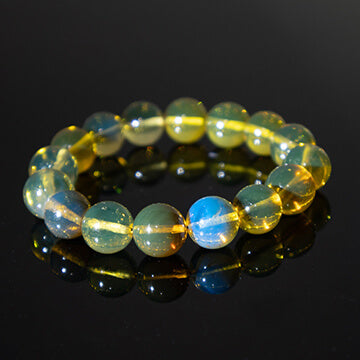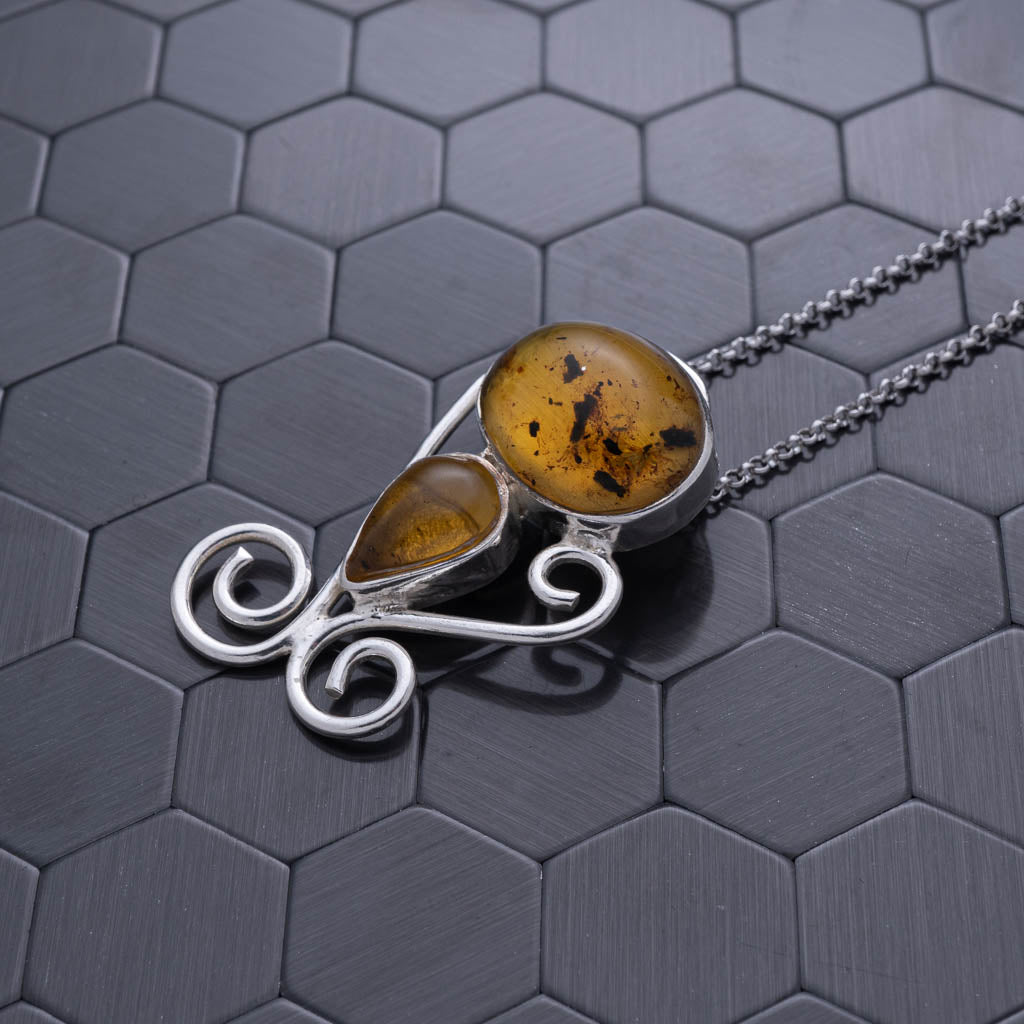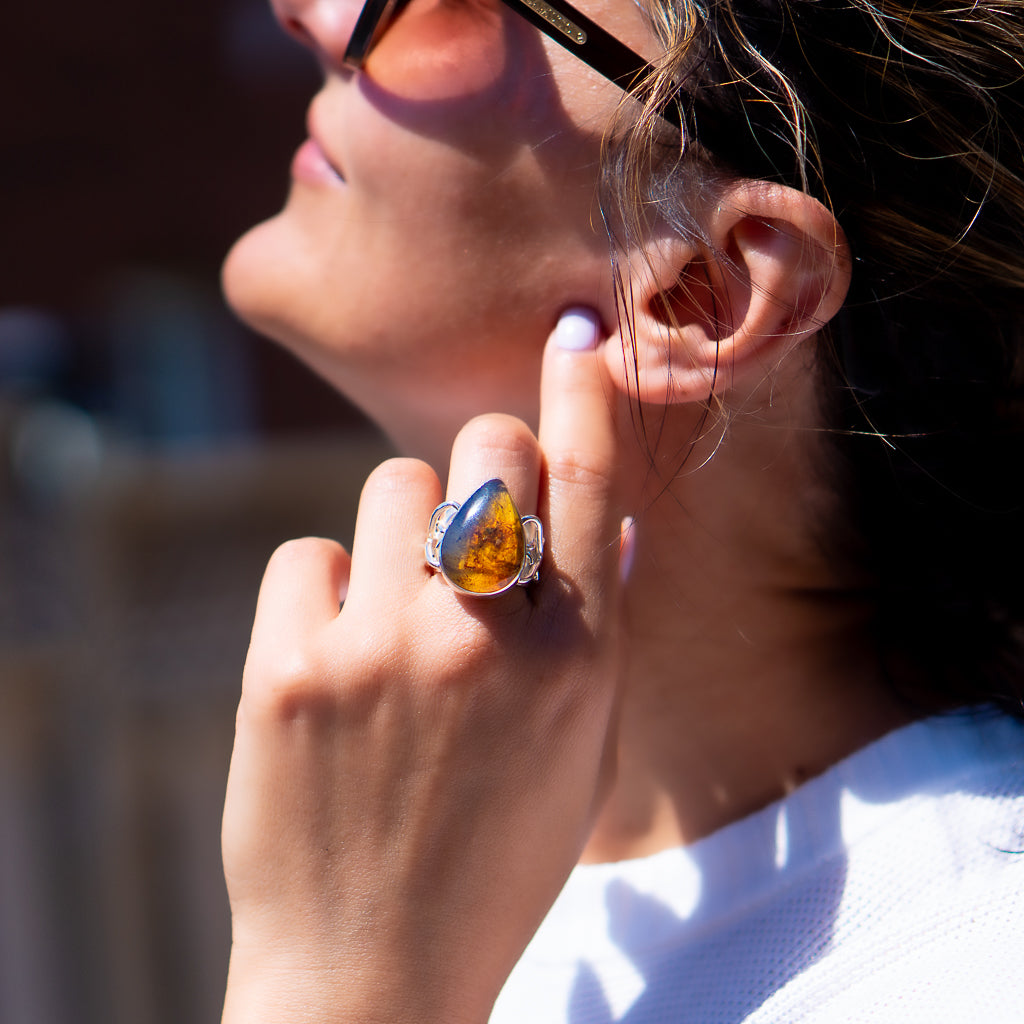


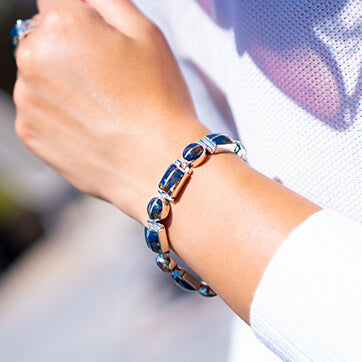
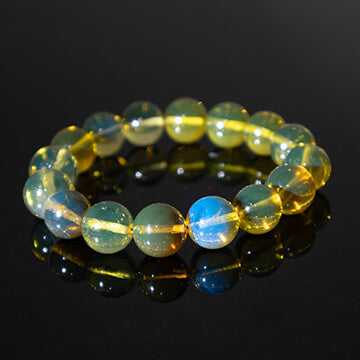
Handcrafted in DR.

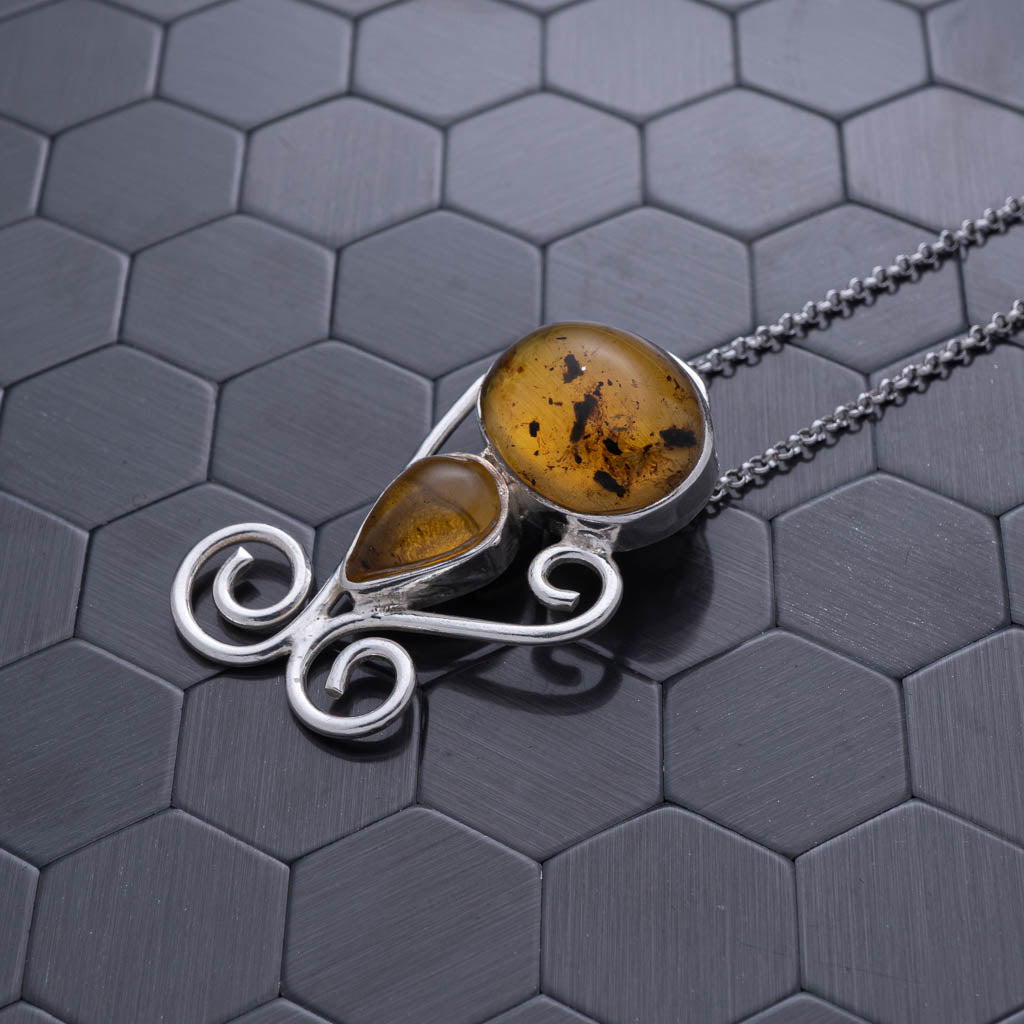
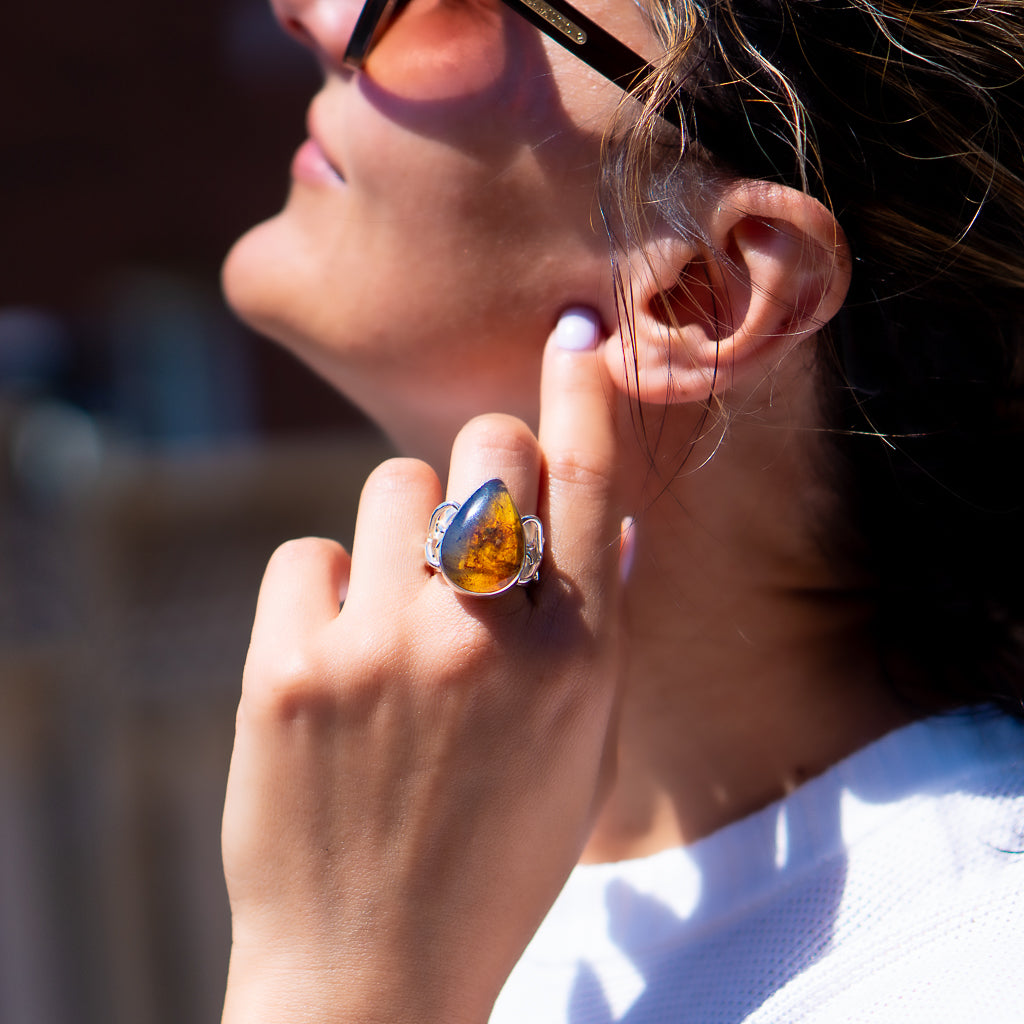
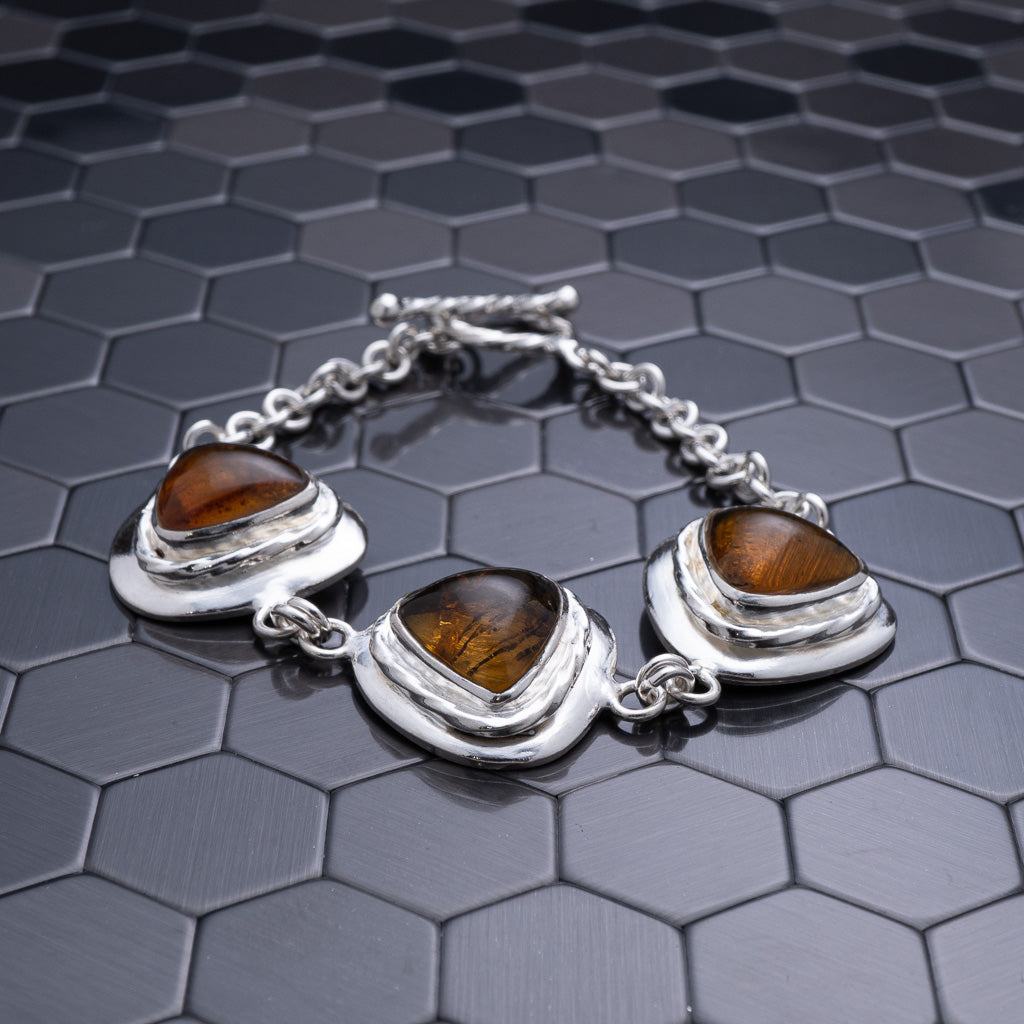
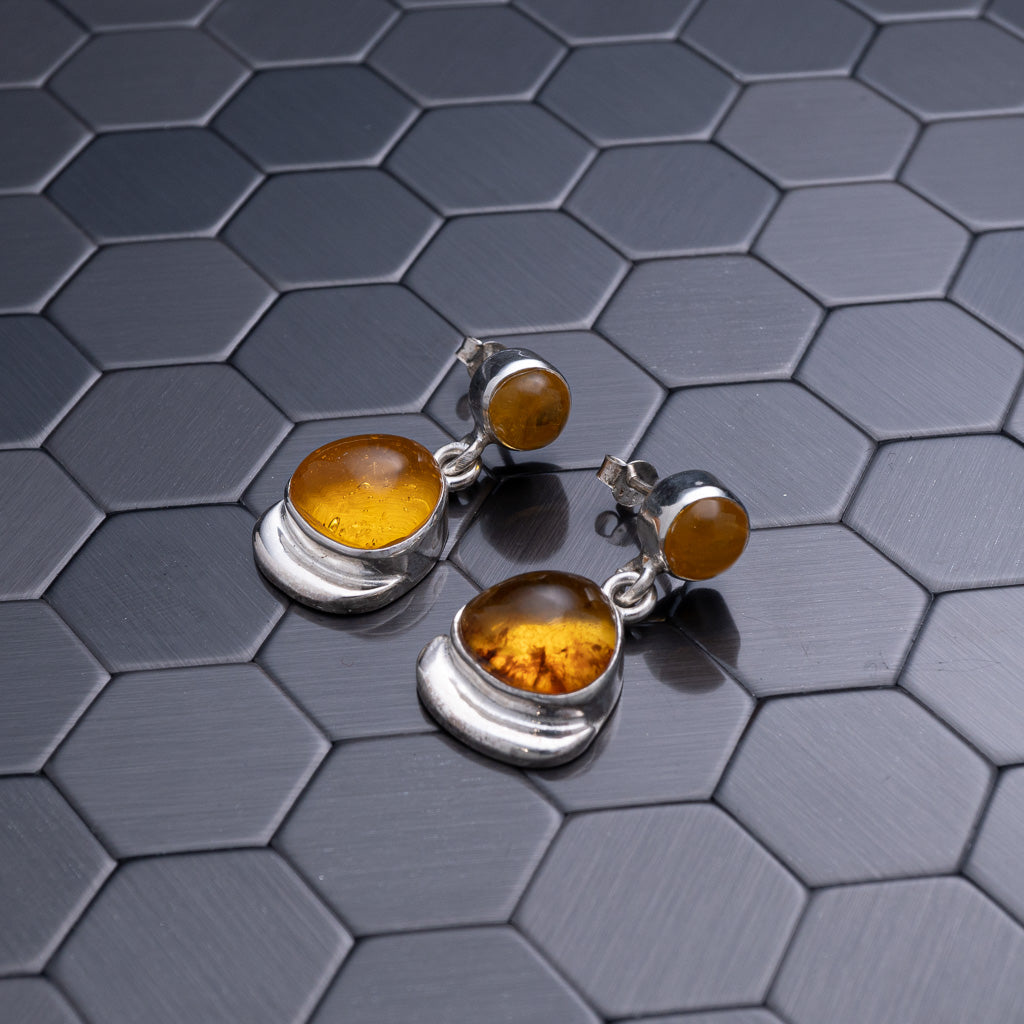


100% Handcrafted in DR.

Amber has captivated humanity for thousands of years, and rings with amber represent one of the most elegant ways to wear this ancient gemstone. From the depths of prehistoric forests to modern jewelry boxes, amber's warm golden hues and organic origins make it a distinctive choice for those seeking jewelry with meaning and character. Whether you're drawn to the traditional honey tones of Baltic amber or the extraordinary blue and green varieties found in the Dominican Republic, understanding the nuances of amber rings helps you make informed decisions and appreciate the remarkable history captured within each piece.
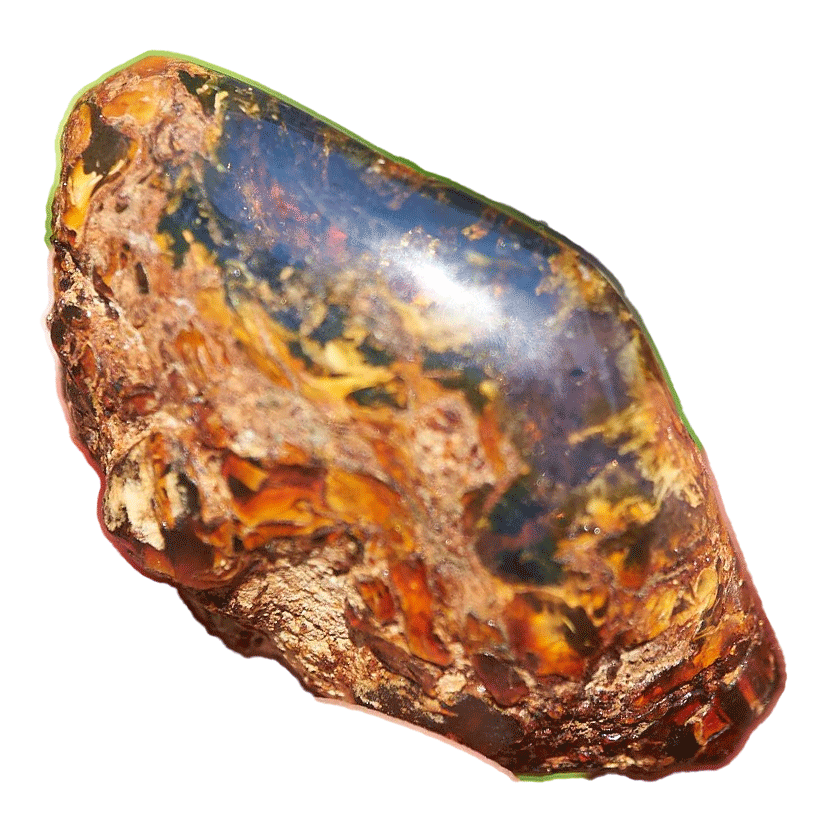
Amber is fossilized tree resin that has transformed over millions of years into the gemstone we admire today. Unlike minerals formed through geological processes, amber is an organic material that preserves a snapshot of ancient ecosystems. This unique origin story gives rings with amber a connection to the past that few other gemstones can match.
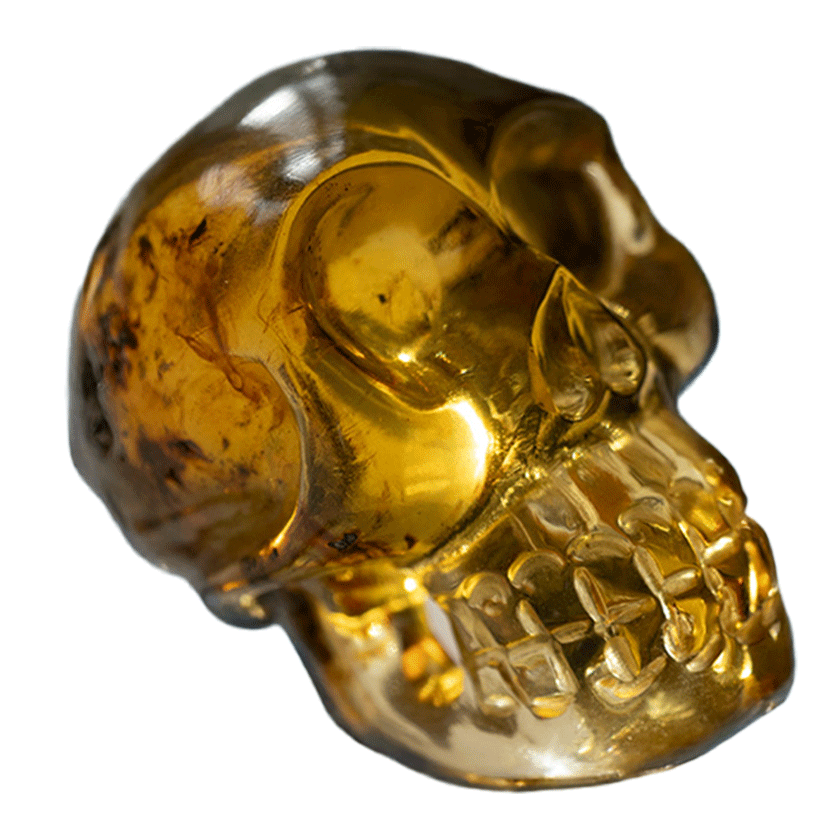
The formation process begins when tree resin oozes from bark wounds, protecting the tree from insects and disease. Over time, this sticky substance hardens and becomes buried in sediment. Through millions of years of pressure and chemical changes, the resin fossilizes into amber. Some pieces contain perfectly preserved insects, plant matter, or air bubbles, creating miniature time capsules from prehistoric eras.
Different amber varieties offer distinct characteristics:
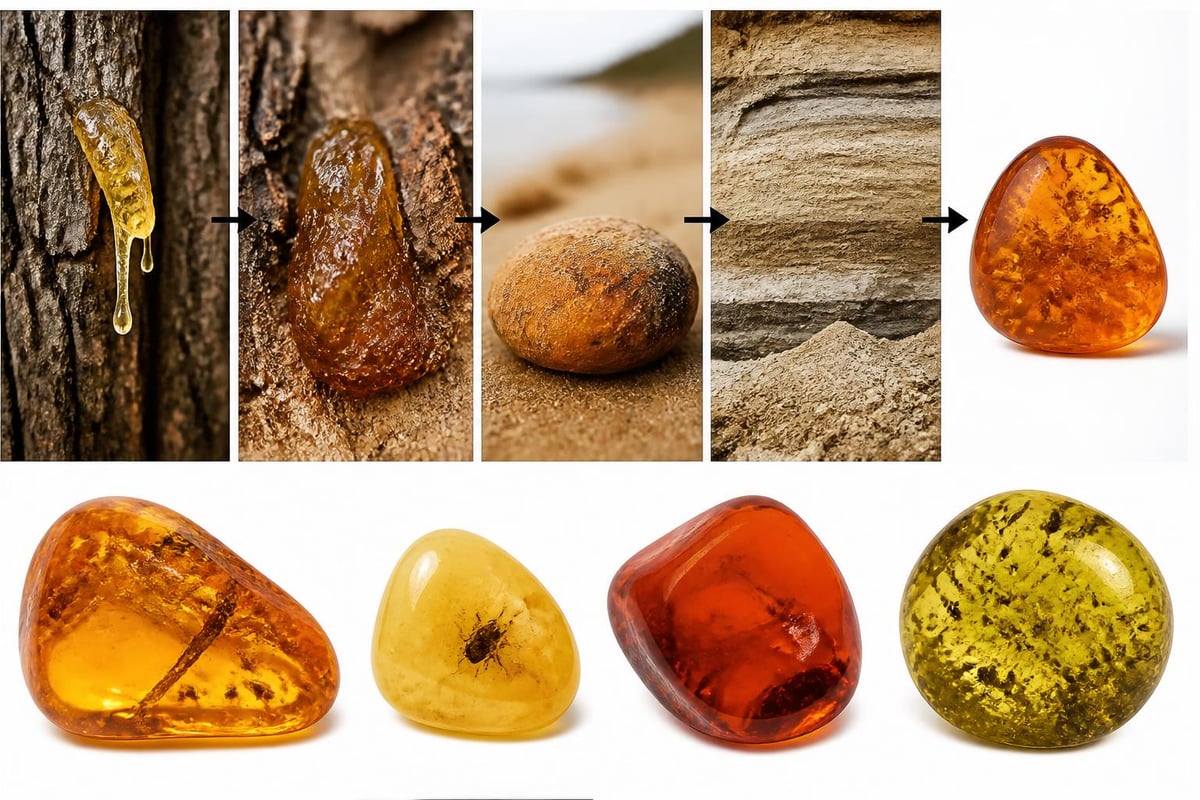
The age of amber varies significantly by location. Baltic amber typically ranges from 35 to 50 million years old, while Dominican amber is younger at approximately 15 to 20 million years. This age difference contributes to the distinct properties and appearance of rings with amber from different regions.
When selecting rings with amber, understanding the material's physical characteristics helps set appropriate expectations for wear and care. Amber ranks between 2 and 2.5 on the Mohs hardness scale, making it considerably softer than traditional gemstones like sapphire or diamond. This softness means amber requires gentle handling and thoughtful placement in ring designs.
| Property | Amber Specification | Practical Implication |
|---|---|---|
| Hardness | 2-2.5 Mohs | Prone to scratching, needs protective settings |
| Density | 1.05-1.10 g/cm³ | Lightweight, comfortable for daily wear |
| Refractive Index | 1.539-1.545 | Warm glow rather than brilliant sparkle |
| Thermal Conductivity | Low | Warm to touch, distinguishes from glass imitations |
The lightweight nature of amber makes it exceptionally comfortable for rings, even in larger designs. Unlike heavy metal or dense gemstones, rings with amber feel barely noticeable on the finger during extended wear. This quality makes amber particularly appealing for statement pieces that might otherwise become burdensome.
Throughout history, cultures worldwide have attributed special powers and meanings to amber. The history and legends surrounding amber reveal a rich tapestry of beliefs spanning continents and millennia. Ancient Greeks called amber "elektron" because rubbing it created static electricity, leading to our modern word "electricity."
In ancient Rome, amber was so highly valued that a small amber figurine cost more than a healthy slave. Romans wore rings with amber not only for adornment but also as talismans believed to provide protection during travel and warfare. The material's warm color reminded them of the sun, and they associated it with vitality and health.
Cultural meanings attributed to amber include:
Medieval Europeans believed amber could protect against poisoning, leading nobles to drink from amber cups and wear amber jewelry, including rings. Amber's use in antiquity demonstrates its enduring appeal across diverse civilizations, from Egyptian pharaohs to Viking warriors.
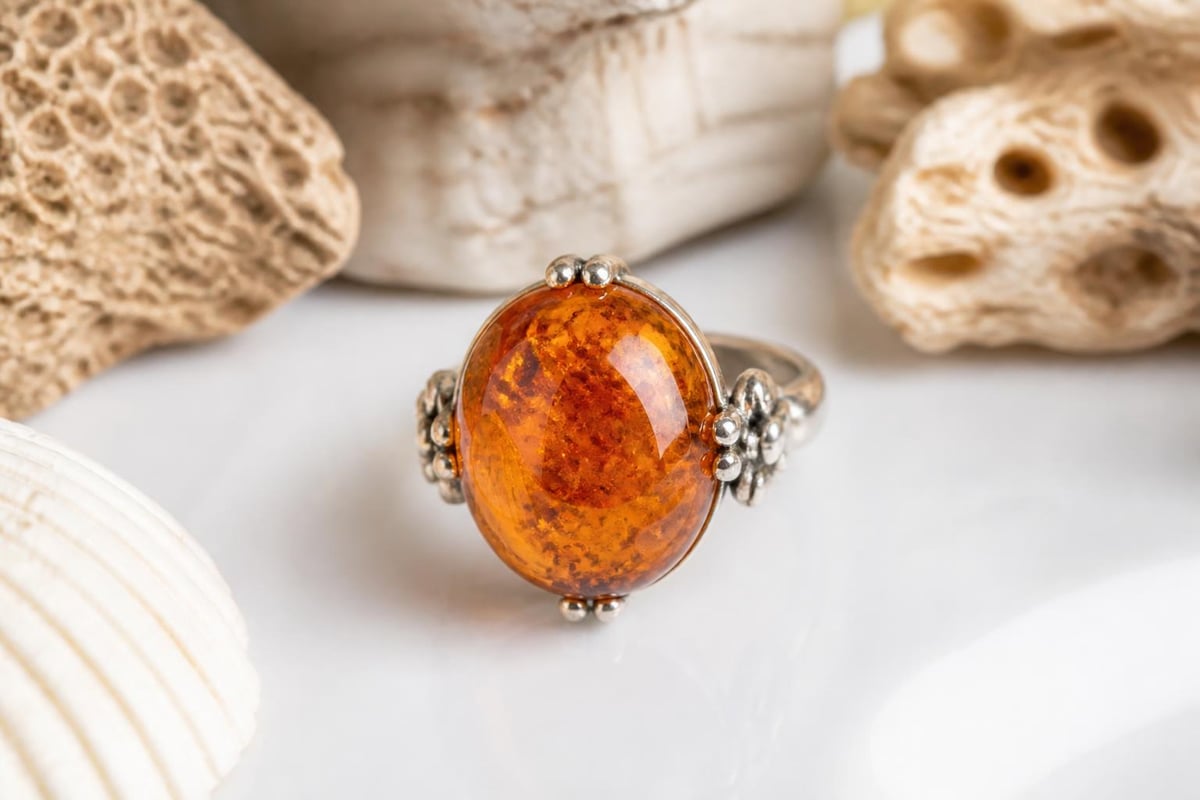
Modern wearers continue to appreciate these traditional meanings while adding contemporary interpretations. Some view rings with amber as representing personal transformation, since amber itself represents the transformation of organic material into something precious and enduring.
The versatility of amber allows jewelry designers to create rings suitable for every taste and occasion. Understanding the various styles helps buyers identify pieces that align with their personal aesthetic and practical needs.
Classic amber rings often feature simple settings that allow the gemstone's natural beauty to take center stage. Bezel settings, where metal surrounds the amber completely, provide excellent protection for the soft material while creating a timeless look. Prong settings offer more exposure to light, enhancing amber's warm glow, though they provide less protection against impact.
Solitaire rings with amber make elegant statement pieces, particularly when featuring large, clear specimens with exceptional color. These designs work beautifully for those who appreciate minimalist aesthetics and want the amber to be the focal point without competing visual elements.
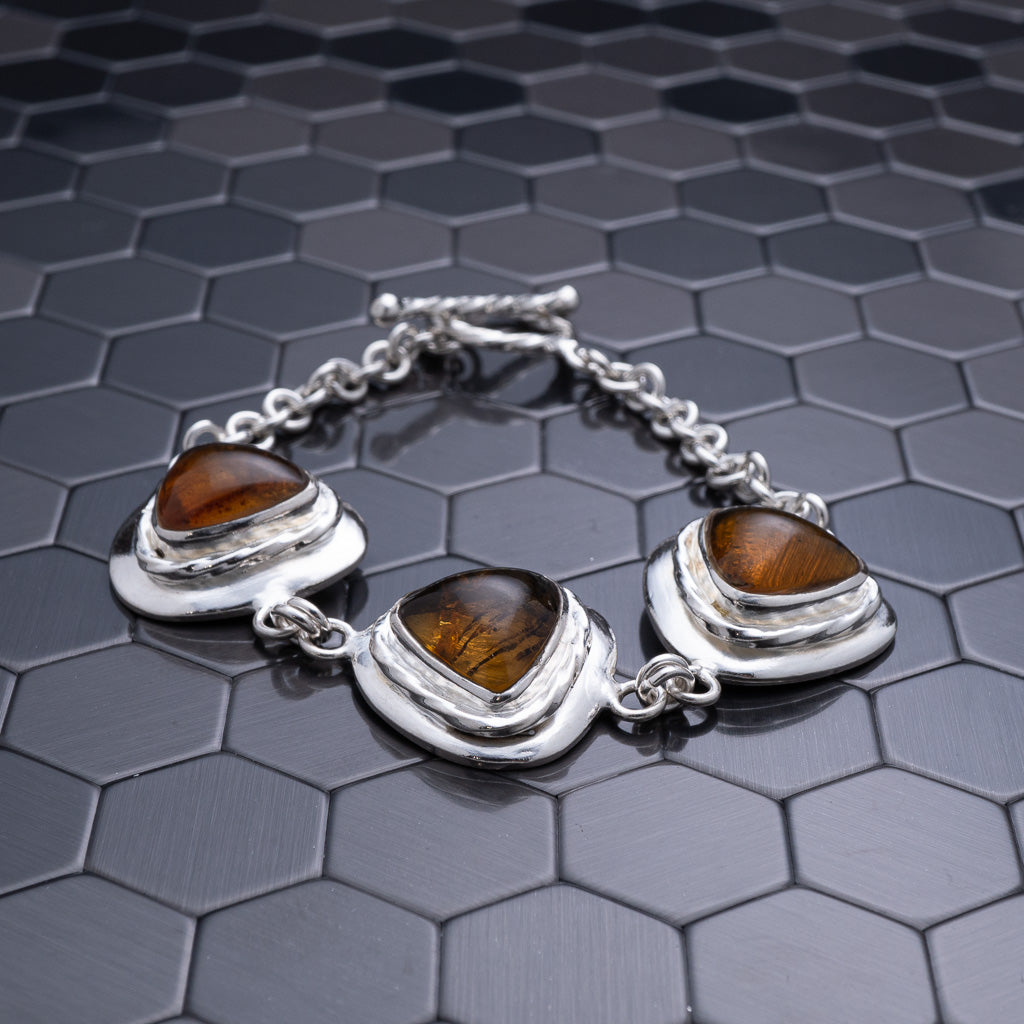
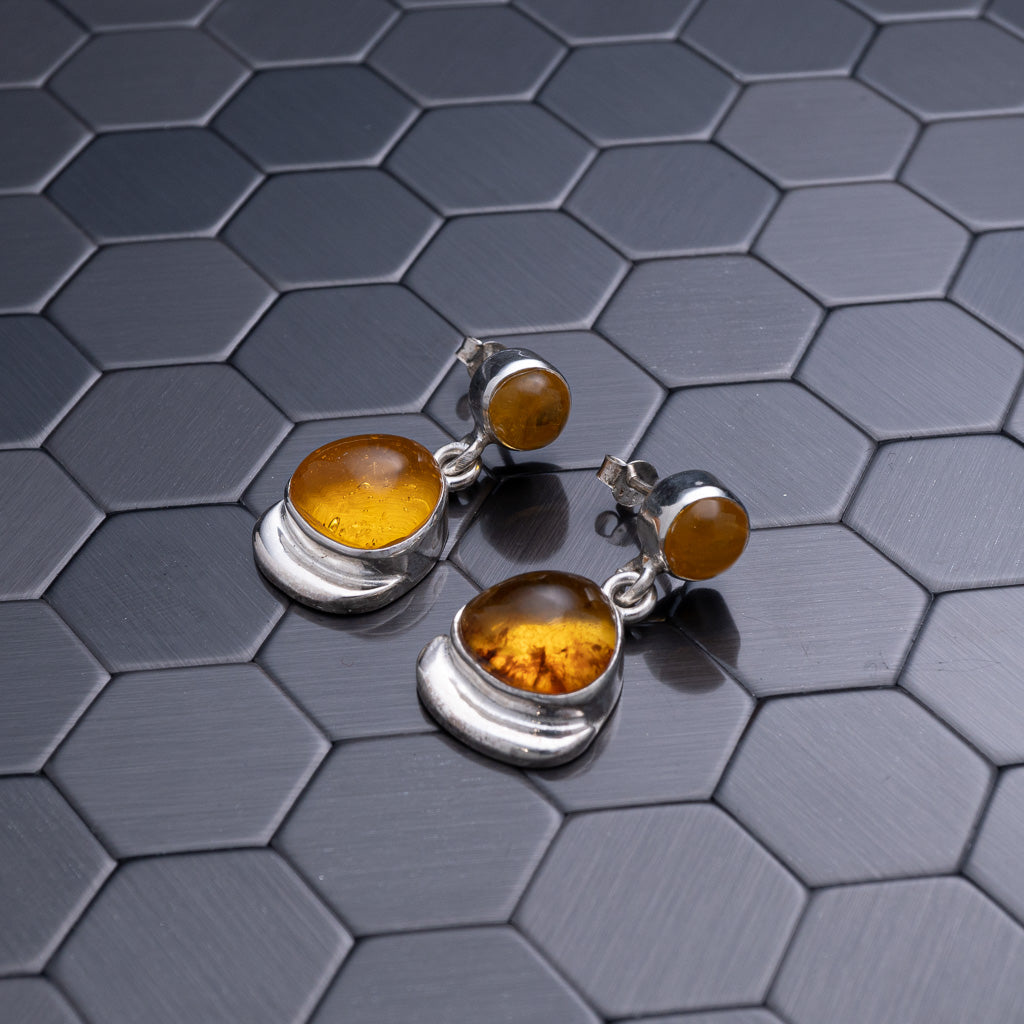
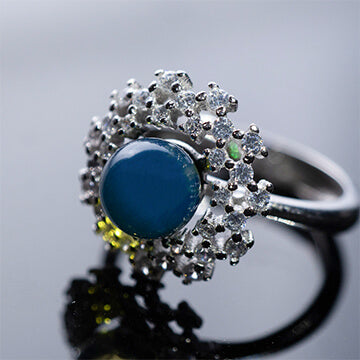
Modern jewelers push creative boundaries with rings with amber, incorporating mixed metals, unusual shapes, and innovative techniques. Some designers combine amber with complementary gemstones, creating color harmonies that enhance both materials. Sterling silver pairs naturally with amber's warm tones, while gold settings create luxurious contrast.
Popular contemporary design elements include:
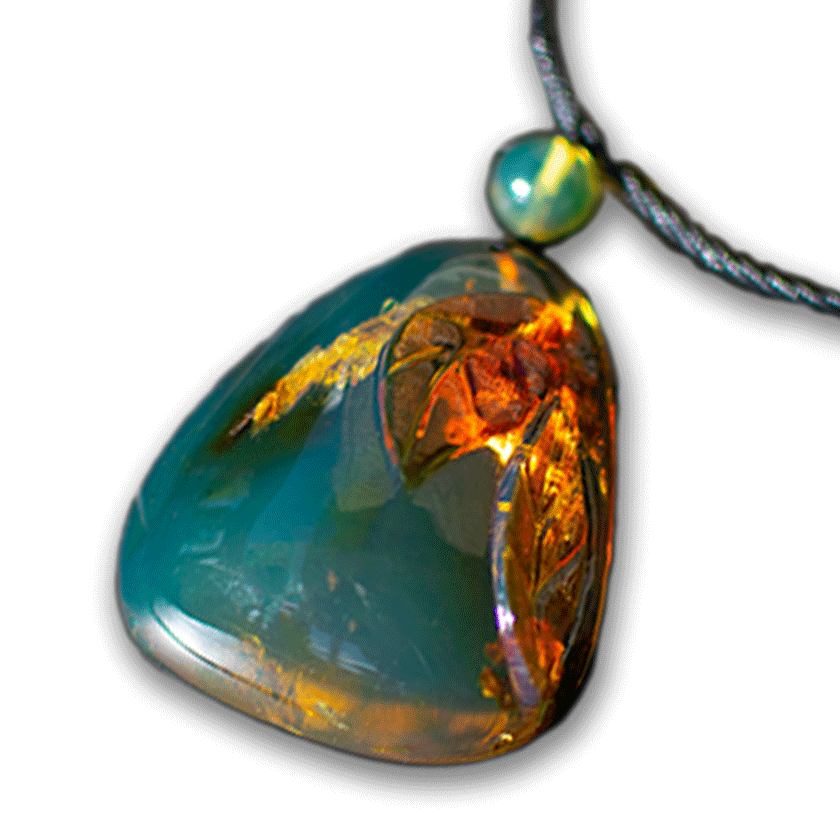
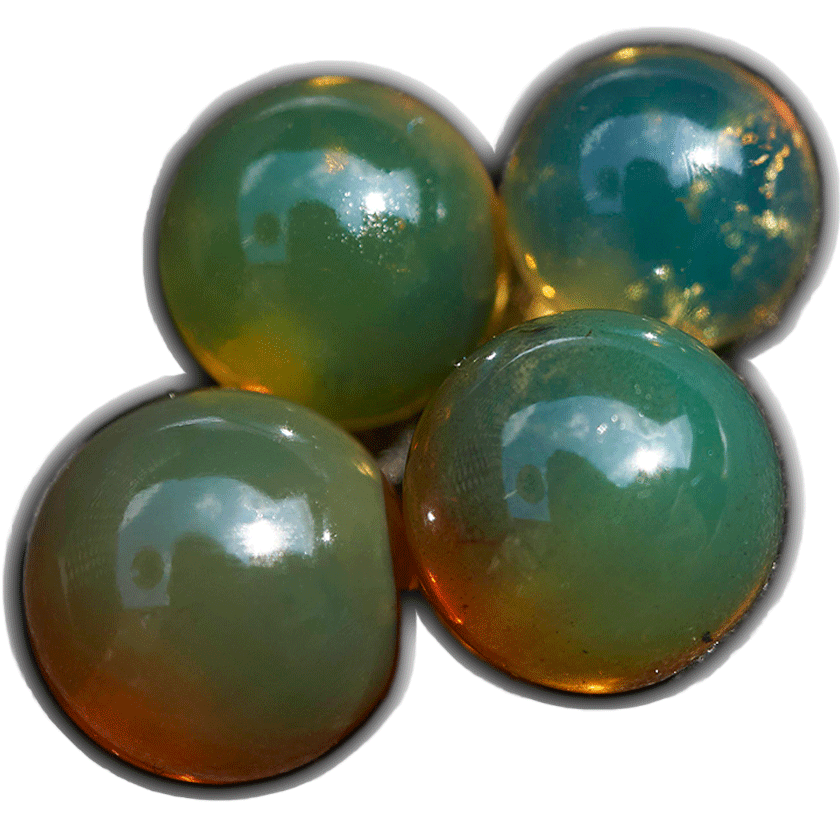
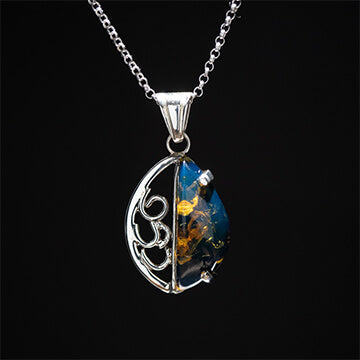
For those interested in rare and extraordinary amber jewelry, Dominican blue amber offers stunning visual effects not found in traditional amber. Under normal lighting, these pieces may appear honey-colored, but they transform into brilliant blue when exposed to UV light or certain lighting conditions.
Amber rings for men have gained popularity as more individuals appreciate the material's masculine warmth and organic character. Men's designs typically feature heavier metal settings, larger amber specimens, and more robust construction suitable for active lifestyles.
Signet-style rings with amber insets create sophisticated looks appropriate for professional settings, while chunkier bands with prominent amber cabochons make bold fashion statements. Many men appreciate the conversation-starting quality of amber, as the material's ancient origins and unique properties naturally invite discussion.
The popularity of rings with amber has unfortunately led to a market flooded with imitations and synthetic alternatives. Developing the skills to recognize genuine amber protects your investment and ensures you're purchasing the real material with its authentic properties and history.
Several simple tests can help distinguish real amber from common imitations like plastic, copal (young resin), or glass. The saltwater test involves dissolving salt in water until a genuine amber piece floats, while plastic typically sinks. This method works because amber's density falls between regular water and saltwater.
The heat test involves heating a needle and touching it to an inconspicuous area of the amber. Genuine amber produces a pine resin smell, while plastic creates acrid, chemical odors. However, this test can damage the piece, so it's best used by professionals or on sample materials before purchasing.
| Test Method | Genuine Amber Response | Common Imitation Response |
|---|---|---|
| Saltwater Float | Floats in saturated salt solution | Sinks (plastic, glass) |
| UV Light | Glows with fluorescence | No glow or different color |
| Static Electricity | Generates static when rubbed | No static generation |
| Acetone Test | No effect on surface | Surface becomes tacky or dissolves |
| Hot Needle | Pine/resin scent | Chemical or no odor |
Just as collectors learn to identify genuine larimar versus fake, amber enthusiasts must develop a critical eye for authenticity. Examining multiple genuine pieces helps train your eye to recognize the natural variations, inclusions, and optical properties that characterize real amber.
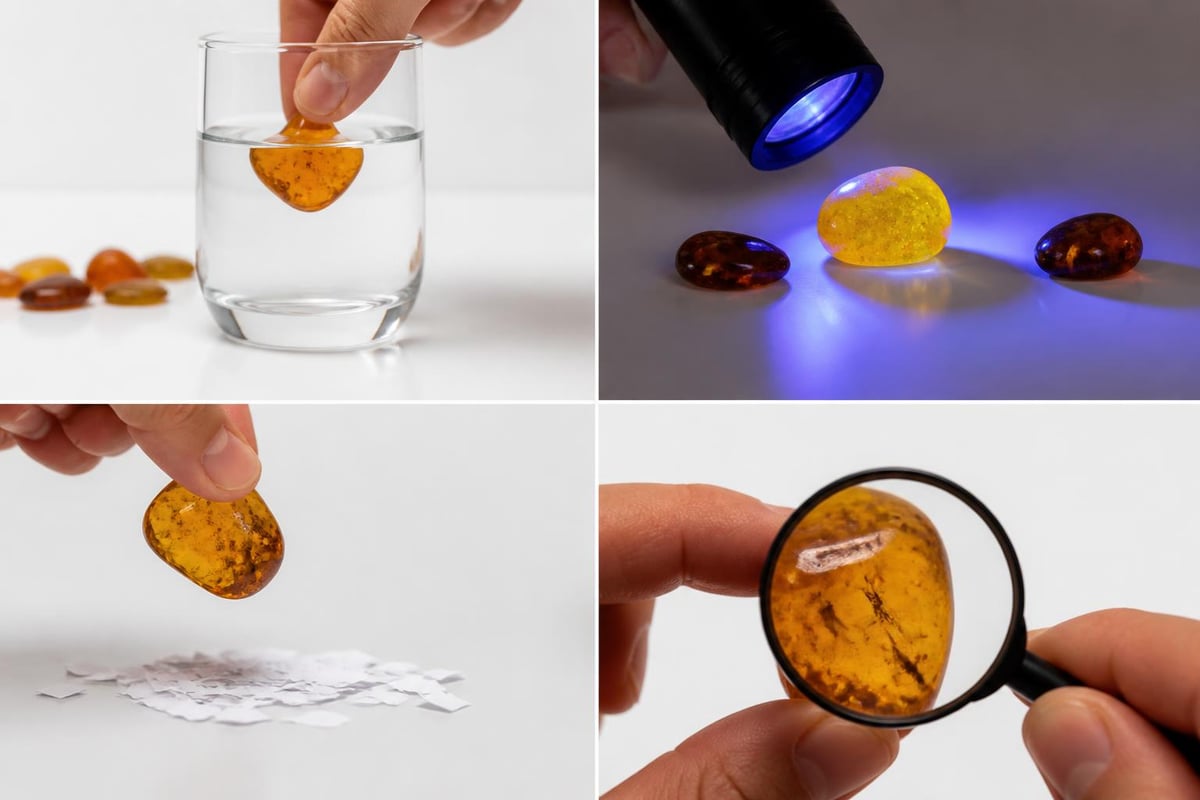
When shopping for rings with amber, certain indicators suggest you might be dealing with imitations or misrepresented materials. Perfect uniformity in color and clarity often signals synthetic material, as natural amber typically contains some irregularities, flow lines, or tiny bubbles.
Suspiciously low prices should raise concerns, especially for pieces claiming to contain rare varieties or large, flawless specimens. Understanding amber's value and pricing helps establish realistic expectations for what quality pieces should cost in today's market.
Be wary of sellers who cannot or will not provide information about the amber's origin. Reputable dealers should know whether their amber comes from the Baltic region, Dominican Republic, or other sources, as this significantly affects both value and characteristics.
Proper care extends the life and beauty of rings with amber, protecting your investment and ensuring the piece remains wearable for generations. Amber's organic nature and relative softness require specific handling practices different from those used for harder gemstones.
Remove amber rings before engaging in activities that might expose them to harsh chemicals, extreme temperatures, or physical impact. Household cleaning products, perfumes, and hairsprays can damage amber's surface or cause cloudiness over time. Apply cosmetics and fragrances before putting on your amber jewelry, allowing products to dry completely.
Extreme temperature changes can cause amber to crack or develop stress fractures. Avoid wearing rings with amber in saunas, hot tubs, or while cooking over high heat. Similarly, protect amber from prolonged sun exposure, which can fade its color over extended periods.
Activities to avoid while wearing amber rings:
Clean amber rings using only lukewarm water and mild soap, gently wiping with a soft cloth. Never use ultrasonic cleaners, steam cleaners, or jewelry cleaning solutions, as these can damage the amber's surface or internal structure. After cleaning, dry thoroughly with a lint-free cloth.
Periodic treatments with a small amount of olive oil or specialized amber oil help maintain the stone's luster and prevent drying. Apply a tiny amount to a soft cloth and gently buff the amber surface, then wipe away any excess. This treatment every few months keeps amber looking vibrant and prevents surface crazing.
Store rings with amber separately from harder jewelry to prevent scratching. Wrap each piece in soft cloth or place in individual compartments within a jewelry box. Avoid plastic bags, as trapped moisture can damage amber over time.
Selecting rings with amber involves balancing aesthetic preferences, practical considerations, and budget constraints. Understanding the factors that influence both appearance and value helps you make choices you'll appreciate for years to come.
Amber's color spectrum ranges from nearly colorless through yellow, orange, red, and brown, with rare green and blue varieties commanding premium prices. Your choice should reflect personal preference rather than external opinions about which colors are "best." Some individuals prefer the classic honey and cognac tones, while others gravitate toward darker cherry reds or unique color combinations.
Clarity varies significantly in amber. Perfectly transparent specimens showcase included insects or plant material beautifully, while cloudy or opaque amber creates different aesthetic effects. Neither is inherently superior; the choice depends on your intended use and personal taste.
Consider how different types of amber jewelry carry distinct meanings, which might influence your selection. Some people choose amber based on traditional associations with specific colors or characteristics.
Ring designs featuring rings with amber range from delicate accent pieces to bold statement rings. Consider your lifestyle and wearing habits when selecting size. Those with active lifestyles or jobs requiring frequent hand use might prefer more modest sizes in protective settings, while others may enjoy larger showcase pieces for special occasions.
The setting style significantly impacts durability. Bezel settings offer maximum protection, completely encircling the amber and shielding it from impact. Prong settings expose more of the stone but require careful wear to prevent damage. Some hybrid designs combine protective elements with visual openness.
Prices for rings with amber vary tremendously based on size, color, clarity, rarity, origin, and craftsmanship. Understanding what drives these variations helps you evaluate whether a particular piece represents fair value.
Factors increasing amber ring value:
While Dominican blue amber rings represent the pinnacle of rarity and value, beautiful amber rings exist at every price point. Set a realistic budget and prioritize the characteristics most important to you rather than trying to maximize every quality factor.
Beyond their aesthetic appeal, rings with amber carry deep personal significance for many wearers. Understanding amber's meaning and symbolism adds layers of connection to pieces that might otherwise be simply attractive jewelry.
Amber's warmth and ancient origins make it meaningful for engagement rings and anniversary gifts. Some couples choose amber to symbolize the preservation of love through time, just as amber preserves organic material for millions of years. The material's organic nature represents growth and natural evolution, metaphors that resonate with committed relationships.
Unlike traditional diamond engagement rings, rings with amber offer unique character and individuality. No two amber stones are identical, just as no two relationships follow the same path. This distinctiveness appeals to couples seeking alternatives to conventional choices.
Modern interpretations suggest that your amber ring reveals aspects of your personality, from appreciation for natural beauty to connection with history and tradition. Wearing amber signals values like environmental consciousness, appreciation for organic materials, and interest in meaningful rather than merely fashionable jewelry.
Some wearers view their rings with amber as talismans or personal power objects, connecting with the material's traditional associations with protection and healing. Whether or not you subscribe to metaphysical beliefs, wearing a piece with ancient origins creates a tangible connection to Earth's deep history.
Contemporary fashion embraces rings with amber for their versatility and ability to complement various styles. The material's warm tones coordinate beautifully with both casual and formal wardrobes, making amber rings surprisingly practical for everyday wear.
Amber's golden and brown tones pair naturally with earth-colored palettes, creating cohesive looks that feel grounded and organic. However, the material also provides striking contrast against cool colors like blues and purples, adding unexpected warmth to otherwise cool-toned outfits.
Styling tips for amber rings:
The lightweight nature of rings with amber makes them comfortable for stacking and layering with other rings. Mix amber with complementary gemstones or metals to create personalized ring combinations that express your unique style.
While amber's warm tones particularly shine during autumn months, the material works beautifully year-round. Lighter, more transparent amber varieties feel appropriate for spring and summer, while deeper cognac and cherry tones align with fall and winter aesthetics.
Consider building a small collection of rings with amber in varying colors and styles, rotating pieces seasonally or according to mood and outfit. This approach allows you to enjoy amber's diversity while keeping your jewelry choices fresh and intentional.
Rings with amber make thoughtful gifts that convey meaning beyond their monetary value. The material's symbolic associations with protection, healing, and eternal preservation add emotional depth to occasions ranging from birthdays to significant life transitions.
For milestone birthdays or anniversaries, consider rings with amber featuring significant inclusions or exceptional color. These special characteristics make the piece memorable and unique, qualities appropriate for important celebrations. Include information about the amber's age and origin to enhance the recipient's connection to the gift.
Graduation gifts might emphasize amber's association with wisdom and clarity, while new parent gifts could focus on protection symbolism. Matching the amber's traditional meanings to the occasion adds thoughtfulness that recipients often appreciate and remember.
Enhance your gift of rings with amber by providing background about the material's formation, age, and properties. Many recipients lack knowledge about amber's organic nature and ancient origins, and education transforms a pretty ring into a conversation piece with fascinating history.
Consider pairing the ring with complementary pieces from amber jewelry collections to create coordinated sets. For example, matching earrings or a pendant can complete a cohesive look while giving the recipient versatile styling options.
Rings with amber offer a unique combination of ancient beauty, natural elegance, and meaningful symbolism that few other gemstones can match. Whether you're drawn to traditional honey tones or extraordinary color-changing varieties, understanding amber's properties, authenticity markers, and care requirements ensures you select and maintain pieces you'll treasure for years. Larimar Creations specializes in rare Dominican gemstones, offering expertly crafted amber and larimar jewelry that showcases the exceptional beauty of these organic treasures, with worldwide shipping bringing these distinctive pieces to collectors and jewelry enthusiasts globally.