
A pendant can completely change the character of a gemstone. The same Larimar cabochon can feel crisp and ocean-bright in silver, then instantly look warmer, richer, and more heirloom-like in gold. That is why the question of sterling silver vs gold pendants matters more than many buyers expect. The metal is not just a frame - it shapes how the stone is seen, how the piece wears, and how personal it feels over time.
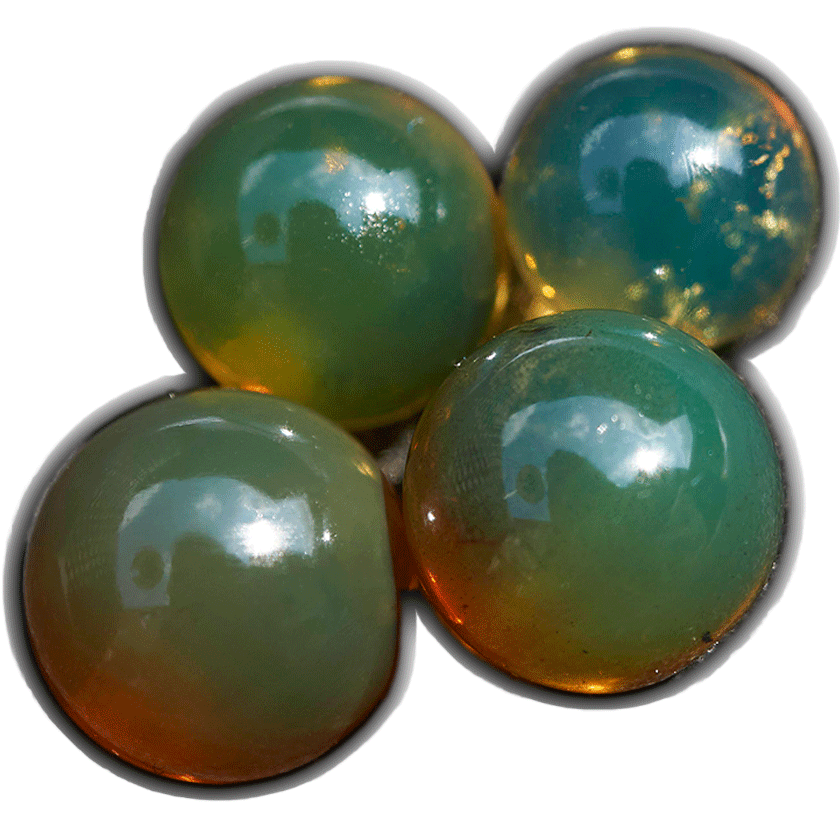
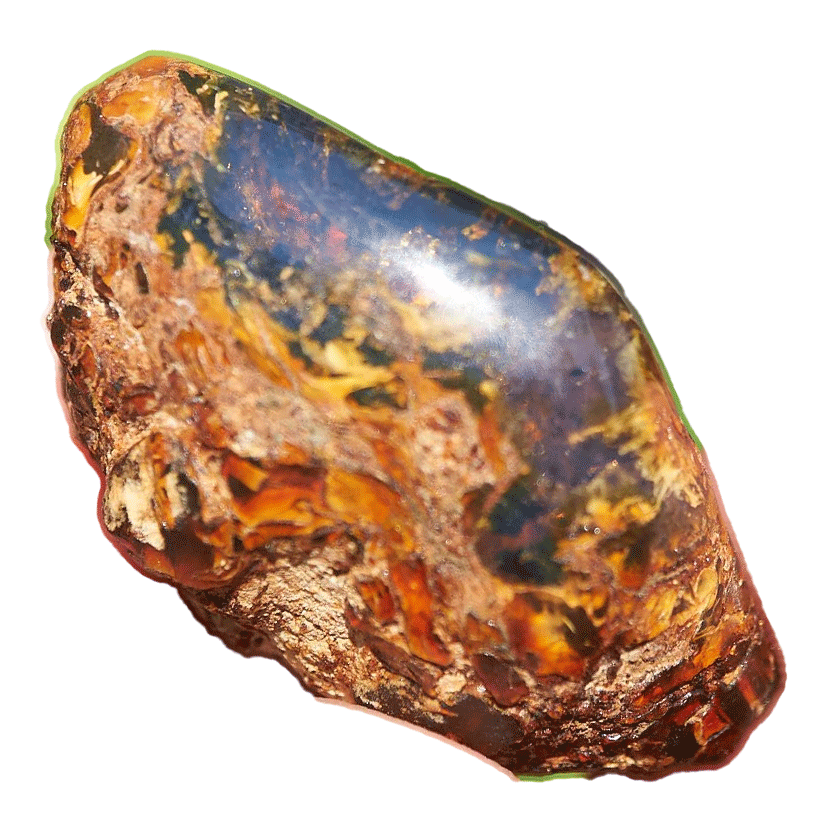
For shoppers drawn to rare Caribbean stones, this choice becomes even more meaningful. Larimar, Dominican amber, and Dominican Blue Amber each have distinct color behavior, transparency, and mood. The right metal can sharpen those qualities or soften them. The best answer is rarely about which metal is "better." It is about which metal does the best job honoring the gemstone, your lifestyle, and the way you want the piece to live on the body.
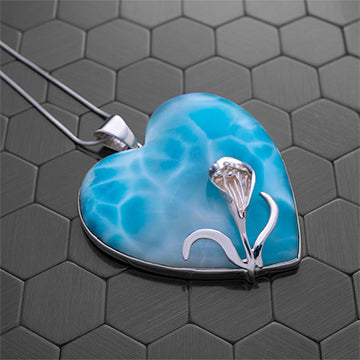
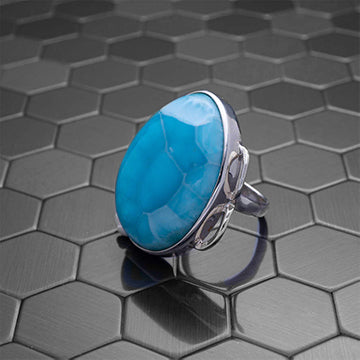
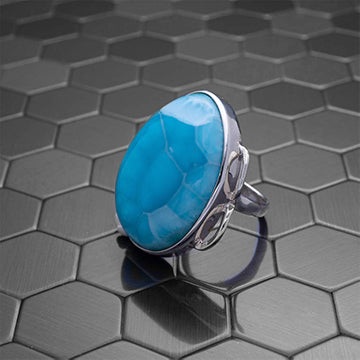
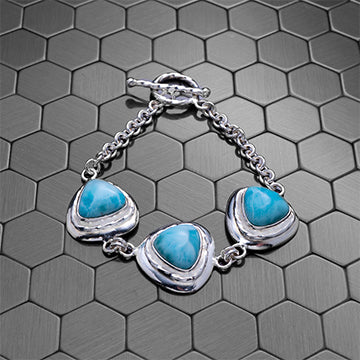
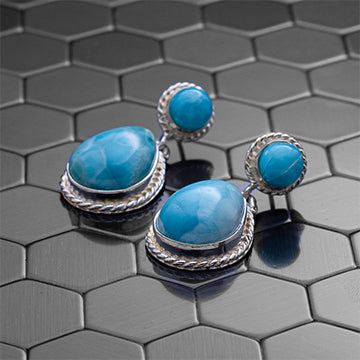
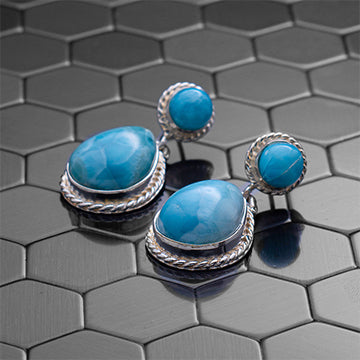
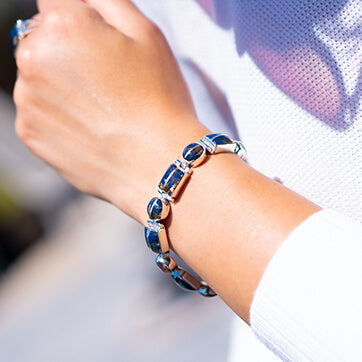
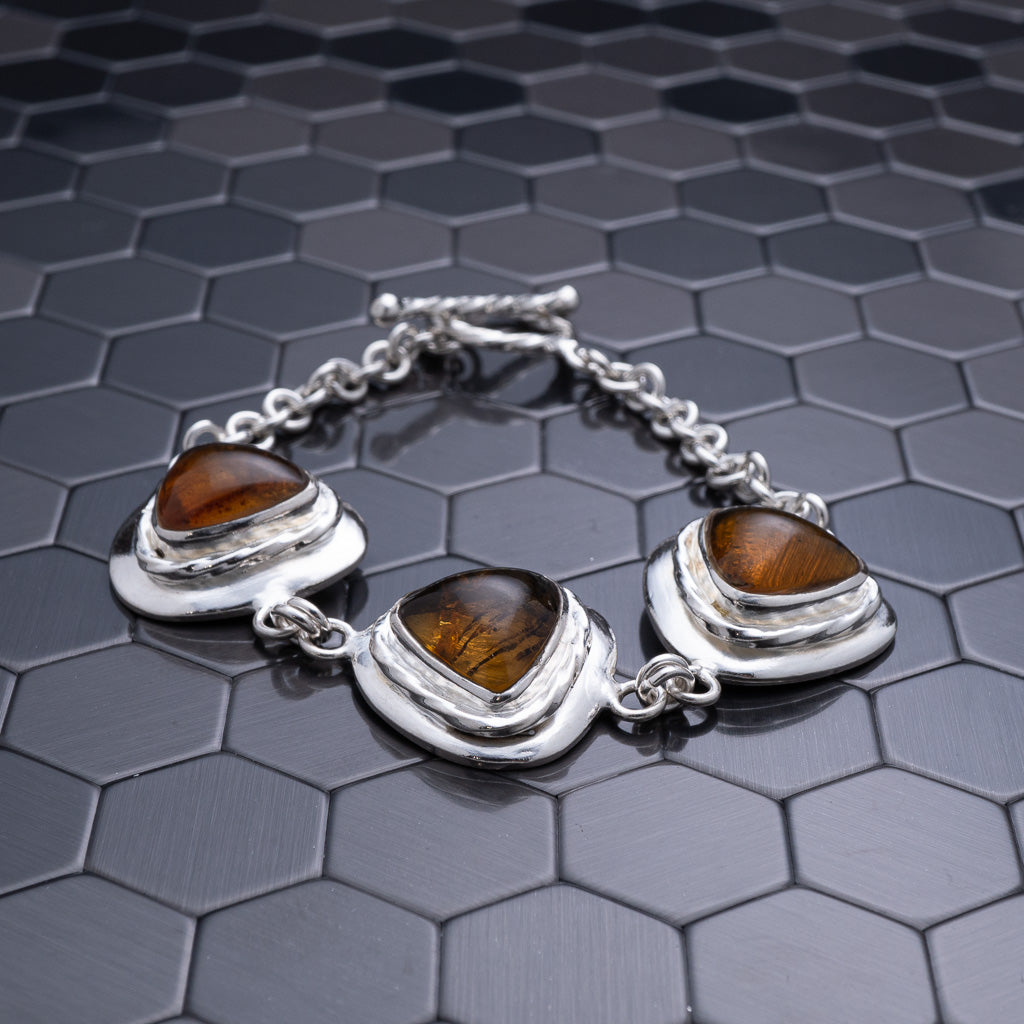
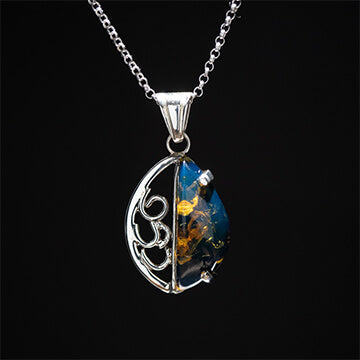
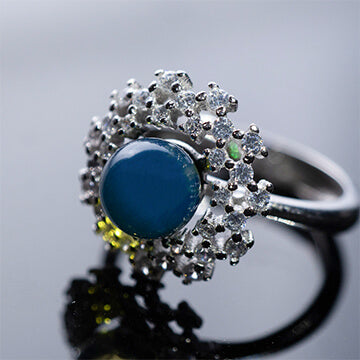
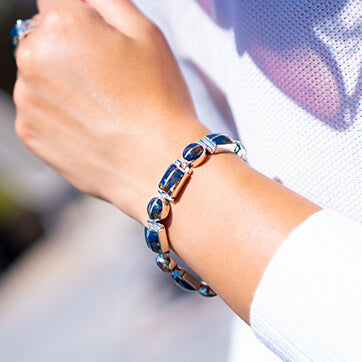
Sterling silver has a cool, luminous brightness that naturally complements blue, white, and sea-toned gemstones. With Larimar, that coolness often feels effortless. The metal echoes the stone's Caribbean water palette and gives the pendant a clean, fresh finish that reads modern but still artisanal. Silver also tends to make a gemstone's color appear a touch more vivid because of the contrast created by its bright, neutral surface.
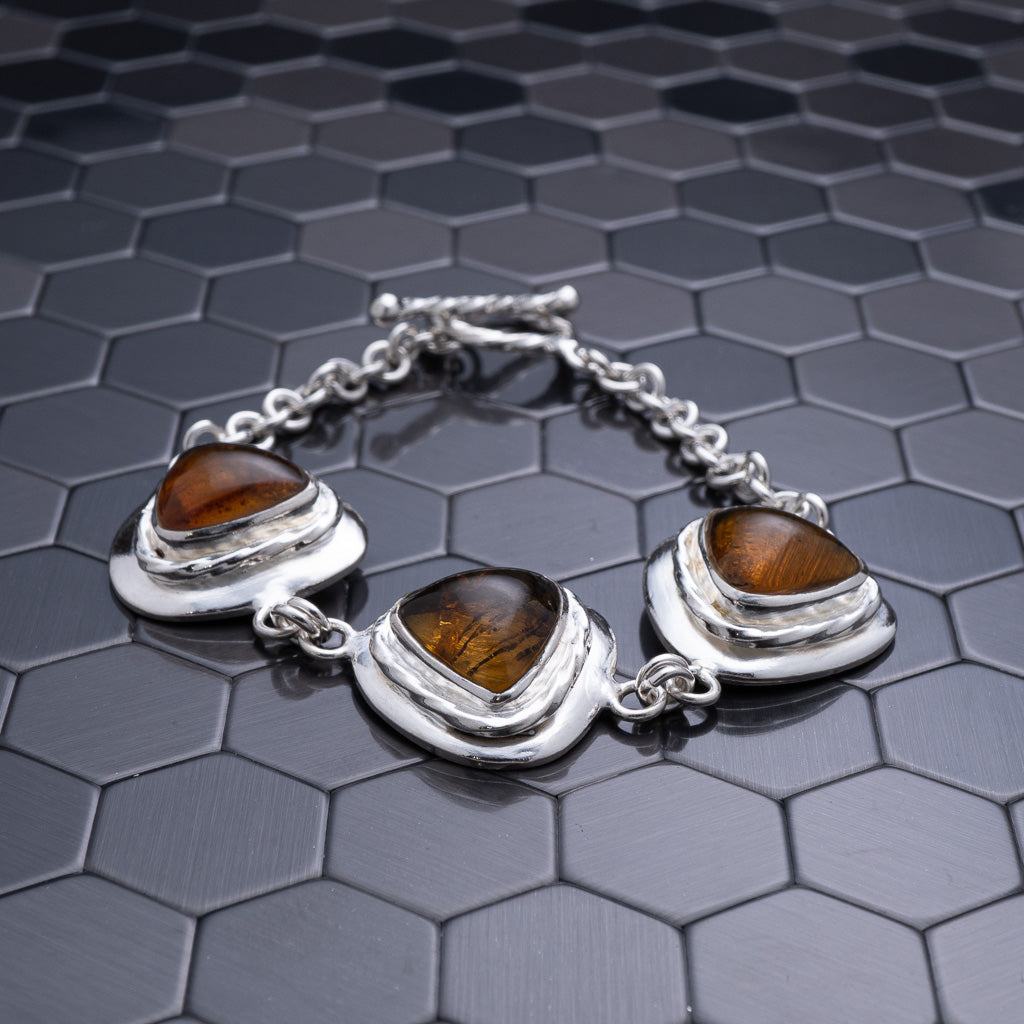
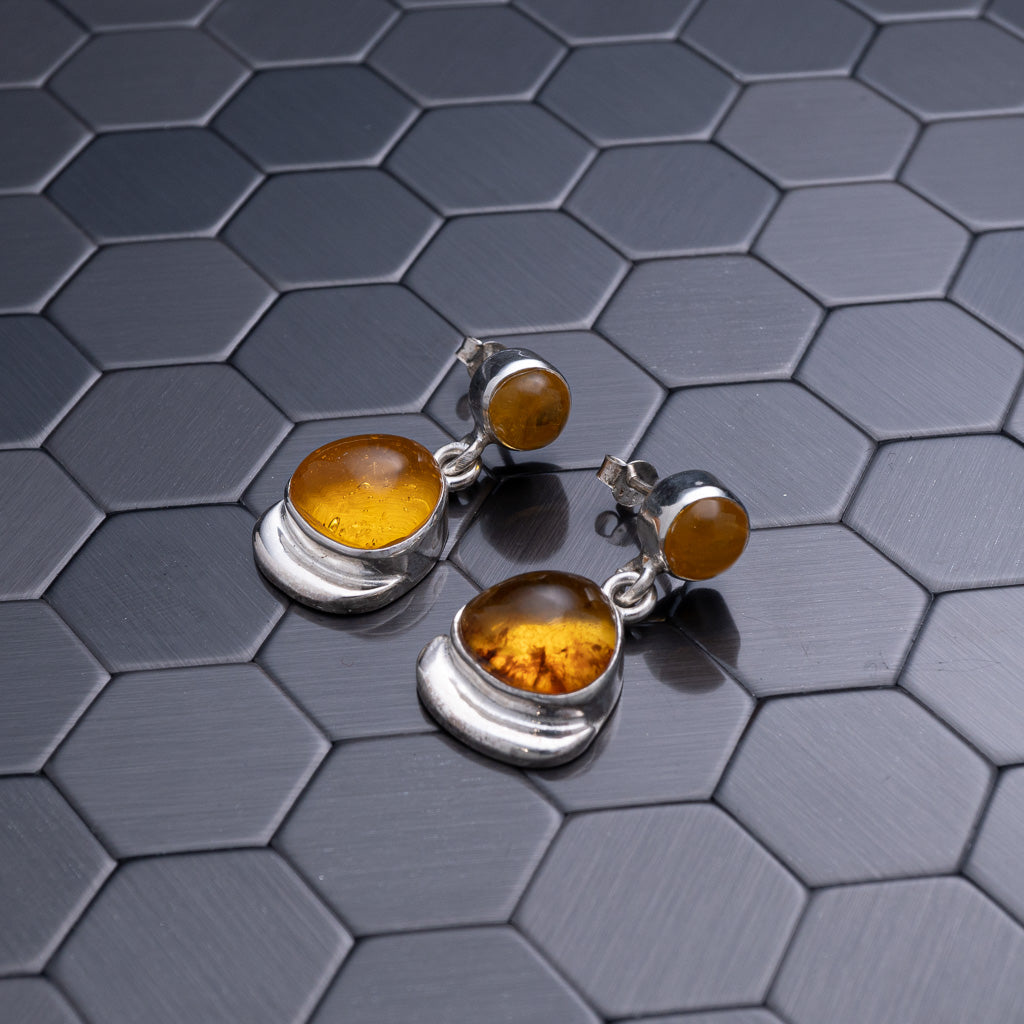
Gold creates a different kind of beauty. Yellow gold brings warmth, depth, and a more classic sense of luxury. It can make amber look especially radiant because the honey and cognac tones of the stone feel more integrated with the metal. With blue stones, gold adds contrast rather than harmony. That contrast can be striking, especially if you want the pendant to feel more elevated, romantic, or statement-driven.
If your style leans airy, coastal, and easy to wear every day, sterling silver often feels natural. If you prefer richness, warmth, or a more formal finish, gold may speak to you more clearly.
Not every gemstone behaves the same way in every setting. This is where the choice becomes less theoretical and more personal.
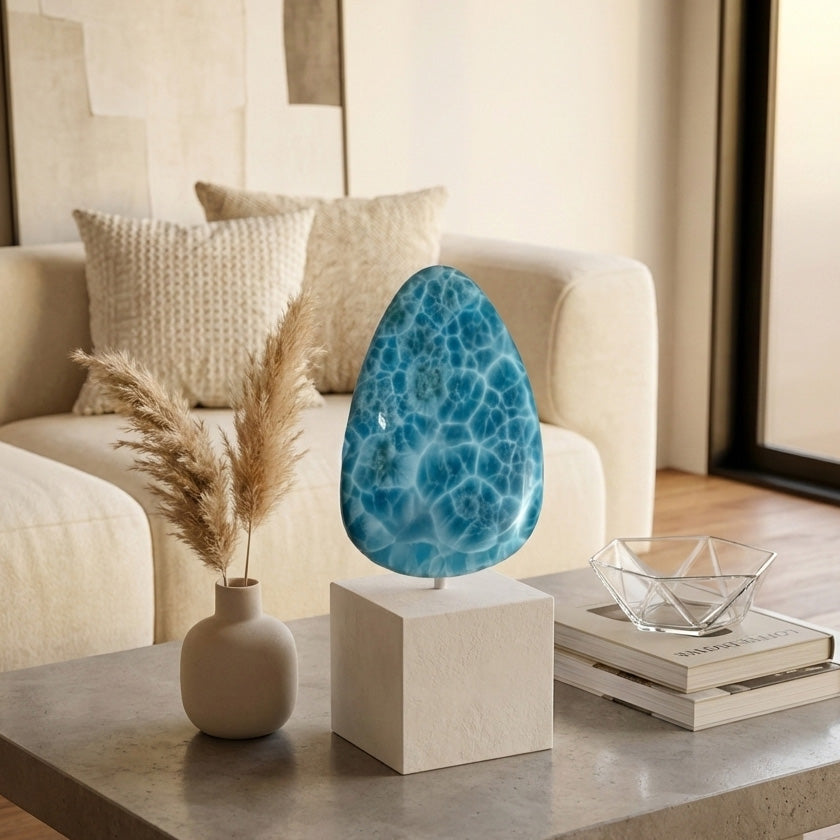
Larimar is one of the strongest arguments for silver. The soft blue and white marbling of authentic Larimar often looks beautifully at home in sterling silver because the metal does not compete with the stone. It supports the color story rather than redirecting it. The result is calm, oceanic, and refined.
Silver also suits handcrafted designs with organic lines, open bezels, and artisan detailing. For buyers who want to wear a piece of the Caribbean in a way that feels genuine rather than overly polished, sterling silver can feel especially true to the stone.
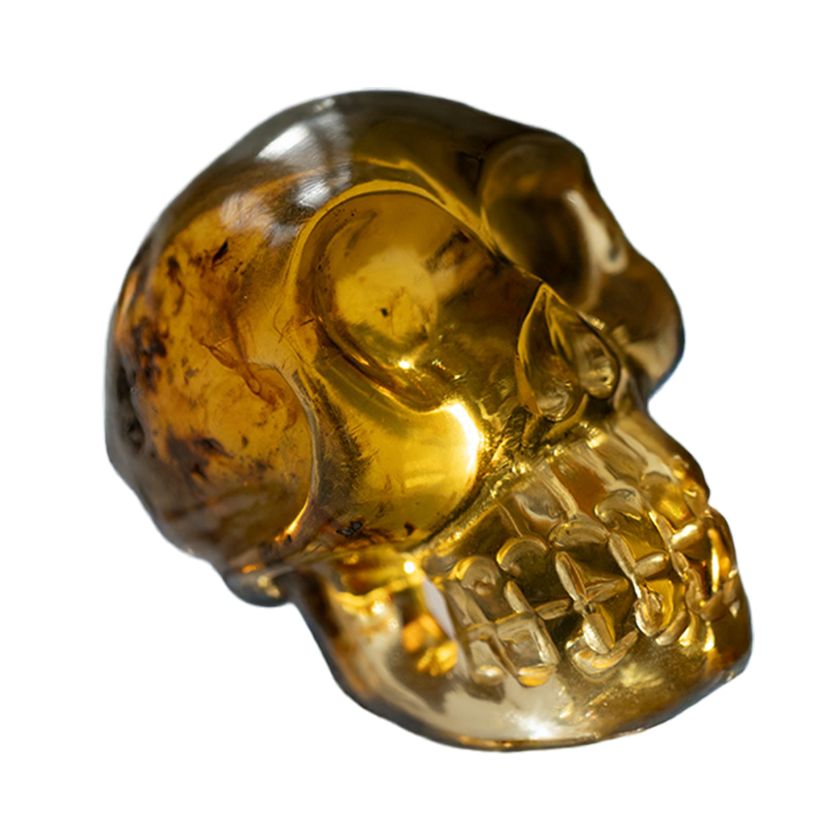
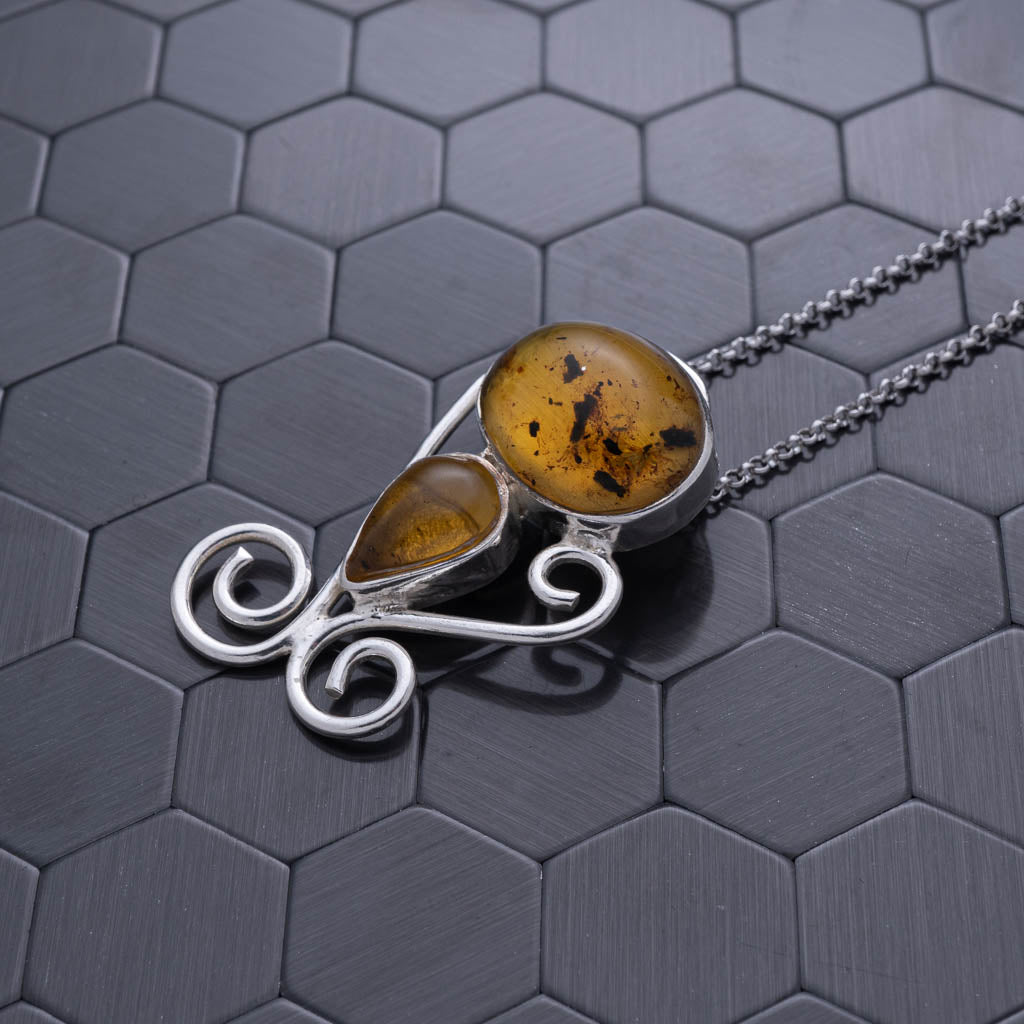
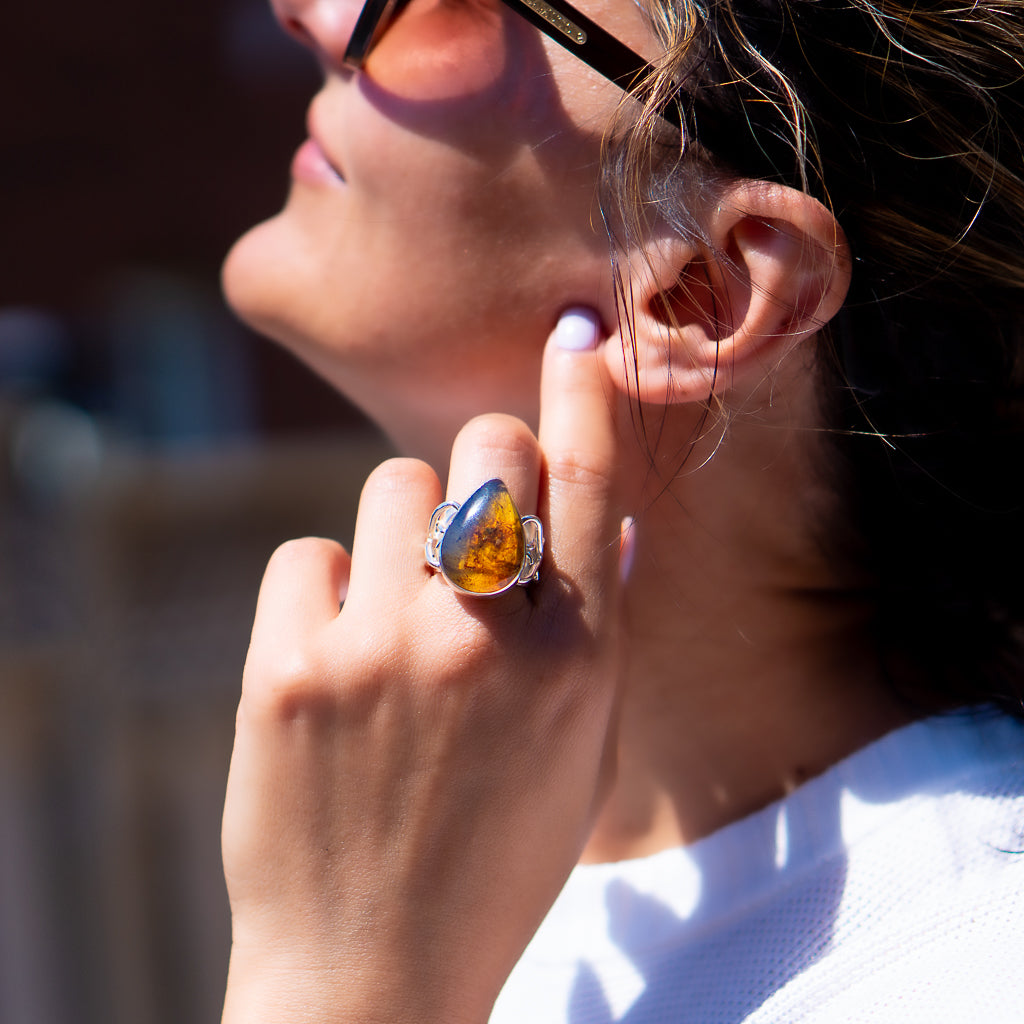
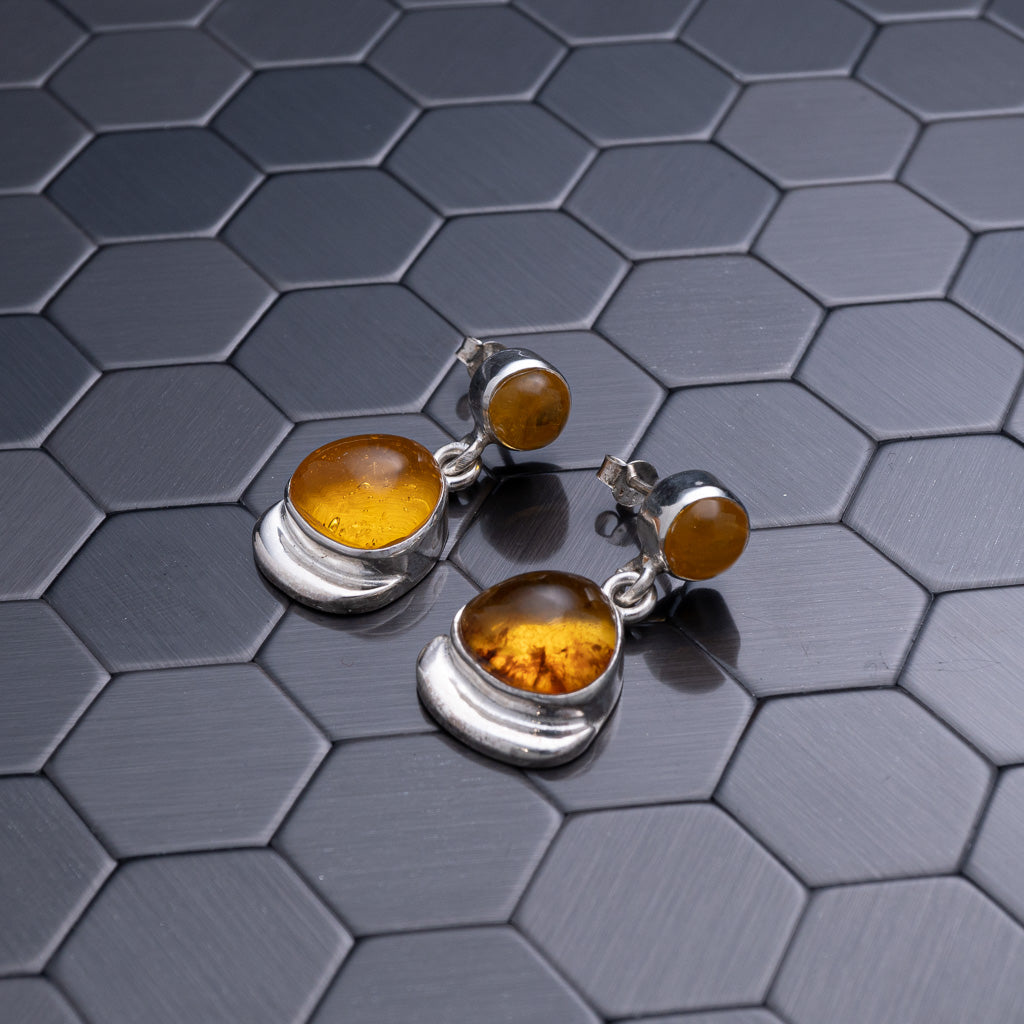
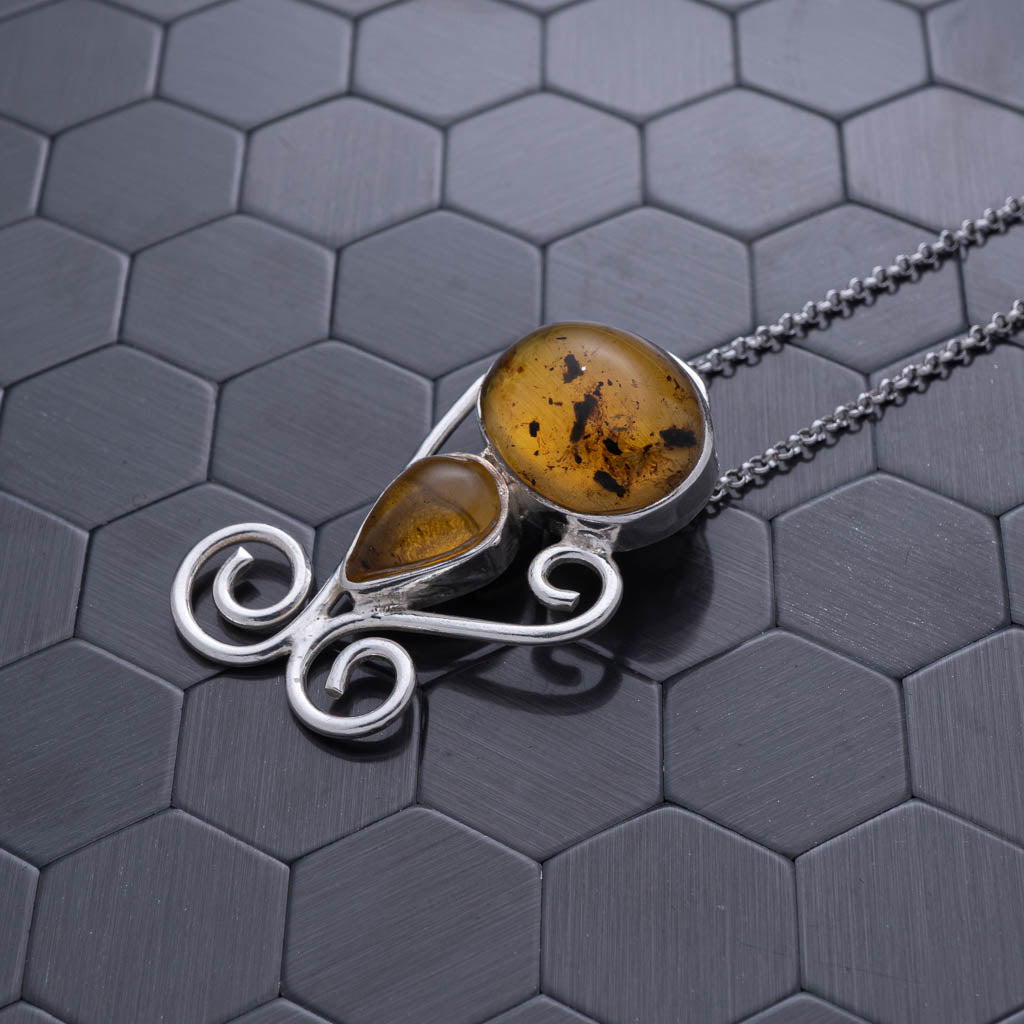
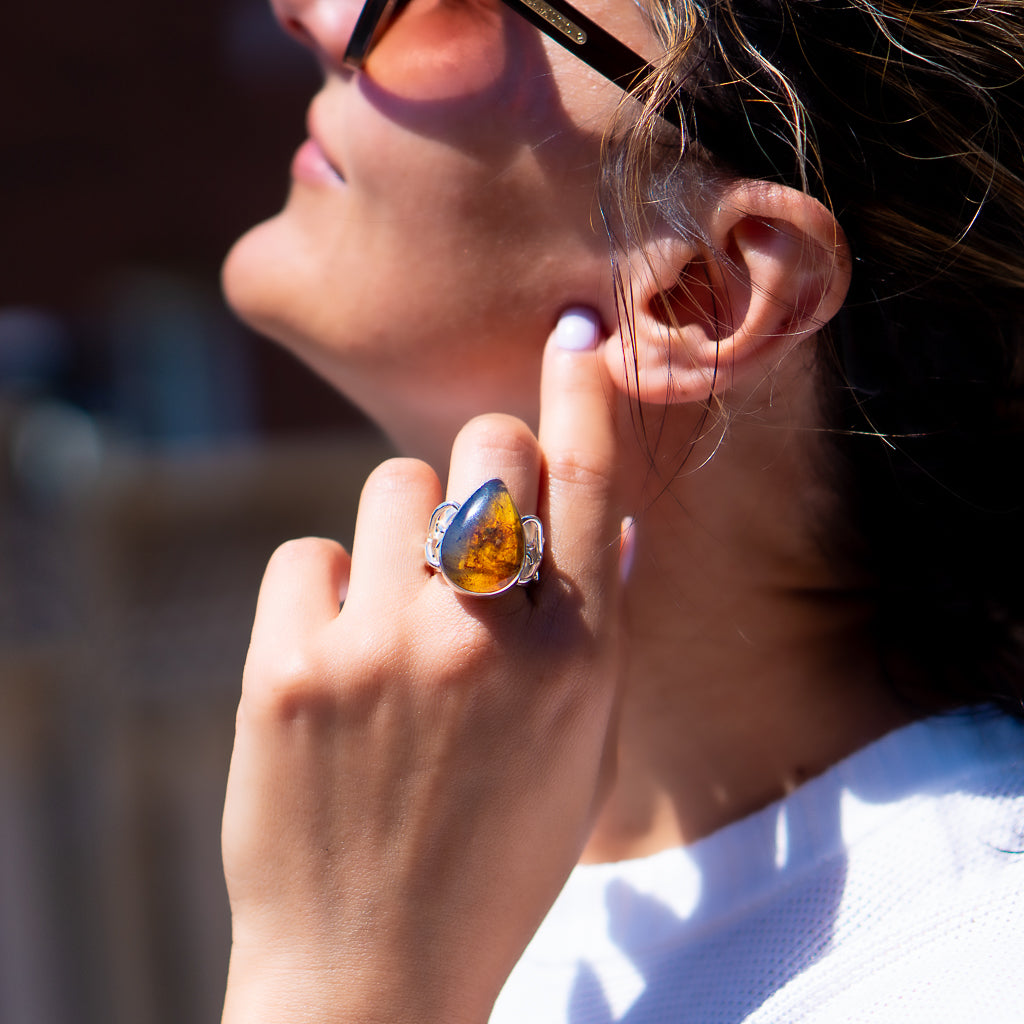
Amber has an inner glow that responds beautifully to warm metal. Yellow gold, in particular, can make golden amber look richer and more saturated. The pendant can feel almost lit from within, especially in pieces that catch sunlight.
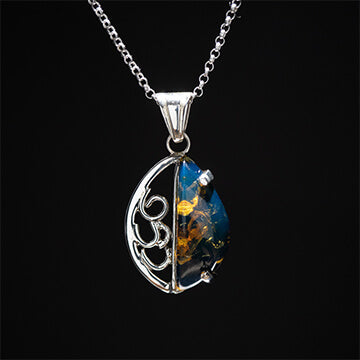
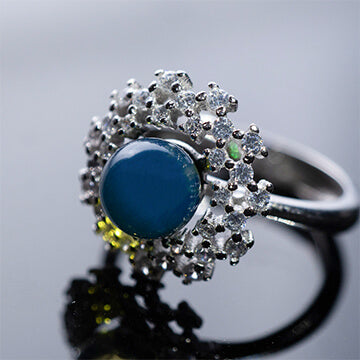
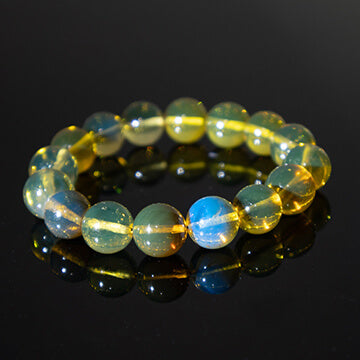
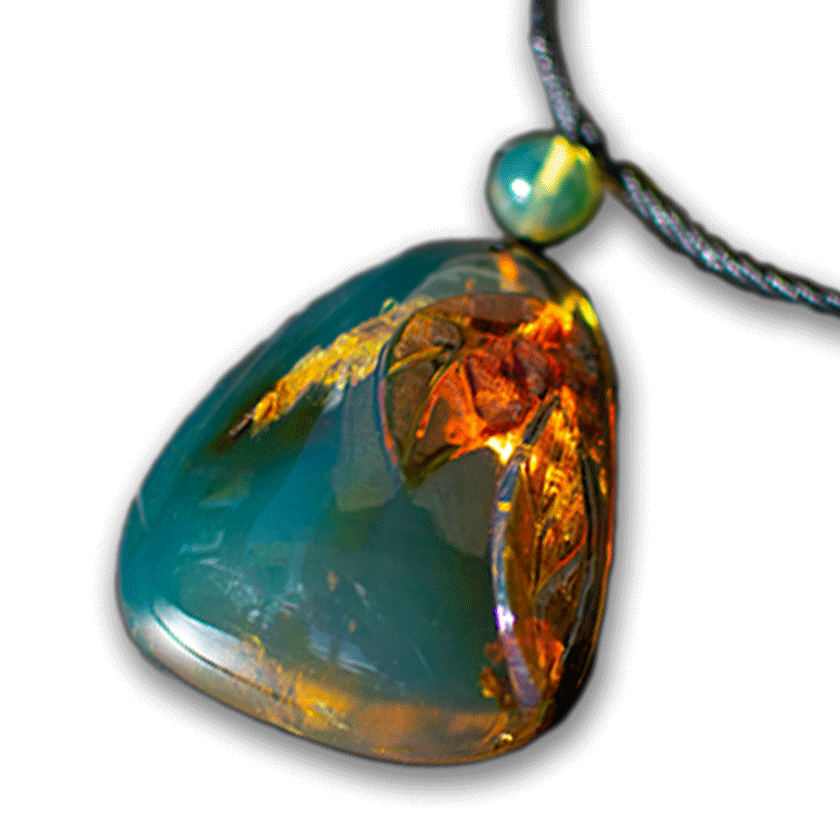
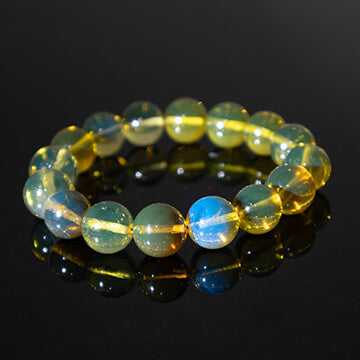
Blue Amber is more nuanced. Because its color can shift under different light, gold can add an unexpected warmth that enhances its rarity and collector appeal. Silver, however, can emphasize its cooler mysterious tones. There is no universal rule here. If you want Blue Amber to feel sleek and contemporary, silver is compelling. If you want it to feel luxurious and uncommon, gold can be exceptional.
A pendant should not only look beautiful in a jewelry box. It should work with your actual life.
Sterling silver is often the easier entry point for everyday wear. It is durable enough for regular use, especially in well-crafted settings, and it pairs effortlessly with a wide range of wardrobes. White shirts, denim, linen, black dresses, resort wear, and casual knits all tend to work with silver pendants. For many people, silver feels less formal, which means they reach for it more often.
Gold pendants can also be excellent daily pieces, but they usually create a more intentional look. Gold draws the eye. It can feel dressier even in simple designs. If you already wear gold earrings, bracelets, or rings, a gold pendant may integrate more naturally into your jewelry wardrobe.
Skin tone can play a role, but it should not be treated as a rigid rule. Cooler undertones often look very natural in silver, while warmer undertones may glow in gold. Still, personal preference matters more. Some buyers love the crisp contrast of silver against warm skin, while others prefer the richness of gold regardless of undertone.
Cost is often part of the conversation, and rightly so.
Sterling silver pendants are generally more accessible. That makes them attractive if you want a larger gemstone, a more substantial handcrafted design, or a meaningful gift without moving into a much higher price range. With collector-quality stones, silver can also let the gemstone remain the financial and visual focus.
Gold carries a higher intrinsic material value, so the price rises quickly. For some buyers, that added cost is worth it because gold feels more luxurious, more enduring, or more gift-worthy for major occasions. Anniversary pieces, milestone birthdays, and heirloom purchases often move naturally toward gold for this reason.
Value, though, is not the same as price. A beautifully made sterling silver pendant with an authentic, certified gemstone can offer extraordinary value if what you want is craftsmanship, rarity, and distinctive style. Gold may cost more, but that does not automatically make it the better choice for every stone or every wearer.
This is one of the biggest practical trade-offs.
Sterling silver tarnishes over time. That is normal, not a flaw. Exposure to air, moisture, skin chemistry, and everyday conditions can darken the surface. The good news is that silver can usually be cleaned and restored quite easily. Many buyers do not mind this at all, especially if they enjoy jewelry that can be refreshed to its original shine.
Gold does not tarnish in the same way, which makes it appealing for lower-maintenance wear. Depending on purity and alloy, it can still scratch and develop surface wear, but it generally keeps its color and luster with less effort. If you want a pendant you can reach for constantly without thinking much about upkeep, gold has an advantage.
That said, gemstone jewelry deserves thoughtful care no matter the metal. Softer or more delicate stones, including amber, should be protected from harsh chemicals, impact, and abrasive cleaning methods. The setting metal matters, but proper treatment of the stone matters just as much.
Both do, but in different ways.
Sterling silver has a timeless artisan quality. It feels authentic, understated, and enduring without trying too hard. In gemstone jewelry with strong natural character, silver can create a look that stays relevant because it lets the stone lead.
Gold has a timelessness tied to heritage and occasion. It suggests permanence, legacy, and elevated fine jewelry. A gold pendant can feel like something chosen to mark a chapter of life, then kept for years with emotional significance.
If you want your pendant to feel like part of your daily signature, silver is often the quieter and more versatile timeless choice. If you want it to feel like a treasure from the moment you open the box, gold may be the better language.
The best choice usually reveals itself when you stop asking which metal is superior and start asking what you want the pendant to do.
If you want a fresh, ocean-inspired look that highlights blue tones, sterling silver is often ideal. If you want warmth, formality, and classic luxury, gold may be more satisfying. If your wardrobe is mixed and your jewelry habits are relaxed, silver can be easier to wear often. If you collect jewelry with an heirloom mindset or you are buying for a major gift, gold may feel more meaningful.
For gemstone lovers, the stone should stay at the center of the decision. A rare Larimar or Dominican amber pendant deserves a metal that supports its natural beauty rather than forcing a trend onto it. At Larimar Creations, that philosophy matters because authenticity is never just about the gemstone's origin. It is also about choosing a setting that respects what makes the stone exceptional.
A beautiful pendant should feel right the moment you put it on, but it should also keep feeling right months and years later. Choose the metal that matches not only your style, but the story you want the gemstone to tell every time it catches the light.