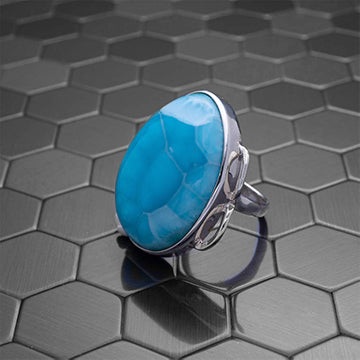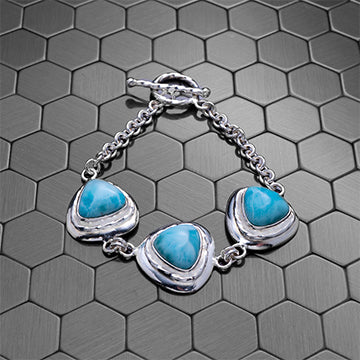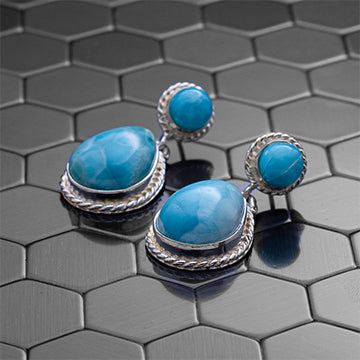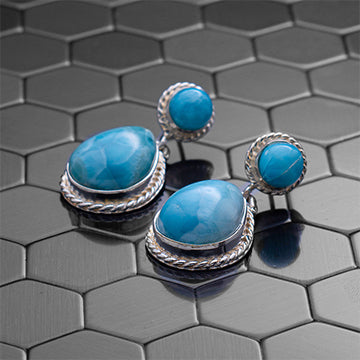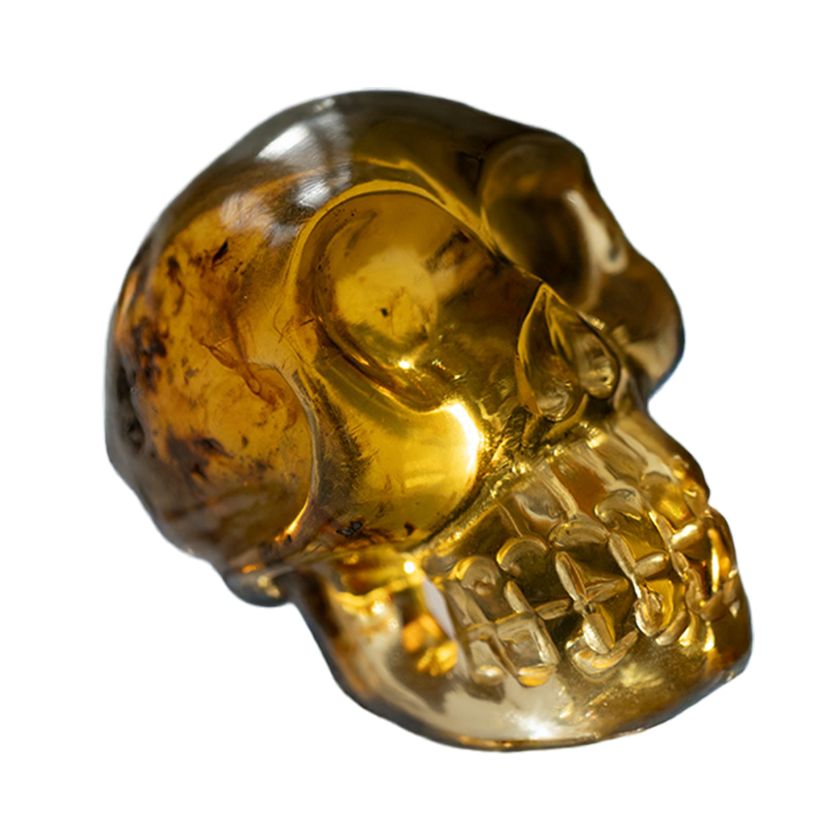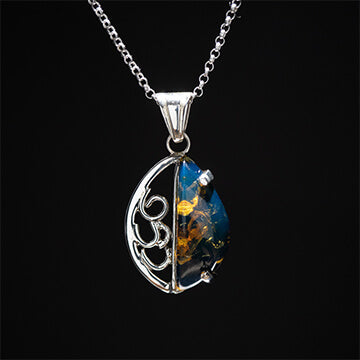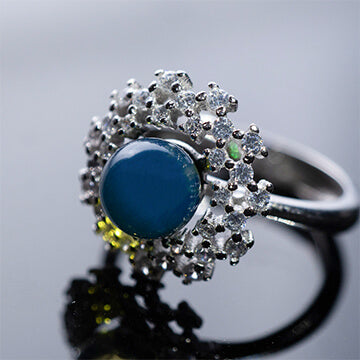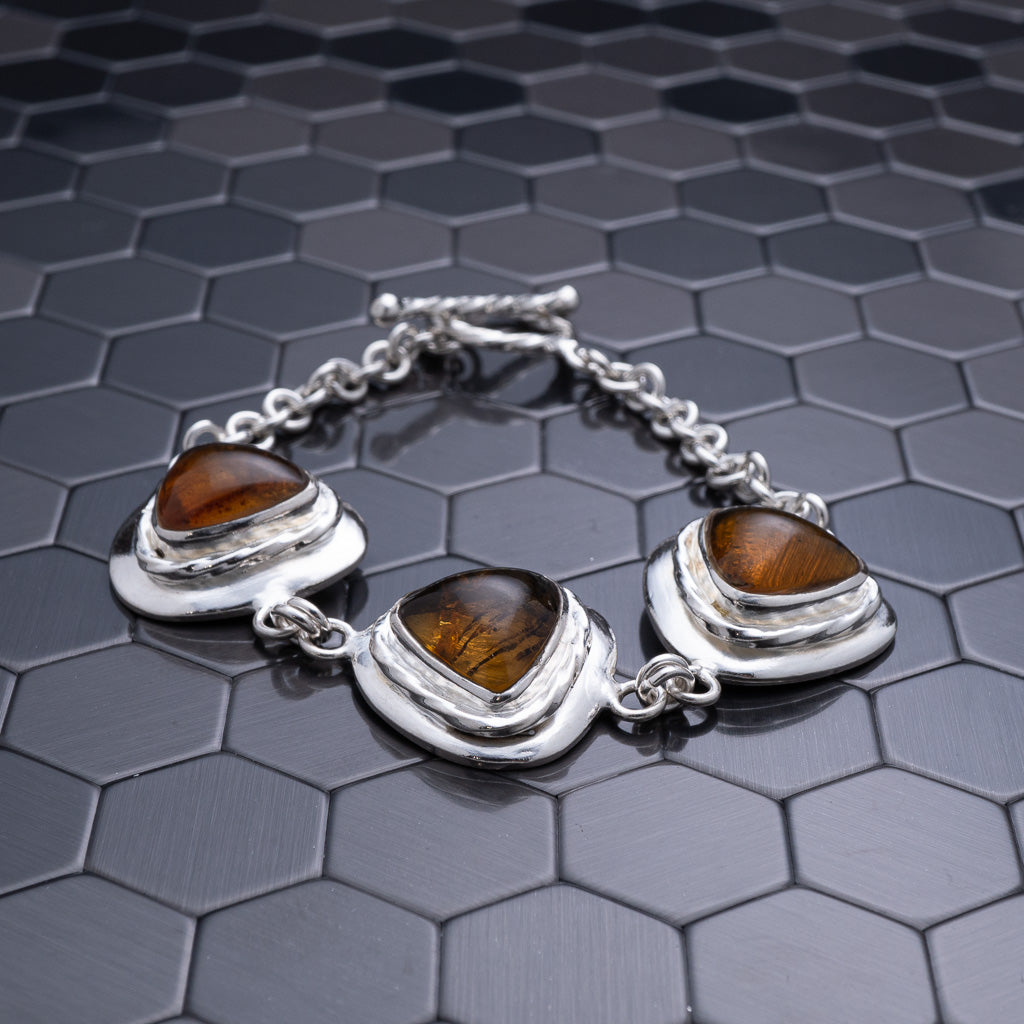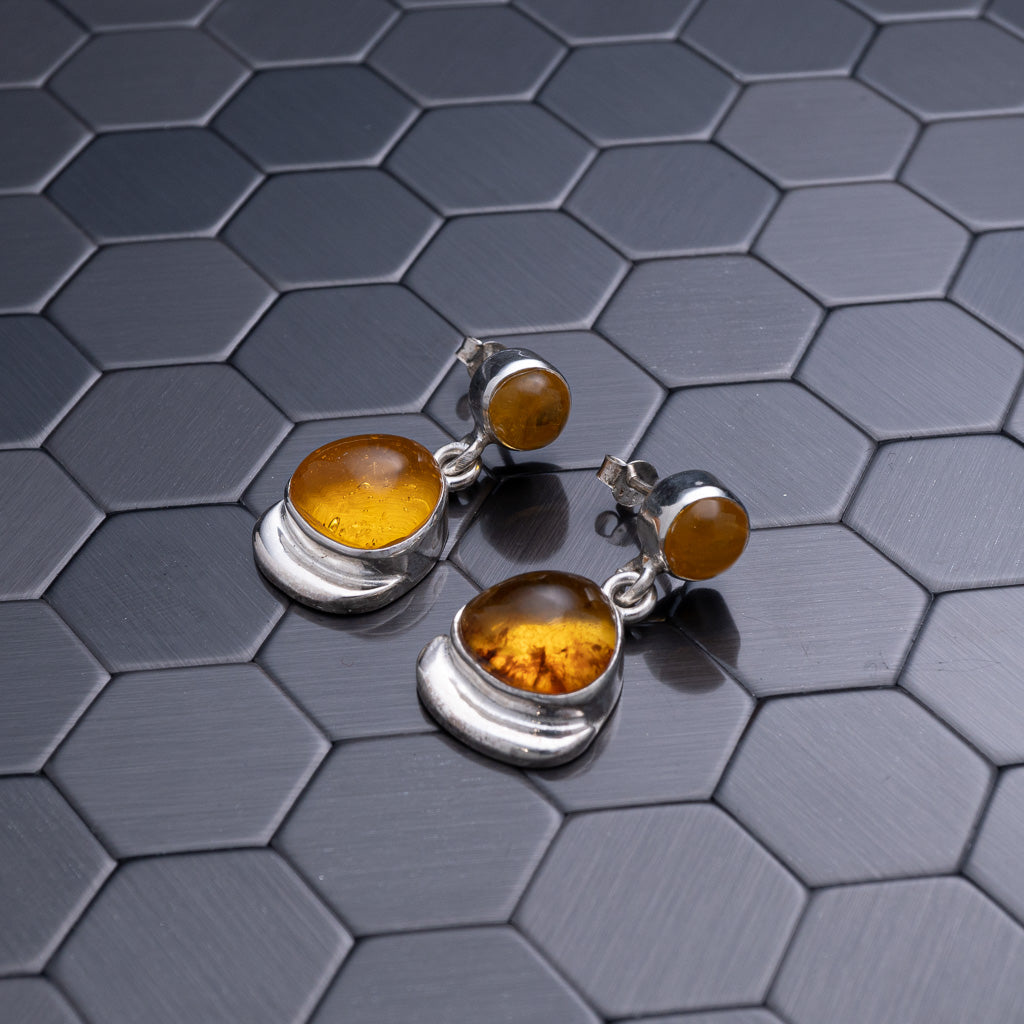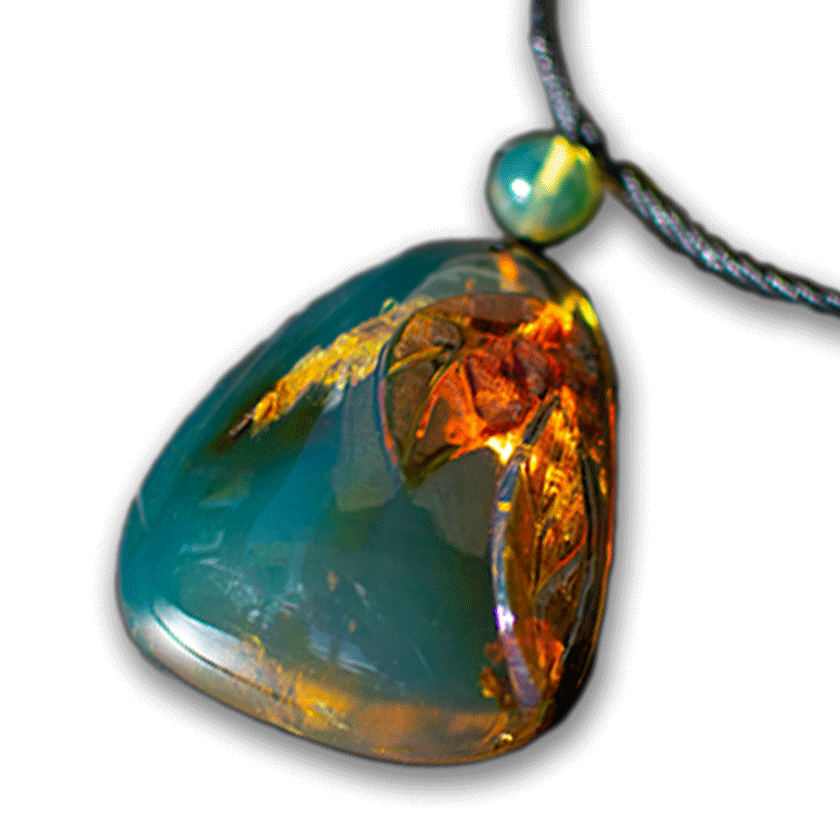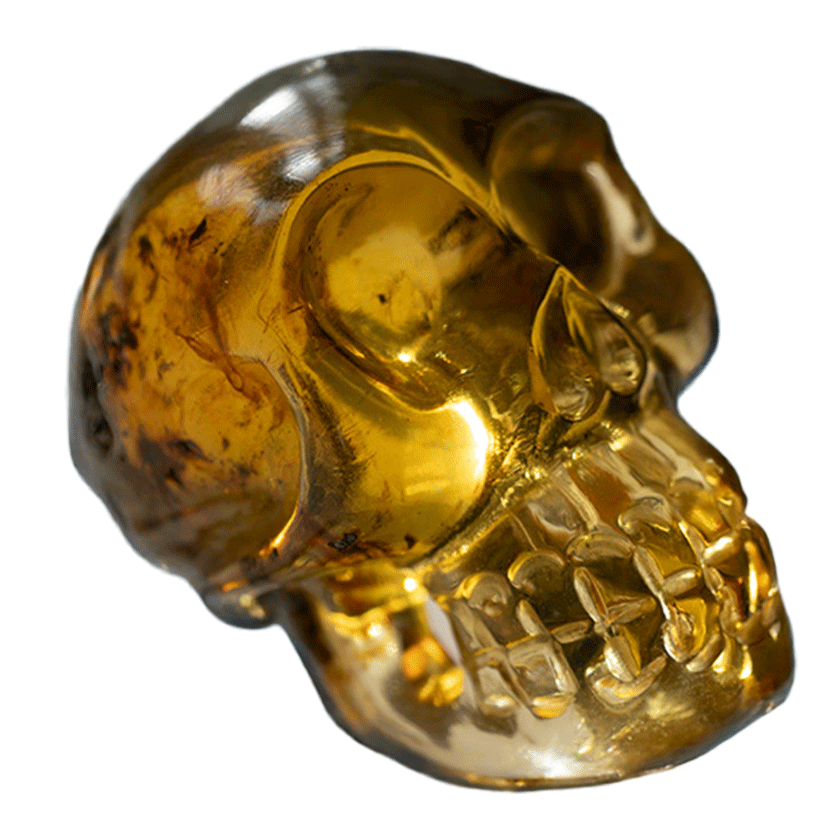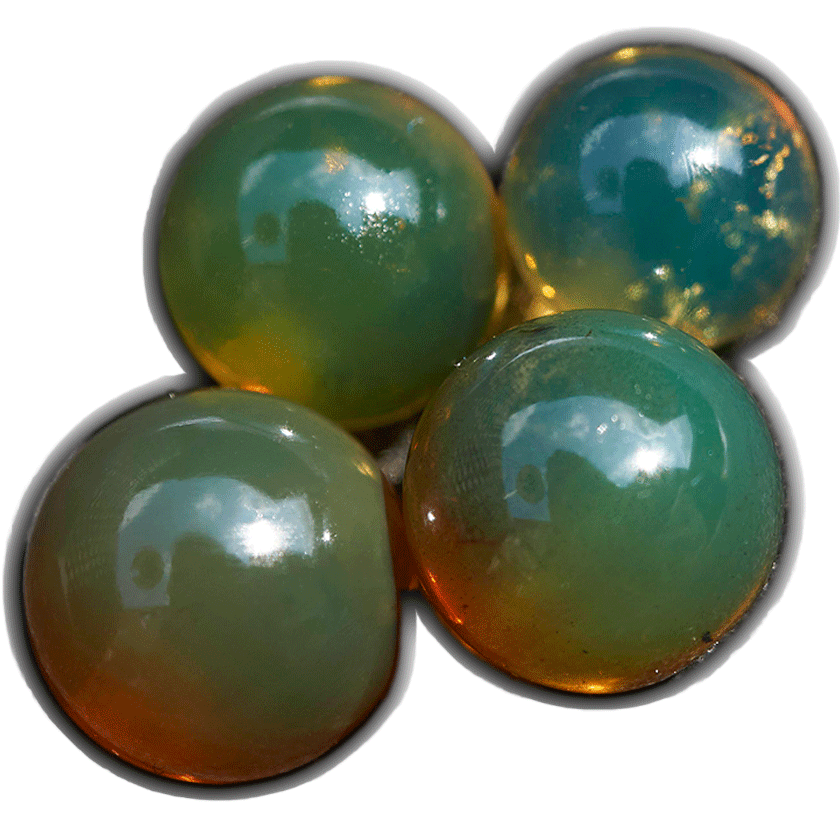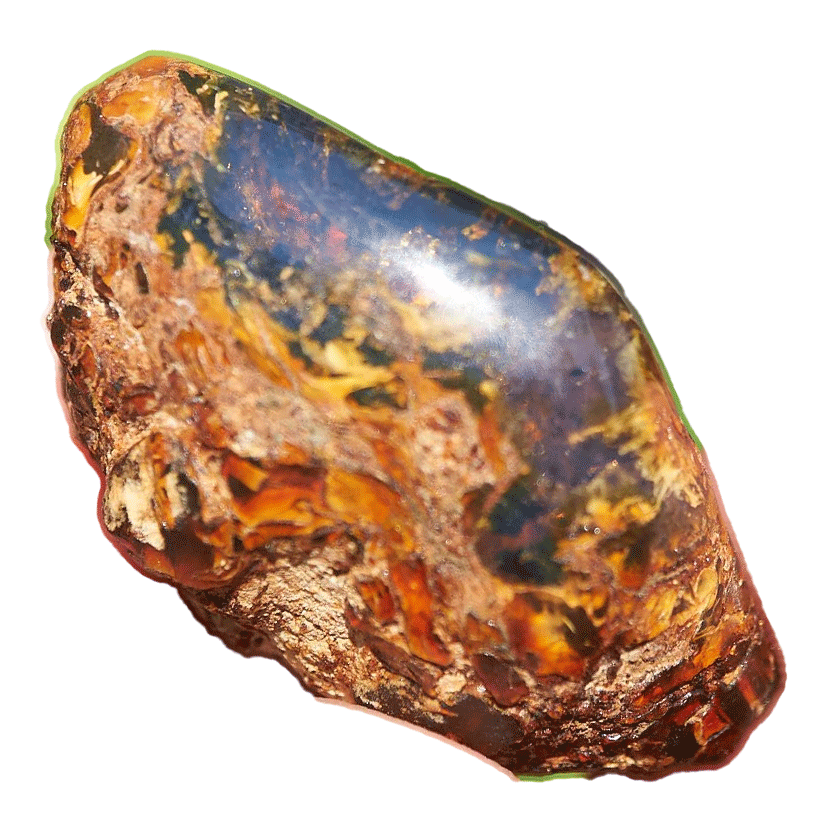


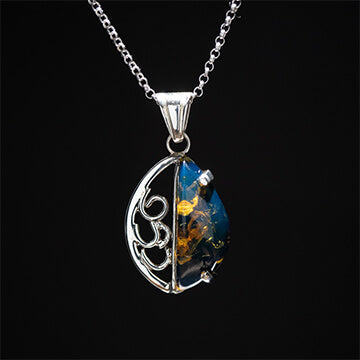
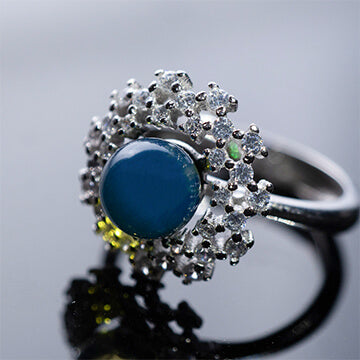
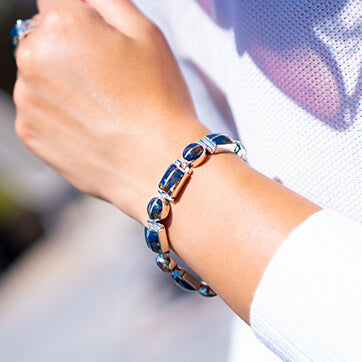
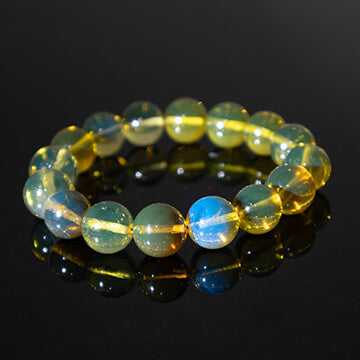
Handcrafted in DR.

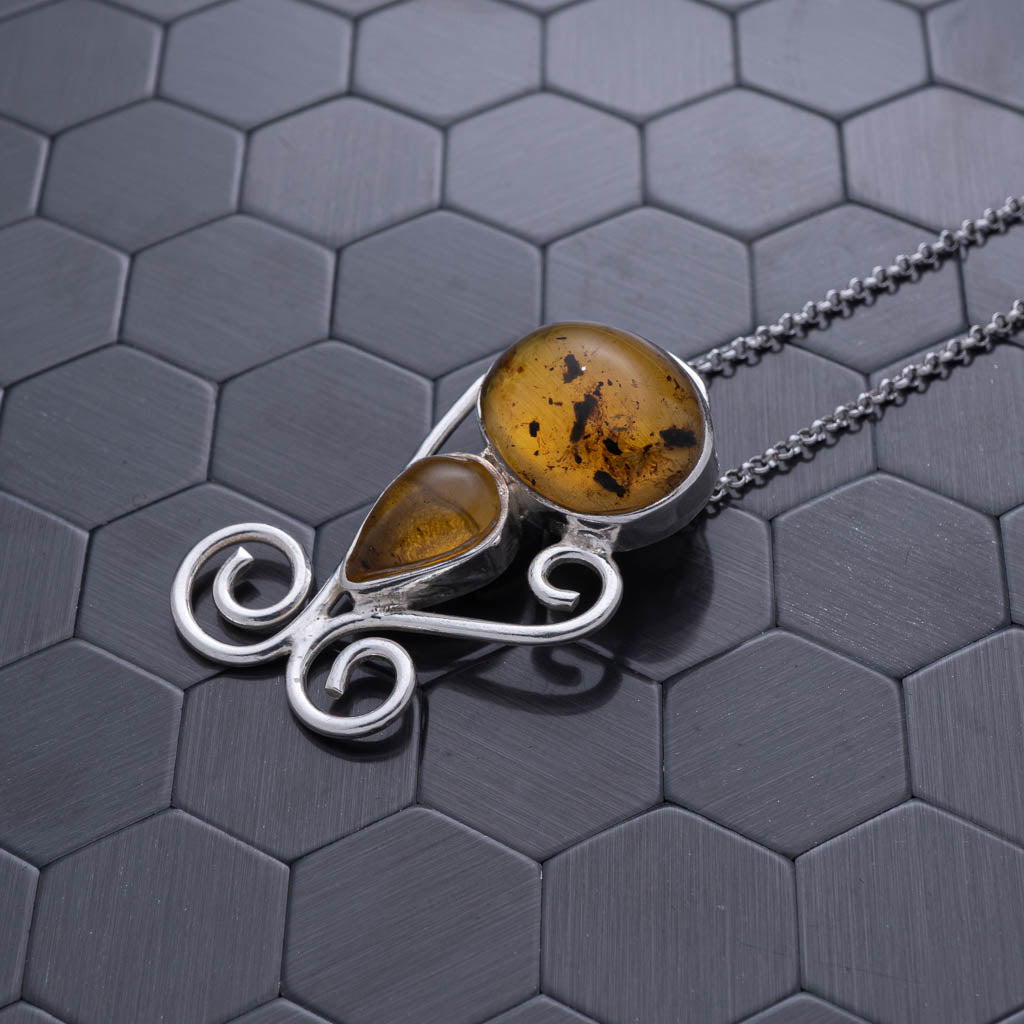
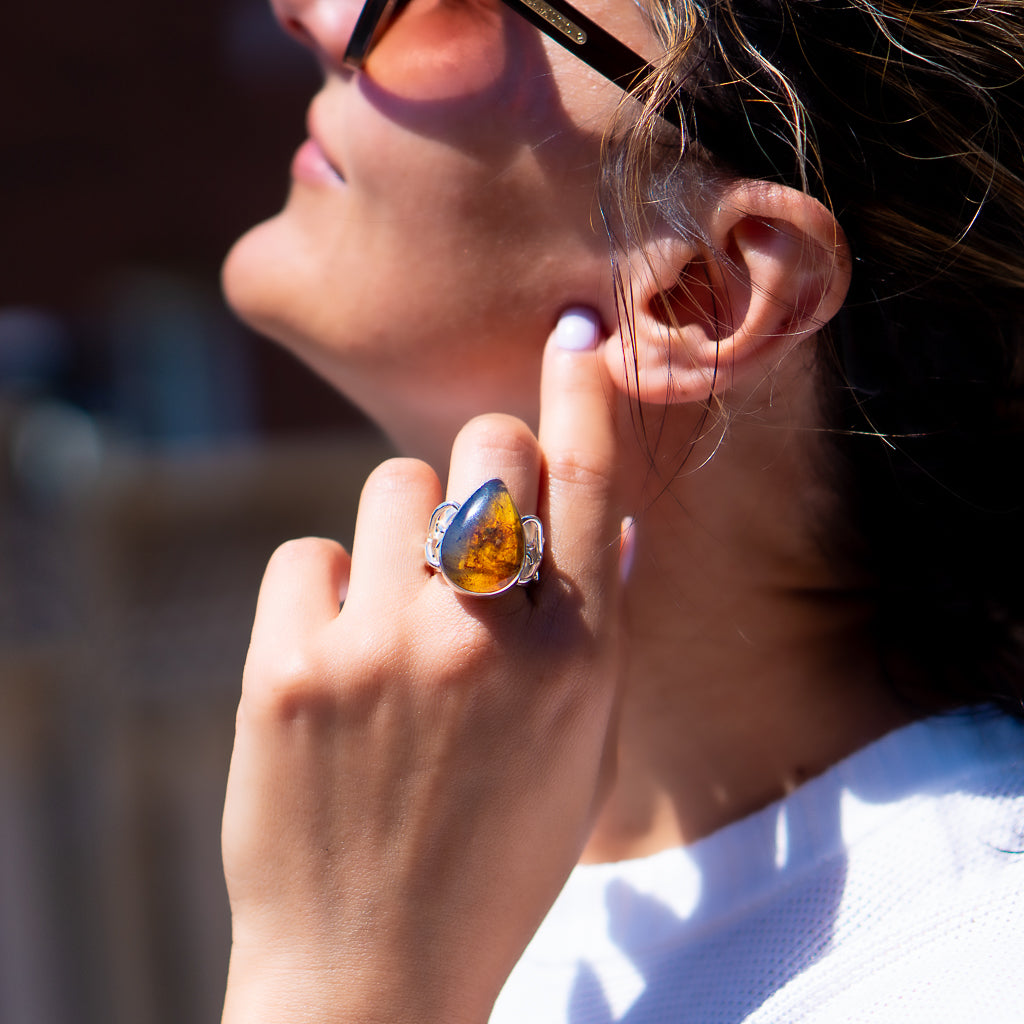
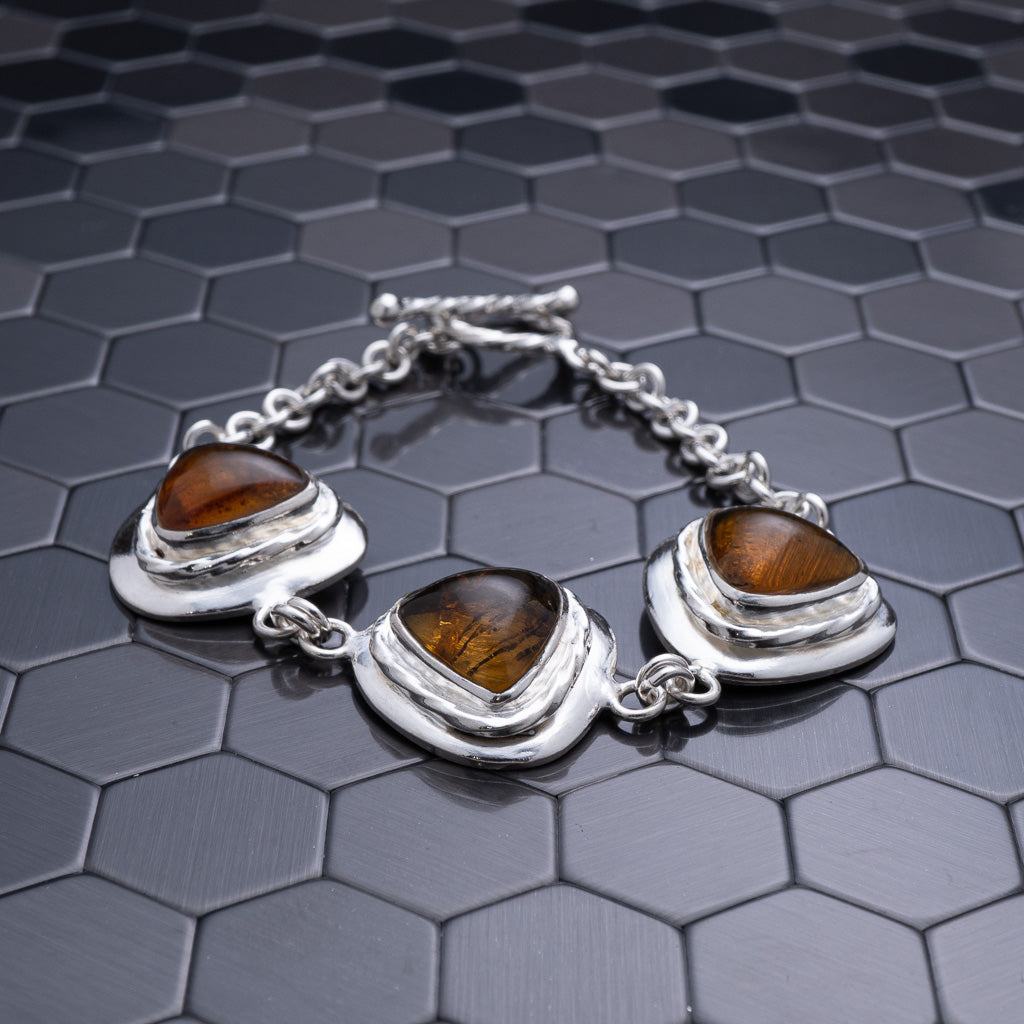
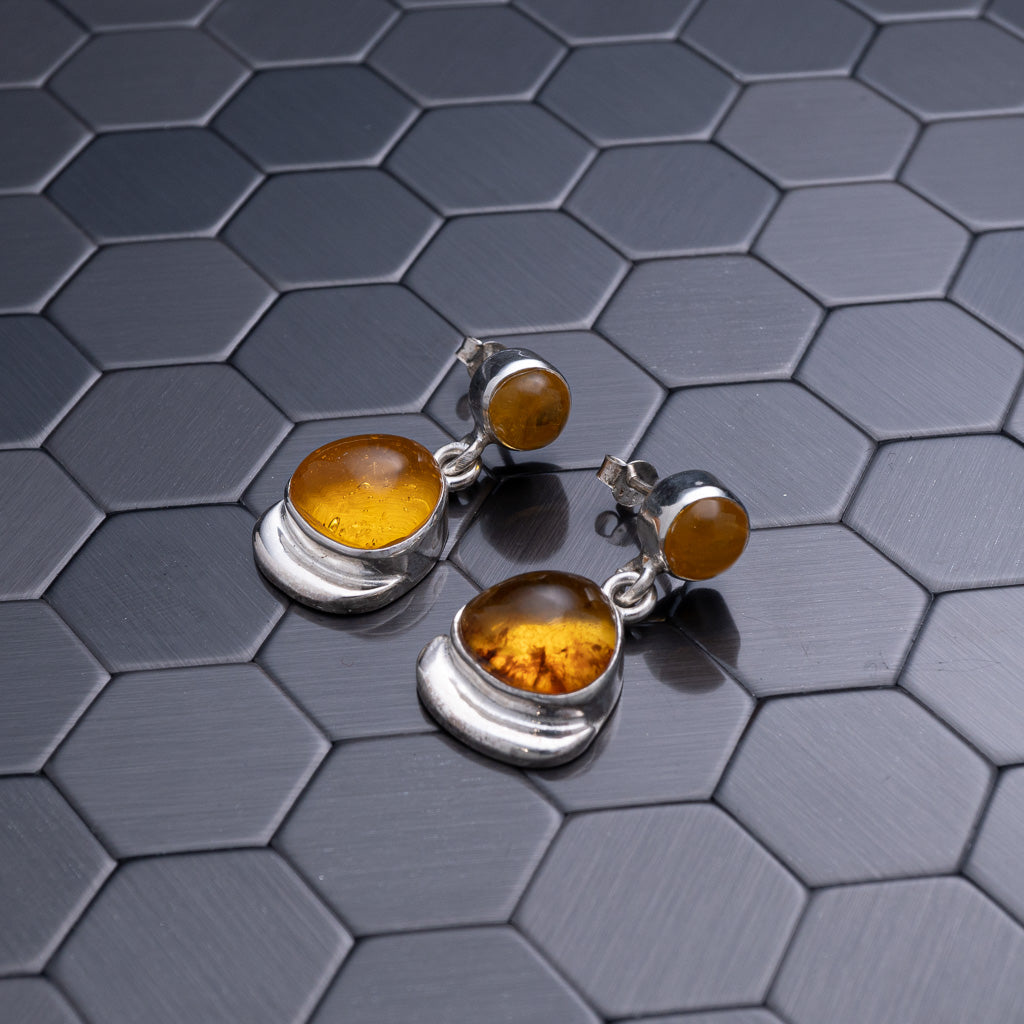


100% Handcrafted in DR.

The enduring appeal of a sterling silver necklace and pendant transcends fashion trends, offering a perfect combination of affordability, durability, and timeless elegance. Whether you're purchasing your first piece of fine jewelry or expanding an existing collection, understanding the characteristics, quality markers, and care requirements of sterling silver ensures you make an informed investment. This comprehensive guide explores everything from composition standards to styling versatility, helping you appreciate why sterling silver remains the preferred choice for pendant jewelry worldwide.
Sterling silver represents a specific alloy that contains 92.5% pure silver and 7.5% other metals, typically copper. This precise ratio creates the perfect balance between the beauty of pure silver and the structural integrity needed for everyday wear. Pure silver alone proves too soft for jewelry applications, bending and scratching easily with regular use.
The addition of copper and other strengthening metals transforms silver into a durable material suitable for intricate pendant designs and delicate chain work. This standardized composition has been recognized by silverwork craftsmen for centuries, establishing a benchmark for quality that continues today.
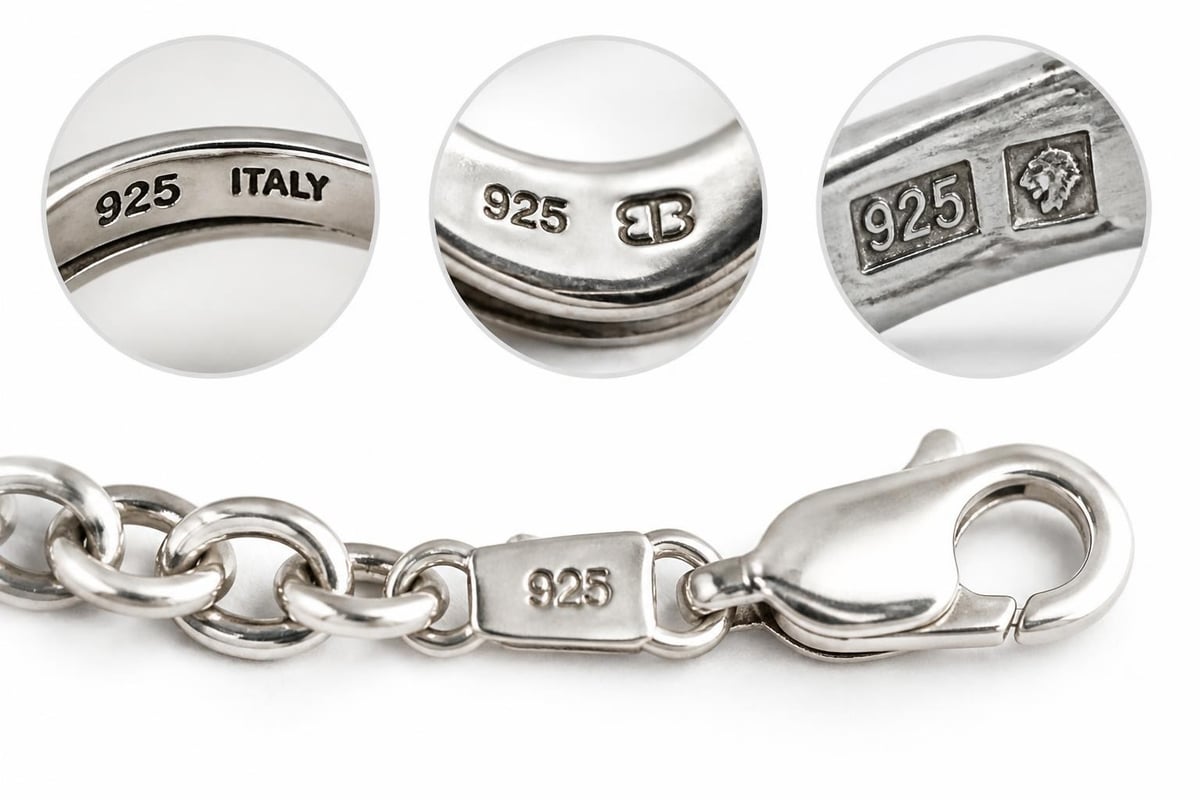
Every authentic sterling silver necklace and pendant should display the .925 stamp, also represented as "925" or "Sterling." This hallmark serves as your guarantee of quality and composition. Reputable jewelers position this stamp in inconspicuous locations such as:
Missing or unclear stamps should raise concerns about authenticity. Contemporary jewelry makers sometimes include additional marks indicating the country of origin or maker's signature, providing further verification and collectible value.
The chain component of your sterling silver necklace and pendant significantly impacts both aesthetics and functionality. Different chain styles offer varying levels of strength, visual weight, and compatibility with pendant designs.
| Chain Type | Characteristics | Best For | Durability Rating |
|---|---|---|---|
| Cable Chain | Classic interlocking oval links | Lightweight pendants, everyday wear | High |
| Box Chain | Square links creating smooth appearance | Medium-weight pendants, formal occasions | Very High |
| Rope Chain | Twisted links resembling rope texture | Statement pendants, masculine styles | High |
| Singapore Chain | Twisted flat links with diamond-cut facets | Delicate pendants, layering | Medium |
| Figaro Chain | Alternating link patterns (3 short, 1 long) | Bold pendants, traditional styles | High |
Chain thickness matters equally to style selection. Measure chain width in millimeters, with finer chains (1-2mm) complementing delicate pendants and heavier chains (3-5mm) supporting larger statement pieces. Consider the pendant weight when selecting chain thickness to prevent excessive wear on thinner links.
Standard necklace lengths range from 14 to 36 inches, each creating distinct visual effects:
Choker length (14-16 inches) positions pendants at the collarbone, ideal for high necklines and creating dramatic focal points. Princess length (18 inches) represents the most popular choice, suspending pendants just below the collarbone for versatile styling. Matinee length (20-24 inches) works beautifully with business attire and larger pendants. Opera length (28-36 inches) allows for dramatic pendant display or double-wrapping possibilities.
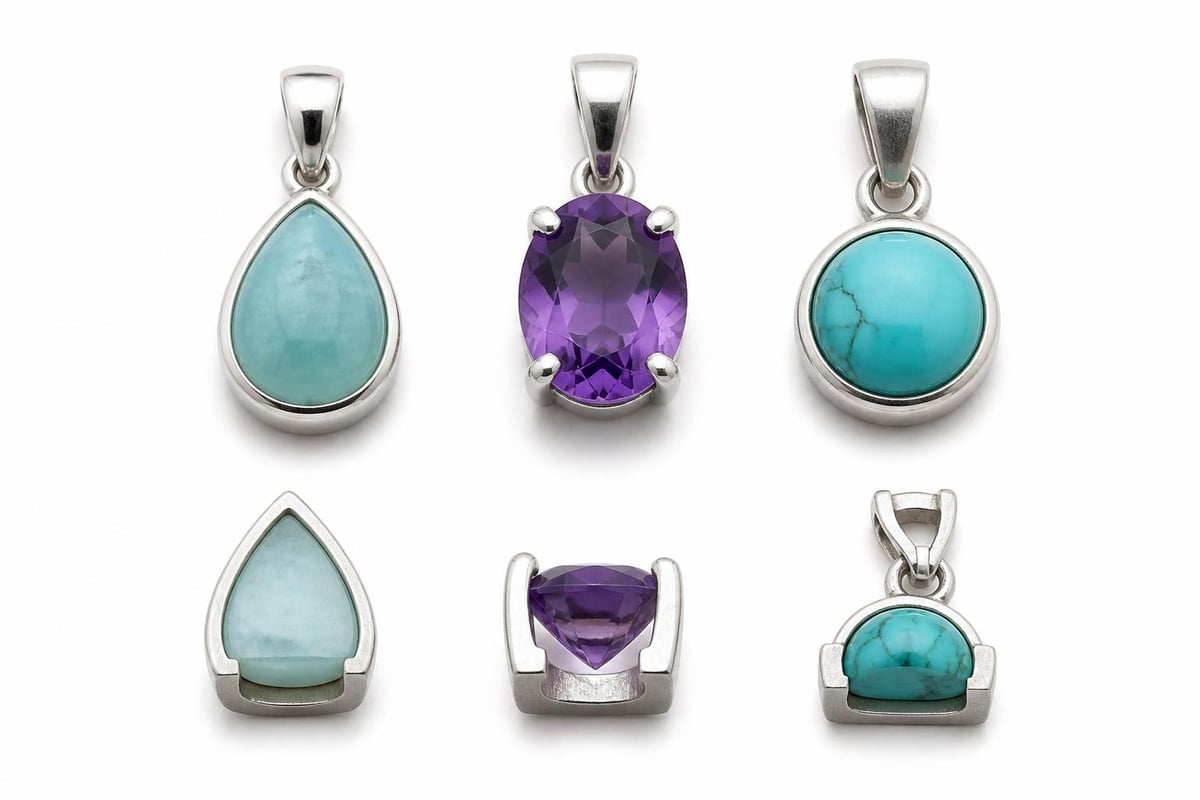
The pendant transforms a simple sterling silver necklace and pendant into a personalized statement piece. Contemporary pendant designs range from minimalist geometric shapes to elaborate gemstone settings, each requiring specific metalworking techniques.
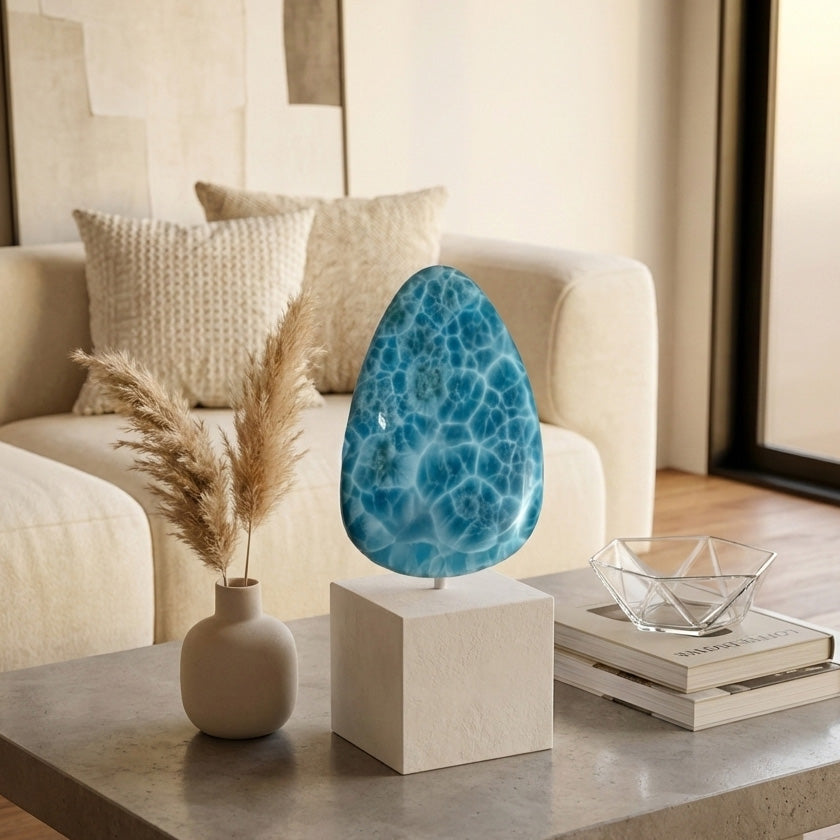
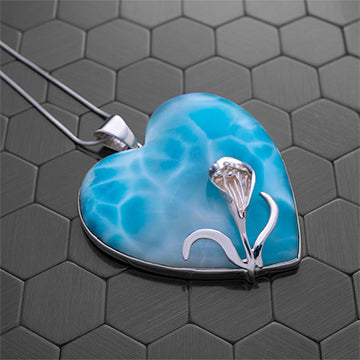
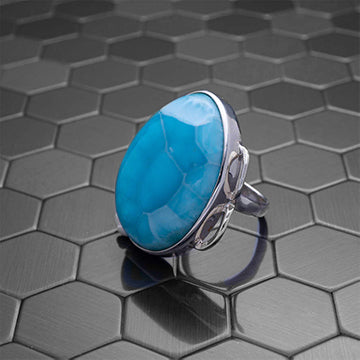
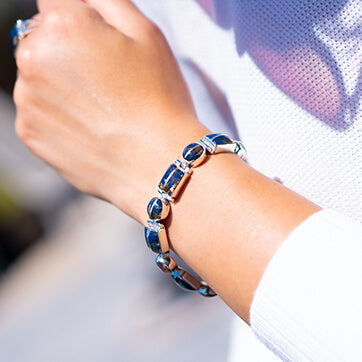
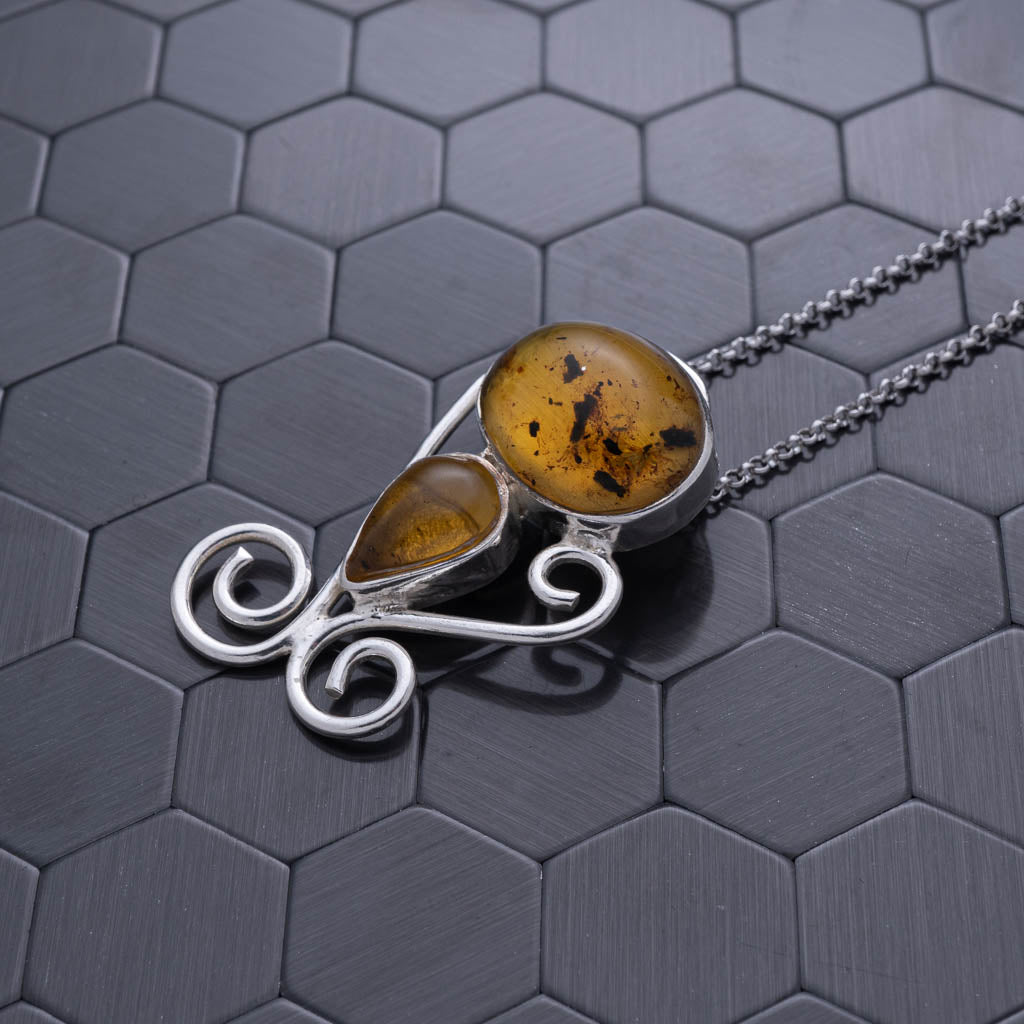
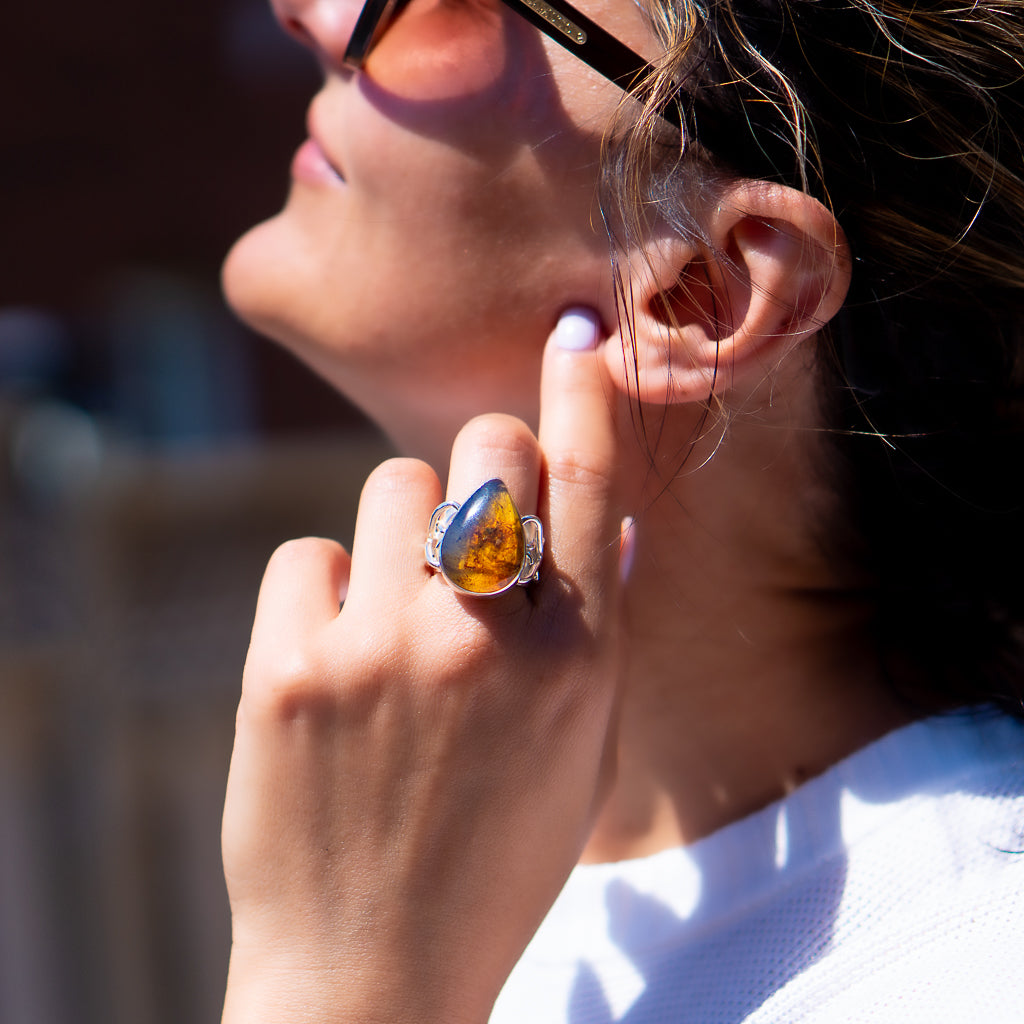
Bezel settings encircle gemstones completely with a metal rim, providing maximum security and a sleek, modern aesthetic. Prong settings use metal claws to grip stones, allowing maximum light exposure and brilliance. For those interested in unique gemstone pendants, Larimar pendants showcase how rare Caribbean gemstones combine beautifully with sterling silver in handcrafted designs.
Current trends emphasize both personalization and sustainability. Geometric minimalism continues dominating, with clean-lined circles, triangles, and hexagons appealing to modern sensibilities. Nature-inspired designs featuring leaves, flowers, and organic textures connect wearers to natural beauty. Symbolic pendants carrying spiritual or cultural significance remain perennial favorites.
Layering multiple pendants on varied chain lengths creates dynamic, personalized looks. This styling approach works particularly well when mixing pendant sizes, combining a substantial focal piece with smaller accent pendants. Maintain metal consistency by keeping all chains in sterling silver for cohesive visual flow.
Sterling silver naturally tarnishes when exposed to sulfur compounds in air, water, and certain materials. This oxidation process creates a yellowish or blackish patina that, while preventable, doesn't damage the underlying metal. Proper care preserves the brilliant luster of your sterling silver necklace and pendant for generations.
Daily maintenance requires minimal effort but significant impact. Remove jewelry before swimming, bathing, or exercising to limit exposure to chemicals and moisture. Apply perfumes, lotions, and hairsprays before putting on silver jewelry, as cosmetic chemicals accelerate tarnishing.
Clean sterling silver regularly using these proven methods:
Gentle soap wash: Mix warm water with mild dish soap, creating light suds. Soak jewelry for 5-10 minutes, then use a soft-bristled brush to remove debris from chain links and pendant crevices.
Baking soda paste: Combine three parts baking soda with one part water, creating a paste. Apply gently with a soft cloth, rubbing in straight lines rather than circles to avoid scratching.
Silver polishing cloth: Use specially treated cloths designed for silver, which contain anti-tarnish agents that remove oxidation while depositing protective residue.
Professional ultrasonic cleaning: Reserve for heavily tarnished pieces or jewelry with secure stone settings. Vibrations dislodge dirt from inaccessible areas.
Store each sterling silver necklace and pendant separately in anti-tarnish pouches or compartments lined with tarnish-preventing fabric. Avoid storing silver in bathrooms where humidity levels fluctuate dramatically. Small packets of silica gel absorb excess moisture in jewelry boxes, creating optimal storage conditions.
Investment in a sterling silver necklace and pendant requires assessing multiple quality factors beyond the .925 hallmark. Craftsmanship quality reveals itself through examination of specific details that separate mass-produced pieces from artisan creations.
Inspect chain links for consistent sizing and secure closures. Each link should move smoothly without catching or twisting. Clasps must close securely with appropriate tension, neither too loose nor requiring excessive force. Spring ring clasps and lobster claw clasps represent the most reliable closure mechanisms for sterling silver chains.
Examine pendant construction closely:
Pricing for sterling silver jewelry reflects both material costs and labor investment. In 2026, silver commodity prices fluctuate based on market conditions, but handcrafted pieces command premium pricing due to artisan skill and time investment. Compare similar pieces across multiple vendors, but recognize that significantly lower prices may indicate quality compromises or authenticity concerns.
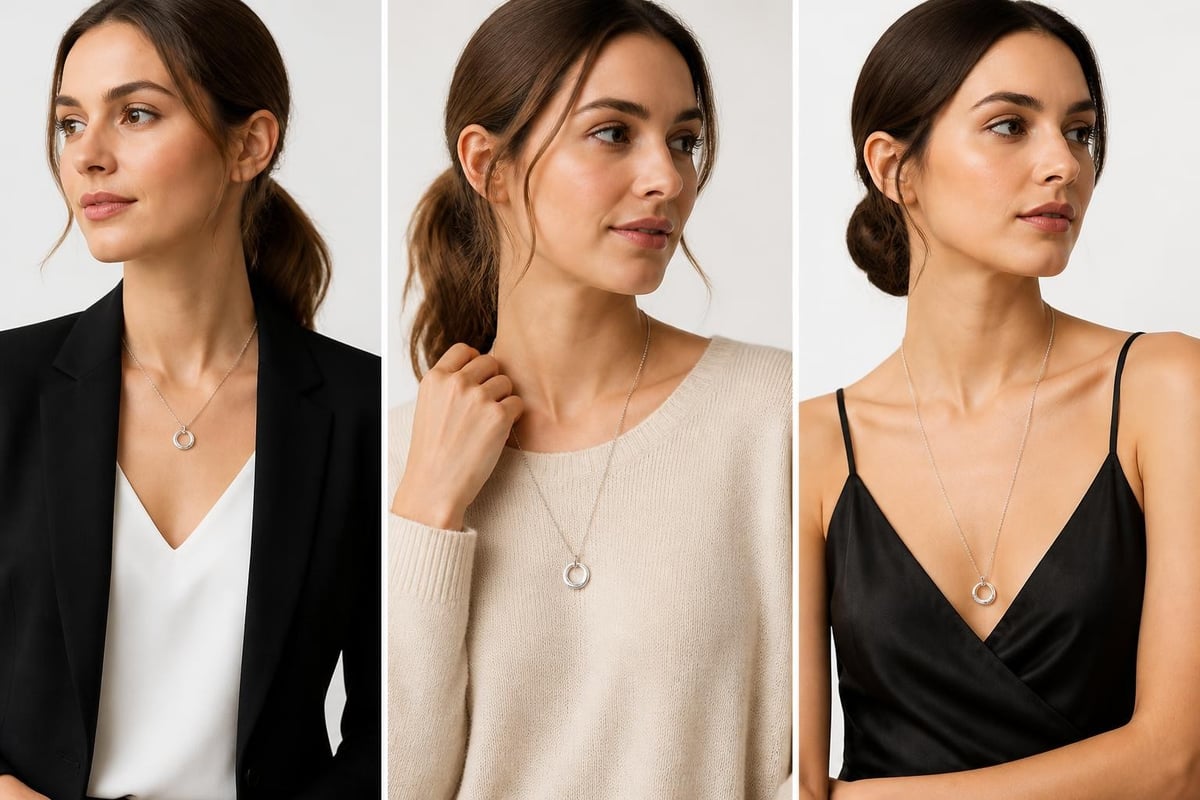
A well-chosen sterling silver necklace and pendant transitions seamlessly between casual, professional, and formal settings. This versatility makes sterling silver an exceptional value, serving multiple wardrobe needs with a single investment.
Professional environments benefit from understated pendant designs in classic shapes or meaningful symbols. Keep chain lengths at princess (18 inches) for appropriate neckline positioning with business attire. Polished finishes convey professionalism, while oxidized or textured finishes may appear too casual depending on workplace culture.
Casual daily wear allows experimentation with layered chains, mixed metals when combined with other jewelry, and bold pendant statements. Longer chains create relaxed visual lines that complement casual necklines. Textured or hammered finishes add visual interest to simple outfits.
Evening and formal occasions provide opportunities for dramatic pendant presentations:
Sterling silver's neutral metal tone coordinates beautifully with both warm and cool color palettes, making it extraordinarily versatile across seasonal wardrobes. The metal's bright white appearance complements winter's deeper tones while remaining fresh against summer's lighter fabrics.
Contemporary consumers increasingly prioritize sustainability and ethical sourcing when purchasing jewelry. Sterling silver offers several environmental advantages compared to other precious metals, though responsible purchasing requires awareness of sourcing practices.
Recycled sterling silver reduces mining impacts significantly. Many jewelers now offer pieces crafted entirely from reclaimed silver, melted and refined to meet .925 standards without new extraction. This recycled material performs identically to newly mined silver while dramatically reducing environmental footprint.
Artisan jewelers who create handcrafted pieces typically maintain transparent supply chains, sourcing materials from verified suppliers and employing traditional techniques that minimize industrial waste. Supporting these craftspeople preserves traditional metalworking skills while ensuring ethical labor practices.
When purchasing a sterling silver necklace and pendant, inquire about:
Companies specializing in specific gemstones often provide detailed information about their sourcing practices. Larimar Creations exemplifies this transparency by focusing on rare Caribbean gemstones paired with quality sterling silver settings, maintaining clear provenance from source to final product.
While sterling silver necklaces and pendants serve primarily as personal adornment, they also represent tangible assets with lasting value. Unlike fashion jewelry that deteriorates within seasons, properly maintained sterling silver pieces endure for generations, making them suitable heirloom pieces.
The intrinsic value of sterling silver fluctuates with commodity markets, but well-crafted pieces carry additional worth beyond mere metal weight. Artisan craftsmanship, unique designs, and associated gemstones contribute to overall value retention. Documented provenance and maker marks increase collectible interest, particularly for pieces from recognized artisans or specific periods.
Heirloom consideration factors include:
Sterling silver's malleability allows skilled jewelers to repair most damage, resize components, or restore finishes. This reparability extends piece longevity considerably compared to more brittle materials. Maintaining original purchase documentation, care records, and any certificates of authenticity enhances future heirloom value.
The accessibility of sterling silver makes it an ideal medium for custom jewelry creation. Working with jewelers to design a unique sterling silver necklace and pendant allows complete personalization, from chain style selection through pendant concept development.
Custom design processes typically follow structured stages:
Personalization extends beyond fully custom designs. Many jewelers offer semi-custom options including engraving services, birthstone additions, or modifications to existing designs. Engraved initials, dates, or meaningful phrases transform standard pieces into deeply personal treasures.
Several persistent myths about sterling silver jewelry create unnecessary confusion for consumers. Understanding facts versus fiction helps make confident purchasing decisions regarding your sterling silver necklace and pendant.
Myth: Sterling silver turns skin green. While this occasionally occurs, it results from copper content reacting with skin chemistry or cosmetic chemicals, not silver quality issues. This reaction appears more frequently with lower-grade silver or plated jewelry. Proper care and keeping skin clean and dry when wearing jewelry prevents this occurrence.
Myth: Tarnished silver is damaged. Tarnish represents surface oxidation that reverses completely with proper cleaning. The underlying silver remains undamaged. Regular cleaning and proper storage prevent heavy tarnish buildup, maintaining appearance with minimal effort.
Myth: More expensive always means better quality. While price often correlates with quality, it also reflects brand positioning, retail overhead, and marketing costs. Evaluate actual construction quality, metal purity marks, and craftsmanship rather than relying solely on price as a quality indicator.
Myth: Sterling silver is fragile. Properly alloyed sterling silver demonstrates excellent durability for jewelry applications. While softer than some metals, it withstands normal wear remarkably well when crafted with appropriate thickness and reinforcement in stress points.
Understanding the composition, care requirements, and styling versatility of a sterling silver necklace and pendant empowers you to select pieces that deliver lasting beauty and value. Whether choosing classic designs for everyday elegance or exploring custom creations for special significance, sterling silver offers unmatched accessibility to fine jewelry craftsmanship. Larimar Creations brings this tradition of excellence to rare Caribbean gemstone jewelry, combining sterling silver's timeless appeal with the unique beauty of Larimar and Dominican Blue Amber in handcrafted pendants shipped worldwide. Explore their collection to discover how expert craftsmanship transforms precious materials into wearable art that tells your personal story.