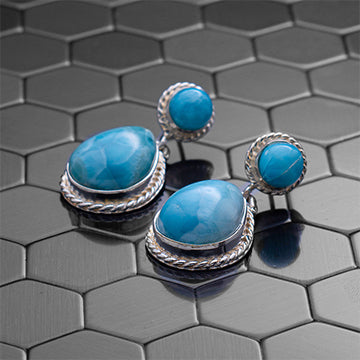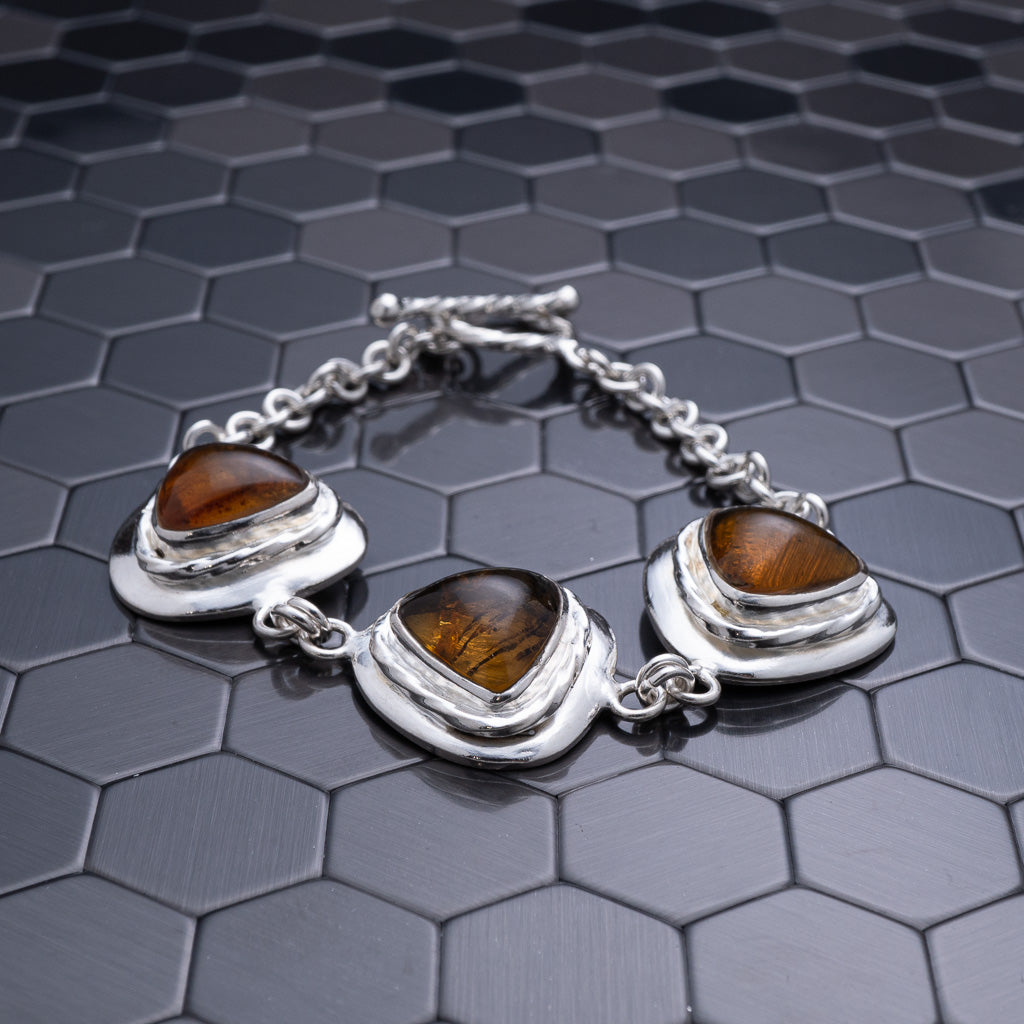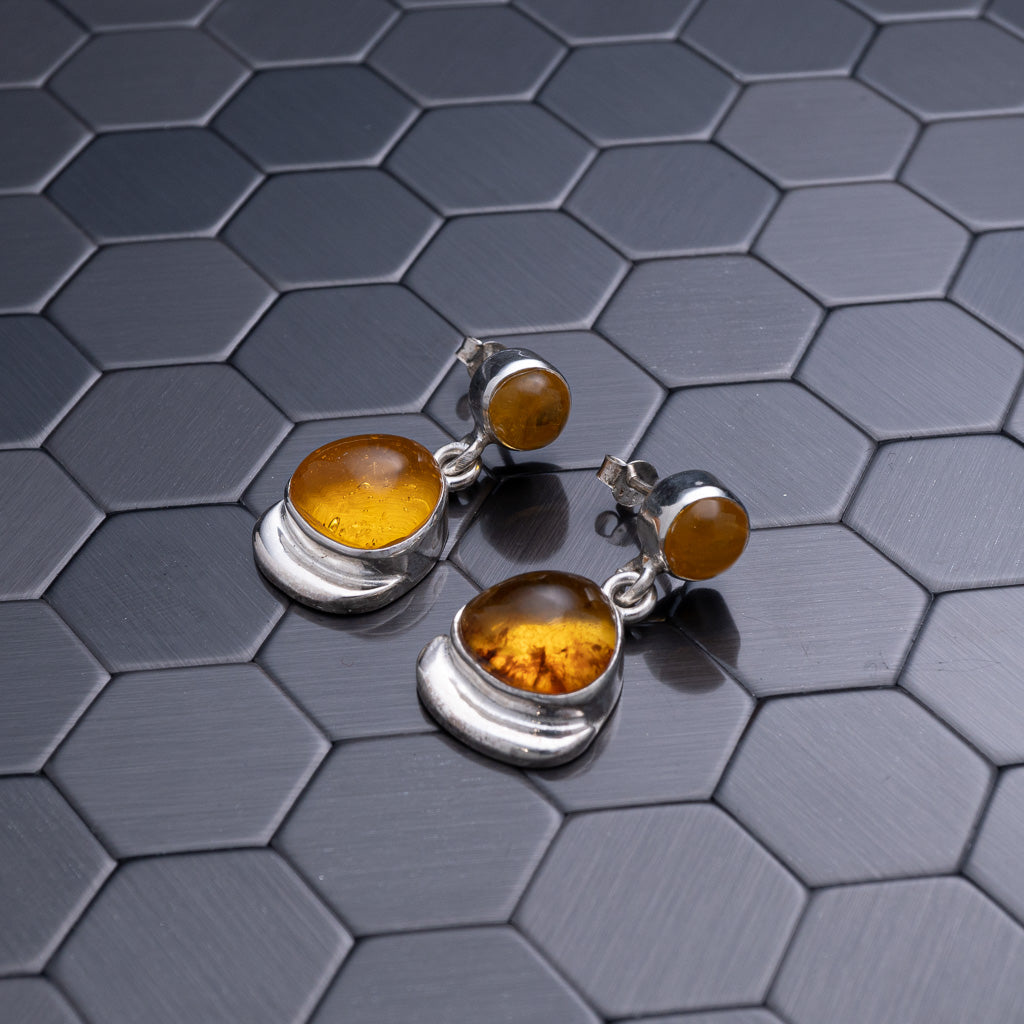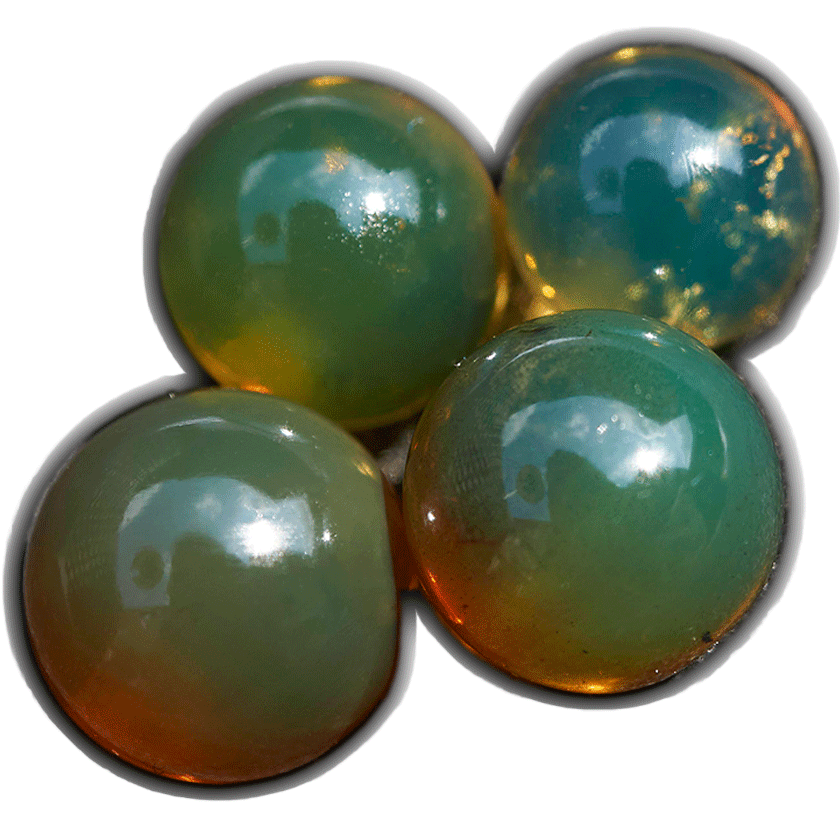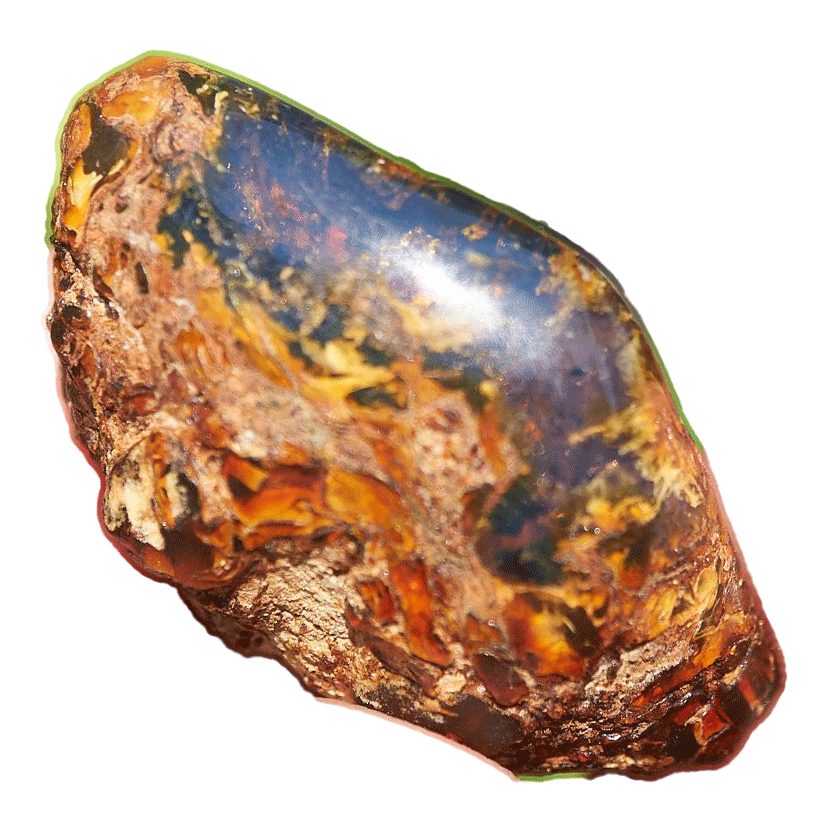


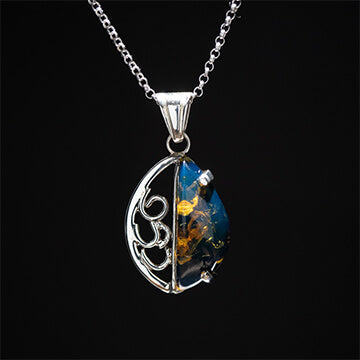
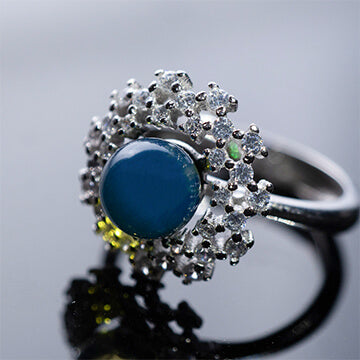
Handcrafted in DR.

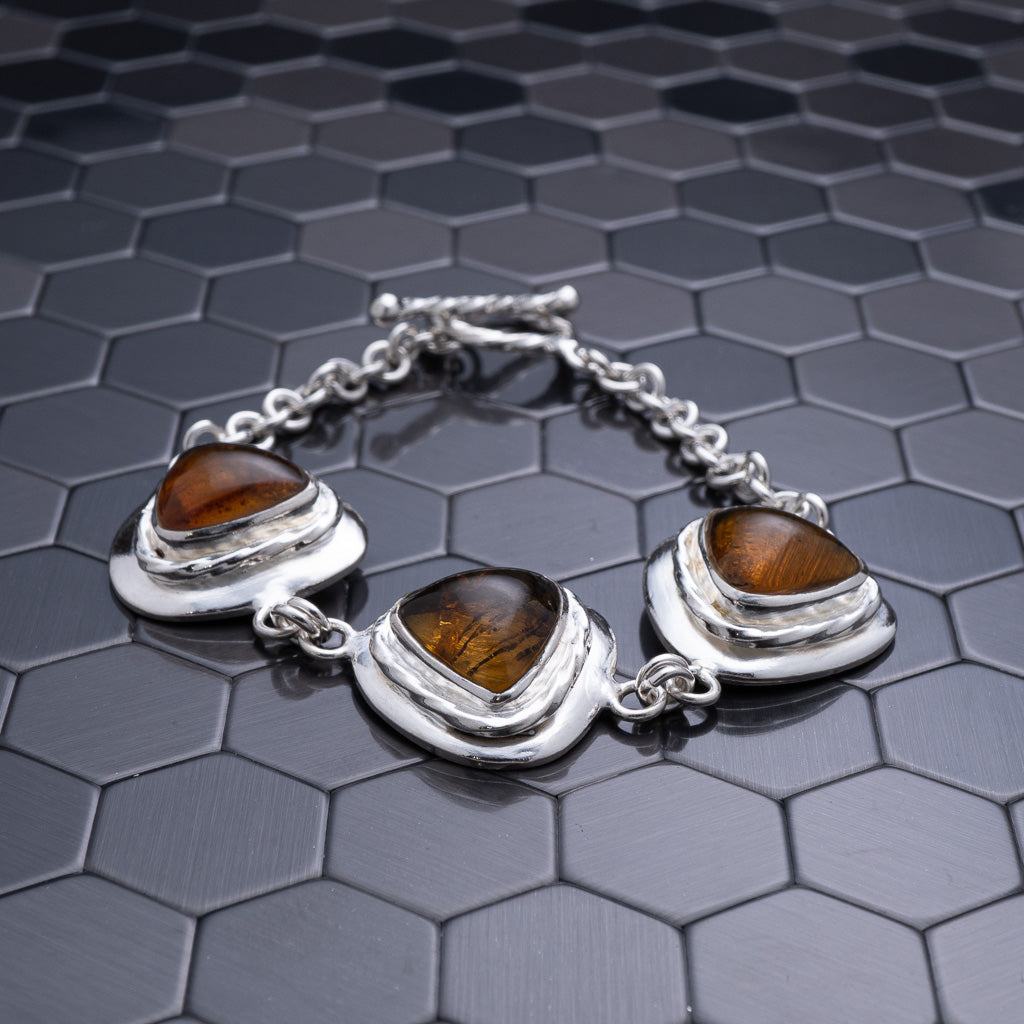
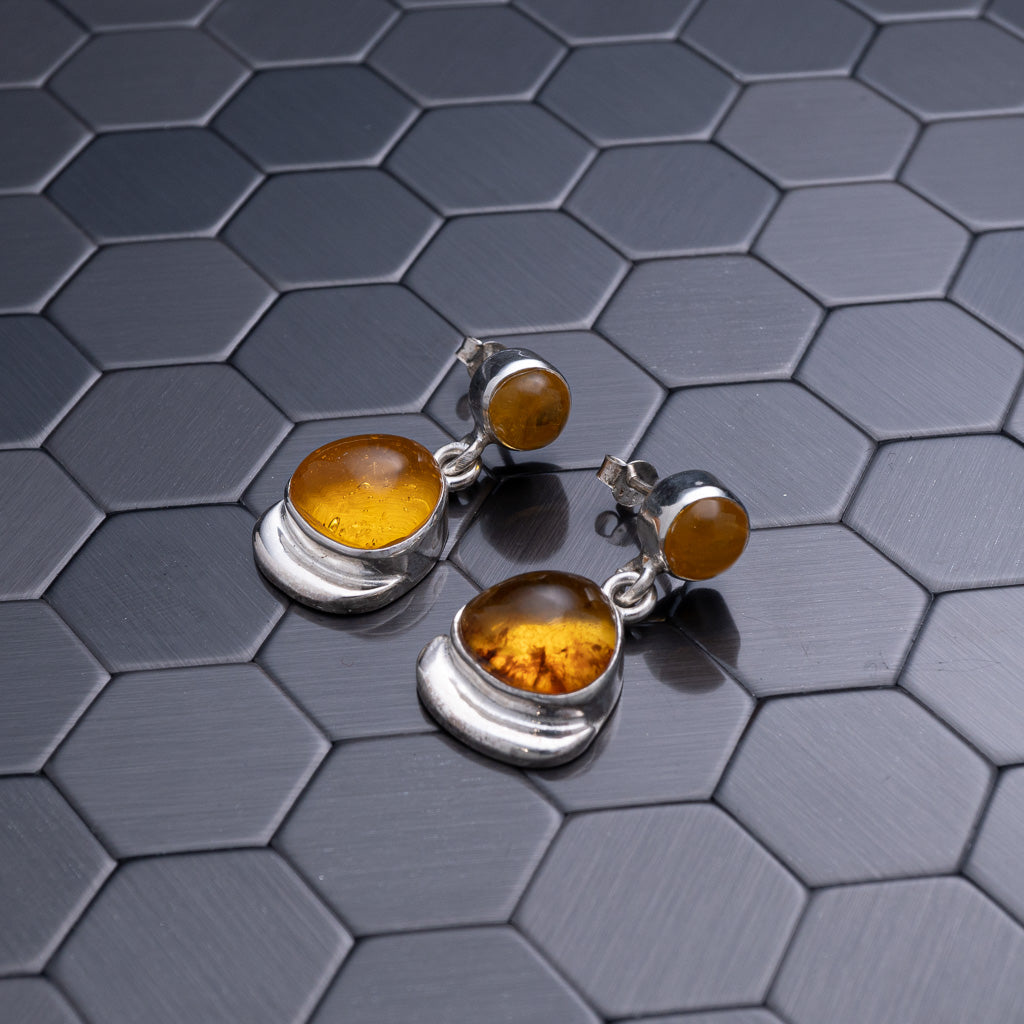


100% Handcrafted in DR.

Stone earrings have captivated jewelry enthusiasts for millennia, serving as powerful symbols of beauty, status, and personal expression. From ancient royalty adorning themselves with precious gems to contemporary fashion statements featuring rare and unique minerals, these timeless accessories continue to evolve while maintaining their essential appeal. Understanding the rich history, diverse materials, and proper care techniques for stone earrings empowers collectors and wearers to make informed choices and preserve their treasured pieces for generations.
The story of stone earrings begins thousands of years ago in ancient civilizations where jewelry served both decorative and symbolic purposes. Archaeological evidence reveals that earplugs were among the earliest forms of ear ornamentation, with various cultures developing unique styles that reflected their values and aesthetic preferences.
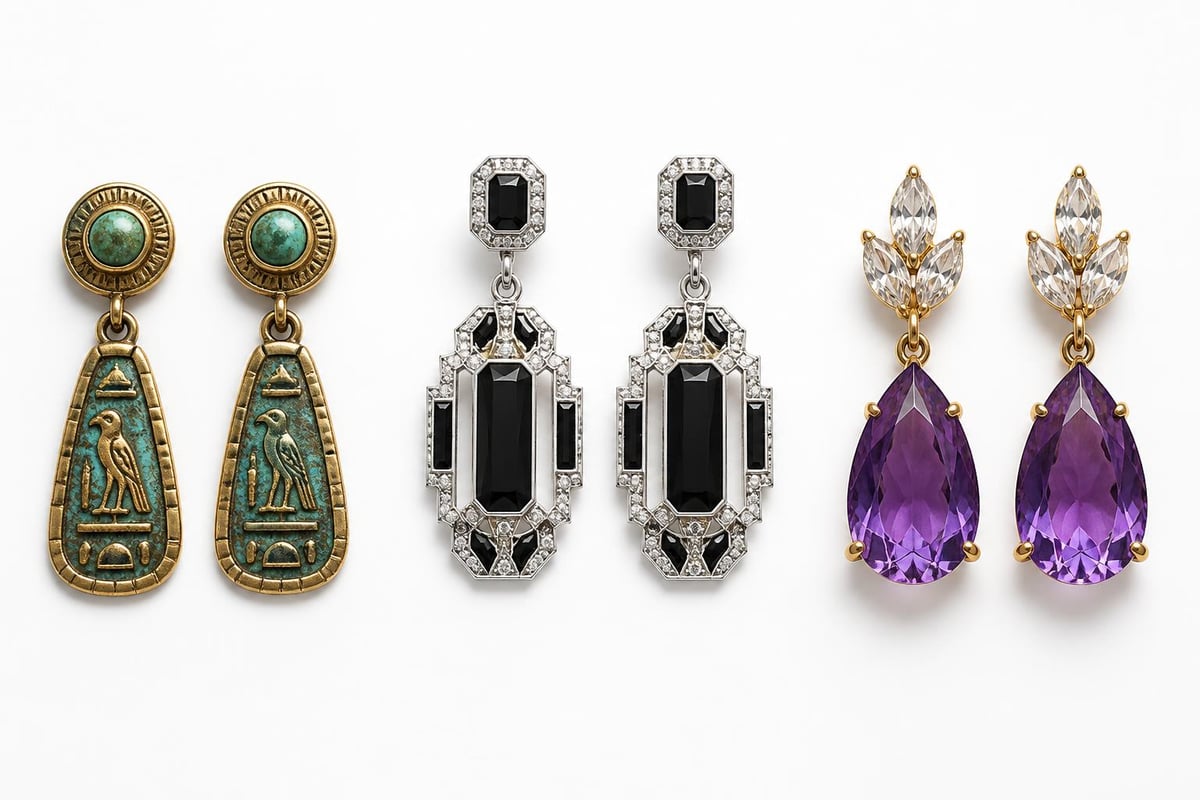
Ancient Mesopotamian and Egyptian societies particularly valued stone earrings as markers of wealth and divine favor. Queens and nobility wore elaborate pieces featuring lapis lazuli, carnelian, and turquoise set in precious metals. These weren't merely fashion accessories but representations of power and spiritual connection.
The transformation of stone earrings accelerated during the Renaissance period when European artisans developed sophisticated cutting and setting techniques. The Georgian and Victorian eras witnessed remarkable craftsmanship in paste stone jewelry, which offered elegant alternatives to costlier precious stones while maintaining aesthetic appeal.
By the 18th century, diamond earrings had become symbols of ultimate luxury, but colored gemstones maintained their devoted following. Each era contributed distinct design elements:
The traditional "big four" precious stones continue dominating high-end earring designs. Diamonds, rubies, sapphires, and emeralds offer unparalleled brilliance and durability, making them ideal for daily wear pieces that retain value over time.
Characteristics of Precious Stone Earrings:
| Gemstone | Hardness (Mohs) | Primary Colors | Special Properties |
|---|---|---|---|
| Diamond | 10 | Clear, yellow, pink, blue | Exceptional brilliance |
| Ruby | 9 | Red, pink-red | Fluorescence under UV |
| Sapphire | 9 | Blue, pink, yellow, white | Star effect (asterism) |
| Emerald | 7.5-8 | Green | Unique internal gardens |
Beyond the traditional precious stones, a vast world of semi-precious and rare gemstones offers distinctive beauty and character. These materials enable artisans to create unique pieces that stand apart from conventional designs.
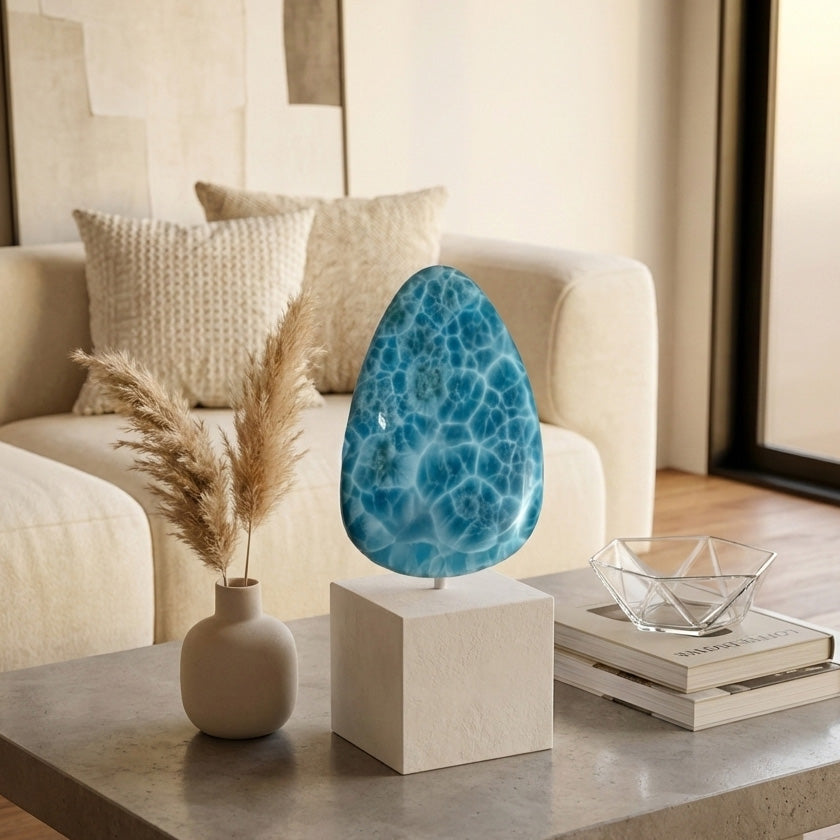
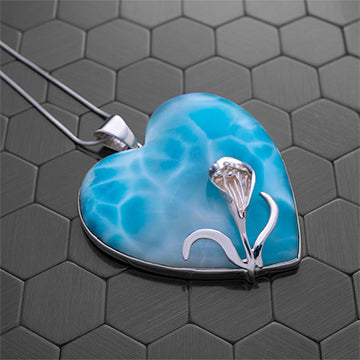
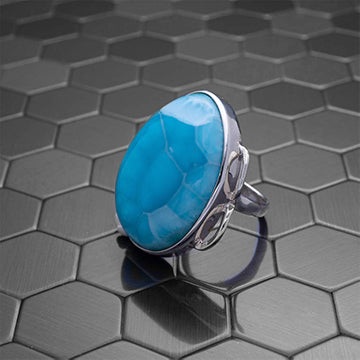
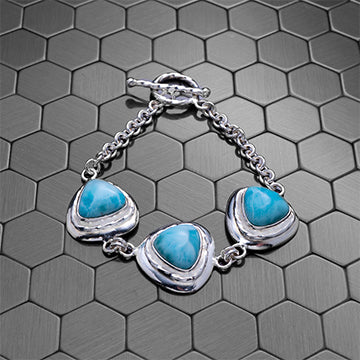
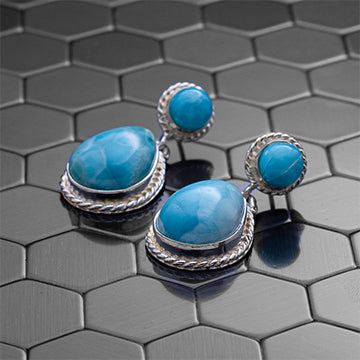
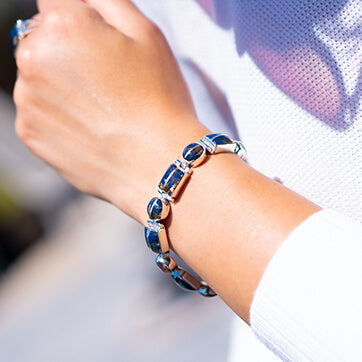
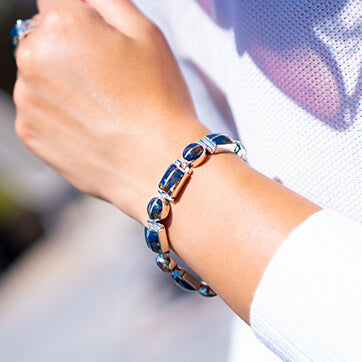
Larimar, found exclusively in the Dominican Republic, represents one such exceptional choice. This rare blue stone captures the essence of Caribbean waters and sky, making it particularly sought-after for statement earrings. The rarity of Larimar contributes to its desirability among collectors seeking truly unique pieces.
Other notable stones include:
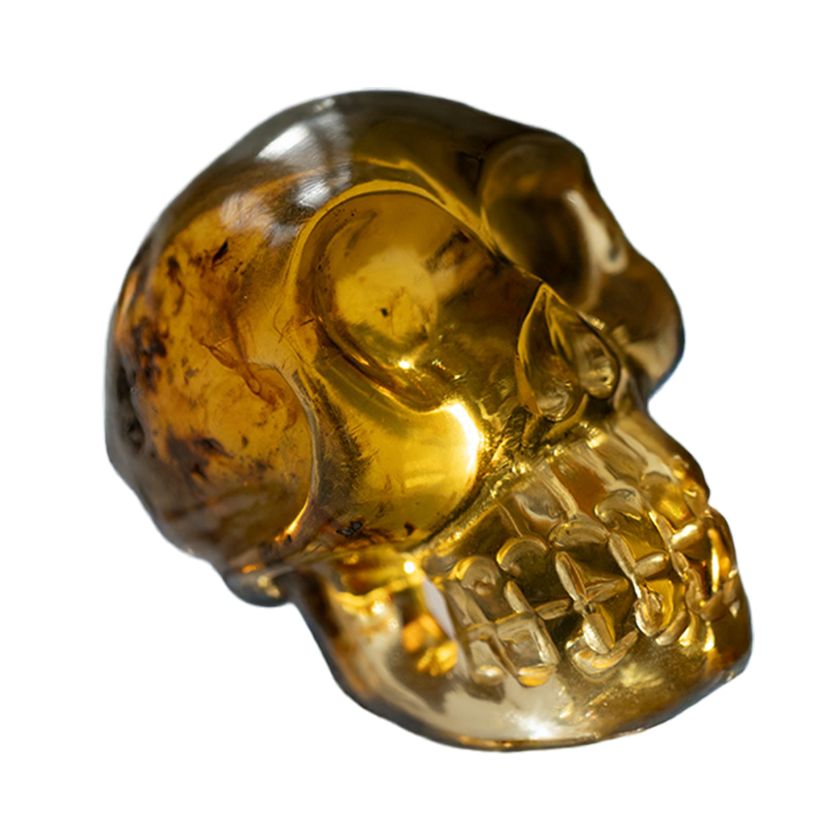
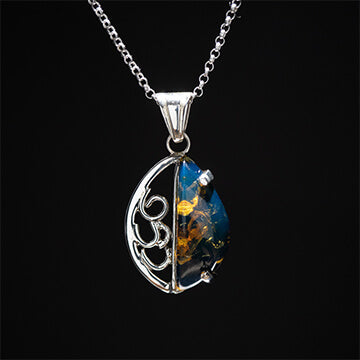
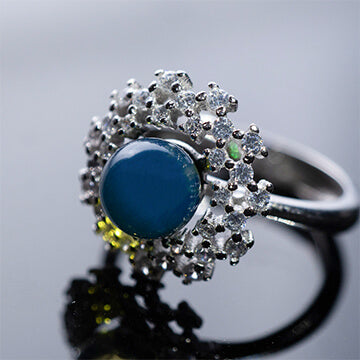
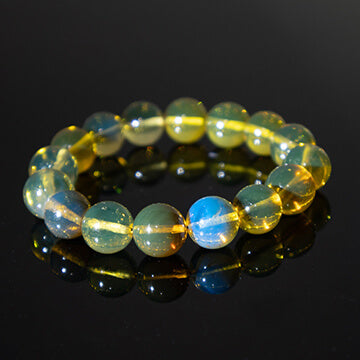
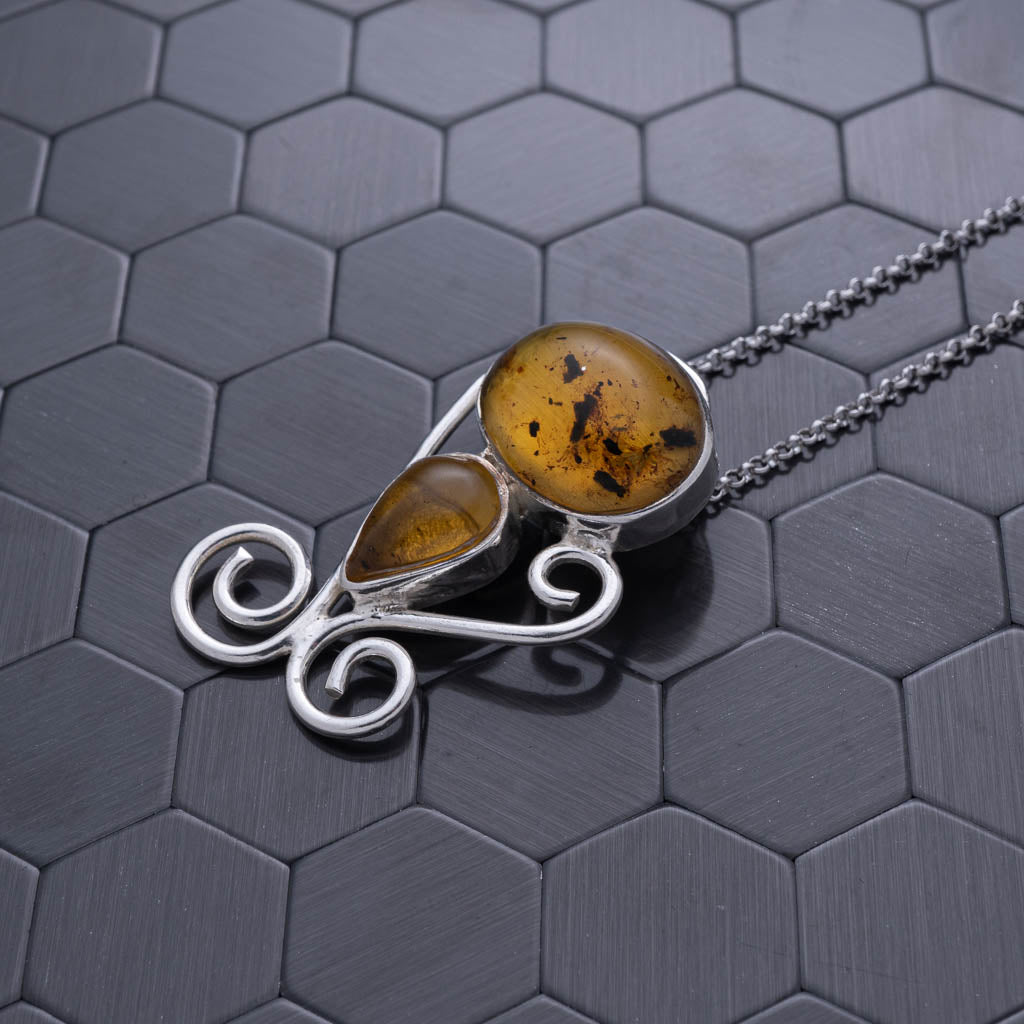
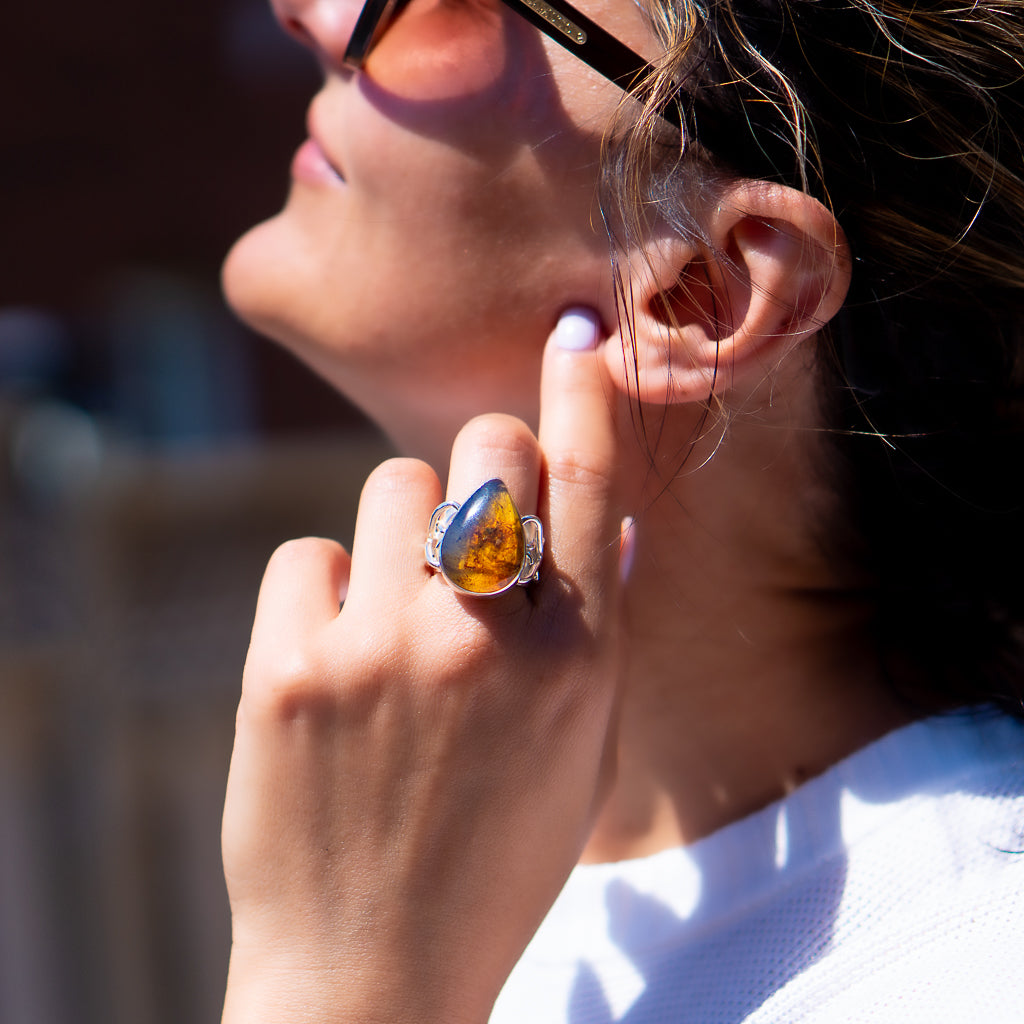
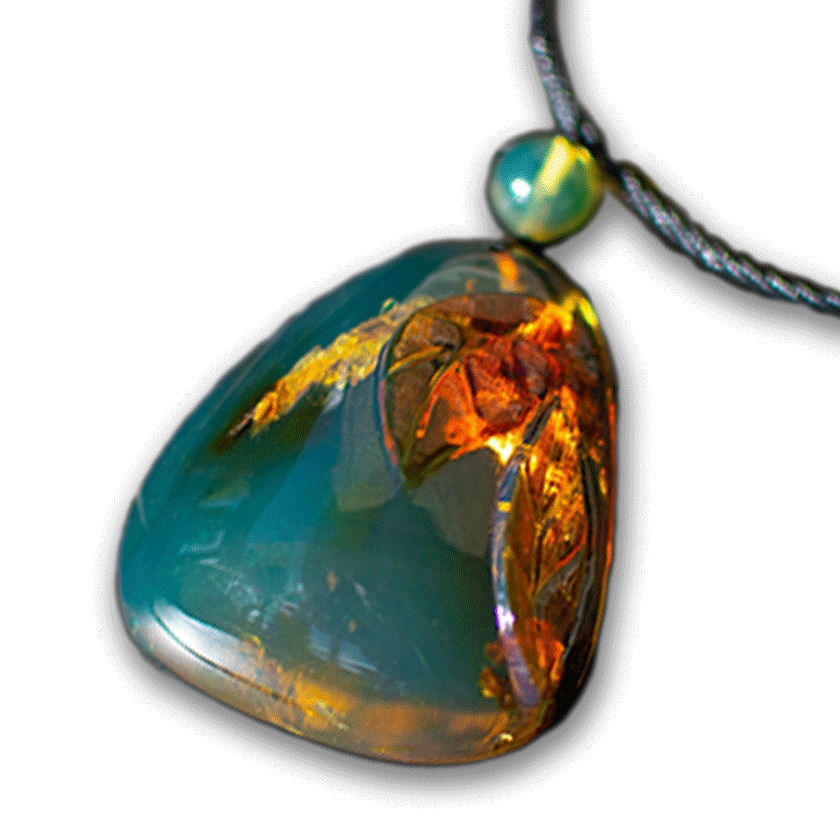
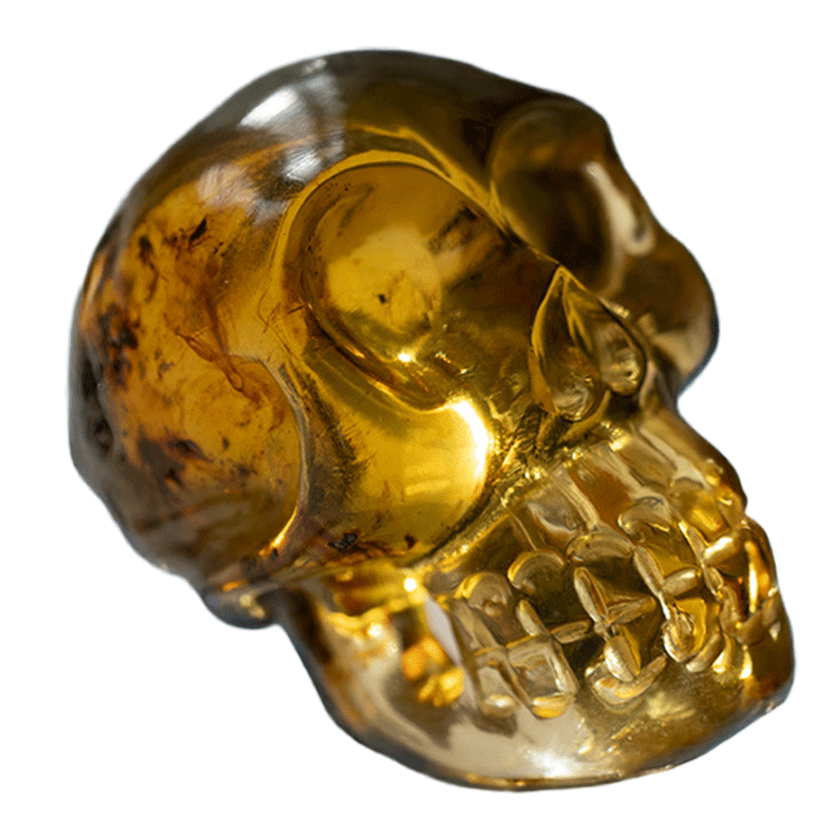
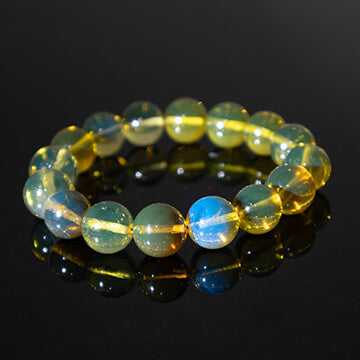
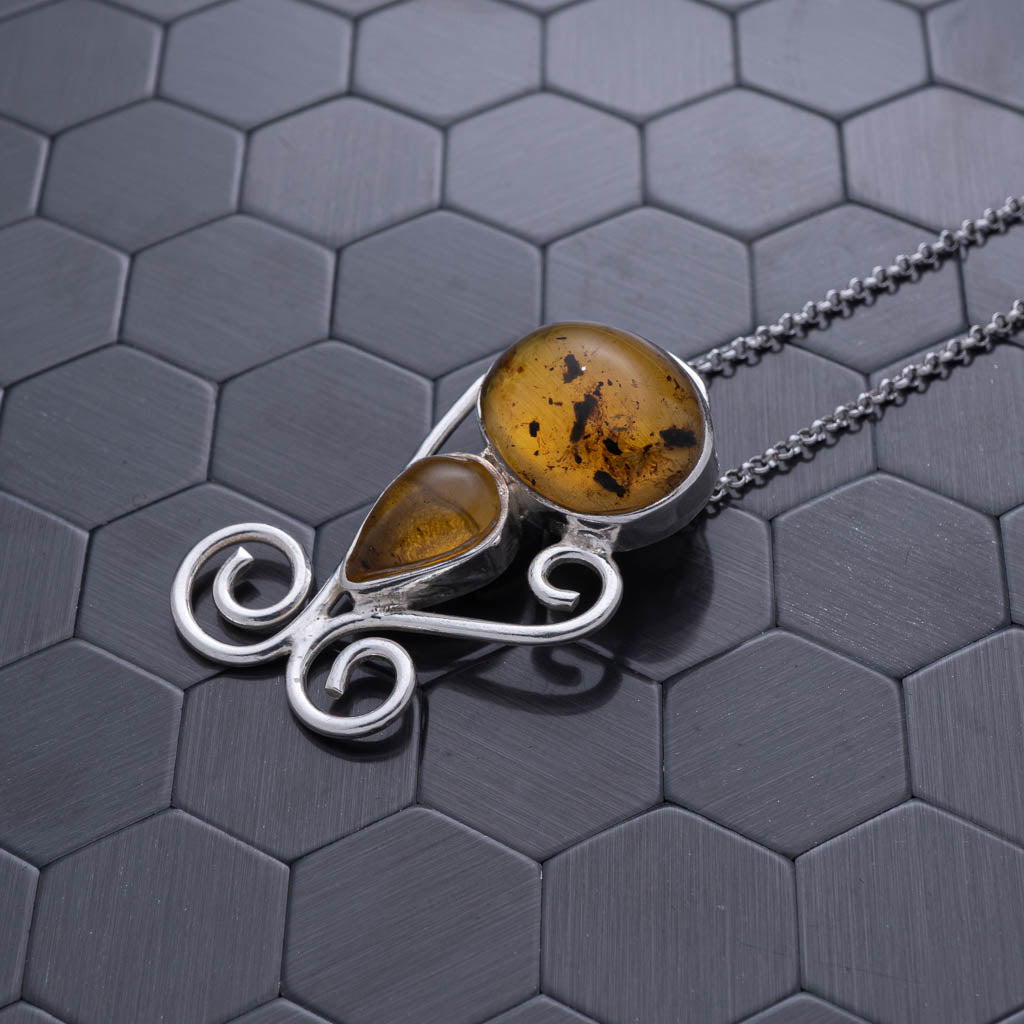
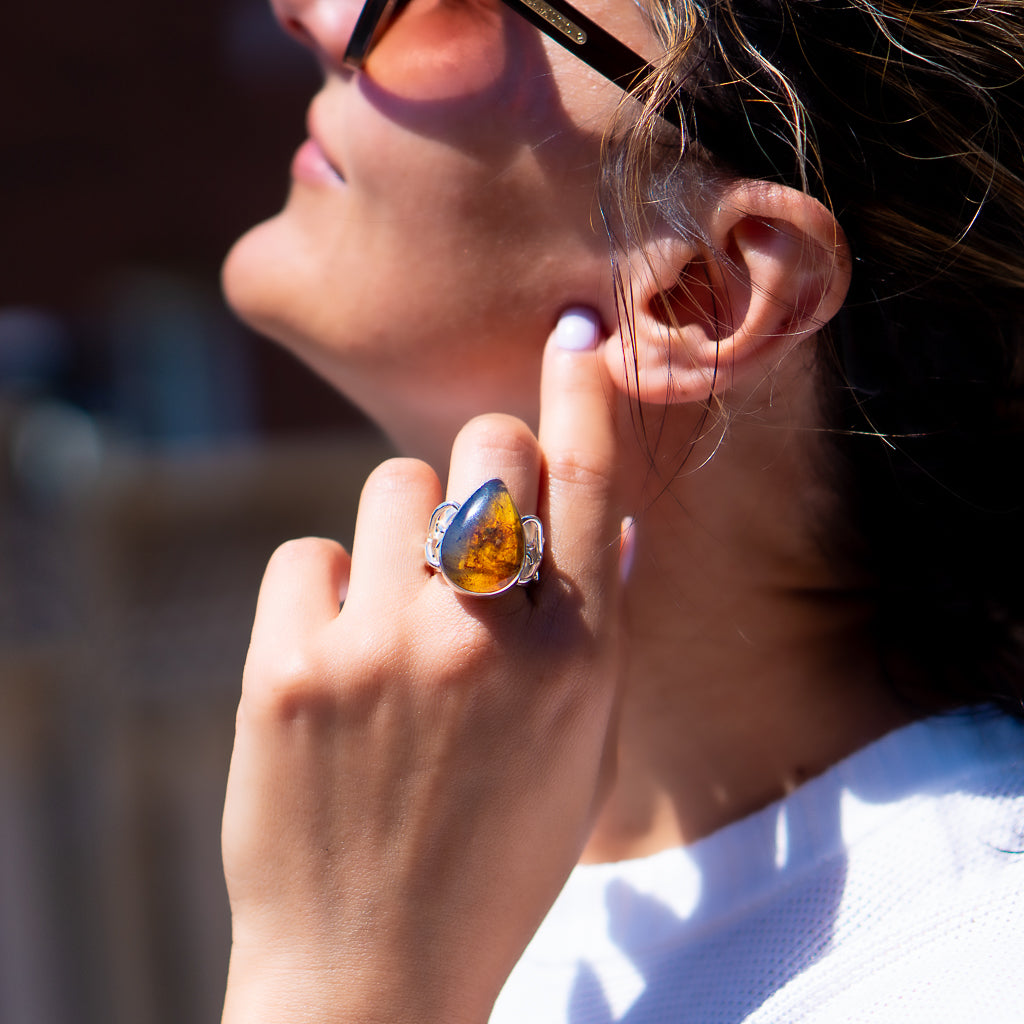
Dominican Blue Amber presents another extraordinary option for stone earrings. This fossilized tree resin displays remarkable fluorescence under UV light, transforming from honey tones to brilliant blues. Artisans at Larimar Creations specialize in showcasing these rare Caribbean gemstones through expert craftsmanship.
Professional gemologists assess stones using the "Four Cs" framework originally developed for diamonds but applicable to all gemstones. Understanding these criteria helps buyers make informed decisions when purchasing stone earrings.
The Four Cs Applied to Colored Stones:
Natural stones display characteristic inclusions that distinguish them from synthetic alternatives. These internal features, when minimal, actually verify authenticity without detracting from beauty.
The metal setting significantly impacts both the aesthetic and durability of stone earrings. Different metals complement various stone colors while providing structural support.
Post, lever-back, and hook closures each offer distinct advantages. Lever-back and screw-back mechanisms provide enhanced security for valuable pieces, while hooks suit lightweight designs.
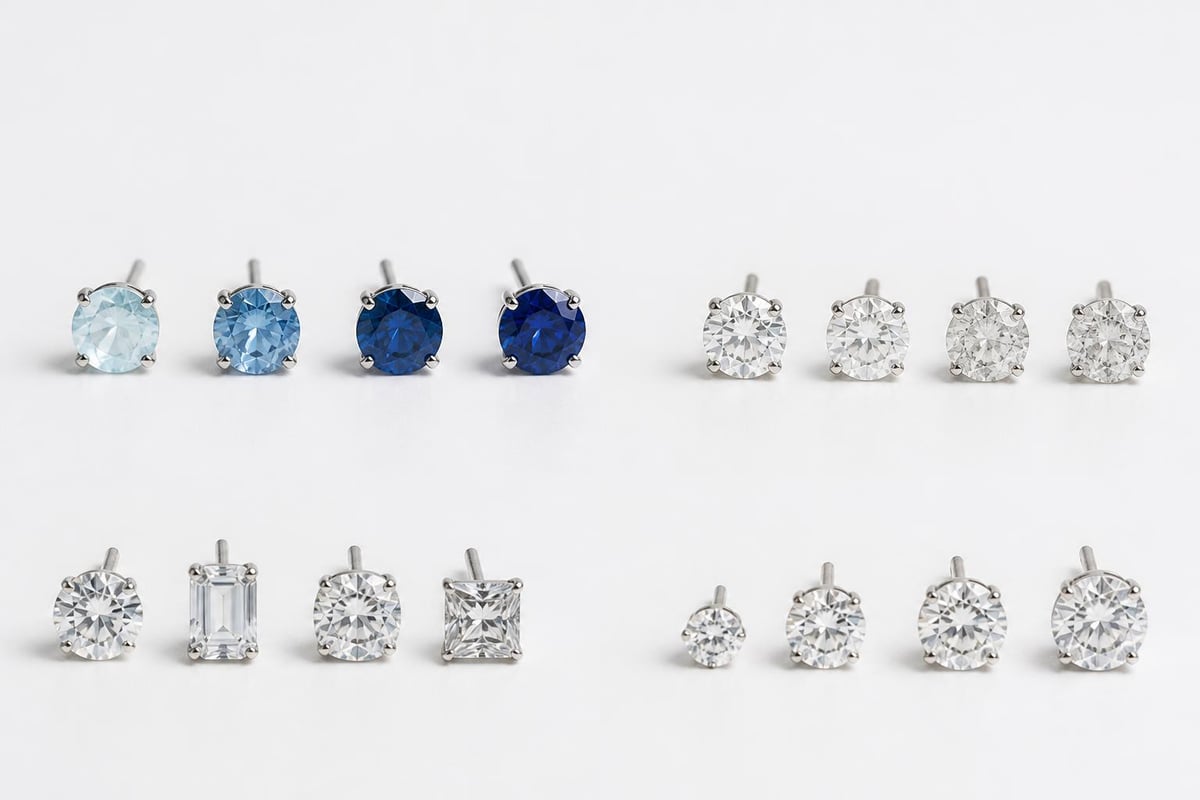
Understated elegance defines appropriate stone earrings for corporate environments. Smaller studs or modest drop earrings in classic gemstones project professionalism without distraction.
Business-Appropriate Choices:
Evening events and celebrations offer opportunities to showcase bolder stone earrings that make statements. Larger stones, dramatic drops, and vibrant colors enhance formal attire.
Chandelier earrings featuring cascading stones create movement and catch light beautifully under evening illumination. Statement pieces in rare stones like larimar or tanzanite become conversation starters at sophisticated gatherings.
Durable stones in comfortable settings suit daily wear. Consider lifestyle factors when selecting everyday stone earrings to ensure longevity and practicality.
The benefits of wearing certain gemstones extend beyond aesthetics, with many believers attributing calming and balancing properties to specific stones worn regularly.
Different gemstones require specific cleaning approaches based on their hardness, porosity, and chemical composition. The International Gem Society provides comprehensive guidelines for maintaining various stone types.
Cleaning Methods by Stone Category:
| Stone Category | Safe Cleaning Method | Avoid | Frequency |
|---|---|---|---|
| Hard stones (Diamond, Sapphire, Ruby) | Warm soapy water, soft brush | Harsh chemicals | Weekly |
| Medium stones (Amethyst, Citrine) | Gentle soap solution | Ultrasonic cleaners | Bi-weekly |
| Soft/Porous stones (Opal, Turquoise, Larimar) | Damp soft cloth only | Water immersion | As needed |
| Organic materials (Pearl, Amber) | Dry soft cloth | All liquids | After each wear |
Proper storage prevents scratches, tangling, and chemical exposure that degrade stone earrings over time. According to comprehensive jewelry care advice, separation and controlled environment are essential.
Individual compartments or soft pouches prevent harder stones from scratching softer ones. Store stone earrings away from direct sunlight, which can fade certain gemstones like amethyst and kunzite over extended periods.
Storage Checklist:
Regular professional inspections ensure settings remain secure and stones stay properly mounted. Jewelers check prong integrity, clean hard-to-reach areas, and identify potential issues before stones become loose.
Schedule professional cleaning and inspection:
Heritage Fine Jewelers emphasizes that preventive maintenance costs far less than repairing or replacing lost stones from neglected settings.
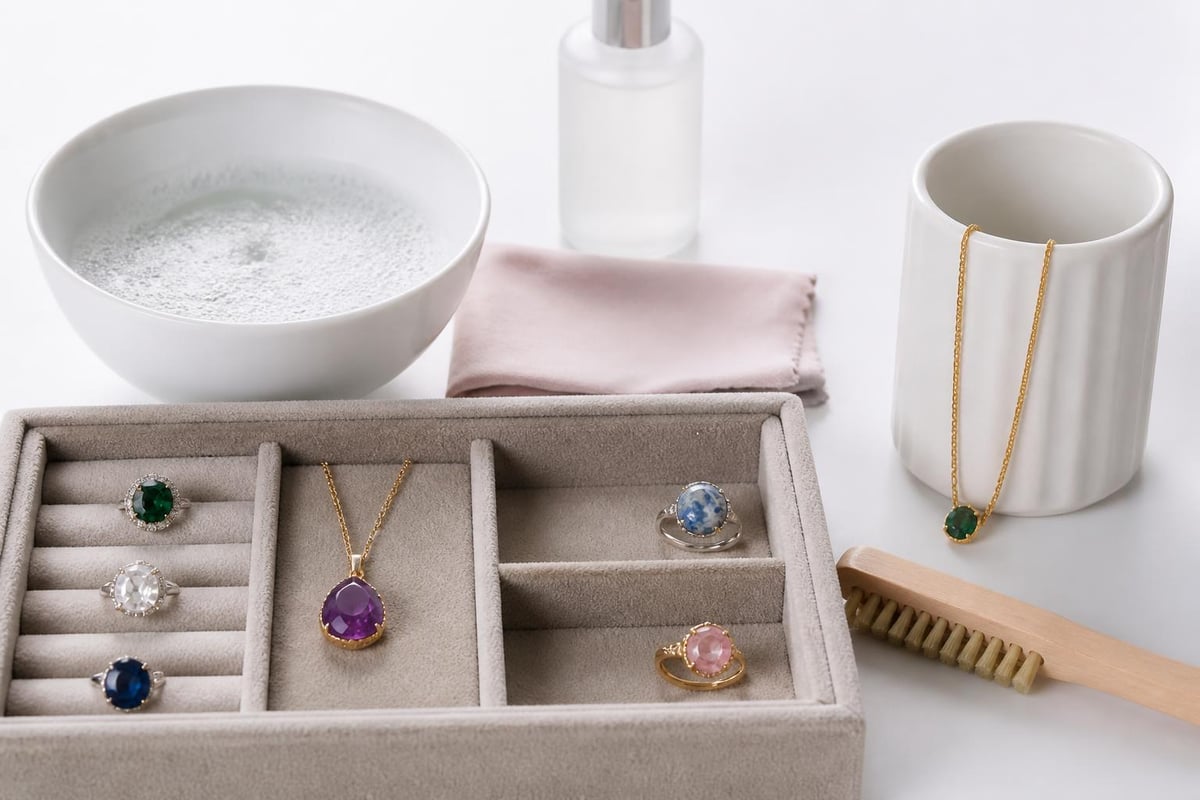
Many jewelry enthusiasts choose stone earrings based on birth month associations, creating personal connections to their accessories. Birthstone earrings carry symbolic meanings that add sentimental value beyond aesthetic appeal.
Building a collection of stone earrings around personal significance creates an emotional investment beyond monetary value. Consider acquiring pieces that commemorate:
Artisans crafting Larimar Pendants and matching earrings often note how customers seek coordinated sets that tell cohesive personal stories through rare Caribbean gemstones.
While most jewelry purchases prioritize personal enjoyment over investment potential, certain stone earrings appreciate over time. Rarity, provenance, craftsmanship quality, and market demand all influence future value.
High-Value Characteristics:
Current gemstone markets show strong interest in ethically sourced and geographically unique stones. Consumers increasingly value traceability and sustainable mining practices, driving demand for artisan-crafted pieces featuring responsibly obtained materials.
Caribbean gemstones like larimar and Dominican blue amber have experienced steady appreciation due to their extreme geographic limitation. Similarly, pieces from small-scale artisan workshops command premiums over mass-produced alternatives.
Mass-produced jewelry cannot replicate the attention to detail and unique character found in handcrafted stone earrings. Artisan jewelers select individual stones based on color match, optimize settings for each gem's specific dimensions, and ensure superior finishing.
Handcrafted pieces from specialized studios like those creating rare blue stones jewelry demonstrate unmatched quality in stone selection and setting execution. Each pair receives individual attention throughout the creation process.
Working directly with jewelers enables complete personalization of stone earrings. Custom commissions allow selection of:
The custom design process typically involves consultation, sketches or CAD renderings, stone selection, creation, and final adjustments. Timeline ranges from four weeks for simple designs to several months for complex pieces requiring special stone sourcing.
Modern stone earring designs reflect broader fashion trends while maintaining timeless appeal. Asymmetrical pairs, mixed metal combinations, and unconventional stone pairings characterize current innovative approaches.
2026 Design Trends:
Consumer awareness regarding mining practices and environmental impact influences purchasing decisions significantly. Artisan jewelers emphasizing sustainable sourcing, recycled metals, and transparent supply chains attract ethically conscious buyers.
Small-scale mining operations often provide better working conditions and environmental stewardship compared to industrial extraction. Supporting artisans who work directly with responsible miners creates positive impact throughout the supply chain.
Strategic selection based on facial structure enhances overall appearance and balance. Understanding which earring shapes complement specific face contours helps maximize aesthetic impact.
Oval Faces: Most versatile shape, suited to any stone earring style from studs to dramatic drops
Round Faces: Elongated designs like drops and dangles create slimming vertical lines
Square Faces: Rounded and curved designs soften angular jawlines
Heart-Shaped Faces: Wider bottom designs like teardrops balance narrow chins
Long Faces: Wider styles including clusters and buttons add horizontal proportion
Beyond shape considerations, stone size should scale appropriately with overall facial features and personal frame. Petite individuals typically find smaller stones more proportionate, while bolder features support larger statement pieces.
Coordinating stone earrings with necklaces, bracelets, and rings requires balancing repetition with variety. Exact matching can appear overly coordinated, while thoughtful complementary choices create sophisticated ensembles.
Coordination Strategies:
Some collectors build suites of matching stone jewelry, while others prefer eclectic combinations that reflect personal style evolution. Neither approach is superior; preference depends on individual aesthetic sensibilities.
Multiple ear piercings enable creative stone earring combinations. When wearing several pairs simultaneously, vary sizes and create intentional progression from larger primary pieces to smaller accent studs.
Mixing stone types across multiple piercings adds visual interest while maintaining cohesion through metal choice or color family. Consider the overall effect from both close proximity and distance when planning multi-earring arrangements.
Stone earrings represent timeless investments in beauty, craftsmanship, and personal expression that transcend fleeting fashion trends. By understanding historical context, quality indicators, proper care techniques, and styling principles, collectors build meaningful jewelry wardrobes that provide lasting enjoyment. Whether you're drawn to classic precious stones or seeking rare Caribbean gemstones like larimar and Dominican blue amber, Larimar Creations offers expertly handcrafted pieces showcasing exceptional stones with worldwide shipping to bring these treasures to discerning collectors everywhere.