Your Cart is Empty

Stone necklaces have adorned humanity for thousands of years, serving as symbols of status, spirituality, and personal expression. From ancient civilizations that valued precious gems for their protective properties to modern fashion enthusiasts embracing the earthy aesthetic, these timeless accessories continue to captivate jewelry lovers worldwide. Whether you're drawn to the calming blues of ocean-inspired stones or the vibrant hues of crystalline formations, understanding the history, significance, and styling potential of stone necklaces can transform how you choose and wear these beautiful pieces.
The story of stone necklaces begins in prehistoric times, when early humans adorned themselves with naturally occurring materials. Archaeological evidence reveals that necklaces date back to the Stone Age, with our ancestors using shells, bones, and stones to create decorative pieces. These early adornments served multiple purposes beyond mere decoration, functioning as status symbols, protective talismans, and markers of tribal affiliation.
Ancient Egyptian civilization elevated stone necklaces to extraordinary levels of craftsmanship and significance. The Egyptians believed specific stones possessed magical properties, with lapis lazuli representing the heavens and carnelian symbolizing life force energy. Pharaohs and nobility wore elaborate collar necklaces featuring turquoise, emeralds, and other precious stones, both as displays of wealth and as spiritual protection for the afterlife.
Different cultures developed unique relationships with stone necklaces, imbuing them with distinct meanings and purposes. In ancient Rome, citizens wore specific stones to denote social rank, while Asian cultures incorporated jade necklaces into ceremonial practices and daily wear. The tradition of birthstones emerged from these ancient beliefs, assigning specific stones to calendar months based on astrological and biblical traditions.
Indigenous communities worldwide developed sophisticated stone jewelry traditions long before European contact. Native American tribes crafted turquoise necklaces with spiritual significance, while Maori artisans in New Zealand worked jade into intricate pendant designs representing ancestry and connection to the land. These cultural traditions continue to influence contemporary jewelry design, reminding us that stone necklaces carry stories that transcend mere fashion.
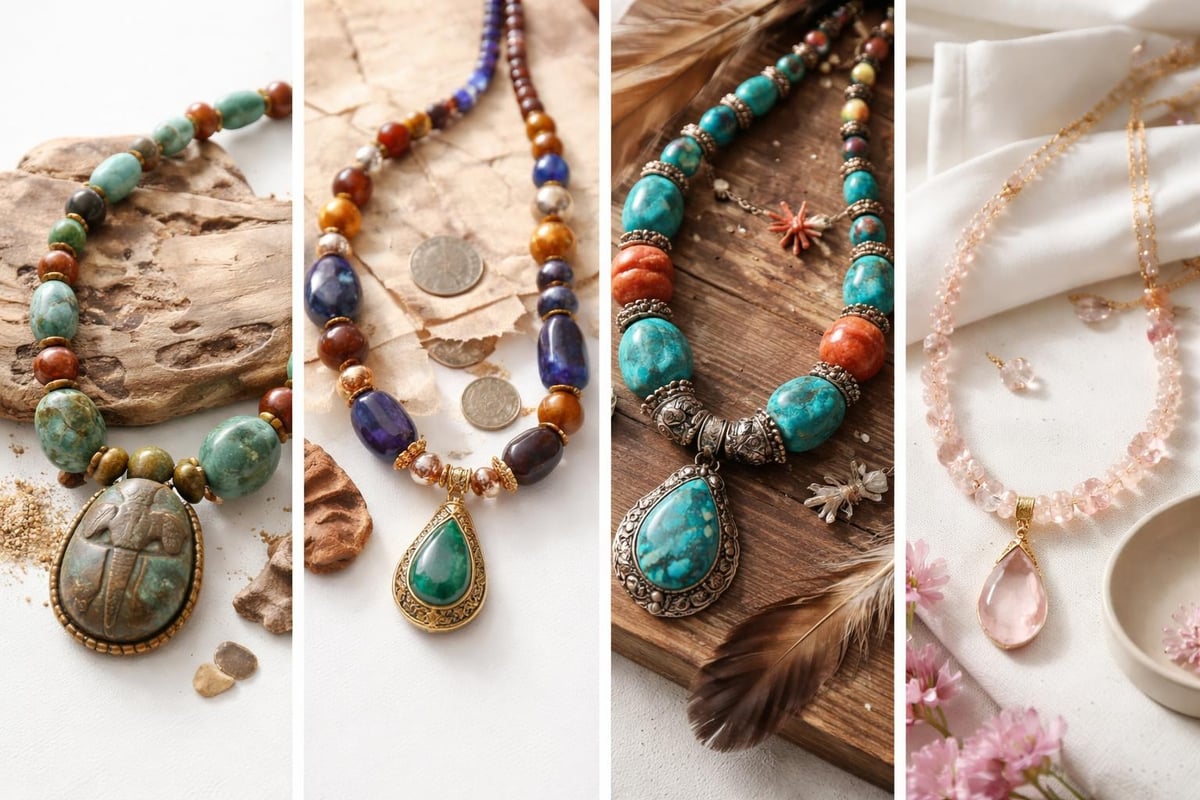
The diversity of stones available for necklaces reflects nature's spectacular color palette and geological creativity. Understanding the characteristics of different stone types helps jewelry enthusiasts make informed choices aligned with their preferences and intentions.
The jewelry industry traditionally categorizes stones into precious and semi-precious classifications, though this distinction has become less rigid in modern design. Precious stones include diamonds, rubies, sapphires, and emeralds, valued for their rarity, durability, and brilliance. These stones command higher prices and have been historically associated with luxury and wealth.
Semi-precious stones encompass a vast array of beautiful options:
The distinction between precious and semi-precious has become increasingly arbitrary, as rare semi-precious stones like fine quality larimar can be more valuable than lower-grade precious stones. Modern jewelry appreciation focuses more on aesthetic appeal, craftsmanship, and personal connection than traditional hierarchies.
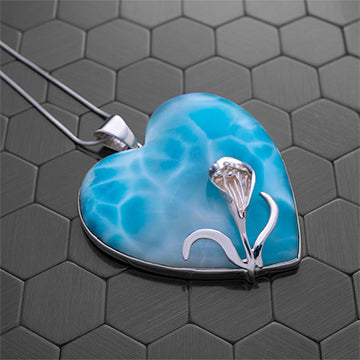
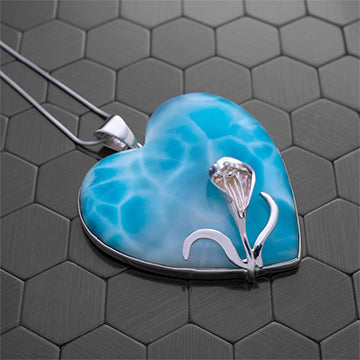
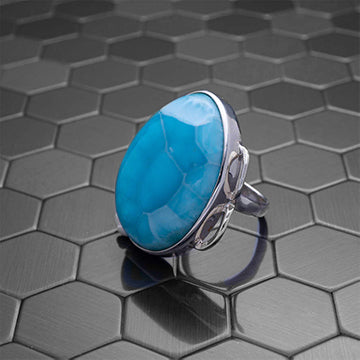
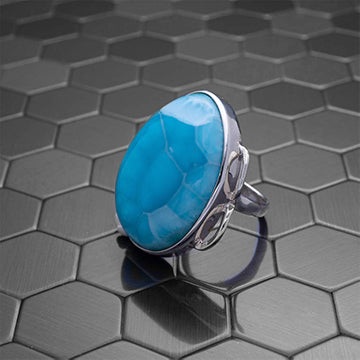
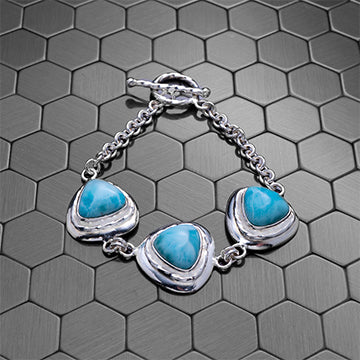
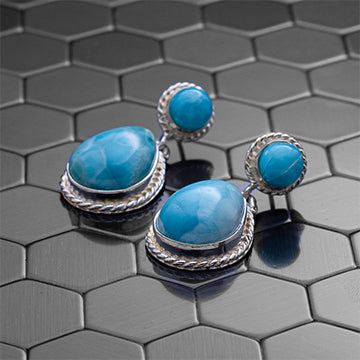
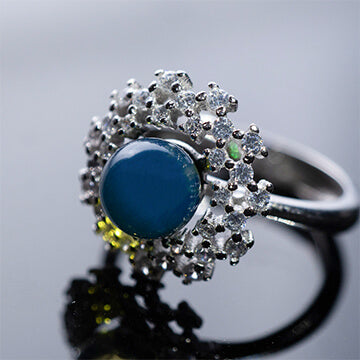
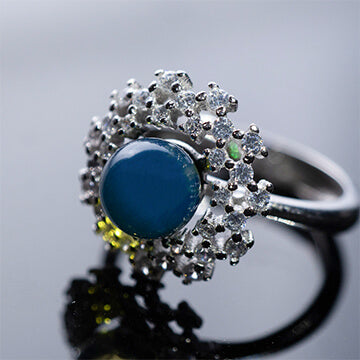
Certain stones stand out for their exceptional rarity and distinctive characteristics. Larimar, found exclusively in the Dominican Republic, exhibits mesmerizing blue hues reminiscent of Caribbean waters. This rare volcanic stone has gained recognition among collectors and jewelry enthusiasts for its unique coloration and limited geographic availability. Those seeking exceptional pieces can explore Larimar pendants that showcase this extraordinary gemstone's natural beauty.
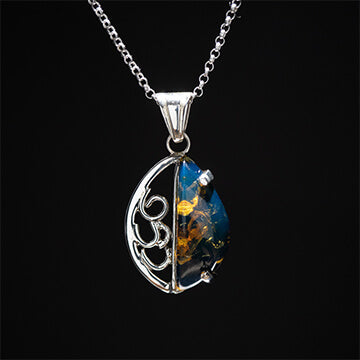
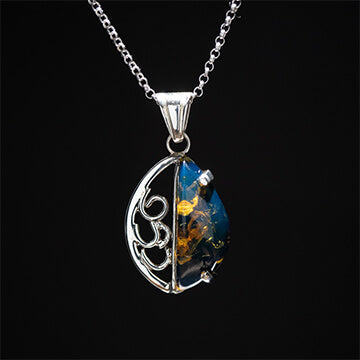
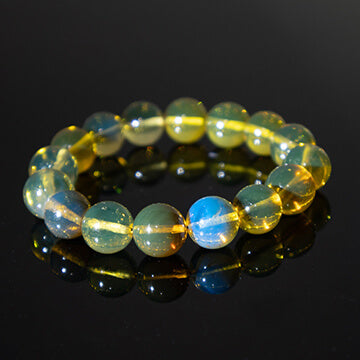
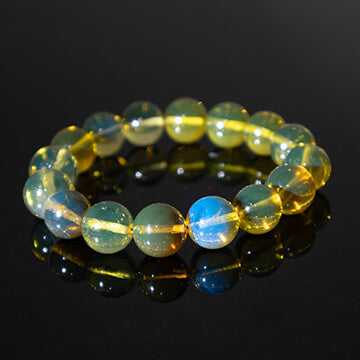
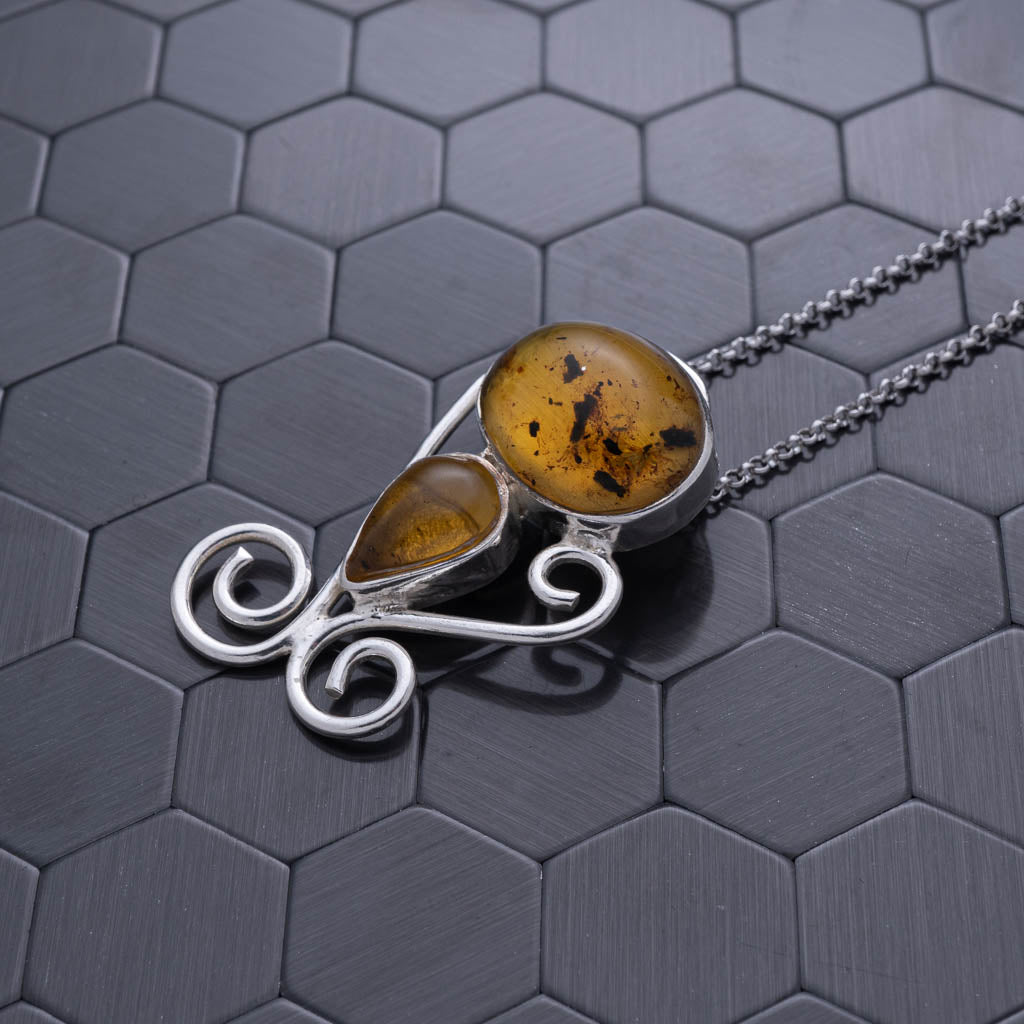
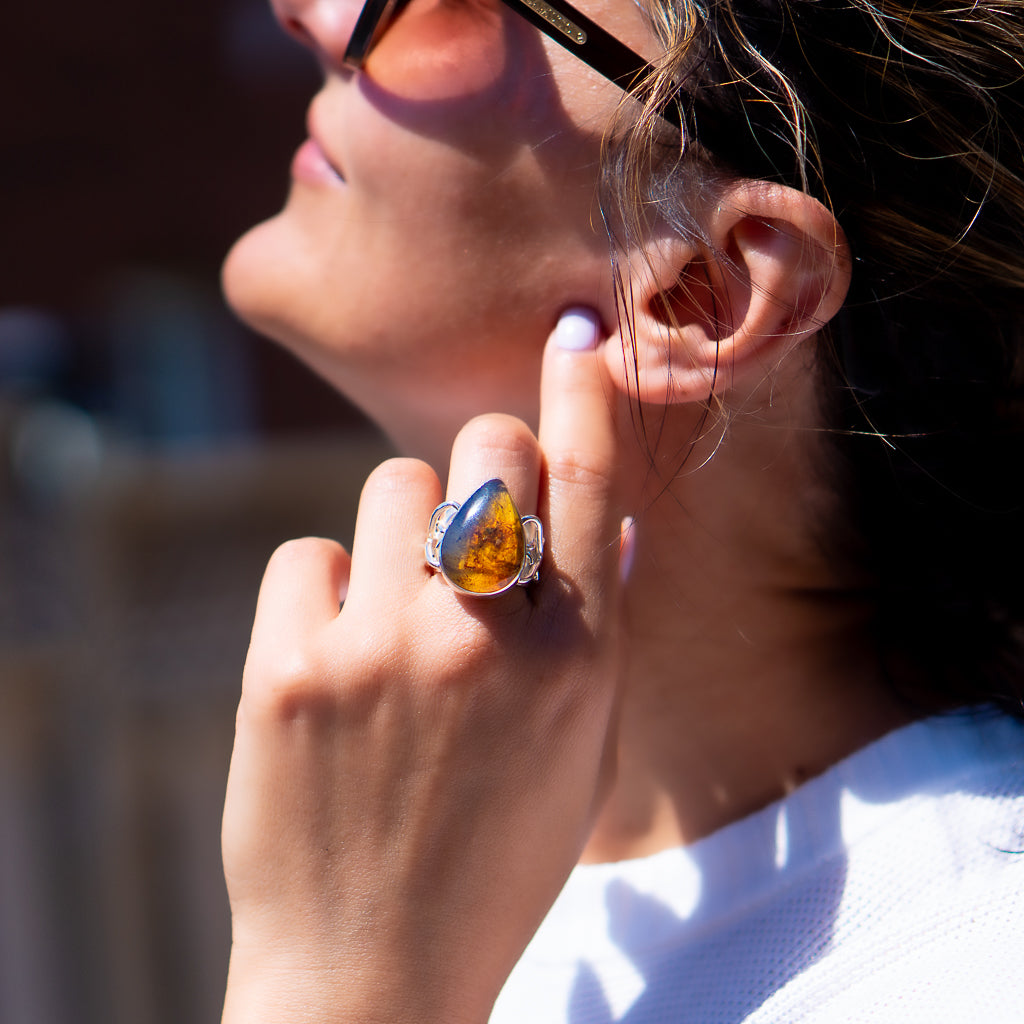
Dominican Blue Amber represents another remarkable rarity, displaying extraordinary blue fluorescence under UV light while appearing golden in natural light. This phenomenon occurs due to specific volcanic conditions present only in certain Dominican deposits, making authentic pieces highly sought after by connoisseurs.
| Stone Type | Hardness (Mohs) | Primary Colors | Notable Characteristics |
|---|---|---|---|
| Diamond | 10 | Clear, various | Hardest natural material |
| Sapphire | 9 | Blue, various | Excellent durability |
| Amethyst | 7 | Purple | Affordable beauty |
| Larimar | 4.5-5 | Blue, white | Exclusive to Dominican Republic |
| Opal | 5.5-6.5 | Multi-color | Iridescent play of color |
| Turquoise | 5-6 | Blue, green | Porous, requires care |
Stone necklaces carry layered meanings that blend historical symbolism, cultural traditions, and personal interpretation. Different stones are associated with specific qualities and intentions, allowing wearers to select pieces that resonate with their goals or emotional needs.
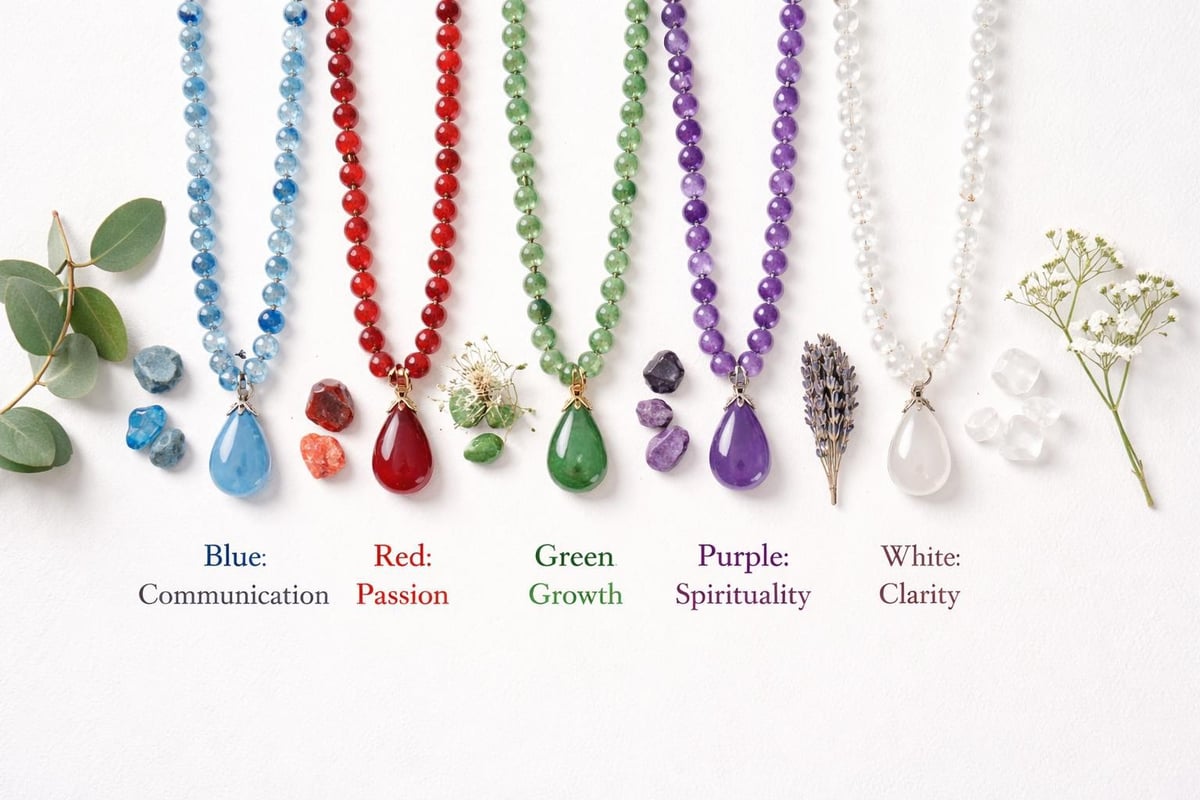
The color of a stone significantly influences its perceived meaning and energetic properties. Blue stones like sapphire, aquamarine, and lapis lazuli traditionally represent communication, tranquility, and wisdom. These cooling hues are thought to promote calm mental states and clear expression, making them popular choices for those seeking peace and clarity.
Red and pink stones carry associations with love, passion, and emotional vitality. Rubies symbolize romantic love and courage, while rose quartz embodies gentler forms of compassion and self-love. Green stones such as emerald and jade connect to growth, healing, and prosperity, reflecting nature's regenerative energy.
The symbolism of stone colors extends beyond individual stones to create intentional combinations. Purple stones like amethyst blend the stability of blue with the energy of red, representing spiritual awareness and transformation. White and clear stones symbolize purity, clarity, and amplification of intention.
Modern approaches to stone necklaces often emphasize personal resonance over traditional meanings. While historical associations provide guidance, the most meaningful stone is one that speaks to your individual preferences and experiences. Some wearers select stones based on cultural values and aesthetic significance, while others trust intuitive attraction to specific colors or textures.
The practice of setting intentions with stone necklaces involves consciously choosing pieces that align with specific goals or qualities you wish to cultivate. Whether you seek confidence, creativity, or connection, wearing a stone necklace can serve as a daily reminder of your intentions, functioning as both beautiful adornment and personal talisman.
The versatility of stone necklaces allows them to transition seamlessly between casual, professional, and formal settings. Understanding how to style these pieces maximizes their impact and ensures appropriate presentation for various contexts.
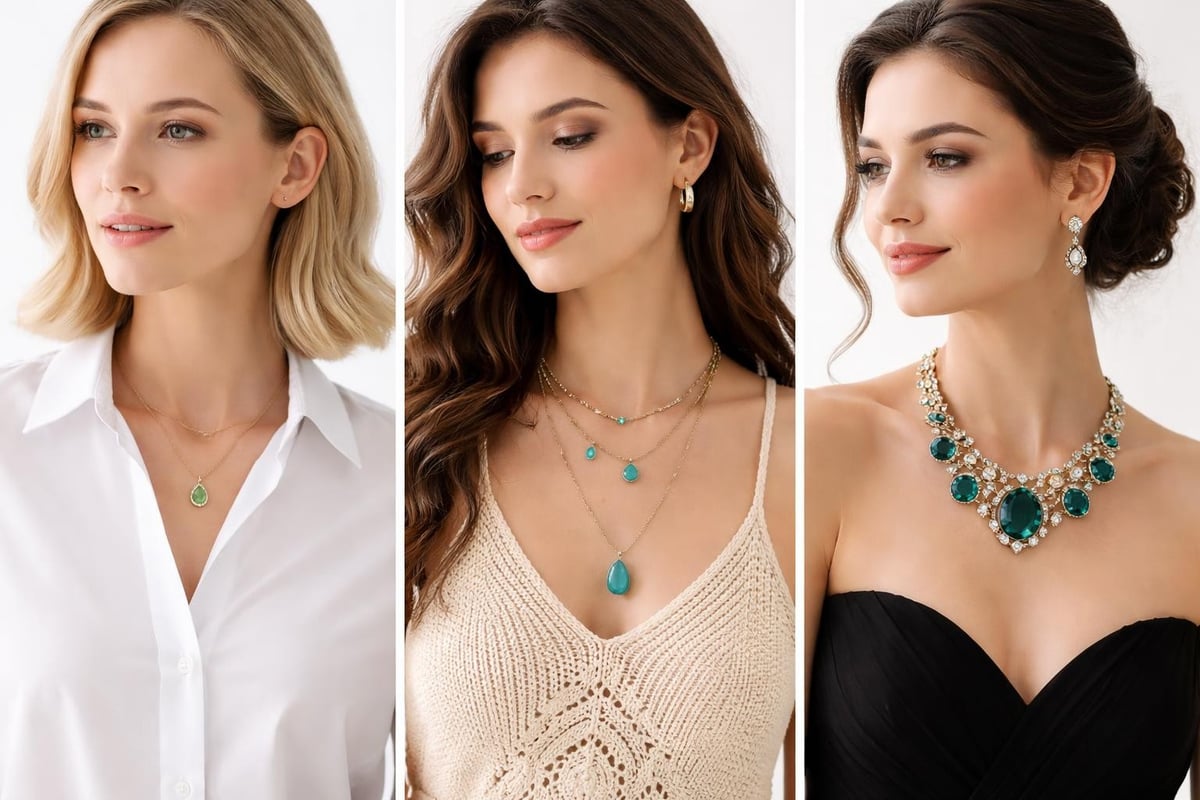
For daily wear, single-stone pendants offer understated elegance that complements casual outfits without overwhelming them. A simple stone pendant on a delicate chain pairs beautifully with t-shirts, blouses, and casual dresses. The key to successful casual styling lies in balance-let the stone be the focal point by keeping other jewelry minimal.
Layering multiple stone necklaces has become increasingly popular, creating dimension and visual interest. When layering, consider these principles:
Stone necklaces in earthy tones like amber, turquoise, and jasper particularly suit the current fashion trend toward natural aesthetics, making them perfect for bohemian and contemporary casual styles.
Professional environments require more restrained approaches to stone jewelry. Opt for sophisticated single-stone pendants in classic shapes-ovals, circles, or simple geometric cuts-that convey polish without distraction. Stones in neutral or deep colors such as onyx, deep blue sapphire, or smoky quartz maintain professional appearance while adding personality.
The neckline of your clothing significantly influences necklace selection for business wear:
| Neckline Style | Recommended Necklace Length | Best Stone Presentation |
|---|---|---|
| Crew Neck | 20-24 inches | Medium pendant below neckline |
| V-Neck | 18-20 inches | Stone follows V-shape |
| Button-Down | 16-18 inches | Delicate stone at collarbone |
| Scoop Neck | 18-24 inches | Versatile length options |
Formal occasions provide opportunities to showcase statement stone necklaces that capture attention and complement elegant attire. Bold collar necklaces featuring multiple stones create dramatic impact, while solitaire necklaces with larger gemstones offer timeless sophistication.
Consider the color and style of your formal wear when selecting stone necklaces. Emerald green stones beautifully complement black evening gowns, while sapphire blue creates striking contrast against silver or white formal wear. For warm-toned dresses in gold, champagne, or red, consider amber, citrine, or garnet stones that enhance rather than compete with the fabric.
Evening events also permit more elaborate settings and designs. Multi-strand stone necklaces, intricate beadwork incorporating various stones, and pieces combining stones with precious metals all suit formal contexts. The sophistication of your stone necklace should match the formality of the event, ensuring cohesive presentation.
Proper care extends the life and beauty of stone necklaces, preserving their appearance and structural integrity. Different stones require varying maintenance approaches based on their hardness, porosity, and chemical composition.
Hard stones like diamonds, sapphires, and rubies tolerate more robust cleaning methods. These durable stones can be cleaned with warm water, mild soap, and soft brushes without damage. Gently scrub around settings and stone surfaces, rinse thoroughly, and dry with lint-free cloth.
Softer stones demand gentler approaches. Stones rating below 7 on the Mohs hardness scale-including larimar, turquoise, and opal-should be cleaned only with damp cloth and minimal moisture. Avoid soaking these stones, as water absorption can cause discoloration or structural damage. Never use ultrasonic cleaners or harsh chemicals on softer stones.
Porous stones like turquoise and amber require special attention:
Proper storage prevents damage from scratching, tangling, and environmental exposure. Store each stone necklace individually in soft cloth pouches or separate compartment boxes. Prevent stones from touching metal or other jewelry pieces that might cause abrasion.
Environmental factors affect stone stability and appearance. Keep stone necklaces away from direct sunlight, which can fade certain stones like amethyst and kunzite. Maintain moderate humidity levels, as extreme dryness can cause cracking in some stones while excessive moisture promotes tarnishing of metal components.
Regular inspection helps identify potential problems before they become serious. Check clasps for security, examine settings for looseness, and look for signs of wear on chains or cords. Professional jewelers should assess valuable pieces annually, tightening settings and addressing wear issues to prevent stone loss.
The market for stone necklaces includes both genuine pieces and imitations, making educated purchasing decisions essential. Understanding quality indicators and authentication methods protects consumers from misrepresentation and ensures satisfaction with purchases.
Authentic stones display characteristics that distinguish them from synthetic or imitation materials. Natural stones often contain inclusions-internal features like mineral deposits or growth patterns-that prove natural origin. While flawless stones exist, perfect clarity at unusually low prices suggests synthetic or treated materials.
Weight provides another authenticity clue. Genuine stones have specific gravity that creates noticeable weight, while glass or plastic imitations feel lighter. Temperature sensitivity also differs-natural stones remain cool to touch initially, while plastic warms quickly when held.
Professional certification offers the most reliable authentication for valuable stones. Reputable gemological laboratories provide detailed reports documenting stone identity, treatments, and quality characteristics. For significant purchases, request certification or independent appraisal to verify authenticity and value.
The setting and construction quality significantly impact both appearance and durability of stone necklaces. Examine how securely stones are mounted-prongs should fully grip stones without gaps, while bezel settings should show smooth, even edges. Poor settings risk stone loss and indicate overall inferior craftsmanship.
Chain or cord quality matters equally to stone quality. Precious metal chains should show consistent links without thin spots or irregular spacing. Silk or leather cords should demonstrate even thickness and secure knotting. Clasps should operate smoothly and lock firmly, preventing accidental opening.
Handcrafted pieces often exhibit superior attention to detail compared to mass-produced items. Dominican handcrafted jewelry exemplifies artisanal quality, with skilled craftspeople dedicating attention to individual pieces that factory production cannot match. The slight variations in handmade jewelry actually increase uniqueness and value.
The stone necklace market in 2026 reflects growing consumer appreciation for natural materials, ethical sourcing, and unique designs. Modern buyers increasingly prioritize authenticity, sustainability, and meaningful connections with their jewelry.
Minimalist designs featuring single stones in simple settings dominate contemporary preferences, aligning with broader aesthetic movements toward intentional simplicity. These understated pieces work across wardrobe styles and occasions, offering versatility that appeals to practical consumers.
Conversely, bold statement necklaces incorporating multiple stones or large focal stones satisfy desires for distinctive, conversation-starting pieces. Fashion influencers embracing stone jewelry have popularized chunky designs that make definitive style statements, particularly in earthy, natural tones.
Customization and personalization represent growing market segments. Consumers increasingly seek pieces tailored to individual preferences, whether through birthstone selections, custom stone combinations, or personalized settings. This trend reflects desires for jewelry that tells personal stories rather than following generic designs.
Modern consumers demonstrate heightened awareness of jewelry sourcing ethics and environmental impacts. Responsible stone necklace producers provide transparency about stone origins, mining practices, and supply chain management. Ethical sourcing ensures fair labor practices, environmental protection, and community benefits in mining regions.
Sustainability extends beyond mining to encompass entire production processes. Artisans using recycled metals, minimizing waste, and employing eco-friendly techniques appeal to environmentally conscious buyers. The longevity of quality stone necklaces also supports sustainability-well-made pieces last generations, reducing consumption and waste.
Certification programs and industry standards help consumers identify ethically sourced stones. Organizations providing verification of responsible practices enable informed purchasing decisions aligned with personal values. As awareness grows, ethical sourcing increasingly influences buying choices alongside aesthetic preferences.
Developing a thoughtful stone necklace collection provides versatile options for different occasions, moods, and outfits. Strategic collecting ensures maximum wearability while reflecting personal style evolution.
Start your collection with versatile basics that complement multiple looks and contexts. A simple pendant featuring a neutral stone like white moonstone, clear quartz, or black onyx serves as an everyday staple. These pieces work across color palettes and formality levels, providing reliable options when uncertain about accessory choices.
Add a statement piece featuring your favorite color or most meaningful stone. This signature necklace expresses personality and becomes associated with your personal style. Whether you choose vibrant turquoise, elegant sapphire, or rare larimar, this piece should genuinely resonate with your aesthetic preferences.
Round out foundations with these collection essentials:
Once foundations are established, expand your collection strategically. Consider stones representing different color families to coordinate with various wardrobe colors. Experiment with different necklace lengths from chokers to opera-length strands, creating styling versatility.
Explore pieces from different cultural traditions and design aesthetics. Necklaces showcasing unique stones from specific geographic regions add diversity and storytelling potential to collections. Mixing contemporary and traditional designs creates visual interest and reflects broad appreciation for jewelry artistry.
Seasonal collecting allows periodic refreshment without overwhelming your collection. Summer might inspire acquisition of ocean-toned stones like aquamarine or larimar, while autumn could prompt earth-toned pieces featuring amber or jasper. This approach maintains collection freshness while preventing excessive accumulation.
Quality should always supersede quantity in collection building. One exceptional stone necklace provides more satisfaction and versatility than multiple mediocre pieces. Invest in craftsmanship and authentic stones that retain beauty and value over time, creating a collection that improves rather than merely grows.
Stone necklaces offer timeless beauty, rich symbolism, and remarkable versatility that transcends passing trends. Whether you're drawn to their historical significance, appreciate their natural aesthetics, or value their personal meanings, these extraordinary pieces deserve thoughtful selection and proper care. Larimar Creations specializes in authentic, handcrafted stone jewelry featuring rare Dominican gemstones, offering worldwide shipping so you can discover exceptional pieces that tell your unique story.