Your Cart is Empty

A stone on necklace represents more than just an accessory. It's a personal statement, a connection to nature, and often a meaningful symbol that carries significance through generations. Whether you're drawn to the calming blues of Caribbean gemstones, the fiery brilliance of precious stones, or the earthy elegance of organic minerals, understanding the nuances of gemstone necklaces helps you make informed choices that align with your style and values. This comprehensive guide explores everything from selection criteria to care techniques, ensuring your gemstone necklace remains a treasured piece for years to come.
The concept of wearing a stone on necklace dates back thousands of years, when ancient civilizations believed certain minerals held protective and healing properties. Today's gemstone necklaces combine this historical reverence with modern craftsmanship and design sensibilities.
Natural gemstones undergo extensive processes before becoming wearable art. Mining, cutting, polishing, and setting each require specialized expertise. The quality of these processes directly impacts the final appearance and durability of your stone on necklace.
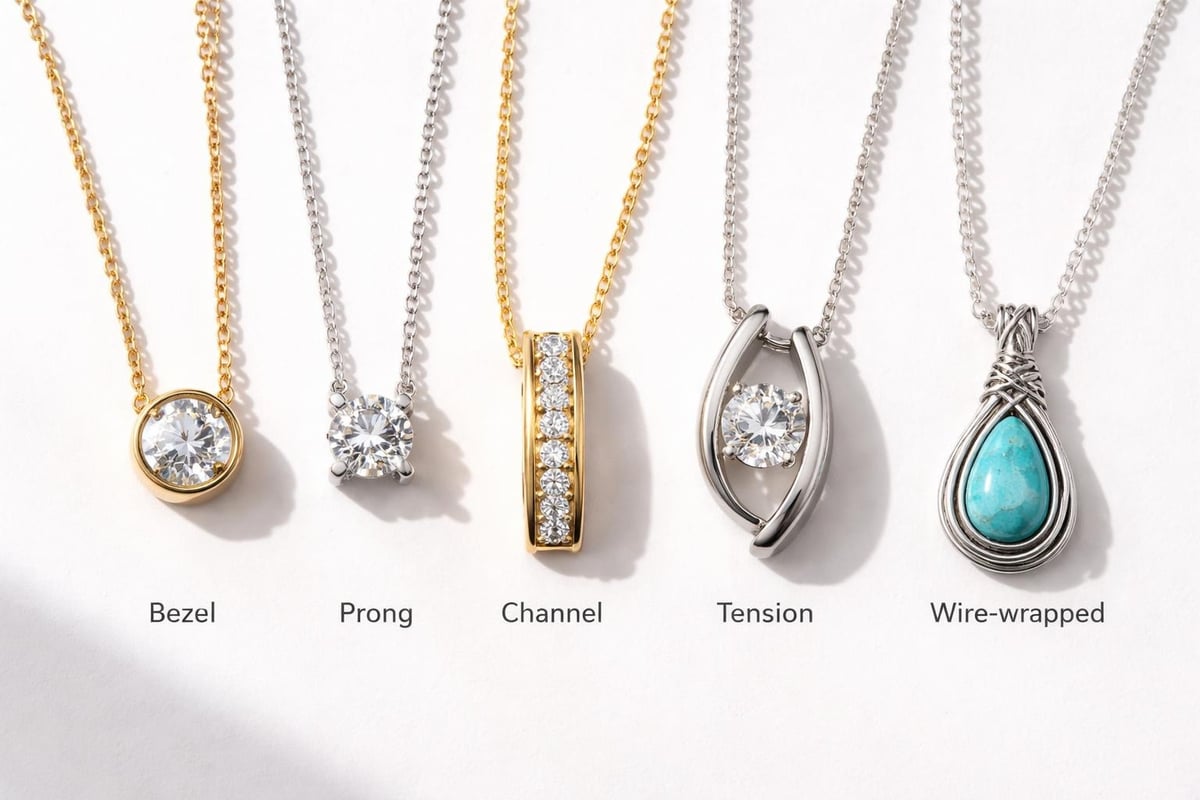
Different setting styles serve both aesthetic and practical purposes:
Each setting type affects how light interacts with your stone on necklace, influencing its overall brilliance and visual impact. Bezel settings work exceptionally well for softer stones that need protection, while prong settings showcase the natural beauty of transparent gemstones.
Choosing the right stone on necklace requires evaluating multiple factors beyond simple aesthetic preference. The decision becomes easier when you understand the characteristics that define gemstone quality and suitability.
| Quality Factor | What It Measures | Impact on Value |
|---|---|---|
| Color | Hue, tone, and saturation | Primary value driver for colored stones |
| Clarity | Internal and external flaws | Significant for transparent stones |
| Cut | Proportions and symmetry | Affects light performance and brilliance |
| Carat Weight | Physical mass of the stone | Larger stones generally more valuable |
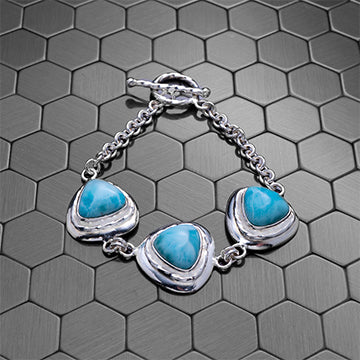
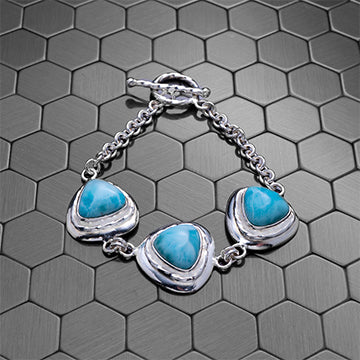
Color remains the most critical factor for most colored gemstones. A vibrant, evenly distributed hue typically commands higher prices than a larger stone with weak or uneven coloration. The unique blue coloration of Larimar exemplifies how distinctive color characteristics elevate a gemstone's desirability and market position.
The Mohs hardness scale helps determine whether a stone suits daily wear. Gemstones rating 7 or above generally withstand regular use without significant scratching or damage. Softer stones require more careful handling and protection.
Hardness categories for popular necklace stones:
Understanding these characteristics ensures your stone on necklace matches your lifestyle and wearing habits.
A well-chosen stone on necklace enhances your overall appearance when styled appropriately. The key lies in balancing the gemstone's characteristics with your outfit, occasion, and personal coloring.
Certain gemstone colors complement specific skin undertones more effectively than others. Warm-toned individuals typically shine in yellow, orange, and brown stones, while cool-toned people often prefer blue, purple, and green gemstones. Neutral undertones offer flexibility to wear virtually any stone on necklace successfully.
Caribbean-origin gemstones with their distinctive blue and green hues particularly flatter cool and neutral skin tones. These stones create striking contrast against warm complexions as well, demonstrating how guidelines serve as starting points rather than rigid rules.
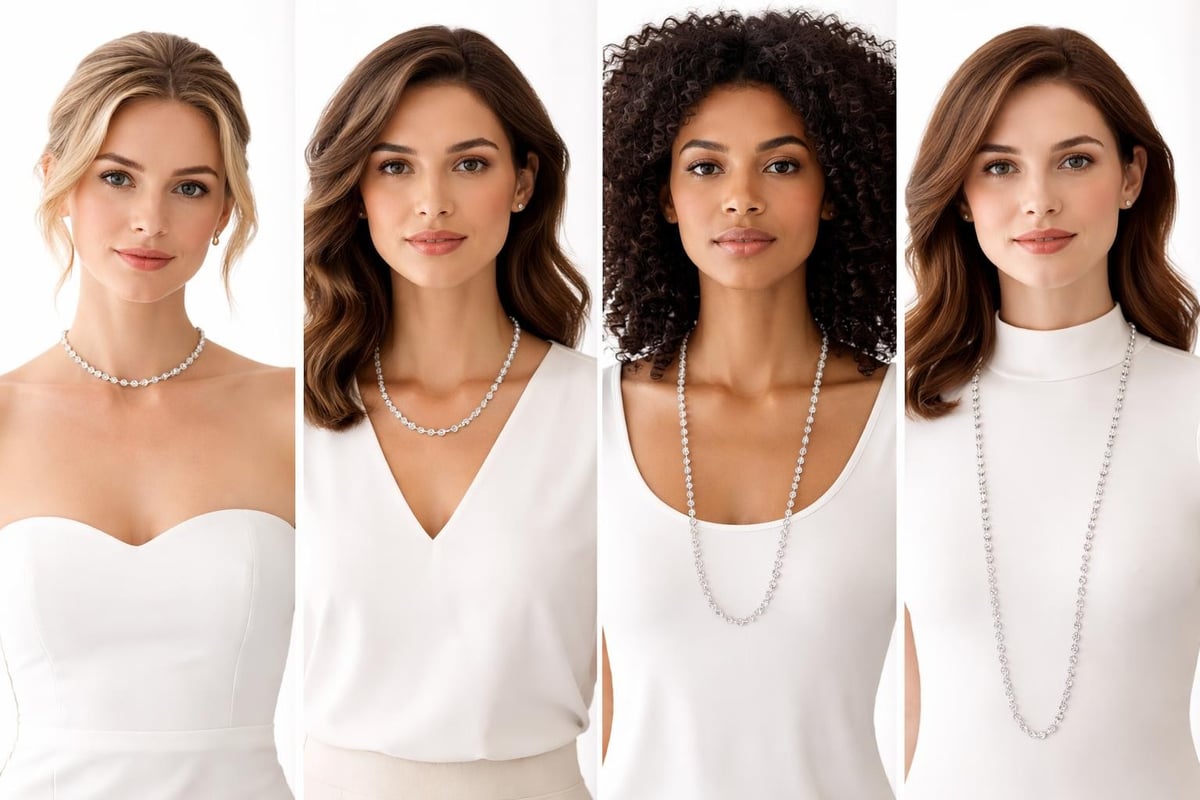
| Necklace Length | Typical Position | Best Stone Sizes | Ideal Occasions |
|---|---|---|---|
| Choker (14-16") | Base of neck | Small to medium | Formal events |
| Princess (18") | Collarbone | Medium | Versatile, daily wear |
| Matinee (20-24") | Below collarbone | Medium to large | Business, casual |
| Opera (28-36") | Mid-chest to bust | Large statement pieces | Evening wear |
The proportion between chain length and stone size significantly impacts visual balance. A large stone on necklace works best with longer chains that provide adequate space for the gemstone to serve as a focal point. Conversely, delicate stones shine on shorter chains where they sit closer to the face.
The gemstone market contains both natural and synthetic stones, along with various treatments that enhance appearance. Understanding these distinctions helps you make informed purchasing decisions and properly value your stone on necklace.
Natural gemstones form through geological processes over millions of years without human intervention. These command the highest prices due to their rarity and authenticity. However, many natural stones undergo treatments to enhance their color or clarity.
Treated gemstones receive various enhancements:
Synthetic gemstones possess the same chemical composition as natural stones but grow in laboratories. They offer affordability and ethical sourcing advantages, though they typically carry less investment value than natural equivalents.
Reputable jewelers disclose treatments and synthetic origins. When investing in a significant stone on necklace, request certification from recognized gemological laboratories that verify authenticity and treatments.
Authentication certificates provide crucial information about your gemstone:
These documents prove particularly valuable for insurance purposes and potential resale. They also ensure you receive exactly what you pay for when purchasing a stone on necklace.
While diamonds and sapphires dominate mainstream jewelry, rare gemstones offer distinctive beauty and conversation-starting uniqueness. These lesser-known stones provide opportunities to own truly one-of-a-kind pieces.
Geographic-specific gemstones carry special appeal for collectors and enthusiasts. The Dominican Republic produces two exceptional stones rarely found elsewhere in the world. These regional specialties make exceptional choices for anyone seeking a truly unique stone on necklace.
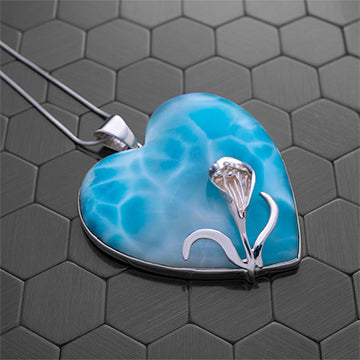
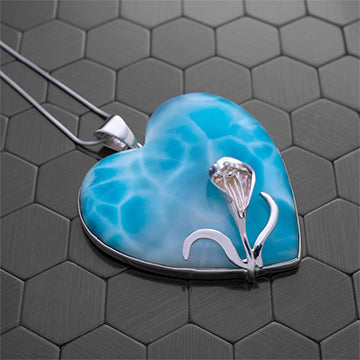
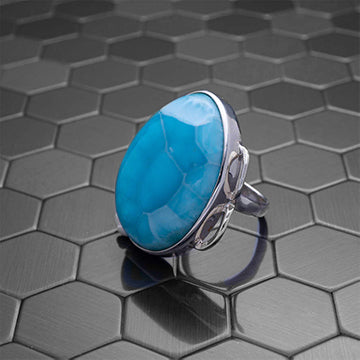
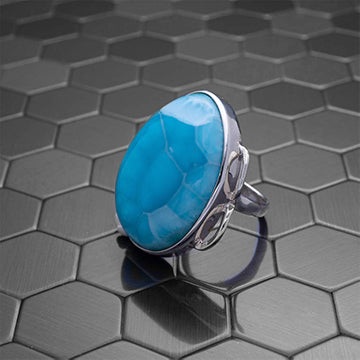
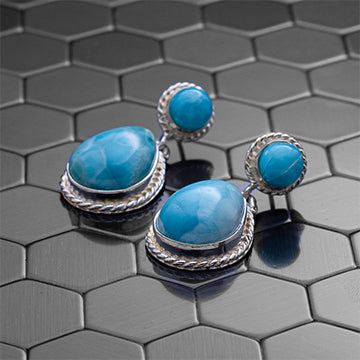
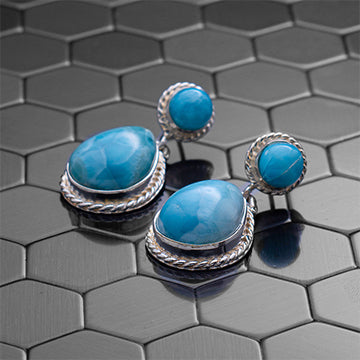
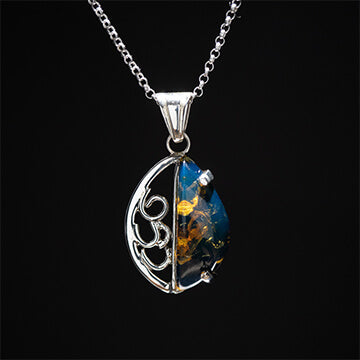
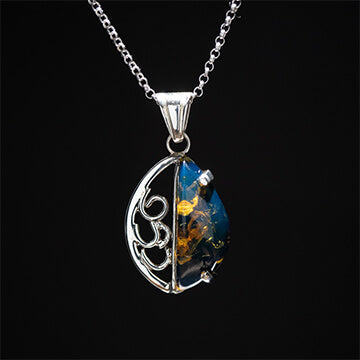
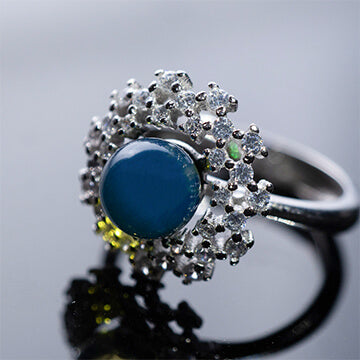
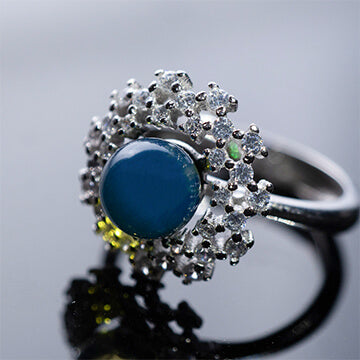
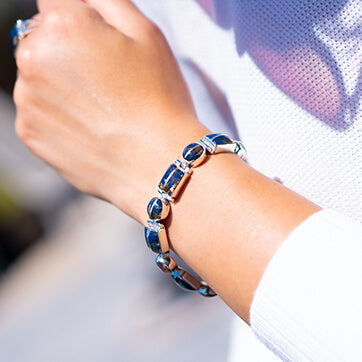
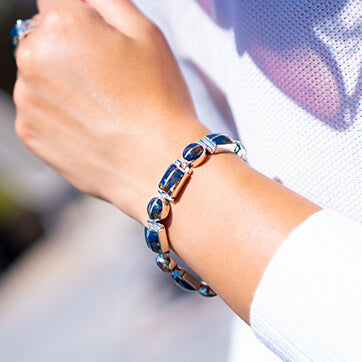
Larimar, found exclusively in one mountainous region, displays mesmerizing blue patterns reminiscent of Caribbean waters. The Larimar Pendants collection showcases how this rare stone transforms into wearable art, with each piece featuring unique natural patterns that ensure no two necklaces look identical.
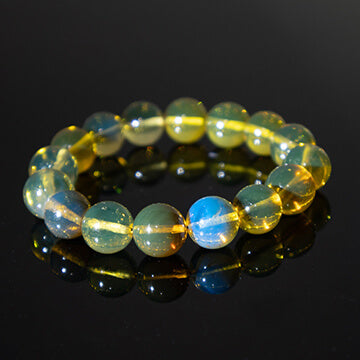
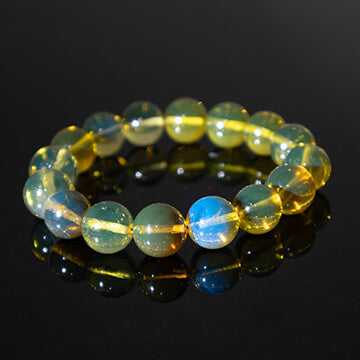
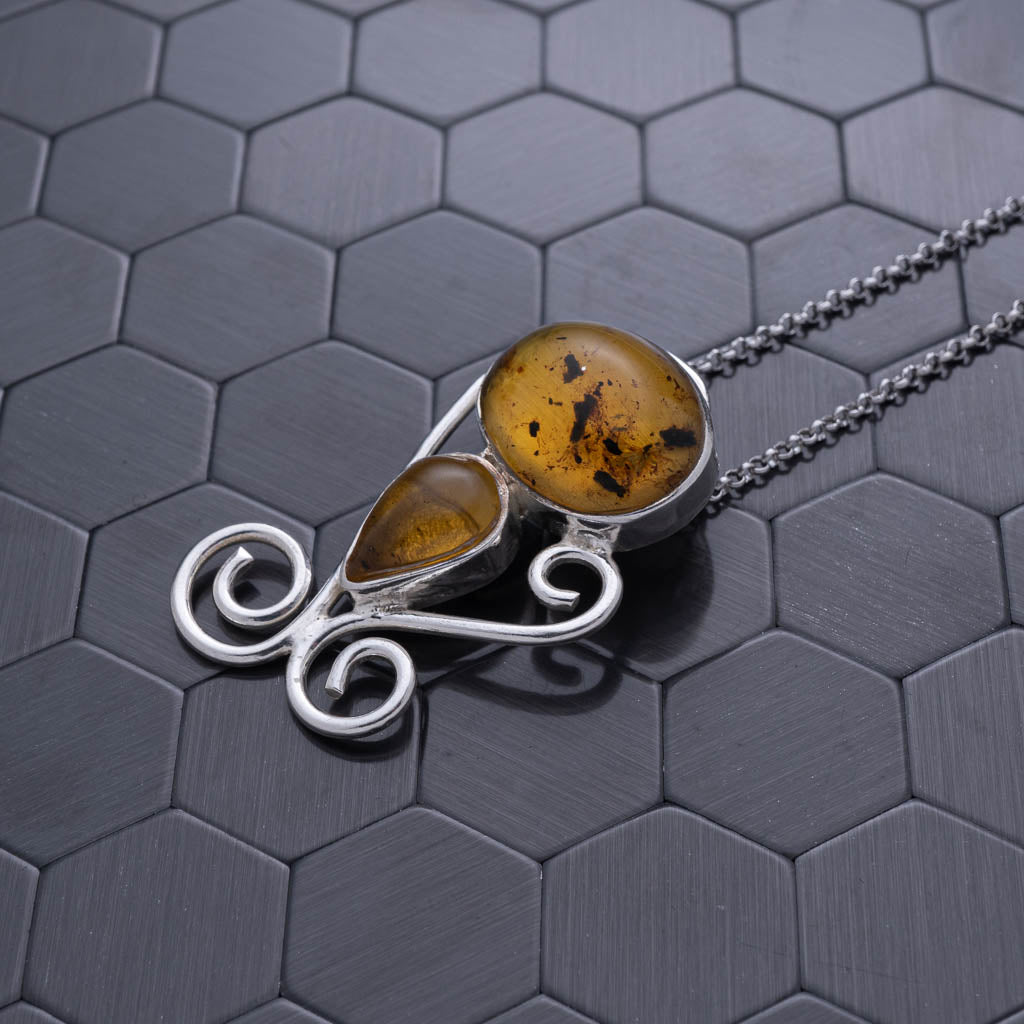
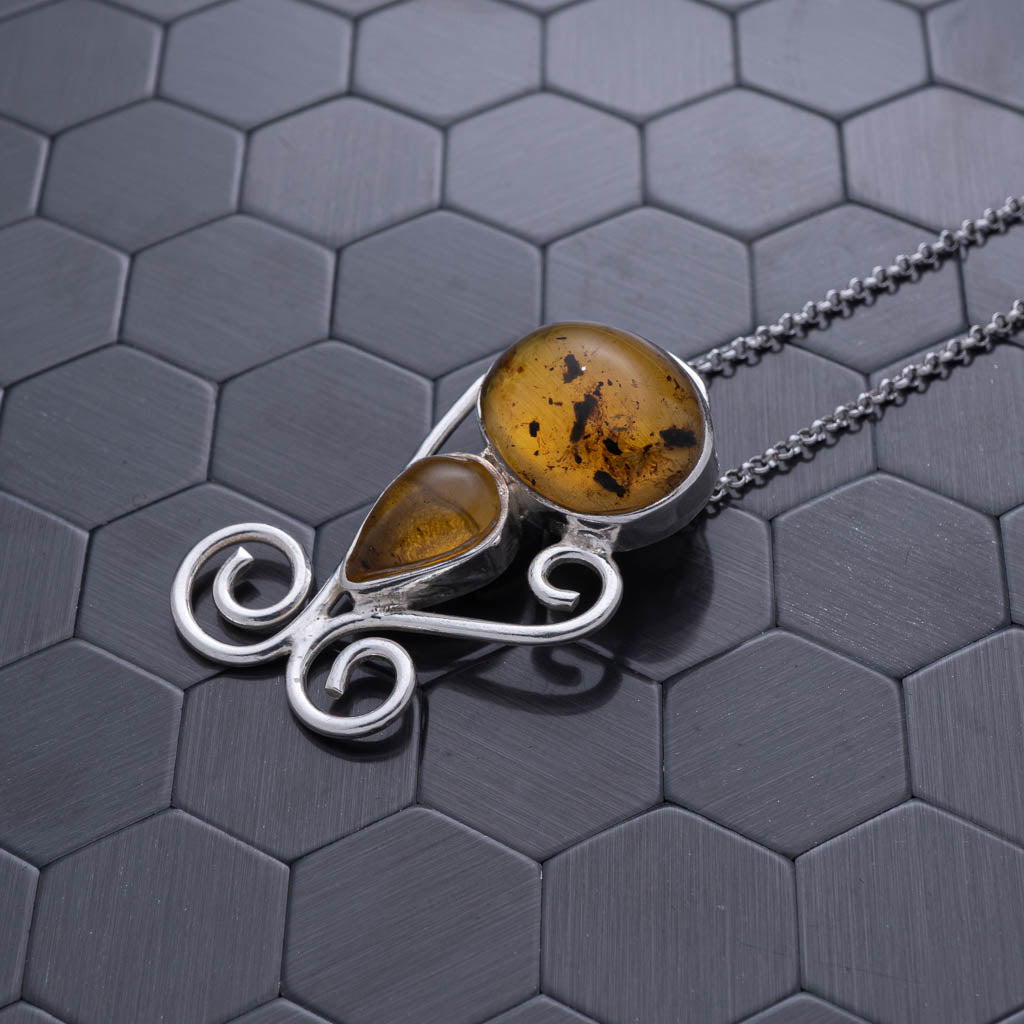
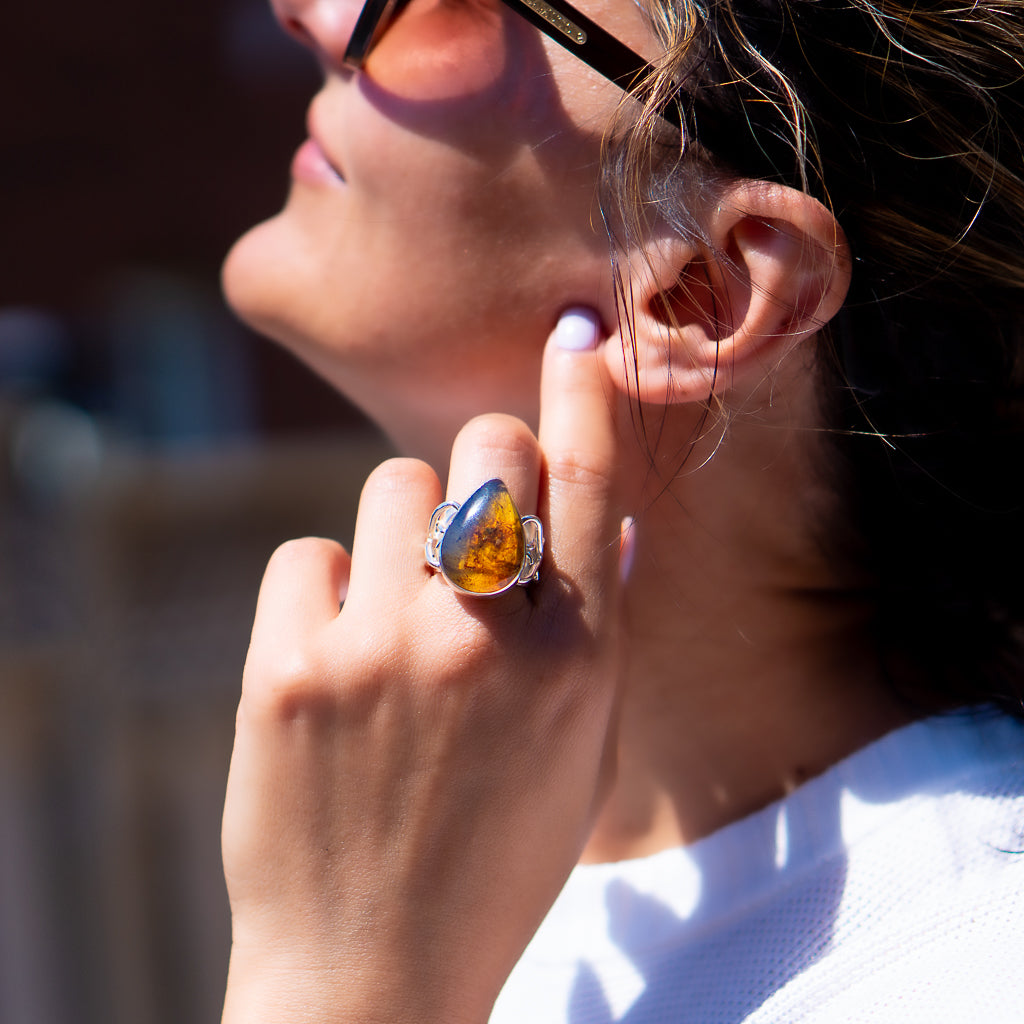
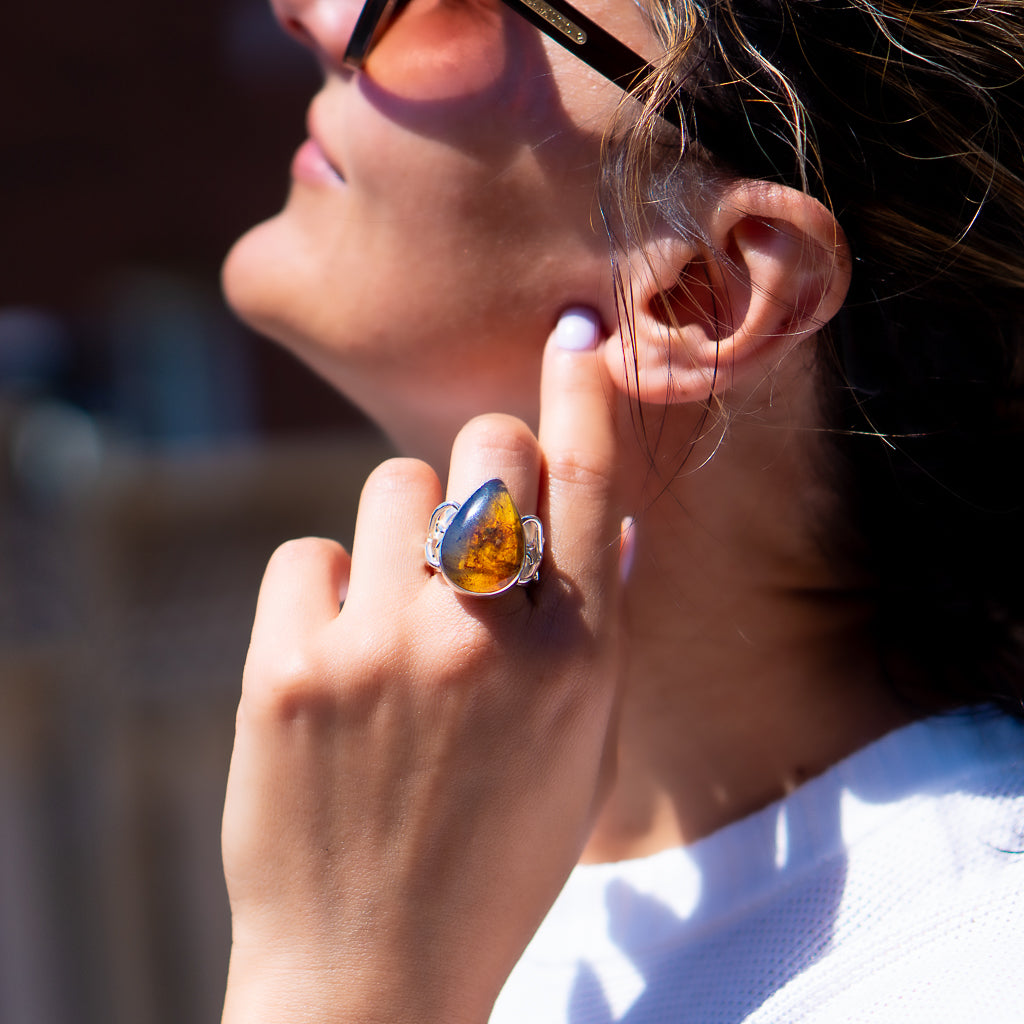
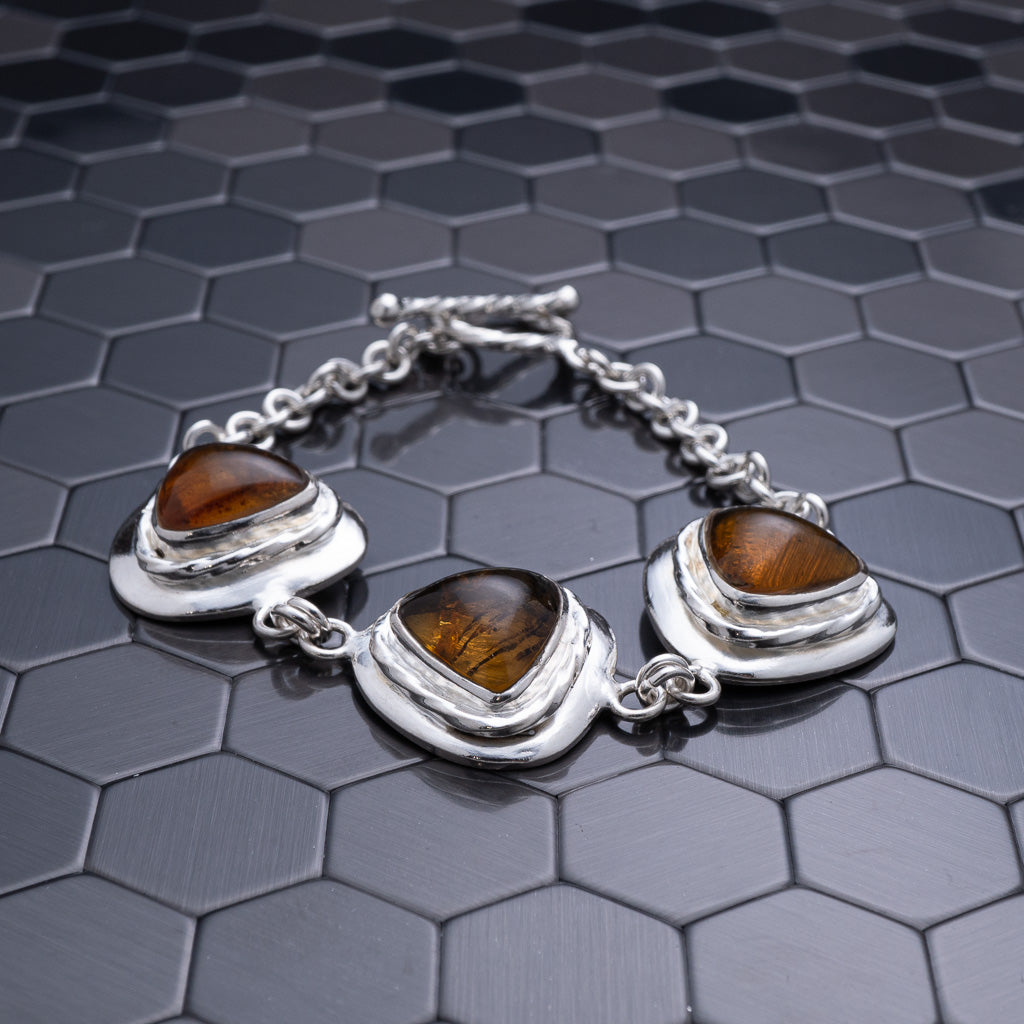
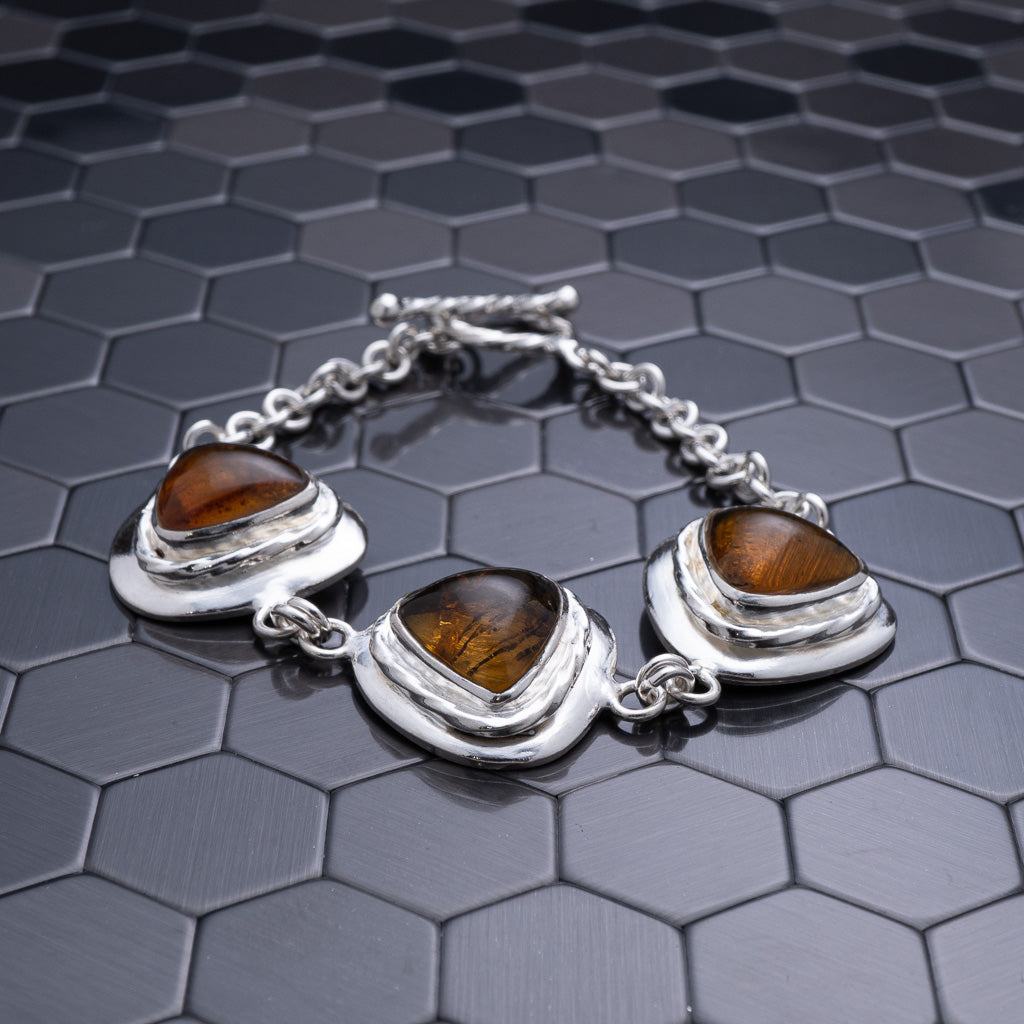
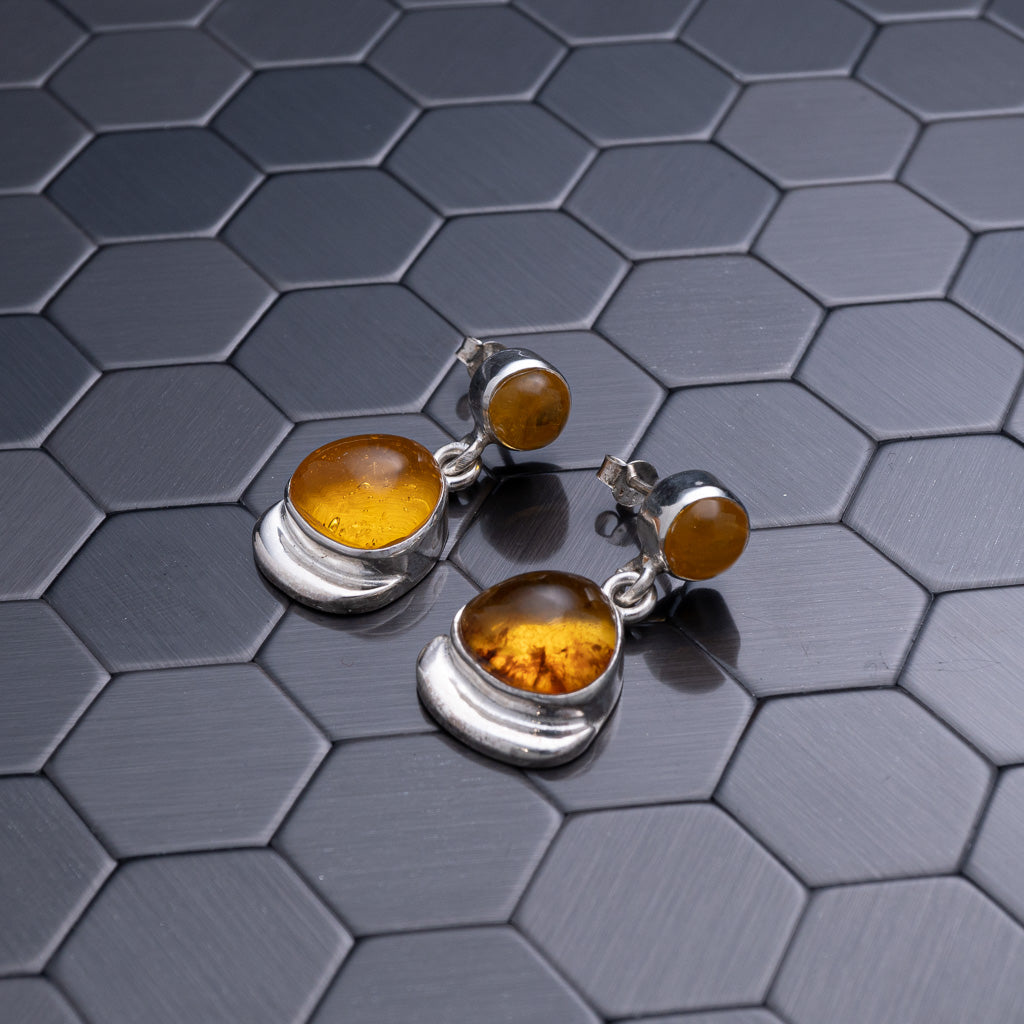
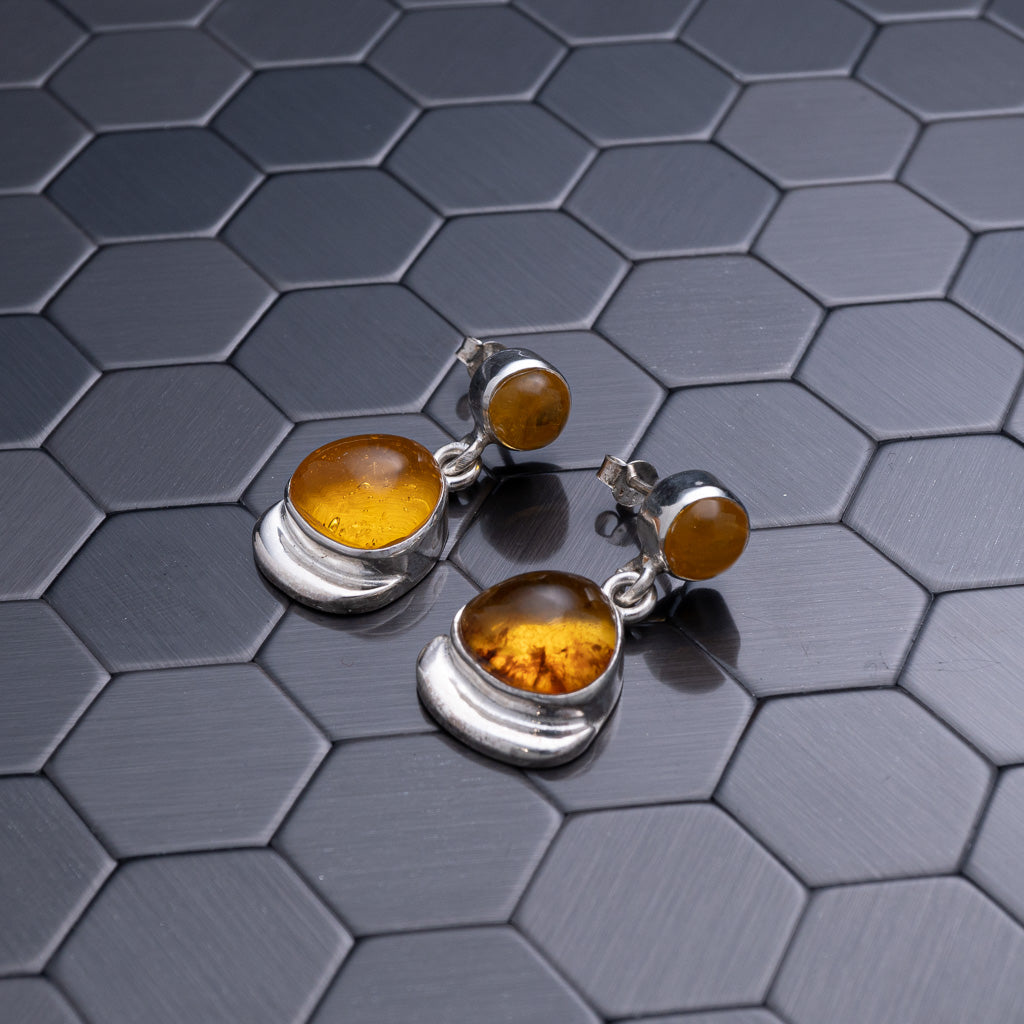
Dominican Blue Amber represents another regional treasure. Under natural light, it appears golden or cognac-colored, but ultraviolet light reveals stunning blue fluorescence. This remarkable optical property makes it a captivating choice for collectors interested in blue amber jewelry that offers visual intrigue.
Gemstone rarity often correlates with investment potential, though market dynamics prove more complex than simple supply and demand. Consider these factors when evaluating a stone on necklace as an investment:
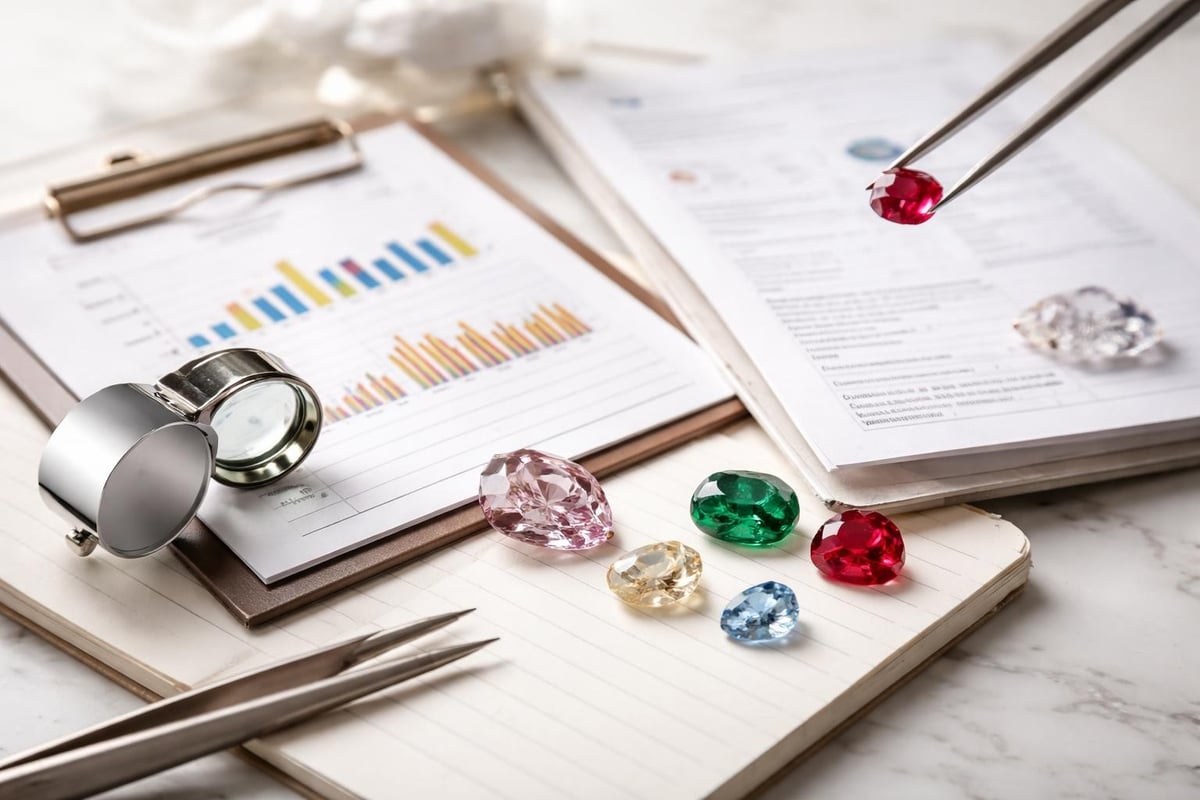
Proper care extends the life and beauty of your stone on necklace significantly. Different gemstones require varying care approaches based on their chemical composition, hardness, and treatments.
Hard, durable stones (sapphire, ruby, diamond):
Medium-hardness stones (quartz, amethyst, citrine):
Soft or porous stones (larimar, turquoise, pearl, amber):
The gentler approach always proves safer when uncertain about your stone on necklace composition. Professional jewelers can clean challenging pieces safely.
Proper storage prevents damage between wearing occasions:
Gemstones can scratch each other based on hardness differences. A diamond necklace stored beside a pearl piece will damage the softer pearl. Individual storage compartments solve this problem effectively.
Fashion trends influence gemstone popularity, though quality pieces transcend temporary fads. Understanding current movements helps you select a stone on necklace that feels both timeless and contemporary.
This year's jewelry trends emphasize natural, organic aesthetics and sustainable sourcing. Consumers increasingly value:
These trends favor rare, regionally-sourced gemstones with traceable origins. The demand for distinctive pieces over conventional options continues growing as consumers seek personal expression through their jewelry choices.
Aligning your stone on necklace with seasonal color trends creates cohesive, fashion-forward looks:
| Season | Trending Colors | Recommended Stones |
|---|---|---|
| Spring | Pastels, soft greens, light blues | Rose quartz, aquamarine, light larimar |
| Summer | Bright blues, corals, sunny yellows | Turquoise, blue amber, citrine |
| Autumn | Warm oranges, deep reds, browns | Carnelian, garnet, cognac amber |
| Winter | Deep blues, purples, whites | Sapphire, amethyst, blue topaz |
While seasonal alignment creates timely appeal, investing in versatile stones that transition across seasons offers better long-term value.
Many people choose their stone on necklace based on attributed meanings and believed energetic properties. Whether you embrace these concepts spiritually or appreciate them symbolically, understanding traditional associations adds depth to your jewelry selection.
Different cultures assign various meanings to gemstones:
A blue stone on necklace like larimar or blue amber traditionally promotes peaceful communication and emotional healing. These symbolic associations enhance the personal significance of wearing specific gemstones.
Traditional birthstone charts connect specific gems to birth months, creating meaningful gift opportunities. Similarly, anniversary stone traditions mark relationship milestones with corresponding gemstones.
These established connections make selecting a stone on necklace for gifts more straightforward while adding personalized significance to the piece.
Commissioning a custom stone on necklace ensures you receive exactly the piece you envision. This process allows control over every detail from stone selection to final design execution.
Handcrafted jewelry offers distinct advantages over mass-produced pieces:
The custom process typically involves initial consultation, design sketches, stone selection, approval stages, and final creation. This collaborative approach results in jewelry that perfectly reflects your vision and values.
When planning your custom stone on necklace:
Clear communication with your jeweler ensures the final piece exceeds expectations. Provide reference images, explain your lifestyle and wearing habits, and discuss budget parameters upfront.
The metal housing your stone on necklace significantly impacts the overall appearance and how the gemstone presents itself. Understanding metal and gemstone interactions creates more harmonious designs.
Yellow gold warming effect enhances:
White gold and platinum cooling effect suits:
Rose gold romantic appeal works with:
Sterling silver versatile option pairs with:
The contrast between a cool blue stone on necklace and warm yellow gold creates visual interest, while matching temperature tones produces cohesive harmony.
The chain supporting your stone on necklace deserves careful consideration. It must balance aesthetic appeal with structural strength to safely display your gemstone.
Different chain constructions offer varying benefits:
Heavier stones require sturdier chains. A substantial stone on necklace needs a rope or thick cable chain, while delicate gemstones pair beautifully with finer box or snake chains.
Secure clasps prevent loss of valuable jewelry:
For expensive or irreplaceable stone on necklace pieces, consider adding safety chains or using highly secure clasp systems.
A thoughtfully selected stone on necklace makes an exceptional gift for virtually any occasion. The personalization potential and lasting nature of gemstone jewelry creates meaningful presents that recipients treasure for years.
Romantic occasions (anniversaries, proposals):
Achievement celebrations (graduations, promotions):
Milestone birthdays:
Understanding the recipient's style preferences, metal allergies, and lifestyle ensures your stone on necklace gift receives regular wear rather than remaining stored away.
Thoughtful presentation enhances the gifting experience:
The extra effort invested in presentation demonstrates consideration and elevates the emotional impact of your gift.
Modern consumers increasingly prioritize ethical considerations when purchasing gemstone jewelry. Understanding sourcing practices helps you select a stone on necklace that aligns with your values.
Ethical gemstone sourcing addresses several concerns:
Artisan jewelers often maintain direct relationships with mining communities, ensuring fair compensation and sustainable practices. This traceability provides confidence in the ethics behind your stone on necklace purchase.
Environmentally conscious options include:
These alternatives reduce environmental impact while still providing beautiful, lasting jewelry pieces.
Selecting the perfect stone on necklace involves balancing aesthetic preferences, practical considerations, and personal values. From understanding gemstone quality factors to proper care techniques, this knowledge ensures your jewelry investment brings lasting satisfaction. Whether you're drawn to rare Caribbean gemstones, traditional precious stones, or unique artisan creations, Larimar Creations offers expertly handcrafted pieces featuring distinctive Dominican gemstones, each piece meticulously created to showcase nature's beauty while providing worldwide shipping to jewelry enthusiasts everywhere.