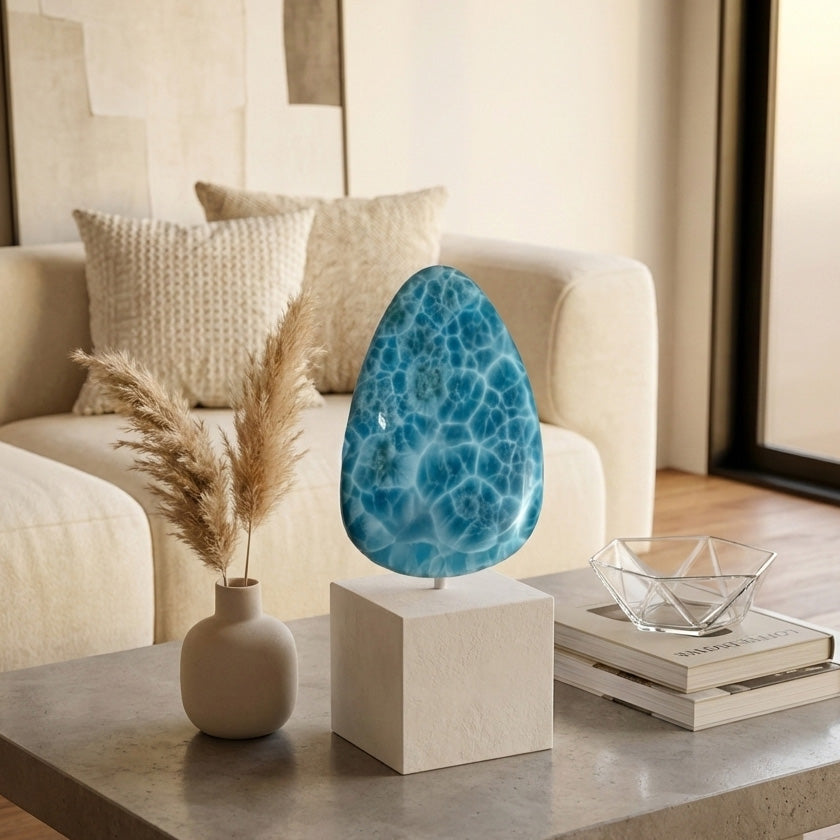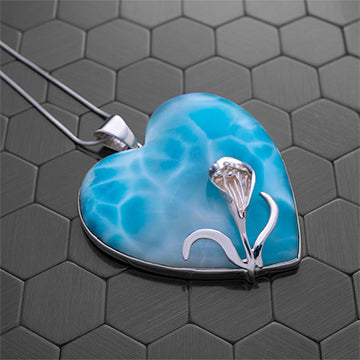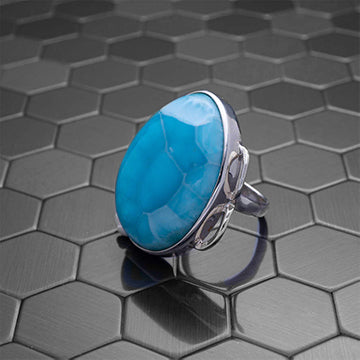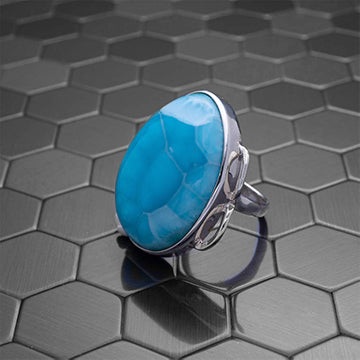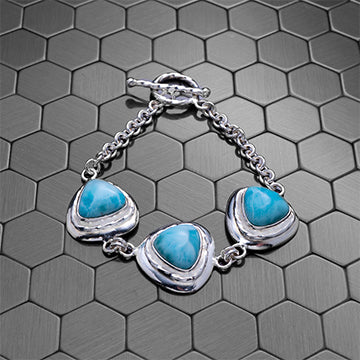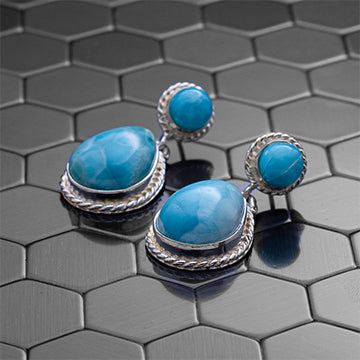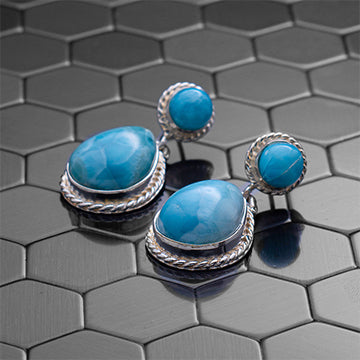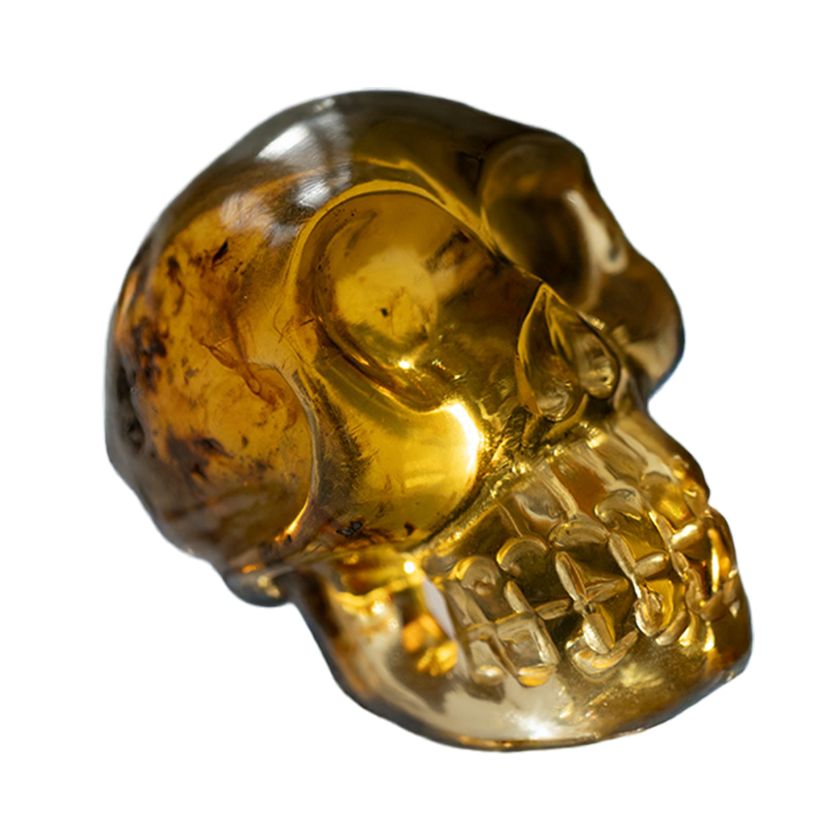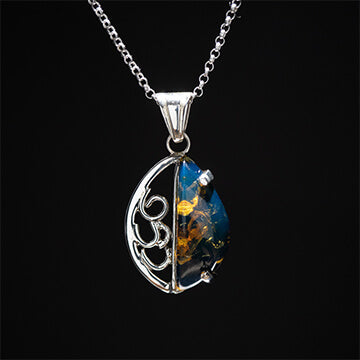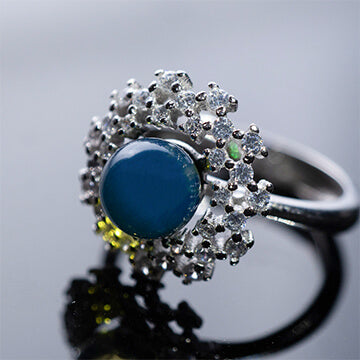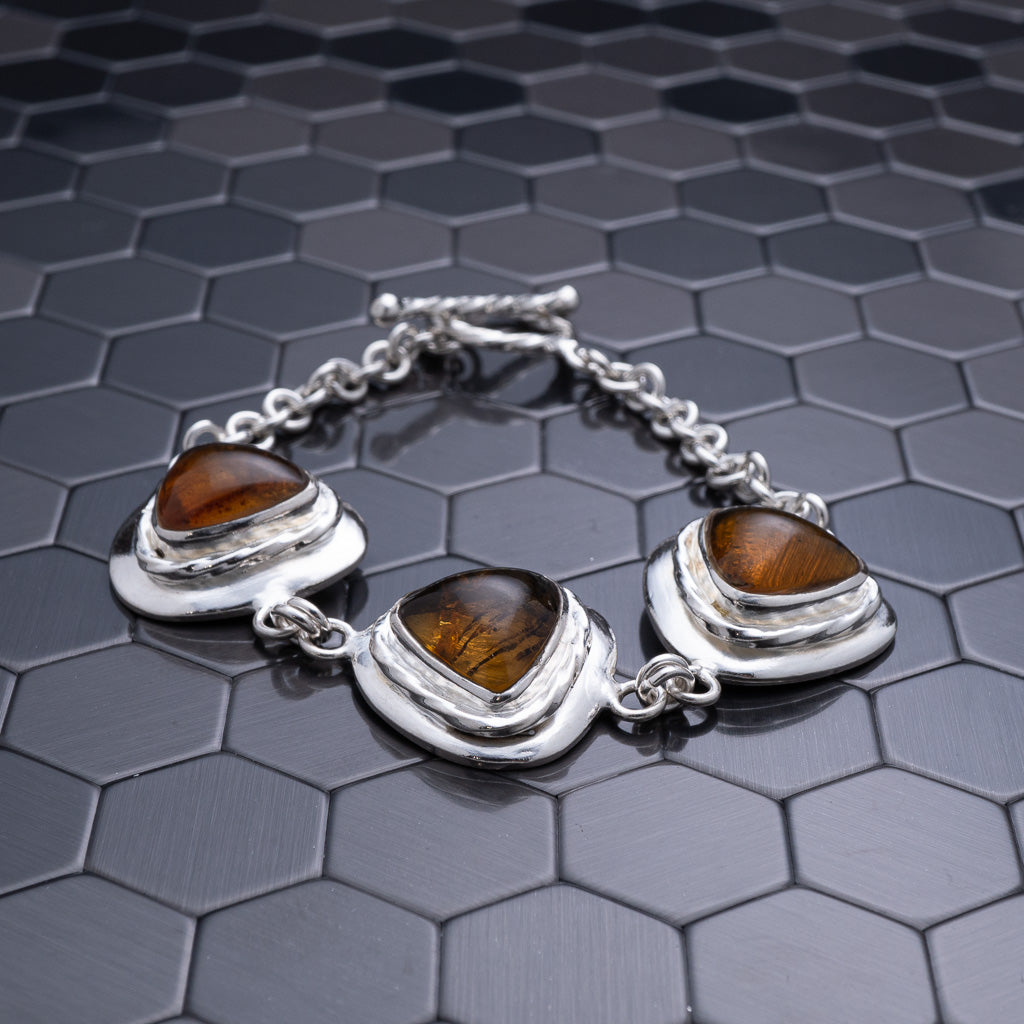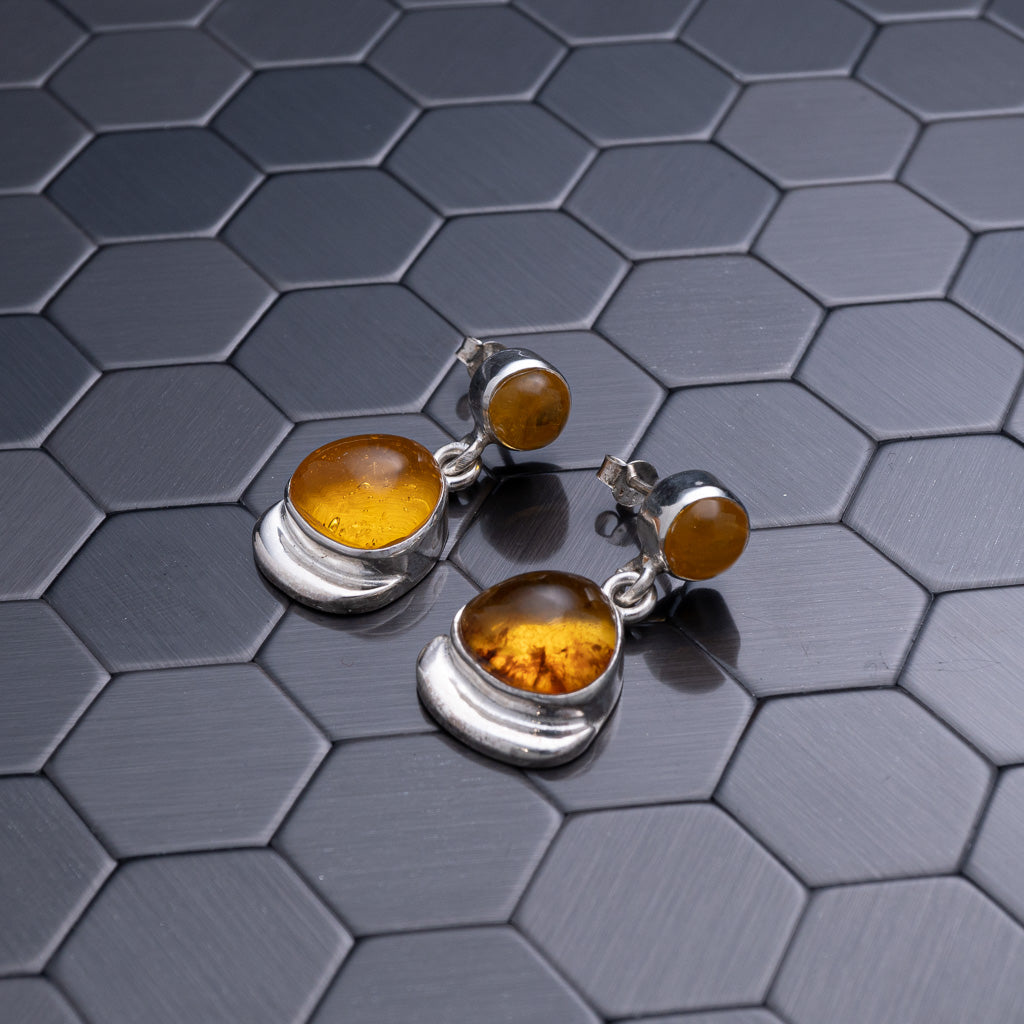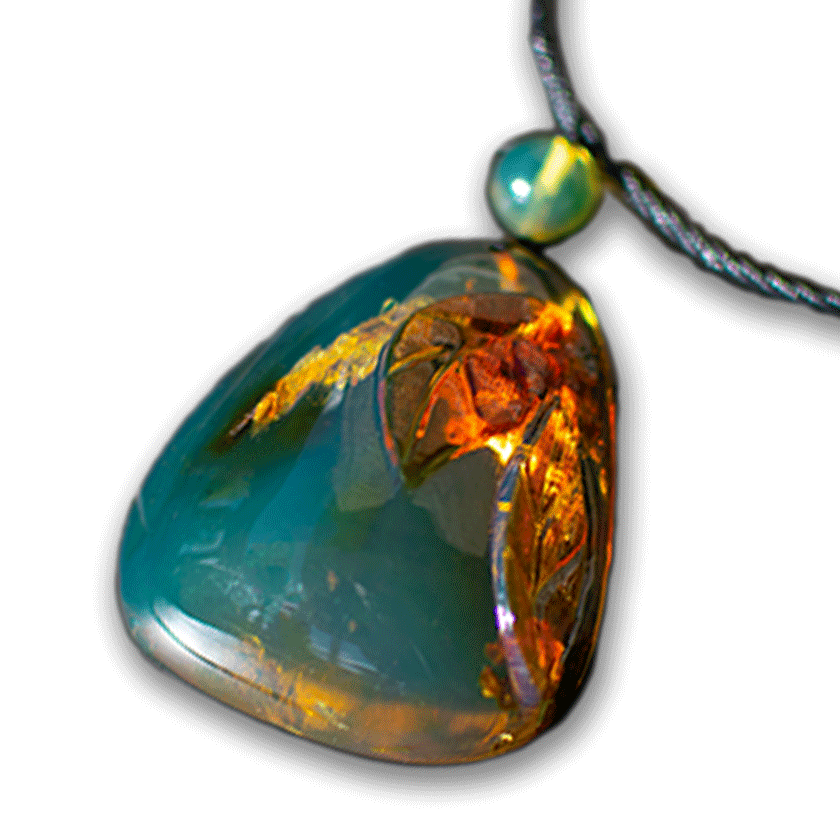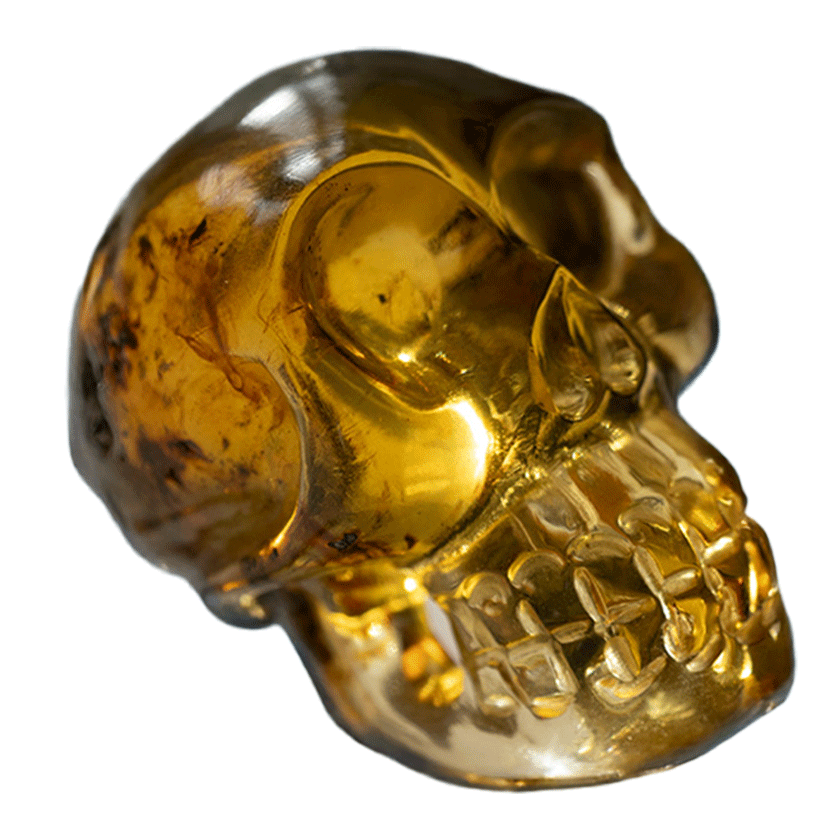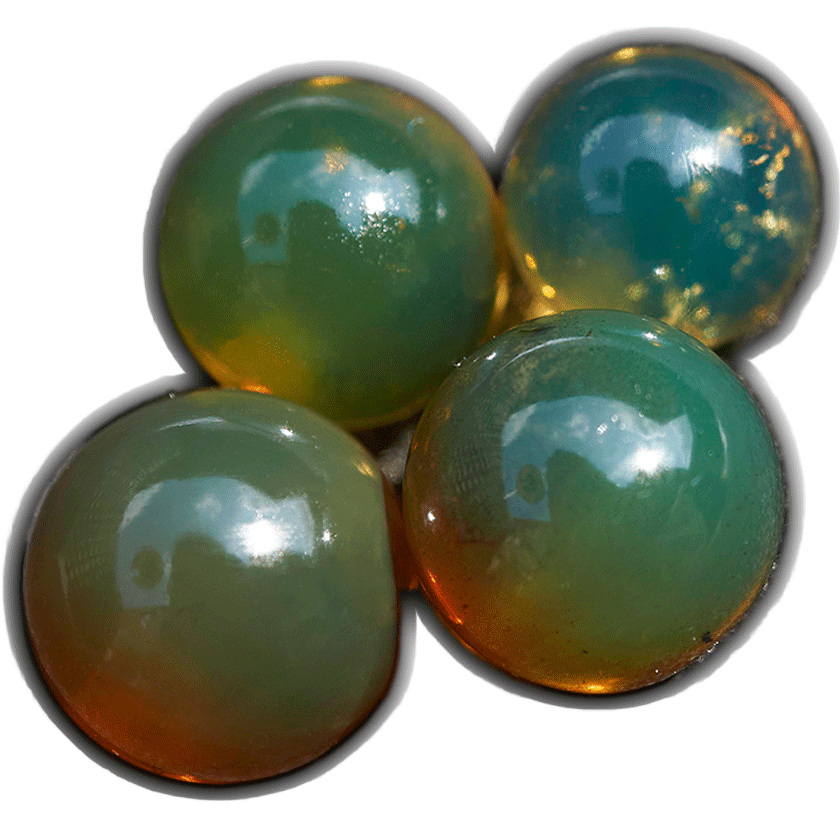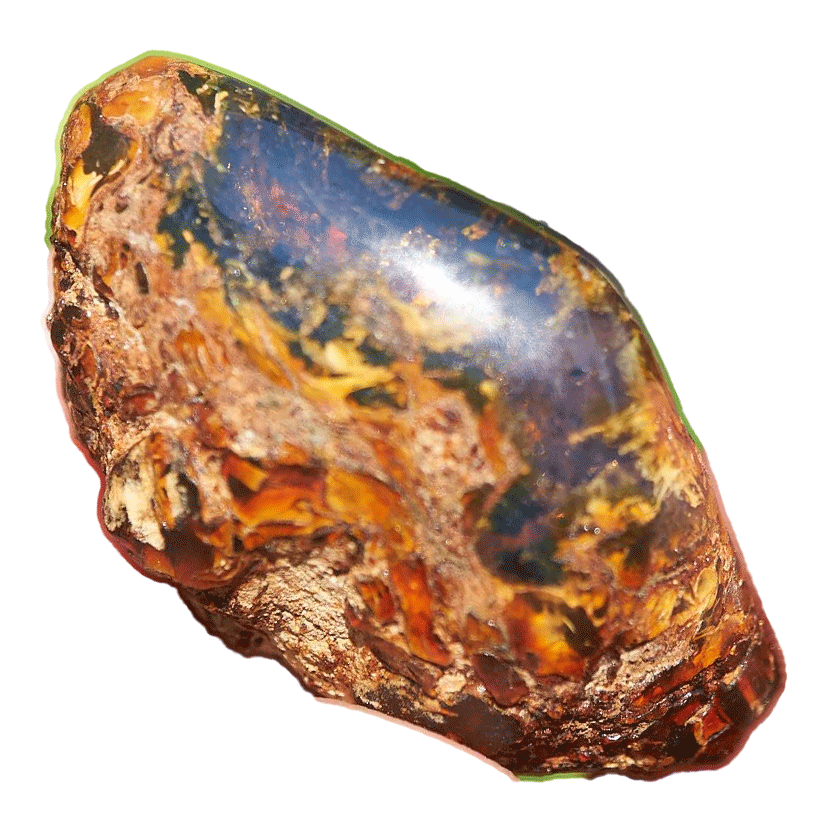


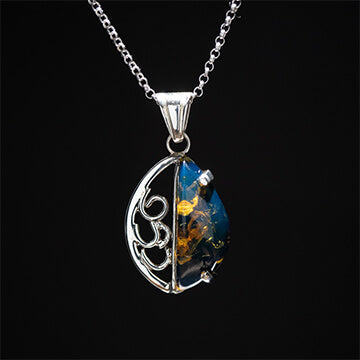
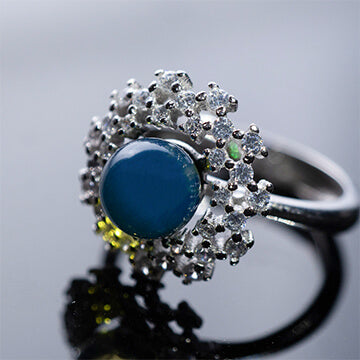
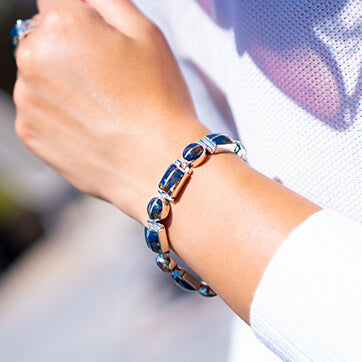
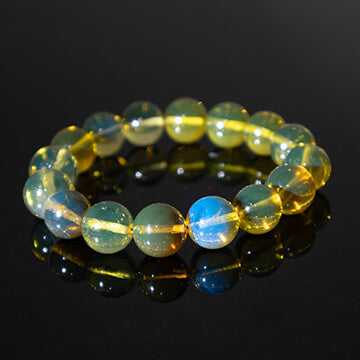
Handcrafted in DR.

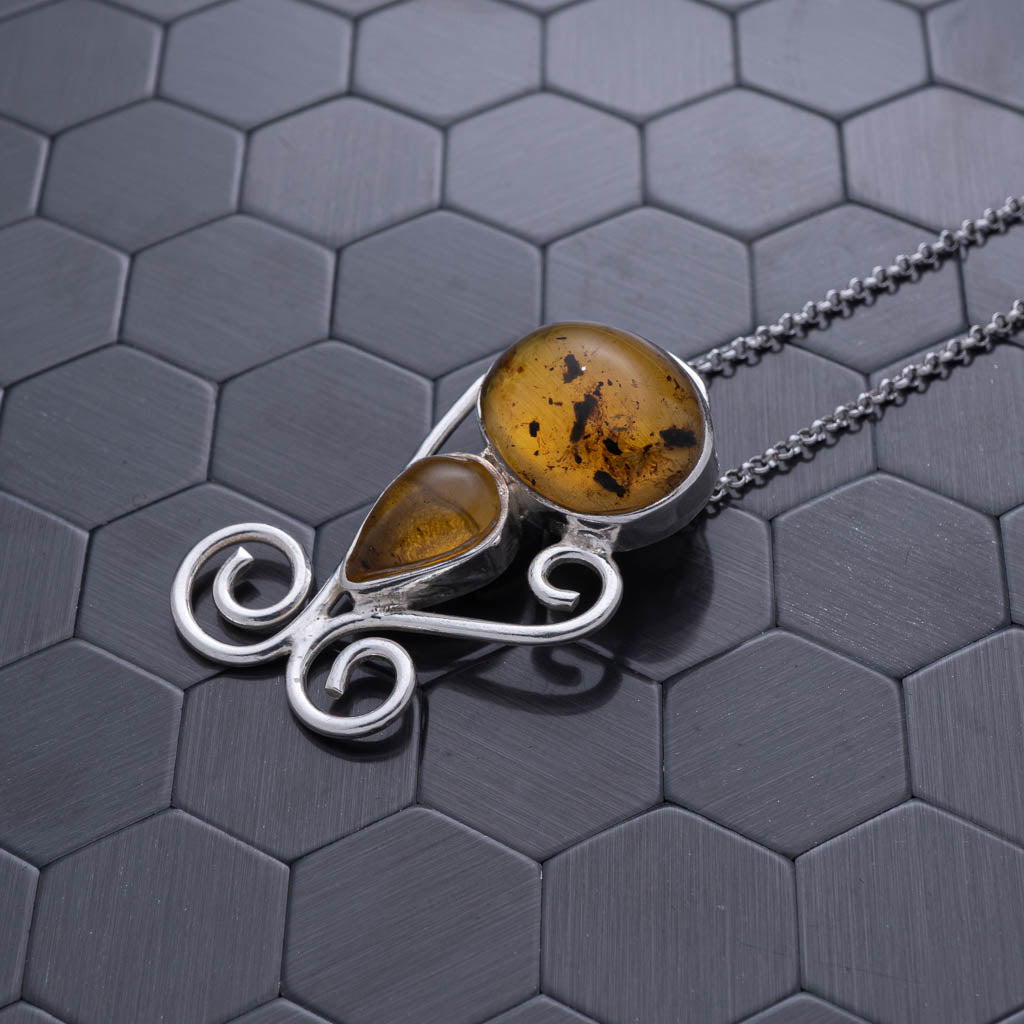
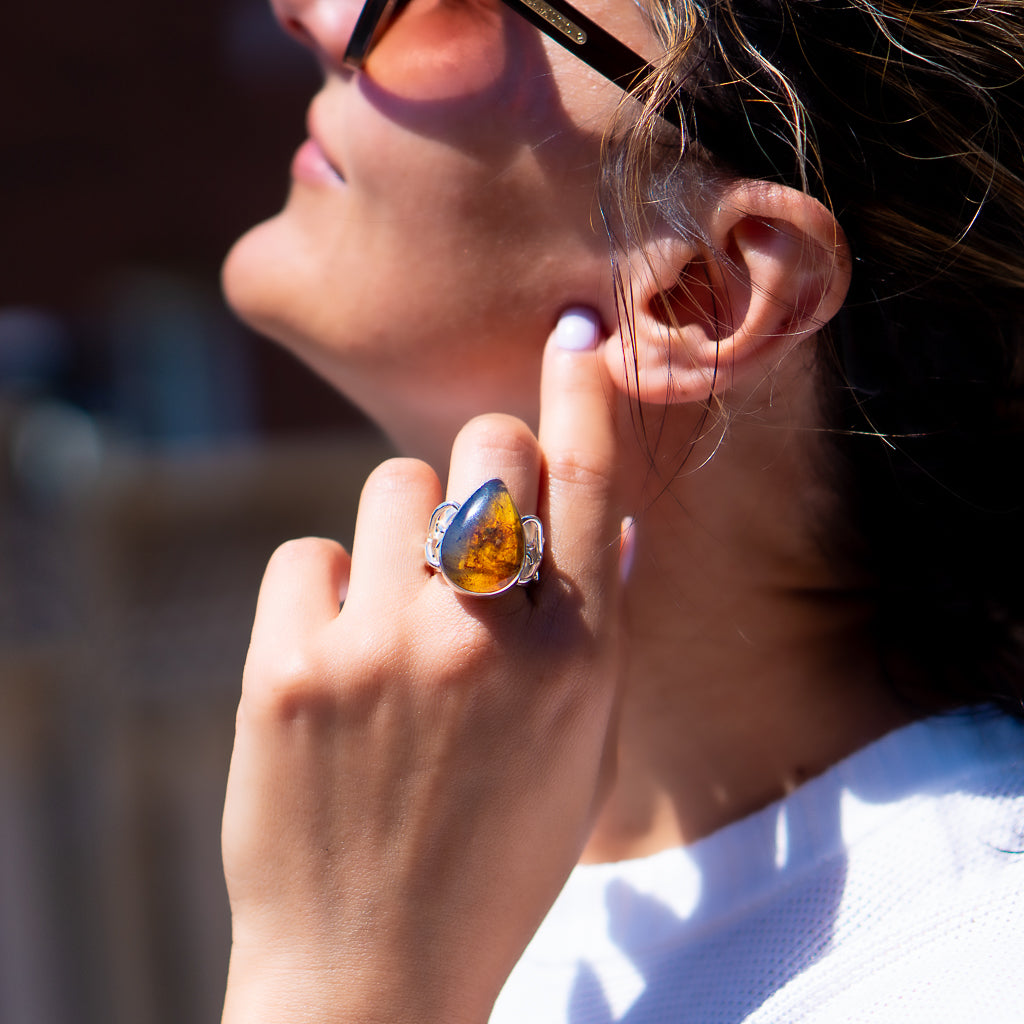
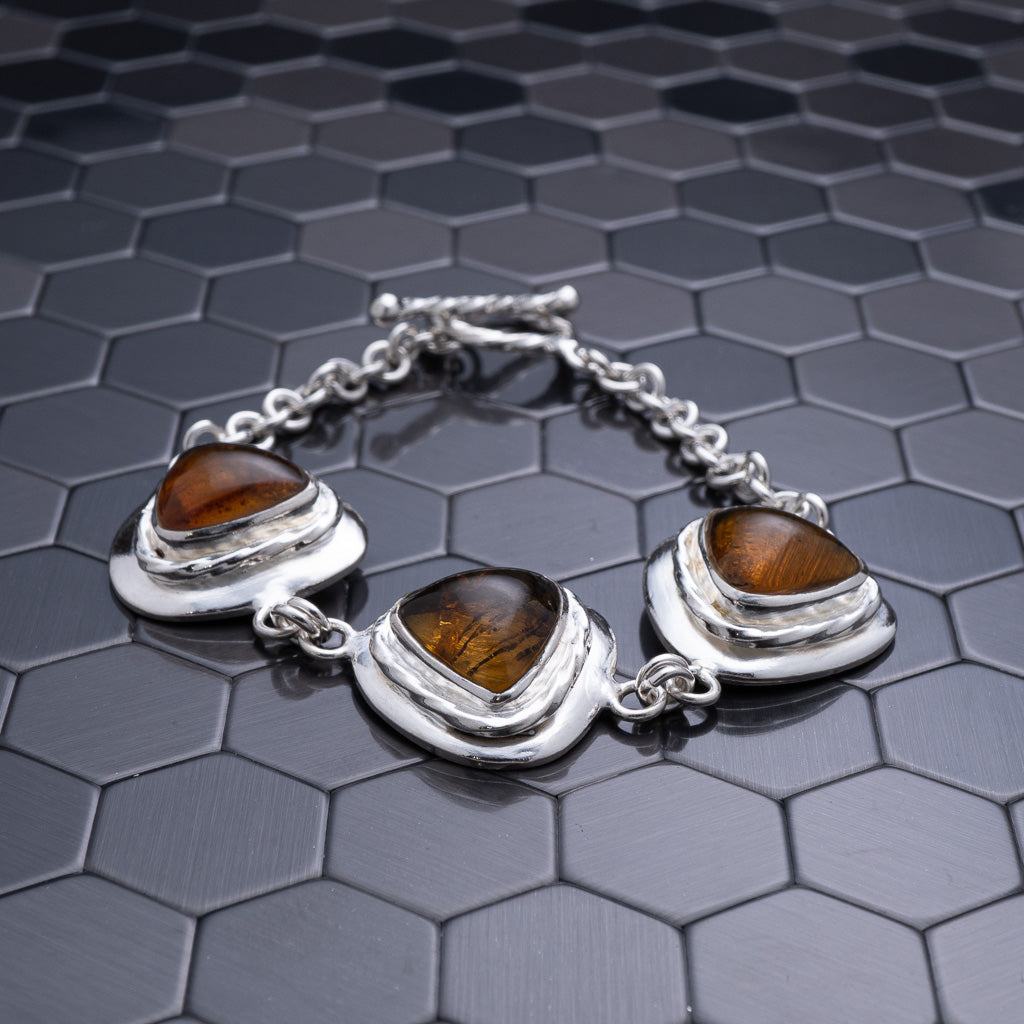
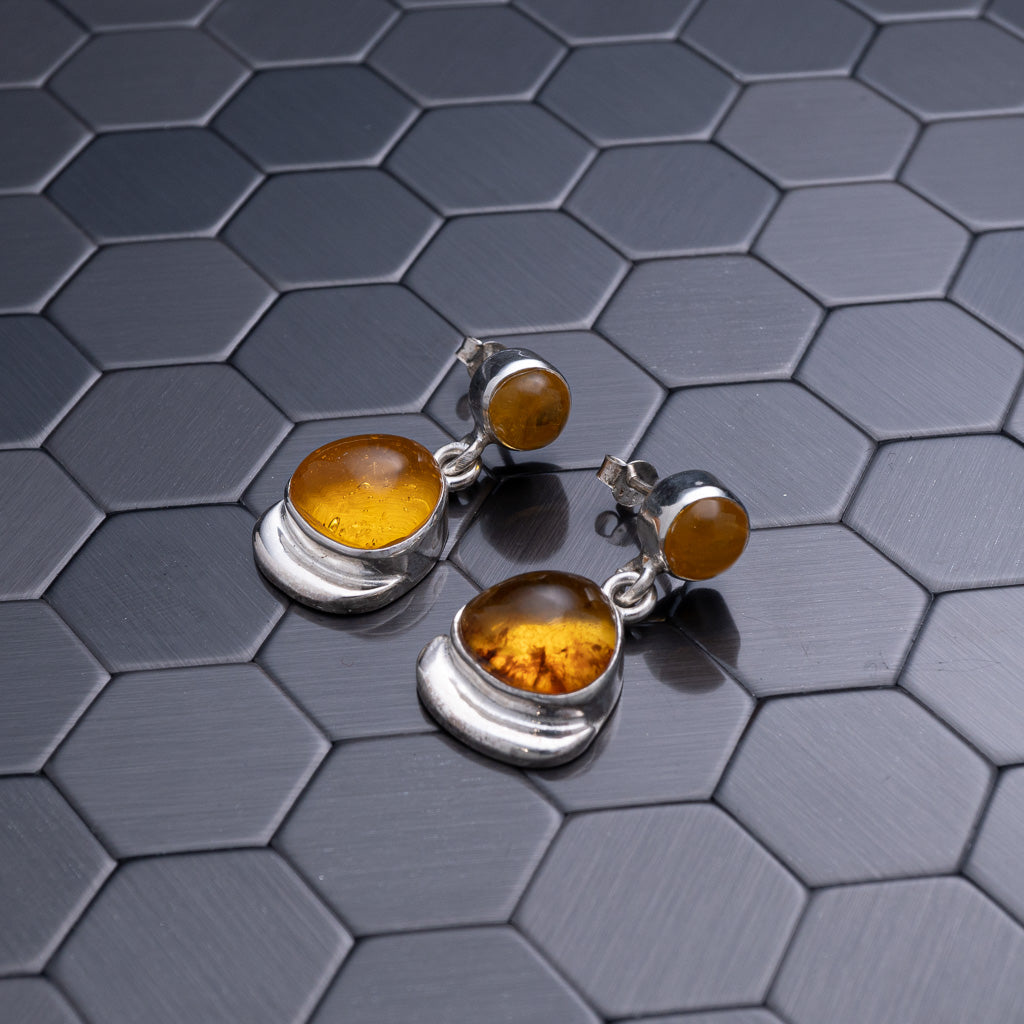


100% Handcrafted in DR.

A stone pendant necklace represents more than just an accessory. It serves as a personal statement, a connection to the earth's natural beauty, and often carries deep symbolic meaning for the wearer. Whether you're drawn to the calming blues of Caribbean gemstones, the fiery brilliance of precious stones, or the earthy tones of organic materials, selecting the right pendant requires understanding gemstone properties, craftsmanship quality, and how these pieces fit into your lifestyle. This comprehensive guide explores everything you need to know about stone pendant necklaces in 2026, from selecting the perfect gemstone to ensuring your investment remains beautiful for generations.
The foundation of any exceptional stone pendant necklace begins with the gemstone itself. Natural stones vary dramatically in hardness, durability, color stability, and rarity. These characteristics determine not only the pendant's appearance but also its longevity and care requirements.
Hardness directly impacts how well a stone withstands daily wear. The Mohs scale measures mineral hardness from 1 to 10, with diamonds at the top. For pendants worn regularly, stones rating 7 or higher generally offer excellent durability. Softer stones require more careful handling and specific settings that protect vulnerable edges.
Durability considerations include:
Stones like zircon present unique considerations, as they offer brilliant optical properties but require mindful wear due to their brittleness. Understanding these trade-offs helps you select a stone pendant necklace matched to your lifestyle.
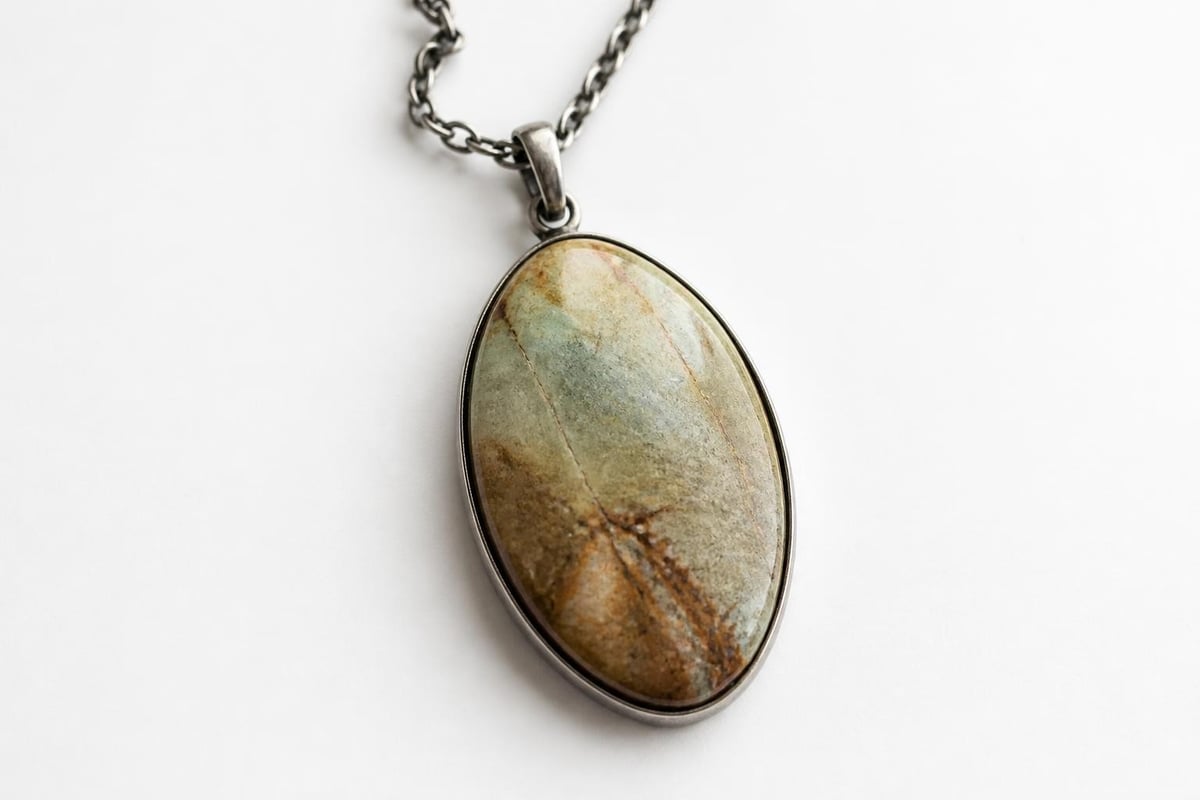
Color remains the most immediate attraction in gemstone pendants. Natural stones display color through trace elements, structural anomalies, or irradiation during formation. The most valued gemstones typically show vivid, evenly distributed color without zoning or fading.
Clarity refers to internal characteristics and surface blemishes. While flawless stones command premium prices, many gemstones display inclusions that verify natural origin and create unique fingerprints. Some inclusions even enhance beauty, like the rutile needles creating asterism in star sapphires.
| Clarity Grade | Characteristics | Pendant Suitability |
|---|---|---|
| Eye-clean | No visible inclusions | Excellent for all settings |
| Slightly included | Minor inclusions under magnification | Perfect for most pendants |
| Moderately included | Visible inclusions that don't affect durability | Good for bezel settings |
| Heavily included | Obvious inclusions affecting transparency | Requires careful cutting |
Quality assessment extends beyond the gemstone itself. The complete pendant encompasses metalwork, setting security, proportion, and overall craftsmanship. Professional jewelers examine multiple factors when evaluating a stone pendant necklace.
The metal holding your gemstone plays crucial roles in both aesthetics and protection. Sterling silver, gold (14k, 18k, or 22k), platinum, and alternative metals each offer distinct advantages. Your choice should consider skin sensitivity, durability needs, and how the metal's color complements the stone.
Common setting styles include:
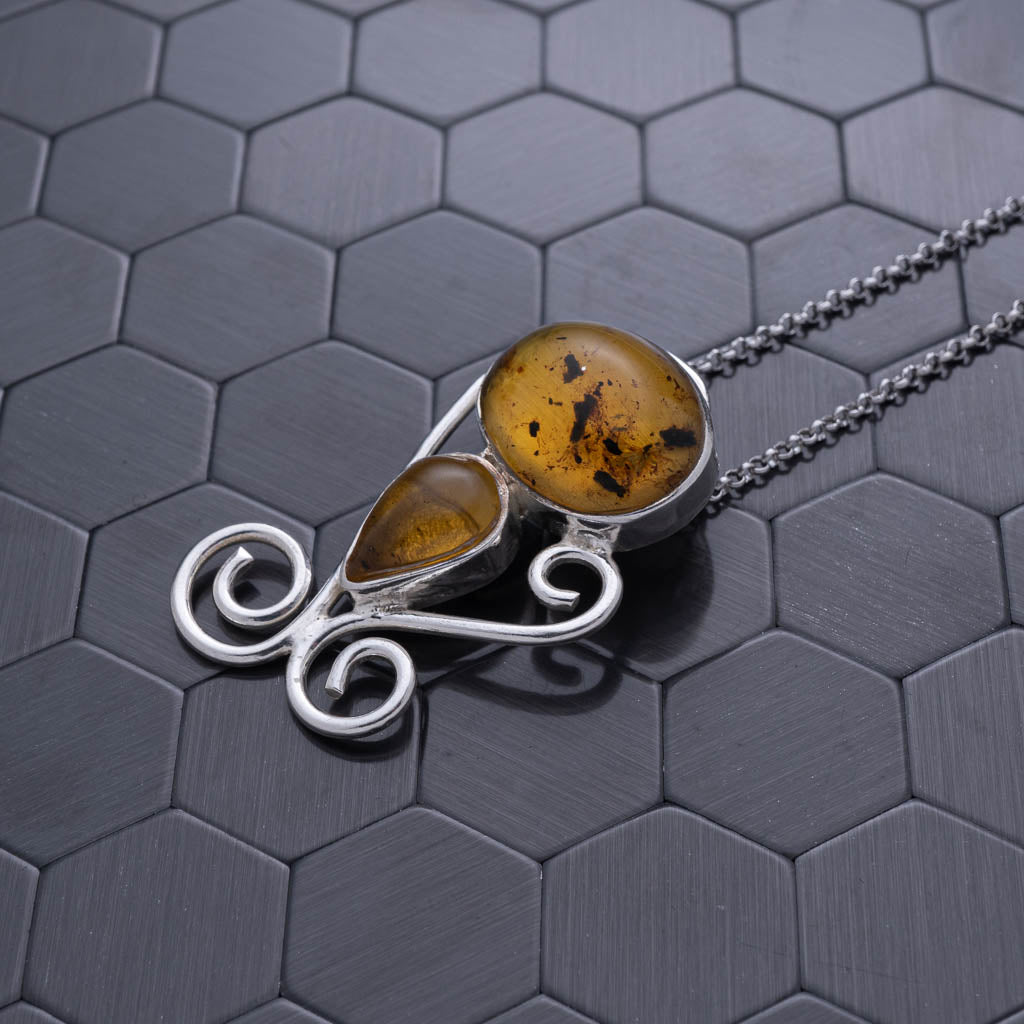
Bezel settings provide maximum protection for softer or brittle stones, making them ideal for pendants subject to daily wear. Prong settings showcase more of the stone's surface, maximizing light return and brilliance. The Larimar Pendants collection demonstrates how thoughtful setting design enhances the natural beauty of rare gemstones while ensuring secure wear.
A well-designed stone pendant necklace maintains visual harmony between stone size, setting dimensions, and chain weight. Oversized stones on delicate chains create imbalance, while tiny stones in heavy settings appear lost. Professional jewelers calculate proportions to ensure comfortable wear and pleasing appearance from all viewing angles.
The pendant's bail (the loop connecting pendant to chain) deserves particular attention. It must be sturdy enough to support the pendant's weight while remaining proportional to the overall design. Hidden or integrated bails create sleek modern looks, while decorative bails add vintage or ornate character.
Modern consumers increasingly prioritize ethical considerations when selecting jewelry. The gemstone industry has made significant strides in transparency, traceability, and responsible mining practices throughout the 2020s.
Third-party certification provides confidence in gemstone origin and treatment disclosure. The SCS Standards organization maintains protocols for responsible gemstone sourcing that address environmental impact, labor conditions, and community benefit.
Traceable gemstones carry documentation connecting them to specific mines or geographic regions. This transparency allows consumers to support mining operations that meet higher environmental and social standards. For rare materials like Larimar, which originates exclusively from the Dominican Republic, geographic specificity becomes inherent to the stone's identity.
Many colored gemstones come from artisanal and small-scale mining operations rather than industrial mines. These operations often support local communities but may lack resources for environmental remediation or worker safety programs. Organizations documented in responsible gemstone initiatives work to improve practices while preserving livelihoods.
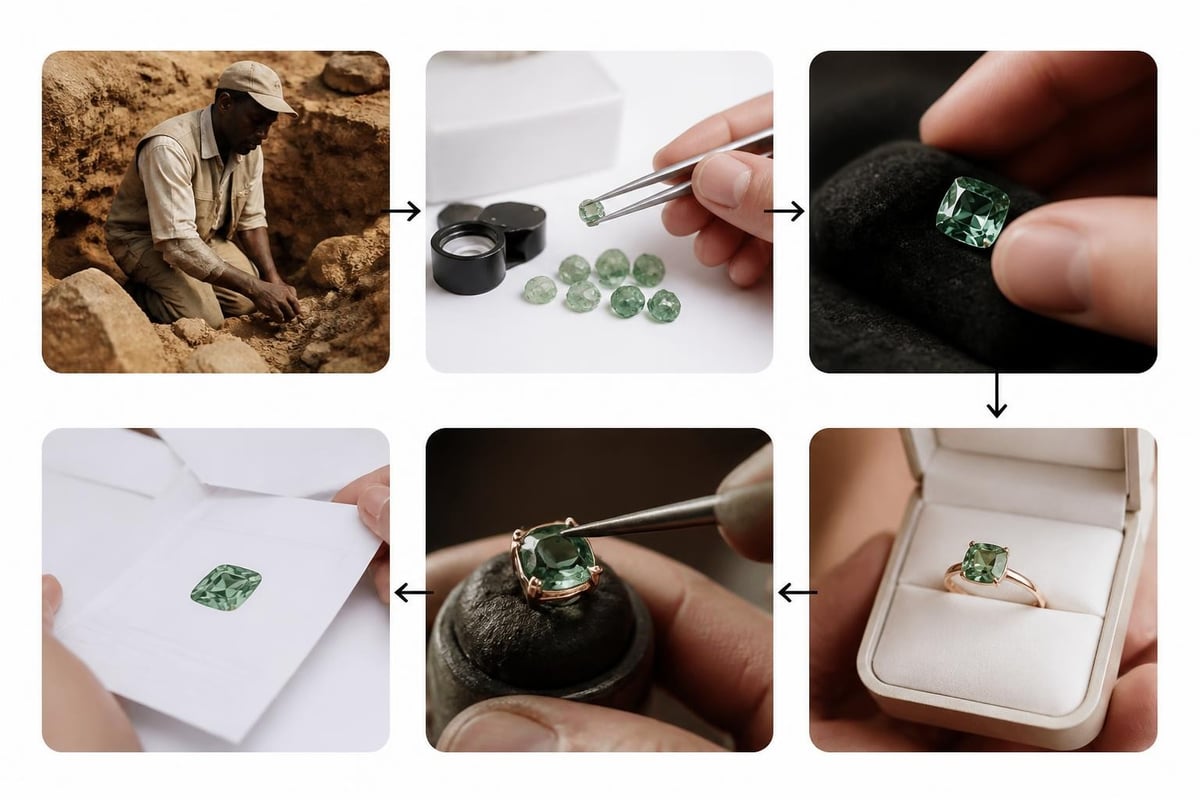
When purchasing a stone pendant necklace, inquire about:
A stone pendant necklace's versatility makes it suitable for multiple occasions and outfit styles. Strategic styling maximizes your investment by transitioning the same piece from casual to formal contexts.
Chain length dramatically affects how pendants sit and draw attention. Standard lengths serve different styling purposes:
| Chain Length | Position | Best For | Styling Notes |
|---|---|---|---|
| 16 inches | Choker | High necklines, formal wear | Emphasizes neck, suits petite frames |
| 18 inches | Collarbone | Most necklines, everyday wear | Most versatile length |
| 20 inches | Below collarbone | V-necks, open collars | Professional settings, layering |
| 24 inches | Mid-chest | Deep necklines, casual wear | Elongates torso, statement pieces |
Adjustable chains with multiple clasp positions offer flexibility for different outfits and occasions. This adaptability proves especially valuable for larger stone pendant necklaces that create different effects at varying lengths.
Contemporary jewelry styling frequently incorporates multiple necklaces worn simultaneously. When layering with a stone pendant necklace, vary chain lengths by at least 2 inches to prevent tangling. Mix textures and metals intentionally, combining delicate chains with substantial pendants or matching metal tones for cohesive looks.
Successful layering follows these principles:
For guidance on complementary pieces, exploring collections like amber necklaces demonstrates how different organic gemstones create cohesive jewelry wardrobes.
Proper care extends the lifespan of your stone pendant necklace and preserves its beauty. Different gemstones require specific care protocols based on their chemical composition, hardness, and sensitivity to environmental factors.
Simple habits protect your pendant from unnecessary damage. Remove jewelry before showering, swimming, exercising, or applying beauty products. Chemicals in chlorine, saltwater, lotions, and cosmetics can dull finishes, loosen settings, or damage certain stones.
Store pendants individually in soft pouches or lined compartments to prevent scratching. Hang necklaces when possible to prevent chain kinking. Keep jewelry away from extreme temperatures and direct sunlight, which can fade some gemstones or cause thermal shock in others.
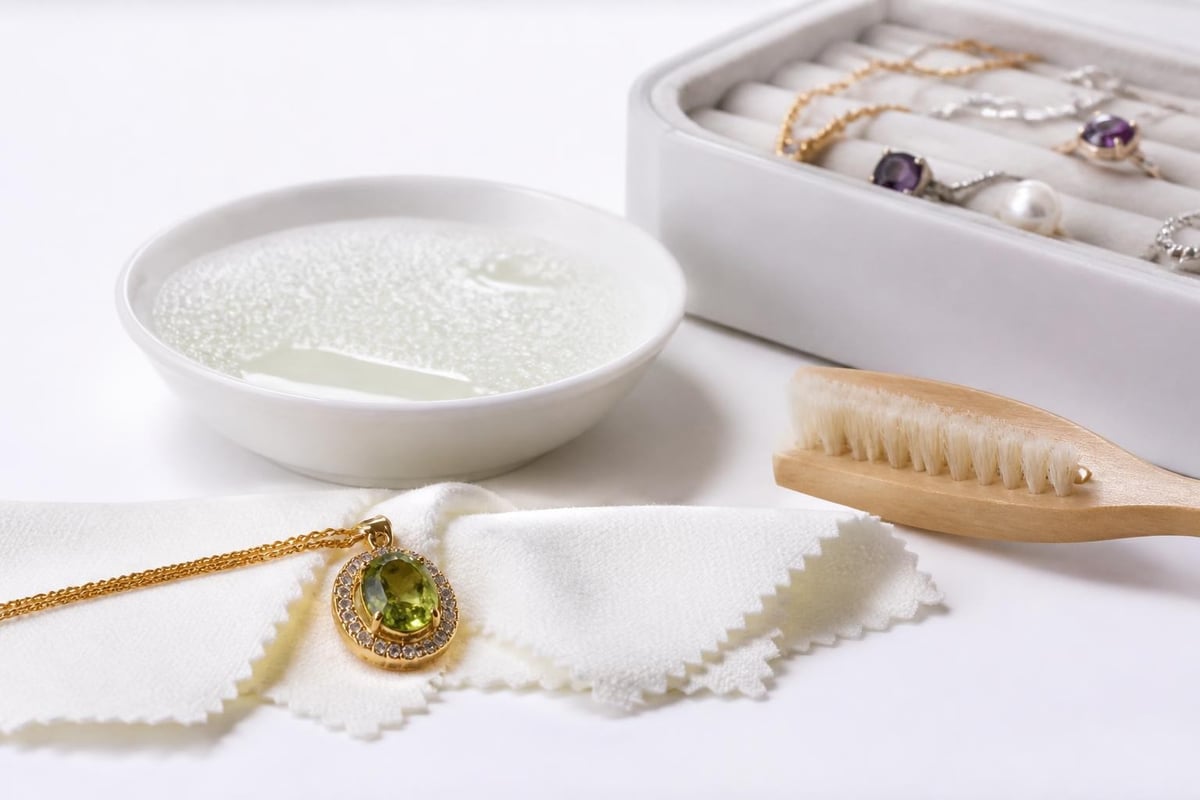
Safe cleaning depends on gemstone characteristics. Most durable stones tolerate warm water with mild soap and soft brushing. Porous or treated stones require different approaches:
Professional cleaning every 12-18 months allows jewelers to inspect settings, tighten prongs, and address wear before it becomes problematic. This preventive maintenance proves especially valuable for frequently worn pieces. Understanding gemstone repair considerations helps you recognize when professional intervention becomes necessary.
Purchasing a stone pendant necklace represents both aesthetic and financial investment. Understanding value drivers helps you make informed decisions aligned with your budget and expectations.
Gemstone rarity, quality, size, and market demand influence investment potential. While few colored gemstones appreciate like diamonds, certain rare materials maintain or increase value over time. Provenance, designer reputation, and craftsmanship quality also impact resale value.
Key investment considerations:
Exclusive materials like Larimar, found only in limited Dominican deposits, carry inherent rarity that supports value retention. Similarly, pieces from recognized artisans often command premiums reflecting their craftsmanship and artistic vision.
Exceptional stone pendant necklaces exist across price ranges. Rather than maximizing carat weight, prioritize quality characteristics most visible to the naked eye. A smaller, well-cut stone with excellent color often appears more impressive than a larger stone with poor proportions or dull appearance.
Consider purchasing directly from specialized artisans or jewelers who work closely with particular gemstone materials. These sources often provide better value than retail chains while offering expertise about the specific stones they feature. Resources like the Larimar information page demonstrate how specialized knowledge enhances the selection experience.
Custom-designed stone pendant necklaces allow you to create truly unique pieces reflecting personal style, meaningful symbolism, or specific aesthetic preferences. The customization process offers creative freedom while ensuring perfect fit with your existing jewelry collection.
Collaboration begins with communicating your vision, budget, and timeline. Bring inspiration images, describe intended wear occasions, and discuss any symbolic significance you want incorporated. Experienced jewelers translate these concepts into wearable designs that balance aesthetics with structural integrity.
The custom process typically follows these stages:
Custom work allows you to specify exact chain lengths, metal purities, and setting styles. You can incorporate family stones, combine materials meaningfully, or create heirloom pieces designed for generational wear.
Many choose stone pendant necklaces based on attributed metaphysical properties or cultural symbolism. Whether you embrace these beliefs or appreciate their cultural significance, intentional stone selection adds personal meaning to your jewelry.
Birthstones, anniversary gems, and healing crystals each carry specific associations. Blue stones often symbolize tranquility and communication, while green stones connect to growth and renewal. Research gemstone symbolism to select materials resonating with your intentions or life circumstances.
The stone pendant necklace market in 2026 reflects broader jewelry trends emphasizing sustainability, individuality, and versatile design. Understanding current directions helps you select pieces remaining stylish beyond temporary fashion cycles.
Environmental consciousness drives demand for recycled metals and responsibly sourced gemstones. Jewelers increasingly advertise their supply chain transparency and environmental commitments. This shift benefits consumers seeking ethical purchases and artisans differentiating themselves through sustainable practices.
Lab-grown gemstones continue gaining market share for common materials like sapphires and emeralds, though natural stones maintain premium positions for rare and collector-grade materials. The key distinction centers on disclosure-ensuring buyers understand exactly what they're purchasing.
Contemporary stone pendant necklaces increasingly embrace minimalist aesthetics and gender-neutral styling. Simple bezel settings, geometric shapes, and unadorned presentations appeal to diverse consumers seeking versatile, understated elegance. These designs transition seamlessly between formal and casual contexts while maintaining timeless appeal.
Popular design elements include:
These trends favor quality over quantity, encouraging investment in fewer, better-made pieces worn regularly rather than extensive collections worn occasionally.
Selecting the perfect stone pendant necklace combines understanding gemstone properties, evaluating craftsmanship quality, and identifying pieces that resonate with your personal style and values. Whether you prioritize rare materials, ethical sourcing, investment potential, or symbolic meaning, informed decision-making ensures satisfaction with your purchase for years to come. Larimar Creations specializes in handcrafted pendants featuring exclusive Caribbean gemstones, offering authenticated pieces with worldwide shipping to help you discover jewelry that tells your unique story.