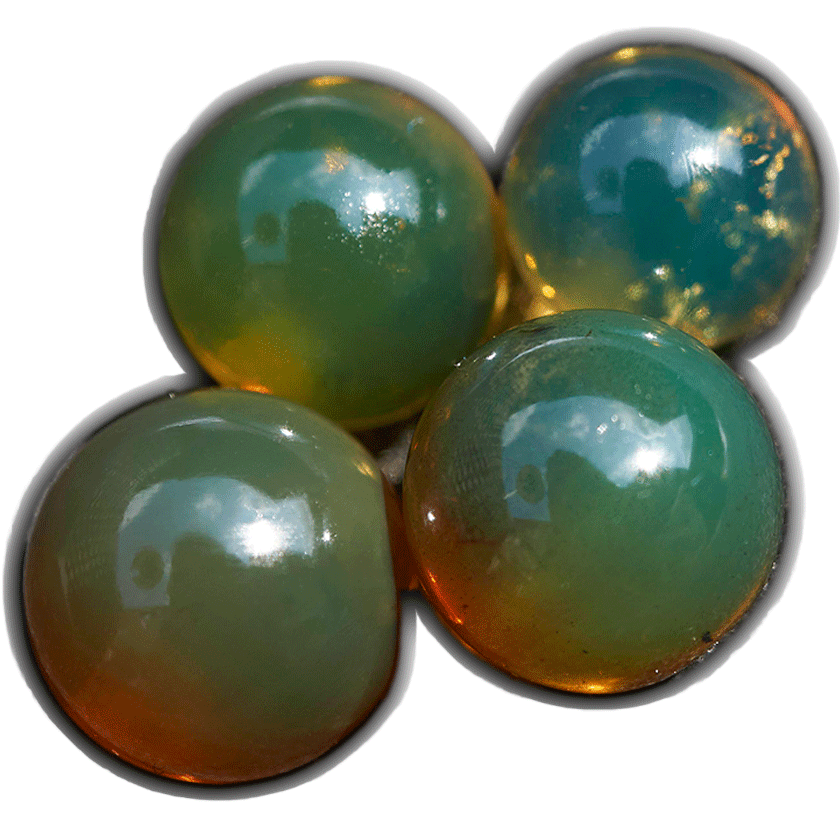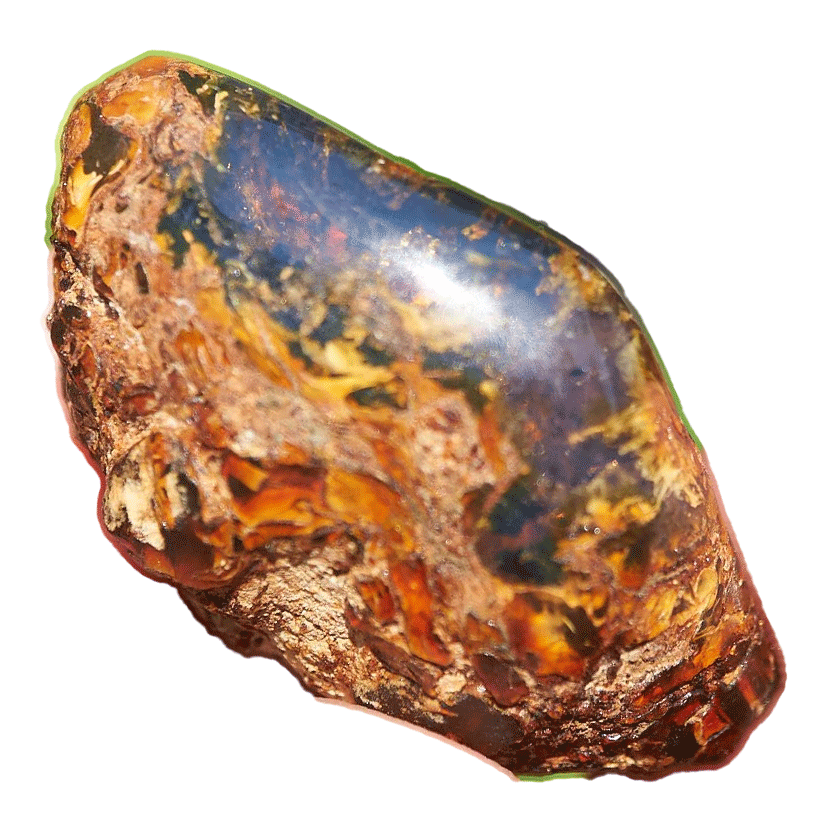

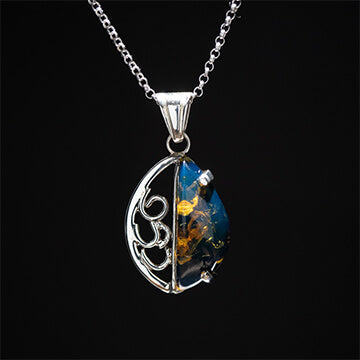
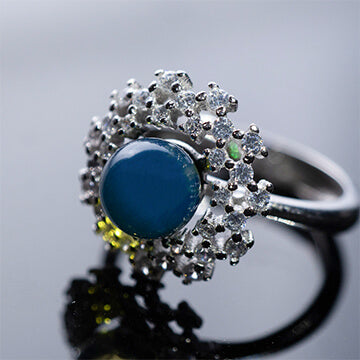
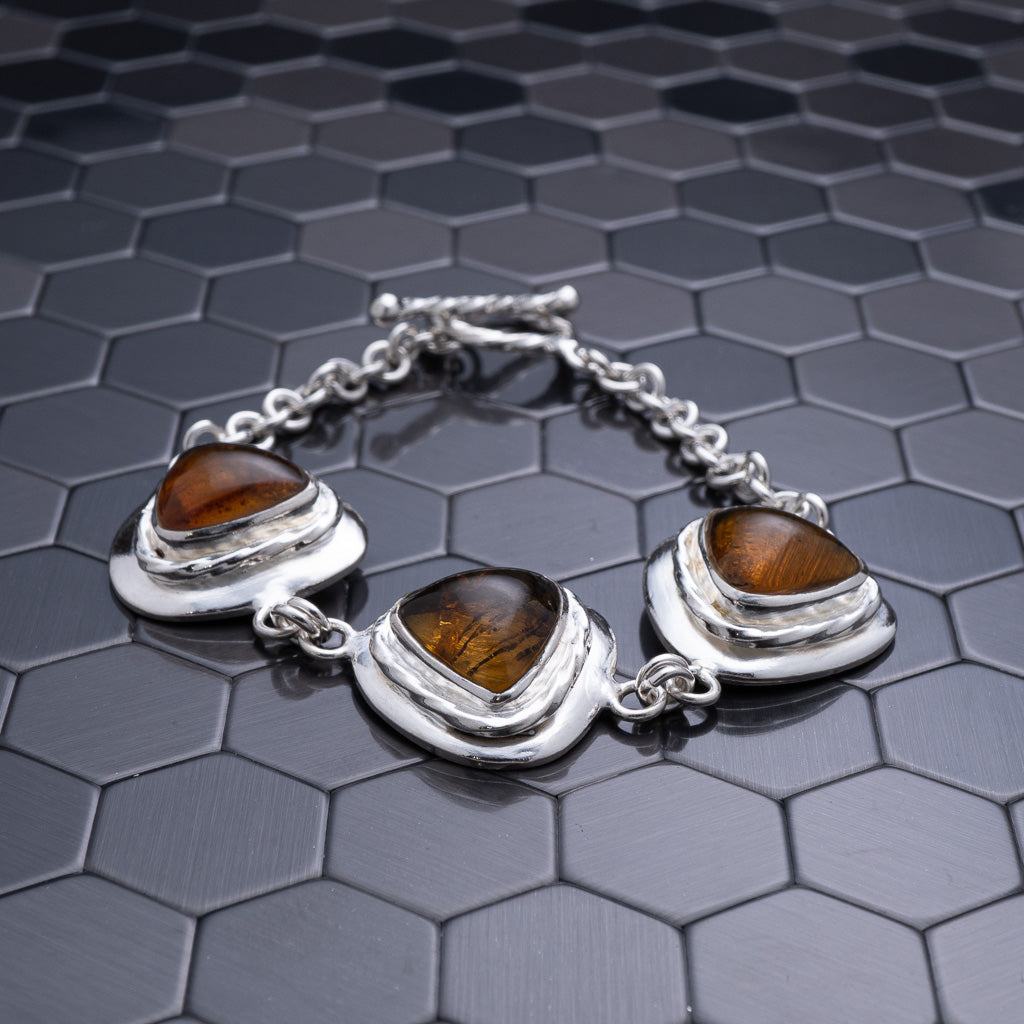
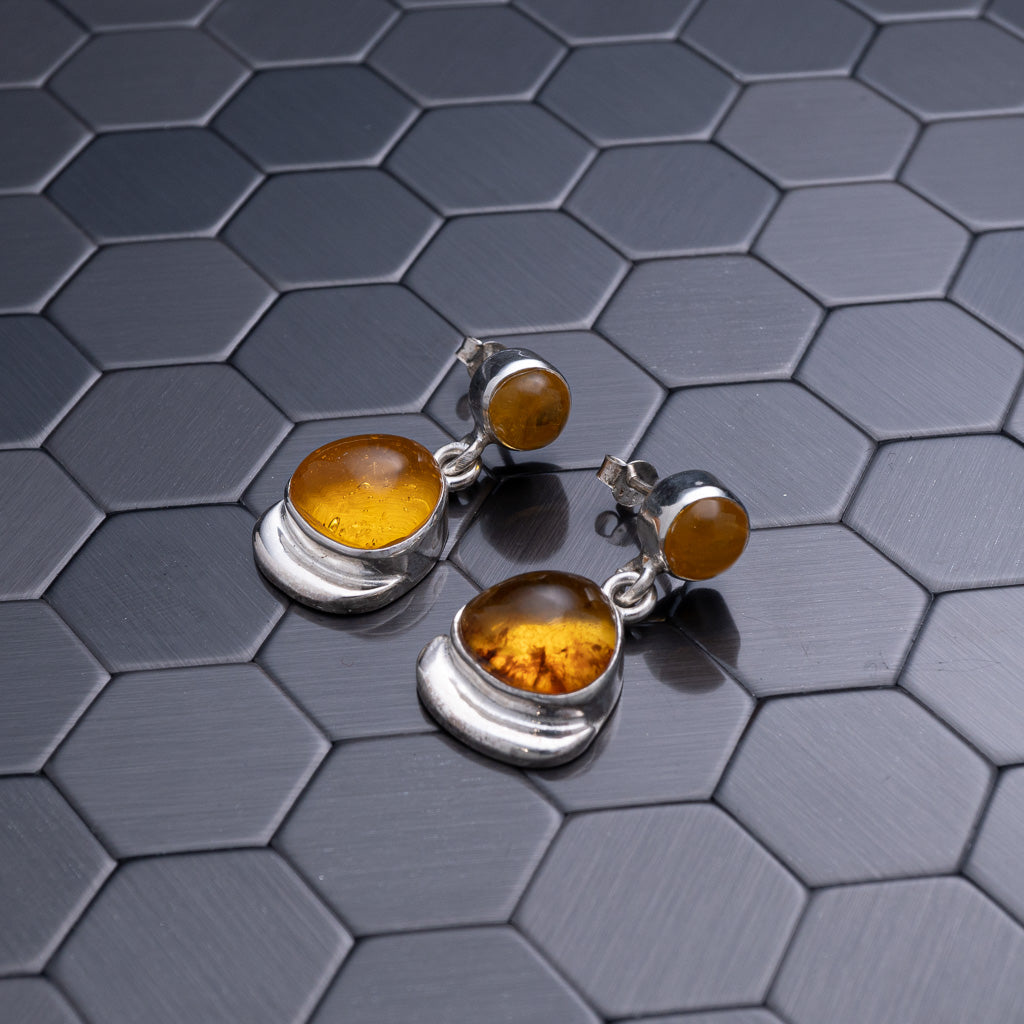
A gemstone that comes from one small corner of the world already begins with a different story. When people ask what makes Larimar so rare, the answer is not just its beautiful blue color. Its rarity comes from a very specific combination of geography, limited supply, demanding extraction, and the fact that truly fine material is far less common than many buyers realize.
Larimar has the calm, ocean-blue look that instantly sets it apart in jewelry, yet its appeal runs deeper than appearance. For collectors, gift buyers, and anyone searching for a gemstone with genuine origin and character, Larimar stands in a category of its own. It is one of the few stones whose visual identity, source, and scarcity are so closely tied together.
Larimar is rare because it is found in only one place on Earth: the Dominican Republic. That single-origin status matters. Many gemstones are mined in several countries, which gives the market multiple supply channels and broader availability. Larimar does not have that advantage. Its entire global supply depends on one limited mining region in the Caribbean.
That alone would make it notable, but origin is only part of the story. The amount of gem-quality Larimar that can actually be cut into beautiful cabochons, pendants, rings, and collector pieces is much smaller than the raw material coming from the ground might suggest. Not every piece has the vivid blue color, soft white marbling, and stable structure that buyers associate with premium Larimar jewelry.
This is where rarity becomes more refined. There is Larimar, and then there is exceptional Larimar. The difference affects both desirability and value.
Larimar is mined in the mountainous Barahona region of the Dominican Republic. That localized origin gives the stone a strong sense of place, which is part of its romance and part of its scarcity. Wear a piece of the Caribbean is more than a beautiful phrase here. It is quite literal.
Because the source is so limited, supply is vulnerable to everything from mining conditions to labor intensity to access challenges. Unlike stones with broad international mining networks, Larimar cannot simply be sourced elsewhere when demand rises. If availability tightens in the Dominican Republic, the market feels it.
For buyers who care about authenticity, this narrow origin also raises the importance of trusted sourcing. A genuine Larimar piece should have a clear connection to the Dominican Republic, not just a blue look that imitates it.
One reason what makes Larimar so rare is often misunderstood is that people assume rarity only means the stone is uncommon in nature. In reality, mining difficulty plays a major role.
Larimar is extracted from hard-to-reach areas, often in rugged mountainous terrain. Mining can be labor-intensive and physically demanding, and production does not move with the speed or scale of mass-market gemstone supply. Accessing the material, transporting it, and sorting it for usable quality all take time and care.
Even after mining, the rough must be evaluated closely. Some pieces may have fractures, uneven coloration, or areas that are unsuitable for fine jewelry. That means a portion of what is mined never becomes the polished gemstone people imagine when they think of Larimar.
From a buyer's perspective, this matters because scarcity is shaped not just by what exists underground, but by what survives the full path from mine to finished piece.
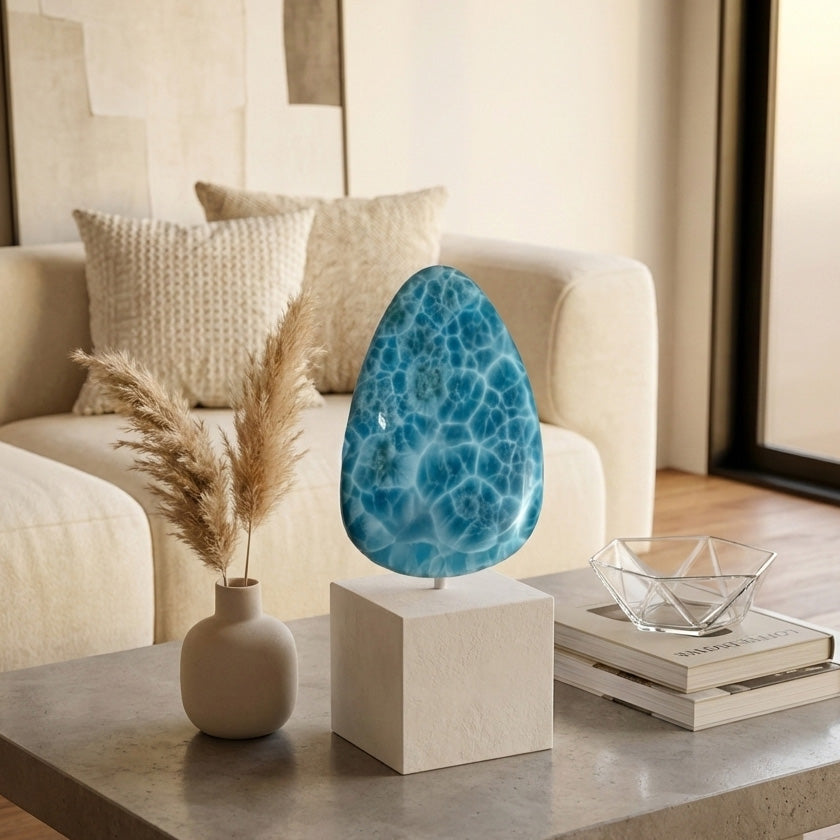
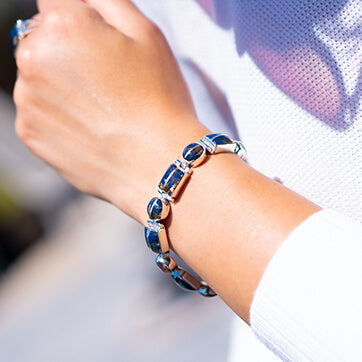
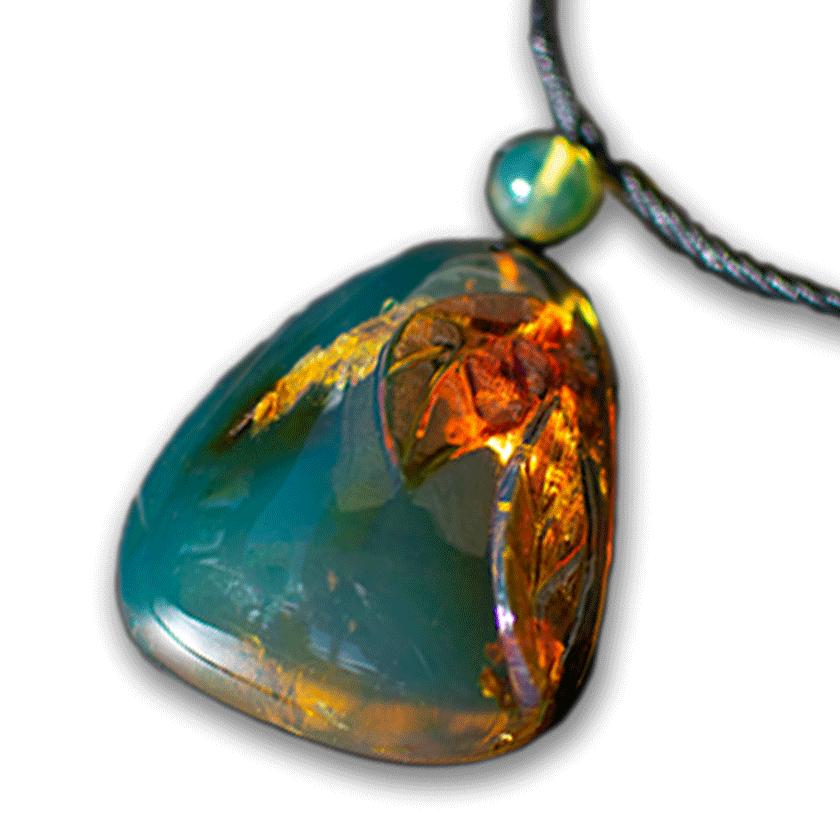
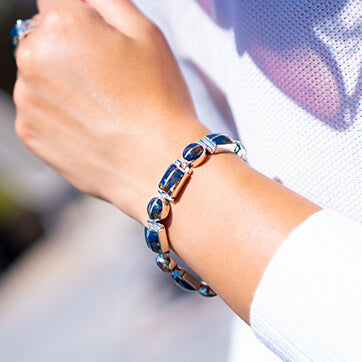
Not all Larimar is created equal. The most sought-after stones display rich sky-blue to deep ocean-blue color, often with graceful white patterns that resemble sea foam or sunlight on water. Those top visual qualities are not the norm across all material.
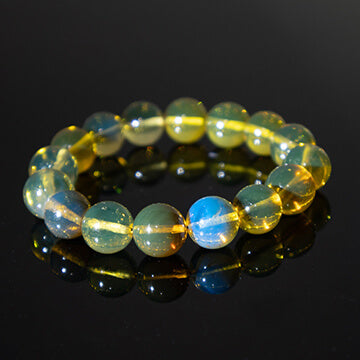
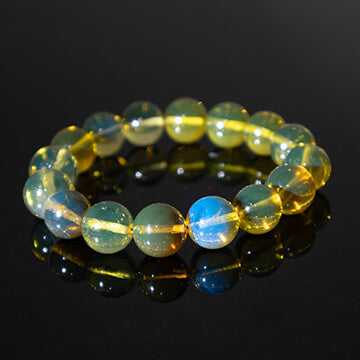
Some Larimar appears pale, grayish, greenish, or heavily mixed with matrix. These variations are still natural, and some buyers appreciate their individuality. But when people picture the finest Larimar, they are usually imagining saturated blue material with striking contrast and a clean, balanced pattern.
That is where rarity becomes especially important in jewelry. A ring or pendant featuring vivid blue Larimar with beautiful natural marbling is rarer than a piece cut from lower-grade material. In other words, premium color concentration narrows the supply even further.
This is also why high-quality Larimar jewelry can feel so personal. No two stones are identical, and the most captivating examples have a visual depth that is difficult to replace.
A useful distinction for shoppers is the difference between commercial Larimar and collector-worthy or fine-jewelry Larimar. Commercial material may still be authentic, but it can show weaker color, more inclusions, less attractive patterning, or structural limitations.
Fine gem-quality Larimar has a more memorable presence. The color feels alive. The pattern looks naturally elegant rather than muddy or chaotic. The stone cuts well, polishes beautifully, and holds up in carefully crafted jewelry.
That higher tier is where rarity becomes tangible. Many buyers entering the category think Larimar is simply rare across the board. A more accurate view is that authentic Larimar is limited, while truly exceptional Larimar is significantly rarer.
For collectors, this distinction is everything. For jewelry buyers, it explains why some pieces stand out immediately and why certified, responsibly sourced stones command greater trust.
When a gemstone becomes desirable, the market often fills with lookalikes, mislabeling, or heavily treated material. Larimar is no exception. Because the genuine stone is relatively rare and visually distinctive, buyers can encounter pieces that are misrepresented or sold without meaningful origin assurance.
That makes authentic, certified Larimar even more valuable in practical terms. Scarcity is not just about geology. It is also about how much of the market can be verified with confidence.
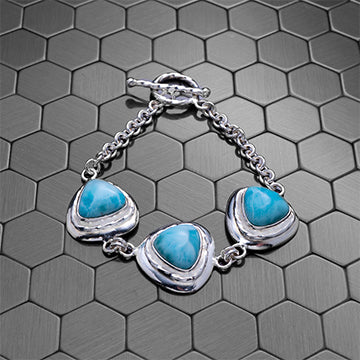
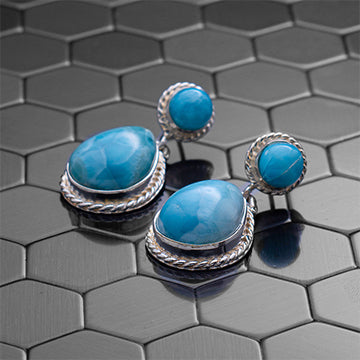
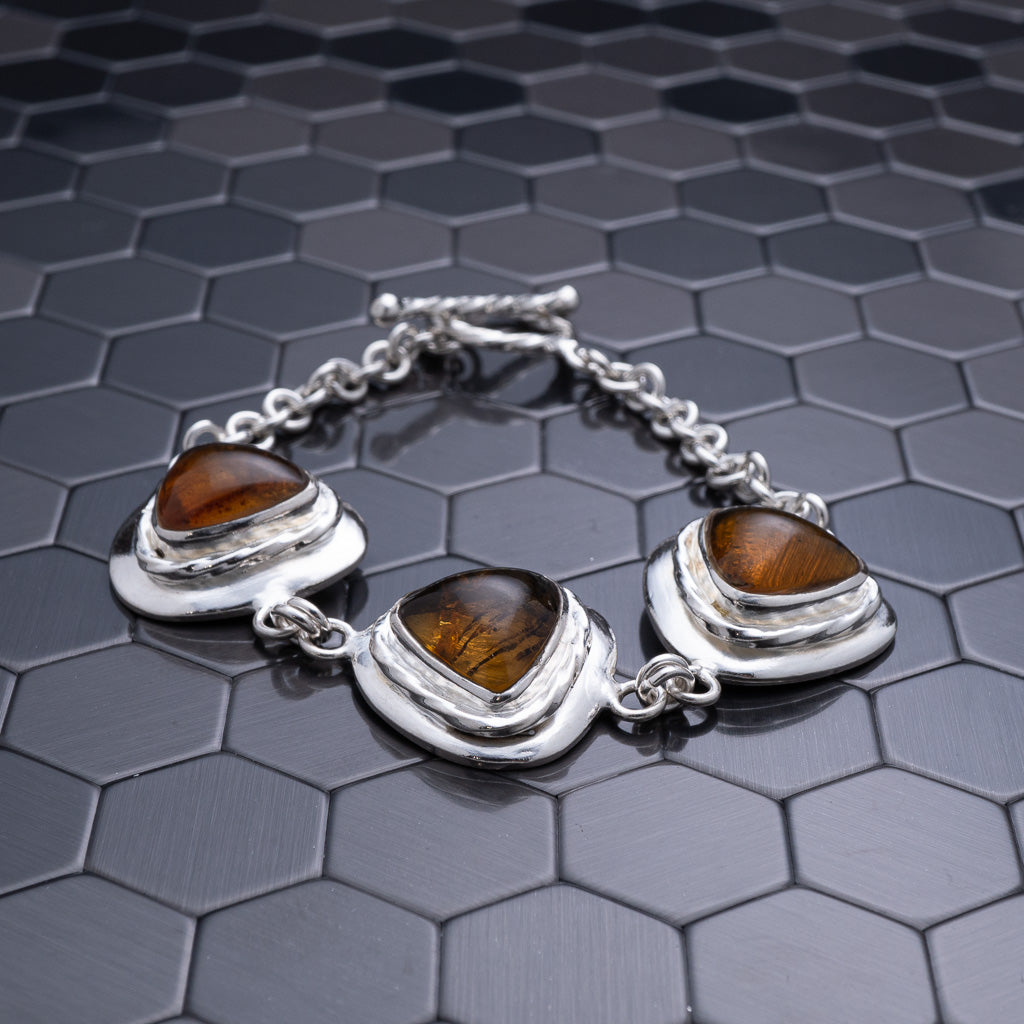
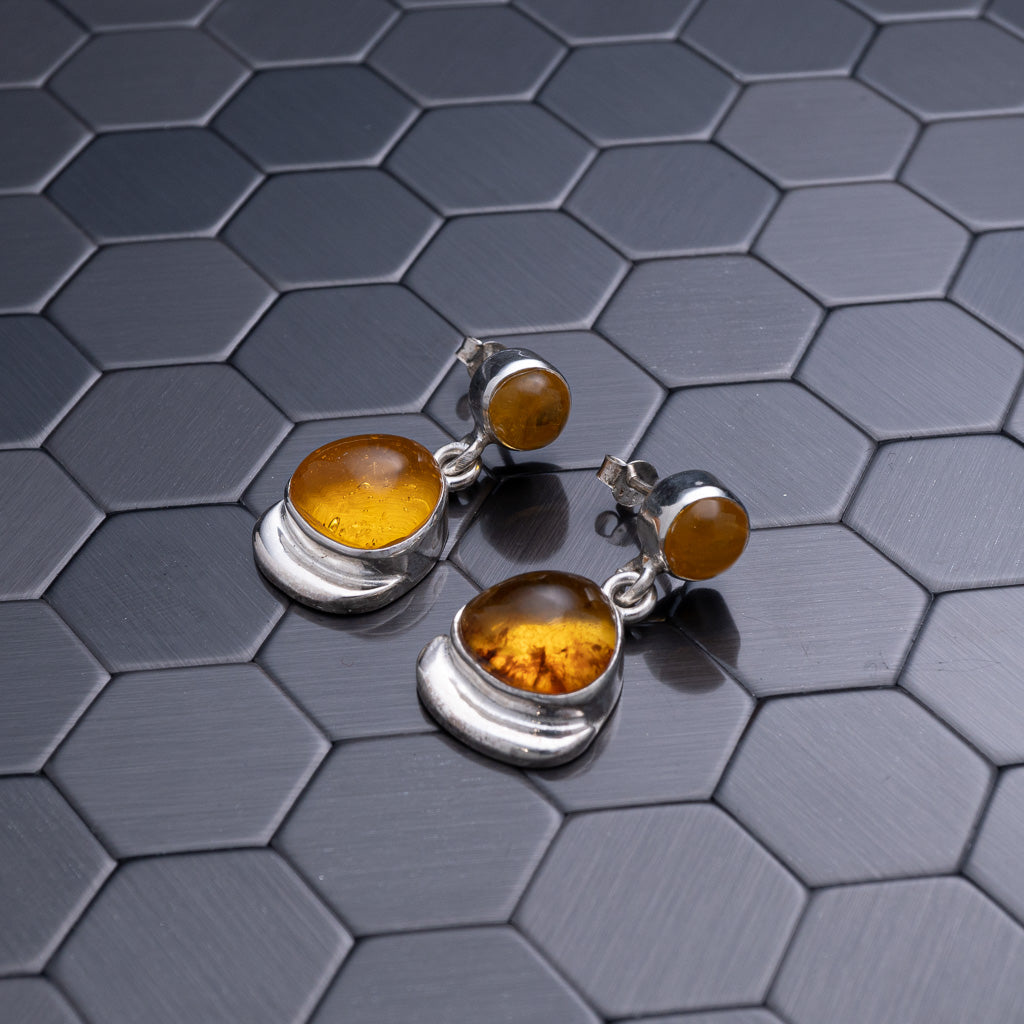
For a shopper choosing a pendant, bracelet, pair of earrings, or a collector cabochon, authenticity changes the entire experience. You are not simply buying blue stone. You are choosing a gemstone with a singular Caribbean origin, natural individuality, and a story that can be trusted.
This is one reason specialized sources matter. A brand focused on genuine Dominican stones, such as Larimar Creations, brings a level of category knowledge that general jewelry sellers often do not.
Larimar's rarity is amplified by the way it is finished. A premium stone can lose much of its beauty if it is poorly cut, badly matched, or set without care. On the other hand, skilled craftsmanship brings out the movement in the color and the soft natural patterning that make the stone so desirable.
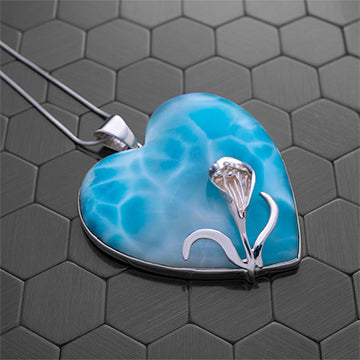
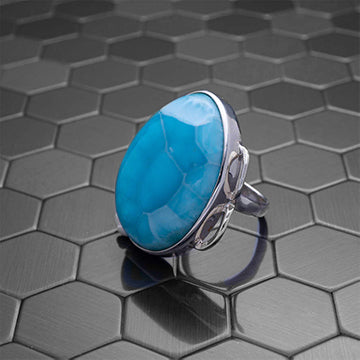
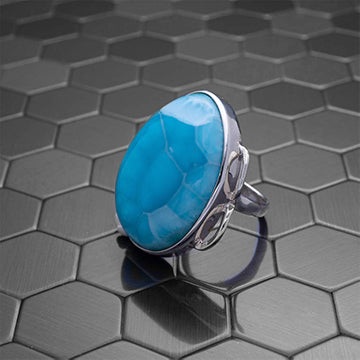
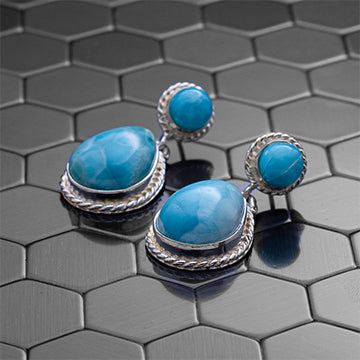
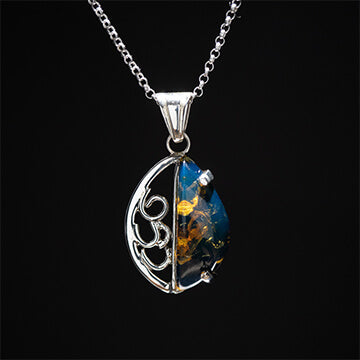
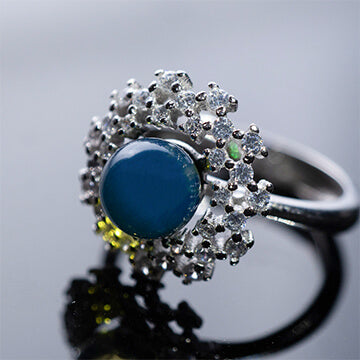
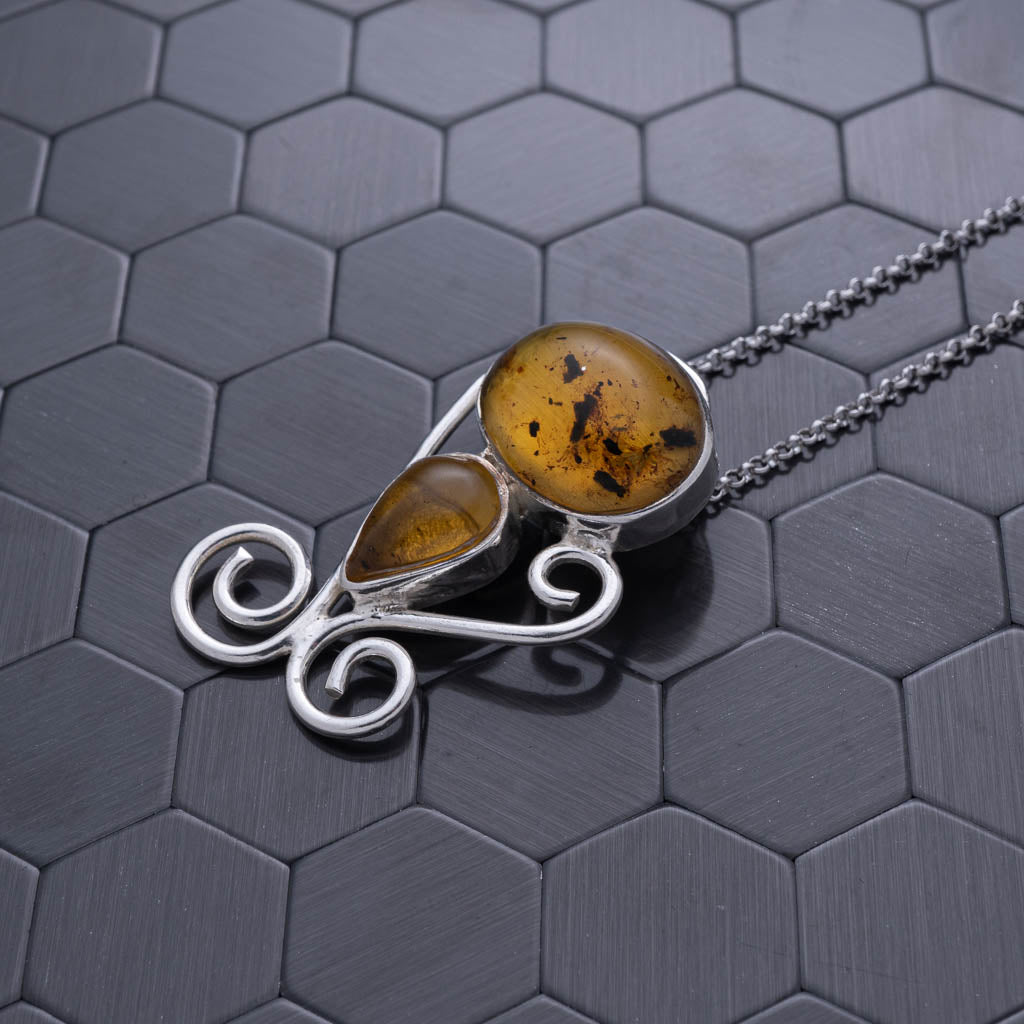
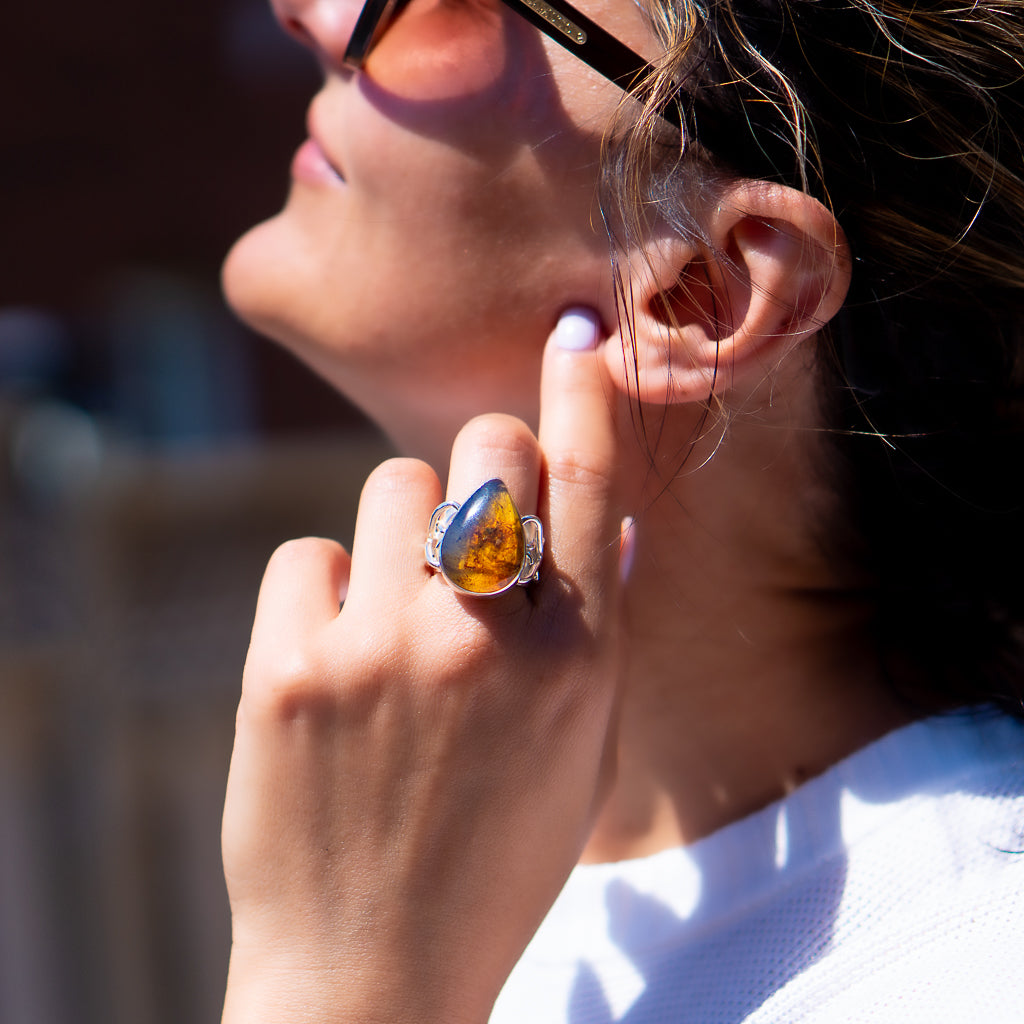
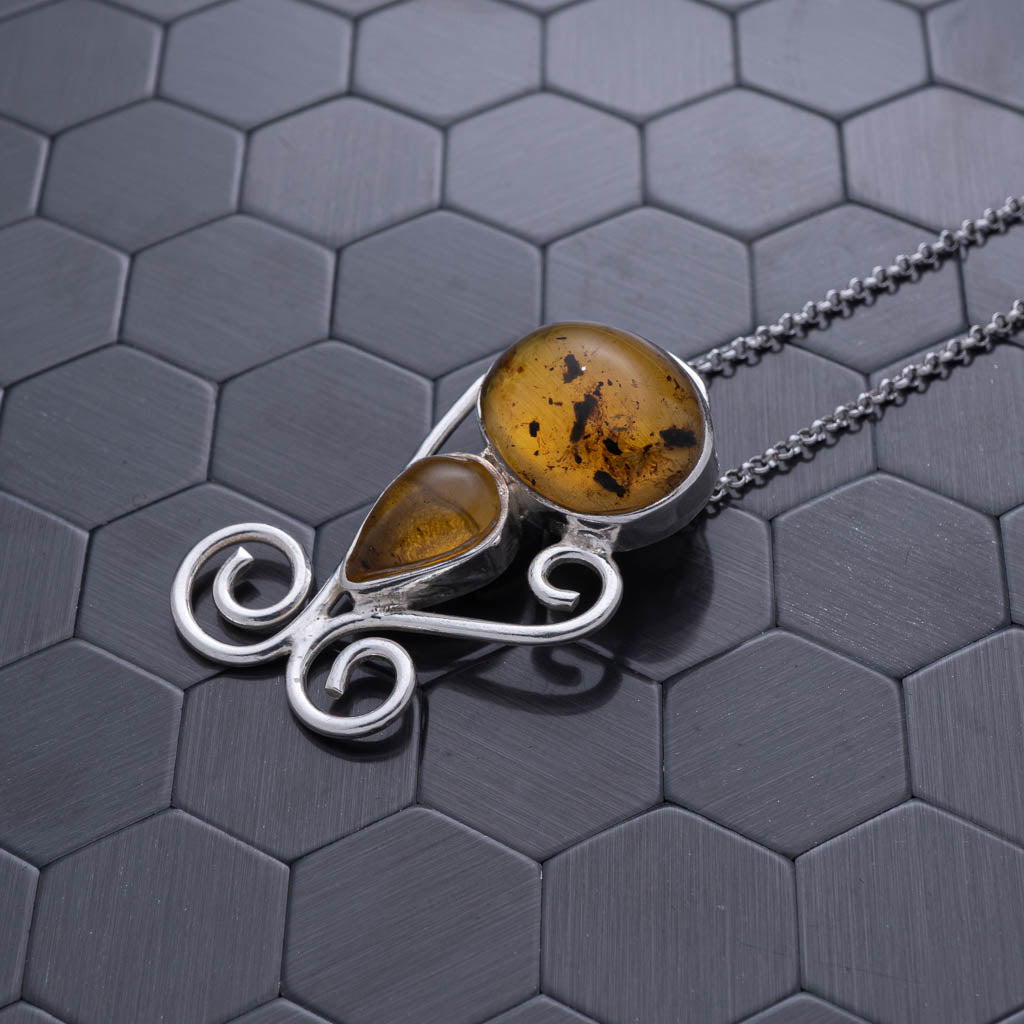
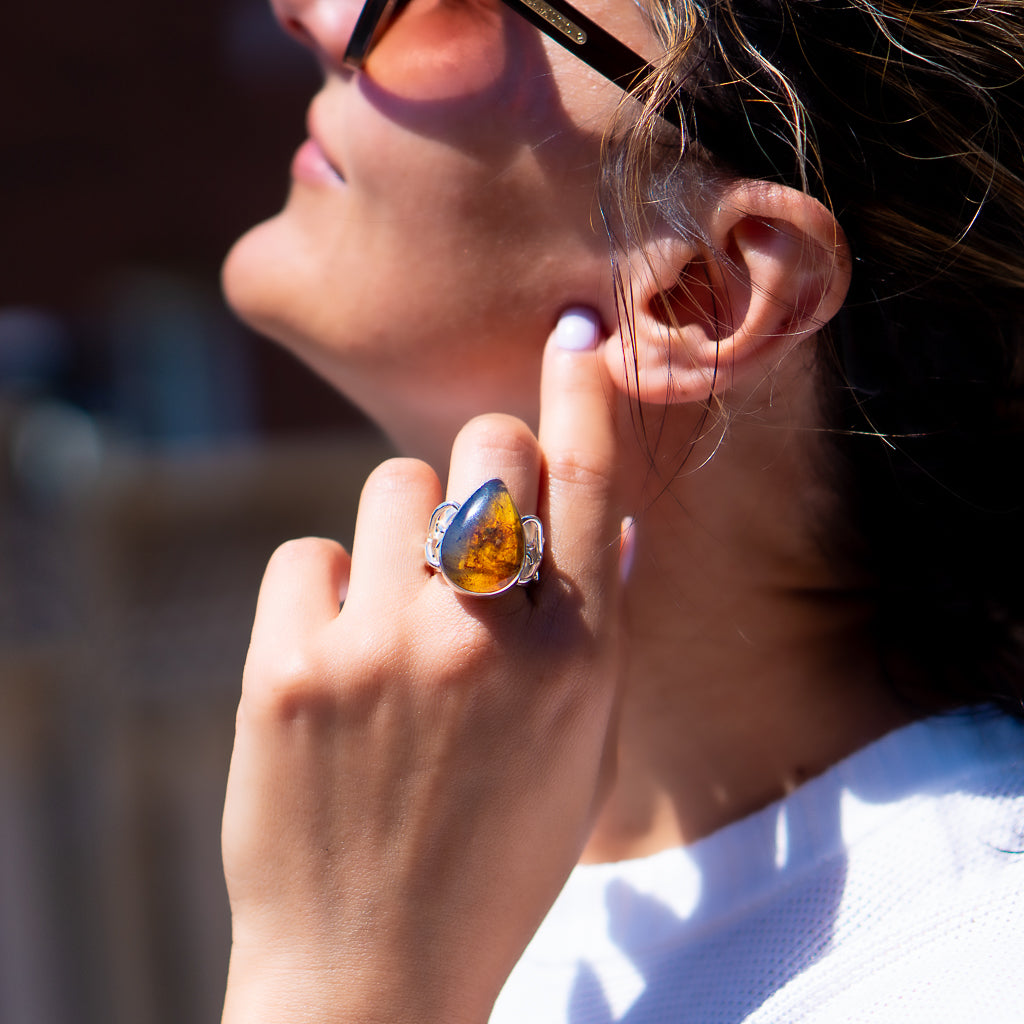
This is especially true for artisan jewelry. Cabochon selection, shape, polish, and setting style all influence how the stone reads once worn. A heart pendant may highlight a dreamy pattern. A statement ring may center the richest blue area. Earrings may require close matching, which is another challenge when every natural stone is unique.
That means the finest finished Larimar pieces are rare twice over - first because of the material itself, and second because of the workmanship required to present it beautifully.
There is also an important trade-off to understand. Some shoppers want the deepest blue available and see rarity through the lens of top grade. Others are drawn to Larimar because no two stones look exactly alike, even if the color is lighter or the pattern more dramatic.
So what makes Larimar so rare can depend on the context. If you are speaking geologically, it is rare because it comes from one location. If you are speaking as a jewelry buyer, it is even rarer when the stone combines excellent color, strong polish, attractive pattern, authentic origin, and artisan finishing.
That layered rarity is part of what gives Larimar its emotional value. It does not feel generic. It feels chosen.
Larimar sits at a rare intersection of beauty, place, and credibility. Its ocean-toned palette makes it instantly wearable, yet its limited Dominican source gives it the kind of exclusivity many buyers want but cannot find in mass-market jewelry. It offers visual serenity with genuine scarcity behind it.
For gift buyers, that makes Larimar meaningful. For collectors, it makes the stone worth studying. For jewelry lovers, it offers something increasingly difficult to find - a natural gemstone that still feels intimate, distinctive, and rooted in origin.
The best way to think about Larimar is not as a trendy blue stone, but as a gemstone with a narrow birthplace, a demanding journey, and a beauty that cannot be mass-produced. That is why it continues to hold attention long after the first glance, and why the right piece can feel like owning a small, authentic fragment of the Caribbean.