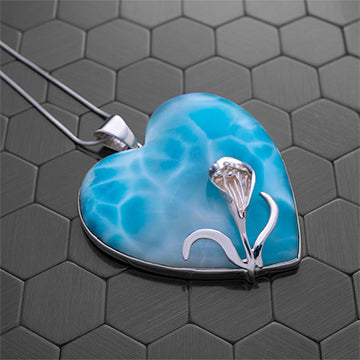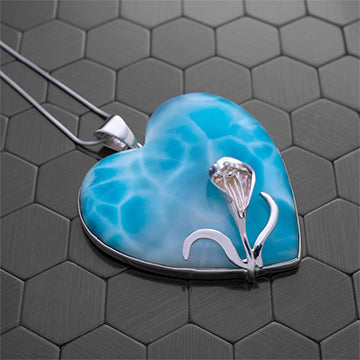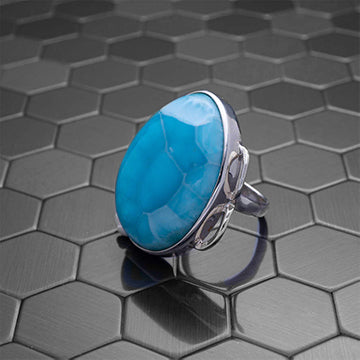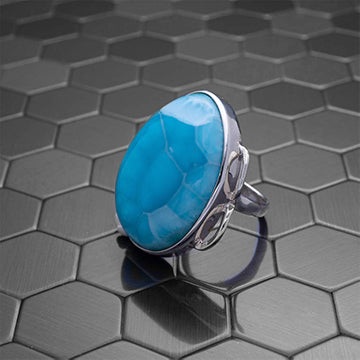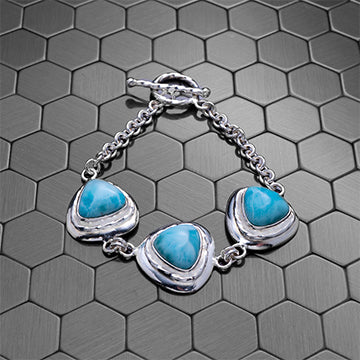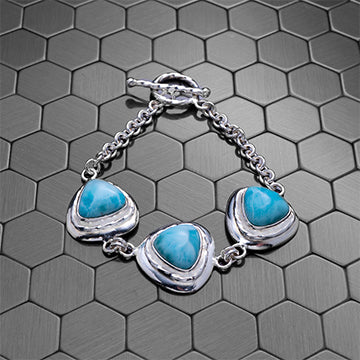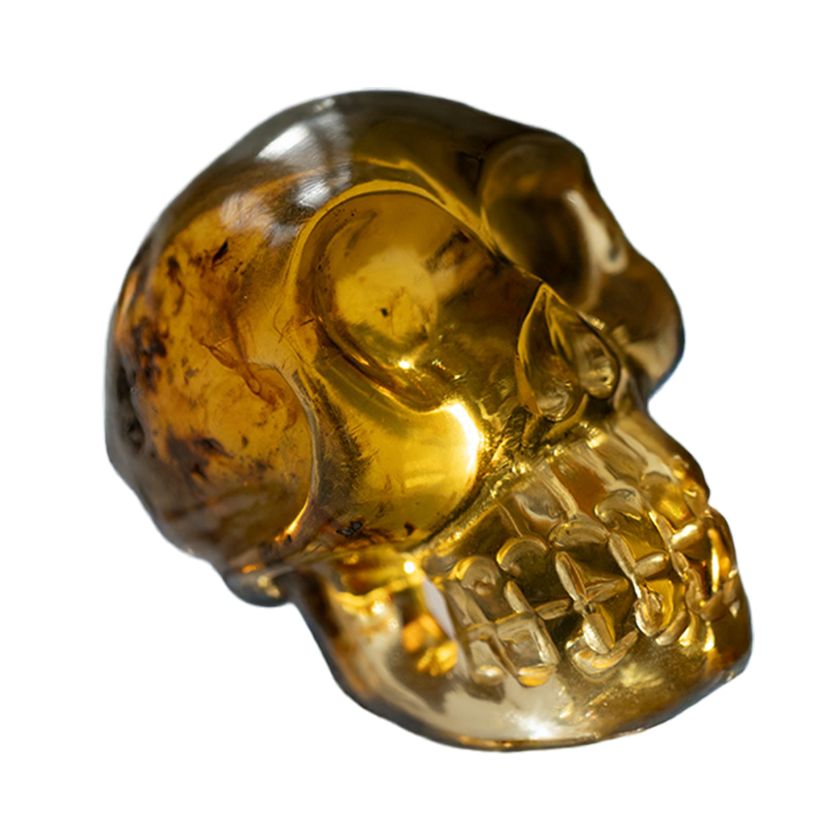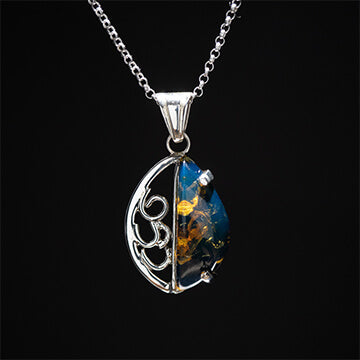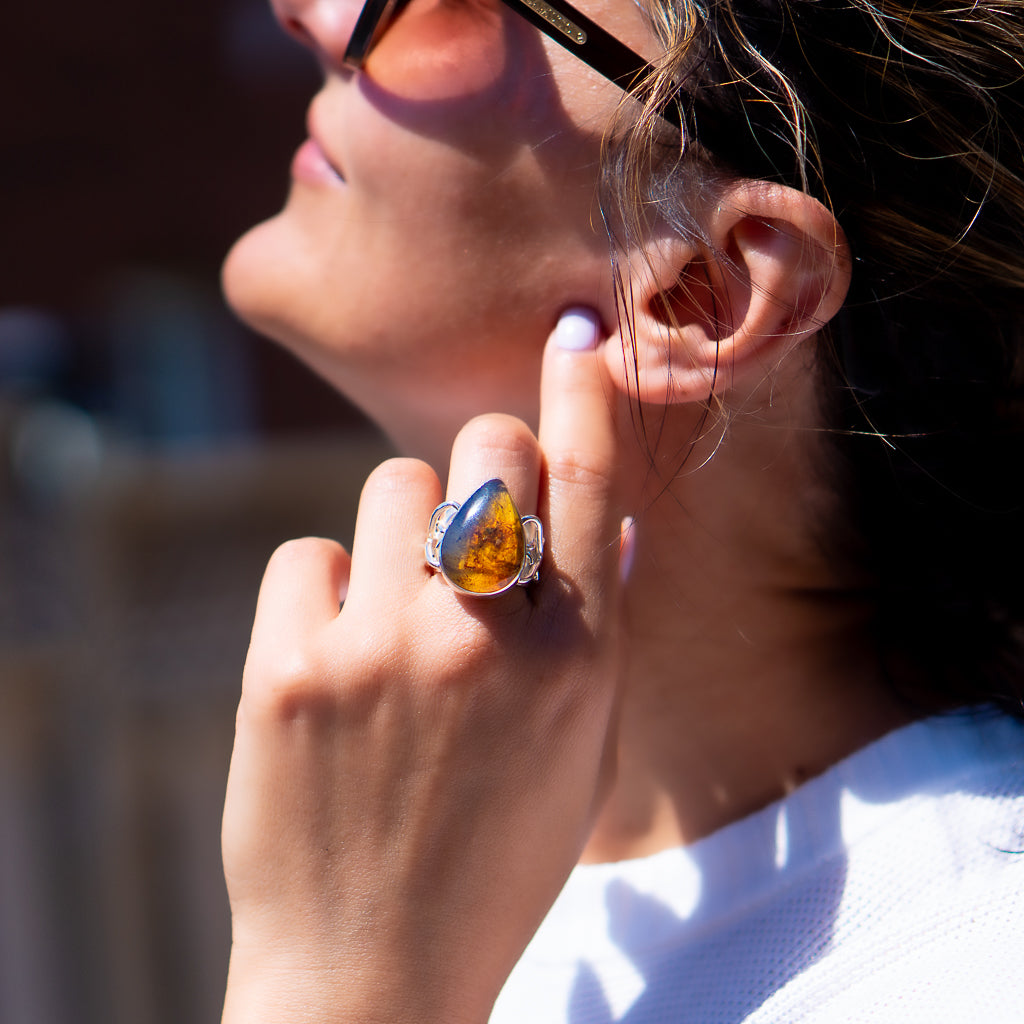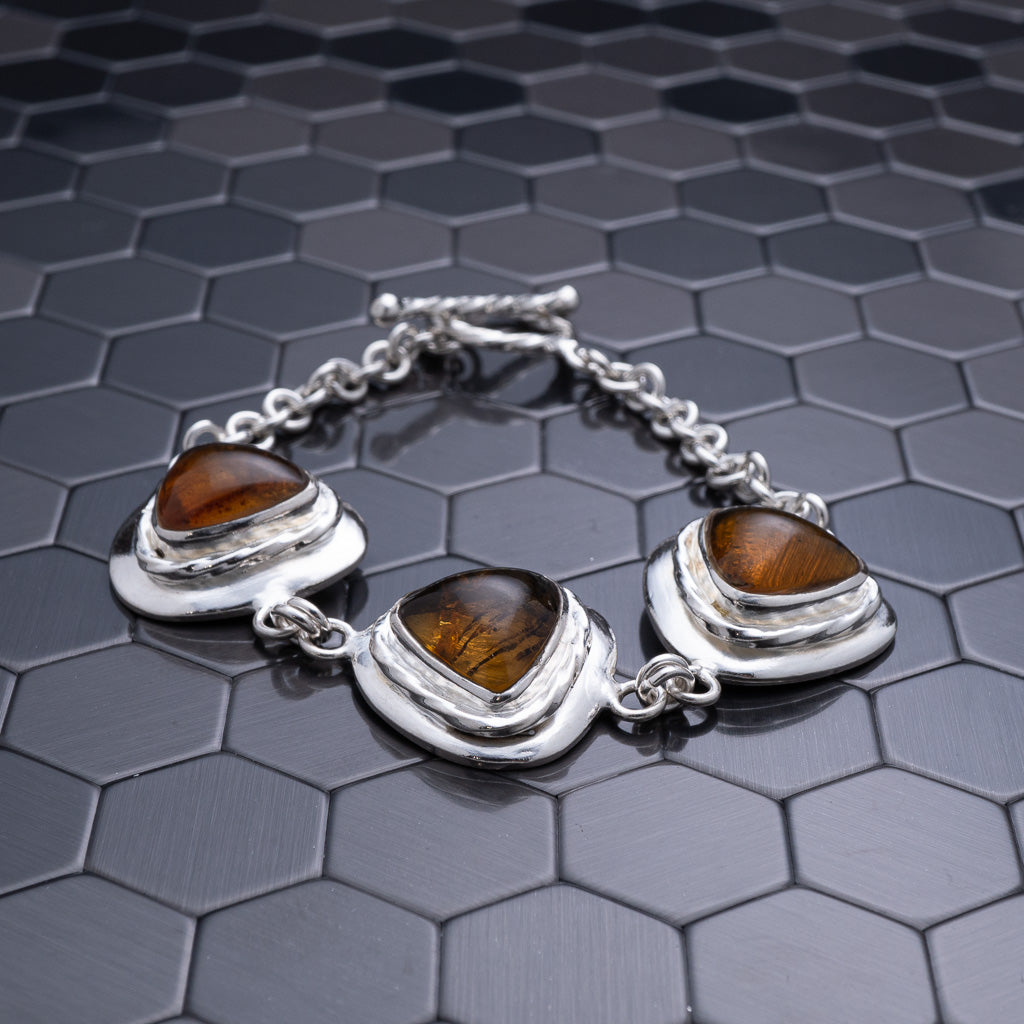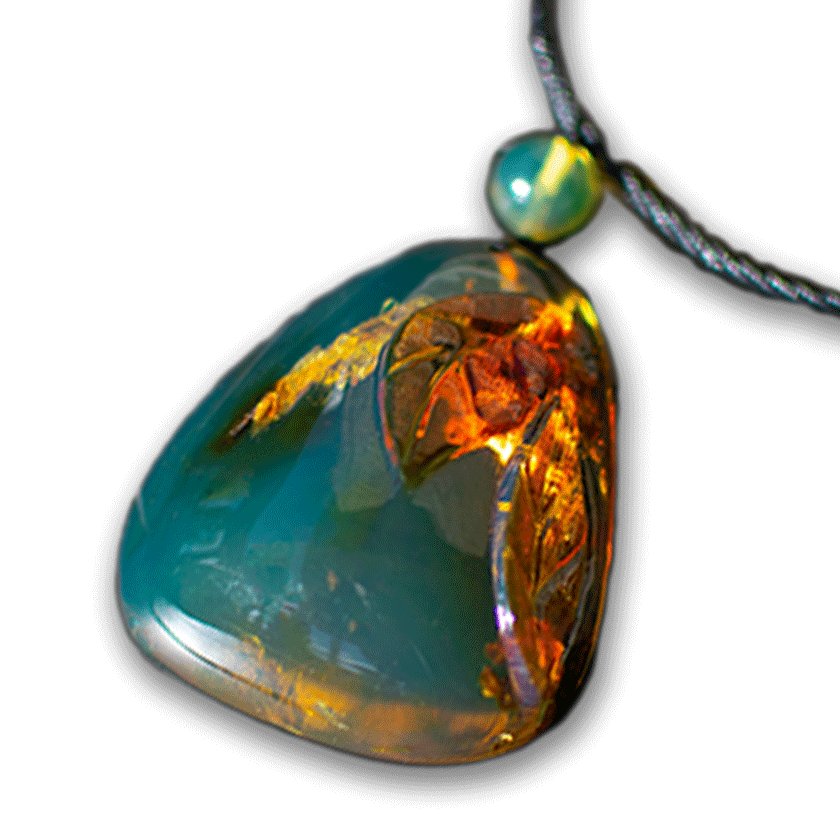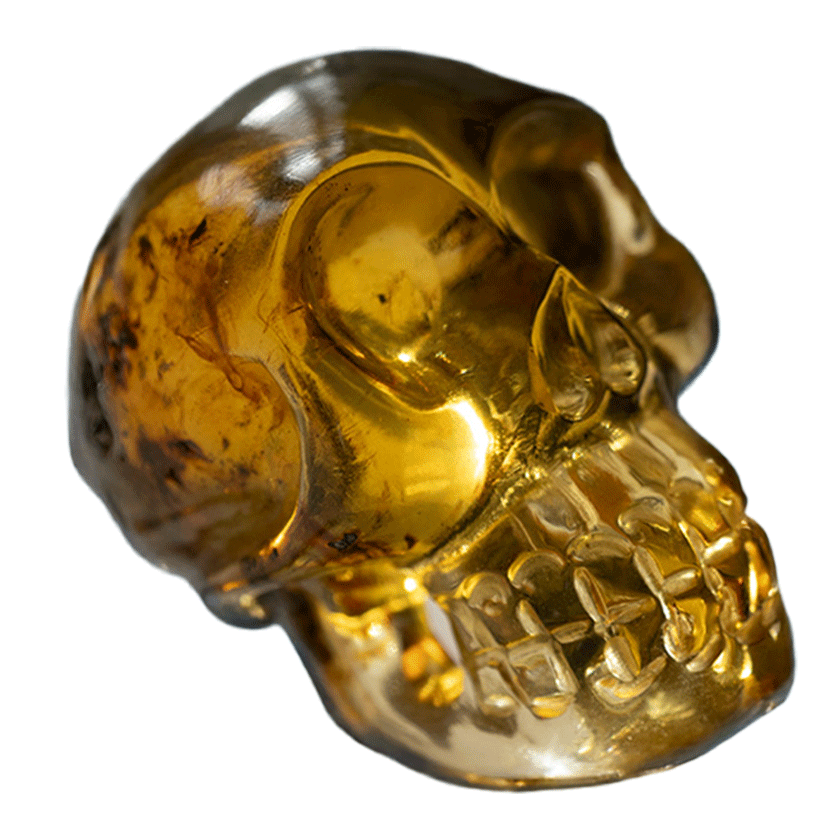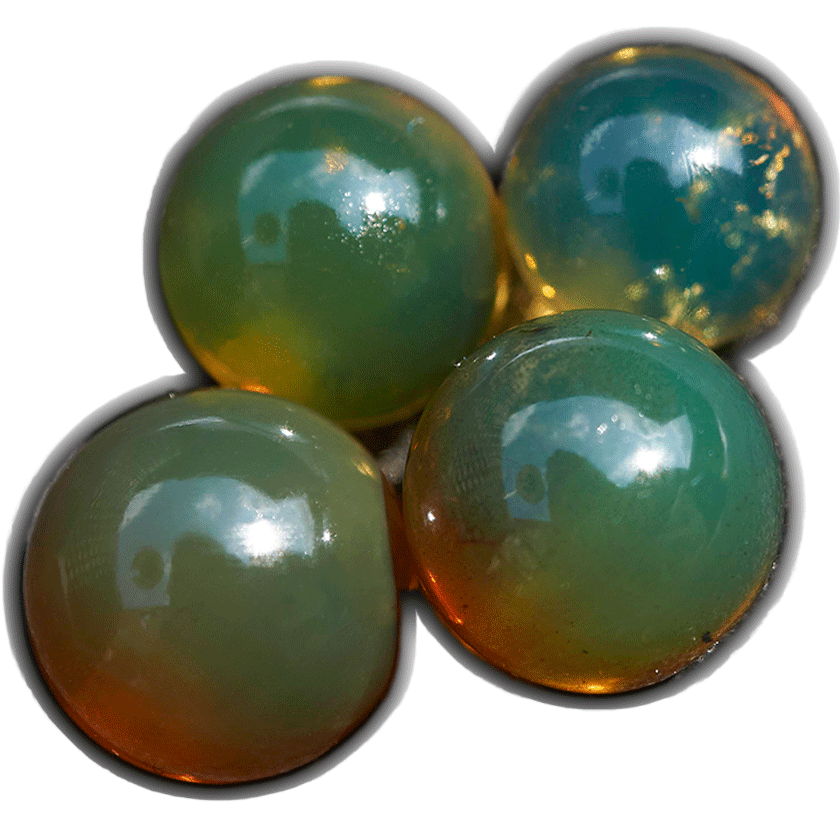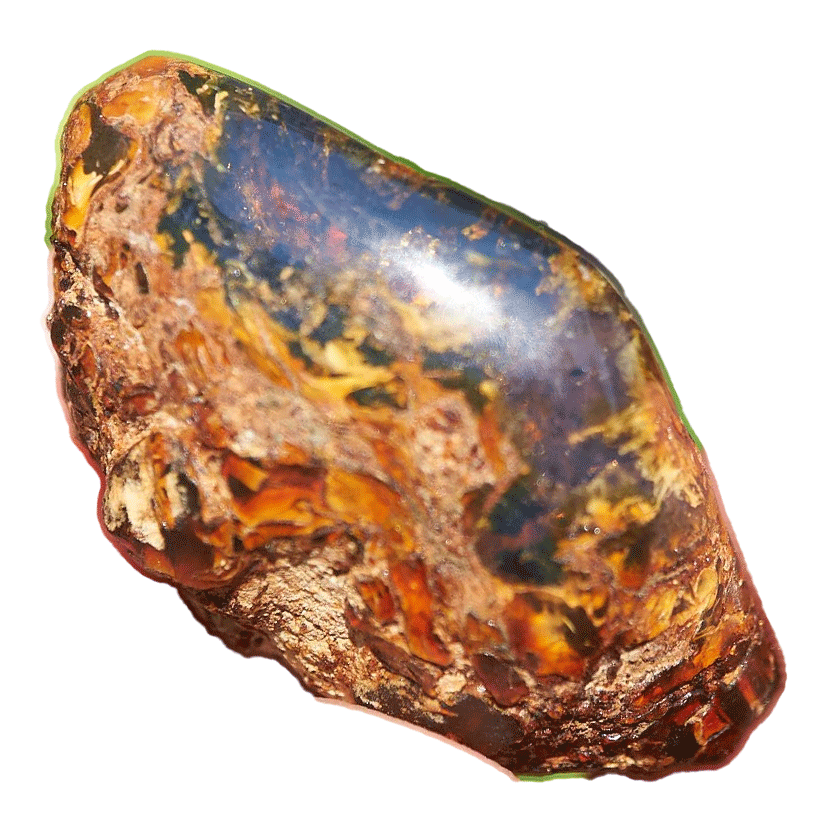


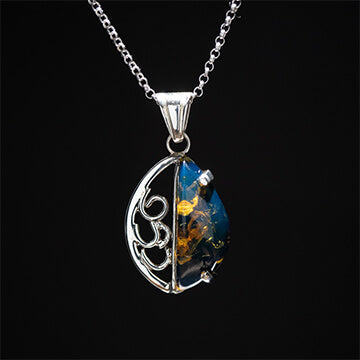



Handcrafted in DR.


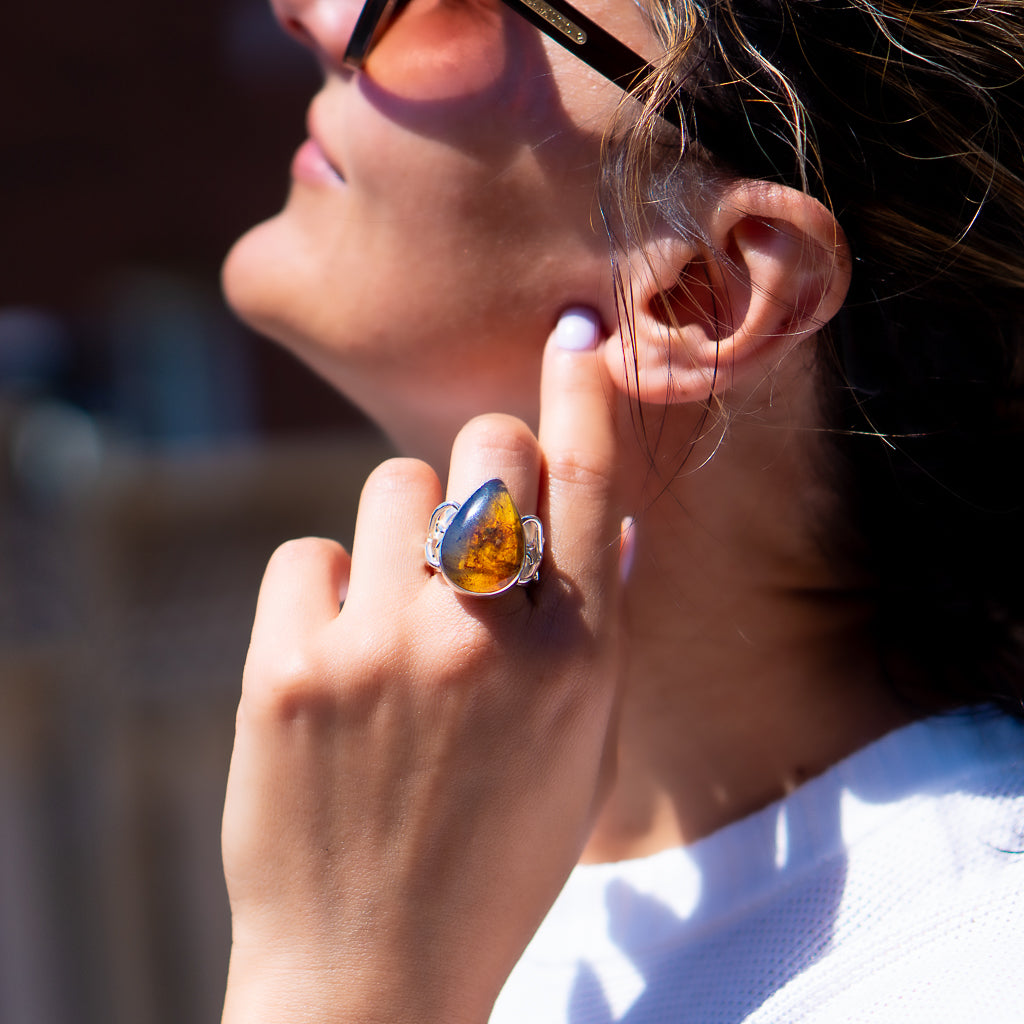
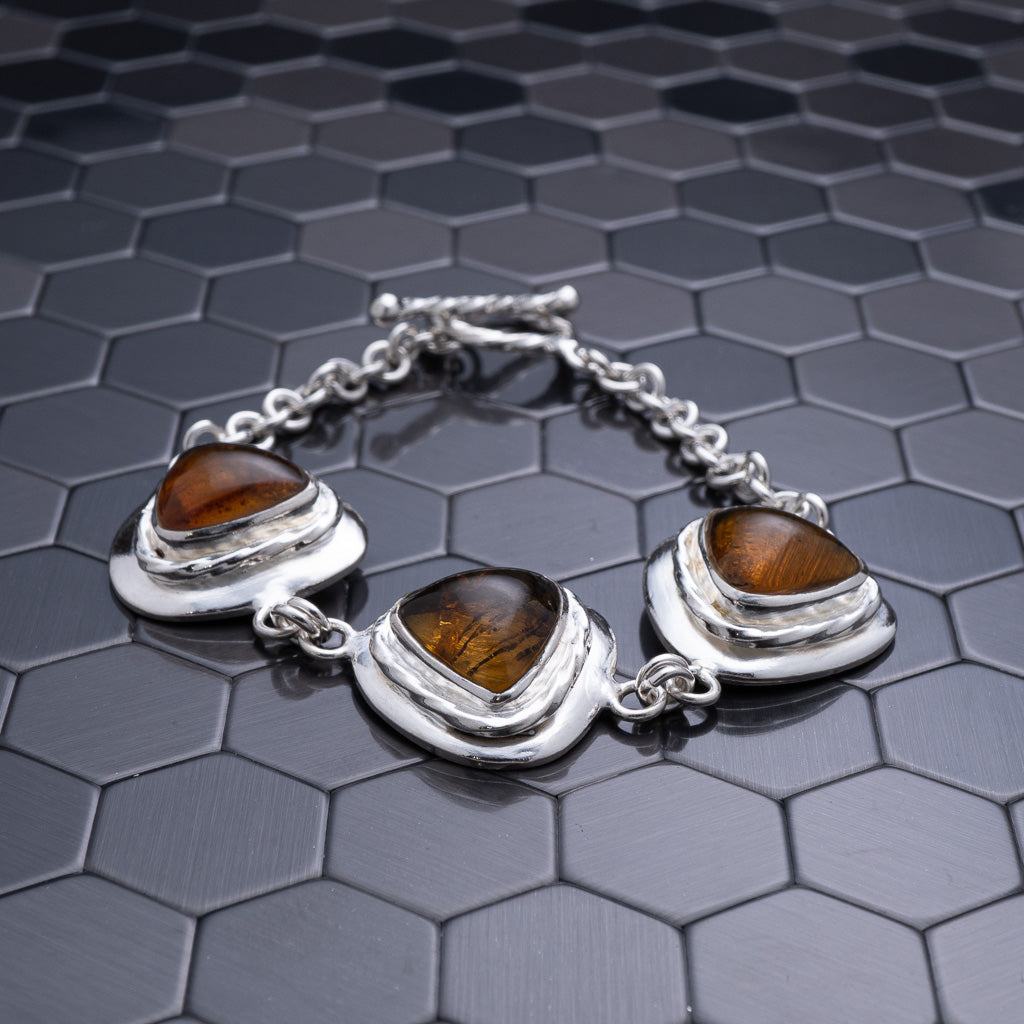



100% Handcrafted in DR.

Larimar stands as one of the world's rarest gemstones, found exclusively in a single mountain range in the Dominican Republic. The captivating blue stone has enchanted jewelry enthusiasts and collectors since its modern discovery in 1974, yet the process of bringing this precious material from deep within the earth remains largely unknown to most people. Understanding larimar mining provides crucial insight into why this gemstone commands such value and appreciation in the jewelry market. From the rugged terrain of Barahona Province to the hands of skilled craftspeople, the journey of larimar represents a fascinating intersection of geology, labor, and artistry.
Larimar is found exclusively in the Dominican Republic, specifically in the southwestern province of Barahona. This unique geographical limitation makes it one of the rarest gemstones on Earth, available from only one country in the entire world.
The primary mining area centers around the Los Chupaderos mine, located in the remote mountainous region near the town of Bahoruco. The geological formation of larimar occurred millions of years ago through volcanic activity that created the specific conditions necessary for this blue pectolite variety to develop. The stone's distinctive blue coloration results from copper substitution within the mineral structure, a process that required precise geological circumstances.
The formation of this rare blue stone began approximately 10 million years ago during the Miocene epoch. Volcanic activity forced mineral-rich fluids through cavities in the basaltic rock, where they cooled and crystallized into pectolite. The presence of copper in the volcanic system created the signature blue color that distinguishes larimar from ordinary white or gray pectolite found elsewhere.
Key geological factors that created larimar:
Scientists estimate that the productive mining zone spans only about one square kilometer in the Barahona mountain range. This incredibly limited distribution explains why larimar remains so rare compared to gemstones found across multiple continents.
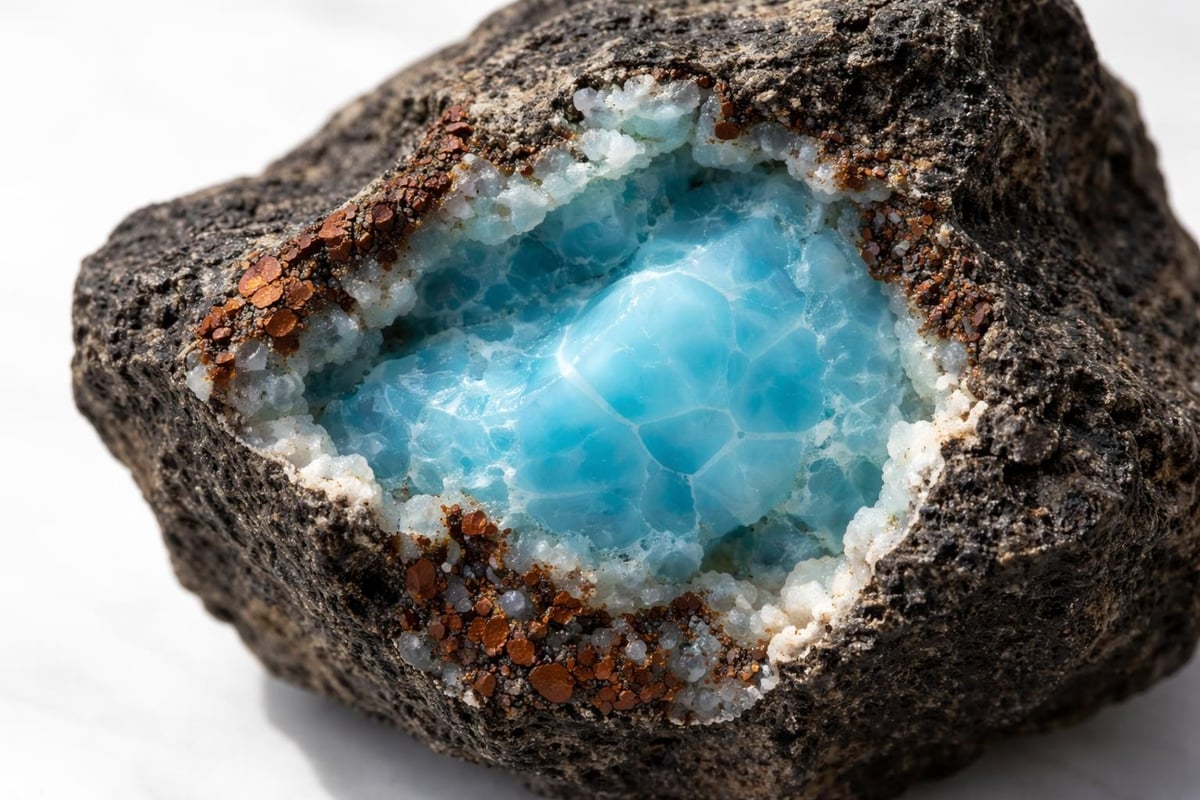
Larimar mining involves primarily manual extraction methods that have changed little over the past five decades. Miners work in challenging conditions, digging tunnels and shafts into the mountainside to reach veins of the blue stone embedded in volcanic rock.
The mining process begins with prospecting to identify promising areas where larimar-bearing rock might exist. Experienced miners recognize geological indicators that suggest the presence of pectolite veins. Once a potential site is identified, workers begin excavating tunnels that can extend hundreds of feet into the mountain.
Survey and Prospecting: Miners identify potential larimar deposits by examining exposed rock formations and previous mining activity patterns.
Tunnel Excavation: Workers manually dig tunnels using basic tools including picks, shovels, and sometimes small pneumatic drills powered by portable generators.
Vein Location: Miners carefully search tunnel walls and ceilings for the distinctive blue veins running through the dark basaltic rock.
Extraction: When larimar is found, miners carefully chip away surrounding rock to extract pieces while minimizing damage to the gemstone material.
Surface Transport: Extracted material is carried out of the mines manually in bags and buckets, often requiring multiple trips through narrow tunnels.
Initial Sorting: Rough material is sorted at the mine site to separate quality larimar from waste rock and lower-grade material.
The manual mining process requires significant physical labor and expertise. Unlike industrial gemstone operations that use heavy machinery, Dominican larimar mining remains largely artisanal due to the terrain, tunnel conditions, and relatively small scale of operations.
| Mining Aspect | Details |
|---|---|
| Primary Tools | Hand picks, shovels, chisels, hammers, basic drills |
| Tunnel Depth | 50 to 300+ feet into mountainside |
| Work Conditions | Dark, humid, confined spaces with limited ventilation |
| Average Daily Production | Varies greatly; quality pieces may be found only weekly |
| Worker Safety | Basic precautions; tunnels lack modern safety infrastructure |
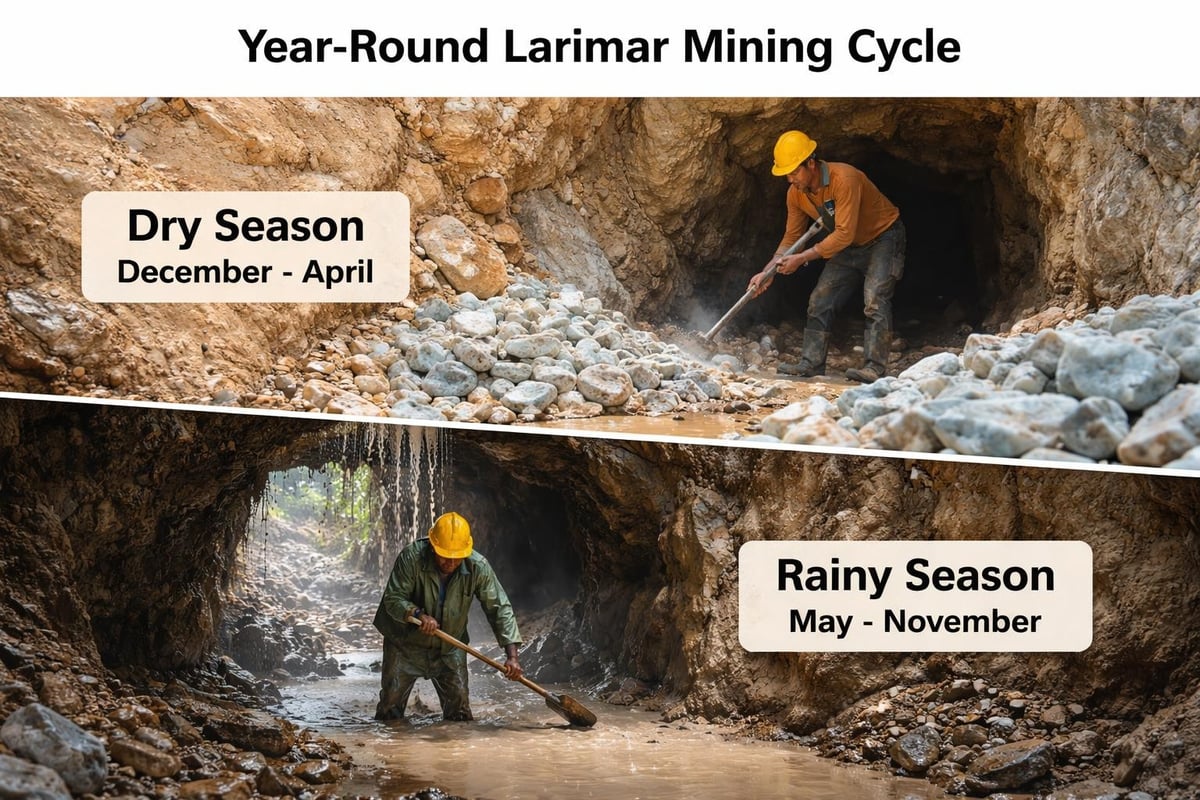
Weather conditions significantly impact larimar mining operations throughout the year. The Dominican Republic's rainy season, typically running from May through November, creates substantial challenges for miners working in underground tunnels.
Heavy rainfall can flood mining tunnels, making them temporarily inaccessible and dangerous. The impact of seasonal weather forces many small-scale operations to suspend work during the wettest months. Additionally, the mountainous terrain becomes treacherous, with muddy paths making it difficult to transport extracted material down to processing areas.
During the dry season from December through April, mining activity intensifies as conditions improve. However, even during optimal weather, the extraction process remains labor-intensive and unpredictable. Miners may work for days or weeks without finding significant deposits of quality larimar.
Once extracted from the Los Chupaderos mine and surrounding areas, larimar undergoes careful evaluation to determine its quality grade. The grading process directly affects the stone's market value and its suitability for different types of jewelry applications.
The grading criteria for larimar focus on several key characteristics:
Color intensity and consistency represents the most important factor. The most valuable larimar displays deep volcanic blue tones, often compared to Caribbean waters on a sunny day. Stones with uniform color throughout command higher prices than those with white streaks or patches.
Pattern and markings also influence value. Some collectors prefer stones with distinctive patterns resembling waves or clouds, while others seek solid blue pieces. White calcium deposits running through the blue create unique patterns that some artisans find desirable for specific jewelry designs.
Translucency versus opacity affects how light interacts with the stone. Higher-quality larimar typically shows some translucency when held to light, while lower grades appear more opaque and chalky.
High-quality larimar represents only a small fraction of total material extracted. Miners estimate that fewer than 10 percent of extracted stones meet the criteria for premium grades. This scarcity within an already rare gemstone drives significant price differences between quality levels.
| Grade Level | Color Characteristics | Relative Availability | Typical Uses |
|---|---|---|---|
| Premium (AAA) | Deep volcanic blue, minimal white | Less than 5% of finds | High-end jewelry, collector pieces |
| High (AA) | Rich blue with some white patterns | 5-15% of finds | Quality jewelry, pendants, rings |
| Medium (A) | Light to medium blue, visible white | 30-40% of finds | Commercial jewelry, cabochons |
| Commercial | Pale blue, significant white areas | 40-50% of finds | Affordable jewelry, carvings |
The challenge of finding premium material makes each discovery significant. For those seeking authentic larimar jewelry, understanding these quality distinctions helps in making informed purchasing decisions.
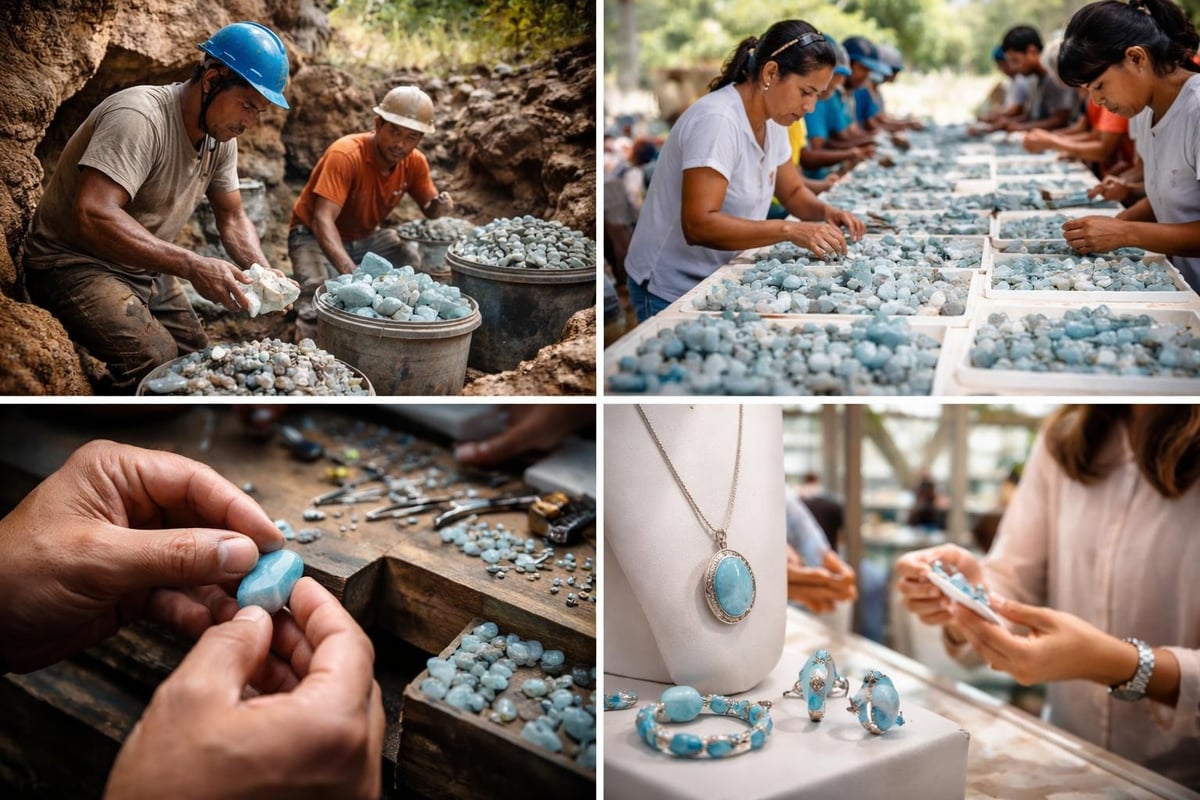
The larimar mining industry operates primarily through small-scale, family-run operations rather than large corporate mining ventures. Most miners work independently or in small cooperatives, selling their finds to local buyers and dealers who then supply the jewelry market.
This artisanal structure creates both benefits and challenges. On one hand, mining provides crucial income for families in the Barahona region, an area with limited economic opportunities. On the other hand, the lack of industrial-scale operations means production remains inconsistent and unpredictable.
In 2021, the Filipinas Larimar Mine, one of the most productive sources of high-quality larimar, closed its operations. This closure significantly impacted the available supply of premium-grade material entering the market. The loss of this major source has contributed to increasing prices and growing concerns about long-term availability.
Several factors contribute to occasional mine closures:
Despite these challenges, smaller operations continue working throughout the Barahona region. However, industry experts estimate that accessible high-grade deposits are diminishing, making future larimar mining increasingly difficult.
The Dominican Republic government has implemented some regulations regarding larimar mining to address environmental and safety concerns. However, controlled mining practices remain challenging to enforce in remote mountain areas where most extraction occurs.
Responsible mining considerations include:
For jewelry creators and consumers, understanding these sustainability aspects adds another dimension to appreciating larimar's value. Each piece of larimar jewelry represents not just geological rarity but also the labor and challenges involved in its extraction. The handcrafted Larimar Pendants you find in quality jewelry collections carry this entire story within their blue depths, connecting wearers to a specific place and the people who carefully extract this rare gemstone.
Compared to other gemstone mining operations worldwide, larimar mining stands apart in several distinctive ways. The singular geographic location represents the most obvious difference, but the mining methods and market dynamics also create a unique situation.
Most valuable gemstones, including sapphires, emeralds, and rubies, are found in multiple countries across different continents. This geographic distribution allows for competitive mining operations and more stable supply chains. The exclusive Dominican Republic location of larimar means the entire world supply depends on conditions in one small mountain range.
Industrial gemstone mining typically involves:
Larimar mining operates differently:
This artisanal approach means each larimar stone reaches the market through a more personal journey than most gemstones. The miners who extract the rough material often have direct relationships with local buyers and craftspeople, creating a shorter and more transparent supply chain.
Beyond its economic importance, larimar holds special cultural meaning in the Dominican Republic. Dominicans refer to it as the "Dolphin Stone" or "Blue Stone of Atlantis," with local legends attributing mystical properties to the gemstone. The stone has become a source of national pride, representing the country's unique natural heritage.
Tourism to the mining region has grown as visitors seek to understand where this rare gemstone originates. Some mining families offer guided tours during the dry season, allowing visitors to see extraction sites and learn about the process firsthand. This cultural tourism provides additional income while educating people about larimar's origins.
The unique characteristics and rarity of larimar have made it an important part of Dominican identity and heritage. Government officials have discussed designating it as the official national gemstone, though this designation has not yet been formally enacted as of 2026.
Understanding larimar mining helps buyers make more informed decisions when purchasing jewelry featuring this rare gemstone. The extraction challenges and limited supply justify the premium prices that genuine, high-quality larimar commands in the marketplace.
When evaluating larimar jewelry, consider these mining-related factors:
Source verification matters because the exclusive Dominican origin means any larimar from other locations is not genuine. Reputable sellers should be able to trace their larimar back to Dominican sources. Those interested in the spiritual properties associated with this stone can explore larimar benefits to understand why authenticity matters beyond just aesthetics.
Color consistency reflects the quality grade determined during the sorting process immediately after mining. Premium pieces with deep, consistent blue coloration are genuinely rarer than lighter stones with white patches, making the price difference justified by mining reality rather than marketing.
Size considerations become important when you understand that large pieces of high-quality larimar are exceptionally rare finds. A sizable pendant or ring stone in premium grade represents a significant discovery during mining, making such pieces particularly valuable.
The combination of a single-source location, traditional mining methods, and increasing difficulty accessing quality deposits suggests that larimar will likely become more valuable over time. Unlike gemstones with multiple global sources where new deposits might be discovered, larimar's geographic limitation creates a more predictable supply constraint.
For collectors and jewelry enthusiasts, this mining reality means:
The practical reality of larimar mining means that each piece of quality jewelry represents a small miracle of geology and human effort, extracted from a single mountain range and transformed into wearable art.
Larimar mining represents a unique intersection of geological rarity, traditional extraction methods, and cultural significance that few other gemstones can match. Understanding how this rare blue stone is manually extracted from the mountains of Barahona Province deepens appreciation for the jewelry crafted from it. At Larimar Creations, every pendant, ring, and carving carries this remarkable story, connecting you to the Dominican Republic's mining heritage through authentic, handcrafted jewelry pieces shipped worldwide.