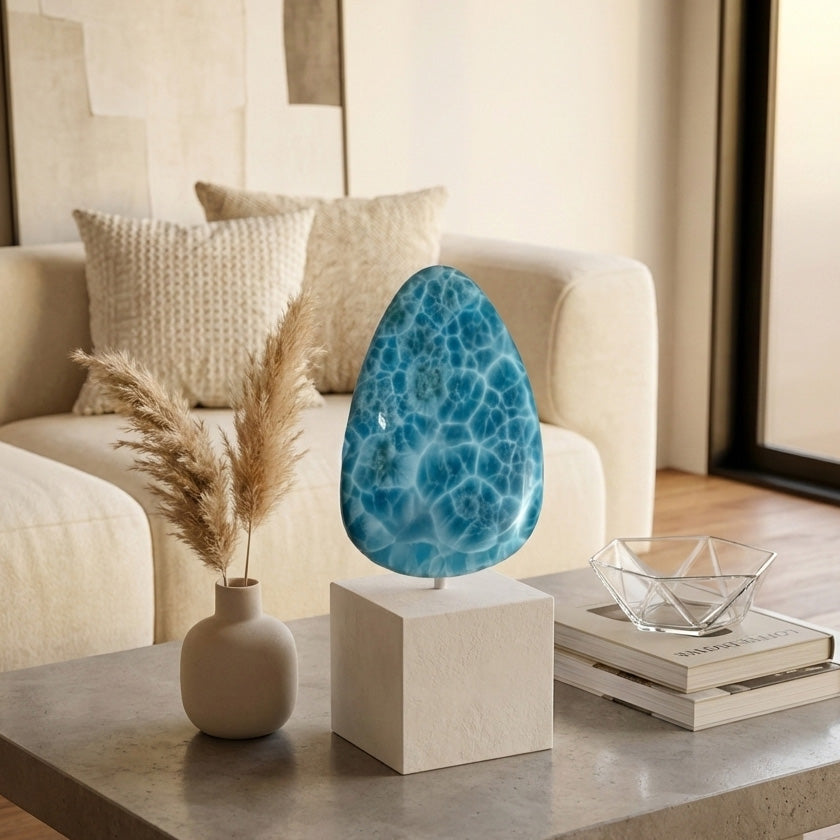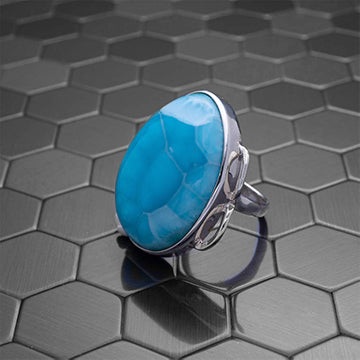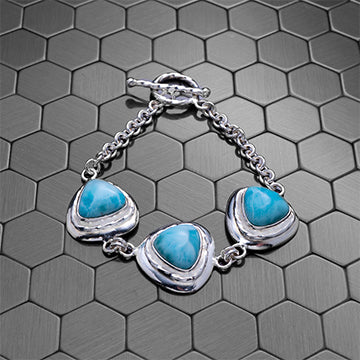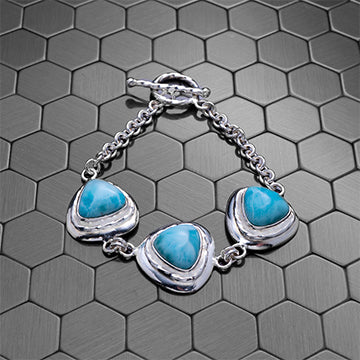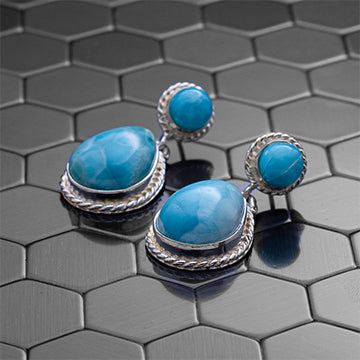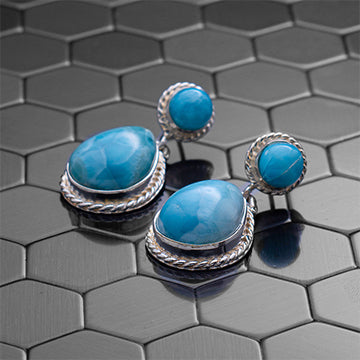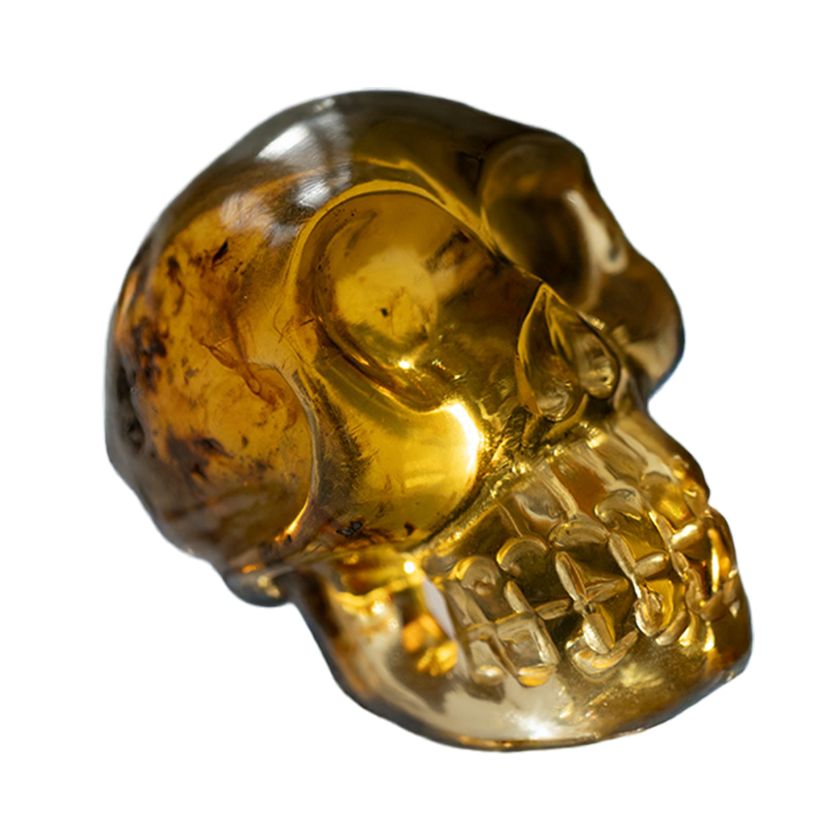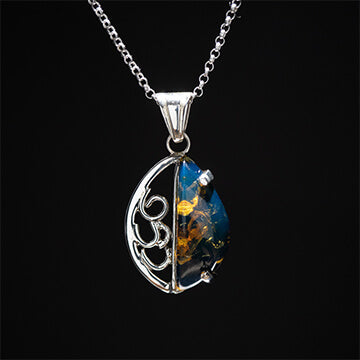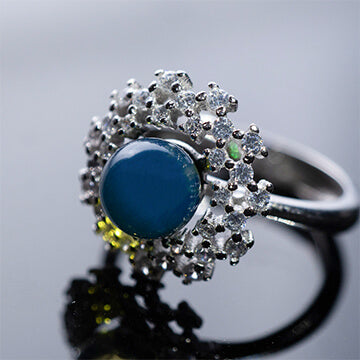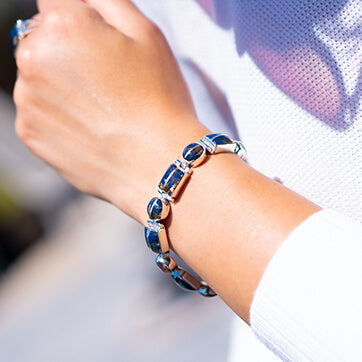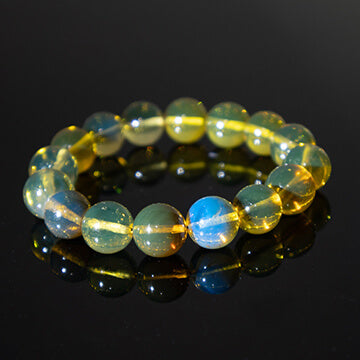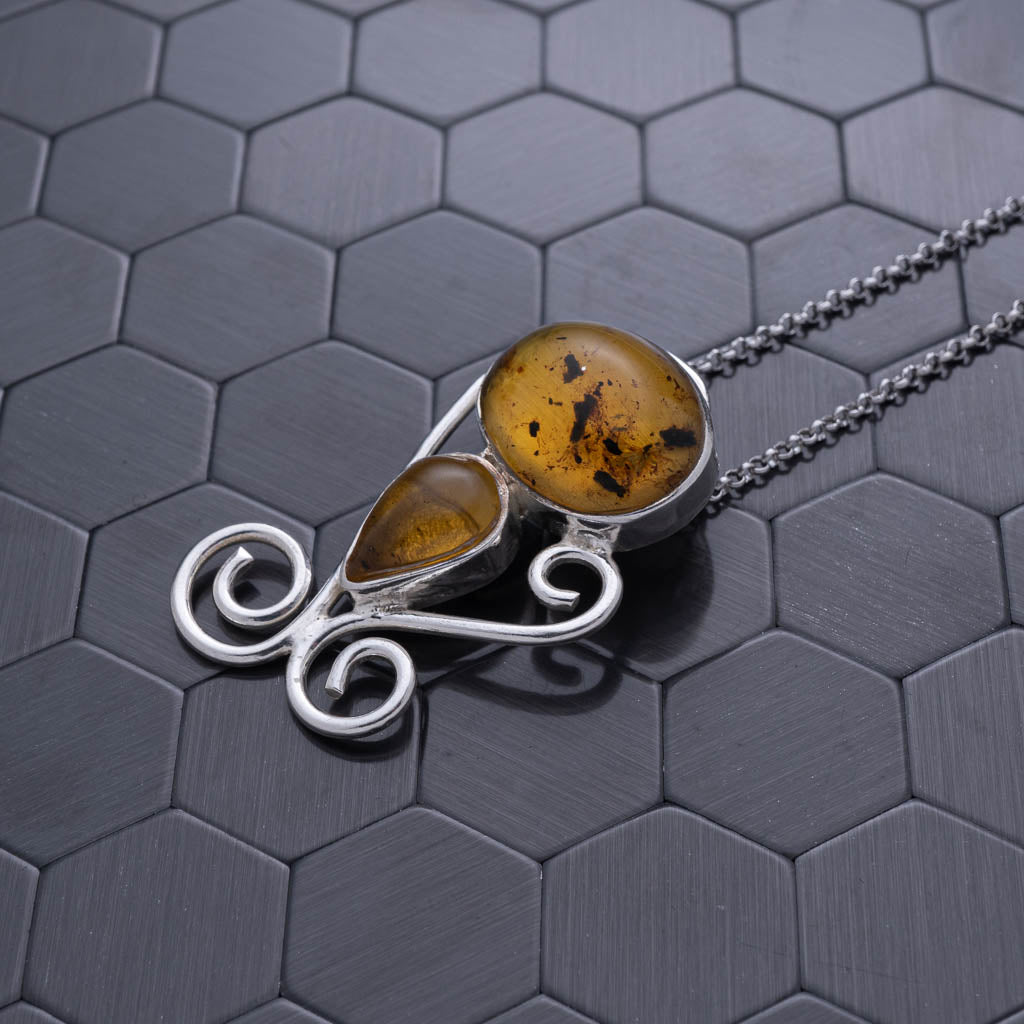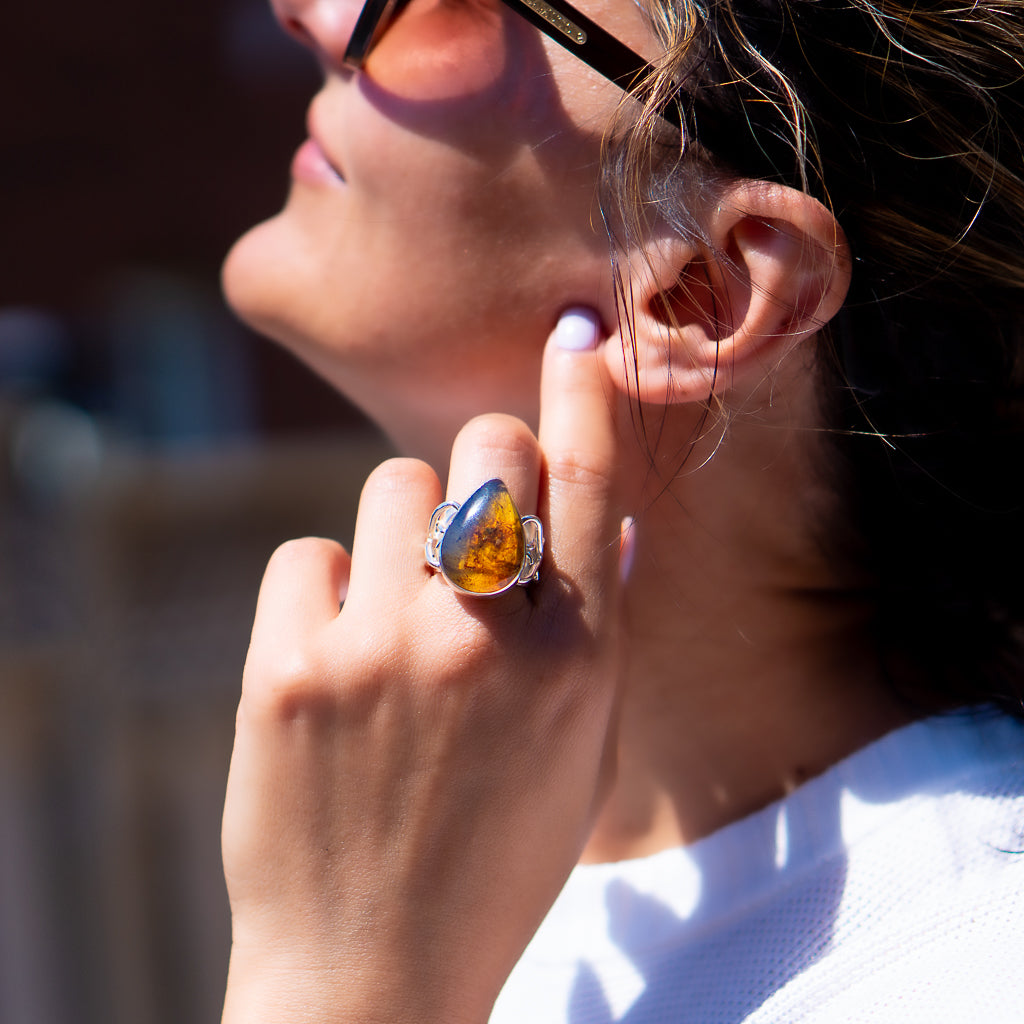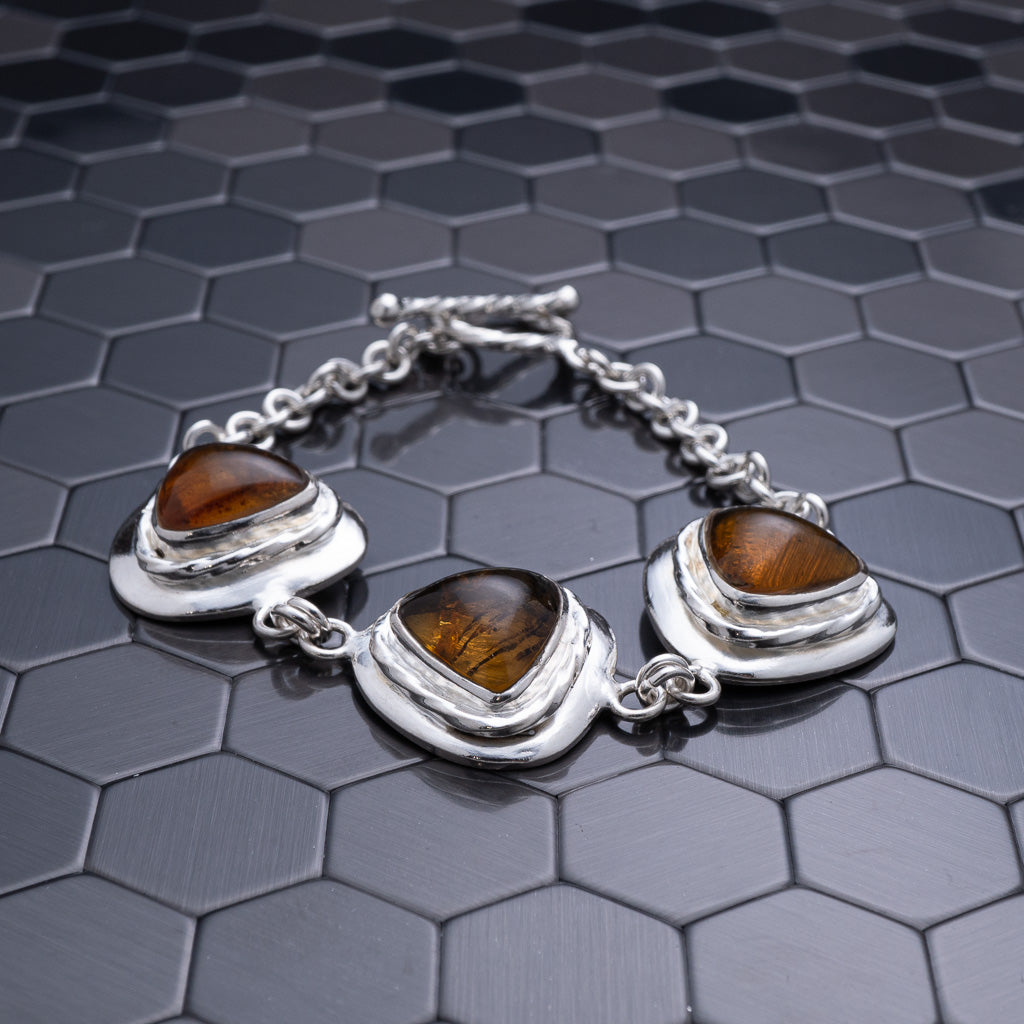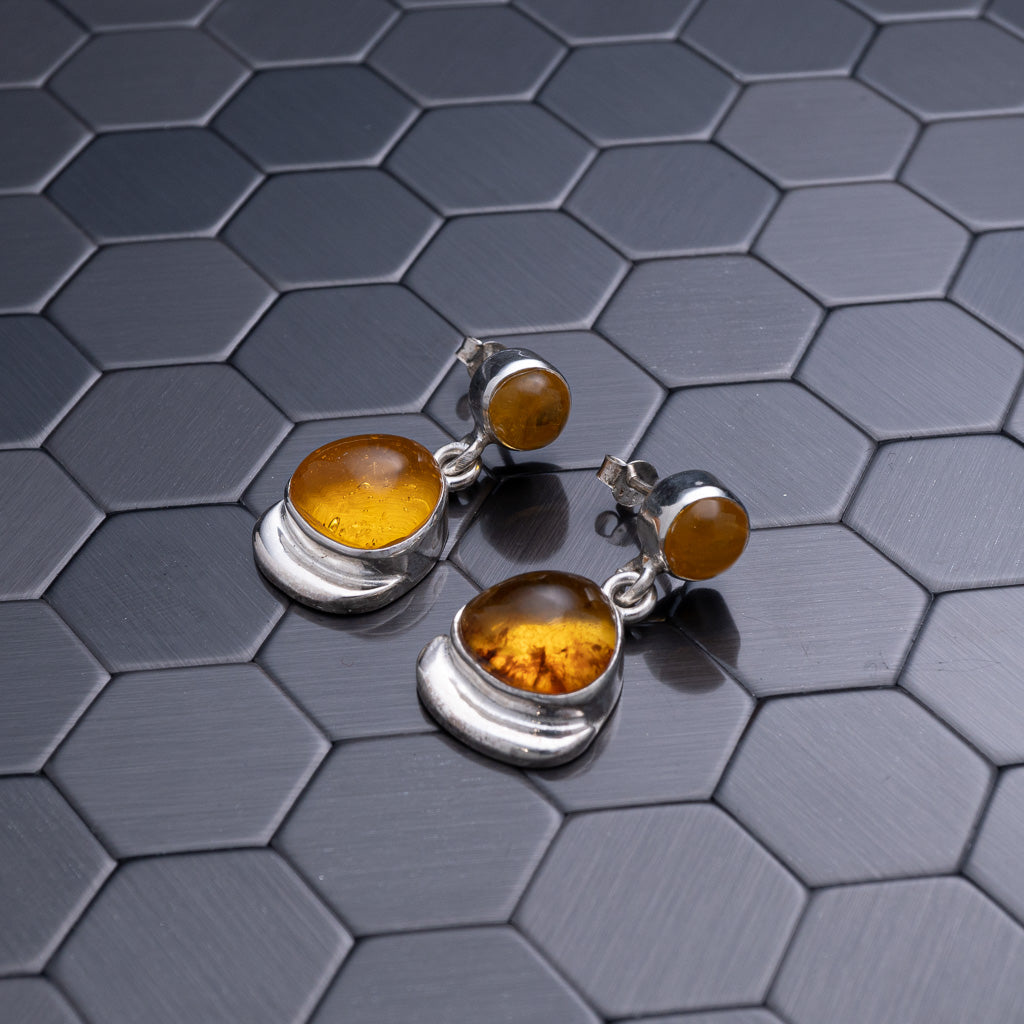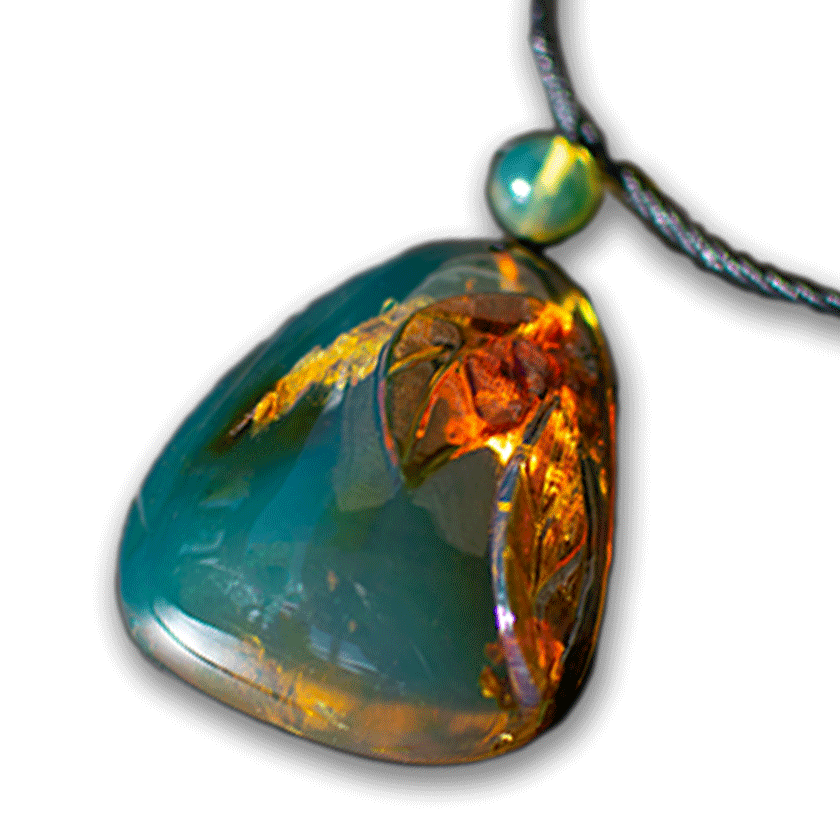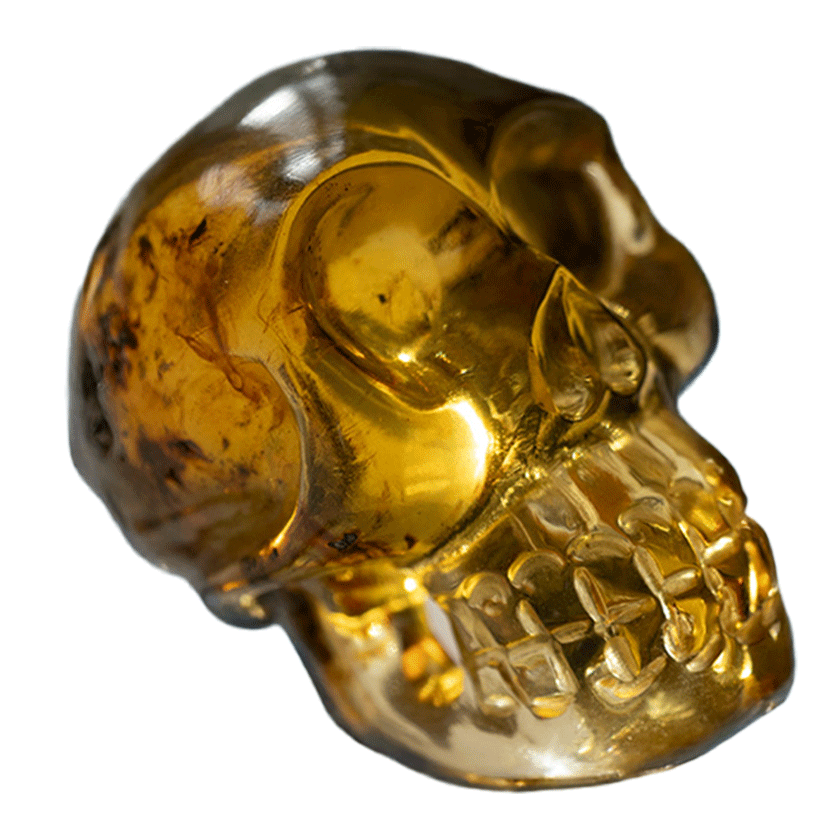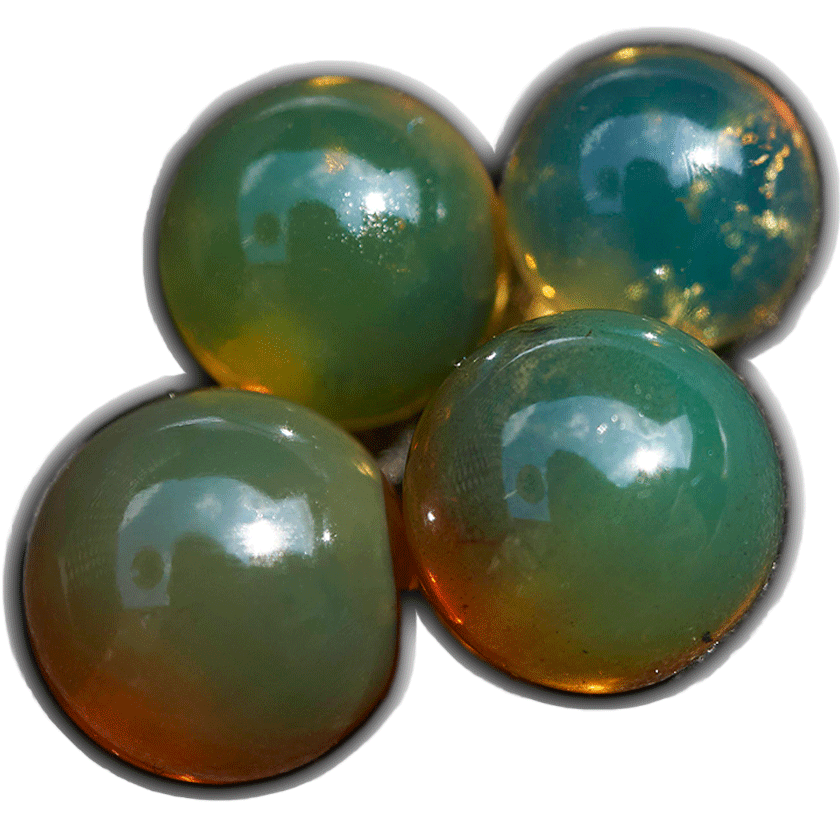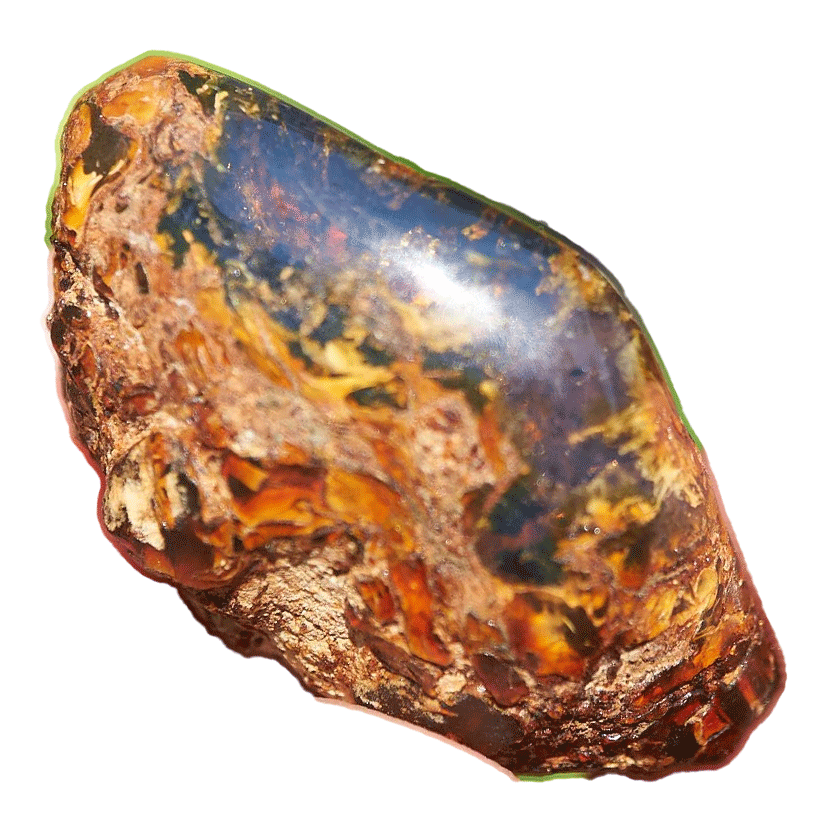


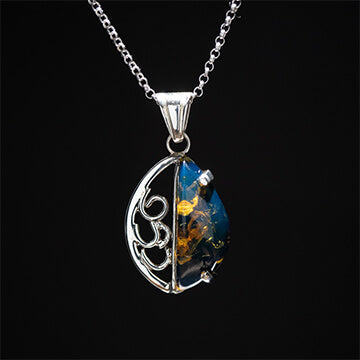
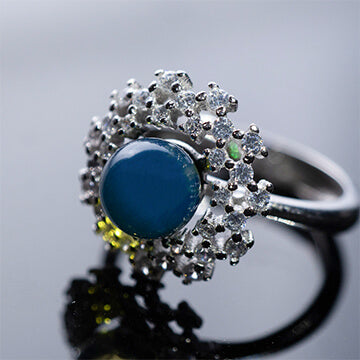
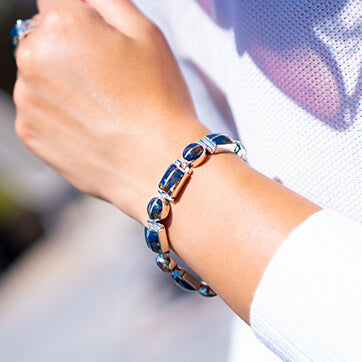
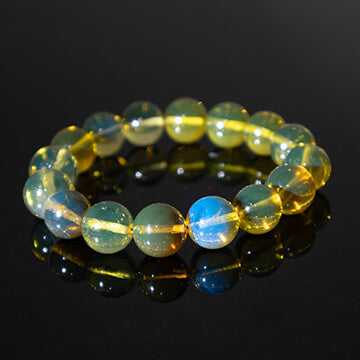
Handcrafted in DR.

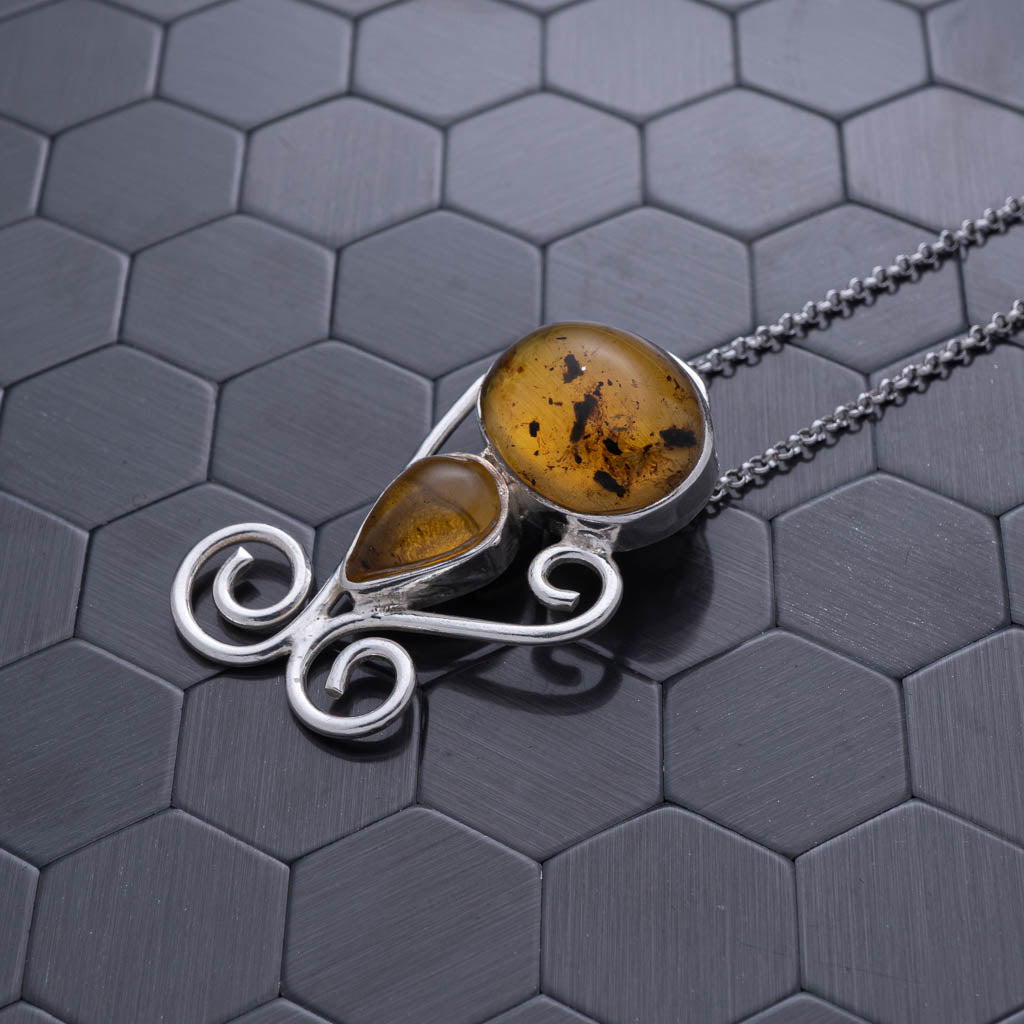
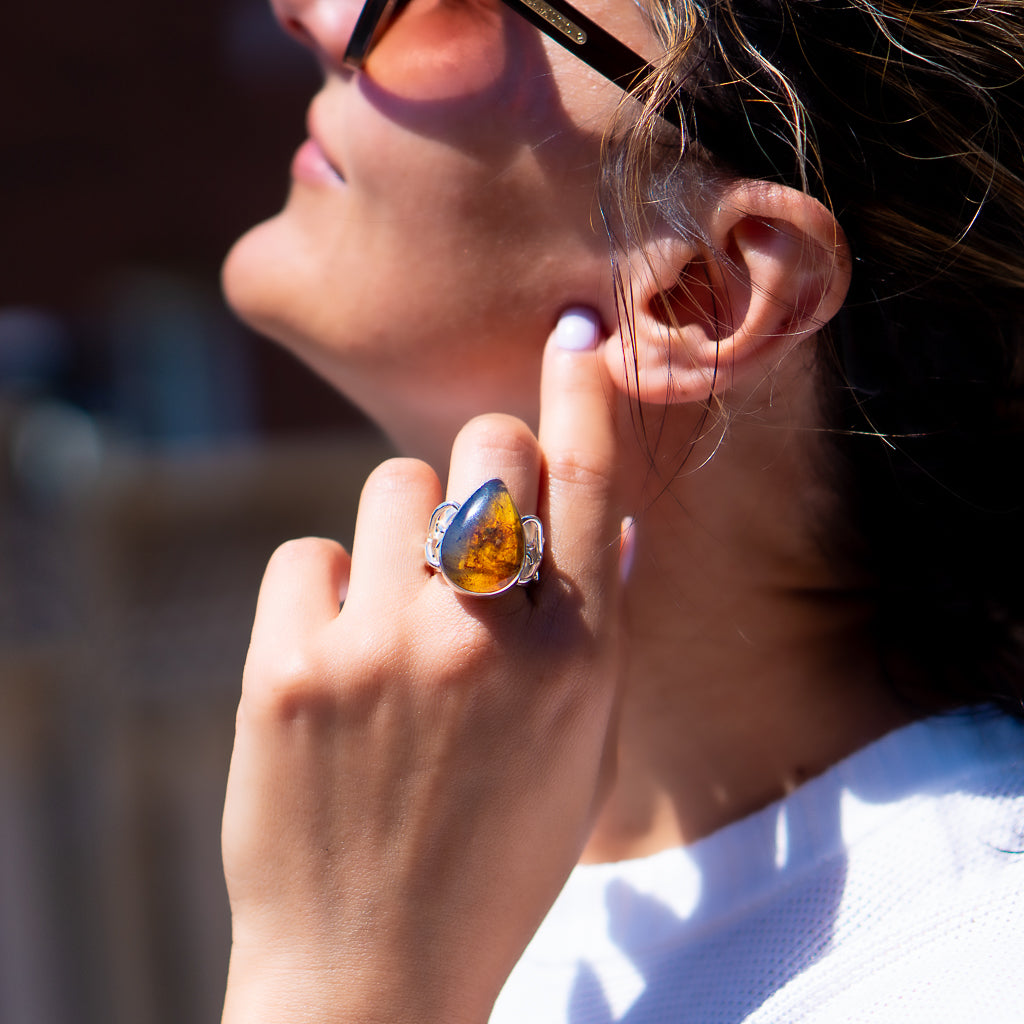
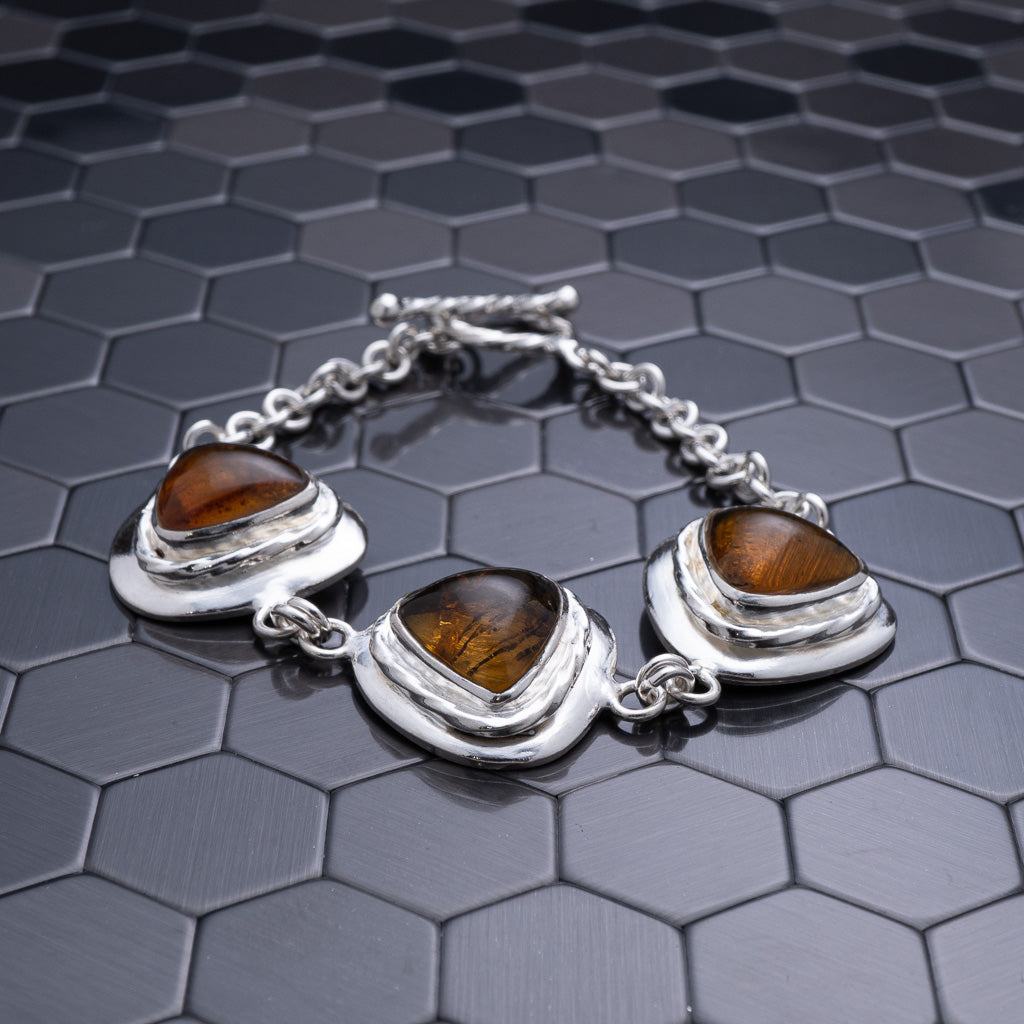
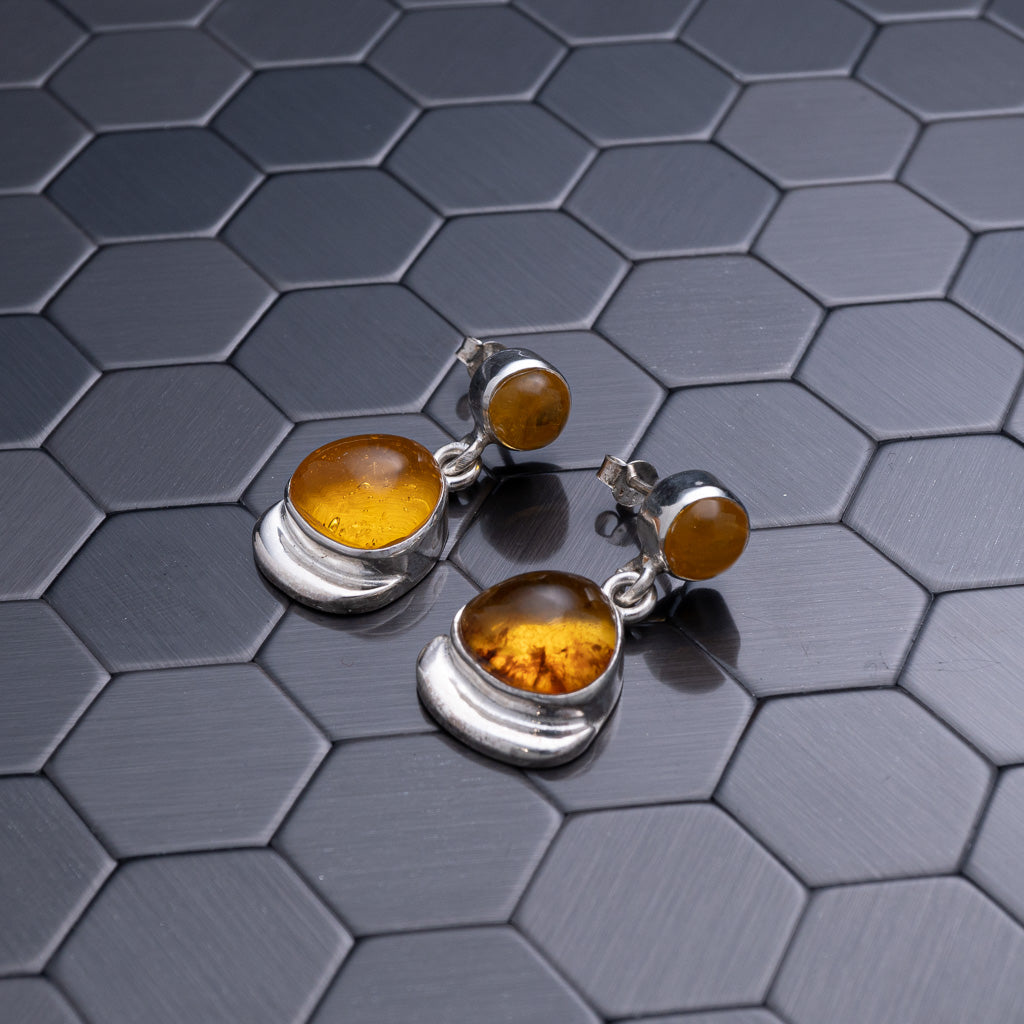


100% Handcrafted in DR.

Sterling silver has captivated jewelry enthusiasts for centuries, combining the lustrous beauty of precious metal with practical durability. When you encounter the marking "925" stamped on a piece of jewelry, you're looking at a quality hallmark that guarantees specific metal content and craftsmanship standards. Understanding 925 sterling silver jewlery helps you make informed purchasing decisions, properly care for your pieces, and recognize authentic quality when building your jewelry collection. This comprehensive guide explores everything from the composition and history of sterling silver to authentication methods and maintenance practices that keep your pieces gleaming for generations.
The number 925 represents the purity percentage of silver in the alloy. Sterling silver contains 92.5% pure silver combined with 7.5% other metals, typically copper. This specific ratio has been the industry standard for centuries, striking an optimal balance between beauty and functionality.
Pure silver, while stunning, is too soft for everyday jewelry wear. It bends easily, scratches quickly, and loses its shape under regular use. The addition of copper and other metals transforms silver into a durable material that withstands daily wear while maintaining its precious metal appeal.
The alloying process strengthens silver at a molecular level. Copper atoms fill the spaces between silver atoms, creating a harder, more resilient structure. This combination preserves silver's characteristic shine and color while dramatically improving its resistance to deformation.
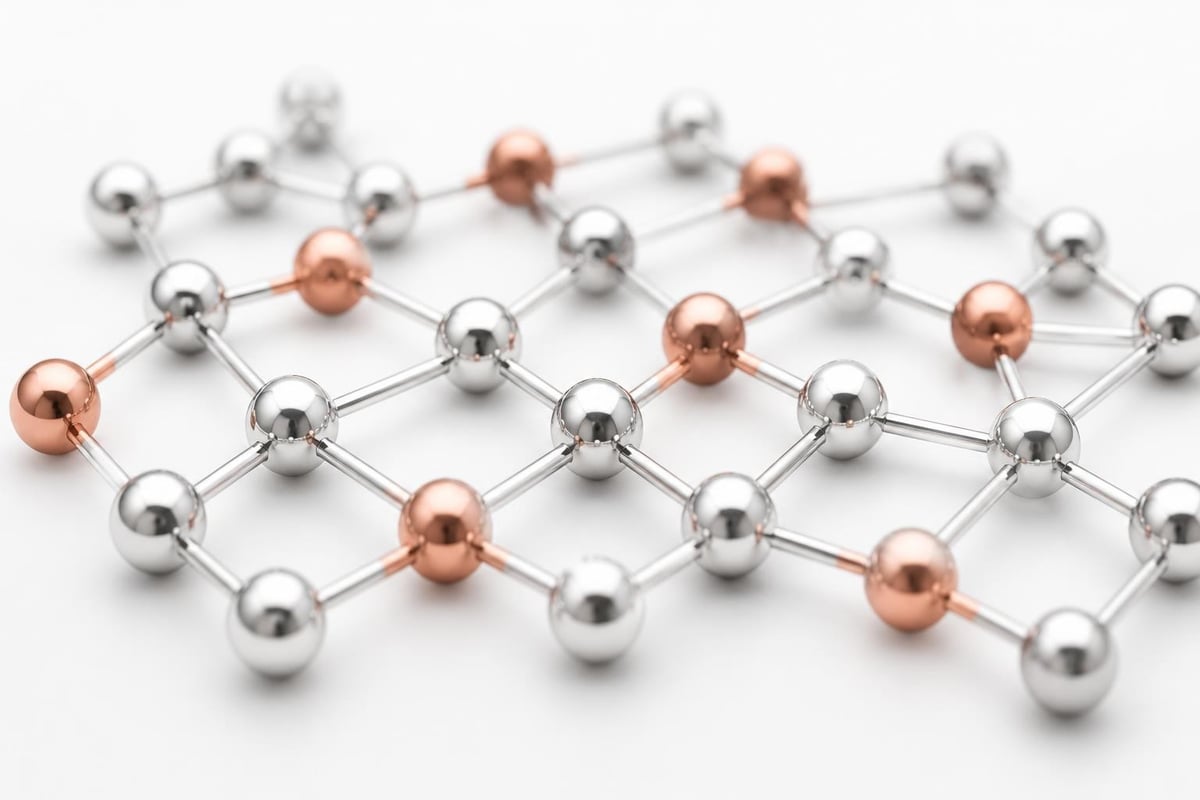
Different manufacturers may use slight variations in the remaining 7.5%, sometimes incorporating:
The 925 standard ensures consistency across the jewelry industry. Whether you purchase 925 sterling silver jewlery from a boutique in New York or an artisan in the Caribbean, you receive the same quality and metal content.
Identifying genuine 925 sterling silver jewlery requires knowledge of proper hallmarking and authentication methods. Reputable jewelers stamp their pieces with specific marks that verify metal content and origin.
| Mark Type | Meaning | Common Locations |
|---|---|---|
| 925 | 92.5% pure silver | Inside rings, clasp areas, pendant backs |
| Sterling | Word form of 925 standard | Larger flat surfaces |
| .925 | Decimal notation | Modern pieces, international jewelry |
| STG | Abbreviation for sterling | Vintage or space-limited items |
Understanding these stamps helps verify authenticity and protects you from purchasing plated or counterfeit pieces. However, some authentic vintage pieces may lack stamps, particularly items crafted before standardized hallmarking became mandatory.
Beyond visual inspection, several reliable tests confirm whether jewelry is genuine 925 sterling silver jewlery:
Magnet Test: Sterling silver is non-magnetic. If a strong magnet attracts the piece, it contains significant amounts of ferrous metals and is not genuine sterling silver.
Ice Test: Silver has the highest thermal conductivity of all metals. Place an ice cube on the jewelry; genuine silver causes the ice to melt noticeably faster than room temperature would suggest.
Acid Test: Professional jewelers use nitric acid to verify silver content. When applied to a small scratch on the metal, genuine sterling silver produces a cream-colored reaction, while lower-quality metals turn green or other colors.
Weight and Feel: Sterling silver has substantial weight. Pieces that feel unusually light for their size may be hollow, plated, or made from alternative metals.
At Larimar Creations, all silver settings use verified 925 sterling silver jewlery, ensuring that the metal complements the rare beauty of Larimar and Dominican Blue Amber gemstones with guaranteed quality.
Proper care extends the life and beauty of 925 sterling silver jewlery significantly. Silver's natural tendency to tarnish results from chemical reactions with sulfur compounds in the air, but simple maintenance practices keep pieces brilliant.
Wearing your silver jewelry frequently actually helps prevent tarnish. The natural oils from your skin create a protective barrier and the gentle friction polishes the metal. However, certain activities require removing your pieces:
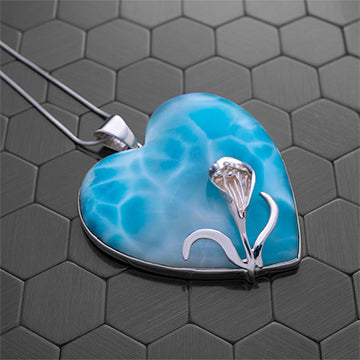
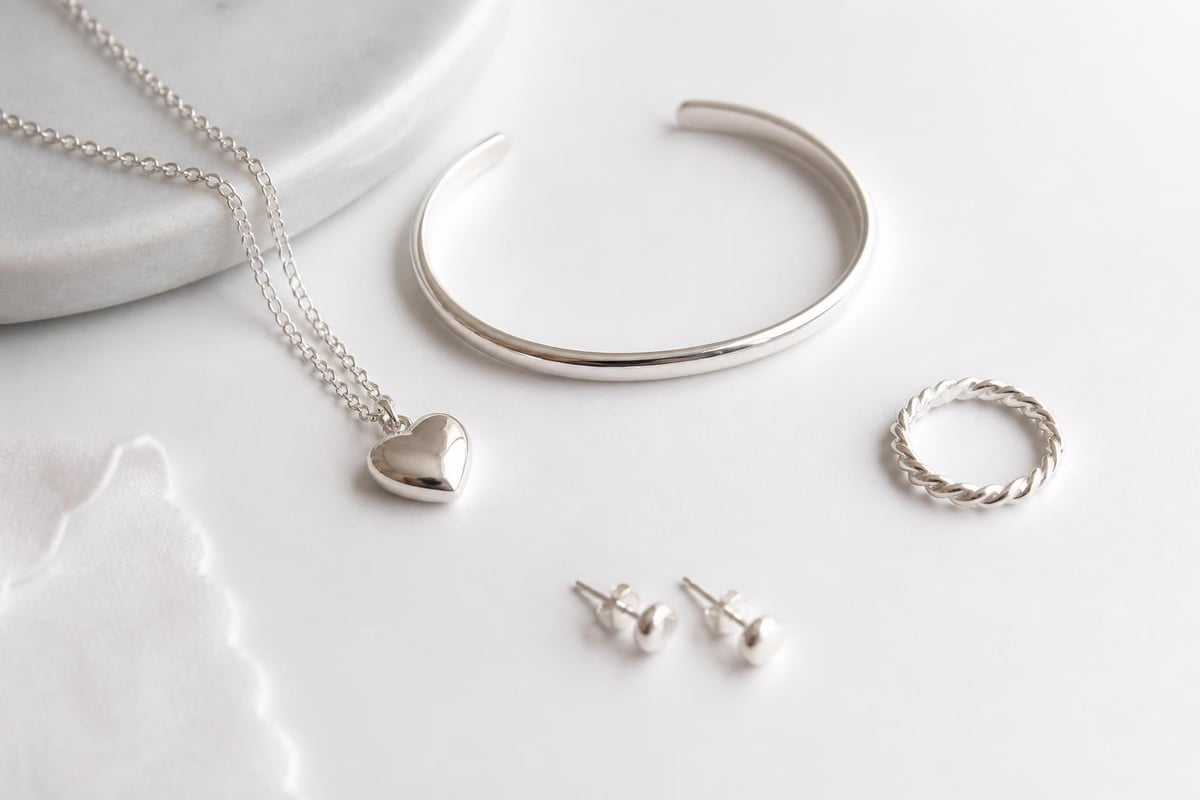
When you wear heart-shaped silver pendants or other sterling pieces, put them on after applying cosmetics and remove them before exposure to potentially damaging substances.
| Method | Best For | Frequency | Precautions |
|---|---|---|---|
| Warm soapy water | General cleaning | Weekly | Avoid harsh detergents |
| Silver polishing cloth | Light tarnish | As needed | Use gentle pressure |
| Baking soda paste | Moderate tarnish | Monthly | Rinse thoroughly |
| Professional cleaning | Heavy tarnish | Annually | For complex or gemstone pieces |
Create a simple cleaning solution using warm water and a few drops of mild dish soap. Soak your 925 sterling silver jewlery for 5-10 minutes, then gently scrub with a soft-bristled toothbrush to reach crevices and textured areas. Rinse thoroughly with clean water and dry immediately with a lint-free cloth.
For pieces set with gemstones like Larimar, extra care prevents damage to the stones. Avoid ultrasonic cleaners and harsh chemicals that might affect gemstone stability or color.
Proper storage is equally important as cleaning. Air exposure accelerates tarnishing, so strategic storage extends the time between polishing sessions.
Anti-tarnish strips: Place these specialized papers in your jewelry box to absorb sulfur compounds from the air.
Individual compartments: Store each piece separately to prevent scratching. Soft cloth pouches or lined boxes work excellently.
Low humidity: Keep jewelry in a dry environment. Moisture accelerates tarnishing and can damage certain gemstones.
Sealed containers: Airtight storage dramatically reduces tarnish formation for pieces worn infrequently.
The malleability of 925 sterling silver jewlery makes it ideal for diverse design styles, from minimalist modern pieces to intricate vintage-inspired creations. Silversmiths can forge, cast, stamp, and texture this metal into virtually any form.
Contemporary jewelry makers leverage sterling silver's versatility across numerous categories:
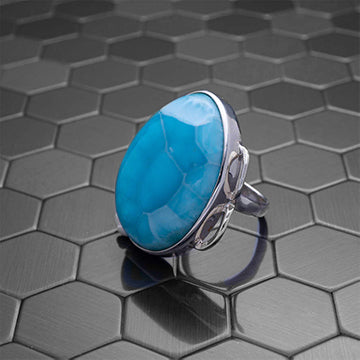
Rings: From simple bands to elaborate gemstone settings, sterling silver adapts to any ring style. Its strength supports secure stone settings while maintaining comfortable wearability.
Pendants and Necklaces: Larimar pendants set in sterling silver exemplify how the metal's neutral tone enhances vibrant gemstone colors without competing for attention.
Earrings: The hypoallergenic properties of quality 925 sterling silver jewlery make it ideal for sensitive ears, while its lightweight nature ensures comfortable all-day wear.
Bracelets: Sterling silver's durability withstands the stress points common in bracelet designs, from delicate chains to substantial cuff styles.
The metal accepts various finishing techniques, creating different aesthetic effects:
High Polish: Mirror-like finish reflecting maximum light for dramatic shine
Satin Finish: Subtle matte surface with soft luster, popular for contemporary designs
Oxidized: Darkened patina in recesses creating depth and vintage appearance
Hammered: Textured surface catching light from multiple angles for organic appeal
Understanding the value proposition of 925 sterling silver jewlery helps you make purchasing decisions aligned with your budget and expectations. While less expensive than gold or platinum, quality sterling silver represents genuine precious metal ownership.
Several factors influence the cost of sterling silver jewelry beyond the base metal value:
Design Complexity: Intricate handcrafted pieces command higher prices than simple mass-produced items. Artisan techniques like granulation, filigree, or hand-engraving add significant value.
Brand Reputation: Established jewelers with quality guarantees often charge premium prices reflecting their expertise and customer service.
Gemstone Integration: Pieces featuring precious or semi-precious stones reflect combined material and setting costs. The rarity and quality of stones like Dominican Blue Amber significantly impact overall pricing.
Weight: Heavier pieces contain more silver, directly affecting cost. However, skilled design can create substantial appearance without excessive metal use.
Craftsmanship: Machine-made versus handcrafted pieces differ substantially in price, reflecting the labor and skill invested.
The silver market experiences fluctuations based on mining output, industrial demand, and economic conditions. As of August 2026, silver prices remain relatively stable compared to historical volatility, making it an accessible entry point into precious metal jewelry.
Sterling silver jewelry offers several advantages over plated alternatives:
Several myths persist about 925 sterling silver jewlery that deserve clarification for informed purchasing decisions.
Myth: Sterling silver turns your skin green. Reality: Quality 925 sterling silver jewlery rarely causes discoloration. Green skin results from copper oxidation, which can occur if skin chemistry is highly acidic or if the piece contains excessive copper beyond the 7.5% standard. Genuine hallmarked sterling should not cause this issue.
Myth: Tarnish means your silver is fake. Reality: Tarnishing is a natural chemical reaction that actually confirms genuine silver content. Metals that never tarnish likely aren't sterling silver. The tarnish layer is superficial and easily removed without damaging the metal underneath.
Myth: Sterling silver is the same as silver-plated. Reality: These are fundamentally different products. Sterling silver is solid metal throughout, while plated jewelry has a thin silver coating over base metal. Plated pieces wear through to the base metal and cannot be refinished like solid sterling.
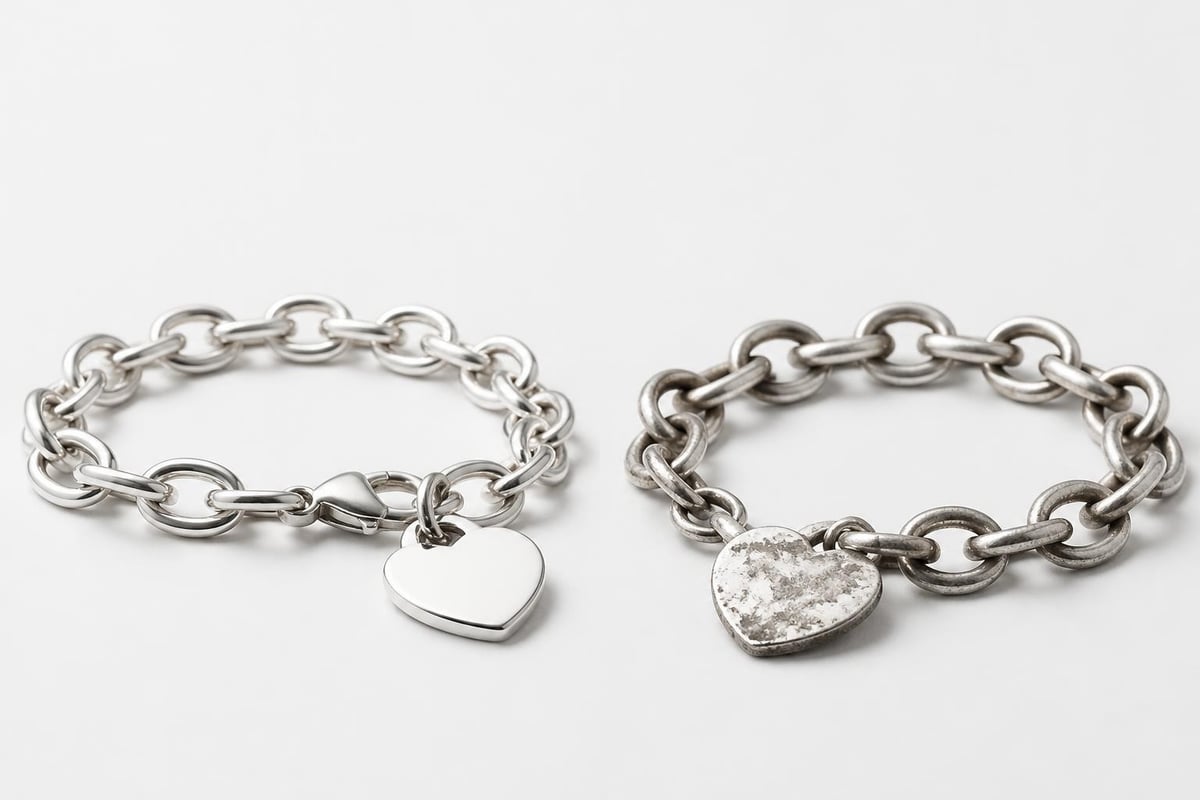
Myth: You can't wear sterling silver daily. Reality: With appropriate care, 925 sterling silver jewlery withstands daily wear beautifully. Many people wear sterling silver rings, necklaces, or bracelets continuously for years without issues.
Myth: All sterling silver looks the same. Reality: Finishing techniques, design styles, and craftsmanship create enormous variation in appearance. Oxidized silver looks dramatically different from high-polish pieces, and textured surfaces create unique light interactions.
Selecting high-quality 925 sterling silver jewlery requires attention to several key factors beyond simply finding the 925 stamp. Detailed examination reveals craftsmanship quality and helps you identify pieces worth your investment.
Examine these aspects when evaluating potential purchases:
Hallmark Clarity: Stamps should be crisp and clearly legible. Fuzzy or barely visible marks may indicate questionable authenticity or poor manufacturing standards.
Seam Quality: Inspect solder joints and connections. Quality pieces have smooth, invisible seams rather than obvious bumpy solder lines.
Clasp Functionality: Test clasps, catches, and closures multiple times. They should operate smoothly and securely without excessive force.
Surface Finish: Look for consistent polish or texture across the entire piece. Uneven finishing suggests rushed production.
Weight Distribution: Piece should feel balanced. Awkward weight distribution indicates poor design or structural issues.
For pieces combining 925 sterling silver jewlery with gemstones, additional considerations apply:
Prong Security: Gently wiggle stones to verify secure settings. Movement indicates loose prongs needing immediate repair.
Setting Proportions: Metal should complement stone size appropriately. Oversized settings dwarf stones, while undersized settings risk stone loss.
Back Accessibility: Quality designs allow light to reach gemstones from behind, maximizing brilliance and color.
Stone Quality: Examine stones for clarity, color consistency, and proper cutting. The gemstone should warrant the setting quality.
When exploring pendants and bracelets that combine sterling silver with rare gemstones, ensure both the metal and stones meet your quality expectations as a cohesive piece.
Modern consumers increasingly prioritize ethical sourcing and environmental responsibility in their purchasing decisions. The 925 sterling silver jewlery industry has responded with improved practices and transparency.
Sterling silver can be recycled indefinitely without quality degradation. Many contemporary jewelers use recycled silver, reducing mining environmental impact while maintaining the 925 standard. Recycled sterling performs identically to newly mined silver but carries a significantly smaller ecological footprint.
For new silver, responsible mining certifications ensure:
The durability of quality 925 sterling silver jewlery inherently supports sustainability. Pieces lasting decades or generations reduce the need for replacement purchases, minimizing overall resource consumption. This longevity contrasts sharply with fast fashion jewelry designed for short-term use.
Sterling silver's neutral tone makes it remarkably versatile across fashion styles and occasions. Understanding how to incorporate 925 sterling silver jewlery into your wardrobe maximizes your pieces' impact and wearability.
Modern styling often involves layering multiple pieces for dimensional interest:
Necklaces: Combine chains of varying lengths (16", 18", 20") with different pendant sizes. Mix delicate chains with statement pieces for balanced visual weight.
Rings: Stack thin sterling bands with wider statement rings. Alternate textures and finishes for added interest.
Bracelets: Layer bangles of different widths or combine chain bracelets with cuff styles.
Contemporary fashion embraces mixed metal styling. Sterling silver pairs beautifully with:
This flexibility means your 925 sterling silver jewlery integrates seamlessly with pieces you already own, regardless of their metal composition.
Professional Settings: Choose polished, simple designs like stud earrings, delicate chains, or classic rings. Avoid overly large or jangling pieces in conservative environments.
Casual Wear: Embrace textured finishes, layered looks, and statement pieces. Sterling silver's durability makes it perfect for everyday reliability.
Formal Events: High-polish sterling with quality gemstones rivals precious metal jewelry in elegance. Select pieces with clean lines and sophisticated design.
Special Occasions: Distinctive pieces like artisan-crafted pendants or unique gemstone combinations create memorable looks. Understanding men's sterling silver options expands styling possibilities for all wearers.
The sterling silver jewelry market continues evolving with changing consumer preferences and technological advances. Several trends are shaping the industry in 2026 and beyond.
Consumers increasingly seek unique pieces reflecting individual style. Jewelers respond with:
Modern manufacturing techniques expand design possibilities for 925 sterling silver jewlery:
3D Printing: Creates complex geometries impossible through traditional methods, enabling intricate patterns and precise gemstone settings.
CAD Design: Computer-aided design allows visualization before production, ensuring customer satisfaction and reducing material waste.
Laser Engraving: Provides precise, detailed personalization with minimal metal removal.
Environmental consciousness drives industry changes:
Clean, simple designs continue gaining popularity, emphasizing quality materials and expert craftsmanship over excessive ornamentation. This trend highlights the inherent beauty of 925 sterling silver jewlery and complementary gemstones without distraction.
Understanding 925 sterling silver jewlery empowers you to select quality pieces that deliver lasting beauty and value. From authentication and care to styling and sustainability, informed decisions ensure your jewelry collection reflects both personal style and smart investment. Larimar Creations combines the timeless appeal of 925 sterling silver with the rare beauty of Larimar and Dominican Blue Amber gemstones, creating handcrafted pieces that honor both precious metal quality and exceptional craftsmanship. Explore their worldwide collection to discover how expertly crafted sterling silver settings showcase nature's most extraordinary gemstones.