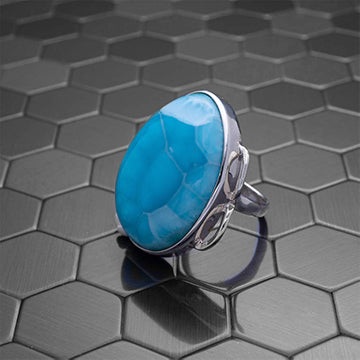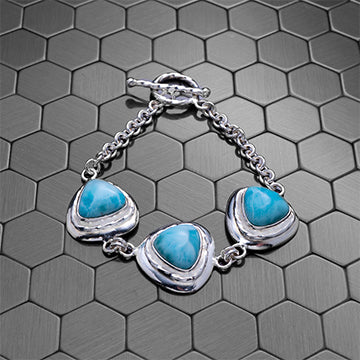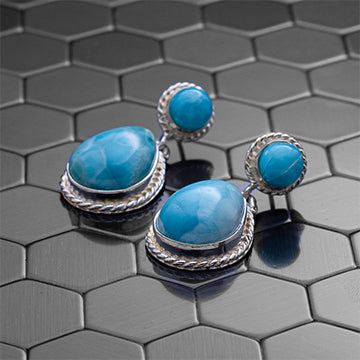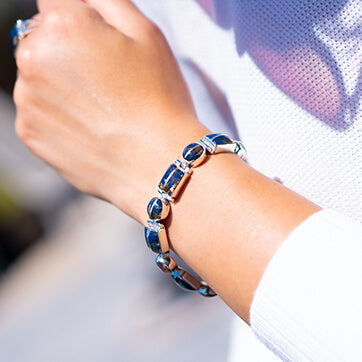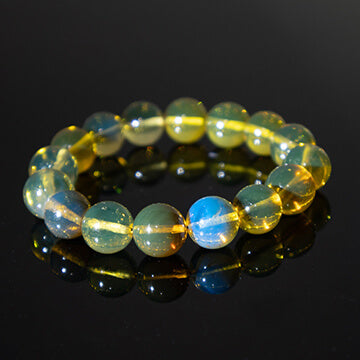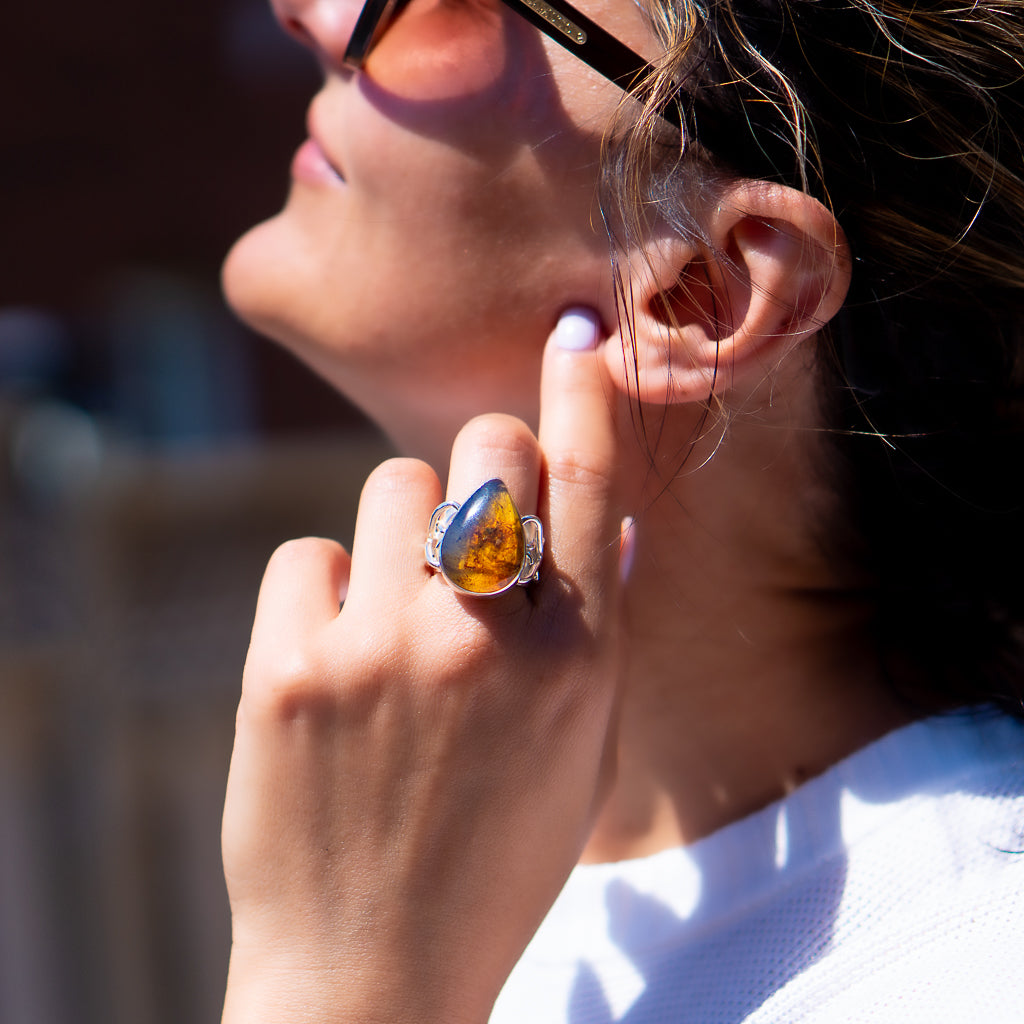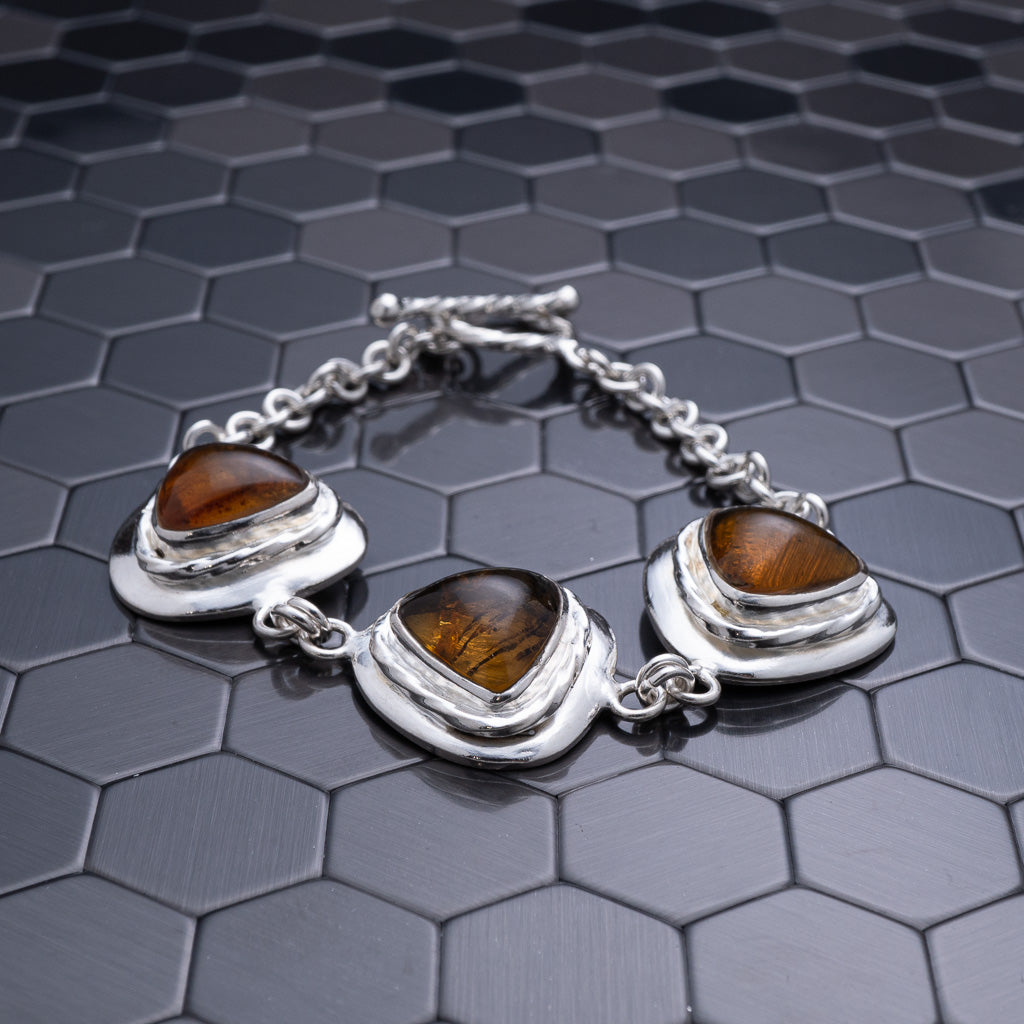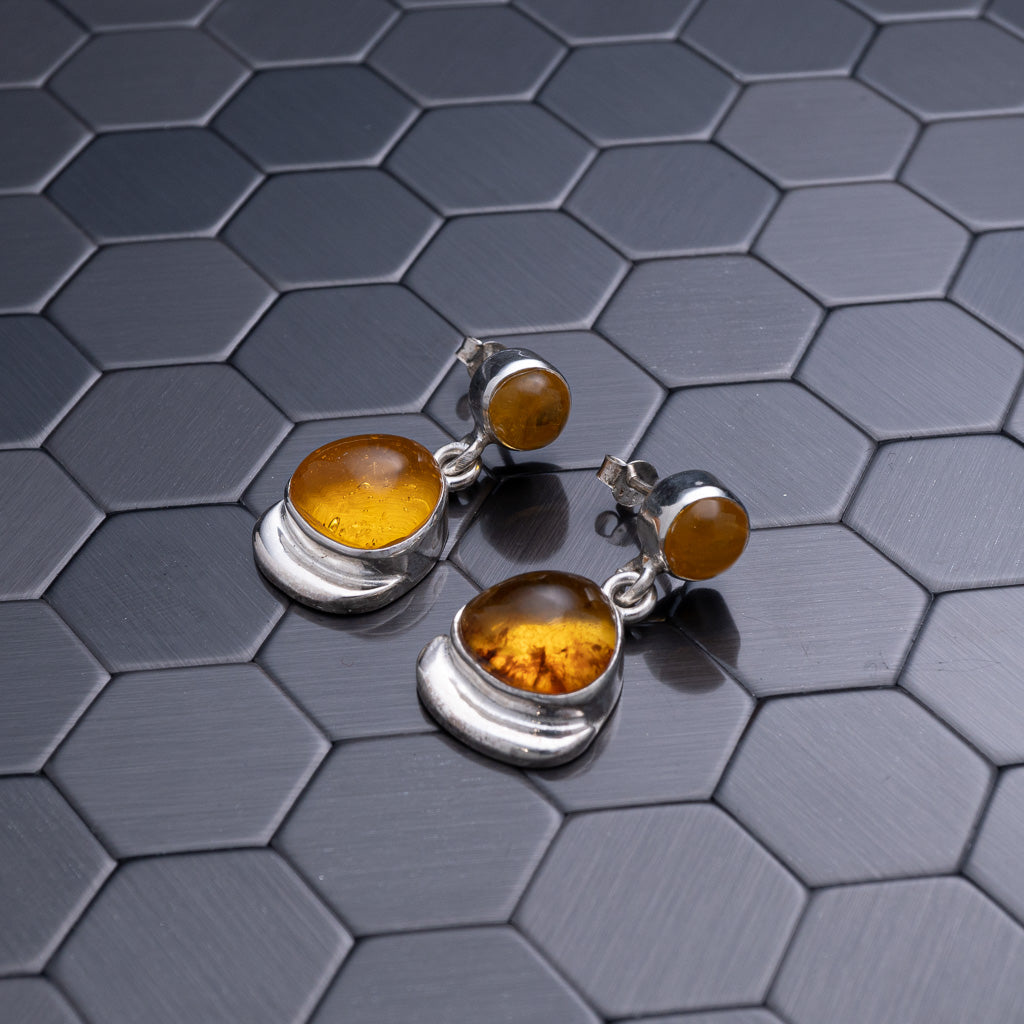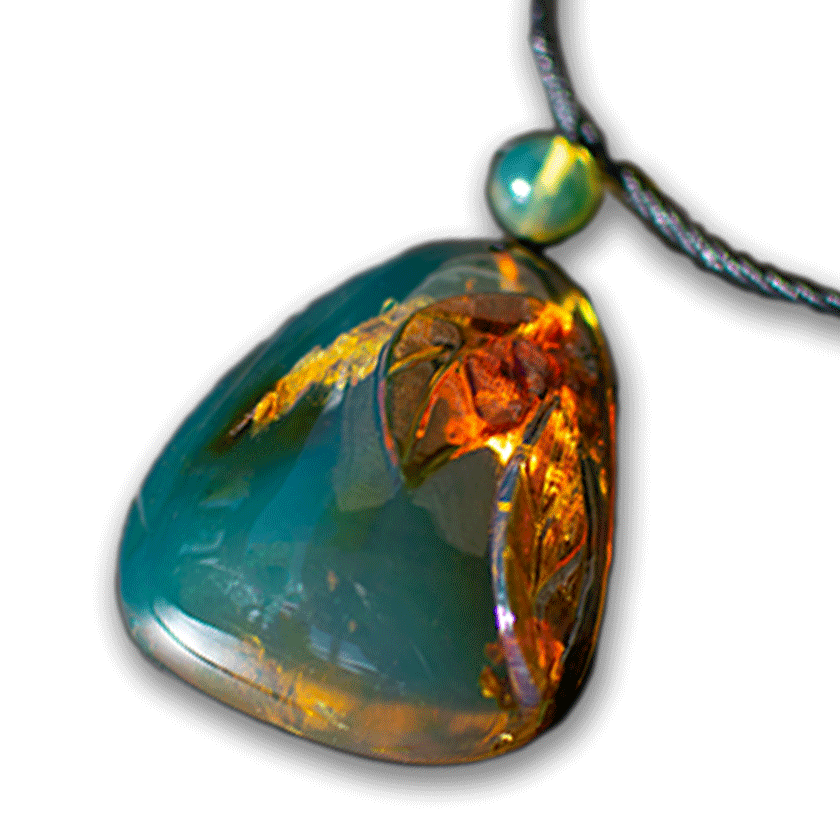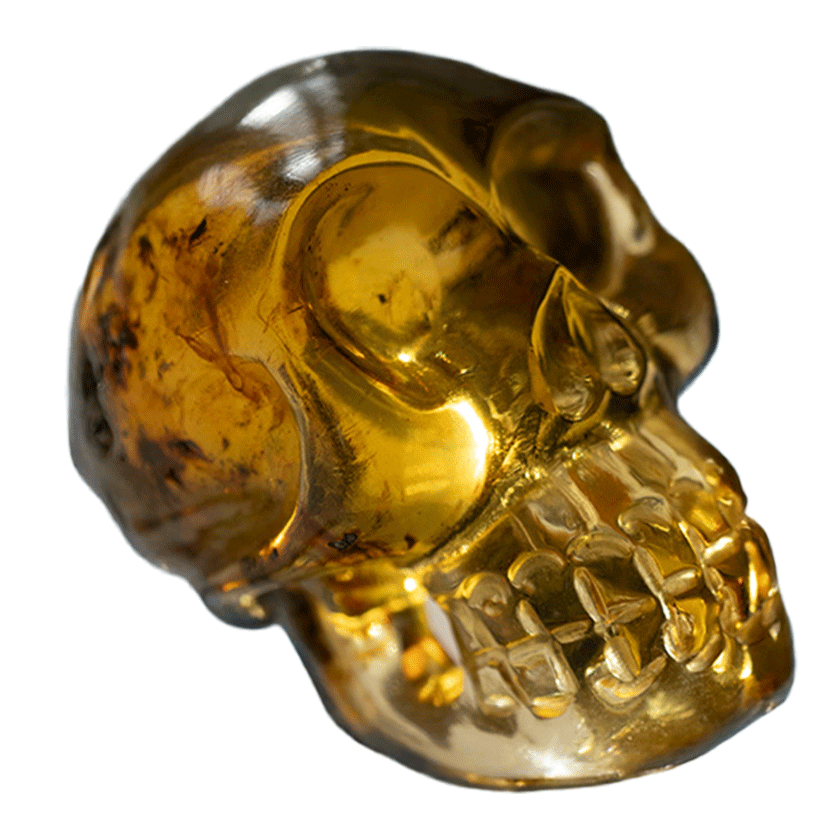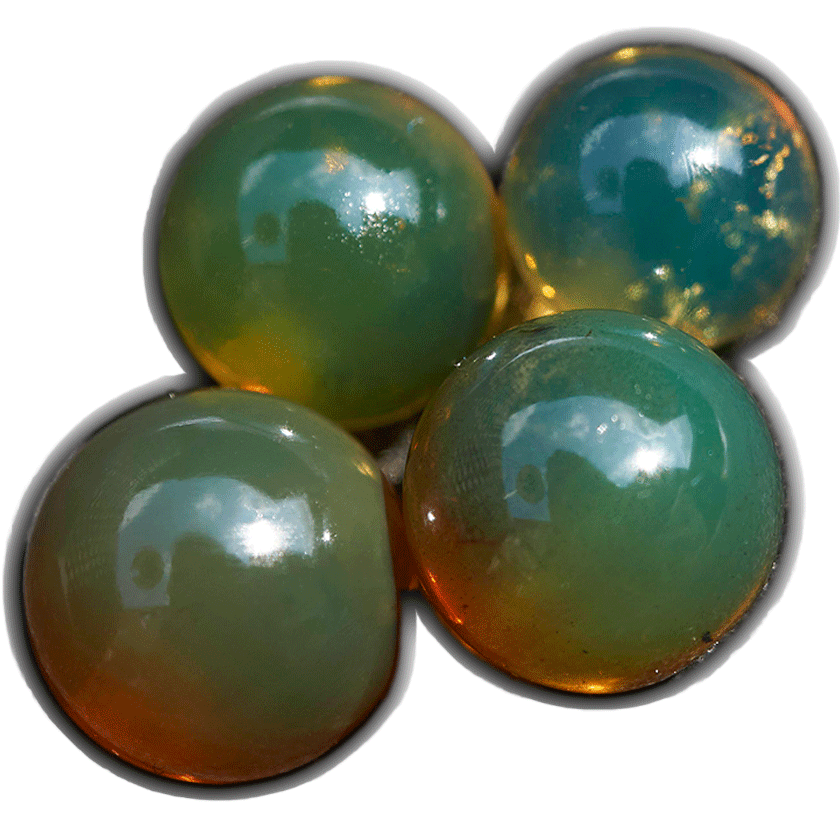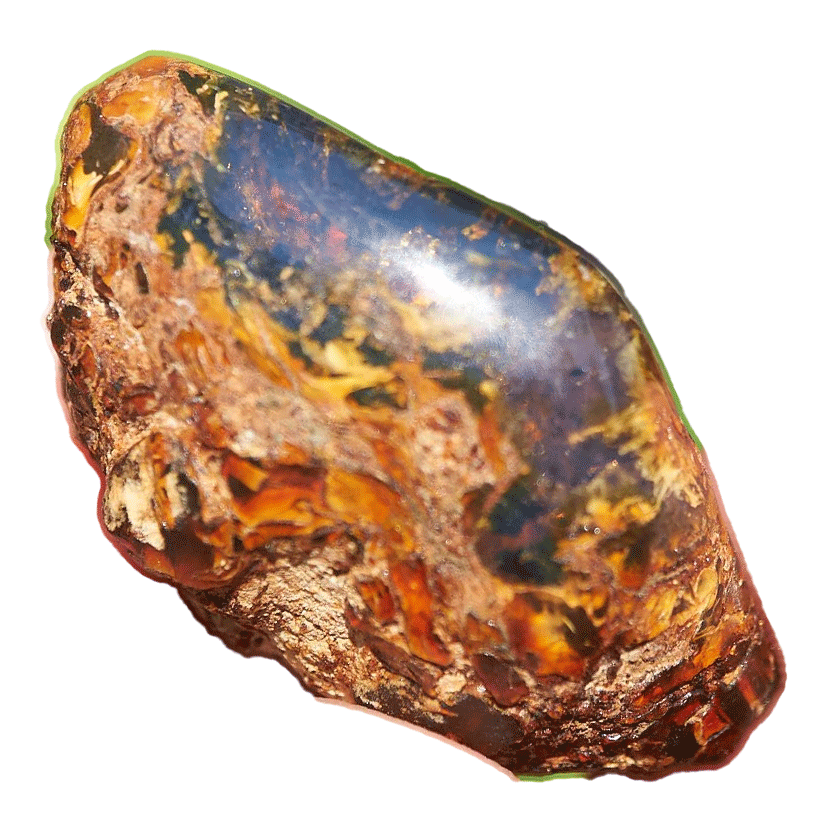


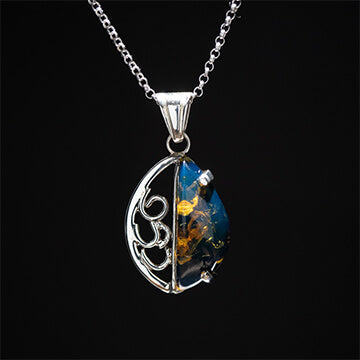
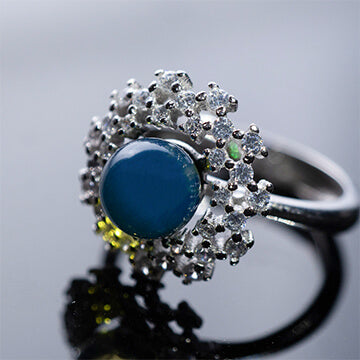
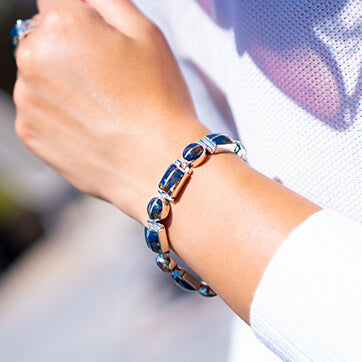
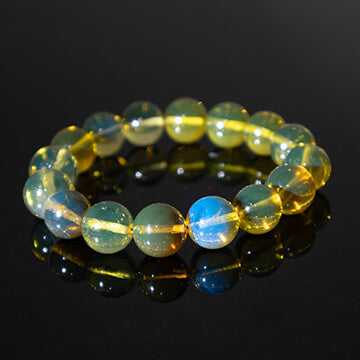
Handcrafted in DR.

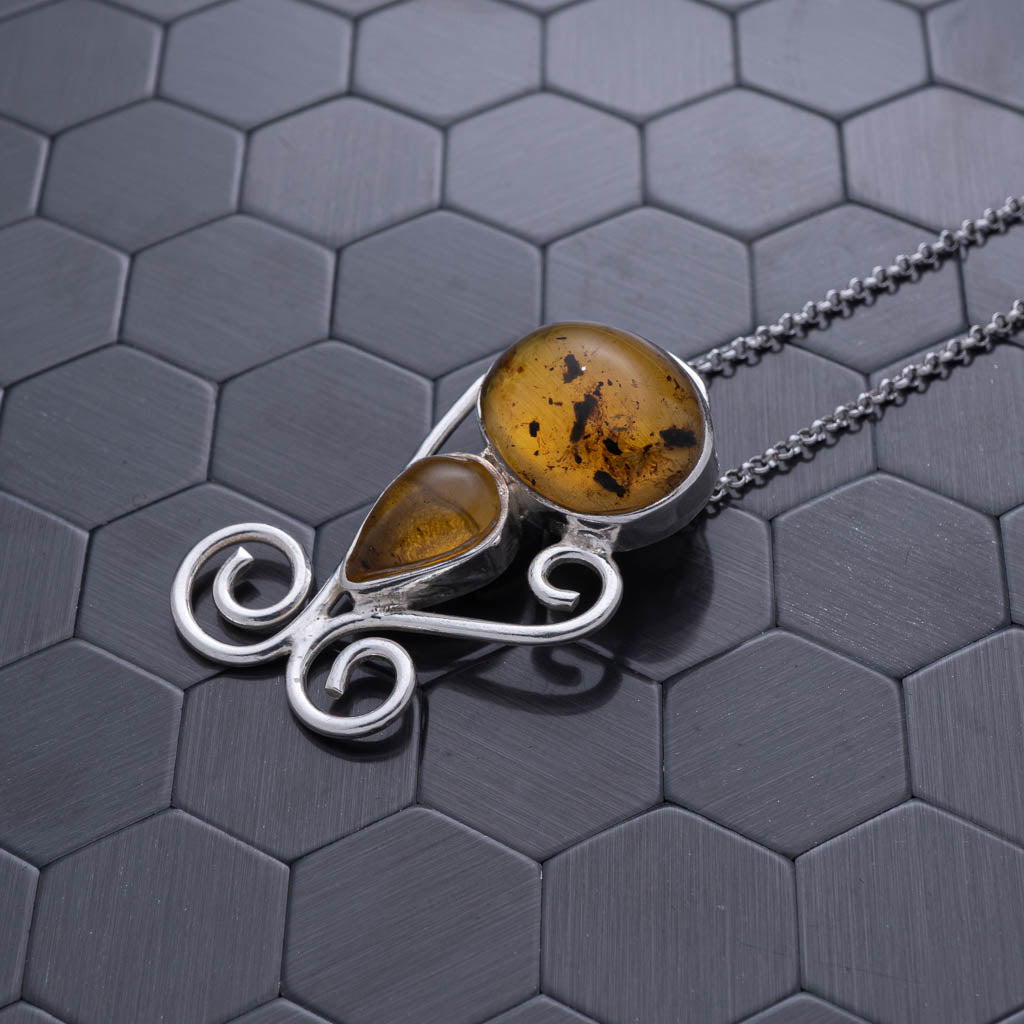
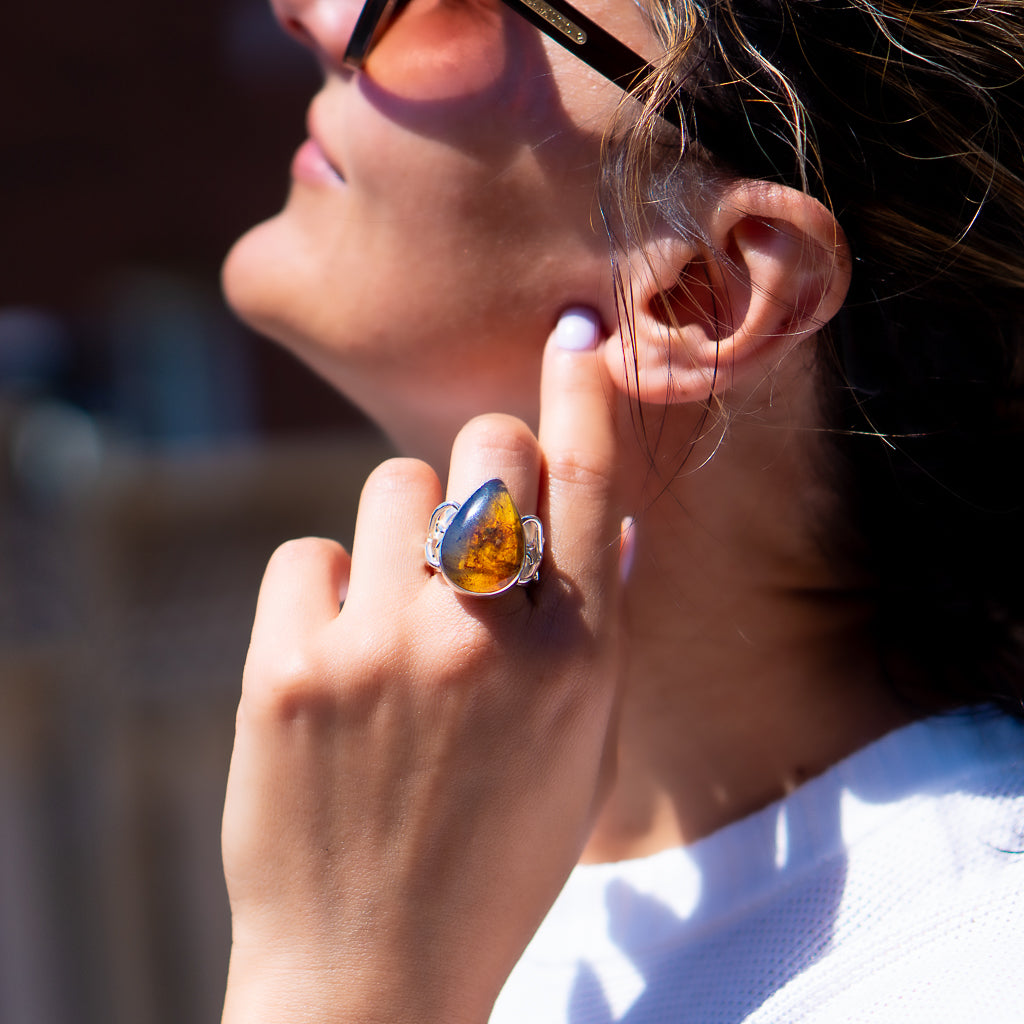
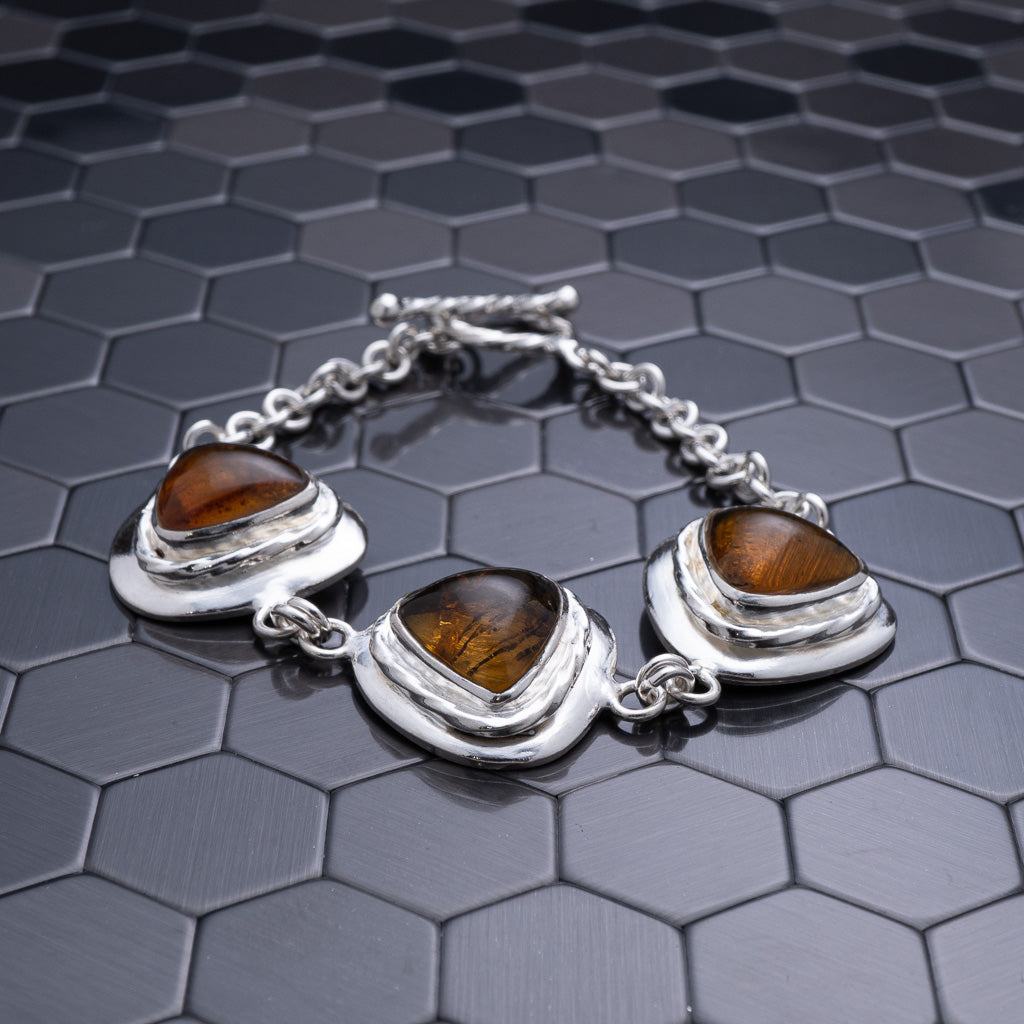
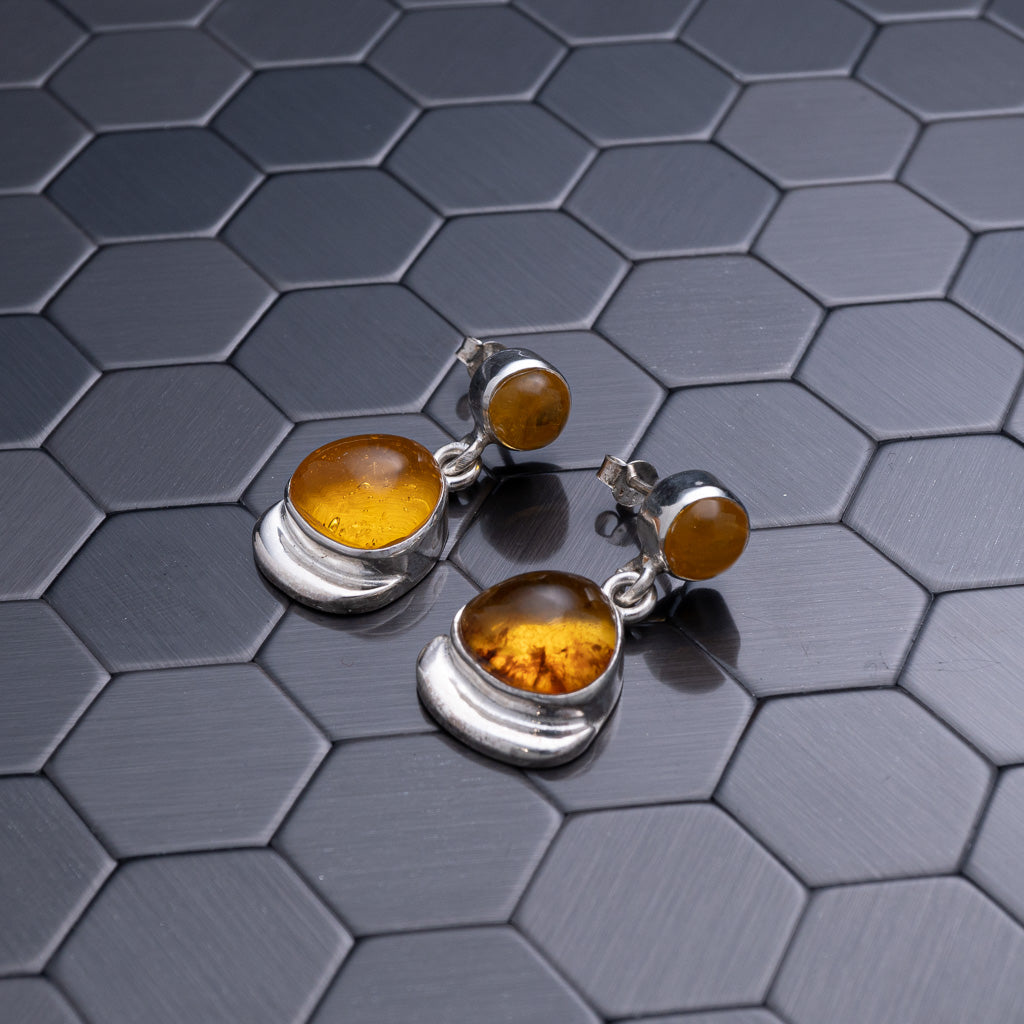


100% Handcrafted in DR.

A 925 sterling silver necklace represents one of the most popular jewelry choices worldwide, combining affordability with timeless elegance. The "925" marking indicates that the piece contains 92.5% pure silver, making it both beautiful and durable enough for everyday wear. Whether you're shopping for your first quality necklace or expanding your jewelry collection, understanding what makes 925 sterling silver special helps you make informed purchasing decisions and ensures your investment lasts for years.
The 925 hallmark has specific legal and quality implications that protect consumers and establish international jewelry standards. This numerical designation isn't arbitrary-it represents the precise metallurgical composition that creates optimal performance characteristics.
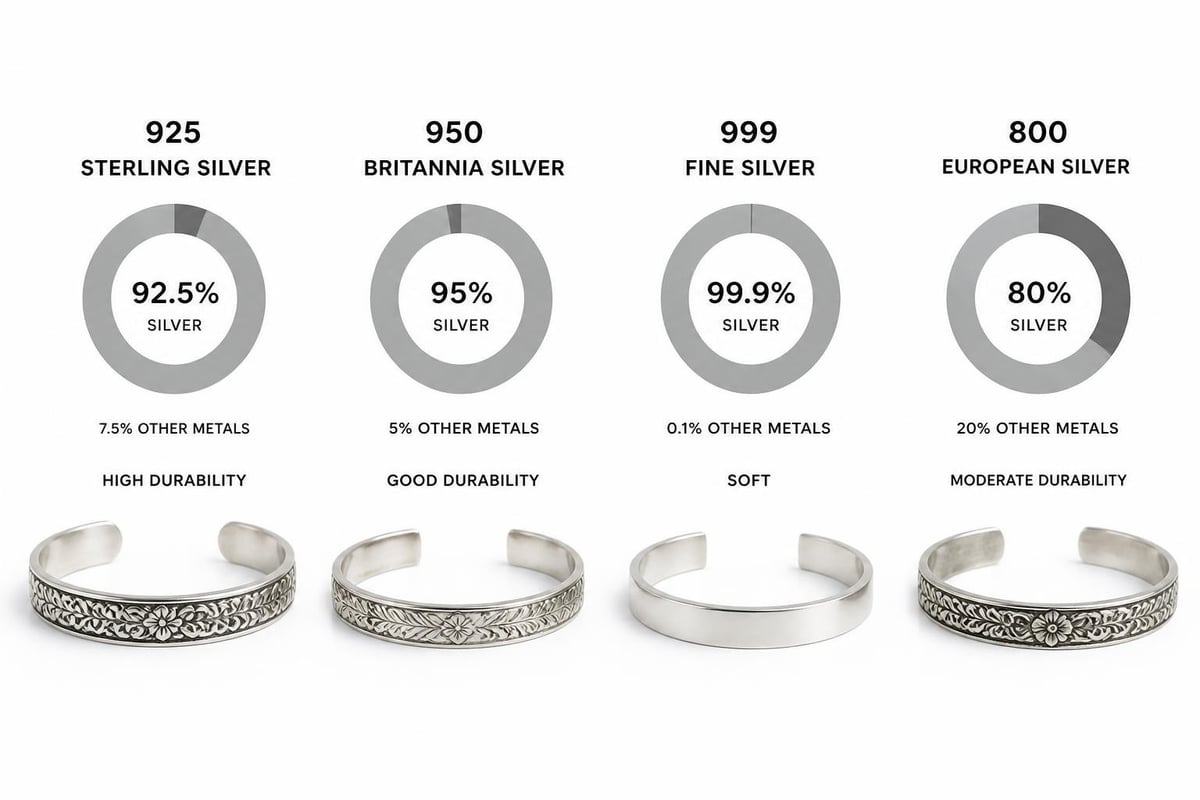
Pure silver, known as fine silver, is too soft for most jewelry applications. It bends easily, scratches quickly, and loses shape under normal wear conditions. The 925 standard solves this problem by combining 92.5% pure silver with 7.5% other metals, typically copper.
This alloy composition provides several advantages:
The copper addition strengthens the metal matrix without significantly altering silver's characteristic appearance. This precise ratio has been refined over centuries of metalworking experience and represents the optimal balance between purity and practicality.
Sterling silver standards emerged from medieval England's need to regulate precious metal quality. The term "sterling" possibly derives from the Norman silver penny called "steorling," though historical sources debate the exact etymology. What remains undisputed is the standard's effectiveness-it has survived for over 800 years as the benchmark for quality silver jewelry.
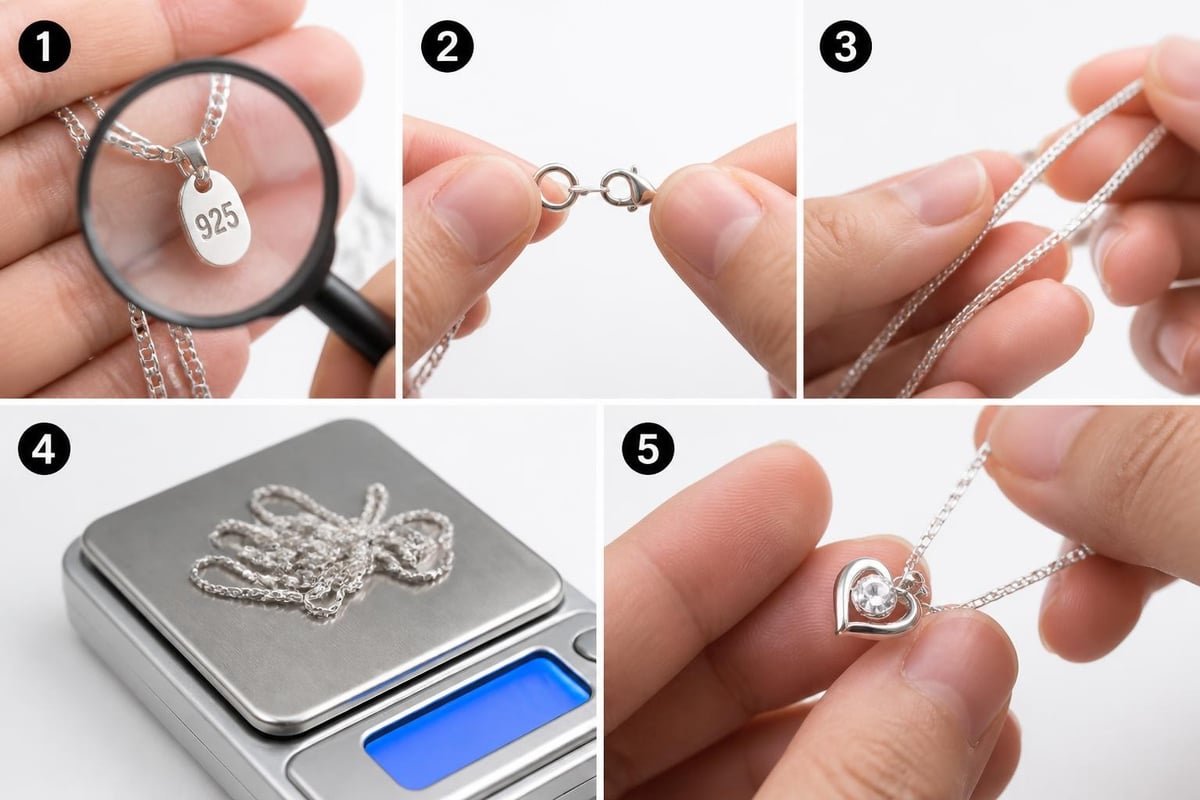
Authentication protects your investment and ensures you receive genuine quality. Several verification methods exist, ranging from simple visual inspection to scientific testing.
Manufacturers stamp 925 sterling silver necklaces in specific locations depending on the design. Chains typically display the marking on the clasp or a small tag near the closure. Pendant necklaces may show stamps on the bail (the loop connecting the pendant to the chain) or on the pendant's back surface.
| Stamp Variation | Meaning | Geographic Origin |
|---|---|---|
| 925 | Standard sterling silver | International |
| .925 | Sterling silver with decimal | North America |
| S925 | Sterling silver designation | Asia/International |
| Sterling | Word mark for 925 silver | United States |
| 92.5% | Percentage notation | Various regions |
Understanding these markings and their verification methods helps consumers distinguish authentic pieces from lower-quality alternatives. Counterfeit jewelry sometimes displays false stamps, making additional testing valuable for expensive purchases.
Beyond visual inspection, several tests confirm authenticity:
Professional jewelers offer authentication services using electronic testers that measure conductivity without damaging the piece. These devices provide quick, accurate results for valuable necklaces.
The versatility of a 925 sterling silver necklace extends across numerous design categories, from minimalist chains to elaborate statement pieces. Understanding popular styles helps match jewelry to personal preferences and occasions.
Different chain constructions offer distinct aesthetic and functional characteristics. Five timeless Italian styles have dominated the market for decades, each with unique appeal.
Popular chain types include:
Each style serves different purposes. Cable and box chains work excellently as pendant carriers due to their strength and simplicity. Rope chains make bold standalone statements. Figaro chains balance visual interest with versatility. Snake chains offer sleek, modern aesthetics perfect for formal occasions.
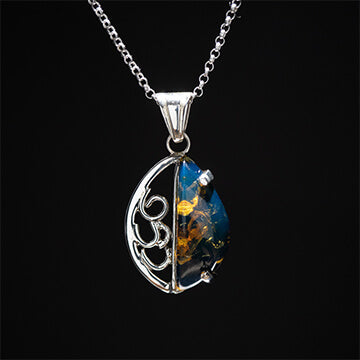
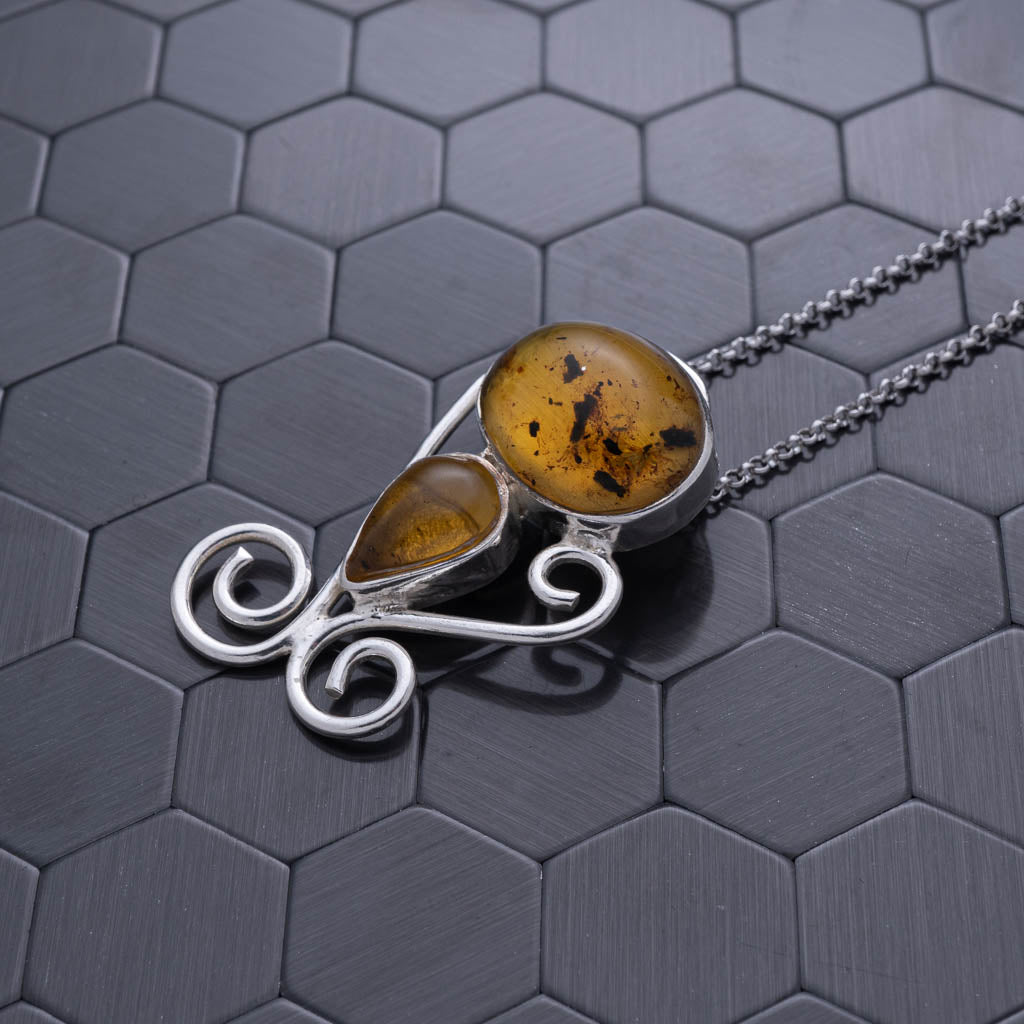
Pendant necklaces combine the chain with decorative centerpieces. These designs showcase gemstones, symbolic shapes, or artistic metalwork. The quality of 925 sterling silver jewelry makes it an ideal setting for precious and semi-precious stones.
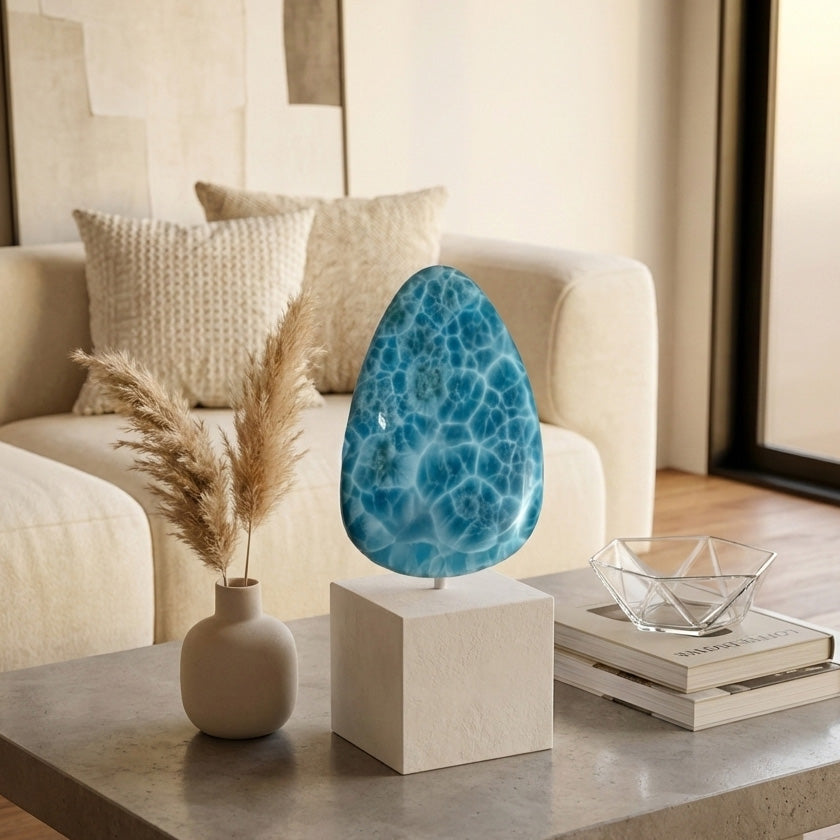
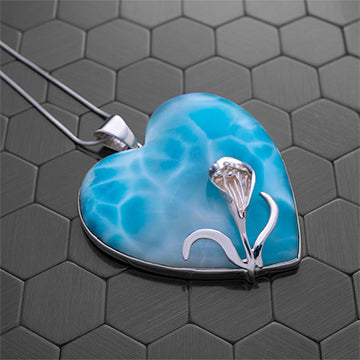
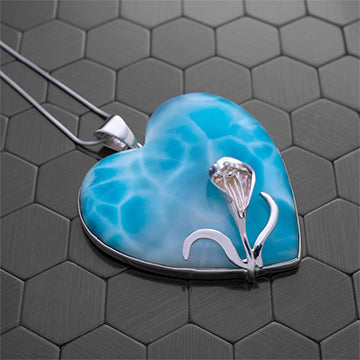
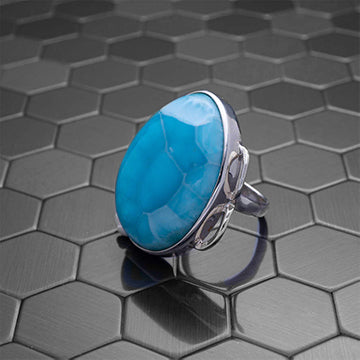
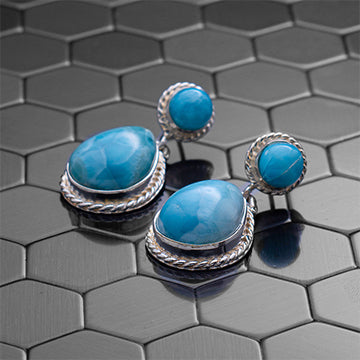
When selecting gemstone pendants, consider how the silver setting complements the stone. Cool-toned gems like sapphires, aquamarines, and certain topaz varieties harmonize naturally with silver's bright white appearance. Warm stones like citrine or amber create striking contrast. Unique gemstones like larimar gain enhanced appeal when set in quality sterling silver-the distinctive blue larimar gemstone particularly benefits from silver's cool undertones, which emphasize the stone's Caribbean-sea coloration.
Proper care extends the life and beauty of your 925 sterling silver necklace significantly. Silver requires more attention than some metals but rewards proper maintenance with lasting brilliance.
Tarnish, the dark discoloration that develops on silver, results from chemical reactions with sulfur compounds in air, water, and skin contact. This natural process doesn't indicate poor quality-even the finest sterling silver tarnishes. However, understanding the mechanism helps prevent and reverse it.
Factors accelerating tarnish:
Implementing simple habits protects your necklace between deep cleanings. Proper care for 925 sterling silver necklaces includes timing and order of wear.
| Tarnish Level | Cleaning Method | Materials Needed | Frequency |
|---|---|---|---|
| None/Light | Polishing cloth | Soft silver cloth | After each wear |
| Light | Mild soap wash | Warm water, gentle soap, soft brush | Weekly |
| Moderate | Baking soda paste | Baking soda, water, soft cloth | Monthly |
| Heavy | Commercial cleaner | Silver polish, soft cloth | As needed |
| Professional | Ultrasonic/jeweler | Professional service | Annually |
For routine cleaning, mix a few drops of mild dish soap in warm water. Soak the necklace for 5-10 minutes, then gently brush with a soft-bristled toothbrush, paying attention to crevices and chain links. Rinse thoroughly with clean water and dry completely with a lint-free cloth.
Baking soda paste works for moderate tarnish. Create a thick paste with three parts baking soda to one part water. Apply with a soft cloth using gentle circular motions, avoiding excessive pressure on gemstone settings. Rinse well and dry thoroughly.
Making informed purchasing decisions requires understanding what influences a 925 sterling silver necklace's value. Multiple factors beyond the silver content affect pricing and overall worth.
Silver pricing fluctuates based on commodity markets. The necklace's weight directly impacts its base material cost. Heavier chains naturally cost more, but weight alone doesn't determine value. Craftsmanship, design complexity, and brand reputation add significant premiums.
Weight considerations:
The craftsmanship behind 925 sterling silver varies considerably between manufacturers. Handcrafted pieces typically show slight variations that indicate individual artisan work, while machine-made jewelry displays perfect uniformity.
Examine these quality markers:
Necklaces featuring gemstones command higher prices based on stone quality, rarity, and setting complexity. When purchasing gemstone necklaces, evaluate both the silver work and the stone separately.
For collectors of unique gemstones, pairing rare stones with quality silver settings enhances both elements. Larimar Pendants exemplify this combination, where the distinctive Dominican gemstone's oceanic blue tones gain prominence through expert sterling silver craftsmanship, creating heirloom-quality pieces that showcase both the metal's versatility and the stone's natural beauty.
A 925 sterling silver necklace offers remarkable versatility across wardrobes and occasions. Strategic styling maximizes your jewelry investment while creating distinctive looks.
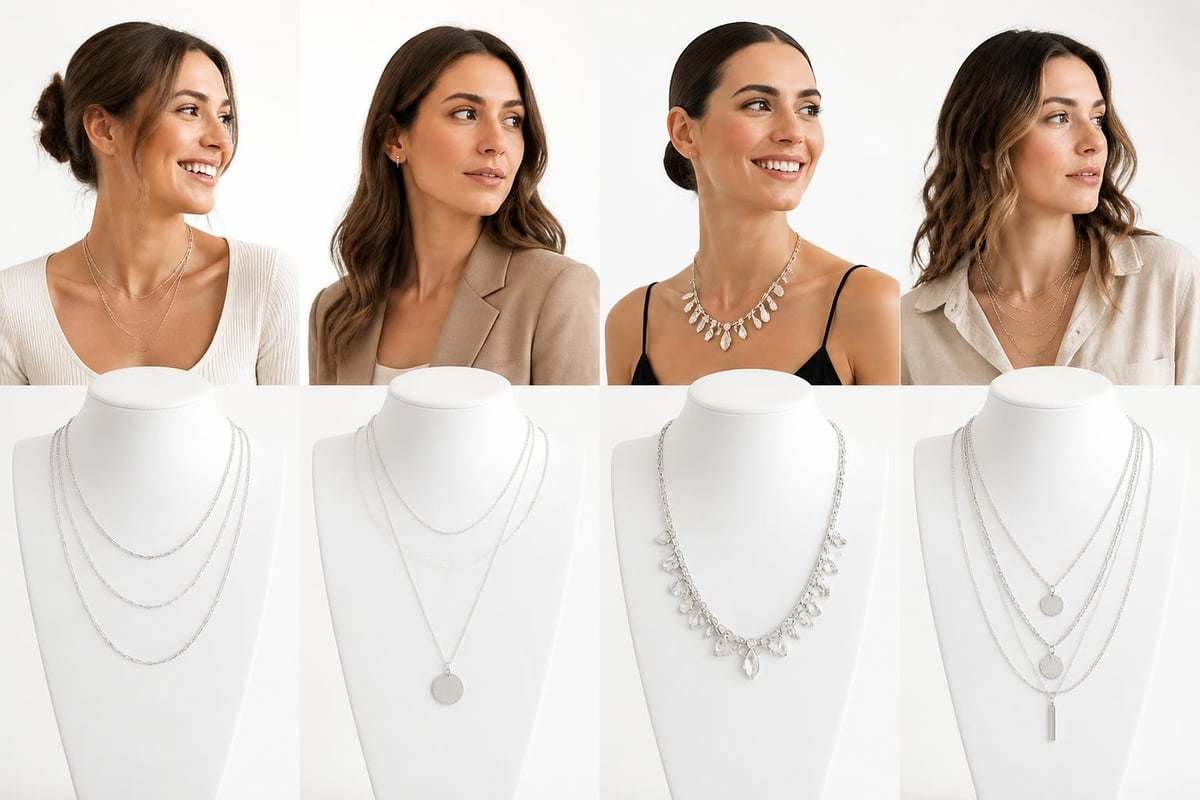
Layering multiple necklaces creates dimensional, personalized styles. The key lies in varying lengths, weights, and pendant sizes to avoid tangling and visual clutter.
Successful layering formulas:
Different settings call for varying necklace styles. Professional environments typically favor subtle, refined pieces, while social occasions permit bolder expressions.
For business settings, choose simple chains or small pendants that complement rather than dominate your outfit. A thin cable or box chain in 18-20 inch length works under most necklines without overwhelming professional attire.
Formal events accommodate statement necklaces with larger pendants or elaborate chain designs. These pieces become conversation starters and outfit focal points.
Casual wear benefits from playful, personal pieces. Symbols, initials, or meaningful charms express individuality without excessive formality.
Most people tolerate 925 sterling silver well, making it an excellent choice for sensitive skin. However, understanding potential reactions helps prevent discomfort.
The copper content in sterling silver occasionally causes reactions in highly sensitive individuals. True silver allergies are rare-most reactions stem from the copper alloy or nickel sometimes used in lower-quality pieces.
Authentic 925 silver jewelry uses copper as the primary alloy metal, which causes fewer reactions than nickel. If you experience skin discoloration or irritation, consider these solutions:
Beyond allergies, safe wearing involves protecting both your skin and the necklace. Remove jewelry before sleeping to prevent chain tangling or breakage. Avoid wearing necklaces during contact sports or vigorous activities where they might catch or pull.
Monitor clasps and connections regularly. A failing clasp risks losing your necklace, while a weakened link might break unexpectedly. Professional inspection annually catches developing problems before they cause loss or injury.
A quality 925 sterling silver necklace represents both aesthetic and financial value. Understanding what 925 sterling silver truly means helps assess long-term worth.
Unlike pure investment-grade precious metals, jewelry value encompasses multiple components. Silver content provides baseline worth, but craftsmanship, brand recognition, design trends, and condition significantly impact resale potential.
Value retention factors:
Sterling silver jewelry typically doesn't appreciate like rare coins or bullion. However, well-maintained pieces retain substantial value, particularly designer creations or pieces featuring quality gemstones.
With proper care, a 925 sterling silver necklace lasts generations. The metal doesn't degrade or deteriorate-tarnish is merely surface oxidation that polishes away. This durability makes sterling silver excellent for heirloom pieces passed through families.
Creating heirloom value requires selecting designs with lasting appeal. Classic styles like simple chains, traditional pendants, or culturally significant symbols transcend temporary fashion trends. Personalized pieces commemorating important events or relationships carry emotional value that surpasses market price.
Contemporary consumers increasingly consider how their jewelry is made. Ethical sourcing, environmental impact, and labor practices influence purchasing decisions alongside aesthetic preferences.
Responsible manufacturers source silver through certified channels that verify environmental and labor standards. Recycled silver offers an eco-friendly alternative-refining existing silver rather than mining new ore reduces environmental impact without compromising quality.
Modern sterling silver necklace production increasingly emphasizes transparency. Reputable sellers provide information about metal sources, manufacturing locations, and labor conditions.
Third-party certifications verify ethical claims. Organizations like the Responsible Jewellery Council audit manufacturers for environmental, social, and human rights standards. Blockchain technology now enables some companies to trace silver from mine to finished product, providing unprecedented transparency.
When selecting a 925 sterling silver necklace, inquire about sourcing practices. Companies committed to ethical production proudly share this information. This transparency builds trust and ensures your purchase aligns with personal values.
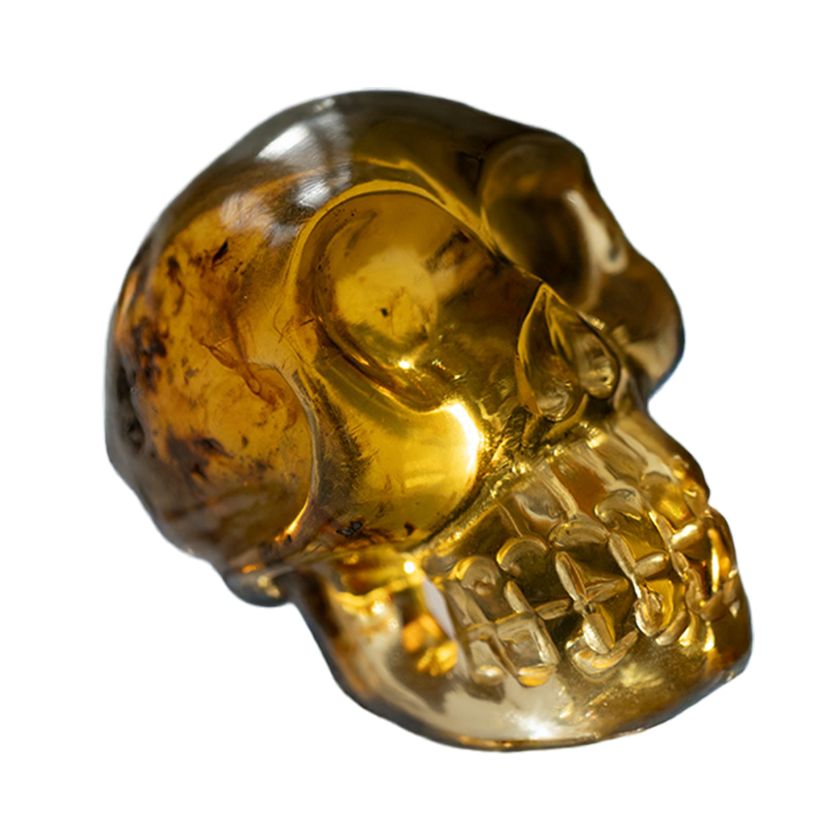
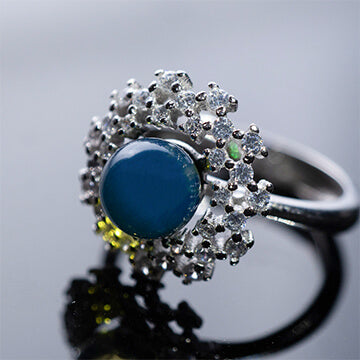
Understanding the composition, care requirements, and quality indicators of a 925 sterling silver necklace empowers you to select pieces that deliver lasting beauty and value. When you're ready to explore exceptional sterling silver jewelry paired with rare gemstones, Larimar Creations offers handcrafted pieces that combine quality silver settings with distinctive Larimar and Dominican Blue Amber. Each piece receives meticulous attention to detail, ensuring you receive jewelry worthy of becoming tomorrow's heirlooms, with worldwide shipping bringing these unique creations directly to you.