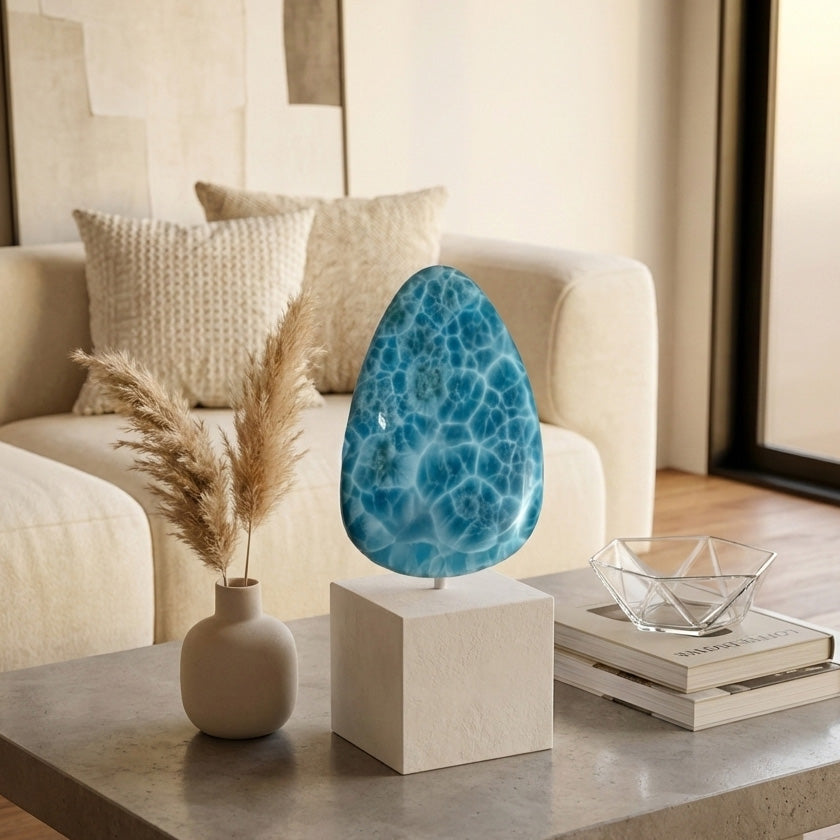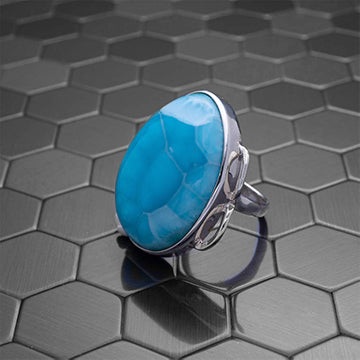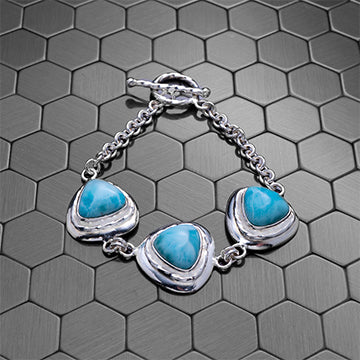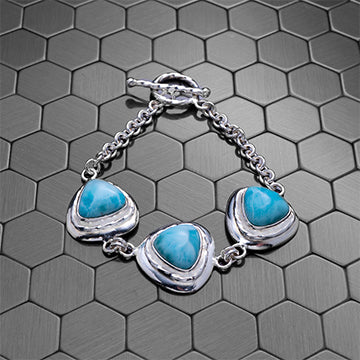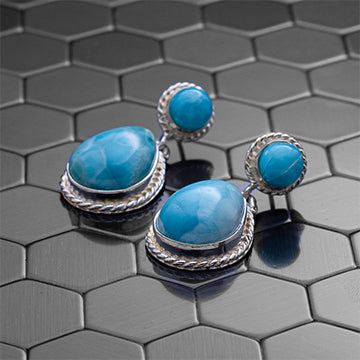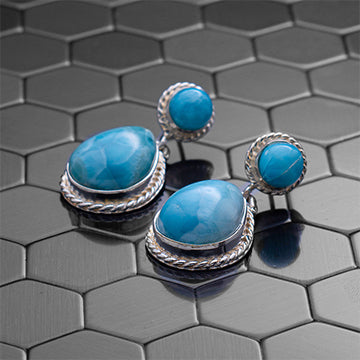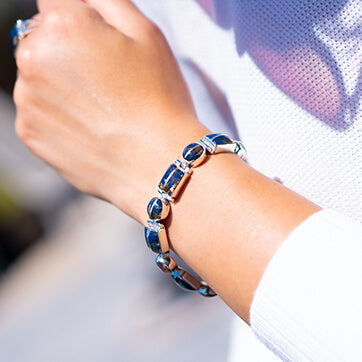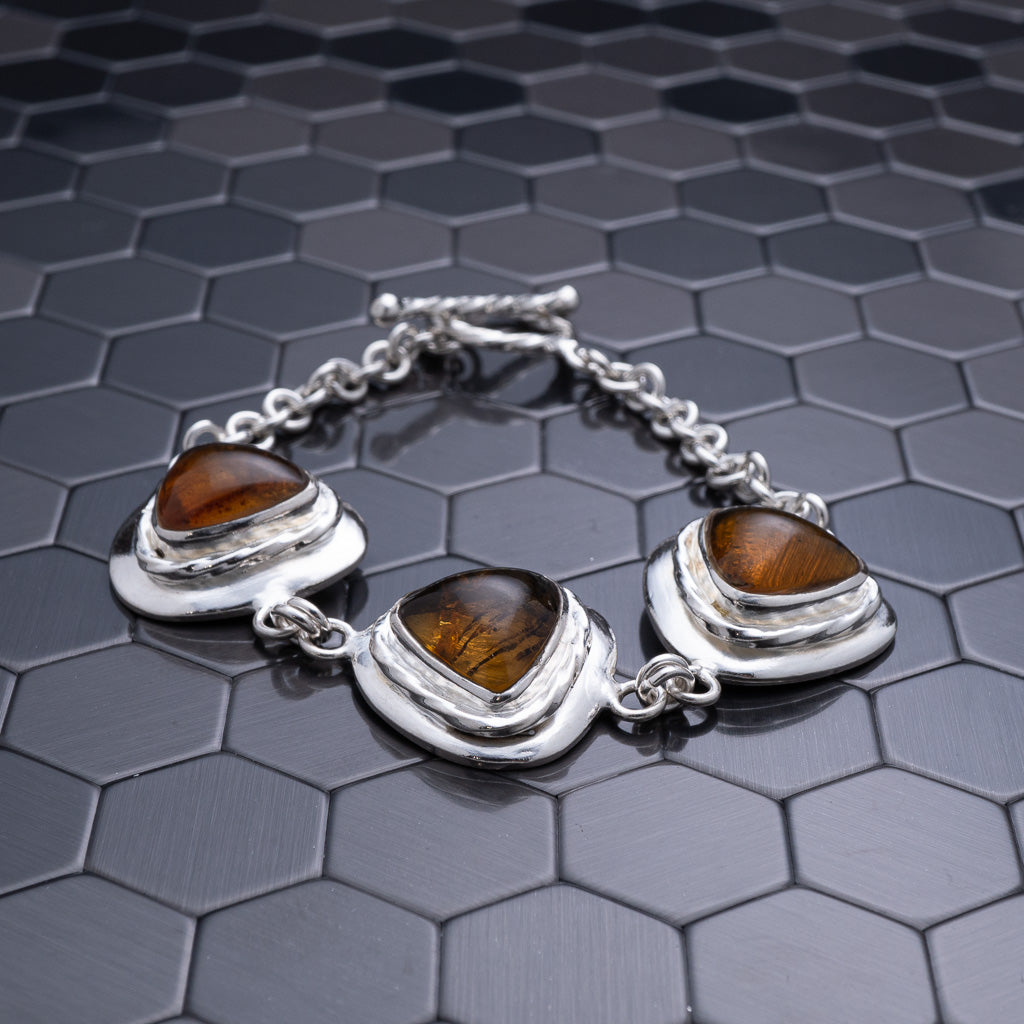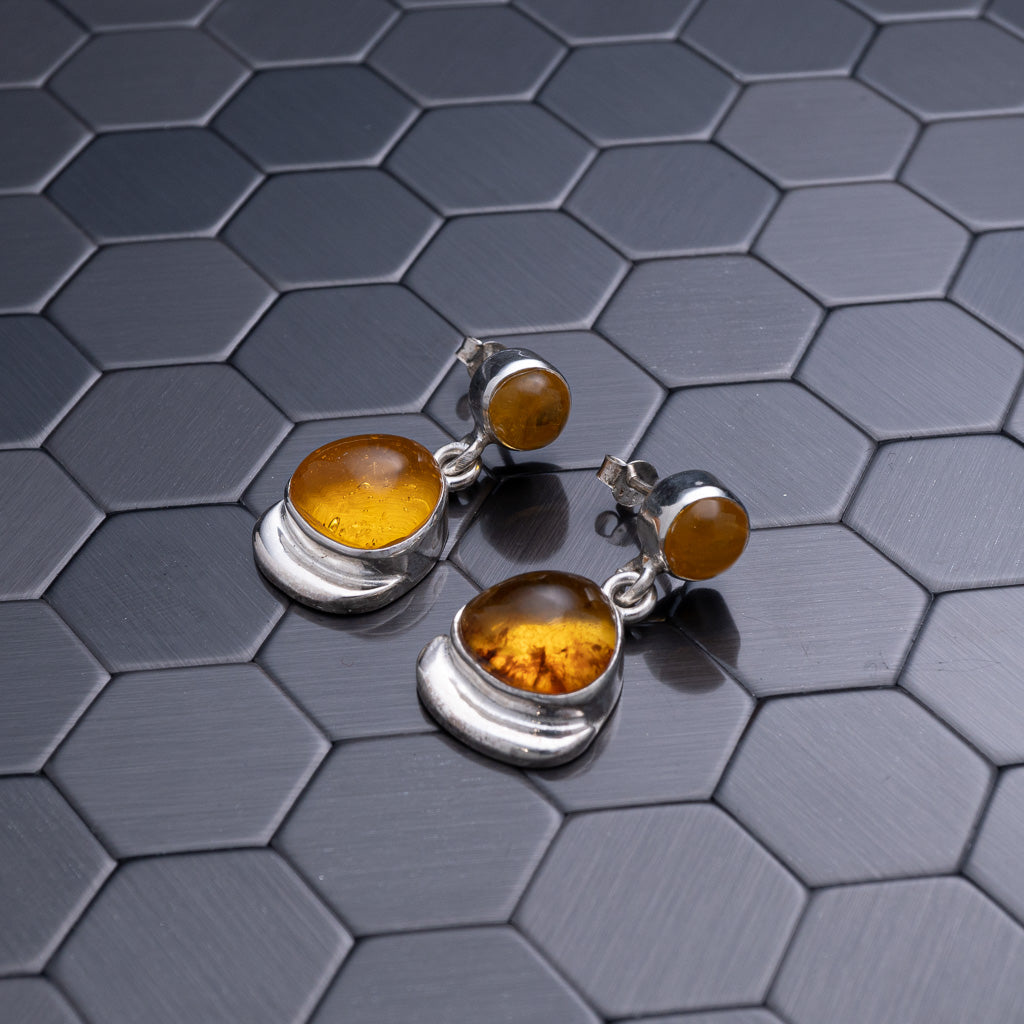


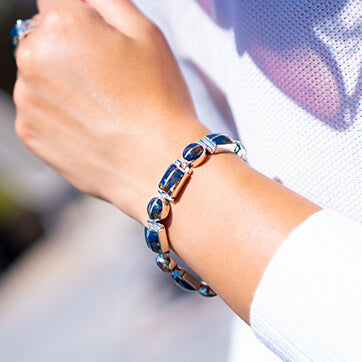
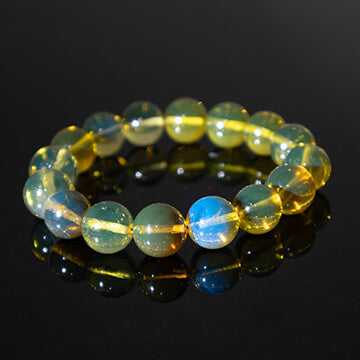
Handcrafted in DR.

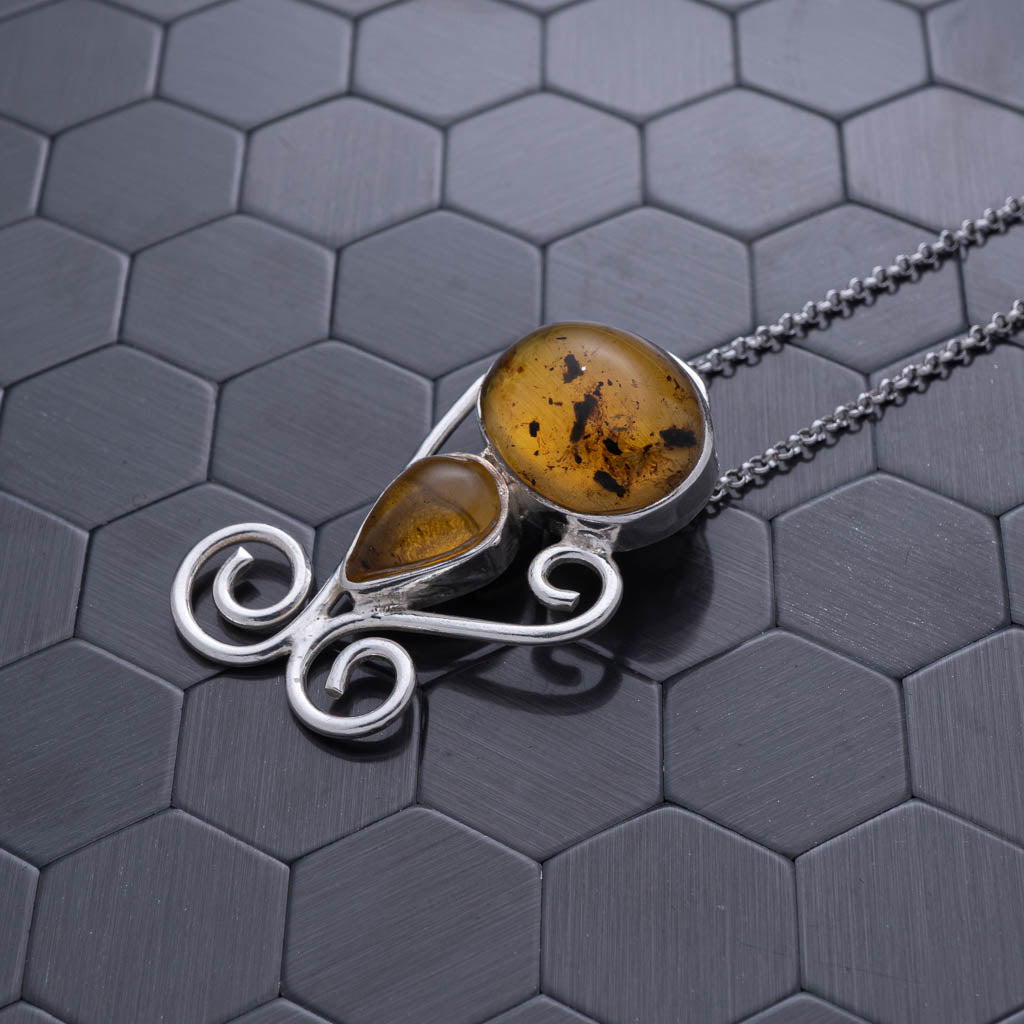
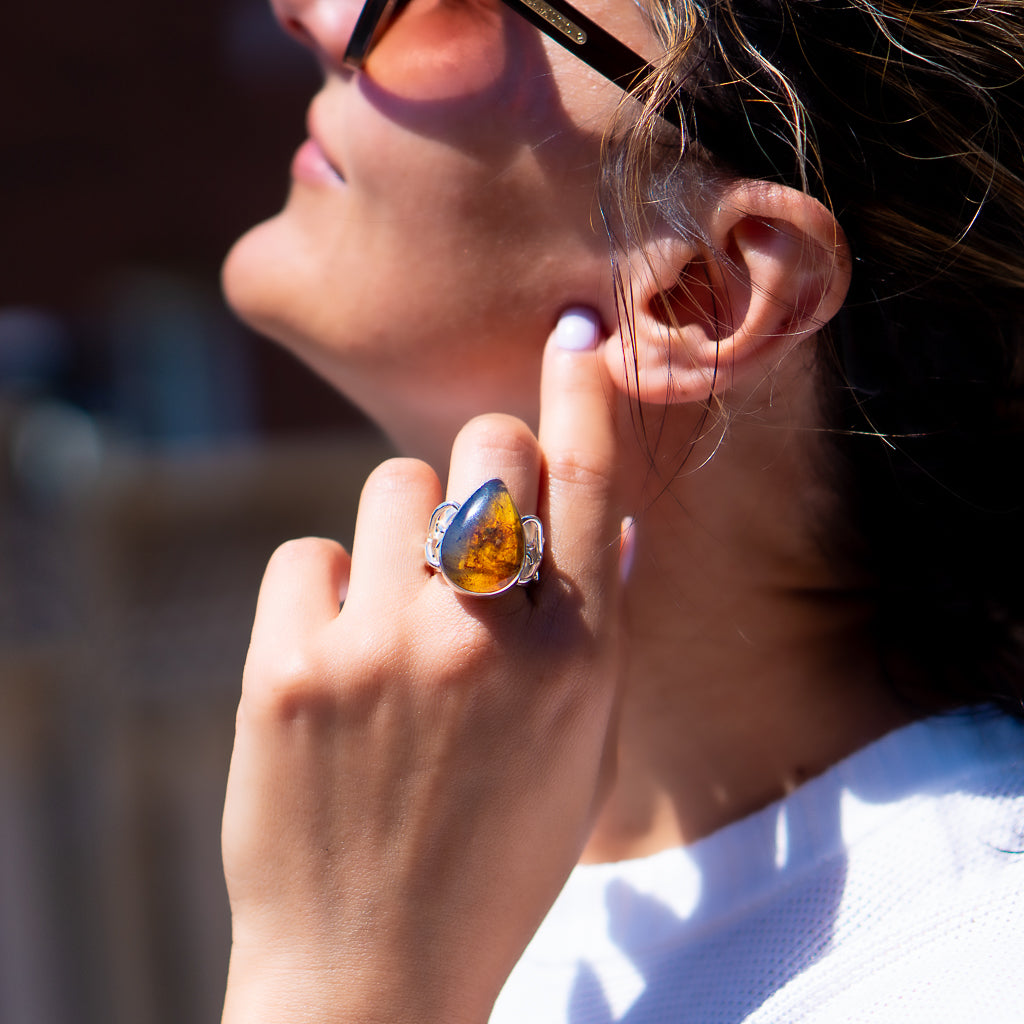
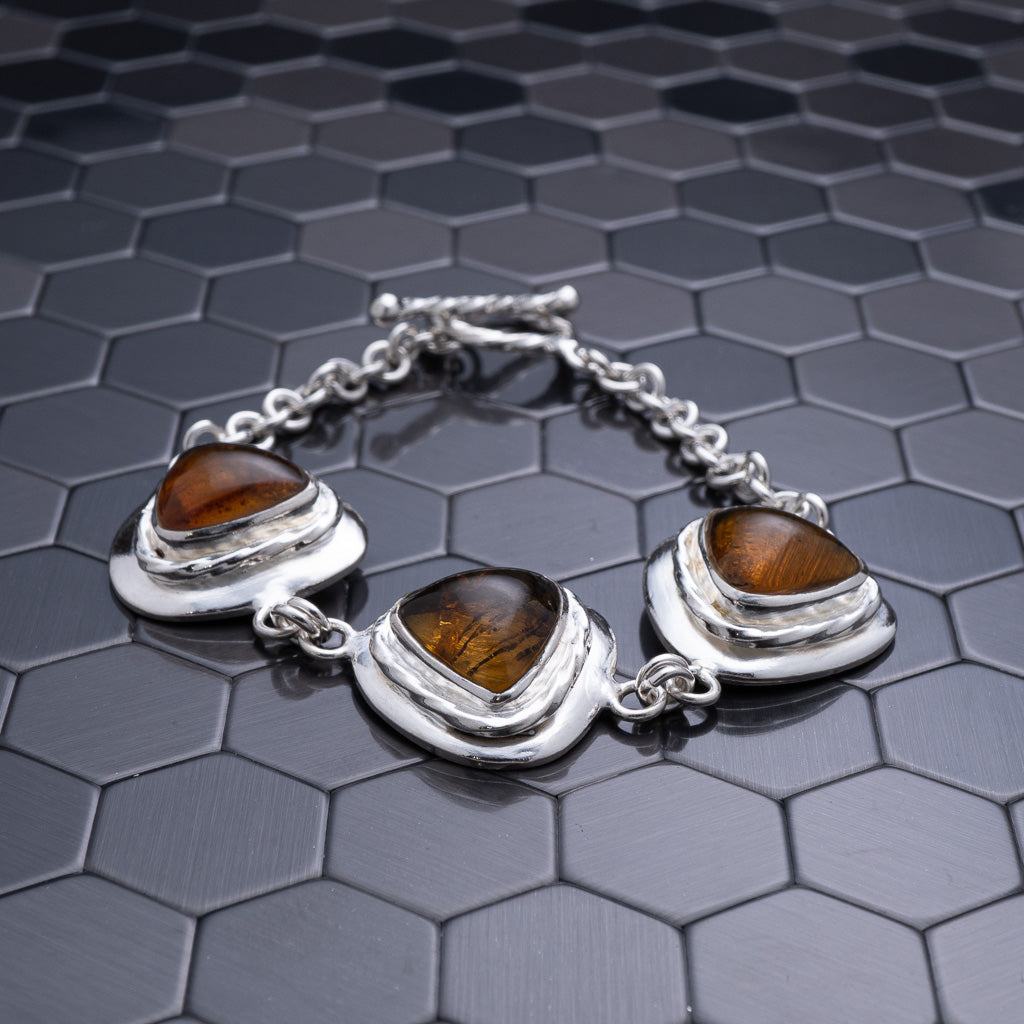
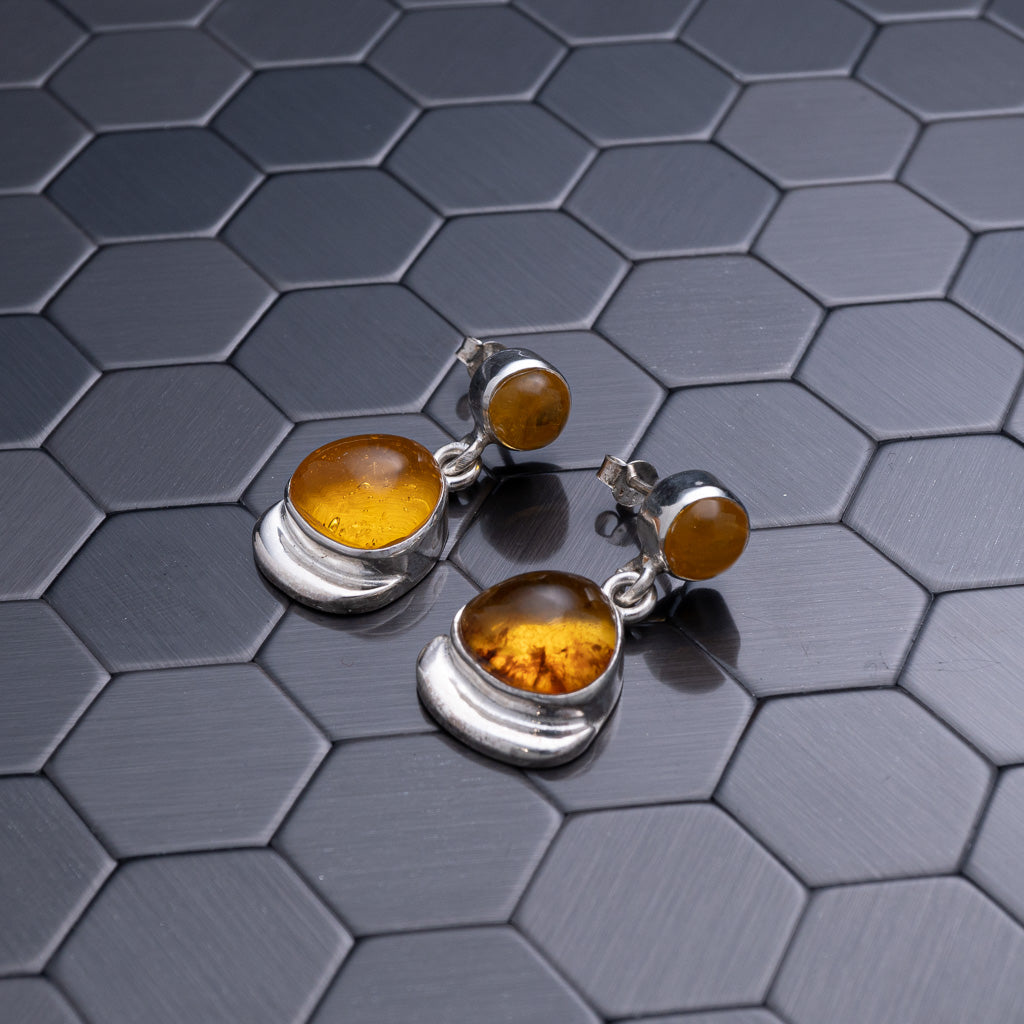


100% Handcrafted in DR.

There’s a reason amber jewelry has enchanted wearers for centuries—its ancient origins and mesmerizing glow continue to turn heads, and in 2025, its popularity is soaring to new heights. Whether you’re a seasoned collector or searching for your first piece, this guide is your passport to the world of amber jewelry.
We’ll uncover amber’s fascinating journey from prehistoric resin to coveted gemstone, reveal how to spot genuine pieces, and share expert tips for buying, styling, and caring for your treasures. Discover the top amber jewelry trends for 2025 and learn how to make these timeless gems part of your signature style.
Ready to unlock the secrets of amber jewelry? Dive in for insider advice, practical guidance, and inspiration to elevate your collection.
Amber jewelry has captivated collectors and style enthusiasts for centuries. Its unique glow, fascinating inclusions, and rich history make each piece a miniature time capsule. As we explore the origins and types of amber jewelry, you’ll discover what sets these ancient gems apart and why they remain among the most coveted treasures in the world.

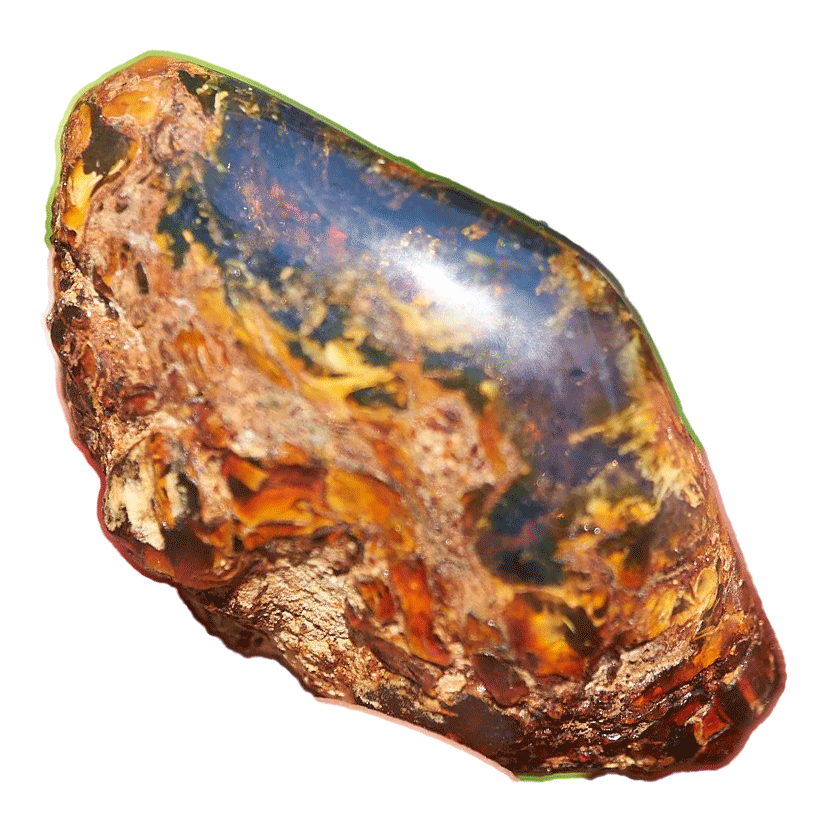
Amber is fossilized tree resin that has withstood the test of time, often dating back 15 to 25 million years. Most amber jewelry uses resin from ancient forests, preserved under layers of earth and sediment. The Dominican Republic and the Baltic region are two of the most famous sources, each producing amber with distinct characteristics.
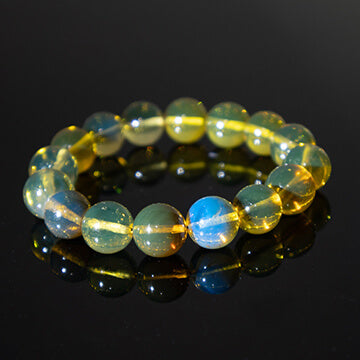
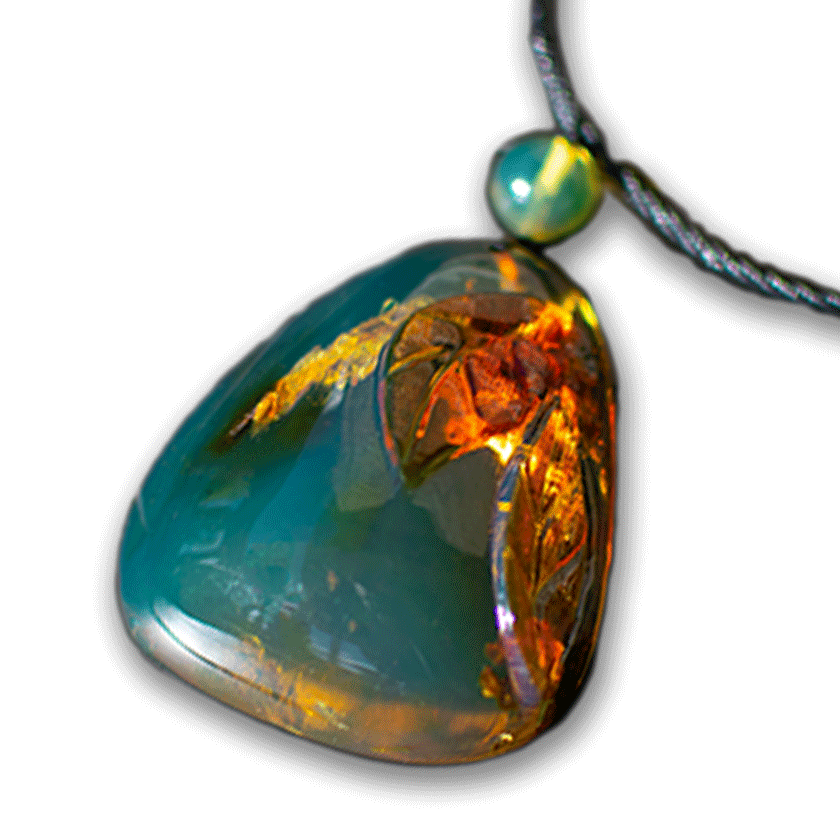
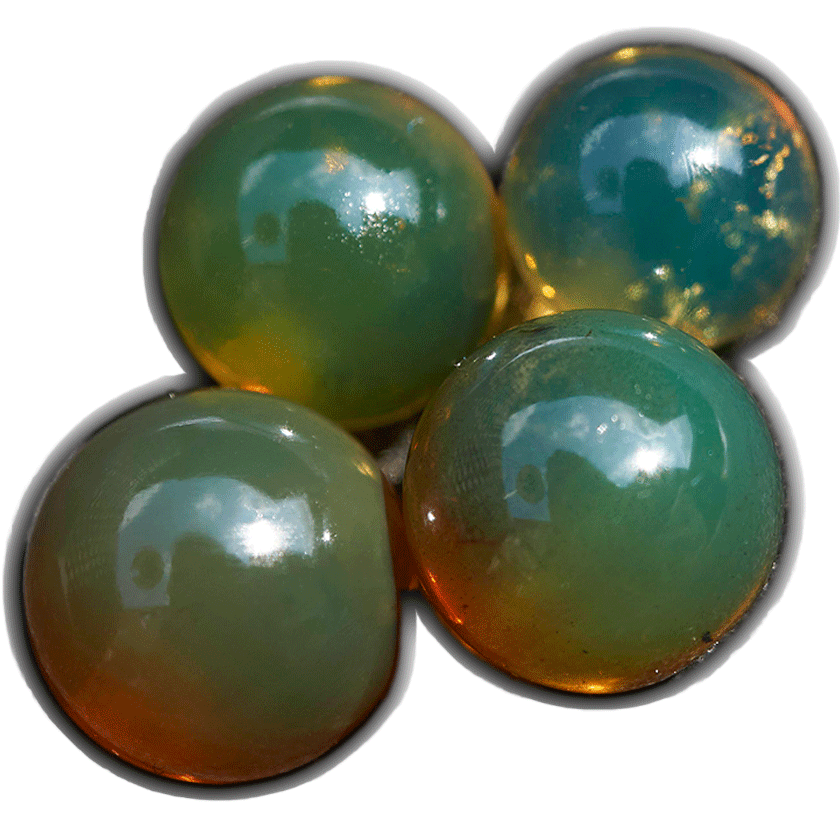
Dominican amber is celebrated for its chromatic richness and exceptional clarity, often containing vibrant inclusions. In contrast, Baltic amber tends to feature classic honey tones and subtle variations. Rare blue and green amber are especially prized for their unique beauty and scarcity, making them stunning additions to any amber jewelry collection.
The main regions producing amber jewelry are the Baltic coast and the Dominican Republic. Baltic amber is renowned for its golden honey and cognac hues, while Dominican amber displays an impressive range, from yellow to deep blue and green. Each origin influences not only the color but also the value of amber jewelry.
Other notable sources include Mexico, Myanmar, and even parts of the United States. The origin affects both the appearance and desirability of amber. For example, Baltic jewelry collections often showcase classic, warm tones, while Dominican pieces are favored for their clarity and rare color variations.
| Region | Notable Colors | Unique Traits |
|---|---|---|
| Baltic | Honey, cognac | Classic, warm, opaque |
| Dominican | Blue, green, clear | Rich color, high clarity |
| Mexico/Myanmar | Red, yellow | Rare, collectible |
Amber jewelry comes in a spectrum of colors and textures. The most common types include honey, cognac, cherry, green, blue, and opaque amber. Honey and cognac amber are beloved for their warmth and classic appeal, often featured in rings and necklaces. Cherry amber, with its deep red tones, adds an elegant touch to earrings and statement pieces.
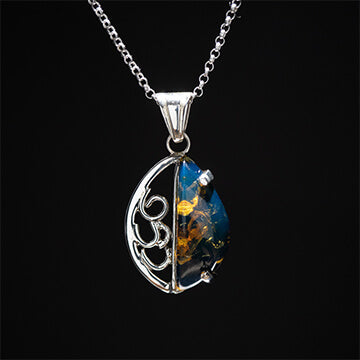
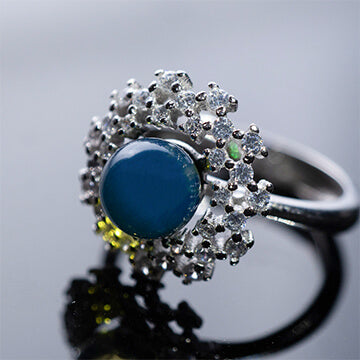
Green and blue amber are rarer, drawing attention for their vibrant, almost ethereal glow. Opaque amber, sometimes called "butterscotch," is favored in bold, chunky bracelets and vintage designs. For a closer look at the diversity of amber jewelry, browse the Types of Amber Jewelry Collection.
Not all amber jewelry is created equal. Natural amber is prized for its untouched beauty, but some pieces are heat-treated to enhance color or clarity. Pressed amber involves fusing smaller fragments under heat and pressure, creating uniform stones for jewelry.
Imitation amber, often made from plastic, copal (young tree resin), or glass, can be hard to spot at first glance. Genuine amber jewelry feels warm to the touch and is lightweight, while fakes may appear too perfect or feel cool and heavy. Always ask about treatments and authenticity when shopping for amber jewelry.
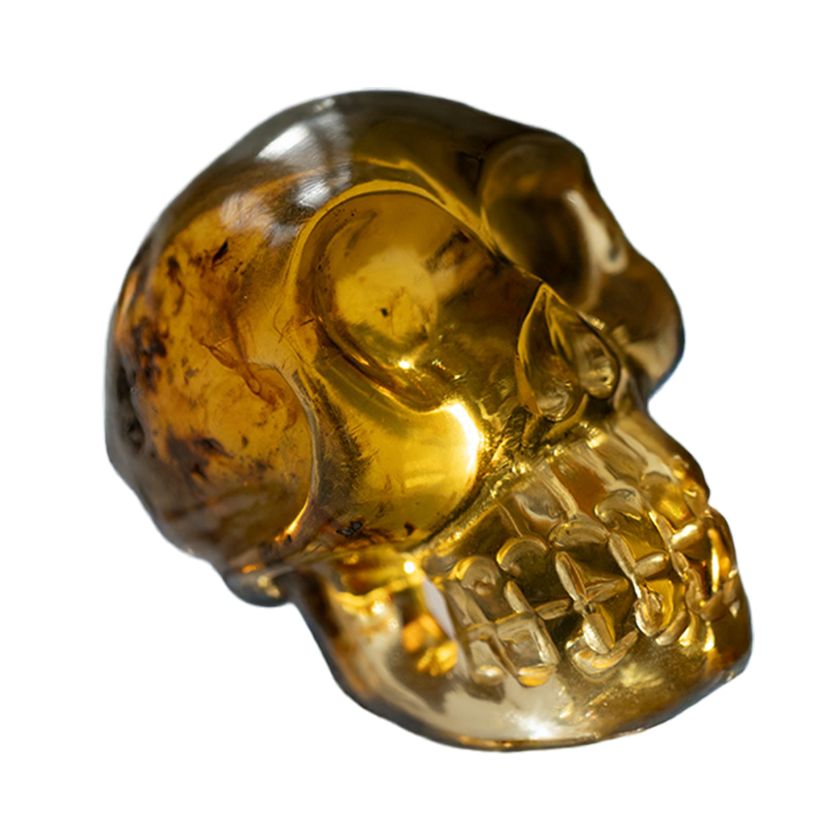
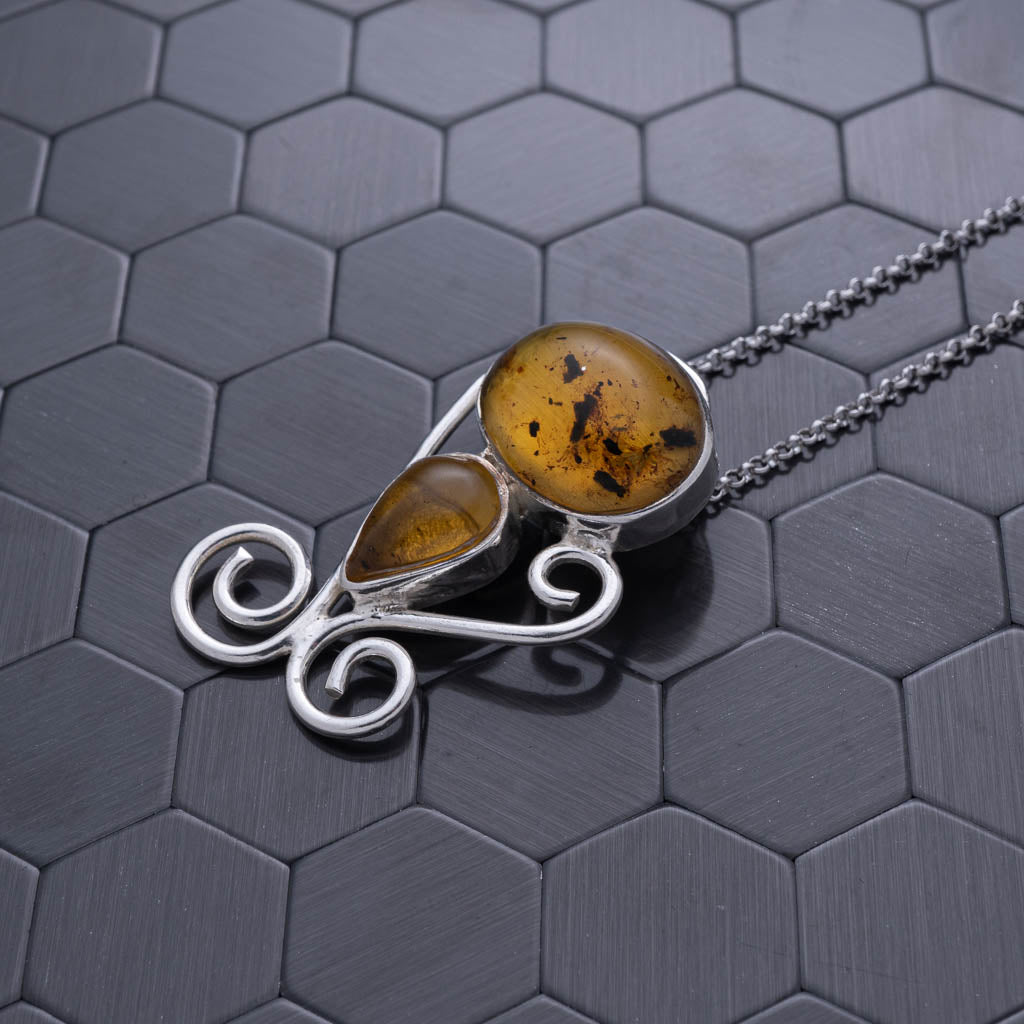
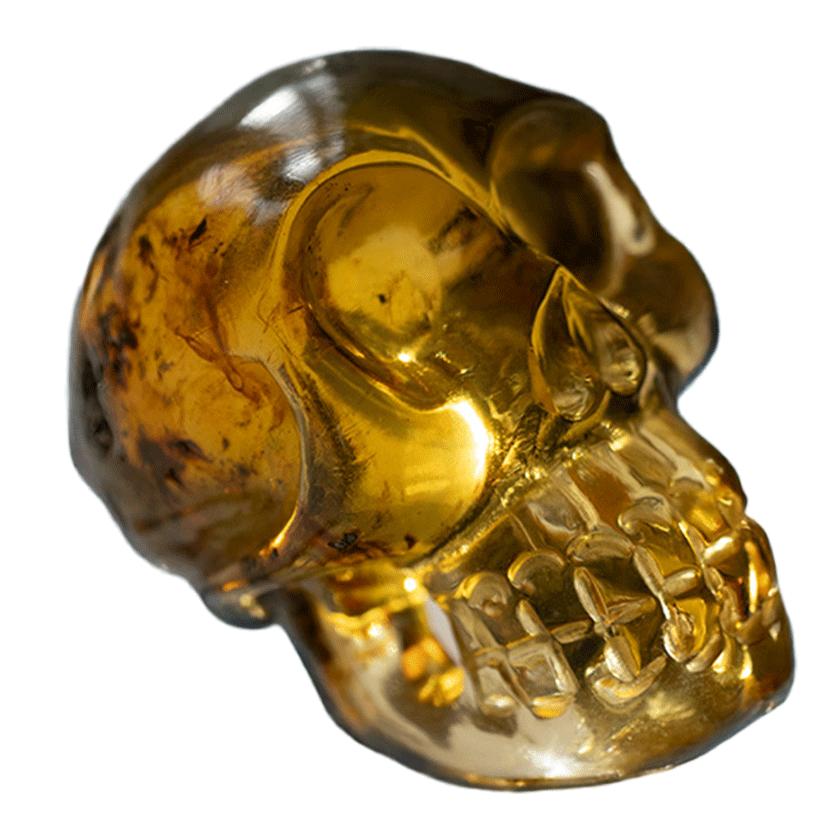
One of the most fascinating aspects of amber jewelry is its inclusions. Tiny insects, plant fragments, and air bubbles are sometimes trapped inside, offering a glimpse into prehistoric ecosystems. These inclusions can greatly increase the value and collectability of amber jewelry, especially when they are clearly visible and well-preserved.
Collectors often seek out pieces with unique inclusions, turning each item into a wearable piece of natural history. Amber jewelry with rare or unusual inclusions becomes a true conversation starter and a prized addition to any collection.
Knowing how to spot genuine amber jewelry is essential for collectors and anyone looking to invest in a timeless piece. With so many imitations on the market, learning to identify authenticity can save you from disappointment and help you choose pieces that truly stand out.

Genuine amber jewelry has several unique physical traits. When you touch real amber, it feels warm and lightweight, unlike glass or stone. Rubbing amber creates static electricity, which can attract small paper pieces. The saltwater test is another classic method: real amber floats in saltwater, while most fakes sink.
Dominican amber, especially blue amber, is famous for glowing under UV light. This blue fluorescence is a strong sign of authenticity. According to industry experts, up to 80% of products sold as amber jewelry are actually imitations, so careful inspection is crucial. For more on blue amber verification, see the Dominican Blue Amber Identification Guide.
Many imitations attempt to mimic the beauty of amber jewelry. The most common imposters are plastic, copal (young, soft resin), and glass. Each has telltale differences when compared side by side with real amber.
| Feature | Real Amber | Plastic | Copal | Glass |
|---|---|---|---|---|
| Touch | Warm, lightweight | Cold, light | Warm, sticky | Cold, heavy |
| Scratch Test | Soft, scratches | Hard, may melt | Very soft | Very hard |
| UV Reaction | Fluorescent glow | None | Weak/none | None |
Plastic often smells of chemicals when heated, while real amber gives off a pine-like scent. Copal may feel sticky or tacky, and glass is always cool and dense. Watch for these red flags when shopping for amber jewelry.
When buying amber jewelry, always ask for a certificate of authenticity from the seller. Trusted retailers provide documentation proving the origin and quality of each piece. This protects you from purchasing imitations.
Equally important is ethical sourcing. Look for brands that highlight artisan craftsmanship and locally sourced materials. Supporting these businesses ensures your amber jewelry is both authentic and responsibly made. Many reputable sellers emphasize their commitment to ethical practices and transparent supply chains.
To ensure you’re selecting genuine amber jewelry, follow these expert tips:
Careful research and open communication with the seller can help you feel confident in your investment. Authentic amber jewelry will retain its beauty and value for years to come.
The value of amber jewelry depends on origin, color, inclusions, and craftsmanship. Handcrafted pieces can range from $69 to $399, with rare types like blue or green amber commanding higher prices. Always compare similar pieces and consider artisan details when evaluating value.
Amber jewelry is making a stunning return in 2025, capturing the imagination of style lovers and collectors alike. Its organic beauty, rich colors, and versatility make it a favorite for both statement and everyday looks. Let’s explore the most sought-after types, colors, and design movements set to define this year’s trends.
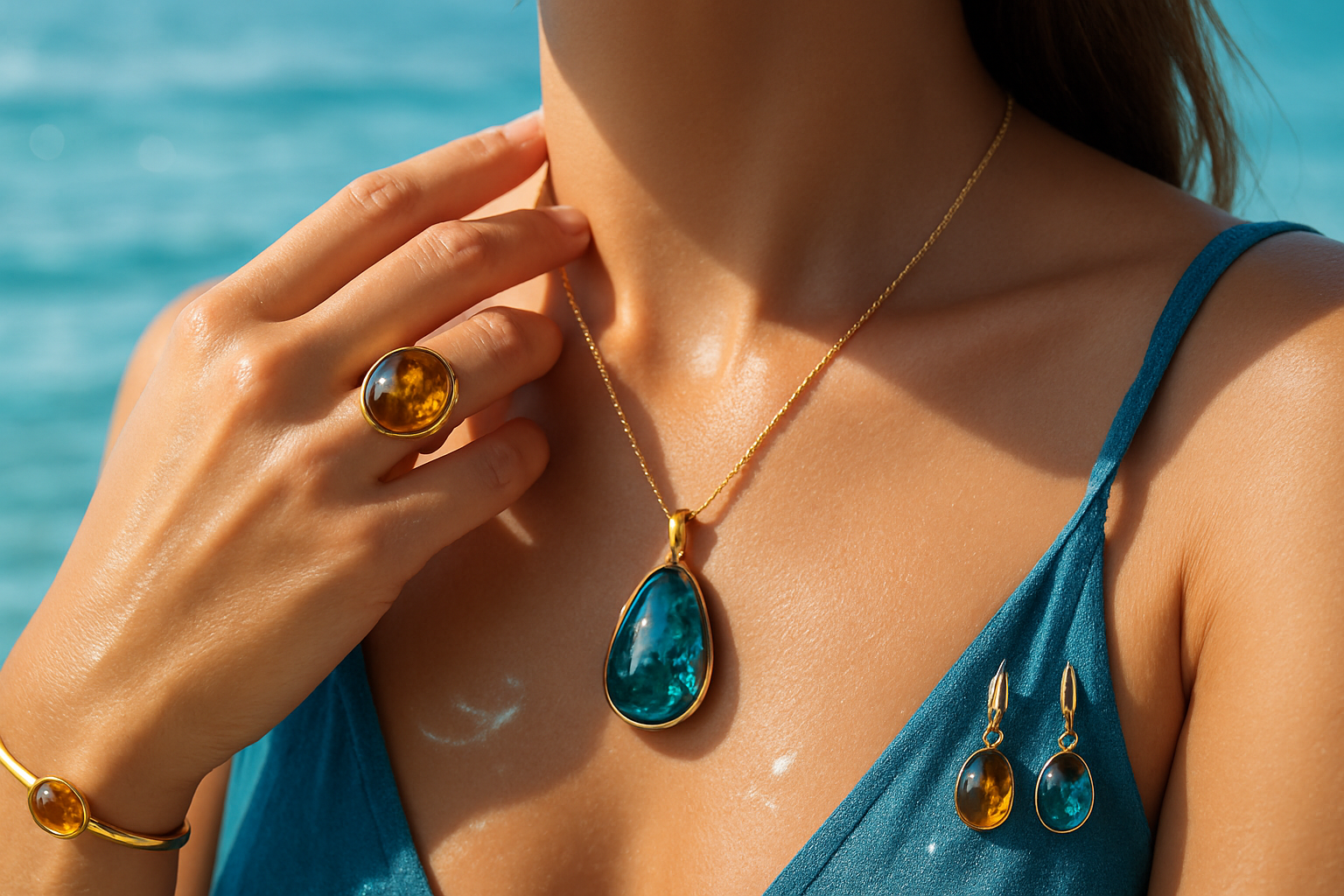
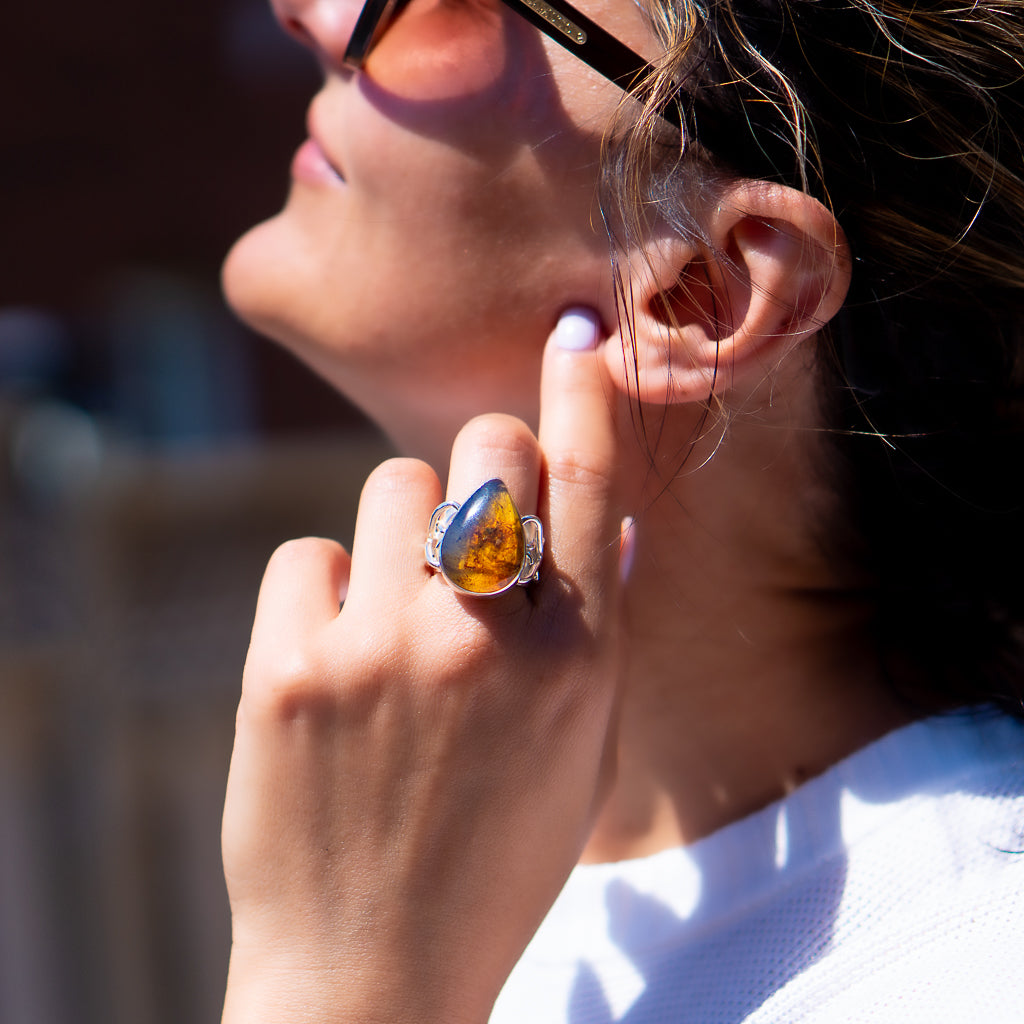
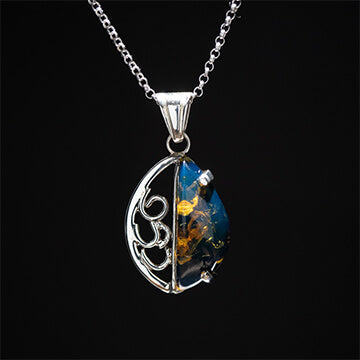
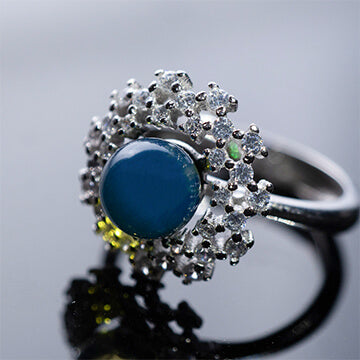
This year, amber jewelry is taking center stage in a variety of forms. Rings are trending with bold cabochons and minimalist bands, perfect for stacking or wearing solo. Necklaces range from delicate pendants to chunky statement pieces, often showcasing unique inclusions or multi-stone arrangements.
Earrings—both studs and dramatic drops—are especially popular, offering a warm glow that flatters every skin tone. Bracelets, whether sleek bangles or beaded styles, are ideal for layering. The versatility of amber jewelry means you can mix and match these types to suit any occasion or mood.
Color is taking the spotlight in 2025. Classic honey and cognac hues remain beloved, but there’s a surge of interest in rare shades like green and blue. Dominican amber, in particular, is coveted for its vibrant spectrum, from deep cherry to luminous blue and green.
Multicolor amber jewelry is also making waves, with designers combining several hues in a single piece for a dynamic look. For those drawn to the exceptional, blue amber’s distinct glow stands out—discover more in The Ultimate Guide to Blue Amber. Styling tip: pair bold colors with neutral outfits, or layer different shades for a playful, modern twist.
The design landscape for amber jewelry is more diverse than ever. Modern collections highlight geometric shapes, openwork settings, and the interplay of amber with mixed metals like silver and gold. These pieces appeal to fans of clean lines and contemporary flair.
Classic motifs—think filigree, vintage-inspired frames, and Art Deco influences—remain in demand, especially in Baltic and Dominican pieces. The blending of old and new is a hallmark of 2025, with many collections fusing traditional craftsmanship with modern aesthetics. According to trend reports, mixed-metal settings and asymmetrical designs are especially hot this year.
Amber jewelry is breaking traditional boundaries, expanding into men’s and unisex collections. Designers are introducing bold rings, leather-accented bracelets, and minimalist pendants that appeal to all genders. Matte finishes, darker amber tones, and industrial-inspired settings are especially popular in men’s lines.
Unisex designs favor simplicity, focusing on the natural beauty of the stone. This inclusivity is helping amber jewelry reach a wider, fashion-forward audience. Whether subtle or statement, these pieces offer versatility for every style preference.
Sustainability is at the forefront of 2025’s jewelry scene. Consumers are seeking amber jewelry crafted from ethically sourced materials, often handcrafted by small artisans. Brands emphasize transparency, highlighting local production, fair labor, and environmentally conscious practices.
Many collections showcase recycled metals and eco-friendly packaging. Supporting ethical brands not only ensures quality but also aligns with growing values around responsible shopping. Look for certifications and artisan stories when selecting amber jewelry to ensure your purchase makes a positive impact.
One of amber jewelry’s greatest strengths is its adaptability. Statement pieces—oversized rings, multi-strand necklaces, and bold cuffs—are perfect for special occasions, instantly elevating any ensemble. For daily wear, simple amber studs, slim bangles, or petite pendants add a subtle touch of warmth.
Layering is a major trend: combine different amber tones, shapes, or settings for a personalized look. Mixing amber with other gemstones or metals creates a unique, eclectic vibe. Whether dressing up or down, amber jewelry seamlessly fits into any wardrobe.
Personalized amber jewelry is on the rise, with custom-made pieces, initial pendants, and bespoke settings taking center stage. Buyers can choose their preferred amber type, color, and metal, creating a truly one-of-a-kind accessory.
Many artisans offer custom sizing, unique engravings, or mixed-material designs. This trend allows for meaningful gifts and heirloom-quality pieces with personal significance. As shoppers seek individuality, customization ensures that every piece of amber jewelry tells its own story.
Caring for your amber jewelry ensures it remains a radiant part of your collection for years to come. Unlike harder gemstones, amber requires a gentle touch and mindful habits to preserve its luminous glow and unique inclusions. Ready to keep your pieces looking their best? Let’s break down the essentials for cleaning, storing, handling, and restoring your favorite amber treasures.
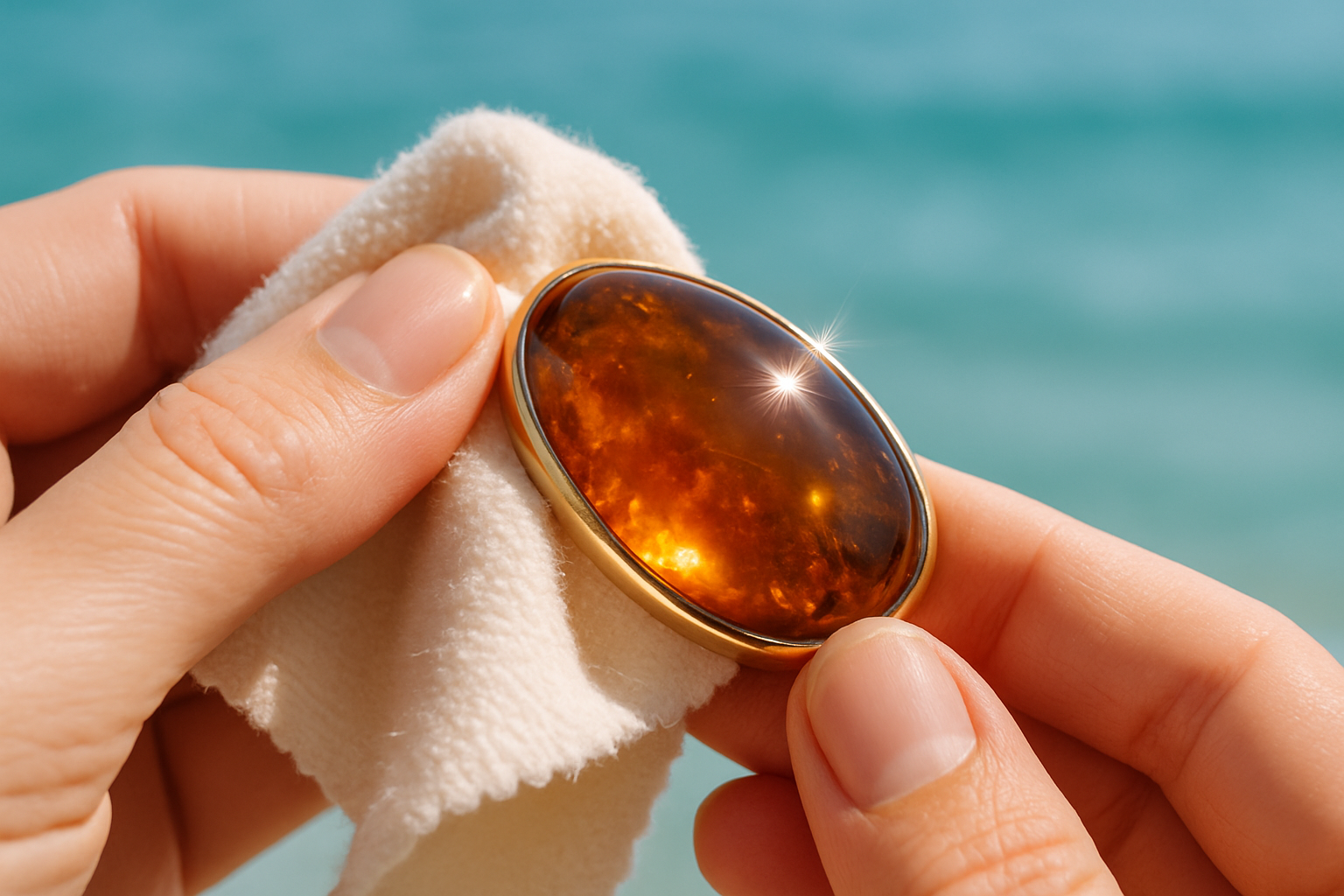
Amber jewelry is best cleaned with a soft, damp cloth and a touch of patience. Avoid harsh chemicals, abrasive materials, or ultrasonic cleaners, as these can dull the surface or cause cracks. For a deeper clean, simply use lukewarm water and mild soap, then pat dry immediately.
For further expert advice, the Amber Care and Cleaning Guide offers trusted recommendations to help you maintain your amber jewelry’s natural beauty. With proper care, the golden warmth and clarity of amber will shine for generations.
Proper storage is essential for protecting amber jewelry from scratches and environmental stress. Always keep each piece separate, ideally in a soft pouch or a lined jewelry box. Amber is softer than many other gemstones and can be easily marked by harder materials.
This careful approach prevents unwanted blemishes and helps retain the gemstone’s luster. A little attention to storage goes a long way in preserving the charm and value of your amber jewelry.
Wearing amber jewelry is a joy, but a few mindful habits will keep it looking pristine. Always remove your amber jewelry before swimming, exercising, or using household cleaners. Exposure to sweat, chlorine, or excessive sunlight can affect its surface and color.
By treating amber jewelry with care during daily routines, you’ll ensure it remains a radiant centerpiece in your collection.
Over time, even well-cared-for amber jewelry may show signs of wear. If your piece becomes scratched or loses its shine, professional restoration is the safest route—especially for valuable or sentimental items. Skilled artisans can gently buff out surface marks or polish the amber to restore its natural glow.
With the right restoration, your amber jewelry can regain its original brilliance and continue to captivate for years to come.
Amber jewelry has fascinated people for centuries, carrying stories, beliefs, and meanings that transcend fashion. Whether worn for its beauty or its reputed spiritual powers, amber jewelry remains a cherished adornment with deep roots in human culture.
Throughout history, amber jewelry has been treasured as a symbol of protection, status, and beauty. Ancient Baltic cultures used amber as currency and crafted it into amulets believed to ward off evil spirits. In the Dominican Republic, amber has played a role in local traditions and folklore, often representing warmth and the sun.
Amber’s presence in ancient trade routes, art, and mythology underscores its universal appeal. Royalty and aristocrats prized amber jewelry for its rarity and luminous glow. Today, collectors continue to seek pieces with historical provenance, connecting modern wearers to centuries-old traditions.
Many people are drawn to amber jewelry not only for its visual appeal but also for its metaphysical properties. Amber is often associated with calming and cleansing energies, believed to absorb negative influences and promote emotional balance.
In wellness and spiritual communities, amber jewelry is worn during meditation or healing practices, with some claiming it can boost vitality and clarity. These beliefs, while not scientifically proven, contribute to the enduring mystique of amber jewelry and its popularity among those seeking meaningful adornment.
Amber jewelry has experienced a remarkable resurgence in today’s fashion scene. Celebrities and influencers have embraced amber pieces, showcasing them on runways and social media for their organic, earthy vibe. Modern designers blend traditional craftsmanship with contemporary styles, making amber jewelry relevant for new generations.
Trends in Dominican amber, especially innovative cuts and bold settings, are shaping the future of jewelry design. For a deeper dive into what’s next, check out this feature on Future Trends in Dominican Amber Jewelry. As amber jewelry evolves, its allure only grows, bridging heritage and modernity.
Amber jewelry holds special meaning as a gift. It is often chosen for birthdays, anniversaries, and milestone celebrations, thanks to its association with warmth, healing, and timeless beauty. Some cultures consider amber a birthstone, while others value it as a family heirloom, passed from one generation to the next.
Giving amber jewelry is a thoughtful gesture—one that communicates affection, protection, and a wish for well-being. This personal touch makes amber jewelry a favorite choice for marking life’s most significant moments.
Finding the perfect amber jewelry in 2025 means knowing where to look and what to expect from your shopping experience. Whether you’re a seasoned collector or a first-time buyer, understanding your options will help you make a confident and informed purchase.
When searching for quality amber jewelry, your first decision is whether to shop online or visit a physical store. Both options offer unique benefits, and your choice often depends on your priorities and comfort level.
| Shopping Method | Pros | Cons |
|---|---|---|
| Online | Wide selection, easy price comparison, shop globally | Can't inspect items in person, risk of misleading photos |
| In-Store | See and feel pieces, immediate purchase, personal service | Limited selection, potentially higher prices |
Online retailers often provide detailed product descriptions and high-resolution images, making it easier to compare pieces. However, in-store shopping allows you to inspect amber jewelry firsthand and ask questions directly. For a deeper dive into selecting authentic pieces and care tips, visit this Comprehensive Guide to Choosing and Caring for Amber Jewelry.
No matter where you shop, evaluating the reputation of your retailer is essential. Look for amber jewelry sellers with verified customer reviews, transparent sourcing information, and clear business credentials. Reputable retailers typically showcase artisan partnerships, ethical practices, and detailed return policies.
Customer testimonials can reveal a lot about product quality and service. Seek out sellers with a consistent record of positive feedback and satisfaction guarantees. Many top amber jewelry brands emphasize their commitment to customer care, making this a key factor in your decision-making process.
Pricing for amber jewelry in 2025 ranges widely, with handcrafted pieces from reputable sources typically falling between $69 and $399. Be wary of prices that seem too good to be true, as these may signal imitation stones or poor craftsmanship.
Check shipping policies before you buy, especially for international orders or new duty regulations. Reliable retailers offer detailed information about delivery times, shipping fees, and packaging. Always review return and exchange policies to ensure a hassle-free experience if your amber jewelry doesn’t meet expectations.
Choosing amber jewelry from artisan-focused and ethical brands supports both craftsmanship and sustainable practices. Many consumers in 2025 are prioritizing brands that highlight local artisans, fair sourcing, and eco-friendly materials.
Artisan collections often feature unique, handcrafted designs and a transparent supply chain. By supporting these businesses, you help preserve traditional jewelry-making skills and promote responsible sourcing. If you’re interested in the latest ethical and style directions, check out the Top Trends in Amber Jewelry for Wholesalers for additional insights on market trends and values.
If you’re feeling inspired by the rich history, stunning colors, and fresh style ideas we’ve explored in this amber jewelry guide, why not take the next step? Whether you’re just starting to build your own collection or searching for that perfect statement piece, there’s a world of handcrafted beauty waiting for you. With Larimar Creations’ commitment to authenticity and quality, you can confidently find something truly special that fits your taste and the latest trends. Ready to add a touch of rare elegance to your jewelry box? Start Your Collection Today