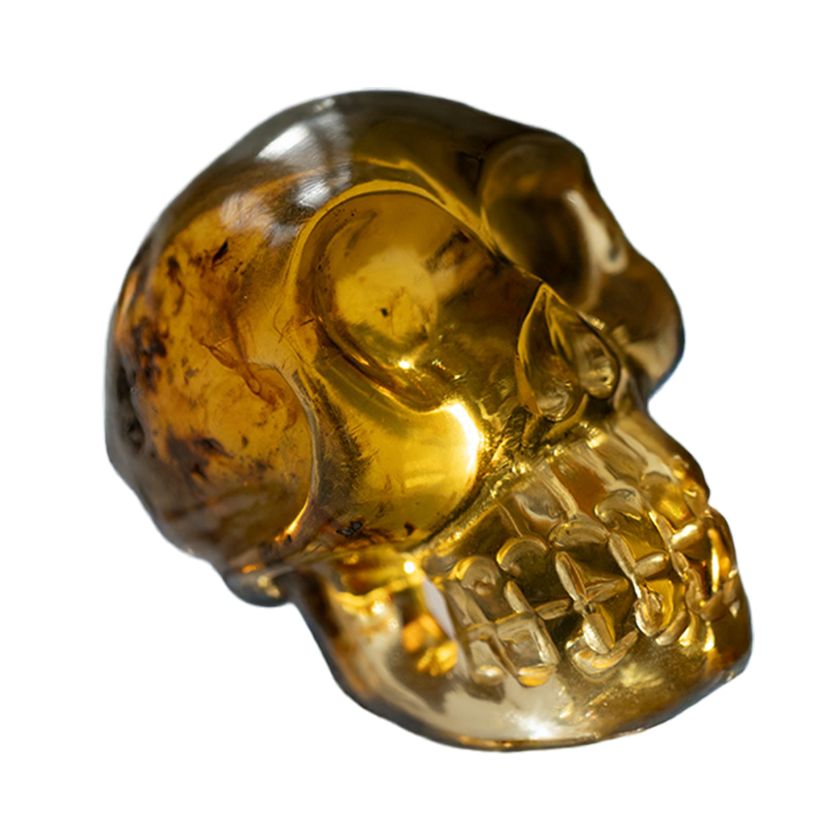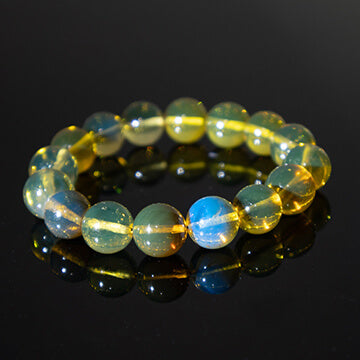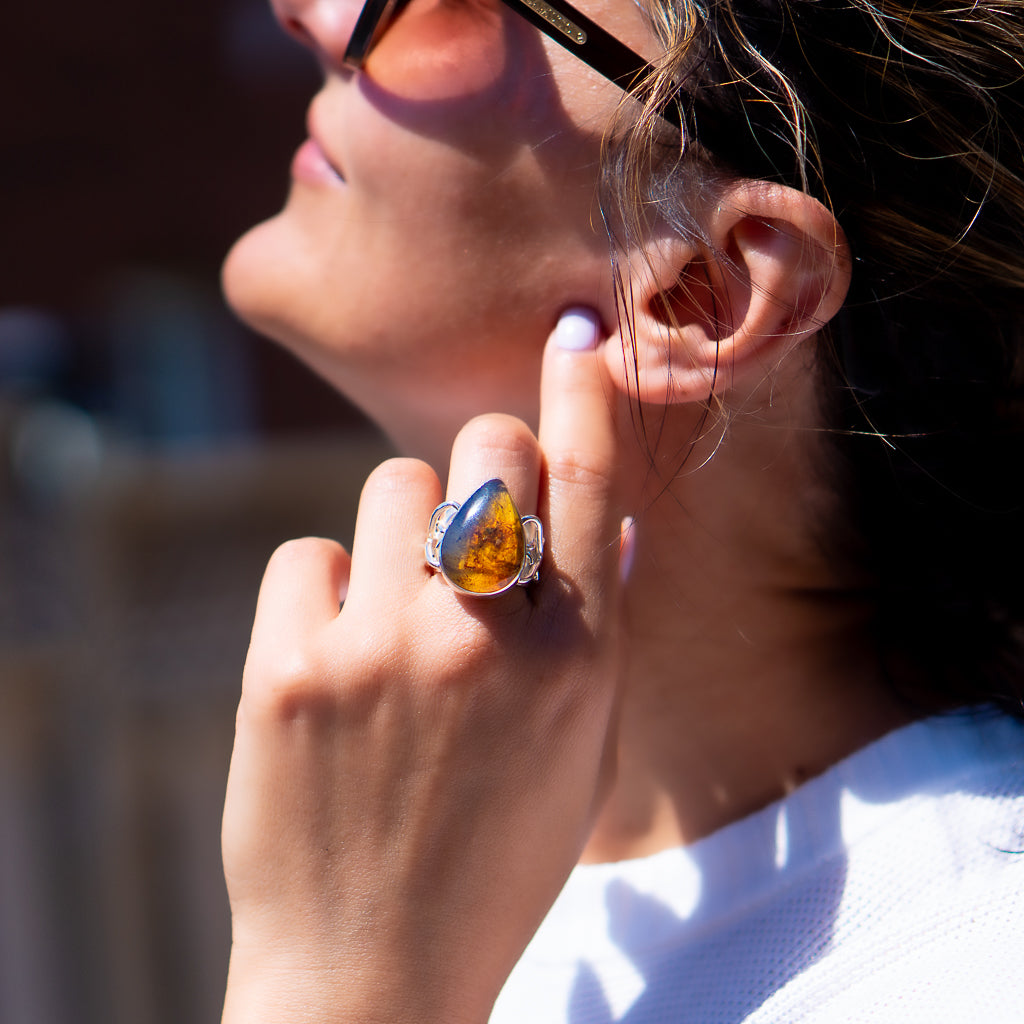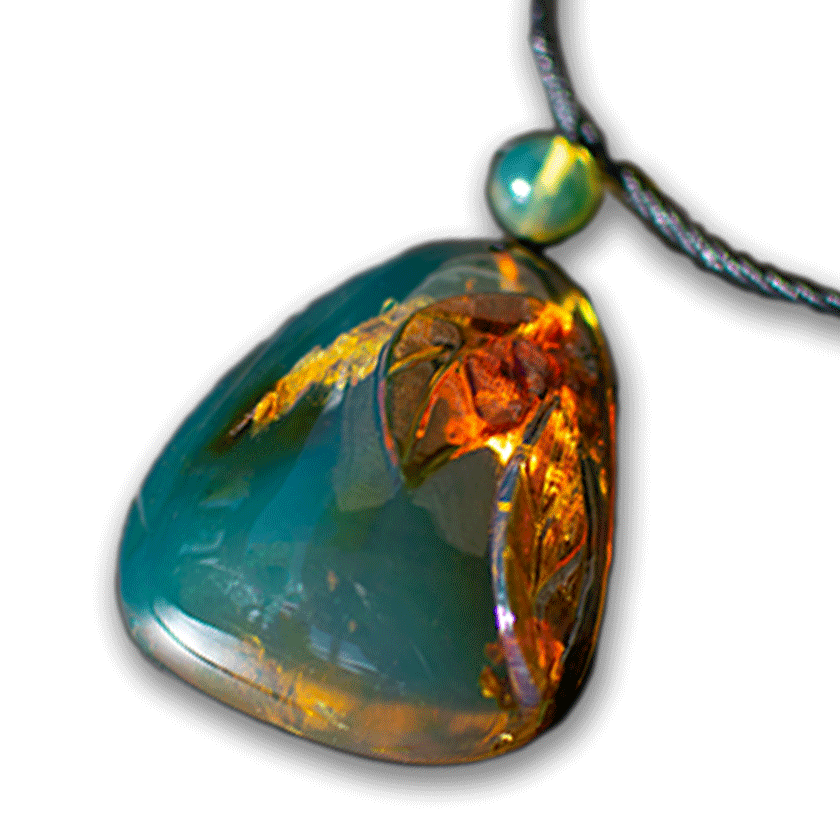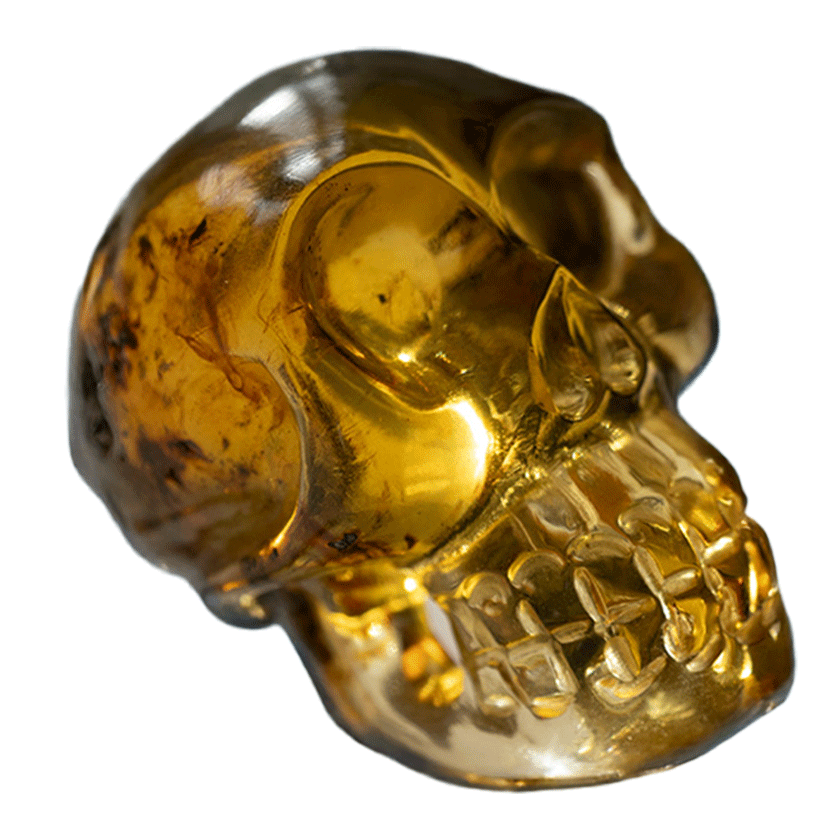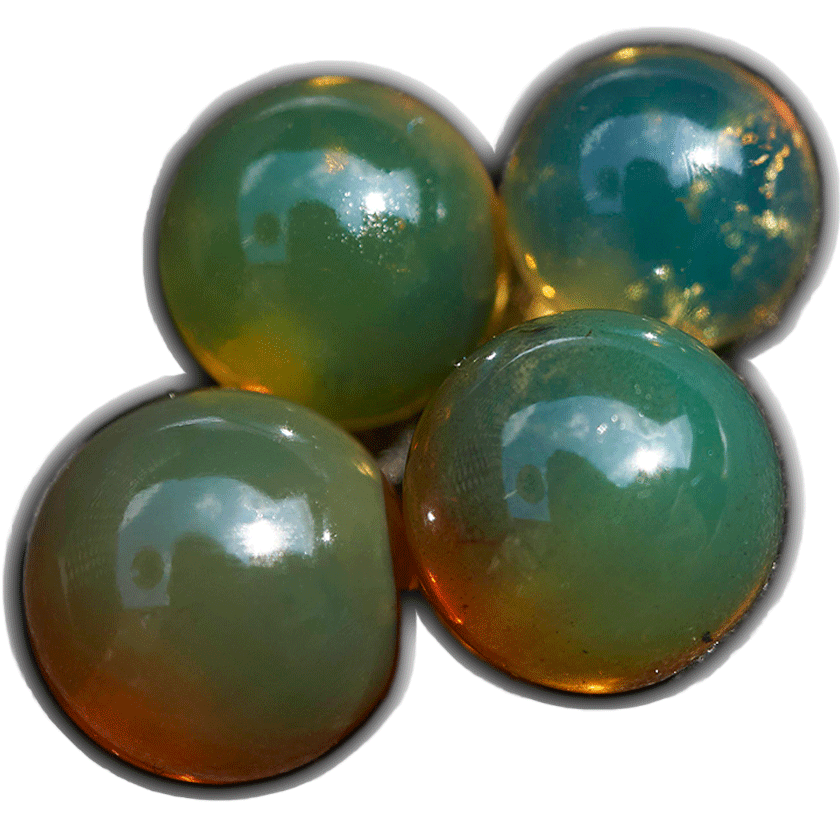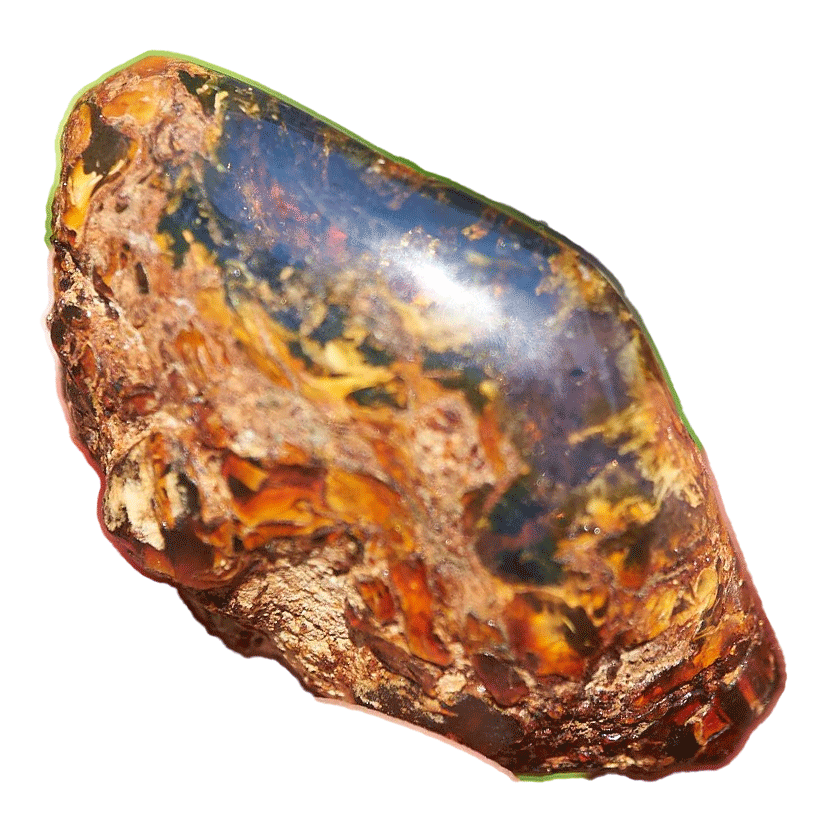





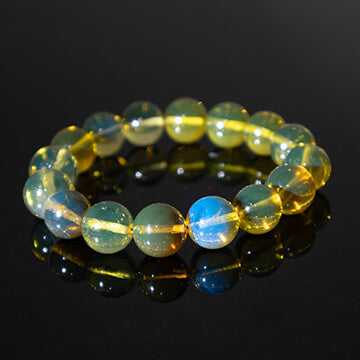
Handcrafted in DR.


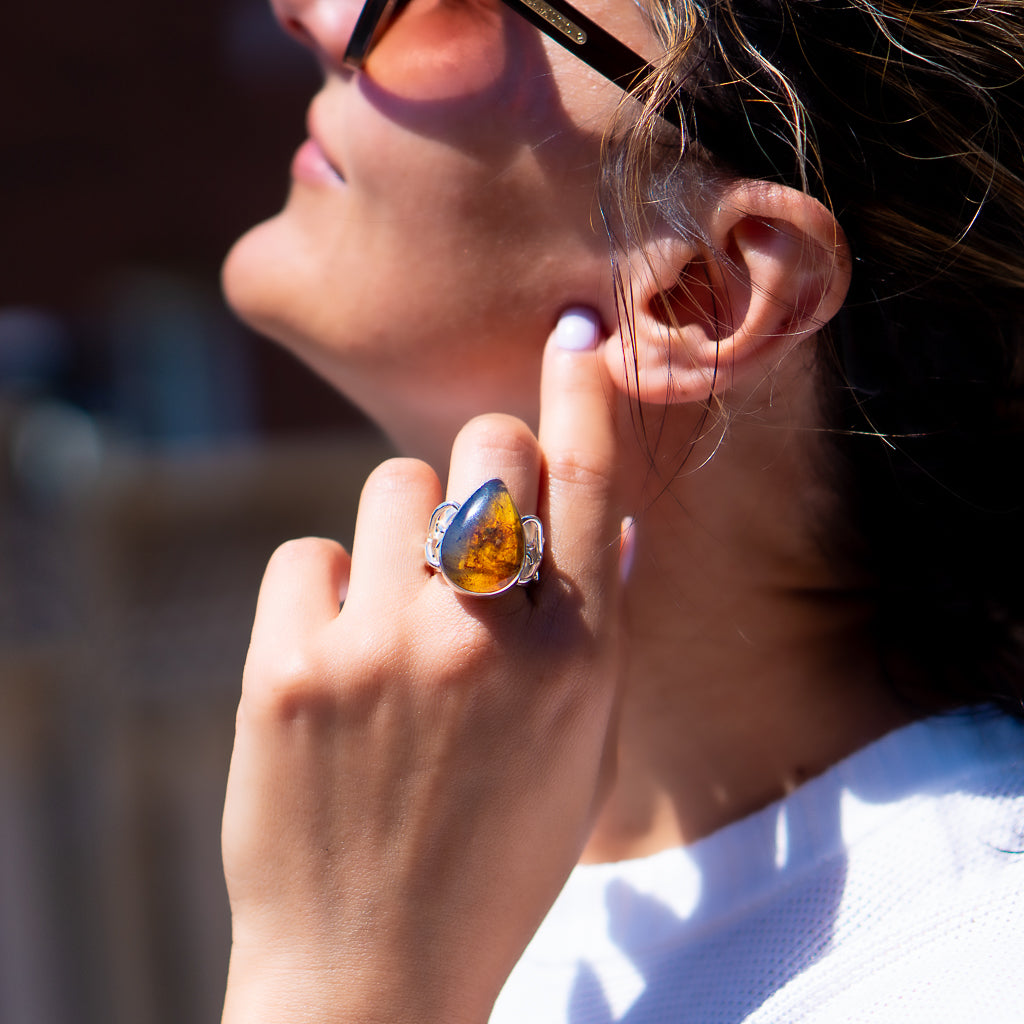




100% Handcrafted in DR.

Amber fish are a true gem of the aquatic world. With their glowing golden hues, graceful movements, and intriguing behavior, they capture the imagination of divers, ocean lovers, and aquarium enthusiasts alike. This guide will help you identify amber fish confidently, understand their natural environments, and provide the knowledge needed to care for them—whether in the wild or at home in an aquarium.
Just as amber stones inspire artisans, the beauty of these fish often reminds collectors of blue amber carvings found in nature.
Amber fish are recognized by their shimmering golden-yellow scales, sleek bodies, and dynamic swimming patterns. Their coloration often shifts subtly depending on light conditions—much like how blue amber gemstones glow under different lighting.
These fish are typically found in warm, tropical waters, where coral reefs and sandy shallows provide both shelter and feeding grounds. Their habitats mirror the natural origins of amber, which forms from fossilized tree resin. Collectors of amber—whether in stone or in aquatic form—are fascinated by how both represent timeless beauty shaped by nature. You can explore a parallel in the artistry of handcrafted blue amber carvings, which also reflect nature’s story.
For enthusiasts looking to keep amber fish at home, it’s important to replicate their environment:
Warm water between 24–28°C
Stable pH between 7.5–8.2
Plenty of swimming space and reef-safe surroundings
Caring for amber fish is not just about aquarium science—it’s about appreciating their beauty and symbolism. Many aquarium owners pair their passion with collecting natural treasures such as Dominican blue amber carvings, blending marine life with the artistry of gemstones.
Amber Fish Overview: Species, Names & Importance
When it comes to the ocean’s most captivating species, the amber fish stands out for its blend of beauty, mystery, and value. The term "amber fish" most commonly refers to the greater amberjack, scientifically known as Seriola dumerili. This large, streamlined fish is often confused with other jacks and kingfish, but it holds a unique place in both marine biology and human culture.

The amber fish belongs to the Order Perciformes, Family Carangidae, Genus Seriola, and Species dumerili. This places it among powerful, fast-swimming predatory fish found in warm and subtropical seas worldwide. For those seeking a detailed breakdown of its taxonomy, the FishBase: Seriola dumerili profile offers comprehensive scientific information, including distribution and ecological data.
| Level | Classification |
|---|---|
| Order | Perciformes |
| Family | Carangidae |
| Genus | Seriola |
| Species | dumerili |
The amber fish is sometimes misidentified, but its scientific name provides the clarity needed for proper recognition.
Across the globe, the amber fish is known by several names. In English, "greater amberjack" is most common, but you might also hear "allied kingfish," "great yellowtail," or simply "amberjack." Internationally, names like "lecha" (Spanish), "seriole couronnée" (French), and "ricciola" (Italian) are used.
| Language | Common Name |
|---|---|
| English | Greater amberjack |
| Spanish | Lecha, Medregal |
| French | Seriole couronnée |
| Italian | Ricciola |
| Japanese | Kanpachi |
No matter the name, these fish share the same striking features and importance in their ecosystems.
Amber fish are renowned for their robust, torpedo-shaped bodies, reaching lengths of up to 6.2 feet (1.9 meters). Most individuals caught by anglers weigh around 39.7 pounds (18 kilograms), though much larger specimens occasionally appear. Their coloration is typically silvery white with a bluish or brownish dorsal side, and a distinctive amber stripe running from the nose to the dorsal fin.
These visual traits not only make amber fish a favorite for sport fishers but also help enthusiasts distinguish them from similar species in the wild or at the market.
The amber fish holds substantial economic and recreational value. In places like Florida, Mexico, and across the Mediterranean, it is a prized catch for both commercial and sport fisheries. Anglers are drawn to its size and strength, while chefs appreciate its firm, moderate-flavored flesh.
Culinary preparations range from grilling and broiling to sushi and sashimi. The amber fish’s versatility and taste have made it a staple in coastal cuisines worldwide, boosting local economies and tourism.
With increasing demand, the amber fish has gained attention in aquaculture as a sustainable seafood option. Efforts to farm this species are expanding, aiming to relieve pressure on wild populations and ensure future availability.
However, consuming larger amber fish comes with a risk: ciguatera poisoning. This foodborne illness results from toxins accumulated in the flesh of larger, older fish. While rare, it is a concern for communities relying on reef fish, with incidence varying by region and size of catch.
Currently, the amber fish is not considered threatened or vulnerable according to the IUCN. Regulations such as size limits and seasonal closures are in place in many regions to maintain healthy stocks and support responsible fishing practices.
Unlocking the mystery of the amber fish begins with keen observation. Whether you’re an angler, aquarist, or curious explorer, a sharp eye for detail is your best tool for accurate identification. Let’s break down the key features that set the amber fish apart from its lookalike relatives.
The amber fish is instantly recognizable once you know what to look for. Its body is slender and fusiform—think of a streamlined torpedo built for speed. The head is short and pointed, with relatively small eyes that hint at its predatory lifestyle. The mouth is large and terminal, with a broad maxilla extending to the midpoint of the eye, a hallmark of the amber fish’s design.
Notice the fins: the pectoral and pelvic fins are well-developed, placed low on the body, and the second dorsal fin is significantly longer than the anal fin. The caudal peduncle (the narrow area before the tail) is deeply forked, supporting a lunate, or moon-shaped, tail. This shape gives the amber fish its signature burst of speed.
Unlike some of its relatives, the amber fish lacks finlets and scutes along its tail base. Instead, its skin feels smooth. If you look closely at the jaws, you’ll see minute teeth arranged in broad bands—another subtle but important trait.
Here’s a quick comparison table to help you spot the amber fish among similar species:
| Feature | Amber Fish | Almaco Jack | Lesser Amberjack |
|---|---|---|---|
| Body shape | Slender, fusiform | Deeper, more robust | Slender |
| Head | Short, pointed | Blunt | Pointed |
| Maxilla | Broad, mid-eye | Shorter | Narrow |
| Caudal fin | Lunate (moon-shaped) | Less forked | Lunate |
The amber fish stands out in mixed schools, especially when compared to banded rudderfish, which are generally smaller and have more pronounced vertical bands as juveniles.
Color is one of the most reliable cues for identifying the amber fish. The dorsal (top) side is a rich brownish or bluish-grey, gradually shifting to a striking silvery white on the belly. A distinct dark amber stripe runs from the nose, through the eye, and toward the first dorsal fin. This stripe becomes deeper and more pronounced when the amber fish is actively feeding or excited.
Another telltale sign is the dusky “mask” that stretches from the upper jaw, through the eye, to the first dorsal fin. Some individuals display a pale yellow line along their sides, adding to their visual appeal.
Juvenile amber fish look quite different: they sport five dark vertical bands along the body and a sixth at the caudal peduncle. Their fins are nearly transparent, which provides camouflage in open water and among floating debris.
When observing an amber fish in the wild or aquarium, pay attention to how these colors shift with light and mood. These dynamic color changes make the amber fish not only a marvel to watch but also easier to distinguish from similar species.
Distinguishing the amber fish from its close relatives can be challenging, but a few features make it easier. The number of gill rakers is a key difference: amber fish have 11–19, while similar jacks often have more. The length of the anal fin base is another reliable clue, with the amber fish’s being shorter compared to almaco and lesser amberjacks.
Use this quick field checklist:
For more in-depth taxonomic data and global occurrence records, consult the OBIS: Seriola dumerili resource, which provides authoritative identification support.
Mastering these subtle distinctions ensures you’ll confidently identify the amber fish, whether in local waters or around the globe.
Understanding where amber fish thrive is key to their identification and care. Their expansive global range, unique environmental preferences, and ecological role make amber fish a fascinating subject for both marine enthusiasts and aquarists.

Amber fish inhabit a vast range of subtropical and temperate waters, making them a truly cosmopolitan species. You’ll find amber fish in the Indo-West Pacific, spanning from South Africa and the Persian Gulf to Japan, Hawaii, and Micronesia. In the Western Atlantic, their territory extends from Nova Scotia to Brazil, while in the Eastern Atlantic, they appear from the British coast down to Morocco and throughout the Mediterranean.
Some populations of amber fish are migratory, especially along the Gulf and Atlantic coasts of Florida. These fish move offshore for spawning during spring and early summer, then return inshore at other times of the year. Others remain resident around reefs and wrecks year-round, depending on local environmental conditions.
Interestingly, recent research into the population structure of amber fish, such as the Population Genomic Analysis of Greater Amberjack, highlights genetic differences between Mediterranean and Northeast Atlantic groups. This research helps us understand migration patterns and long-term survival strategies for amber fish across their global range.
Amber fish are closely associated with structured habitats like rocky reefs, shipwrecks, and even floating debris. These environments provide shelter, hunting grounds, and breeding sites for amber fish, especially along the Gulf of Mexico, Caribbean, and Atlantic coasts.
Juvenile amber fish often form large schools in shallower waters, while adults prefer deeper habitats, sometimes venturing as deep as 240 feet (73 meters). However, it’s not uncommon to spot them inshore, especially during certain seasons or life stages. Environmental parameters are crucial for their well-being:
| Parameter | Preferred Range |
|---|---|
| Temperature | 18–27°C (64–81°F) |
| Salinity | 33–36 ppt |
| Water Clarity | Clear to moderate |
| Depth | 60–240 ft (18–73 m) |
| Habitat Type | Rocky reefs, wrecks, debris |
Amber fish rely on clear, well-oxygenated water and stable salinity levels. Their adaptability means they can thrive in various marine environments, but they are most abundant in areas with plenty of structure and food sources. Observing amber fish in their natural habitats reveals their agility and preference for open spaces interspersed with hiding spots.
As apex predators, amber fish play a vital role in maintaining the balance of marine ecosystems. Their diet consists of both benthic and pelagic species—everything from bigeye scad and sardines to squid and crustaceans. Juvenile amber fish feed on plankton, decapod larvae, and small invertebrates, helping to regulate populations of these organisms.
Amber fish themselves are not without threats. Larger marine predators like yellowfin tuna and European hake, as well as seabirds such as brown noddy and sooty tern, prey on juveniles and smaller individuals. This predation pressure is highest during their early life stages, when amber fish are more vulnerable and tend to form protective schools.
The presence of amber fish in reef and open ocean ecosystems has a cascading effect. By controlling prey populations and serving as both predator and prey, amber fish contribute to the health and resilience of their marine environments.
Understanding the life cycle of the amber fish is essential for both enthusiasts and professionals. These remarkable fish display fascinating growth, diverse feeding habits, and complex breeding behaviors that set them apart in the marine world.

Amber fish are renowned for their impressive size and longevity. As one of the largest members of the jack family, they can reach lengths up to 6.2 feet (1.9 meters) and weigh about 39.7 pounds (18 kilograms) on average. Females typically outgrow males and also enjoy longer lifespans.
Here's a quick comparison of amber fish growth stats:
| Attribute | Amber Fish Value |
|---|---|
| Max Length | 6.2 ft (1.9 m) |
| Avg Weight | 39.7 lbs (18 kg) |
| Lifespan | Up to 17 years |
| Maturity Age | 4–5 years |
Amber fish reach sexual maturity between 4 and 5 years, allowing for several spawning seasons over their lifespan. Their robust growth and adaptability help them thrive in diverse marine environments.
These fish demonstrate rapid early growth, especially during their juvenile schooling phase. As they mature, amber fish transition from group living to a more solitary lifestyle, reflecting their changing roles in the ecosystem.
Amber fish are opportunistic predators with a diverse diet. Adults primarily hunt benthic and pelagic fishes, squid, and crustaceans, using their speed and agility to ambush prey. Their large mouths and sharp teeth make them formidable hunters in reef and open-water settings.
Juvenile amber fish feed mostly on plankton, decapod larvae, and small invertebrates. This early diet supports rapid growth and helps them evade predators. As they grow, their diet shifts to larger and more challenging prey.
Common prey items for amber fish include:
Feeding activity often peaks at dawn and dusk, when prey is most abundant. This flexible feeding strategy allows amber fish to adapt to changing conditions and maintain their role as apex predators.
The breeding season for amber fish spans from March through June, with spawning taking place offshore near reefs and shipwrecks. During this period, adults migrate to deeper waters to release eggs and sperm, resulting in the formation of fertilized larvae that drift with ocean currents.
Fecundity is high, with females producing thousands of eggs per spawning event. The larvae develop rapidly, benefiting from warm water temperatures and abundant plankton. Recent studies in aquaculture have provided new insights into reproductive management and broodstock care for greater amberjack, enhancing our ability to support sustainable populations.
Reproductive migrations are crucial for maintaining genetic diversity and healthy stocks. The abundance of juveniles near spawning sites signals successful breeding seasons and supports regional fisheries.
Juvenile amber fish are highly social, forming large schools that provide safety from predators and enhance foraging success. This schooling behavior is most pronounced in shallow waters and around floating debris, where young fish find shelter and abundant food.
As juveniles grow, they undergo noticeable changes in coloration and markings, which help with camouflage and social signaling. Over time, amber fish gradually shift to a solitary existence, occupying deeper or more complex habitats.
Survival strategies include rapid growth, group cohesion, and quick responses to threats. These adaptations ensure that amber fish can survive the challenges of their early years and eventually mature into powerful adults.
Caring for amber fish in an aquarium is a rewarding challenge for enthusiasts seeking to showcase one of the ocean’s most impressive species. Whether you're preparing a display for juveniles or adults, understanding their unique needs ensures a thriving, healthy environment. Let’s explore how to create ideal conditions, provide optimal nutrition, prevent health issues, and even attempt breeding amber fish in captivity.
Setting up an aquarium for amber fish requires careful planning. These active swimmers need a minimum tank size of 500 gallons for juveniles, with adults demanding even larger enclosures. Spacious tanks allow for their natural fast-paced movement and reduce stress.
Water quality is crucial. Maintain temperatures between 72–80°F (22–27°C), salinity at 33–35 ppt, and a stable pH of 8.1–8.4. Strong filtration and high oxygen levels are essential, as amber fish are sensitive to ammonia and nitrite spikes. Use powerful pumps to create moderate water movement, mimicking ocean currents.
Aquascaping should replicate their wild habitats. Incorporate rocky caves, open swimming areas, and minimal dense vegetation. This approach not only supports their instincts but also enhances the visual appeal of your tank. For inspiration, consider how amber stone properties and uses influence aquascaping choices, blending natural textures and colors. When selecting tankmates, choose large, non-aggressive species that can handle the energetic presence of amber fish.
Lighting should be bright but not harsh, simulating natural daylight. Automated timers help maintain a consistent day-night rhythm, reducing stress and supporting healthy behaviors.
Amber fish are voracious and opportunistic feeders, requiring a varied diet to stay healthy in captivity. Offer a mix of live or frozen fish, squid, shrimp, and high-quality formulated pellets. This ensures they receive balanced nutrition and helps mimic their natural hunting instincts.
Feed amber fish two to three times daily in moderate portions. Remove uneaten food promptly to maintain water quality. Young fish benefit from smaller, more frequent feedings, while adults adapt well to set schedules. Supplement their diet with vitamins and minerals to support growth, color, and immune function.
Maintaining the health of amber fish in an aquarium demands vigilance. Stress is a common trigger for disease, so always quarantine new arrivals for at least two weeks. Watch for signs of illness such as rapid breathing, loss of appetite, skin lesions, or abnormal swimming.
Parasites, including flukes and marine ich, can pose challenges. Treat affected amber fish promptly and ensure tank hygiene through regular water changes and filter maintenance. Ciguatera poisoning is rare in captive specimens but can occur if wild-caught individuals are fed contaminated prey. Source food responsibly and monitor for symptoms like lethargy or neurological changes.
Preventive care is key. Keep water parameters stable, avoid overcrowding, and provide a low-stress environment. Regular observation allows early detection of issues, increasing the likelihood of successful treatment and long-term health.
Breeding amber fish in captivity remains a significant challenge, even for experienced aquarists. These fish require very large tanks—often exceeding 1,000 gallons—for spawning behaviors. Environmental cues such as temperature fluctuations, seasonal light cycles, and increased water flow may help trigger reproductive activity.
Successful captive breeding has been documented in some aquaculture facilities, but natural spawning in home aquariums is rare. If breeding occurs, larvae need specialized rearing tanks, gentle filtration, and a diet of planktonic foods like rotifers and copepods. Survival rates for amber fish fry are low without dedicated care and precise water quality management.
For hobbyists, focusing on optimal care and observing natural courtship behaviors can be rewarding, even if breeding is not achieved. Aquaculture professionals continue to study methods to improve captive breeding success, offering hope for sustainable amber fish populations in the future.
Conservation of the amber fish has become a priority for both researchers and fisheries managers. Although the IUCN currently lists amber fish as neither vulnerable nor threatened, the species still faces several risks in its natural range. The main threats are overfishing, especially in regions with high recreational and commercial demand, and habitat degradation from coastal development.
Ciguatera poisoning is another concern for amber fish, particularly for larger individuals. This toxin, accumulated from their diet, poses health risks to humans and can impact local fisheries. While cases are relatively rare, they highlight the importance of monitoring and managing both fish stocks and food safety.
| Threat | Impact Level | Notes |
|---|---|---|
| Overfishing | Moderate | Regional hot spots, catch limits help |
| Habitat Degradation | Moderate | Reef loss, pollution |
| Ciguatera Poisoning | Low-Moderate | Mainly large amber fish |
| Bycatch | Low | Managed via gear regulations |
While amber fish populations remain stable, ongoing monitoring is essential to ensure future sustainability.
Effective management helps maintain healthy amber fish populations and supports both commercial and recreational interests. In the Gulf of Mexico, anglers face a one-fish bag limit per day and a 28-inch minimum length, while commercial fishers adhere to a 36-inch minimum and a closed season from March to May.
On the Atlantic coast, similar rules apply, including an April closure and strict commercial quotas. These seasonal closures are designed to protect amber fish during key spawning periods, giving stocks a chance to recover. Internationally, regulations can differ, but most subtropical regions follow size and bag limits to prevent overharvesting.
These rules are enforced through licensing, catch reporting, and periodic stock assessments. Cooperation between countries and regions is crucial, as amber fish are highly migratory, crossing political boundaries throughout their life cycle.
Sustainable practices are vital for the continued health of amber fish populations. Responsible anglers and commercial harvesters use best practices such as releasing undersized fish, avoiding spawning aggregations, and reporting catches accurately. Adoption of selective fishing gear helps reduce bycatch and minimize environmental impact.
Aquaculture is emerging as a promising solution for meeting demand without stressing wild stocks. Research and pilot projects focus on developing efficient breeding and rearing methods, which could provide a reliable, sustainable supply of amber fish for future generations.
Consumers also have a role by choosing seafood sourced from well-managed fisheries or certified aquaculture operations, supporting the long-term viability of amber fish.
Amber fish play a crucial part in marine food webs, acting as both predators and prey. Their presence helps maintain the balance of reef and open ocean ecosystems, supporting biodiversity and ecological health. For many coastal communities, amber fish are an economic and cultural staple, featured in local cuisine and celebrated in fishing traditions.
Understanding the broader significance of amber fish also connects to the allure of other marine treasures. For a deeper look at the cultural and natural value of oceanic gems, explore The ultimate guide to blue amber, which highlights the intersection of nature, tradition, and modern luxury.
By promoting responsible use, we can ensure that amber fish remain an enduring resource for people and the planet.
Now that you know how to spot, care for, and appreciate amber fish—both in the wild and in your own aquarium—you might find yourself more drawn to the ocean’s hidden treasures. If you’re inspired by the beauty and rarity of these remarkable creatures, why not bring a piece of their world into your own? Larimar Creations offers stunning, handcrafted Dominican Blue Amber jewelry that captures the magic of the sea. Take a moment to Shop Blue Amber and find something truly unique to celebrate your passion for marine wonders.