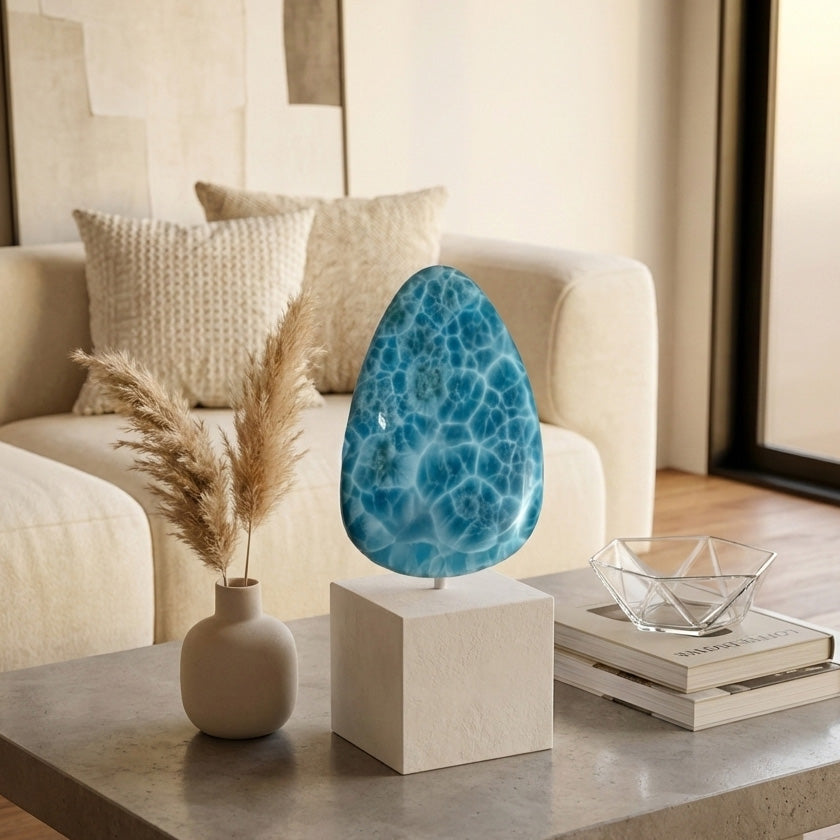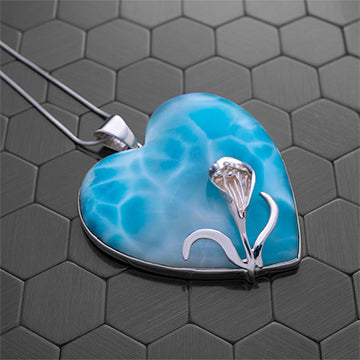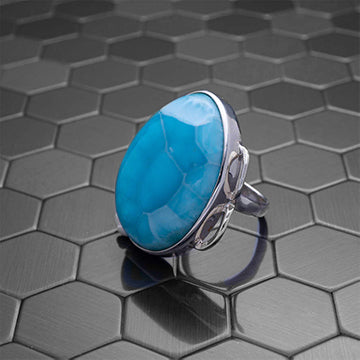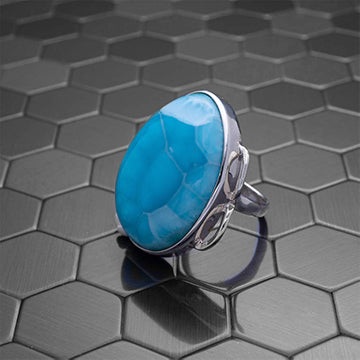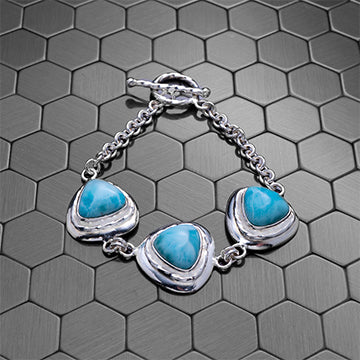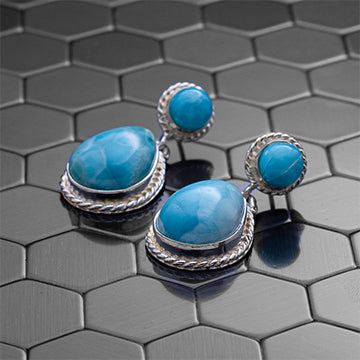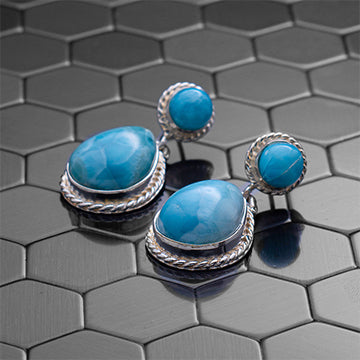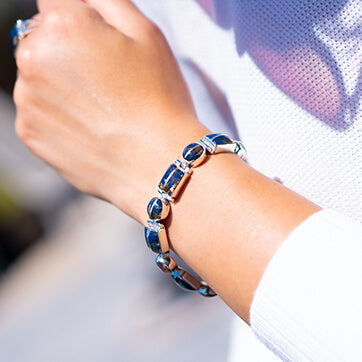


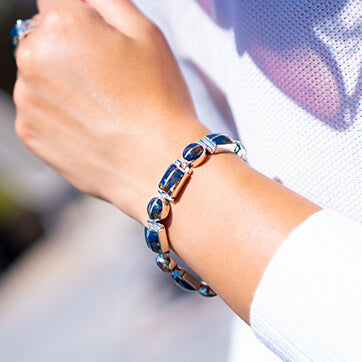
Handcrafted in DR.

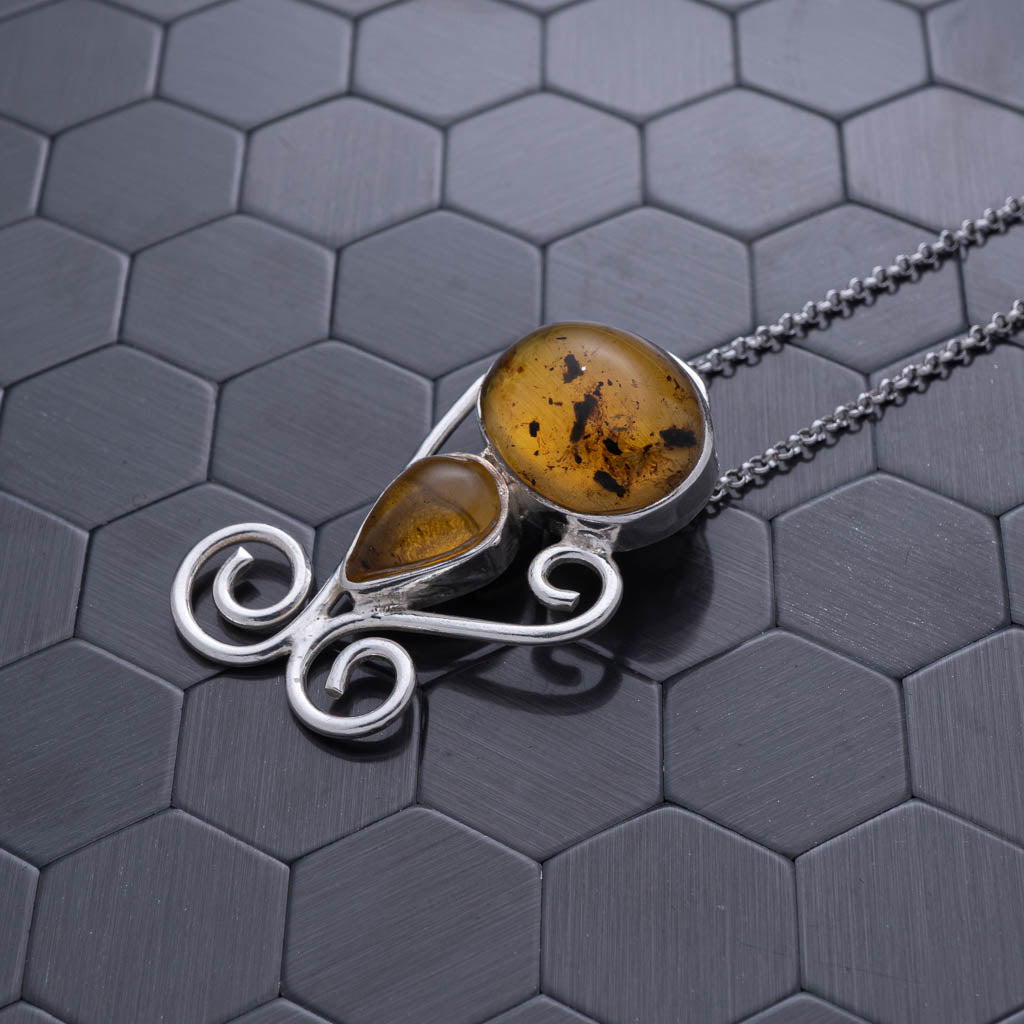
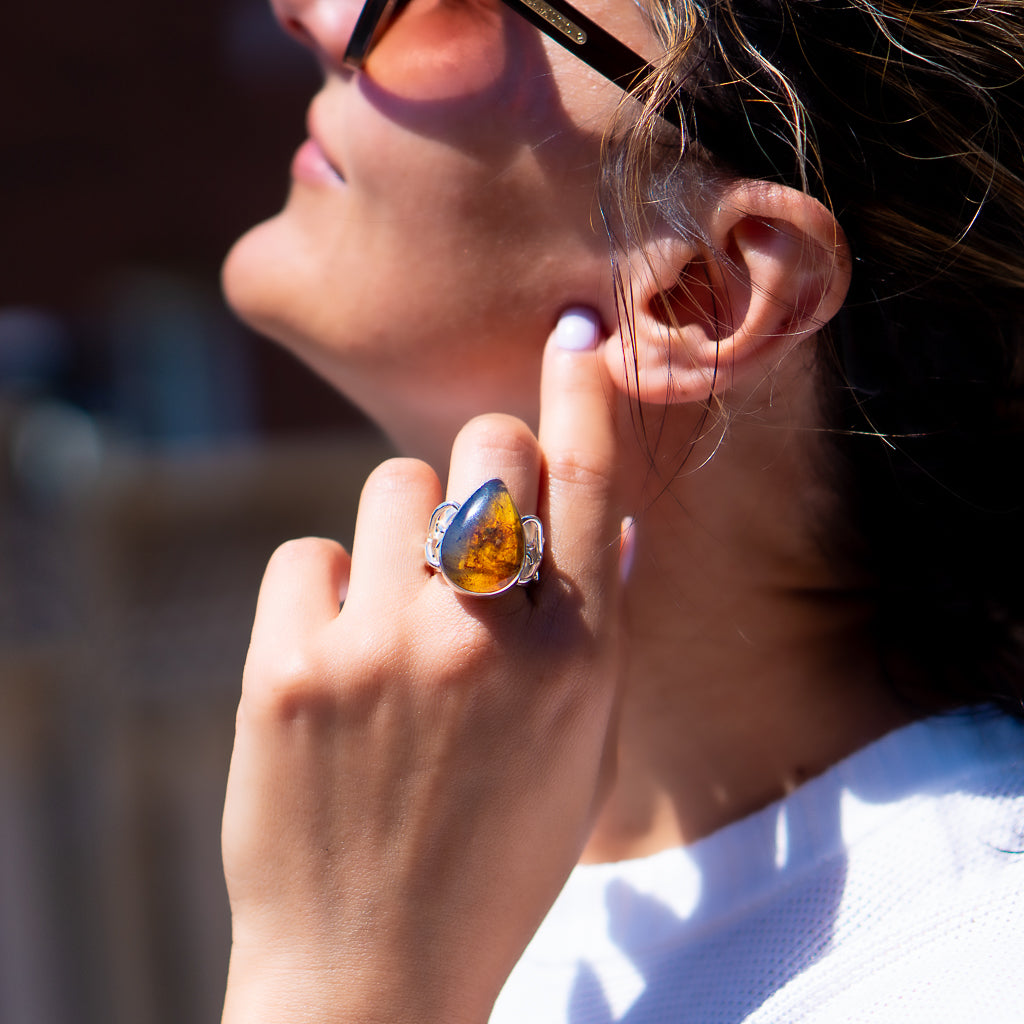
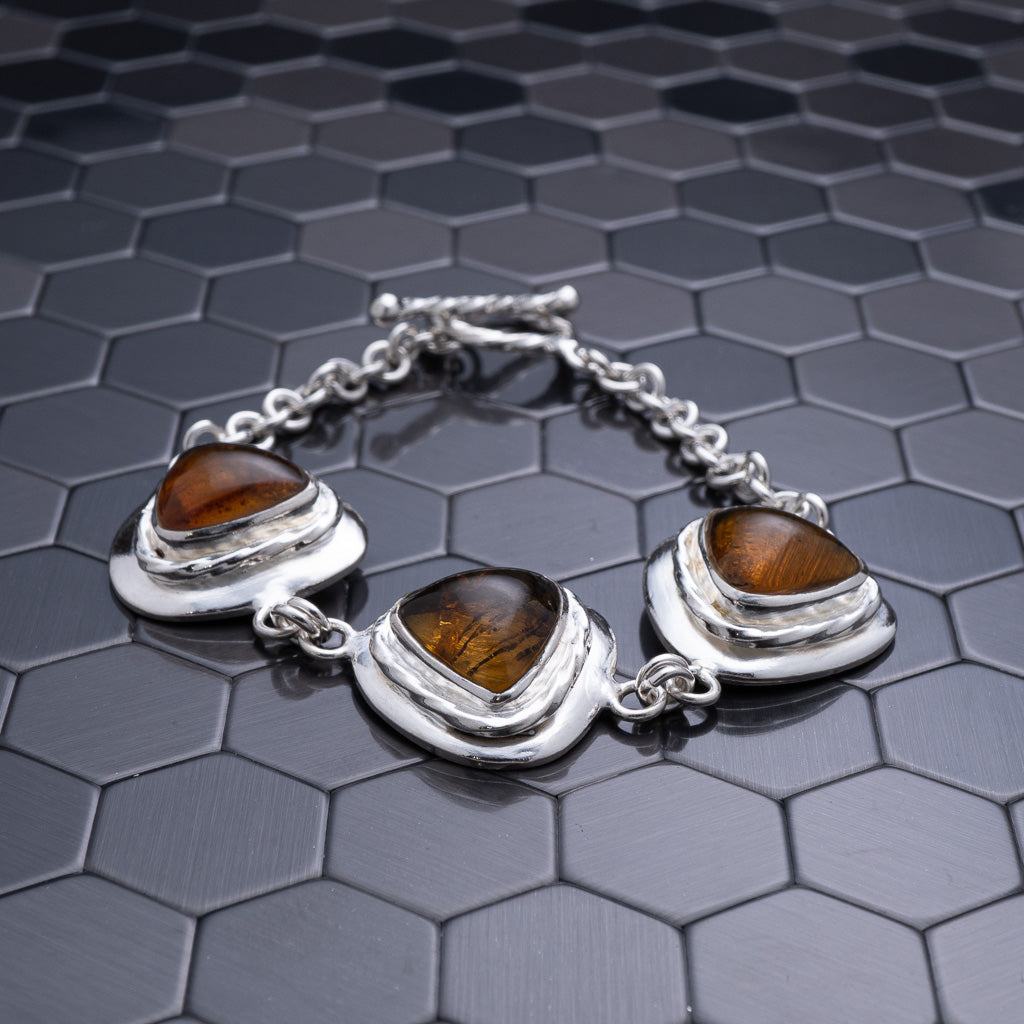
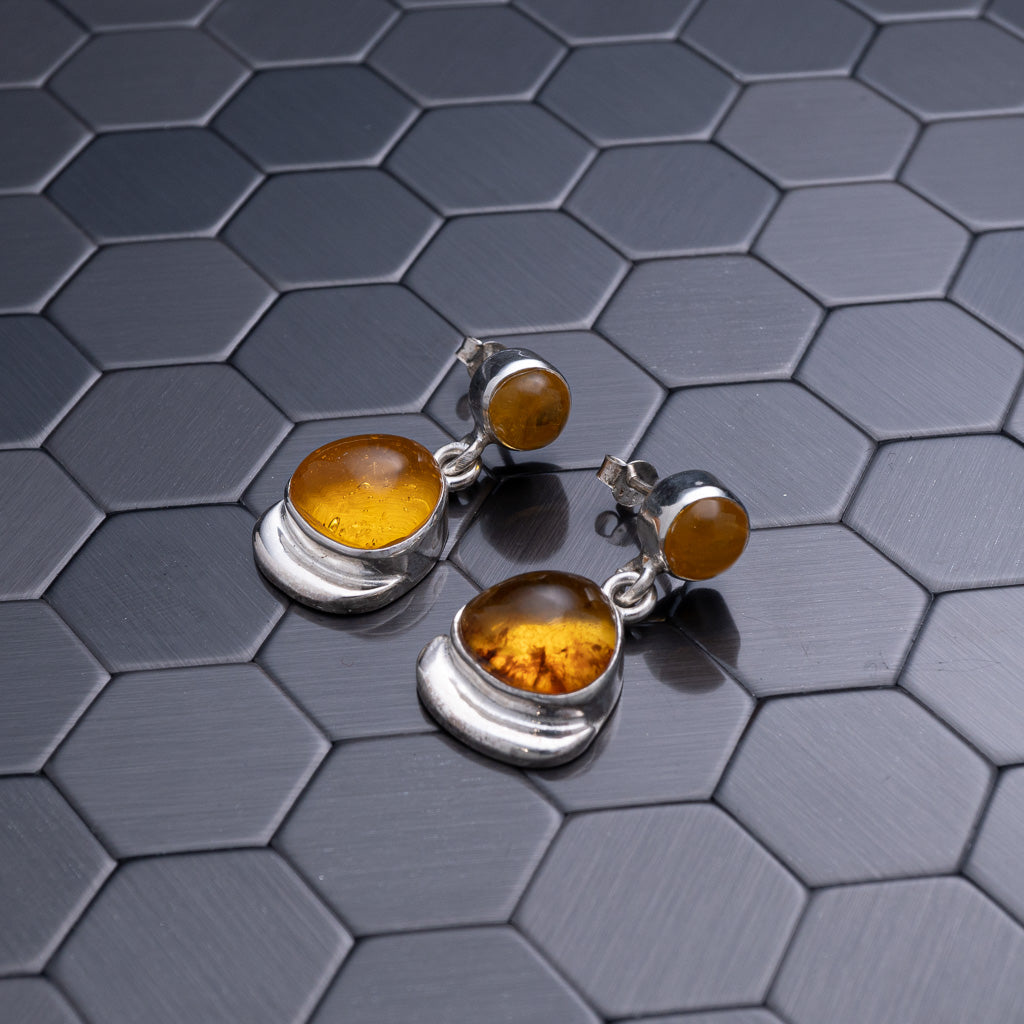


100% Handcrafted in DR.

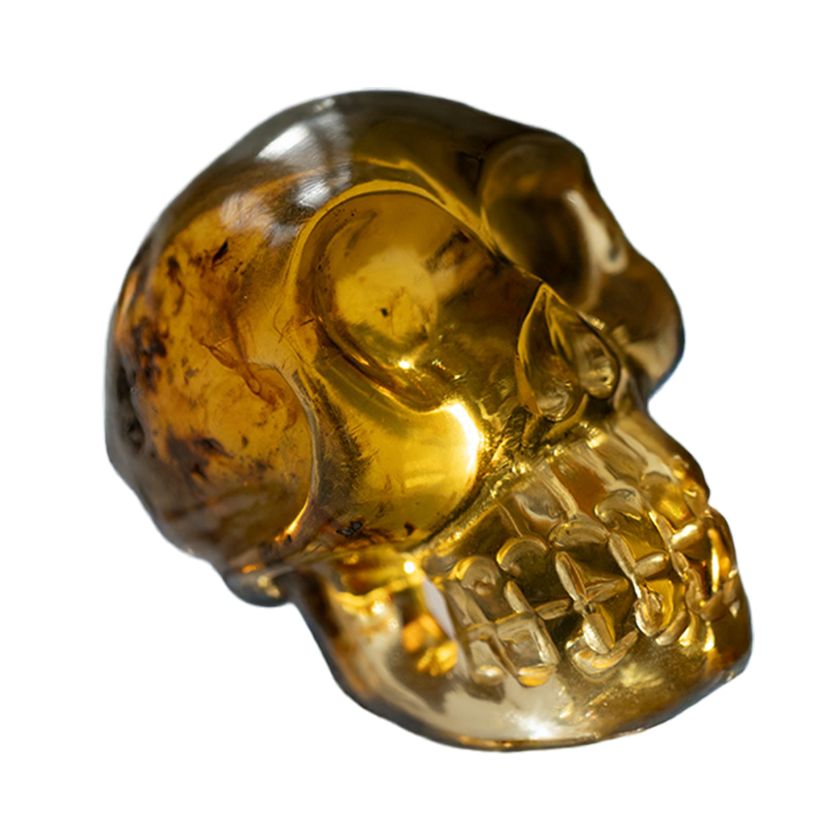
Amber natural stone stands as one of Earth's most fascinating organic gemstones, captivating humanity for millennia with its warm golden hues and preserved glimpses into prehistoric life. Unlike traditional minerals formed through geological processes, amber represents fossilized tree resin that has undergone transformation over millions of years. This extraordinary gemstone combines scientific intrigue with aesthetic beauty, making it a treasured material for jewelry makers, collectors, and researchers alike. Understanding amber's unique characteristics, formation process, and varieties helps both enthusiasts and buyers appreciate the true value of this ancient natural wonder.
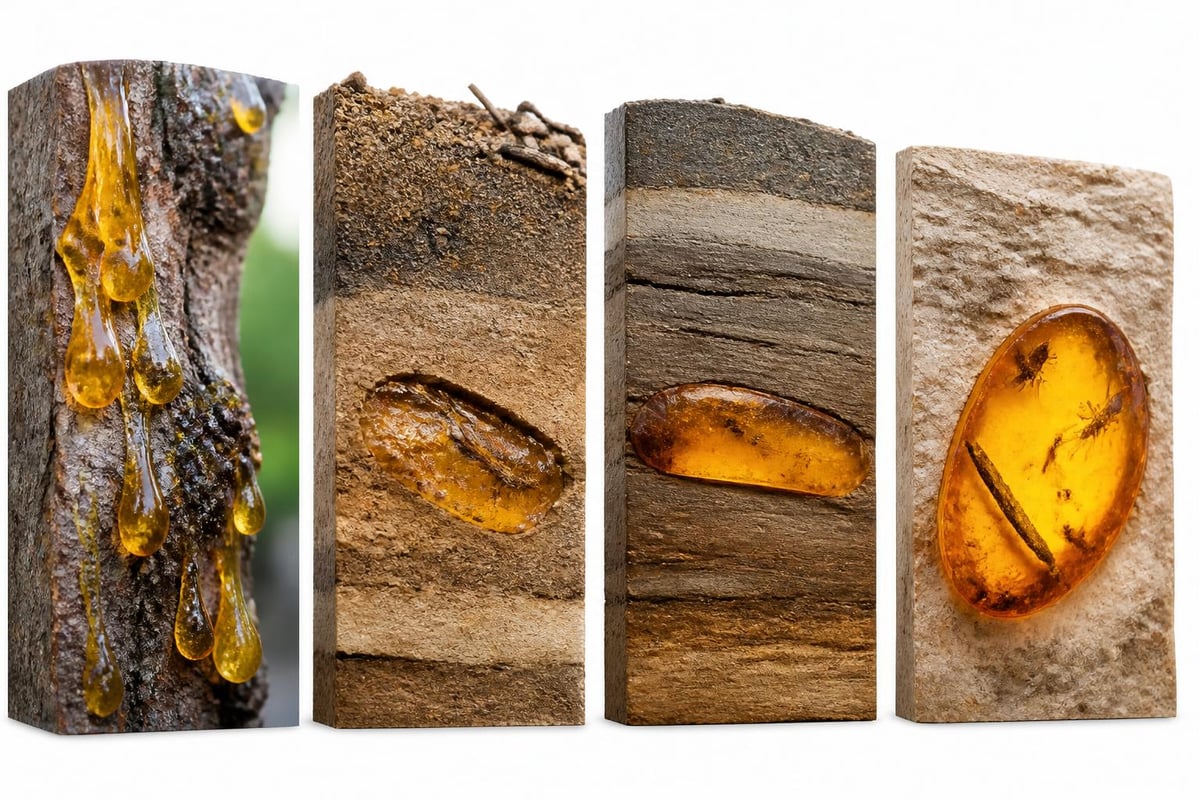
Amber natural stone begins its journey as sticky resin secreted by ancient trees, primarily conifers that existed between 30 and 90 million years ago. When these trees sustained injuries from storms, insect damage, or natural stress, they produced resin as a protective measure. Over time, vast quantities of this resin accumulated in forests across the globe.
The transformation from resin to amber requires specific geological conditions and immense time. Buried resin undergoes a process called polymerization, where molecular structures reorganize and harden. This chemical transformation occurs under pressure from overlying sediments and involves the loss of volatile compounds. The result is a stable, fossilized substance that can survive millions of years intact.
Several factors determine whether ancient resin becomes amber natural stone:
The historical significance of amber extends back to ancient civilizations, where it served as both ornamental material and trade commodity. Archaeological evidence shows amber artifacts dating back to the Stone Age, demonstrating humanity's long-standing fascination with this material.
Amber natural stone deposits appear on nearly every continent, each region producing distinctive characteristics. The geographical distribution of amber reflects ancient forest locations and geological stability over millions of years.
| Region | Amber Type | Age (Million Years) | Key Characteristics |
|---|---|---|---|
| Baltic States | Baltic Amber | 44-49 | Golden to cognac, high succinic acid |
| Dominican Republic | Dominican Amber | 15-40 | Blue, green, and red varieties |
| Mexico | Mexican Amber | 22-26 | Clear yellow, red tones |
| Myanmar | Burmese Amber | 99 | Deep red, well-preserved inclusions |
Baltic amber dominates the global market, representing approximately 80% of commercially available amber natural stone. This variety forms from ancient pine forests that once covered Northern Europe. Its distinctive warm colors and clarity make it particularly desirable for jewelry applications.
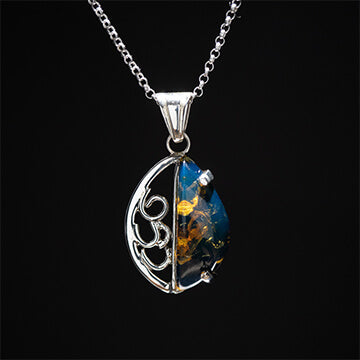
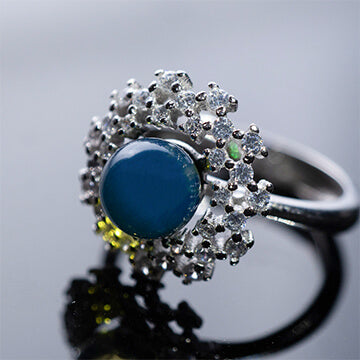
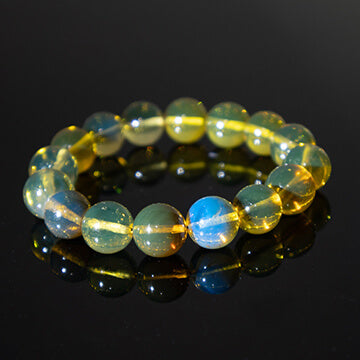
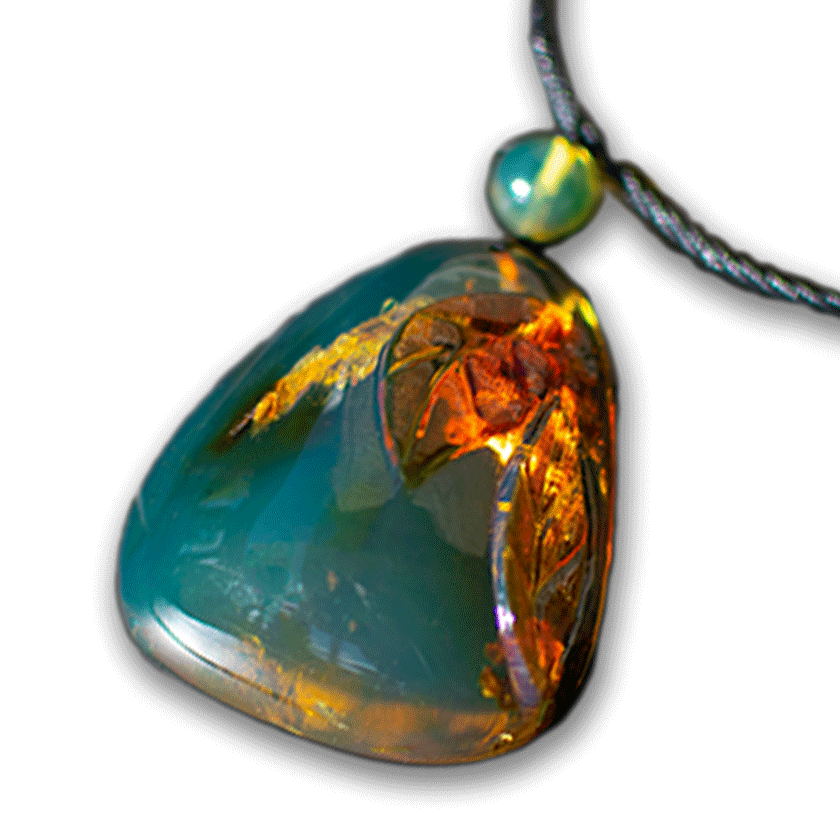
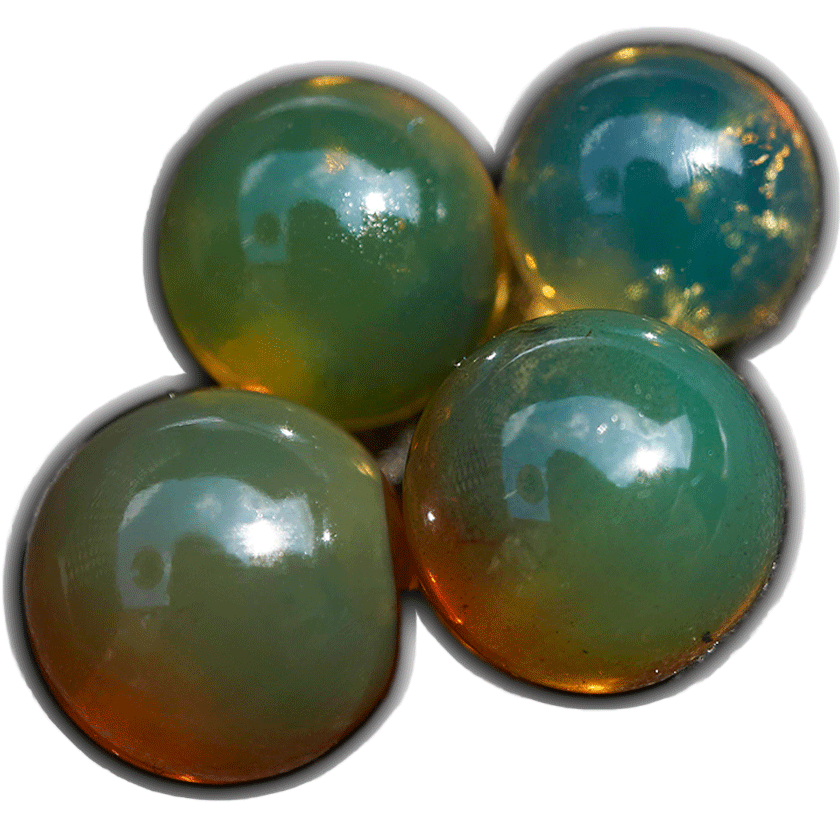
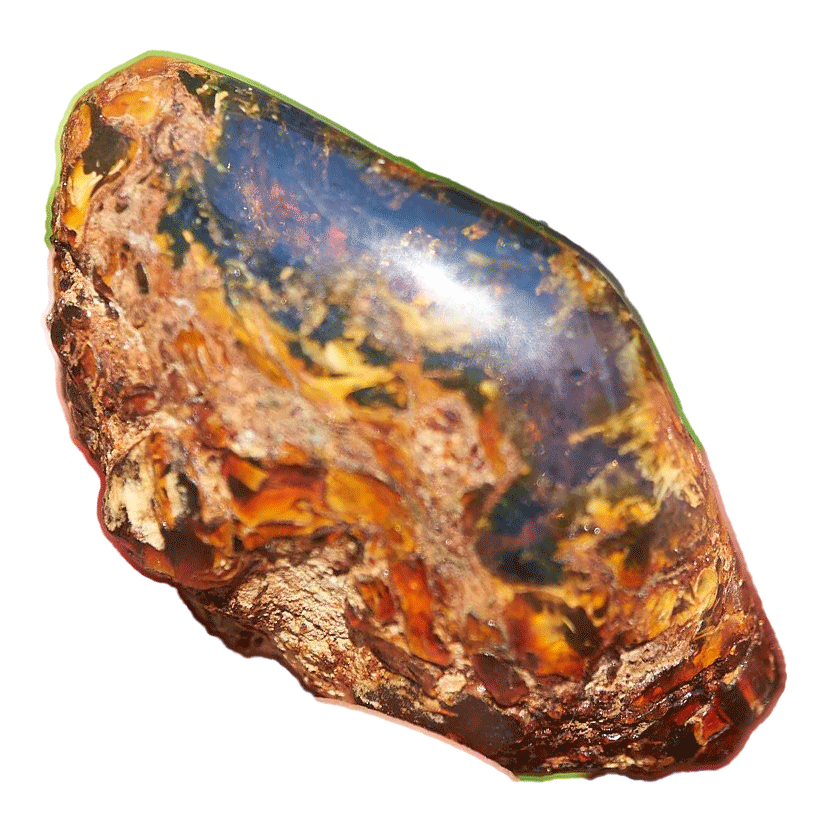
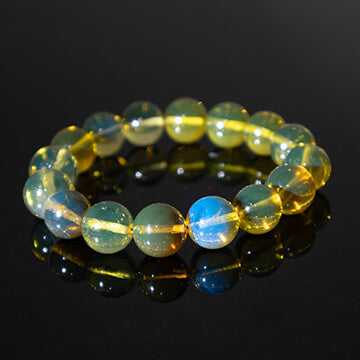
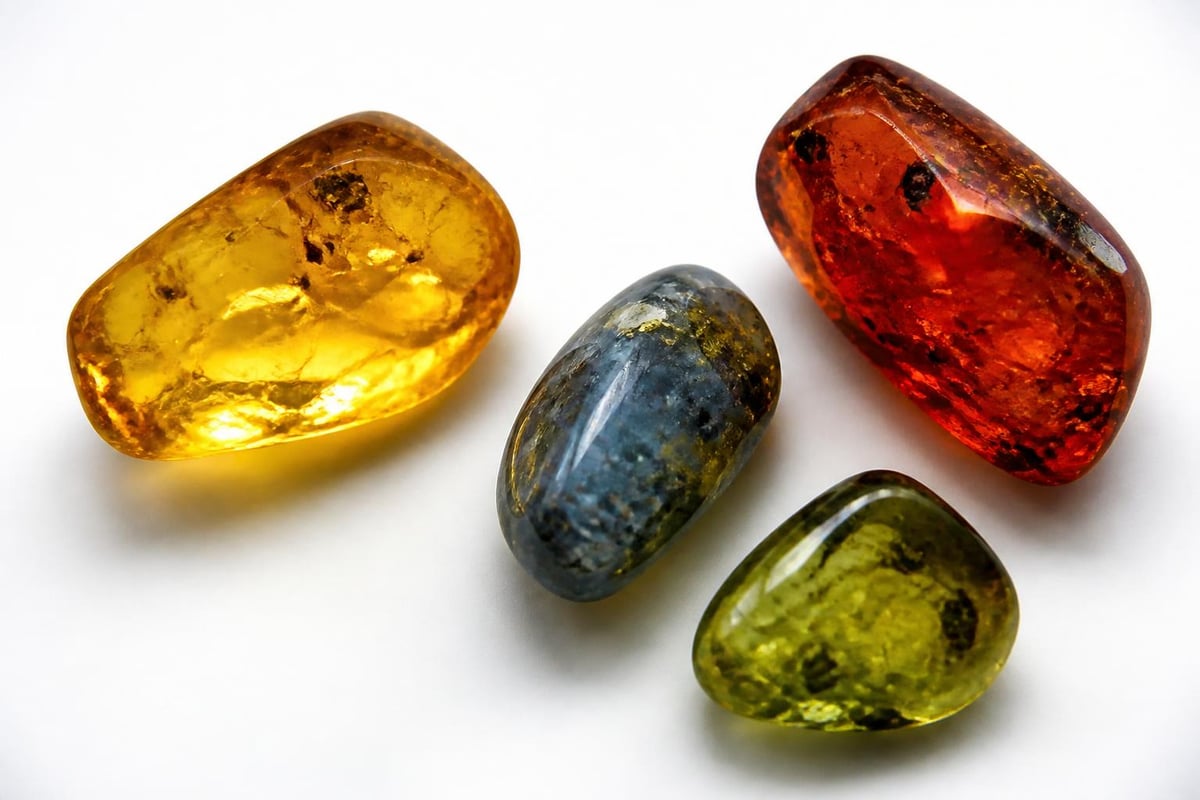
Dominican amber offers something truly unique in the amber world. While traditional amber displays yellow and orange hues, Dominican deposits include rare blue amber that fluoresces brilliantly under ultraviolet light. This phenomenon occurs due to specific aromatic compounds within the resin. Collectors and jewelry enthusiasts prize Dominican blue amber for its exceptional rarity and stunning visual properties.
Understanding the properties of amber natural stone helps identify authentic specimens and appreciate their unique characteristics. Unlike crystalline gemstones, amber possesses organic composition that affects its behavior and appearance.
Amber consists primarily of carbon, hydrogen, and oxygen arranged in complex polymer chains. The exact chemical formula varies depending on the botanical source and age. Baltic amber contains 3-8% succinic acid, giving it the alternative name "succinite." This compound distinguishes Baltic varieties from other amber types.
Physical Characteristics:
The relatively soft nature of amber natural stone makes it easy to carve and polish but requires careful handling to prevent scratches. This workability has contributed to amber's popularity in jewelry and decorative arts throughout history.
Amber appears in a spectrum exceeding 300 documented color variations. These differences arise from several factors:
The most common colors range from pale yellow through golden orange to deep cognac brown. Rare varieties include cherry red, green, and the exceptionally valuable blue amber found primarily in the Dominican Republic.
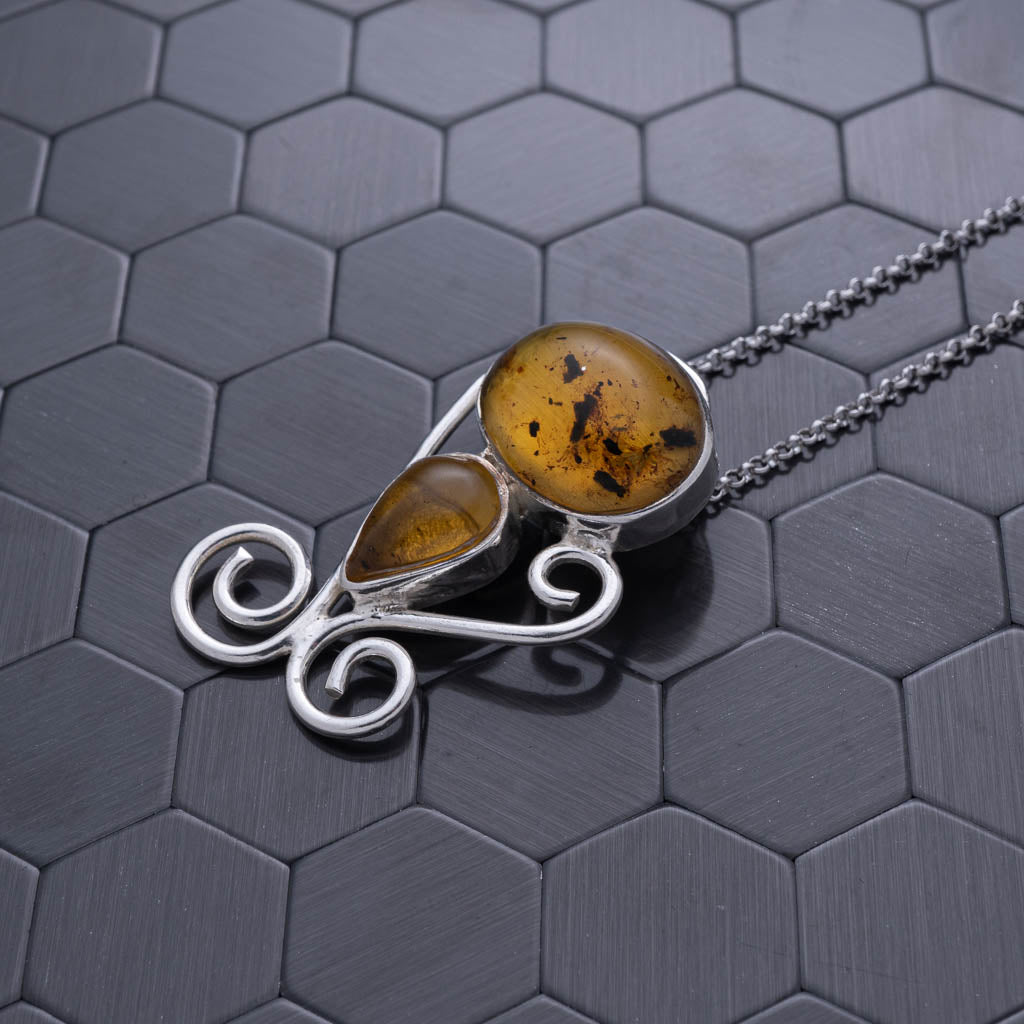
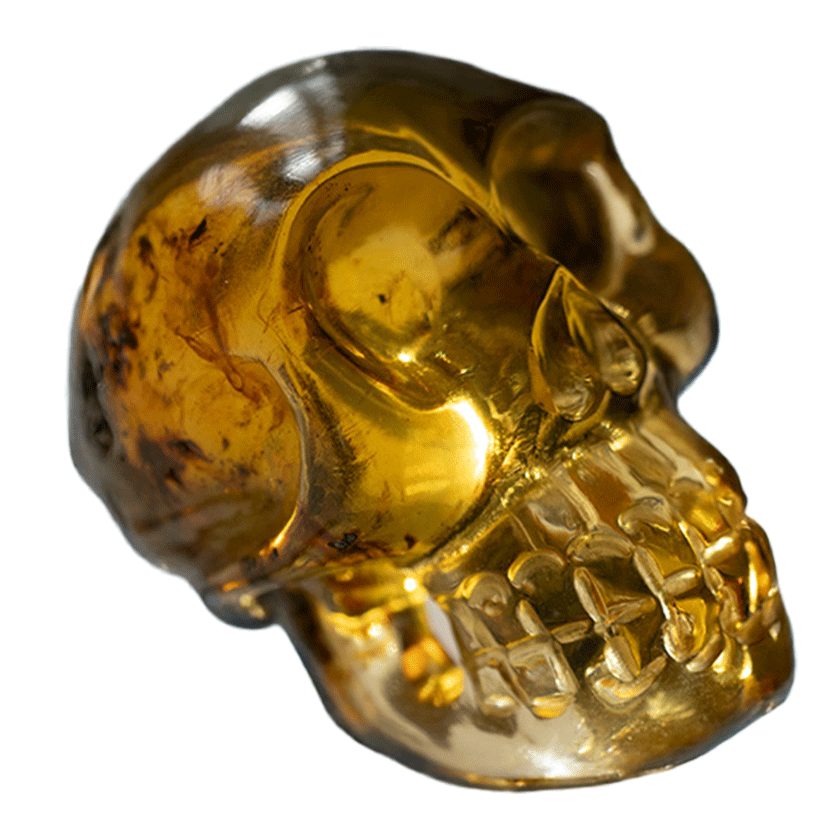
One of the most remarkable aspects of amber natural stone is its ability to preserve ancient organisms with extraordinary detail. When insects, plant materials, or other small creatures became trapped in sticky tree resin, they were encased and preserved for millions of years. These inclusions provide scientists with invaluable information about prehistoric ecosystems.
Amber inclusions range from microscopic pollen grains to complete insects and small vertebrates. The most common preserved organisms include:
The cultural significance of amber partly stems from these fascinating inclusions, which ancient peoples viewed as magical or divine. Modern science recognizes these trapped organisms as crucial evidence for understanding evolutionary biology and paleoclimatology.
Specimens containing well-preserved inclusions command premium prices in both scientific and collector markets. A single piece of amber natural stone housing a complete insect can sell for thousands of dollars, depending on the rarity and condition of the inclusion.
The popularity and value of amber natural stone have led to widespread production of imitations and synthetics. Distinguishing genuine amber from substitutes requires knowledge of testing methods and characteristic properties.
| Test Method | Genuine Amber Response | Imitation Response |
|---|---|---|
| Salt Water Float | Floats in saturated solution | Usually sinks |
| Hot Needle | Produces pine scent, crumbles | Melts, smells like plastic |
| UV Light | Fluorescent glow | No reaction or different color |
| Static Electricity | Attracts small particles when rubbed | Minimal to no attraction |
| Acetone Test | No reaction | Surface dissolves or becomes sticky |
The saltwater test provides a simple home method for initial verification. Genuine amber natural stone floats in a solution of approximately 7 tablespoons of salt per cup of water, while most imitations sink. However, this test alone cannot guarantee authenticity, as some plastics also float.
Professional gemological laboratories employ advanced techniques including infrared spectroscopy and microscopic examination to definitively identify amber. These methods analyze the molecular structure and can detect even sophisticated imitations. Similar to identifying genuine larimar, authentication requires attention to multiple characteristics rather than relying on a single test.
The market contains several materials sold as amber natural stone:
Copal represents the most deceptive substitute because it shares amber's organic origin. However, copal has not completed polymerization and remains soluble in alcohol, unlike true amber. The acetone test effectively distinguishes copal from amber natural stone.
Throughout human history, amber natural stone has held profound cultural importance across civilizations. Ancient peoples valued amber not only for its beauty but also for perceived mystical and healing properties. The legends associated with amber reflect diverse cultural interpretations of this remarkable material.
Amber featured prominently in prehistoric trade networks. The famous "Amber Road" connected Baltic amber sources with Mediterranean civilizations, facilitating cultural exchange alongside commercial activity. Archaeological excavations have uncovered amber artifacts in Egyptian tombs, Roman settlements, and Viking burial sites, demonstrating the extensive reach of amber trade.
Greeks called amber "elektron" after observing its ability to generate static electricity when rubbed. This word eventually evolved into our modern term "electricity," forever linking amber to scientific discovery. Romans prized amber so highly that Emperor Nero reportedly sent expeditions to secure supplies for imperial use.
Different cultures attributed various meanings to amber natural stone:
These historical associations continue influencing modern perceptions of amber. Contemporary crystal practitioners discuss healing properties associated with amber, though such claims lack scientific validation.
Today, amber natural stone serves multiple purposes beyond traditional ornamental applications. Modern technology and research have revealed new ways to utilize this ancient material.
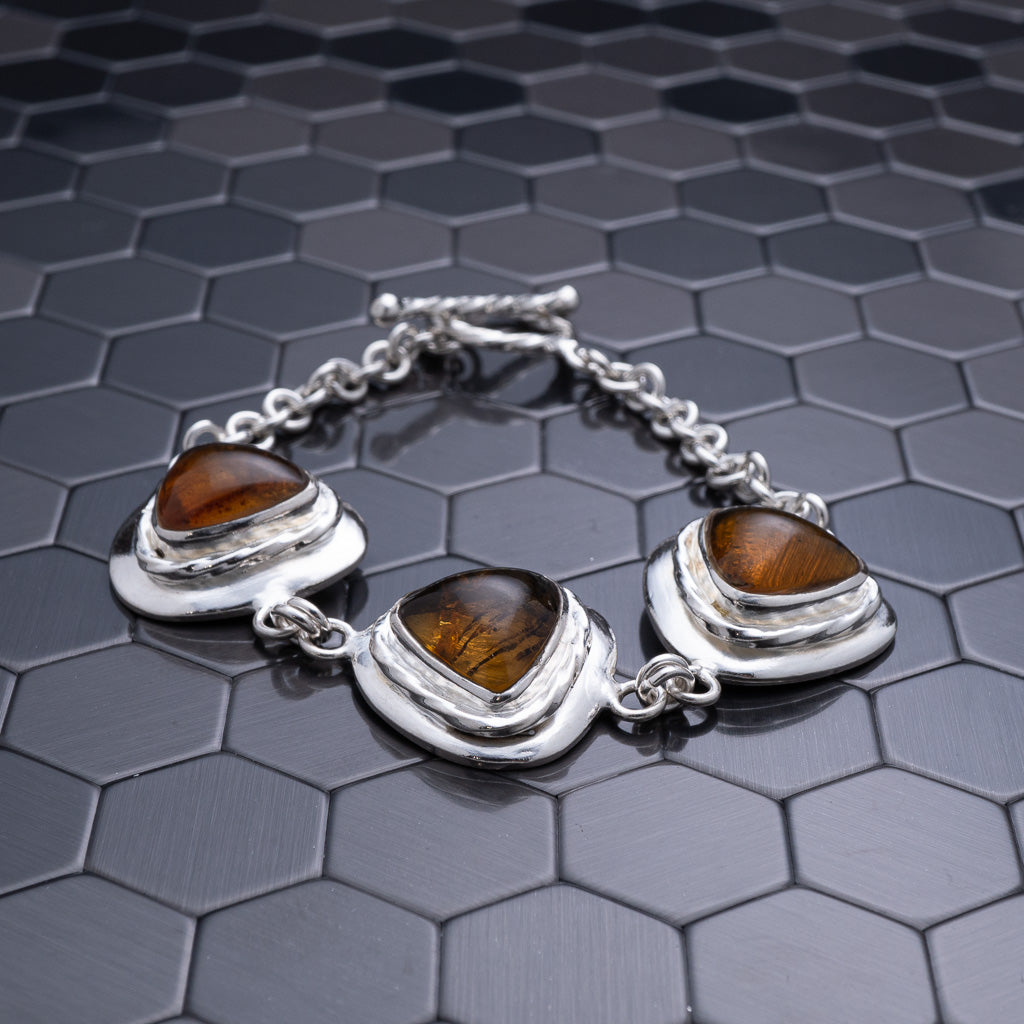
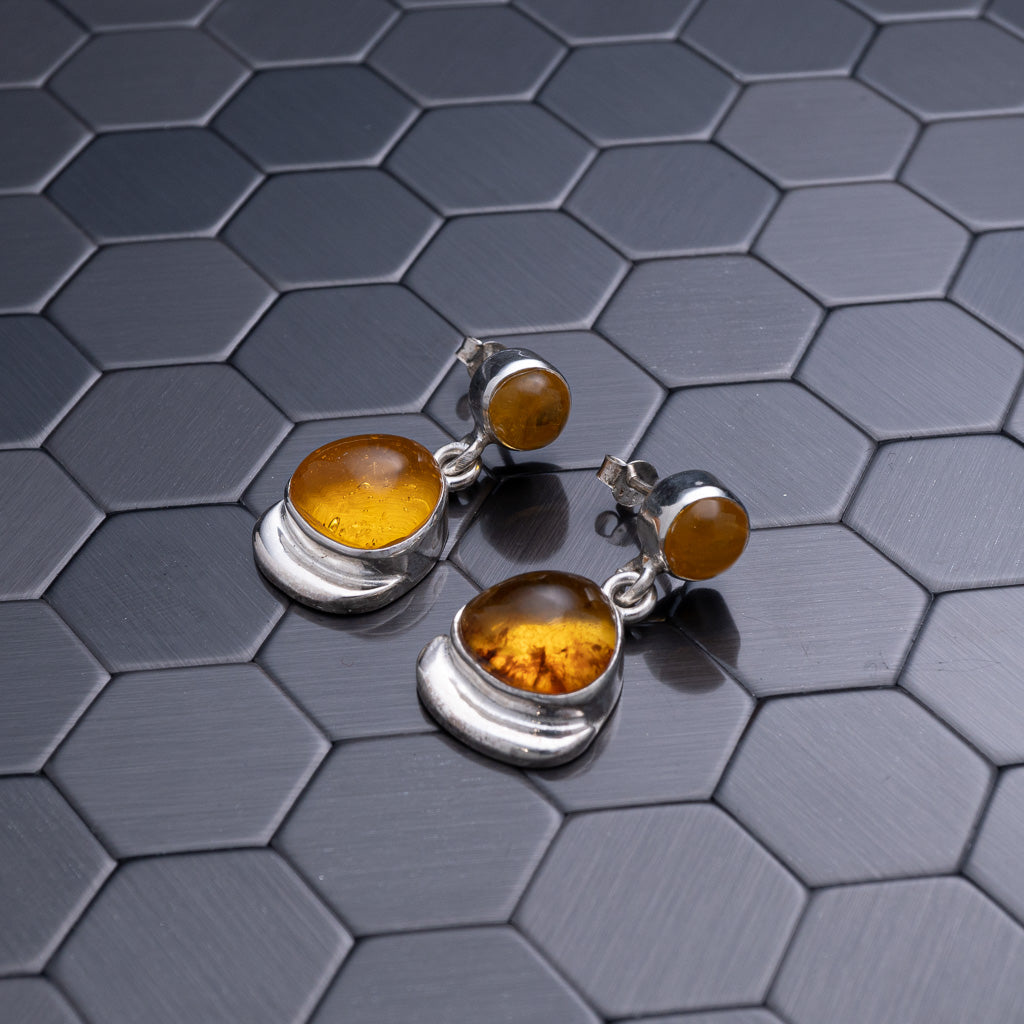
Jewelry remains the primary application for amber natural stone. Artisans craft amber into various forms:
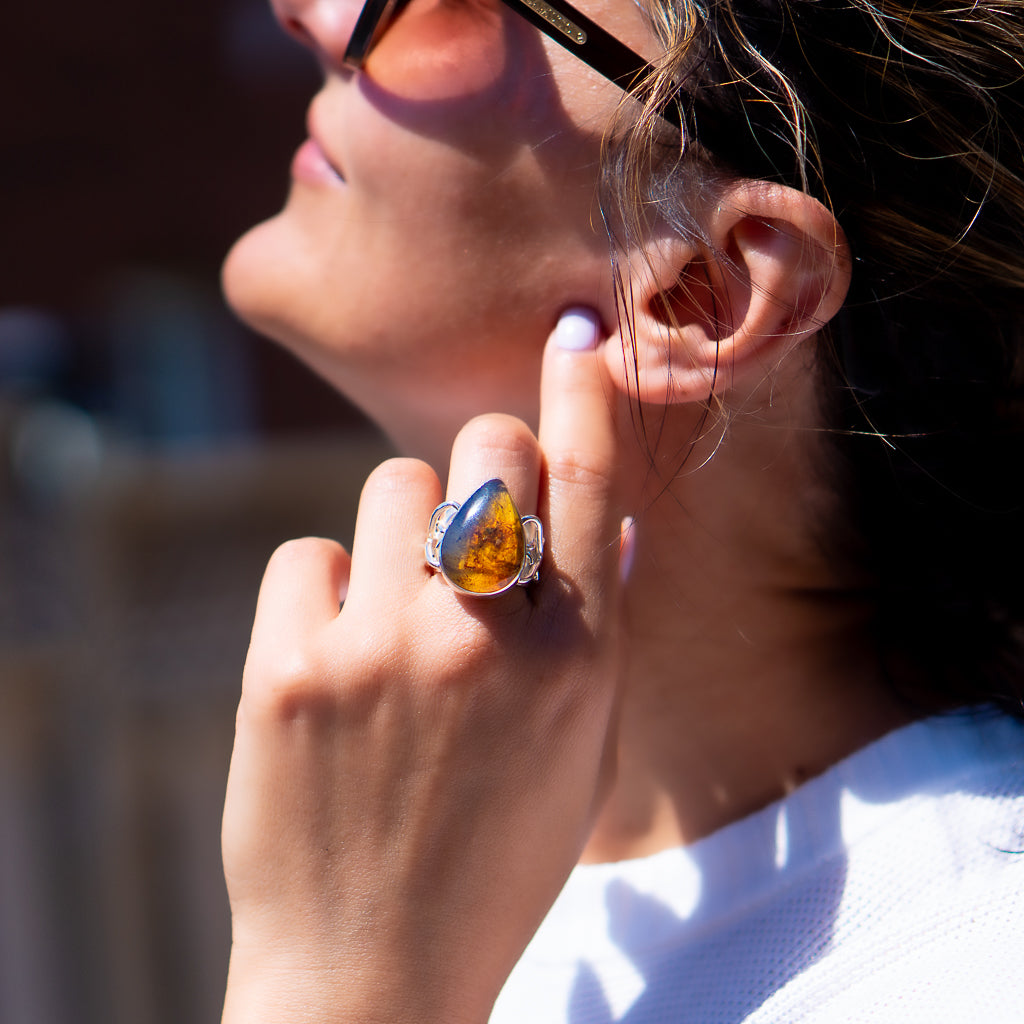
The warm, organic appearance of amber complements both contemporary and traditional jewelry designs. Many jewelry enthusiasts appreciate amber for creating statement pieces with amber that combine ancient materials with modern aesthetics.
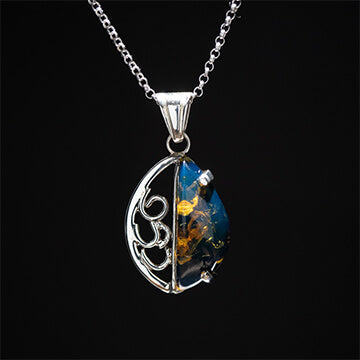
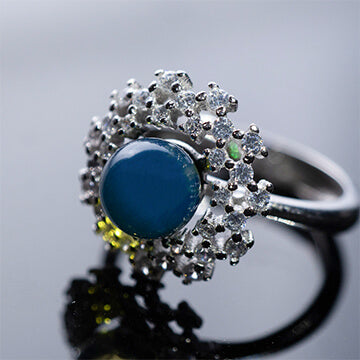
For those who specialize in rare gemstone jewelry, working with varieties like blue or green amber offers opportunities to create truly unique pieces. These exceptional materials command attention and provide talking points that enhance the jewelry's appeal.
Paleontologists and evolutionary biologists study amber inclusions to understand prehistoric life. DNA extracted from ancient organisms preserved in amber natural stone has provided genetic information about extinct species. While popular culture has fantasized about cloning dinosaurs from amber-preserved DNA, actual scientific applications focus on understanding evolutionary relationships and ancient ecosystems.
Climate scientists analyze plant materials and chemical compositions in amber to reconstruct ancient atmospheric conditions. These studies contribute to understanding long-term climate patterns and predicting future changes.
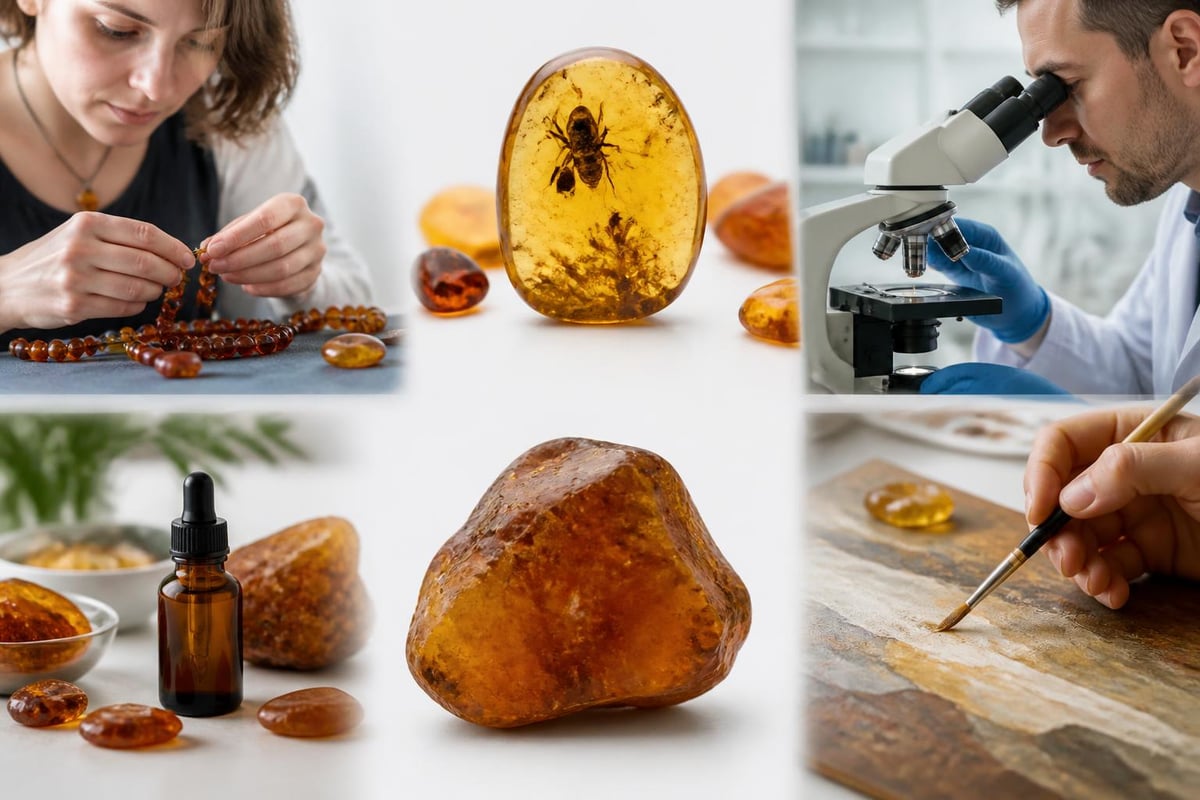
Proper care ensures amber natural stone jewelry and objects retain their beauty for generations. Amber's organic nature requires different maintenance approaches compared to mineral gemstones.
Cleaning Methods:
Chemical exposure poses significant risks to amber natural stone. Perfumes, hairsprays, and cleaning products can damage amber's surface or cause cloudiness. Apply cosmetics before putting on amber jewelry, and remove amber pieces before using household chemicals.
Proper storage prevents damage during periods of non-use:
Amber can develop surface crazing (fine cracks) if stored in excessively dry environments. Maintaining stable temperature and humidity conditions preserves the stone's integrity. Some collectors periodically apply a light coating of natural olive oil to maintain amber's luster, though this practice remains controversial among conservators.
For those interested in amber natural stone as an investment or collectible, several factors influence value and desirability. Understanding these elements helps make informed acquisition decisions.
| Factor | Impact on Value | Premium Characteristics |
|---|---|---|
| Clarity | High | Transparent with minimal cloudiness |
| Color | High | Rare colors (blue, red, green) |
| Inclusions | Very High | Complete, identifiable organisms |
| Size | Moderate | Large pieces over 50 grams |
| Origin | Moderate | Documented provenance |
| Treatment | Negative | Natural, untreated specimens |
Amber containing scientifically significant inclusions represents the highest value category. Individual specimens have sold for over $100,000 when containing rare or well-preserved organisms. However, most amber natural stone pieces remain affordable, with quality jewelry-grade material available at reasonable prices.
The amber market has remained relatively stable compared to other gemstone categories. Growing interest in natural and organic materials has sustained demand, while limited new deposits keep supply controlled. Blue amber from the Dominican Republic has experienced significant price appreciation over the past decade due to its exceptional rarity and unique properties.
Collectors increasingly value documented provenance and scientific authentication. As synthetic amber production becomes more sophisticated, verified natural specimens with proper certification command premium prices. The market for blue amber jewelry particularly demonstrates this trend, with authenticated pieces attracting serious collectors.
Modern jewelry designers appreciate amber natural stone for its versatility and organic warmth. Contemporary pieces often juxtapose amber's ancient origins with minimalist settings and modern metalwork, creating striking contrasts.
Current jewelry trends incorporating amber include:
Designers working with Dominican blue amber create pieces that transform under different lighting conditions. Standard daylight reveals golden-amber tones, while UV exposure produces brilliant blue fluorescence. This dynamic quality adds intrigue and conversation value to jewelry pieces.
The current interest in sustainable and ethically sourced materials benefits amber natural stone. As an organic gemstone with established sources and minimal environmental impact from extraction, amber appeals to environmentally conscious consumers. Artisans can highlight amber's natural formation story and sustainable characteristics when marketing jewelry pieces.
While scientific evidence doesn't support supernatural claims, many people appreciate amber natural stone for perceived metaphysical properties. Understanding these beliefs helps contextualize amber's enduring popularity beyond purely aesthetic considerations.
Historical and contemporary sources describe various properties and meanings associated with amber, including:
Practitioners of crystal healing use amber in various applications, though such uses lack scientific validation. Medical professionals caution against relying on amber or any gemstone for treating health conditions. However, the psychological comfort some individuals derive from wearing amber shouldn't be dismissed entirely, as belief and intention can influence personal well-being independent of the stone's physical properties.
Modern perspectives on amber natural stone often focus on its connection to natural history and deep time. Wearing jewelry containing material millions of years old creates a tangible link to Earth's past. This historical connection resonates with people seeking meaning and context in an increasingly fast-paced world.
The organic nature of amber also appeals to those pursuing natural lifestyles and sustainable practices. Unlike synthetic materials or heavily processed gemstones, amber represents a product of natural processes requiring minimal human intervention. This authenticity aligns with contemporary values emphasizing transparency and environmental responsibility.
Amber natural stone represents a remarkable intersection of natural history, scientific interest, and artistic beauty. From its formation millions of years ago to its contemporary applications in jewelry and research, amber continues captivating people worldwide with its warm glow and preserved glimpses of ancient life. Whether you're drawn to amber's aesthetic appeal, historical significance, or unique properties, understanding this fascinating material enhances appreciation for nature's extraordinary creations. Larimar Creations brings this same dedication to rare gemstones through expertly crafted jewelry featuring Dominican blue amber and larimar, offering worldwide shipping so collectors and jewelry enthusiasts everywhere can experience these exceptional natural treasures.