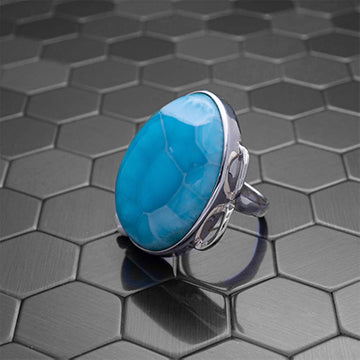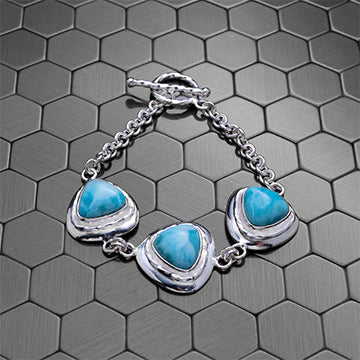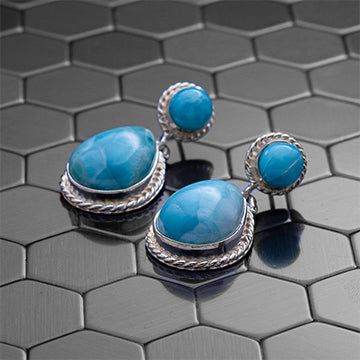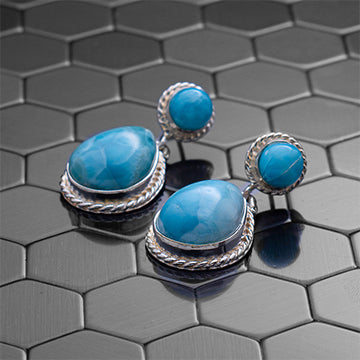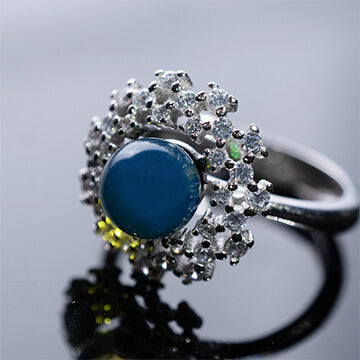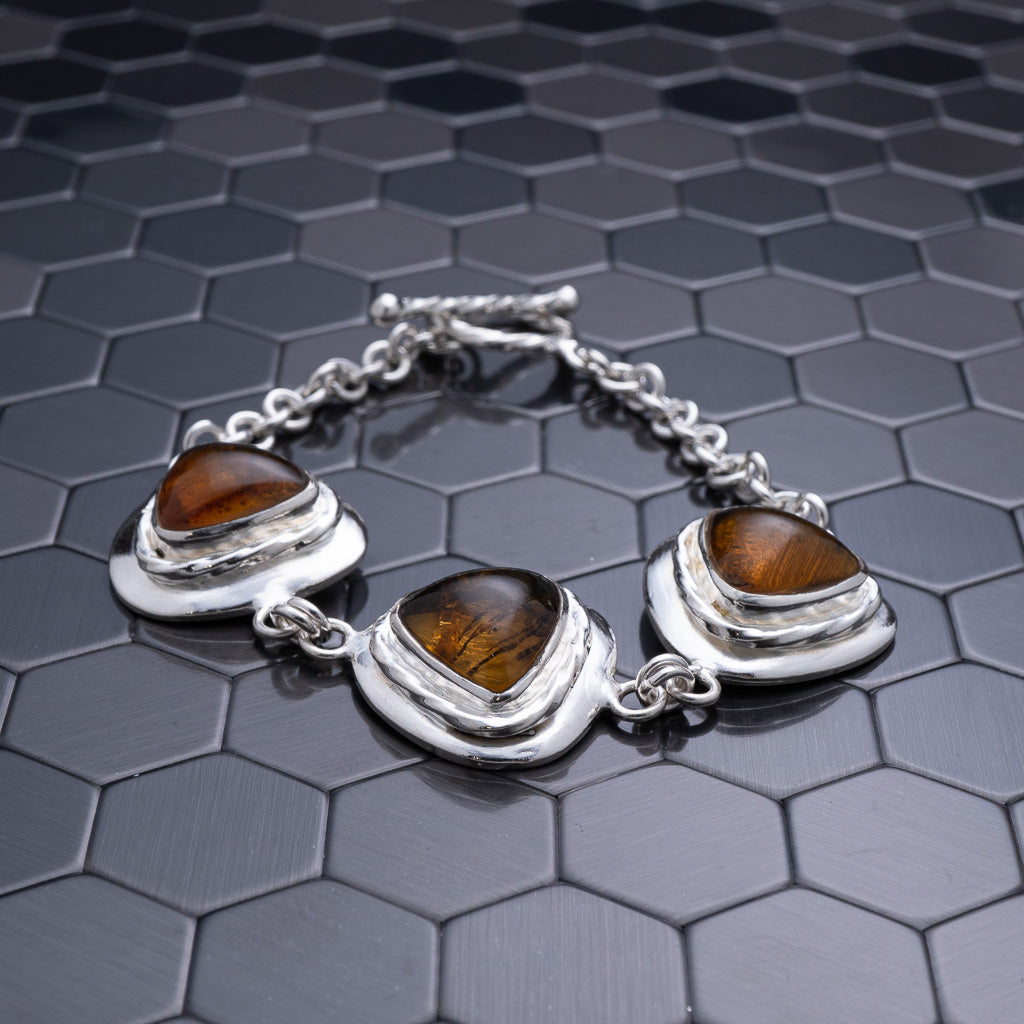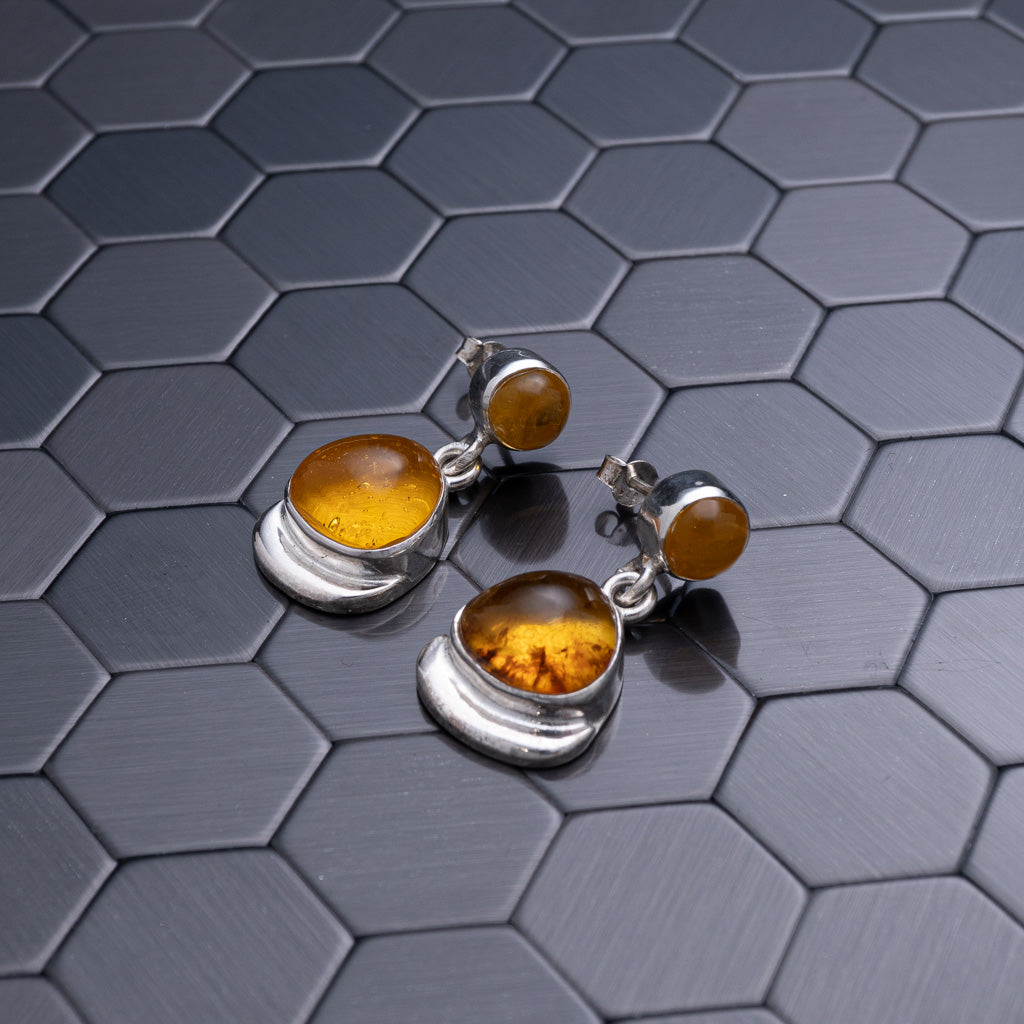


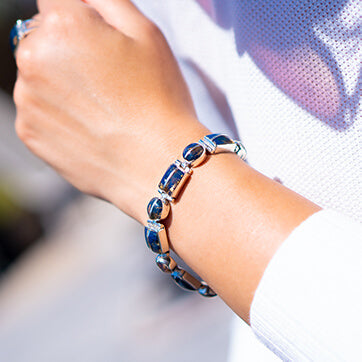
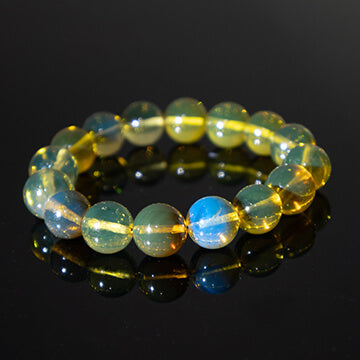
Handcrafted in DR.

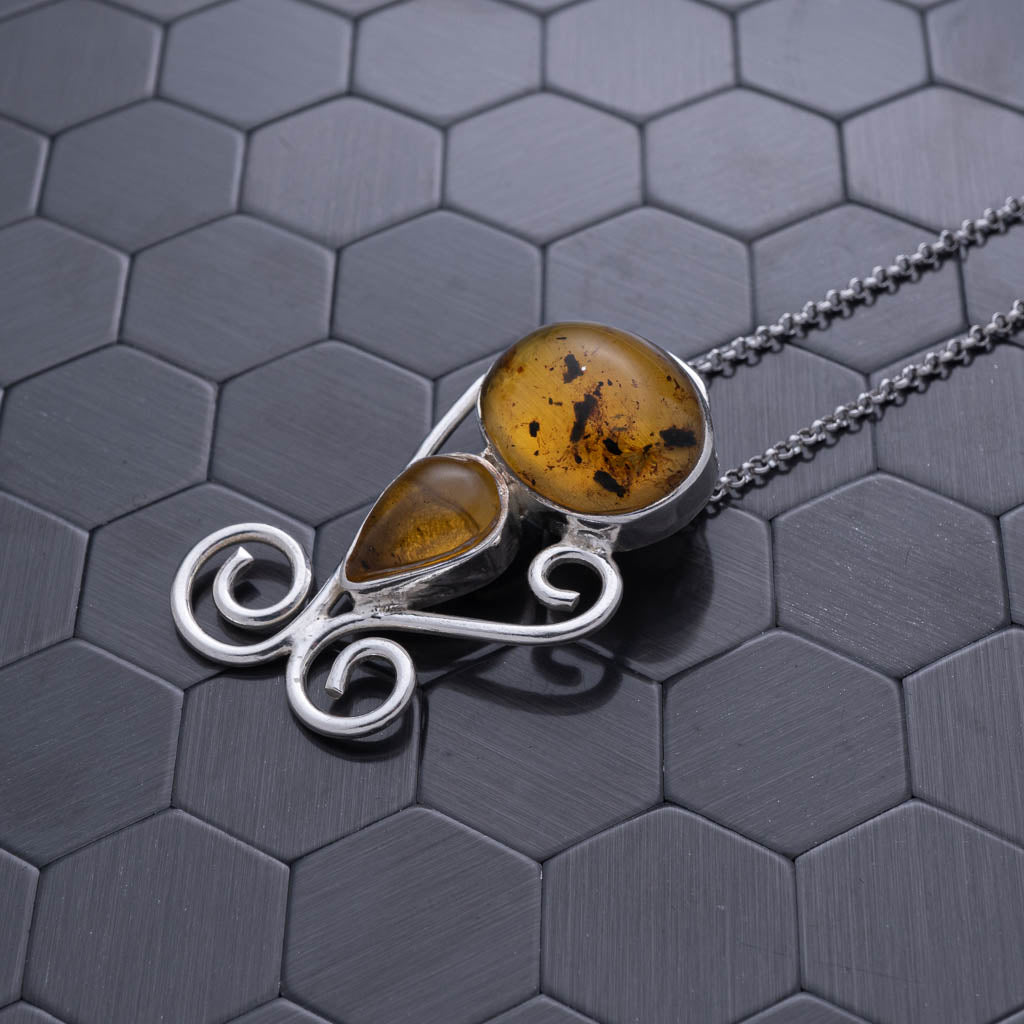
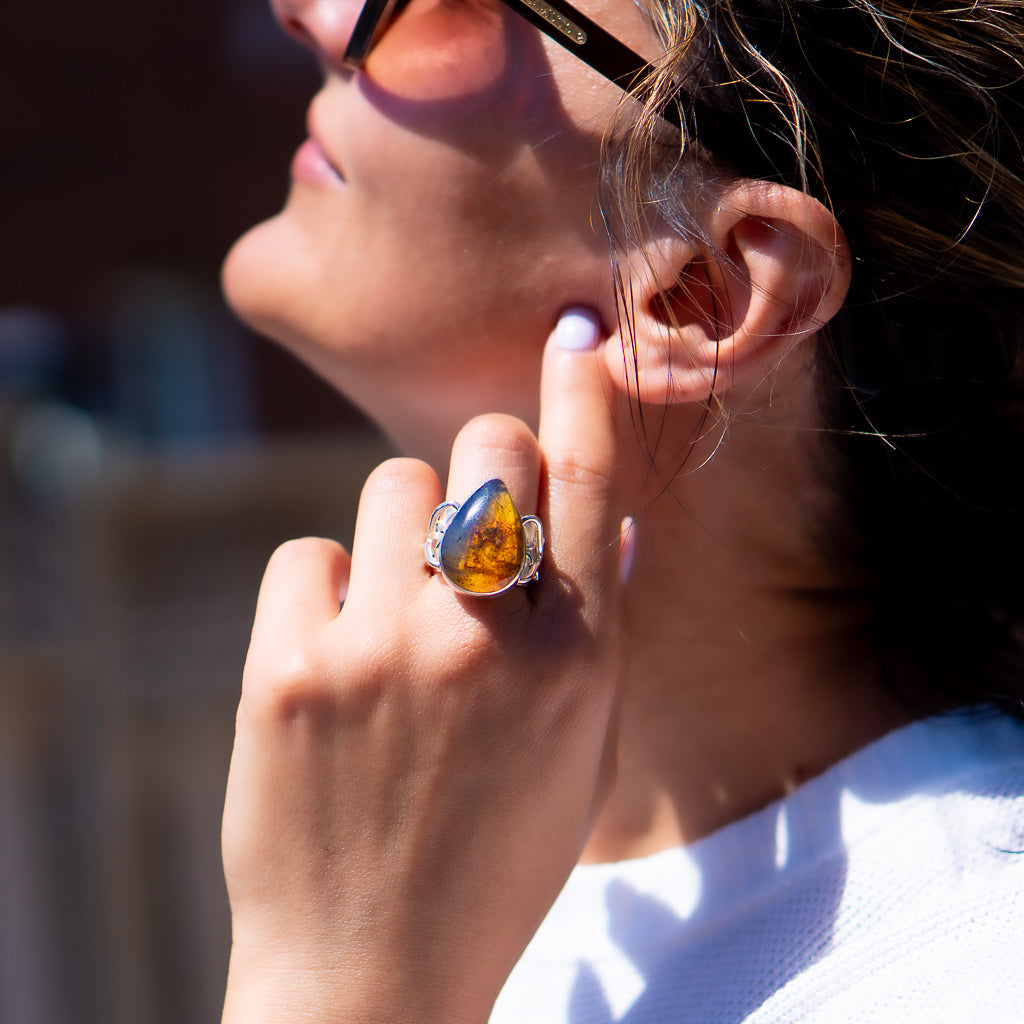
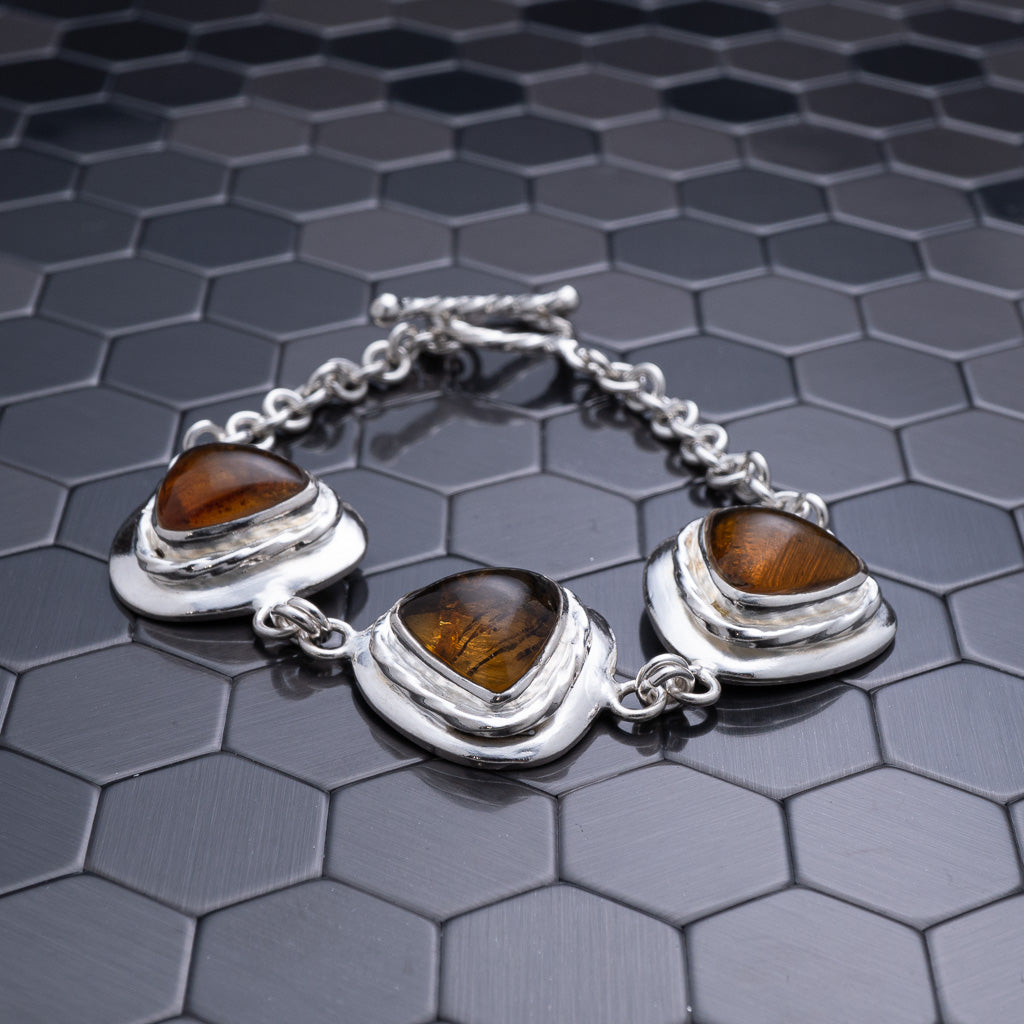
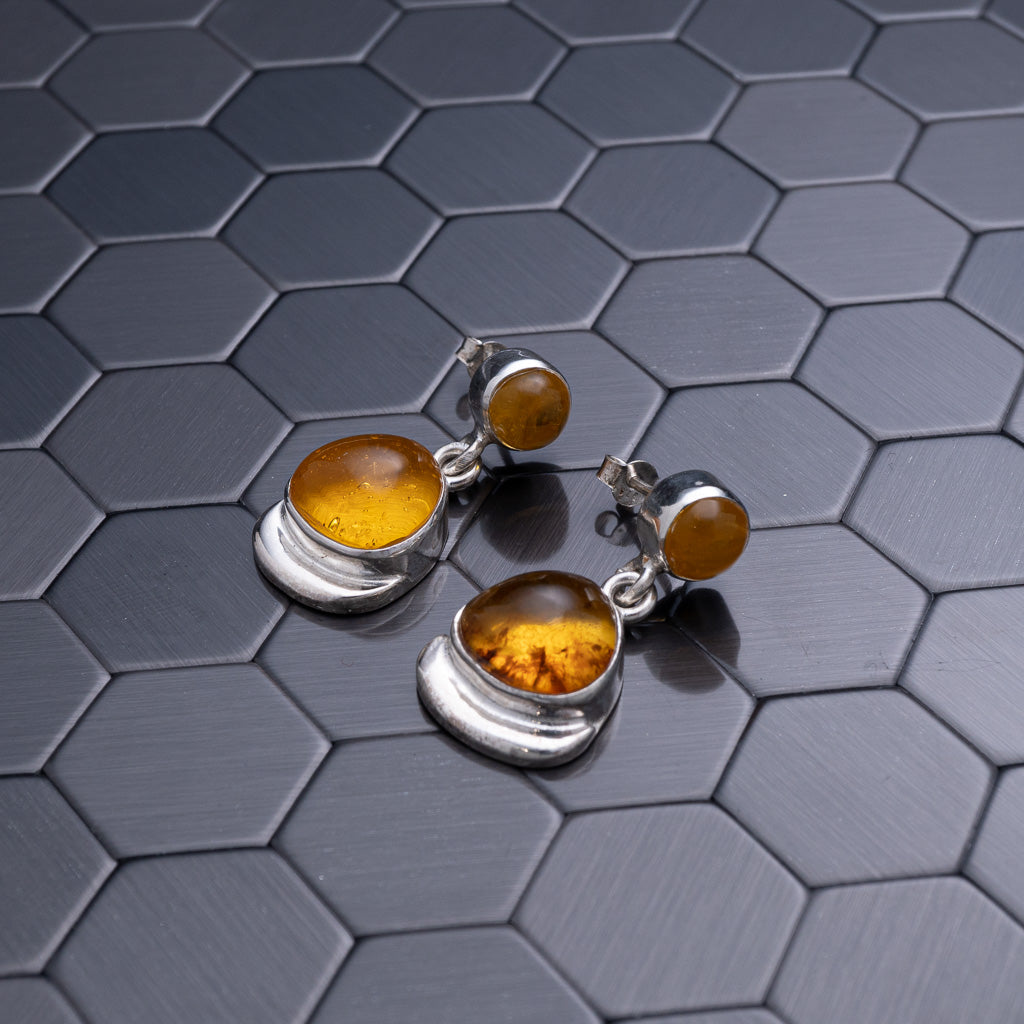


100% Handcrafted in DR.

A good amber pendant necklace is one made from genuine, solid amber, set securely on a sturdy chain, and cared for gently, because amber is among the softest materials used in fine jewelry. Choose a stone with clear origin, a protective setting and a pendant shape that suits how often you plan to wear it, and it can last for decades.
This guide walks through each decision in order: what amber is, which types exist, how to confirm a stone is real, and what to look for in the pendant, chain and clasp. It also covers price, care and the one situation where amber should never be worn.
Amber is fossilized tree resin, typically millions of years old, and it is much softer than most gemstones. The Gemological Institute of America lists amber at 2 to 2.5 on the Mohs scale, which means it can scratch or become damaged with ordinary wear.
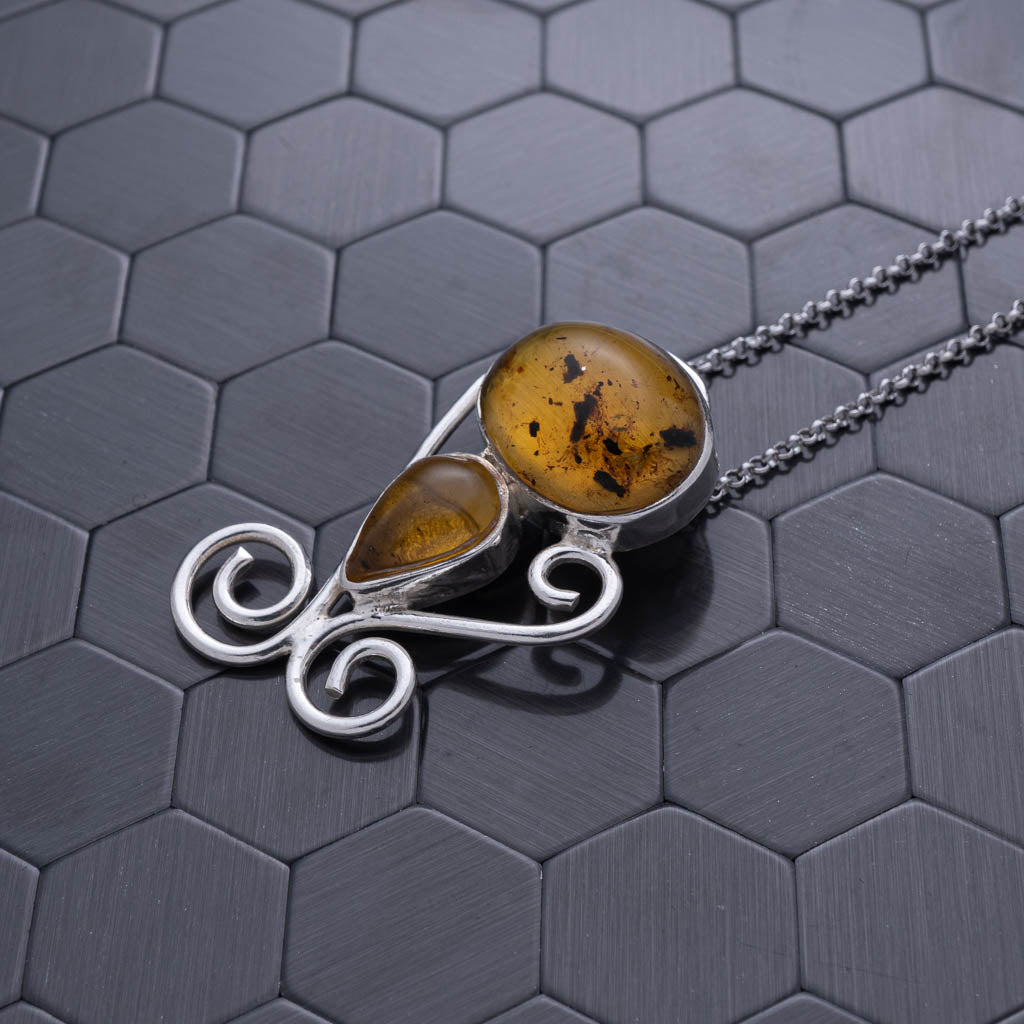
That softness shapes every buying decision. A pendant sits against clothing, skin and other jewelry all day, so the design needs to shield the stone where possible. Thick, rounded cabochons and carvings with smooth, protected surfaces tend to hold up better than thin, sharply faceted slices or pieces with delicate projecting edges.
Durability also depends on what the stone is made of. Solid natural amber ages gracefully, while pressed, reconstructed or plastic imitations can crack, cloud or feel brittle within a few years. Starting with authenticity is the first step toward a pendant that lasts.
The best amber for a pendant depends on the look you want and how rare you want the stone to be. Three types are most common.
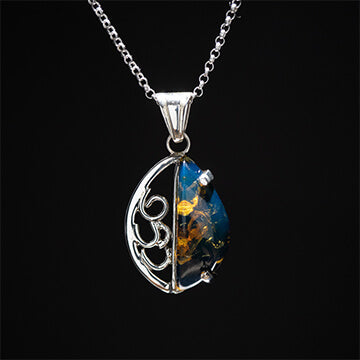
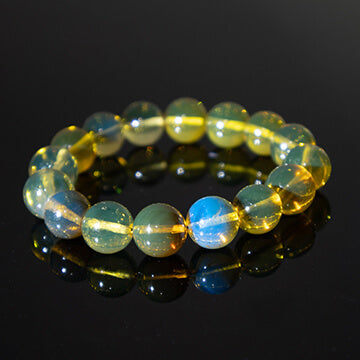
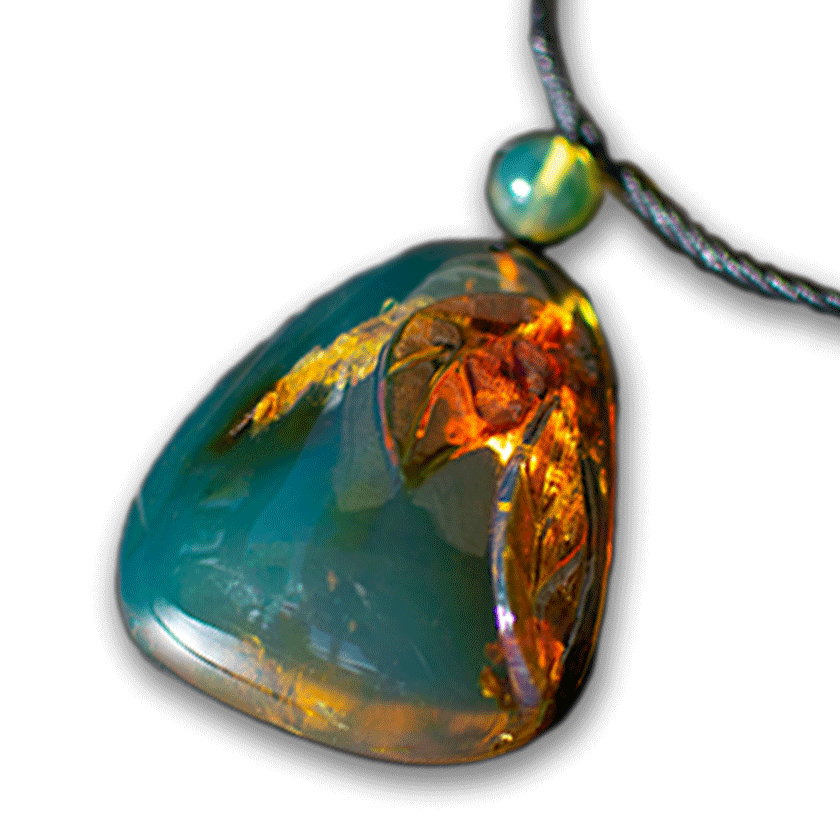
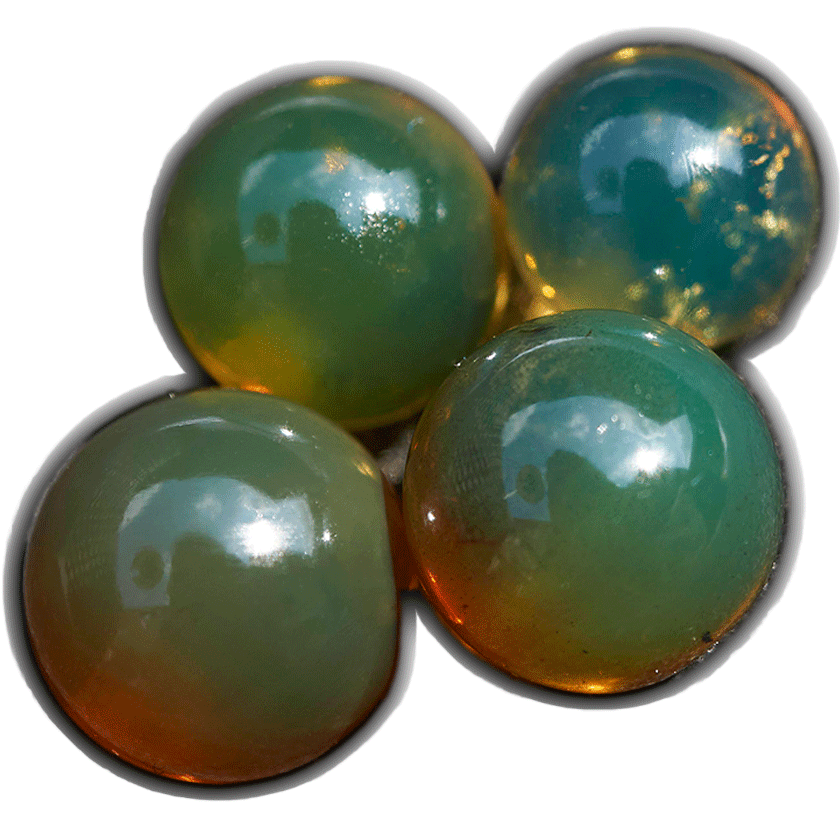
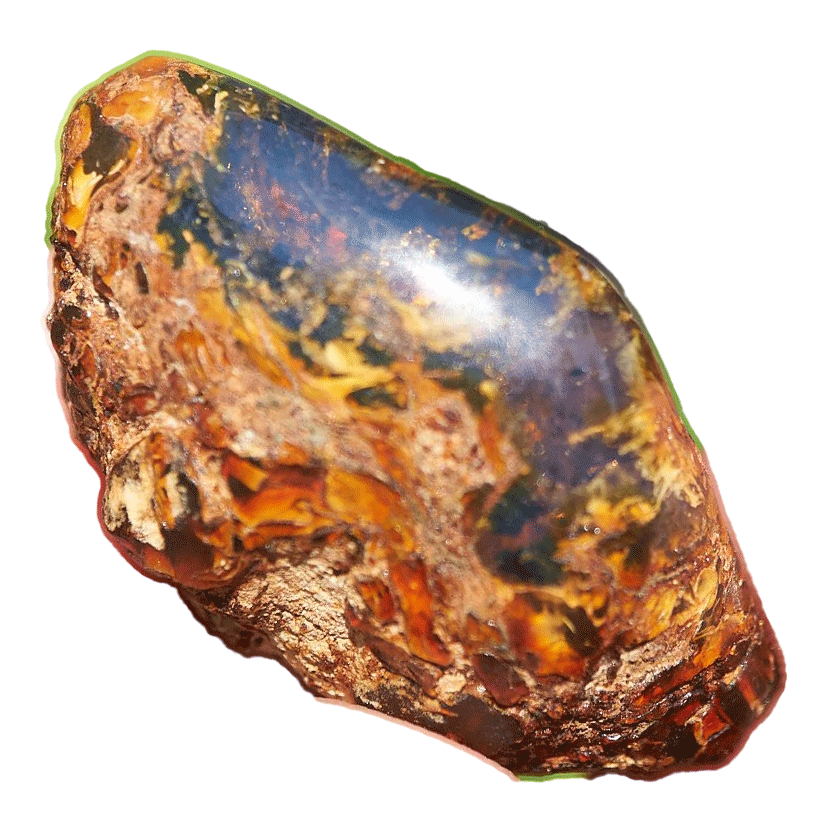
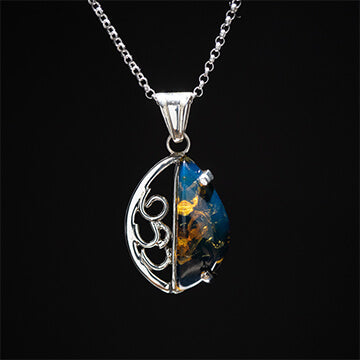
Dominican blue amber is valued by many buyers for its color shift, which comes from the resin itself. Larimar Creations works with both Dominican blue and green amber, and you can see the range in pieces such as this blue amber pendant necklace and this natural green amber Dominican pendant.
Color is a matter of taste, but clarity and thickness matter for longevity. Choose a stone with even structure and no visible cracks running through it, and favor generous thickness over thin, fragile slices.
You can tell if amber is real by combining a few simple checks, none of which damages the stone. No single test is perfect, so use more than one and trust the seller's documentation of origin.
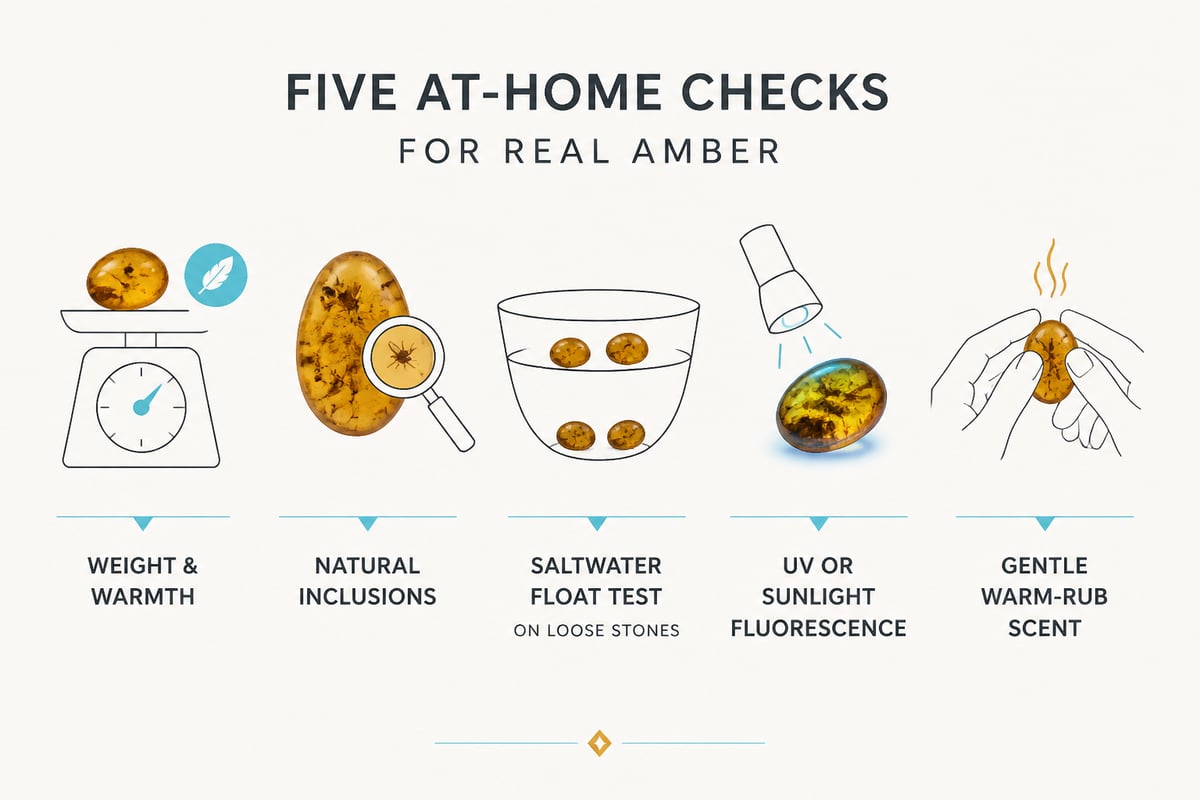
Be cautious with copal, a younger resin sold as amber, and with reconstructed amber made from pressed fragments. Ask the seller directly where the stone was mined and whether it has been treated. A reputable maker will answer plainly.
The most reliable places to buy genuine amber are makers and dealers who source directly from the mine and can name the origin of each stone. Direct sourcing shortens the chain between the mine and you, which reduces the chance of substitution and often keeps prices fairer.
Larimar Creations, a family-owned business making Larimar and amber jewelry since 1982, sources its Larimar and amber directly from the mines, and its pieces are handcrafted in the Dominican Republic. When comparing sellers, look for:
Be wary of very low prices on large, clear, richly colored stones. Real amber in that quality is rarely cheap, and bargain listings are where plastic and pressed material tend to appear.
Real amber ranges from affordable to costly, and price follows rarity, size, clarity and craftsmanship rather than any fixed rate. Baltic amber is generally the most accessible. Dominican blue and green amber cost more because they are scarcer, and carved or large cabochon pieces cost more again because of the labor involved.
A fair price should reflect authentic material and sound making. Three factors usually explain the difference between two similar-looking pendants:
Price alone doesn't prove quality, so judge the whole piece. At Larimar Creations, every piece is held to the same quality standard, and smaller or less expensive pieces are not lesser stones.
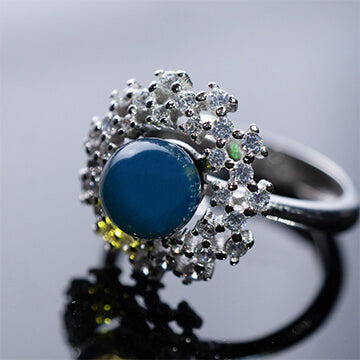
A durable amber pendant is built so the stone is protected and the mounting is strong. Because amber scratches easily, the setting does as much work as the gem itself.
Pay attention to these construction points:
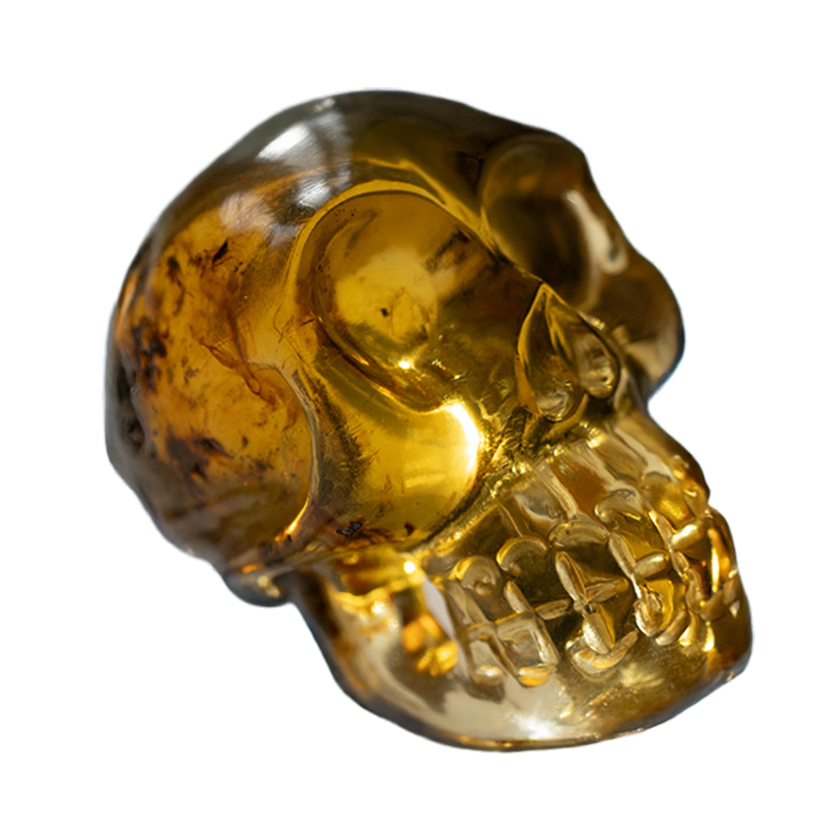
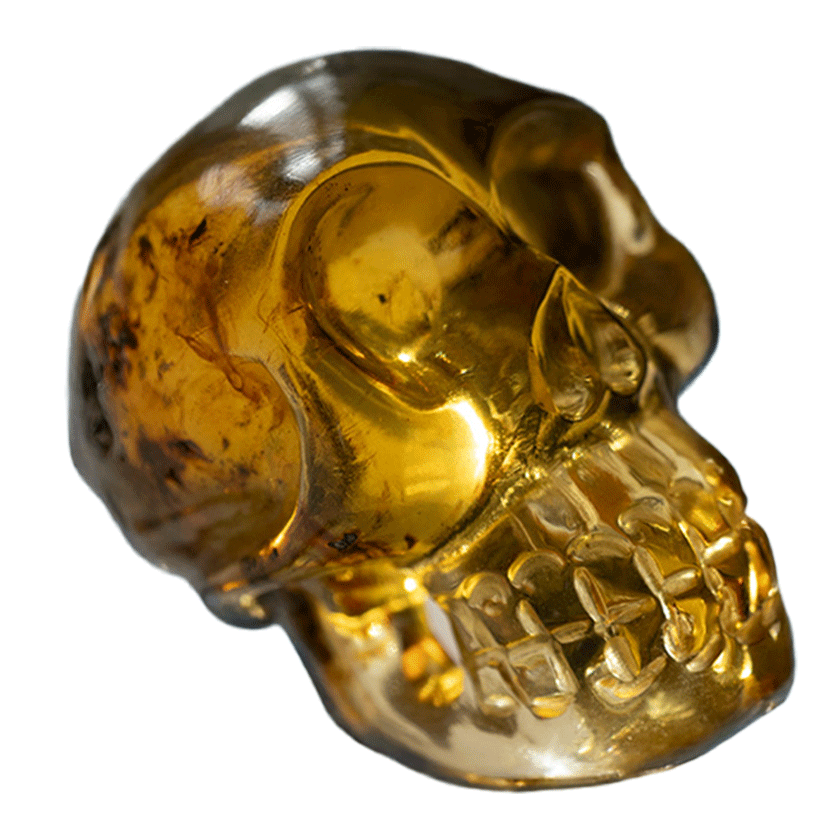
Hand-carved designs deserve a close look too. Carvings such as a Dominican blue amber koi pendant or a Buddha pendant in blue amber carry their detail in the stone itself, so check that raised areas are well rounded and the piece has reasonable thickness.
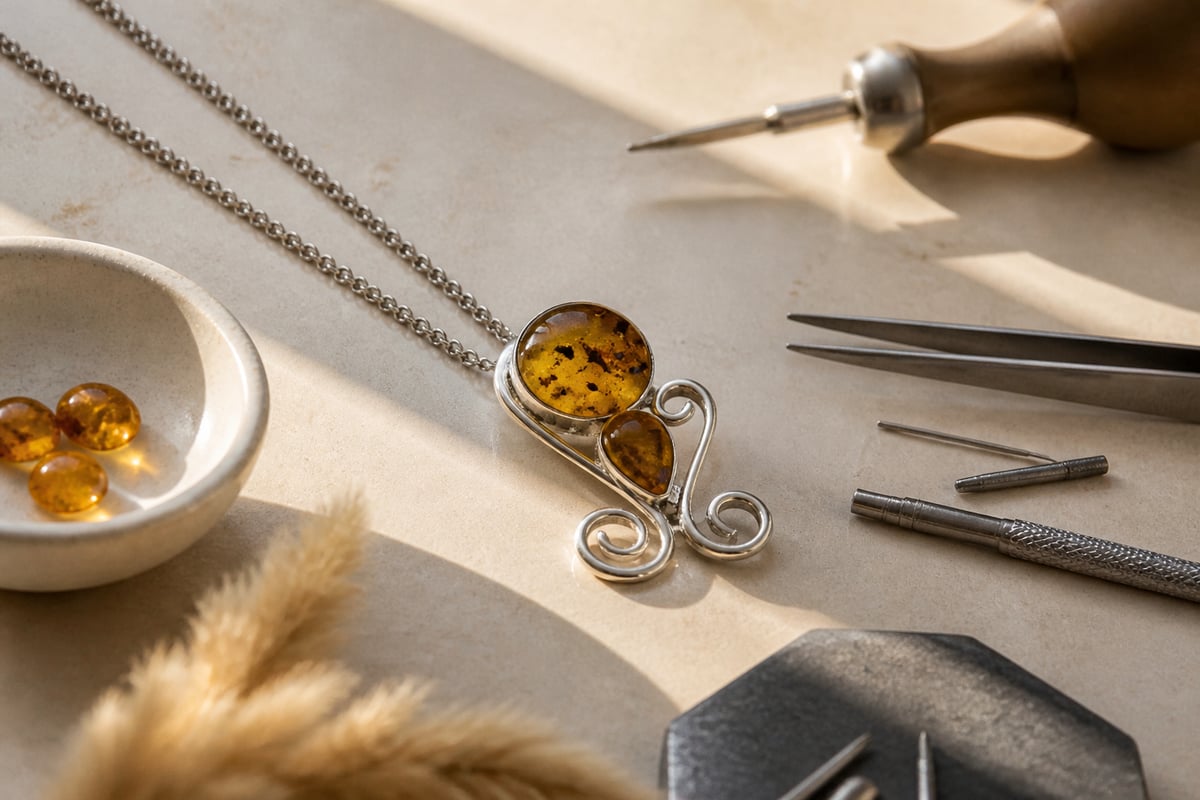
The chain is the part most likely to fail, so match it to the weight of the pendant and the way you wear it. A heavy carved pendant on a fine, thin chain puts strain on every link and can lead to breakage or a lost piece.
| Chain feature | What to look for |
|---|---|
| Material | Sterling silver, gold-filled or solid gold; avoid plated base metals that wear through |
| Link style | Cable or box links resist kinking and breaking better than very fine rope or snake chains |
| Thickness | Heavier for larger pendants; lighter chains suit small cabochons only |
| Clasp | A lobster clasp holds more securely than a spring ring on a heavier piece |
| Length | 18 inches suits most pendants; 20 to 24 inches suits larger carvings |
Cord and leather are also traditional with amber, since they are gentle on the stone and let you adjust length. If you choose a cord, check the knotting and the closure, and replace it when it begins to fray. A blue amber leather pendant is one example of this style.
Wearing an amber necklace carries a range of meanings depending on culture and personal belief, and none of them are scientifically proven medical effects. In many European traditions, amber has long been valued as a warm, protective stone, and in other cultures it symbolizes patience, vitality and a link to nature's deep history.
Carved pendants add their own symbolism, and many buyers choose a design for its personal meaning. For many wearers, the significance is simply the story of a resin that has lasted millions of years, which makes it a fitting keepsake.
One safety point is firm. The American Academy of Pediatrics does not recommend that infants wear jewelry, and it warns that amber teething necklaces pose choking and strangulation hazards. The American Academy of Pediatrics News reports that the FDA has received reports of children choking on beads from teething jewelry and of an 18-month-old strangled by an amber necklace during a nap. Amber jewelry is for adults, and it should not be given to babies or young children.
Caring for an amber pendant necklace comes down to gentle cleaning, careful storage and keeping chemicals away. Because the stone is soft, small habits make a visible difference over the years.
The GIA recommends cleaning amber only with warm, soapy water and mild soap, then drying it with a soft cloth. Follow these habits:
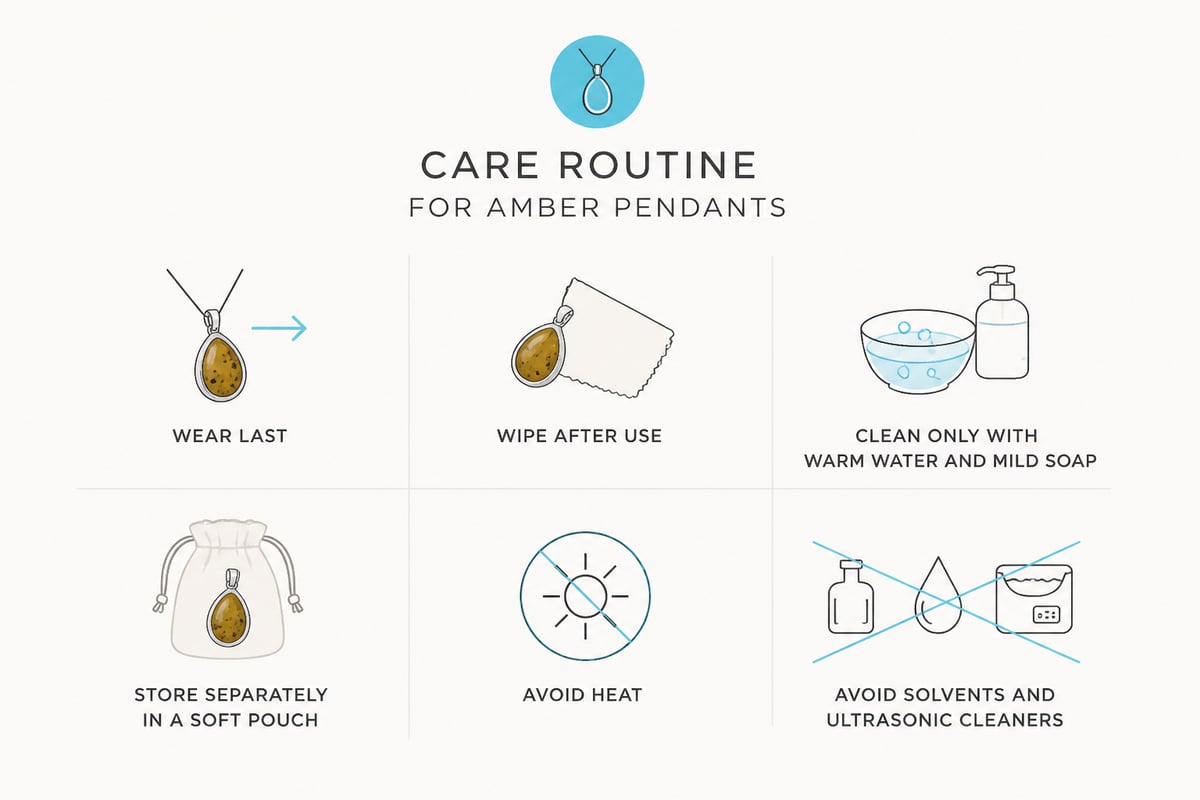
If a pendant picks up fine surface scratches, a jeweler experienced with amber can often polish them out. Do not attempt abrasive polishing at home.
Match the pendant to how you actually live, because the most durable amber pendant is the one worn in the right situations. A bold carved piece suits occasions and occasional wear, while a smooth, compact cabochon is better for frequent use.
Consider these pairings:
For gift buyers, it helps to look closely at how the piece will sit and which chain length flatters the neckline. For collectors, details such as fluorescence, inclusions and the quality of the carving are the points that set one piece apart from another. For a mix of styles, Larimar Creations offers a selection of Larimar pendants alongside its amber pieces, so you can compare the two stones side by side.
It is best not to. Soap, chlorine, salt water and heat can dull the surface and weaken the setting or cord over time. Remove the pendant before bathing or swimming, and dry it gently if it gets wet.
Yes, it can. Prolonged exposure to strong sunlight and heat can darken amber or fine-crack its surface, and natural oils from skin can slowly alter the polish. Storing the piece in a pouch away from light and wiping it after wear keeps its color steadier.
Not by itself. Weight depends on the size and shape of the stone, and some imitations feel heavier than real amber. Judge quality by origin, clarity, solid construction and a sturdy chain rather than weight alone.
Before you buy, write down the chain length and daily wear you have in mind, then ask the seller where the amber was mined and how the pendant is set. When you are ready to compare real stones, browse the handcrafted Larimar Pendants collection and see the amber pieces made by a family business working since 1982. If you want a genuine Dominican gemstone piece at a fair price, Shop Larimar to find a pendant that you can wear for years.