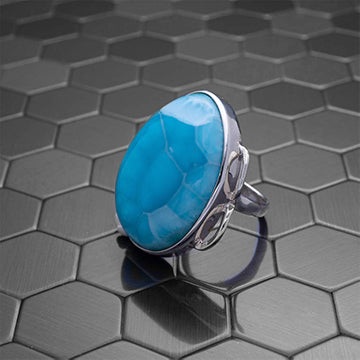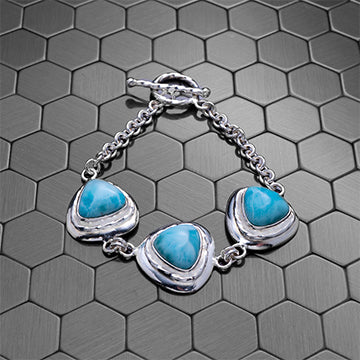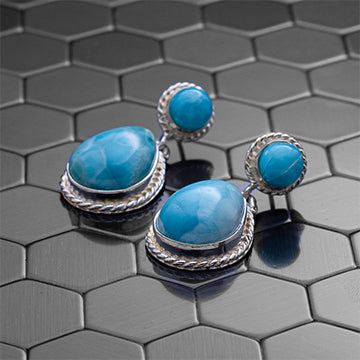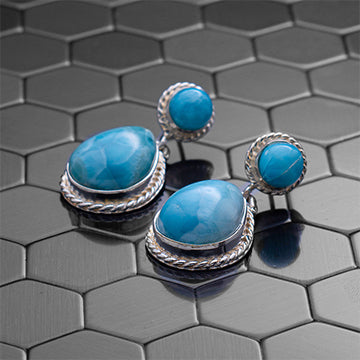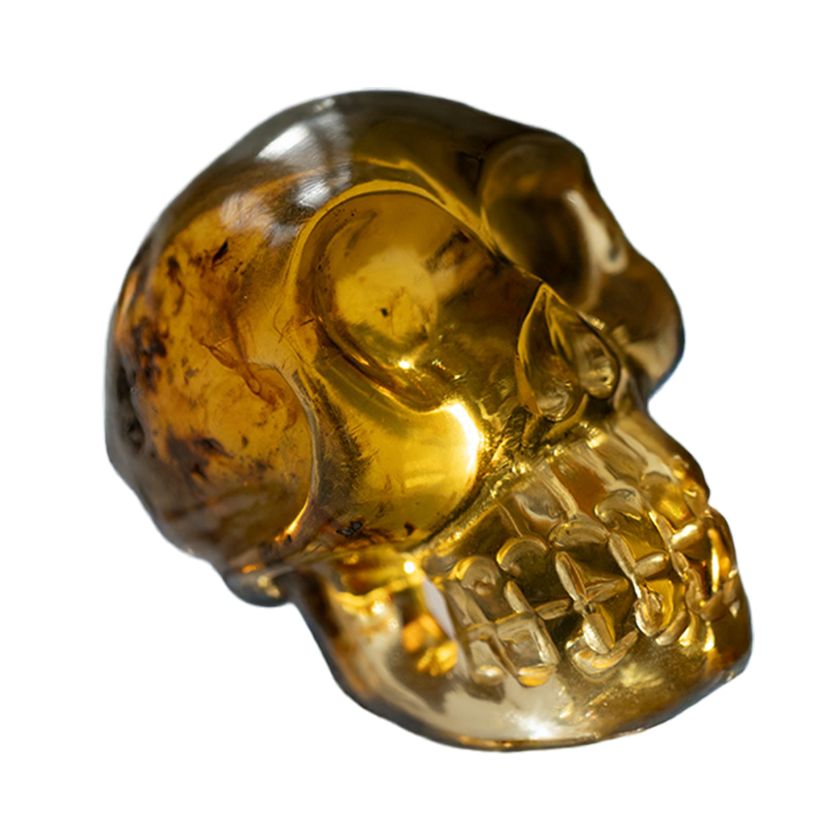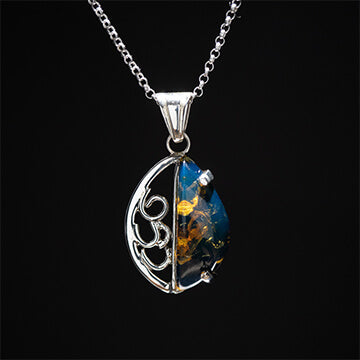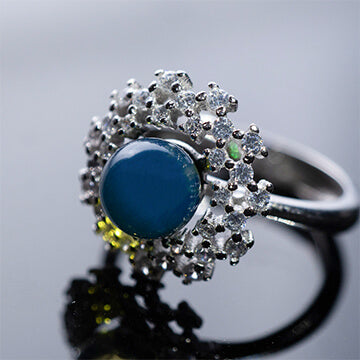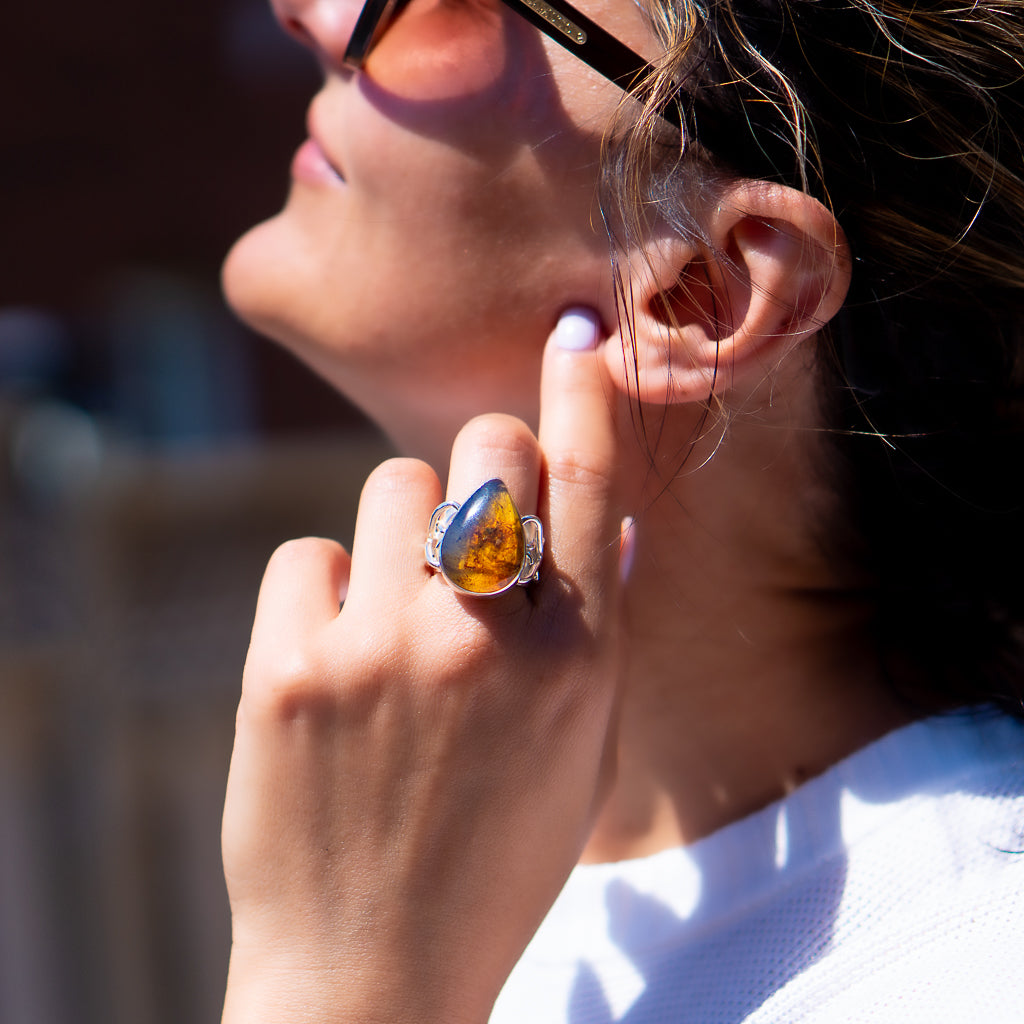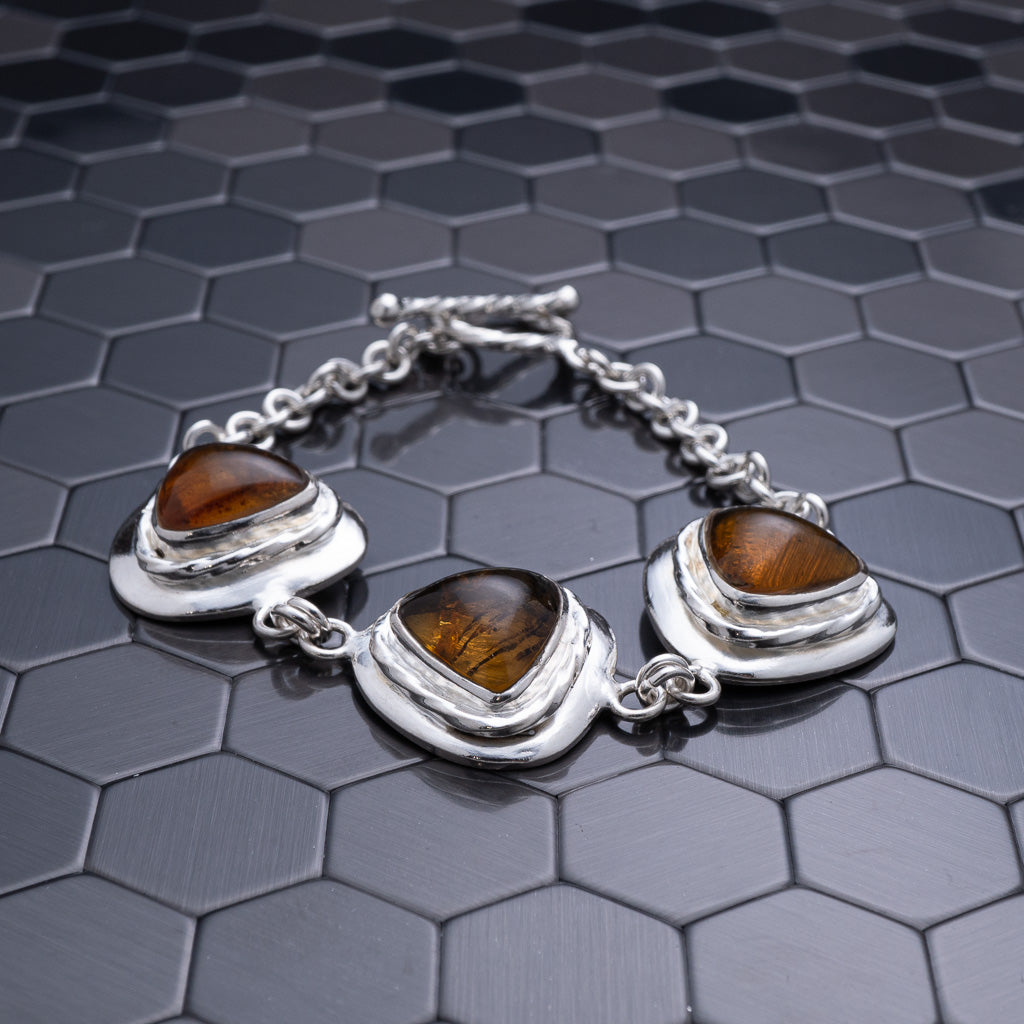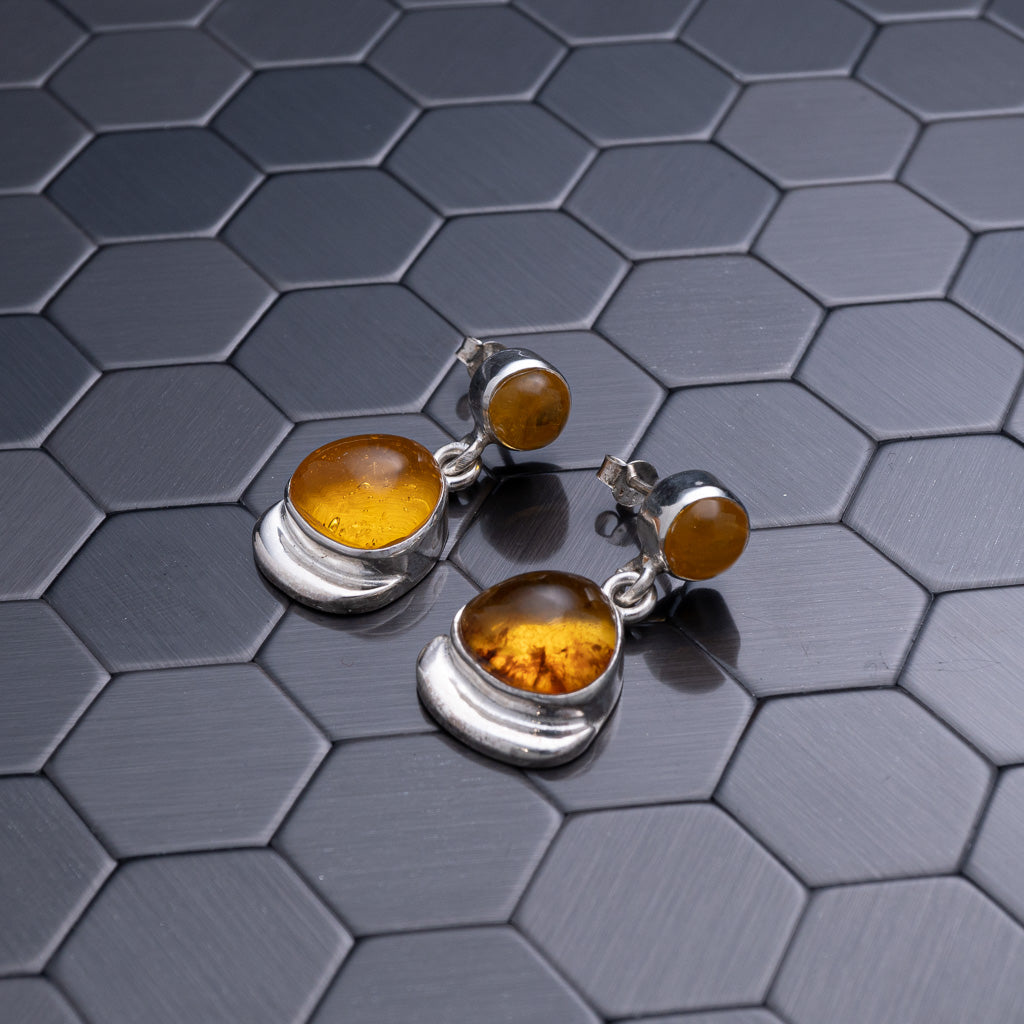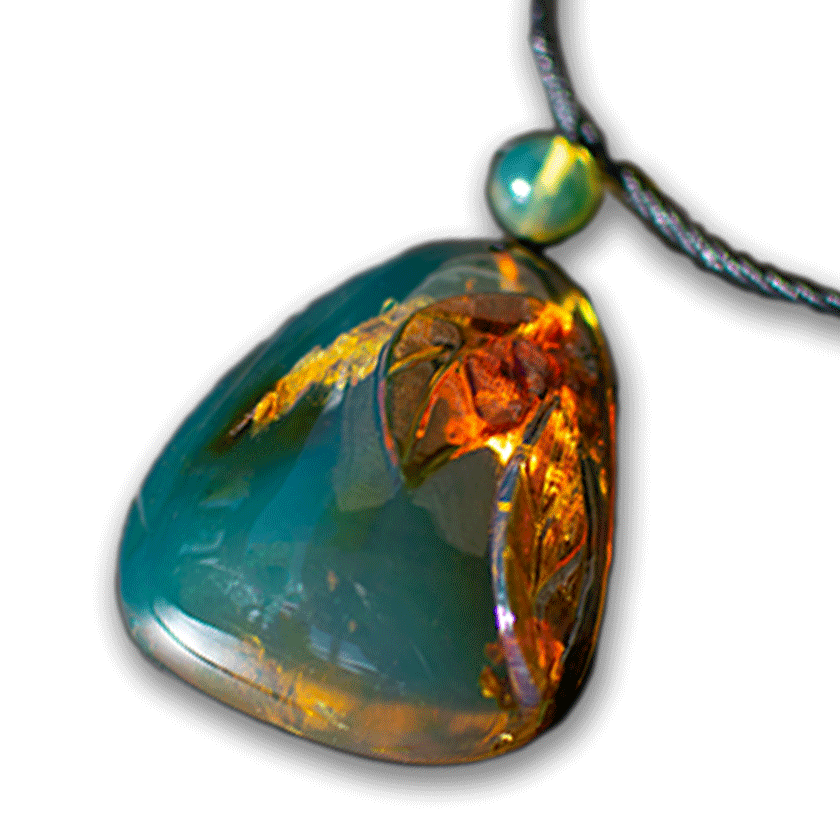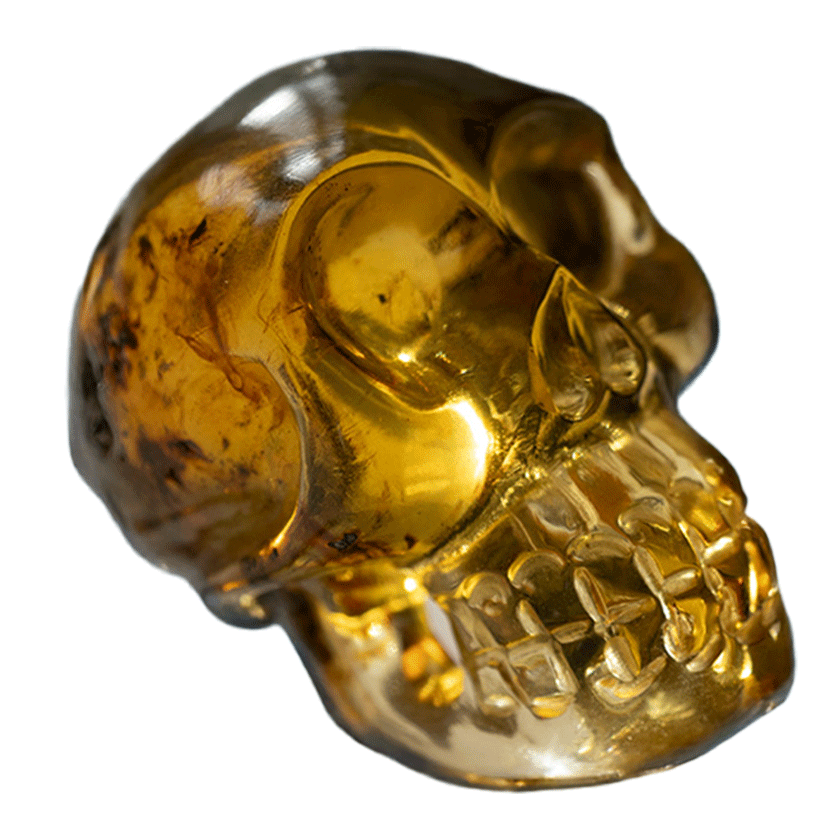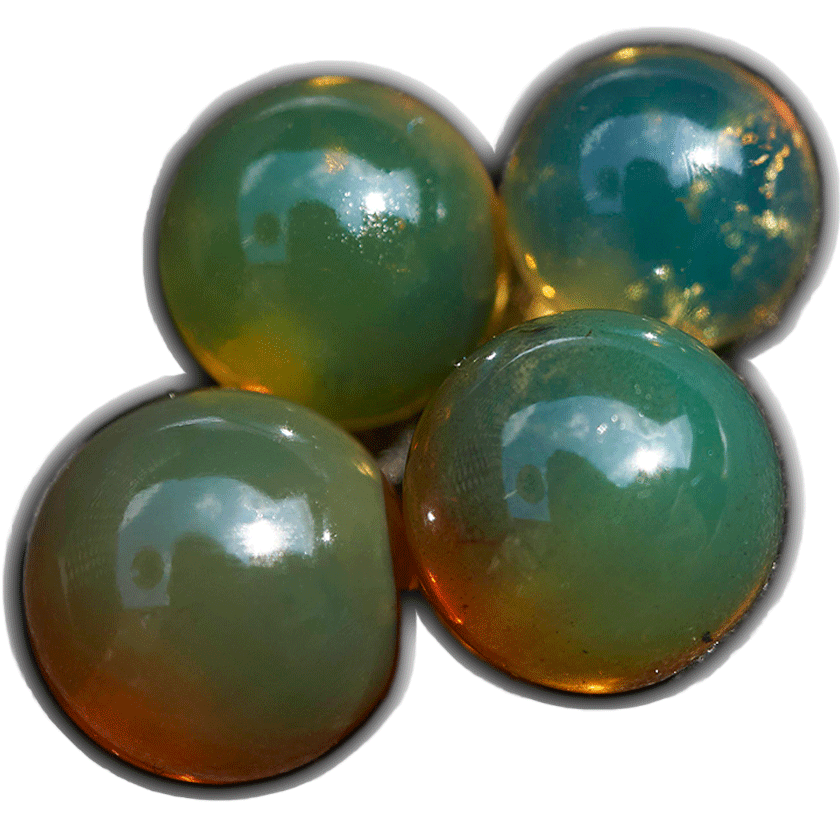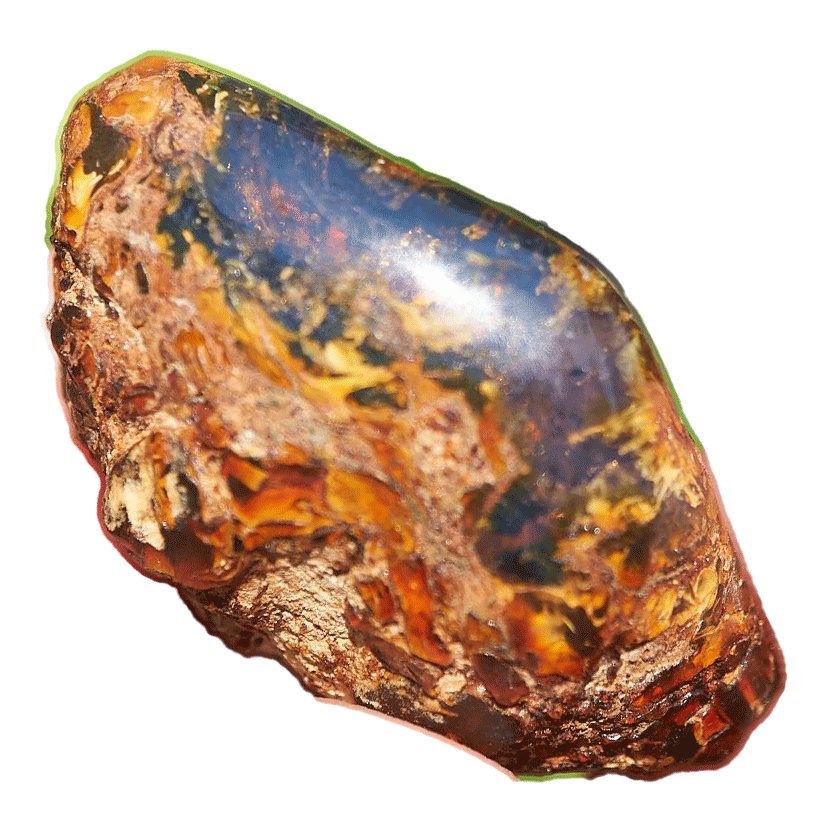


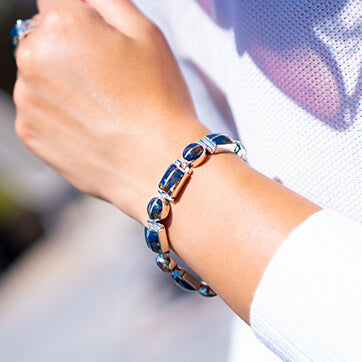
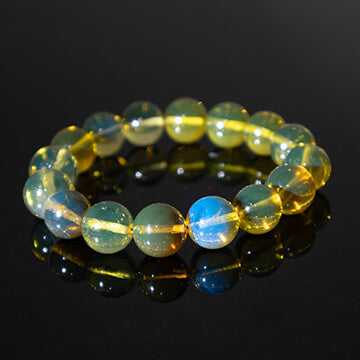
Handcrafted in DR.

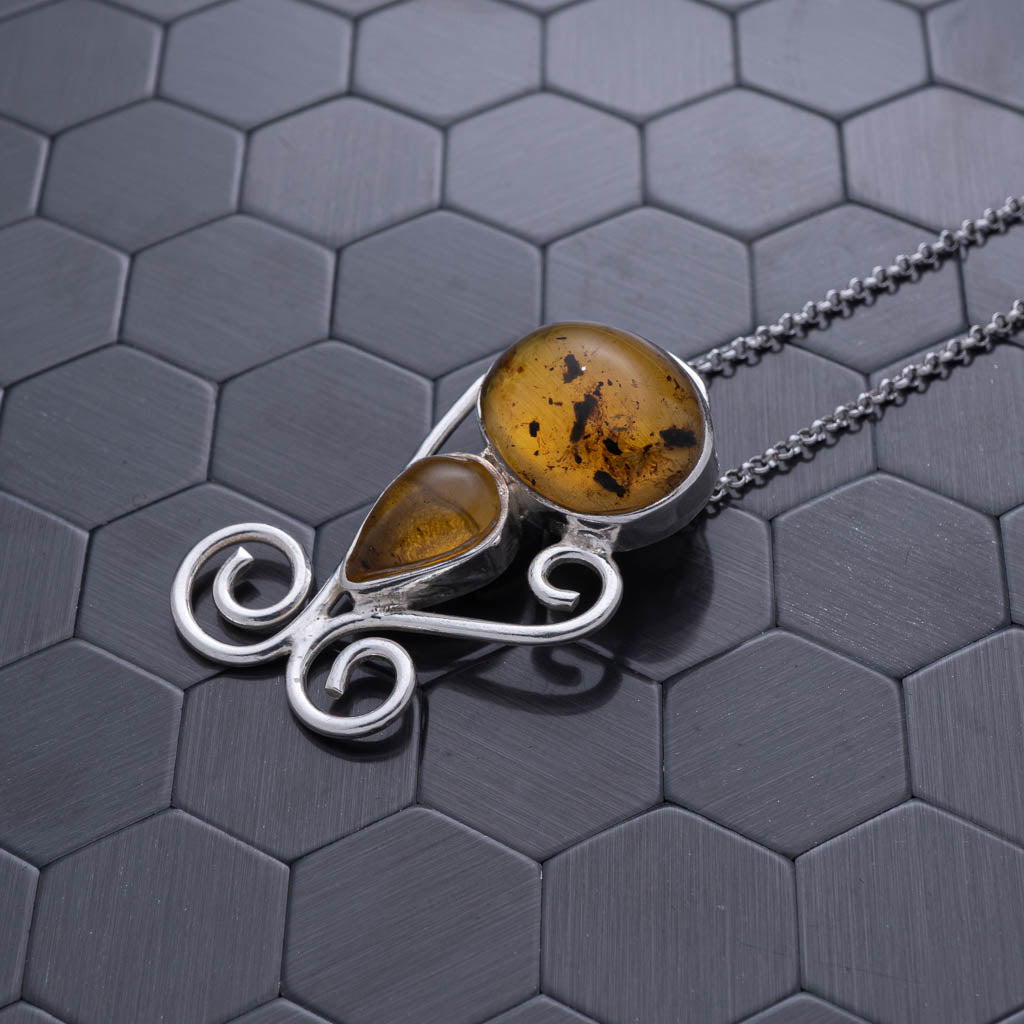
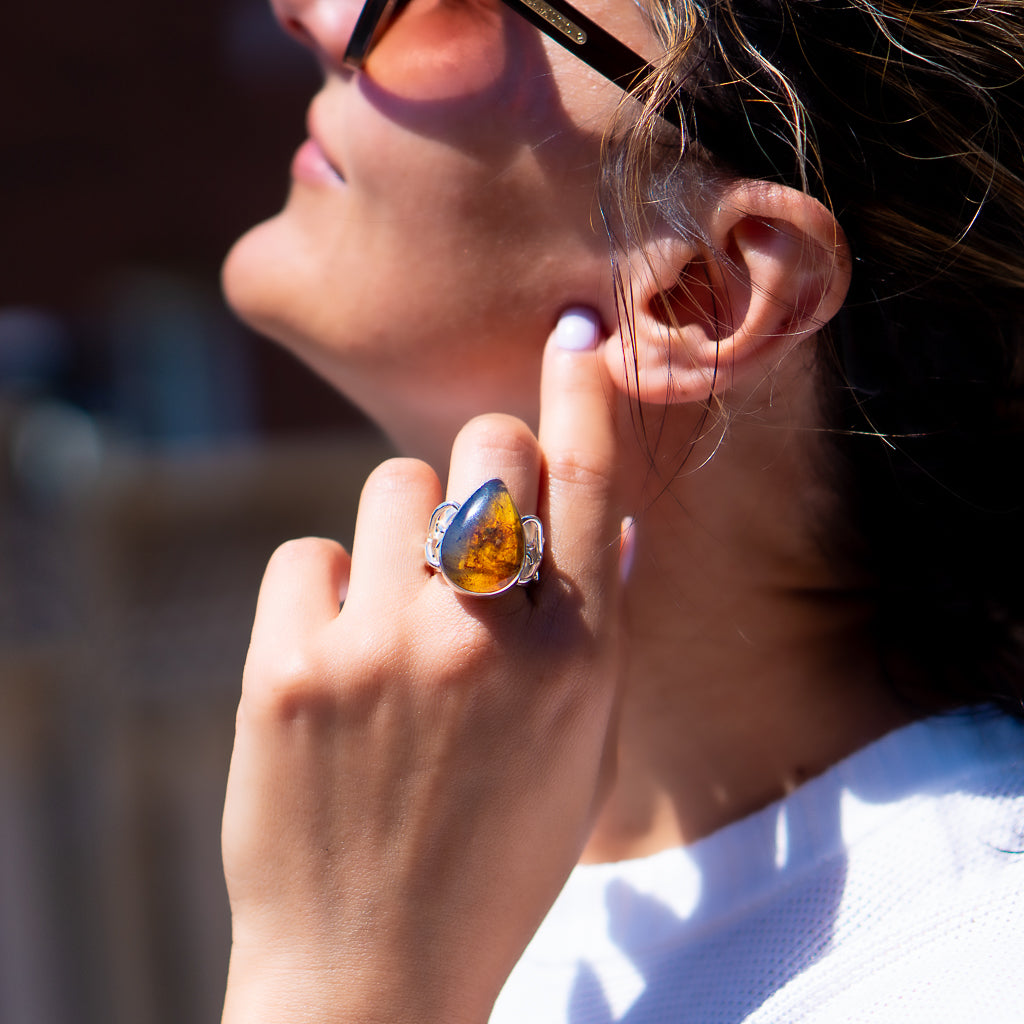
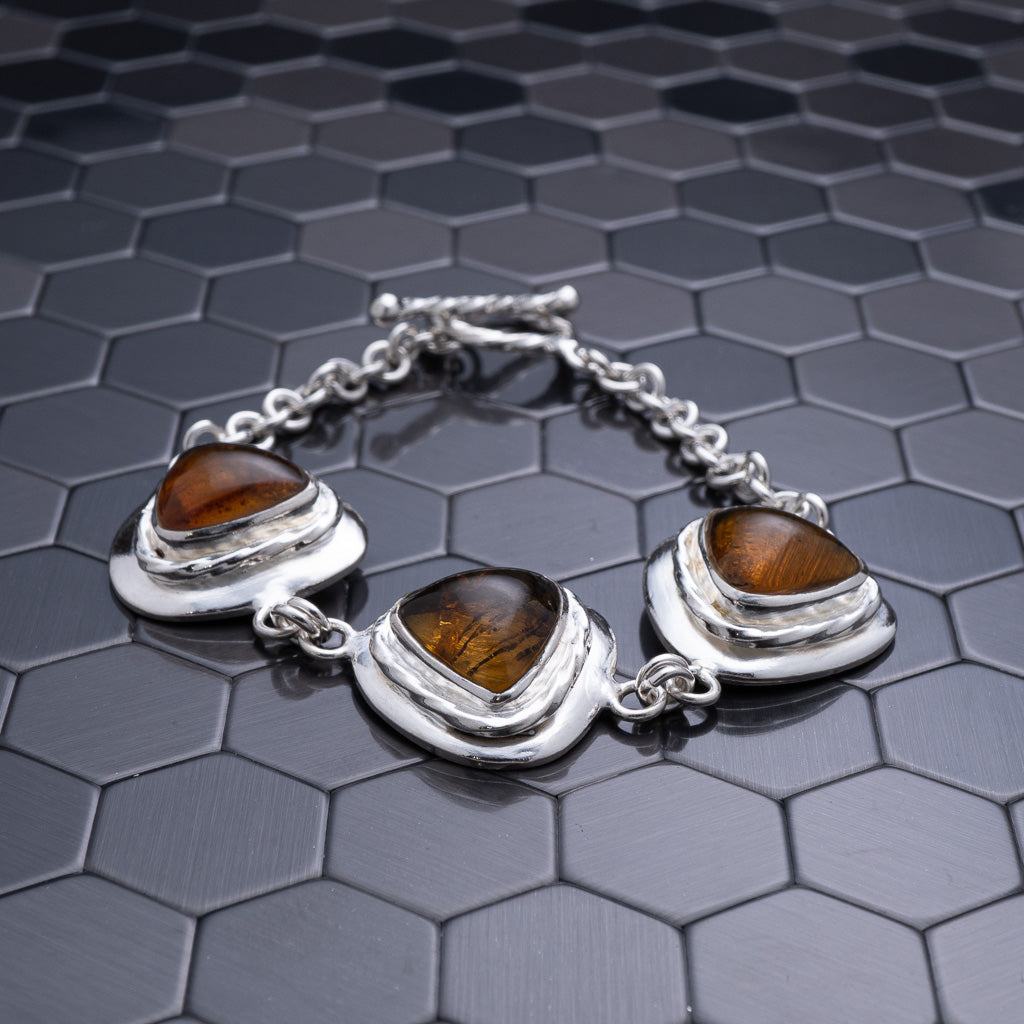
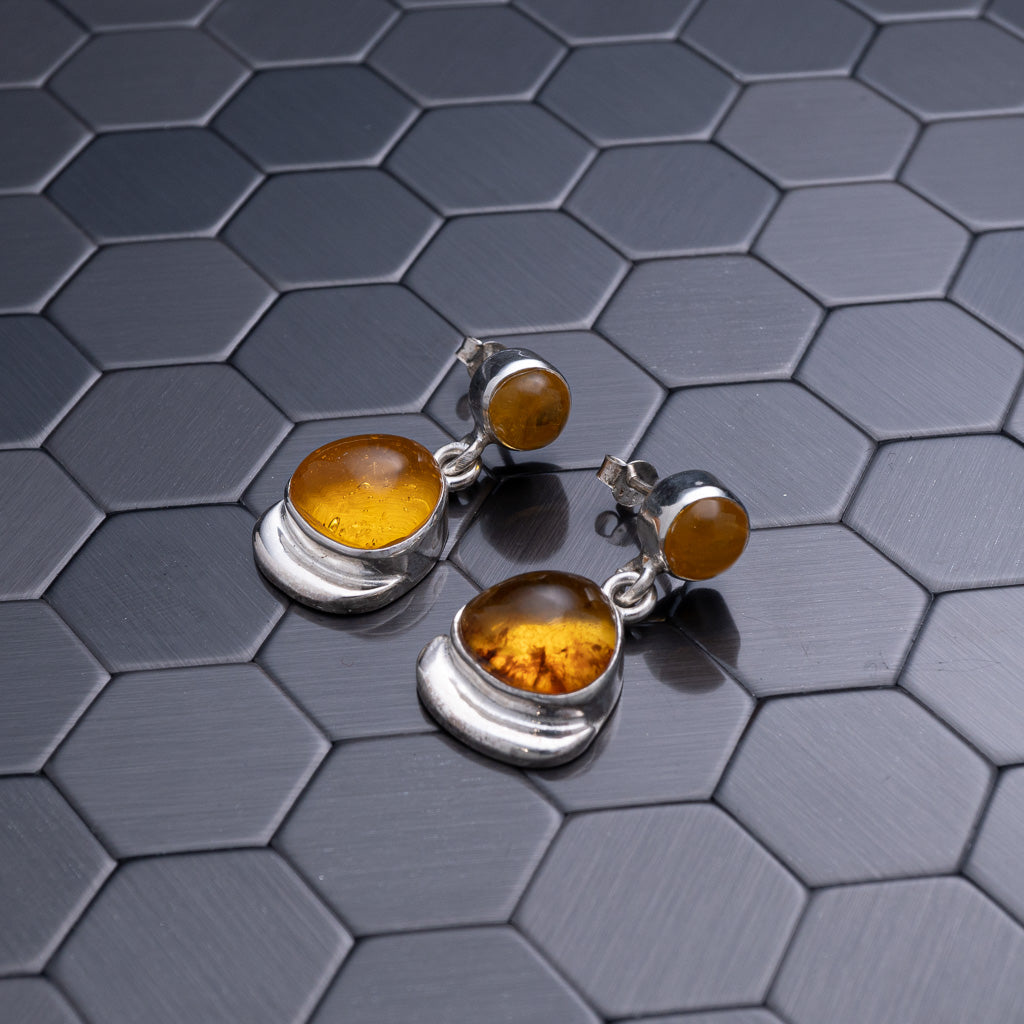


100% Handcrafted in DR.

The term "larimar turquoise" often appears in searches and conversations among gemstone enthusiasts, yet it represents a common misconception in the jewelry world. While both larimar and turquoise display captivating blue hues that have enchanted collectors for generations, these two gemstones are fundamentally different minerals with distinct origins, compositions, and characteristics. Understanding the differences between these stones helps buyers make informed decisions and appreciate the unique qualities each brings to fine jewelry. This comprehensive exploration clarifies the relationship between larimar and turquoise while celebrating what makes each gemstone exceptional in its own right.
Larimar and turquoise share only their blue coloration, not their mineralogical identity. Turquoise is a hydrated phosphate of copper and aluminum with the chemical formula CuAl₆(PO₄)₄(OH)₈·4H₂O, while larimar is a blue variety of the silicate mineral pectolite, with the composition NaCa₂Si₃O₈(OH). This fundamental chemical difference means these stones form under completely different geological conditions and possess distinct physical properties.
The confusion between larimar turquoise stems primarily from visual similarity. Both stones can exhibit beautiful sky-blue to deep blue coloring, often with white veining or mottling that creates striking patterns. However, the resemblance ends at surface appearance. When examined by gemological professionals following CIBJO standards and nomenclature, the two minerals reveal completely different refractive indices, specific gravity measurements, and crystalline structures.
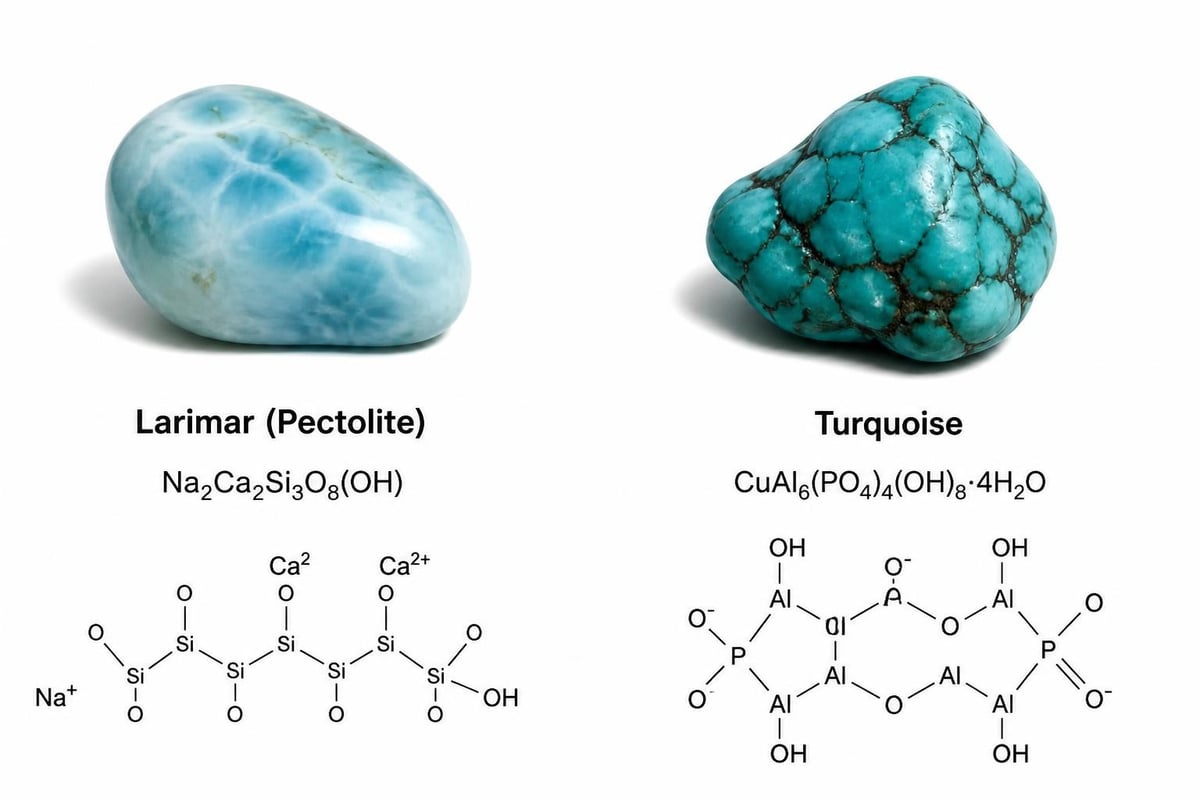
Turquoise deposits occur in arid regions across multiple continents, with notable sources in the southwestern United States, Iran, Egypt, and China. These deposits form when groundwater carrying copper and aluminum percolates through existing rock formations over millions of years. The distinctive matrix patterns in turquoise often reflect the host rock composition, creating the characteristic veining collectors prize.
Larimar, by contrast, exists in only one location on Earth: the Bahoruco mountain range in the Dominican Republic. This extreme rarity distinguishes it from turquoise immediately. The Dominican Republic Ministry of Energy and Mines actively works to protect and promote this national treasure, recognizing its significance to local mining communities and the country's cultural heritage.
The volcanic origins of larimar create its unique characteristics. This pectolite variety crystallized in cavities within basaltic lava flows, where hydrothermal fluids rich in calcium, sodium, and silica interacted under specific temperature and pressure conditions. The presence of copper substituting for calcium in the crystal structure produces the coveted blue coloration.
| Property | Larimar | Turquoise |
|---|---|---|
| Hardness (Mohs) | 4.5-5 | 5-6 |
| Specific Gravity | 2.74-2.88 | 2.6-2.9 |
| Refractive Index | 1.599-1.628 | 1.61-1.65 |
| Crystal System | Triclinic | Triclinic |
| Streak | White | White to pale green |
| Luster | Silky to vitreous | Waxy to dull |
These measurable differences allow gemologists to distinguish larimar from turquoise definitively. The silky luster characteristic of larimar results from its fibrous crystal structure, creating chatoyancy in some specimens. Turquoise typically displays a waxy or porcelain-like appearance, particularly in cabochon cuts.
Both gemstones exhibit range in their blue coloration, though the causes differ. Turquoise ranges from sky blue to greenish-blue depending on iron and copper content. Higher copper produces intense blue, while iron shifts the color toward green. The matrix patterns in turquoise, whether spiderweb, birdseye, or solid, come from the host rock minerals.
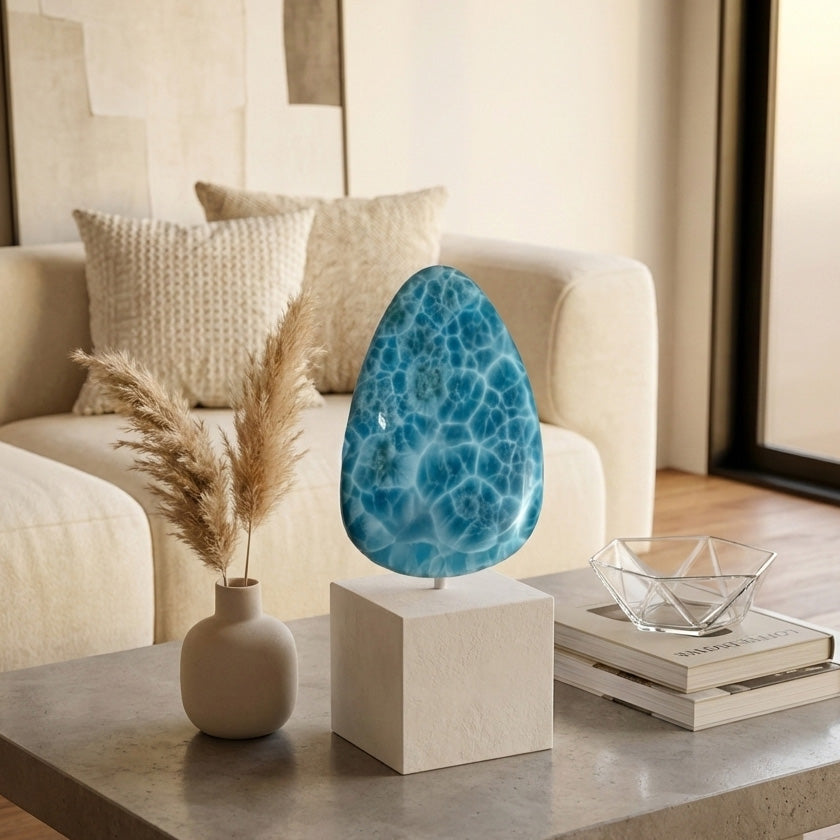
Larimar displays blues from pale sky to deep volcanic blue, often with white calcite inclusions creating distinctive patterns reminiscent of Caribbean waters. The most prized specimens show intense "volcanic blue" coloration with minimal white veining. Unlike turquoise, larimar's patterns result from variations in copper content during crystallization rather than external matrix materials.
The term larimar turquoise becomes particularly problematic in marketplace contexts because it suggests these stones are interchangeable or related varieties. Larimar jewelry requires different care and setting considerations than turquoise jewelry due to its distinct hardness, cleavage patterns, and sensitivity to chemicals.
Rarity significantly impacts pricing for both gemstones, though larimar's single-source origin creates unique market dynamics. Turquoise availability varies by quality and source, with Persian turquoise commanding premium prices due to its intense color and fine texture. American turquoise from historic mines like Sleeping Beauty or Lander Blue also fetches substantial prices when naturally stabilized and untreated.
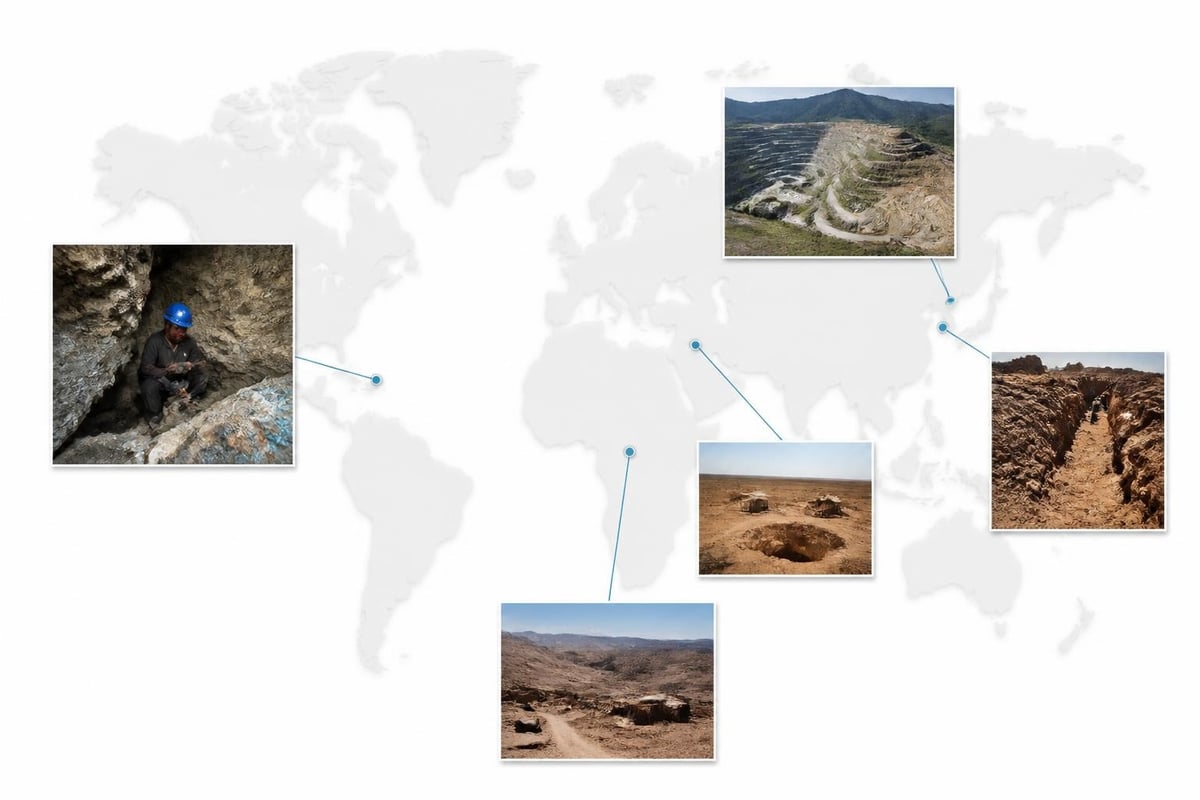
Larimar's exclusivity to the Dominican Republic means supply remains inherently limited. Mining operations work in challenging mountainous terrain, extracting material from narrow veins within volcanic rock. This difficulty, combined with increasing global demand, has steadily elevated larimar prices over recent decades. Top-quality volcanic blue specimens with minimal matrix now rival fine turquoise in value.
For turquoise, quality assessment considers color intensity, matrix pattern, hardness, and treatment status. Natural, untreated turquoise with rich color and appealing matrix commands highest prices. Many turquoise stones undergo stabilization or treatment to improve durability and appearance, which affects value significantly.
Larimar quality depends primarily on color saturation and pattern distribution. The grading spectrum includes:
Understanding these distinctions helps buyers navigate offerings described as larimar turquoise and make purchases based on actual quality rather than misleading terminology.
The physical properties discussed earlier translate directly into care requirements. Turquoise's porosity makes it susceptible to discoloration from oils, cosmetics, and perspiration. Many collectors avoid wearing turquoise rings for daily use, preferring pendants or earrings where exposure to harsh conditions remains minimal.
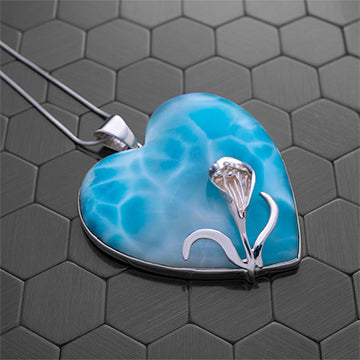
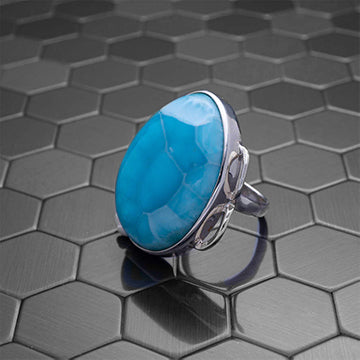
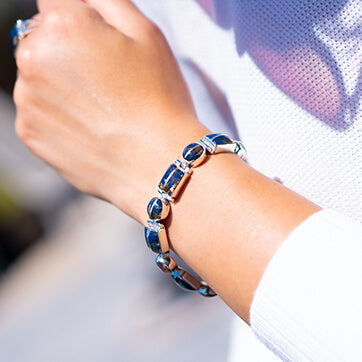
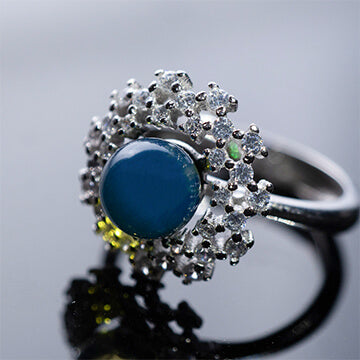
Larimar shares similar sensitivity concerns despite its different composition. With hardness between 4.5 and 5 on the Mohs scale, larimar requires protective settings for rings and bracelets. The stone's perfect cleavage in two directions means it can chip or fracture if struck sharply, making bezel settings preferable to prong settings for exposed pieces.
Both stones benefit from gentle cleaning methods:
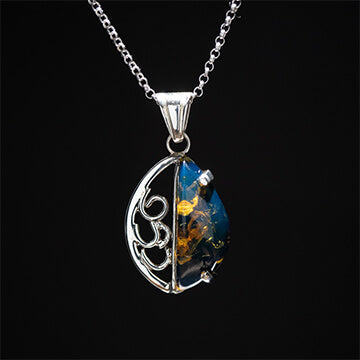
Professional jewelers experienced with these materials understand their vulnerabilities and design accordingly. When seeking larimar pendants or other jewelry, choosing craftspeople who specialize in these gemstones ensures appropriate setting techniques that maximize both beauty and longevity.
The market value of both larimar and turquoise has spawned various imitations and treatments. Turquoise commonly undergoes stabilization with resin or wax to improve durability and color, with treated material valued significantly less than natural stones. Reconstituted turquoise combines turquoise powder with binding agents, creating affordable alternatives that should be disclosed clearly to buyers.
Common turquoise simulants include dyed howlite and magnesite, which mimic turquoise's matrix patterns at minimal cost. Educational resources on dyed howlite identification help buyers recognize these substitutes through simple testing methods. The acetone test, where a cotton swab dampened with acetone is rubbed on an inconspicuous area, reveals dye bleeding in treated materials.
Larimar faces fewer treatment concerns due to its relative hardness and stable color, though glass and resin imitations exist. Some sellers offer "larimar turquoise" that proves to be neither stone, capitalizing on confusion between the two names. Authentic larimar displays characteristic fibrous structure visible under magnification, with natural color zoning and pattern variations impossible to replicate perfectly in synthetic materials.
Reliable authentication requires gemological testing beyond visual inspection:
The Journal of Gemmology provides technical documentation on turquoise identification and common simulants, offering laboratory-focused approaches gemologists employ to distinguish authentic materials from treatments or imitations.
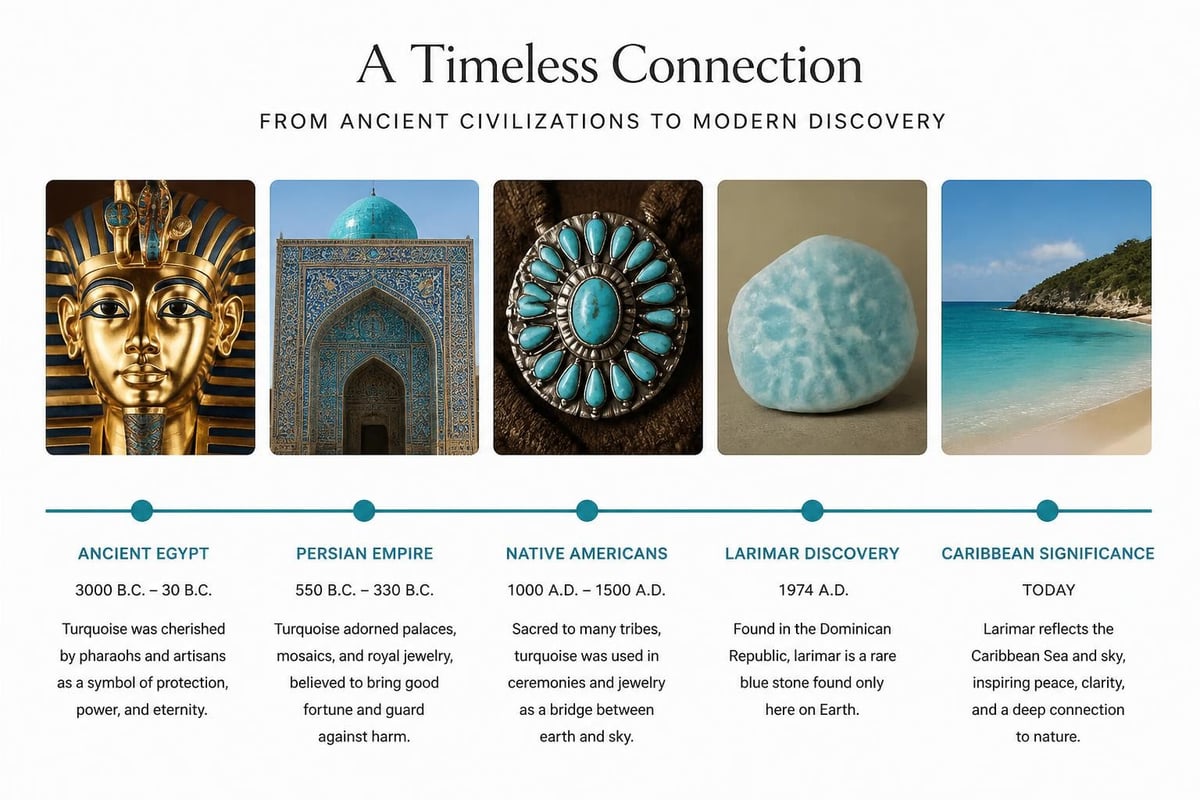
Turquoise carries thousands of years of cultural significance across civilizations. Ancient Egyptians adorned pharaohs with turquoise jewelry, while Persian artisans created intricate turquoise inlays in architecture and decorative objects. Native American tribes throughout the Southwest incorporated turquoise into ceremonial objects, believing it connected earth and sky.
Larimar's cultural history spans merely five decades. Miguel Méndez and Norman Rilling officially discovered the deposit in 1974, though local legends suggest earlier awareness. Méndez named the stone by combining his daughter's name, Larissa, with "mar" (Spanish for sea), creating a name that evokes the Caribbean waters surrounding the Dominican Republic.
Despite its recent discovery, larimar has developed strong associations with Caribbean culture and identity. The Dominican Republic celebrates it as a national gemstone, and artisans create pieces that reflect island heritage and natural beauty. Metaphysical practitioners attribute calming, stress-relieving properties to both stones, though these claims lack scientific verification.
For jewelry enthusiasts deciding between these blue gemstones, several considerations guide informed choices. Turquoise offers rich historical connections, diverse sourcing options, and generally broader availability across price points. Its cultural significance and traditional use in Southwestern and Persian jewelry provide context many collectors appreciate.
Larimar presents exclusivity and modern appeal. Its single-source origin creates inherent rarity, while its recent discovery means each piece represents a relatively new chapter in gemstone history. The stone's association with Caribbean waters and tropical serenity resonates with buyers seeking unique materials that stand apart from traditional gemstone offerings.
Budget considerations often influence decisions. While both stones span wide price ranges based on quality, high-grade turquoise from prestigious mines can exceed larimar prices, particularly for historic material from depleted sources. Conversely, top-grade volcanic blue larimar commands premium pricing reflecting its extreme scarcity.
Both gemstones suit various jewelry styles, though their characteristics inspire different design approaches:
The stones' similar care requirements mean either works well in occasional-wear pieces like pendants and earrings. For rings and bracelets subject to daily wear, protective settings and mindful wearing habits extend both materials' lifespan.
Gemstone collecting represents both aesthetic appreciation and potential investment. Turquoise investment focuses on provenance, with material from closed mines appreciating steadily. Sleeping Beauty turquoise, for example, has increased significantly in value since the mine's 2012 closure. Persian turquoise from historic Nishapur mines similarly commands premium prices from collectors.
Larimar investment potential relates directly to its single-source nature. As mining progresses deeper into mountain deposits, extraction becomes more challenging and expensive. Geologists cannot predict remaining reserves with certainty, though current mining operations suggest decades of continued availability at increasing difficulty levels.
Market dynamics for stones marketed as larimar turquoise deserve skepticism. Authentic pieces should specify which stone they contain, with proper disclosure of any treatments or enhancements. Reputable dealers provide certification or guarantee authenticity, protecting buyers from misrepresentation.
Collectors building comprehensive blue gemstone collections often acquire both materials, appreciating each stone's unique characteristics rather than viewing them as substitutes. This approach recognizes that despite surface similarities, larimar and turquoise represent distinct mineralogical phenomena worthy of individual study and appreciation.
Modern gemstone buyers increasingly prioritize ethical sourcing and environmental responsibility. Turquoise mining's environmental impact varies by location and operation scale. Small-scale traditional mining in regions like Iran and the American Southwest typically creates minimal disruption, while larger commercial operations require more substantial land use and water resources.
Larimar mining in the Dominican Republic primarily employs artisanal methods, with local miners working small claims in mountainous terrain. Government oversight through mining ministries helps regulate operations and protect workers, though challenges remain in ensuring consistent safety standards across all sites. Supporting sellers who maintain direct relationships with mining communities helps ensure fair compensation reaches those performing difficult extraction work.
Verification of ethical sourcing requires transparency throughout the supply chain. Responsible jewelers document their material sources and can trace gemstones back to specific mines or mining regions. This traceability becomes particularly important for limited-source materials like larimar, where demand pressure could potentially lead to unsustainable extraction practices.
Understanding the distinction between larimar and turquoise empowers jewelry enthusiasts to make informed purchasing decisions based on each stone's actual characteristics rather than marketing confusion. Whether drawn to turquoise's ancient heritage or larimar's Caribbean exclusivity, both gemstones offer exceptional beauty when sourced ethically and crafted skillfully. Larimar Creations specializes in authentic Dominican larimar and blue amber jewelry, providing worldwide shipping and guaranteed quality that allows collectors everywhere to own genuinely rare Caribbean gemstones with confidence.