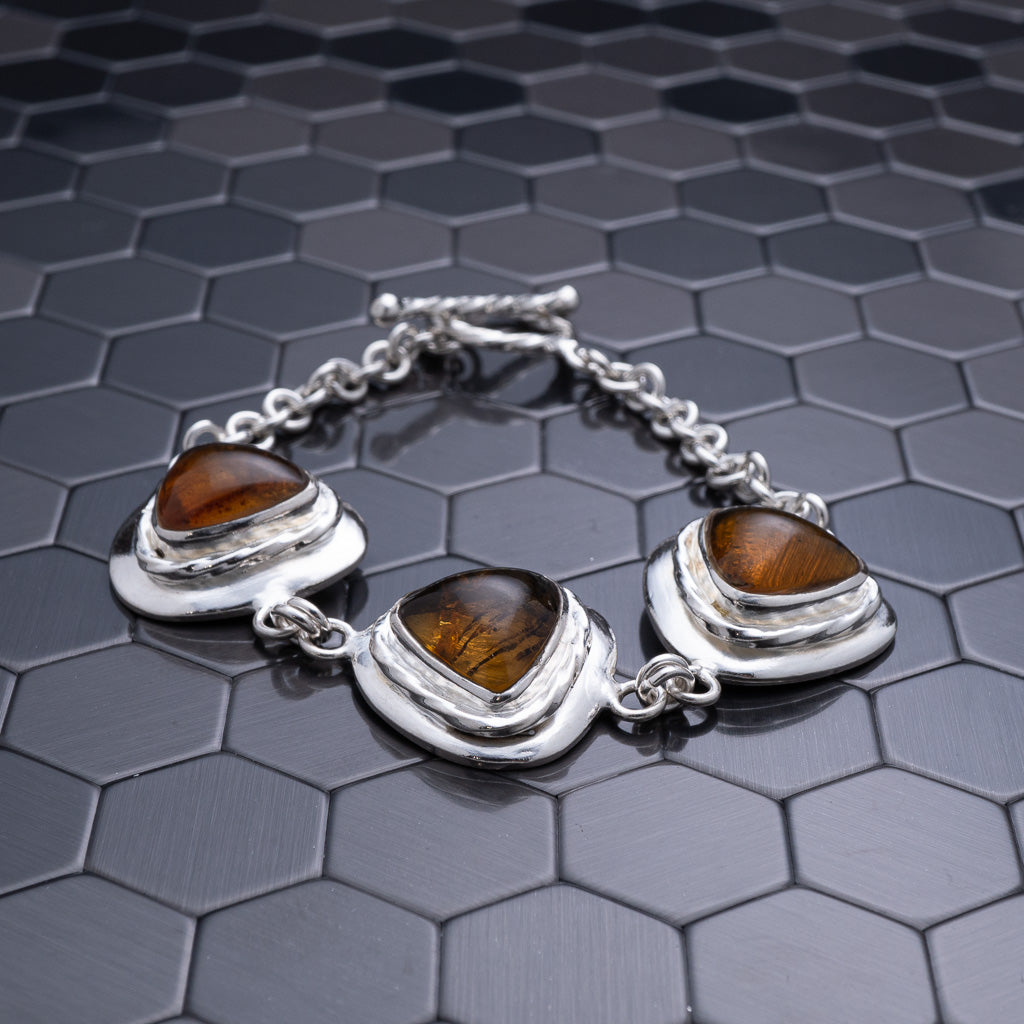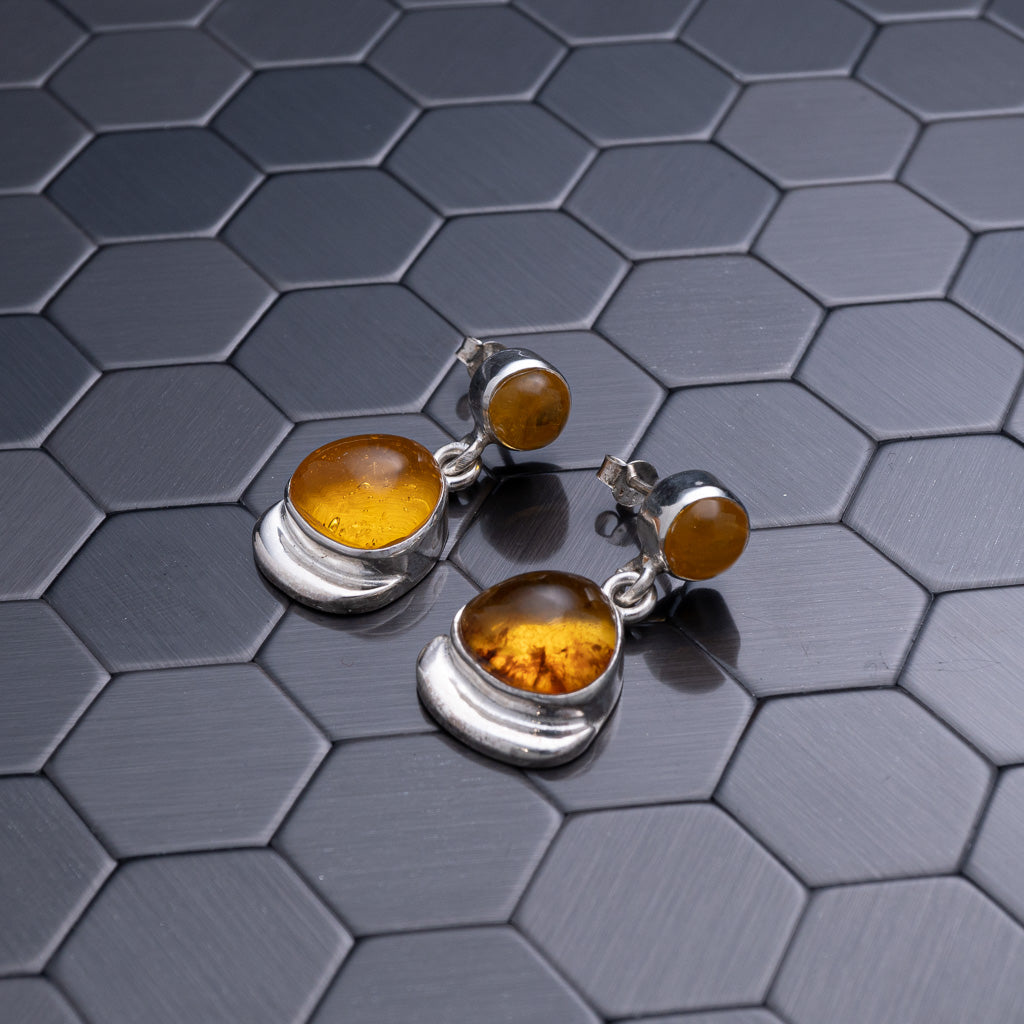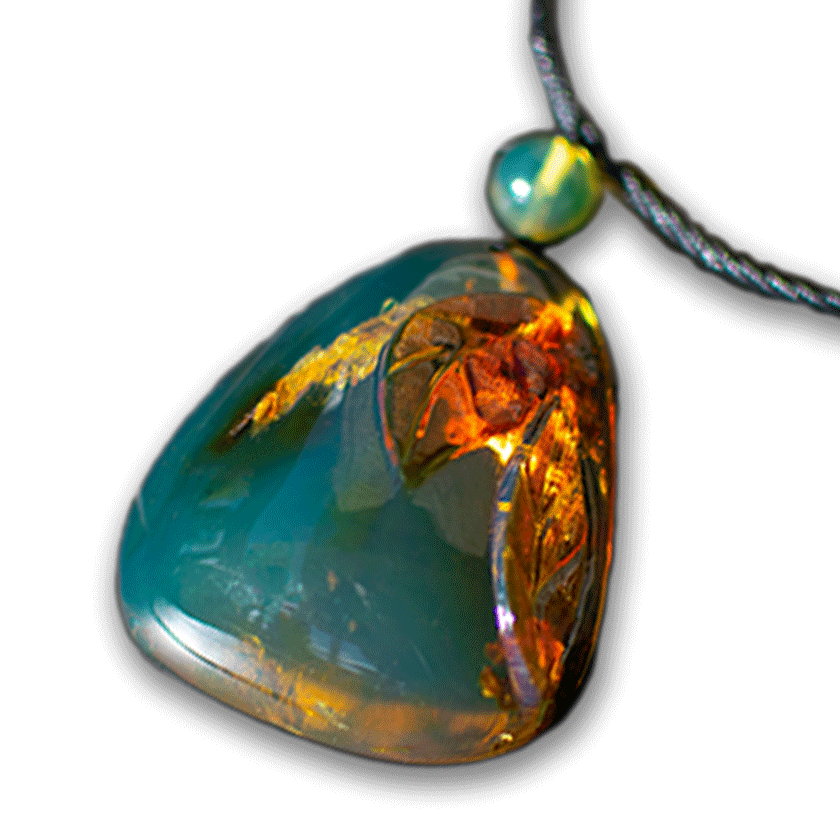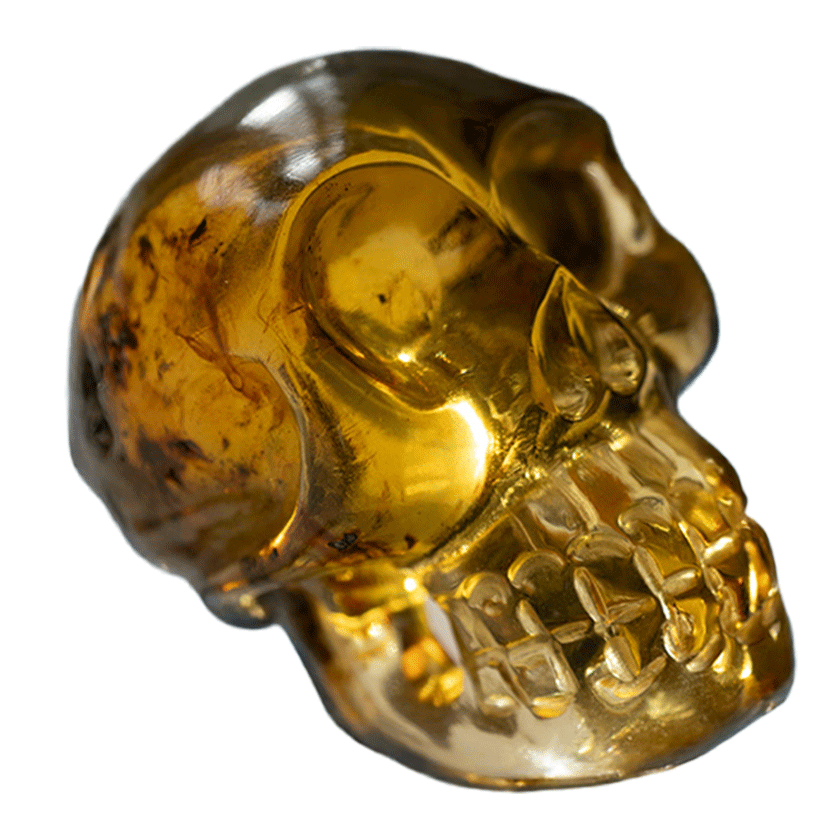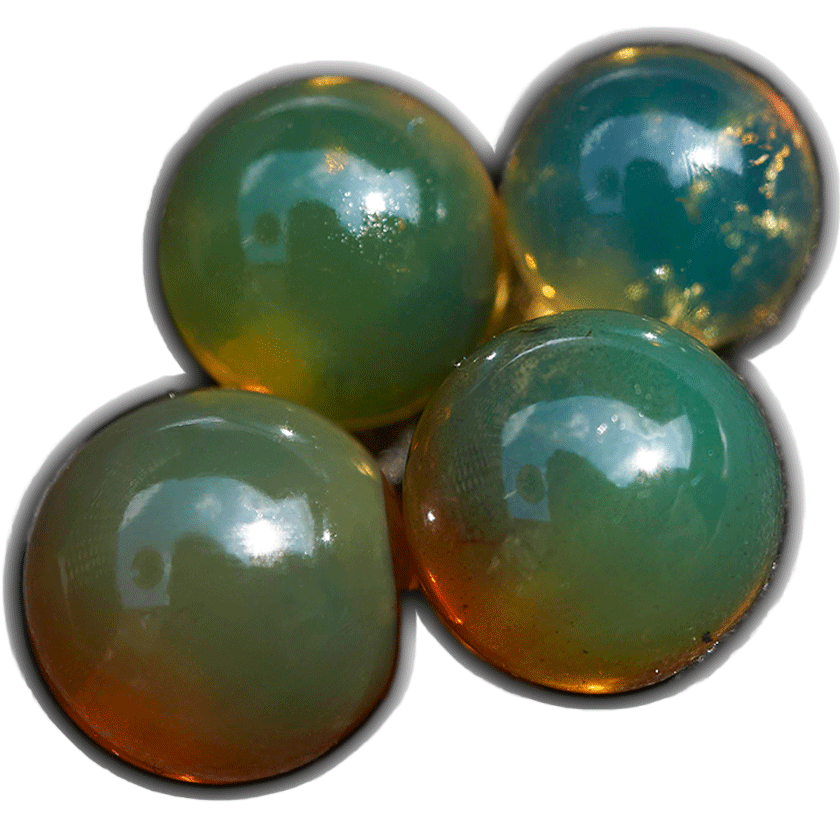


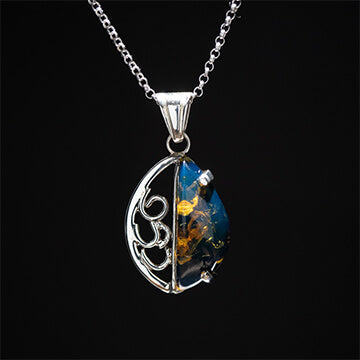
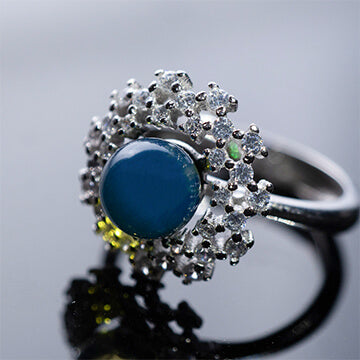
Handcrafted in DR.

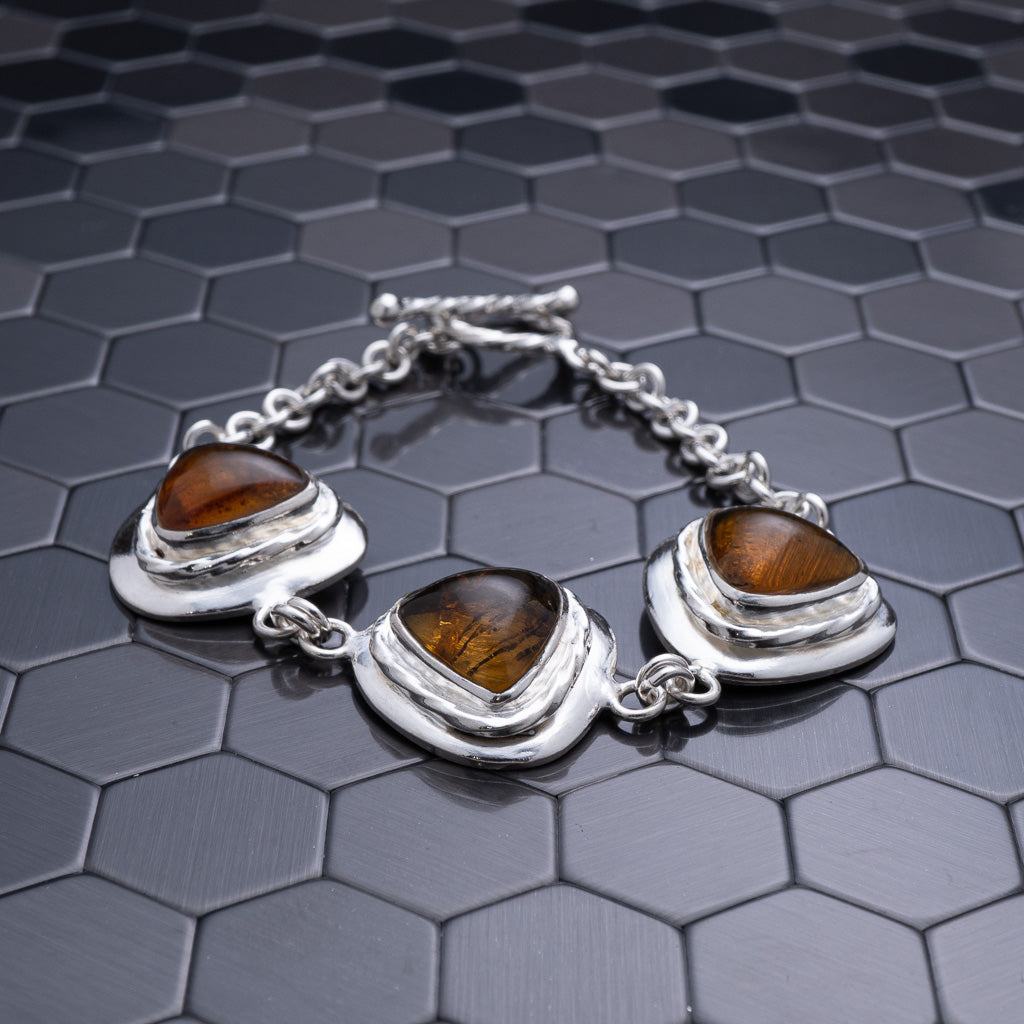
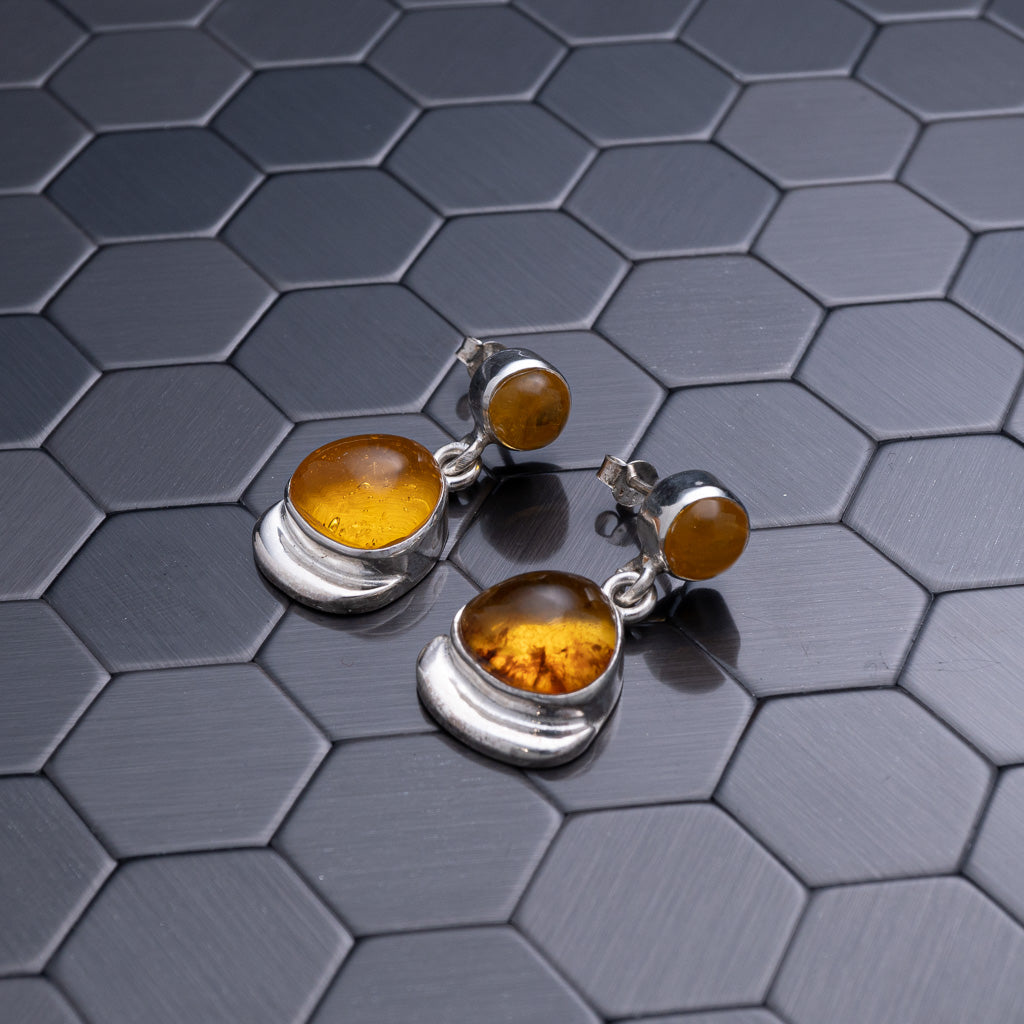


100% Handcrafted in DR.

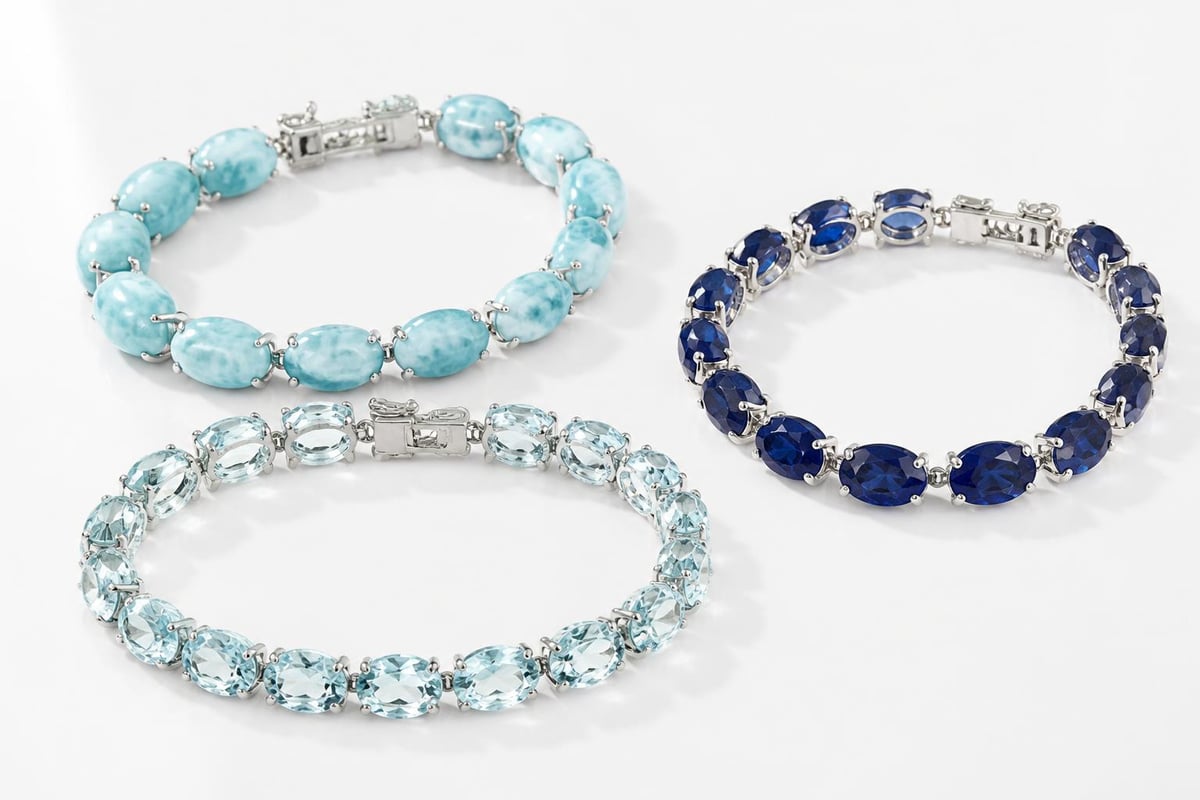
Blue gemstone bracelets have captivated jewelry enthusiasts for centuries, offering a stunning combination of natural beauty and symbolic meaning. From the deep azure of sapphires to the tranquil Caribbean hues of larimar, these accessories bring elegance to any outfit while connecting wearers to the earth's precious treasures. In 2026, the demand for authentic blue gemstone bracelets continues to grow as consumers seek meaningful jewelry that reflects both personal style and investment value. Understanding the varieties, quality indicators, and care requirements helps ensure you select a piece that will be cherished for generations.
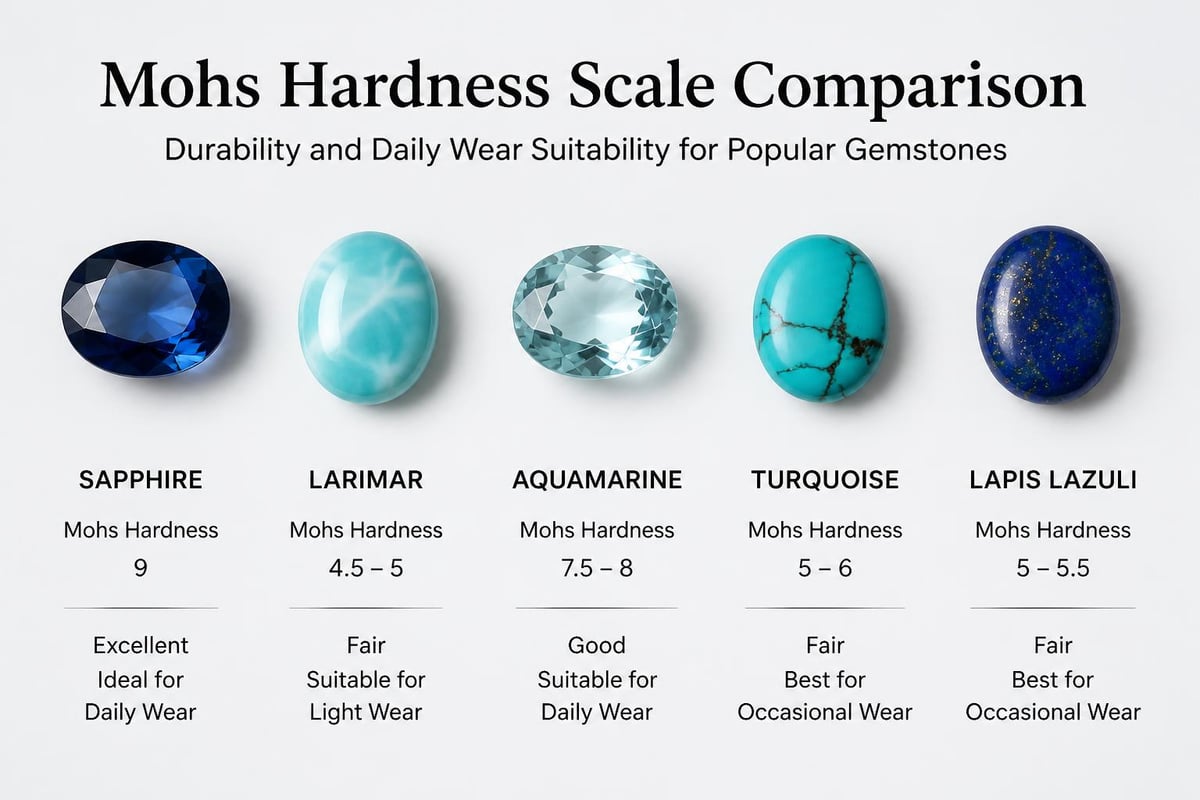
The world of blue gemstones encompasses an impressive range of minerals, each with distinctive characteristics that influence their suitability for bracelet designs. Sapphires stand among the most prized blue stones, ranking nine on the Mohs hardness scale, making them exceptionally durable for daily wear. Their color ranges from cornflower blue to deep midnight tones, with prices varying significantly based on origin, clarity, and treatment history.
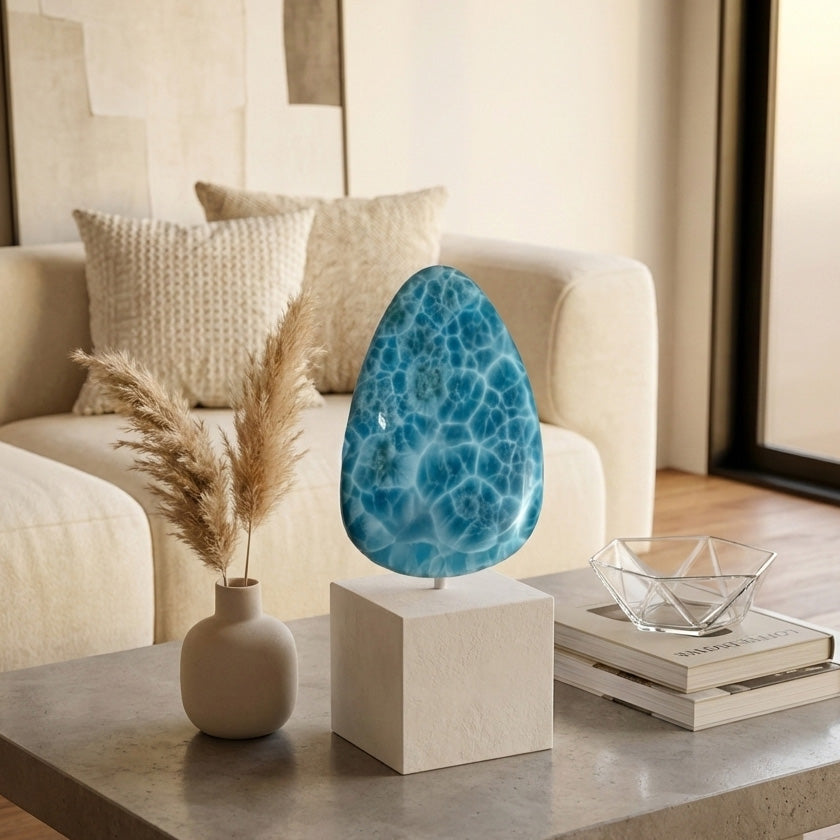
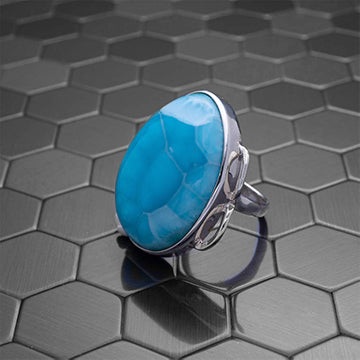
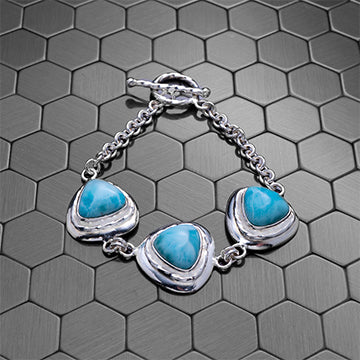
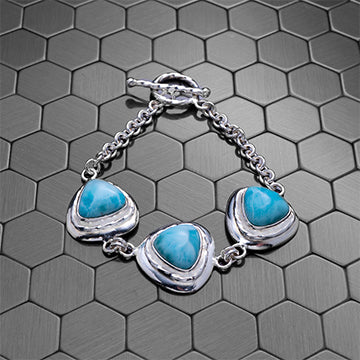
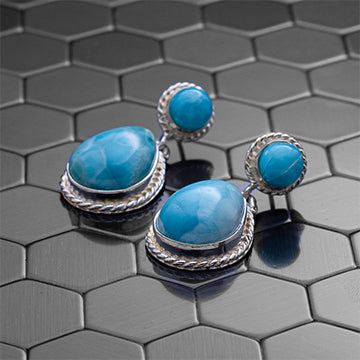
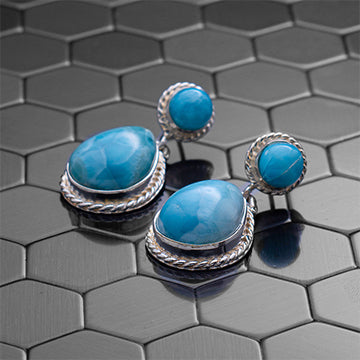
Larimar represents one of the rarest blue gemstones found exclusively in the Dominican Republic. This unique pectolite stone displays mesmerizing patterns reminiscent of tropical waters, with color variations from white-blue to deep volcanic blue. The rarity of larimar contributes to its growing collectibility and makes larimar bracelets highly sought-after pieces.
Aquamarine offers a lighter, more translucent blue that evokes ocean depths. This beryl family member scores 7.5 to 8 on the Mohs scale, providing sufficient durability for bracelet settings while maintaining an ethereal quality. Turquoise, with its distinctive matrix patterns and cultural significance, remains a timeless choice despite its lower hardness rating of 5 to 6.
The selection of 37 blue gemstone varieties available to jewelers provides endless creative possibilities for bracelet designs. Each stone's unique properties influence both aesthetic appeal and practical considerations for everyday wear.
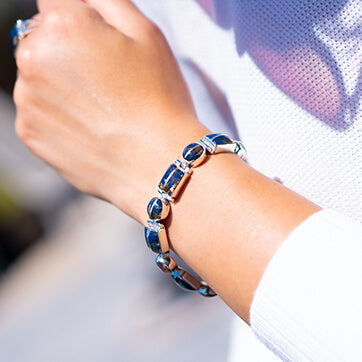
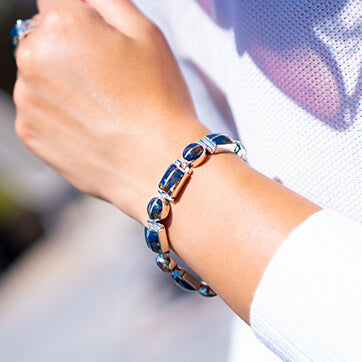
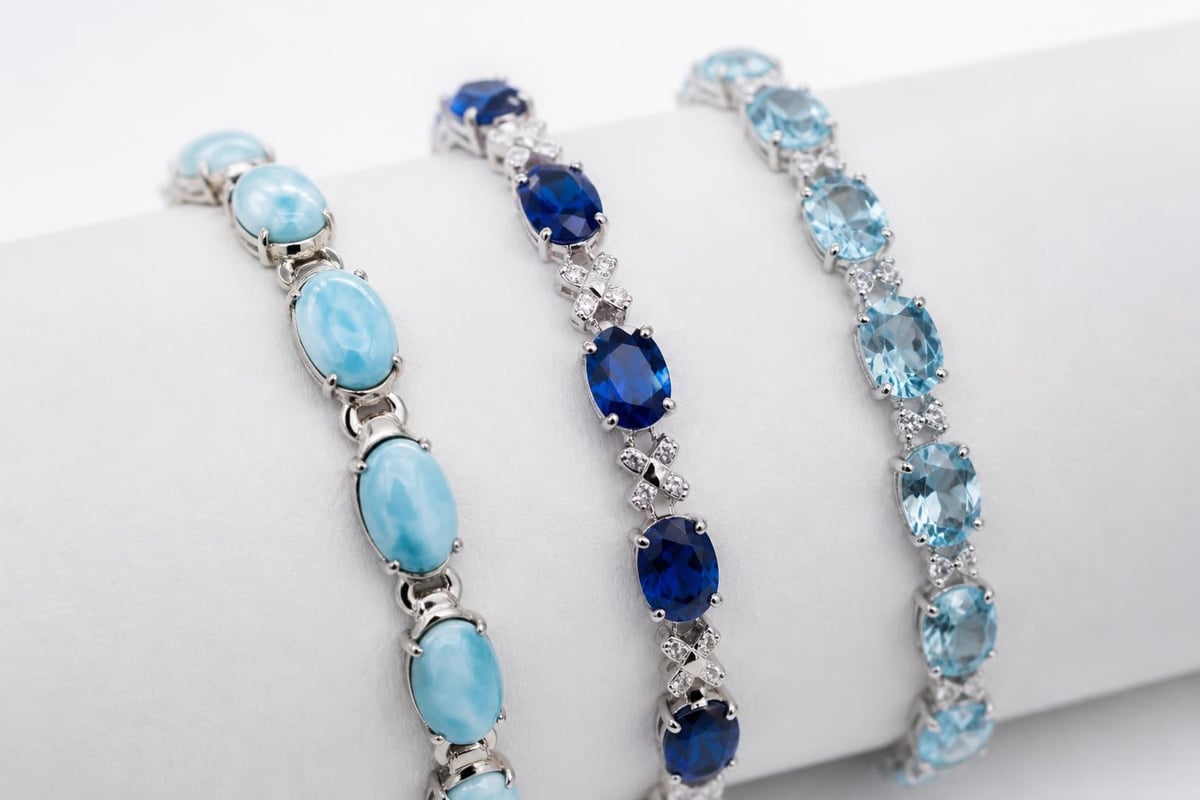
Contemporary blue gemstone bracelets showcase diverse design philosophies, from minimalist single-stone pieces to elaborate multi-gem creations. Tennis bracelets featuring uniform blue gemstones create timeless elegance, while beaded designs offer bohemian versatility. The choice of metal setting significantly impacts both durability and visual presentation.
Sterling silver complements lighter blue stones like larimar and aquamarine, creating subtle contrast without overwhelming delicate hues. White gold and platinum enhance the brilliance of sapphires and tanzanite, while yellow gold provides warmth against turquoise and lapis lazuli. Rose gold has emerged as a popular contemporary choice, offering romantic contrast to cool blue tones.
| Setting Type | Best For | Durability | Flexibility |
|---|---|---|---|
| Bezel Setting | Softer stones (turquoise, larimar) | High protection | Limited |
| Prong Setting | Hard stones (sapphire, aquamarine) | Excellent light | Moderate |
| Beaded Strand | Uniform gemstone beads | Depends on string | High |
| Channel Setting | Multiple small stones | Very secure | Low |
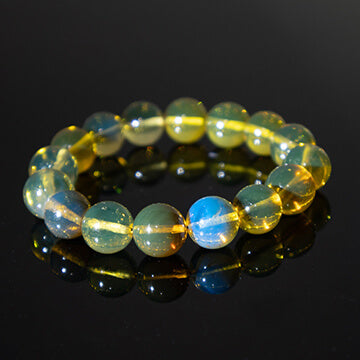
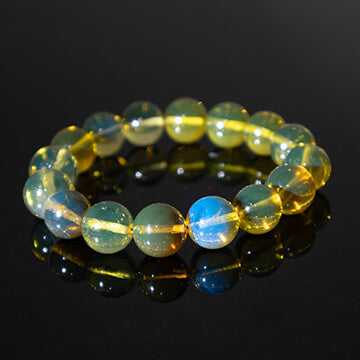
Beaded bracelets require particular attention to stringing material and knot placement. Professional jewelers recommend silk or nylon-coated wire for valuable blue gemstone bracelets, with knots between each bead preventing total loss if the strand breaks. Elastic cord offers convenience but degrades faster, making it unsuitable for investment pieces.
Charm bracelets incorporating blue gemstone elements provide personalization opportunities. This design approach allows wearers to gradually build collections, adding stones that commemorate special occasions or represent specific meanings. The flexibility of charm systems accommodates various stone sizes and shapes without compromising overall design cohesion.
Evaluating blue gemstone bracelets requires understanding both gemological principles and market practices. Color saturation, clarity, cut quality, and carat weight form the traditional "Four Cs" of gemstone assessment, though their relative importance varies by stone type. For blue gemstones, color typically holds paramount importance, with vivid, evenly distributed hues commanding premium prices.
Natural versus treated stones present critical considerations for buyers. Heat treatment enhances color in many sapphires and aquamarines, representing accepted industry practice when properly disclosed. According to CIBJO standards, transparency regarding treatments ensures ethical trade and informed consumer decisions. Dyed stones or those with unstable treatments depreciate rapidly and should be avoided in quality bracelets.
Reputable sellers provide gemological certificates from recognized laboratories for significant stones. These documents detail natural or treated status, origin when determinable, and quality characteristics. For bracelets featuring multiple smaller stones, batch certifications or vendor guarantees offer reasonable assurance without the expense of individual stone certification.
The emergence of advanced gemstone classification technologies, including deep learning approaches for determining origin and authenticity, provides additional verification tools. While primarily used by gemological laboratories rather than individual consumers, these innovations strengthen market integrity and combat synthetic or misrepresented stones.
Proper maintenance preserves both beauty and value in blue gemstone bracelets. Different stones require specific care protocols based on their chemical composition, hardness, and structural characteristics. Understanding these requirements prevents damage from inappropriate cleaning methods or storage conditions.
Sapphire and aquamarine tolerate ultrasonic cleaning and steam, thanks to their exceptional hardness and stable crystal structure. However, stones with inclusions or fractures risk damage from these intensive methods. Softer materials like turquoise and lapis lazuli require gentle handling, as they can be damaged by harsh chemicals, excessive heat, or prolonged water exposure.
Larimar demands particular attention due to its moderate hardness and sensitivity to chemicals. Clean larimar bracelets with lukewarm water and mild soap, using a soft brush for detailed areas. Pat dry immediately with a lint-free cloth to prevent water spots. The benefits of larimar extend beyond aesthetics to metaphysical properties that many wearers value, making proper care essential for preserving both physical and energetic qualities.
Historical research on blue-green glass degradation provides insights into preservation challenges for blue materials in jewelry. While focused on ancient beads, these findings underscore the importance of environmental controls for valuable pieces. Store blue gemstone bracelets in stable temperature and humidity conditions, away from direct sunlight that may fade certain treated stones over time.
Blue gemstone bracelets offer remarkable versatility across fashion contexts, from casual daywear to formal evening occasions. The key to successful styling lies in balancing color intensity, metal choice, and overall outfit palette. Monochromatic blue ensembles gain depth from bracelet pieces that introduce textural variation and subtle color shifts.
Layering multiple bracelets creates contemporary appeal while allowing expression of personal style narratives. Combine different blue stones at varying saturation levels, mixing deep sapphire with pale aquamarine for dimensional interest. Incorporate neutral metals or complementary gemstones like pearls or diamonds to prevent overwhelming visual impact.
| Season | Stone Choice | Metal Pairing | Outfit Style |
|---|---|---|---|
| Spring | Aquamarine, light larimar | Silver, white gold | Pastels, florals |
| Summer | Turquoise, chalcedony | Yellow gold, rose gold | Bright colors, nautical |
| Fall | Deep sapphire, lapis | Oxidized silver, bronze | Earth tones, jewel tones |
| Winter | Tanzanite, dark larimar | Platinum, white gold | Cool neutrals, navy |
Professional settings benefit from understated blue gemstone bracelets that convey sophistication without distraction. Single-strand designs featuring uniform stones or delicate chain bracelets with accent gems maintain polish while expressing personality. Reserve elaborate multi-gem pieces for social occasions where creative expression receives appreciation.
Evening events provide opportunities to showcase statement blue gemstone bracelets. Pair bold cuff designs featuring large central stones with simple dresses that allow jewelry to command attention. The reflective qualities of faceted sapphires or aquamarines catch light beautifully in dimmed settings, creating dynamic visual interest throughout movement.
Blue gemstone bracelets represent both personal adornment and potential financial assets when carefully selected. Market dynamics for colored gemstones differ substantially from diamonds, with rarity, origin, and color intensity driving value appreciation. Kashmir sapphires and untreated Burmese sapphires command astronomical prices due to limited supply and exceptional quality.
Larimar's exclusive Dominican origin creates inherent scarcity that supports long-term value. As mines become depleted and extraction becomes more challenging, prices for premium larimar pieces continue rising. Collectors increasingly recognize larimar bracelets as both beautiful accessories and tangible investments in geological rarity.
Diversification across multiple blue gemstone types provides portfolio balance for serious collectors. While sapphires offer established market liquidity, emerging appreciation for rarer stones like larimar presents opportunities for value growth. Purchasing from reputable sources like Larimar Creations ensures authenticity and quality that preserve investment potential.
Insurance coverage protects valuable blue gemstone bracelets against loss, theft, or damage. Obtain professional appraisals from certified gemologists, updating valuations every three to five years as market conditions evolve. Photographic documentation and detailed descriptions facilitate claims processing if unfortunate circumstances arise.
Responsible acquisition of blue gemstone bracelets requires attention to mining practices, labor conditions, and environmental impact. The gemstone industry faces ongoing challenges regarding transparency, with supply chains often obscuring the journey from mine to market. Conscious consumers increasingly demand verification that their purchases support fair wages, safe working conditions, and ecological stewardship.
Larimar extraction in the Dominican Republic involves primarily small-scale, artisanal mining that directly supports local communities. The limited geographic distribution necessitates hand-mining techniques that minimize environmental disruption compared to industrial operations. Purchasing from companies that maintain direct relationships with miners ensures equitable compensation flows to source communities.
Sapphire mining ranges from responsible operations adhering to environmental standards to problematic sites with significant ecological damage. Ceylon (Sri Lankan) sapphires often come from regulated mines with better practices than some alternative sources. Asking detailed questions about stone origins demonstrates commitment to ethical consumption while encouraging industry improvement.
The concept of "traceable gemstones" gains traction as technology enables better supply chain monitoring. Blockchain applications and laser inscription allow tracking individual stones from mine through cutting to final sale. While not yet universal, these innovations promise greater accountability and may become standard practice for premium blue gemstone bracelets.
Custom-designed blue gemstone bracelets offer unparalleled opportunities for personal expression and meaningful symbolism. Collaborating with skilled jewelers transforms vision into wearable art, incorporating specific stones, settings, and design elements that resonate with individual stories. The process requires clear communication, reasonable timelines, and understanding of technical possibilities.
Birthstone jewelry remains perpetually popular, with sapphire representing September and aquamarine marking March births. However, custom pieces need not follow traditional associations. Many clients select blue stones based on spiritual properties, aesthetic preferences, or connections to meaningful locations. Larimar's Caribbean origins make it particularly significant for those with Dominican heritage or special memories of tropical destinations.
Anniversary bracelets incorporating blue gemstones commemorate relationship milestones with enduring beauty. Traditional anniversary guidelines suggest sapphire for 45th celebrations, though modern interpretations embrace personal preference over rigid formulas. Engraving dates, coordinates, or brief messages on metal components adds intimate personalization invisible to casual observers.
For those seeking the serene beauty of Caribbean-inspired jewelry, Larimar Pendants offer complementary pieces that coordinate beautifully with blue gemstone bracelets. The distinctive patterns and calming hues of larimar pendants create cohesive jewelry sets that tell a unified aesthetic story.
The blue gemstone bracelet market demonstrates robust growth driven by increasing consumer sophistication and appreciation for colored gemstones. Industry data from 2026 shows particular strength in rare stone categories, with larimar, Paraiba tourmaline, and Kashmir sapphire experiencing double-digit price appreciation annually. This trend reflects both genuine scarcity and growing collector interest.
Younger demographics approach gemstone jewelry differently than previous generations, prioritizing uniqueness and story over traditional status symbols. This shift benefits distinctive blue stones like larimar that offer compelling origin narratives and visual distinction from mass-market options. Social media amplifies interest in photogenic gemstones, with Caribbean blue hues performing particularly well in visual platforms.
Laboratory-grown alternatives present complex market dynamics. While synthetic sapphires and other created stones offer affordability, they lack the geological romance and investment potential of natural materials. The blue gemstone bracelet market appears bifurcating between budget-conscious synthetic pieces and premium natural stone jewelry, with middle-market segments contracting.
Climate change may impact future gemstone availability as mining becomes more challenging in certain regions. The exclusive nature of single-source stones like larimar makes them particularly vulnerable to supply constraints. Collectors viewing blue gemstone bracelets as long-term holdings may benefit from current availability before scarcity drives prices beyond accessible ranges.
Selecting blue gemstone bracelets that complement individual coloring enhances both jewelry and wearer. Cool skin tones with pink or blue undertones harmonize beautifully with bright, clear blues like sapphire and aquamarine. These stones echo natural coloring, creating cohesive visual appeal. Platinum or white gold settings reinforce cool-toned harmony.
Warm skin tones featuring yellow or golden undertones gain flattering contrast from deeper blue stones like lapis lazuli or midnight sapphire. The color opposition creates vibrant energy without clashing. Yellow or rose gold settings bridge warm skin and cool gemstones, providing transition that unifies the overall presentation.
Neutral skin tones offer maximum flexibility, working well with the full spectrum of blue gemstones. This versatility allows selection based purely on personal preference, occasion requirements, or investment considerations rather than color compatibility constraints. Experiment with various blue shades to discover which resonate most strongly with individual style sensibilities.
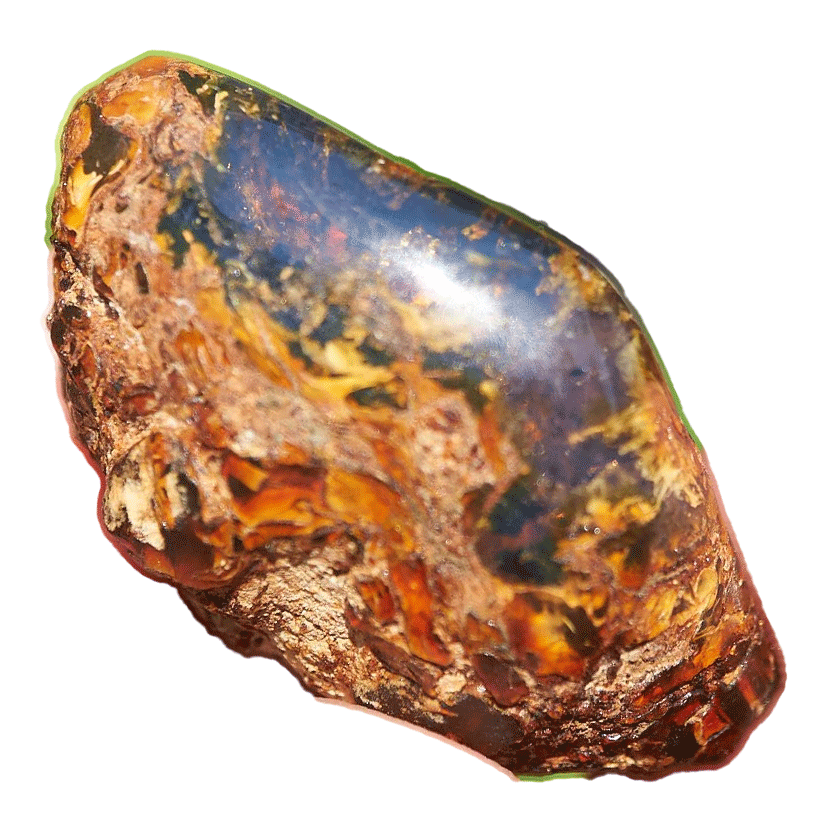
The raw beauty of blue stones in their natural state offers insights into color variation and formation processes. Understanding raw blue stone characteristics helps appreciate the transformation from rough material to polished bracelet components, deepening connection to finished pieces.
Proper fit ensures both comfort and security for blue gemstone bracelets. Unlike stretchy casual pieces, investment bracelets with rigid structures require precise sizing to prevent loss while maintaining wearability. Standard bracelet lengths range from 6.5 to 8 inches, with women typically wearing 7 to 7.5 inches and men preferring 8 to 8.5 inches.
Measure wrist circumference with flexible measuring tape, then add approximately 0.5 inches for snug fit or 1 inch for looser drape. Tennis-style bracelets benefit from closer fit that prevents excessive movement and potential damage from impacts. Bangle bracelets need sufficient diameter to slide over the hand's widest point, typically measured across knuckles when fingers press together.
Weight distribution affects comfort during extended wear. Heavier gemstones concentrated in specific areas create imbalance that pulls bracelets around the wrist. Quality design distributes weight evenly or incorporates counterbalancing elements that maintain proper orientation. Test comfort by wearing similar weight jewelry for several hours before committing to expensive pieces.
Clasp security varies significantly across bracelet types. Box clasps with safety latches provide maximum security for valuable blue gemstone bracelets, while lobster clasps offer reasonable protection with easier operation. Magnetic clasps prioritize convenience but may prove insufficiently secure for investment pieces. Jewelers can retrofit additional safety chains to existing bracelets for enhanced protection.
Blue gemstone bracelets offer timeless beauty, personal significance, and potential investment value when selected with knowledge and care. Understanding gemstone varieties, quality factors, and ethical sourcing empowers informed decisions that result in pieces treasured for generations. Whether drawn to the deep brilliance of sapphire or the tranquil Caribbean hues of larimar, the right bracelet becomes more than an accessory. Discover exceptional handcrafted pieces featuring rare blue gemstones at Larimar Creations, where quality, authenticity, and artisan craftsmanship create jewelry worthy of your collection.