
by Admin May 22, 2026 6 min read

A gemstone can change character completely depending on how it is cut. In the cabochon vs faceted gemstone conversation, the difference is not simply shape or sparkle. It is about how a stone reveals its color, light, rarity, and natural identity.

For collectors and jewelry buyers drawn to distinctive materials like Larimar or Dominican amber, this choice matters even more. Some gemstones are at their most captivating with a smooth polished dome. Others come alive when carefully faceted to return flashes of light from every angle. Knowing which cut suits the material helps you choose with confidence and appreciate the craftsmanship behind the finished piece.

Cabochon vs Faceted Gemstone: What Is the Difference?

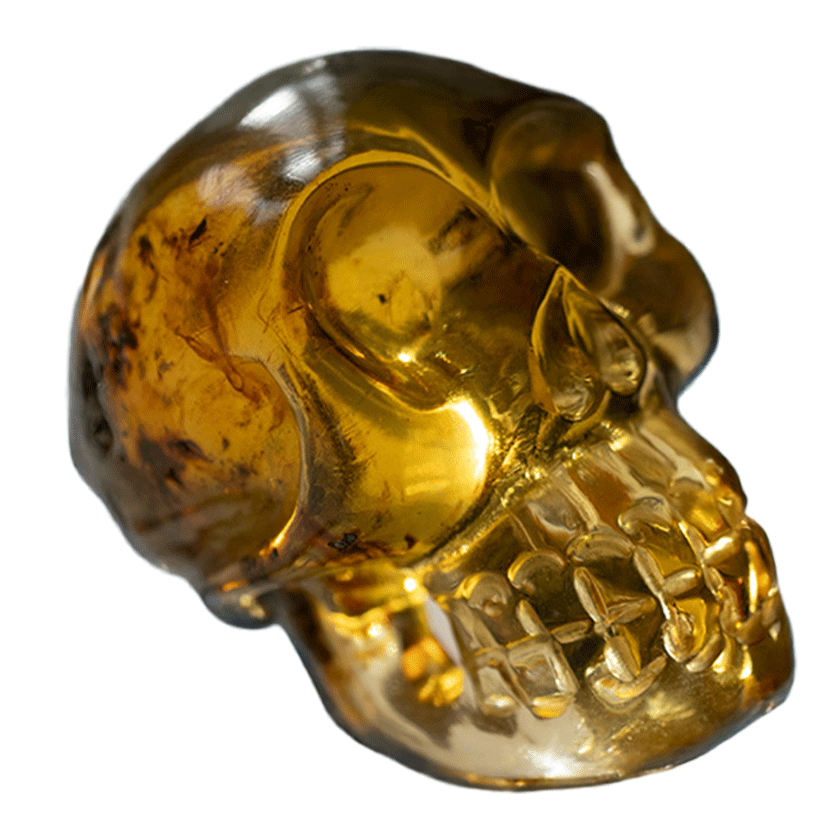
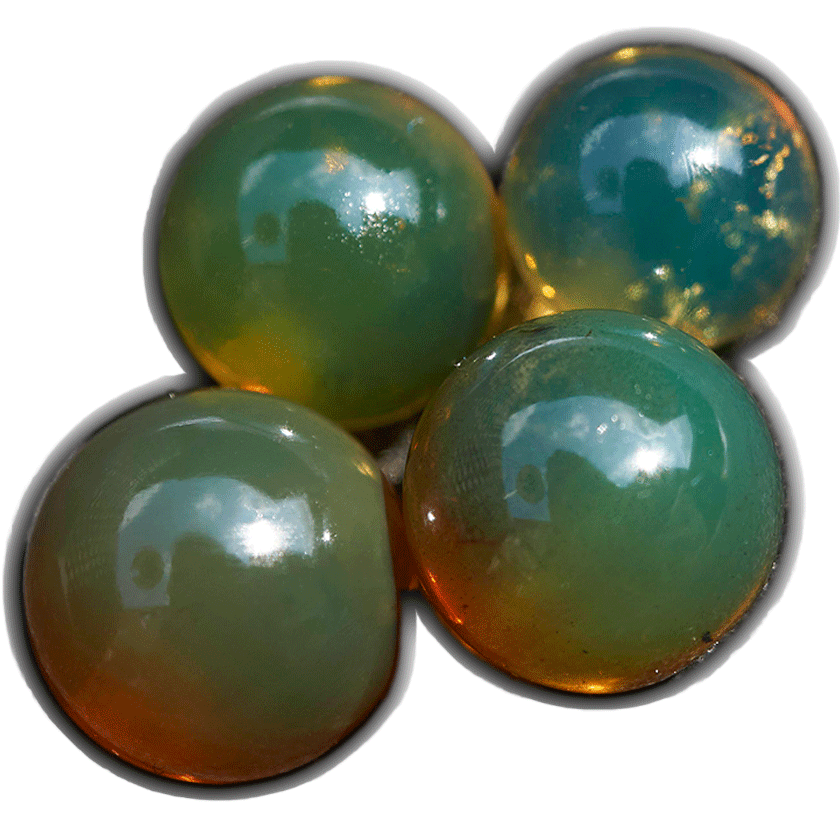
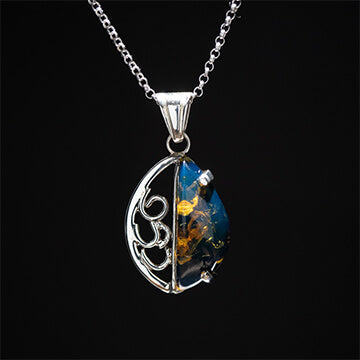
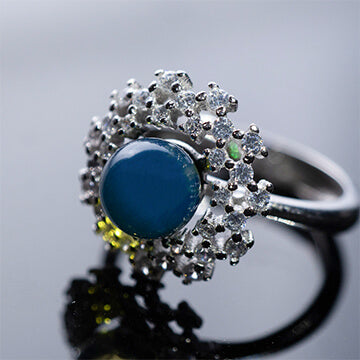
A cabochon is a gemstone that has been shaped and polished with a smooth, rounded surface rather than a series of flat faces. It may be high-domed, low-domed, oval, pear-shaped, freeform, or even carved, but the defining feature is its polished exterior without facets. This cut is often chosen to emphasize color, pattern, translucence, or optical effects within the stone.

A faceted gemstone is cut with multiple flat surfaces arranged to interact with light. These facets are placed with precision to create brilliance, scintillation, and visual depth. In transparent materials, faceting can make the stone appear brighter and more lively, especially when the rough has enough clarity to support that kind of cut.

The simplest distinction is this: cabochons highlight the body and soul of a gem, while faceted stones highlight light performance. Neither is inherently better. The right choice depends on the gemstone itself and on what you want to see when you wear or collect it.

Why Some Gemstones Look Better as Cabochons

Not every gemstone benefits from faceting. Stones with visible inclusions, soft internal glow, dramatic color zoning, or naturally opaque character often look more beautiful as cabochons. A smooth surface allows the eye to take in the full color field rather than breaking it up into flashes.

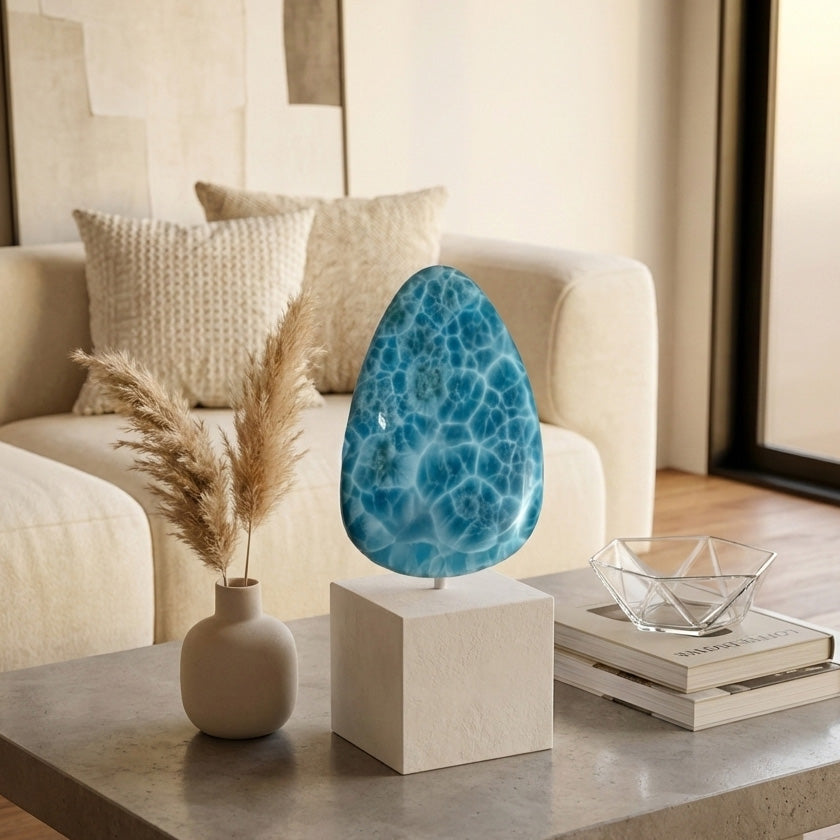
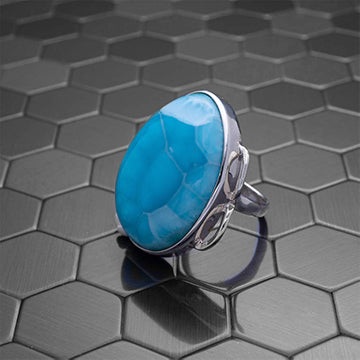
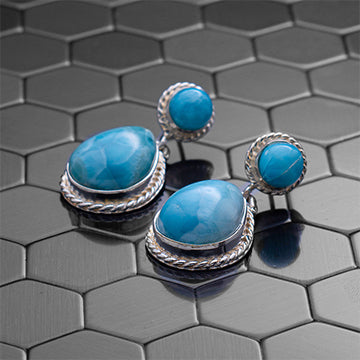
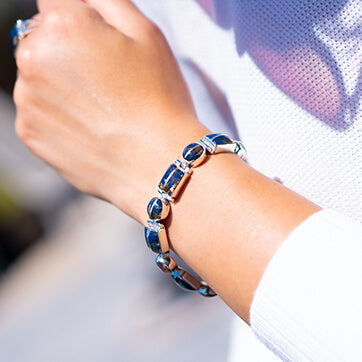
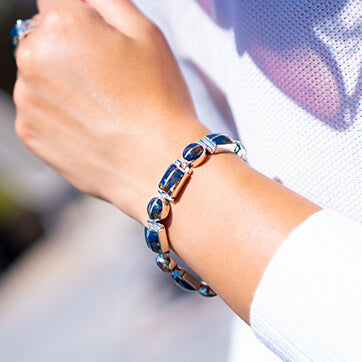
Larimar is a perfect example. Its appeal comes from ocean-blue tones, white marbling, and the sense that each stone holds a little piece of Caribbean water. Faceting would interrupt that visual flow. In cabochon form, the stone reads as serene, sculptural, and unmistakably natural.

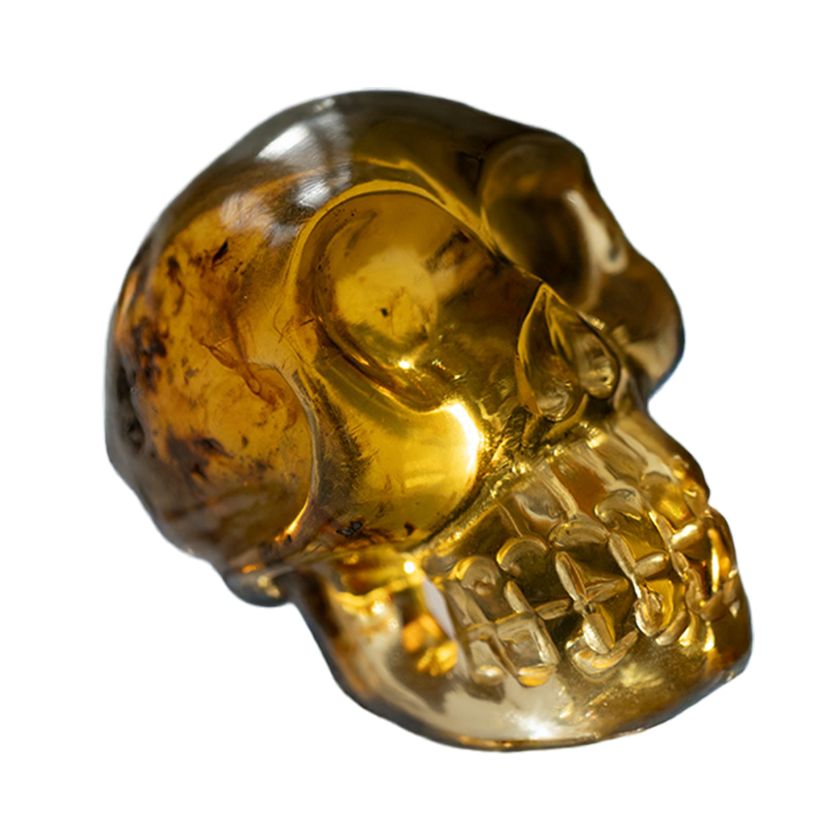
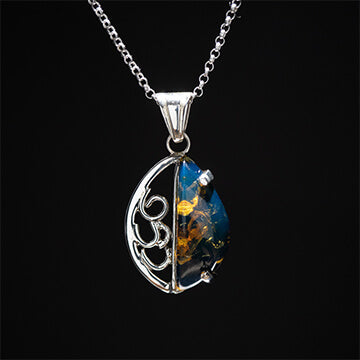
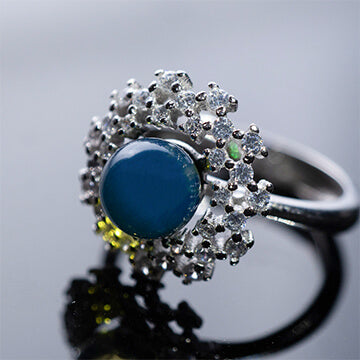
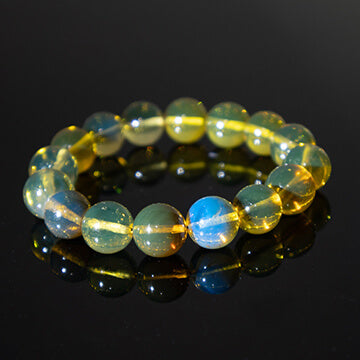
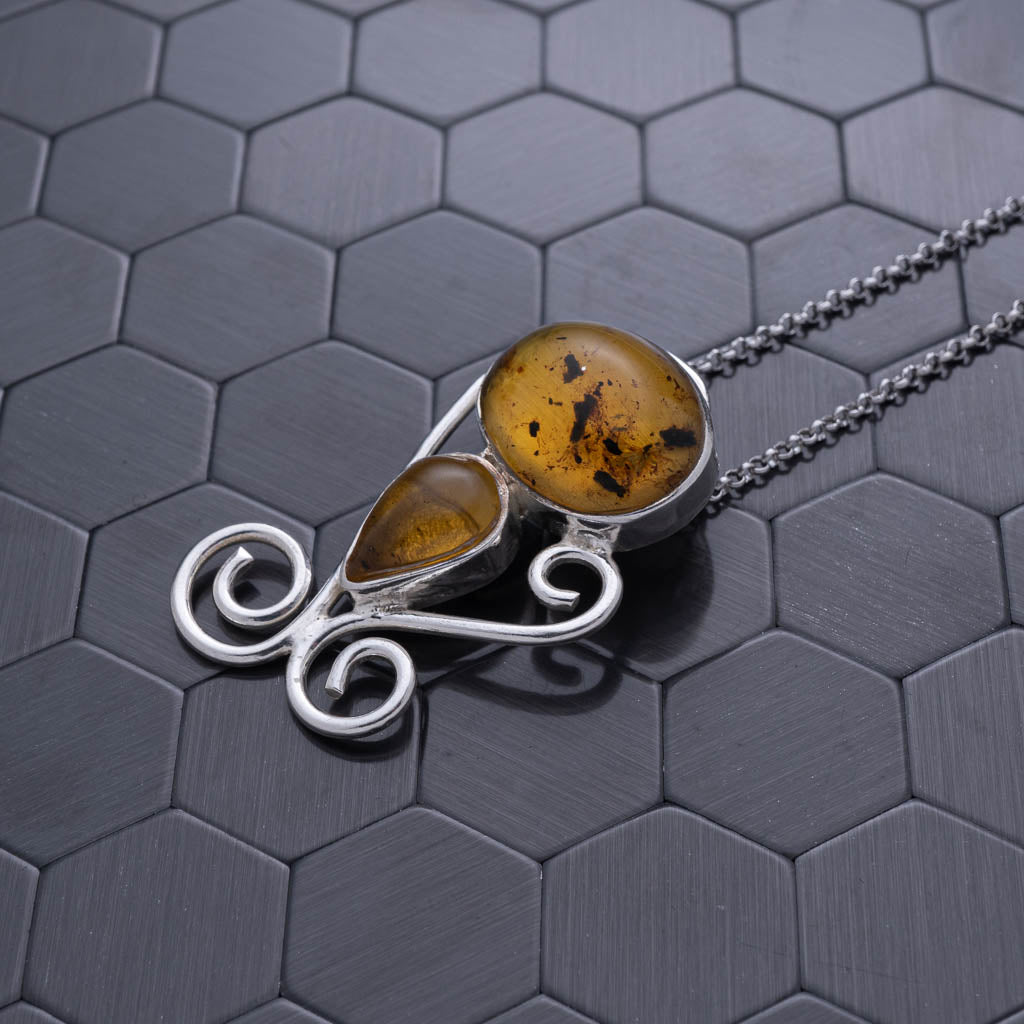
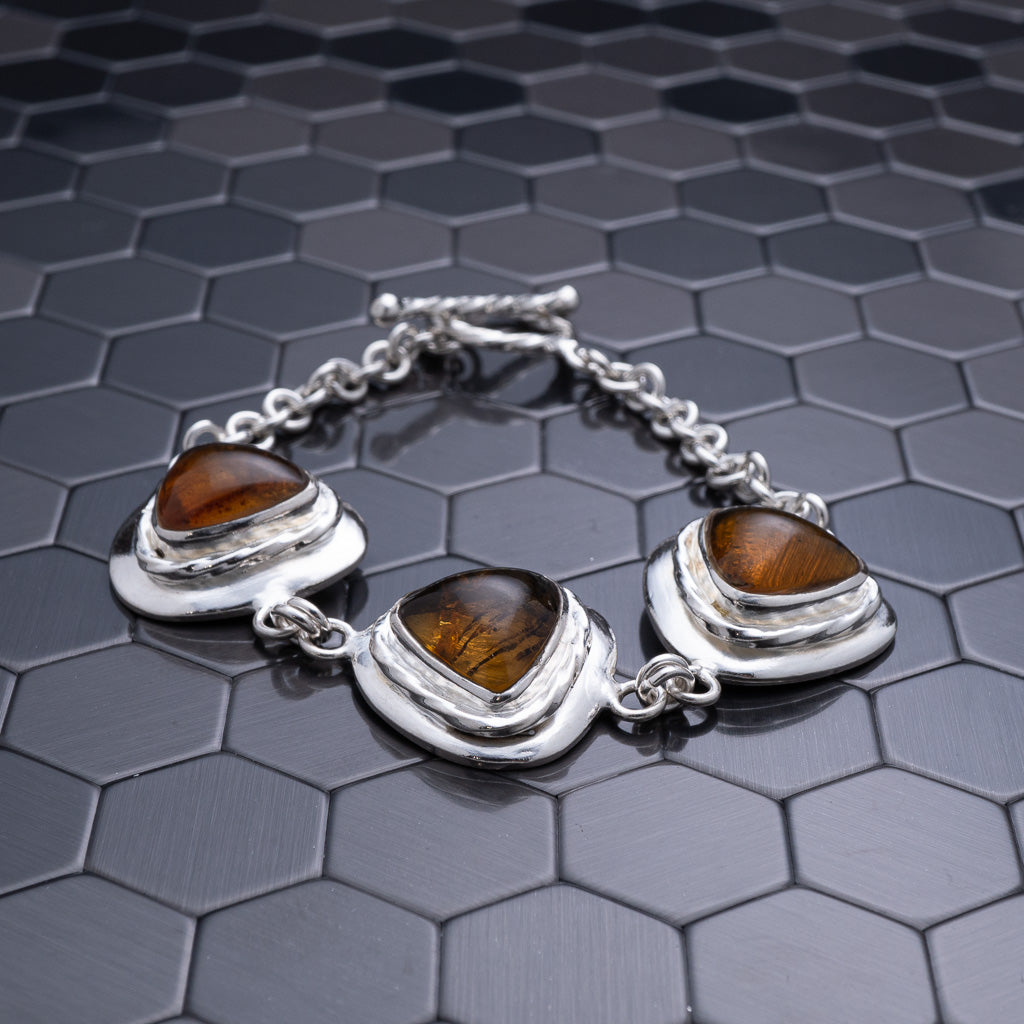
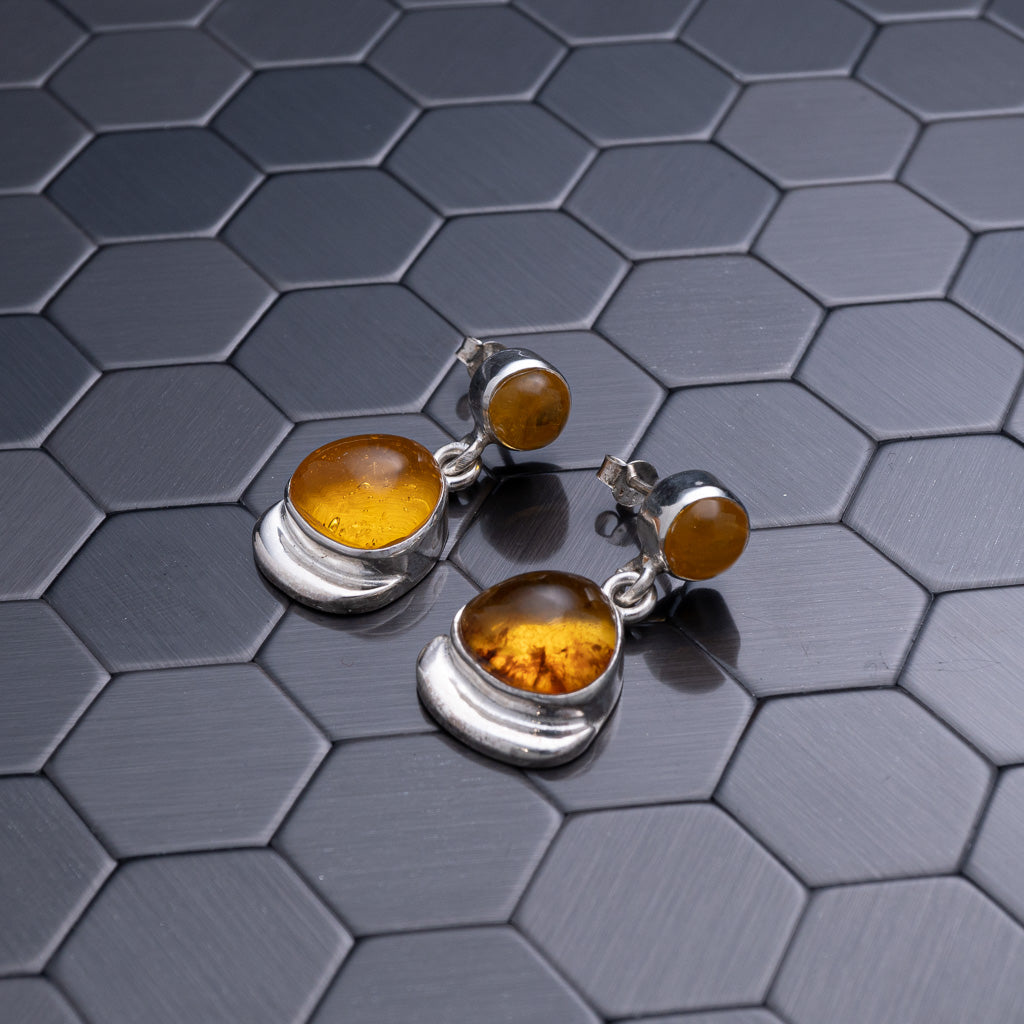
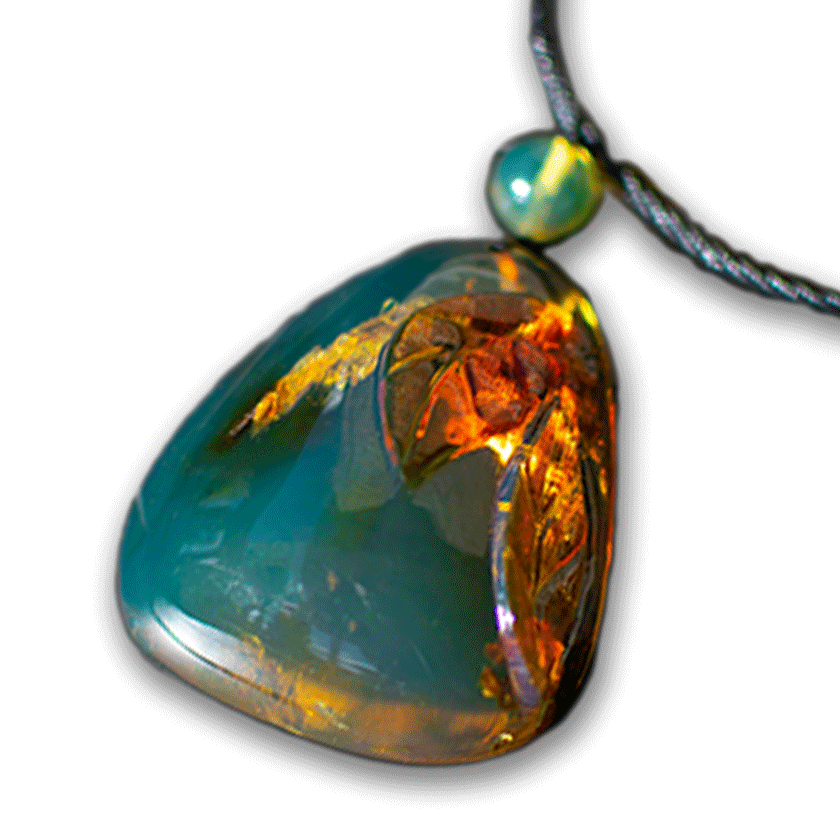
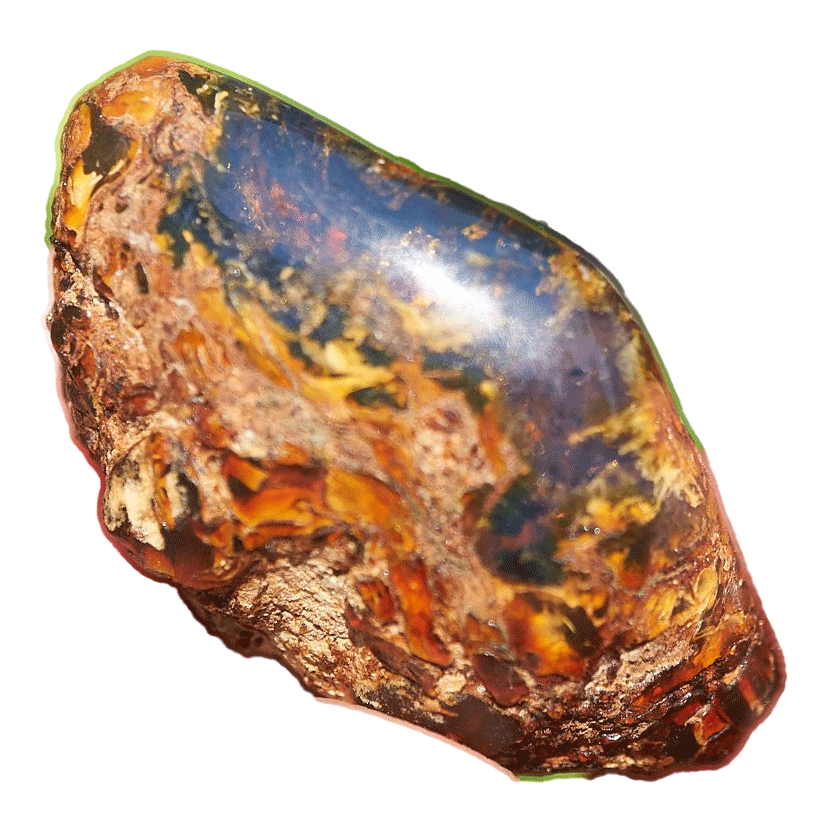
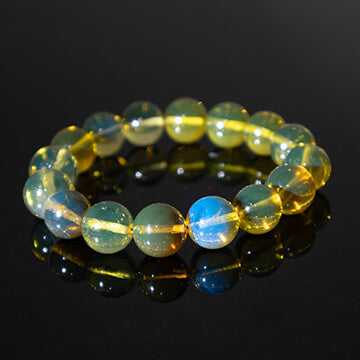
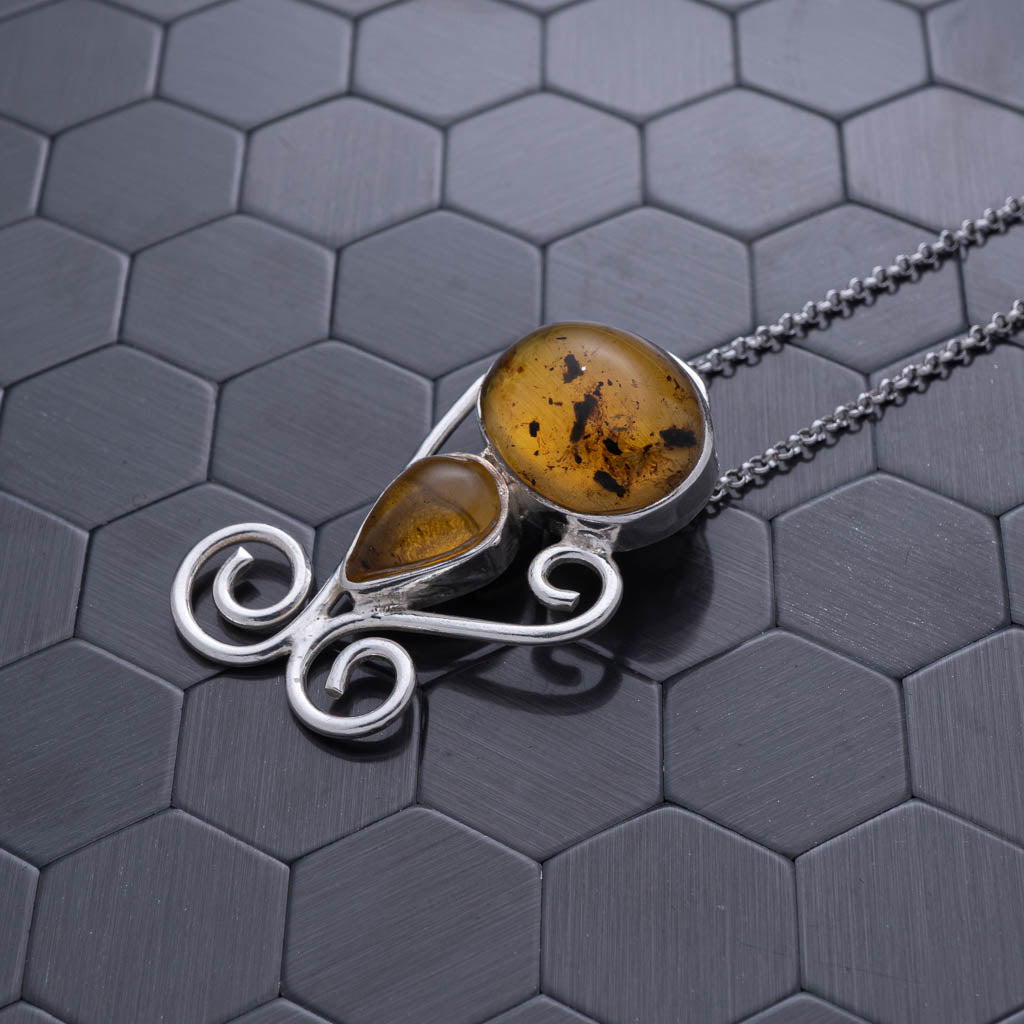
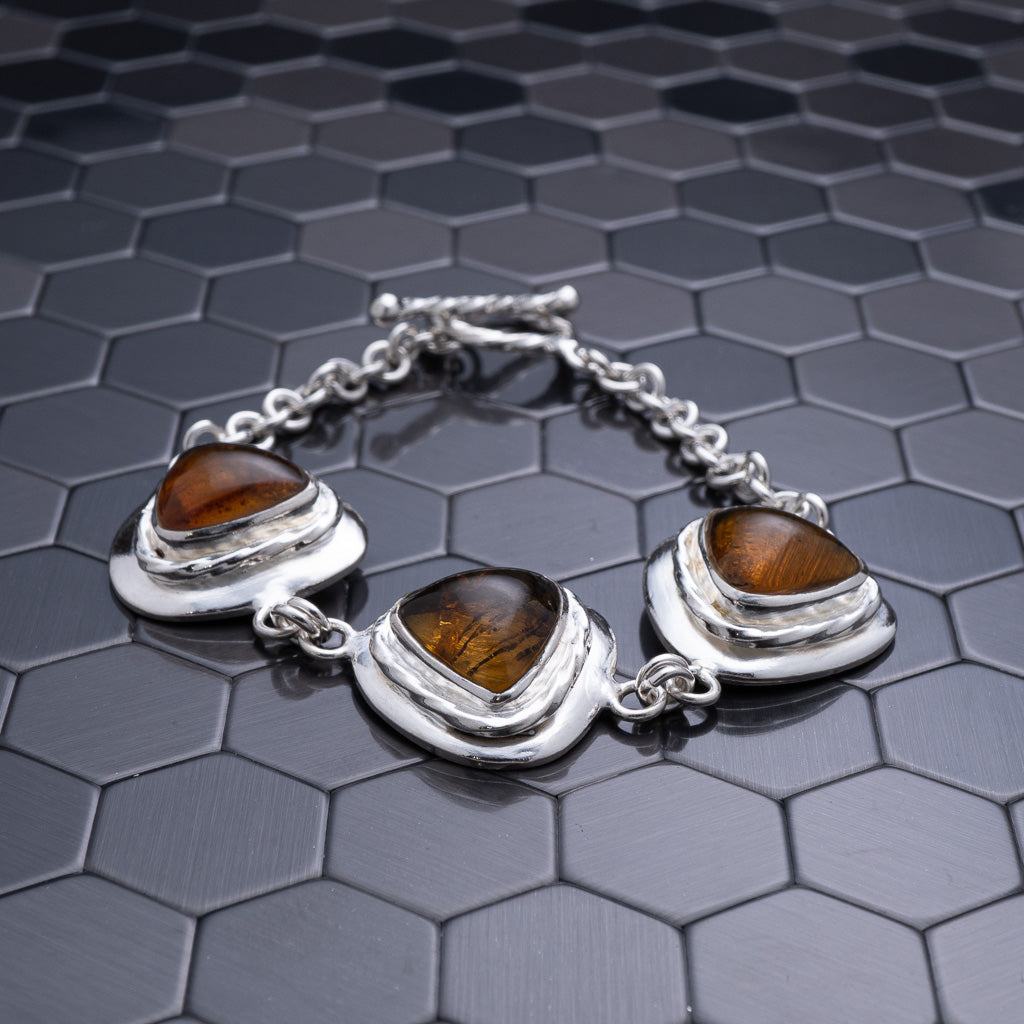
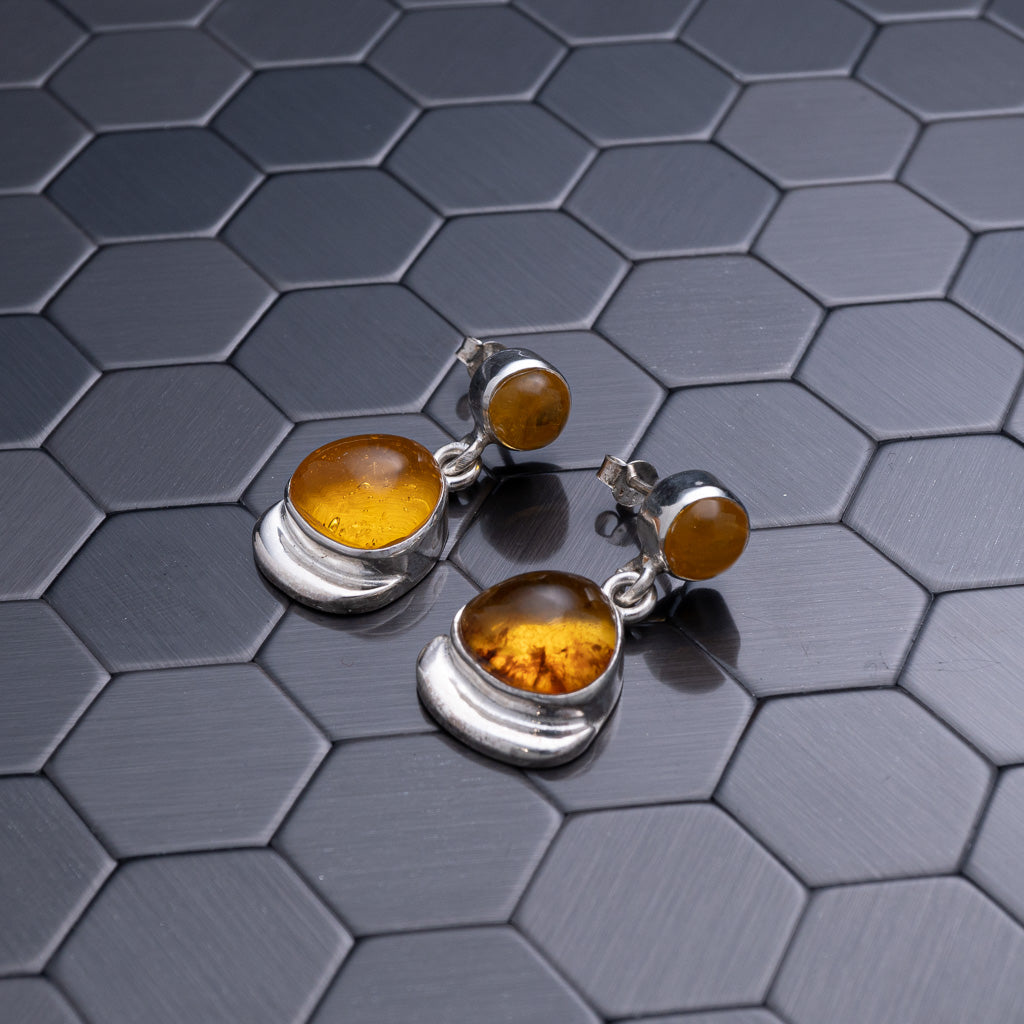
Dominican amber also presents an interesting case. Clear amber can be faceted, and when it is, it can look luminous and bright. But many amber lovers prefer cabochons because the smooth polish showcases warmth, internal textures, botanical inclusions, and that unmistakable golden or blue glow. With rare material like Dominican Blue Amber, the cut is often selected not just for beauty, but for how best to preserve the character that makes the stone exceptional.

There are also optical phenomena to consider. Star sapphires, moonstones, chrysoberyl cat's eye, and other gems with special effects are often cut as cabochons because the rounded top allows those effects to appear clearly. Faceting would reduce or scatter the phenomenon rather than strengthen it.

When Faceting Makes a Gemstone More Valuable

Faceting can elevate a gemstone dramatically when the rough is transparent, clean enough, and capable of returning light well. In diamonds, sapphires, rubies, topaz, and many quartz varieties, faceting is often expected because it creates the sparkle most buyers associate with fine jewelry.

A well-faceted gem requires planning, precision, and material sacrifice. The cutter must orient the rough carefully, balance symmetry, and work toward angles that maximize brightness and color. That means more labor and often more weight loss from the original stone. If the material is suitable, the result can command a higher price.

But value is not universal. A faceted cut does not automatically make a stone more desirable. For a gem admired mainly for pattern, matrix, or glow, forcing a faceted shape may reduce both beauty and market appeal. This is one reason knowledgeable buyers look at cut in relation to species, origin, and visual traits rather than assuming sparkle equals superiority.

Cabochon vs Faceted Gemstone for Jewelry Wear

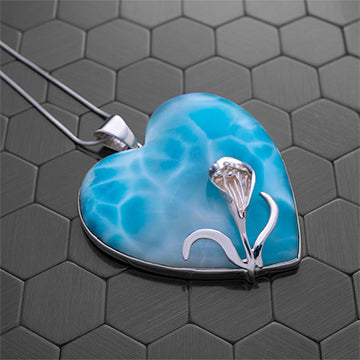
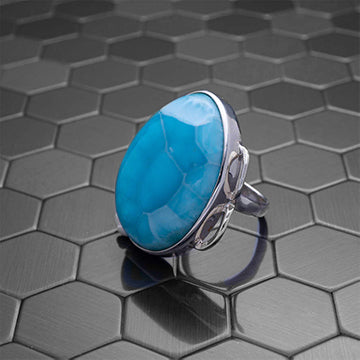
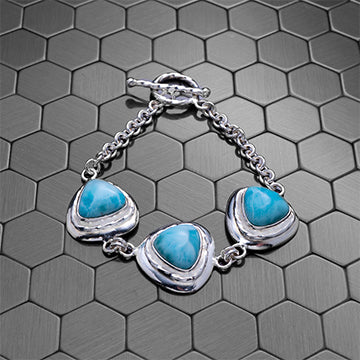
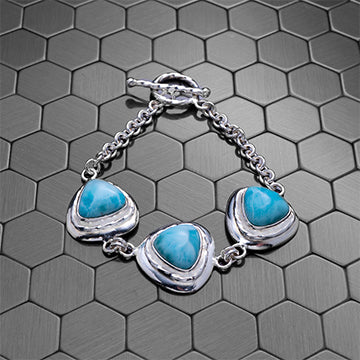
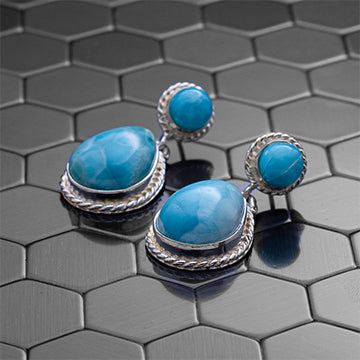
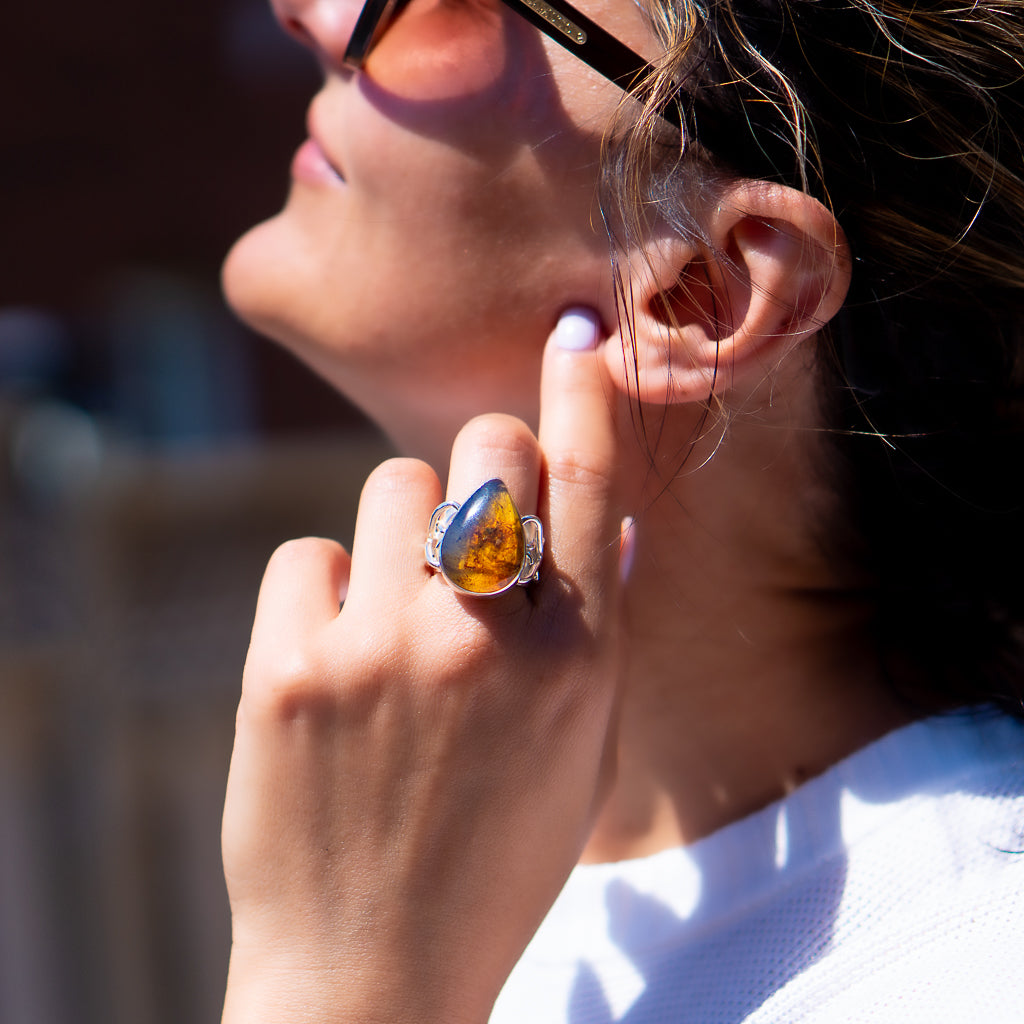
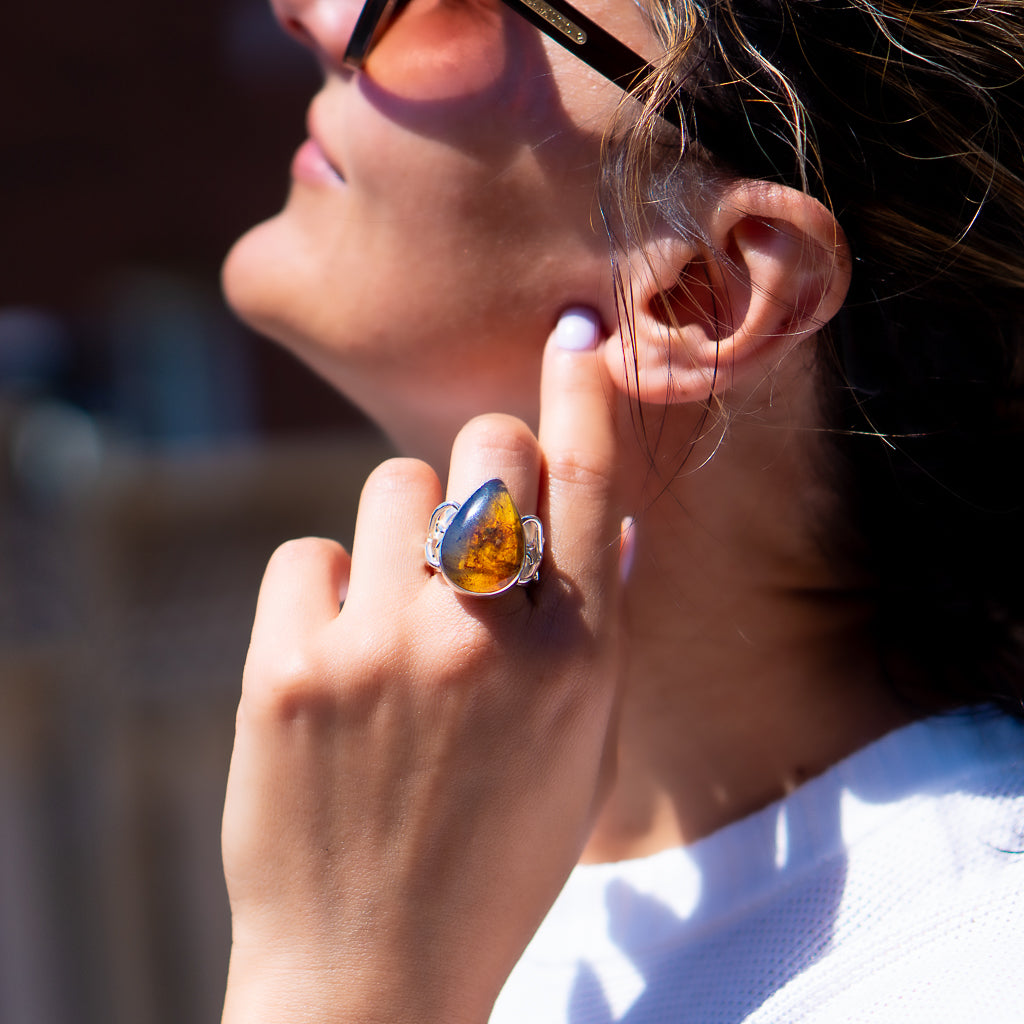
The best cut for daily wear depends on both aesthetics and practicality. Cabochons tend to feel smooth against the skin and often suit bezel settings beautifully. They can look refined, artistic, and substantial, especially in rings, pendants, and statement earrings. Their softer visual presence works well when the goal is elegance with personality rather than sharp brilliance.

Faceted stones bring more drama in changing light. They catch the eye quickly and can feel more formal or classic, depending on the design. Prong settings are common because they allow more light into the stone, though faceted gems can also be bezel set for added security.

Durability adds another layer. A cabochon has no facet junctions or pointed corners to chip, which can make it a practical choice for certain softer or more included materials. Amber, for example, is relatively soft and benefits from cuts and settings that respect its nature. A polished cabochon can be both beautiful and sensible.

That said, a durable faceted gemstone such as sapphire can perform extremely well in everyday jewelry. The right answer depends on hardness, toughness, setting style, and how the piece will be worn.

How Cut Affects the Look of Larimar and Amber

With Caribbean gemstones, cut is closely tied to identity. Larimar is prized for color pattern, not sparkle. The finest cabochons display vivid blue with graceful white movement, often resembling sunlight over tropical water. The smooth dome concentrates attention on those natural patterns and lets the craftsmanship support the material rather than compete with it.

Amber is more flexible. Some pieces are fashioned as cabochons to emphasize glow and inclusions, while others are faceted to increase brightness and create a more jewel-like finish. Blue amber deserves special care because its visual magic is subtle and light-dependent. The cutter must decide whether a dome or facets better reveal the stone's rare effect without losing too much material.

This is where authenticity and expertise matter. A premium gemstone should be cut to honor what makes it rare, not to force it into a generic jewelry standard. When the cut matches the nature of the stone, the result feels effortless and elevated.

Which Should You Choose?

If you love color fields, organic beauty, and a more artisanal look, cabochons often feel more intimate and distinctive. They invite close viewing. They suit collectors who appreciate natural pattern, and they pair beautifully with handcrafted jewelry that highlights origin and workmanship.

If you prefer brilliance, crisp geometry, and a more traditional fine-jewelry look, faceted gemstones may be the better choice. They offer movement under light and a polished glamour that many buyers find irresistible.

There is also a middle ground. Some collectors build variety into their jewelry wardrobe, choosing faceted stones for brightness and cabochons for depth and character. A faceted gem can be the piece that catches the room. A cabochon can be the piece people remember.

For buyers of rare-origin stones, the smartest question is not which cut is better. It is which cut reveals the gemstone most honestly. At Larimar Creations, that distinction is part of what makes artisan gemstone jewelry and collector pieces feel so personal.

What to Look for Before You Buy

When evaluating either cut, start with the material itself. In a cabochon, look for an even polish, balanced dome, pleasing proportions, and strong presentation of color or pattern. Flat spots, dull surfaces, or awkward shapes can reduce the beauty of the finished stone.

In a faceted gemstone, look for symmetry, clean facet alignment, liveliness, and a cut that does not leave the stone overly dark or watery. Precision matters, but so does character. A technically correct cut still has to suit the gem.

Certification, source transparency, and craftsmanship are especially important when purchasing uncommon materials. For origin-specific stones such as Larimar and Dominican amber, authenticity is part of the value story. A beautiful cut means more when the gemstone behind it is genuine.

A well-cut gemstone should feel like a faithful expression of the material. Whether smooth and oceanic or bright and light-filled, it should show you why that stone was worth shaping in the first place.

The finest choice is the one that lets you see the gem at its most alive - not just the one that sparkles the most.


Let's Stay In Touch