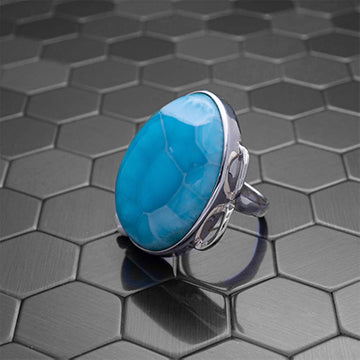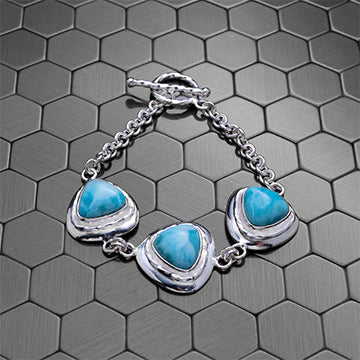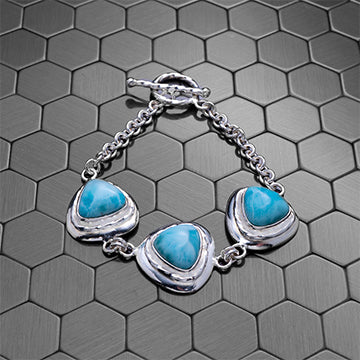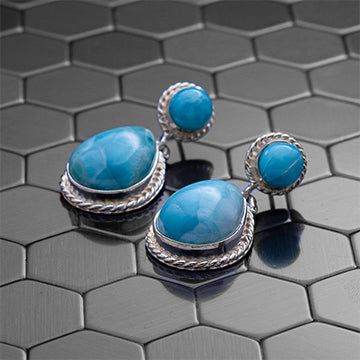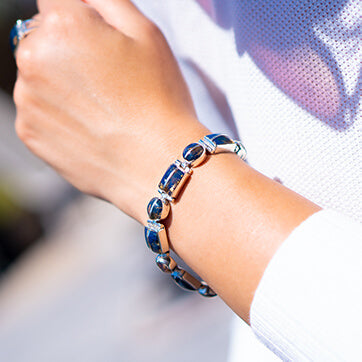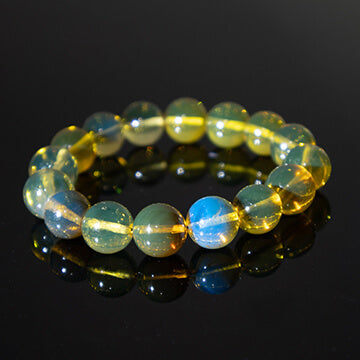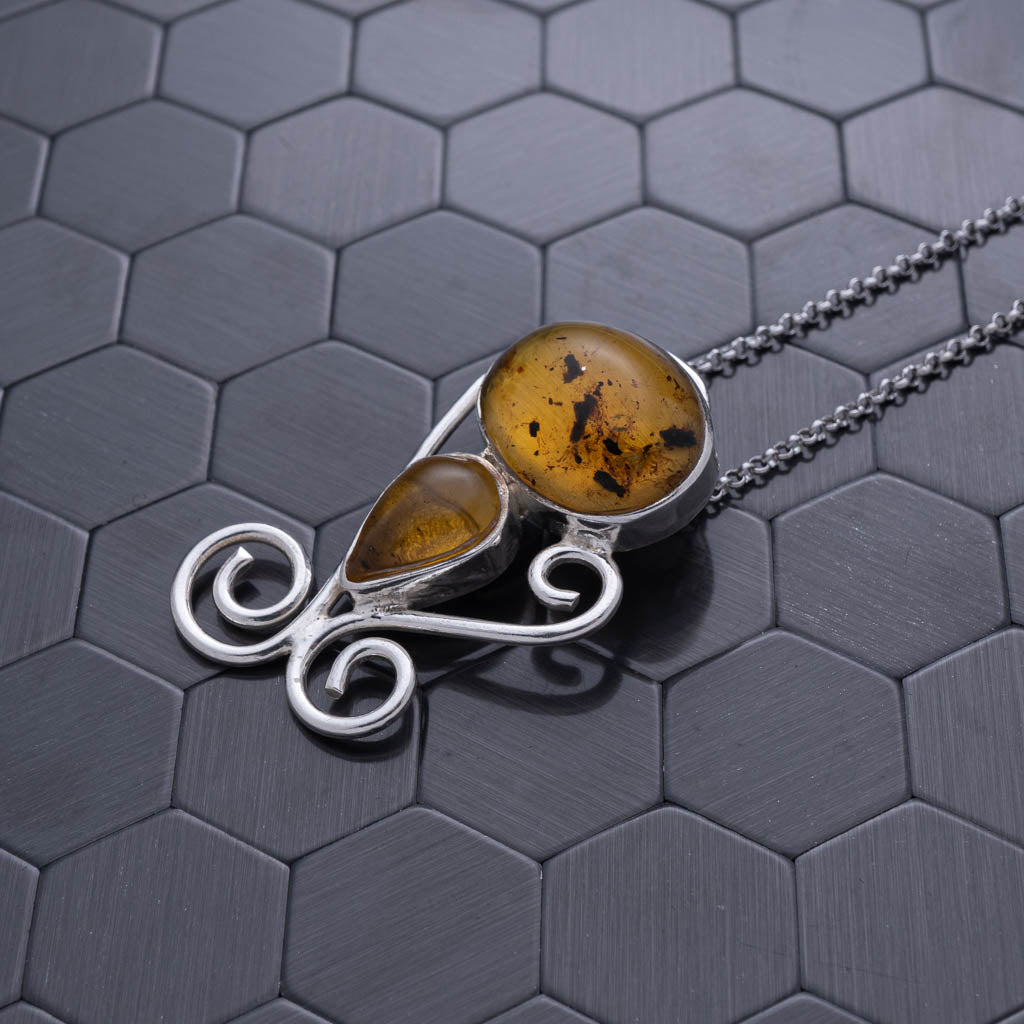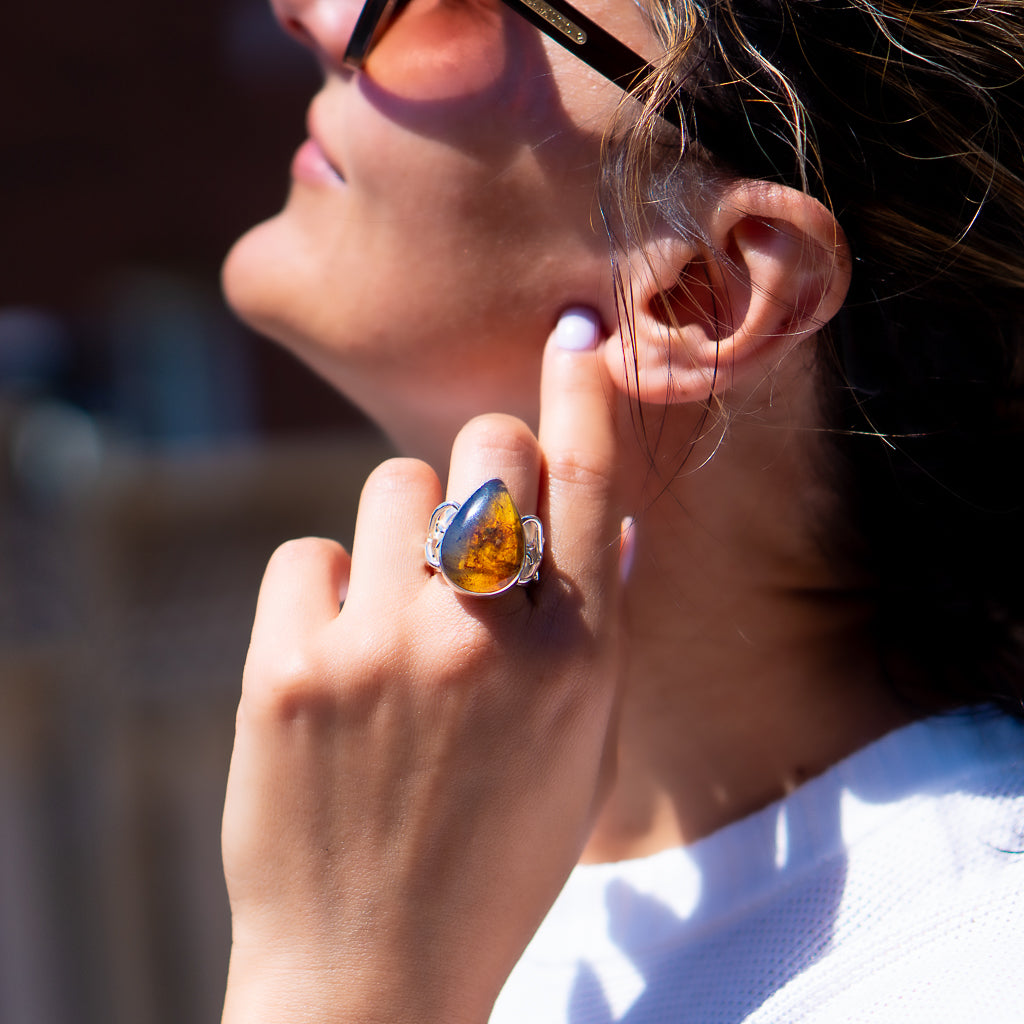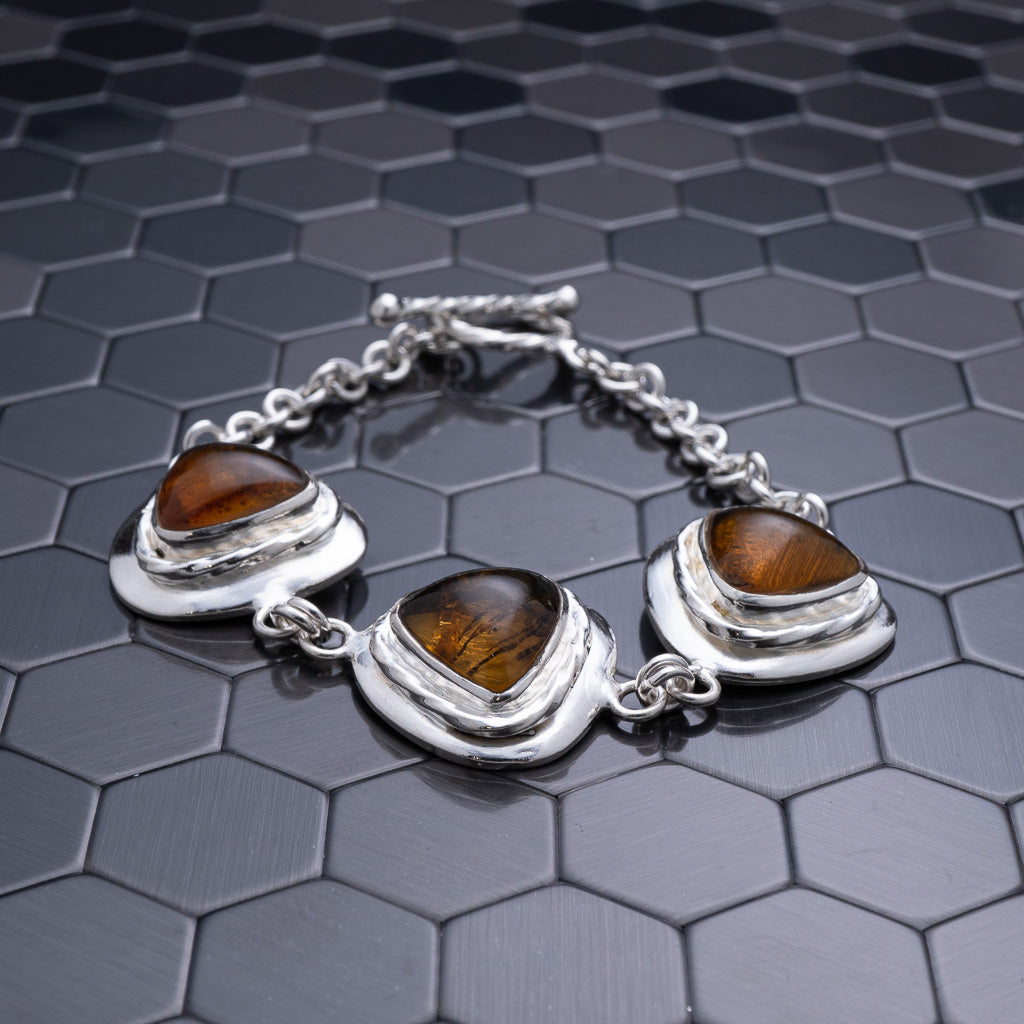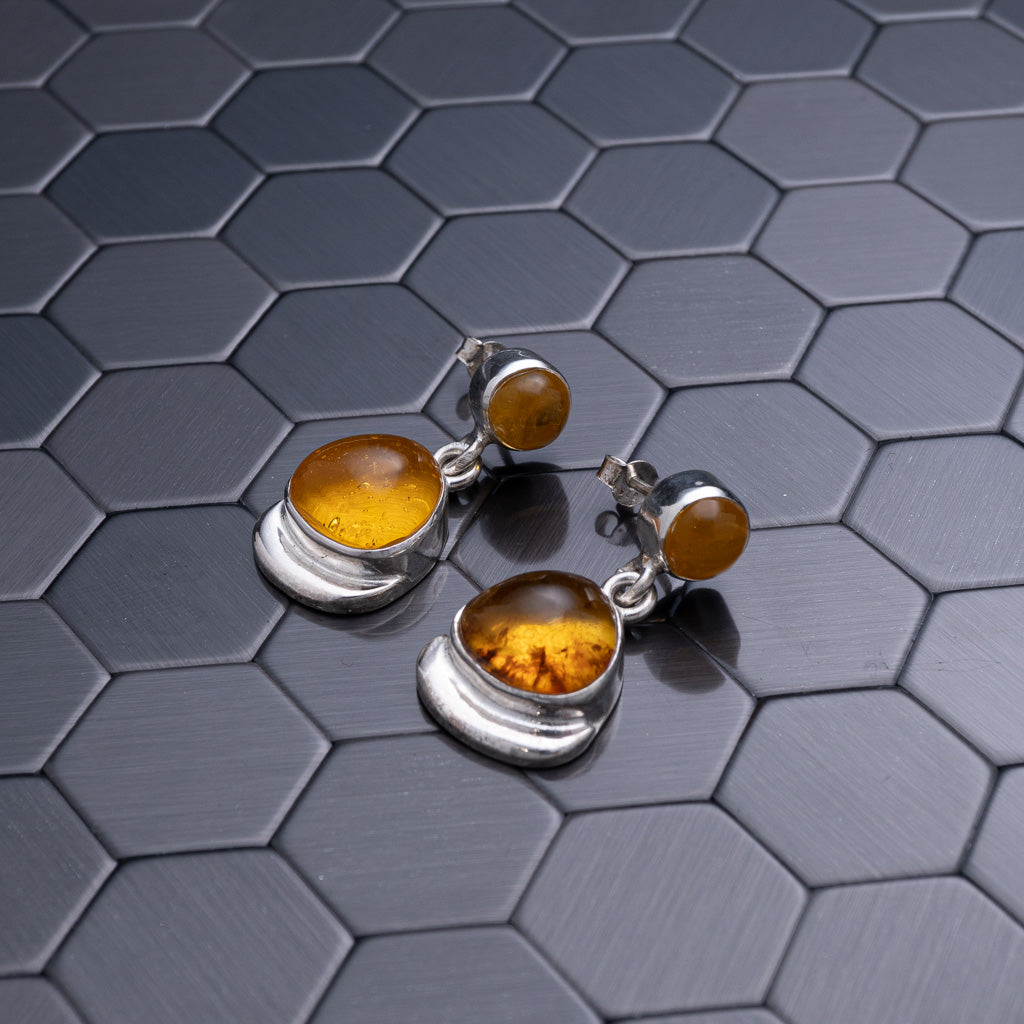


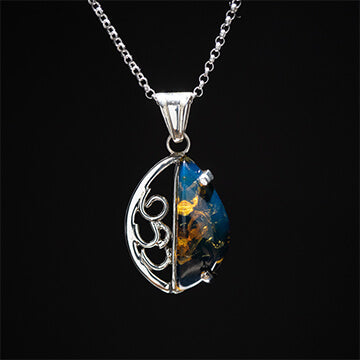
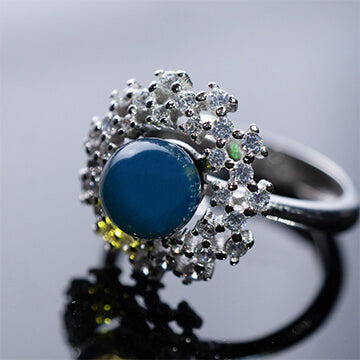
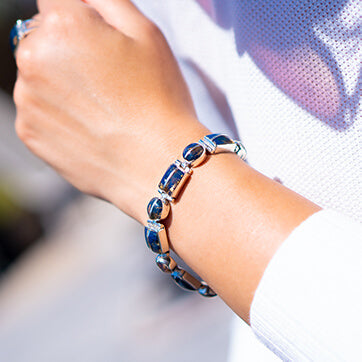
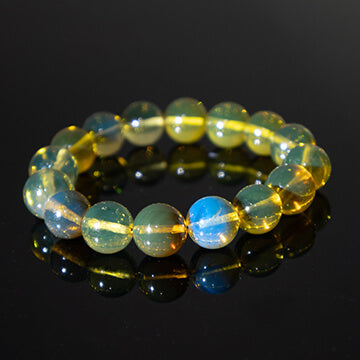
Handcrafted in DR.

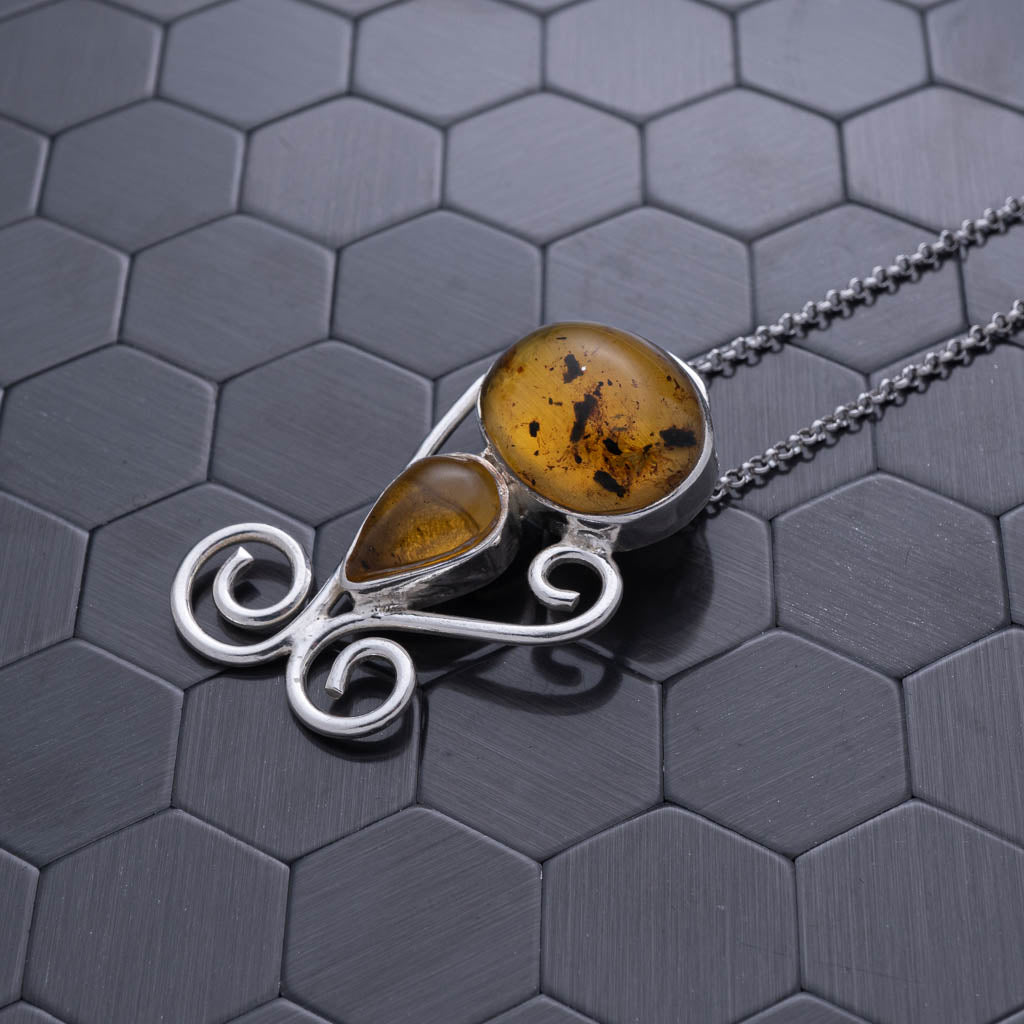
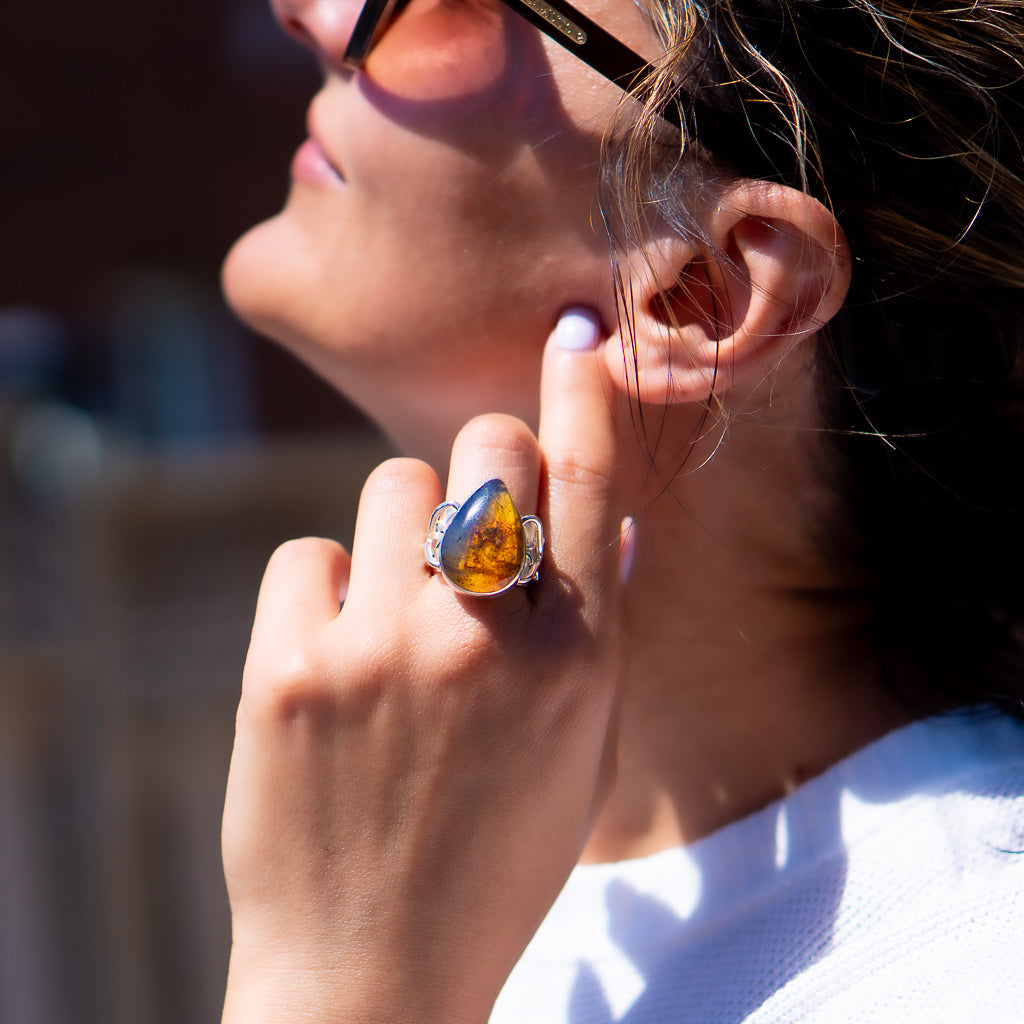
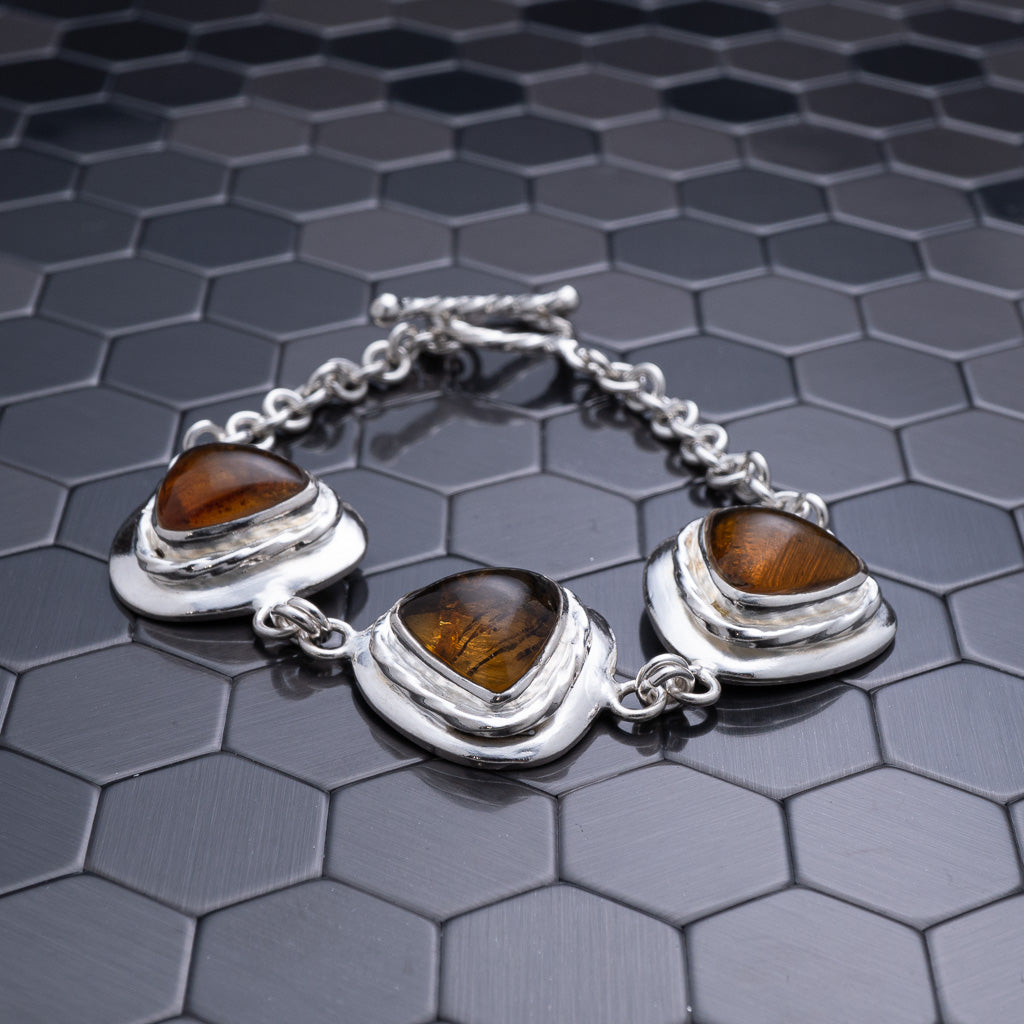
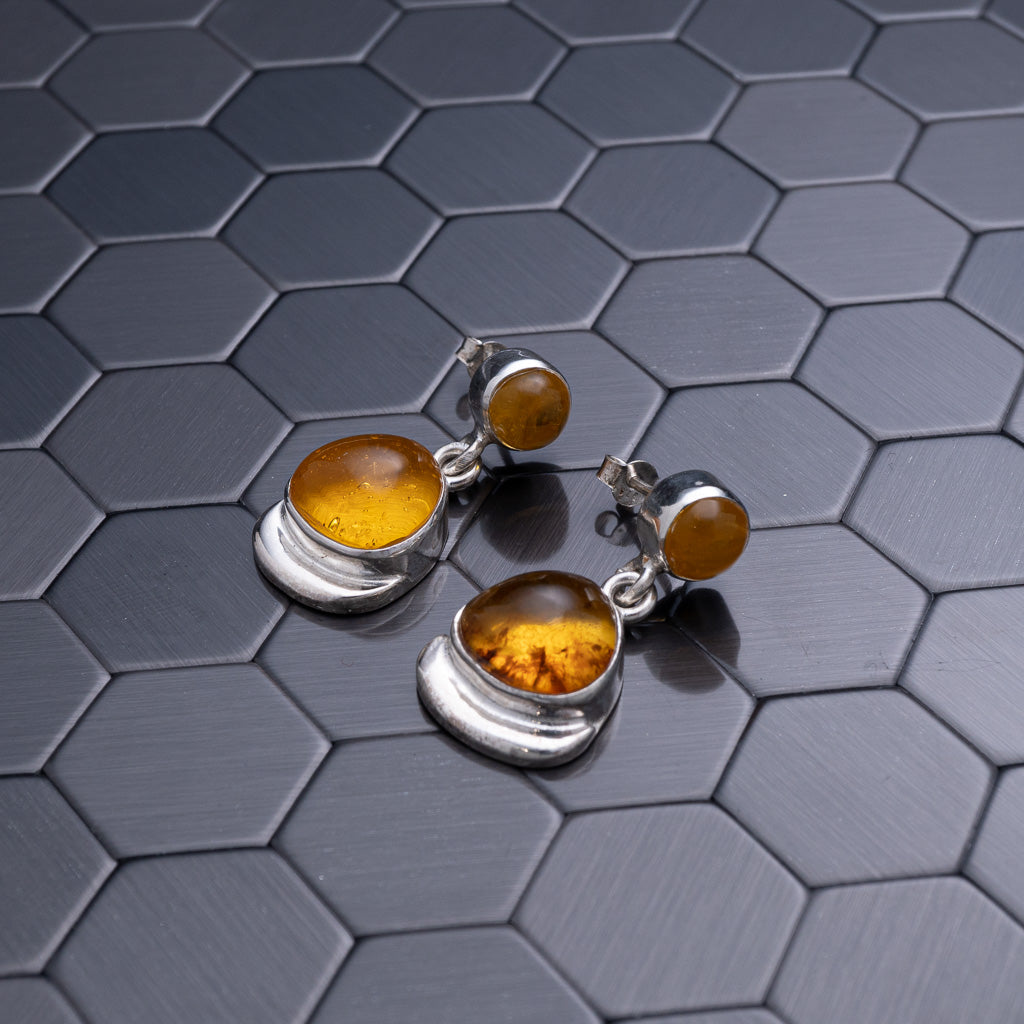


100% Handcrafted in DR.

The allure of a blue necklace crystal has captivated jewelry enthusiasts for centuries, combining the timeless elegance of crystalline gemstones with the calming, mystical qualities associated with blue hues. Whether you're drawn to the deep azure of lapis lazuli, the tranquil sky tones of larimar, or the brilliant sparkle of treated topaz, understanding the characteristics, authenticity markers, and proper care of these gems ensures your investment remains beautiful for generations. This comprehensive guide explores the diverse world of blue crystal necklaces, helping you make informed decisions about selection, authentication, and maintenance.
The term "blue necklace crystal" encompasses a remarkable range of gemstones, each with distinct mineralogical properties and visual characteristics. Natural blue crystals form through specific geological processes that incorporate trace elements responsible for their distinctive coloring.
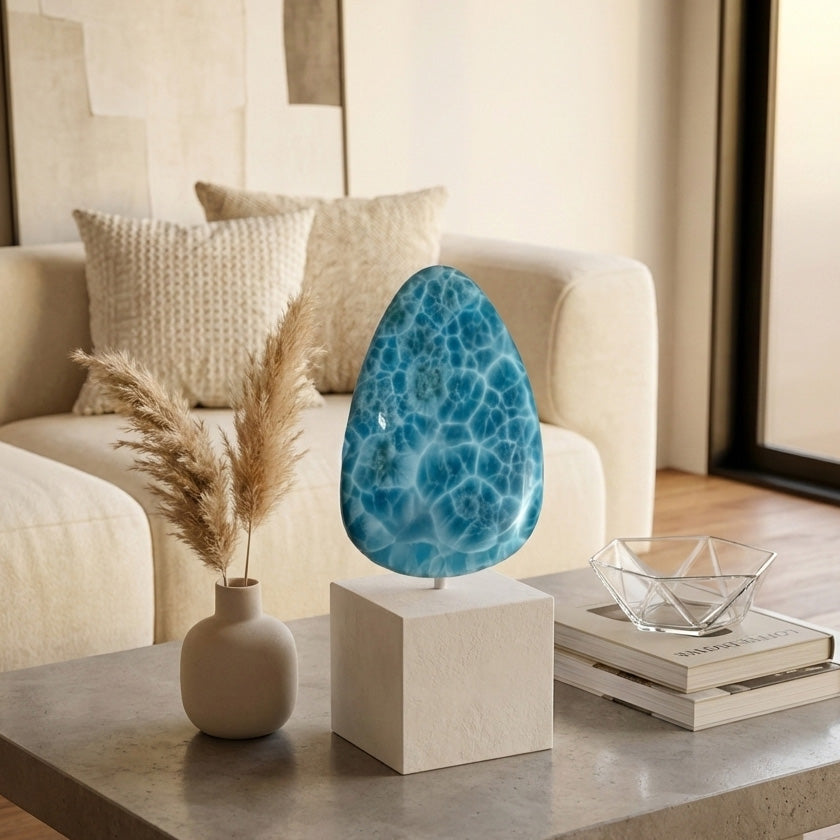
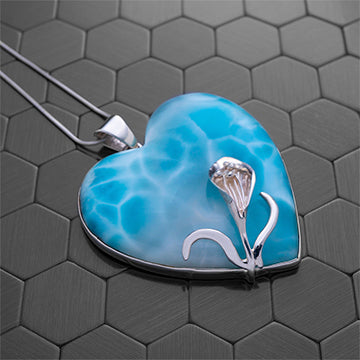
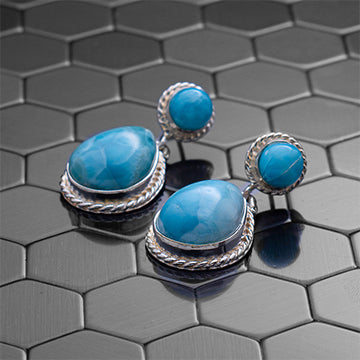
Larimar stands out as one of the rarest blue crystals used in necklace jewelry, found exclusively in the Dominican Republic. This pectolite variety displays colors ranging from white-blue to deep volcanic blue, with patterns that often resemble ocean waves. The stone's triclinic crystal system creates its distinctive appearance, making each piece truly unique. For collectors seeking exceptional blue stones, exploring larimar jewelry options reveals the full spectrum of this remarkable gemstone.
Lapis Lazuli has adorned necklaces since ancient civilizations, prized for its deep celestial blue color dotted with golden pyrite inclusions. According to The Metropolitan Museum of Art's comprehensive overview, this metamorphic rock has been used in jewelry and art for over 6,000 years, demonstrating its enduring appeal across cultures.
Aquamarine belongs to the beryl family and exhibits a delicate blue-green crystalline structure. Its hexagonal crystal system produces exceptional clarity and brilliance when properly cut for necklace pendants.
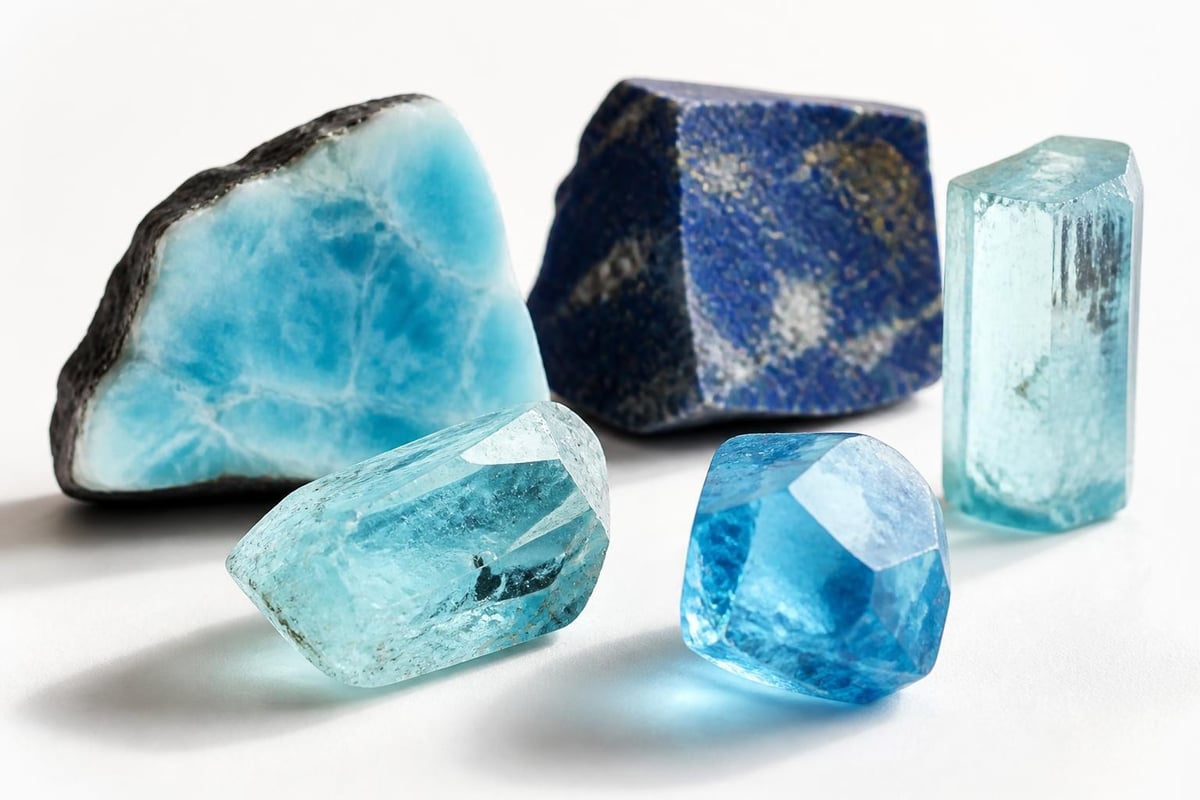
Many blue necklace crystal options available today undergo enhancement treatments to improve color or clarity. Blue topaz, for instance, rarely occurs naturally in its vivid blue form. Research published in PubMed Central examining topaz treatments reveals that most commercial blue topaz undergoes irradiation and heat treatment to achieve its signature color.
Treated sapphire and enhanced turquoise also appear frequently in blue crystal necklaces. Understanding these treatments doesn't diminish the beauty of these pieces but enables informed purchasing decisions regarding value and care requirements.
| Crystal Type | Natural Color Range | Common Treatments | Mohs Hardness |
|---|---|---|---|
| Larimar | White-blue to volcanic blue | None (natural) | 4.5-5 |
| Lapis Lazuli | Deep blue with pyrite | Dyeing, wax impregnation | 5-6 |
| Aquamarine | Pale to medium blue-green | Heat treatment | 7.5-8 |
| Blue Topaz | Colorless (naturally) | Irradiation, heat | 8 |
| Sapphire | Light to deep blue | Heat treatment | 9 |
Verifying the authenticity of a blue necklace crystal requires understanding key identification markers and employing professional resources when necessary.
Color consistency provides the first clue to authenticity. Natural blue crystals typically display subtle color variations and zoning patterns, while synthetic or heavily treated stones may show unnaturally uniform coloring. Examine your blue necklace crystal under natural daylight, as artificial lighting can mask color discrepancies.
Inclusions often indicate natural formation. Larimar's distinctive pattern resembles clouds or ocean waves, while natural lapis lazuli contains calcite veining and pyrite specks. The International Gem Society's detailed guide explains how these natural markers differentiate authentic lapis from imitations.
Surface texture reveals manufacturing methods. Hand-polished natural crystals show slight irregularities compared to the perfect uniformity of glass or plastic imitations.
For significant investments in blue necklace crystal jewelry, laboratory certification provides definitive authentication. The Swiss Gemmological Institute's GemTrack system offers comprehensive documentation of gemstone origin and provenance, particularly valuable for rare varieties like larimar or high-grade sapphire.
Professional gemological laboratories examine:
These scientific methods identify treatments, synthetic materials, and confirm natural origin with certainty that visual inspection alone cannot provide.
Responsible acquisition of blue necklace crystal jewelry involves understanding supply chains and supporting ethical mining practices.
Geographic origin significantly impacts both value and ethical considerations. Recent studies, including research on lapis lazuli provenance, demonstrate how scientific analysis can trace ancient and modern gemstones to specific mining regions, enabling verification of sourcing claims.
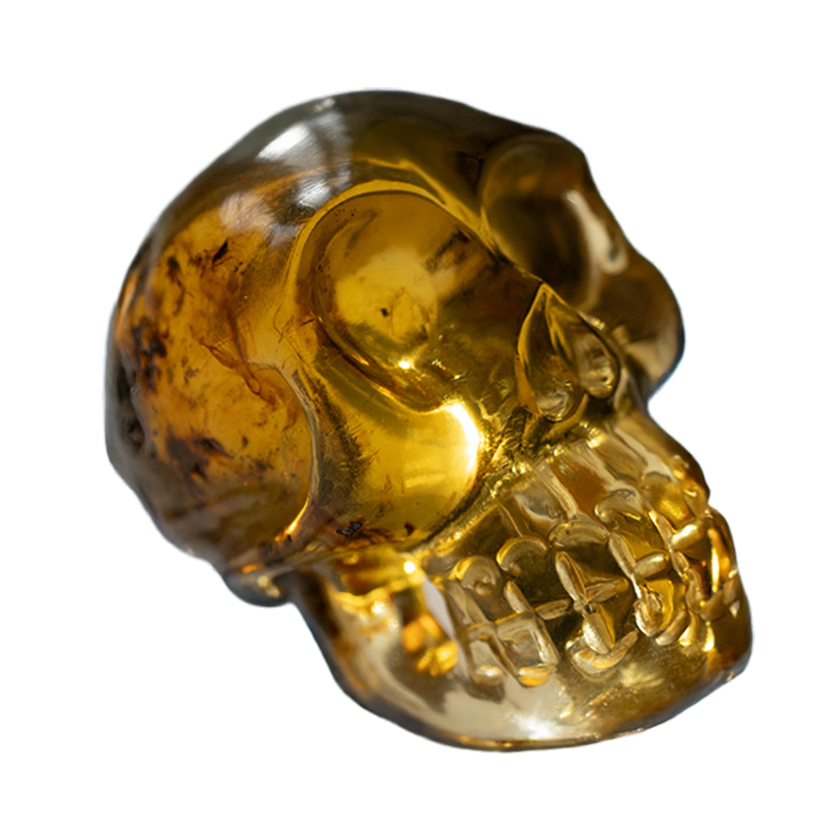
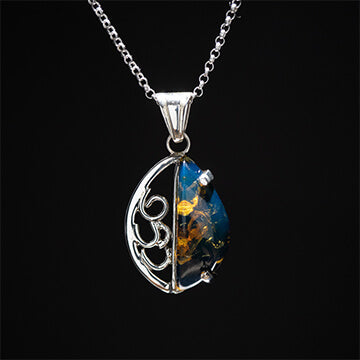
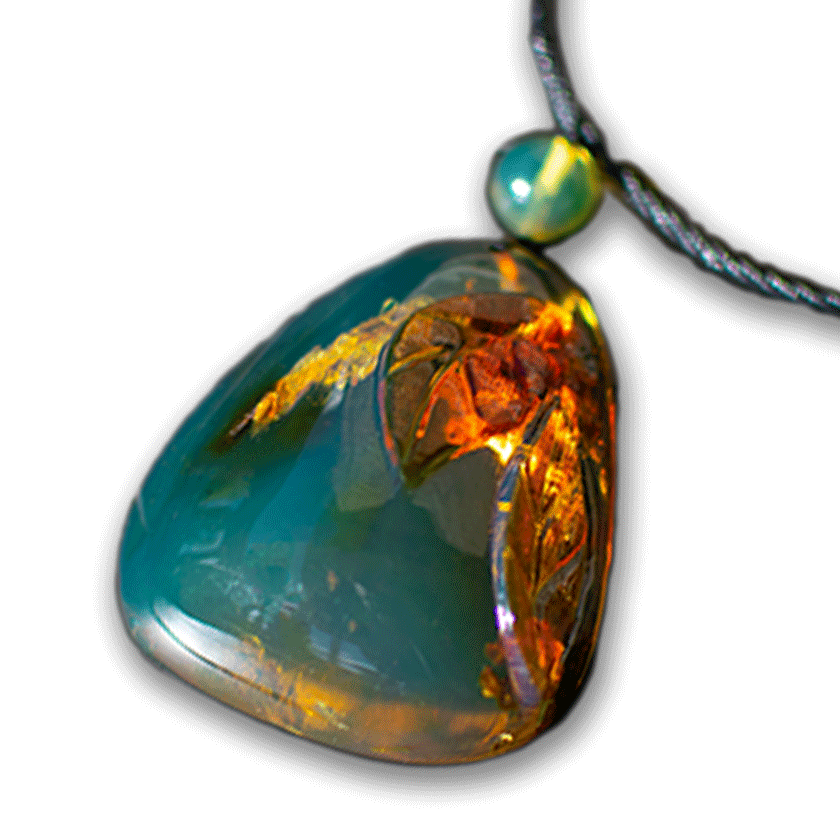
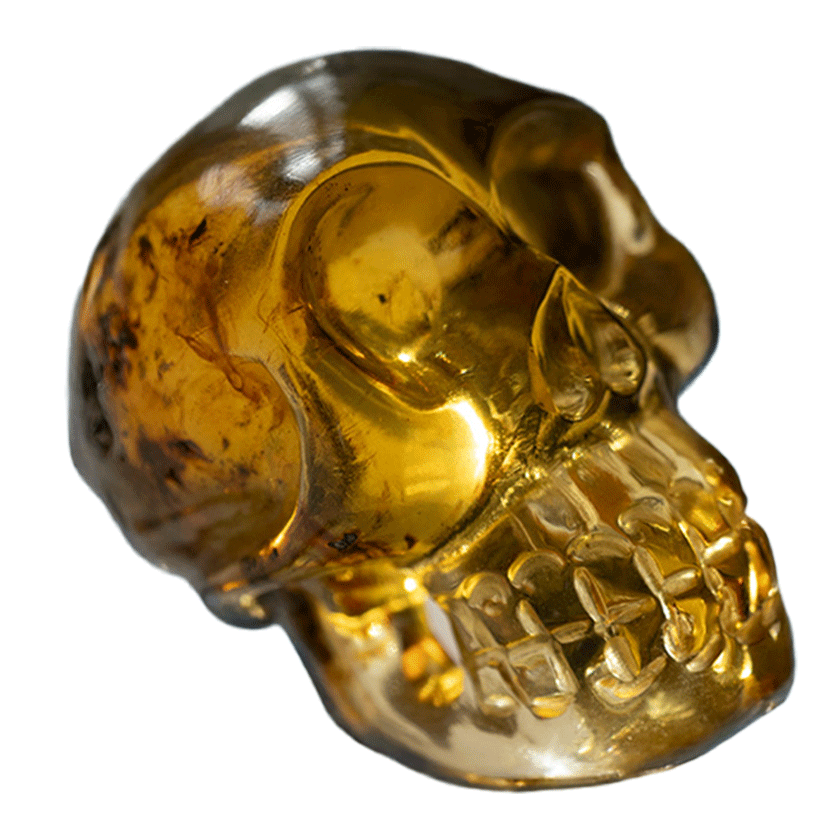
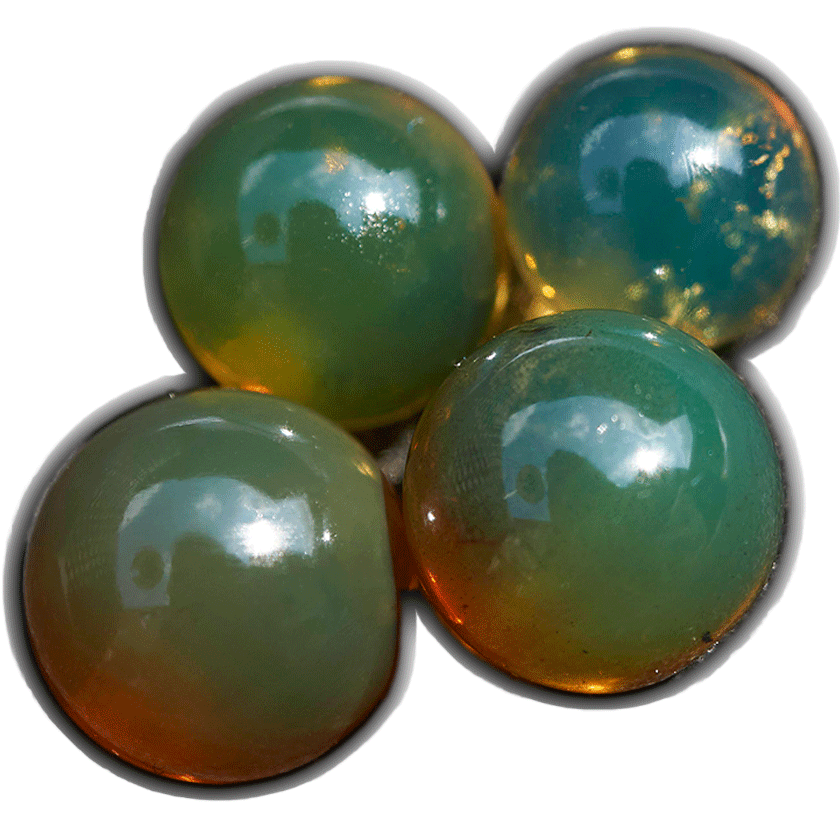
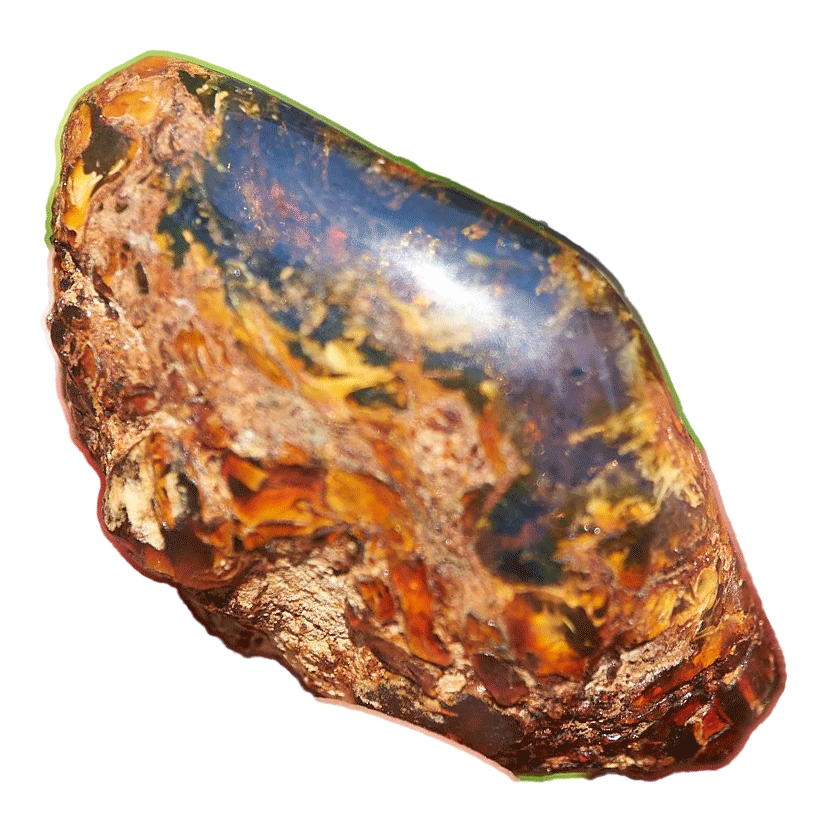
Dominican blue gemstones like larimar and blue amber carry particular geographic significance, as these materials exist nowhere else on Earth. Understanding what makes Dominican gemstones unique helps buyers appreciate their rarity and value.
The Responsible Jewellery Council establishes comprehensive standards for ethical practices throughout the jewelry supply chain. When purchasing a blue necklace crystal, inquire about:
Supporting jewelers who prioritize these standards ensures your beautiful blue necklace crystal doesn't carry hidden social or environmental costs.
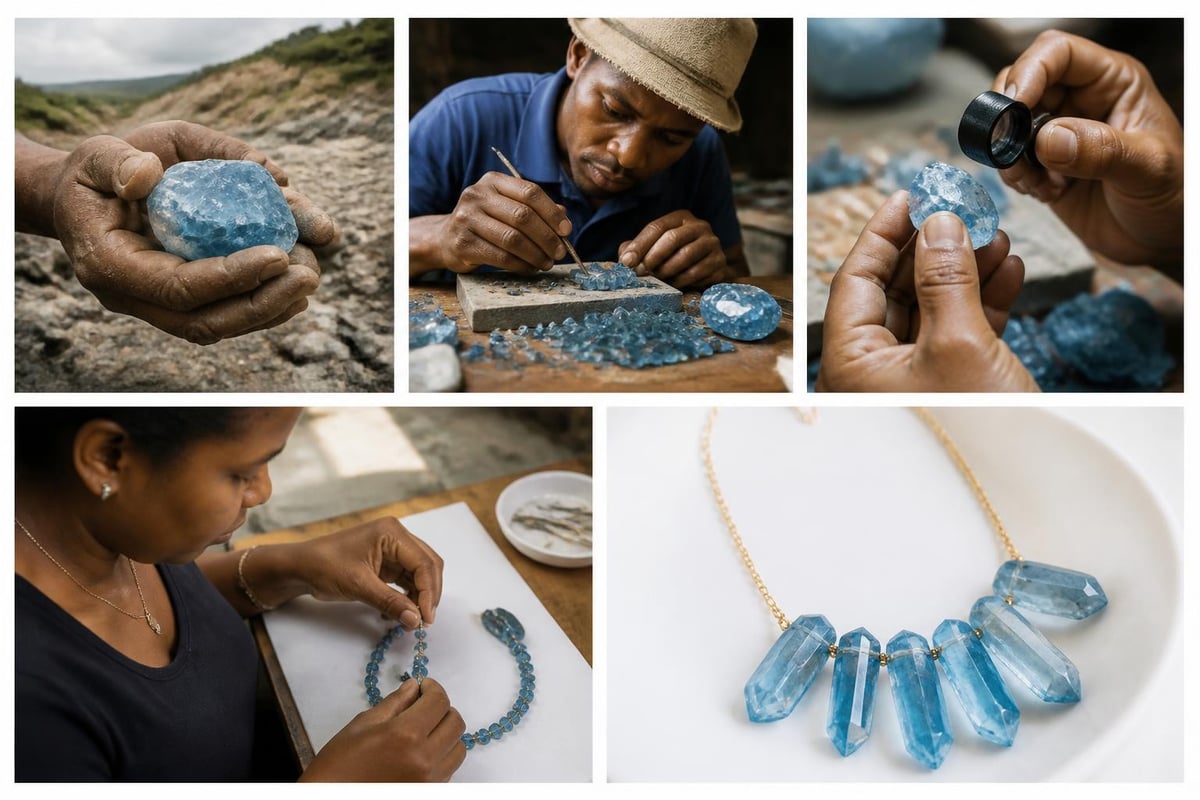
The setting and metal choice dramatically influences how a blue necklace crystal appears and performs in daily wear.
Sterling silver remains the most popular choice for blue crystal necklaces, offering excellent value and a cool tone that complements blue hues without competing visually. The reflective quality of polished silver enhances the luminosity of lighter blue stones like aquamarine or pale larimar. For those interested in understanding metal quality, exploring sterling silver standards provides valuable background.
White gold and platinum provide luxury options with superior durability for everyday wear. These metals suit formal blue necklace crystal designs, particularly those featuring faceted stones that benefit from the bright, reflective setting.
Yellow gold creates striking contrast with deep blue crystals like lapis lazuli or intense blue topaz, producing a warm, traditional aesthetic popular in vintage-inspired designs.
Rose gold offers a contemporary alternative, pairing beautifully with softer blue stones that contain hints of green or white, such as larimar or pale aquamarine.
Choosing the appropriate necklace length ensures your blue crystal displays to best advantage:
Pendant size should balance with chain delicacy. A substantial blue necklace crystal requires a sturdy chain that won't appear overwhelmed, while a delicate crystal pairs best with finer metalwork.
Incorporating a blue necklace crystal into your wardrobe requires understanding color coordination and occasion appropriateness.
Complementary colors create maximum visual impact. Blue crystals naturally complement:
Analogous colors produce harmonious, sophisticated looks by pairing blue crystals with:
Neutral backdrops allow the blue necklace crystal to become the focal point. Black, gray, navy, and white clothing provide clean canvases that showcase the gemstone's unique characteristics without competing for attention.
Different settings call for varying approaches to wearing blue crystal necklaces:
Professional environments benefit from subtle blue necklace crystal choices-a single polished stone on a simple chain conveys sophistication without distraction. Larimar's soft tones work particularly well in business casual settings.
Casual daywear accommodates more playful presentations. Layer multiple blue crystal necklaces in varying lengths, or pair a bold pendant with relaxed clothing for an effortlessly chic aesthetic.
Formal occasions demand statement pieces. A substantial blue necklace crystal pendant becomes the jewelry centerpiece, often best worn without competing necklaces. Coordinate with complementary earrings or a bracelet rather than creating visual clutter.
Evening events allow for dramatic presentation. Deep blue crystals like lapis or treated sapphire catch ambient lighting beautifully, creating movement and sparkle ideal for social gatherings.
Proper care preserves the beauty and integrity of your blue necklace crystal for decades.
Chemical exposure poses the primary threat to many blue crystals. Remove your necklace before:
Physical protection prevents chips, scratches, and fractures. Blue necklace crystal varieties differ substantially in hardness, with sapphire (9 on Mohs scale) dramatically more durable than larimar (4.5-5) or lapis (5-6). Store pieces separately in soft pouches to prevent harder stones from scratching softer ones.
Different blue necklace crystal varieties require specific cleaning approaches:
| Crystal Type | Safe Cleaning Method | Avoid |
|---|---|---|
| Larimar | Lukewarm water, soft cloth, mild soap | Ultrasonic cleaners, steam, prolonged soaking |
| Lapis Lazuli | Damp cloth only | Water immersion, chemicals, heat |
| Aquamarine | Warm soapy water, soft brush | Extreme temperature changes |
| Blue Topaz | Warm soapy water, ultrasonic (unset) | Sudden temperature changes, harsh chemicals |
| Sapphire | Warm soapy water, ultrasonic, steam | Acids (though generally very durable) |
Frequency recommendations vary by wear pattern. Daily-worn blue necklace crystal jewelry benefits from weekly gentle cleaning to remove skin oils and environmental residue. Pieces worn occasionally require only cleaning before storage.

Annual professional inspection ensures the structural integrity of your blue necklace crystal jewelry. Jewelers examine:
For collectors of rare blue stones like larimar, establishing relationships with jewelers experienced in specific materials ensures appropriate care recommendations tailored to your pieces' unique characteristics.
Understanding the economic aspects of blue necklace crystal jewelry informs purchasing decisions and collection strategies.
Rarity fundamentally drives gemstone pricing. Larimar's exclusive Dominican origin and limited mining area create scarcity that supports strong market value. Similarly, fine-quality natural blue sapphire commands premium prices due to limited sources of untreated material.
Color intensity and saturation directly correlate with value across blue crystal varieties. Vivid, evenly distributed color typically commands higher prices than pale or irregularly colored stones.
Clarity and transparency affect value differently depending on the gemstone. Transparent crystals like aquamarine and topaz achieve maximum value with minimal inclusions, while opaque materials like lapis lazuli are judged by color uniformity and pyrite distribution rather than clarity.
Size and carat weight follow non-linear pricing, with larger fine-quality crystals commanding disproportionately higher per-carat prices due to their rarity.
Treatment status significantly impacts value. Natural, untreated blue crystals typically achieve premium pricing compared to enhanced materials, though treated stones often offer superior color at accessible price points.
Current trends indicate growing consumer interest in:
Collectors increasingly prioritize authenticity documentation and provenance over sheer size, creating opportunities for smaller high-quality pieces to appreciate in value. The unique appeal of Larimar Pendants exemplifies this trend, combining rarity with artisan craftsmanship to create jewelry that functions both as adornment and investment.
Beyond aesthetic appeal, blue necklace crystal jewelry carries rich cultural associations and attributed metaphysical properties that enhance its personal meaning.
Ancient civilizations revered blue gemstones for their celestial associations. Egyptian pharaohs wore lapis lazuli as symbols of divine connection and wisdom. Medieval Europeans considered sapphire protective against envy and harm. These historical contexts add depth to modern blue necklace crystal wearing, connecting contemporary wearers to millennia of human tradition.
Modern crystal enthusiasts attribute specific properties to blue stones:
While scientific evidence doesn't support these claims, the psychological benefit of wearing meaningful jewelry shouldn't be dismissed. A blue necklace crystal chosen for its attributed properties may enhance confidence or serve as a tangible reminder of personal intentions.
Creating a custom blue necklace crystal piece ensures perfect alignment with personal preferences and style requirements.
Working with skilled artisans begins with:
Handcrafted blue necklace crystal jewelry offers advantages over mass-produced alternatives:
For those seeking necklaces as meaningful gifts, understanding thoughtful necklace gift selection provides additional guidance on customization choices that resonate personally.
Strategic seasonal wearing maximizes both the aesthetic impact and longevity of your blue necklace crystal.
Warm weather presents specific challenges for blue crystal jewelry:
Increased perspiration accelerates tarnishing on metal components and can affect porous stones like lapis lazuli. Clean pieces more frequently during summer months and allow complete drying before storage.
Sunlight exposure may fade certain treated blue crystals over time. While most natural blue necklace crystal varieties remain stable in sunlight, prolonged UV exposure can affect dyed or treated materials. Remove jewelry before extended outdoor activities when possible.
Water activities necessitate removing most blue crystal necklaces. Even water-safe stones risk damage from chlorine, salt, and physical impact during swimming or water sports.
Cold weather requires different precautions:
Temperature fluctuations can cause thermal shock in crystals, particularly when transitioning between heated indoor spaces and freezing outdoor conditions. Allow jewelry to warm gradually rather than exposing it to sudden temperature changes.
Dry air reduces tarnishing risk for metal components but may make some crystals appear less lustrous. Gentle cleaning restores surface brilliance without risking damage.
Layered clothing provides opportunities for creative styling with longer blue necklace crystal pieces worn over sweaters, turtlenecks, or scarves for dramatic visual impact.
Developing a curated collection of blue necklace crystal jewelry creates versatile options for various occasions and outfits.
Rather than random purchases, consider systematic collection building:
Variety in tone: Acquire blue crystals spanning the color spectrum from pale aqua to deep navy, enabling coordination with diverse wardrobes.
Diversity in size: Collect both delicate everyday pieces and statement necklaces for special occasions, ensuring appropriate options for any context.
Range of settings: Include both modern and traditional designs, simple and ornate metalwork, casual and formal presentations.
Multiple price points: Balance investment-grade pieces with affordable options, allowing regular enjoyment without concern about damage or loss.
Serious collectors benefit from maintaining detailed records:
This documentation proves invaluable for insurance claims, estate planning, and eventual resale should collection priorities change. Exploring resources about larimar crystal properties and similar materials helps collectors make informed acquisition decisions.
Selecting and caring for a blue necklace crystal involves understanding gemstone characteristics, authentication markers, ethical sourcing, and proper maintenance techniques. Whether you're drawn to the rare beauty of larimar, the historic significance of lapis lazuli, or the brilliant sparkle of treated topaz, informed decisions ensure your jewelry investment brings lasting satisfaction. Larimar Creations specializes in handcrafting exceptional blue gemstone jewelry from rare Dominican materials, offering authenticated pieces with worldwide shipping to help you discover the perfect blue necklace crystal that speaks to your unique style and values.