
FREE WORLD WIDE SHIPPING
HANDCRAFTED IN THE DOMINICAN REPUBLIC
30% DISCOUNT APPLIED AT CHECKOUT
FREE WORLD WIDE SHIPPING
HANDCRAFTED IN THE DOMINICAN REPUBLIC
30% DISCOUNT APPLIED AT CHECKOUT
FREE WORLD WIDE SHIPPING
HANDCRAFTED IN THE DOMINICAN REPUBLIC
30% DISCOUNT APPLIED AT CHECKOUT
FREE WORLD WIDE SHIPPING
HANDCRAFTED IN THE DOMINICAN REPUBLIC
30% DISCOUNT APPLIED AT CHECKOUT
FREE WORLD WIDE SHIPPING
HANDCRAFTED IN THE DOMINICAN REPUBLIC
30% DISCOUNT APPLIED AT CHECKOUT
FREE WORLD WIDE SHIPPING
HANDCRAFTED IN THE DOMINICAN REPUBLIC
30% DISCOUNT APPLIED AT CHECKOUT
100% Handcrafted in DR.
by Admin October 26, 2026 6 min read
A flash of electric blue appears inside a Dominican amber carving when it meets the light. A Larimar cabochon, by contrast, may hold your attention with a quiet, cloudlike pattern that feels lifted from the Caribbean Sea. Both are captivating, but they invite a collector to look differently. In gemstone carving versus cabochon collecting, the better choice is not simply the more elaborate piece. It is the form that best honors the stone, your purpose, and the kind of collection you want to build.
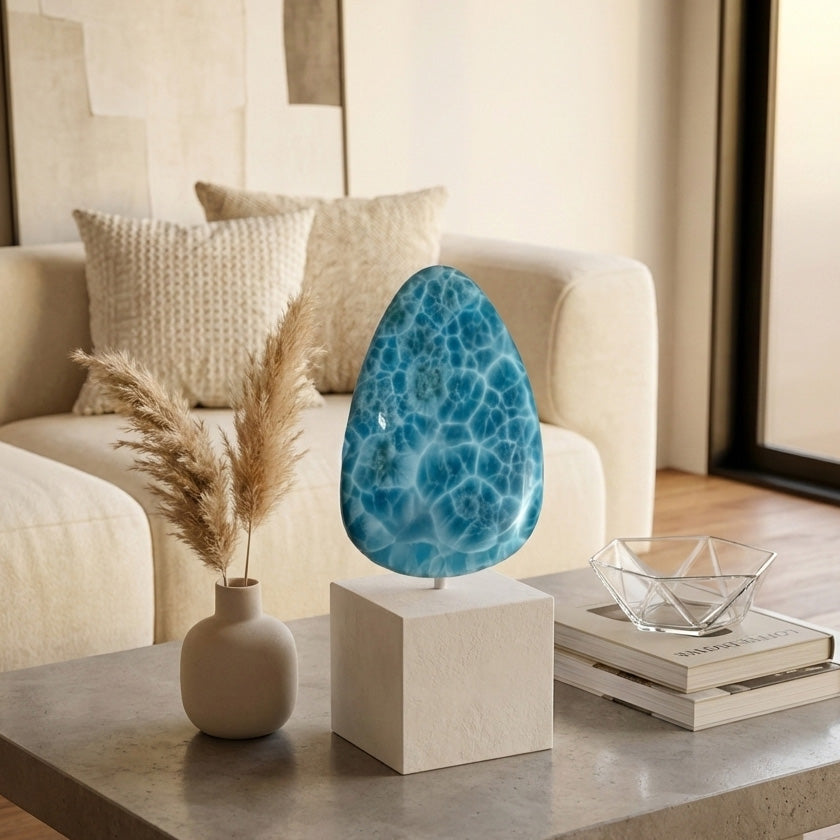
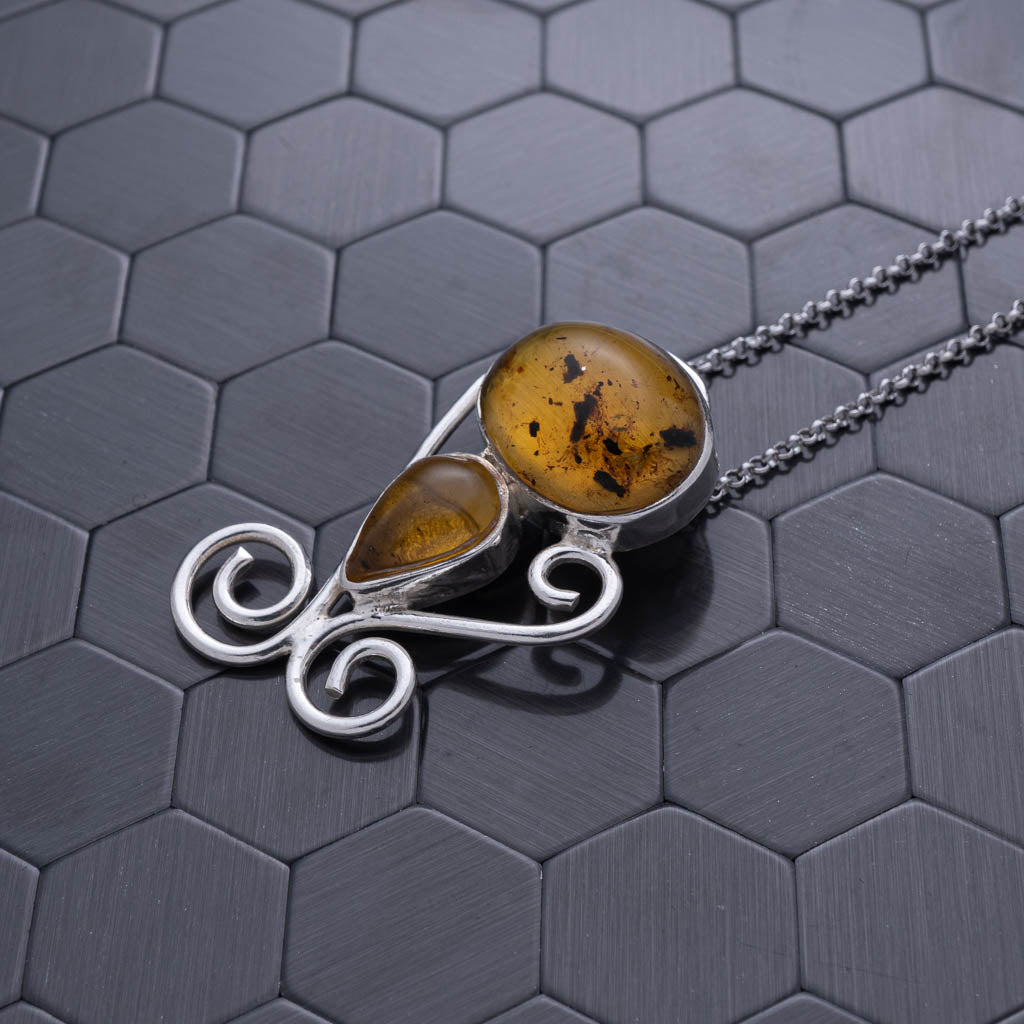
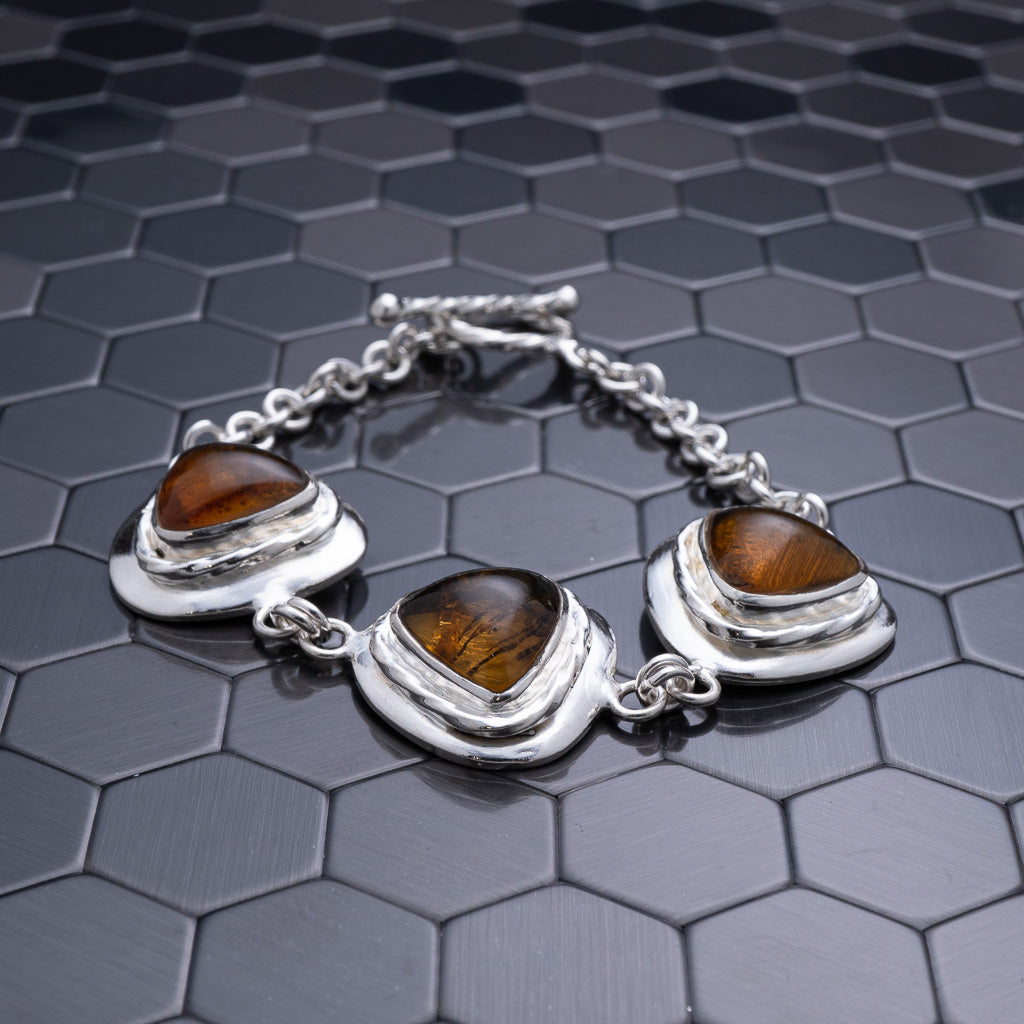
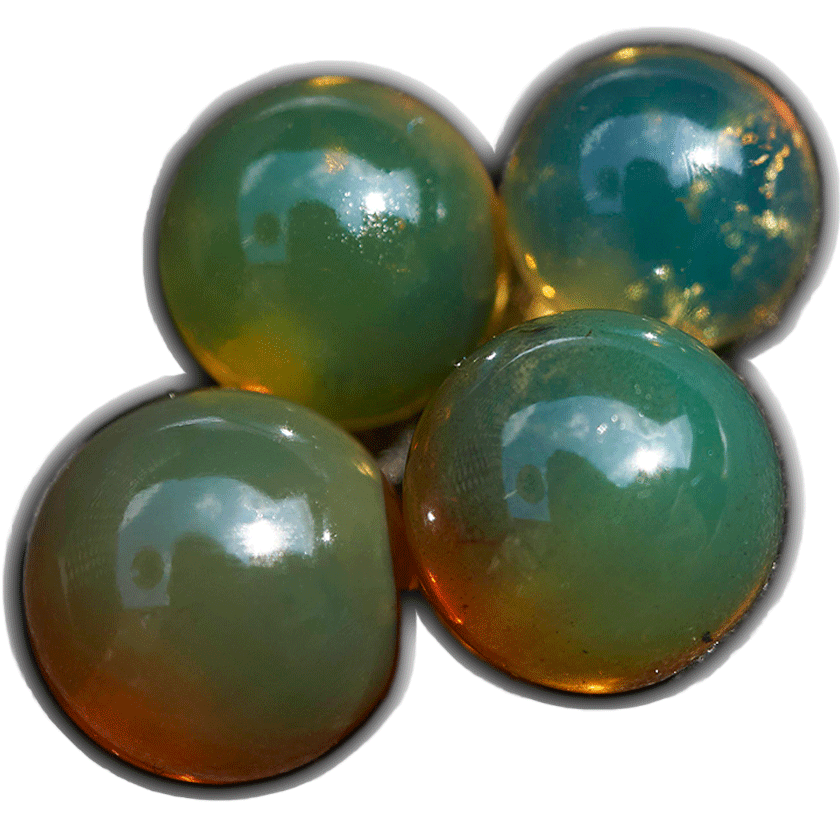
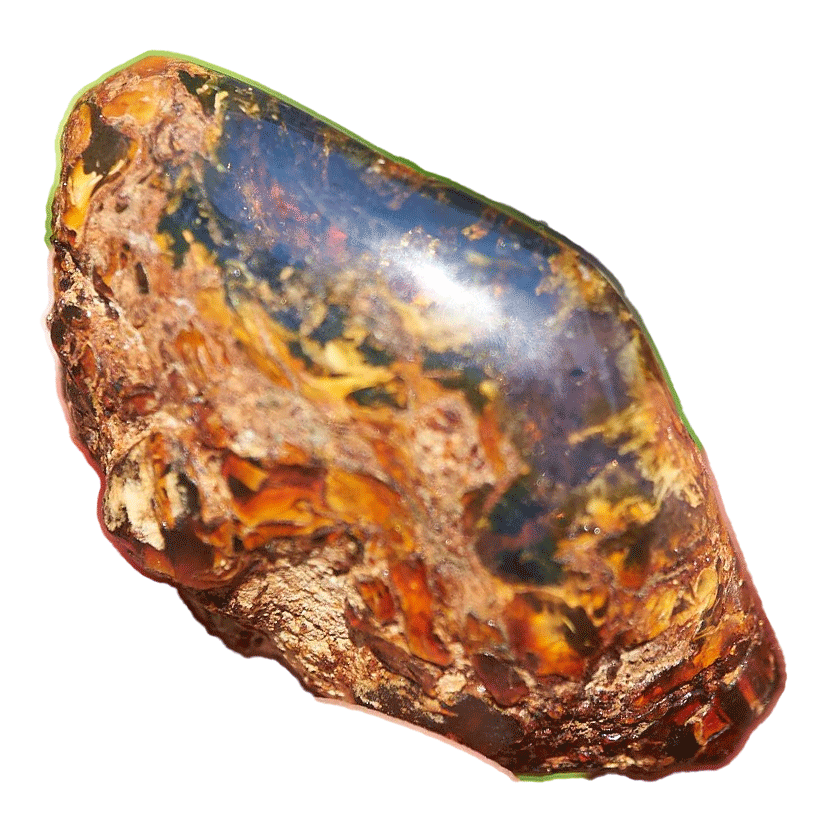
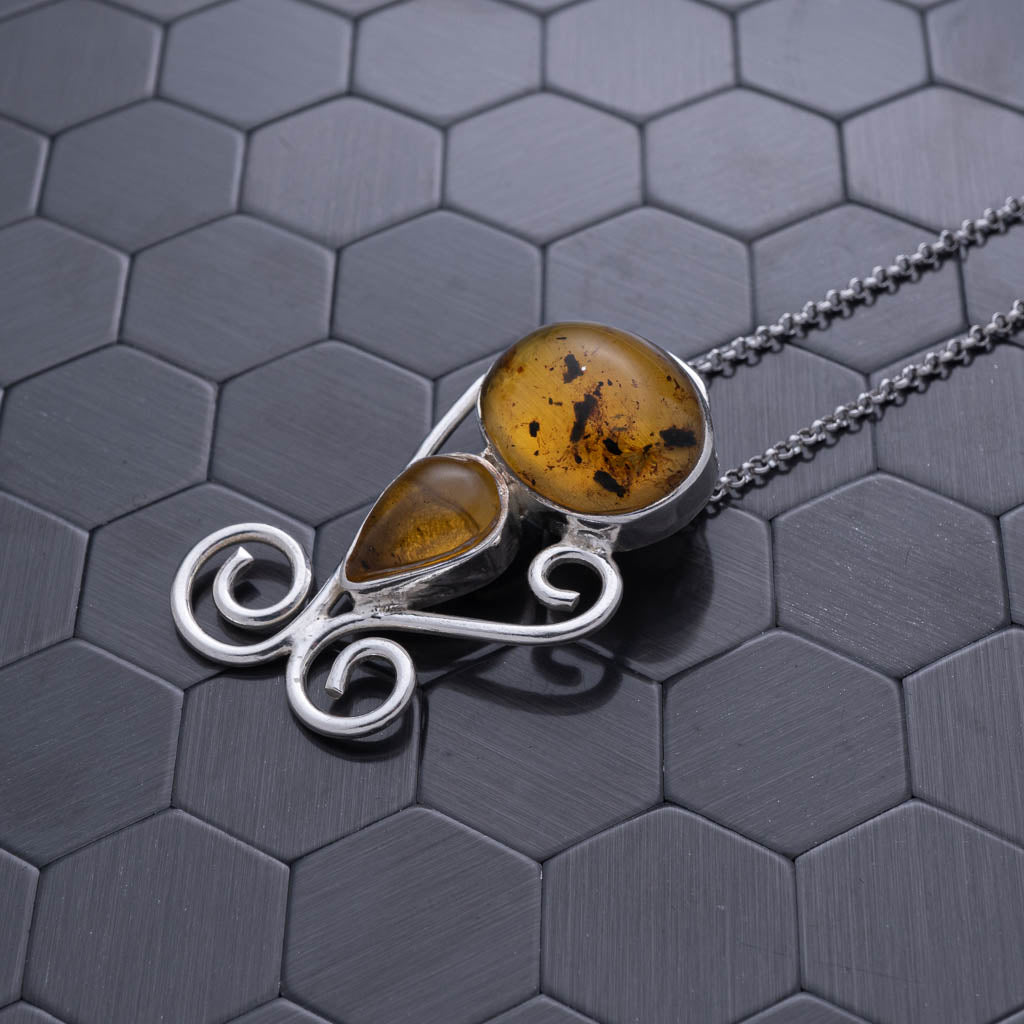
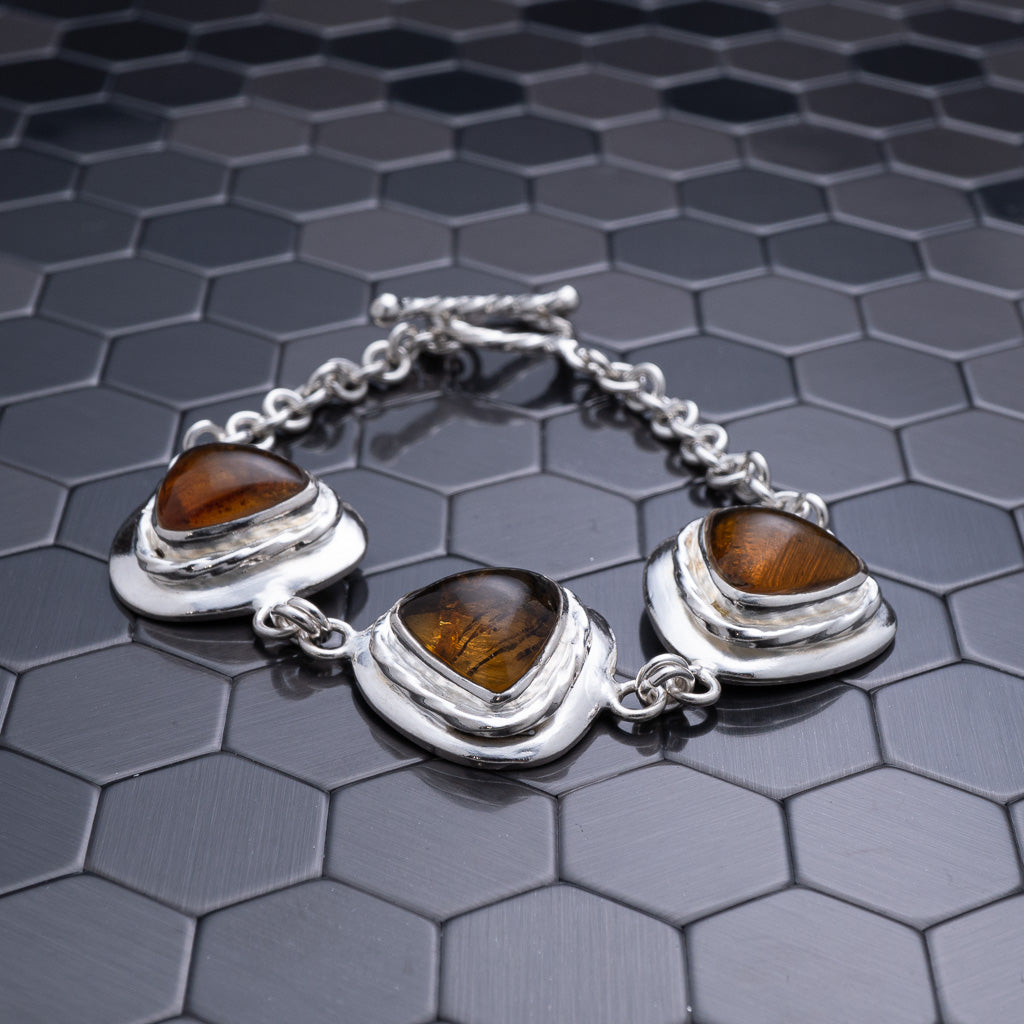
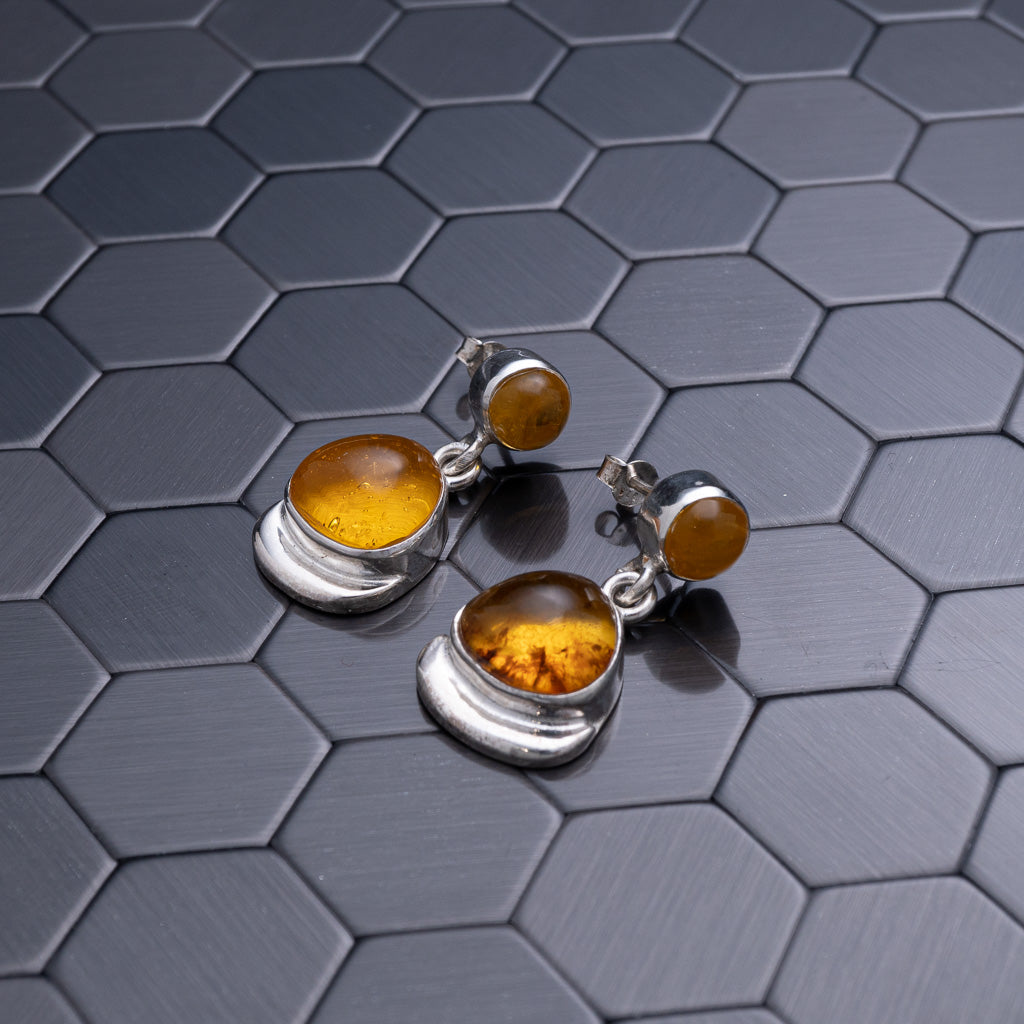
A cabochon is a polished gemstone shaped with a smooth, domed top and a flat or nearly flat base. Rather than relying on facets, it reveals color, translucency, pattern, and natural texture through a clean surface. Cabochons are especially beloved in Larimar because the stone's ocean-blue color and white marbling need little embellishment. They are also a natural choice for amber, whose inner glow becomes especially clear in a well-polished cut.
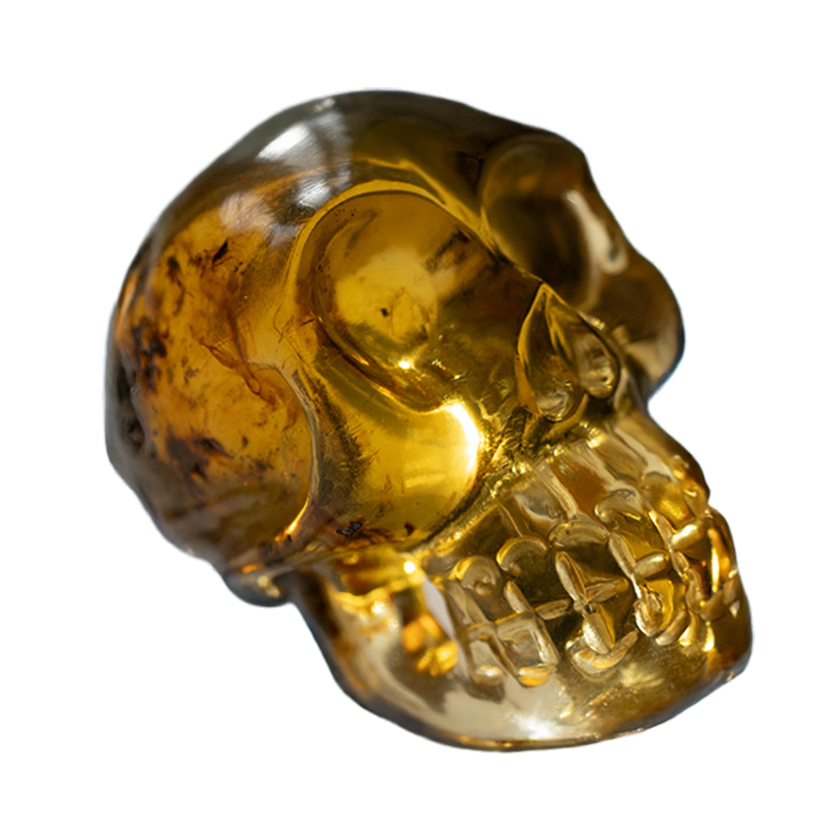
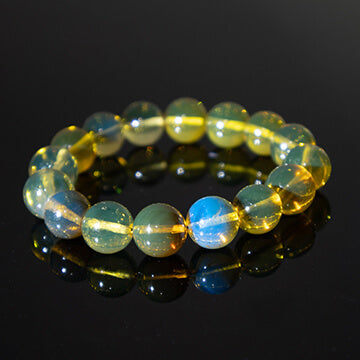
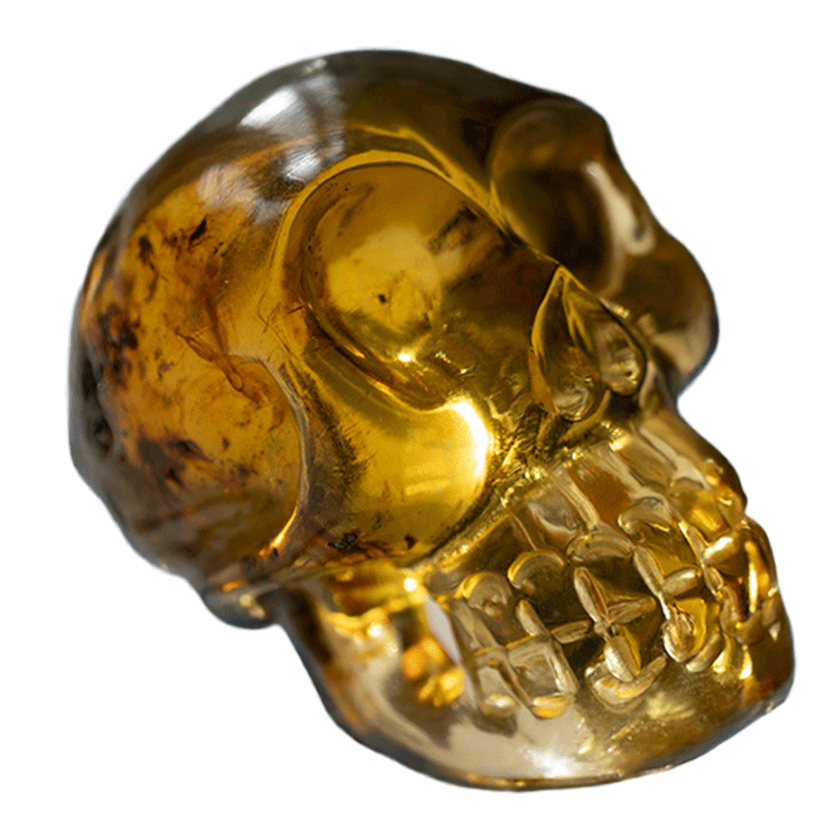
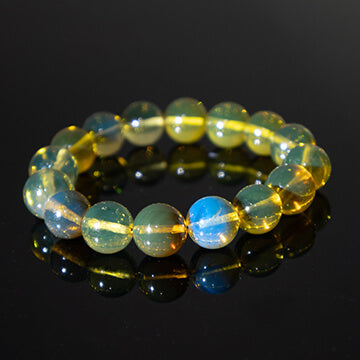
A carving goes further. The lapidary artist shapes the gem into a figure, symbol, scene, bead, animal, leaf, skull, flower, or abstract design. It is both gemstone and miniature sculpture. In Dominican amber, a carving can create a remarkable sense of movement as warm honey tones, cognac depths, or rare blue fluorescence travel through the form.
The distinction matters because you are evaluating different achievements. With a cabochon, the stone itself is usually the central story. With a carving, the collector considers the stone, the design, and the skill needed to bring them together.
Cabochons offer a direct view into a gem's natural character. An exceptional Larimar cabochon may show a crisp blue field, soft white waves, dramatic contrast, or a delicate web of mineral patterning. No two are alike. A fine amber cabochon may appear transparent, softly misted, richly golden, or unexpectedly blue under ultraviolet light.
For collectors who value origin and material, this directness is compelling. A cabochon leaves ample surface area for the eye to study color distribution, clarity, polish, and the individual features created by nature. It is often the clearest way to appreciate why authentic Caribbean gemstones are so distinct from mass-market stones.
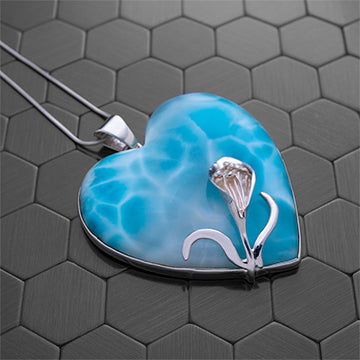
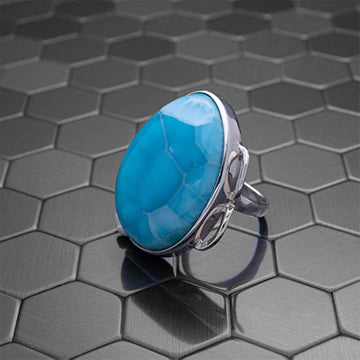
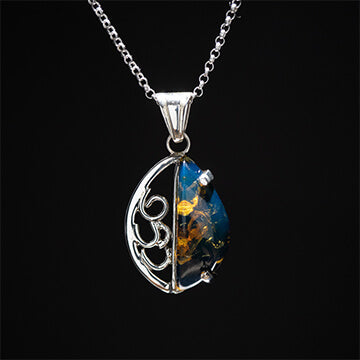
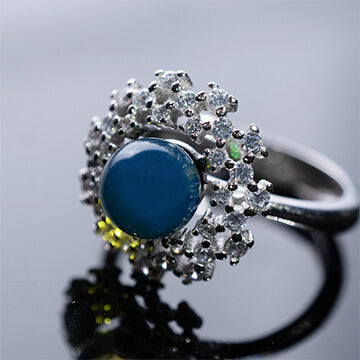
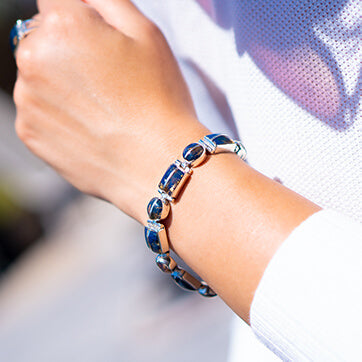
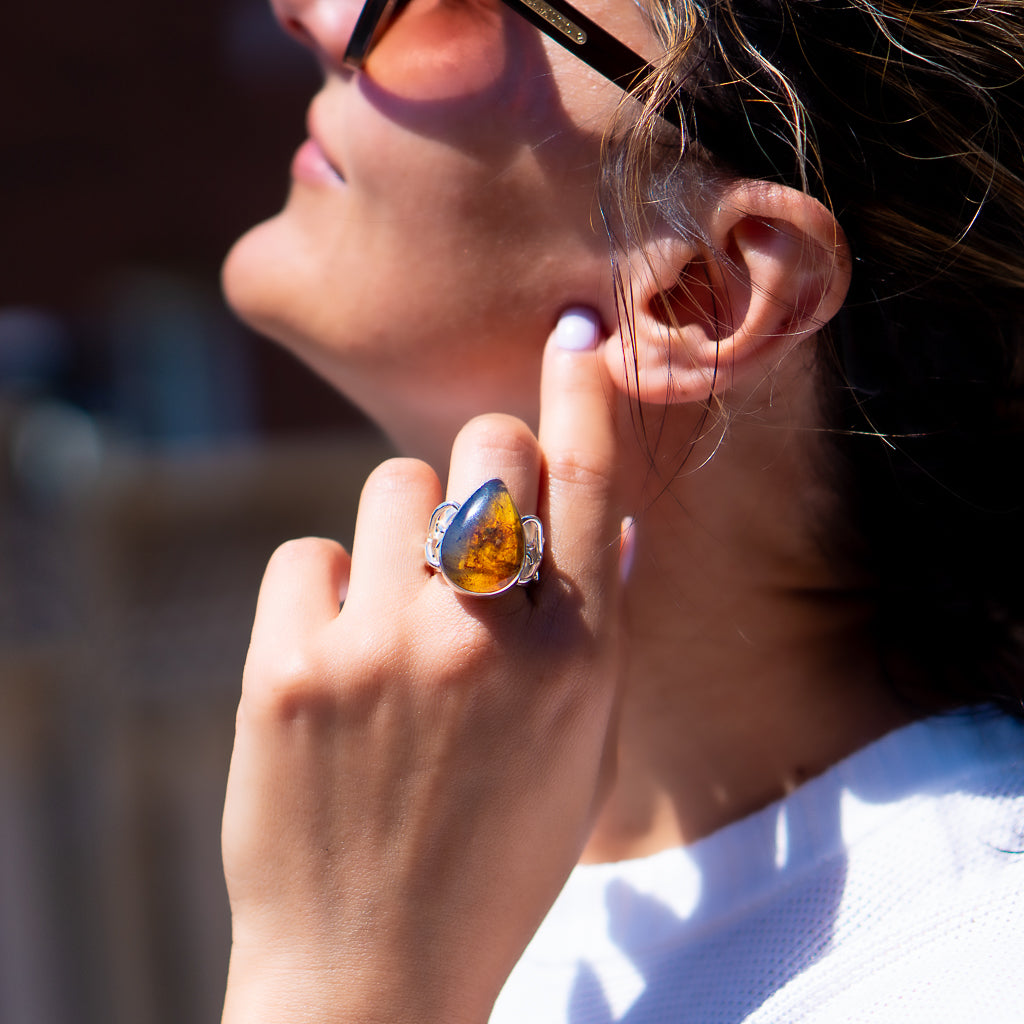
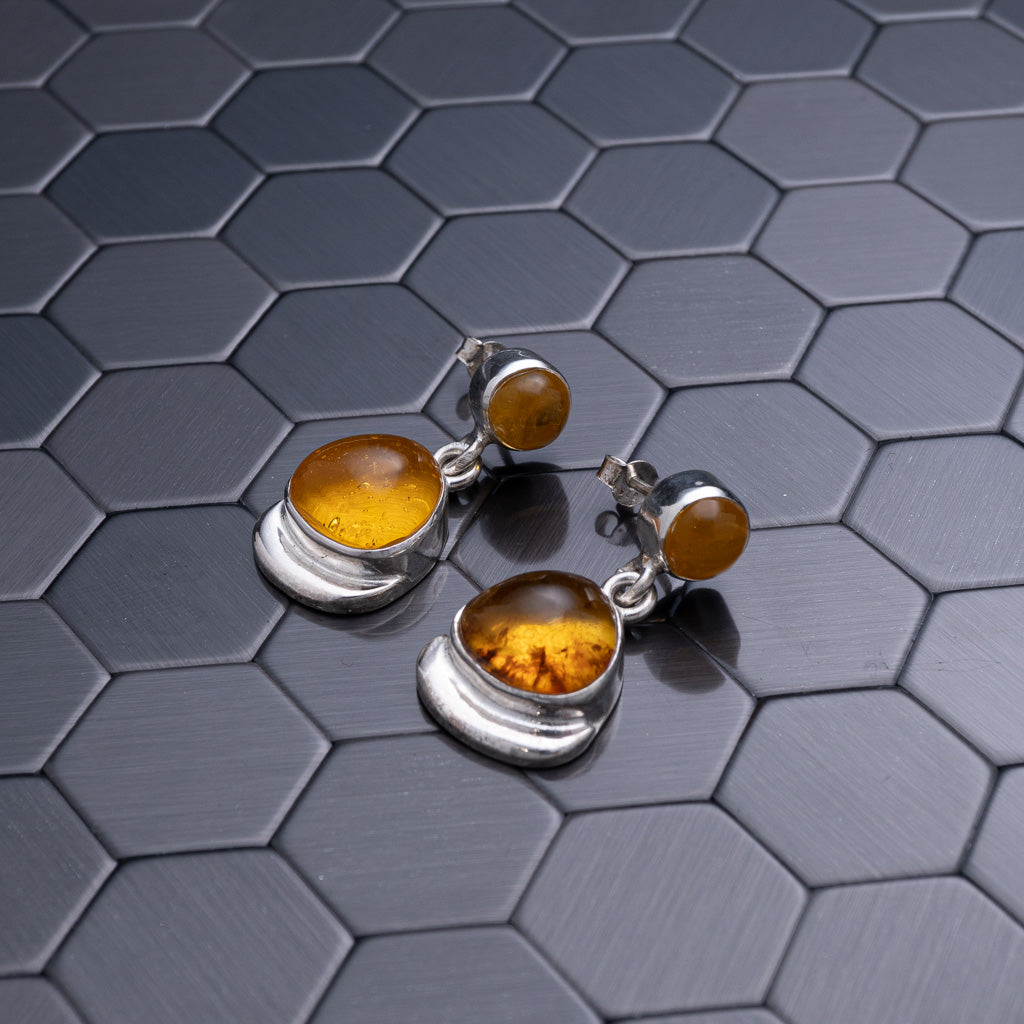
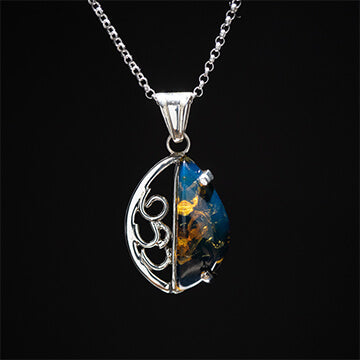
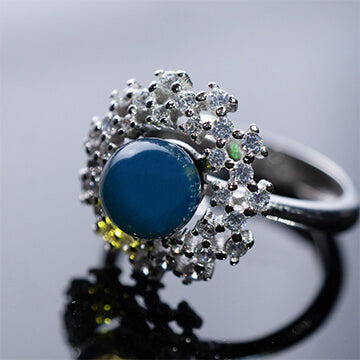
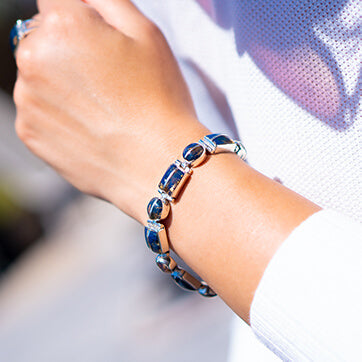
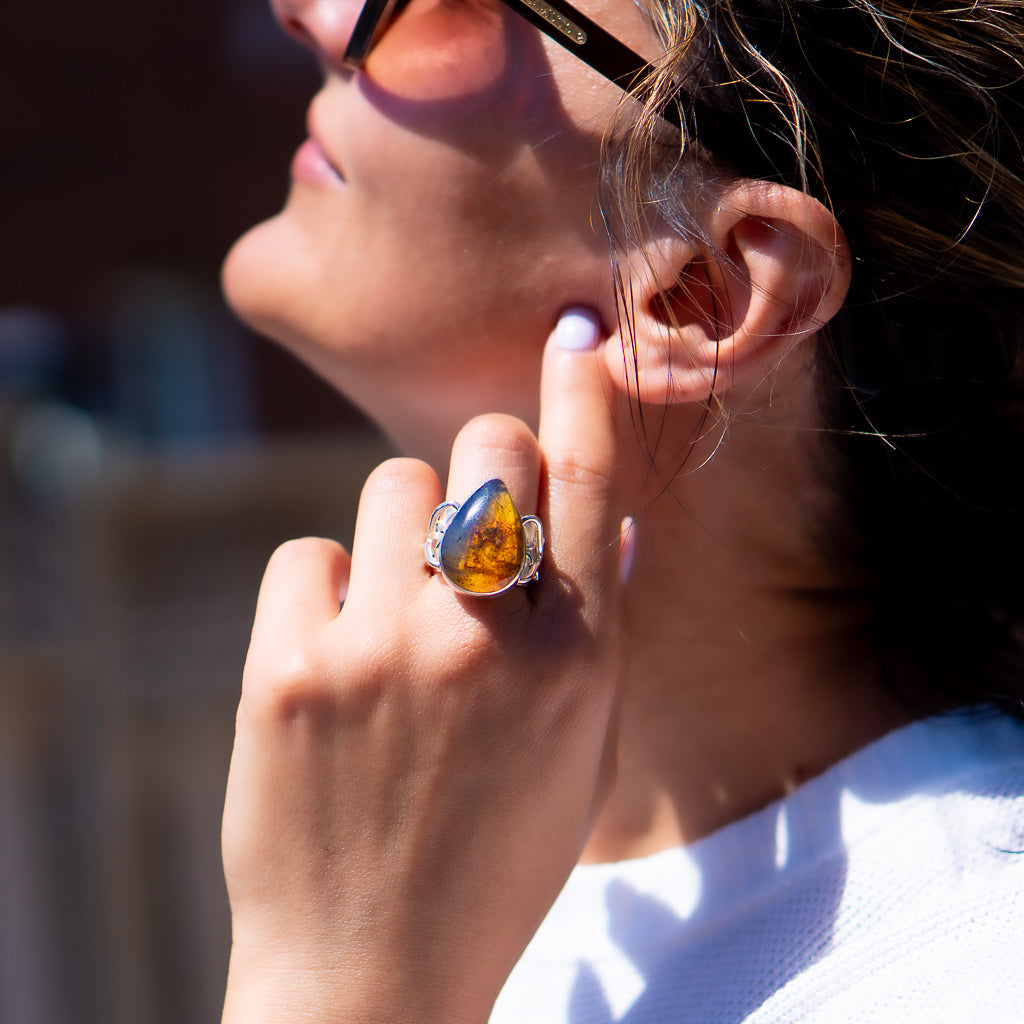
Cabochons are also versatile. A loose stone can be admired in a collector's case today and set into a custom ring, pendant, bracelet, or pair of earrings later. This future design potential gives cabochons a practical advantage for people who collect with jewelry in mind. A matched pair can become earrings, while an unusually proportioned oval may be the starting point for a one-of-a-kind statement ring.
That versatility does not mean every cabochon is automatically more valuable than a carving. Value depends on the material. In Larimar, collectors often look for desirable blue saturation, attractive pattern, a pleasing shape, and careful polish. In amber, color, clarity, fluorescence, size, condition, and provenance can all influence desirability. A well-made cabochon lets these traits remain visible.
There is a special confidence in a cabochon that has nowhere to hide. Its broad face reveals surface scratches, uneven polishing, fractures, cloudy areas, and color zoning. When the finish is excellent, it also displays the cutter's restraint. The finest work does not force a stone into a fashionable shape at the expense of its natural beauty.
For a first serious purchase, a cabochon is often easier to assess than a detailed carving. You can compare its color and transparency at a glance, examine its proportions, and decide whether you are responding to the gem itself rather than to an ornate design.
Carvings appeal to a different collector instinct: the desire to own an object with presence. A carved amber dragon, rose, heart, or devotional form has narrative value. It can carry sentiment, cultural meaning, or a spiritual connection beyond its mineral qualities. This makes carvings particularly meaningful as gifts and as personal keepsakes.
The best carvings are not merely decorative shapes cut into available material. They work with the rough. An experienced artisan notices where the clearest section lies, where a ribbon of color can become a wing or petal, and where an inclusion may add character without weakening the finished piece. The design should feel intentional, not like an attempt to conceal a flaw.
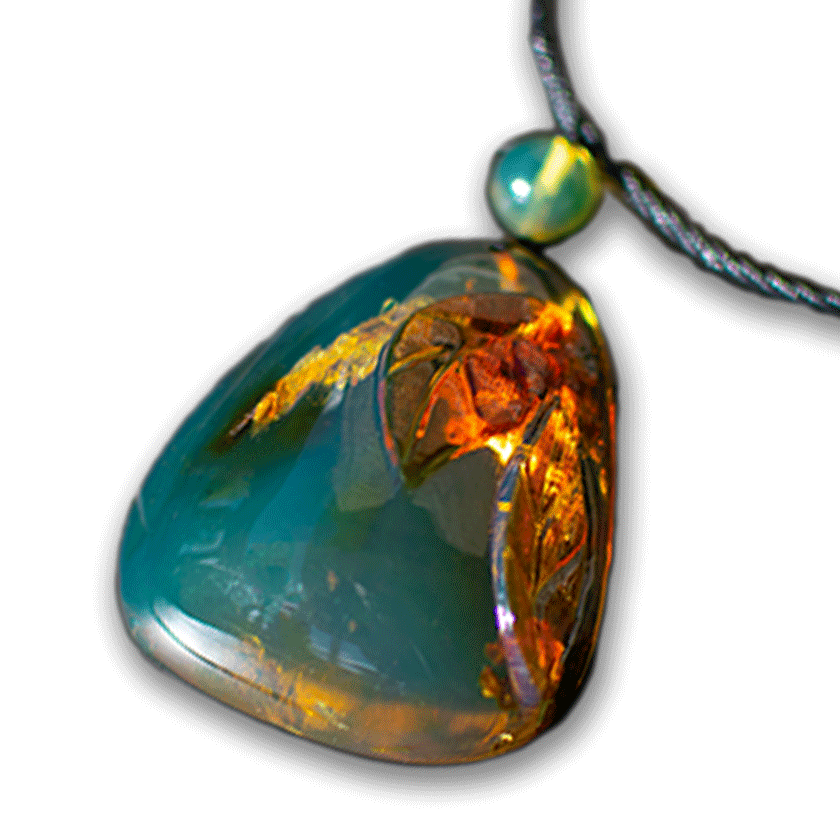
Dominican Blue Amber is particularly exciting in carved form because light changes the experience. In ordinary conditions, a piece may look warm and understated. Under stronger or ultraviolet light, its blue fluorescence can emerge with startling intensity. A skilled carving adds contours that catch and release this light from different angles.
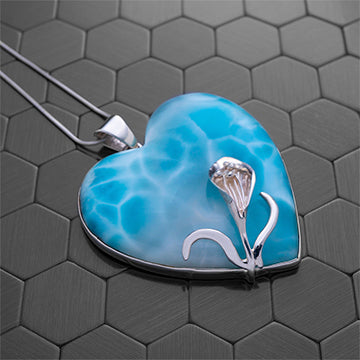
Larimar carvings are often more about pattern and silhouette. The stone's blue-and-white movement can suit hearts, oceanic motifs, beads, and freeform sculptures beautifully. Yet Larimar is not equally suited to every intricate detail. A responsible artisan must respect its structure and avoid thin, vulnerable points that may be more susceptible to damage.
A carving requires more labor than a standard cabochon, but labor alone does not determine value. Look at the balance of the form, crispness of detail, polish in difficult-to-reach areas, symmetry where symmetry is intended, and the way the artist has used the stone's color. A larger carving may command attention, but a smaller work with refined detail can be more compelling.
Condition deserves close attention. Fine edges, raised details, and narrow projections are more exposed than the rounded surface of a cabochon. Amber is also a softer organic gem than many mineral stones. It should be protected from hard knocks, abrasive storage, heat, chemicals, perfume, and prolonged direct sun. A carving that will be worn deserves thoughtful handling, not just admiration.
The most satisfying addition to a collection starts with a clear purpose. If you are building a material-focused collection of authentic Larimar or Dominican amber, cabochons make a strong foundation. They allow you to compare shapes, color grades, patterns, sizes, and polish styles with clarity.
If you collect objects that tell stories, celebrate artistry, or reflect personal symbolism, carvings may speak more strongly to you. A heart carving can mark an anniversary. A fossil-bearing amber specimen can connect the owner to deep natural history. Prayer beads or a tasbih can unite craftsmanship, ritual, and the warm tactile quality of amber.
Many experienced collectors choose both, but they do not buy them for the same reason. They may select a vivid blue Larimar cabochon for a future custom pendant, then choose an amber carving because its form and internal glow cannot be repeated. One is a study of the gem. The other is a finished expression of it.
Whether you choose a cabochon or a carving, begin with authenticity. Caribbean gemstones carry their strongest value when their origin is represented clearly and responsibly. Ask for accurate material identification, stated origin, and certification or documentation when available. Be cautious of vague descriptions, unusually low prices, or claims that seem too dramatic for the stone shown.
Examine the piece in more than one kind of light. Natural daylight helps reveal Larimar's blue color and pattern. For amber, different lighting can show clarity, depth, natural flow lines, and, in the case of Dominican Blue Amber, its distinctive response under ultraviolet light. Photography is useful, but it should not replace transparent information about the actual gemstone.
Then assess workmanship. On a cabochon, look for an even polish, harmonious outline, stable thickness, and a surface free from obvious chips or deep scratches. On a carving, inspect vulnerable details and make sure the design feels integrated with the material. If a piece will become jewelry, consider whether its shape can be securely set and comfortably worn.
Larimar Creations centers this process on genuine Dominican material and handcrafted character, because rarity should be supported by confidence, not guesswork. The appeal of a Caribbean gem is richer when you know what it is, where it comes from, and why its individual features deserve attention.
A thoughtful collection need not begin with the largest stone or the most complex sculpture. Start with pieces that teach your eye. One well-polished Larimar cabochon with calm blue waves can show you how much pattern affects a stone's personality. One carefully carved Dominican amber piece can show how light, transparency, and form work together.
Over time, consider variety without losing focus. You might collect cabochons in different Larimar color ranges, from pale seafoam to saturated blue, or amber in honey, cognac, greenish, and blue-fluorescent expressions. You might also choose carvings that share a theme, such as hearts, ocean life, or botanical forms. A coherent collection feels personal because every piece earns its place.
Trust the piece that continues to draw your eye after the first impression fades. A cabochon may become the future centerpiece of jewelry you wear for decades. A carving may remain a small Caribbean artwork that brings you back to a particular memory, person, or moment. Choose the form that lets you enjoy the stone most fully, then give it the care worthy of something nature made only once.
Sign up to get the latest on sales, new releases and more …
6 min read
10 min read
5 min read