
FREE WORLD WIDE SHIPPING
HANDCRAFTED IN THE DOMINICAN REPUBLIC
30% DISCOUNT APPLIED AT CHECKOUT
FREE WORLD WIDE SHIPPING
HANDCRAFTED IN THE DOMINICAN REPUBLIC
30% DISCOUNT APPLIED AT CHECKOUT
FREE WORLD WIDE SHIPPING
HANDCRAFTED IN THE DOMINICAN REPUBLIC
30% DISCOUNT APPLIED AT CHECKOUT
FREE WORLD WIDE SHIPPING
HANDCRAFTED IN THE DOMINICAN REPUBLIC
30% DISCOUNT APPLIED AT CHECKOUT
FREE WORLD WIDE SHIPPING
HANDCRAFTED IN THE DOMINICAN REPUBLIC
30% DISCOUNT APPLIED AT CHECKOUT
FREE WORLD WIDE SHIPPING
HANDCRAFTED IN THE DOMINICAN REPUBLIC
30% DISCOUNT APPLIED AT CHECKOUT
100% Handcrafted in DR.
by Admin October 25, 2026 5 min read
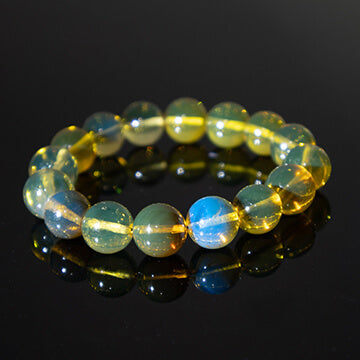
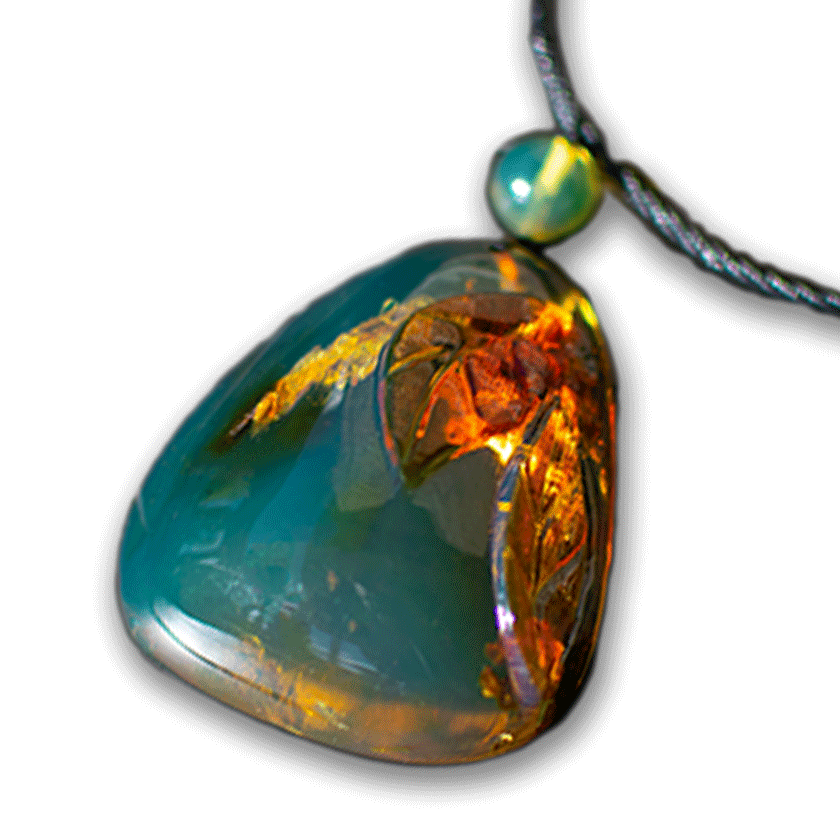
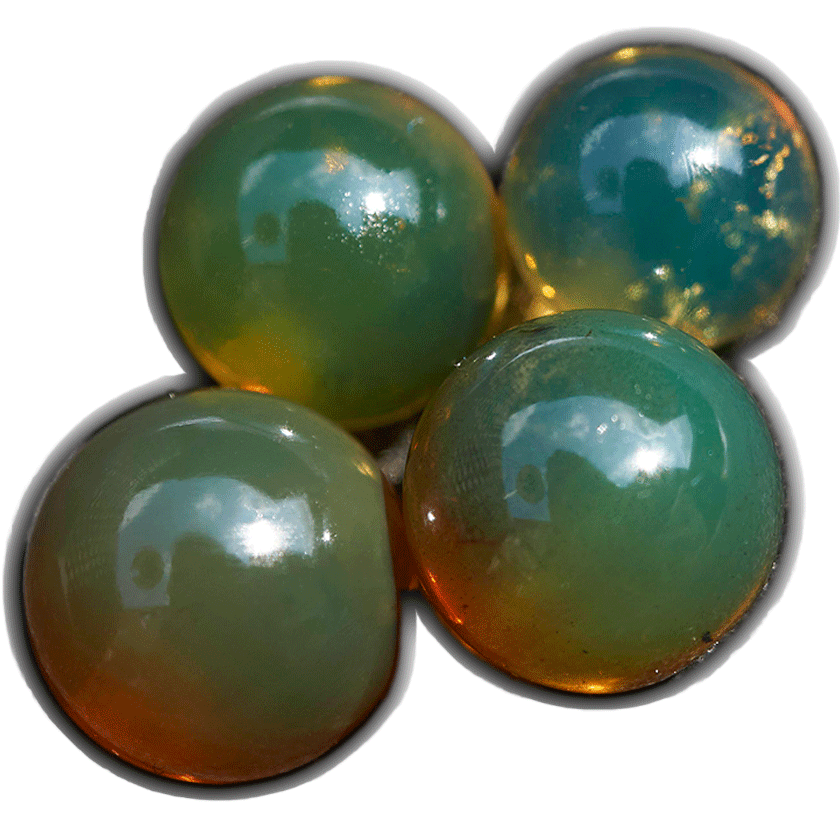
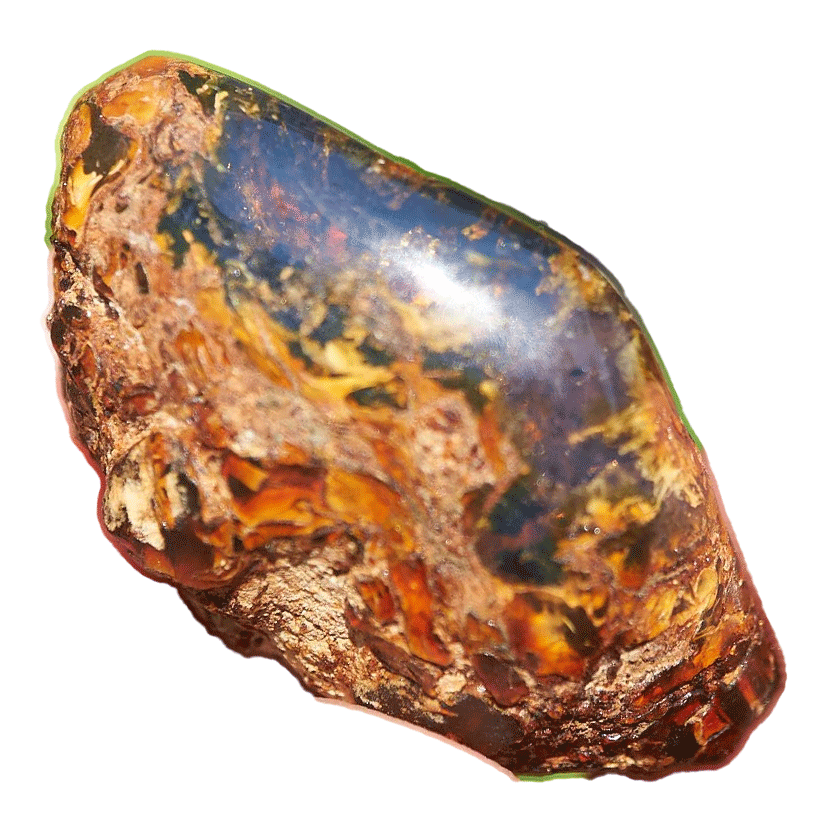
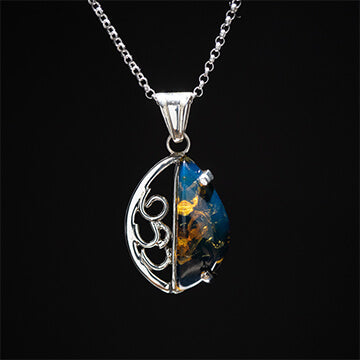
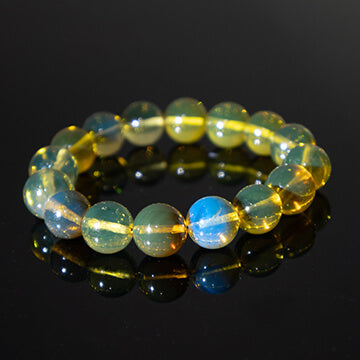
A blue amber pendant can look almost unreal in the hand: warm honey tones in ordinary light, then an elusive blue glow under ultraviolet light. For a buyer, that beauty raises a fair question: how can you know what you are truly holding? The future of jewelry certification is moving beyond a simple paper statement toward a fuller record of a stone's identity, origin, craftsmanship, and journey to its new home.
For rare Caribbean gems, that change matters. Larimar occurs in one small area of the Dominican Republic. Dominican amber has its own visual character, geological history, and collector appeal, while true Dominican Blue Amber is especially prized for its fluorescent effect. These are not interchangeable materials. A meaningful certificate should help a customer understand that distinction without turning the purchase of a beautiful piece of jewelry into a laboratory exercise.
Traditional jewelry documentation has real value, particularly when it comes from a respected gemological laboratory. It may identify a material, describe observable characteristics, and disclose detectable treatments. Yet a certificate is only as useful as the questions it answers. A broad report that says “amber” does not necessarily establish Dominican origin. A card that uses the word “natural” without a named issuer, report number, or supporting details may offer reassurance without much evidence.
The next generation of certification will be more specific. Buyers increasingly want to know whether a gemstone is natural, treated, assembled, reconstructed, or laboratory-grown. They also want clarity about where it came from, who made the jewelry, and whether the document belongs to the exact stone in the setting rather than a similar item photographed for a product page.
This is especially relevant in online jewelry. Shoppers cannot rotate a cabochon under a light, inspect a silver bezel, or compare the internal texture of amber in person. Trust has to travel through product photography, accurate descriptions, and records that are clear enough to verify.
The strongest certification systems will combine expert examination with a digital trail. A physical report can remain useful for collectors and gift recipients, but a secure digital record can make it easier to preserve, retrieve, and confirm over time. Rather than treating certification as a one-time document included in a box, brands and makers can treat it as part of the jewelry's lasting story.
One promising direction is the use of unique identifiers tied to an individual item. This could be a report number, a tamper-resistant tag, a discreet engraving where appropriate, or a digital product passport connected to detailed records. The objective is not to make every delicate pendant look technical. It is to make the information traceable.
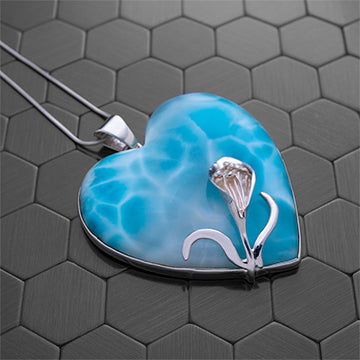
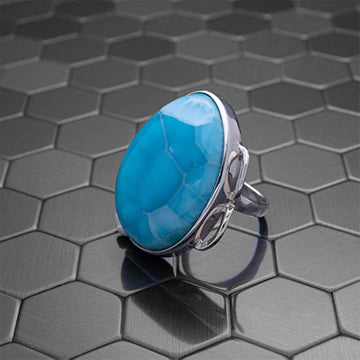
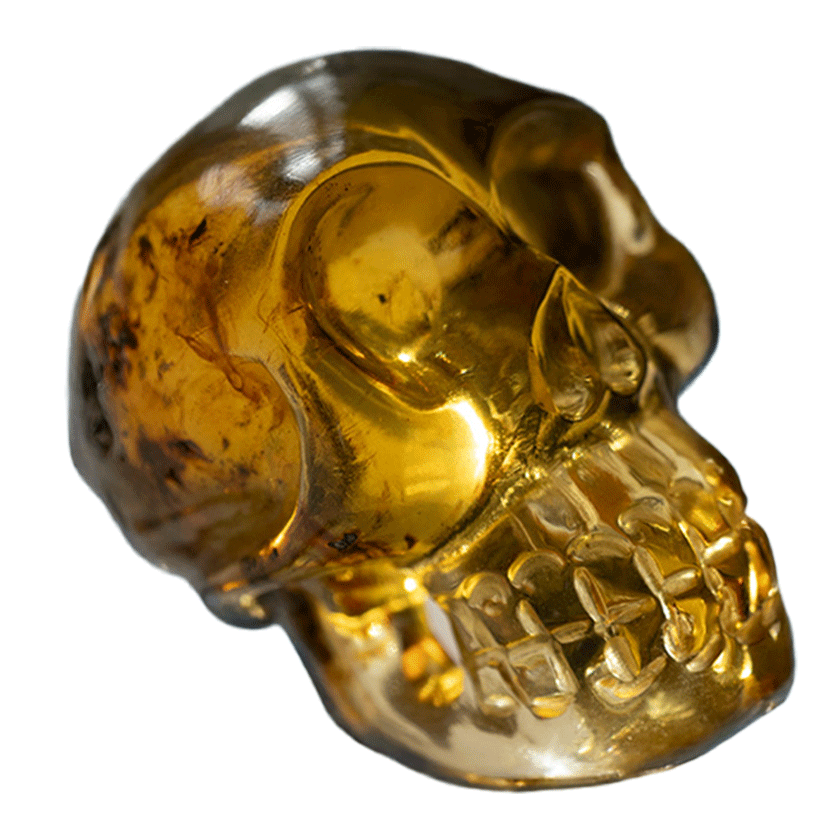
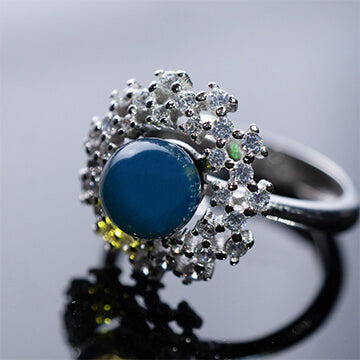
For a one-of-a-kind Larimar ring, a useful record might include photographs of the finished piece, stone dimensions, weight, metal details, visible color characteristics, and the date of creation. For amber, the record may describe transparency, inclusions, fluorescence observations, and any disclosed enhancement. A collector buying a fossil inclusion or polished carving may value more technical notes than someone choosing a heart pendant as an anniversary gift. Good certification should meet both needs without pretending every item requires the same level of documentation.
“Origin” is one of the most powerful words in gemstone jewelry, and one of the easiest to overstate. Geographic origin can sometimes be supported by a laboratory's testing and reference data. In other cases, especially with materials whose source cannot be determined conclusively after cutting and polishing, origin relies on a documented chain of custody from miner, cutter, supplier, or artisan.
That distinction should be stated plainly. A lab conclusion, a supplier declaration, and a mine-to-market record are different forms of evidence. None should be presented as another. The best future certificates will show buyers what has been independently tested, what has been documented through sourcing records, and what remains a good-faith representation rather than a scientific certainty.
For Dominican gemstones, transparent provenance protects the meaning of the material. It honors the region, helps customers distinguish rare local stones from look-alikes, and gives responsible sellers a stronger way to stand behind their claims.
Treatment disclosure is becoming less optional and more central to buyer confidence. Heating, dyeing, resin filling, coating, stabilization, and reconstruction can affect value, durability, care requirements, and collector interest. Treatments are not automatically a reason to reject a gemstone. A treated stone can still be beautiful and suitable for jewelry. What matters is that the buyer is told clearly.
Amber deserves particular care because it is an organic gem material. Pressed or reconstructed amber, copal, plastic imitation, and heavily altered material can be sold under vague language that leaves consumers unsure of what they own. A helpful certificate or product description identifies the material honestly and explains the terms in ordinary language. If a piece is natural Dominican amber, say so. If it has been modified, say how. If origin is documented rather than lab-confirmed, make that clear as well.
Digital ledgers, QR-accessible records, spectral imaging, and artificial intelligence are often presented as if technology alone will solve authenticity. They will not. A blockchain record, for example, can preserve information once it is entered, but it cannot guarantee that false information was not entered at the beginning. A QR code is only as trustworthy as the organization maintaining the record behind it.
Technology works best when it supports accountable people and credible evidence. A digital certificate should identify the issuing laboratory, gemologist, seller, or maker. It should have a verifiable number, a date, photographs, and language that does not exaggerate what testing can prove. If a report is updated after a repair, resale, or new appraisal, that history should be recorded rather than quietly overwritten.
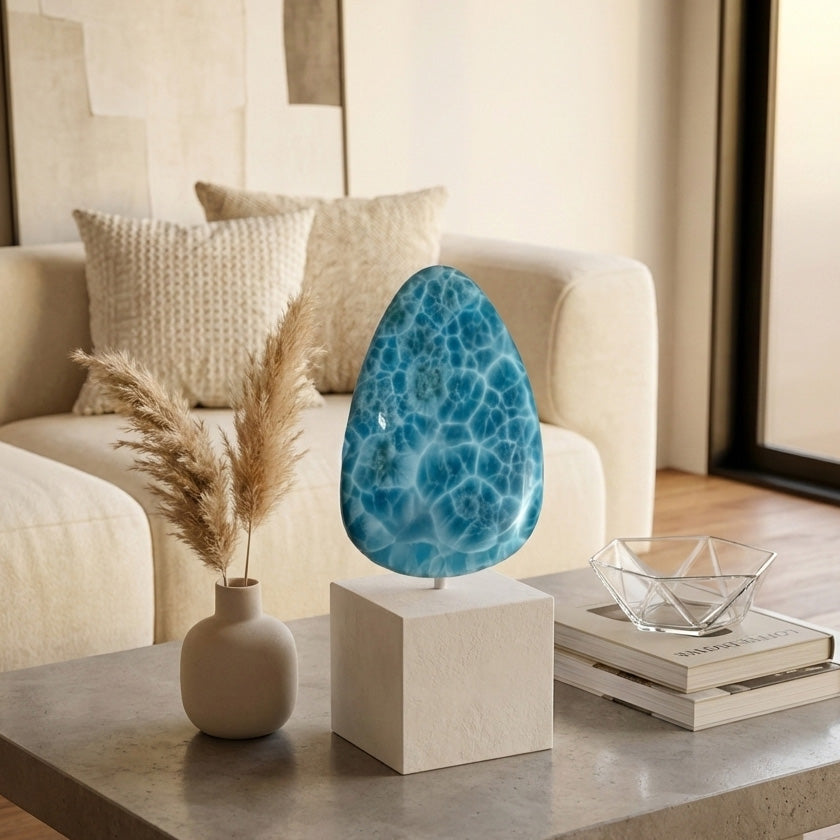
Artificial intelligence may also help detect visual inconsistencies, compare inclusions, organize archives, and flag listings that use misleading gemstone terminology. Still, it should not become a substitute for trained gemologists, experienced craftspeople, or careful sourcing. Rare natural materials often contain variation that a machine may classify poorly. The ocean-blue patterning in Larimar, for instance, is part of its individuality, not a defect to be standardized away.
Until universal standards become more common, buyers can evaluate certification with a few thoughtful questions. Who issued it? Does it refer to the exact item being purchased? Does it identify the gemstone clearly and disclose known treatments? Does it distinguish a scientific finding from a sourcing claim? Can the report number or document be checked later?
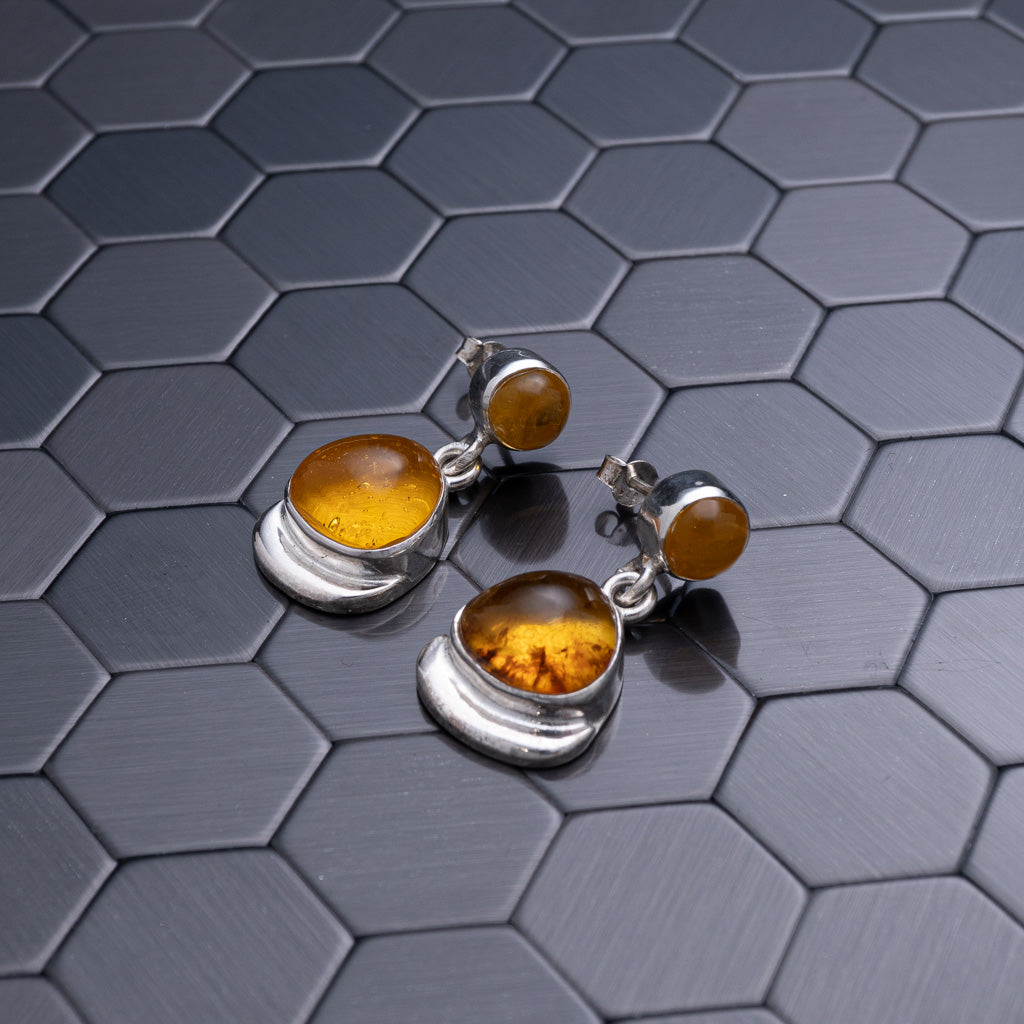
A certificate should also match the nature of the purchase. A modest pair of amber earrings may be supported by a concise authenticity statement and detailed product information. A high-value blue amber specimen, collector cabochon, or exceptional Larimar ring may justify independent laboratory documentation, condition notes, and a more extensive provenance record. More paperwork is not always better. Relevant, accurate paperwork is better.
Photographs remain part of the evidence, particularly for one-of-a-kind jewelry. Look for images that show the actual piece from several angles and, where relevant, demonstrate effects such as blue amber fluorescence. Color can vary with lighting and screens, so a responsible seller should avoid promising an exact shade that nature does not repeat.
The most compelling change ahead is emotional as much as technical. Jewelry certification is becoming part of the piece's legacy. A ring can carry the name of its stone, its Caribbean origin story, the hands that shaped it, and instructions for preserving it. When it is given as a gift or passed down years later, those details keep the object connected to its meaning.
For buyers, the goal is not to demand scientific certainty where none is possible. It is to choose sellers who are precise, open about limitations, and proud to document what makes each stone rare. A beautiful gemstone deserves more than a claim of authenticity. It deserves a story with enough truth behind it to be carried forward.
Sign up to get the latest on sales, new releases and more …
6 min read
10 min read
5 min read