
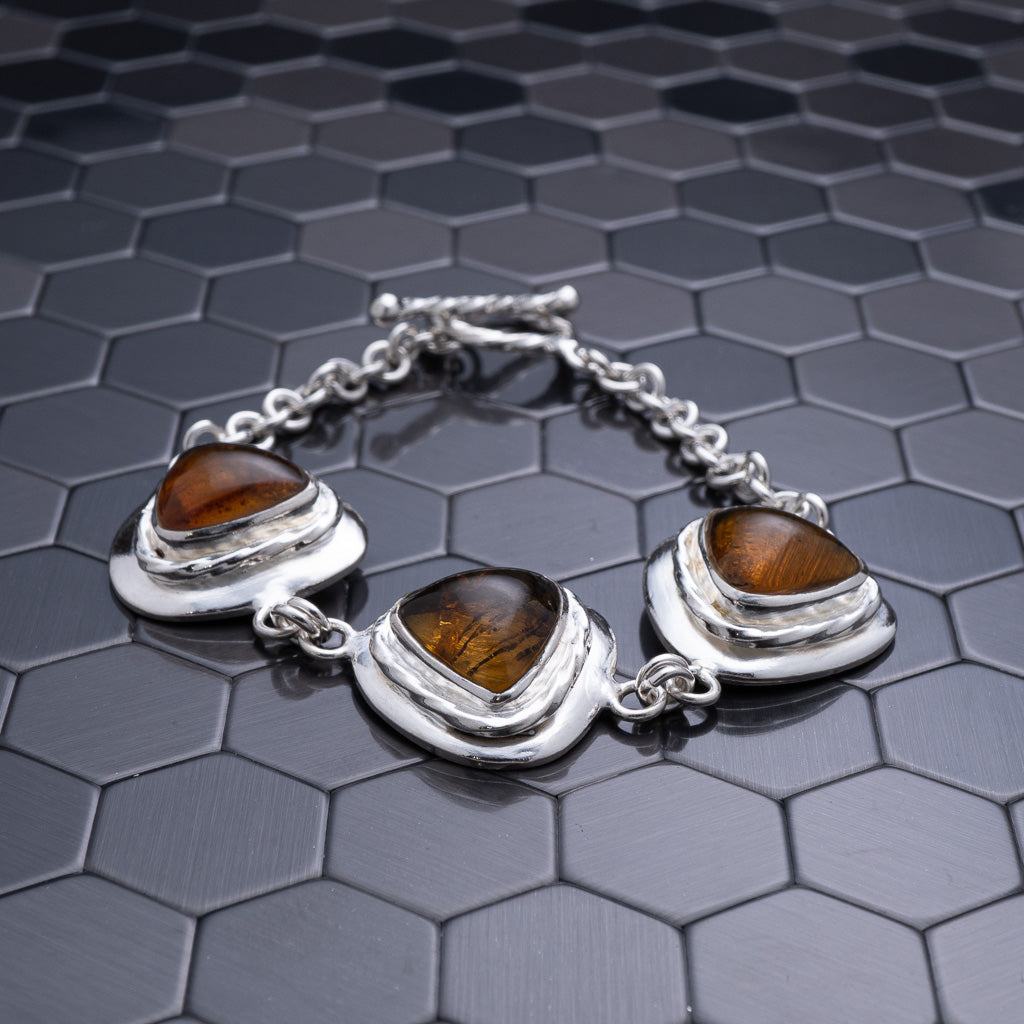
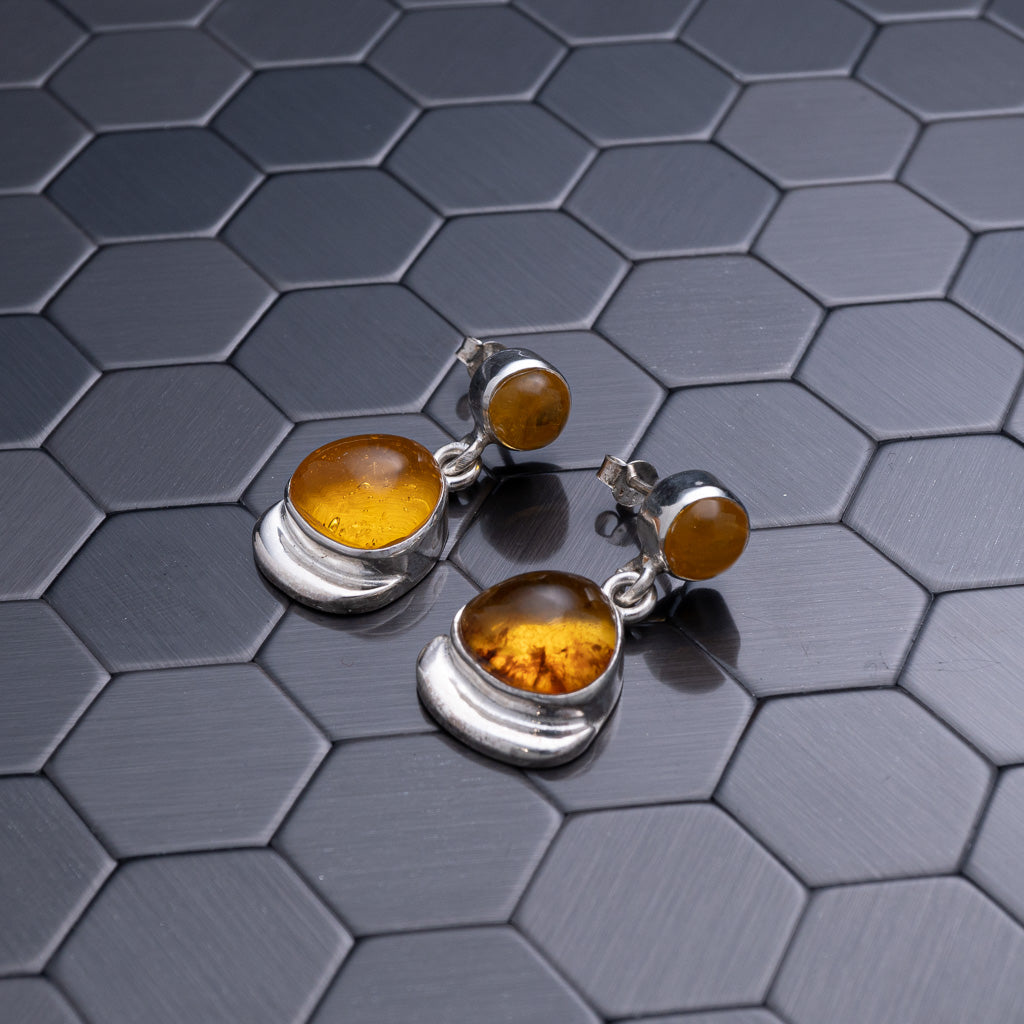
A fine gemstone carving can stop you mid-scroll or mid-step. The right piece has presence before you even ask its weight, origin, or polish. That is what makes a collector guide to gemstone carvings so useful - these objects are not only decorative. They are records of material, craftsmanship, and rarity held in the palm of your hand.
For collectors, the appeal goes far beyond surface beauty. A gemstone carving carries the identity of the rough, the hand of the artisan, and the story of place. In rare materials such as Larimar or Dominican amber, that story becomes even more compelling. You are not simply acquiring an object. You are choosing a small sculpture shaped by geology, source, and skill.
Not every carving becomes a collector piece. Some are charming gift items, some are decorative accents, and some rise into a different category because the material, execution, and rarity align. The difference is usually visible once you know what to look for.
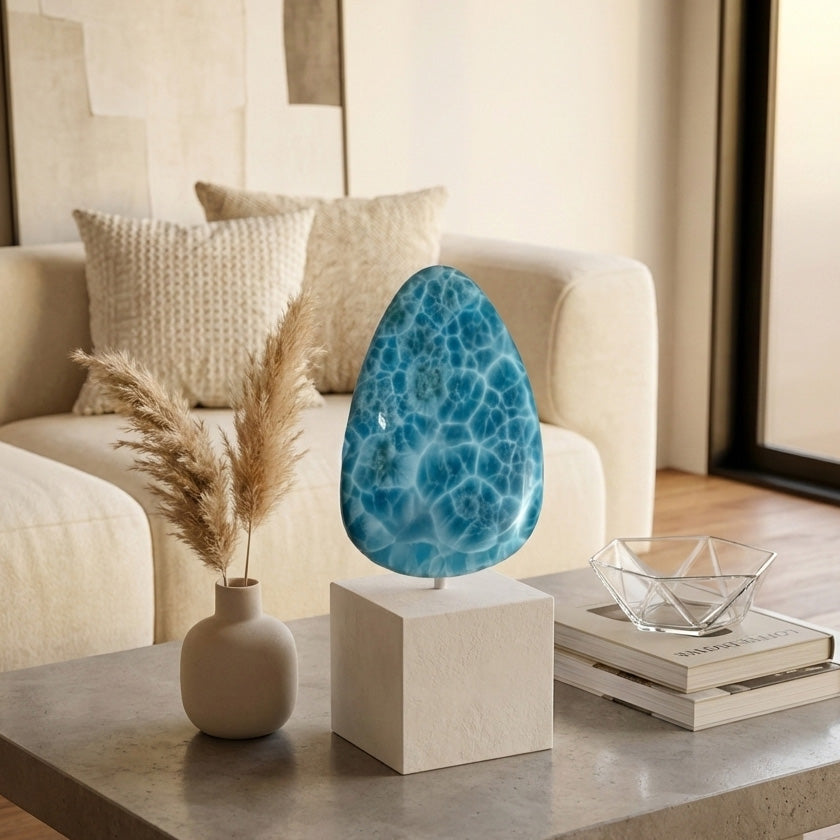
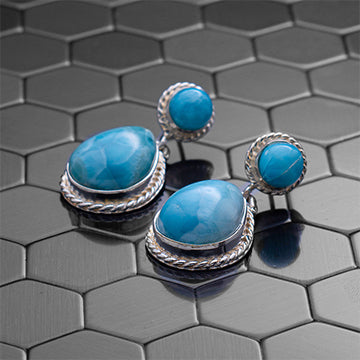
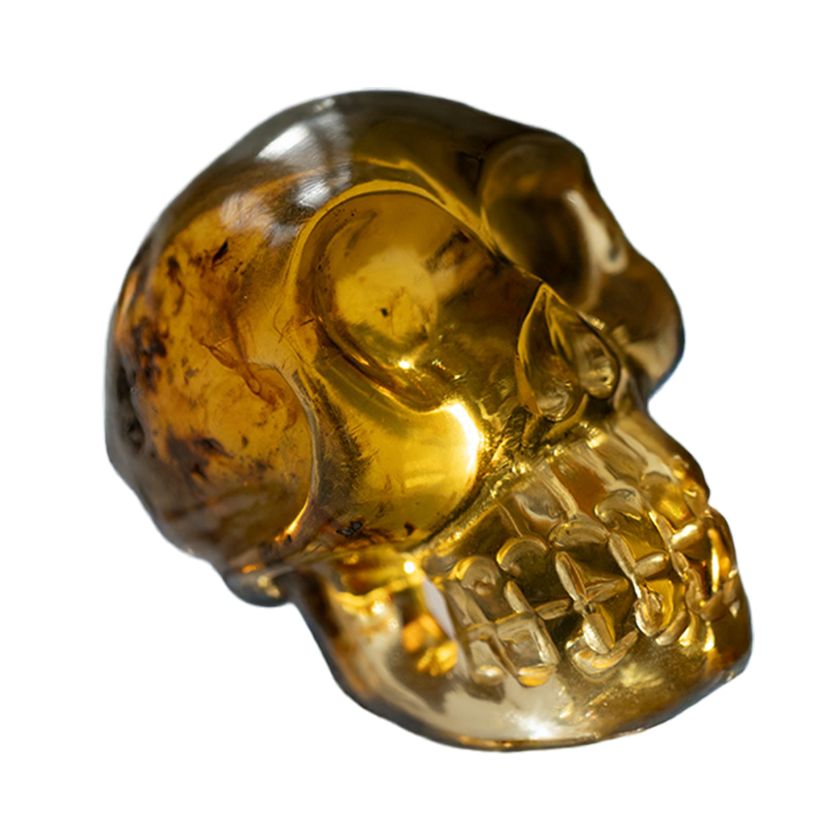
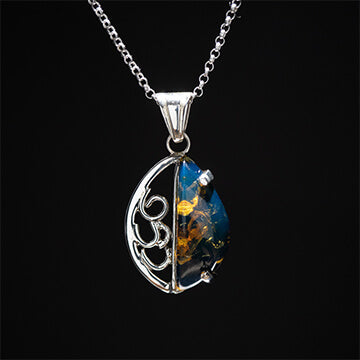
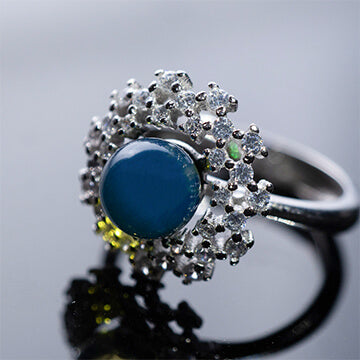
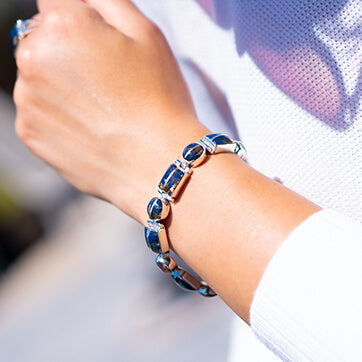
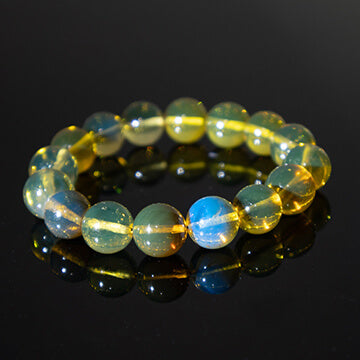
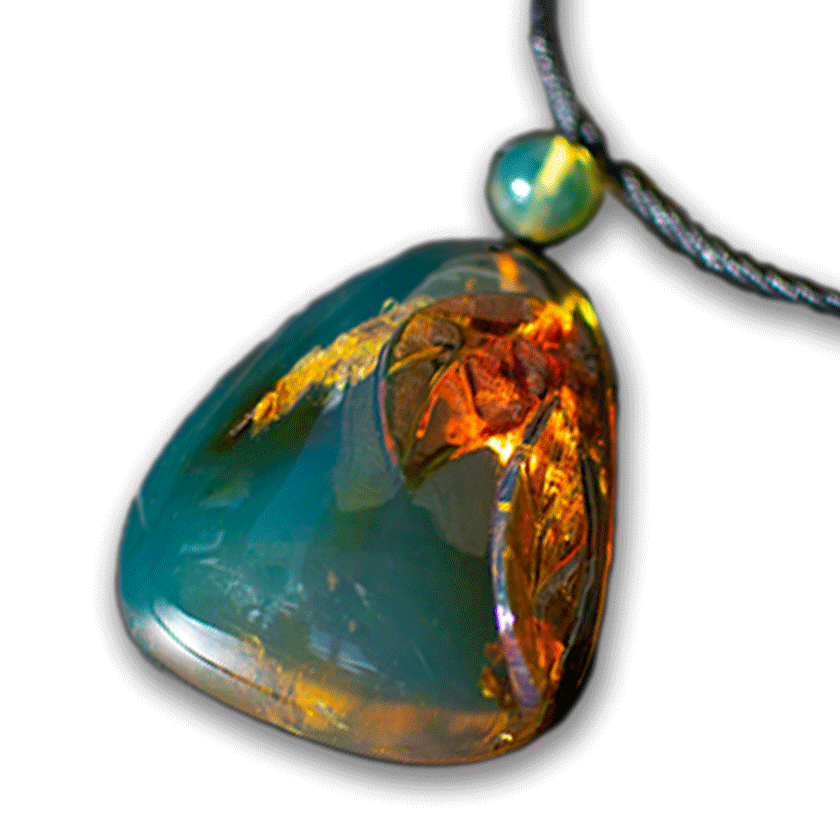
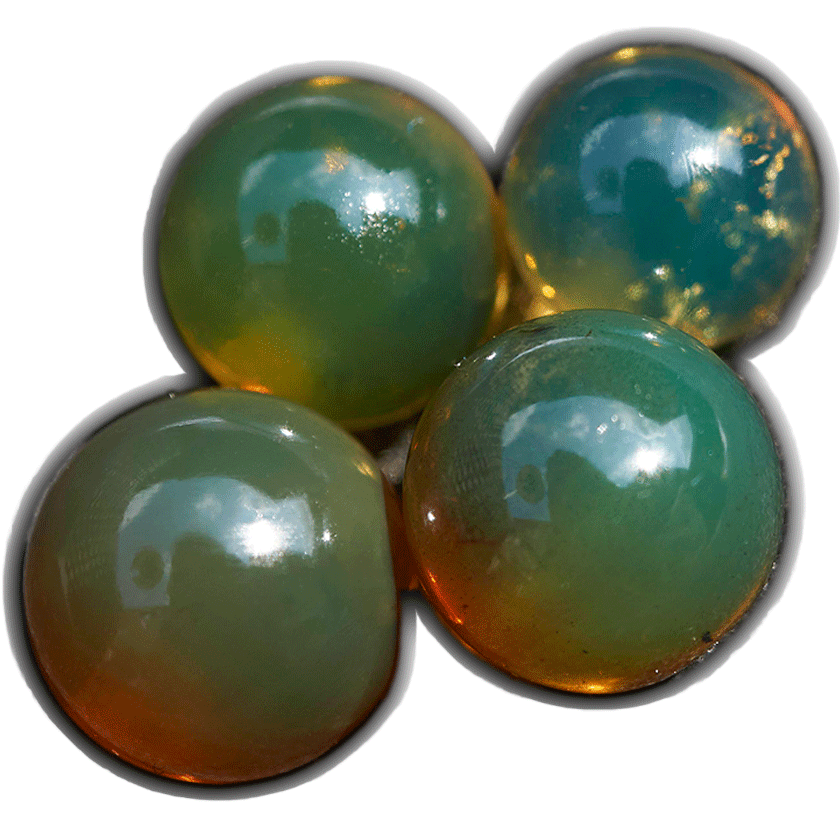
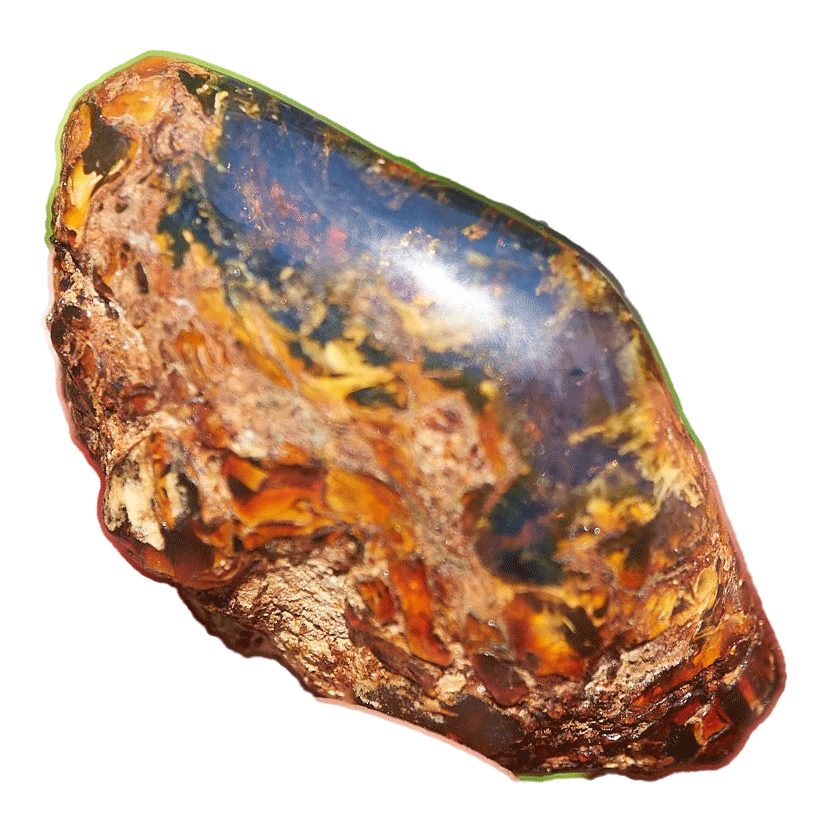
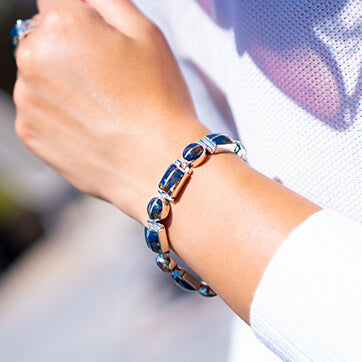
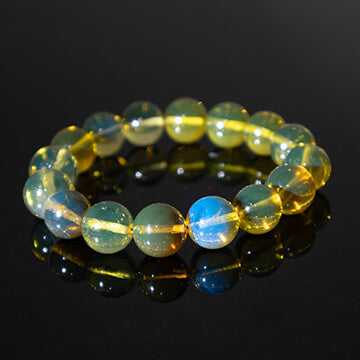
Material comes first. A carving made from a common stone can still be attractive, but collectors tend to focus on gems with distinctive color, scarcity, or origin. Larimar, with its ocean-blue patterns unique to the Dominican Republic, is instantly recognizable when quality is high. Dominican amber, especially blue amber, carries a different kind of fascination because its glow, clarity, and natural inclusions can create a piece that feels almost alive in changing light.
Craftsmanship matters just as much. Good carving is not simply detailed carving. A strong piece respects the character of the stone. The artisan works with color zoning, transparency, natural pattern, and structural limits instead of forcing the material into an unsuitable shape. A carving should feel intentional from every angle.
Then there is rarity. Sometimes rarity comes from the species of gemstone itself. Sometimes it comes from a particularly vivid color, a large clean piece of rough, or an especially accomplished hand-carved subject. Collectors often pay more for pieces where all three meet - rare material, attractive design, and refined execution.
Authenticity is the foundation of collecting. If the stone is misidentified, treated without disclosure, or presented with vague sourcing, everything else becomes less meaningful. This is especially true in categories where origin carries value.
When assessing a carving, ask direct questions. What exactly is the gemstone? Is it natural? Has it been dyed, stabilized, reconstituted, or otherwise enhanced? Is the origin known and documented? Serious sellers should be comfortable answering those questions clearly.
Certification can add confidence, but paperwork alone is not enough. The seller's reputation, category specialization, and consistency matter. A business focused on authentic Caribbean gemstones, for example, can often offer stronger insight into Larimar or Dominican amber than a broad marketplace seller listing dozens of unrelated gem types with generic descriptions.
There is also a practical side to authenticity. Genuine material usually shows natural variation. In Larimar, expect pattern movement rather than flat, uniform blue. In amber, look for organic character in body color, inclusions, and light response. Perfect sameness can be a warning sign, depending on the stone.
Collectors do not need to be lapidaries, but they do need a trained eye. Start with the overall silhouette. Does the piece feel balanced, graceful, and resolved? Even an abstract or folk-art carving should look deliberate rather than awkward.
Next, study the surface. A fine polish should suit the material. With opaque or softly patterned gems like Larimar, polish enhances color and pattern without making the surface look plasticky. With amber, polish should bring warmth and glow while still respecting the gem's lighter, softer nature.
Details are useful, but only if they serve the form. Crisp lines around petals, animals, spiritual motifs, or figures can be impressive, yet overworked detail sometimes weakens the visual impact. In softer materials especially, too much thin detail can also create fragility. The best carvings strike a balance between refinement and durability.
Look closely for symmetry where symmetry is intended, and for fluidity where the design calls for movement. Uneven drilling, rough transitions, flat lifeless faces, or polishing that leaves cloudy patches can lower collectible appeal. Minor natural pits or internal features may be acceptable in some gems, but poor finishing is different from natural character.
A useful collector guide to gemstone carvings should never treat all gem materials the same. Each stone has its own strengths and limits, and collecting well means understanding both.
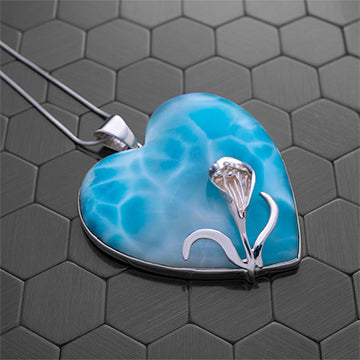
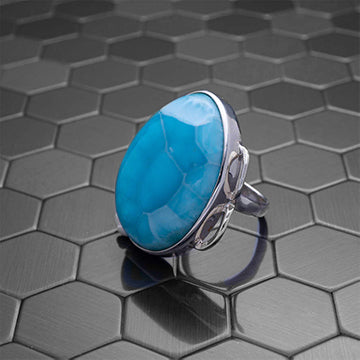
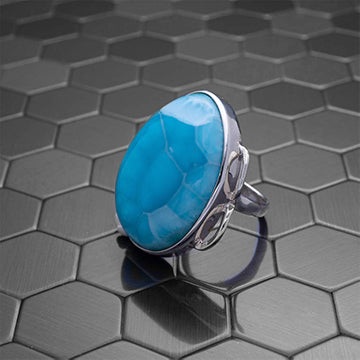
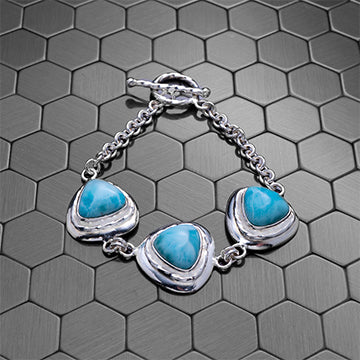
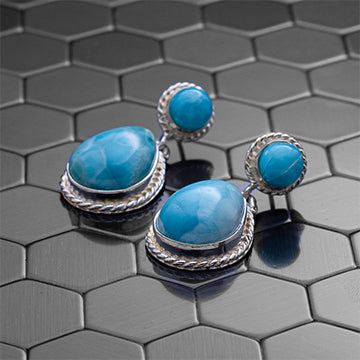
Larimar is prized for its blue-to-white patterning, often compared to sea foam, shallow water, or Caribbean sky reflected on stone. In carvings, the finest examples place those natural patterns where they enhance the subject. A heart, leaf, face, or freeform form should feel enriched by the color distribution, not interrupted by it. Because Larimar can vary widely, collectors often prefer pieces with vivid blue areas, pleasing contrast, and minimal brown matrix on the most visible surfaces. That said, some matrix can add authenticity and natural charm when it is integrated well.
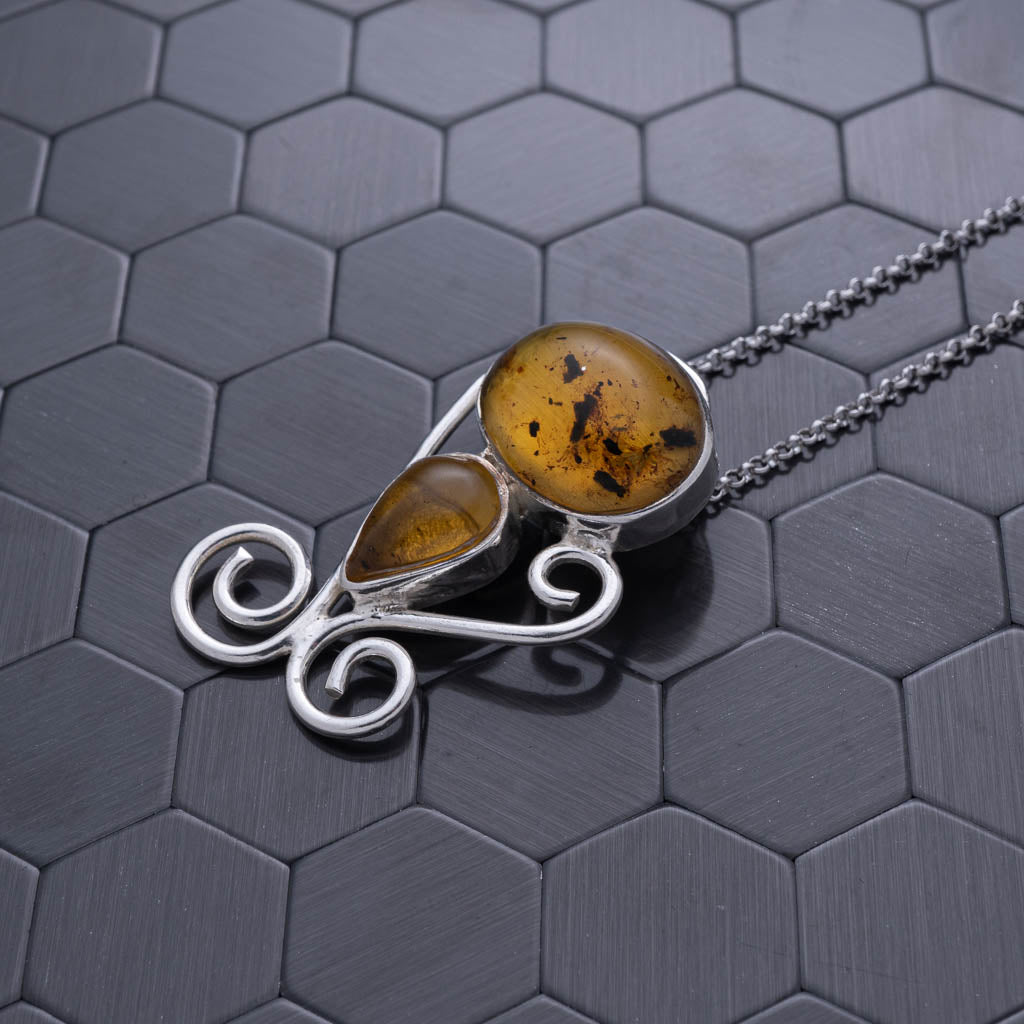
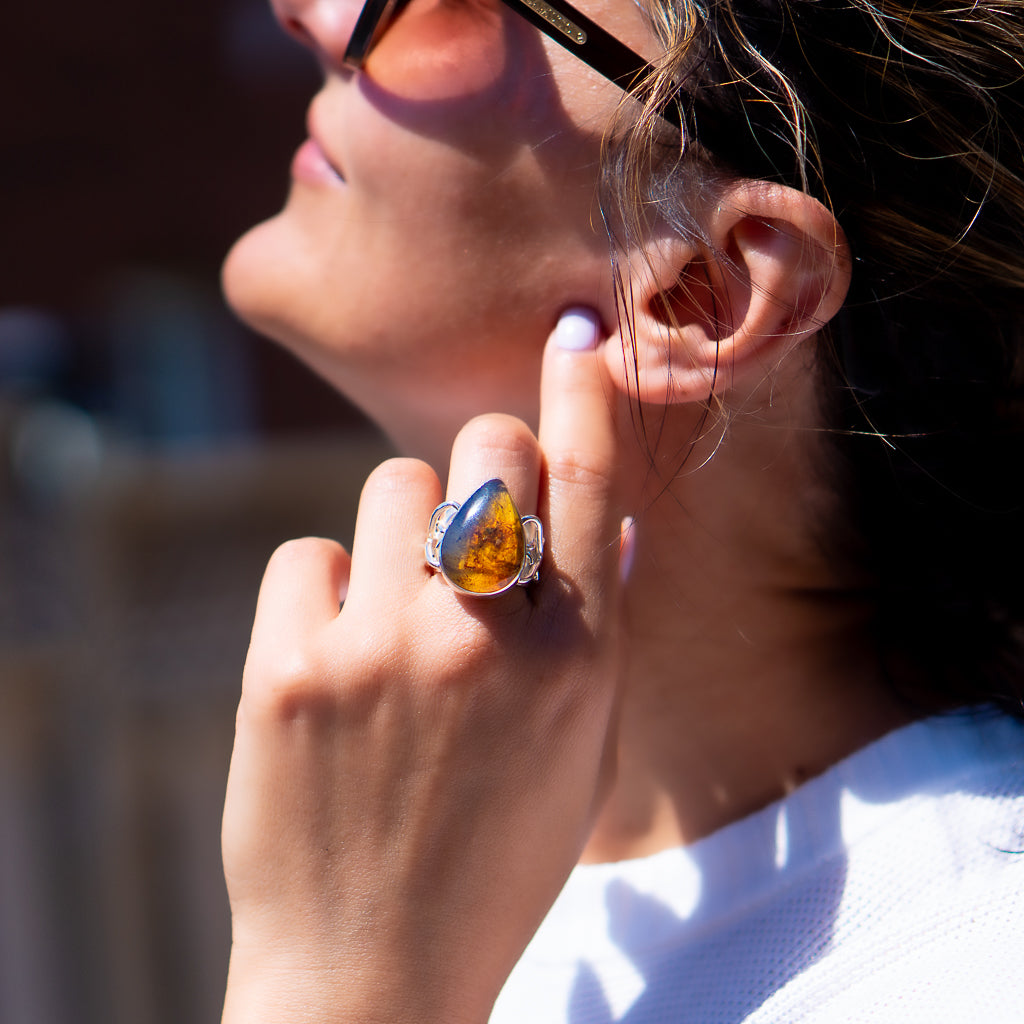
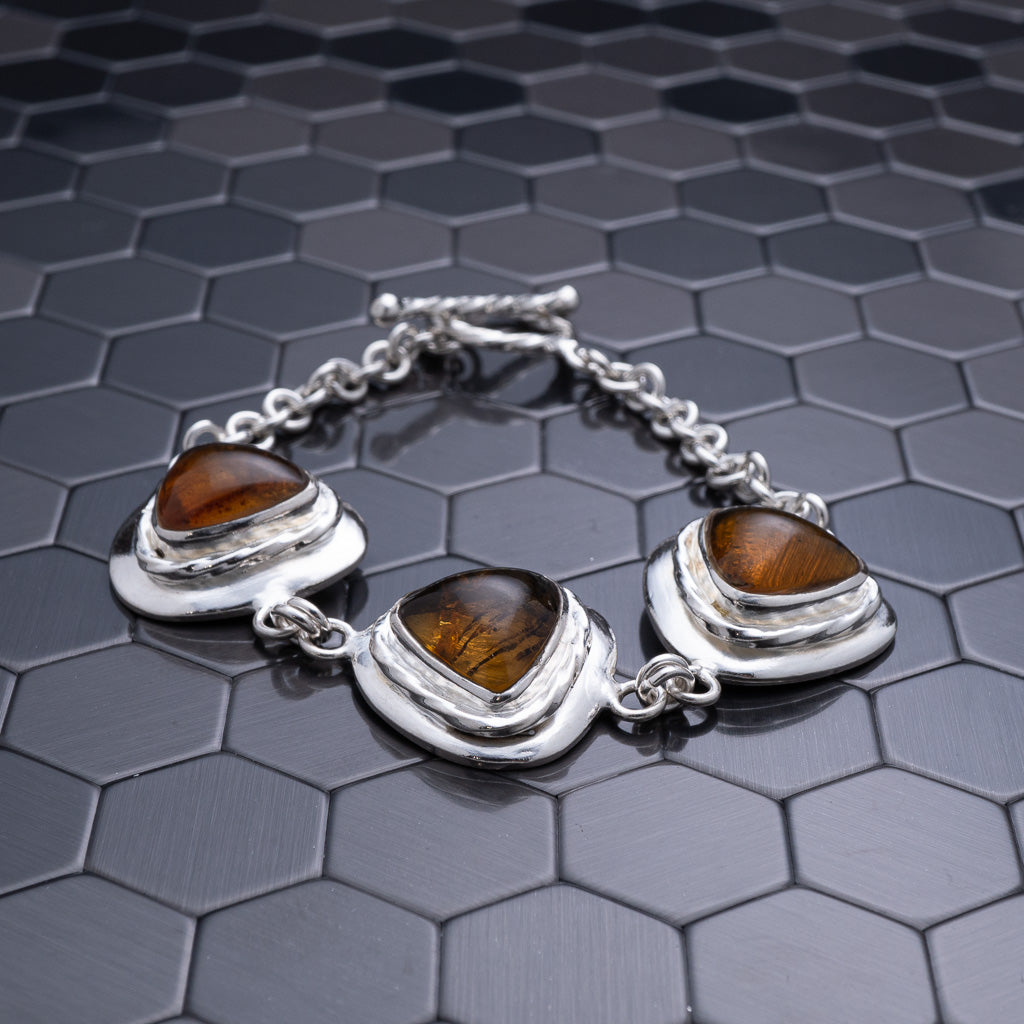
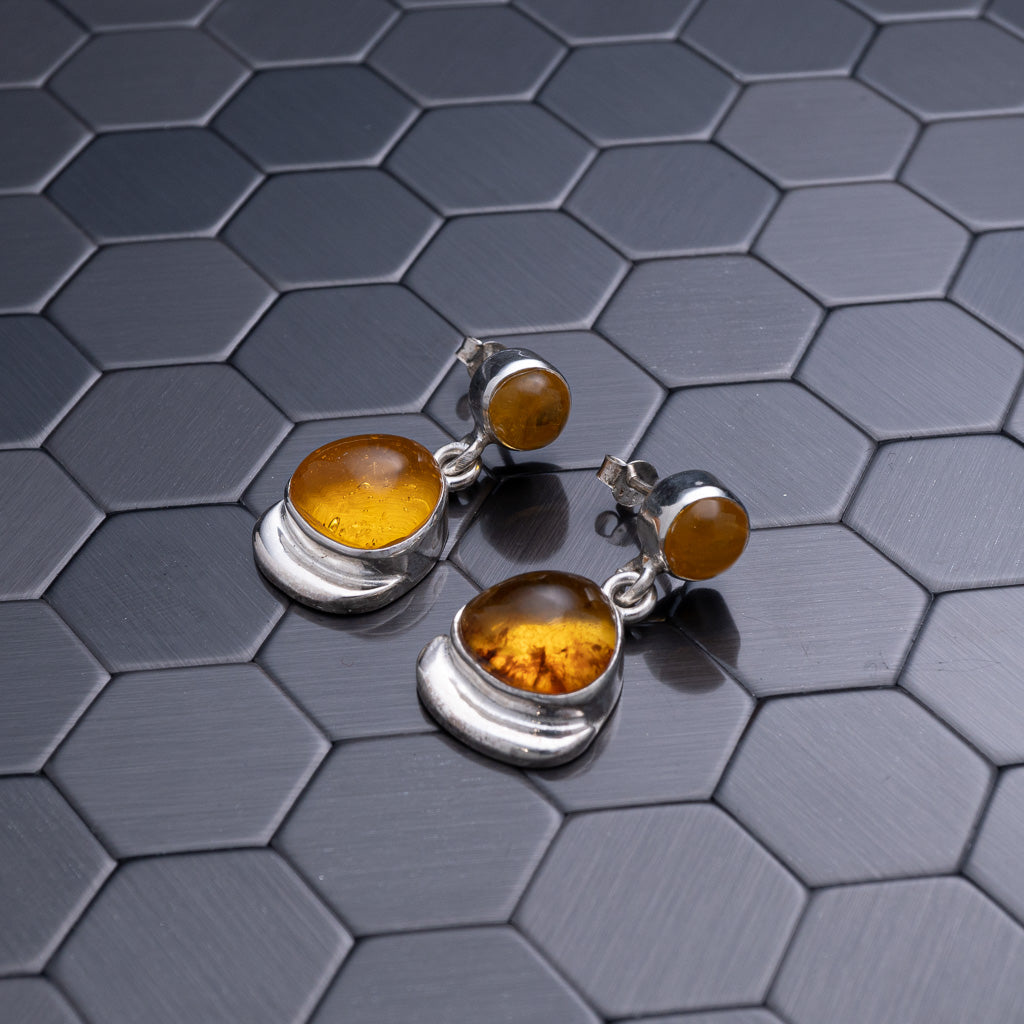
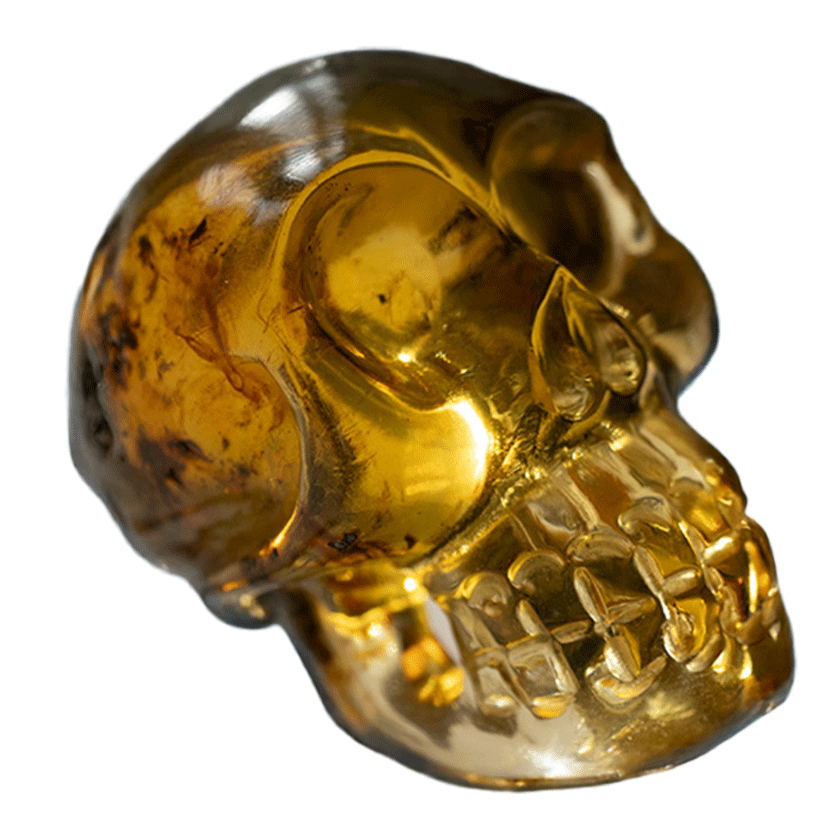
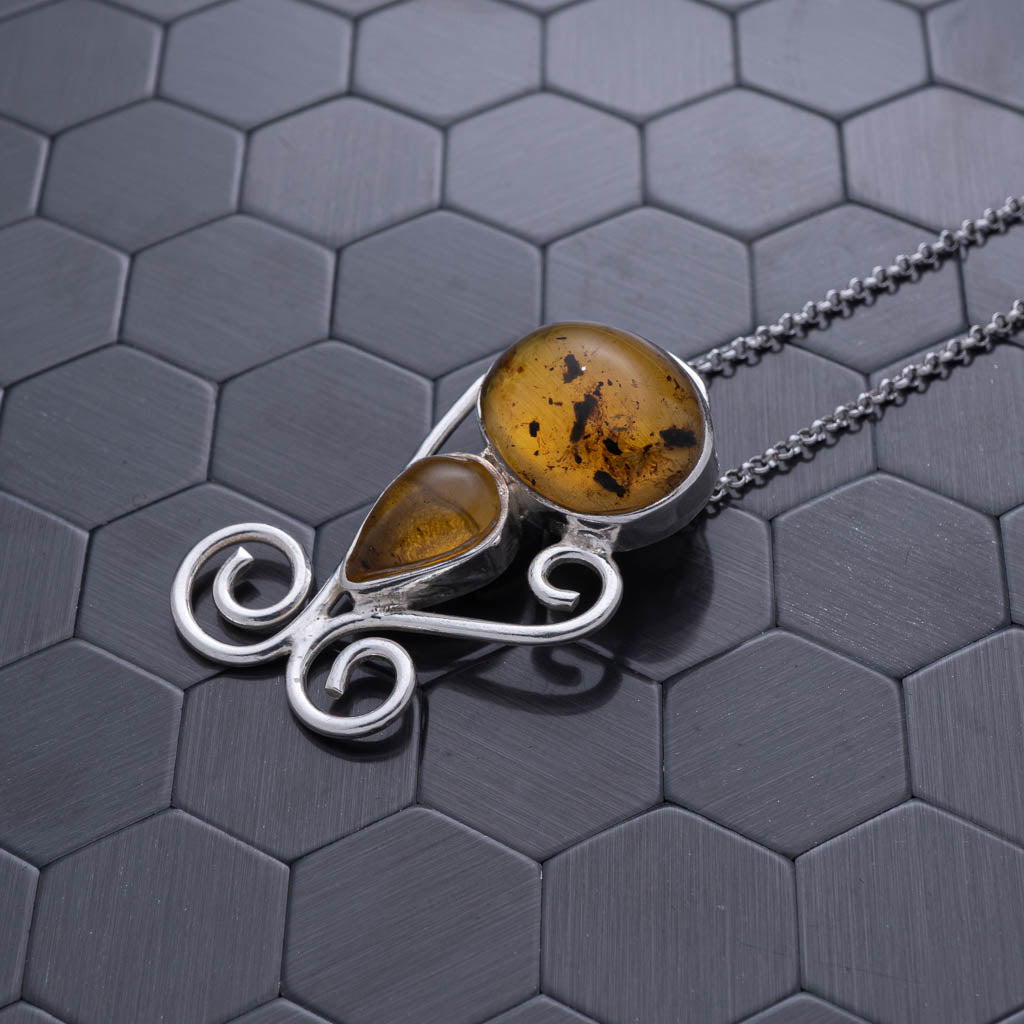
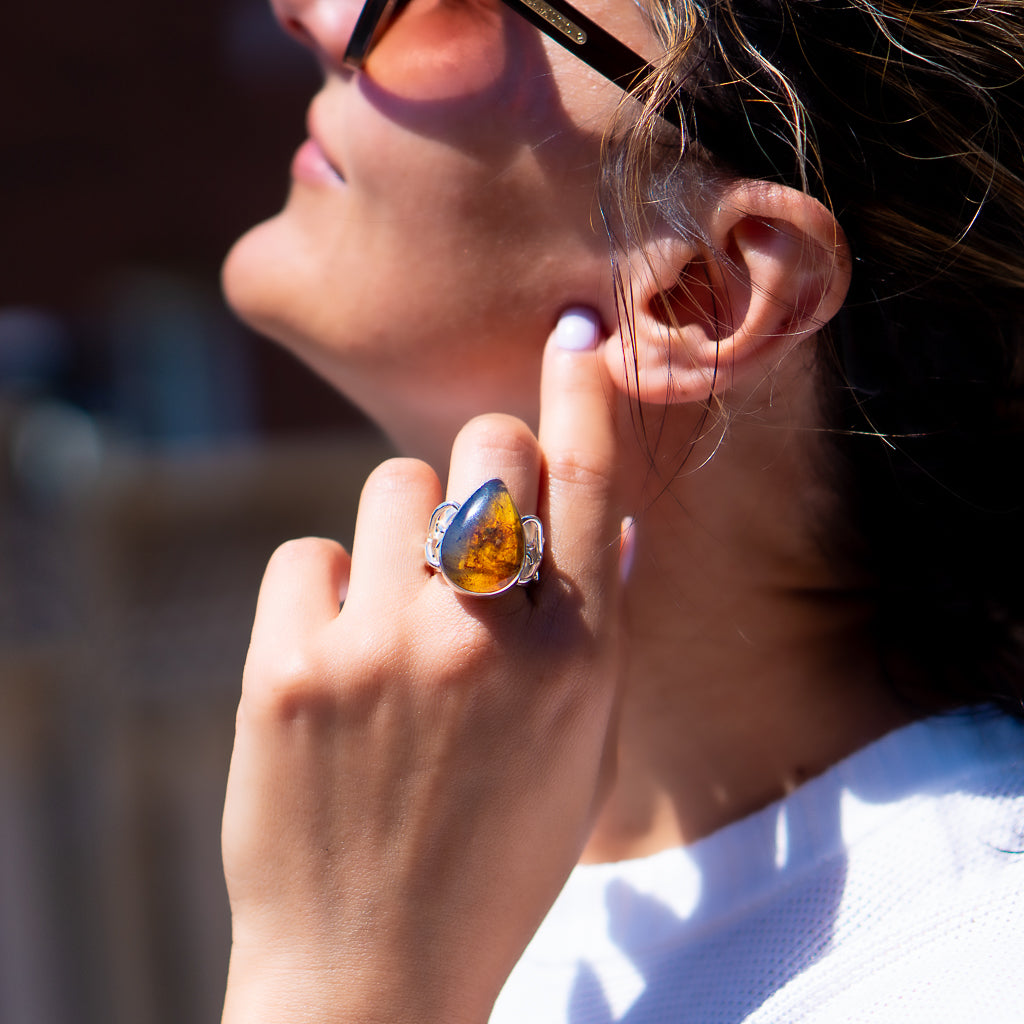
Dominican amber asks for a different eye. Transparency, glow, and inclusions all matter. A carving may be valued for clarity, but inclusions can also add interest if they are natural and aesthetically placed. Blue amber is especially captivating because its appearance shifts with light conditions. In a carving, that optical character can make a simple form more powerful than an overly intricate one. Amber is softer than many gemstones, so condition and storage deserve extra attention.
What should you collect - animals, spiritual symbols, florals, skulls, abstract forms, or polished freeforms? The honest answer is that it depends on your collecting style.
Some collectors build around material first. They want the finest Larimar carving they can find, regardless of subject. Others collect by motif and seek repeated forms across gem types. A third group follows artisanship, preferring pieces carved by a specific hand or workshop.
Subject matter can influence value, but not always in predictable ways. Popular motifs may be easier to resell, yet rarer or more culturally rooted subjects can attract stronger long-term interest from dedicated buyers. Emotional response matters here more than many collectors admit. If a carving keeps drawing your eye back to it, that is not a trivial factor. In collectible objects, lasting visual attachment often proves wiser than chasing trends.
Condition affects both beauty and value. Inspect edges, high points, drill holes, and thin projecting details first, since those areas are most vulnerable to chips or wear. With amber, scratches can develop more easily than with harder gems. With carved pendants or beads, check whether the suspension point or drilling has put stress on the stone.
Storage should be thoughtful rather than fussy. Keep carvings separated so harder materials do not scratch softer ones. Avoid prolonged heat, direct harsh sunlight, and chemical exposure, particularly for amber. If a piece is worn as jewelry, remember that a collector object still lives in the real world. Beauty and caution need to coexist.
Cleaning should stay gentle. A soft cloth is usually enough. Water may be acceptable for some stones in limited situations, but harsh cleaners and ultrasonic methods are not worth the risk unless the material is known to tolerate them well. When in doubt, less intervention is the better choice.
The smartest collectors buy slowly at first. Compare pieces. Ask for dimensions, weight, and confirmation of stone identity. Request clear photos in varied lighting if buying online. A carving that looks spectacular under one intense light source may appear flat in ordinary conditions.
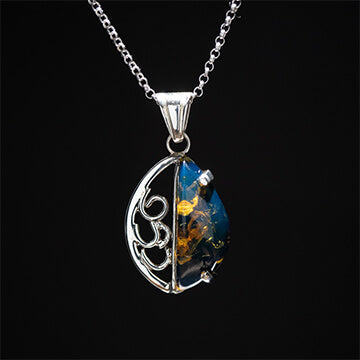
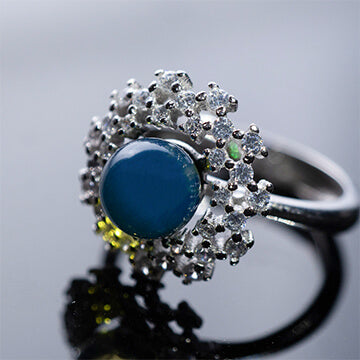
It also helps to decide whether you are collecting for display, wear, spiritual meaning, or future value. Those goals overlap, but they are not identical. A delicate amber carving with extraordinary glow may be perfect for a curated collection and less ideal for frequent wear. A slightly sturdier Larimar carving may offer more versatility if you want something you can wear as a pendant and still treasure as a collector piece.
Source matters. Choose sellers who treat gemstones as individual works rather than interchangeable inventory. The more specialized the expertise, the more likely you are to receive accurate descriptions and pieces selected with discernment. For collectors drawn to authentic Caribbean gemstone artistry, Larimar Creations speaks directly to that desire for origin, rarity, and handcrafted beauty.
The finest gemstone carvings reward patience. Buy the piece that feels true in material, honest in craftsmanship, and memorable in presence. When a carving holds all three, it does more than decorate a collection - it becomes part of the story you are building, one remarkable stone at a time.