Your Cart is Empty

The blue stone from Dominican Republic has captivated gemstone enthusiasts and jewelry collectors worldwide with its mesmerizing azure hues reminiscent of Caribbean waters. This extraordinary gemstone, known as Larimar, represents one of nature's most exclusive treasures, found exclusively in a single location on Earth. As global demand for authentic, ethically sourced gemstones continues to rise in 2026, understanding the origins, characteristics, and value of this rare stone becomes increasingly important for collectors and jewelry lovers alike.
Larimar stands apart from virtually every other gemstone due to its extreme geographical limitation. While diamonds, sapphires, and emeralds can be found across multiple continents, Larimar exists in only one place on Earth - the mountainous Barahona province in the southwestern Dominican Republic.
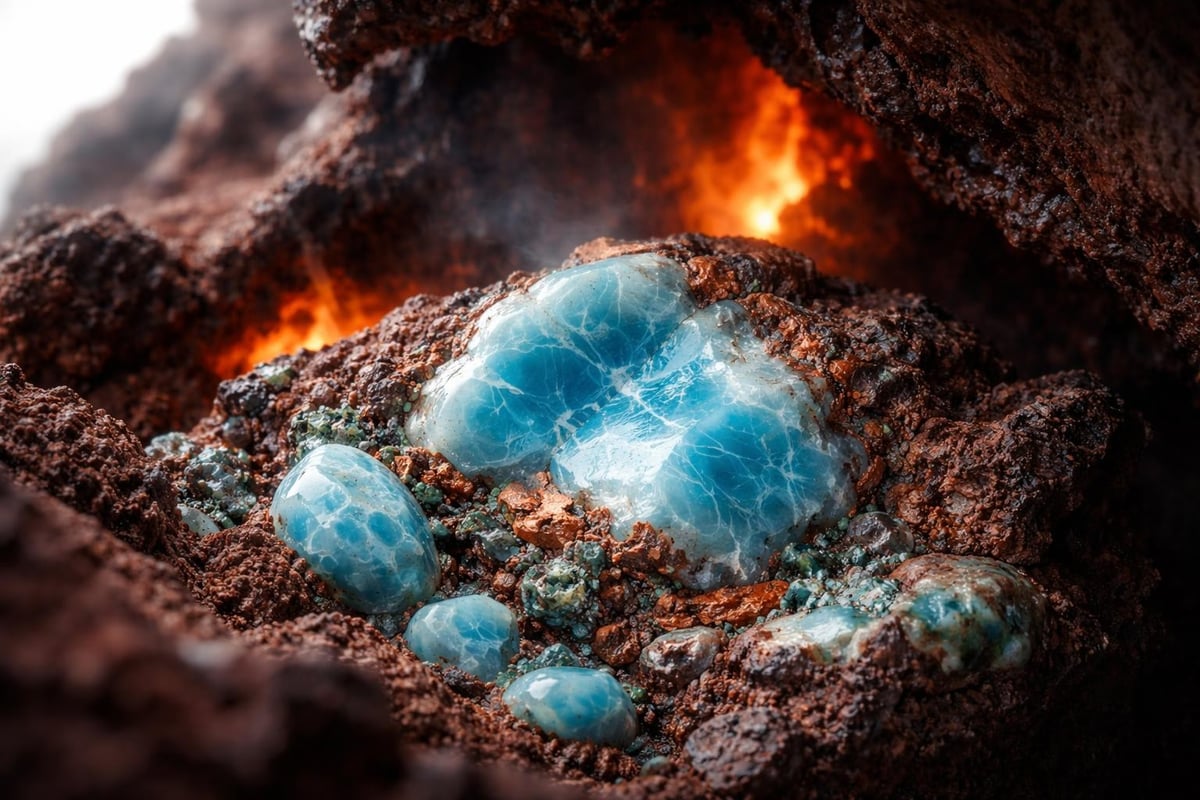
This blue stone from Dominican Republic forms through a specific combination of volcanic activity and mineral composition that has never been replicated elsewhere. The gemstone is actually a rare variety of pectolite, a mineral that typically appears in white or gray forms globally. However, the Dominican deposit contains copper substitution within its crystal structure, creating the signature sky-blue to turquoise coloration that makes Larimar so distinctive.
The formation process of this remarkable stone began millions of years ago during volcanic eruptions in the Caribbean region. As volcanic gases interacted with specific minerals under precise temperature and pressure conditions, pectolite crystals began forming with copper ions replacing calcium in their structure.
Key formation factors include:
The modern discovery of Larimar occurred relatively recently in 1974 when Miguel Méndez and Peace Corps volunteer Norman Rilling found blue stones in the Bahoruco mountain range. Méndez combined his daughter's name, Larissa, with "mar" (Spanish for sea) to create the name "Larimar," perfectly capturing the stone's oceanic appearance.
Understanding the physical characteristics of the blue stone from Dominican Republic helps collectors appreciate its quality and identify authentic specimens. Larimar's mineral composition gives it specific properties that distinguish it from imitations.
| Property | Specification |
|---|---|
| Mineral Type | Pectolite (Sodium Calcium Silicate) |
| Chemical Formula | NaCa₂Si₃O₈(OH) |
| Mohs Hardness | 4.5-5.0 |
| Specific Gravity | 2.84-2.90 |
| Crystal System | Triclinic |
| Transparency | Translucent to opaque |
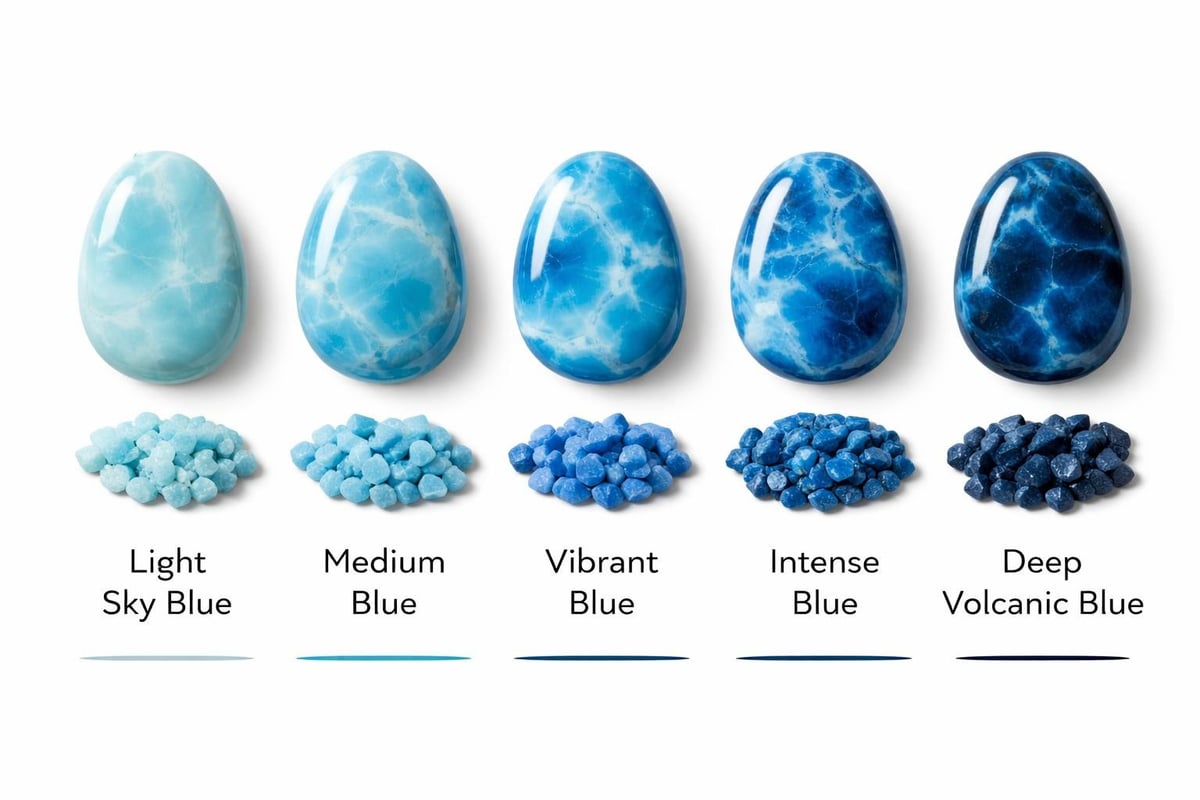
The blue stone from Dominican Republic displays a spectrum of blue shades, each with its own appeal and market value. The coloration intensity depends primarily on copper concentration during formation.
Color variations include:
Premium specimens exhibit intense, uniform blue coloration with minimal white matrix. These stones command the highest prices in the market and are most sought after for fine jewelry applications. The natural variations create unique patterns in each stone, ensuring no two pieces are identical.
Many collectors specifically seek stones with distinctive healing properties, believing the blue stone from Dominican Republic carries metaphysical benefits aligned with its tranquil appearance. The stone's association with water elements and Caribbean energy has made it popular in holistic wellness communities.
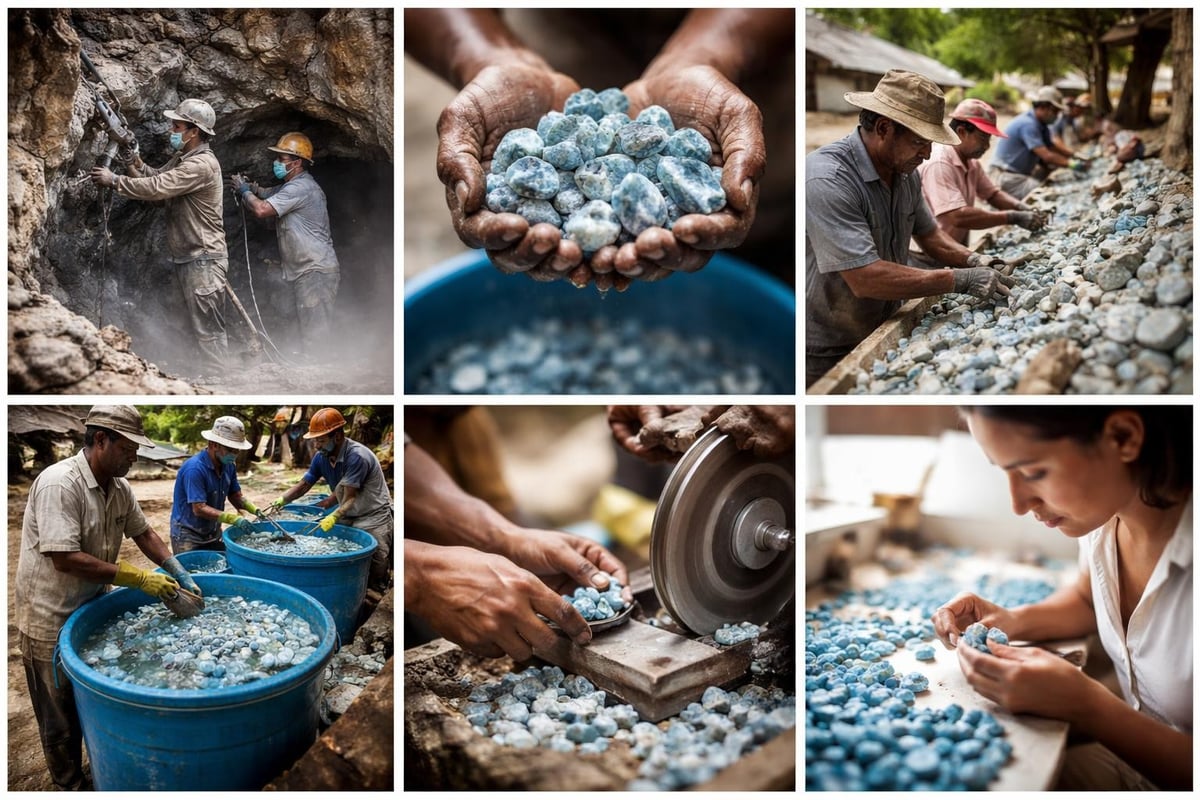
The extraction of the blue stone from Dominican Republic presents unique challenges due to the remote location and artisanal nature of mining operations. Safety improvements and modernization efforts have transformed the industry in recent years, though mining remains labor-intensive.
Located in the Los Chupaderos area near the town of Barahona, the Larimar mines operate under difficult conditions. Miners work in narrow tunnels carved into mountainsides, extracting stone from veins that can range from a few centimeters to several meters in width.
The mining process involves:
Recent years have seen periods where mines temporarily closed due to safety concerns or resource depletion in accessible areas. The reopening of mines in 2026 has brought renewed availability, though the finite nature of deposits means this blue stone from Dominican Republic will always remain rare.
The blue stone from Dominican Republic carries deep cultural meaning for the Dominican people, representing national pride and economic opportunity. Ethical sourcing initiatives have become increasingly important as demand grows globally.
Larimar mining provides livelihood for hundreds of families in the Barahona region, an area with limited economic alternatives. Small-scale miners, cutters, and artisans depend on the gemstone trade for their income. Responsible buyers prioritize purchasing from sources that ensure fair compensation for miners and support community development.
Ethical considerations include:
The Dominican government has implemented regulations to protect both workers and the resource itself. Licensed operations must meet specific standards, though informal mining still occurs in some areas. Buyers should verify the provenance of their stones to ensure they support legitimate operations.
Cultural celebrations and festivals in the Dominican Republic often feature Larimar prominently, showcasing the nation's pride in this unique natural resource. The blue stone from Dominican Republic has become synonymous with Dominican identity, appearing in national gifts, diplomatic exchanges, and cultural exhibitions.
The distinctive beauty of the blue stone from Dominican Republic has made it increasingly popular in fine jewelry design. Its rarity and visual appeal create strong market demand among collectors who appreciate exclusive gemstones.
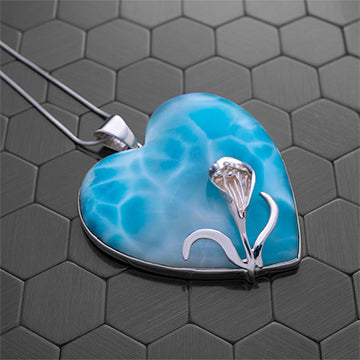
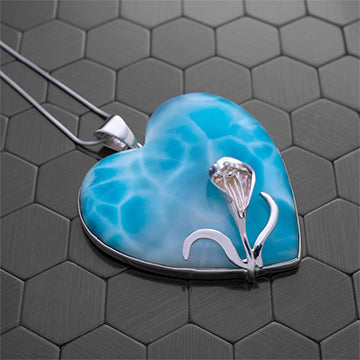
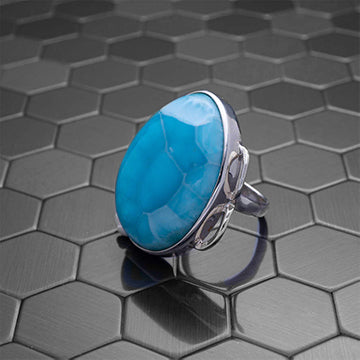
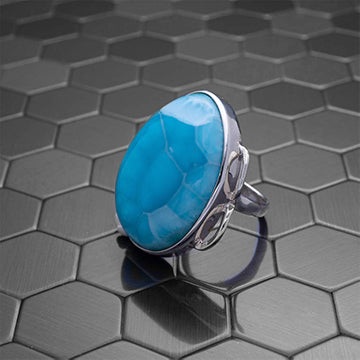
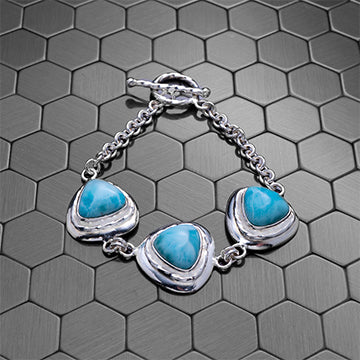
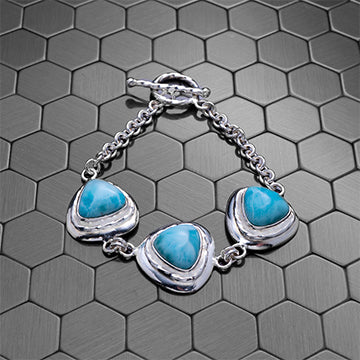
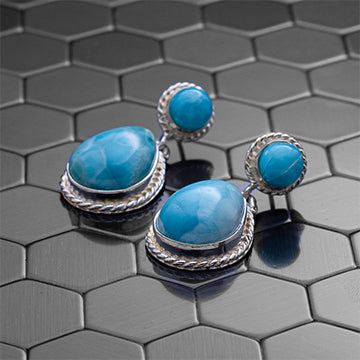
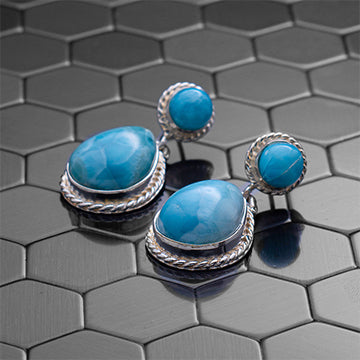
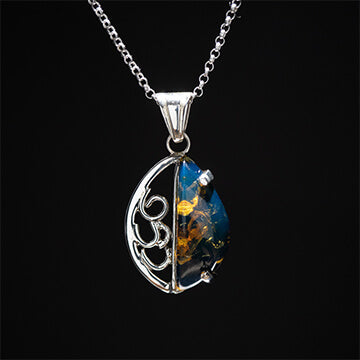
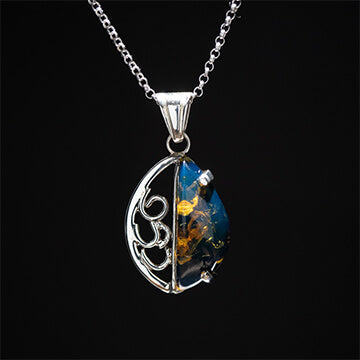
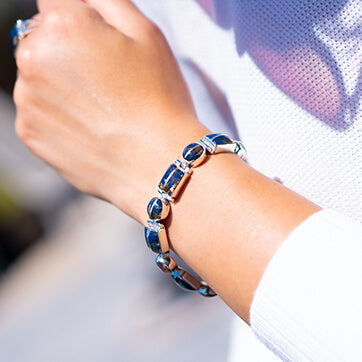
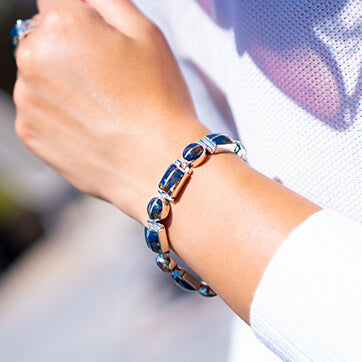
Designers favor Larimar for pieces that showcase its natural patterns and coloration. The stone's moderate hardness makes it suitable for protected settings, particularly in pendants, earrings, and occasional-wear rings. Larimar Pendants have become especially popular, allowing the stone's beauty to take center stage while protecting it from the wear associated with ring settings.
| Jewelry Type | Suitability | Considerations |
|---|---|---|
| Pendants | Excellent | Protected position, showcases color |
| Earrings | Excellent | Low wear exposure |
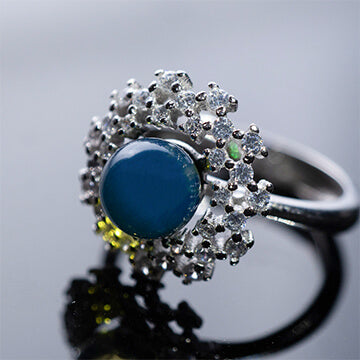
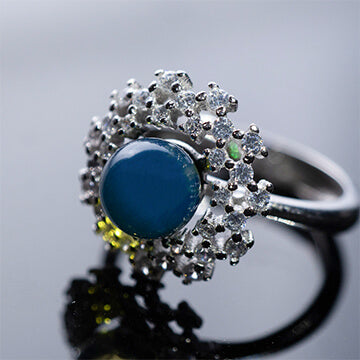
| Rings | Good | Requires protective settings |
| Bracelets | Moderate | Higher wear risk |
| Brooches | Excellent | Decorative, low impact |
Current design trends in 2026 emphasize minimalist settings that allow the stone's natural beauty to dominate. Sterling silver remains the most popular metal pairing, as its bright color complements Larimar's blue tones without overwhelming them. Gold settings, particularly white and rose gold, have gained popularity among luxury buyers.
As deposits become increasingly difficult to access and high-quality material becomes scarcer, the blue stone from Dominican Republic has attracted attention from gemstone investors. Prices have steadily increased over the past decade, with premium specimens commanding significant premiums.
Factors affecting value:
Collector-grade stones with exceptional color can range from hundreds to thousands of dollars per carat, depending on size and quality. Commercial-grade material remains more accessible, allowing entry-level collectors to own authentic pieces. Those interested in rare Larimar colors and investment value should research current market conditions and purchase from reputable dealers.
With rising prices for the blue stone from Dominican Republic, the market has seen an increase in imitations and misrepresented stones. Knowing how to identify genuine Larimar versus fake stones protects buyers from fraudulent sales.
Genuine Larimar displays specific characteristics that trained observers can identify. The stone's internal structure shows distinctive patterns created by its fibrous crystal formation, often appearing as white streaks or veining throughout the blue matrix.
Professional authentication methods include:
Common imitations include dyed howlite, synthetic materials, and glass. Dyed howlite represents the most frequent substitute, as its porous nature accepts blue dye and its white veining can mimic Larimar's patterns. However, dyed stones typically show color concentration in cracks and less natural variation than authentic specimens.
Reputable dealers provide certification from recognized gemological laboratories when selling high-value blue stone from Dominican Republic specimens. Certificates should include detailed information about the stone's characteristics, measurements, and authenticity verification.
Buyers should request:
The comprehensive information about Larimar's geology and characteristics helps buyers understand what to expect in authentic stones. Education remains the best defense against purchasing misrepresented material.
Proper care ensures the blue stone from Dominican Republic maintains its beauty for generations. While reasonably durable, Larimar requires specific handling to prevent damage and preserve its appearance.
The stone's moderate hardness means it can scratch more easily than harder gemstones like sapphire or diamond. Protective settings help minimize exposure to impacts and abrasions. Remove jewelry during activities involving:
Gentle cleaning methods preserve the stone's surface polish and color. Harsh chemicals, ultrasonic cleaners, and steam cleaning can damage Larimar and should be avoided entirely.
Recommended cleaning process:
Long-term storage should protect pieces from direct sunlight, which may cause gradual color fading in some specimens. Individual soft pouches or lined jewelry boxes prevent contact with harder stones that could scratch surfaces.
The trajectory for the blue stone from Dominican Republic points toward increasing scarcity and value. As accessible deposits diminish and extraction costs rise, the gemstone market in 2026 shows strong demand outpacing supply.
Global awareness of Larimar has expanded significantly through social media and online marketplaces, introducing new audiences to this rare gemstone. International buyers from Asia, Europe, and North America actively seek authentic specimens, driving competition for quality material.
The sustainable jewelry movement has also benefited Larimar, as consumers increasingly value gemstones with traceable origins and ethical sourcing. The blue stone from Dominican Republic offers a compelling story of single-origin rarity combined with artisanal mining traditions.
Market indicators for 2026:
Industry experts project continued growth in demand as more consumers discover Larimar's unique characteristics. The finite nature of deposits ensures this blue stone from Dominican Republic will maintain its exclusivity, potentially making current acquisitions valuable long-term holdings.
Questions about deposit longevity have prompted discussions about sustainable extraction practices. While exact reserve estimates remain uncertain, geologists acknowledge that accessible, high-quality material has become increasingly difficult to locate. Some projections suggest readily mineable deposits could face depletion within decades if current extraction rates continue.
Conservation efforts focus on:
The detailed story of Larimar's formation and cultural significance emphasizes the importance of treating this resource with respect and foresight. Future generations should have opportunities to appreciate this remarkable geological phenomenon.
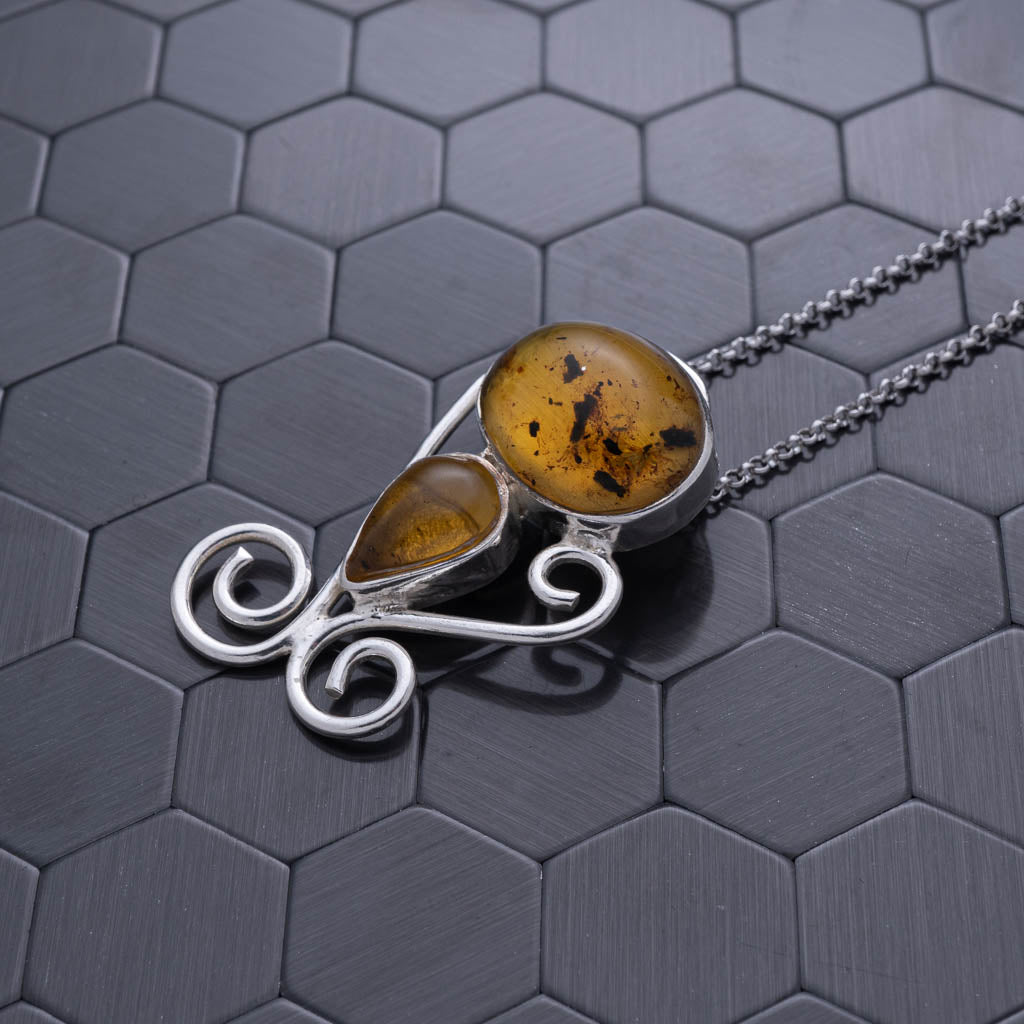
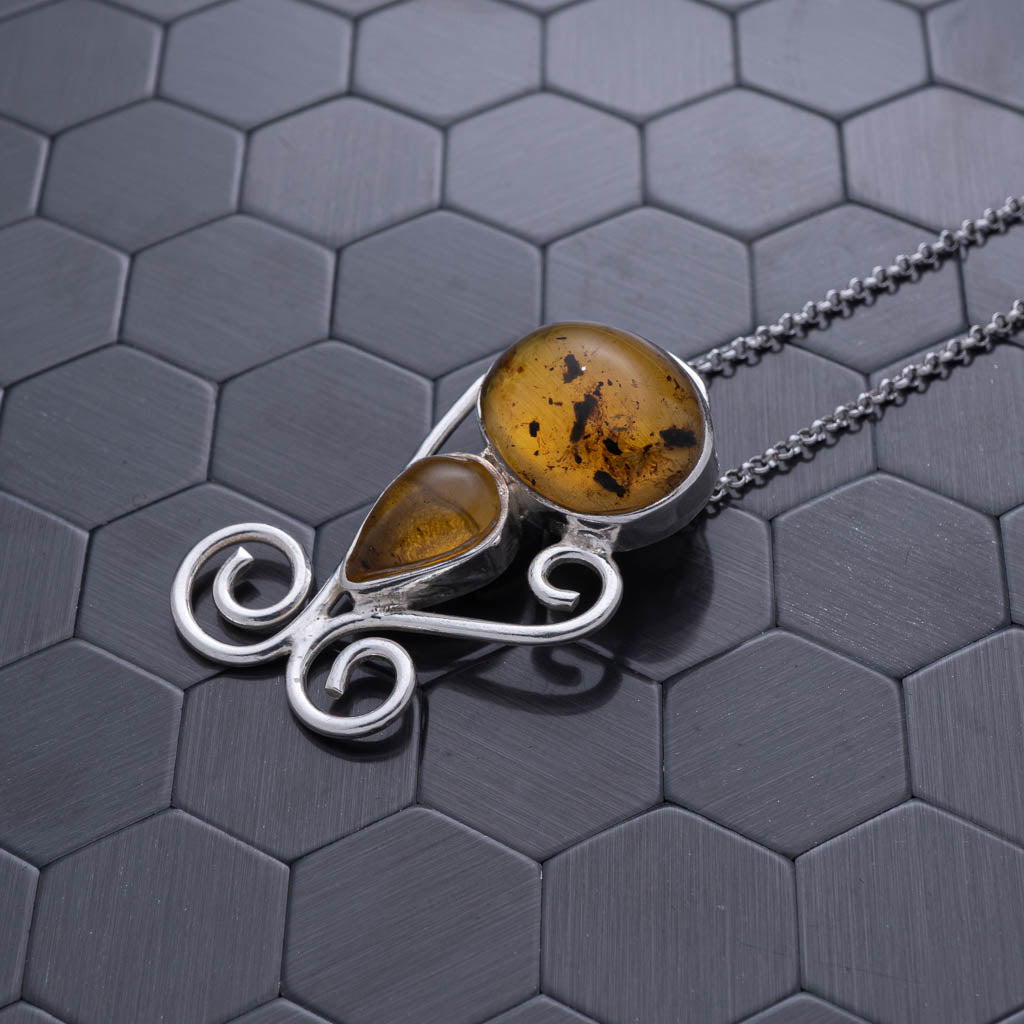
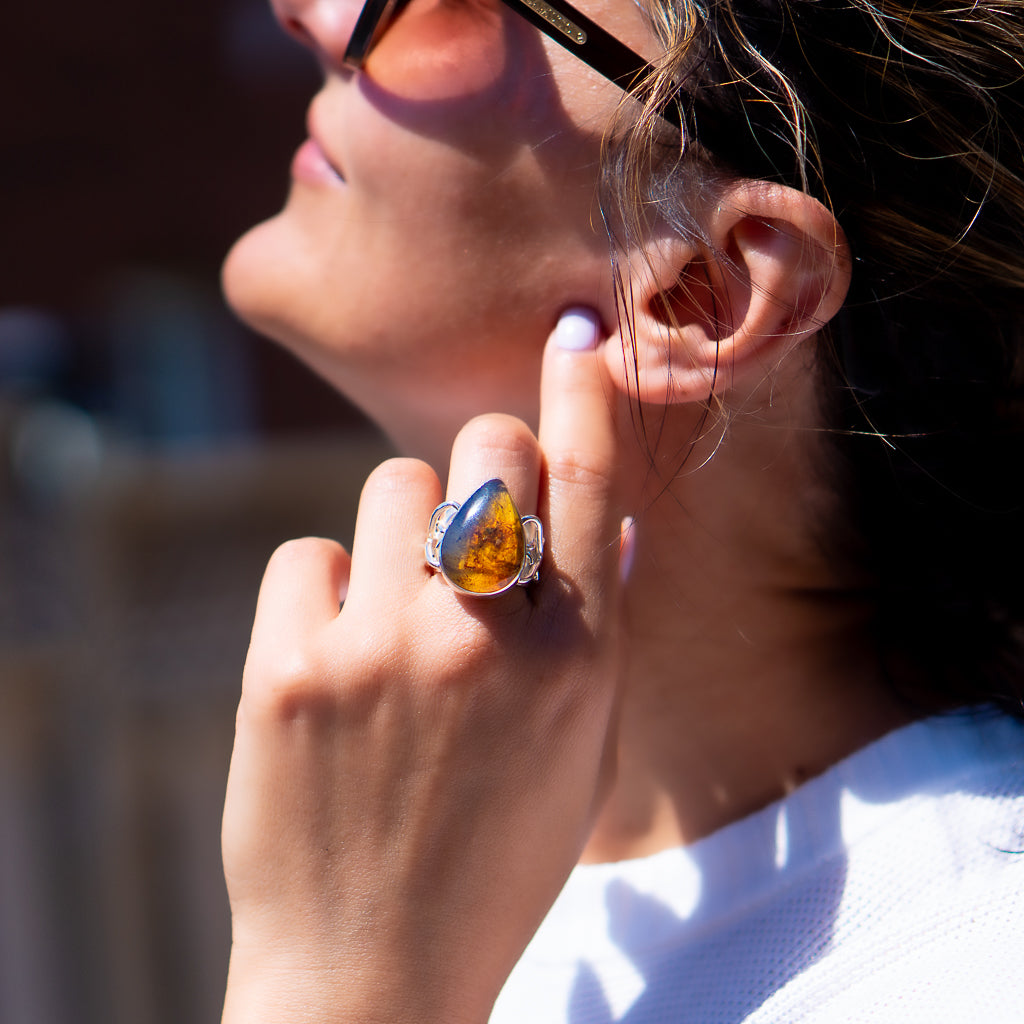
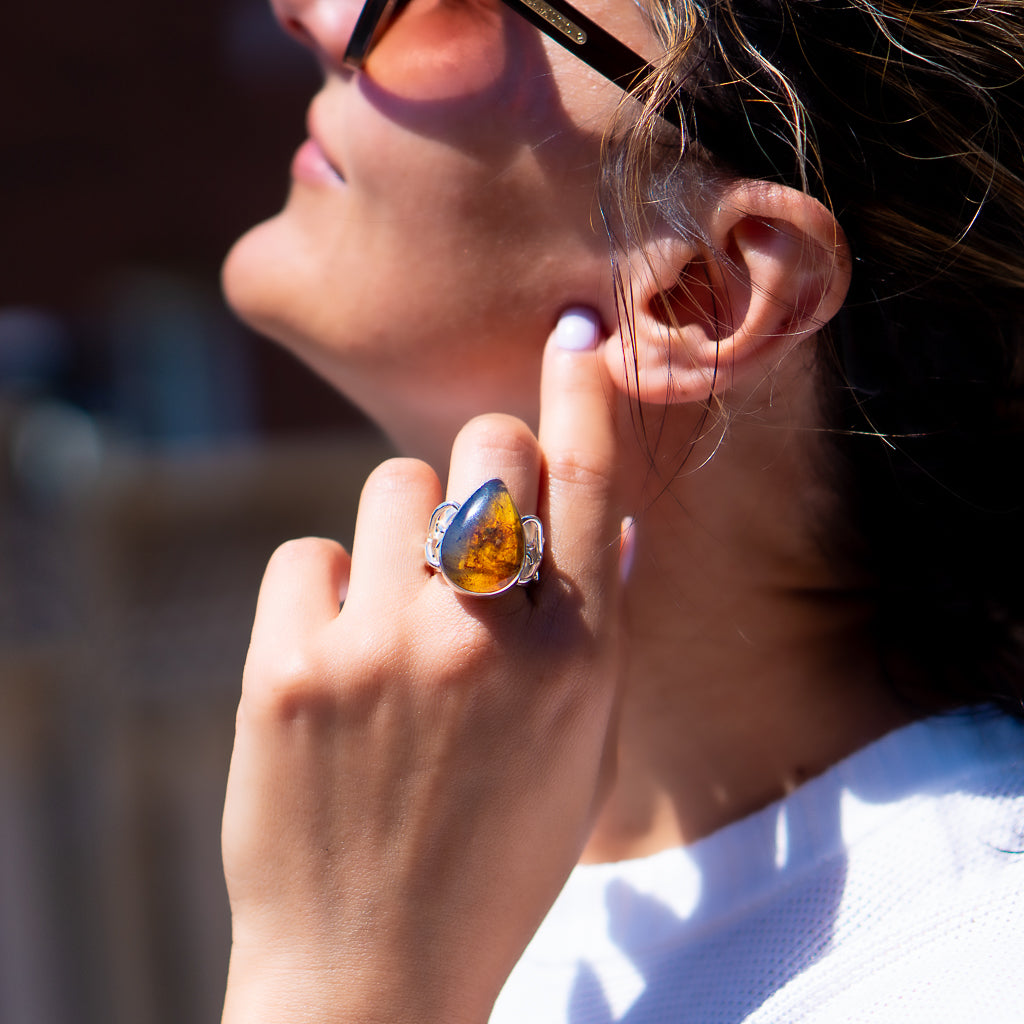
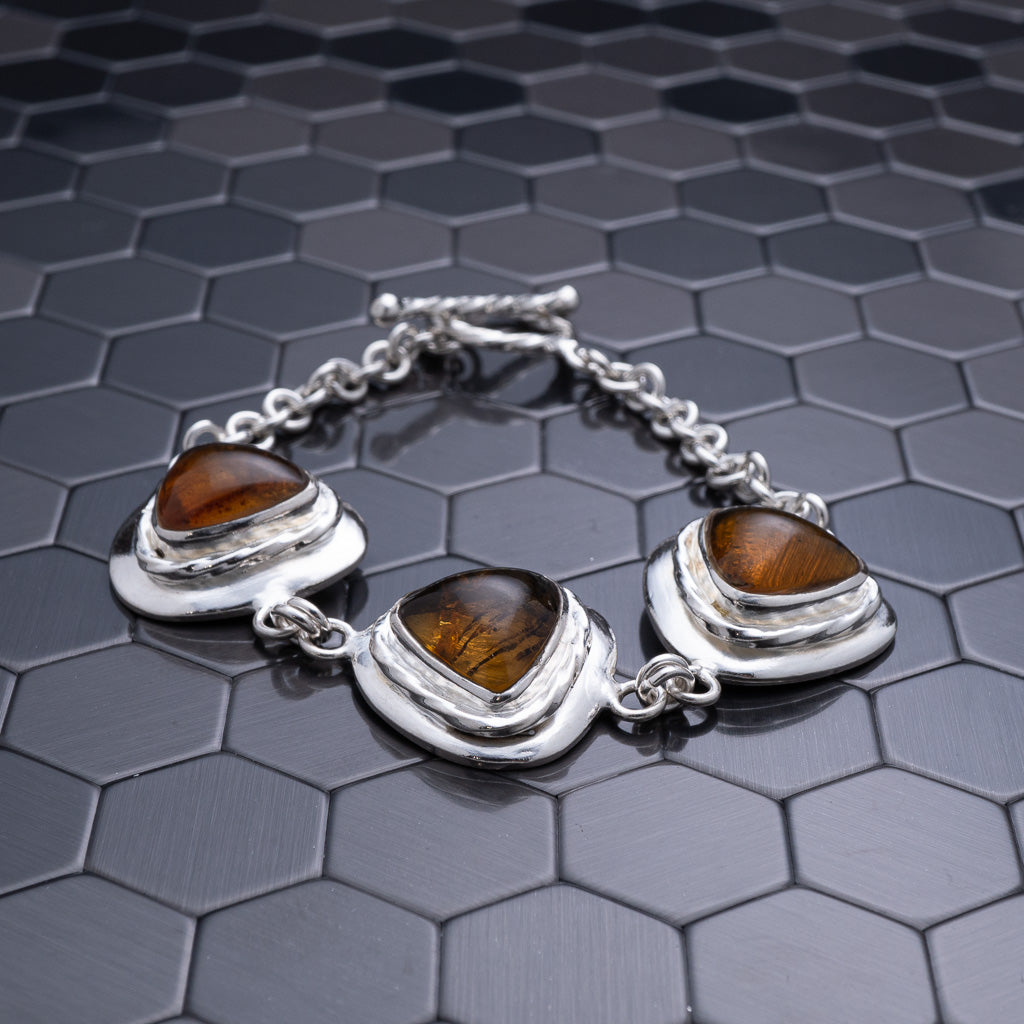
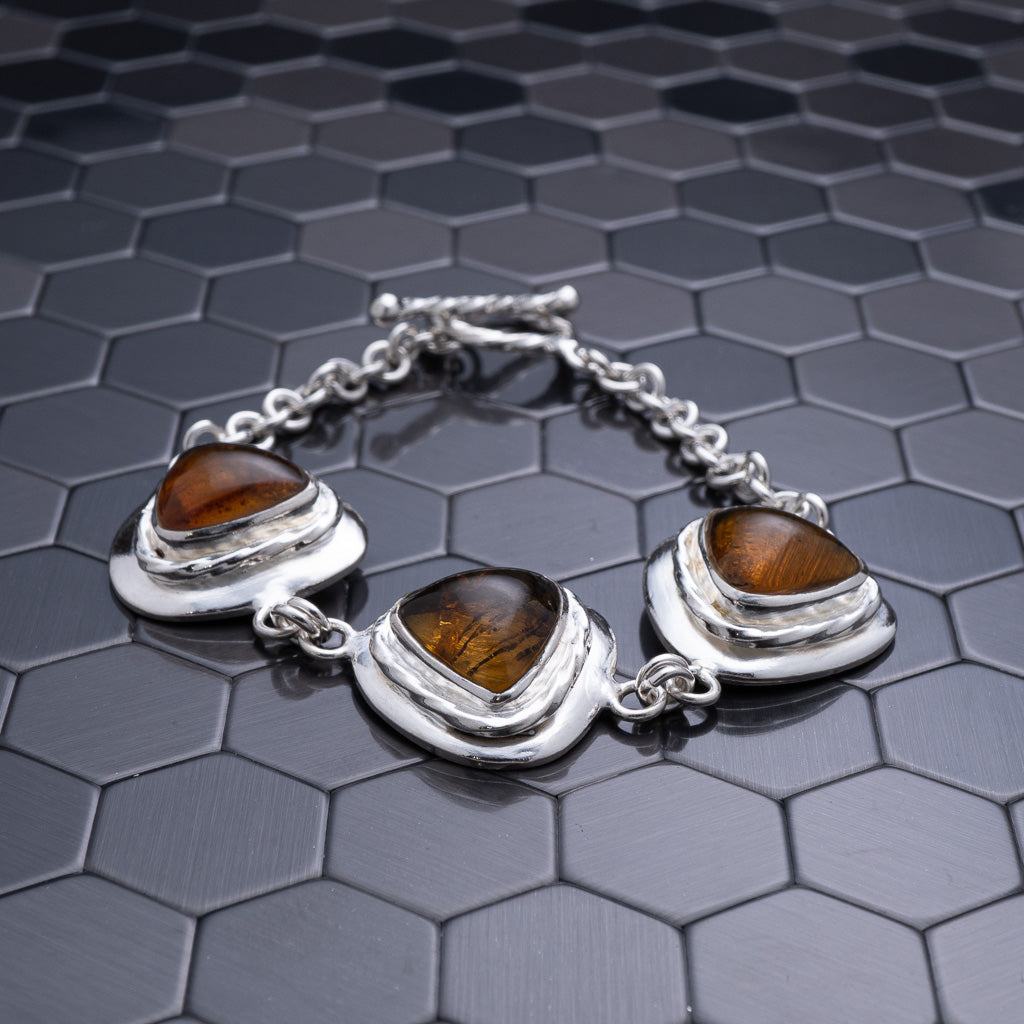
While Larimar represents the most famous blue stone from Dominican Republic, the nation also produces another rare blue gemstone: Dominican Blue Amber. Understanding the differences between these two stones helps collectors make informed decisions.
Both stones are exceptionally rare and found primarily in the Dominican Republic, but they differ fundamentally in composition and characteristics. Those exploring Dominican Blue Amber discover a completely different material with its own unique properties.
| Characteristic | Larimar | Dominican Blue Amber |
|---|---|---|
| Material Type | Mineral (Pectolite) | Fossilized Resin |
| Age | Millions of years | 15-40 million years |
| Hardness | 4.5-5.0 Mohs | 2.0-2.5 Mohs |
| Blue Color Source | Copper content | Fluorescence under UV |
| Typical Appearance | Opaque to translucent | Transparent to translucent |
| Primary Location | Barahona province | Northern regions |
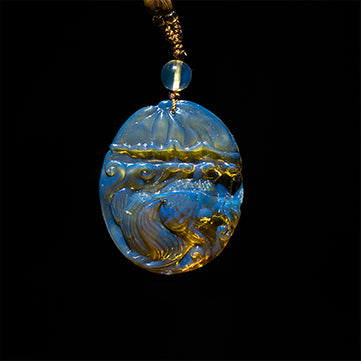
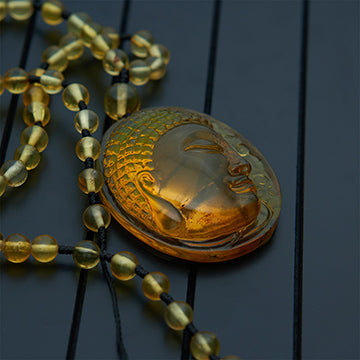
Dominican Blue Amber appears yellow or brown in normal light but fluoresces brilliant blue under ultraviolet light, creating a dramatically different visual effect than Larimar's consistent blue appearance. The blue stone from Dominican Republic known as Larimar maintains its color in all lighting conditions, making it more versatile for jewelry applications.
Both stones represent the Dominican Republic's exceptional geological heritage, offering collectors choices based on personal preferences and intended uses. Many enthusiasts collect both materials, appreciating the distinct qualities each brings to their collections.
The blue stone from Dominican Republic stands as one of nature's most remarkable gemstones, combining extreme rarity with breathtaking beauty. Whether you're drawn to its tranquil colors, cultural significance, or investment potential, authentic Larimar offers a tangible connection to one of Earth's most exclusive geological phenomena. Larimar Creations specializes in transforming this rare gemstone into exquisite handcrafted jewelry, offering worldwide shipping so collectors everywhere can own a piece of Caribbean treasure with guaranteed authenticity and exceptional craftsmanship.