
FREE WORLD WIDE SHIPPING
HANDCRAFTED IN THE DOMINICAN REPUBLIC
BEST QUALITY LARIMAR
FREE WORLD WIDE SHIPPING
HANDCRAFTED IN THE DOMINICAN REPUBLIC
BEST QUALITY LARIMAR
FREE WORLD WIDE SHIPPING
HANDCRAFTED IN THE DOMINICAN REPUBLIC
BEST QUALITY LARIMAR
FREE WORLD WIDE SHIPPING
HANDCRAFTED IN THE DOMINICAN REPUBLIC
BEST QUALITY LARIMAR
FREE WORLD WIDE SHIPPING
HANDCRAFTED IN THE DOMINICAN REPUBLIC
BEST QUALITY LARIMAR
FREE WORLD WIDE SHIPPING
HANDCRAFTED IN THE DOMINICAN REPUBLIC
BEST QUALITY LARIMAR
100% Handcrafted in DR.
by Admin November 12, 2026 6 min read
A polished blue Larimar stone can hold the calm movement of Caribbean water. A hand-carved Larimar dolphin, leaf, or heart can turn that same rare material into a tiny work of art. That is the real choice behind cabochons vs carved gemstones: whether you want the stone’s natural color and pattern to lead, or the craftsperson’s vision to give it a distinct form.
Neither style is inherently finer than the other. The better choice depends on the gemstone, the quality of the material, how you plan to wear or collect it, and which details make you feel connected to the piece. For collectors of authentic Caribbean stones, knowing the difference makes every purchase more meaningful.
A cabochon is a gemstone shaped with a smooth, rounded, polished surface rather than flat facets. Its base is usually flat or gently curved, while the top may be a low dome, high dome, oval, cushion, pear, freeform, or heart shape. The word describes the cut and finish, not the type of stone.
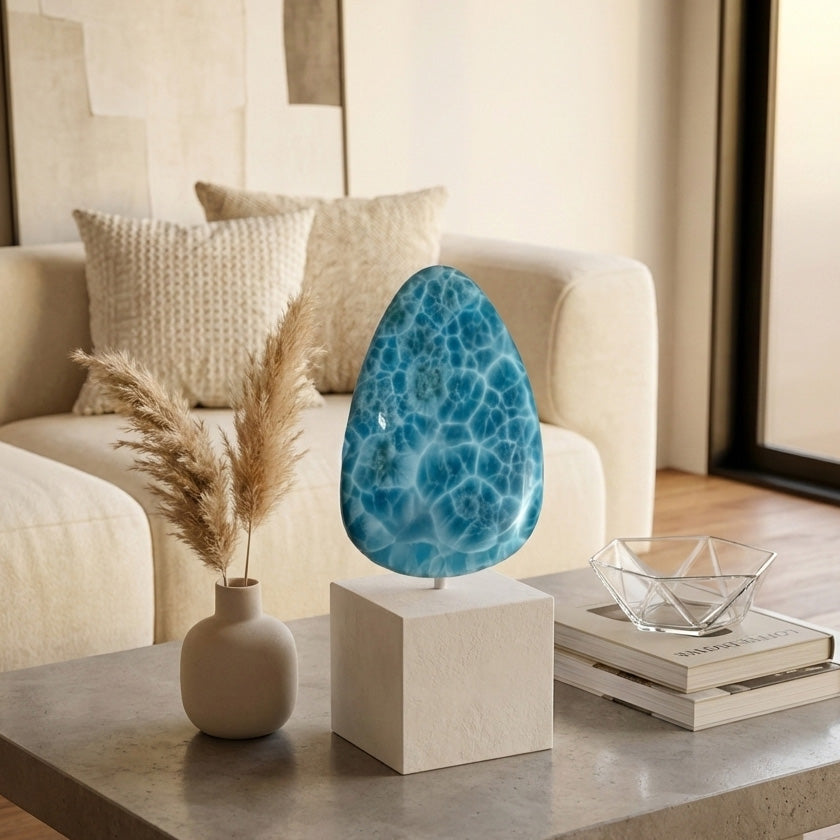
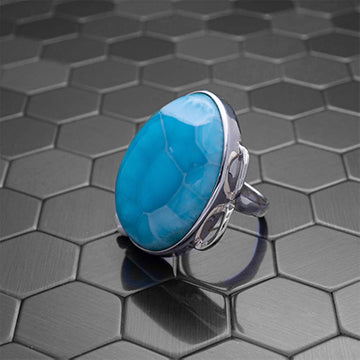
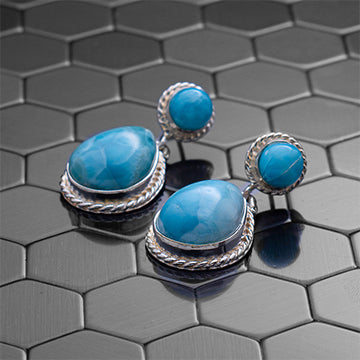
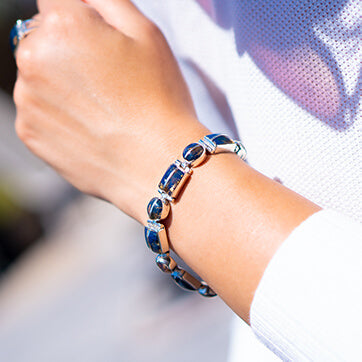
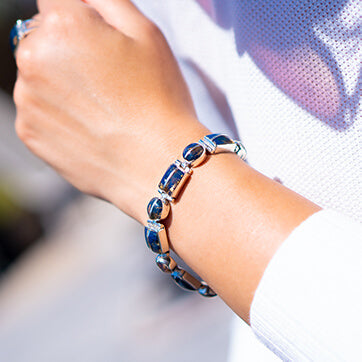
Cabochons are especially well suited to opaque or translucent gems whose beauty comes from color, pattern, texture, or internal glow rather than sparkle. Larimar is a classic example. Its cloudlike white veining, turquoise pools, and deep ocean-blue color are displayed beautifully across a broad, unbroken polished face.
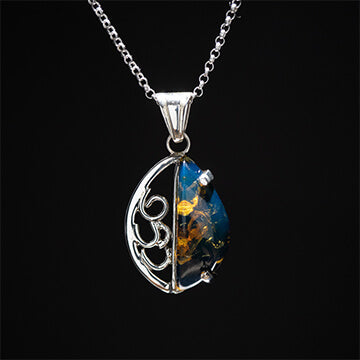
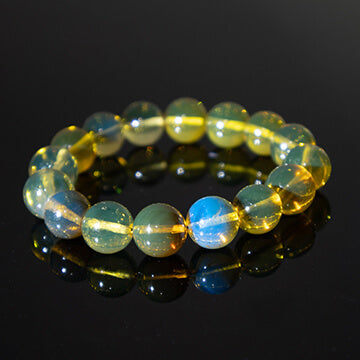
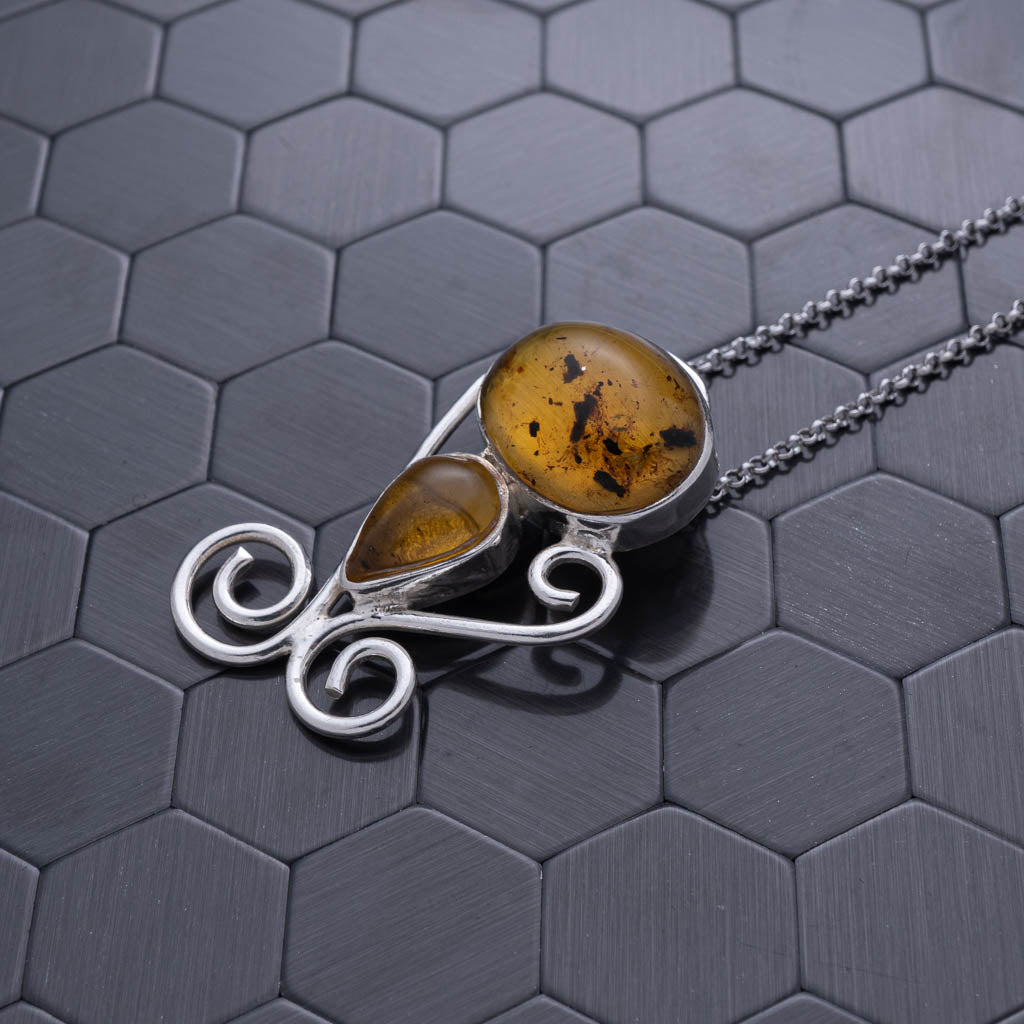
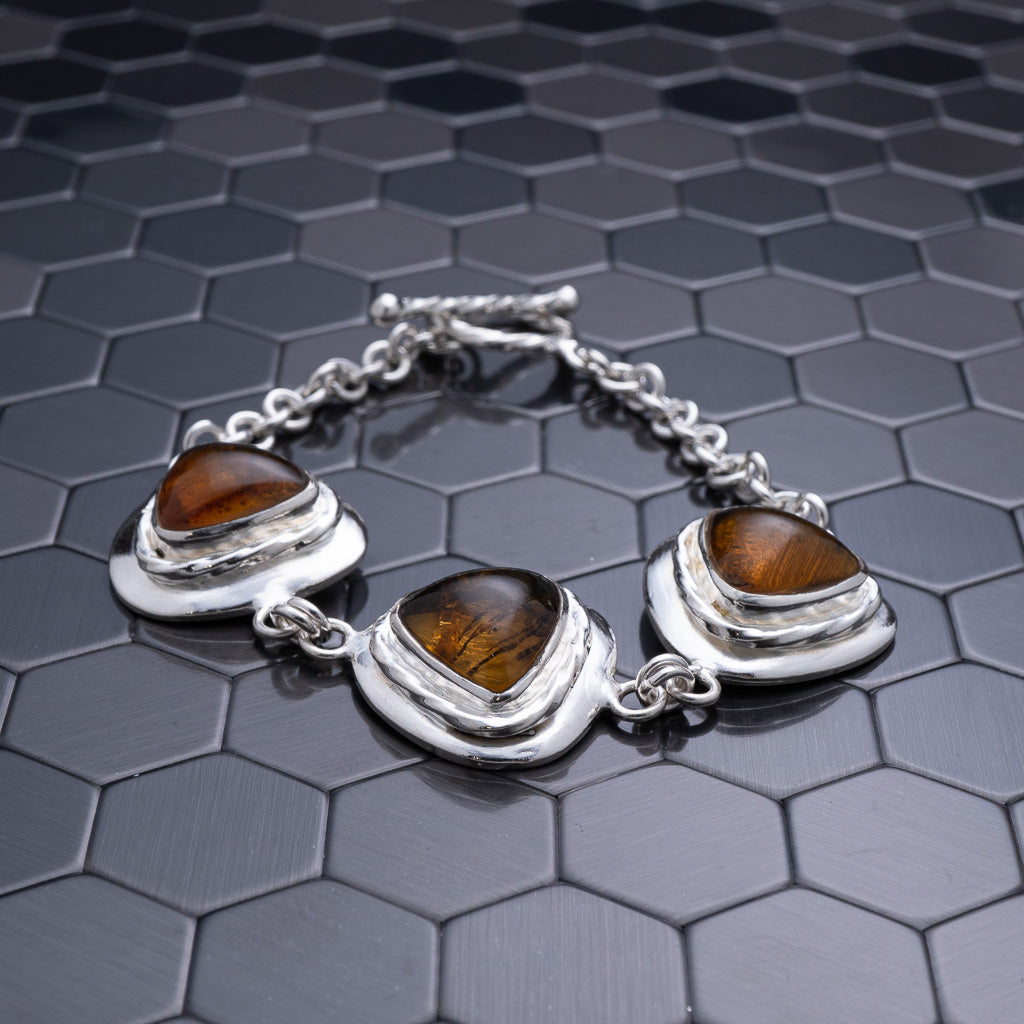
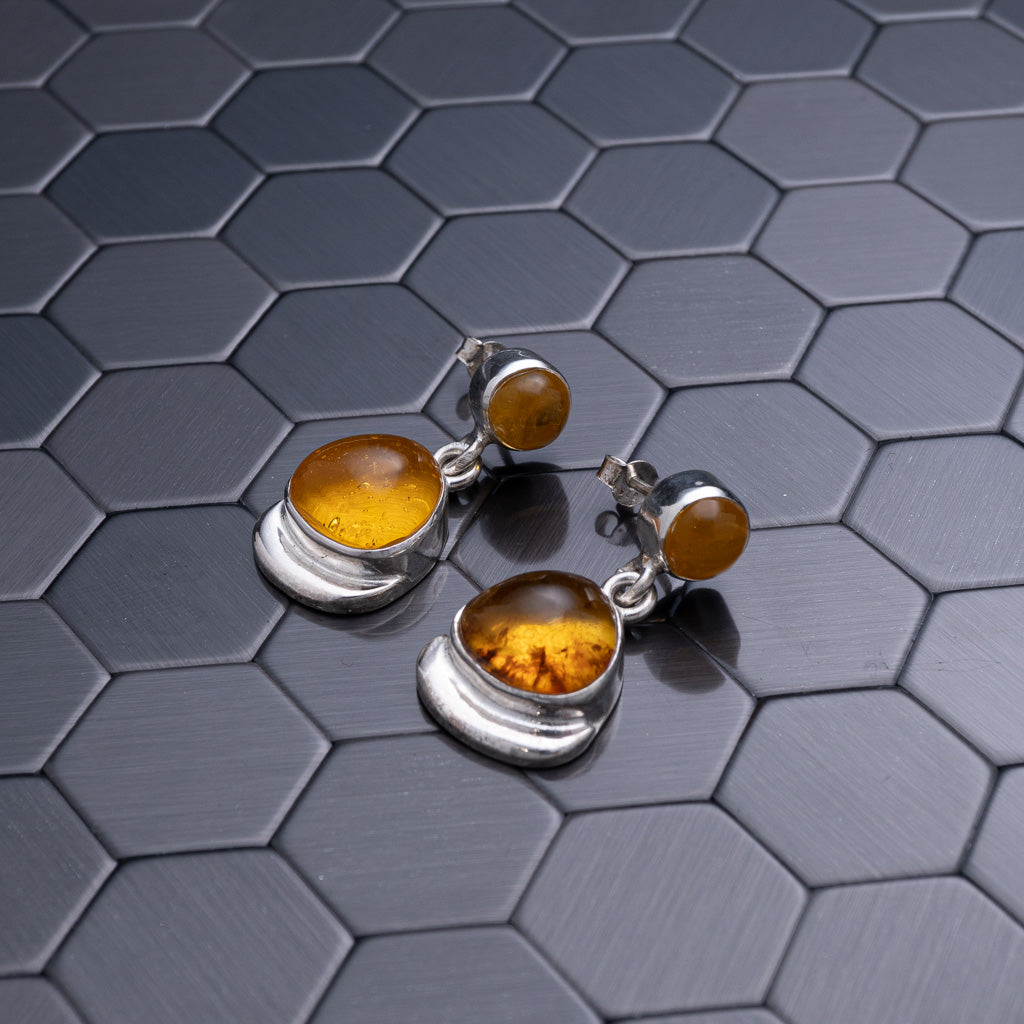
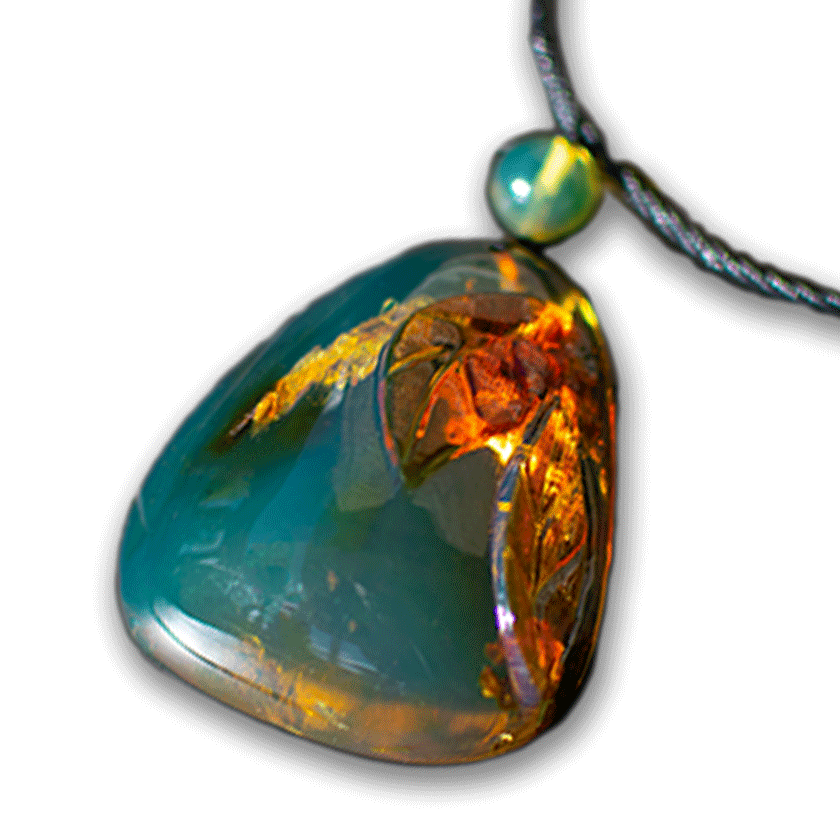
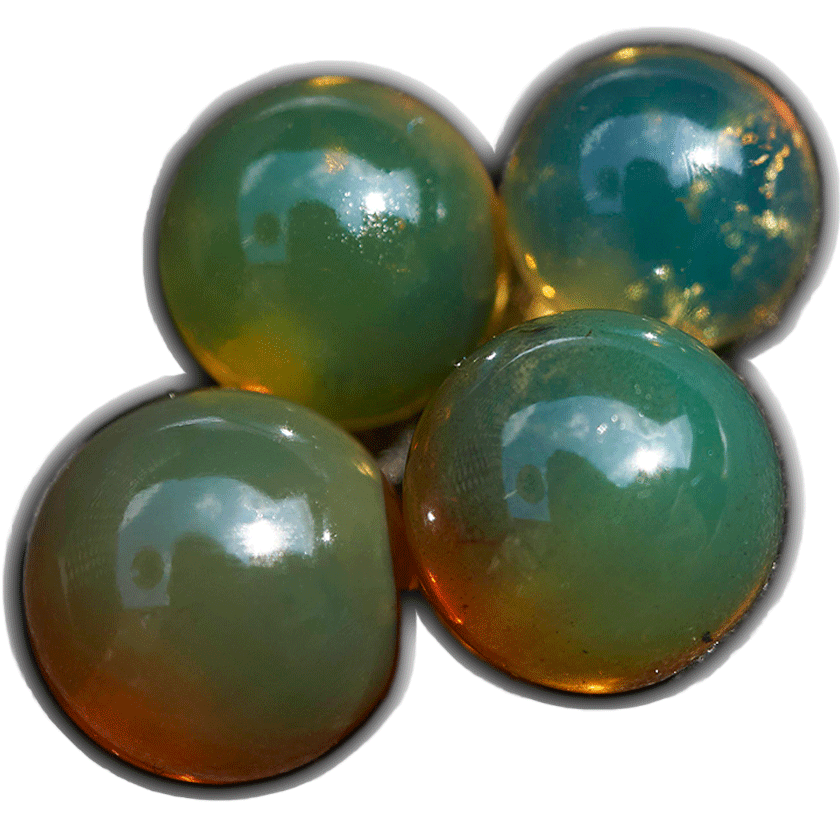
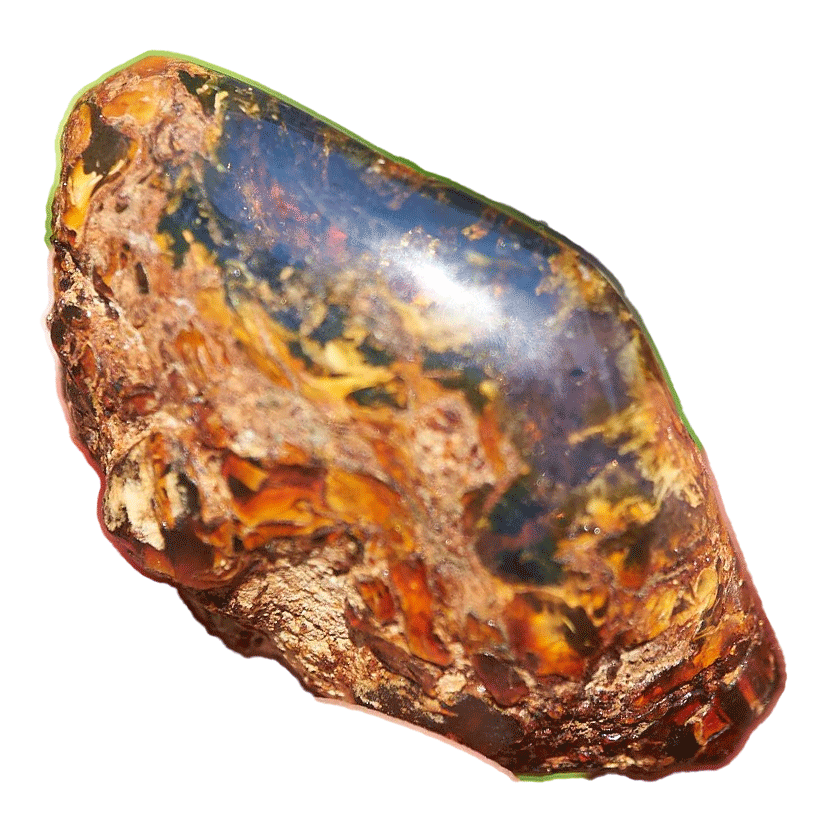
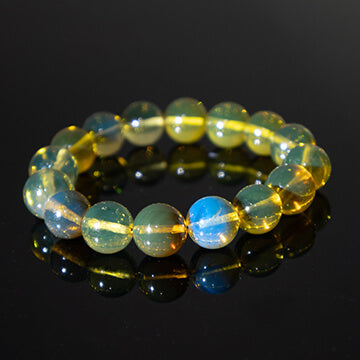
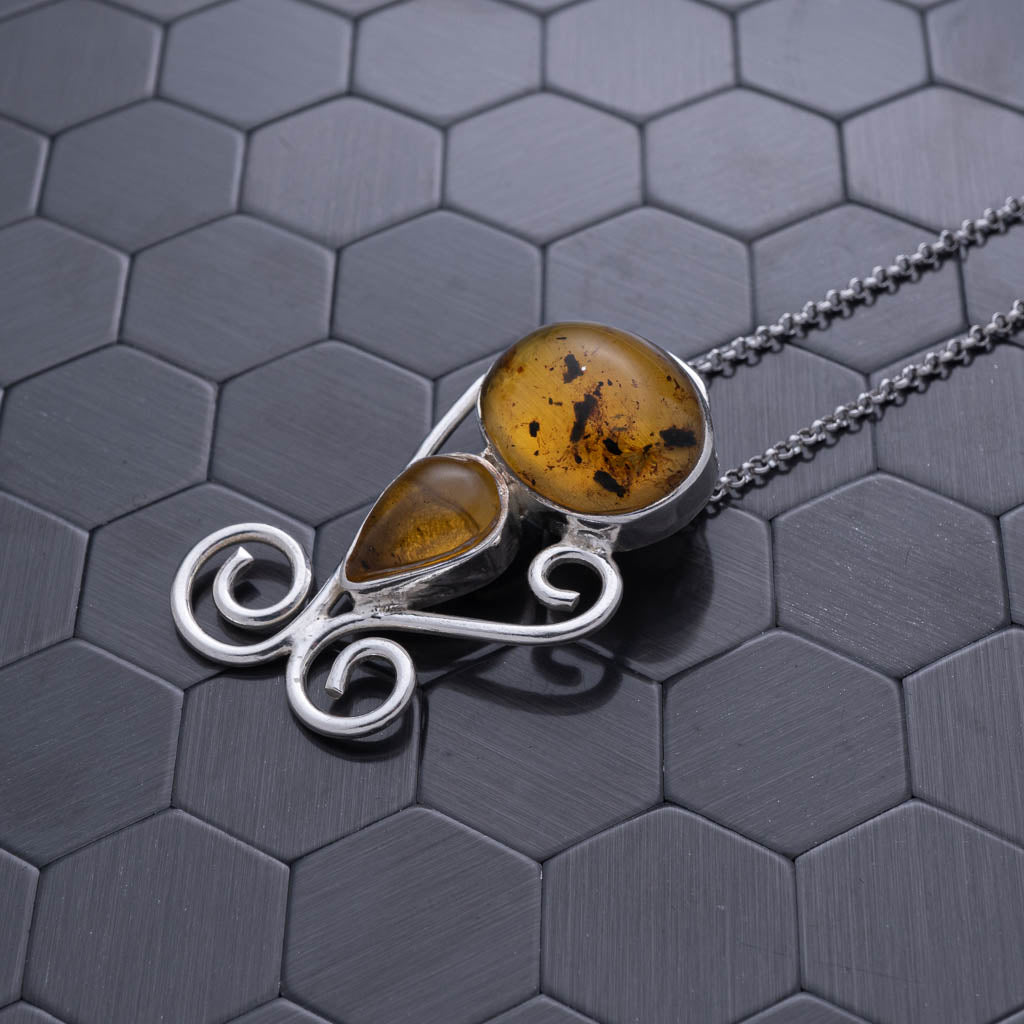
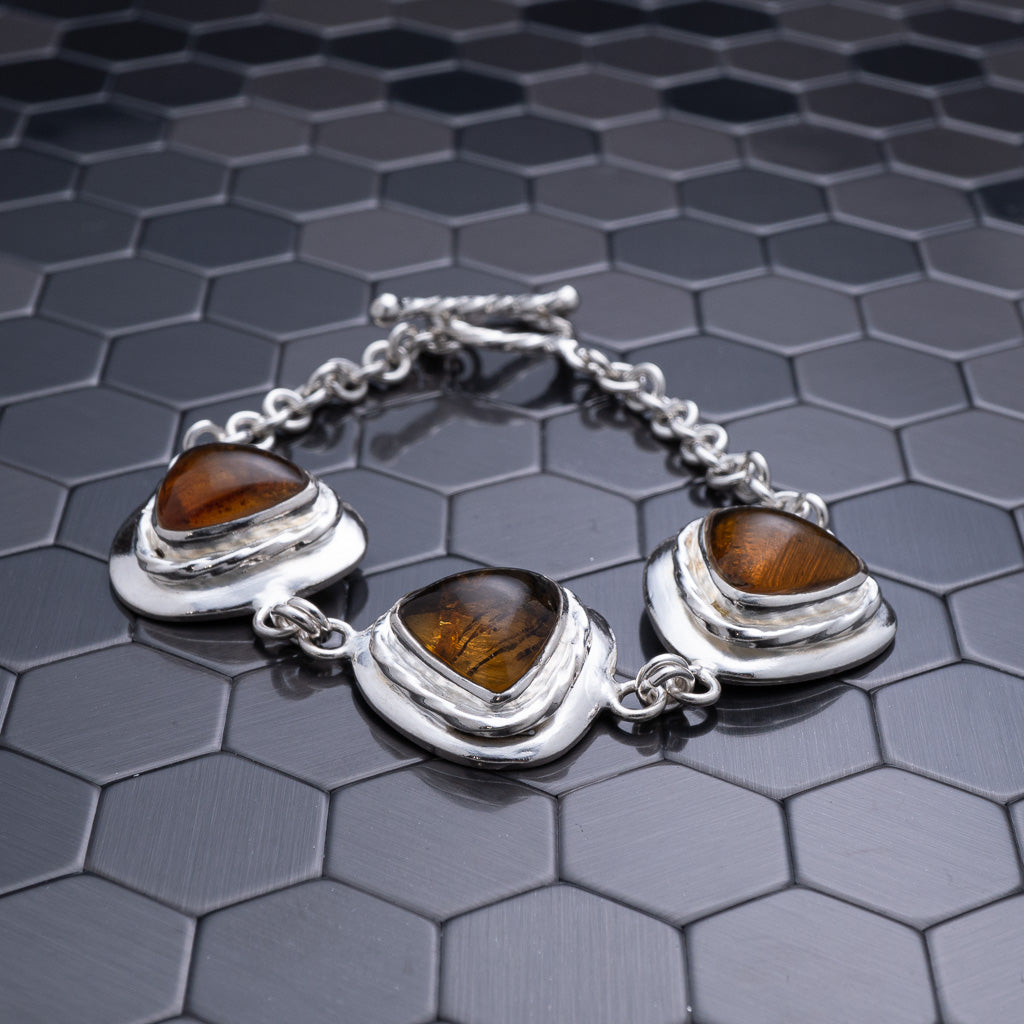
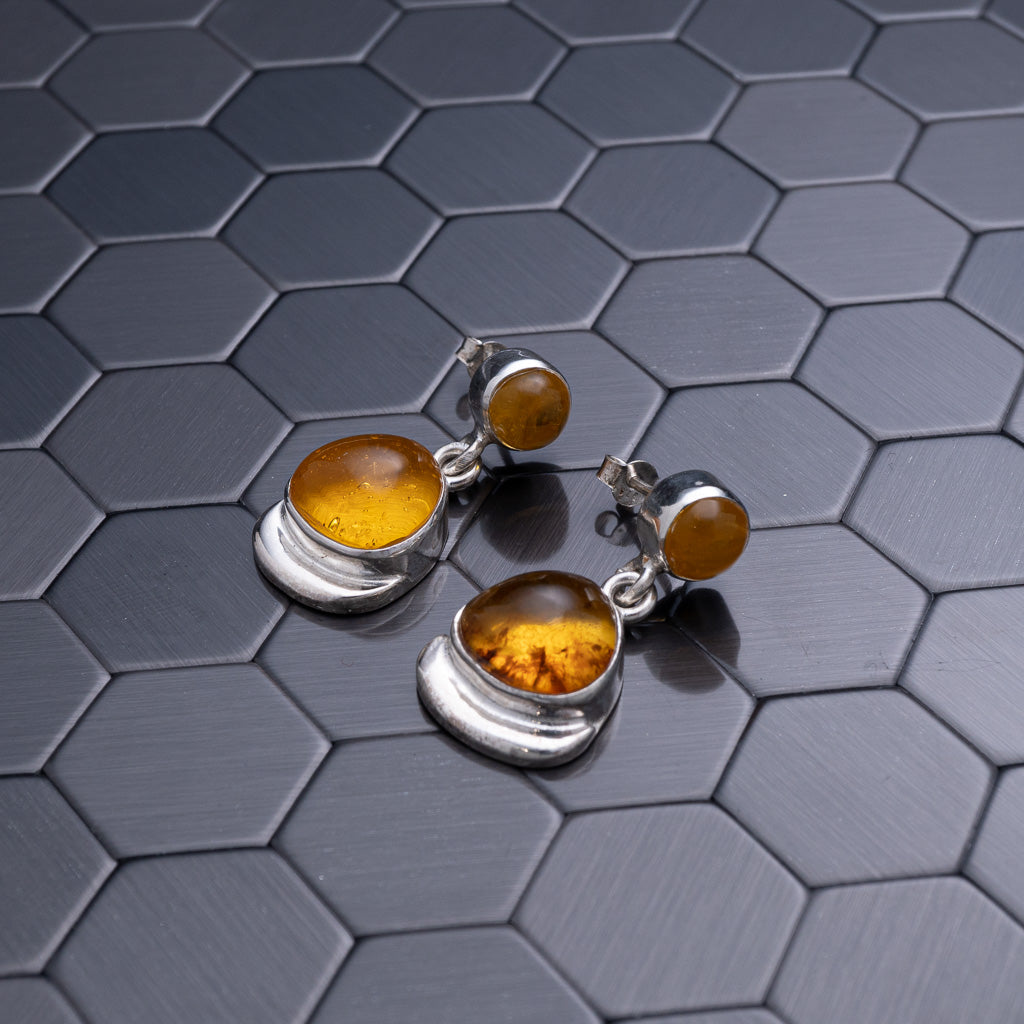
Dominican amber also benefits from this treatment. A cabochon can showcase warm honey, cognac, green, or rare blue tones with minimal interruption. In Blue Amber, the smooth polish allows the material’s remarkable fluorescence to become the focal point. Under the right light, a seemingly golden stone can reveal an electric blue glow that feels almost impossible until seen in person.
A well-cut cabochon requires restraint and skill. The lapidary must choose an orientation that presents the strongest color, the most compelling natural pattern, and a balanced silhouette. The aim is not to force a stone into a standardized shape, but to let its finest character come forward.
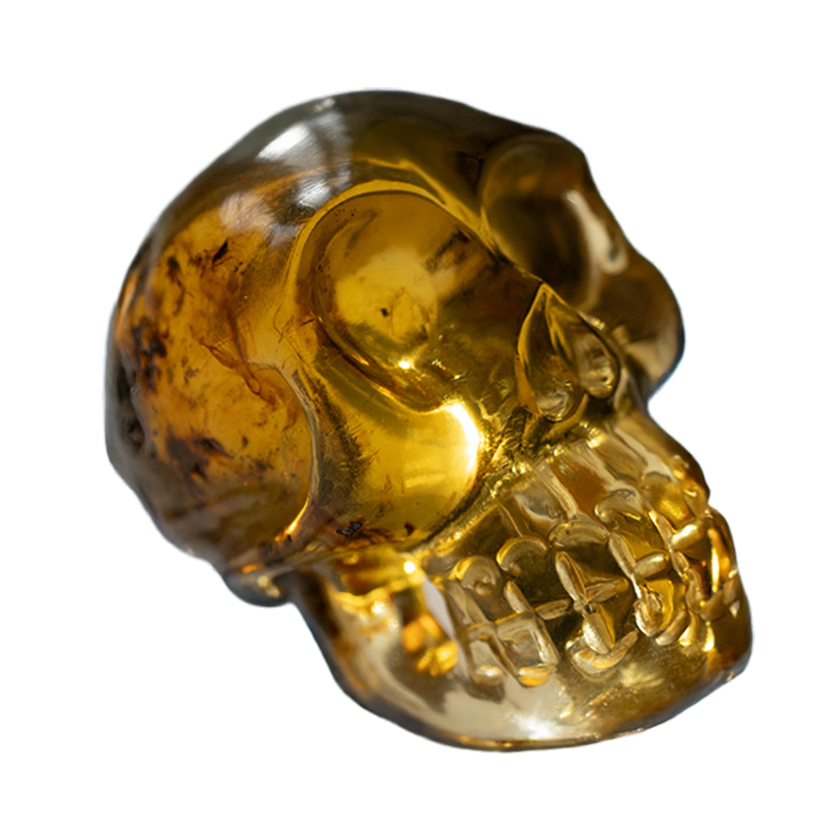
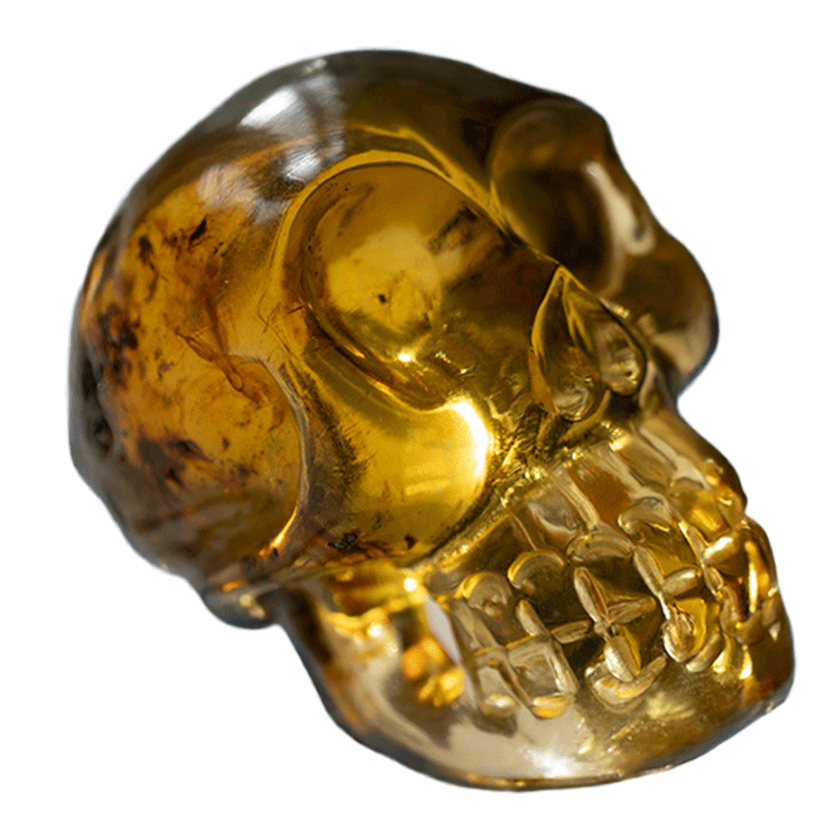
A carved gemstone is shaped into a recognizable design or a dimensional decorative form. It might be a flower, angel, shell, animal, Buddha, skull, rose, cross, bead, or an abstract relief pattern. Some carvings are shallow, with a design cut into the surface. Others are fully sculptural, with detail visible from every angle.
Carving adds a second artistic layer to a gemstone. The cutter is responding to the material’s color zones, clarity, natural inclusions, and size, then using them to guide the design. A darker area of amber might become the wing of a butterfly. A pale Larimar cloud may be placed where it resembles sea foam around a carved wave.
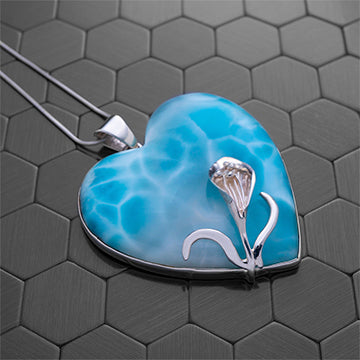
This makes carved stones particularly expressive. A carved heart pendant can feel more personal than a simple heart-shaped cabochon because the contours, depth, and hand-finished details give it a sense of movement. For spiritual buyers, symbolic carvings can also carry intention that goes beyond the beauty of the stone itself.
The trade-off is that carving removes more material and introduces finer edges, recesses, and delicate details. A masterfully executed carving can be exceptional, but it should be evaluated as both a gemstone and a miniature sculpture.
When comparing cabochons vs carved gemstones, do not assume that one will always command a higher price. Value is shaped by several factors: the rarity and quality of the rough, the stone’s size, color, clarity, craftsmanship, origin, and the amount of labor involved.
A high-grade Larimar cabochon with saturated blue color and dramatic white marbling may be more valuable than a carving made from paler material. Its appeal lies in the scarcity of the color and the way the cutter has preserved a clean, generous face. In contrast, a detailed carving from exceptional blue Larimar may be prized for both rare material and advanced artistry.
With Dominican Blue Amber, natural inclusions can shift the equation. Some buyers seek clear stones for an unobstructed blue glow. Others treasure plant fragments, bubbles, or ancient insect inclusions that provide a direct connection to prehistoric life. A carver may incorporate these features into a design, while a cabochon may frame them like a window into the stone.
Certification and truthful origin matter in either category. Genuine Dominican amber and authentic Larimar have distinct provenance and natural characteristics that cannot be replaced by dyed, reconstructed, or imitation material. A beautiful shape is only part of the story. The stone itself should be worthy of the craftsmanship.
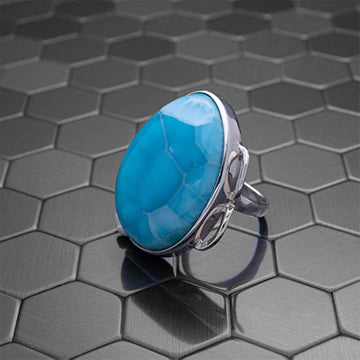
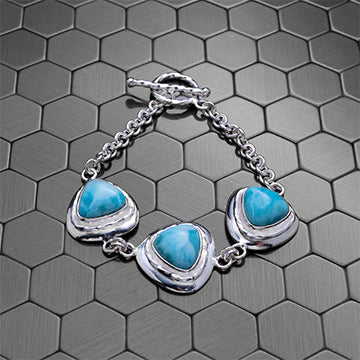
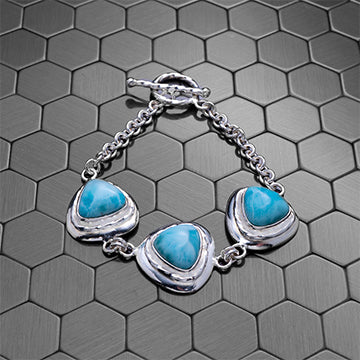
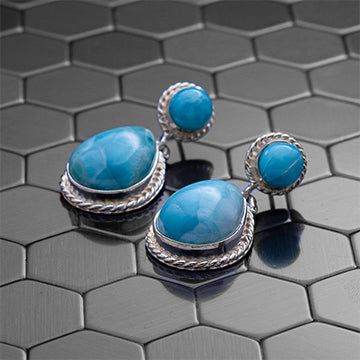
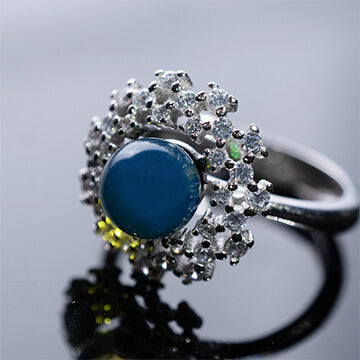
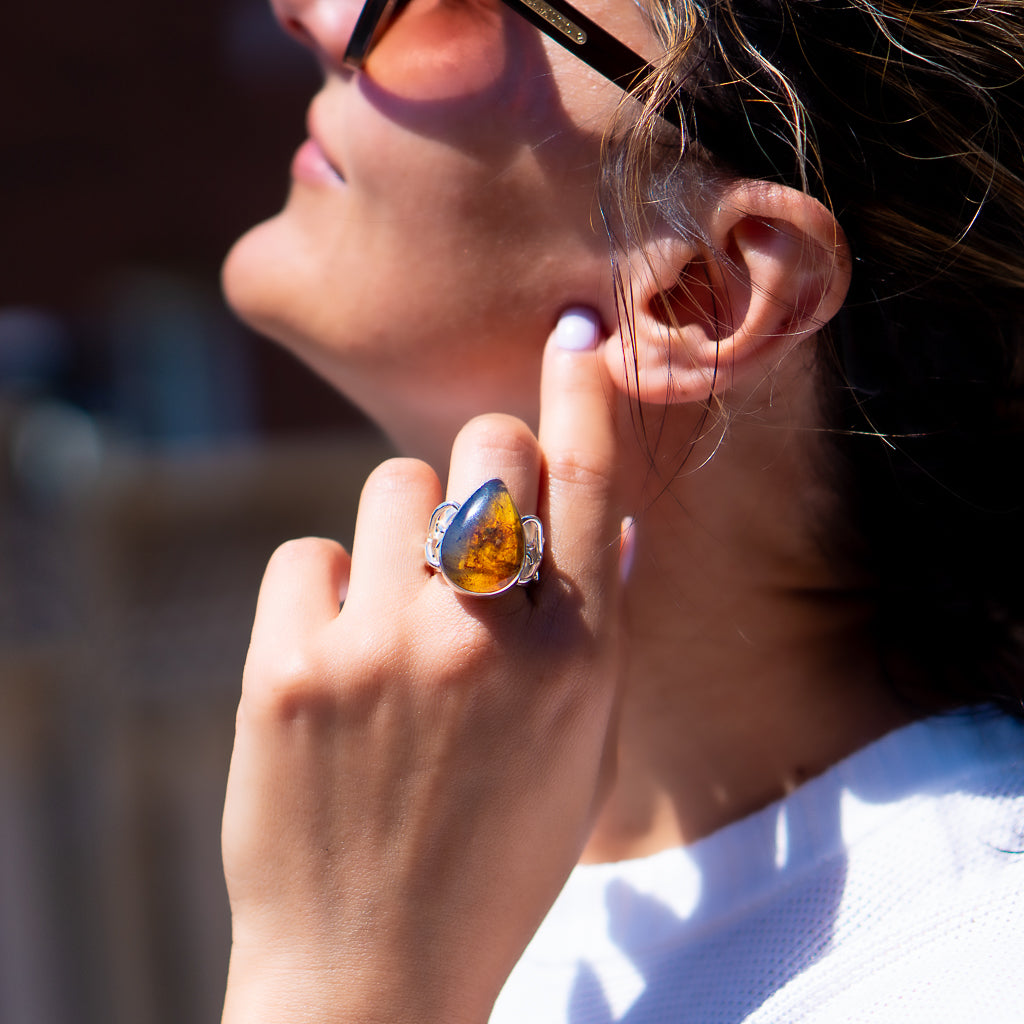
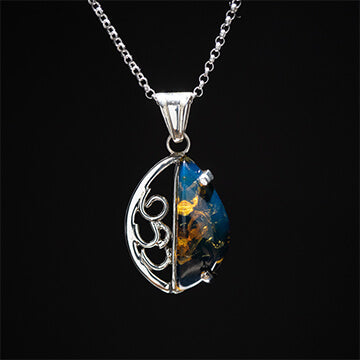
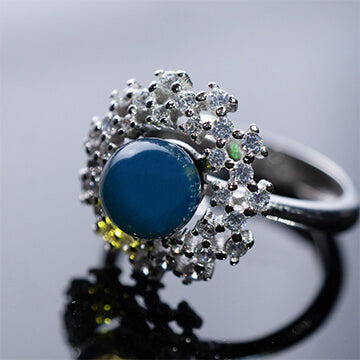
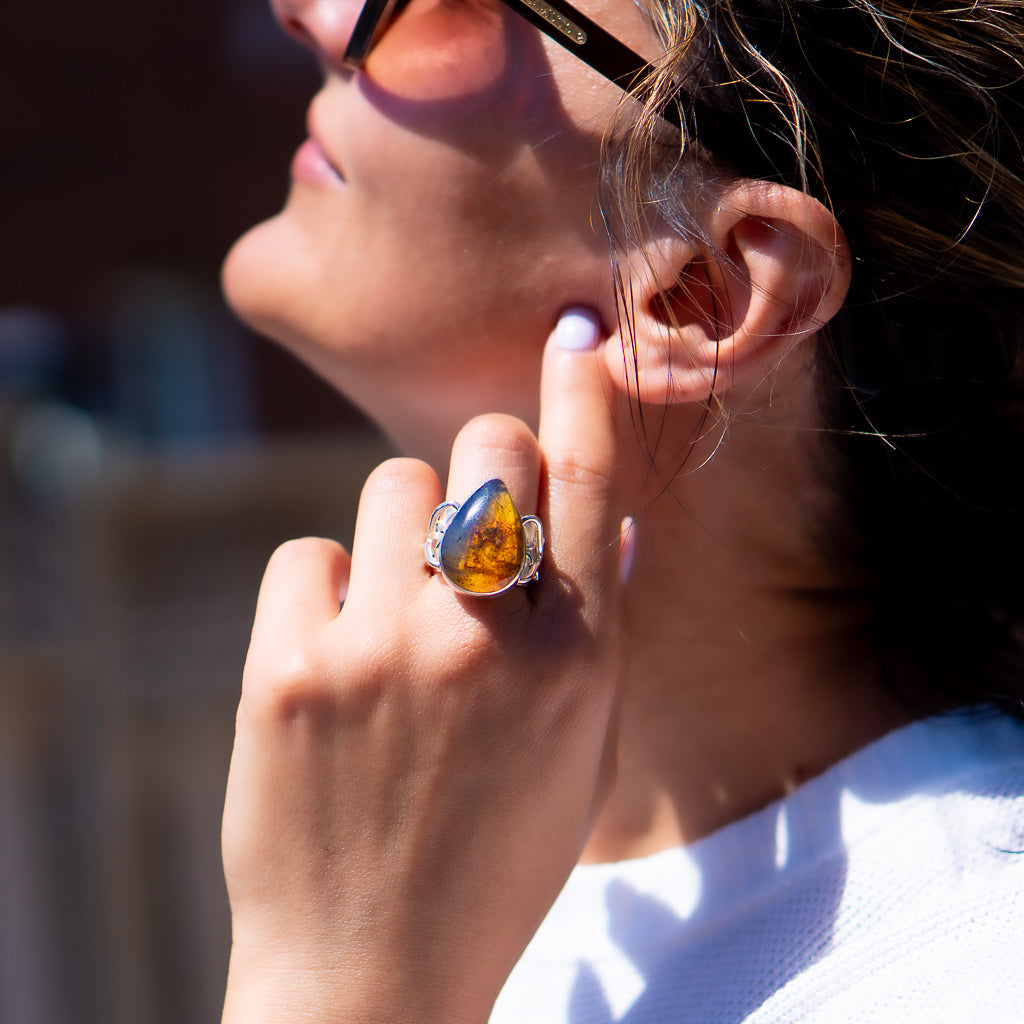
Cabochons are an excellent choice when you want a piece that is wearable, versatile, and centered on the gemstone’s natural identity. Their smooth surfaces are comfortable against the skin and work beautifully in rings, pendants, earrings, and bracelets.
For Larimar, a cabochon is often the best canvas for appreciating the stone’s oceanic pattern. Large freeform cabochons can feel like one-of-a-kind Caribbean landscapes, with no two pieces repeating the same swirls of blue and white. This is why collectors often look closely at face-up photographs before choosing a stone.
Cabochons are also practical for jewelry that will be worn regularly. Their rounded tops have no intricate projecting features to catch on clothing, and a protective bezel setting can further shield the edges. This does not make them indestructible - Larimar and amber still deserve gentle care - but it does make them a natural fit for everyday elegance.
Choose a cabochon if you are drawn to pure color, a clean silhouette, and the quiet confidence of a stone allowed to speak for itself.
A carving is the right direction when you want the piece to tell a more specific story. It may commemorate a relationship, reflect a spiritual practice, honor an animal, or simply bring joy through a beautifully rendered design. The human hand is visible in every carved curve.
Carved amber has particular appeal for collectors because amber is organic, warm, and visually alive. Its transparency can give depth to detailed forms, while its natural inclusions create one-of-a-kind surprises. Small carvings, beads, and devotional pieces can carry an intimate, tactile quality that polished cabochons do not always offer.
Larimar carvings feel different but equally special. The stone’s association with sea and sky makes it especially compelling in hearts, shells, dolphins, and wave-inspired motifs. These designs can transform a rare Dominican gemstone into a wearable reminder of the Caribbean.
Because carved details may be more vulnerable, consider how the piece will live with you. A delicate carved pendant may be ideal for special occasions or mindful daily wear, while a detailed ring may need more protection from knocks, pressure, and household activity.
Start with the stone, then study the workmanship. For Larimar, look for authentic Dominican origin, appealing blue color, distinctive natural pattern, and a polish that is even and luminous. Fine pieces should not rely on heavy coatings or artificial color to create their appeal.
For Dominican amber, assess color, transparency, surface condition, and the quality of any inclusions. Blue Amber should be appreciated in the lighting that reveals its characteristic blue fluorescence, not judged only by how it appears in a single photograph. Natural variations are part of its charm, but obvious cracks, unstable fractures, or poorly finished surfaces warrant closer attention.
With cabochons, check that the dome is balanced, the polish is smooth, and the outline feels intentional. With carvings, inspect symmetry where symmetry is expected, crispness of detail, and the way the design works with the stone rather than fighting against it. Fine carving should enhance the material, not disguise it.
Authenticity is the final standard. A certified, responsibly presented Caribbean gemstone carries more lasting value than an anonymous stone with an impressive shape.
The most memorable gemstone is not always the most elaborate one. Sometimes it is a serene Larimar cabochon that recalls sunlight on shallow water. Sometimes it is a hand-carved amber heart that feels like it was made for one person alone.
At Larimar Creations, the pleasure is in choosing a piece with a real sense of place: a natural treasure shaped by the Caribbean, then finished with care. Follow the color, the craftsmanship, and the feeling that makes you pause. That is usually where the right stone is waiting.
Sign up to get the latest on sales, new releases and more …
8 min read
6 min read
8 min read