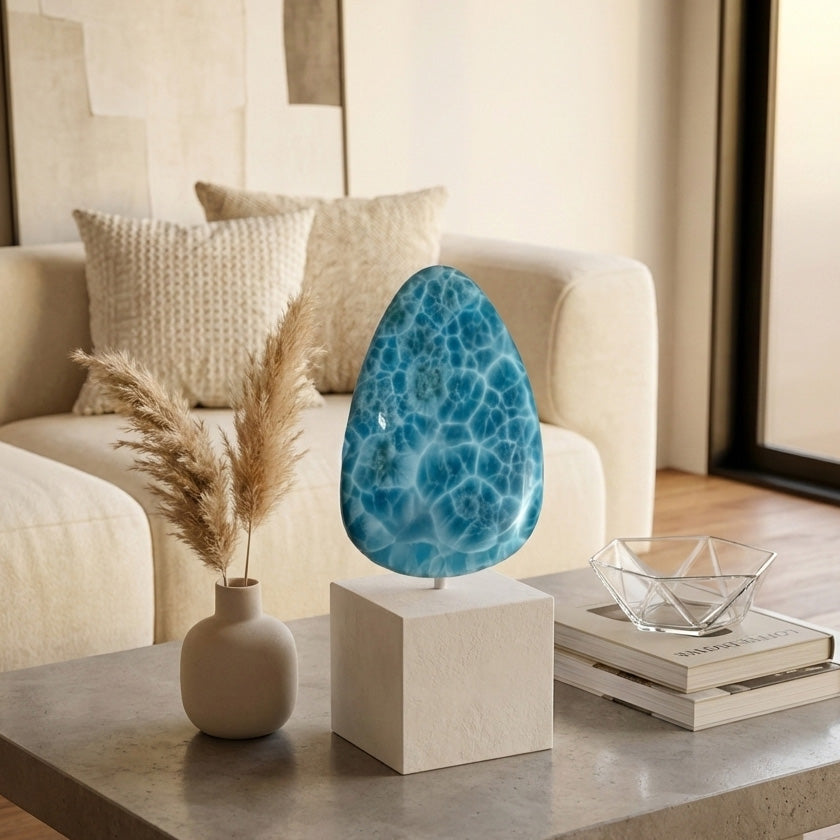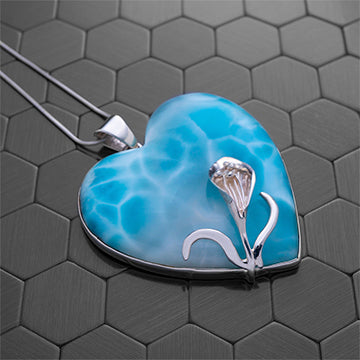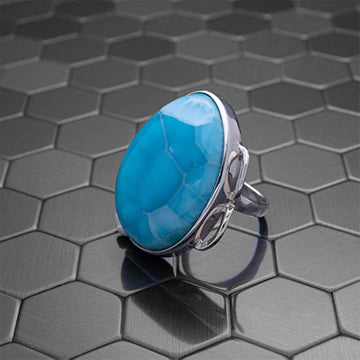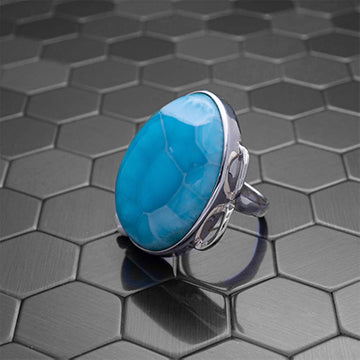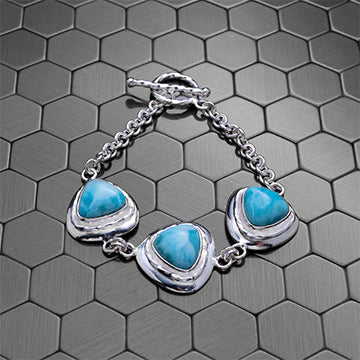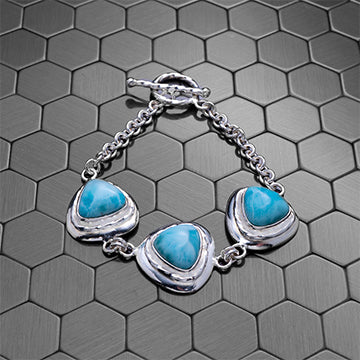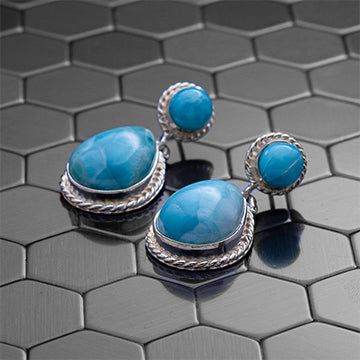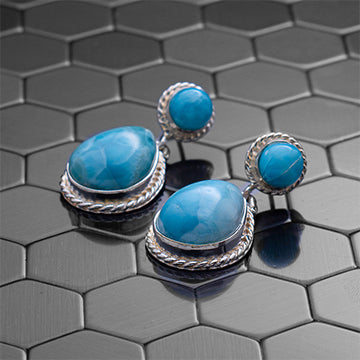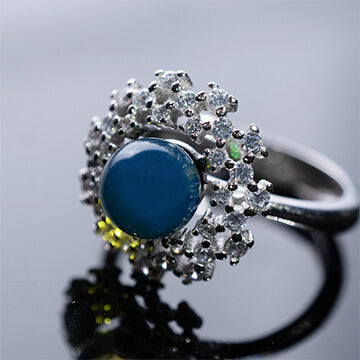


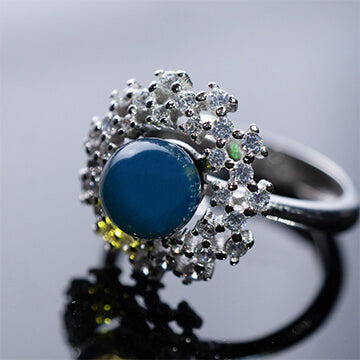
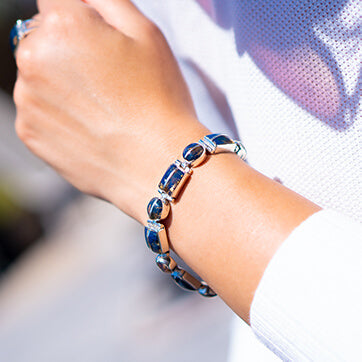
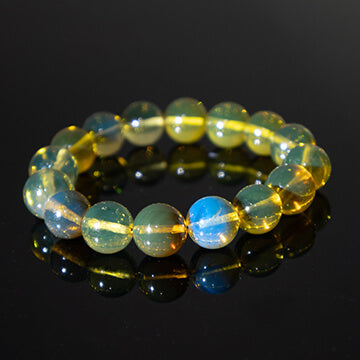
Handcrafted in DR.

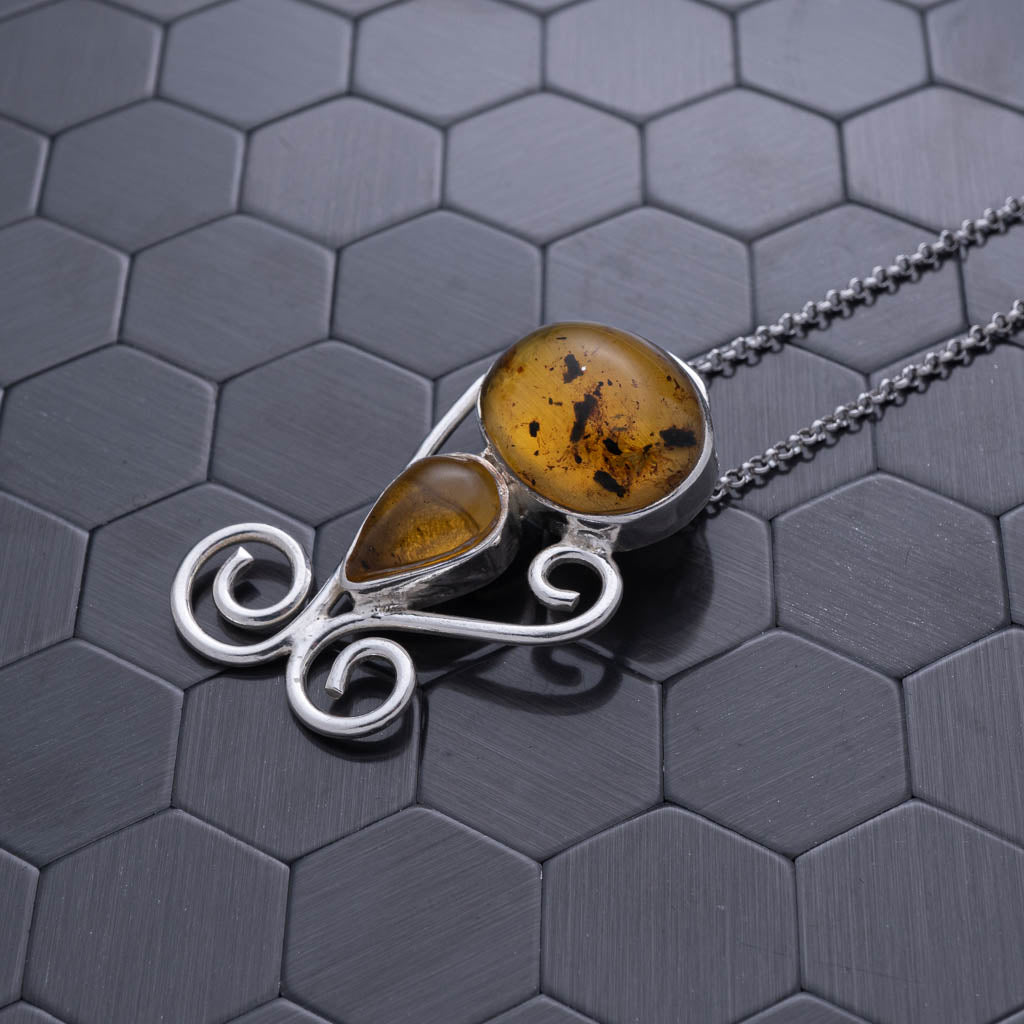
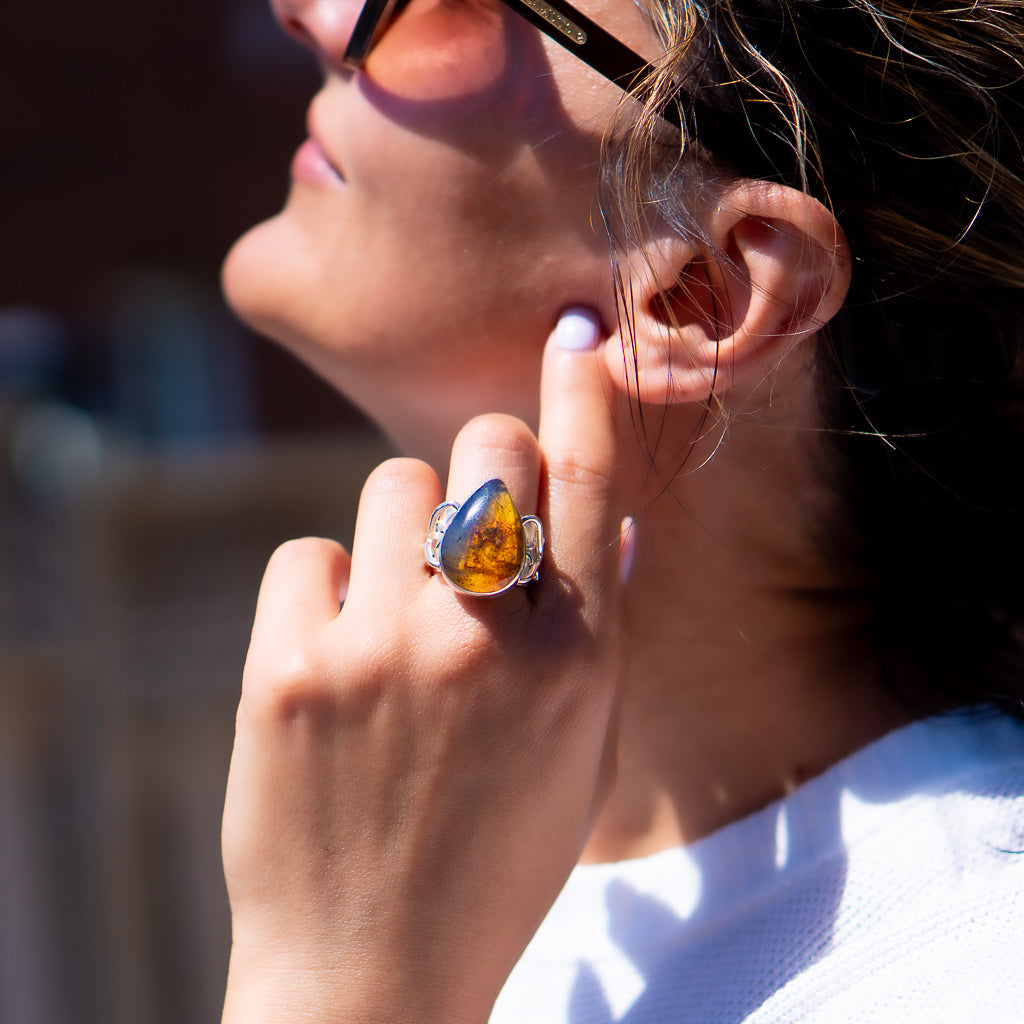
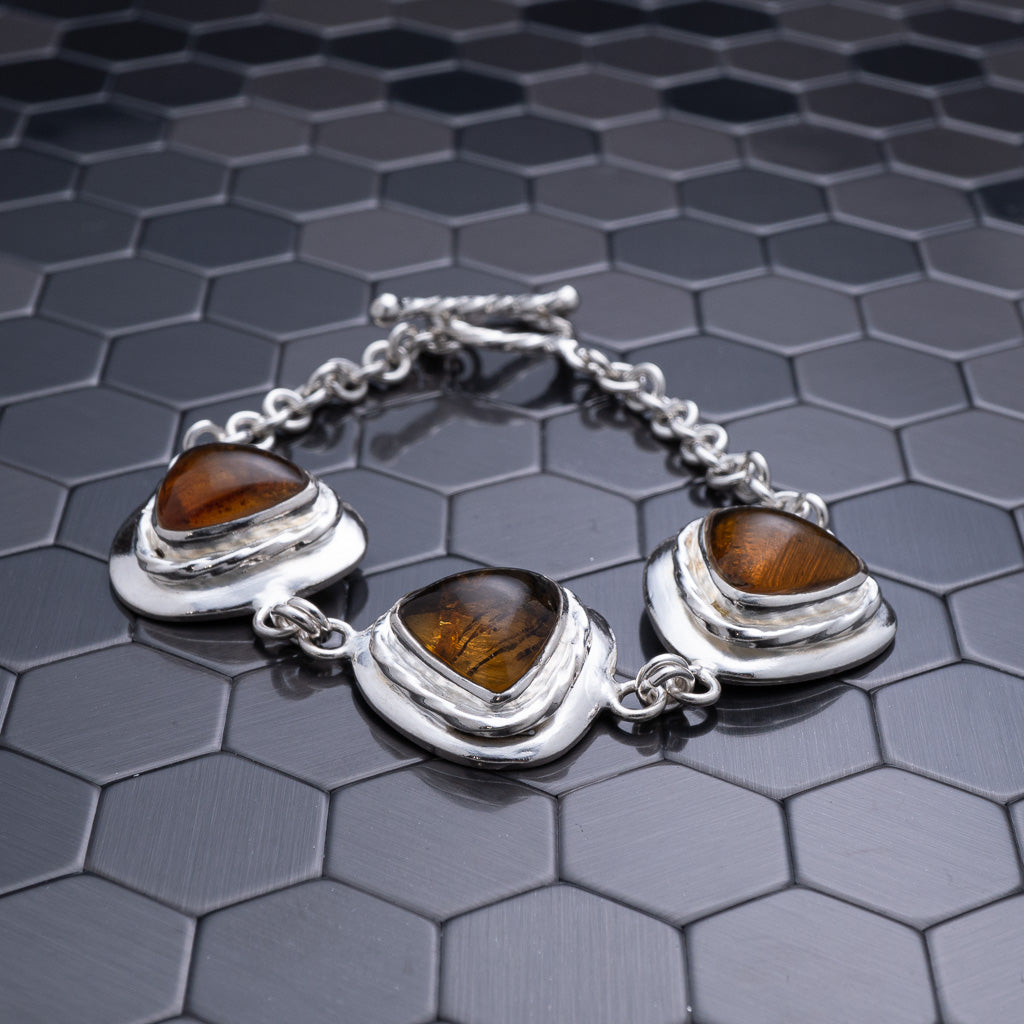
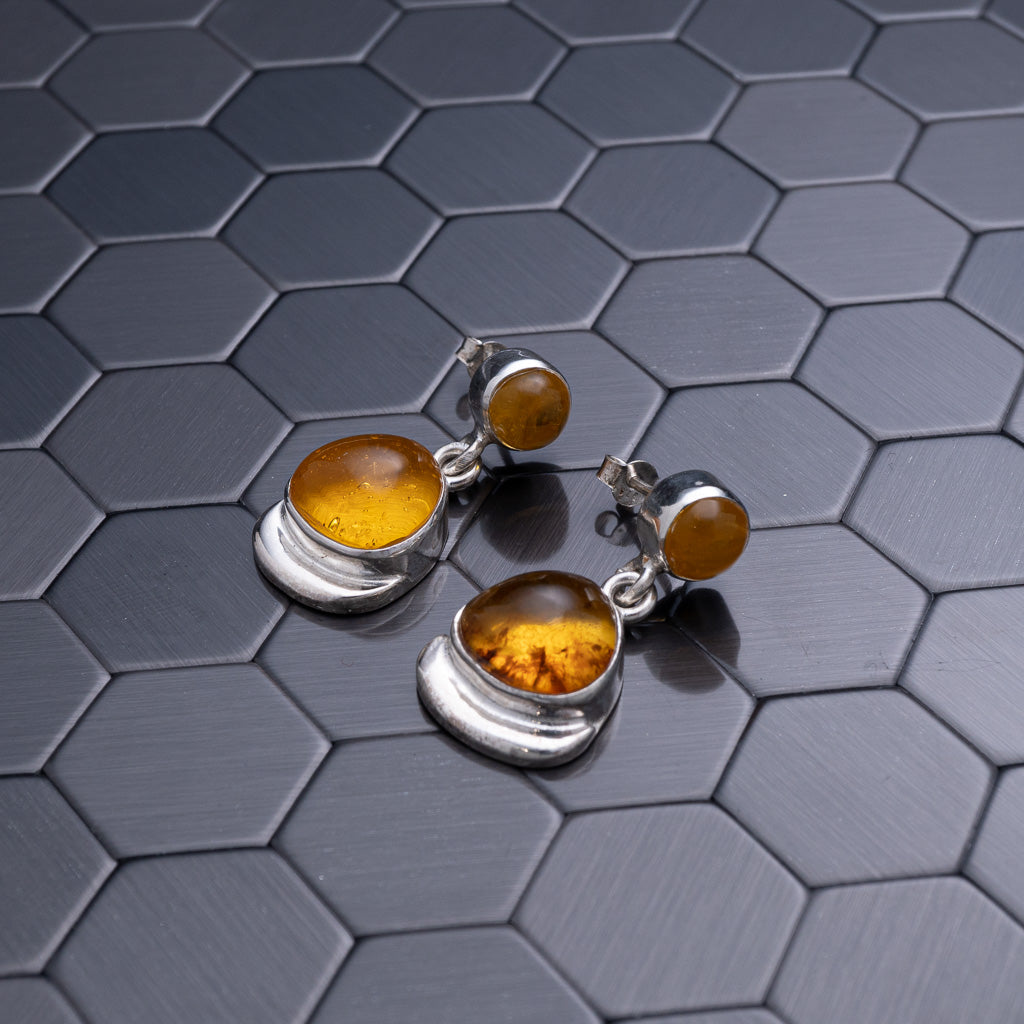


100% Handcrafted in DR.

Amber stone jewelry is made from fossilized tree resin, usually millions of years old, and genuine pieces are lightweight, warm to the touch and relatively soft compared with most gemstones. Because plastic, glass and pressed resin are all sold under the same name, the real task for a buyer is learning to tell authentic amber from imitation and to judge a fair price. This guide covers what amber is, how to test it, what drives value, which types exist, and how to keep a piece looking its best.
Amber is fossilized tree resin that hardened and aged underground for millions of years, which makes it an organic gem rather than a mineral. Pearls and coral belong to the same organic family. Unlike diamonds or sapphires, amber forms from living material, and that origin explains both its warmth and its fragility.
The numbers reflect this. The International Amber Association reports Baltic amber at a Mohs hardness of 2.0 to 2.5 and a density of 0.96 to 1.096 g/cm³. For comparison, a steel key scratches amber easily, and the stone is light enough to float in strong salt water.
Jewelers treat amber as a gemstone because of its color, glow and the rare natural inclusions it can hold. Treat it as a soft stone that rewards careful wearing.
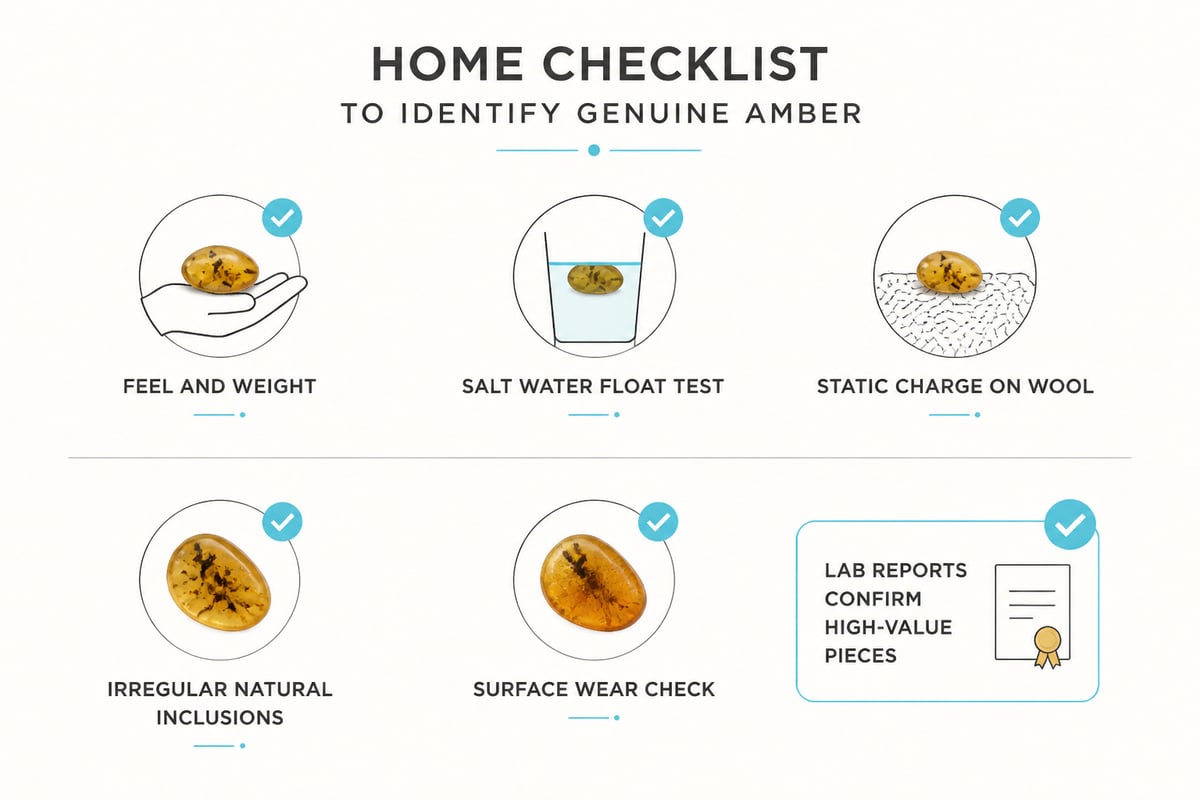
You can tell if a stone is amber by combining several simple checks, since no single home test is conclusive. Run at least two or three before trusting a piece.
Avoid tests that damage the stone, such as pressing a hot needle into it or soaking it in acetone. A small mark from a heated pin is permanent, and a sale-ready piece with a visible scar loses value.
For a significant purchase, GIA's amber buyer's guide notes that an independent laboratory report can confirm whether the material is natural and whether an inclusion was added later. That step matters most when a piece carries a high price because of a fossil inside.
Amber is the broad name for fossilized resin from many regions, while Baltic amber is the specific kind found around the Baltic Sea, formed from ancient forests roughly 40 to 50 million years ago. Baltic amber is the best-known source and often carries the highest recognition, but it is not the only valuable origin.
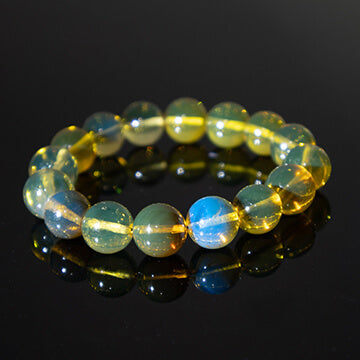
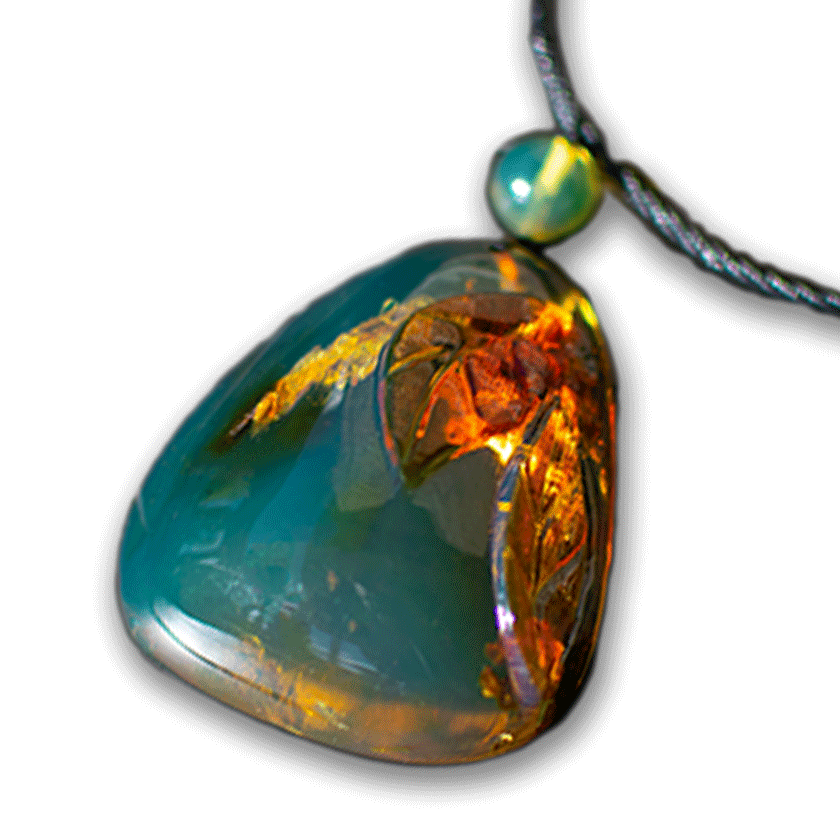
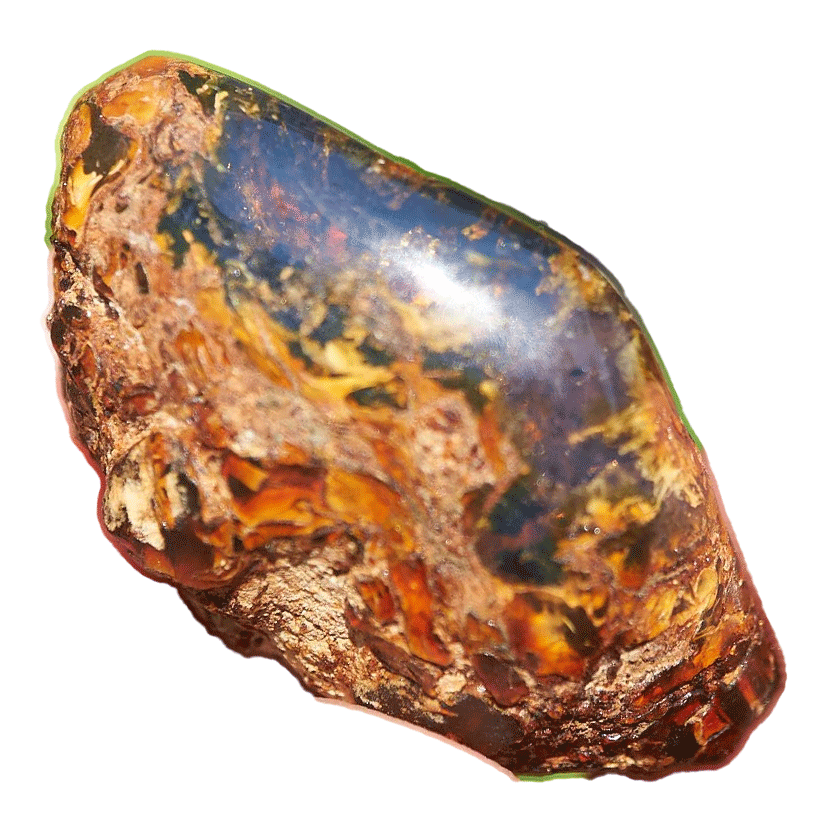
Other notable sources include the Dominican Republic, where amber is the origin of the rare blue variety, which shows its blue tint in natural light because of how the resin fluoresces. If you want to read more about this material, Larimar Creations has a detailed guide to Dominican blue amber origins, types and jewelry.
A label of "Baltic" is not automatically a mark of quality, and a Dominican label is not a lesser one. What matters is that the amber is natural, honestly described and fairly priced for its clarity, size and craftsmanship.
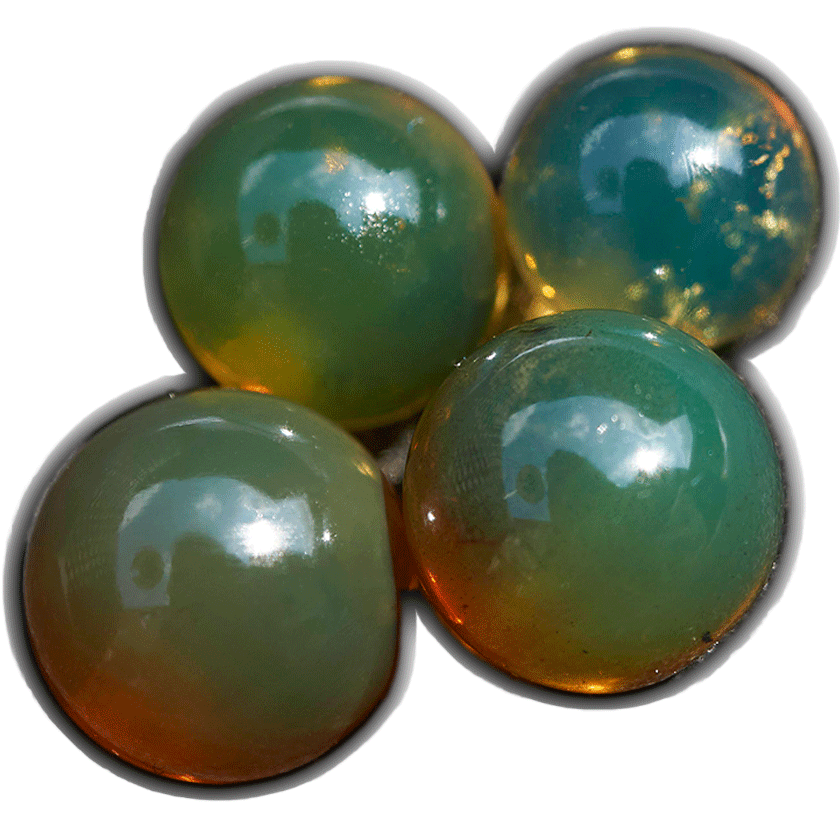
Amber comes in a wider palette than most buyers expect, ranging from white, yellow, orange and reddish brown to rarer bluish or greenish appearances, according to GIA's amber quality factors. The color you see depends on the resin's age, the mineral and organic content, and how light passes through it.
| Type | Typical look | What to know |
|---|---|---|
| Honey or golden | Warm yellow to orange, often clear | The classic, widely available look |
| Cognac and cherry | Deep reddish brown | Often darker with age or light exposure |
| Butterscotch or milky | Opaque, creamy yellow | Cloudier, usually lower in price |
| Green | Soft olive to green | Less common, notable in some Dominican pieces |
| Blue | Blue in daylight, golden against dark | Rare, found mainly in the Dominican Republic |
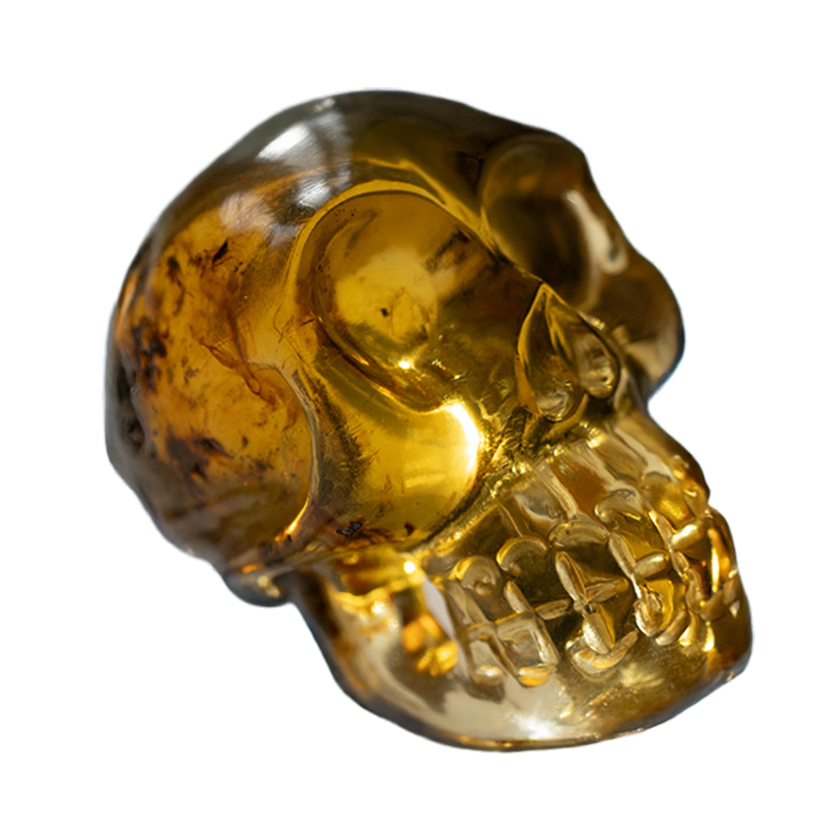
| Inclusion amber | Clear resin with insects or plants | Value depends on authenticity and quality |
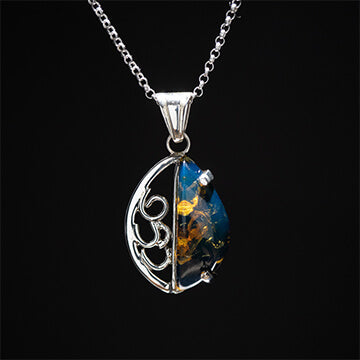
Blue amber deserves special attention for collectors. Its color is a play of light rather than a dye, which is why it can look golden indoors and strikingly blue outdoors. You can browse examples in a dedicated blue amber jewelry collection.
Amber is generally affordable compared with other gemstones, but the range is very wide, and an amber necklace can be worth a modest sum or several thousand dollars depending on clarity, color, size, origin and inclusions. GIA's quality guidance illustrates the spread: cabochons without insect inclusions may cost a few dollars per piece, while pieces with easily seen or complete specimens may sell for thousands.
Several factors push a price up or down:
A necklace of small polished beads in common colors sits at the accessible end. A necklace built from large clear cabochons or rare blue stones sits at the other. When a price looks far below what the material should cost, the piece is likely pressed amber, copal (a younger, softer resin) or plastic.
For buyers who value fair pricing on authentic material, sourcing matters. Larimar Creations sources its amber and Larimar directly from the mines and holds every piece to the same quality standard, so a smaller or less expensive piece is not a lesser stone. That approach is worth looking for in any maker you consider.
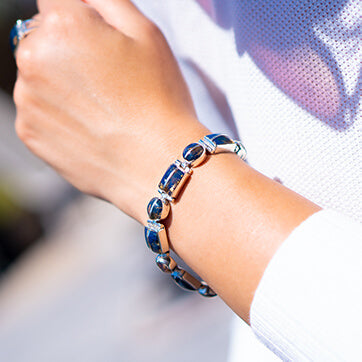
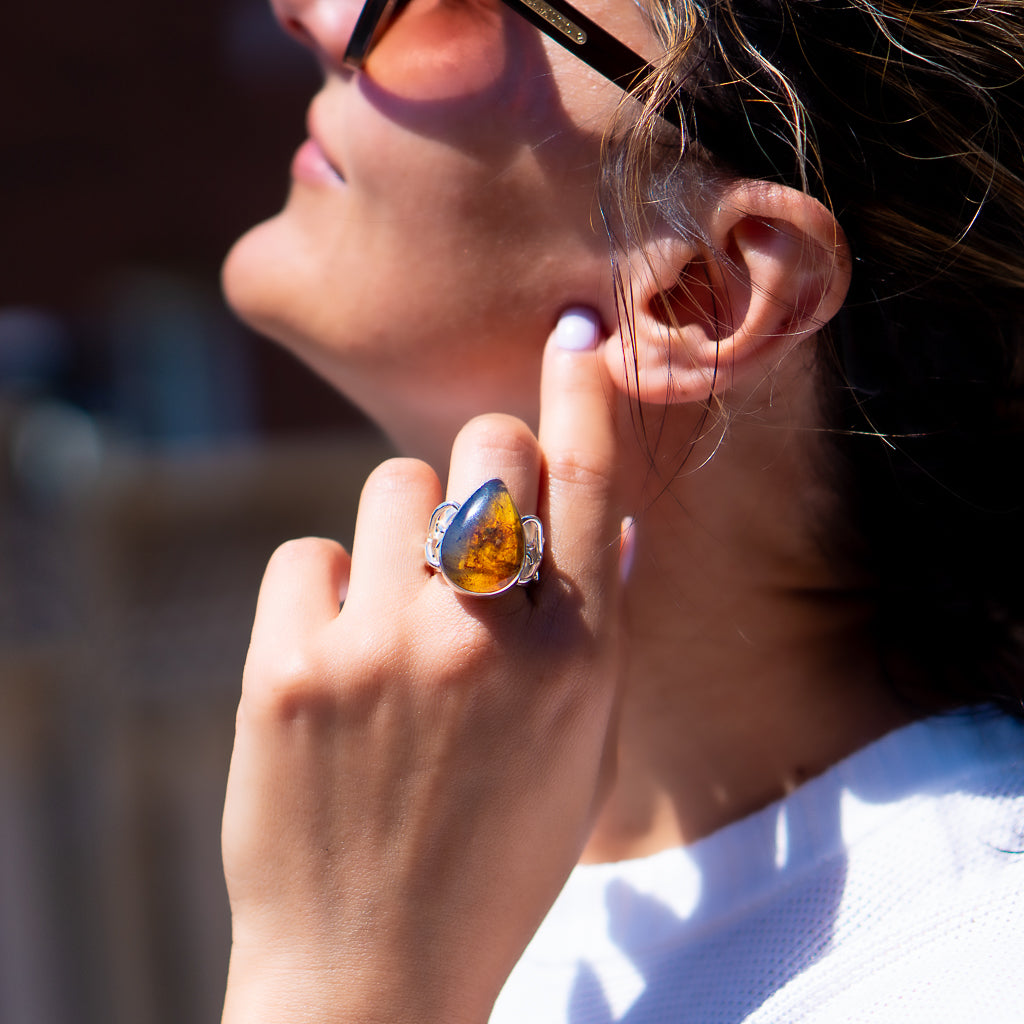
Amber stone jewelry comes in every wearable category, and each suits a different purpose, from daily wear to collector display. The right choice depends on how often you will wear the piece and how much contact it will have with knocks and skin products.
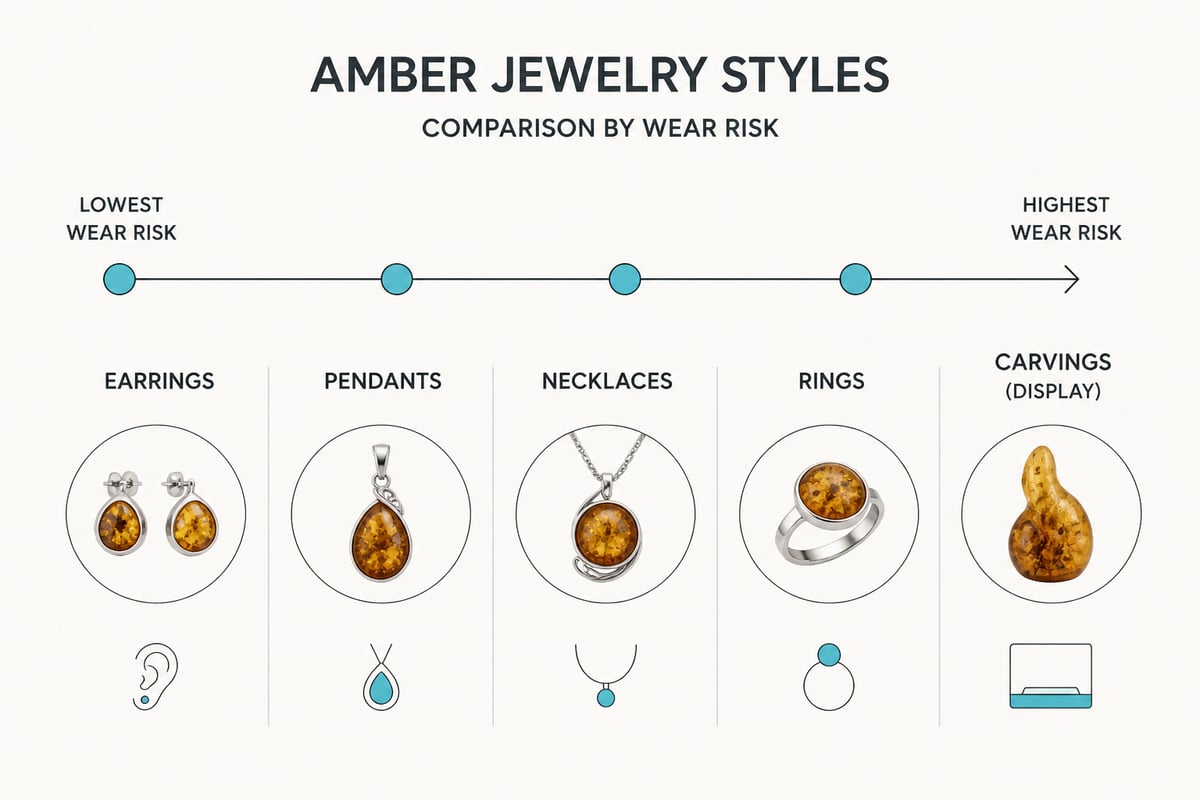
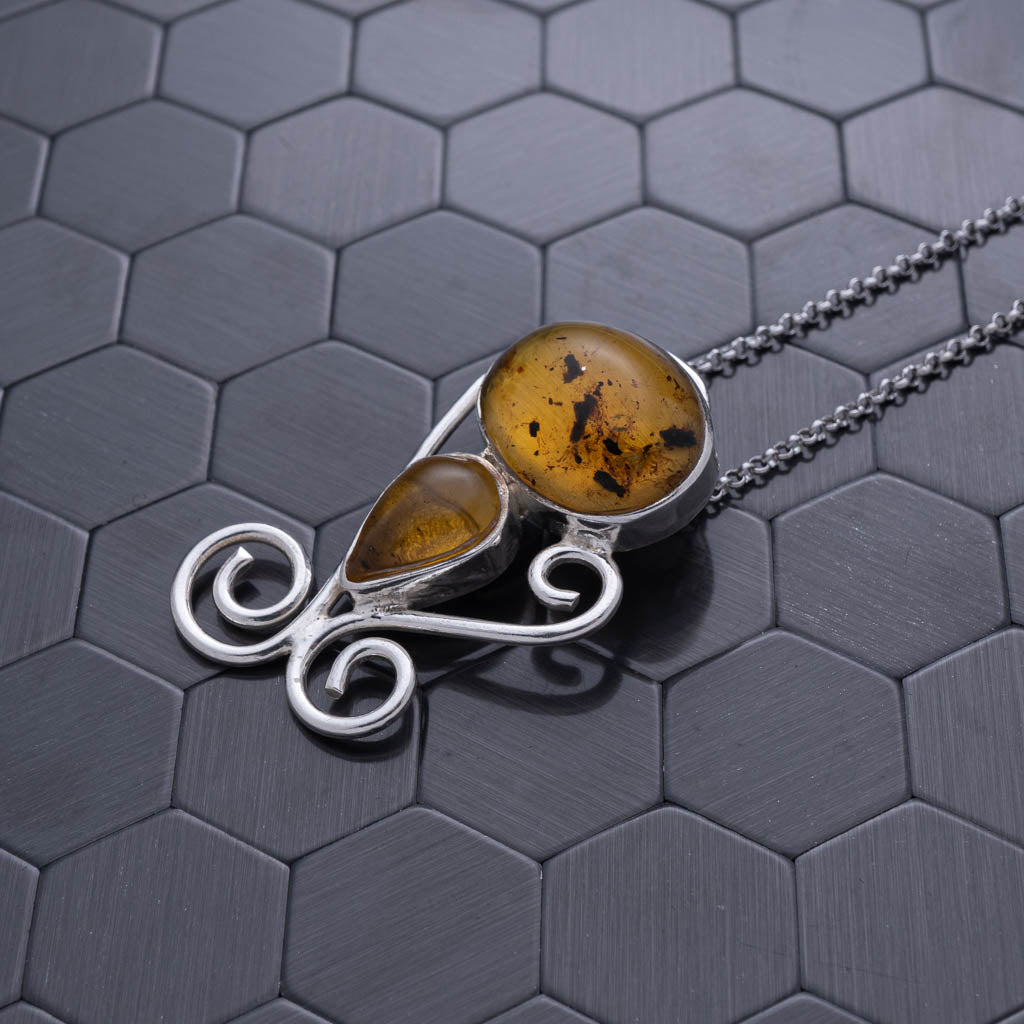
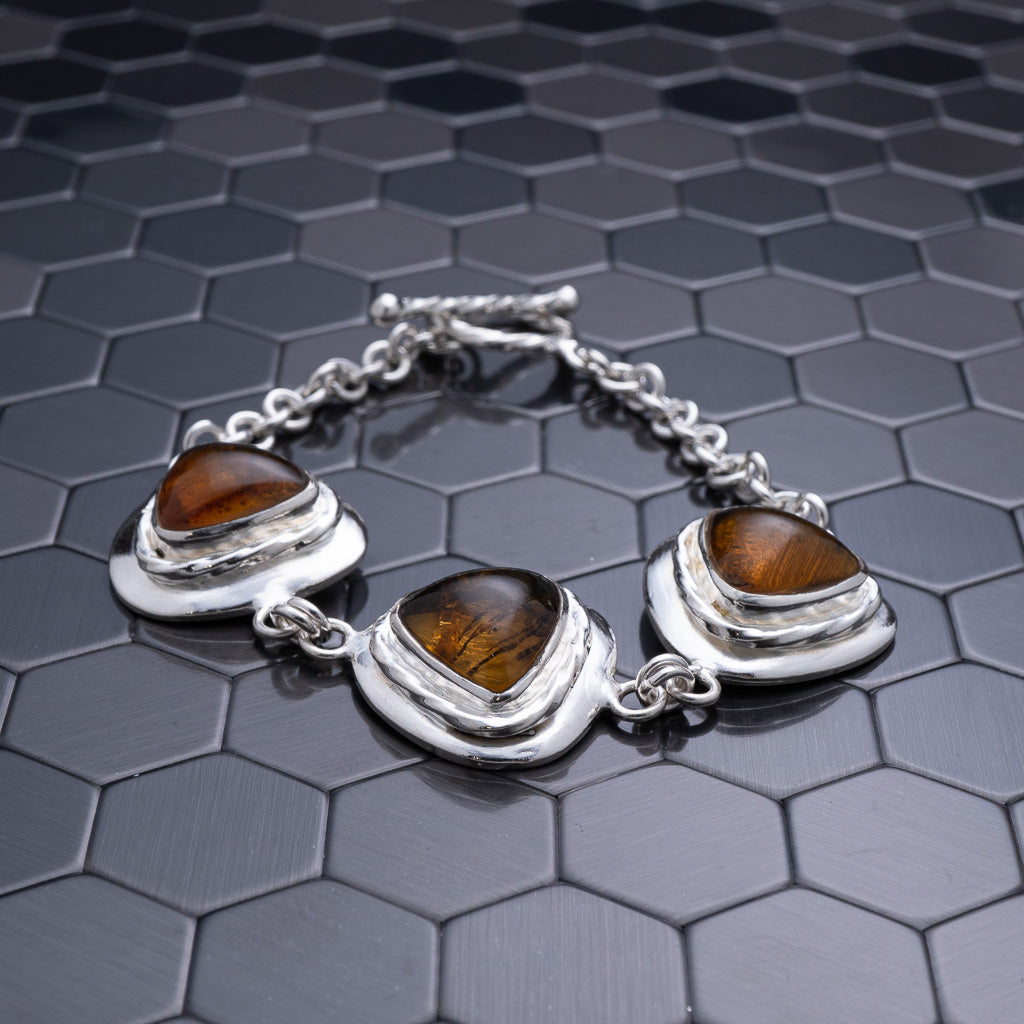
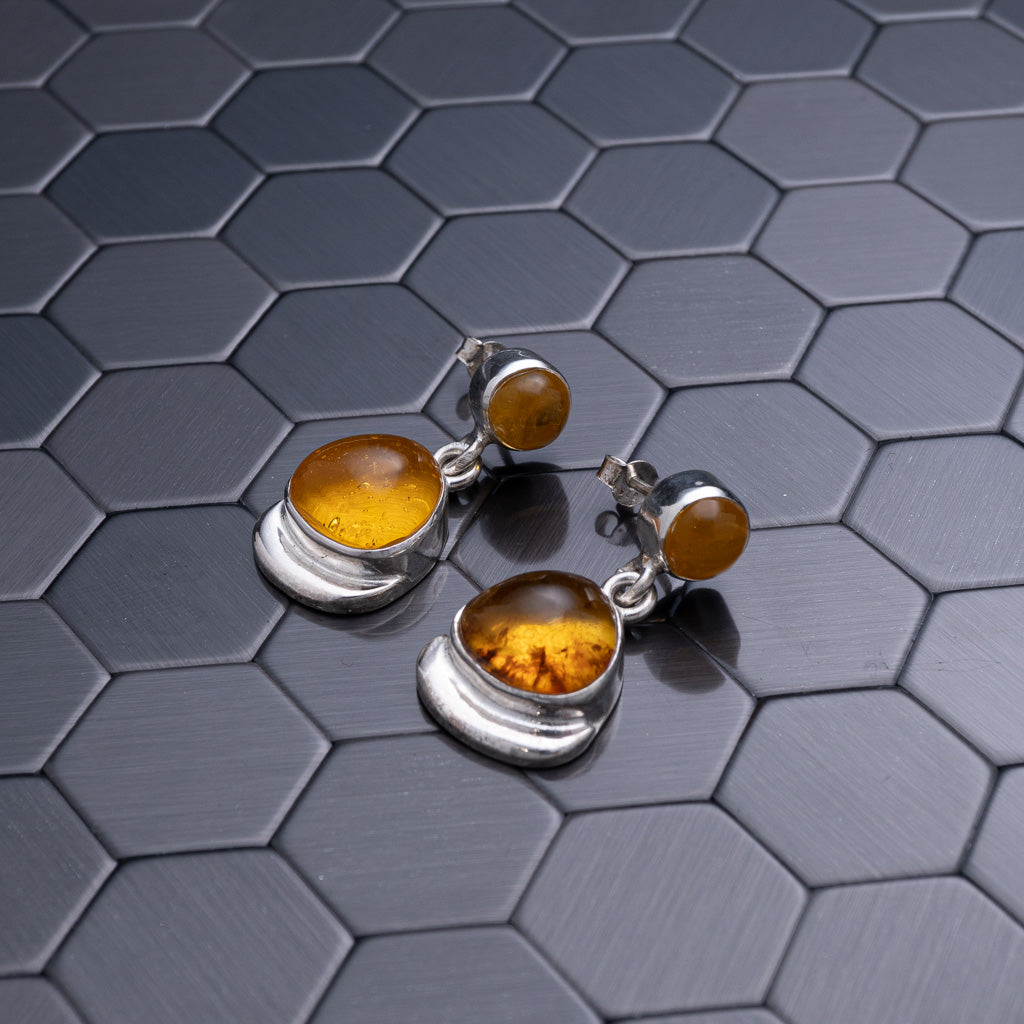
Pairing amber with sterling silver is a popular choice because the cool metal contrasts with the warm stone, and silver is durable enough to protect the setting. Larimar Creations explains this combination in its guide to amber silver jewelry.
The simplest way to choose an amber piece as a gift is to match the stone's color and style to the recipient's wardrobe and daily habits, then confirm the material is natural. A pendant is the safest choice, because size is never an issue and it rarely gets damaged by routine wear.
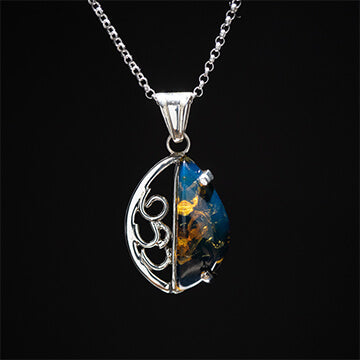
For someone who loves unusual stones, a rare color makes the gift memorable. A Dominican blue amber pendant is a distinctive example, since the stone shifts between gold and blue with the light. Larimar Creations also offers Larimar pendants, a natural companion for anyone drawn to Dominican gemstones; these gemstone pendants are described as a timeless piece that symbolizes love, peace and calmness, which is why many buyers choose them as a gift for someone special.
Before you buy, ask three questions of any seller:
A seller who answers all three plainly is usually one you can trust. Larimar Creations is a family-owned business making Larimar and amber jewelry since 1982, and it holds a 4.6 rating from over 946 customers, which gives gift buyers a record to check. For more ideas on presentation, the shop's guide to gifting gemstone jewelry is a useful reference.
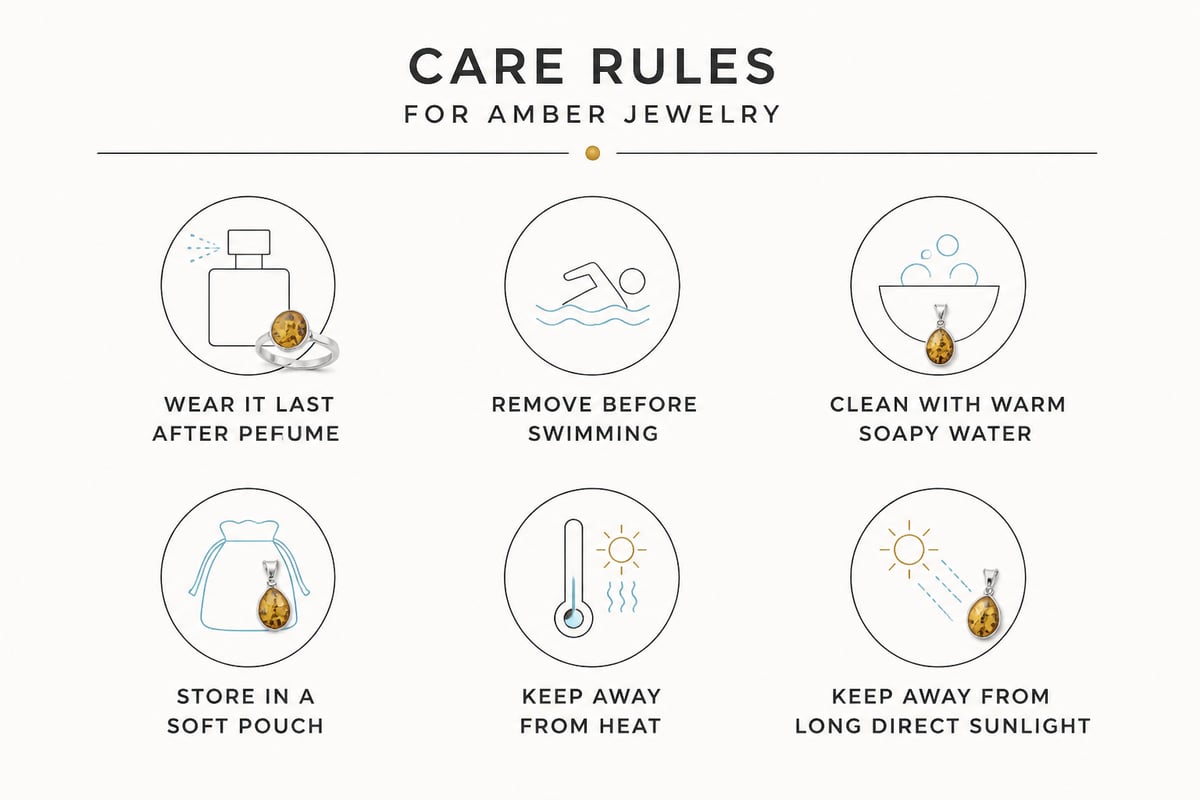
You care for amber jewelry by keeping it away from heat, chemicals and hard knocks, and cleaning it only with warm, mildly soapy water. This follows GIA's amber care and cleaning guidance, which also notes that amber has a Mohs hardness of about 2 to 2.5 and is susceptible to scratches.
The same source warns that amber can darken with prolonged light exposure, and that heat can accelerate changes or cause damage. Some darkening is natural aging and many owners value the deeper tone, but sudden heat or direct sun for long periods should be avoided.
A simple routine keeps a piece in good condition:
Collectors should look for transparency, natural color rarity, verified inclusions and documented origin, since these four qualities separate a keepsake from an investment-grade piece. A rare blue stone with clean clarity is valued differently from a common honey bead, even at similar sizes.
Inclusions deserve extra scrutiny. A genuine insect or plant fragment can raise value substantially, but it is also the feature most often faked. As noted earlier, a laboratory report is the dependable way to confirm that an inclusion is natural and was not added later, so ask for one before paying a premium for a fossil.
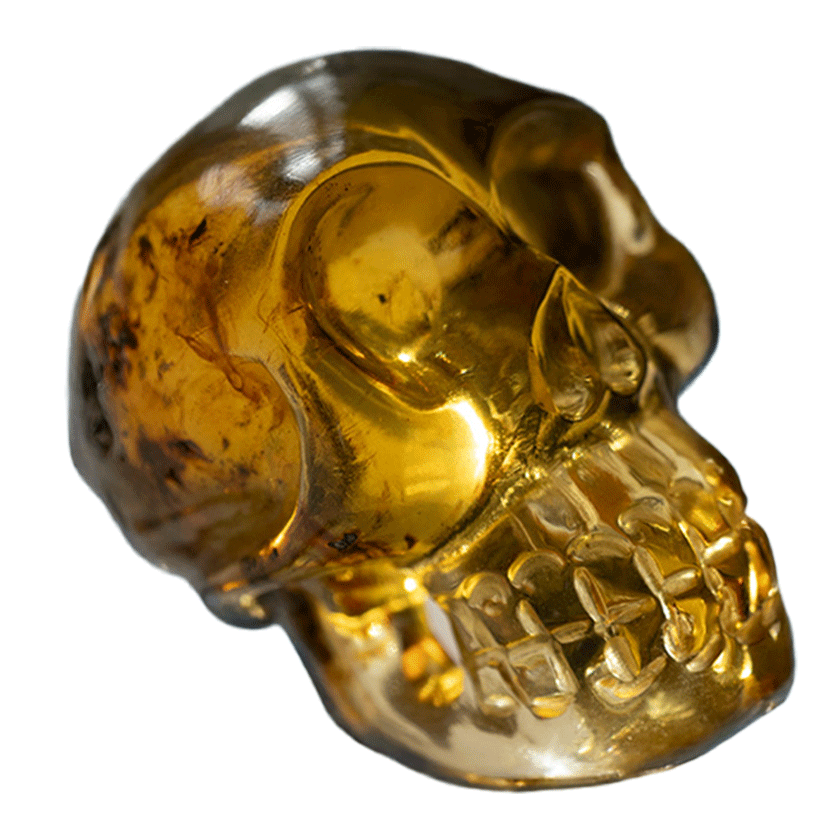
Origin also shapes desirability. Dominican amber, and especially its blue variety, appeals to collectors because the source is limited and the color effect is unusual. Carved pieces add another layer, since the maker's skill becomes part of the object. Larimar Creations works with both Dominican blue amber and Larimar, the latter mined only in the Dominican Republic, so collectors interested in rare Caribbean gemstones can find both in one place.
Many people wear amber for its traditional associations with calm and warmth, but there is no scientific evidence that it treats medical conditions. Buy it for its beauty and history, and speak to a doctor about any health concern.
You can, if you choose low-contact pieces such as pendants and earrings and follow basic care. Rings and bracelets take more knocks, so they suit occasional wear better.
Copal is a younger, softer tree resin that has not fully fossilized, and it is often sold as amber at a lower price. It can feel tacky or dissolve slightly when a drop of solvent touches it, which real amber resists, though you should never test a piece you intend to wear.
Start by testing any amber you own or are considering with two or three of the simple checks above, then compare the seller's description against what you find. If you want genuine Dominican amber and Larimar made by a family-owned business that has worked with these stones since 1982, start with the Larimar Pendants collection, which suits a first purchase or a gift. When you are ready to see pieces sourced directly from the mines and finished by hand, Shop Larimar and choose a piece that fits the way you will wear it.