

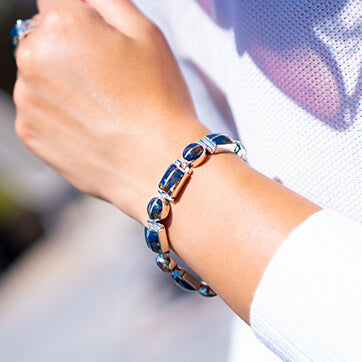
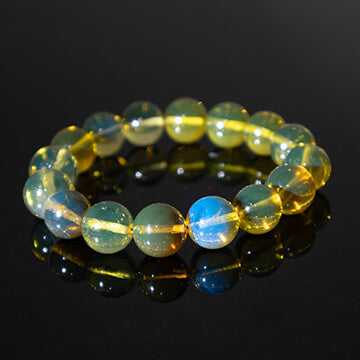
Handcrafted in DR.

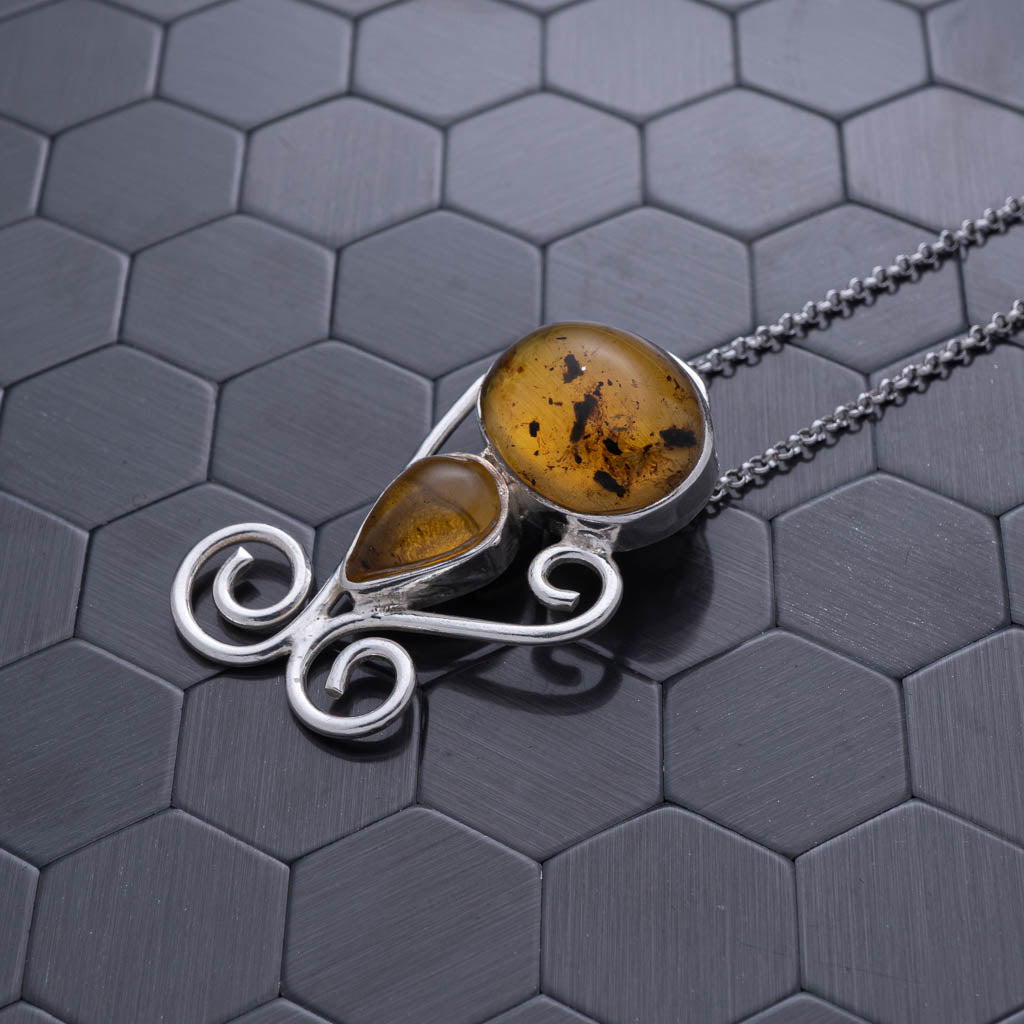
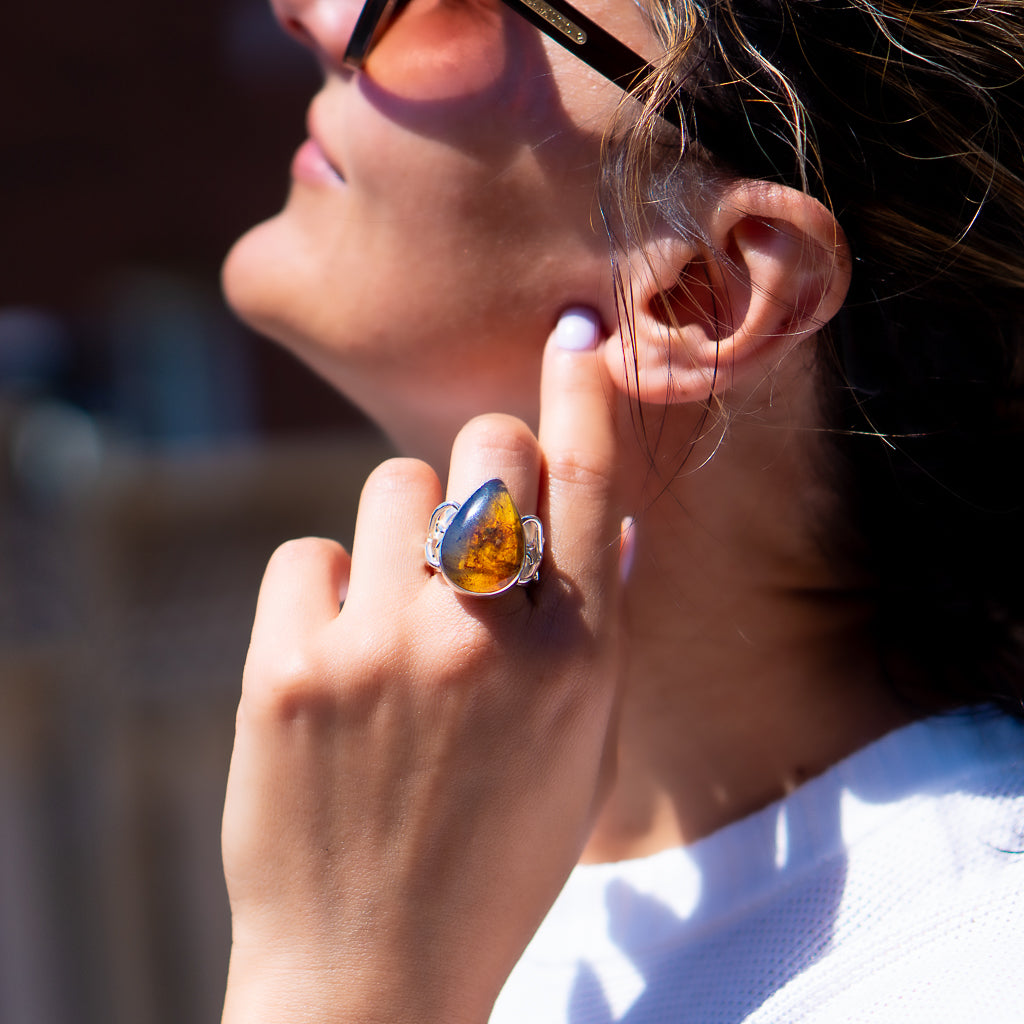
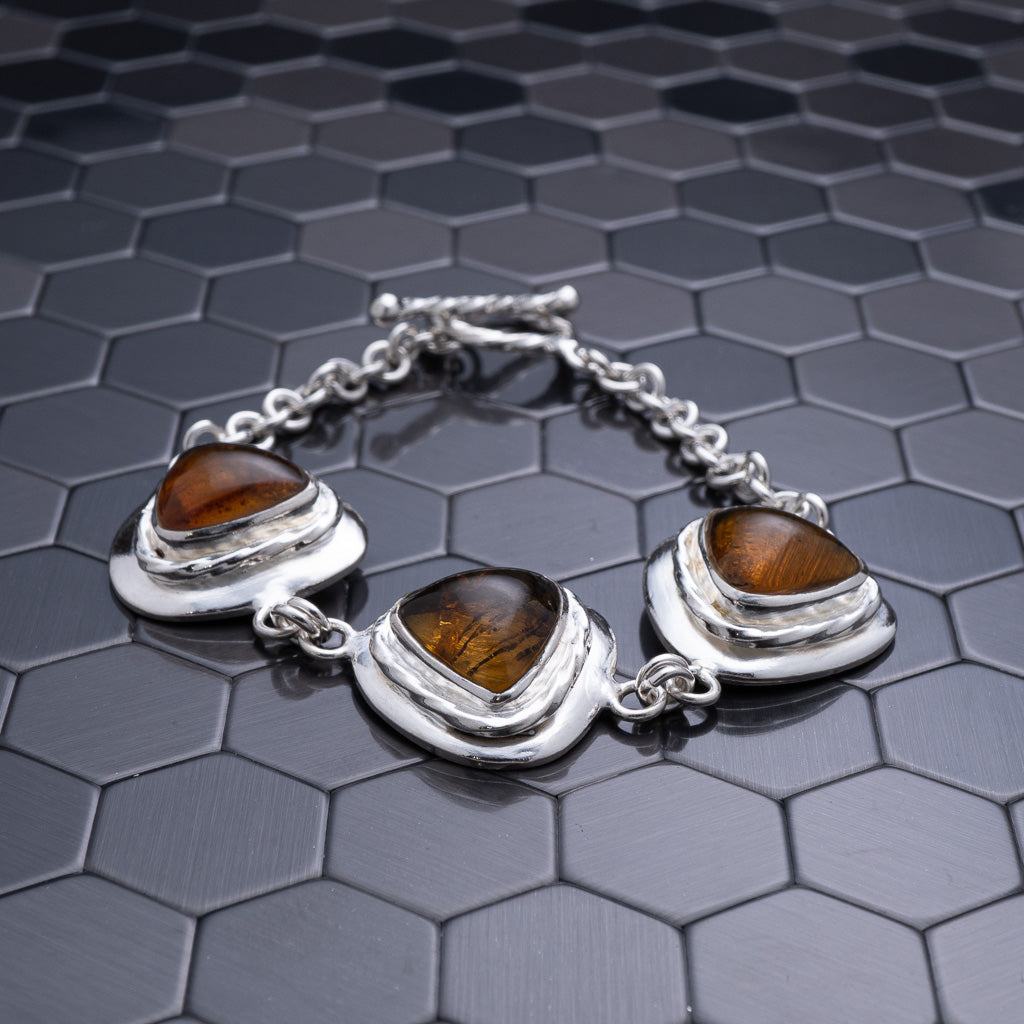
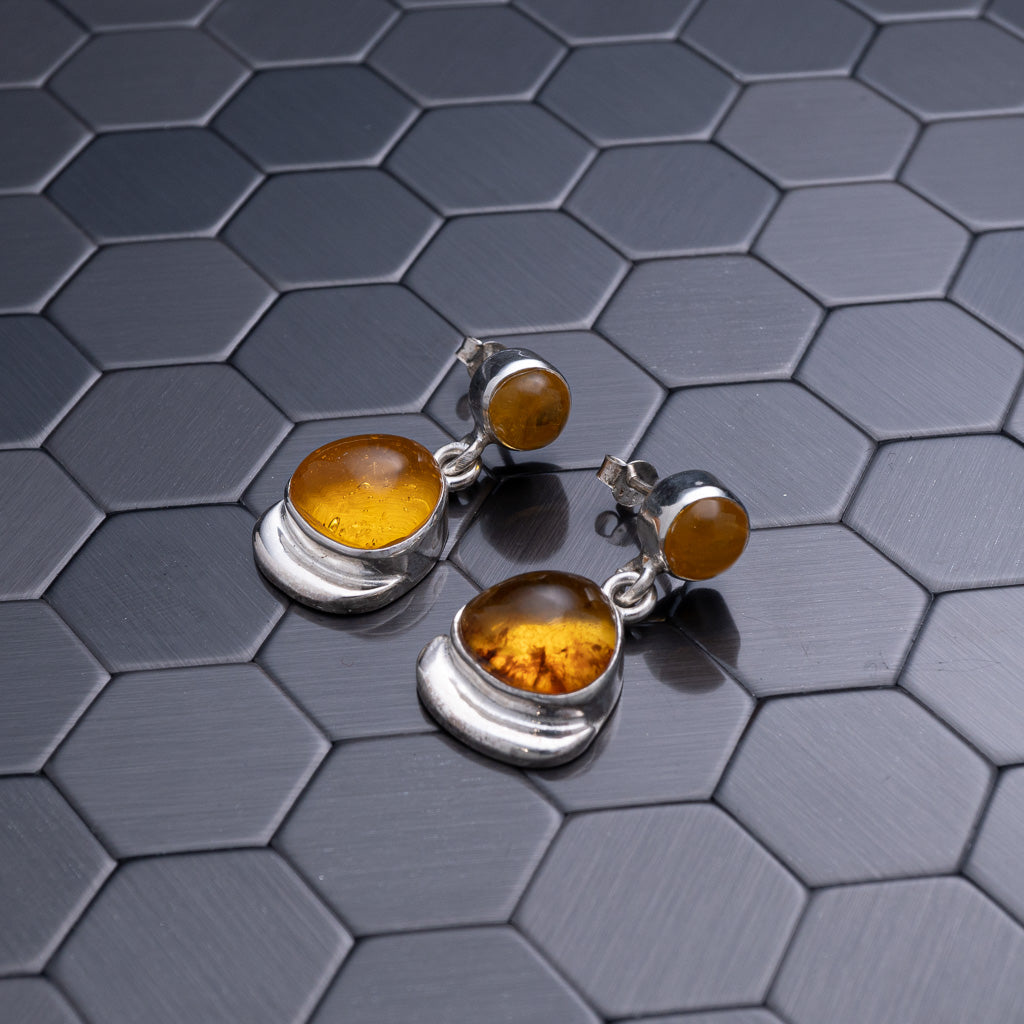


100% Handcrafted in DR.

Larimar stands as one of the world's rarest gemstones, found exclusively in the Dominican Republic's volcanic mountains. This distinctive blue stone captures the essence of Caribbean waters, but its rarity and beauty have made it a target for counterfeiters. Understanding how-to-identify-real-larimar protects your investment and ensures you're acquiring an authentic piece of this remarkable gemstone. Whether you're considering a purchase or verifying a stone you already own, mastering authentication techniques empowers you to make confident decisions in the larimar marketplace.
Larimar, scientifically known as blue pectolite, possesses distinct properties that set it apart from other blue gemstones. The stone's composition includes calcium, sodium, and copper silicate, with copper giving larimar its signature blue coloration. This gemstone forms exclusively in volcanic environments, creating patterns and characteristics that become crucial for authentication.
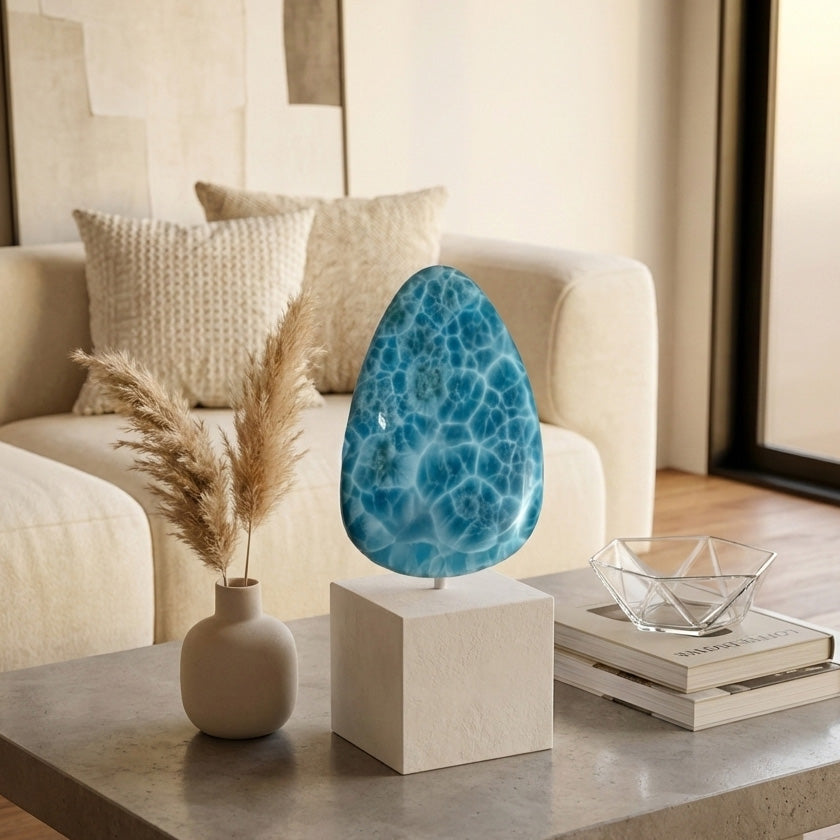
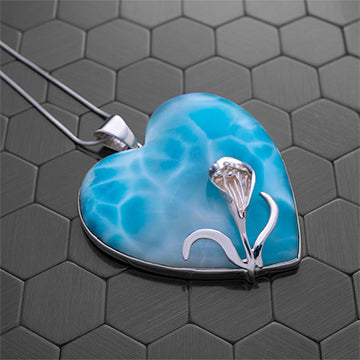
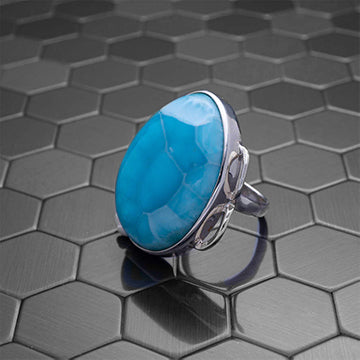
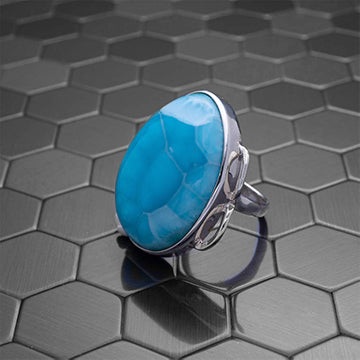
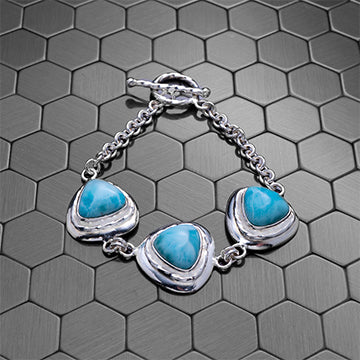
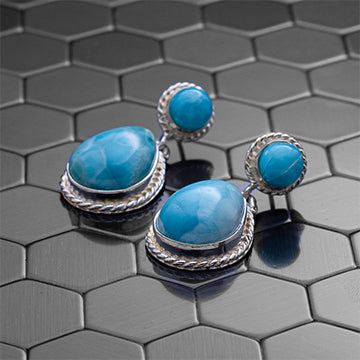
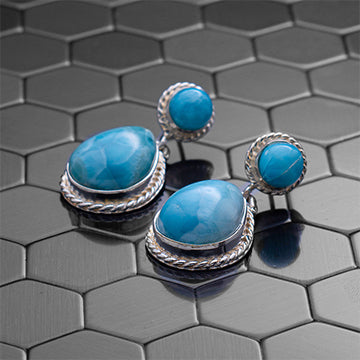
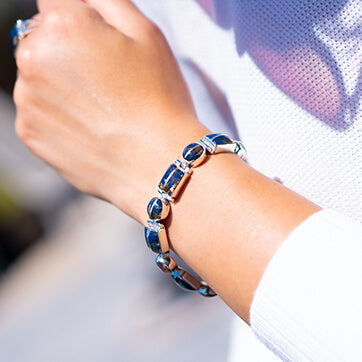
Genuine larimar exhibits a range of blue shades, from pale sky blue to deep volcanic blue. The most valuable stones display intense Caribbean blue with white patterns resembling sunlight filtering through ocean waves. Authentic larimar never appears uniformly colored throughout the entire stone.
The color distribution in real larimar shows:
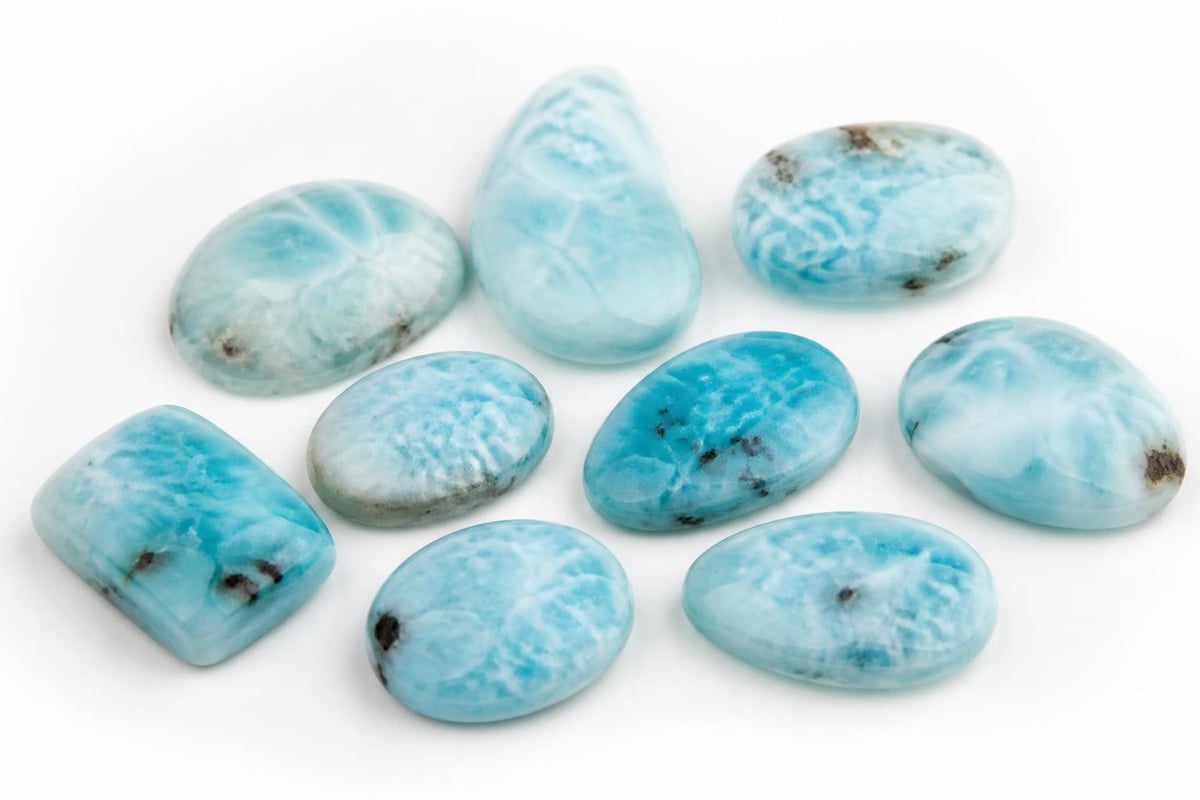
The visual indicators of authentic larimar include unique patterns that no two stones share identically. Mass-produced imitations typically show consistent, uniform coloring that lacks the organic complexity of natural formation.
Several hands-on tests help determine larimar authenticity without requiring specialized equipment. These methods rely on the stone's inherent physical properties and provide immediate insights into genuineness.
Real larimar remains cool to the touch even in warm environments. Hold the stone against your cheek or wrist for 10-15 seconds. Genuine larimar stays noticeably cooler than room temperature because of its mineral composition and density. Plastic or resin imitations quickly warm to body temperature, revealing their synthetic nature.
This temperature characteristic stems from larimar's high thermal conductivity compared to common substitute materials. Glass may also feel cool initially, making this test most effective when combined with other authentication methods.
Authentic larimar possesses substantial weight relative to its size. When learning how-to-identify-real-larimar, the density test proves remarkably effective. Natural larimar has a specific gravity of approximately 2.84 to 2.90, significantly denser than plastic, resin, or dyed howlite substitutes.
| Material | Specific Gravity | Feel in Hand |
|---|---|---|
| Real Larimar | 2.84-2.90 | Heavy, substantial |
| Dyed Howlite | 2.53-2.59 | Lighter weight |
| Plastic/Resin | 1.15-1.35 | Very light |
| Glass | 2.40-2.80 | Moderate weight |
Compare the suspected larimar to a known genuine piece of similar size. The weight difference between real and fake becomes immediately apparent with side-by-side comparison.
Natural larimar develops a specific surface character through geological formation. Examine the stone under bright light with magnification if possible. Genuine larimar displays fine crystalline structures visible at 10x magnification, showing the stone's natural pectolite composition.
The surface of authentic larimar features:
Synthetic materials often show molding marks, air bubbles, or overly perfect surfaces that nature rarely produces.
Developing a trained eye for larimar authentication requires understanding the stone's geological origins and formation patterns. These visual techniques separate novice buyers from informed collectors.
The methods to distinguish genuine larimar from imitations emphasize pattern analysis as a primary identification tool. Real larimar exhibits flowing, organic patterns created by mineral deposits during volcanic formation. These patterns never repeat exactly and resist geometric regularity.
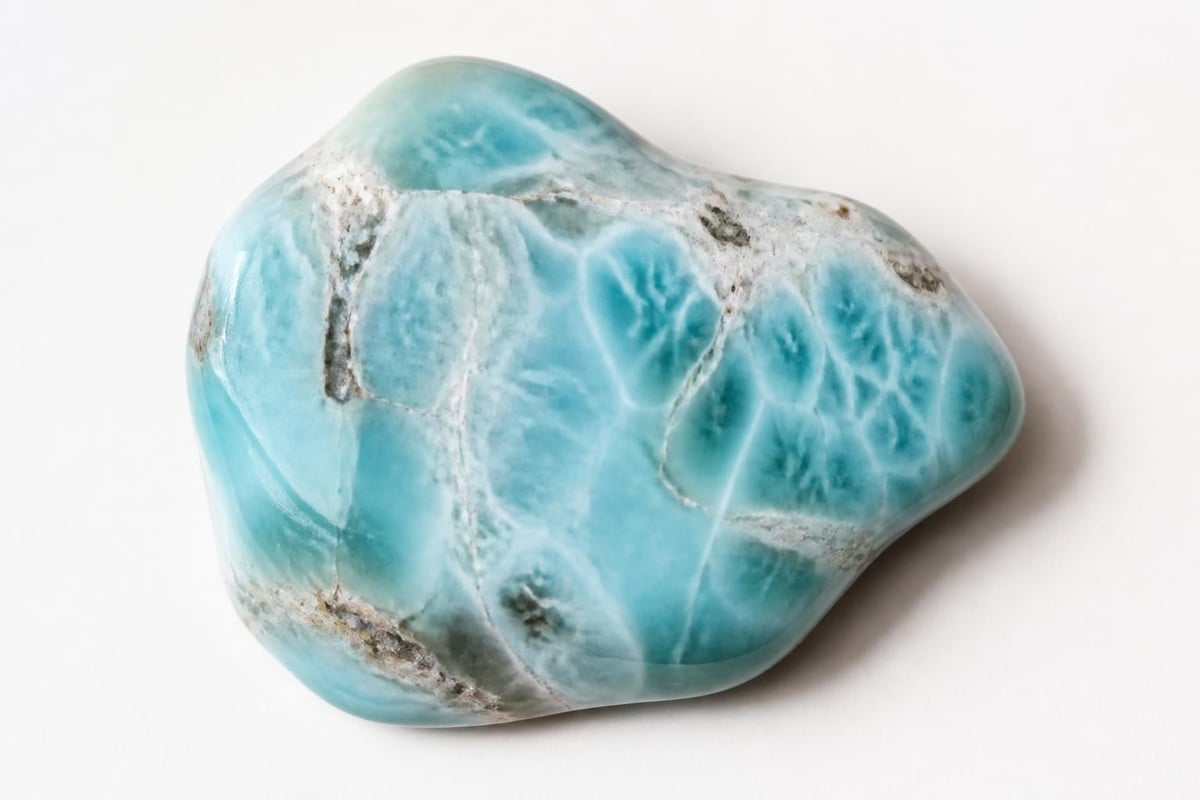
Authentic patterns include volcanic flow lines, dendritic inclusions, and color gradations that transition smoothly rather than abruptly. Counterfeit stones often display painted-on patterns, uniform swirls, or artificially created designs lacking geological authenticity.
Hold the larimar up to natural light and observe how illumination passes through the stone. Genuine larimar ranges from translucent to semi-opaque, with higher-quality specimens allowing more light transmission. The stone should glow softly when backlit, revealing internal structure and color depth.
Imitation materials behave differently under light:
Natural larimar contains mineral inclusions, small cavities, and imperfections that verify geological formation. These imperfections actually increase confidence in authenticity. Perfect, flawless larimar should raise suspicion, as nature rarely produces perfection.
Common natural inclusions in authentic larimar:
When examining how-to-identify-real-larimar through inclusions, remember that identifying genuine larimar involves examining color consistency and natural impurities. These imperfections tell the stone's geological story.
Beyond physical testing, authentication involves verifying the stone's origin and purchase documentation. Larimar's single-source nature makes provenance particularly important for authentication.
All genuine larimar originates from one location: the Bahoruco mountain range in the Dominican Republic, specifically near the town of Barahona. Any seller claiming larimar from other locations offers counterfeit material or misidentified stones. Blue stones from other regions may be turquoise, blue calcite, smithsonite, or other minerals, but they are not larimar.
Reputable sellers provide origin documentation or certification. While formal gemological certificates for larimar remain less common than for precious stones, established dealers offer purchase documentation verifying Dominican Republic sourcing.
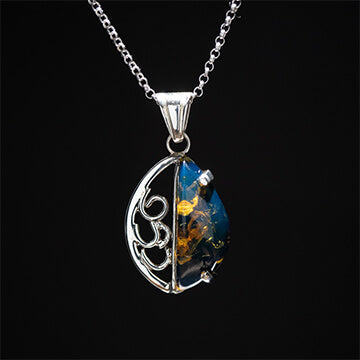
Purchase larimar from established dealers specializing in this gemstone. Research the seller's background, customer reviews, and industry standing. Specialists like those offering Larimar Pendants with detailed provenance information demonstrate commitment to authenticity and quality standards that protect buyers.
Quality indicators when evaluating sellers:
Pricing provides significant clues about authenticity when learning how-to-identify-real-larimar. The gemstone's rarity and single-source origin create natural price floors that genuine specimens cannot fall below.
Authentic larimar prices vary based on color intensity, pattern quality, size, and translucency. As of 2026, expect these general price ranges for genuine stones:
| Quality Grade | Price Per Carat (USD) | Characteristics |
|---|---|---|
| Commercial | $5-$15 | Pale blue, opaque, minor patterns |
| Good | $15-$40 | Medium blue, visible patterns |
| Fine | $40-$100 | Deep blue, excellent patterns, translucent |
| Extra Fine | $100-$300+ | Volcanic blue, exceptional patterns, high translucency |
Prices significantly below these ranges suggest counterfeit material, treated stones, or misidentified minerals. While sales and discounts occur, extraordinarily cheap "larimar" almost certainly indicates fraud.
Suspicious pricing scenarios include:
Compare prices across multiple reputable dealers to establish realistic market values for the quality grade you're considering.
For high-value purchases or authentication certainty, professional testing removes all doubt about larimar genuineness. These methods require specialized equipment but provide definitive answers.
Professional gemological laboratories offer comprehensive testing services that definitively identify larimar. These labs use advanced spectroscopy, refractometry, and chemical analysis to verify composition and origin. Testing costs typically range from $50 to $200 depending on the laboratory and testing depth.
Major gemological institutes provide larimar authentication, examining:
Request laboratory certification for valuable larimar pieces, especially stones exceeding one carat in fine quality grades.
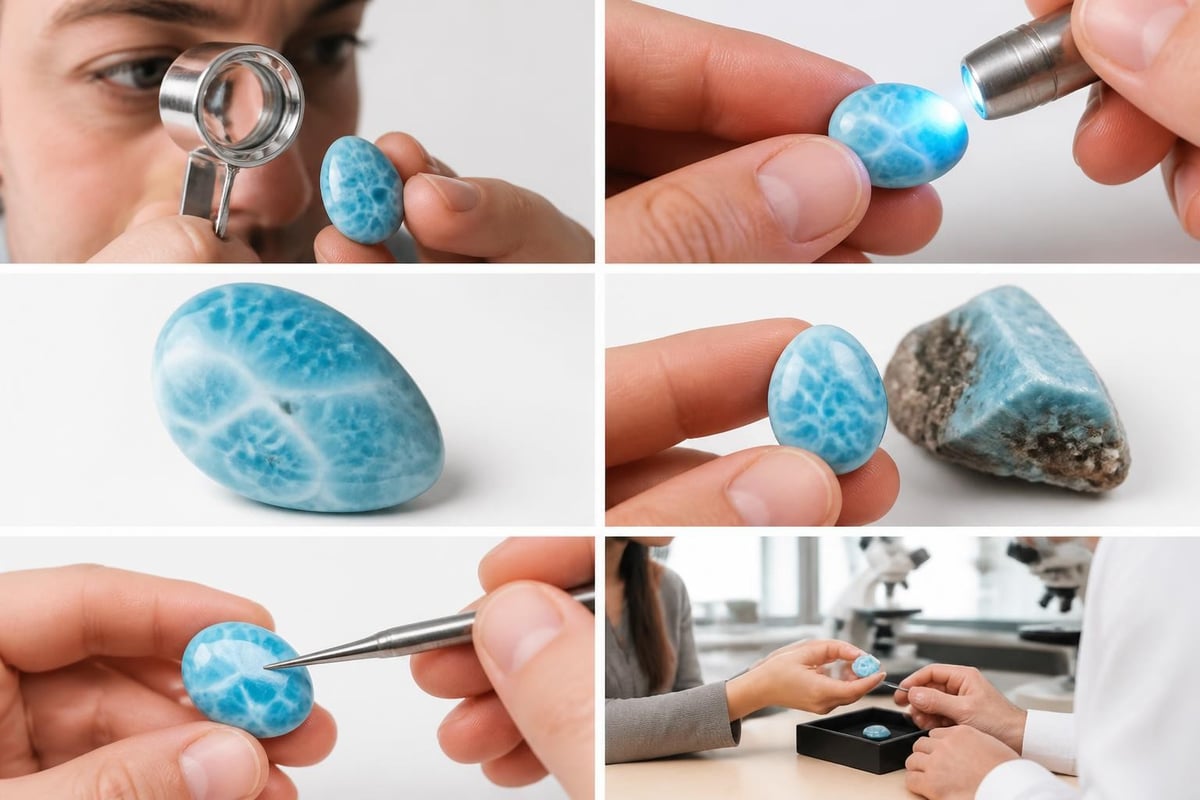
Some portable devices assist with field authentication, though they require initial investment. Thermal conductivity meters measure heat transfer rates, helping distinguish natural stones from plastic imitations. Specific gravity testing kits using liquid suspension provide density measurements confirming stone composition.
These tools work best as supplementary verification rather than sole authentication methods. Combine portable testing with visual inspection and source verification for comprehensive authentication.
Understanding what materials fraudsters use to imitate larimar improves your authentication skills. Each substitute material exhibits distinct characteristics that separate it from genuine larimar.
The most common larimar substitute, dyed howlite mimics larimar's blue-white patterns. Howlite naturally appears white with gray veining, making it perfect for blue dye absorption. Checking the stone's opacity and sourcing information helps identify this substitute.
Identifying dyed howlite:
Glass imitations capture larimar's blue color but fail other authentication tests. Manufactured glass shows air bubbles under magnification, conducts heat differently, and lacks larimar's natural pattern complexity. Resin and plastic imitations feel lightweight and warm quickly to room temperature.
Sometimes sellers misrepresent other blue stones as larimar, either through ignorance or fraud. Blue calcite, turquoise, smithsonite, and chrysocolla all appear blue but possess different physical properties, hardness levels, and crystal structures distinguishing them from authentic larimar.
Maintaining proper documentation protects your investment and facilitates future authentication needs. Establish verification records when purchasing larimar pieces.
Retain all purchase documentation including:
This documentation proves valuable for insurance purposes, resale verification, and dispute resolution should authenticity questions arise.
Photograph your larimar pieces from multiple angles under consistent lighting. Document weight, dimensions, and distinctive characteristics that identify your specific stone. These records serve as permanent authentication references and help track your collection's growth.
Understanding the meaning, value, and care tips for larimar, including authentication methods, ensures you protect your investment long-term through proper documentation and maintenance practices.
Mastering how-to-identify-real-larimar develops through experience and continuous learning. Each genuine stone you examine strengthens your recognition abilities and builds intuition for spotting counterfeits.
Visit reputable dealers and request to examine certified authentic larimar pieces. Physical interaction with genuine stones trains your senses to recognize authentic weight, temperature, texture, and visual characteristics. Handle specimens across quality grades to understand the full range of authentic presentations.
Expand your larimar knowledge through specialized resources, gem shows, and collector communities. Join online forums dedicated to larimar enthusiasts where experienced collectors share authentication insights and discuss recent market trends affecting the gemstone industry.
Study geological information about pectolite formation, volcanic mineral deposits, and the specific conditions creating larimar's unique characteristics. Scientific understanding reinforces practical authentication skills with theoretical knowledge.
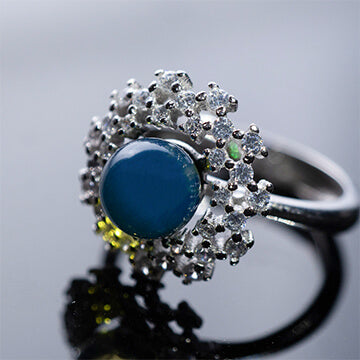
Identifying authentic larimar requires combining visual inspection, physical testing, source verification, and price reality checks to separate genuine stones from clever imitations. These authentication techniques protect your investment and ensure you acquire the rare beauty this exceptional gemstone offers. When you're ready to invest in certified authentic larimar jewelry showcasing this remarkable stone's natural beauty, Larimar Creations offers expertly crafted pieces with guaranteed authenticity and worldwide shipping, bringing the Caribbean's rarest gemstone directly to collectors who appreciate genuine quality.