
by Admin July 12, 2026 6 min read

Larimar can look like a calm Caribbean shoreline held in stone: soft blue, white, and cloudlike movement that makes every piece feel personal. But that beauty also makes careful buying essential. This complete larimar buying guide explains what separates a genuine Dominican Larimar treasure from an ordinary blue stone, so you can choose with confidence and wear a piece of the Caribbean for years to come.

What Makes Larimar So Rare?

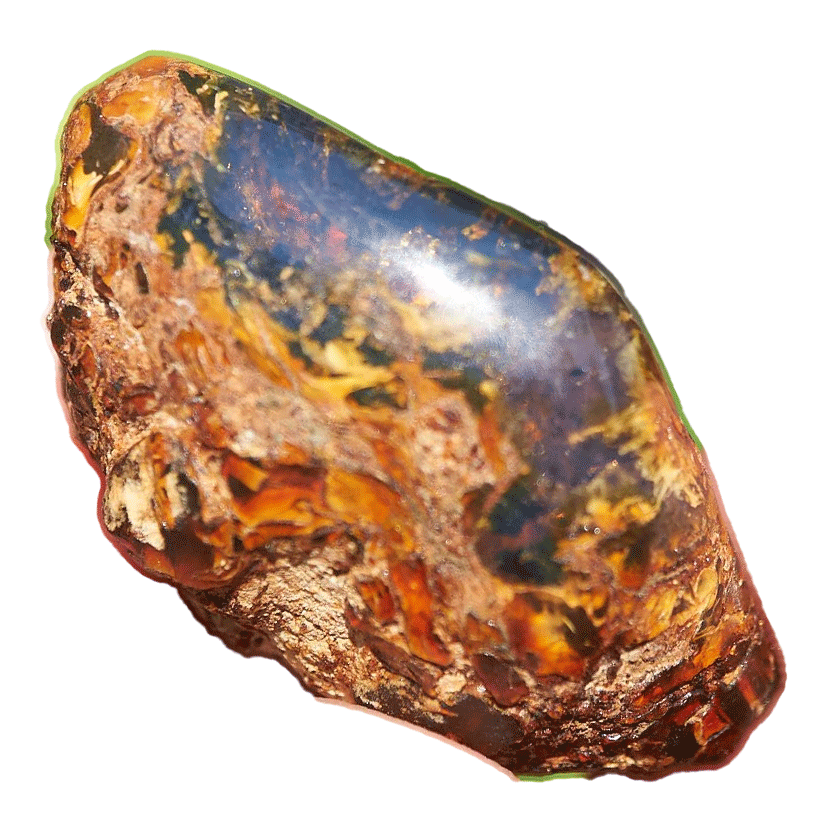
Larimar is a rare blue variety of pectolite found only in the Dominican Republic. Its limited origin is central to both its value and its story. Unlike gemstones sourced across multiple continents, authentic Larimar comes from a small Caribbean deposit, and its availability depends on responsible mining, the quality of each rough stone, and the skill required to cut it without losing its natural character.

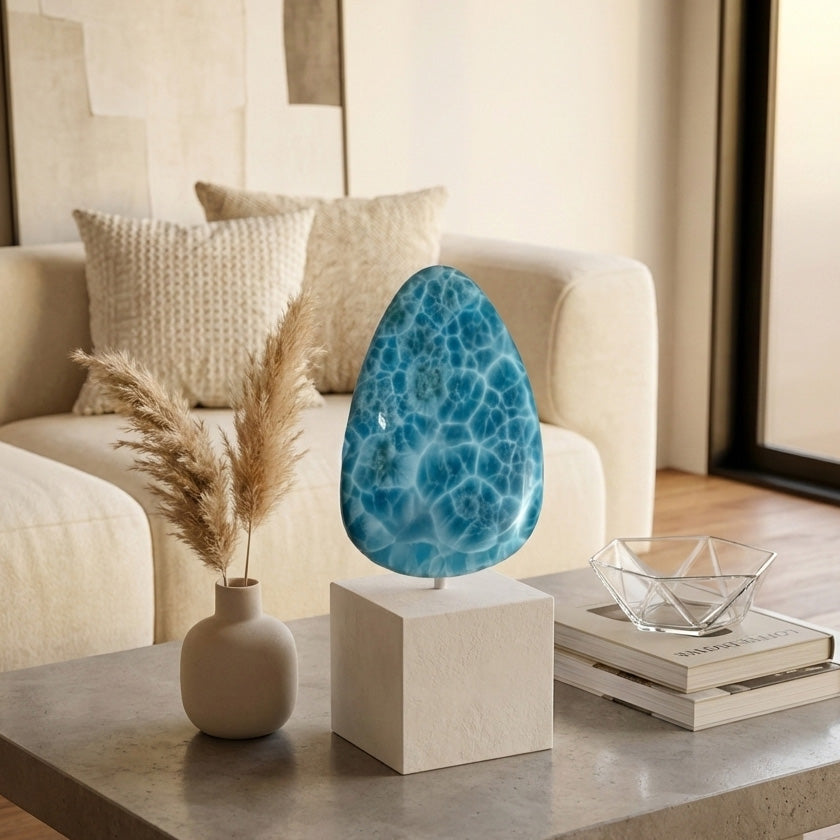
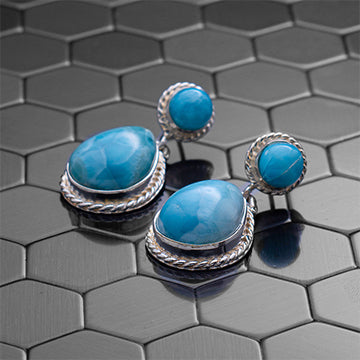
The stone’s signature blue comes from copper within the pectolite. No two pieces show the same pattern. One may carry a pale, misty blue with gentle white veining; another may reveal a deeper blue reminiscent of clear tropical water. This individuality is not a flaw. It is the reason Larimar jewelry feels far more intimate than mass-produced accessories.

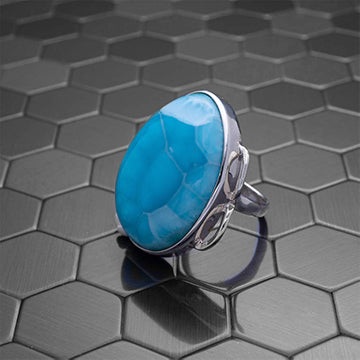
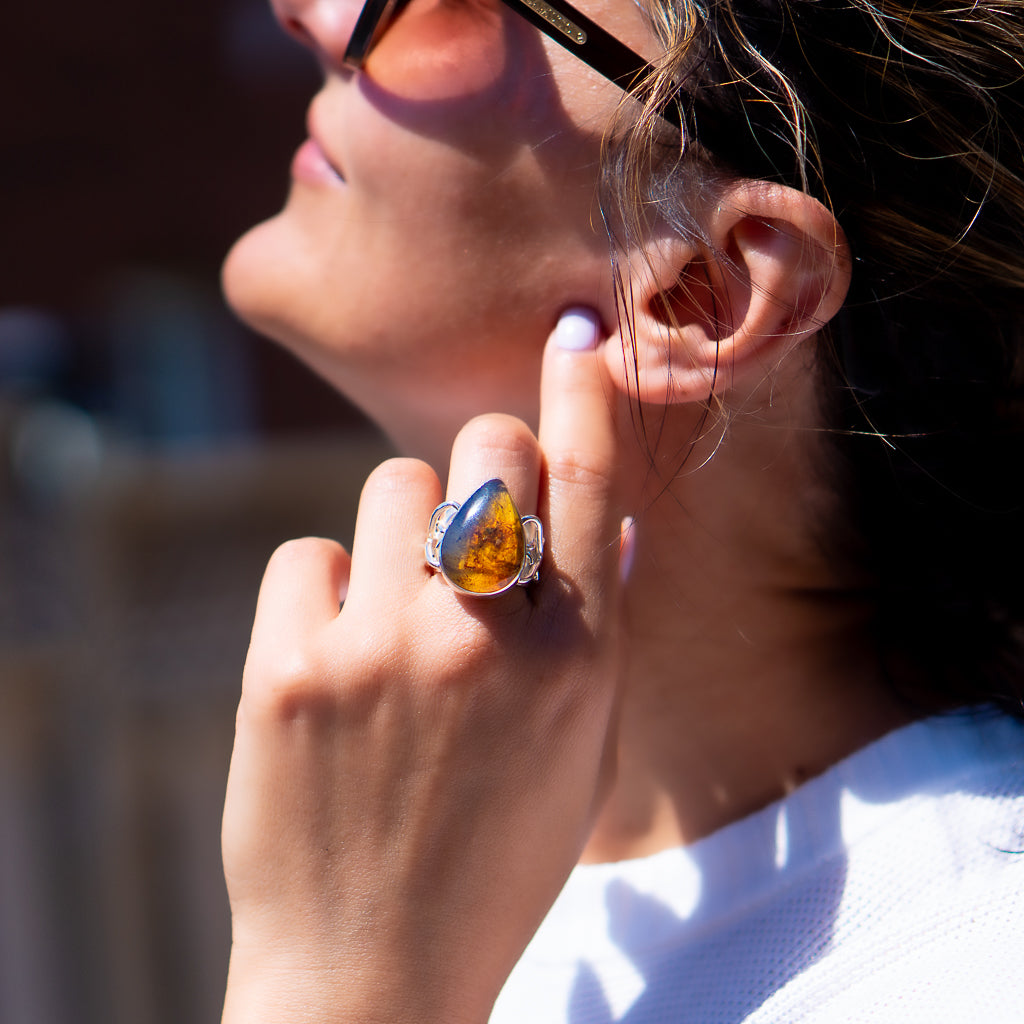
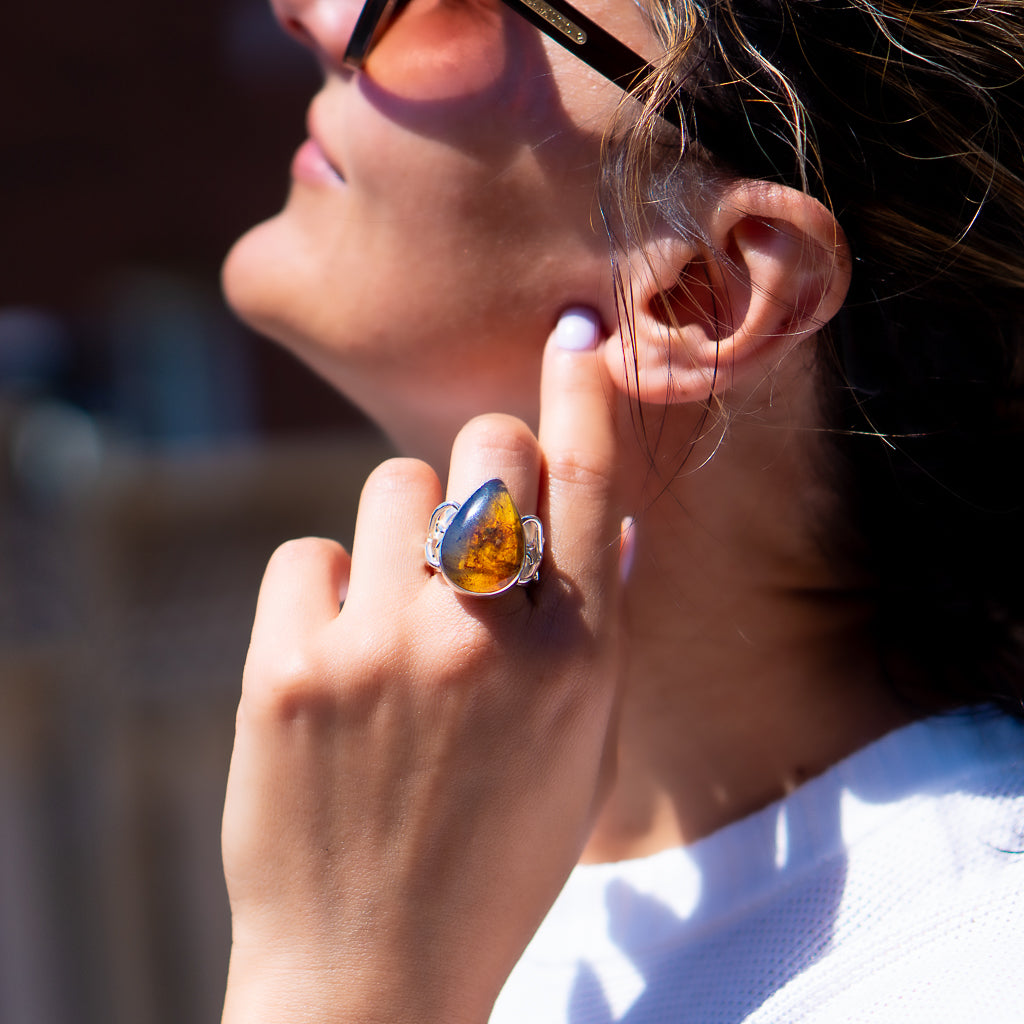
Larimar is also softer than diamond, sapphire, or quartz. That does not make it unsuitable for jewelry, but it does mean thoughtful setting design and sensible care matter. A pendant or pair of earrings allows the stone to take center stage with relatively little daily impact. A Larimar ring can be a beautiful choice as well, particularly when the bezel or prongs offer protection, though it is best saved from heavy work, exercise, and rough surfaces.

Complete Larimar Buying Guide: Start With Origin

The first question is simple: is it genuinely Dominican Larimar? A reputable seller should be transparent about the stone’s origin and able to stand behind its authenticity. Vague labels such as “blue pectolite-style stone” or “Larimar look” are not the same as verified Larimar from the Dominican Republic.

Authenticity is more than a marketing phrase. It connects the finished jewelry to the mine, the lapidary work, and the Caribbean tradition behind the material. Look for clear product descriptions that identify the gemstone and its provenance. For a higher-value purchase, certification or documentation can offer additional reassurance, especially if you are buying a collector cabochon, a substantial carving, or a one-of-a-kind statement piece.

Be cautious with prices that seem dramatically lower than comparable Larimar jewelry. A low price does not automatically prove a stone is false - a small, pale, lightly patterned cabochon may be more accessible than a vivid blue centerpiece. Still, an unusually inexpensive large blue stone deserves closer questions about material, treatments, and origin.

Know What Larimar Is Not

Imitations can include dyed howlite, glass, resin, reconstituted material, or other blue stones sold under loose descriptions. These materials may look attractive, but they do not possess Larimar’s geological rarity, natural patterning, or Dominican heritage.

Genuine Larimar generally has a soft, organic appearance rather than a perfectly uniform blue surface. Its white patterning often resembles foam, clouds, or ripples. That said, natural variation is broad. Do not rely on one visual rule alone. Provenance, seller transparency, and craftsmanship should support what your eyes tell you.

How to Judge Larimar Color and Pattern

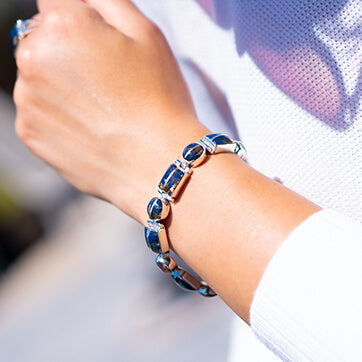
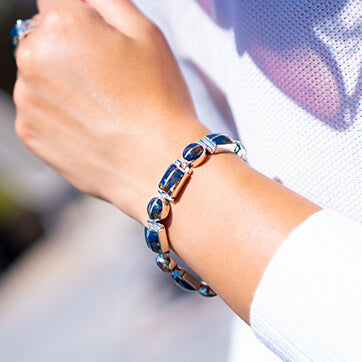
Color is often the first quality buyers notice, and it strongly influences price. The most sought-after Larimar commonly displays rich, saturated blue with appealing white movement. Some collectors favor deep blue material, while others are drawn to pale sky-blue stones that feel light, romantic, and understated.

There is no single “best” shade for every piece. A vivid blue cabochon can create an unforgettable pendant or ring, while a softer stone may feel more versatile in earrings or a delicate bracelet. Choose the color that you will genuinely enjoy wearing rather than purchasing solely by an abstract grade.

Pattern matters too. Fine Larimar often has natural contrast between blue and white, with a balanced, fluid appearance. Large white areas, gray tones, or brownish inclusions can reduce value in some markets, yet they may also give artisan pieces an earthy, one-of-a-kind character. For a collector investment, you may prefer clean color and strong blue saturation. For meaningful everyday jewelry, a distinctive pattern may be exactly what makes the stone yours.

Ask to see clear images taken in natural or neutral light whenever possible. Highly edited photos can make any gemstone appear more saturated. The most trustworthy presentation shows the stone from more than one angle and makes room for its natural inclusions, polish, and color shifts.

Look Closely at the Cut and Polish

Larimar is usually fashioned into cabochons rather than faceted gems. The smooth, domed cut protects its beauty and lets its patterns remain visible. A well-cut cabochon should have an even shape, a pleasing dome, and a polished surface that reflects light without appearing cloudy or heavily scratched.

Cutting Larimar requires restraint. A cutter must work around fractures, color changes, and the shape of the rough stone. This is why a handmade cabochon may not look mechanically identical to another. Slight asymmetry is not necessarily poor workmanship. The question is whether the shape feels intentional and whether it presents the best part of the stone.

Inspect the setting as carefully as the gem. Sterling silver is a natural partner for Larimar because its cool tone highlights the stone’s blue, while gold can add a warmer, more luxurious contrast. Check that prongs are secure, bezels sit neatly around the cabochon, and the back of the piece is smoothly finished. A quality setting should protect the stone without hiding the color and pattern that made you choose it.

Choose the Right Larimar Jewelry for Your Life

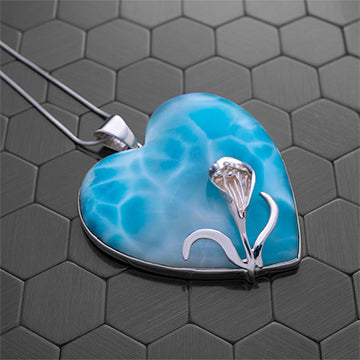
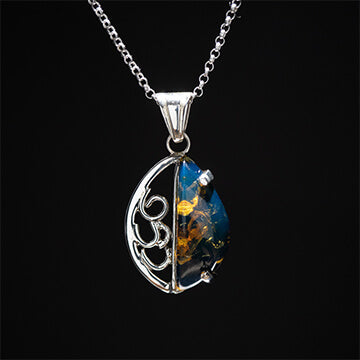
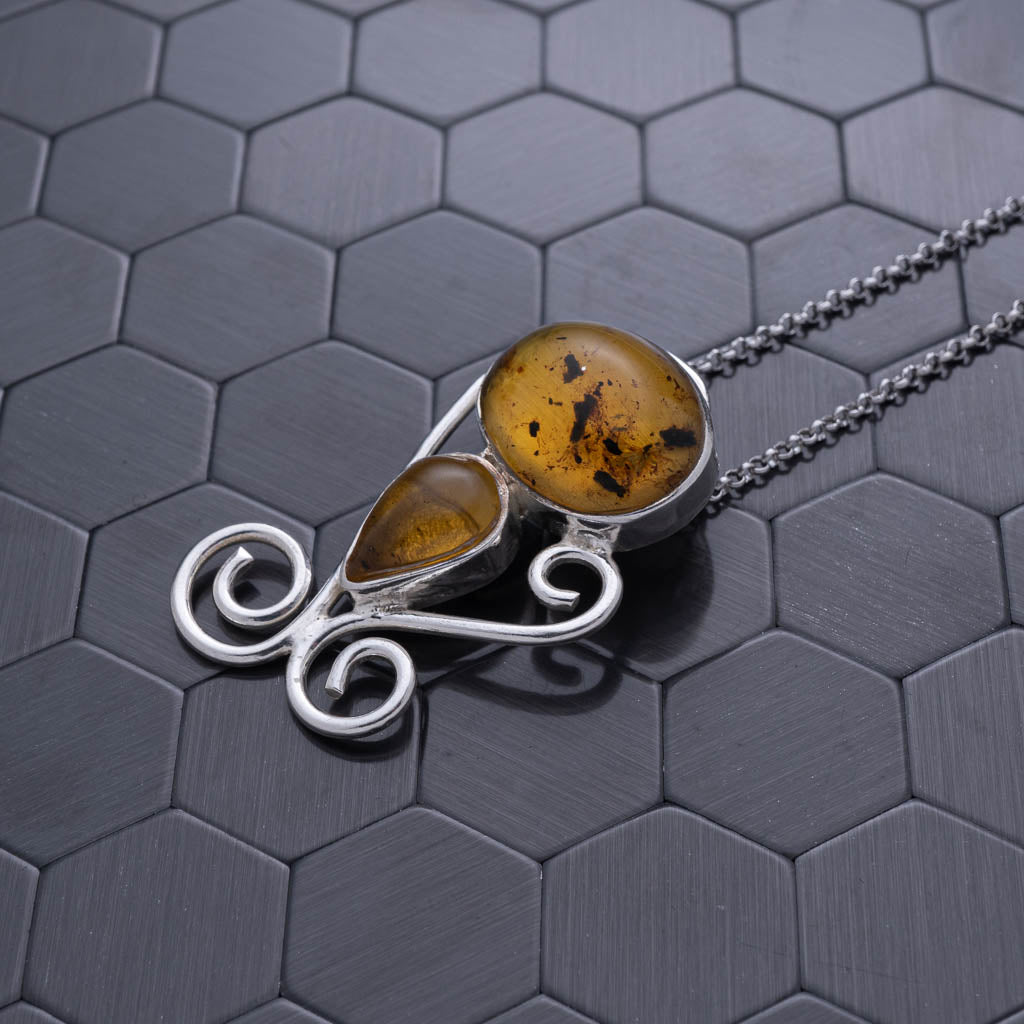
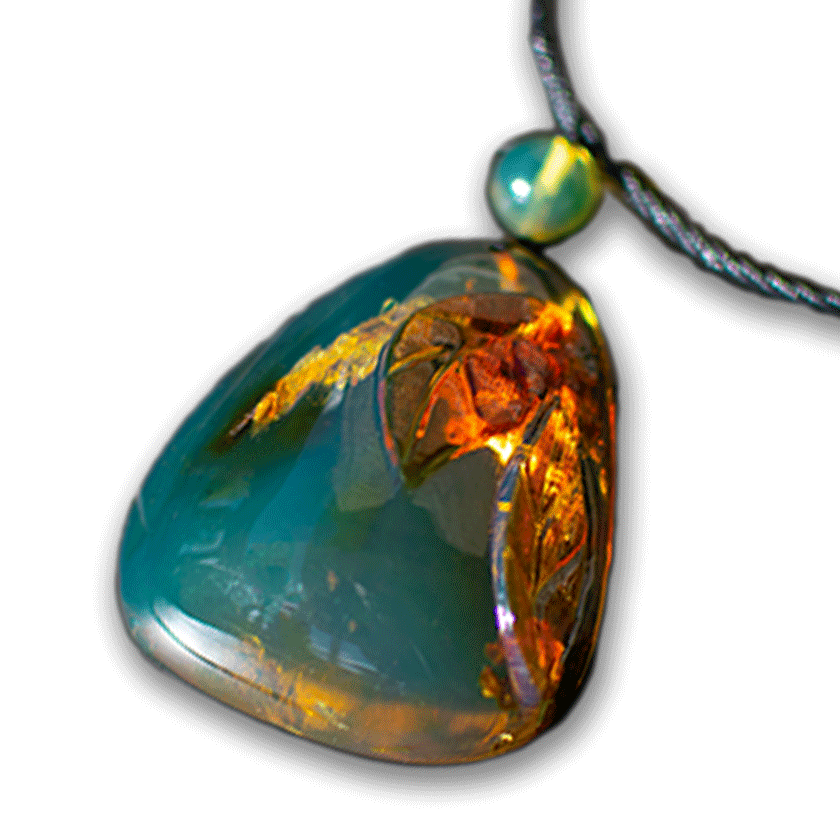
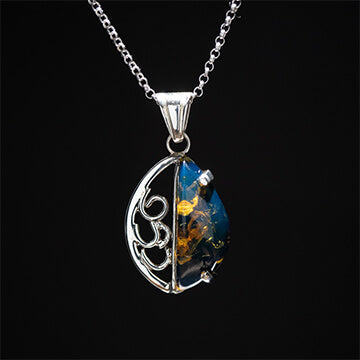
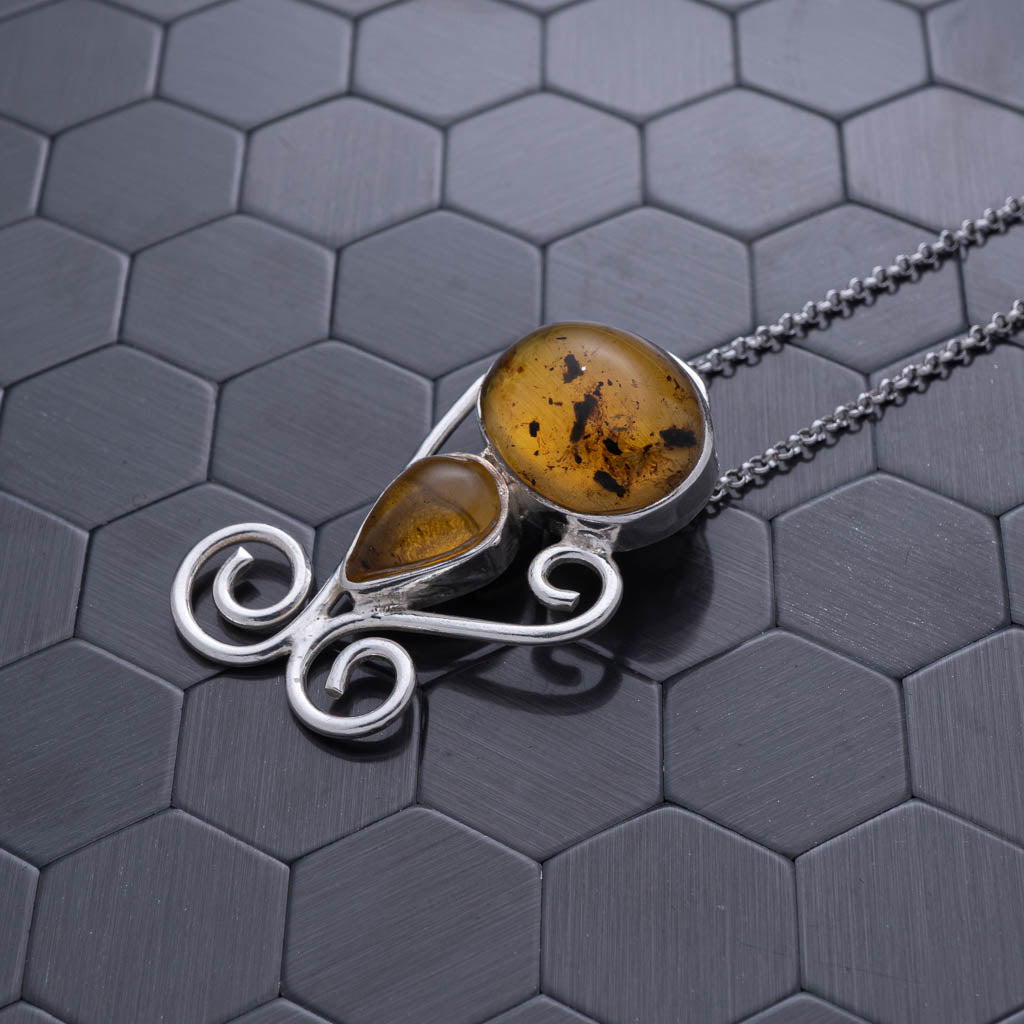
A Larimar pendant is often the most effortless place to begin. It gives the stone a generous visual presence, works beautifully with both open necklines and layered chains, and experiences less direct impact than a ring. Heart pendants add a romantic dimension, making them especially meaningful for anniversaries, birthdays, and sentimental gifts.

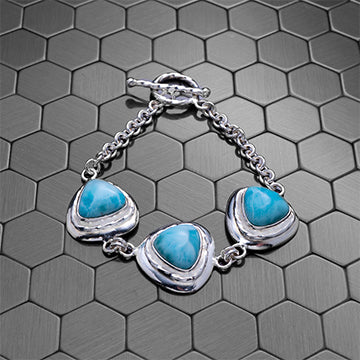
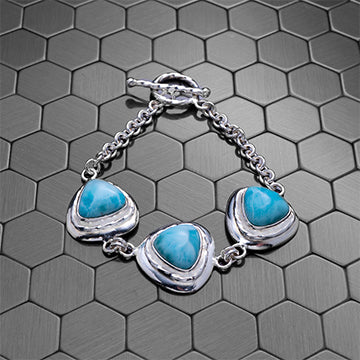
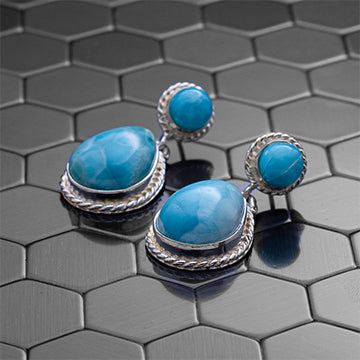
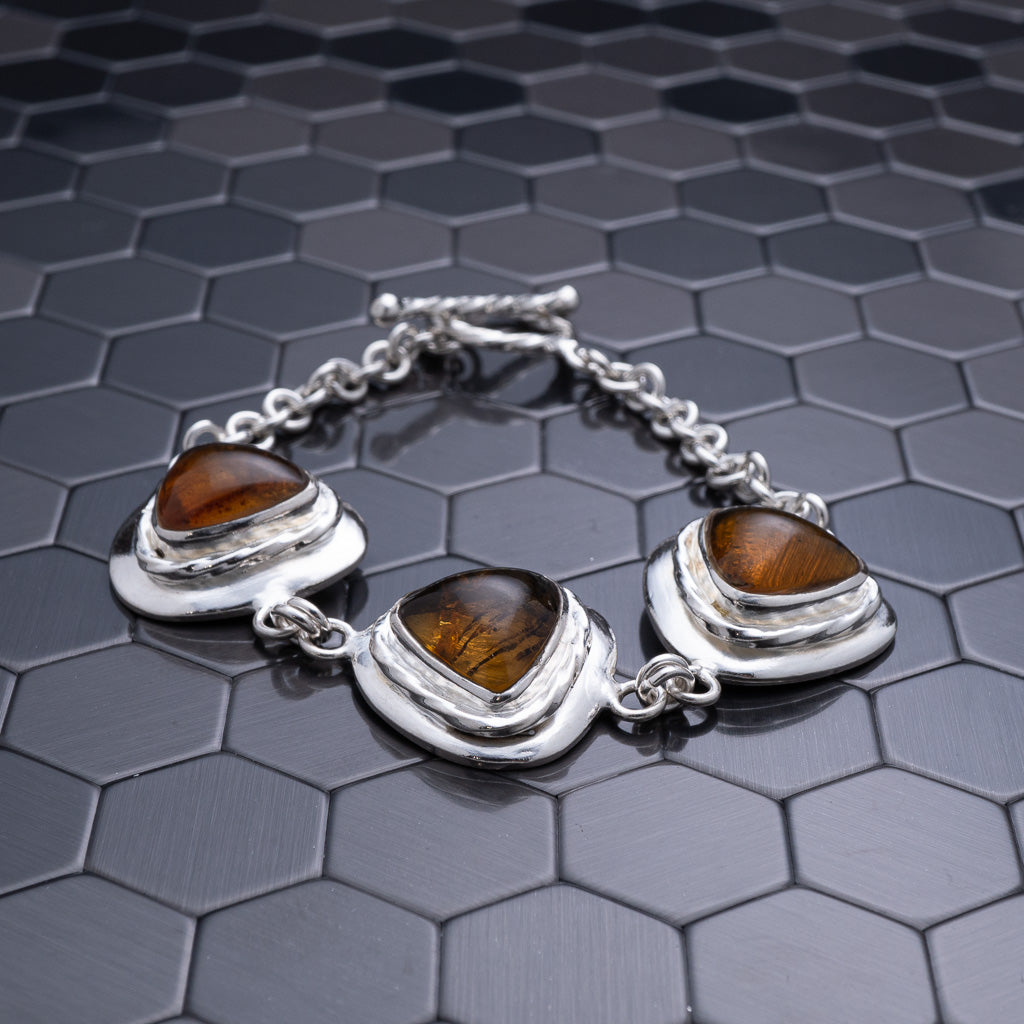
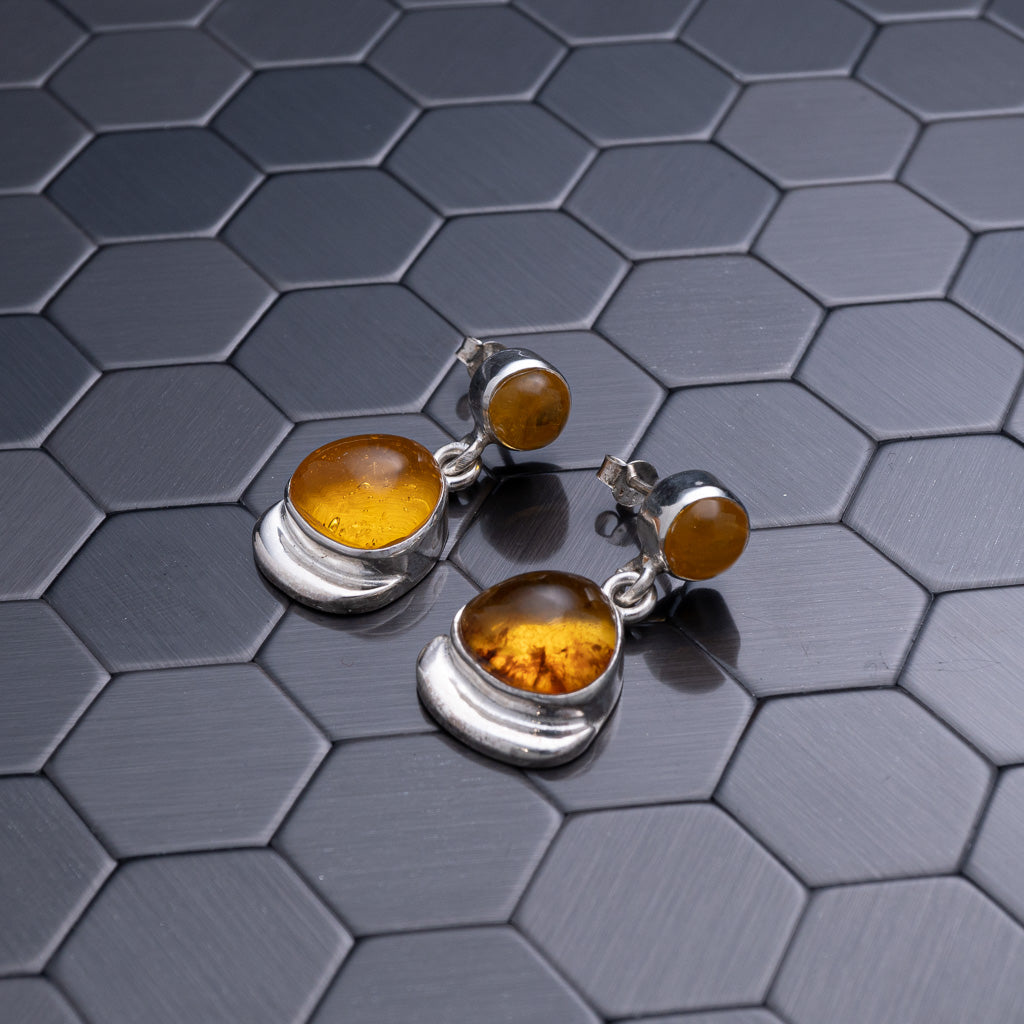
Larimar earrings bring soft blue close to the face and can range from refined studs to expressive drop designs. They suit buyers who want the Caribbean color without committing to a larger statement piece. Bracelets are elegant and easy to admire while worn, but should be designed with secure links or protective settings because wrists meet desks, doorframes, and daily movement.

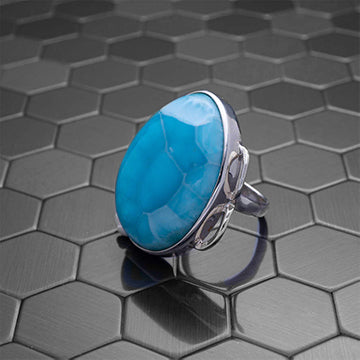
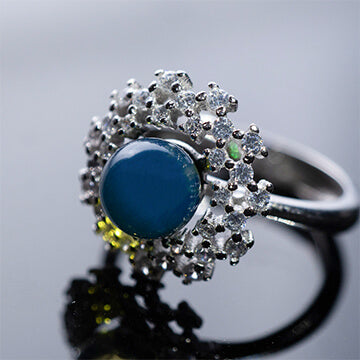
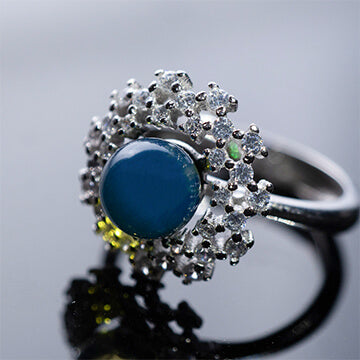
Rings offer the greatest sense of connection because you see them throughout the day. They are ideal for occasions, thoughtful gifting, and buyers who enjoy a distinctive signature accessory. If you plan to wear a Larimar ring every day, choose a protective bezel setting or a design where the stone sits lower on the hand. It depends on your routine: someone who works at a desk may enjoy more freedom than someone frequently gardening, lifting, or working with their hands.

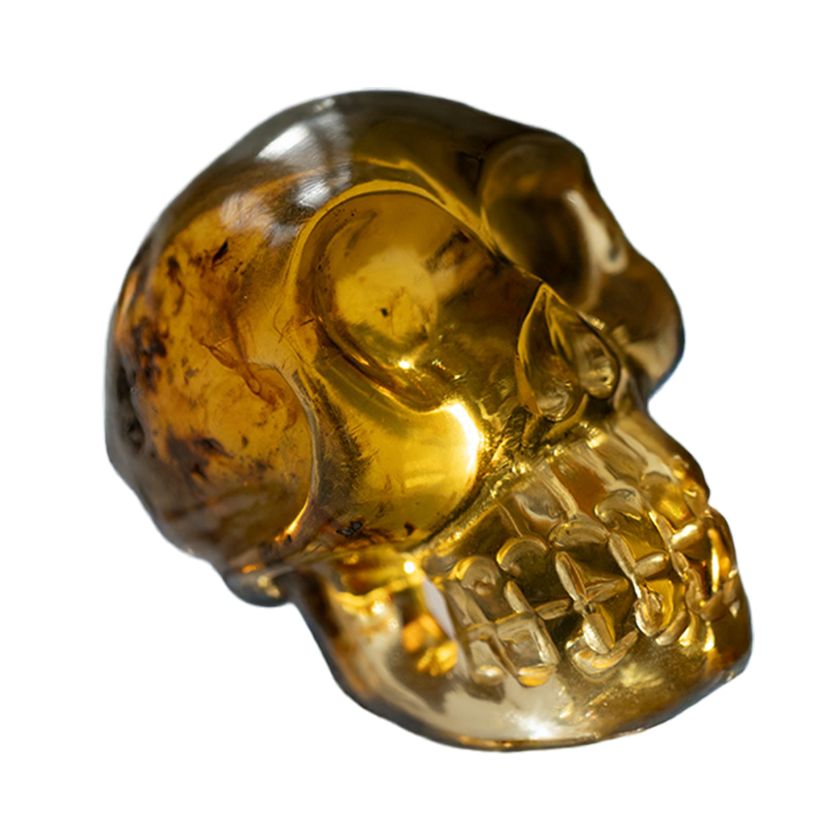
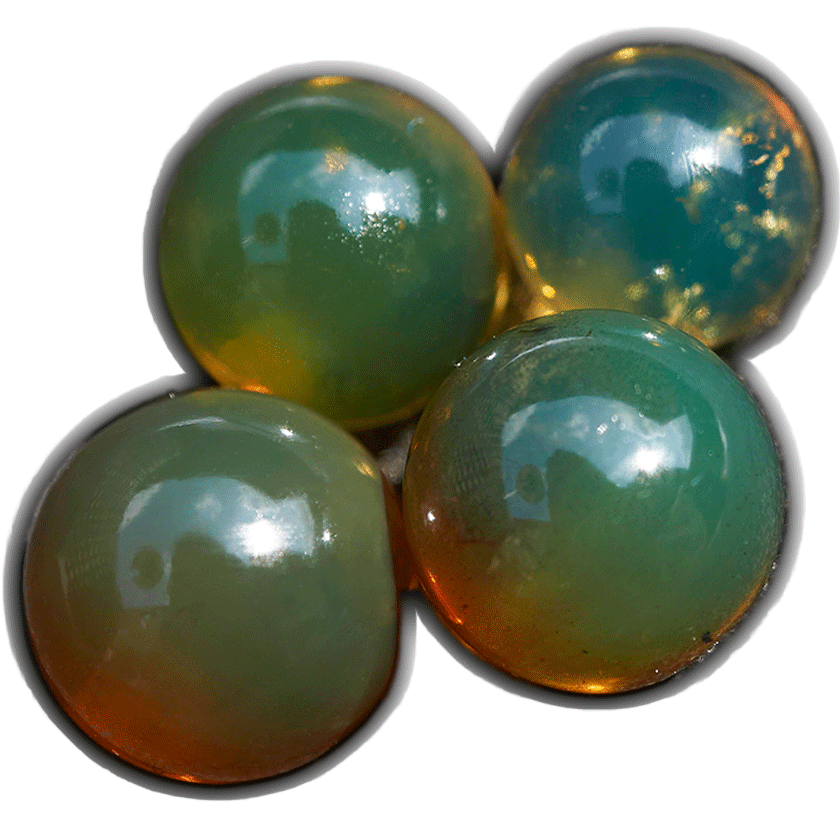
For collectors, loose cabochons, beads, carvings, and larger specimens make the stone itself the focus. These pieces deserve close attention to blue saturation, pattern, polish, dimensions, and documentation. A rare-looking stone should be valued for more than size alone. A smaller cabochon with exceptional ocean-blue color may be more compelling than a larger piece with muted tone.

Ask the Questions That Protect Your Purchase

Before purchasing, ask whether the stone is natural Larimar from the Dominican Republic, whether it has been dyed or otherwise treated, and what metal and craftsmanship are used in the setting. Confirm measurements rather than relying only on photos, especially for rings, pendants, and collector stones. Scale can be surprisingly difficult to judge online.

It is also wise to understand the seller’s return policy, care guidance, and approach to authenticity. Trust grows when a seller gives direct answers instead of relying on romantic language alone. Larimar’s ocean-blue beauty should be celebrated, but it should also be described honestly.

Larimar Creations centers this kind of buying experience around authentic, certified Dominican gemstones and handcrafted designs, helping shoppers choose pieces with both visual distinction and meaningful provenance.

Care for Larimar With a Gentle Hand

Larimar rewards uncomplicated care. Clean it with lukewarm water, mild soap if needed, and a soft cloth. Avoid ultrasonic cleaners, steam cleaning, harsh chemicals, and abrasive polishing cloths. Remove Larimar jewelry before swimming, applying perfume or hairspray, doing household cleaning, or participating in activities where the stone could be knocked against a hard surface.

Store each piece separately in a soft pouch or lined jewelry box. Because Larimar is softer than many common gems, contact with diamonds, sapphires, or metal edges can leave scratches. With careful wear, its polish and luminous color can remain beautiful for generations.

The right Larimar piece should feel like more than a blue gemstone. Choose the stone whose color makes you pause, whose craftsmanship feels secure in your hand, and whose Dominican origin gives the jewelry a story worth carrying with you.


Let's Stay In Touch