
by Admin July 15, 2026 5 min read

A glowing golden cabochon, a suspended prehistoric insect, a rare blue flash in sunlight - these details can make a natural resin gemstone feel almost magical. Yet amber resin vs copal is a distinction every thoughtful jewelry buyer and collector should understand. Though both begin as tree resin, they differ in age, stability, rarity, and long-term value. Knowing which material you are holding brings greater confidence to every meaningful purchase.

Amber Resin vs Copal: The Material Difference

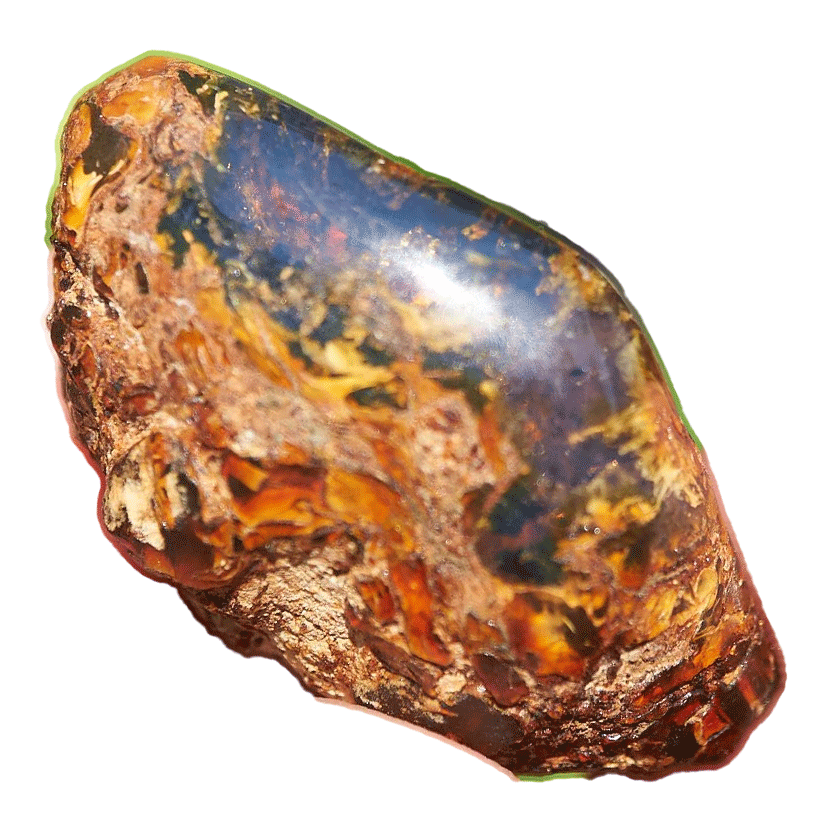
Amber is ancient tree resin that has undergone a long natural process of polymerization and fossilization. Over millions of years, the resin’s organic compounds transform into a harder, more stable material. It is not a mineral in the traditional sense, but it is a prized organic gemstone, treasured for its warm color, natural inclusions, and extraordinary connection to Earth’s distant past.

Copal is also tree resin, but it has not reached the same level of maturity. It may be relatively recent, sometimes only hundreds or thousands of years old, although the word copal is used broadly for resins of varying ages and origins. Because it is younger, copal generally remains softer and less chemically stable than true amber.

There is no single birthday at which resin becomes amber. Geologists consider factors such as molecular structure, degree of polymerization, geological context, and provenance. For jewelry buyers, the practical difference is more straightforward: authentic amber has completed a far longer transformation underground, while copal is younger resin still on that path.

This does not make copal without beauty. Fresh copal can be luminous, richly colored, and full of botanical character. However, it should be represented honestly and valued as its own material, not presented as fossil amber.

Why Age Changes Beauty and Value

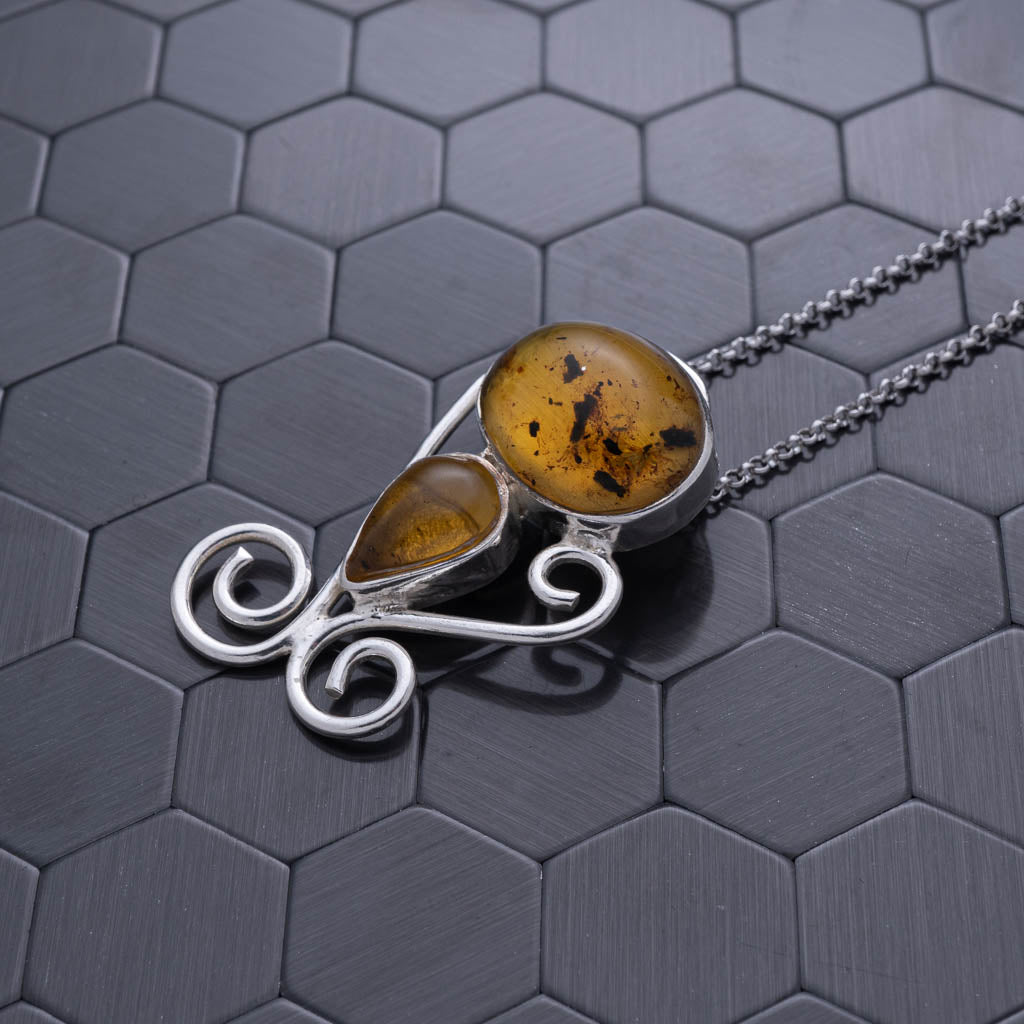
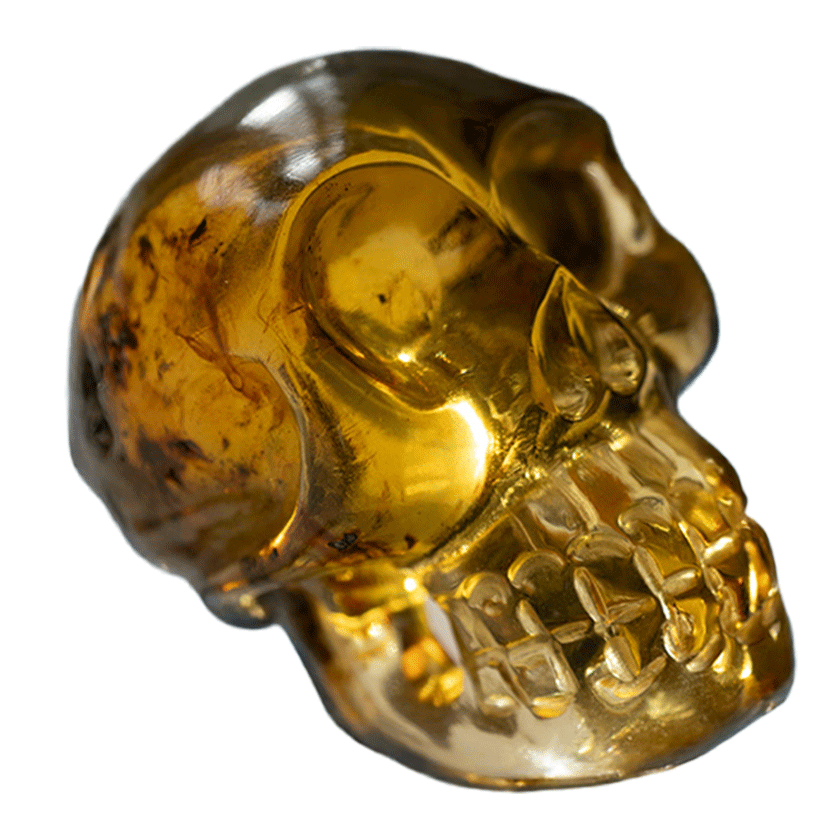
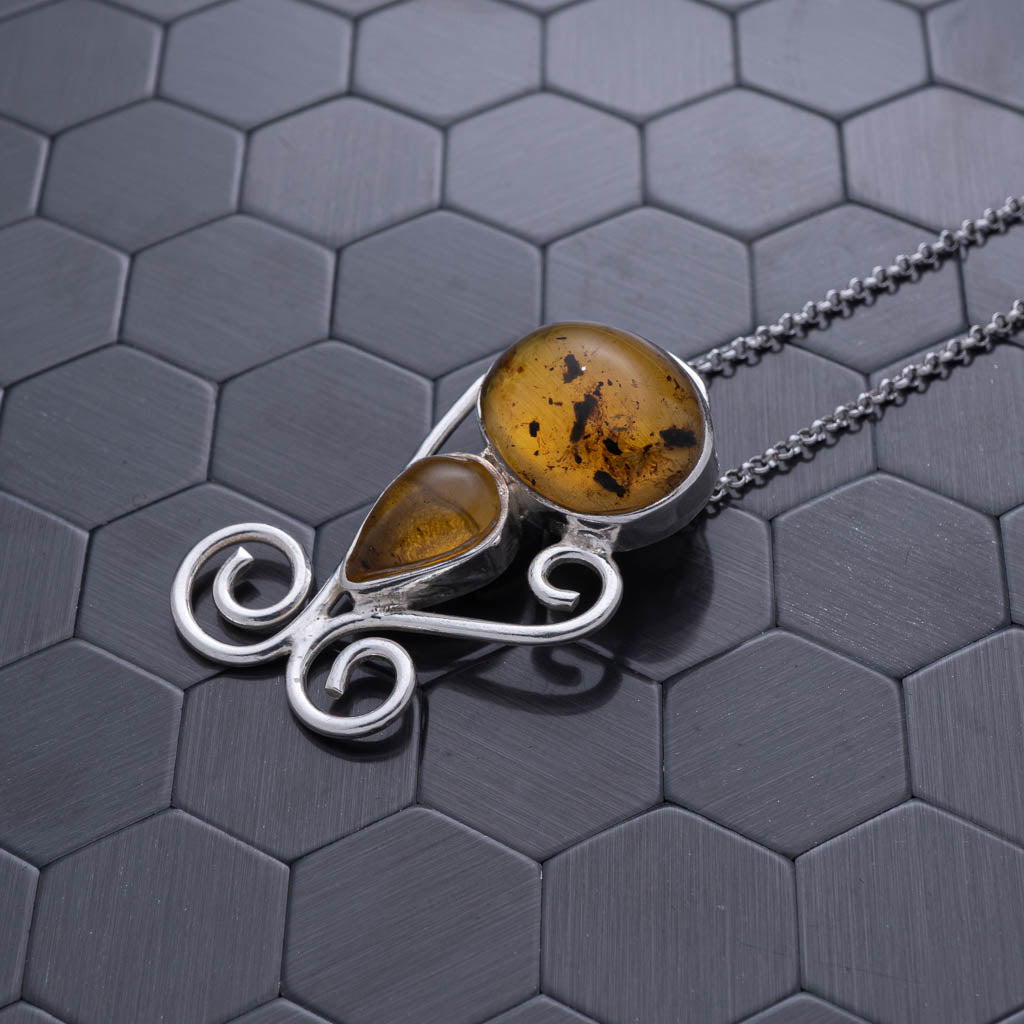
Time gives amber a character that cannot be manufactured. Ancient resin can preserve tiny fragments of a vanished environment: insects, plant matter, air bubbles, or subtle flows within the resin itself. These inclusions are not merely decorative. When natural and properly identified, they offer a remarkable visual record of prehistoric life.

Amber’s age also affects its physical behavior. Mature amber is typically harder than copal, though it remains softer than gemstones such as sapphire, diamond, or quartz. It can be polished into luminous cabochons, beads, carvings, and wearable jewelry, but it still deserves thoughtful handling.

Copal’s younger structure often makes it more vulnerable to scratching, clouding, cracking, or reacting to heat and solvents. It may feel exceptionally light and show a bright, glassy surface at first, but its beauty requires more caution over time. A collector buying a statement piece for occasional wear may appreciate copal for its appearance and accessibility. Someone seeking a rare heirloom material or a geological collectible will usually place greater value on genuine amber.

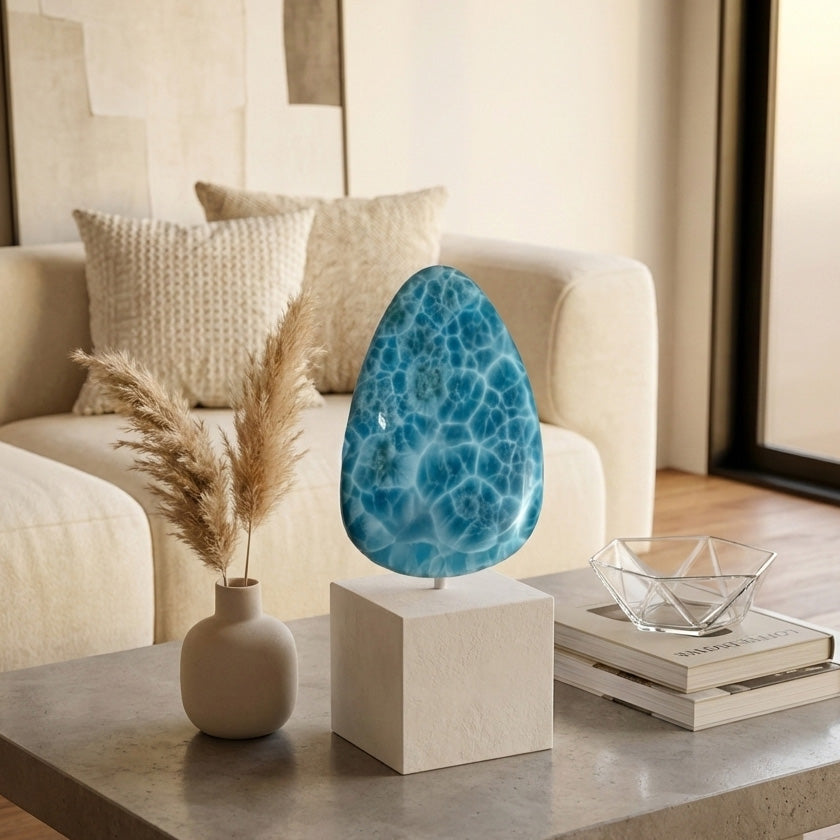
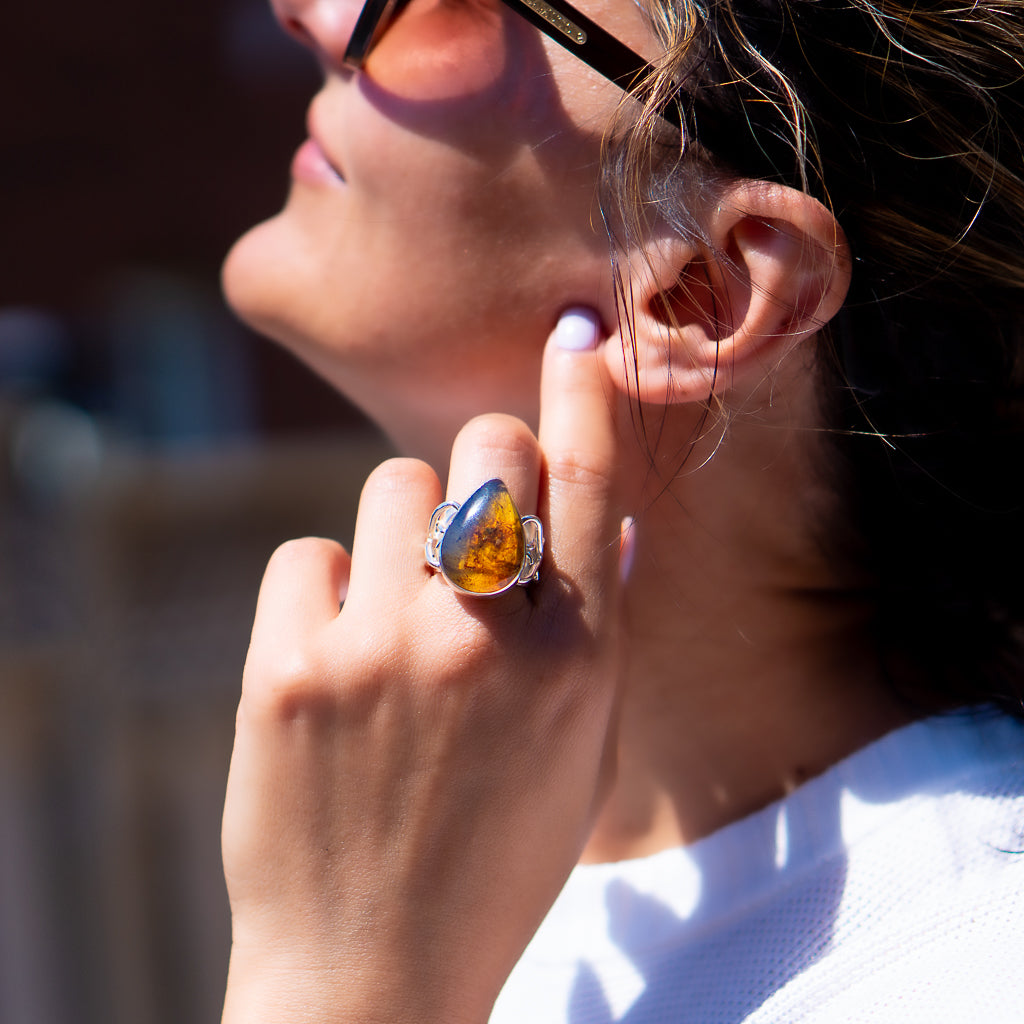
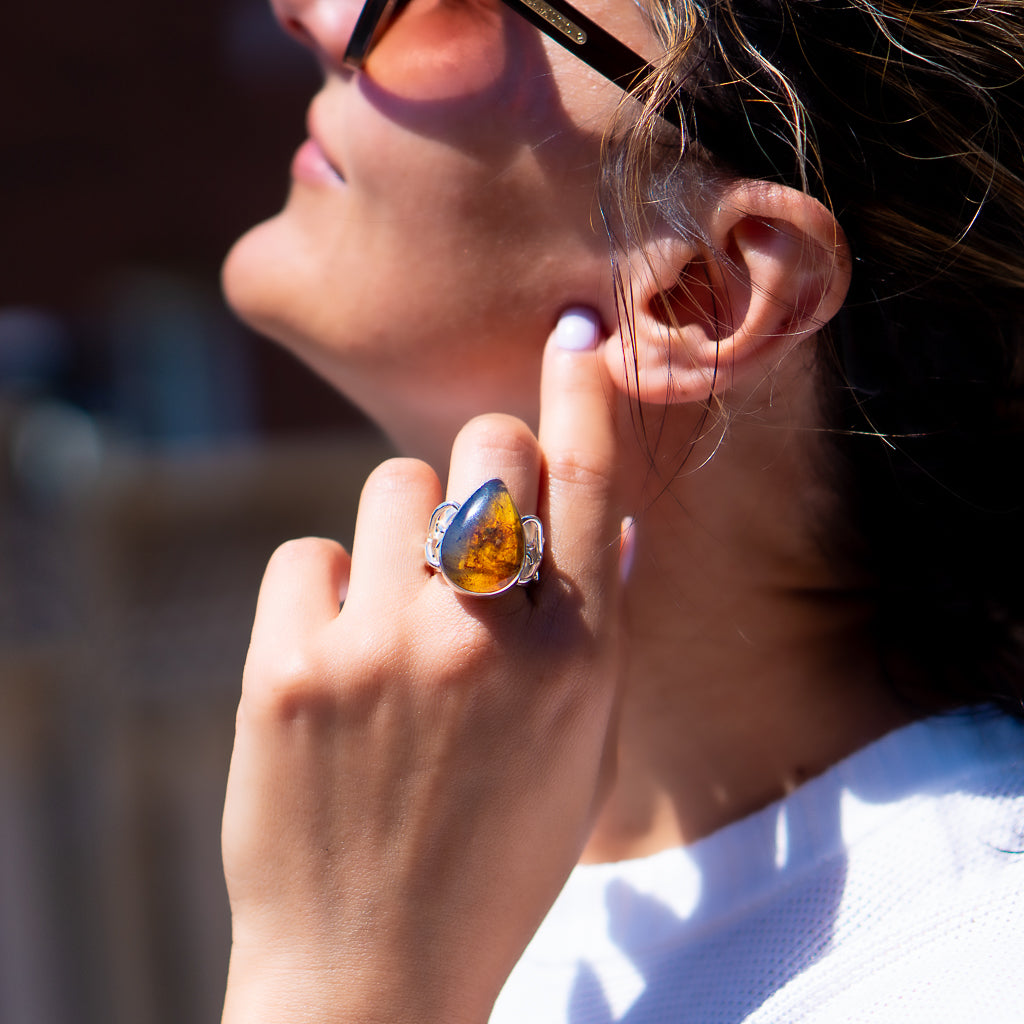
Rarity depends on more than age alone. Origin, color, clarity, size, craftsmanship, and the nature of any inclusion all influence value. A large, transparent piece of certified Dominican amber with an exceptional natural blue effect is in a completely different category from common commercial resin, even if both are called amber.

Dominican Amber and the Coveted Blue Effect

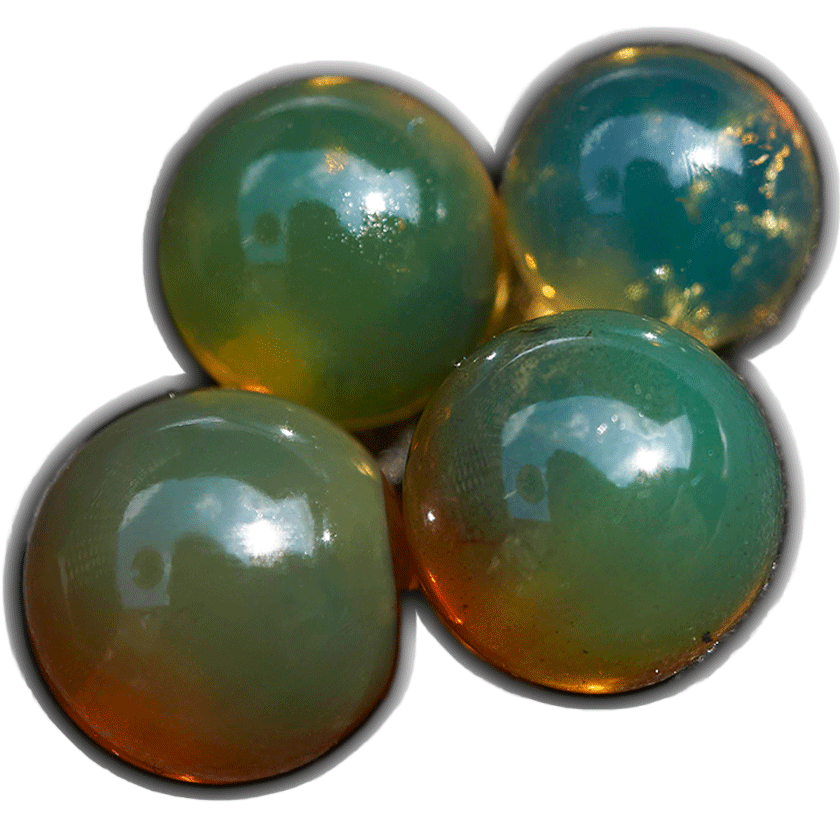
Dominican amber is among the world’s most admired ambers because of its exceptional clarity and range of colors. Honey gold, cognac, lemon, green, red, and deep brown can all occur naturally. Some pieces also reveal the sought-after blue appearance that has made Dominican Blue Amber a collector favorite.

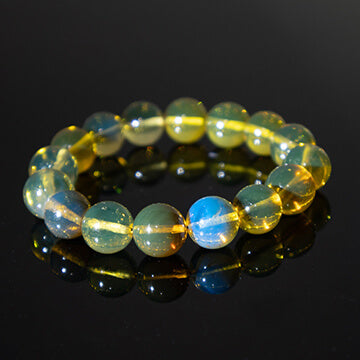
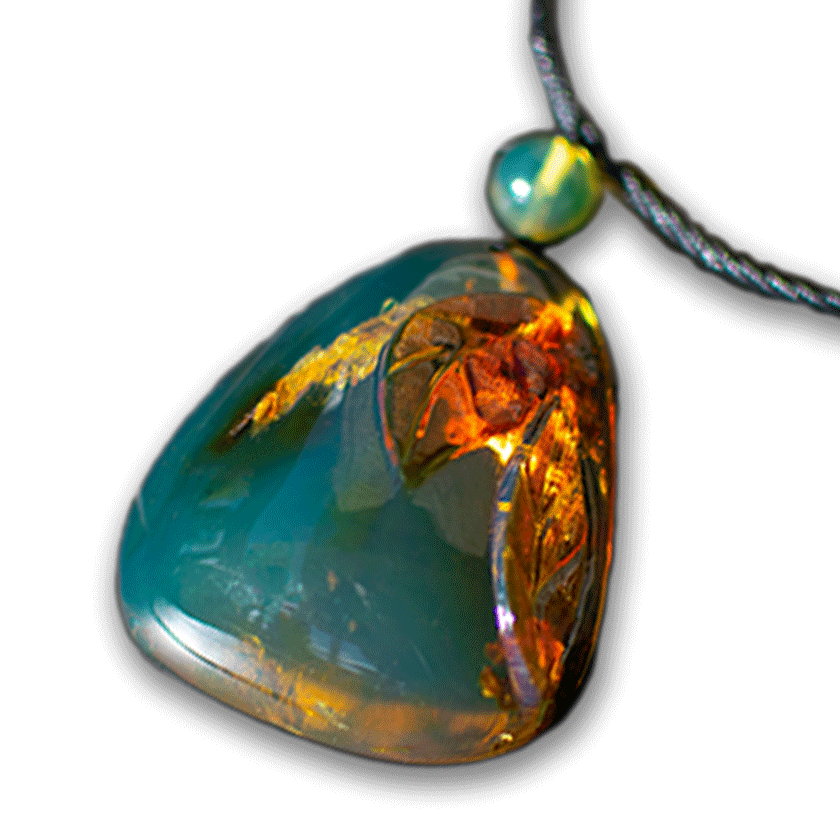
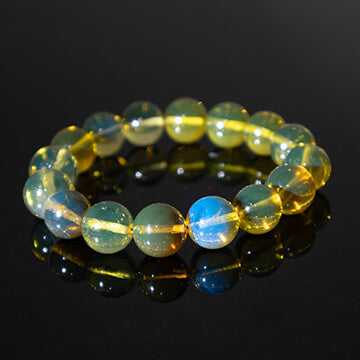
Blue amber does not look identical in every setting. Many pieces appear golden, pale, or warm brown against a light background, then reveal an electric blue glow under sunlight or ultraviolet light. This visual phenomenon is associated with fluorescence and the way light interacts with the amber’s natural structure and compounds. The intensity can vary dramatically from one specimen to another.

A blue effect should never be judged from a single photograph. Background, lighting, camera settings, polish, and the angle of the piece can all change what the eye sees. For a jewelry lover, that variability is part of its charm: each piece has its own Caribbean character, changing gently from day to evening.

Copal can also show attractive colors and may fluoresce, but fluorescence alone does not establish that a piece is ancient amber or confirm a claimed origin. Blue coloration, insect inclusions, and glowing photographs are reasons to ask better questions, not substitutes for authenticated provenance.

Inclusions: Fascinating, but Not Proof of Amber

An insect or leaf trapped in resin is captivating, whether the material is amber or copal. However, an inclusion does not automatically prove great age. Modern and young resin can trap insects as well. In fact, copal may contain insects that look strikingly well preserved because they entered the resin relatively recently.

The scientific significance of an inclusion depends on the resin’s identification, the insect itself, and reliable geological context. In the jewelry market, it is wise to appreciate inclusions for their beauty while remaining cautious about dramatic claims. A very large, perfectly positioned insect can be rare, but it can also be a signal to seek documentation and expert evaluation.

Natural inclusions should be distinguished from added materials, repaired fractures, or manufactured novelty pieces. Reputable sellers describe what is known, avoid overstating certainty, and provide clear information about the stone’s origin and treatment status. This transparency matters especially when a piece is priced as a collectible.

Buying Amber Resin vs Copal With Confidence

Start with honest labeling. If a seller calls a material copal, young resin, resin, or amber-like material, that is useful information, not a flaw. The concern begins when an item is marketed as ancient amber without provenance, especially when its price or story depends on that claim.

Ask where the material came from and whether its origin is documented. Dominican amber, Baltic amber, Mexican amber, and Indonesian copal are examples of names that carry distinct geological and commercial meanings. Origin can help explain expected color, clarity, age, and market value, but the name alone is not certification.

Be cautious with home tests. Online advice often suggests rubbing resin, floating it in saltwater, exposing it to heat, or using chemicals. These methods can be misleading, may harm a finished jewelry piece, and cannot reliably establish age or origin. A hot-needle test is particularly unsuitable for fine jewelry and can permanently damage the surface.

For a valuable piece, the strongest reassurance comes from knowledgeable sourcing, full disclosure, and professional testing when appropriate. Specialists may use infrared spectroscopy and other analytical methods to examine resin composition. Those methods are far more meaningful than a quick social-media test.

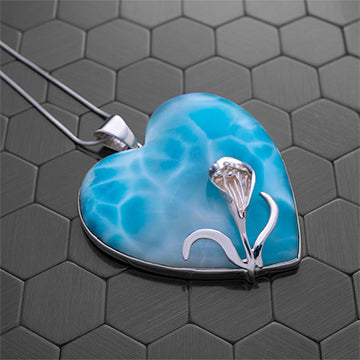
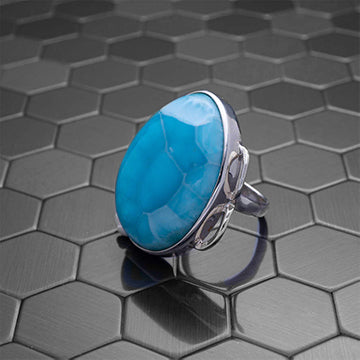
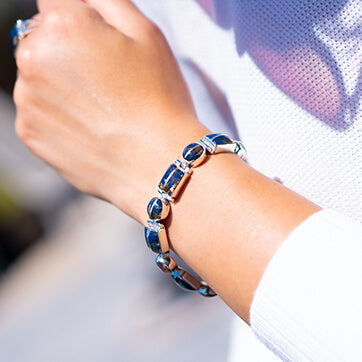
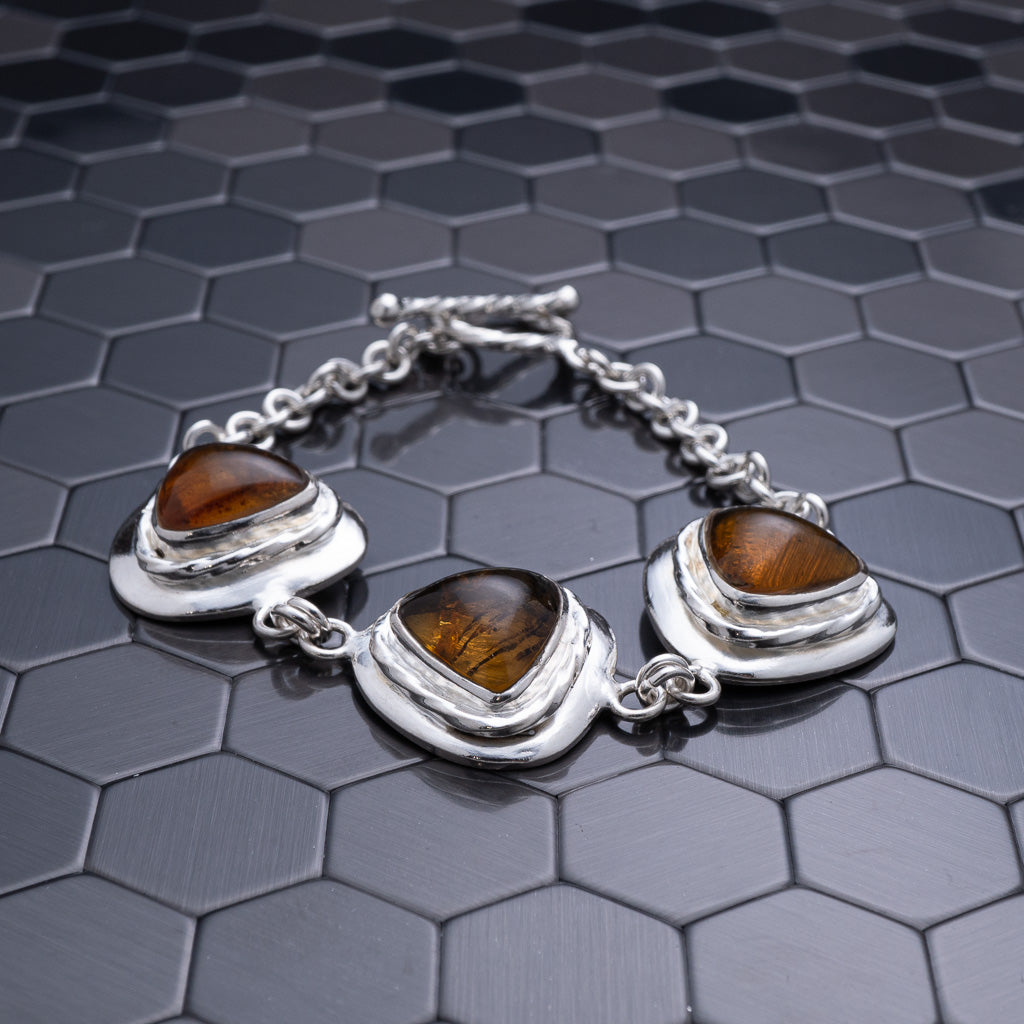
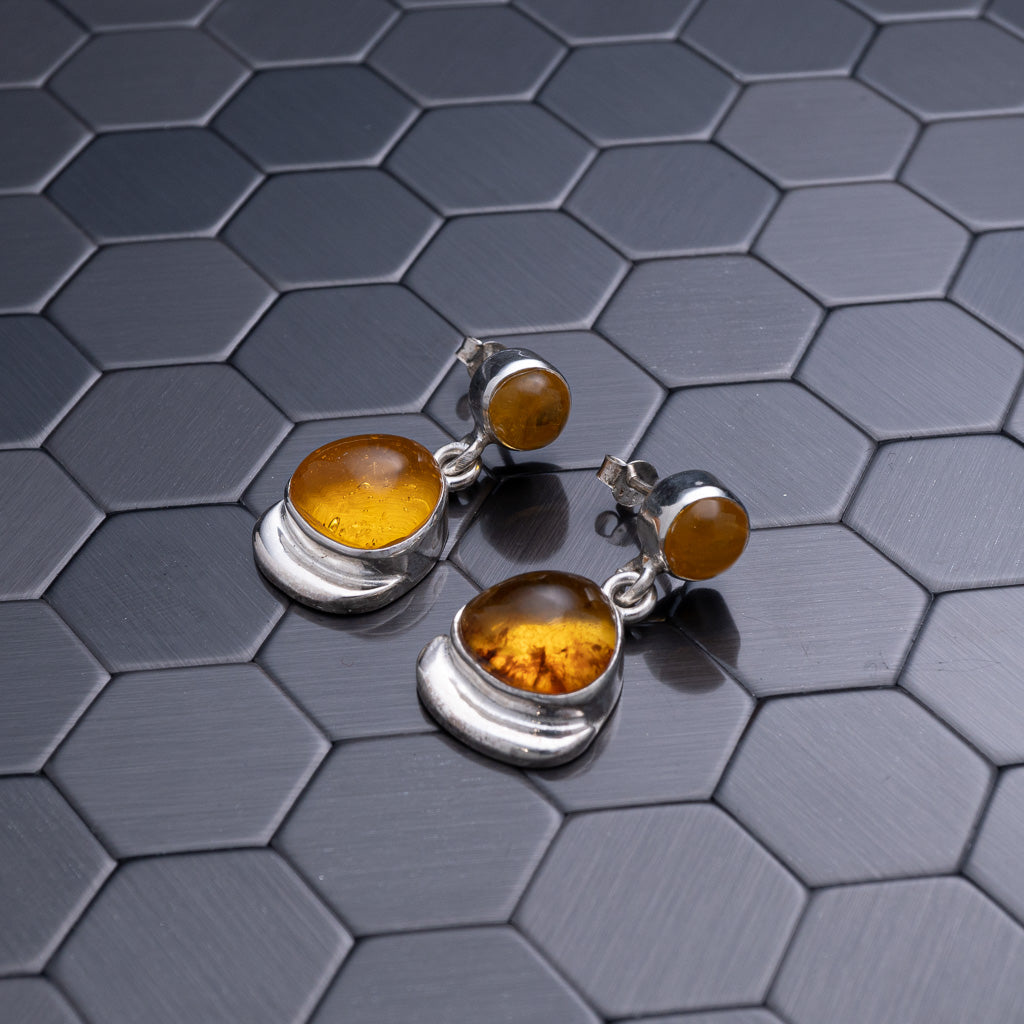
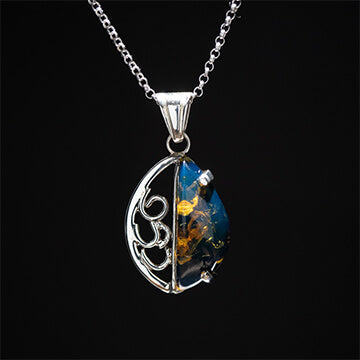
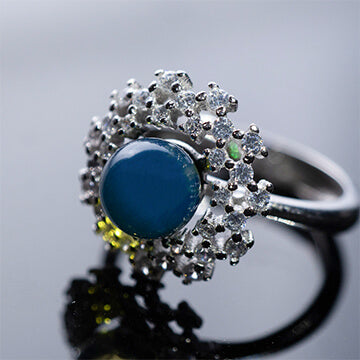
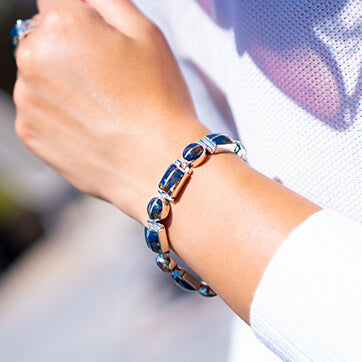
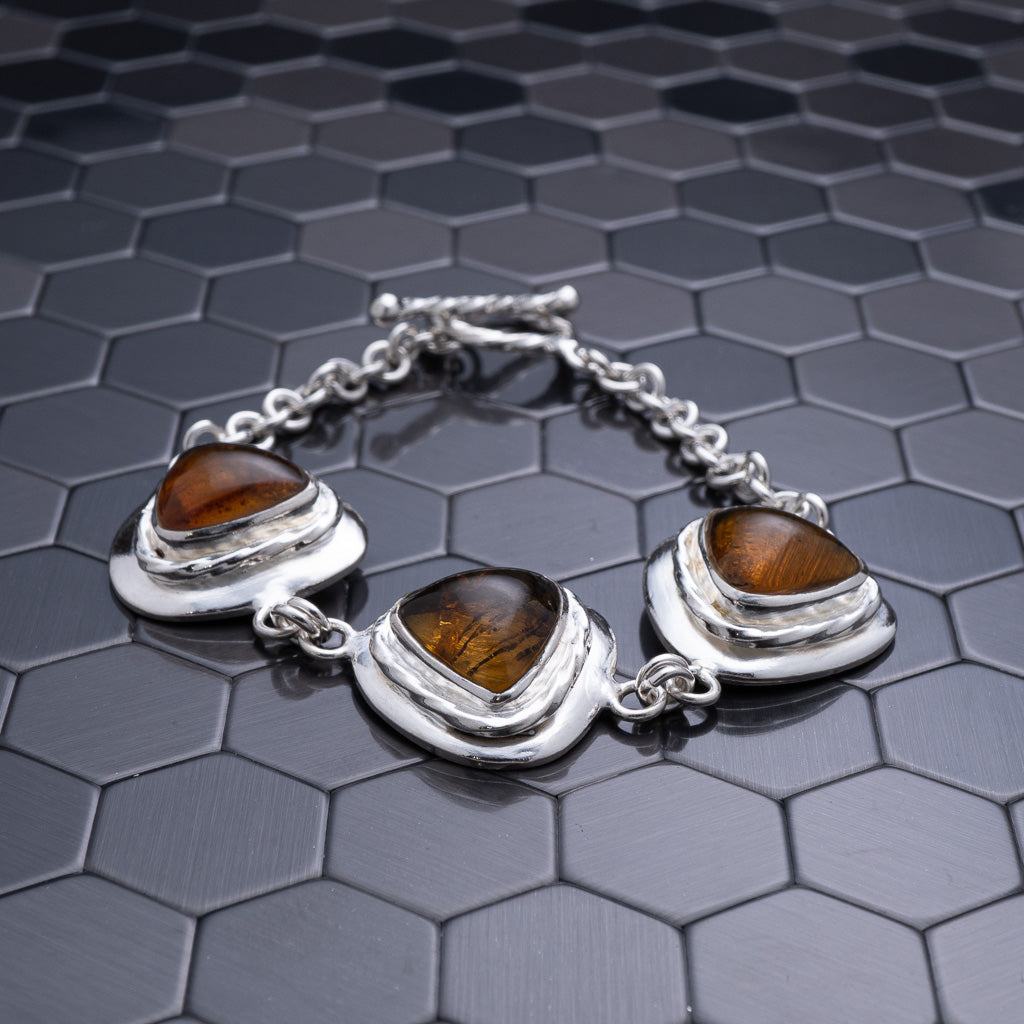
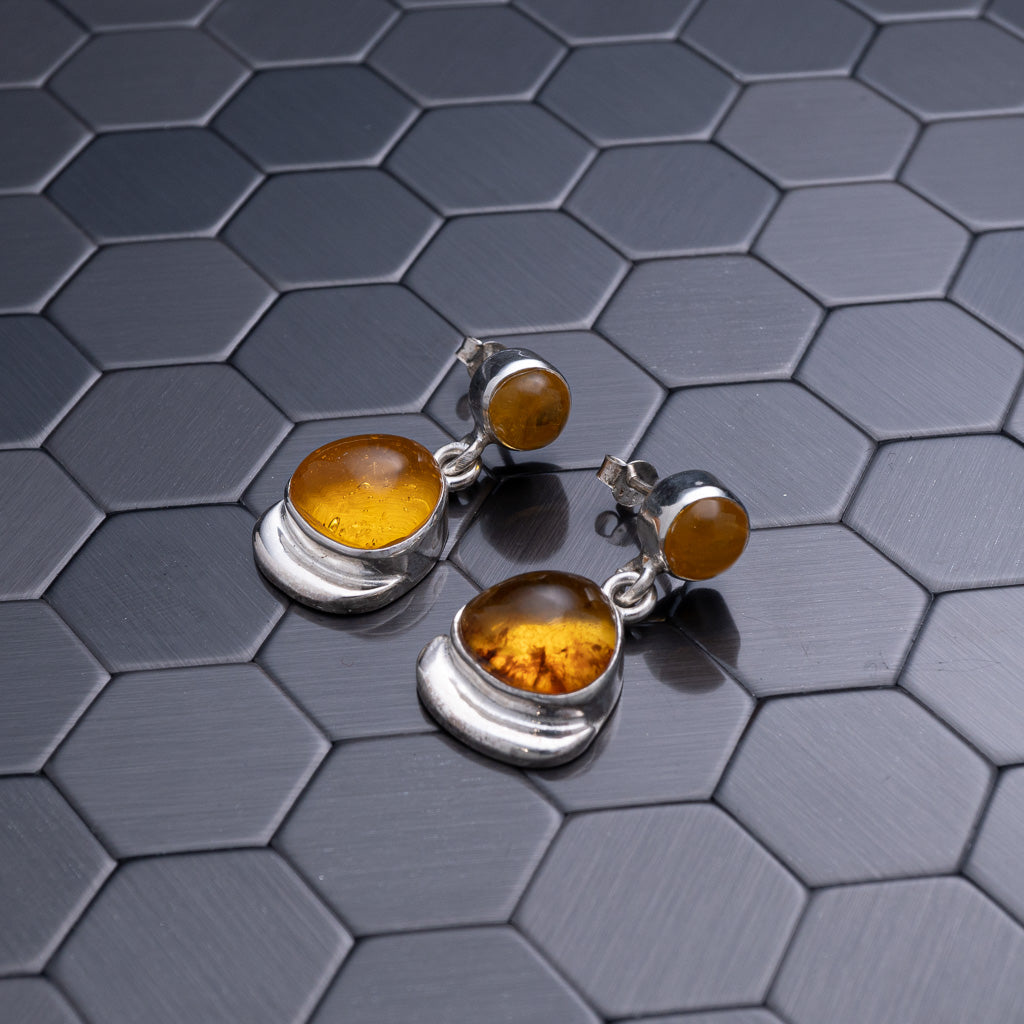
When considering amber jewelry, look closely at craftsmanship as well as the stone. A well-made setting protects the cabochon, supports its natural shape, and allows its color to be seen beautifully. Smooth polish, secure bezels or prongs, balanced proportions, and clear material details are signs that the piece has been made with respect for the gemstone.

Caring for Ancient Resin Jewelry

Amber rewards gentle wear. Store it separately from harder gemstones and metals that could scratch its surface. Clean it with a soft, dry or barely damp cloth, then dry it immediately. Avoid ultrasonic cleaners, steam cleaning, perfume, hairspray, hand sanitizer, harsh household chemicals, and prolonged heat.

Remove amber rings and bracelets before exercise, swimming, gardening, or cleaning. Pendants and earrings are often easier to wear regularly because they receive less impact, though they still should be protected from sprays and direct heat. Copal requires even greater caution, as its younger resin structure can be especially sensitive.

The most meaningful amber piece is not simply a golden accessory. It is a preserved fragment of an ancient forest, shaped by nature and finished by hand. Choose a material whose story is clearly told, then wear that piece of the Caribbean with the care its remarkable journey deserves.


Let's Stay In Touch