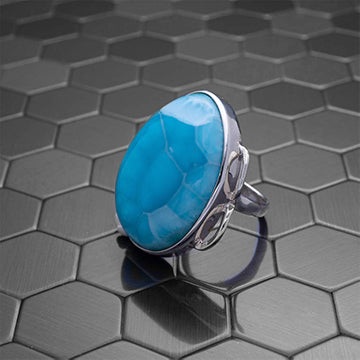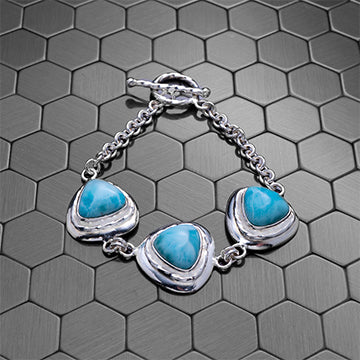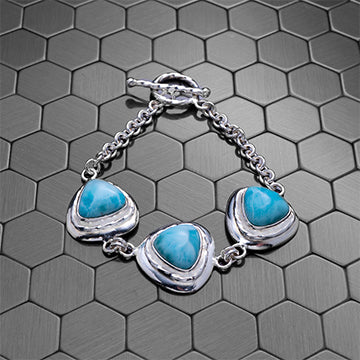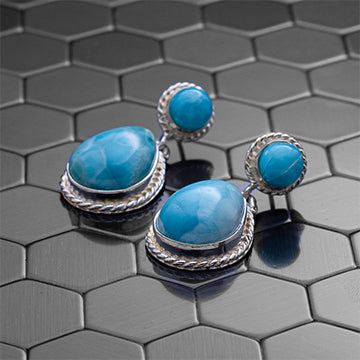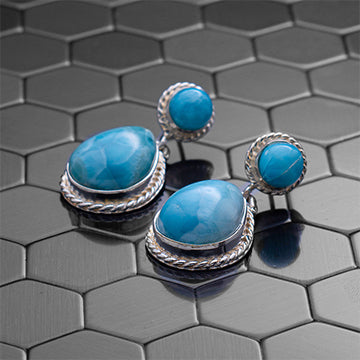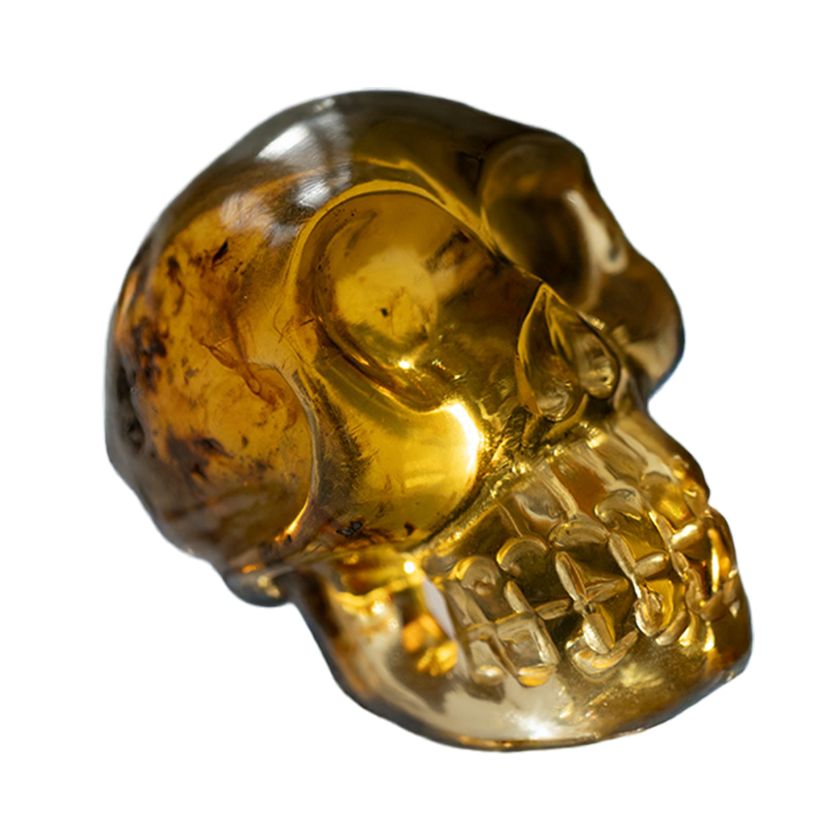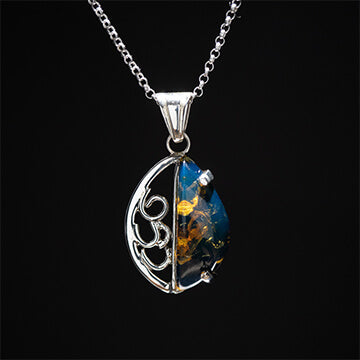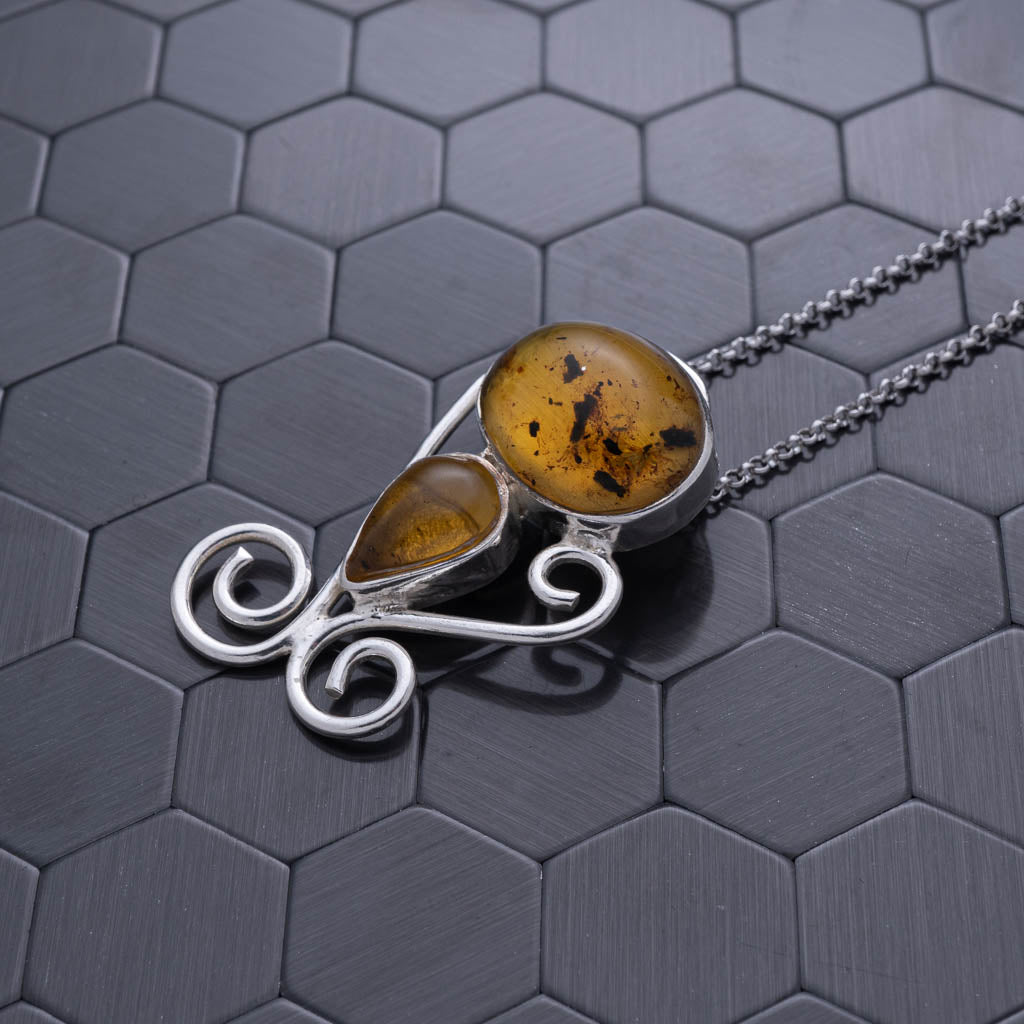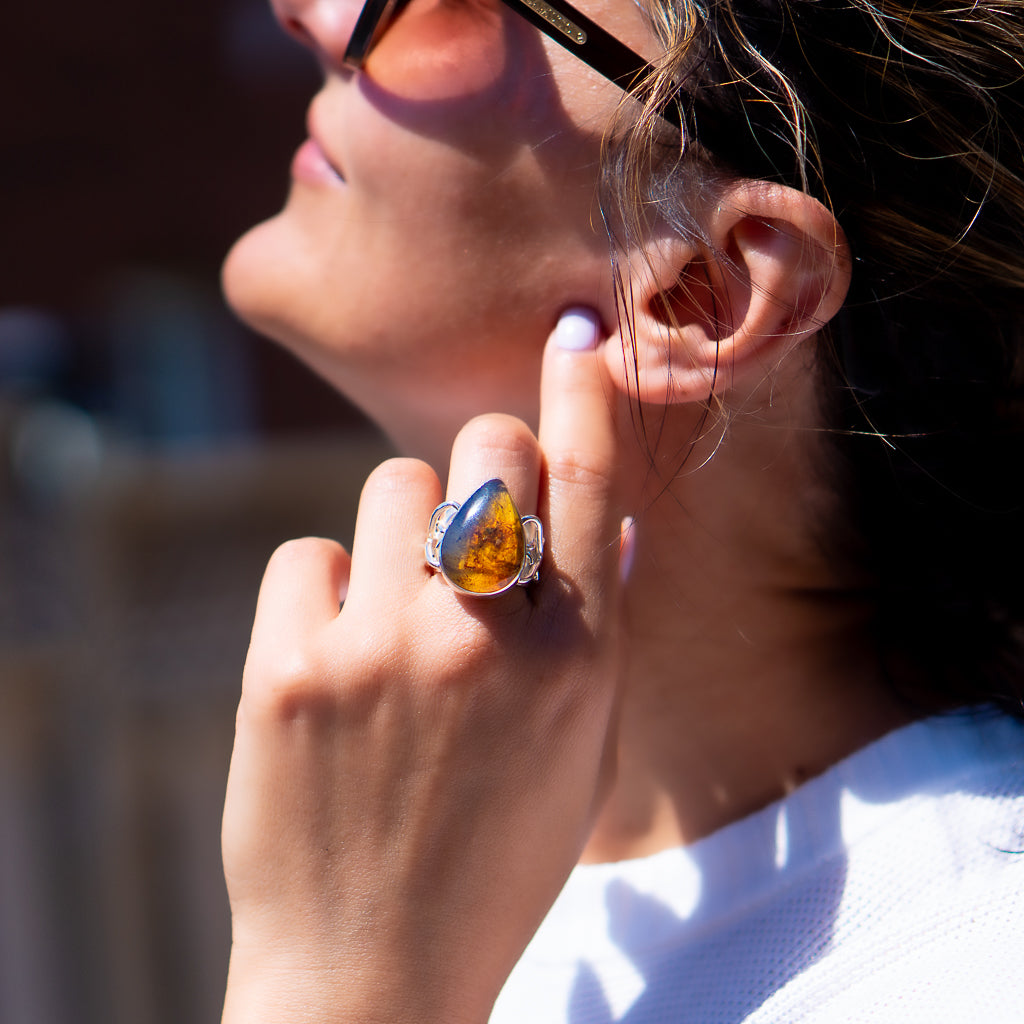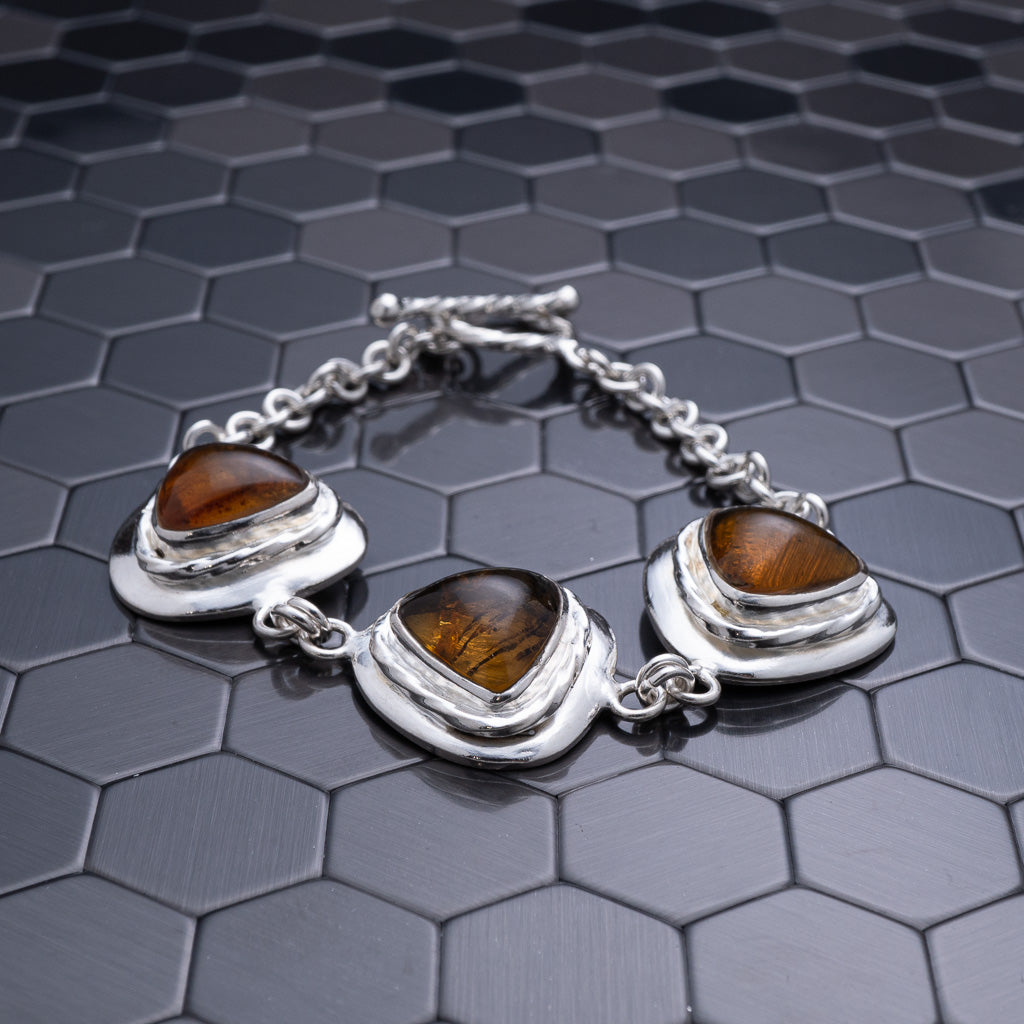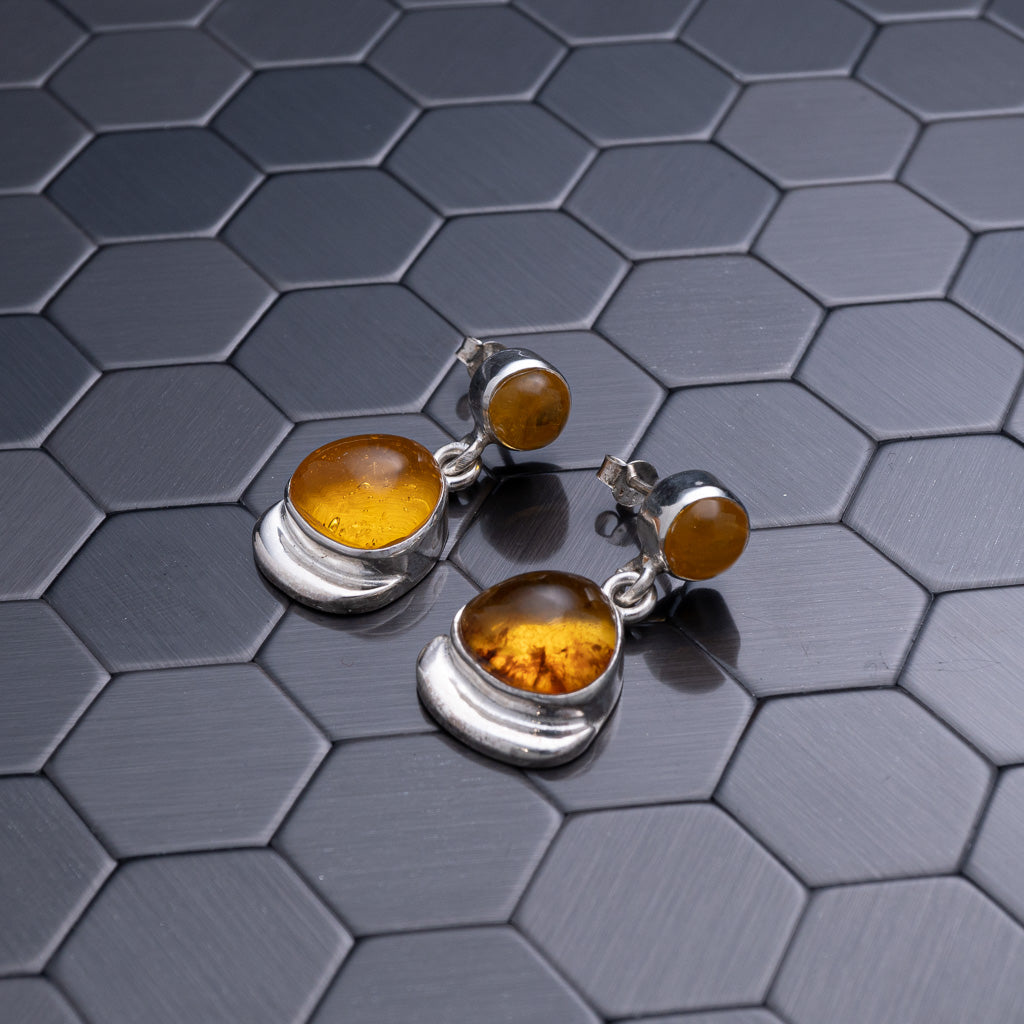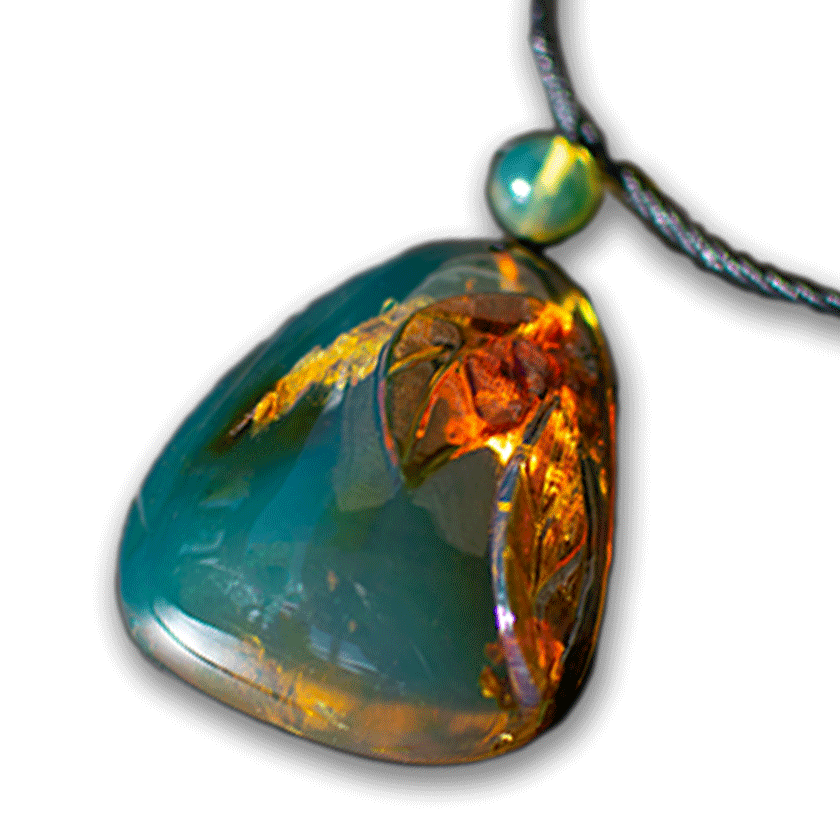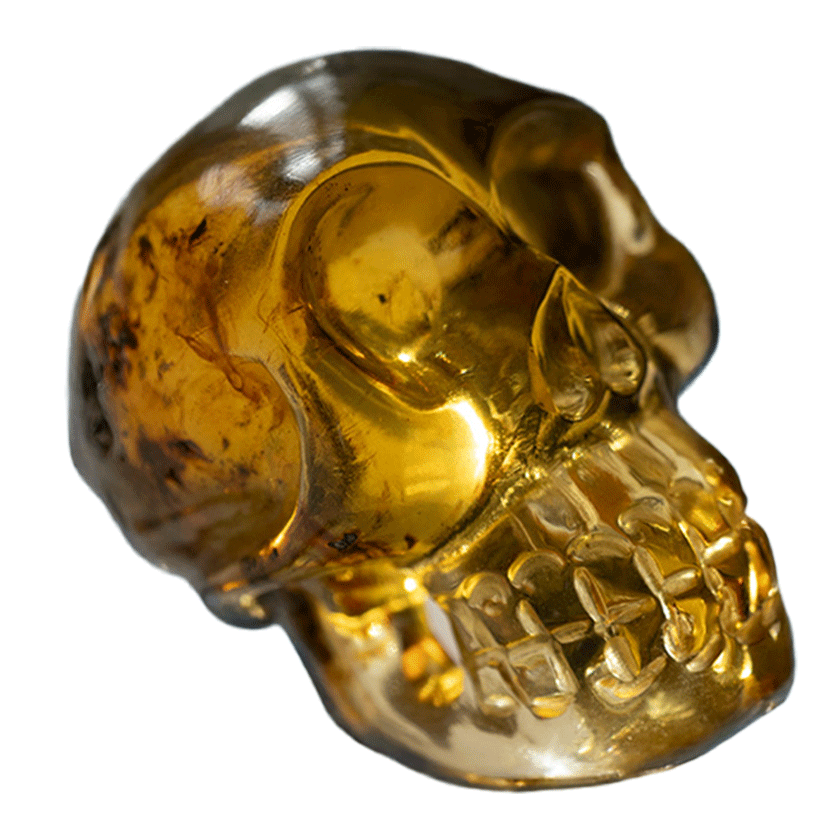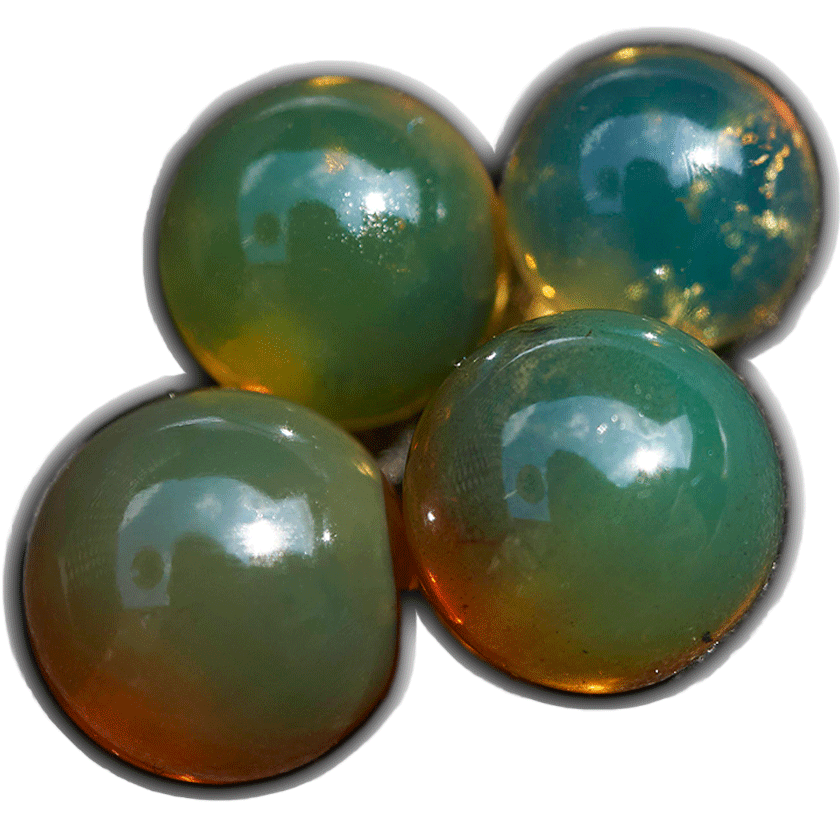





Handcrafted in DR.

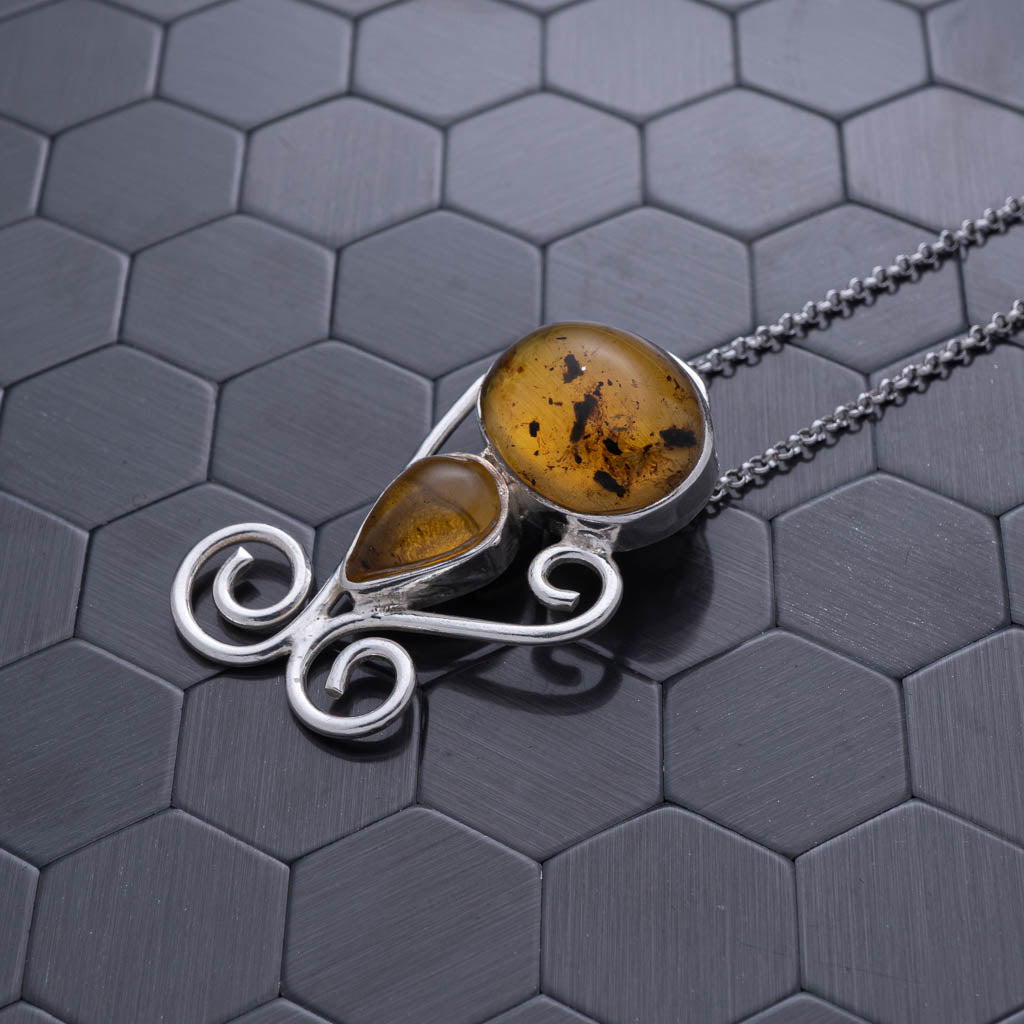
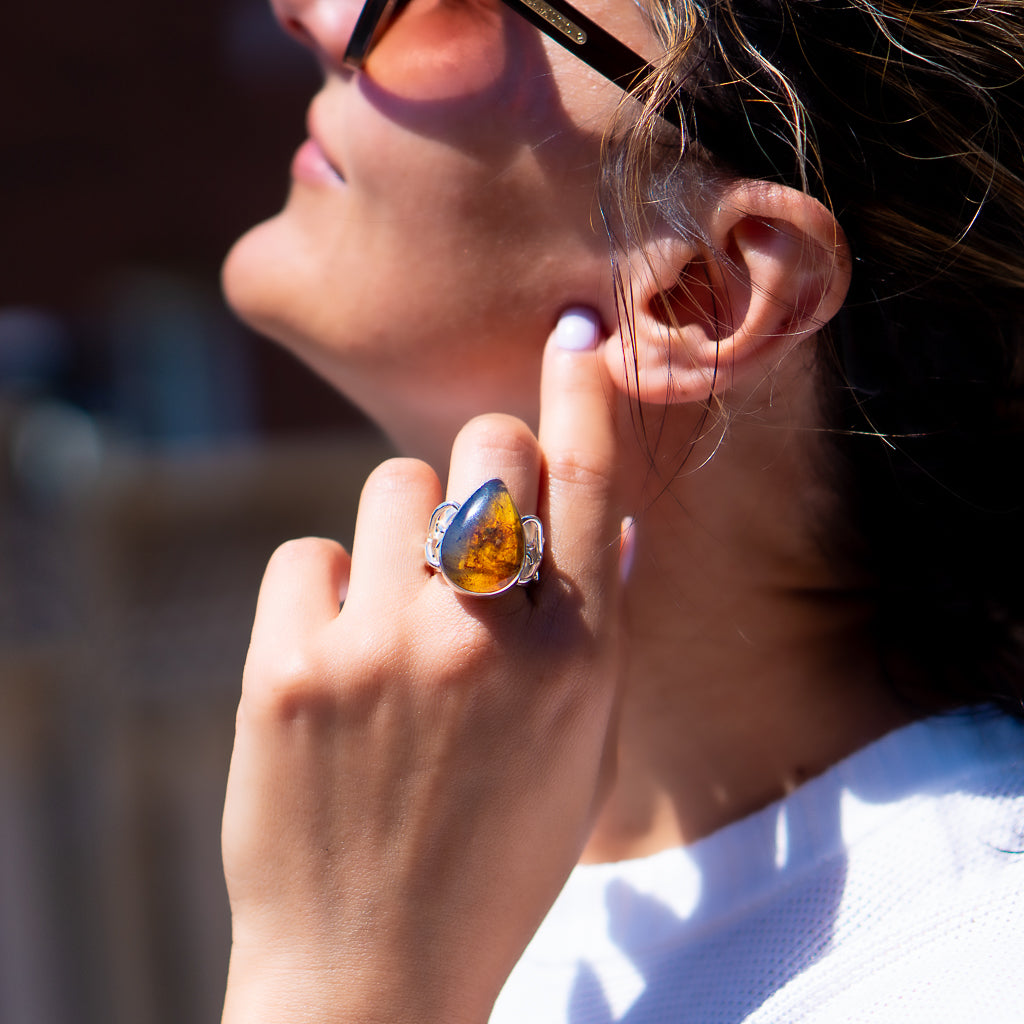
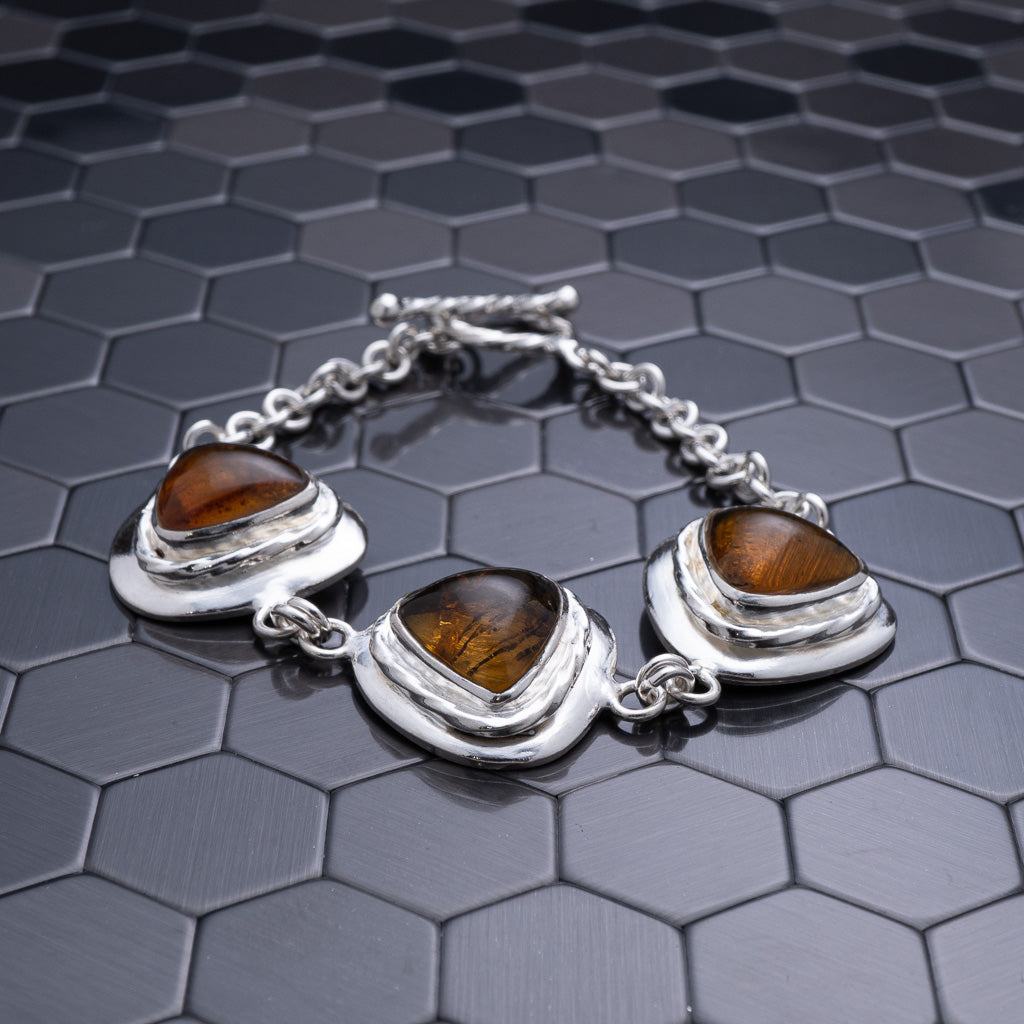
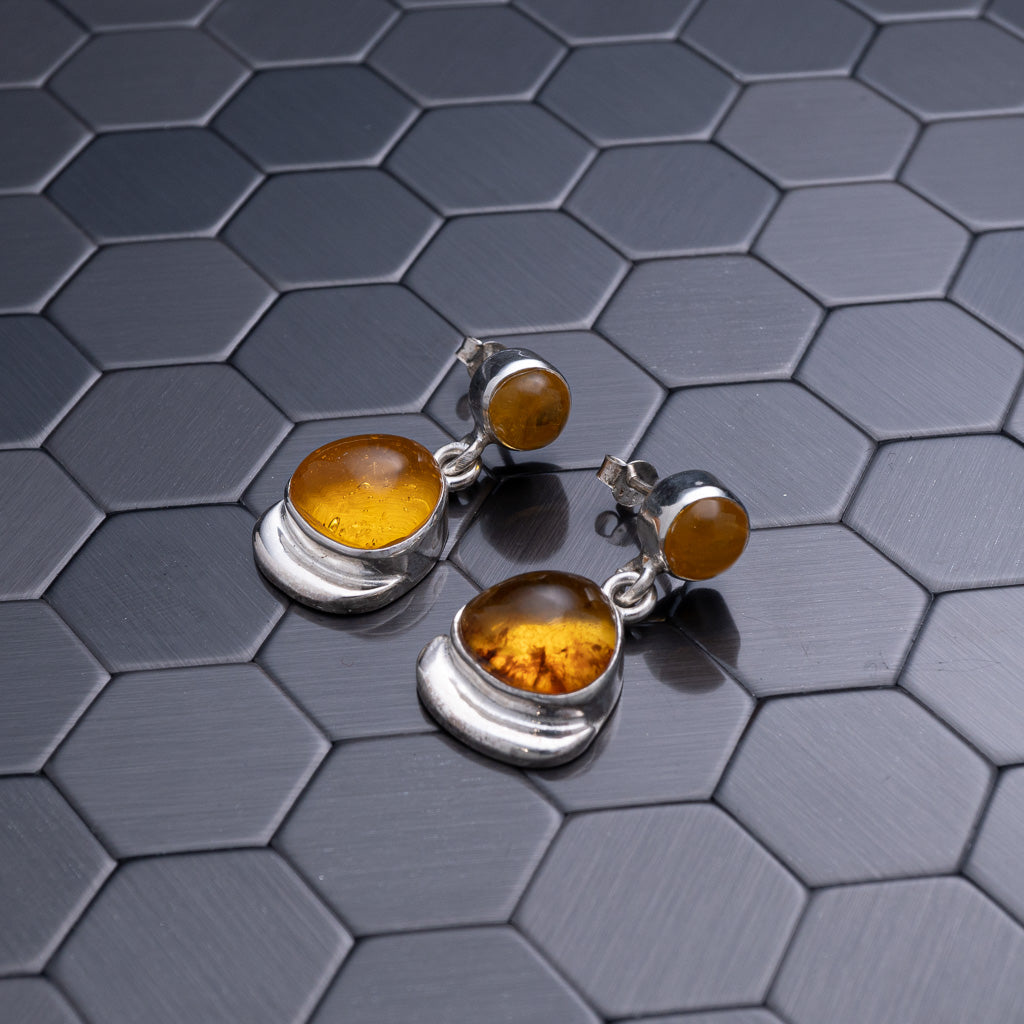


100% Handcrafted in DR.

Have you ever wondered what makes the world’s rarest blue gemstone so captivating? Larimar isn’t just beautiful, it’s a story written in stone, formed over millions of years in the Dominican Republic.
This guide is your roadmap to mastering artisan larimar production in 2025. Whether you’re just curious or ready to get your hands dirty, you’ll find expert advice and actionable steps to start your journey.
We’ll explore where Larimar comes from, the tools you’ll need, how to source it responsibly, and the techniques that turn raw stone into wearable art. Ready to dive in? Let’s unlock the secrets together.
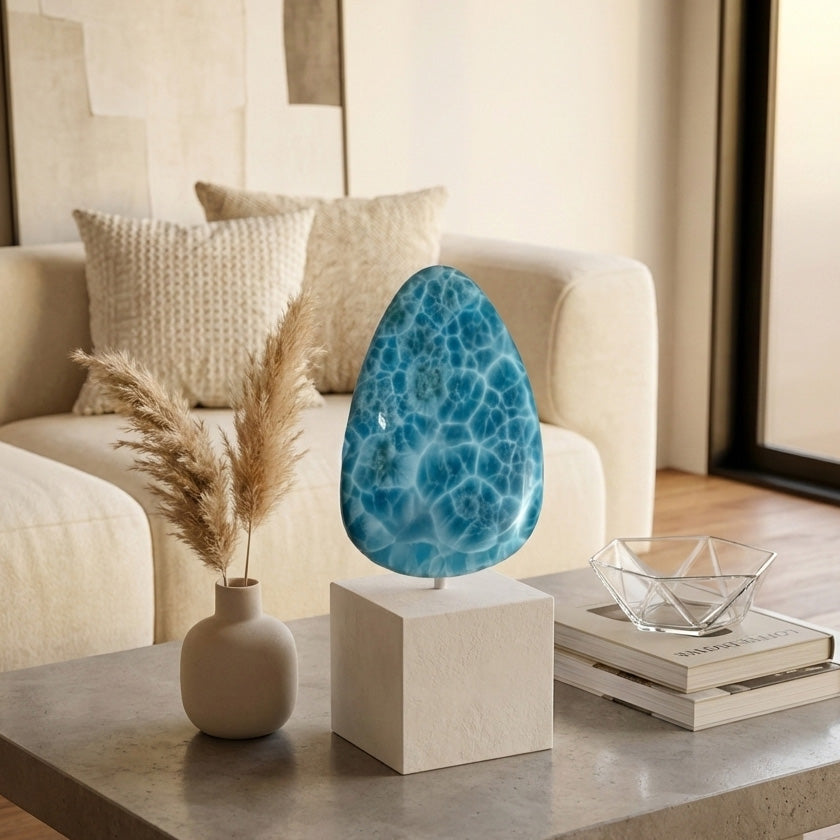
Larimar isn’t just rare, it’s almost mythical. Discovered in the Dominican Republic in 1974, this blue gemstone forms deep underground, where ancient volcanic activity and copper inclusions blend to create its striking hues. The result? A stone that looks like a slice of Caribbean sky.
What makes Larimar truly special is its exclusivity. It’s found in only one remote region on Earth, which means every piece is limited by nature itself. That scarcity has driven demand and value up, with prices rising by 20 percent from 2020 to 2024.
Larimar carries deep meaning in Dominican culture, symbolizing tranquility and connection to the sea. Globally, it’s a favorite in artisan larimar production and a staple in high-end jewelry. If you’re curious about the symbolism and color variations, you can dig deeper with this Larimar Gemstone Meaning and Colors guide.
Physically, Larimar sits at 4.5 to 5 on the Mohs hardness scale. Its colors range from deep blue to pale turquoise, often marbled with white or greenish streaks. Collectors chase after pieces with vivid color and dramatic patterns, like those seen in high-profile auctions.
All these factors make Larimar a prized choice for both artisans and investors. Genuine stones offer a blend of beauty and rarity that’s hard to match, which is exactly why mastering artisan larimar production is so rewarding.
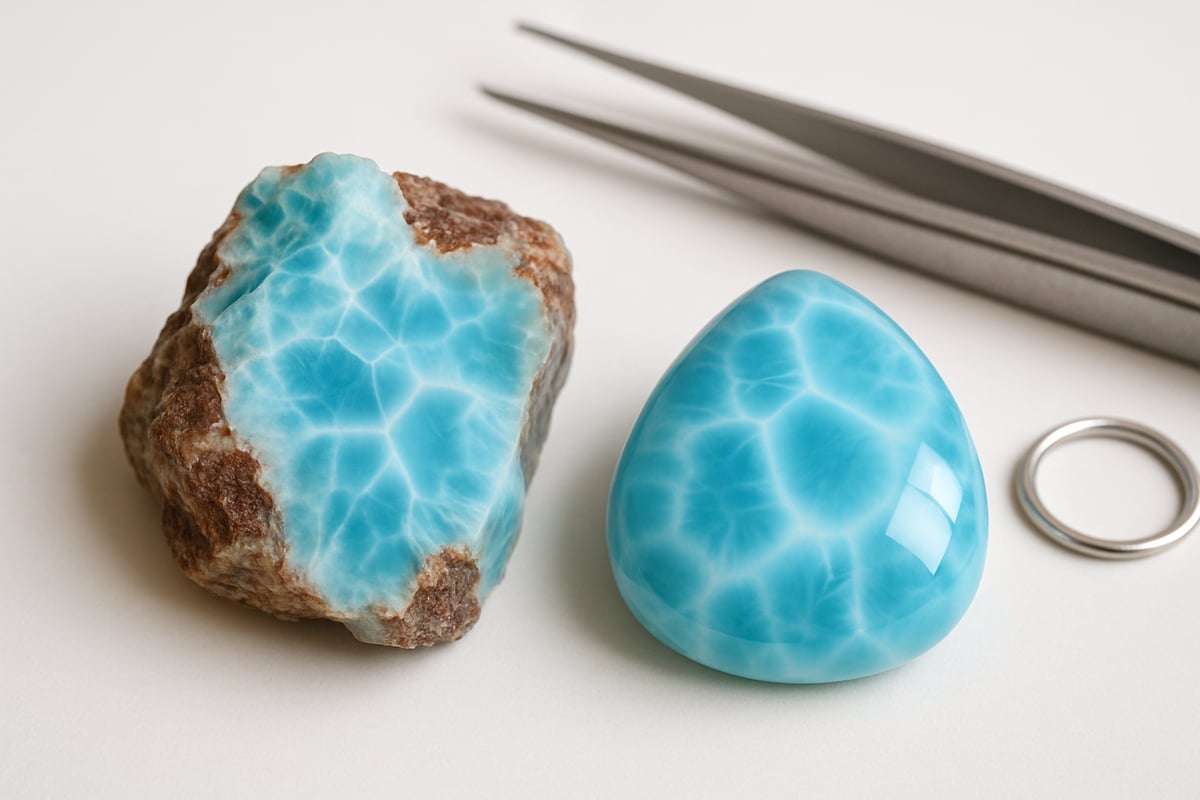
If you want to excel in artisan larimar production, sourcing top-notch, ethically mined Larimar is non-negotiable. In 2025, most Larimar still comes from Barahona, Dominican Republic, where miners are shifting to small-scale, sustainable operations. These changes protect the land and ensure fair pay for local workers.
Ethical sourcing is more than a buzzword. It means every piece of Larimar in your hands can be traced, mined responsibly, and supports positive community impact. When you vet suppliers, look for transparency about where and how stones are extracted. Red flags? Vague origins, suspiciously low prices, or a reluctance to share labor practices.
Spotting genuine Larimar is a must for artisan larimar production. Check for vibrant blue hues, natural white streaks, and unique matrix patterns. Many fakes flood the market, so it helps to consult resources like the Larimar 101: Authenticity and Buying Guide to sharpen your eye.
Certifications are your friend. In 2025, look for third-party seals that confirm both authenticity and ethical sourcing. These might include provenance documents or eco-mining badges. Prices for quality raw Larimar have climbed, so be prepared to invest more, especially for stones with strong color and minimal fractures.
Take the example of a Barahona mine that adopted solar-powered tools and fair-trade wages. Their stones fetch higher prices and are in demand among artisans who value credibility. The bottom line? As buyers demand ethical stones, your reputation in artisan larimar production depends on the choices you make at the source.
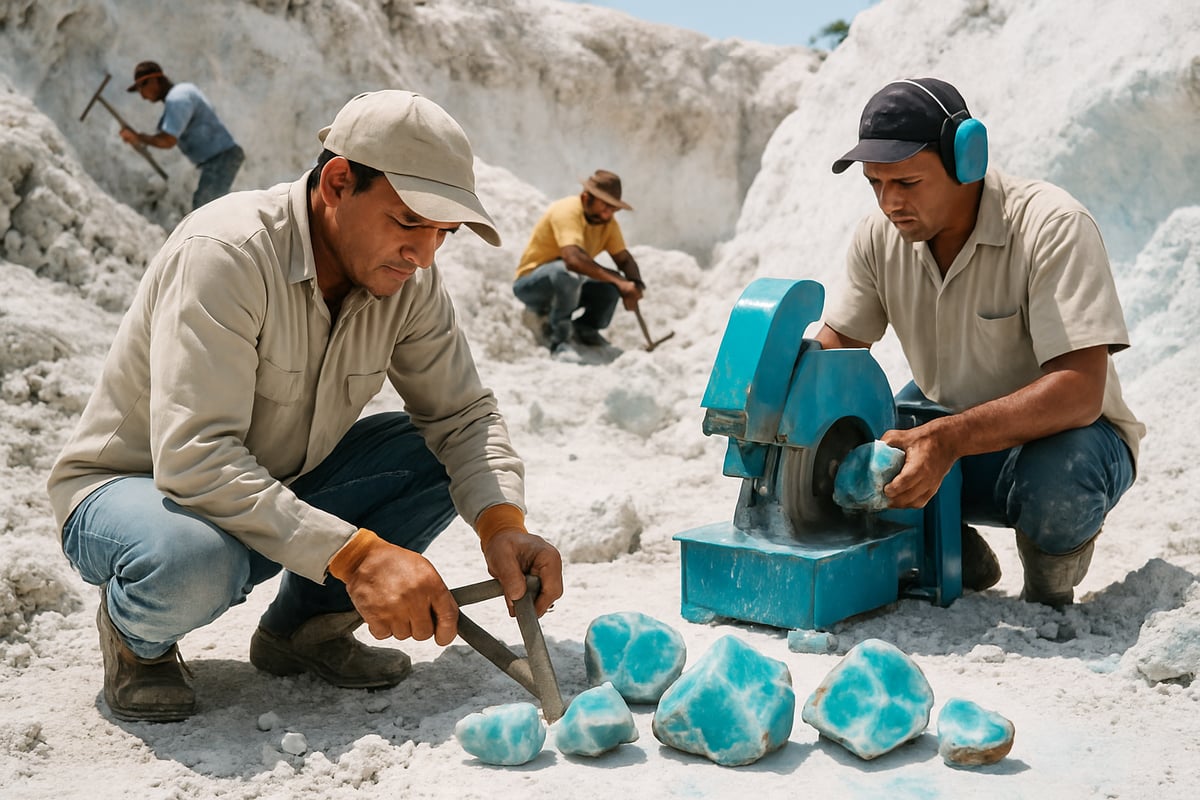
Getting started with artisan larimar production means setting up your workspace with the right tools. The right setup matters as much as your skill, and it can make or break the quality of your finished pieces.
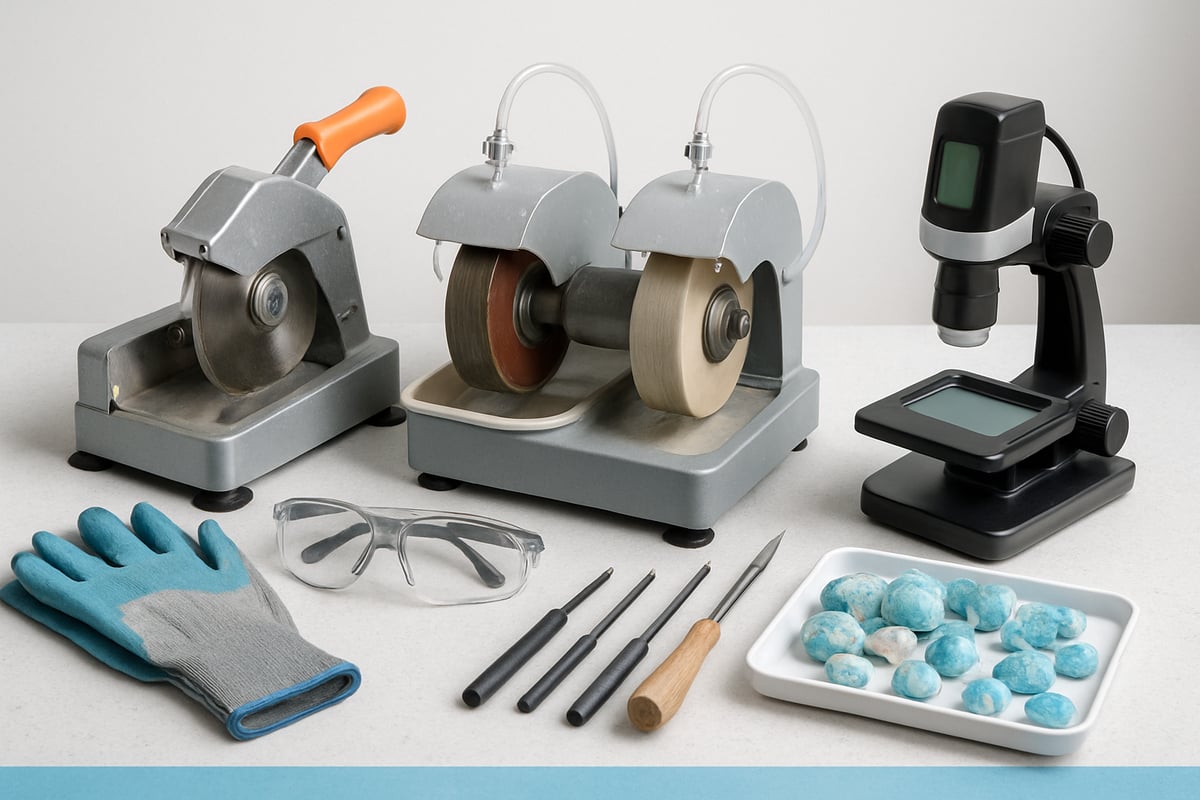
For artisan larimar production, your toolkit starts with diamond saws for slicing rough stones. Grinding wheels shape and smooth, while polishing machines bring out that signature Larimar shine. Hand tools—like files, tweezers, and carving bits—let you fine-tune every detail.
A smart workspace setup is crucial. Good ventilation keeps dust at bay, and dust collectors help protect your lungs. Ergonomic benches and chairs reduce fatigue, letting you focus on the craft instead of your back pain.
Keep tools organized and surfaces clutter-free. Safety gear—goggles, gloves, dust masks—should always be within reach.
In 2025, artisan larimar production has embraced water-cooled saws and grinders. This tech keeps Larimar from overheating, preserving its color. Digital design tools let you plan complex shapes or custom orders before you ever touch the stone.
A professional setup means some upfront investment. Expect to spend $2,000–$5,000 for quality equipment. Maintenance—like cleaning saw blades and checking coolant—extends tool life.
You can source specialized tools from trusted lapidary suppliers. Many artisans find recommendations in online forums or through guides like this Guide to Larimar Jewelry Production.
| Toolkit Type | Key Tools | Technology | Typical Cost |
|---|---|---|---|
| Traditional | Hand saws, files, sandpaper | Manual only | $500–$1,000 |
| Modern (2025) | Diamond saws, water-cooled grinders, digital design tools | Water cooling, digital planning | $2,000–$5,000 |
Upgrading your tools and workspace in artisan larimar production pays off. It boosts efficiency, improves the finish, and keeps you competitive. Mastery starts with the right foundation.
Turning raw Larimar into a finished gem feels a bit like coaxing a secret from stone. Each step, from the first inspection to the final polish, shapes both the material and your skills. Let’s walk through the artisan larimar production process, breaking it down so you can see the transformation up close.
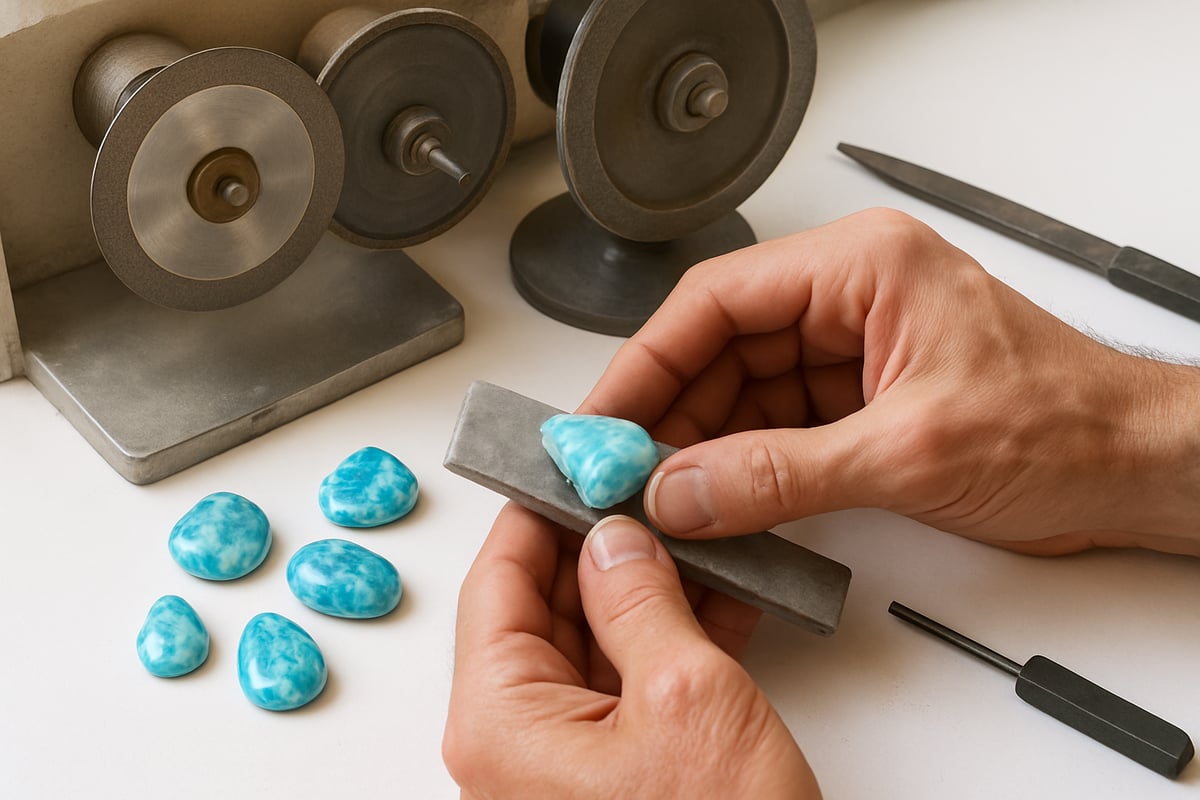
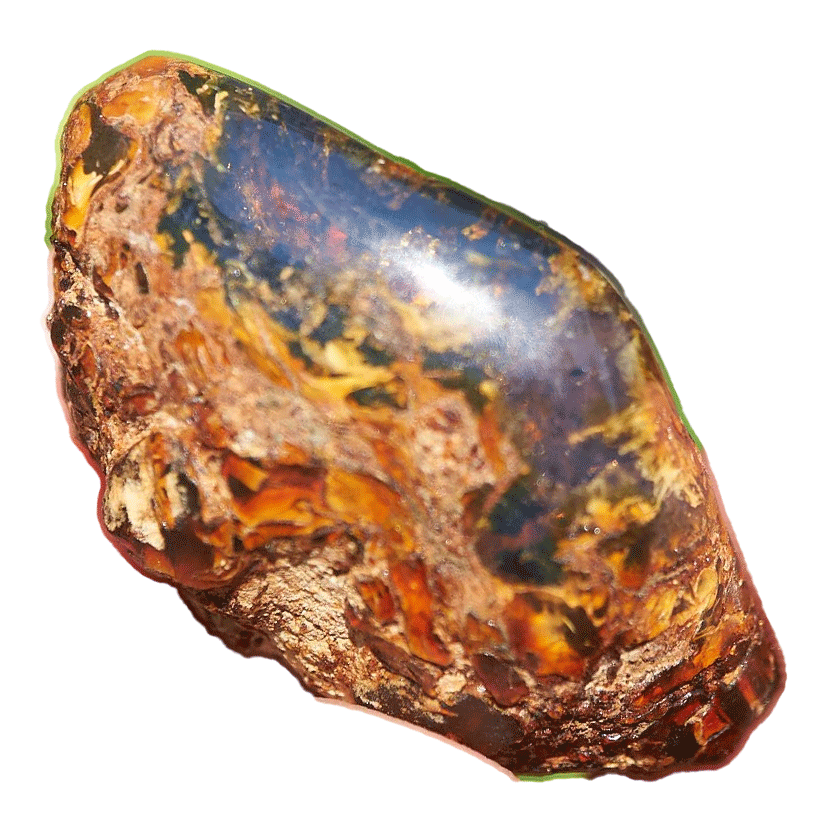
Every great piece starts with a sharp eye. In artisan larimar production, you want to spot stones with deep blue color, minimal fractures, and interesting patterns. A quick visual inspection helps you avoid wasting time on low-quality pieces.
Next, mark out the best sections for cutting. Use a pencil or marker to outline shapes that maximize usable material. Pre-cutting the stone with a diamond saw ensures you save the most beautiful areas.
Before moving on, clean the stone with water and a soft brush to remove dirt and reveal its true color. For a deeper dive into Larimar’s background and what to look for, check out this About Larimar: Stone Overview. Proper prep here sets the stage for a stunning result.
Once your stone is ready, it’s time to shape its character. In artisan larimar production, you’ll start with a diamond saw for rough cuts, then switch to grinding wheels. These tools help you form cabochons, freeform shapes, or whatever style you want.
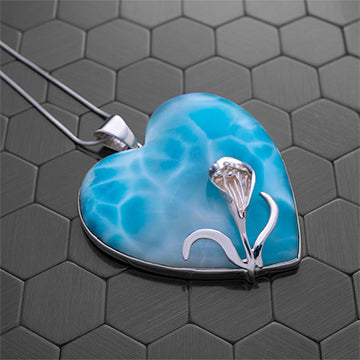
Carving comes next. Hand tools and rotary devices let you add detailed designs or custom touches. Think of popular shapes in 2025—hearts, teardrops, and abstract forms are all the rage.
Don’t rush this stage. The more skillful your shaping, the more the Larimar’s natural beauty stands out. Each cut and curve adds uniqueness that collectors crave.
Now comes the part where the stone really shines. Sanding uses progressively finer grits to smooth out rough edges and refine the contours. In artisan larimar production, patience is key—work through each grit to get a flawless surface.
Next, polish with felt wheels and a dab of cerium oxide. This brings out the high-gloss finish that makes Larimar so captivating. Always use water cooling to prevent heat damage, which can dull the color or cause cracks.
The transformation from a cloudy stone to a mirror-bright gem is dramatic. A well-polished Larimar commands higher prices and instantly grabs attention.
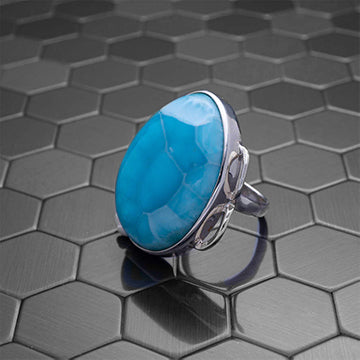
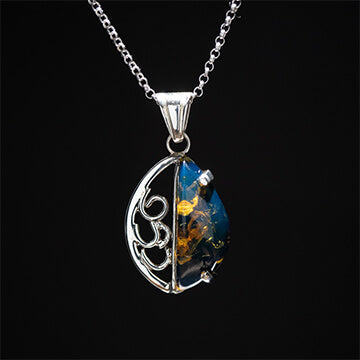
The last step in artisan larimar production is turning your finished stone into wearable art. Choose a setting style—bezel, prong, or something custom—to match the stone’s shape and durability needs.
Many artisans now prefer recycled silver or gold for both style and sustainability. Design trends in 2025 favor minimalist and bohemian looks, but bold statement pieces are also popular.
Secure the stone with strong adhesives or by soldering settings. Top-selling Larimar jewelry this year mixes classic craftsmanship with modern flair. Creative settings help your work stand out and appeal to today’s buyers.
Mastering quality control is what sets true artisan larimar production apart from the rest. Every piece gets a close look under bright lights, checking for cracks, clean color, and a glassy polish. Even a tiny flaw can lower value, so attention here is everything.
Testing authenticity is next. Tools like UV lights and simple hardness tests help spot fakes, but documentation is just as important. If you want to be sure your Larimar is the real deal, check out this guide on identifying fake and unethically sourced Larimar. It’s packed with tips that even seasoned artisans use.
Here’s what a quality checklist might look like:
If a flaw slips through, repairs come first, not sales. This is where artisan larimar production earns its reputation—by fixing chips or re-polishing before anything leaves the studio. Branding is the final step: add your maker’s mark and include certificates of authenticity. For more on what to look for, the ethical gemstone certifications resource is a smart read.
In 2025, buyers expect more than beauty—they want proof of quality and ethical sourcing. Rigorous quality control not only protects your name but turns first-time buyers into loyal fans.
Staying on top in artisan larimar production means always looking for the next big thing. In 2025, the best artisans are pushing boundaries with new ideas and smart strategies.
Design innovation is front and center:
Digital marketing is huge for artisan larimar production now. Social media and e-commerce platforms help artisans reach buyers around the world. Sharing behind-the-scenes videos or hosting virtual trunk shows can build a loyal fanbase.
Customization is another big trend. More buyers want pieces made just for them. Offering bespoke designs or engraving adds a personal touch that sets your work apart.
Eco-friendly practices matter more than ever. Using recycled metals and sustainable packaging is quickly becoming the norm. For inspiration and guidance, check out this Ethical sourcing of Larimar gemstones resource on sustainable mining and responsible sourcing.
Don’t forget the power of community. Joining artisan forums or local groups helps you stay sharp, swap tips, and find support. Many top artisans credit their success to learning from peers and sharing what works.
In short, keeping your finger on the pulse of design, marketing, and sustainability is the secret to long-term success in artisan larimar production. Those who adapt are the ones setting trends, not just following them.
Now that you know what goes into mastering Larimar artistry—from picking the right raw stone to perfecting each piece—it’s easy to see why these gems make such thoughtful gifts. If you want to share a bit of that serenity with someone special (or treat yourself to something rare), you don’t have to be an artisan. You can bring home a handcrafted piece that captures all the beauty and care we’ve talked about. Find the one that speaks to you and enjoy worldwide delivery—shop unique pendants here: Find the Perfect Gift of Serenity – Shop Larimar Pendants with Free Worldwide Delivery