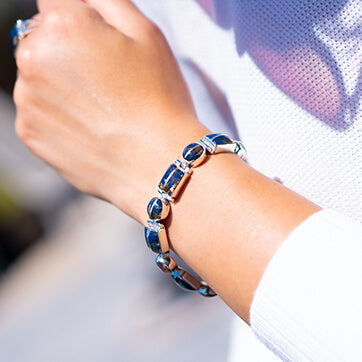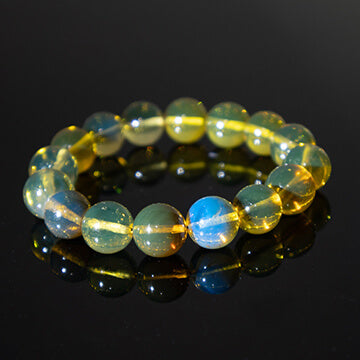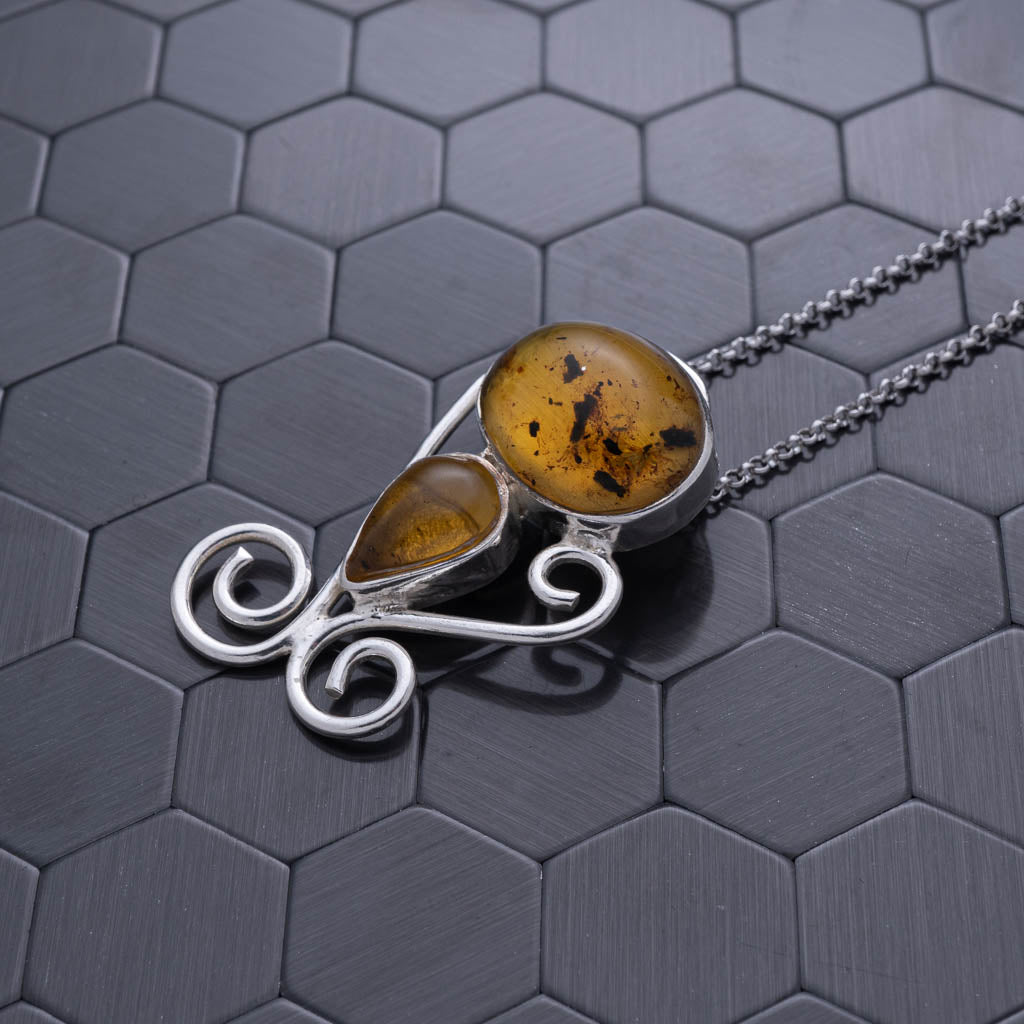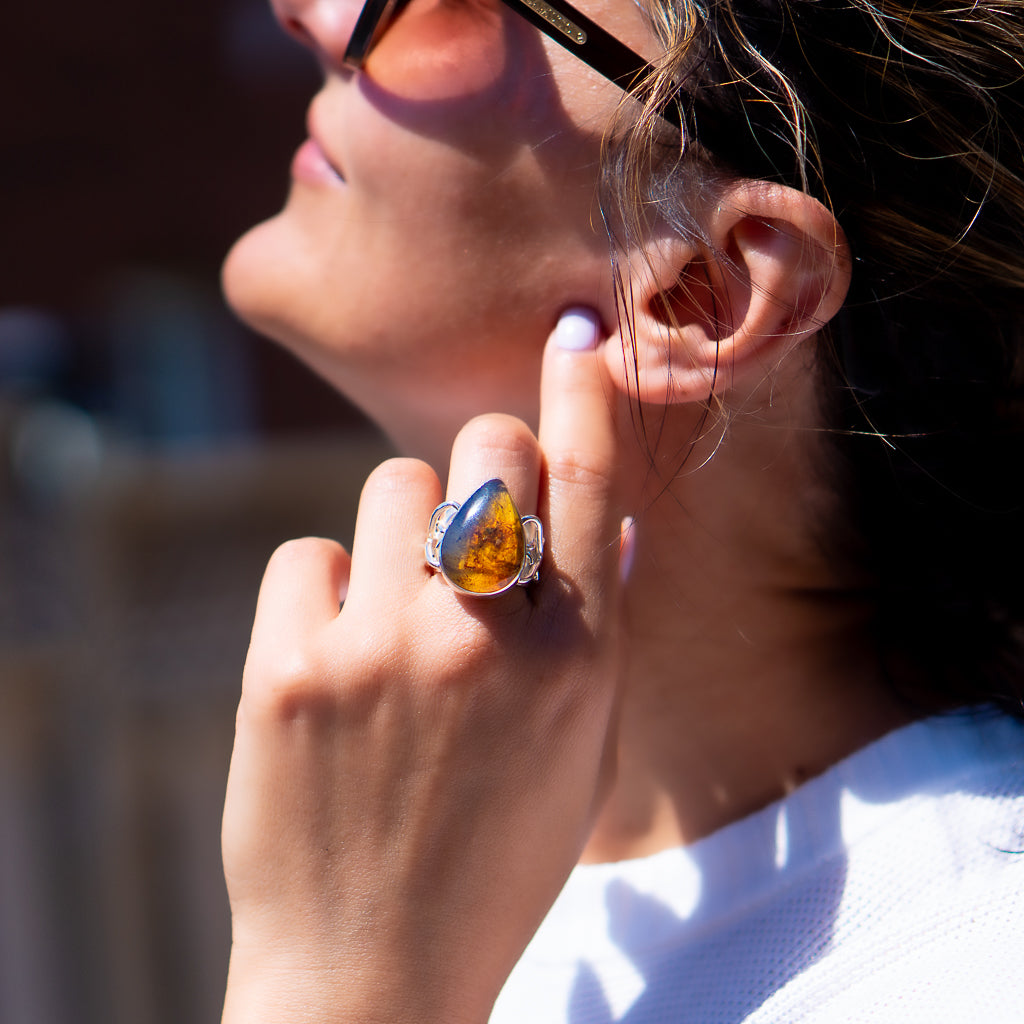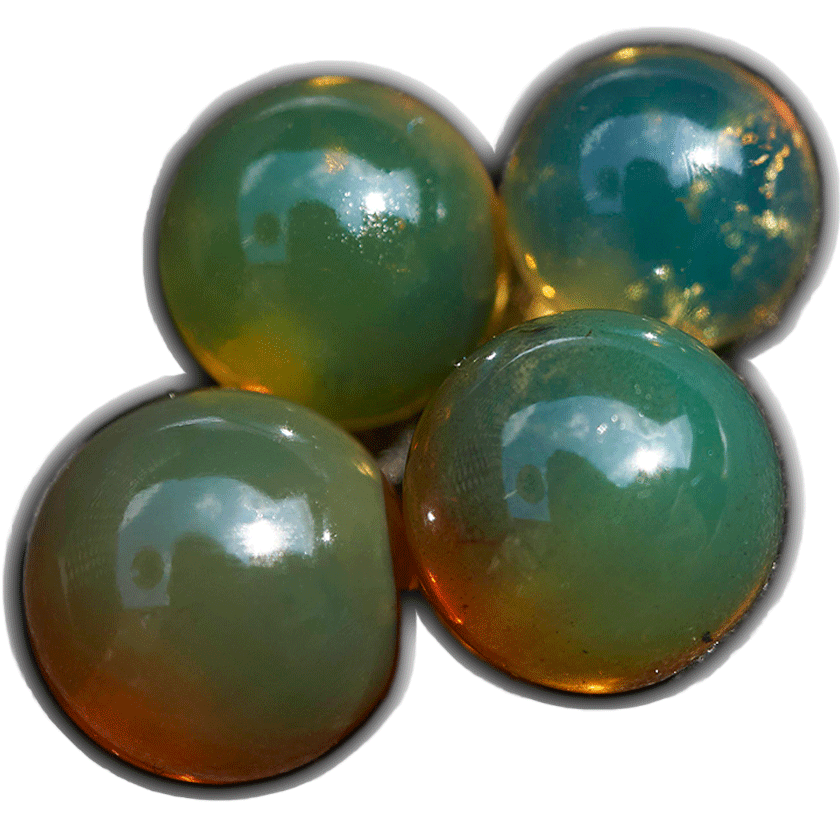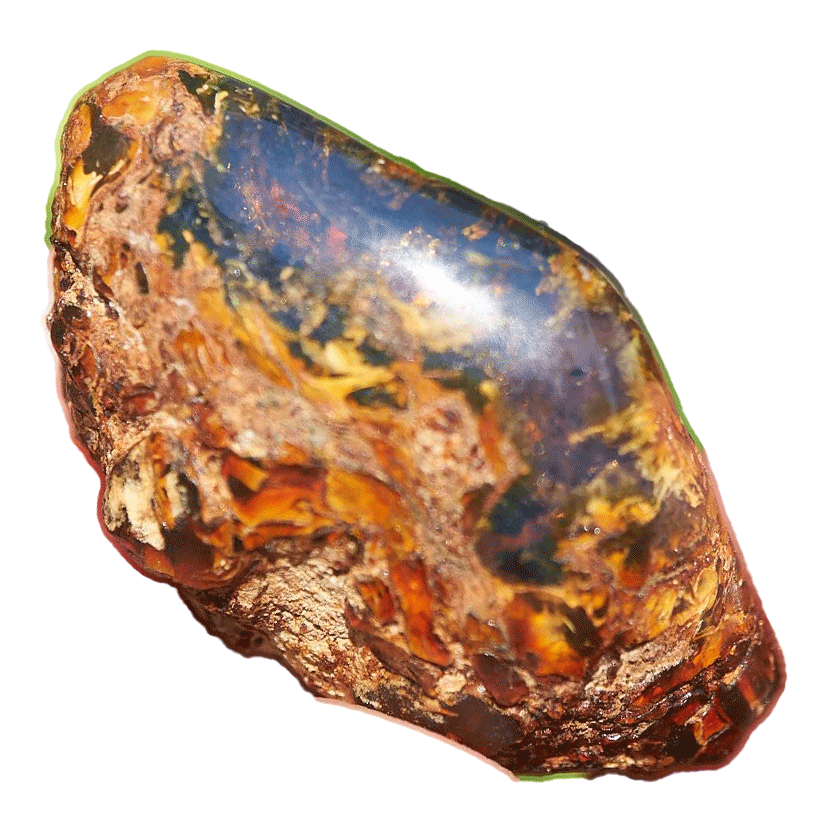

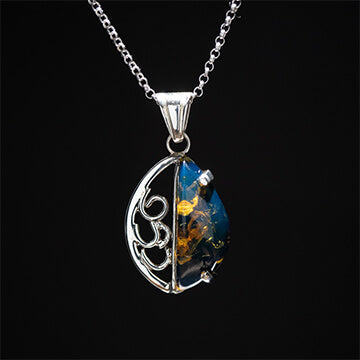
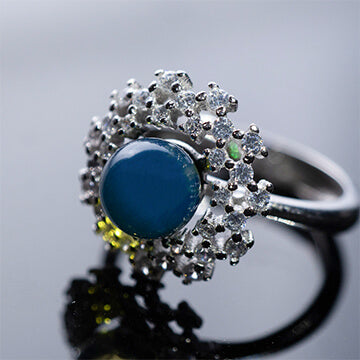
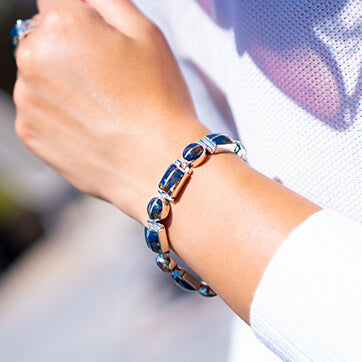
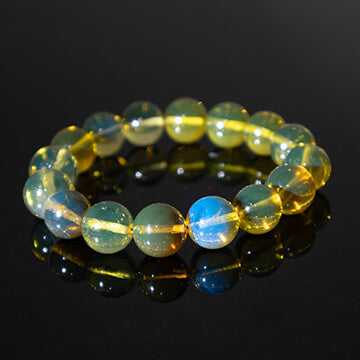
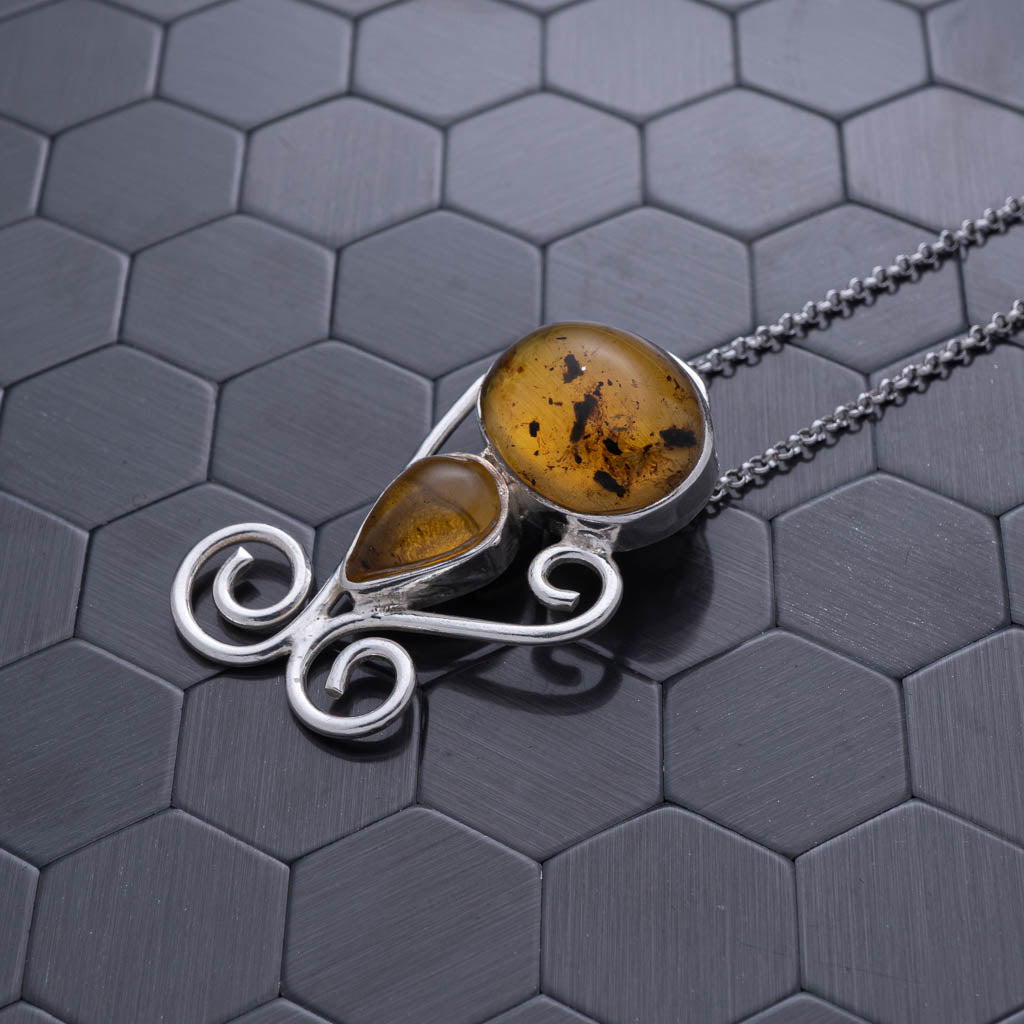
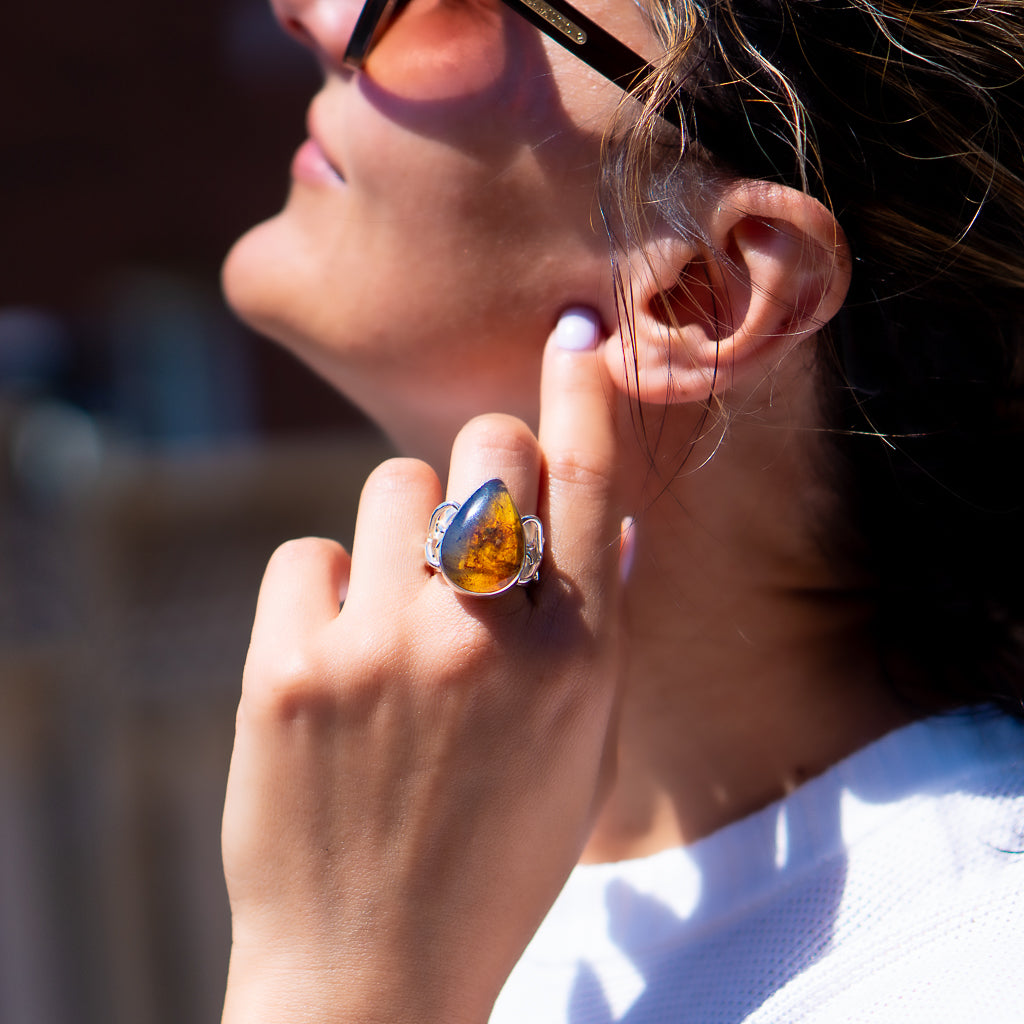
A Larimar ring can look breathtaking at first glance - bright blue, softly marbled, and instantly reminiscent of Caribbean water. But if you are using this guide to larimar ring quality to choose a piece you will wear, gift, or collect, the real question is not simply whether it is pretty. It is whether the stone, setting, and craftsmanship are worthy of Larimar’s rarity.
Larimar is not a generic blue gemstone. It is a rare variety of pectolite found in the Dominican Republic, and that origin matters. The finest rings carry a distinct sense of place - oceanic color, natural patterning, and artisan finishing that respects the stone rather than overwhelming it. Quality shows up in several layers at once, and the best buying decisions come from reading all of them together.
The most common mistake buyers make is judging Larimar by color alone. Blue matters, certainly, but a high-quality ring is a combination of stone beauty, authenticity, cut, polish, durability, and metalwork. A vivid stone can still disappoint if the surface is poorly finished or the setting leaves it vulnerable to damage.
That is why Larimar quality is best viewed as a balance. A collector may prioritize rare pattern and saturation. A gift buyer may care more about beauty, wearability, and an elegant setting. Someone shopping for daily wear should pay close attention to protection and construction, because Larimar is softer than sapphires or diamonds and deserves thoughtful handling.
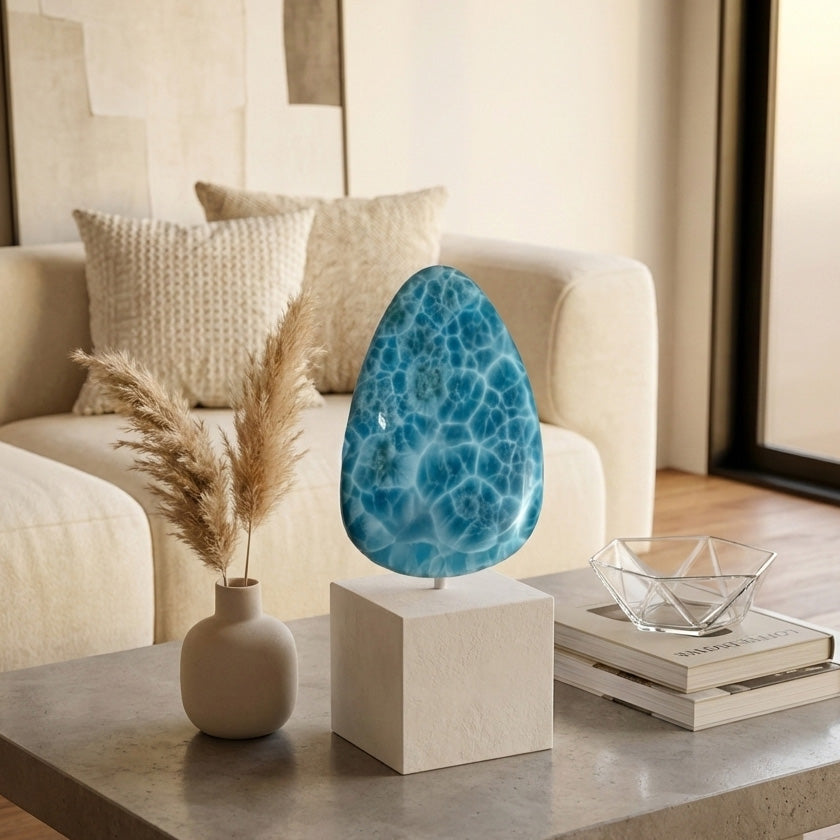
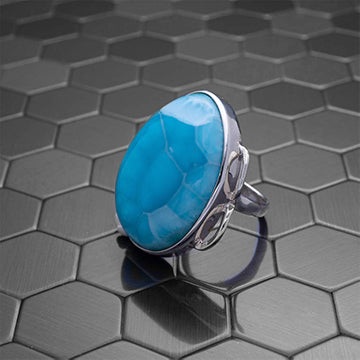
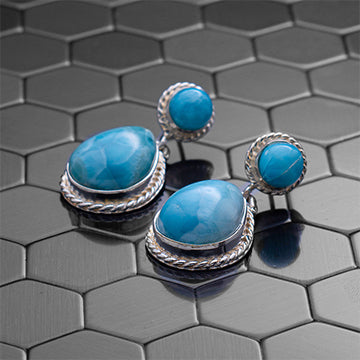
When people imagine premium Larimar, they usually picture rich sky blue to deeper ocean blue with white marbling. That image exists for a reason. Stronger blue saturation is generally more prized than pale or grayish material, especially when the color feels lively rather than flat. The most desirable stones often evoke sunlight moving across tropical water.
Still, there is nuance here. Not every exceptional Larimar stone is intensely dark blue. Some lighter stones have remarkable brightness and a crisp, cloud-like pattern that gives them extraordinary character. If the tone becomes too pale, too chalky, or too washed out, the ring may lose the visual depth buyers associate with finer material. On the other hand, if the blue is attractive and the pattern is graceful, a softer tone can still feel luxurious.
Greenish casts, muddy areas, or excessive gray usually lower perceived quality. So do large brown matrix inclusions if they distract from the face-up beauty of the ring. Small natural variations are part of the gem’s identity, but quality Larimar should feel intentional and visually harmonious.
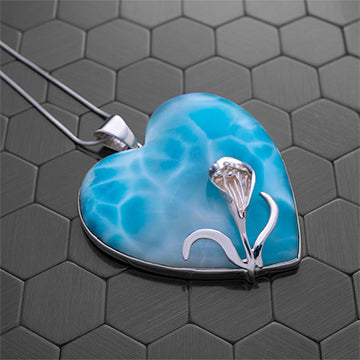
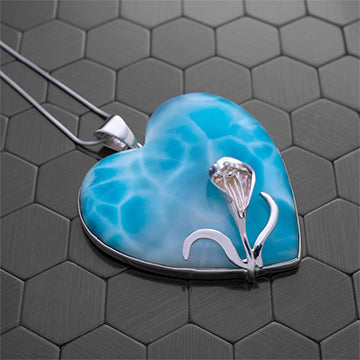
Larimar is loved not only for color, but for pattern. White streaks, soft swirls, and natural marbling create the sense that each stone is one of one. In stronger pieces, the pattern adds movement without making the gem look busy. The best rings often have a balanced distribution of blue and white, where the visual effect feels organic and serene.
Pattern preference is somewhat personal. Some buyers love dramatic contrast, while others prefer a smoother field of blue. Neither choice is automatically better. What matters is clarity of pattern and overall beauty. If the surface looks blotchy, chaotic, or dull, it tends to read as lower quality even when the color is decent.
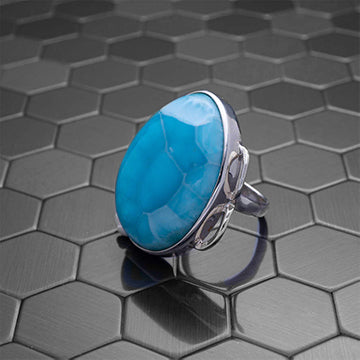
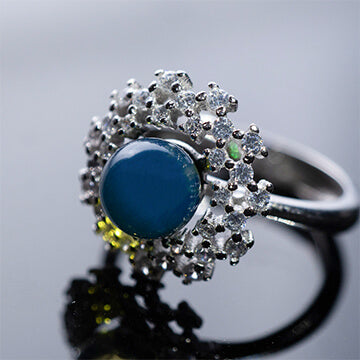
Larimar is most often cut as a cabochon for rings, which suits both its color play and its softness. A well-cut cabochon should have pleasing symmetry, a comfortable dome, and a shape that flatters the stone’s internal pattern. Poor cutting can make even attractive material look ordinary.
Look closely at the polish. A quality Larimar ring should have a smooth, glossy surface that allows the color and pattern to come forward cleanly. A weak polish can leave the stone appearing lifeless. Visible scratches, pits, uneven finishing, or a cloudy surface suggest lower workmanship or wear.
Thickness matters too. If a stone is cut too thin, it can look less substantial and may be more vulnerable over time. If it is overly bulky without purpose, the ring may feel heavy or less refined. Good craftsmanship finds the middle ground, letting the gem appear generous while still wearable.
Oval Larimar rings are popular because they offer a generous canvas for color and pattern. Pear, round, marquise, and freeform cuts can also be beautiful, especially in artisan jewelry. The better question is not which shape is best, but whether the shape suits the material.
A high-quality ring design uses the stone’s natural strengths. If the finest blue area is centered and framed well, the ring feels curated. If the shape cuts across the most attractive pattern or leaves awkward dead spots, the piece can feel less compelling.
No guide to larimar ring quality is complete without discussing authenticity. Larimar’s rarity and visual appeal mean buyers should be careful about vague sourcing claims or pieces that feel suspiciously generic. Authentic Larimar should be represented clearly as Dominican in origin, because that is where this stone is found.
Trustworthy sellers are transparent about what the stone is, where it comes from, and how it is crafted. Certification or authenticity assurance adds confidence, especially for buyers investing in finer rings or shopping online. If a listing leans heavily on mood and color but says little about origin or material verification, it is fair to ask more questions.
This matters beyond peace of mind. Authenticity affects collectible value, gifting confidence, and the story behind the piece. A genuine Larimar ring carries the identity of the Caribbean in a way an imitation never can.
A beautiful Larimar cabochon deserves a setting that protects it and lets it shine. Because Larimar is not a hard stone for rough daily abuse, ring quality depends heavily on how the gem is secured. Bezel settings are often an excellent choice because they frame the stone and offer more protection around the edges. Prong settings can look elegant too, but they need to be well made and thoughtfully designed.
Metal quality plays a role as well. Sterling silver is a natural partner for Larimar, enhancing its cool blue tones with a luminous finish. Fine craftsmanship in silver should include clean bezels, smooth edges, even soldering, and a balanced shank. Gold can create a richer, more elevated look, though the contrast changes the mood of the ring and often raises the price.
The setting should never feel like an afterthought. If the metalwork is flimsy, asymmetrical, or rough underneath, the ring is less likely to wear beautifully over time. Premium Larimar jewelry feels finished from every angle.
A ring can be visually stunning and still not be practical. If it sits too high, catches easily, or feels top-heavy, you may reserve it for occasional wear instead of enjoying it often. That is not necessarily a flaw if you are buying a statement ring, but it should match your expectations.
For everyday elegance, look for a design with a secure profile and a band substantial enough to support the stone. For special occasions, a more dramatic silhouette can make perfect sense. Quality is not always about restraint. Sometimes it is about creating a bold piece with enough craftsmanship to carry its presence well.
Because Larimar is a natural gemstone, perfection is not the goal. Small variations, uneven marbling, and subtle internal character are part of what make each ring distinct. The key is learning the difference between natural charm and poor quality.
A few natural features that do not interrupt beauty are usually acceptable. Surface fractures, obvious chips, unstable edges, or dull zones that dominate the face are different. Buyers who want a highly refined ring should expect stronger color consistency, better polish, and cleaner finishing. Buyers who love organic individuality may be more open to unusual matrix or freeform patterning.
There is also a price trade-off. The finest blue Larimar with striking pattern, excellent polish, and handcrafted settings will command more. That premium often reflects true scarcity and labor rather than branding alone. If a ring seems very inexpensive compared to others with similar size and appearance, it is wise to examine authenticity and workmanship more closely.
When buying online, photos need to do more of the work your hands cannot. Look for multiple images in consistent lighting. A quality seller will show the ring clearly from the top, side, and angle views, allowing you to assess polish, pattern, and construction. Overedited color can make Larimar appear unrealistically electric, so natural-looking presentation is a good sign.
Read the description carefully. You want clear information about stone origin, metal type, ring dimensions, and whether the piece is handcrafted. If the seller mentions authenticity or certification, that adds another layer of trust. At Larimar Creations, this standard of transparency is central because rarity means very little without credibility.
It also helps to think about your purpose before you buy. For a gift, prioritize visual impact and comfort. For a personal heirloom piece, prioritize stone character and construction. For a collector purchase, authenticity and top-tier material may matter most of all.
The right Larimar ring should feel like more than a blue accessory. It should feel like a carefully chosen piece of the Caribbean - authentic, beautifully made, and worthy of being worn close for years.