


FREE WORLD WIDE SHIPPING
HANDCRAFTED IN THE DOMINICAN REPUBLIC
BEST QUALITY LARIMAR
FREE WORLD WIDE SHIPPING
HANDCRAFTED IN THE DOMINICAN REPUBLIC
BEST QUALITY LARIMAR
FREE WORLD WIDE SHIPPING
HANDCRAFTED IN THE DOMINICAN REPUBLIC
BEST QUALITY LARIMAR
FREE WORLD WIDE SHIPPING
HANDCRAFTED IN THE DOMINICAN REPUBLIC
BEST QUALITY LARIMAR
FREE WORLD WIDE SHIPPING
HANDCRAFTED IN THE DOMINICAN REPUBLIC
BEST QUALITY LARIMAR
FREE WORLD WIDE SHIPPING
HANDCRAFTED IN THE DOMINICAN REPUBLIC
BEST QUALITY LARIMAR
100% Handcrafted in DR.
by Admin November 09, 2026 5 min read
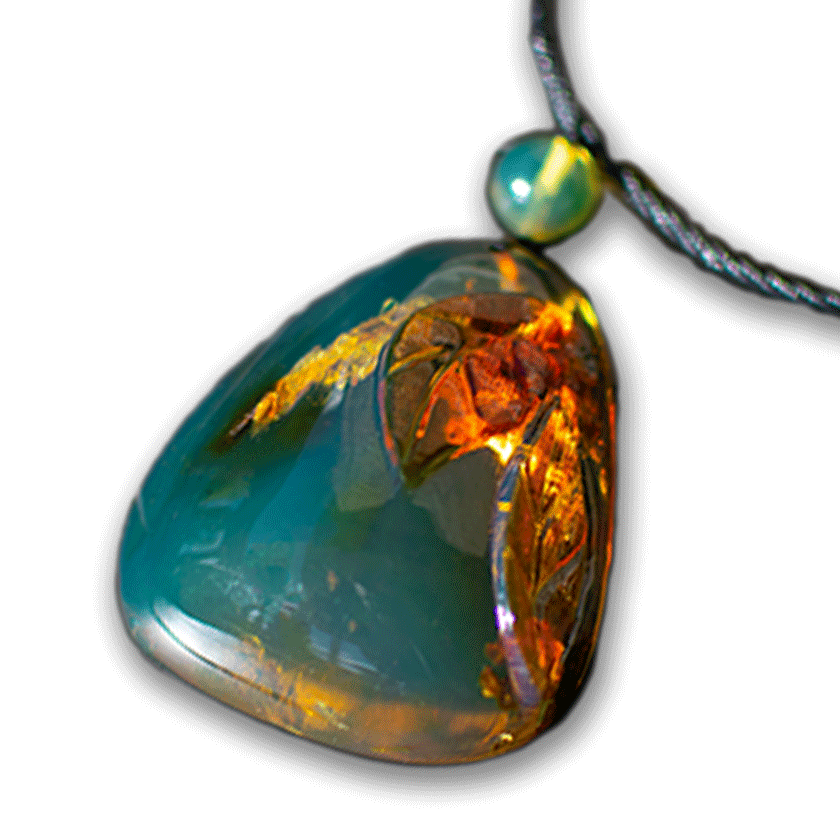
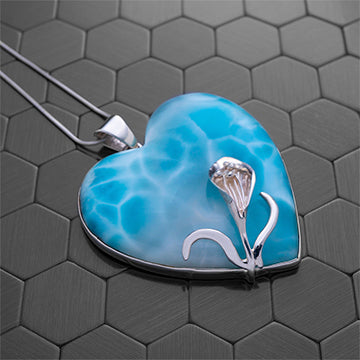
A Larimar pendant can hold the look of Caribbean water in a single stone: cloud-white movement, pale seafoam, or a vivid blue that feels almost lit from within. So it is natural to ask, does larimar fade in sunlight? The practical answer is that brief, everyday exposure is unlikely to suddenly erase its color. Still, prolonged direct sun, especially combined with heat, is not the best environment for this rare Dominican gemstone.
Larimar deserves the same considered care as any natural treasure. Its soft ocean-blue character comes from the stone itself, not from a surface coating that simply washes away. But like many gemstones used in fine jewelry, Larimar can be affected by the conditions around it over time. Protecting it from unnecessary heat, harsh chemicals, and long stretches of intense light helps preserve the beauty that made you choose it.
Larimar is a rare blue variety of pectolite, found only in the Dominican Republic. Its blue color is associated with copper within the stone, while its distinctive white patterns and tonal shifts are part of its natural formation. No two authentic Larimar gems are identical. One may be powder blue with soft marbling; another may have deeper blue pools, greenish notes, or more visible white veining.
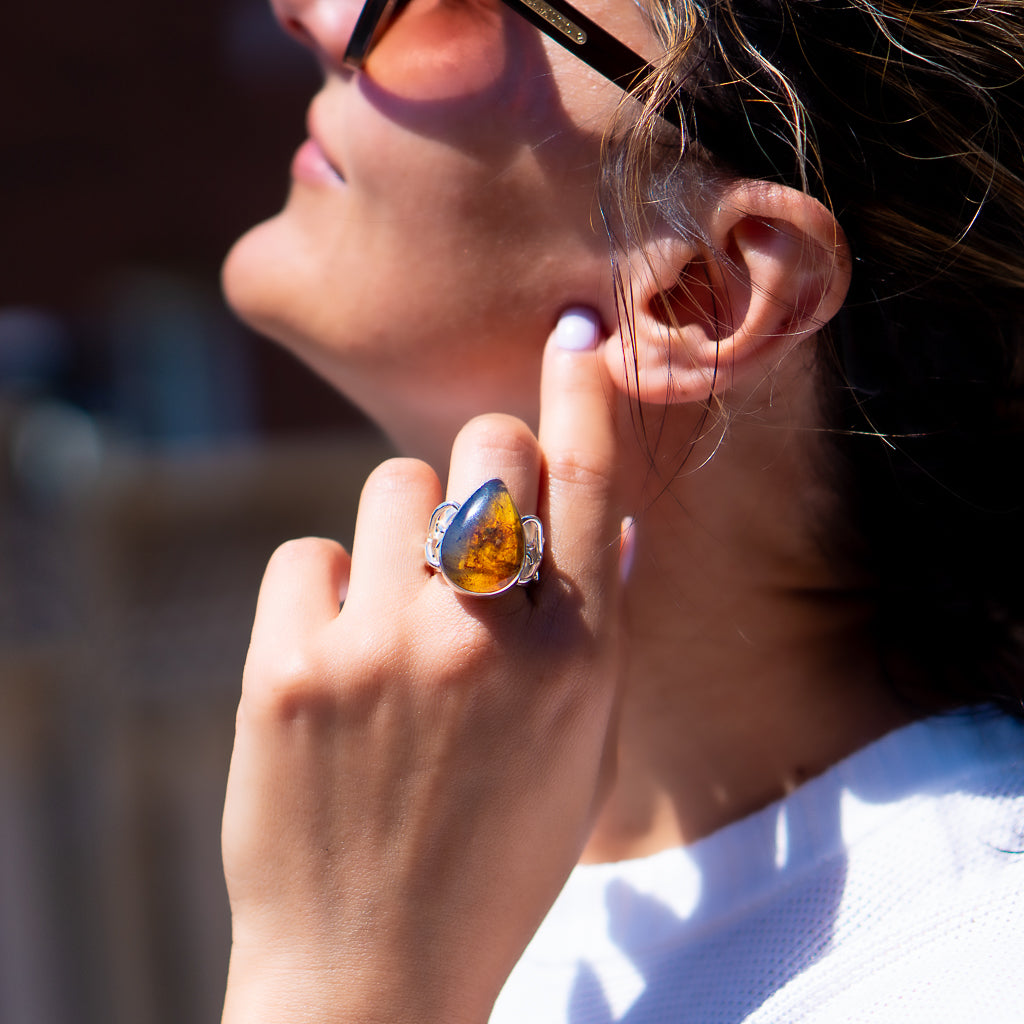
There is no reason to treat a few minutes outdoors as a threat to your jewelry. Wearing a Larimar ring to lunch, stepping into daylight while wearing earrings, or enjoying a vacation photo by the sea should not cause immediate visible fading. The concern is cumulative exposure: leaving a piece on a sunny windowsill, in a hot car, or beneath strong direct sun for repeated long periods.
Direct sunlight brings two stressors at once: ultraviolet light and heat. Gemstone color stability can vary from stone to stone, and heat can be especially unkind to jewelry that includes delicate settings, adhesives, or mixed materials. Larimar is not among the hardest gemstones, measuring about 4.5 to 5 on the Mohs scale. That means mindful wear is as much about preventing scratches and surface wear as it is about protecting color.
If a Larimar stone appears less lively over the years, sunlight may be only one possible factor. Residue from lotion, sunscreen, perfume, and everyday skin oils can dull its polish and make blue tones look muted. Fine scratches can also soften the way light moves across the stone. In many cases, gentle cleaning reveals that the color is still there, simply hidden beneath daily buildup.
The strongest advice for Larimar care is simple: do not store it where heat collects. A bright windowsill may look like a lovely place to display a carved stone or cabochon, but it is not ideal for long-term preservation. The same is true of a dashboard, a beach bag left in the sun, or a closed car on a warm day.
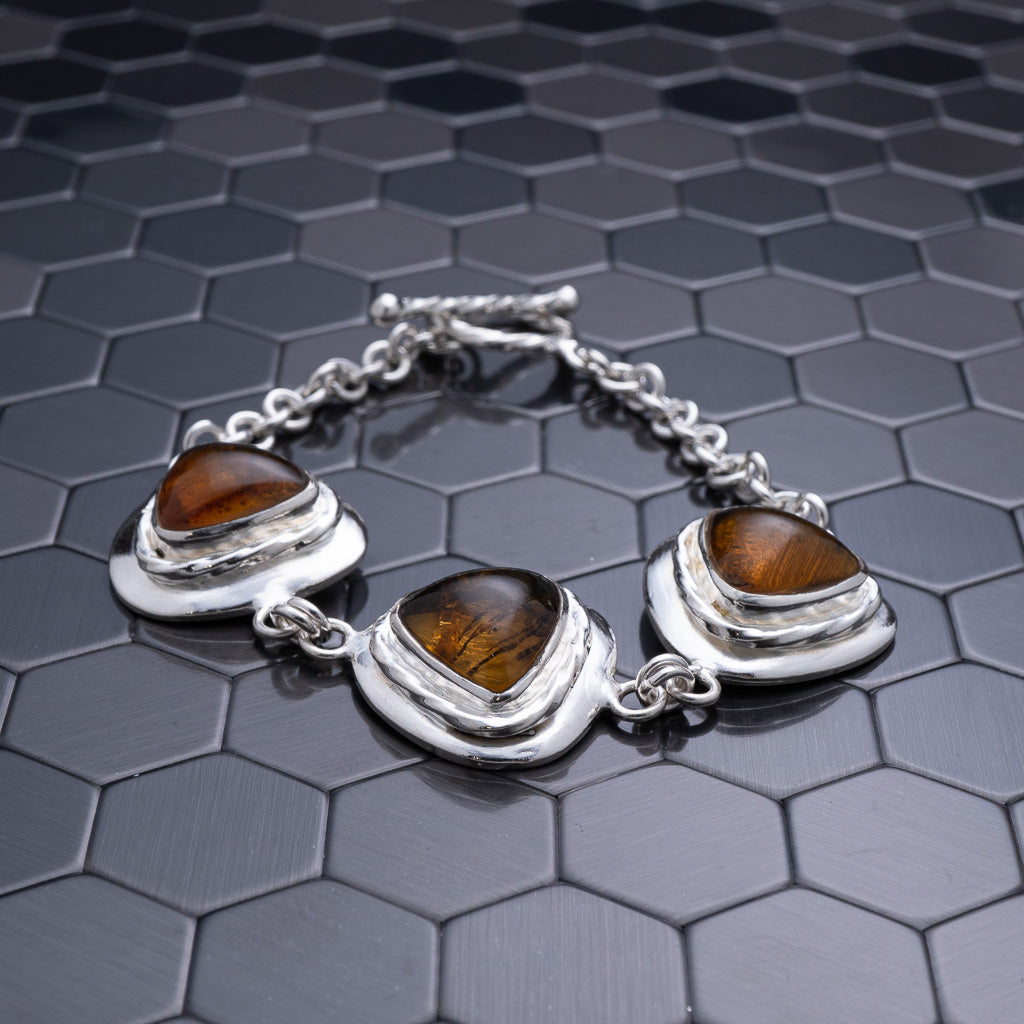
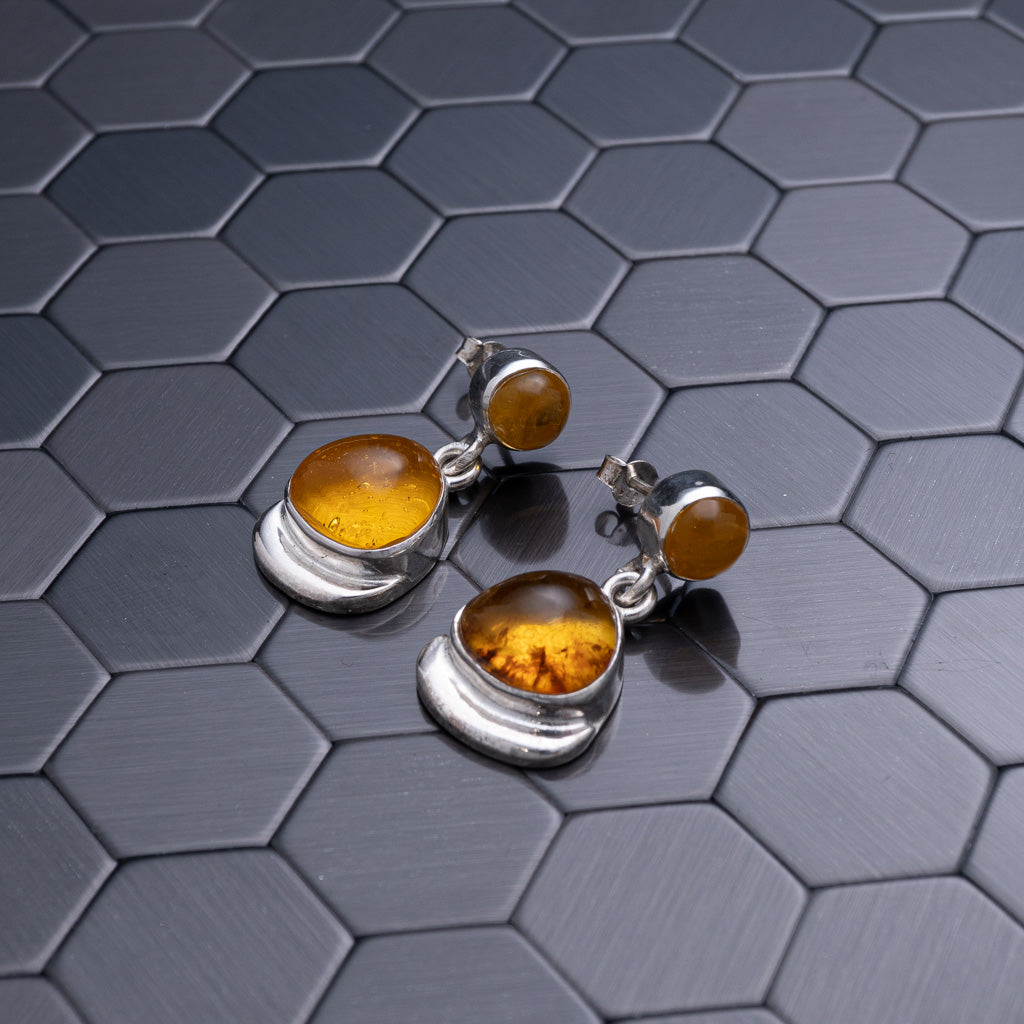
Heat is a broader risk than light alone. It may affect a stone's finish over time, place stress on jewelry components, and make surrounding materials more vulnerable. If your Larimar is set beside diamonds, zircon, mother-of-pearl, amber, or other gems, each material may have different care needs. The safest approach is to care for the complete piece, not only its center stone.
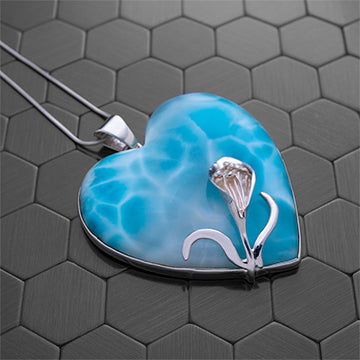
This does not mean Larimar belongs in a dark drawer forever. It is meant to be worn and admired. Think of sunlight as something to enjoy in passing, not a display condition for hours at a time. A handcrafted Larimar bracelet or heart pendant should be part of your life, with a little protection built into the routine.
A few calm habits make a meaningful difference. Remove Larimar jewelry before sunbathing, swimming, exercising outdoors for long periods, or working with cleaning products. These moments expose jewelry to more than light: perspiration, saltwater, chlorinated water, cosmetics, and repeated impact can all affect its finish.
For everyday care, follow these five practices:
Larimar and the Caribbean belong together in spirit, but beach wear calls for judgment. A Larimar necklace worn for a sunset dinner is very different from a Larimar ring worn while swimming, applying sunscreen, handling sand, and spending hours in full sun.
Sand is more abrasive than it looks. Because Larimar is relatively soft, grains can create fine surface scratches, particularly on a polished cabochon. Sunscreen can leave a film, and saltwater may affect metal components over time. If you wear Larimar near the ocean, keep it for low-impact moments, then rinse it gently with fresh water and dry it carefully afterward.
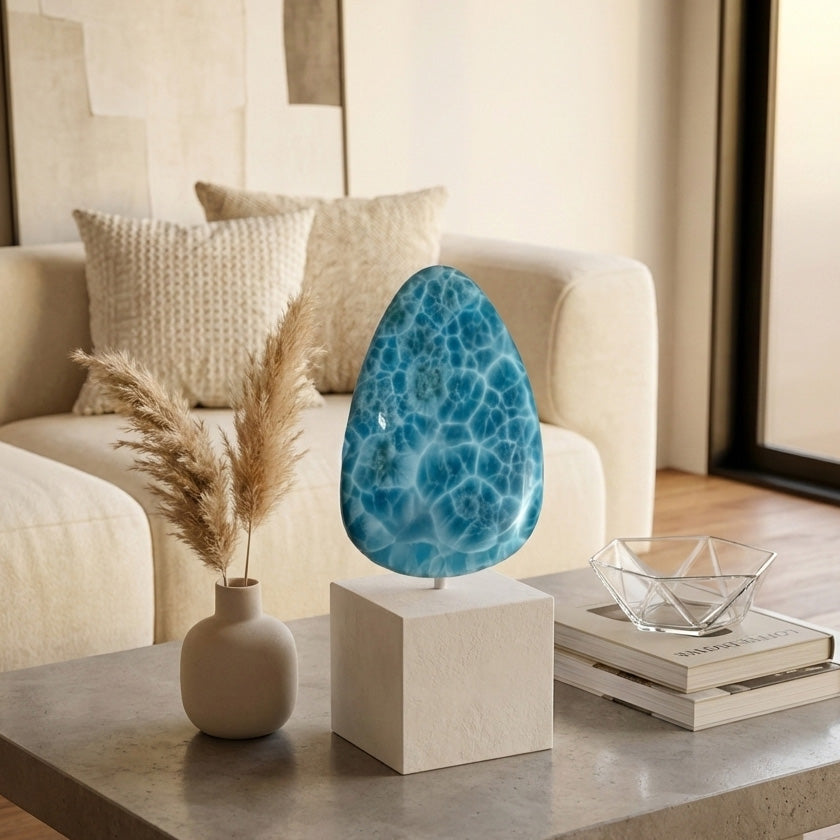
For collectors, the same principle applies to loose cabochons, beads, carvings, and specimens. Display them where you can appreciate their natural blue, but choose indirect light rather than a sun-drenched shelf. A well-placed display preserves the stone while allowing its ocean-inspired patterns to remain part of your space.
Authentic Larimar is not supposed to look uniform. Its appeal lies in variation: blue swirls, white clouding, mineral lines, and subtle shifts that make every piece personal. A paler stone is not necessarily faded, and a deep blue stone is not automatically superior in every respect. Color intensity, pattern, polish, cut, and origin all contribute to a gem's character and value.
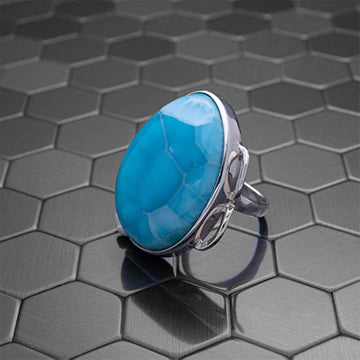
When choosing Larimar jewelry, look beyond a single shade of blue. Notice whether the stone has a pleasing natural pattern, a smooth polish, and craftsmanship that supports its shape. A carefully selected pendant, ring, or pair of earrings should feel like a small, wearable piece of the Caribbean, not a mass-produced imitation of it.
Larimar Creations values that distinction. Genuine Dominican Larimar carries the individuality of a natural stone and the care of artisan workmanship. With thoughtful wear, its blue can remain a lasting part of your collection and a meaningful gift for someone who values rarity over sameness.
Before assuming your Larimar has faded, inspect it in natural, indirect daylight. Indoor lighting can make blue stones appear grayer or flatter than they are. Then clean it gently with a damp soft cloth and dry it completely. This simple step often restores the crisp contrast between blue areas and white marbling.
If the surface seems scratched, chalky, cracked, or noticeably changed after a period of heavy exposure, do not try to refinish it with household products. A knowledgeable jeweler with experience handling softer gemstones can assess whether professional cleaning, polishing, or setting repair is appropriate. Over-polishing at home can remove material and alter the stone's natural contours.
Wear your Larimar often enough to enjoy its tranquil blue, but store it with the respect reserved for a rare Caribbean gem. A little shade, a soft cloth, and a thoughtful routine let its ocean-born beauty stay close for many seasons to come.
Sign up to get the latest on sales, new releases and more …
5 min read
8 min read
6 min read