
Larimar
Blue Amber
Green Amber
Amber Carvings
More

by Admin November 08, 2026 6 min read

A pendant can hold an extraordinary gemstone and still feel ordinary if the work around it is careless. This artisan pendant craftsmanship review looks beyond surface sparkle to the details that give a Larimar or Dominican amber pendant its presence, security, and lasting value. For a piece meant to carry the color of Caribbean water or the ancient glow of amber, craftsmanship is not an extra. It is part of the story.

What Artisan Pendant Craftsmanship Should Reveal

Handcrafted jewelry should feel intentional from every angle. The gemstone is the first thing people notice, but a well-made pendant also shows thoughtful proportion, clean setting work, a stable bail, and a finish that suits the character of the stone.

This matters especially with natural Caribbean gemstones. Larimar is treasured for its ocean-blue palette, from soft clouded white to vivid volcanic blue. Dominican amber, including the exceptionally rare blue amber, is prized for its warm translucence, natural inclusions, and shifting color under different light. Neither material is meant to look factory-uniform. An artisan’s role is to honor its individuality while making it wearable.

A pendant should feel like a complete composition rather than a gemstone placed in metal. The stone’s shape, color concentration, surface features, setting style, and chain placement all contribute to how it rests against the body and how it catches the light.

Start With the Stone, Not the Shine

The strongest artisan pendants begin with careful gemstone selection. A glossy finish alone is not proof of quality. Look at the material beneath it.

With Larimar, color is one part of the assessment, not the whole assessment. Fine material may show rich blue fields, soft white marbling, or patterns that resemble rippling water. A skilled maker chooses a cut that places the most expressive section of the stone where it will be seen. The cabochon should have a smooth, even dome and a silhouette that complements the natural pattern rather than forcing it into an overly rigid form.

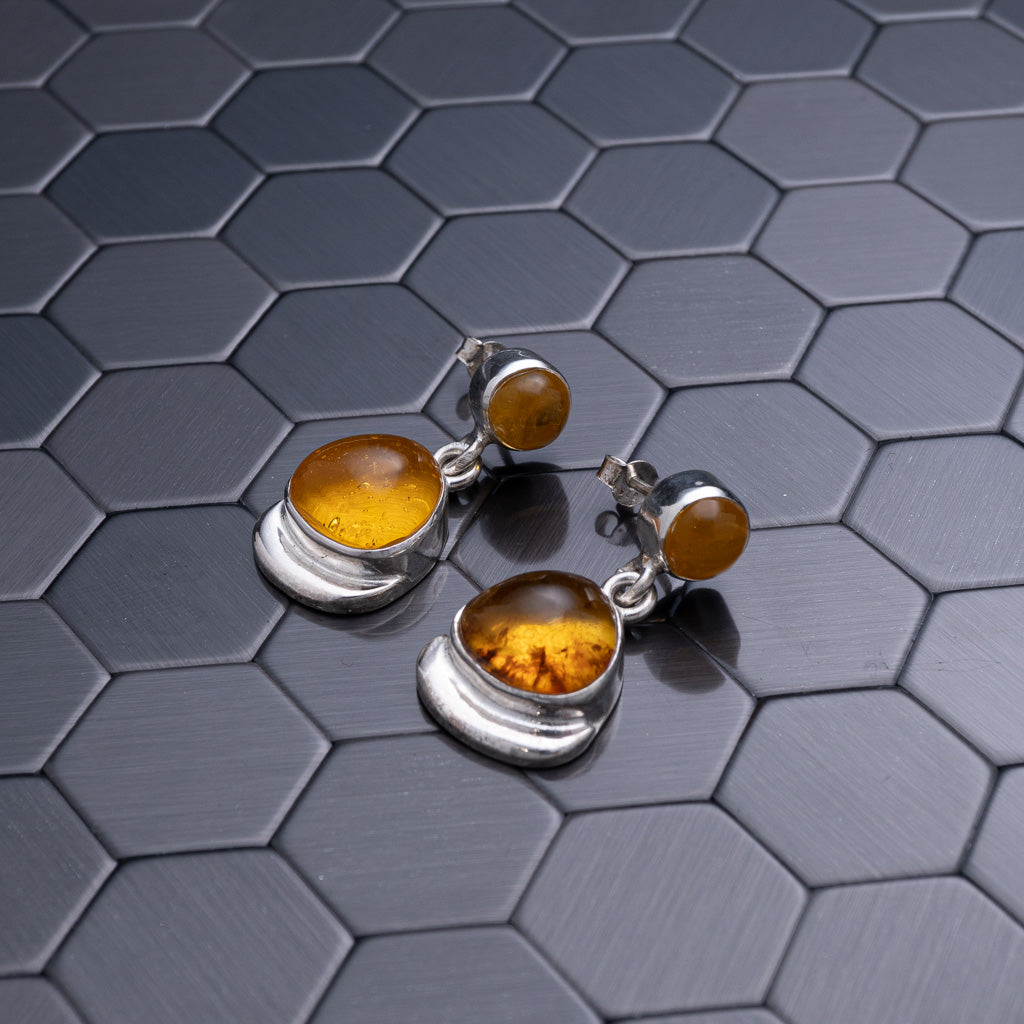
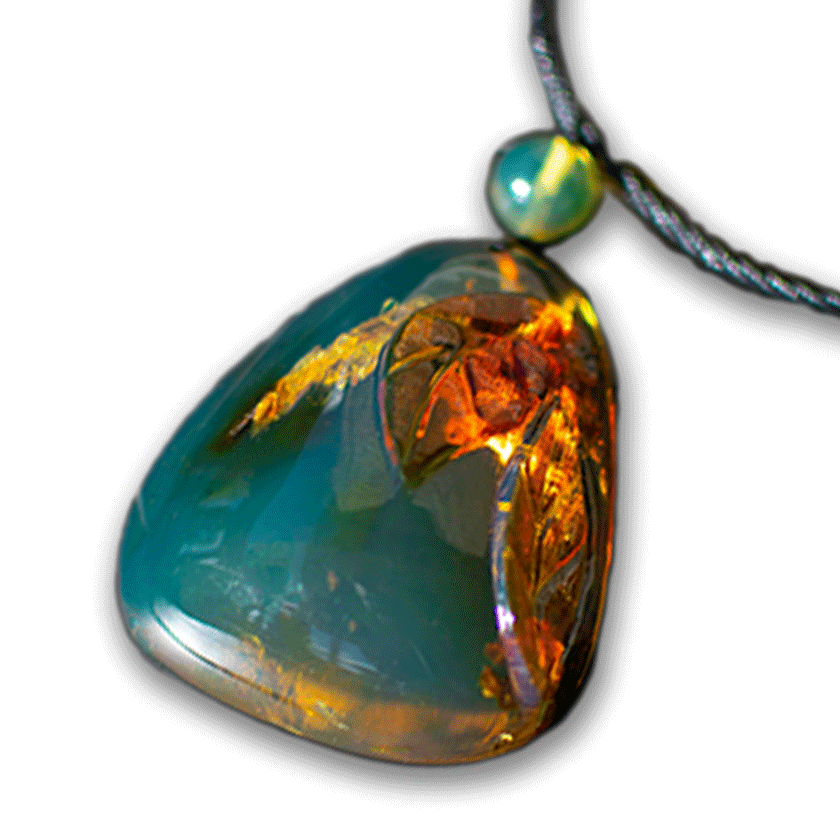
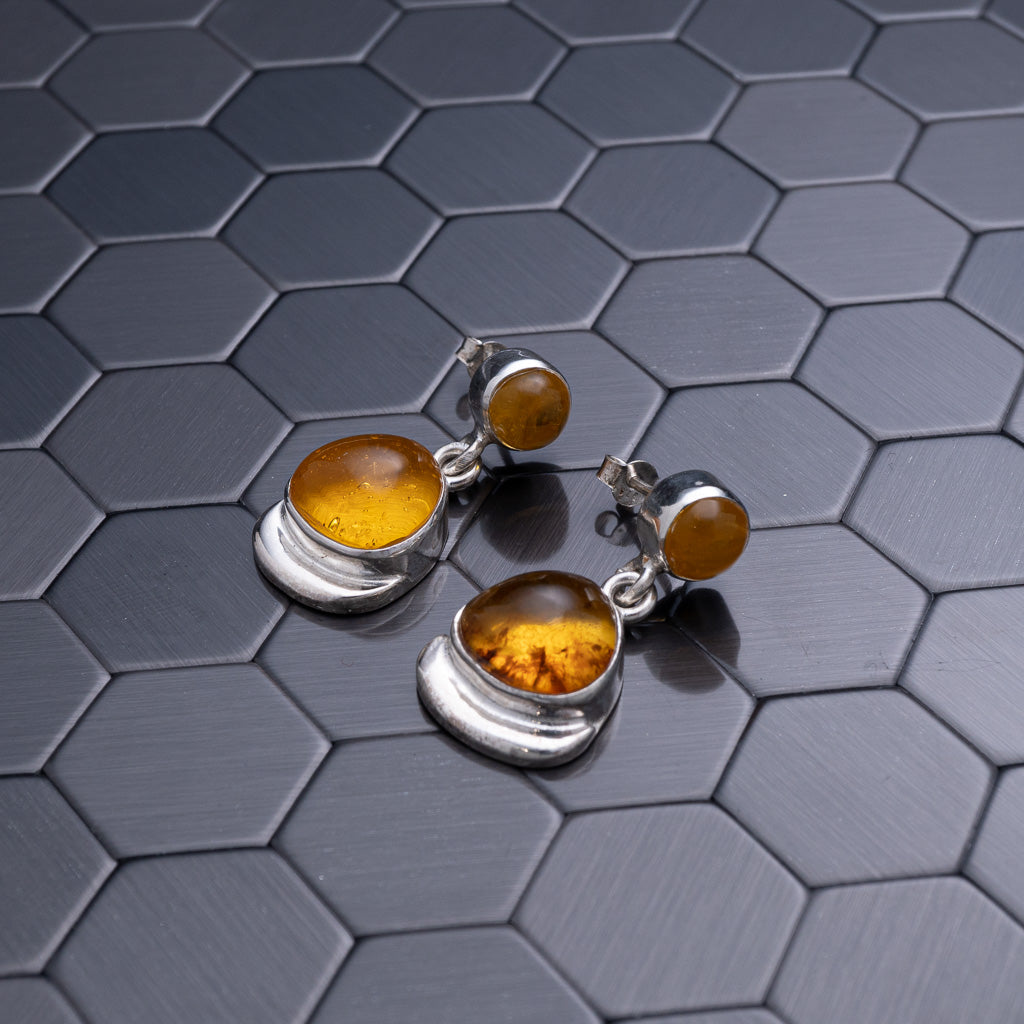
Dominican amber asks for a different eye. Because amber is fossilized resin, its inclusions, internal movement, and transparency are central to its appeal. Blue amber can appear honey-toned in one setting and reveal a remarkable blue cast under sunlight or ultraviolet light. An artisan should preserve that optical character, avoiding excessive thickness, dark backing, or a setting design that hides the stone’s luminosity.

Natural variation is expected. A completely identical pair of patterns or inclusions is rarely realistic, particularly in handmade jewelry. What distinguishes a quality pendant is not uniformity but a deliberate choice of a stone with visual life.

Cut and polish should serve the material

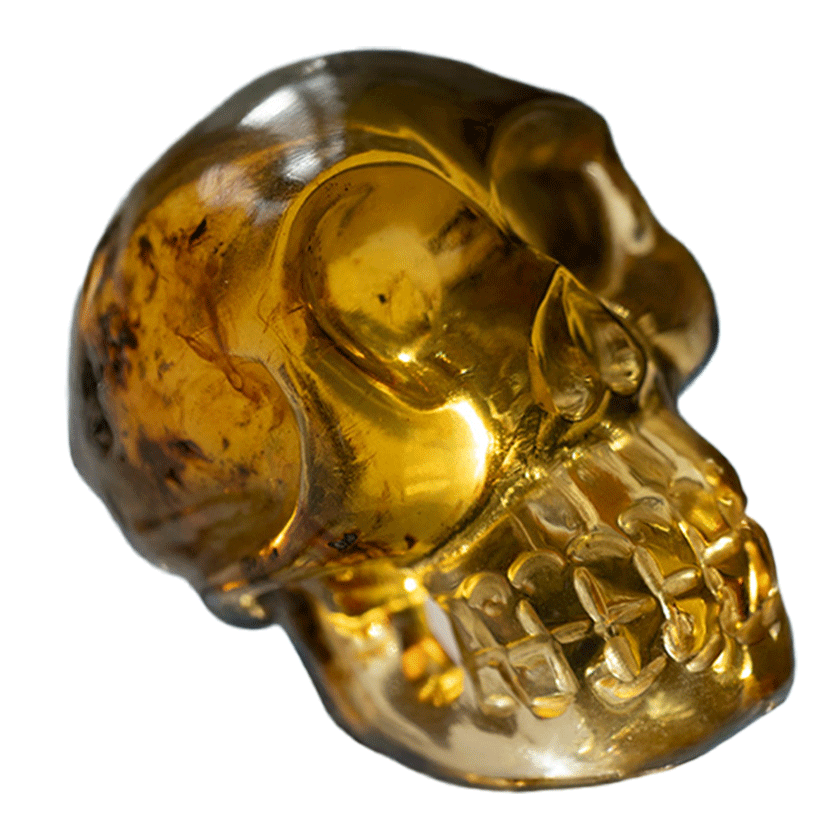
The ideal cut depends on the gemstone. Larimar is commonly shaped into polished cabochons because the curved surface brings out its tranquil color and pattern. Amber may be softly rounded, carved, faceted, or polished into an organic freeform that celebrates the material’s origin.

Inspect the polish for consistency. The surface should look luminous and smooth, without distracting flat spots, cloudy abrasions, or rough edges. Yet perfection should be considered in context. A small natural mark in amber or a distinctive mineral pattern in Larimar can be a sign of authenticity, not a flaw. The question is whether the feature adds character or interrupts the pendant’s beauty and structural integrity.

The Setting Is Where Beauty Becomes Wearable

A gemstone setting has two jobs: presenting the stone beautifully and protecting it during normal wear. A well-crafted pendant does both without making the design feel heavy or overbuilt.

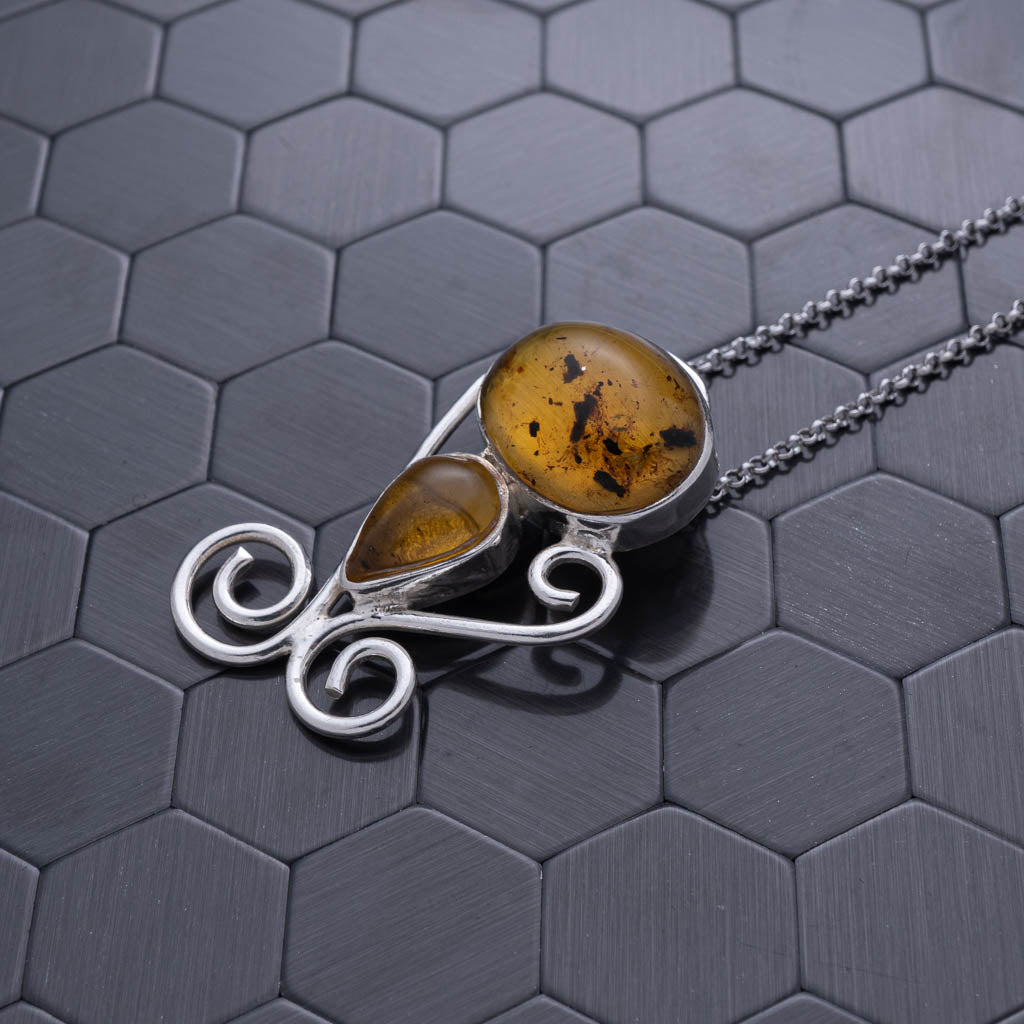
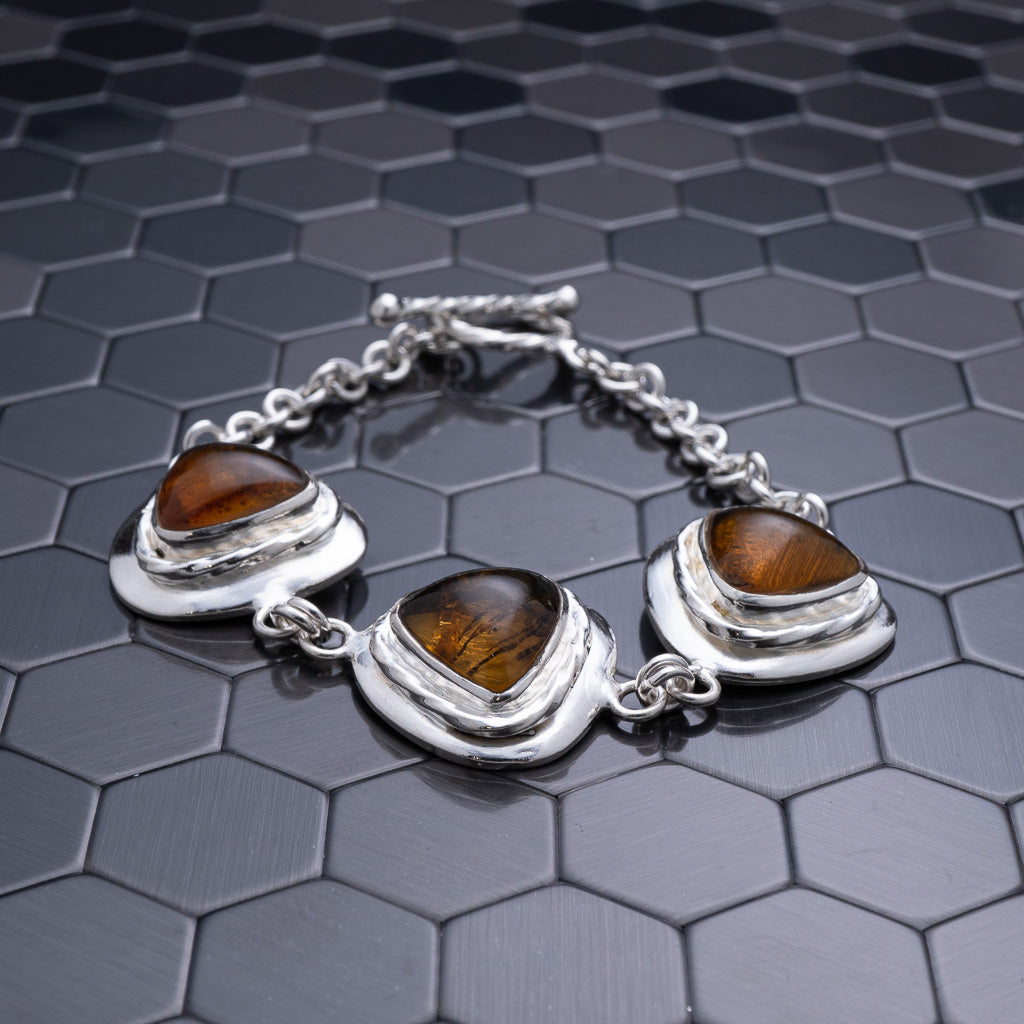
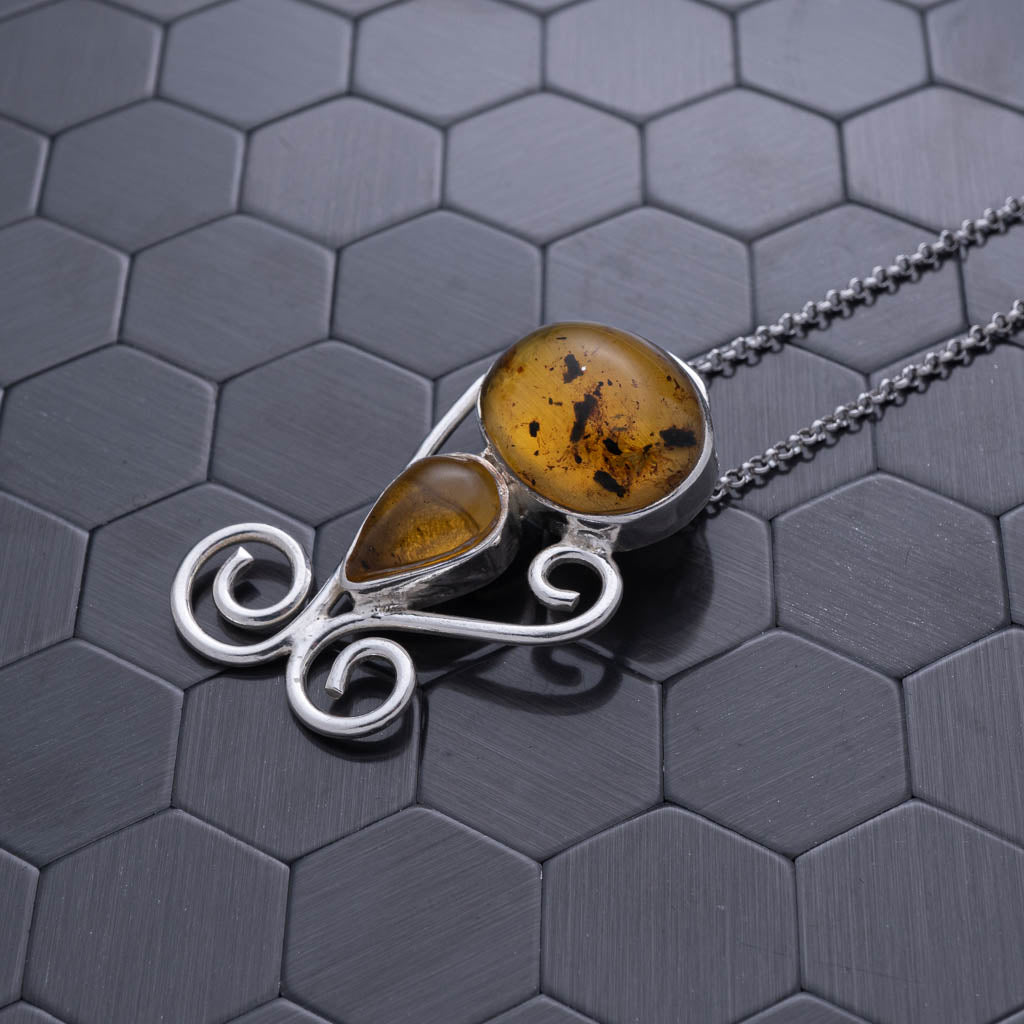
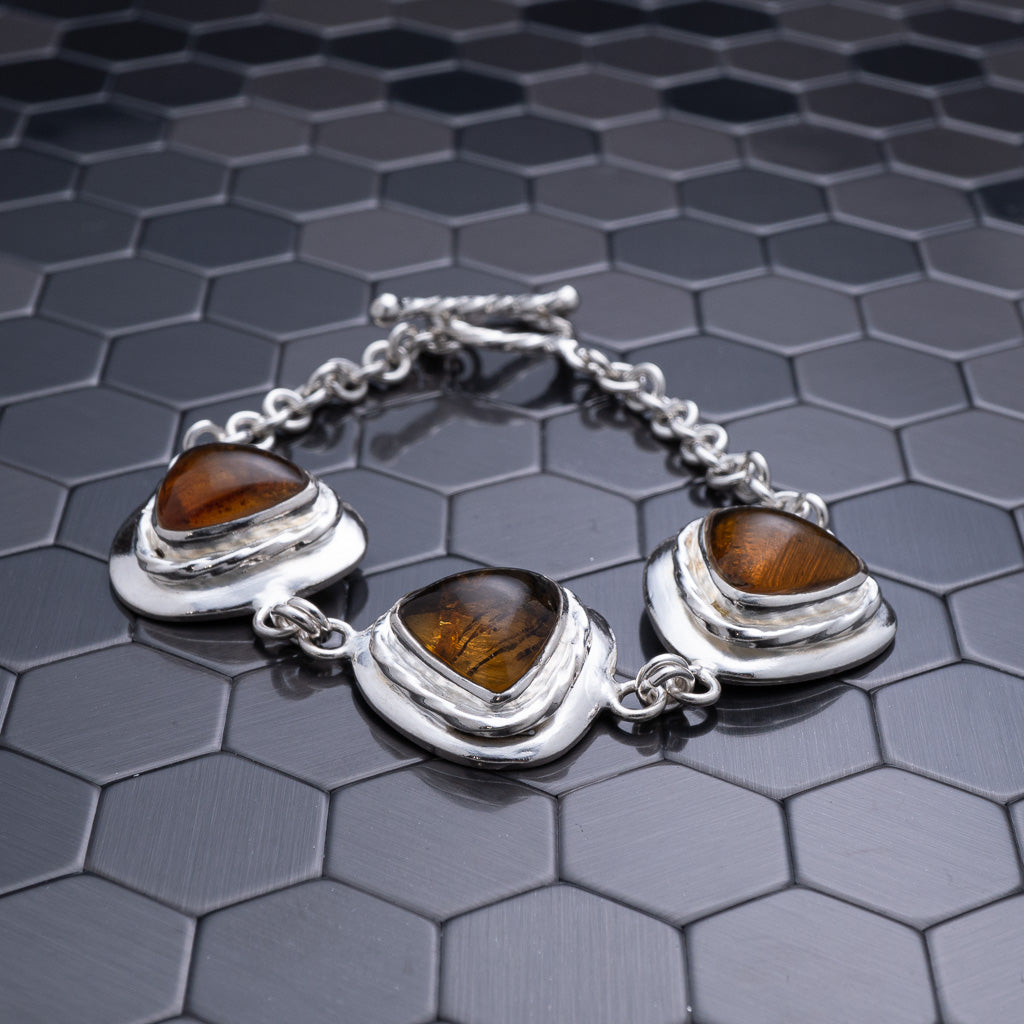
Bezel settings are particularly suited to Larimar and amber. A close-fitting bezel can frame the stone, protect its edges, and create a clean, polished outline. The metal should sit securely around the gem with no obvious gaps, sharp lips, or areas where the stone appears loose. On a handmade piece, slight signs of hand finishing can be part of its charm, but the final result should still feel refined to the touch.

Prong settings can offer more light exposure and a lighter visual profile, though they require special care with softer or more delicate materials. For amber especially, a protective design is often preferable for frequent wear. The right choice depends on how the pendant will be used. A collector’s statement piece can accommodate a more sculptural setting; an everyday favorite benefits from stronger edge protection.

Pay attention to the back of the pendant. A thoughtfully finished reverse side is a quiet mark of quality. It should be smooth against the skin, free of snagging points, and proportionate to the front. An open-back design can allow more light through translucent amber, while a partially enclosed back may provide useful support. There is no single best construction. The important consideration is that the design matches the stone’s needs.

Balance, Scale, and the Often-Overlooked Bail

The bail may be small, but it carries the entire pendant. It should be securely integrated into the design, generously sized for the intended chain, and placed so the pendant hangs straight.

A poorly positioned bail can cause a beautiful gemstone to tip forward or twist sideways. A well-placed bail lets the pendant settle naturally at the center of the chest, allowing the stone’s face to remain visible. This is especially important with asymmetrical freeform amber and large Larimar cabochons, where balance must be engineered rather than assumed.

Scale also influences comfort. Large stones make a memorable statement, but they need enough metal support and a suitable chain to avoid feeling unstable. Smaller pendants should not disappear under oversized hardware. The finest designs create visual harmony: enough metal to frame the gem, enough presence to feel special, and no unnecessary weight.

Metal should complement, not compete

Sterling silver brings a cool brightness that pairs naturally with Larimar’s blue and white tones. Gold and gold vermeil can draw out the warmth of honey amber, cognac amber, and blue amber’s surprising green-blue fire. The best choice is personal, but the finishing quality should always be clear.

Look for even polishing, clean transitions between metal and stone, and details that feel purposeful. Texture, oxidized accents, hand-stamped motifs, and organic forms can add depth when they support the gemstone’s Caribbean character. They should not distract from it.

Authenticity Belongs in the Craftsmanship Conversation

Authenticity is often discussed as a sourcing issue, but it also shapes how a pendant should be made. Genuine Larimar and Dominican amber deserve techniques suited to their natural properties. A maker who understands the material will account for softness, translucence, cleavage tendencies, and edge vulnerability before deciding on the final design.

For buyers, this means asking more than whether a pendant is beautiful. Consider its stated gemstone origin, whether it is described accurately, and whether certification or material information is available. Terms such as “Larimar-style,” “amber color,” or vague references to a blue stone should invite further questions when you are seeking genuine Caribbean gemstones.

At Larimar Creations, the focus on authentic, certified Dominican stones gives shoppers an important foundation: a pendant can be admired as jewelry while also being valued as a true piece of Caribbean geology and artistry. Origin adds meaning, particularly when choosing a gift or adding to a gemstone collection.

How to Judge a Pendant Before Making It Yours

Photographs can reveal a surprising amount when you know what to look for. Study the stone from more than one angle when images are available. Notice whether the color looks alive in varied lighting, whether the setting hugs the gemstone evenly, and whether the bail appears substantial enough for the pendant’s size.

Read dimensions rather than relying on photographs alone. A pendant that appears bold on a model may be petite in person, while a large cabochon may require a heavier chain than expected. Consider your preferred neckline, the chains you already own, and whether you want the piece for daily wear, special occasions, or collecting.

It also helps to decide what you value most. If intense blue is your priority, seek Larimar with strong, expressive color. If you are drawn to one-of-a-kind natural history, amber with distinctive inclusions or blue fluorescence may be more compelling. There is no wrong preference. The right pendant is the one whose stone and workmanship feel equally worthy of being worn close.

A finely made artisan pendant does more than hold a gemstone. It gives a rare material a life beyond the mine, shaped by a human hand and ready to become part of your own story. Choose the piece that makes you pause for a second look, then turn it over, admire the care in the details, and imagine the Caribbean light it will carry with you.

Does Larimar Fade in Sunlight? Care Facts

Does Larimar Fade in Sunlight? Care Facts

5 min read

Does larimar fade in sunlight? Learn what can affect its blue color and how to protect authentic Larimar jewelry with gentle care for years of true blue beauty.
Read More
Sterling Silver 925 Necklaces: Pendants, Chains and Styles - Larimar Creations

Sterling Silver 925 Necklaces: Pendants, Chains and Styles

8 min read

Learn what 925 stamping means, compare chain types, and review five pendant styles in a sterling 925 necklace, from lockets to Larimar.
Read More
Artisan Pendant Craftsmanship Review Guide - Larimar Creations

Artisan Pendant Craftsmanship Review Guide

6 min read

Artisan pendant craftsmanship review explains stone selection, balance, and authenticity in Caribbean gemstone jewelry for collectors and gift buyers alike.
Read More