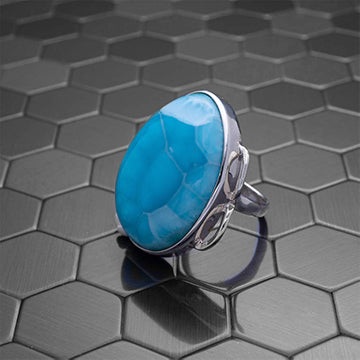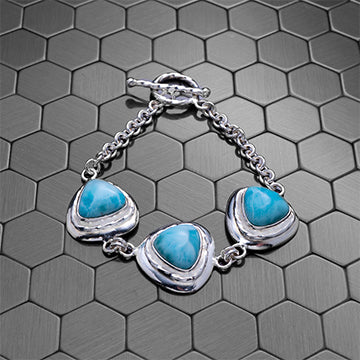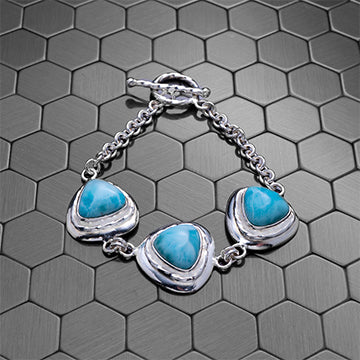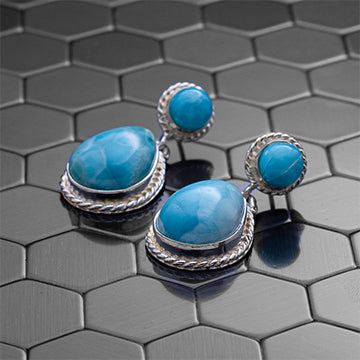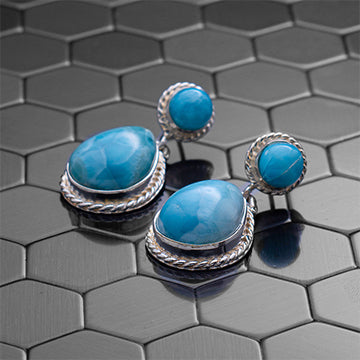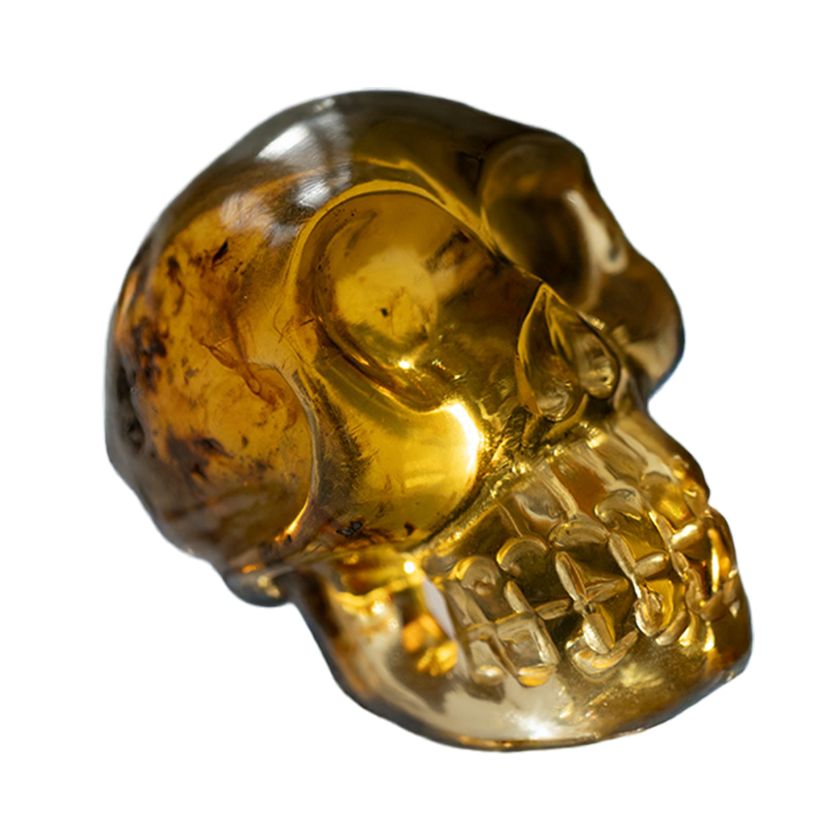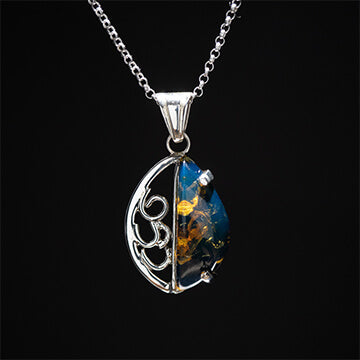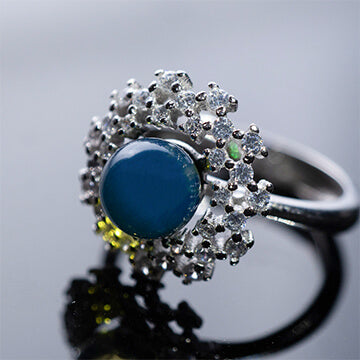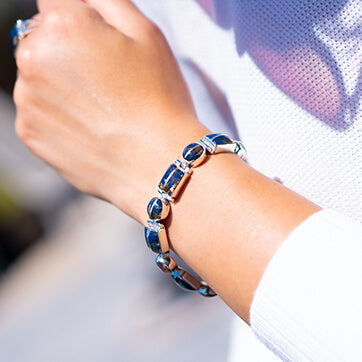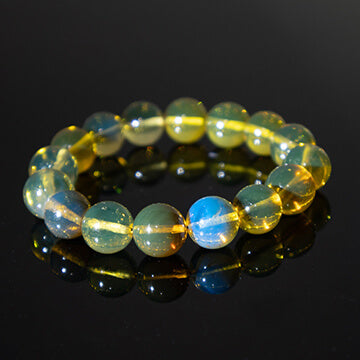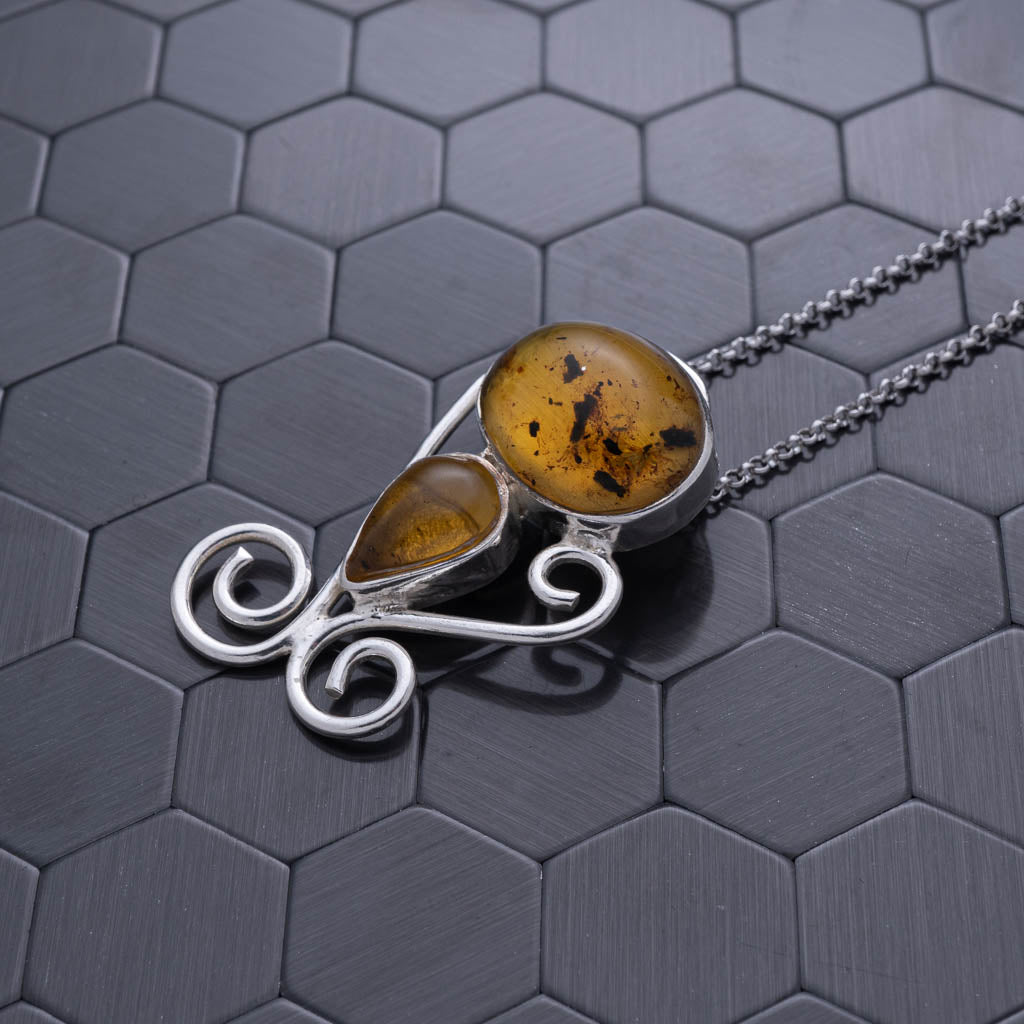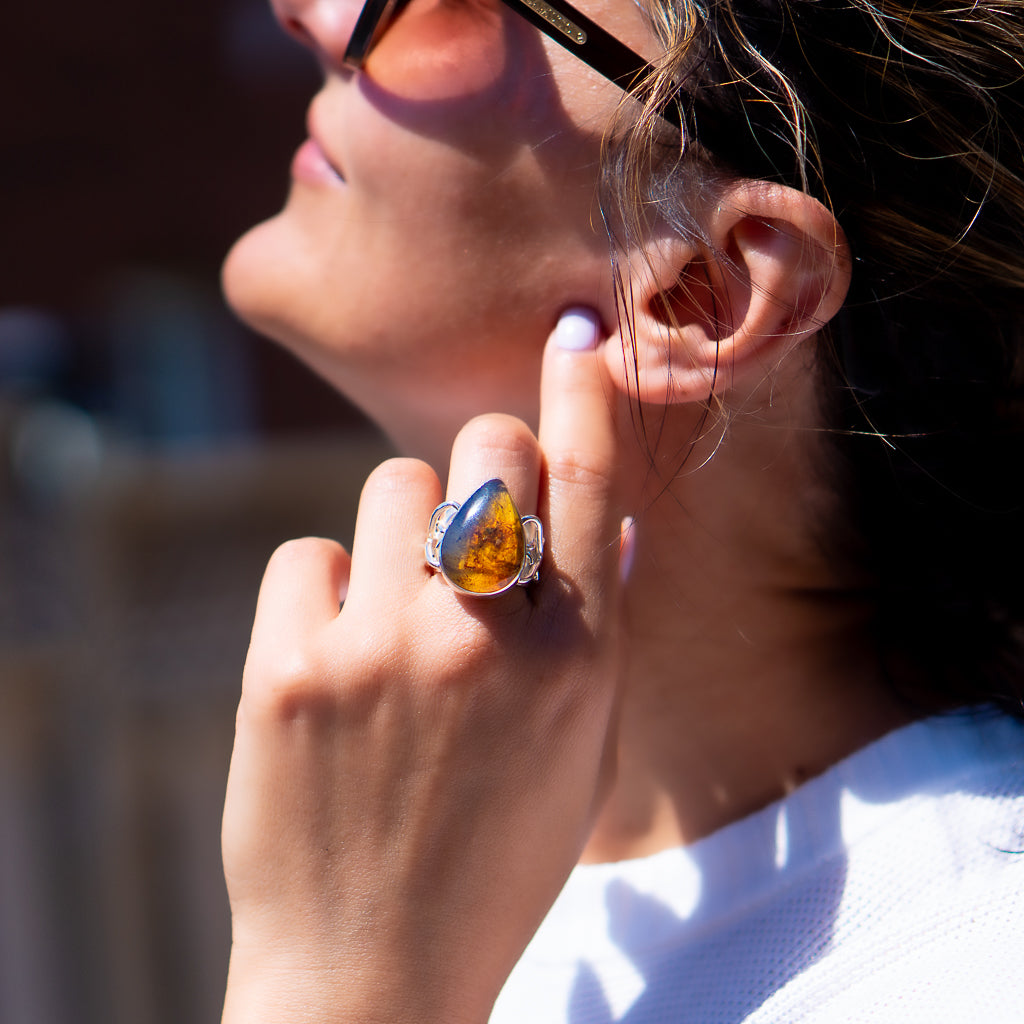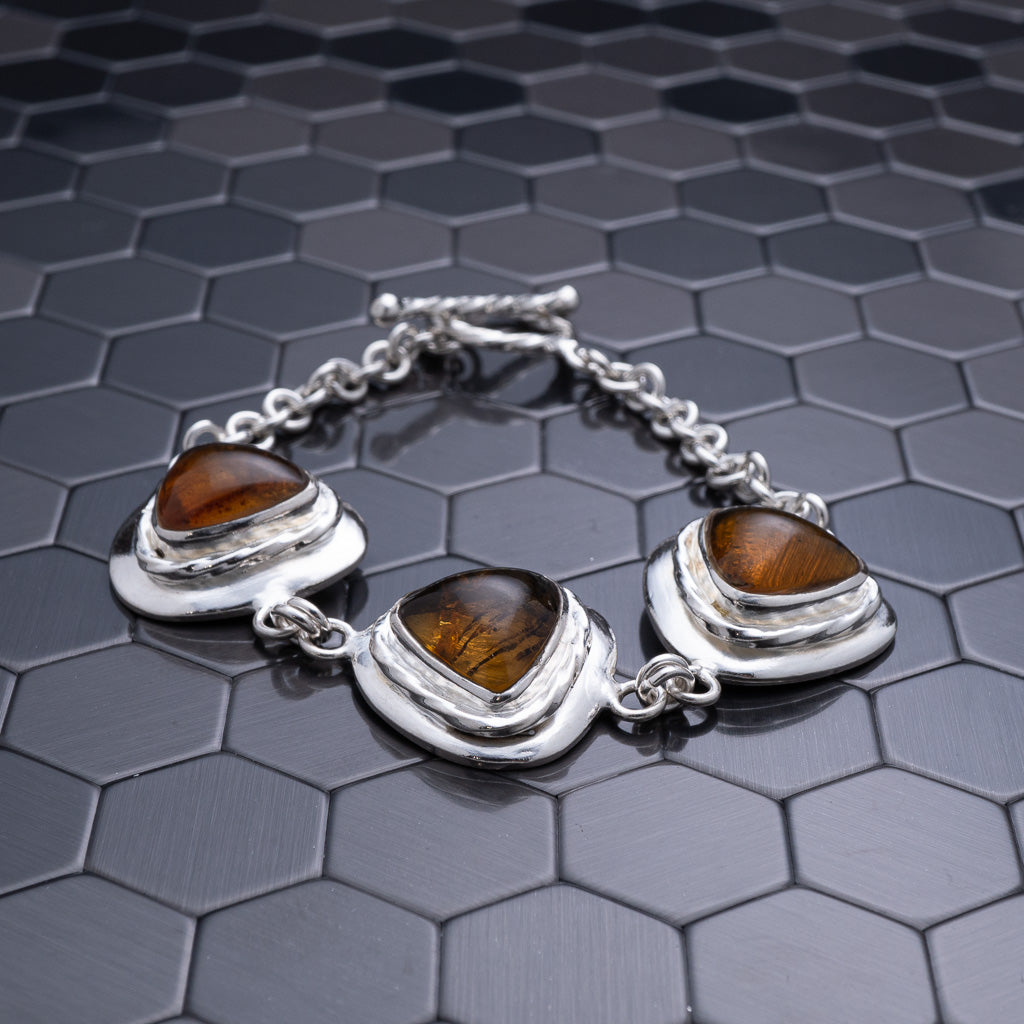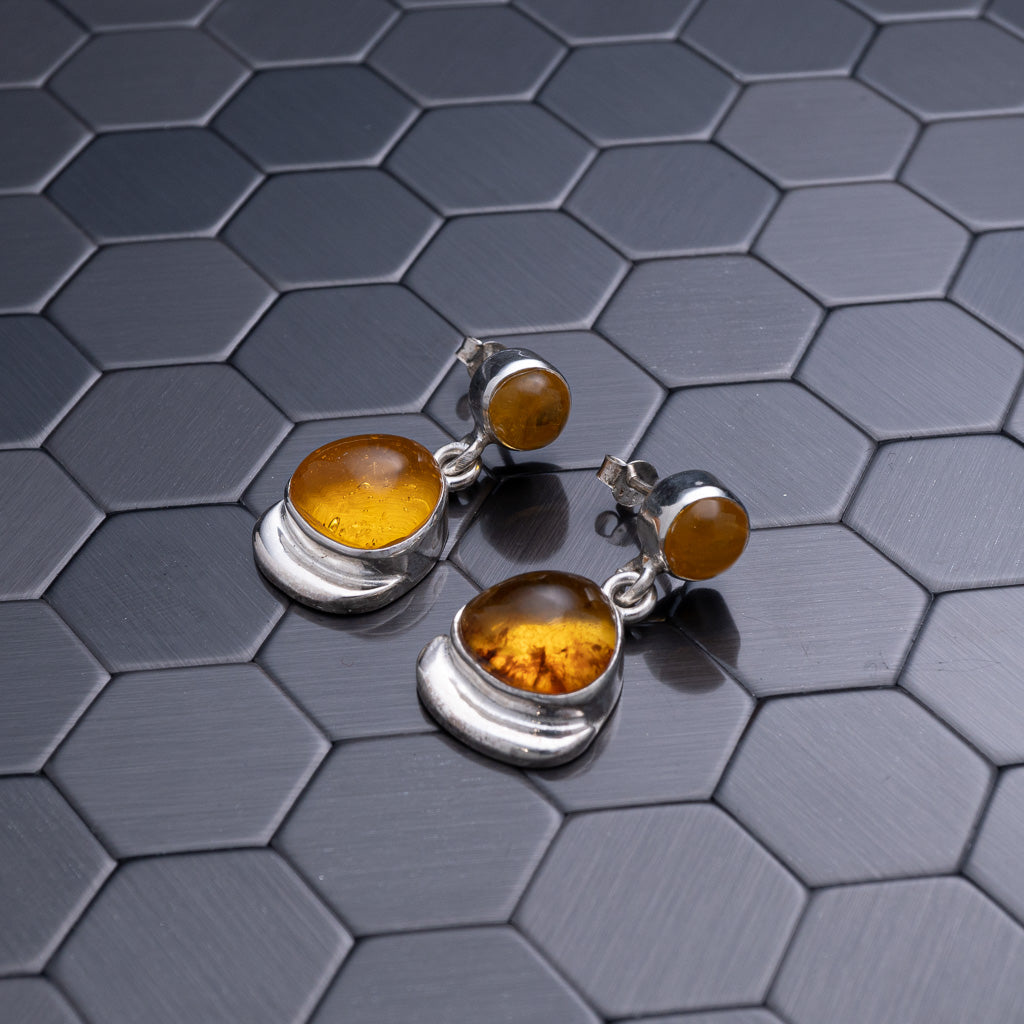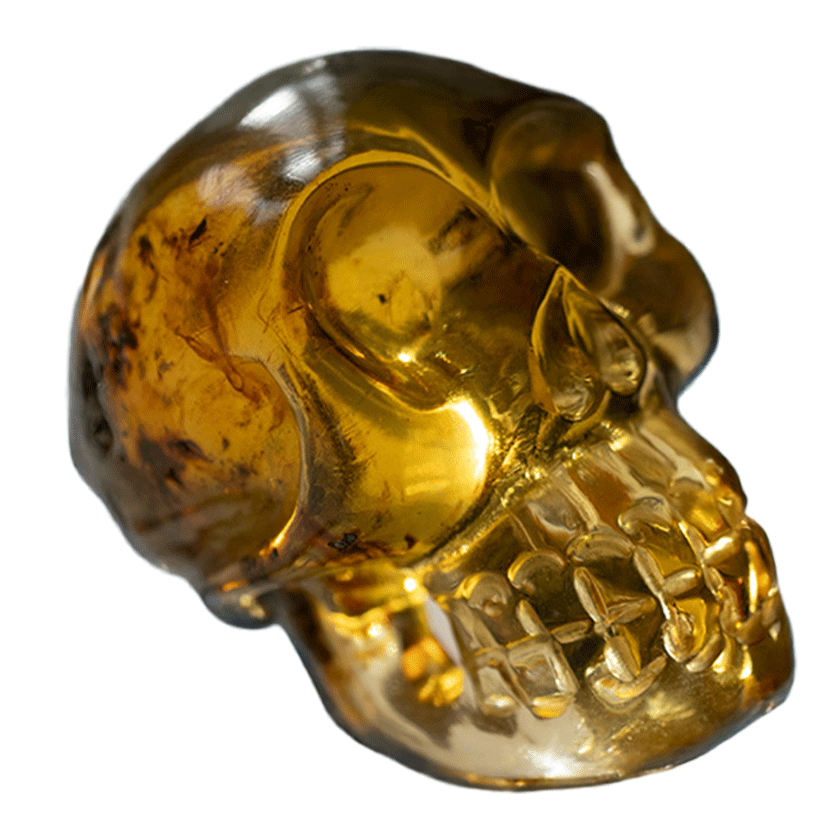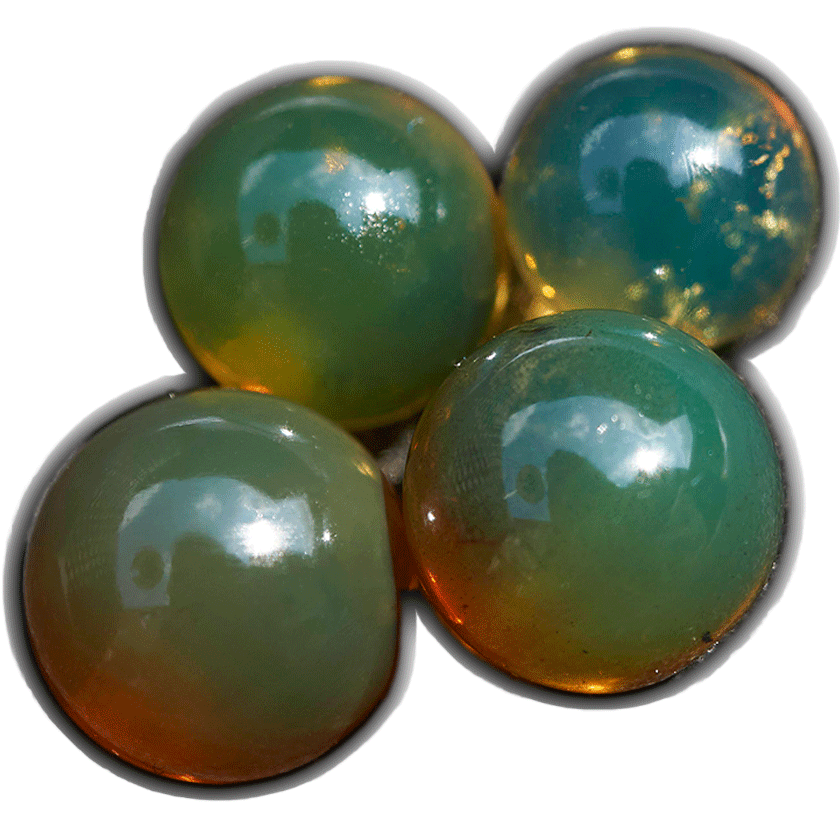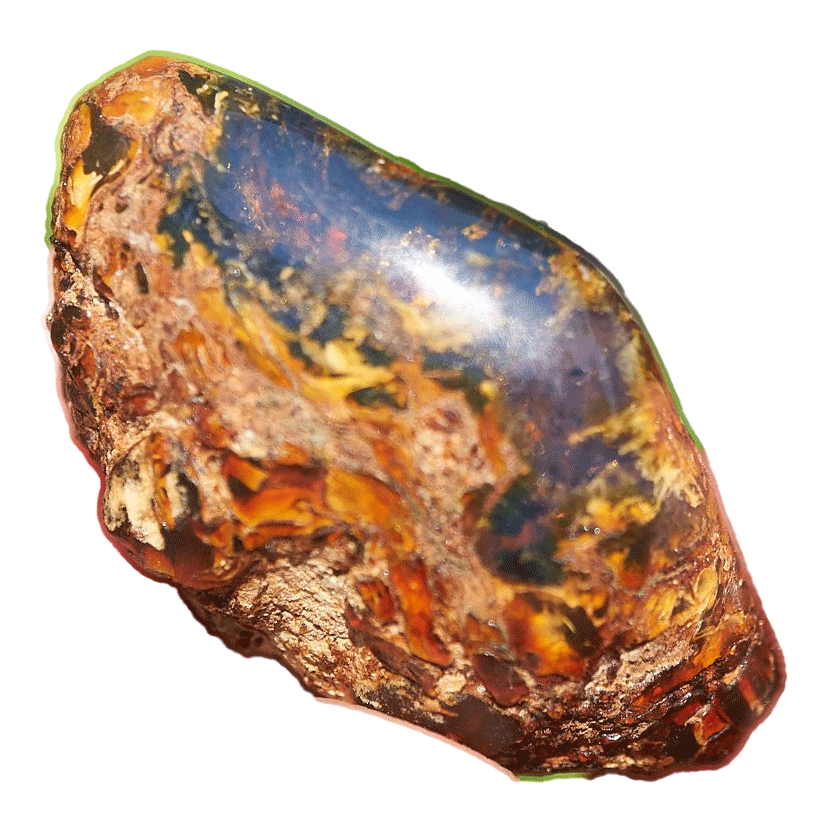


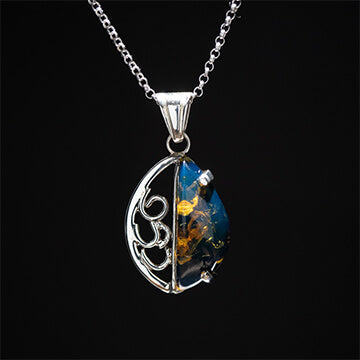
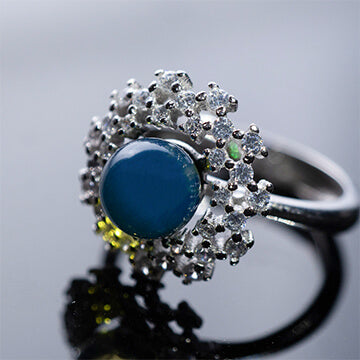
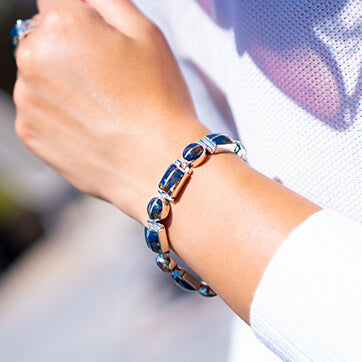
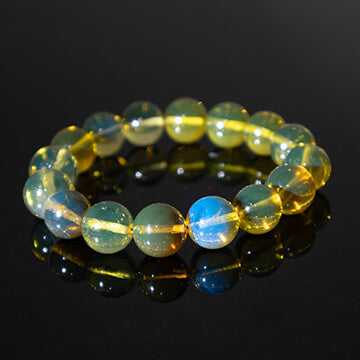
Handcrafted in DR.

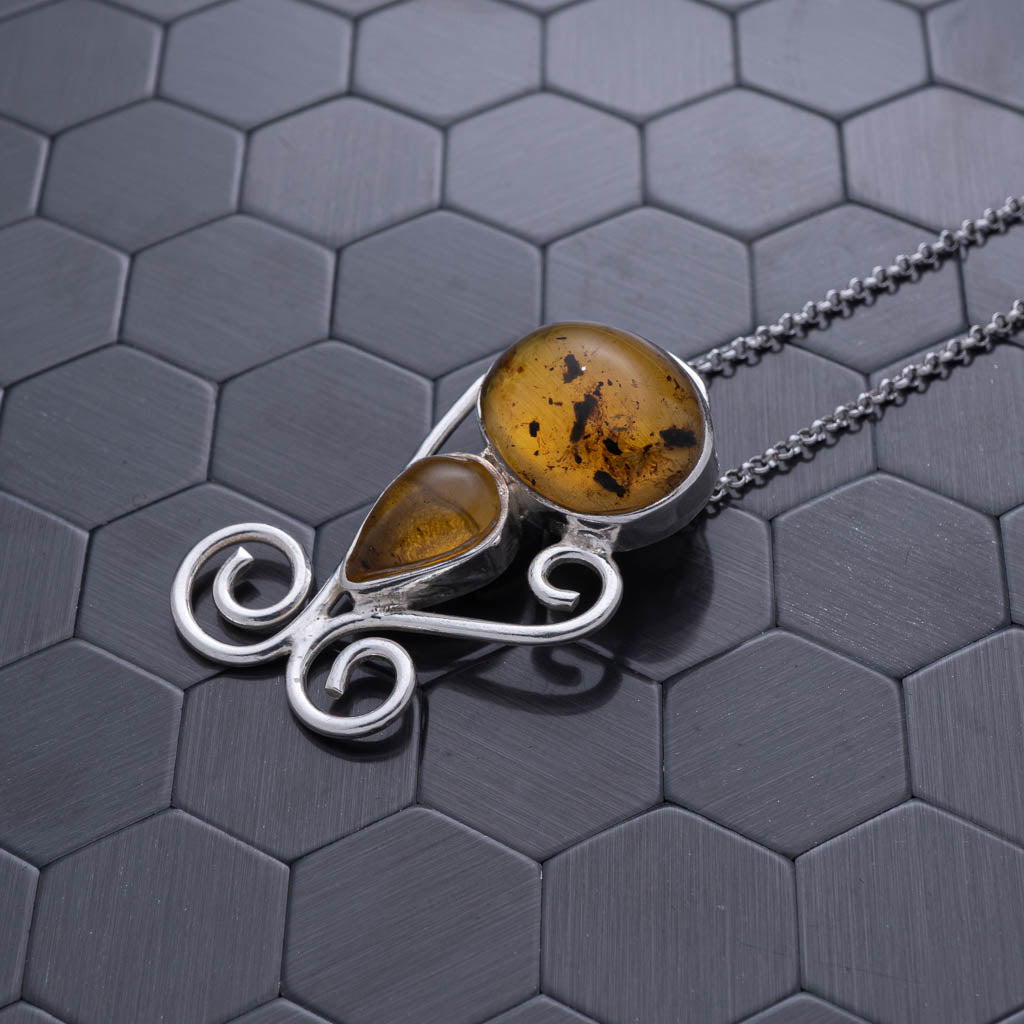
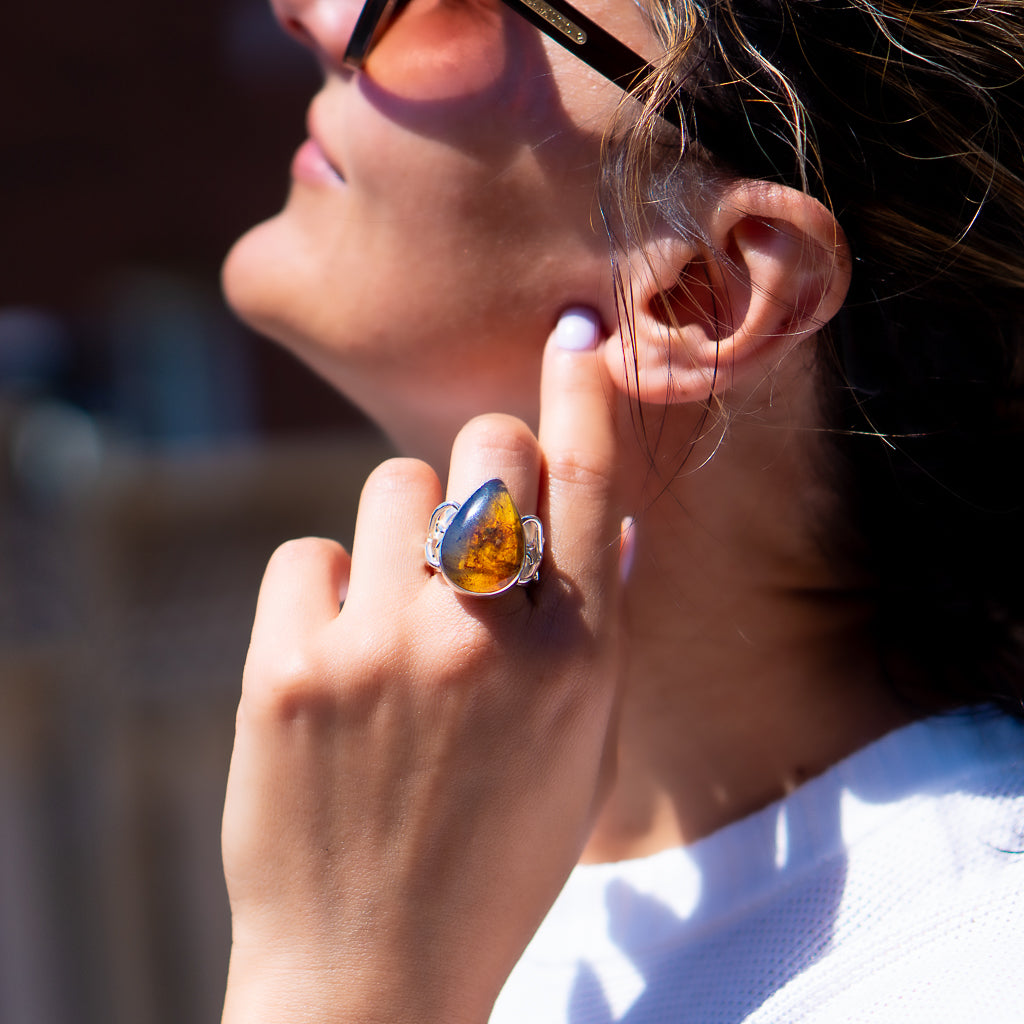
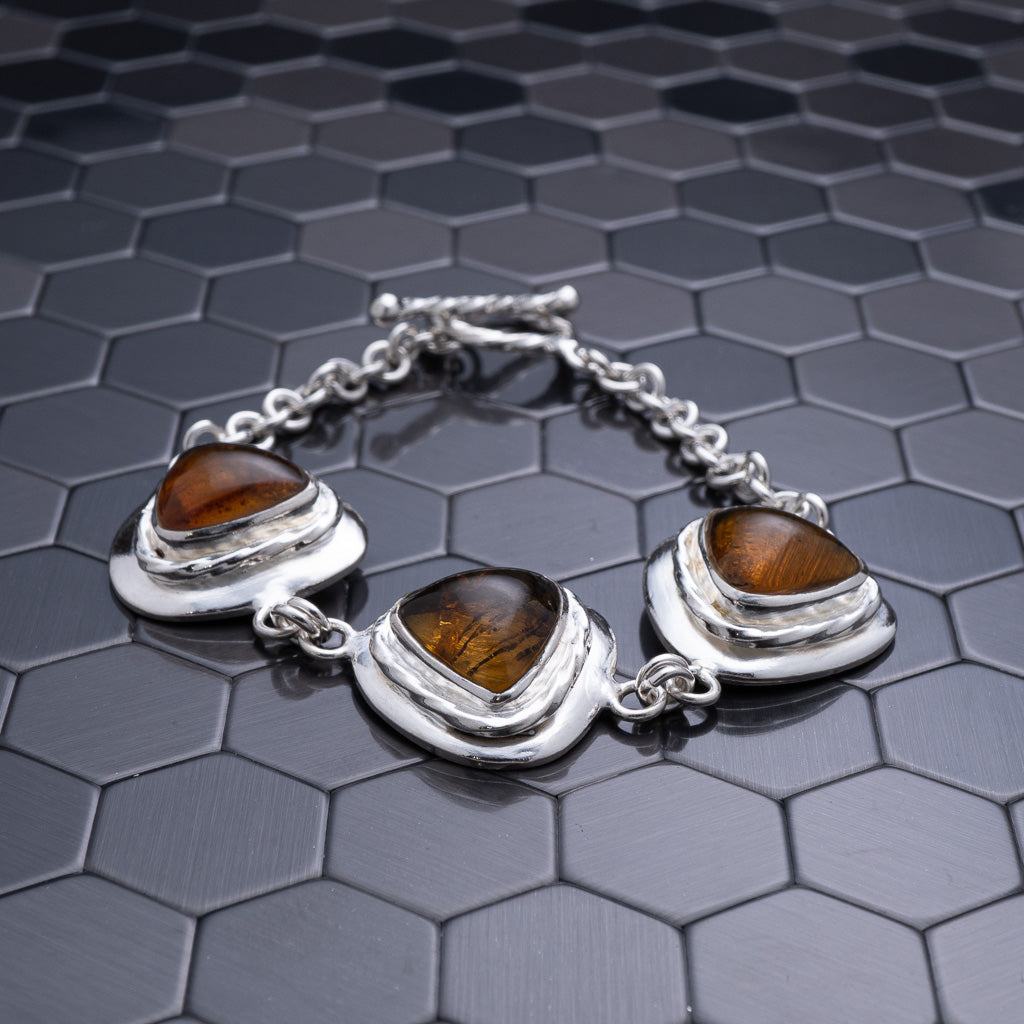
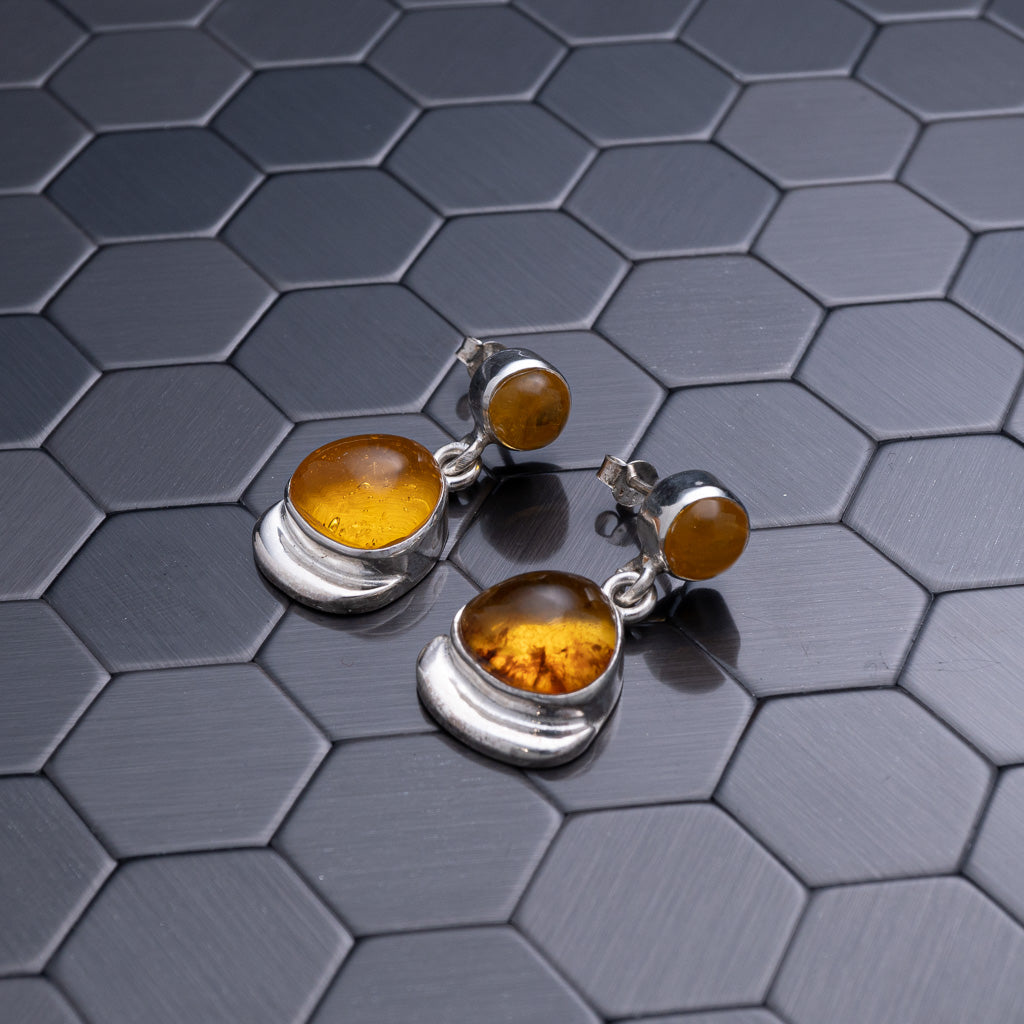


100% Handcrafted in DR.

Jewelry enthusiasts constantly seek pieces that combine traditional elegance with contemporary innovation. Rings with pendants represent a fascinating convergence of two classic jewelry forms, offering wearers unprecedented versatility and personal expression. This unique style allows individuals to transform a single piece from a statement ring into a cherished pendant, adapting to different occasions, outfits, and moods. As jewelry design continues to evolve in 2026, these hybrid pieces have gained remarkable popularity among collectors and everyday wearers alike who appreciate both craftsmanship and practicality.
The concept of multi-functional jewelry dates back centuries, with craftsmen throughout history exploring ways to maximize both beauty and utility. Pendants have adorned human bodies for millennia, serving as symbols of status, protection, and personal identity across numerous cultures. Ancient civilizations created jewelry that could be worn in multiple configurations, demonstrating that the desire for versatility is far from a modern innovation.
Victorian-era jewelers particularly excelled at creating convertible pieces, including rings with pendants that could be detached and worn separately. These designs reflected both practical considerations and romantic sentimentality, as lockets and pendants often contained treasured mementos. The craftsmanship required for such pieces demanded exceptional skill, as artisans needed to ensure structural integrity while maintaining aesthetic appeal in both configurations.
During the Art Nouveau and Art Deco periods, designers experimented extensively with innovative mechanisms that allowed jewelry to transform. This experimental spirit laid the groundwork for contemporary rings with pendants, which benefit from both historical inspiration and modern engineering techniques. Today's jewelers combine traditional metalworking with advanced design software to create pieces that seamlessly transition between forms.
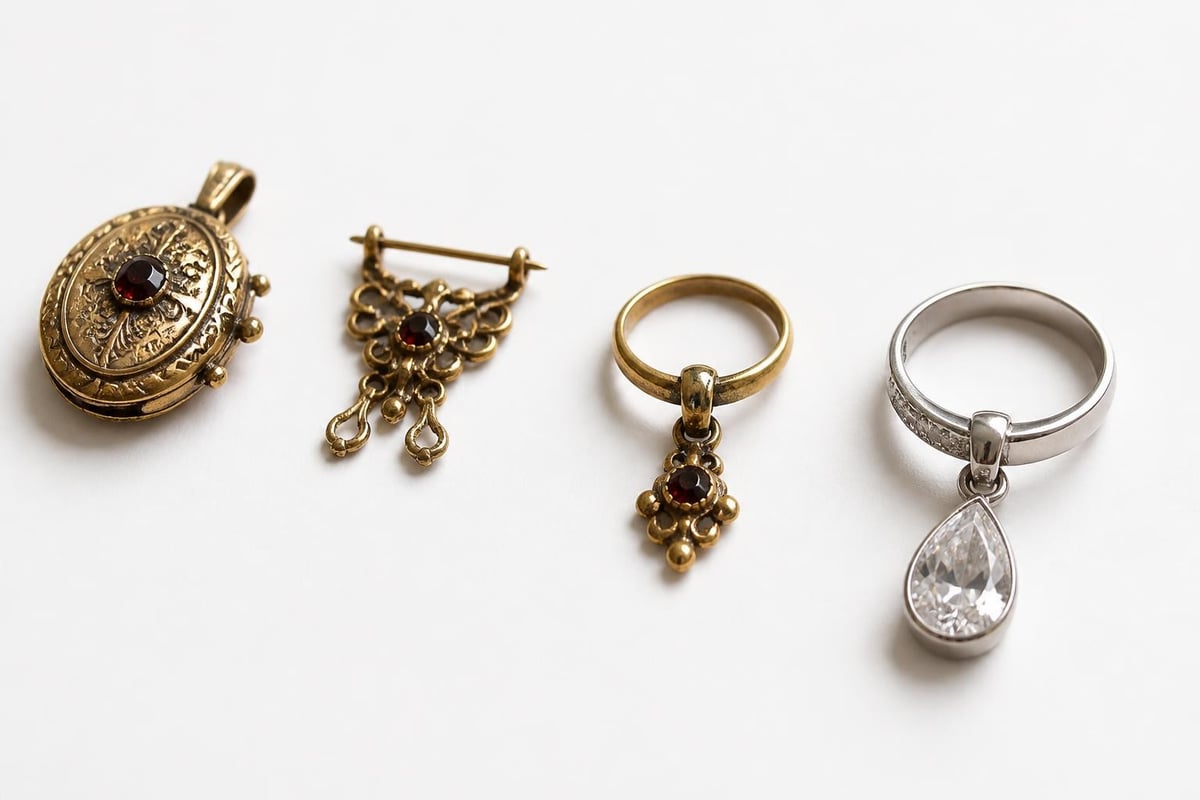
The engineering behind rings with pendants requires careful consideration of several mechanical factors. The most common attachment method involves a bail or loop integrated into the ring's band, allowing it to slide onto a chain when not worn on the finger. This approach maintains the ring's structural integrity while providing a secure pendant conversion.
Primary attachment mechanisms include:
Alternative designs feature removable gemstone settings that can be transferred between a ring mount and a pendant setting. This modular approach offers even greater versatility, though it requires more complex engineering and precision manufacturing. The connection points must withstand daily wear while remaining easy enough for users to operate without professional assistance.
Choosing appropriate materials for rings with pendants demands consideration of both aesthetics and structural requirements. The piece must endure regular conversion between forms without compromising the integrity of either the ring or pendant configuration.
| Material | Durability Rating | Best For | Considerations |
|---|---|---|---|
| Platinum | Exceptional | High-value gemstones | Heavier weight, premium pricing |
| 14K Gold | Excellent | Daily wear versatility | Good balance of strength and beauty |
| Sterling Silver | Good | Casual styling | May tarnish, requires maintenance |
| Titanium | Superior | Active lifestyles | Limited color options |
The band thickness must support pendant suspension without warping or bending over time. Jewelers typically recommend a minimum band width of 3-4mm for pieces intended for regular conversion. When working with precious gemstones like larimar, the setting must provide adequate protection in both ring and pendant positions.
When worn as a ring, these pieces function identically to traditional rings while often featuring unique design elements that hint at their dual nature. The presence of an attachment point becomes part of the aesthetic, creating visual interest that distinguishes the piece from conventional rings. Many wearers appreciate this subtle detail as a conversation starter and a mark of individualized style.
Placement on different fingers creates varying visual effects. A rings with pendants worn on the index finger makes a bold statement, while positioning on the ring finger carries traditional romantic symbolism. The middle finger offers a balanced, contemporary look that works particularly well with larger gemstone settings.
Converting the ring to a pendant opens entirely new styling possibilities. Chain length dramatically affects the piece's visual impact and compatibility with different necklines. A 16-inch chain positions the pendant at the collarbone, ideal for showcasing intricate metalwork and smaller gemstones. An 18-inch chain creates a more relaxed presentation, while 20-24 inch chains allow larger rings to rest prominently at the chest.
Optimal chain lengths by neckline:
Layering presents another creative avenue. A rings with pendants can serve as the focal point in a multi-strand necklace arrangement, combining with complementary chains and smaller pendants to create dimensional interest. This approach works especially well when the ring features distinctive gemstones that benefit from prominent display.
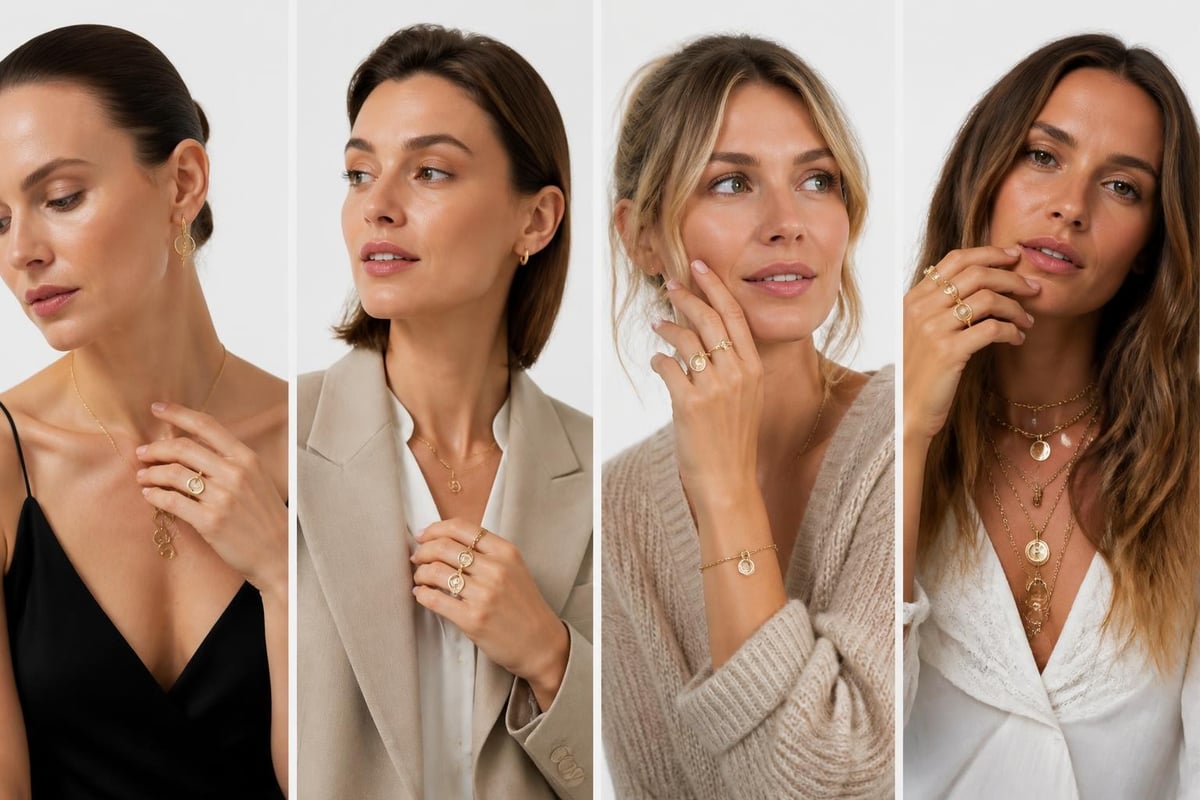
The choice of gemstone significantly influences both the aesthetic appeal and practical functionality of rings with pendants. Certain stones prove more suitable for dual-purpose wear due to their hardness, color stability, and visual impact from multiple viewing angles.
Gemstones rated 7 or higher on the Mohs hardness scale generally perform best in convertible jewelry. These stones resist scratching and chipping during the conversion process and regular wear. Sapphires, rubies, and diamonds exemplify this category, offering both beauty and resilience.
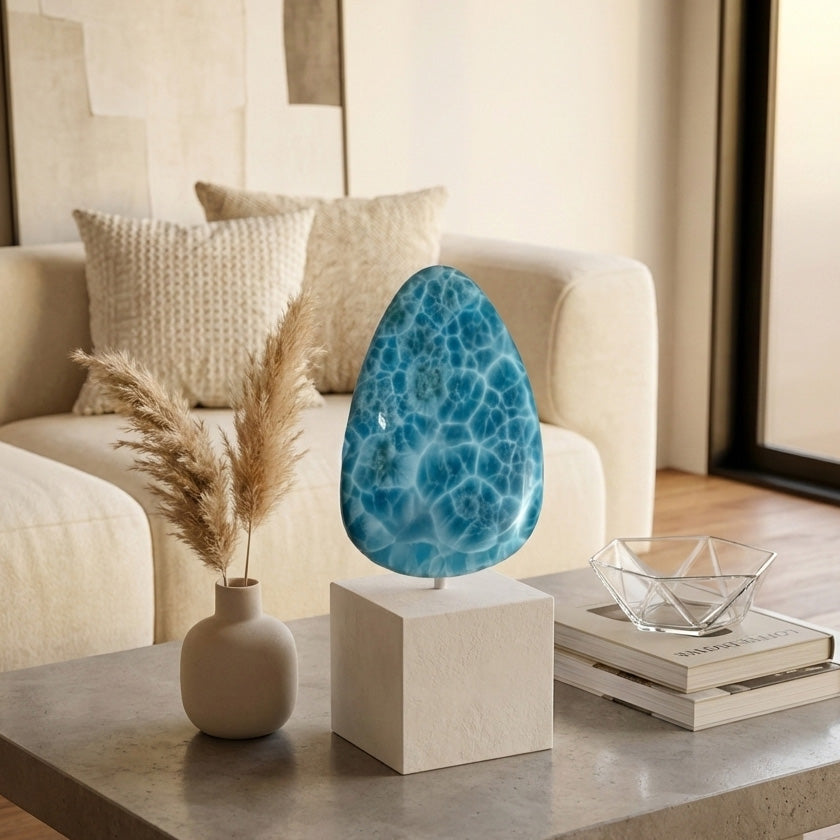
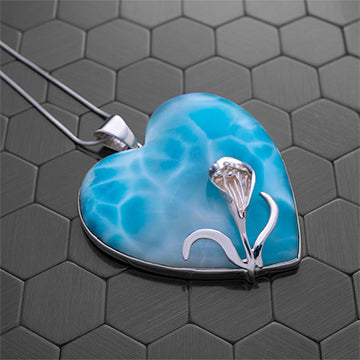
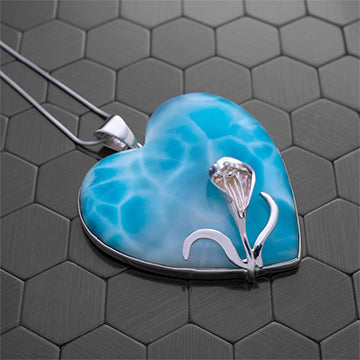
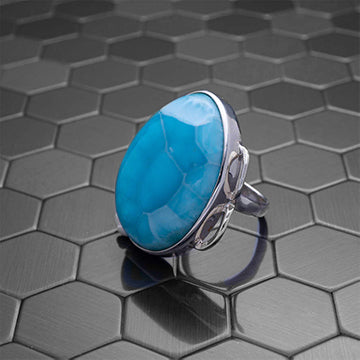
Larimar, with its distinctive blue coloration and unique origin in the Dominican Republic, requires thoughtful setting considerations in rings with pendants. This rare gemstone benefits from protective bezel settings or prong configurations that shield the stone's edges. When showcased in handcrafted larimar pendants, the stone's natural variations and Caribbean-blue hues become focal points that captivate from every angle.
The setting must secure the gemstone equally well whether the piece is worn as a ring or pendant. Gravity affects pendant wear differently than ring wear, requiring settings that prevent stone movement or loosening over time.
Recommended settings include:
Prong height requires careful calibration. Excessively tall prongs may catch on clothing during pendant wear, while overly short prongs compromise security during ring wear. Expert jewelers typically maintain prong heights between 1.5-2mm, providing adequate protection without creating snag points.
Rings with pendants accumulate different types of debris depending on their current configuration. Ring wear exposes the piece to lotions, soaps, and environmental contaminants, while pendant wear may involve contact with perfumes, cosmetics, and body oils. A comprehensive cleaning routine addresses both scenarios.
Regular at-home cleaning involves gentle soap solution and soft-bristled brushes, avoiding harsh chemicals that might compromise attachment mechanisms. Professional ultrasonic cleaning provides deeper maintenance but should be performed by jewelers familiar with convertible pieces to avoid damaging specialized components.
Proper storage extends the lifespan of attachment mechanisms and prevents scratches to gemstones and metal surfaces. Individual soft pouches protect pieces when not worn, while compartmentalized jewelry boxes prevent tangling with chains or other items.
Store rings with pendants in their primary configuration, typically as rings, to minimize stress on attachment points. If storing as pendants, ensure chains are fastened and pieces lie flat rather than suspended, preventing unnecessary strain on connection points.
Regular examination of attachment points, hinges, and clasps prevents unexpected failures. Inspect for:
Professional inspection annually or semi-annually ensures optimal functionality. Jewelers can tighten connections, replace worn components, and verify the structural integrity of both ring and pendant configurations.
Commissioning custom rings with pendants requires clear communication about intended use patterns, style preferences, and budget parameters. Detailed discussions about wearing habits help jewelers recommend appropriate mechanisms and materials.
Bring reference images showing desired aesthetic elements, preferred gemstones, and functionality requirements. Many jewelers now utilize CAD (Computer-Aided Design) technology, allowing clients to visualize designs before production begins. This process ensures the final piece meets expectations for both ring and pendant configurations.
Custom pieces offer opportunities for meaningful personalization that mass-produced jewelry cannot match. Engraving, birthstones, and symbolic motifs transform rings with pendants into deeply personal treasures.
Popular personalization options:
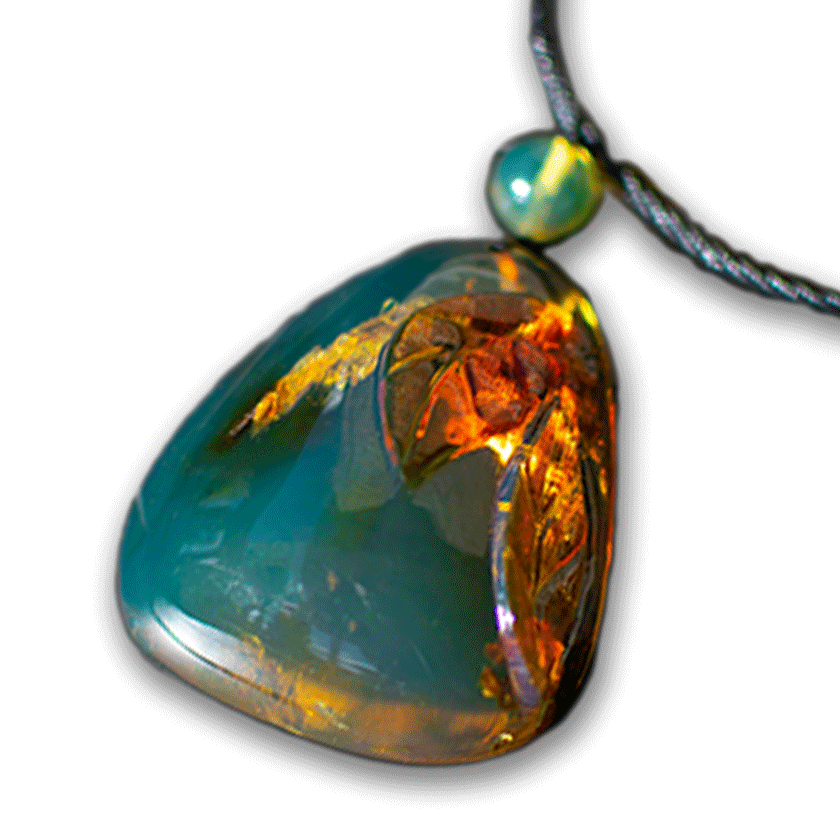
The integration of rare gemstones like larimar or Dominican blue amber creates one-of-a-kind pieces with distinctive character. These materials' natural variations ensure no two pieces appear identical, enhancing the jewelry's uniqueness and personal significance. Those interested in exploring unique larimar jewelry will find these stones offer exceptional beauty in convertible designs.
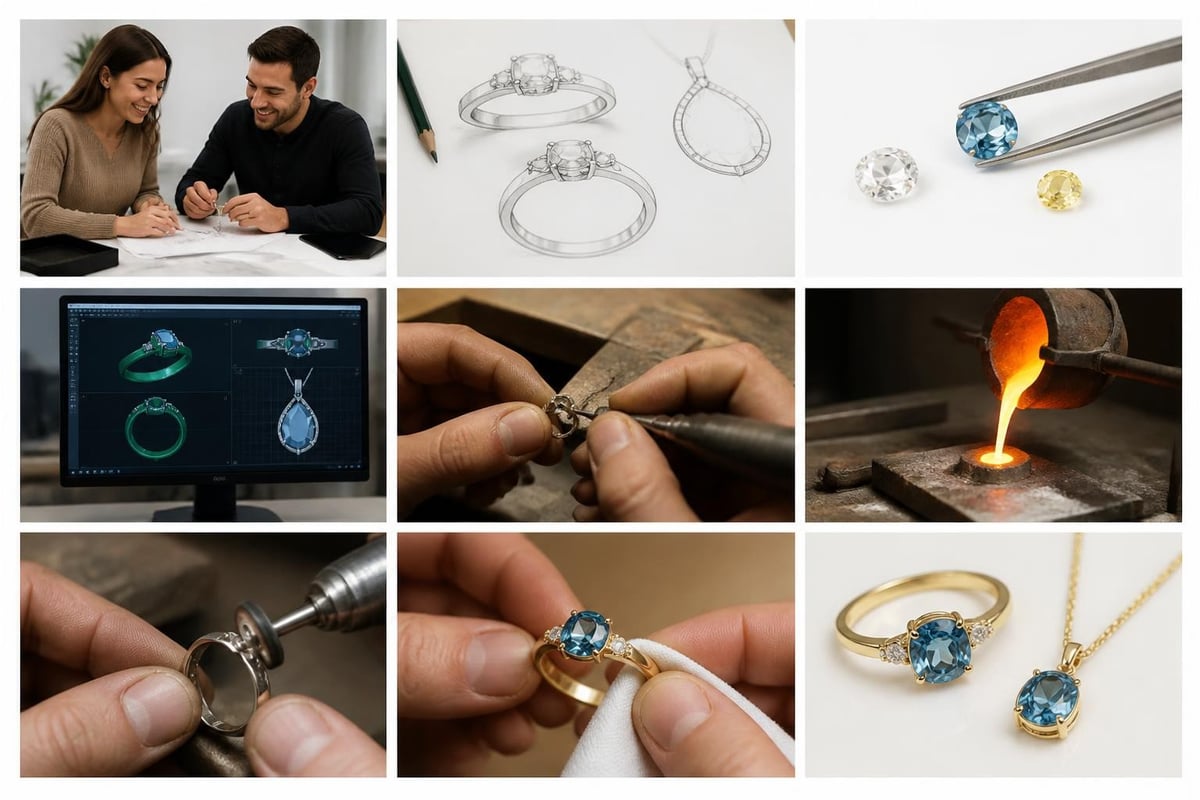
Rings with pendants typically command premium pricing compared to conventional rings due to their engineering complexity and dual functionality. Several factors influence investment value in 2026's jewelry market.
| Factor | Impact on Value | Considerations |
|---|---|---|
| Metal purity | High | 18K gold vs. 14K gold significantly affects price |
| Gemstone rarity | Very High | Rare stones like larimar appreciate faster |
| Craftsmanship | High | Handmade pieces value above mass production |
| Mechanism complexity | Moderate | Sophisticated attachments increase cost |
| Brand reputation | Variable | Established artisans command premium |
The convertible nature adds practical value beyond aesthetic appeal. Owners essentially acquire two pieces for a price point typically below purchasing a separate ring and pendant. This cost efficiency attracts pragmatic buyers who appreciate maximizing wardrobe versatility.
Quality rings with pendants featuring precious metals and gemstones generally maintain value well, with certain pieces appreciating significantly over time. Rare gemstone selections, exceptional craftsmanship, and documented provenance enhance resale potential.
Limited edition pieces from recognized artisans often appreciate fastest, particularly when featuring unusual gemstones or innovative mechanisms. The growing interest in sustainable jewelry practices has increased demand for versatile pieces that reduce consumption, potentially boosting rings with pendants' market position.
Workplace appropriateness varies by industry and company culture. Conservative professional settings typically favor subtle designs worn as rings, with pendant conversion reserved for after-hours events. The ability to transform the piece allows professionals to maintain appropriate daytime presence while showcasing more expressive styling during evening activities.
Business casual environments permit greater flexibility. Medium-sized rings with pendants featuring quality gemstones convey professionalism while expressing personal style. Switching to pendant configuration for presentations or client meetings can create fresh visual interest without requiring complete outfit changes.
Evening galas and formal occasions showcase rings with pendants at their most glamorous. Larger gemstones and elaborate metalwork make powerful statements when converted to pendants, particularly when paired with elegant necklines and formal attire.
Consider the event's dress code when choosing configuration. Black-tie events traditionally call for dramatic jewelry, making pendant wear ideal for maximum impact. Cocktail attire permits either configuration, allowing personal preference to guide the decision.
The convertible nature proves especially valuable during travel. A single rings with pendants piece provides styling options without occupying precious luggage space. This versatility appeals to minimalist travelers and those seeking to simplify their accessory collections.
Casual settings encourage experimentation with unconventional styling approaches. Layer the pendant with other necklaces for bohemian flair, or wear the ring on a chain as a unique bracelet element. These creative interpretations reflect personal style while maximizing the piece's utility.
Successfully integrating rings with pendants into existing collections requires attention to metal compatibility. While mixing metals has become increasingly acceptable in contemporary fashion, cohesive color palettes create more polished presentations.
Metal mixing guidelines:
For those with extensive ring collections, selecting rings with pendants in complementary metals ensures seamless coordination whether worn on fingers or as necklaces.
Color theory guides effective gemstone coordination. Analogous colors (adjacent on the color wheel) create harmonious combinations, while complementary colors provide dynamic contrast. Neutral gemstones like diamonds, white sapphires, or clear quartz coordinate with virtually any color palette.
Larimar's distinctive blue hues pair beautifully with cool-toned gemstones like aquamarine, blue topaz, and sapphire. Warm accents in gold settings create appealing temperature contrast that enhances the stone's natural luminosity. When building collections around specific gemstones, rings with pendants featuring those stones provide versatile anchor pieces.
Rings with pendants make exceptional gifts for milestone celebrations due to their symbolic dual nature. The convertible design represents adaptability, growth, and multifaceted relationships, making these pieces appropriate for various significant events.
Ideal gifting occasions:
The recipient's lifestyle should inform design selection. Active individuals benefit from secure, low-profile settings, while those with formal social calendars appreciate more elaborate designs suitable for elegant events.
Thoughtful presentation enhances the gifting experience. Consider revealing both configurations during the gift presentation, demonstrating the piece's versatility and sparking immediate appreciation for its dual functionality.
Include care instructions and conversion guidance to ensure recipients understand proper use and maintenance. For custom pieces, share the design story and gemstone significance, creating deeper emotional connections to the jewelry. Documentation of gemstone origins, particularly for rare materials, adds value and authenticity.
Consumer demand for ethically sourced materials continues strengthening in 2026. Rings with pendants featuring recycled metals and responsibly mined gemstones appeal to environmentally conscious buyers who prioritize sustainability without compromising quality or beauty.
Transparency in sourcing has become essential. Reputable jewelers provide documentation detailing material origins, mining practices, and manufacturing processes. This information reassures buyers while supporting ethical industry practices that benefit mining communities and protect natural environments.
Innovative jewelers experiment with technology integration in convertible pieces. Smart jewelry incorporating fitness tracking, notification capabilities, or even subtle lighting elements represents frontier design territory. These technological enhancements maintain aesthetic integrity while providing practical modern functionality.
Traditional craftsmanship remains paramount even as technology advances. The most successful contemporary pieces balance innovation with timeless design principles, ensuring relevance beyond temporary trends. This approach creates jewelry that serves both immediate needs and long-term legacy building.
Current market trends accommodate both minimalist and maximalist preferences. Clean-lined, geometric rings with pendants appeal to those favoring understated elegance and contemporary design. These pieces emphasize quality materials and precise craftsmanship over ornate decoration.
Conversely, maximalist designs featuring bold gemstones, intricate metalwork, and dramatic proportions attract those who view jewelry as wearable art. Statement pieces in this category often incorporate multiple gemstones, textured surfaces, and architectural elements that command attention in both configurations.
Rings with pendants represent the perfect convergence of traditional jewelry craftsmanship and contemporary versatility, offering wearers unprecedented styling flexibility and investment value. These innovative pieces adapt to changing occasions, moods, and fashion preferences while maintaining their intrinsic beauty and significance. Whether you're drawn to the serene blues of larimar, the warm glow of amber, or the classic brilliance of traditional gemstones, Larimar Creations offers expertly handcrafted jewelry that celebrates both exceptional materials and functional design, bringing the beauty of the Caribbean to jewelry lovers worldwide.