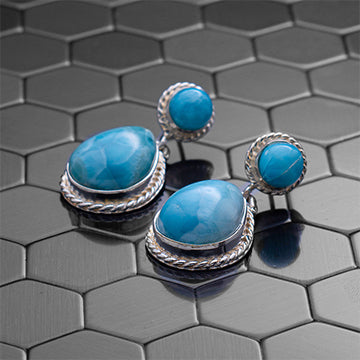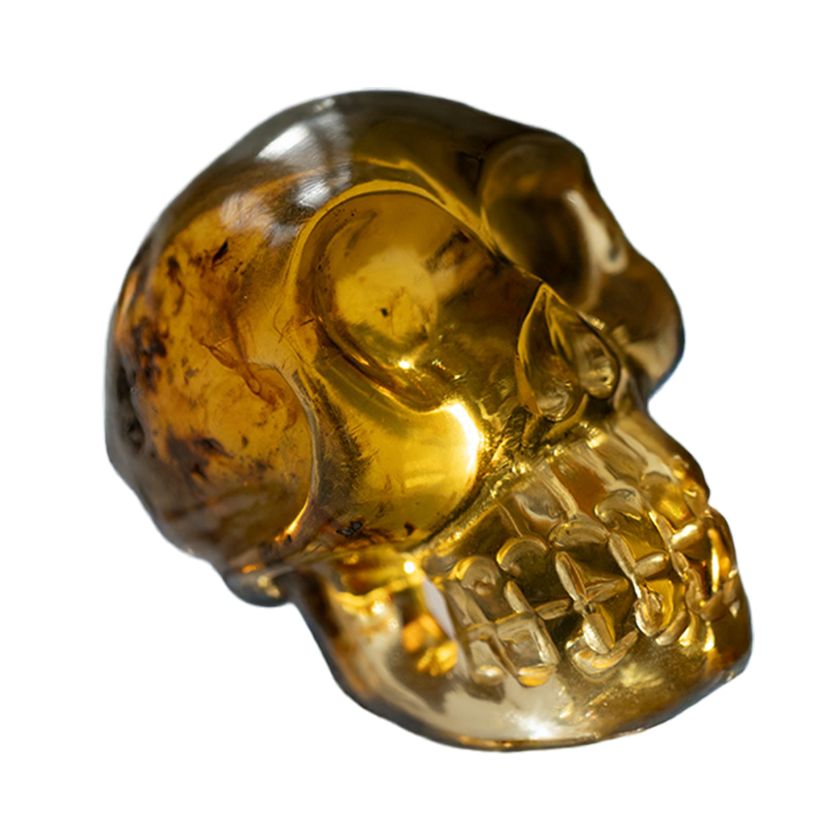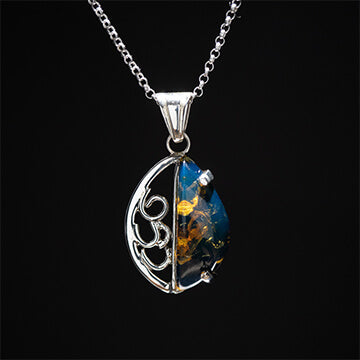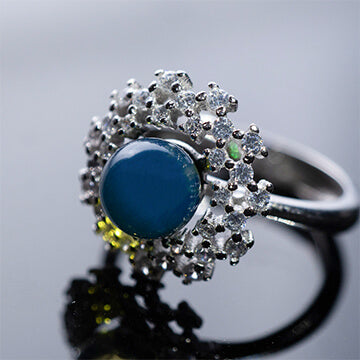

Larimar
Blue Amber
Green Amber
Amber Carvings
More

by Admin October 13, 2026 6 min read

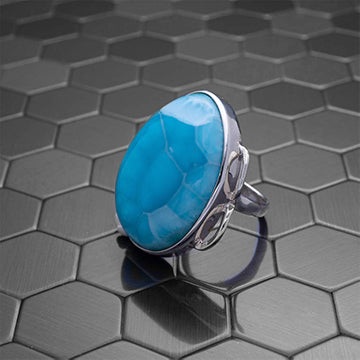
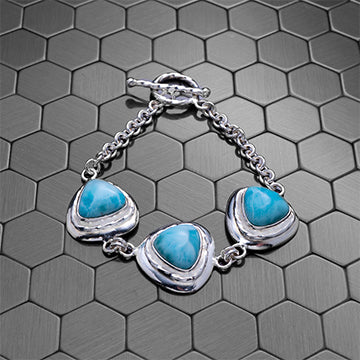
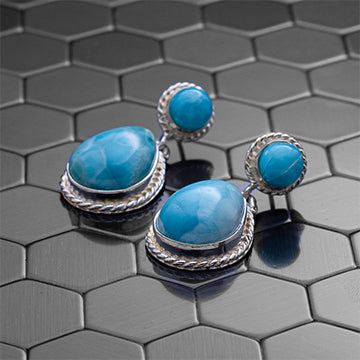
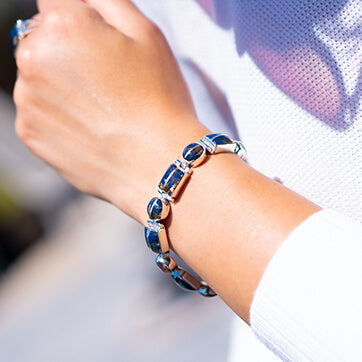
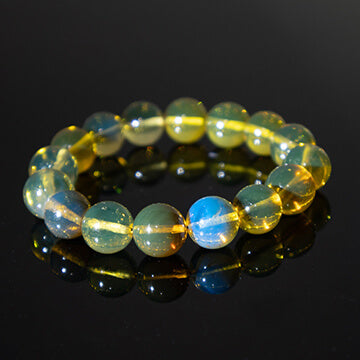
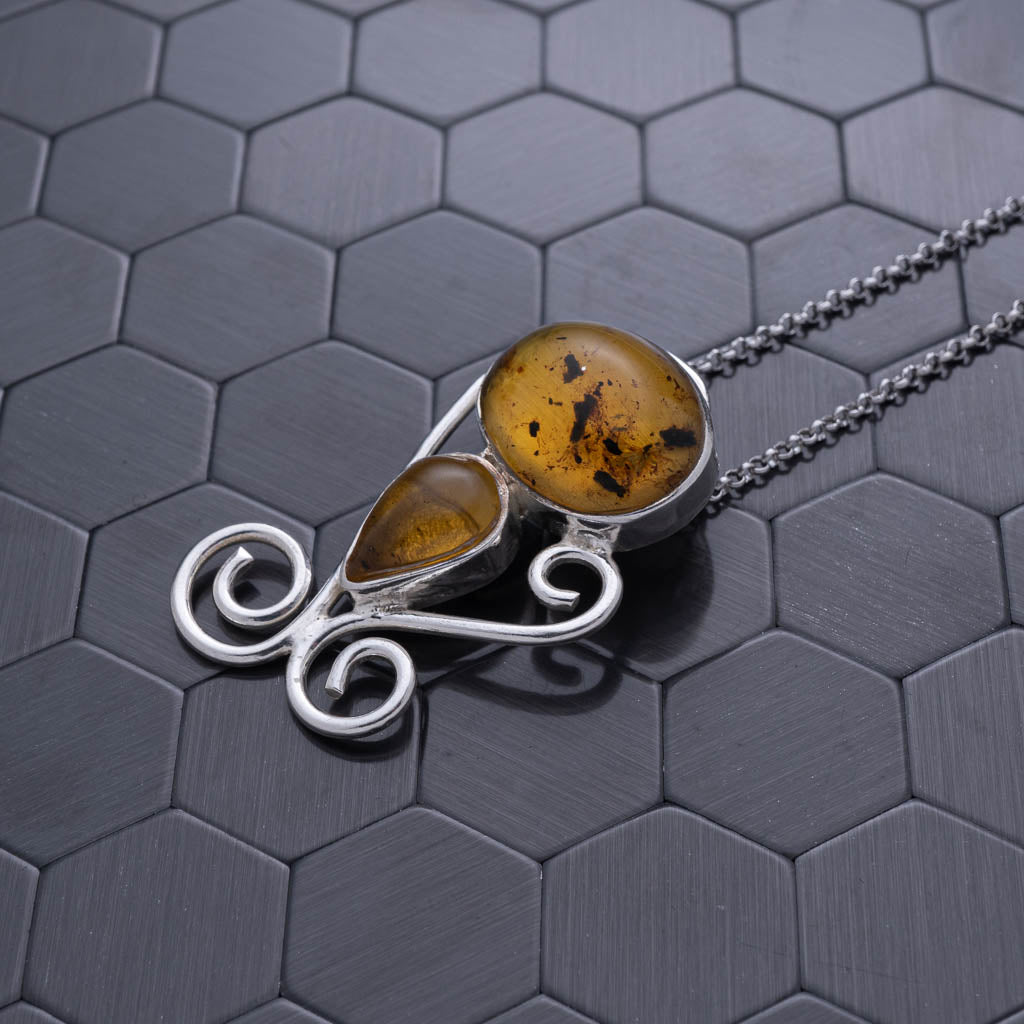
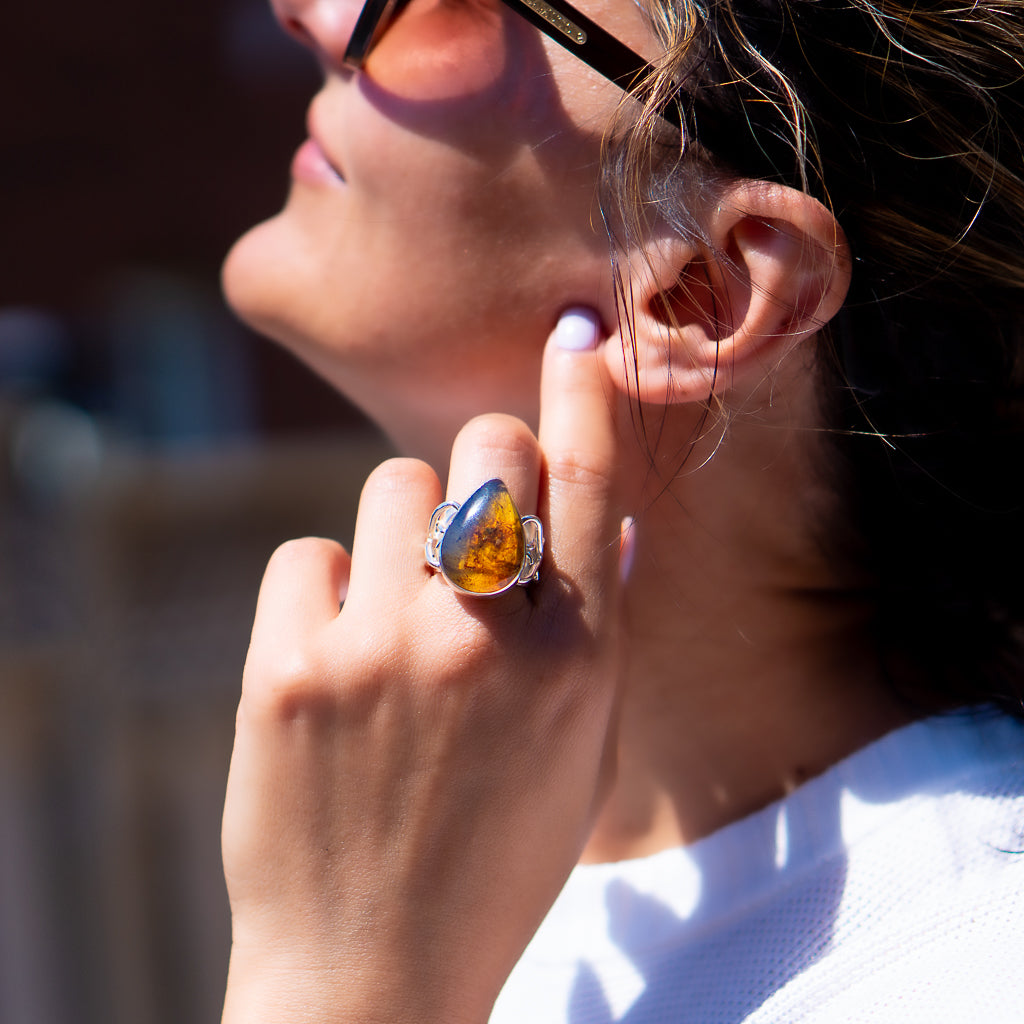
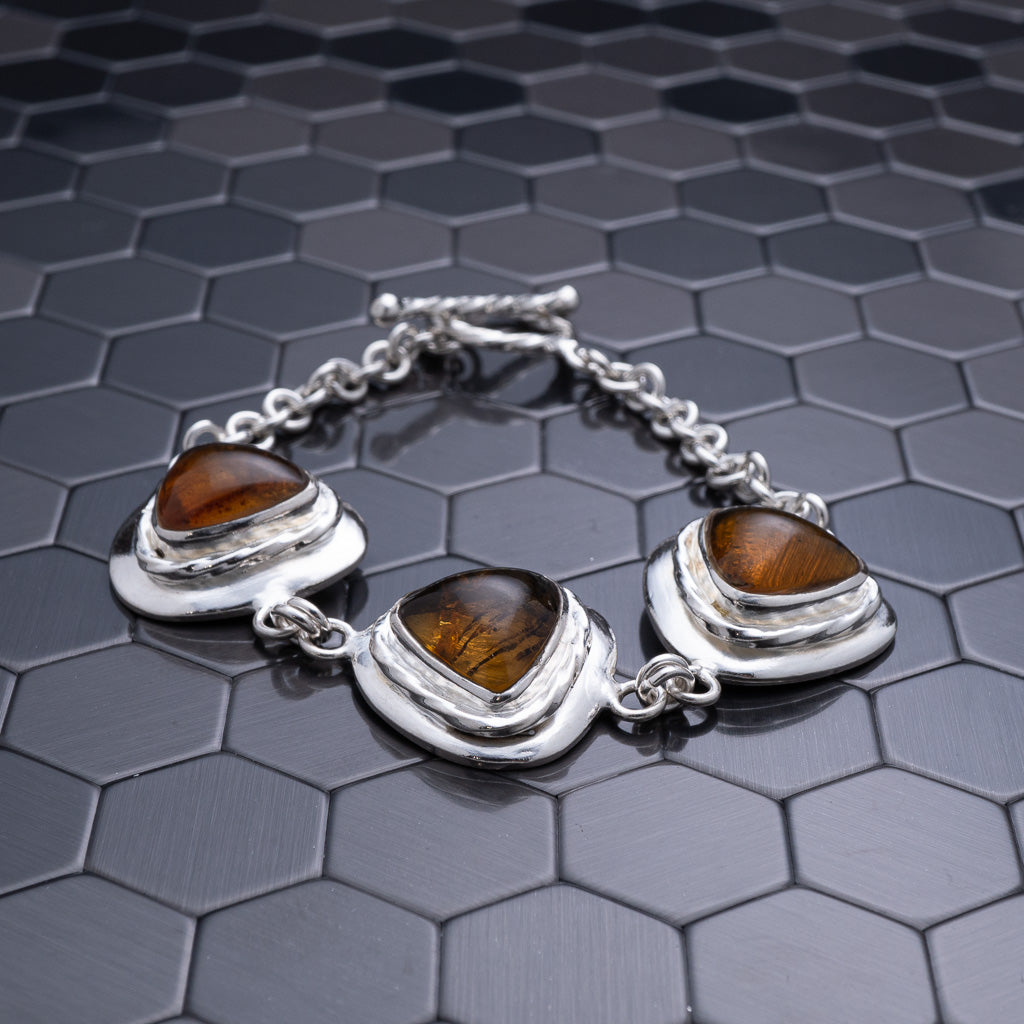
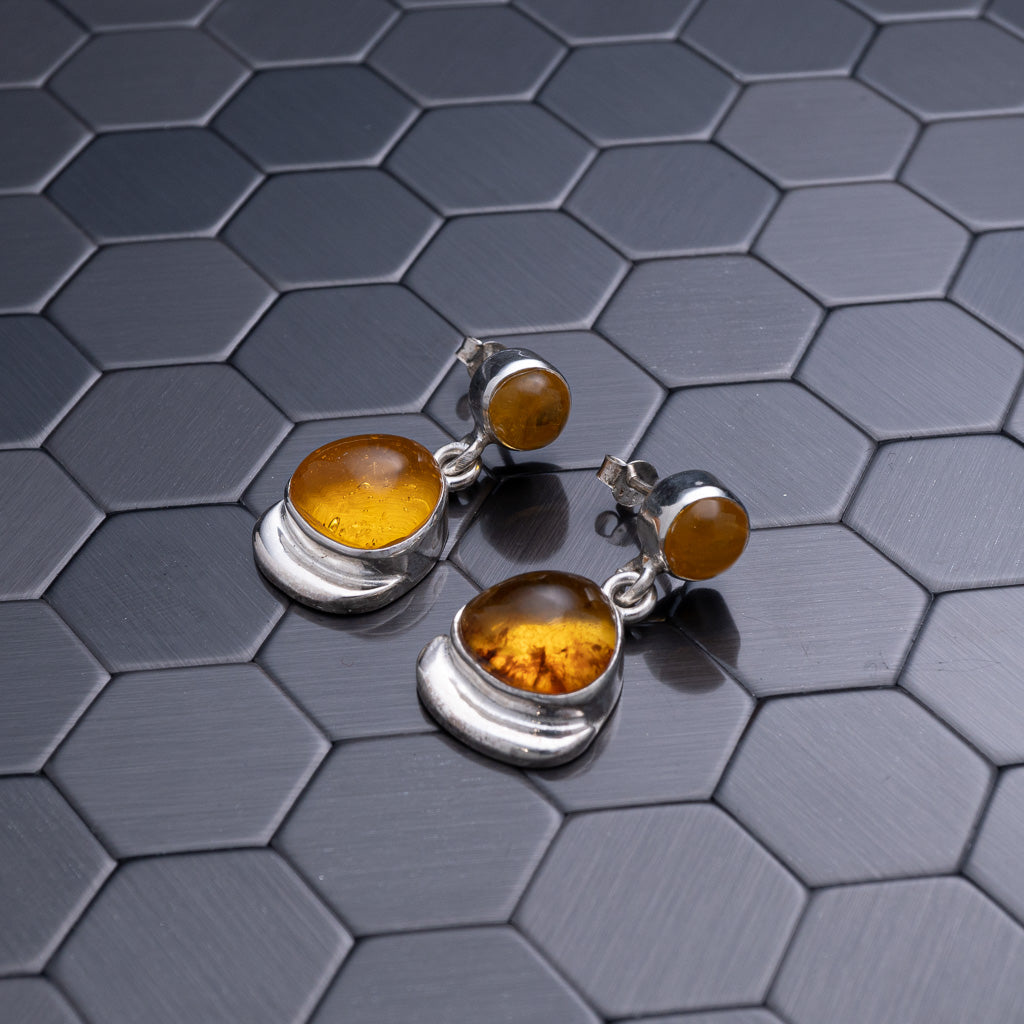
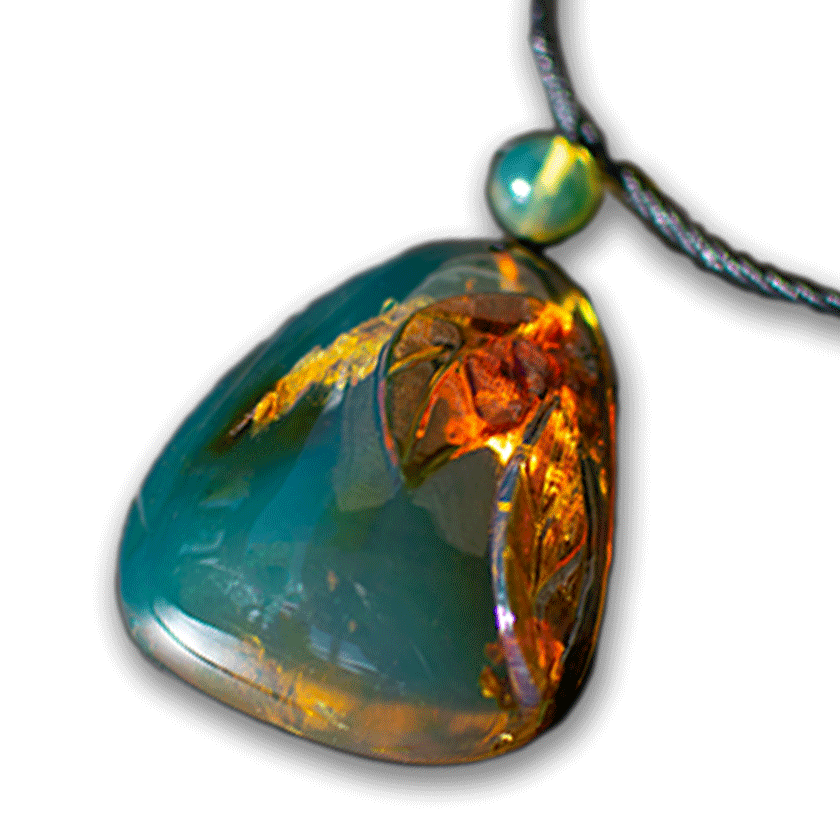
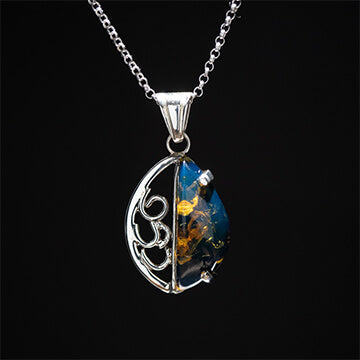
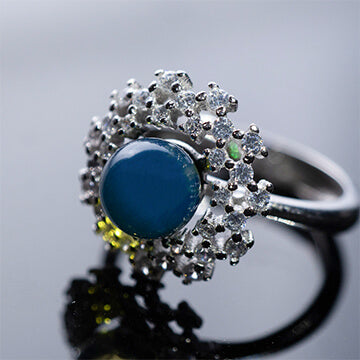
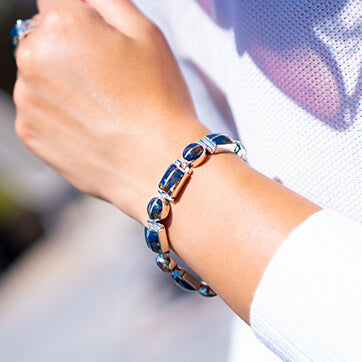
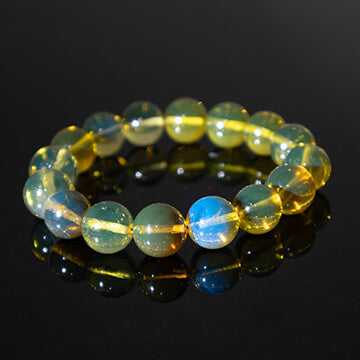
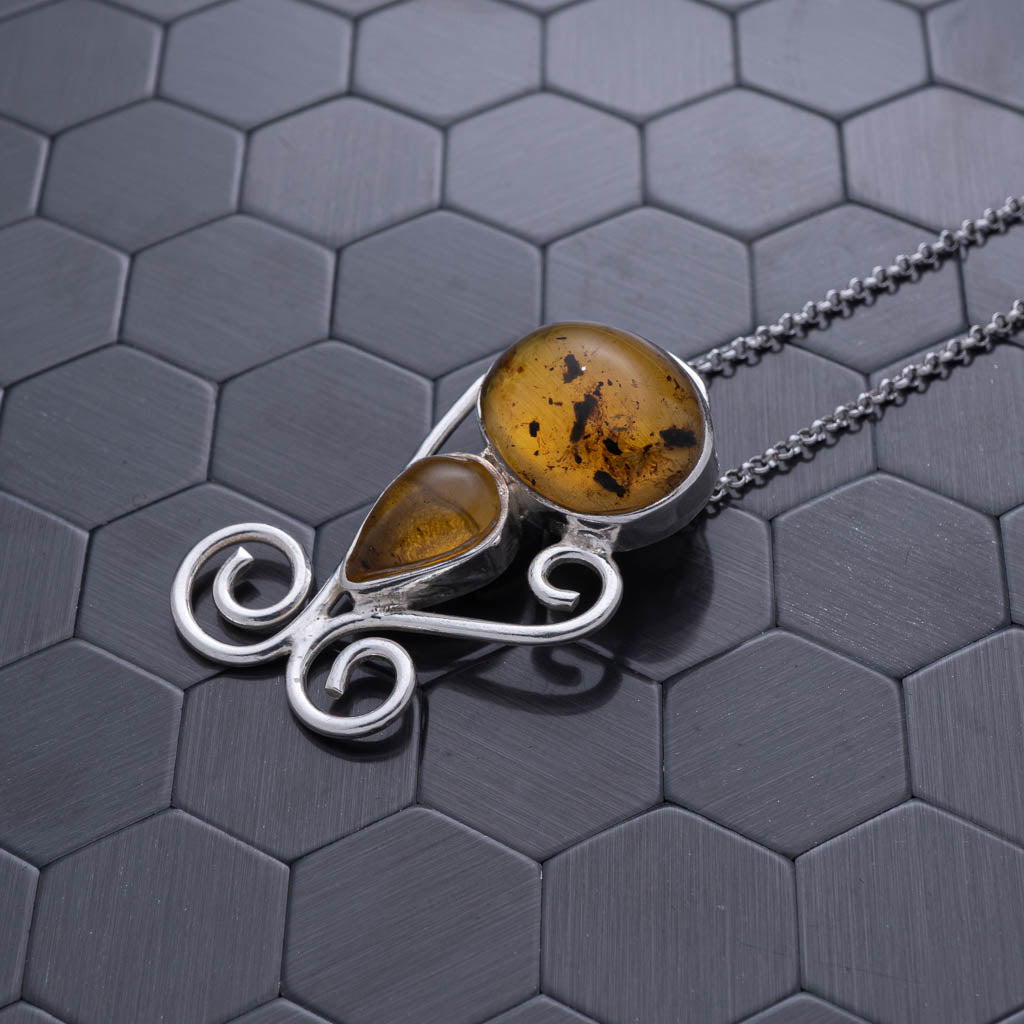
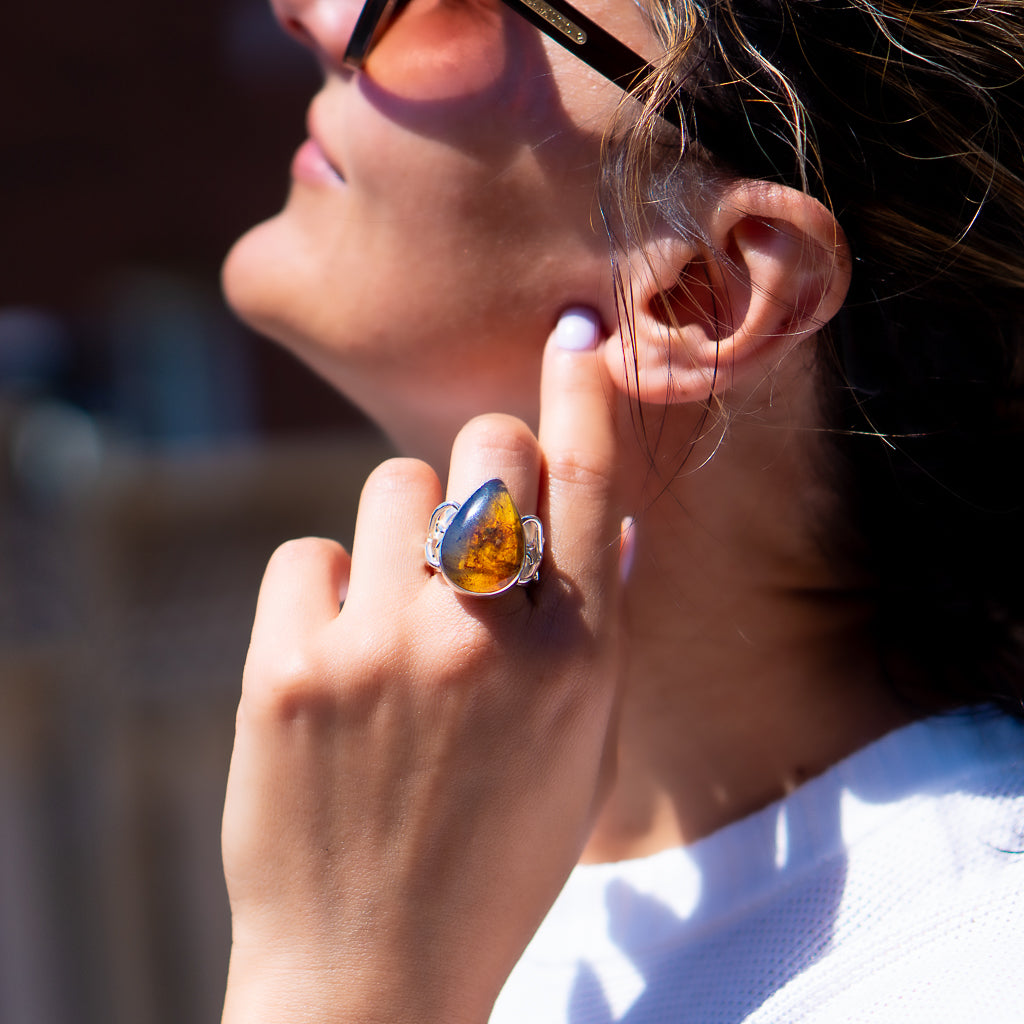
A blue amber pendant can hold a flash of Caribbean sunlight that no photograph fully captures. A Larimar ring may carry an ocean-blue pattern found nowhere else on earth. Fine jewelry insurance is what helps protect that singular beauty when the unexpected interrupts the story - whether a treasured piece is stolen, damaged, or lost far from home.

For jewelry chosen for its rarity, origin, and craftsmanship, insurance should be considered part of ownership, not an afterthought. The right coverage cannot recreate the exact hand of an artisan or the precise pattern within a natural gemstone. It can, however, give you the financial footing to repair, replace, or thoughtfully reselect a piece after a loss.

Why Fine Jewelry Insurance Is Different

Most homeowners and renters policies include some coverage for personal belongings, including jewelry. That sounds reassuring until you read the limits. Many policies cap theft coverage for jewelry at a relatively low amount, and the policy deductible can further reduce what you receive. Coverage for a lost ring, a cracked stone, or a vanished earring may be narrower still.

Fine jewelry often needs to be scheduled separately, also called adding a personal articles endorsement or rider. A scheduled item is listed individually with a stated value and supporting documentation. Depending on the policy, this can provide broader protection, lower or no deductible, and coverage that follows the piece beyond your home.

The distinction matters greatly for rare Caribbean gemstones. A mass-produced gold pendant may be easier to replace at a comparable price. An authentic Dominican Blue Amber piece, however, can reflect uncommon color, natural inclusions, gemstone size, cut, and handcrafted design. Larimar presents a similar challenge: its blue tone, white marbling, polish, and setting work together to create an individual piece. Replacement value is not merely the cost of a similar silhouette.

Start With the Coverage You Already Have

Before buying separate coverage, review your homeowners, condo, or renters policy carefully. Look beyond the total amount of personal-property coverage and ask how jewelry is treated specifically. The meaningful details are usually in the fine print: theft sublimits, deductibles, excluded causes of loss, and whether claims are settled at actual cash value or replacement cost.

Actual cash value can account for depreciation. Replacement-cost coverage is generally intended to cover the cost to replace the item, subject to the policy terms. Neither phrase alone tells the whole story. A replacement provision may permit the insurer to choose a comparable replacement rather than pay cash, while a cash settlement may be limited by your scheduled value. Ask how the insurer defines comparable quality for natural gemstones, handmade work, and one-of-a-kind designs.

A standalone jewelry policy or a scheduled endorsement can be a better fit when a piece exceeds your base policy limit, travels often, or would be difficult to replace. Some plans cover a broad range of accidental losses, including mysterious disappearance. Others cover only specifically named events, such as theft or fire. Read the exclusions with the same care you would bring to selecting a gemstone.

Build a Record Worthy of the Piece

Insurance is easier to arrange before anything happens. It also becomes far less stressful when your records show what made the jewelry special. Keep your sales receipt, certificate of authenticity, gemstone report if one was provided, and clear photos of the piece from several angles. Photograph markings, hallmarks, clasps, and the setting as well as the stone.

For a meaningful collection, keep a simple inventory with the purchase date, price, metal type, gemstone details, dimensions, and the place of purchase. Store digital copies in a secure location separate from the jewelry itself. If a pendant is lost during travel or a bracelet is taken during a break-in, these details help establish ownership and value.

An independent appraisal is often requested for scheduled coverage, especially above a certain value. Choose an appraiser with experience in the relevant materials. An appraisal for a rare amber or Larimar piece should do more than list “blue stone” or “amber pendant.” It should identify the gemstone accurately, describe its quality and origin where supportable, note treatments or enhancements if applicable, and document the jewelry’s metal, weight, workmanship, and condition.

There is a trade-off here. An insurance appraisal is typically based on retail replacement value, which may be higher than a resale or estate value. That can help ensure adequate coverage, but insuring an item for more than it can reasonably be replaced for may also mean paying unnecessarily high premiums. Ask the appraiser which value standard is being used and why.

How Fine Jewelry Insurance Should Value Rare Stones

Fine jewelry insurance works best when its valuation reflects the true character of the piece rather than a generic category. For rare gemstones, value may be shaped by color, clarity, size, cut, provenance, craftsmanship, and current availability. Natural variation is not a flaw in Larimar or amber. It is often the very reason a collector or wearer falls in love with a particular stone.

Dominican Blue Amber deserves particular attention because its value is influenced by qualities that are difficult to reduce to a single line on an appraisal. The depth of blue, transparency, fluorescence, natural inclusions, polish, and carving or cabochon work can affect desirability. A fossil inclusion, when authentic and properly documented, can add another layer of collector interest. The same principle applies to substantial Larimar cabochons and detailed artisan settings: a close substitute may not carry the same visual presence.

When discussing a claim, ask whether the insurer will work with a jeweler experienced in the stone you own. If your policy allows a cash settlement, confirm how that amount is calculated. If it requires replacement, determine whether you may select the jeweler or vendor. These answers matter more for specialized jewelry than for a standard diamond solitaire.

For a piece from Larimar Creations, retain the original product description and certification materials alongside your receipt. They can help document the stone’s stated origin, authenticity, and craftsmanship at the time of purchase.

Consider the Real Risks in Your Life

Coverage should reflect how you wear and store your jewelry. A pendant worn every day faces different risks than a collector cabochon kept in a display case. A ring worn while traveling may be exposed to loss in airports, hotel rooms, beaches, and unfamiliar settings. If you take jewelry abroad, confirm that your policy applies internationally and understand any reporting requirements after theft or loss.

Damage coverage deserves a close look as well. A loose prong, broken chain, chipped cabochon, or damaged clasp can occur without a dramatic event. Not every policy treats wear, gradual deterioration, manufacturing defects, or preventive repairs as covered losses. Routine inspections and careful maintenance remain essential, even with excellent insurance.

It is also wise to separate insurance from security. Keep higher-value pieces in a secure location when they are not being worn, use a hotel safe when traveling where appropriate, and avoid leaving jewelry in a vehicle. If a piece is especially delicate, reserve it for occasions where it can be enjoyed without unnecessary risk. Insurance can soften financial loss, but it cannot replace peace of mind or sentimental history.

Review Coverage as Your Collection Changes

A policy should not be filed away and forgotten. Review your scheduled jewelry annually and after major purchases, repairs, redesigns, or meaningful changes in market value. Update your insurer if a necklace receives a new custom setting, a gemstone is reset into another piece, or an inherited item is newly added to your collection.

Reappraisal is especially sensible when a piece has appreciated materially, when gemstone availability has shifted, or when your documentation is several years old. There is no universal schedule for every item. The right cadence depends on the stone, the value, the policy requirements, and how quickly the relevant market moves.

The goal is not to place a number on romance, memory, or the feeling of wearing a piece of the Caribbean. It is to make sure the practical details honor what the jewelry means to you. Document it well, insure it thoughtfully, and wear its rare beauty with confidence.

7 Top Birthstone Alternatives for June Gifts - Larimar Creations

7 Top Birthstone Alternatives for June Gifts

6 min read

Seeking top birthstone alternatives for June? Compare Larimar, Dominican blue amber, moonstone, alexandrite, and more gems for meaningful jewelry gifts.
Read More
Finding Authentic Larimar Near Me: Your Complete Guide - Larimar Creations

Finding Authentic Larimar Near Me: Your Complete Guide

7 min read

Discover where to find authentic larimar jewelry near you. Learn about quality, sourcing, and what to look for when searching for larimar near me.
Read More
Does Amber Float? A Simple Test for Real Amber - Larimar Creations

Does Amber Float? A Simple Test for Real Amber

5 min read

Does amber float? Learn what a saltwater test can reveal, why genuine amber can sink in fresh water, and how to assess a treasured piece with proper care.
Read More