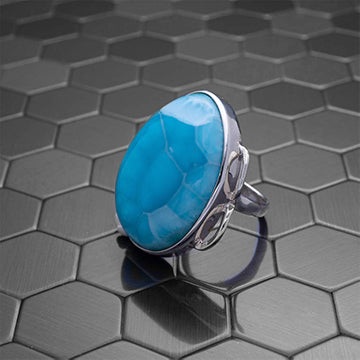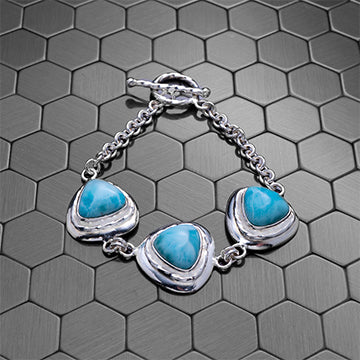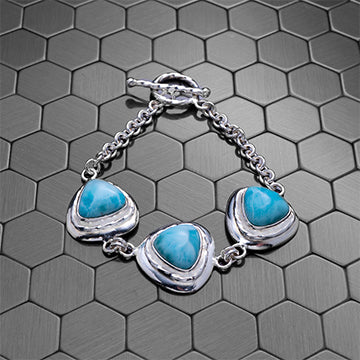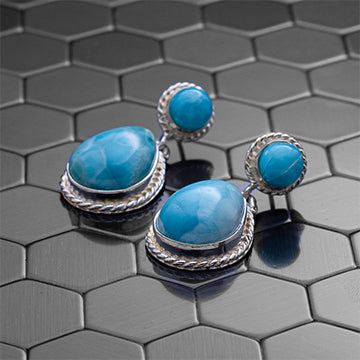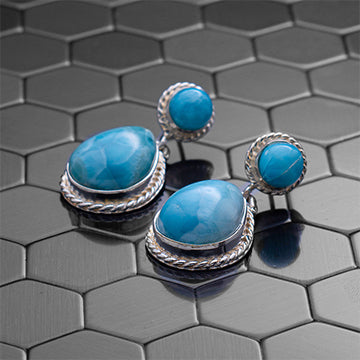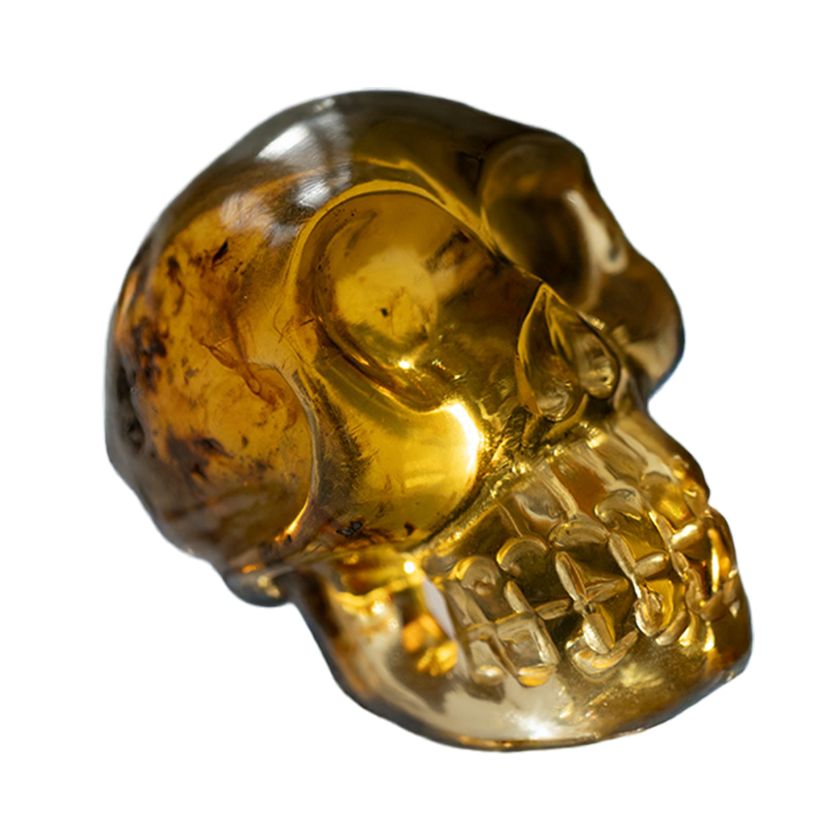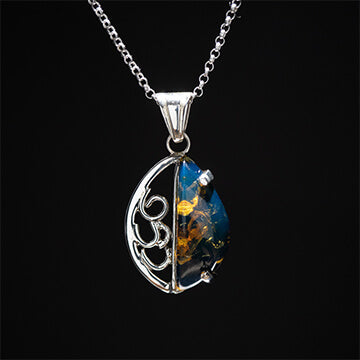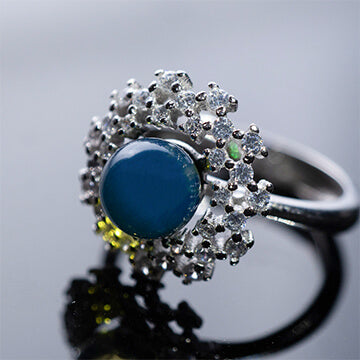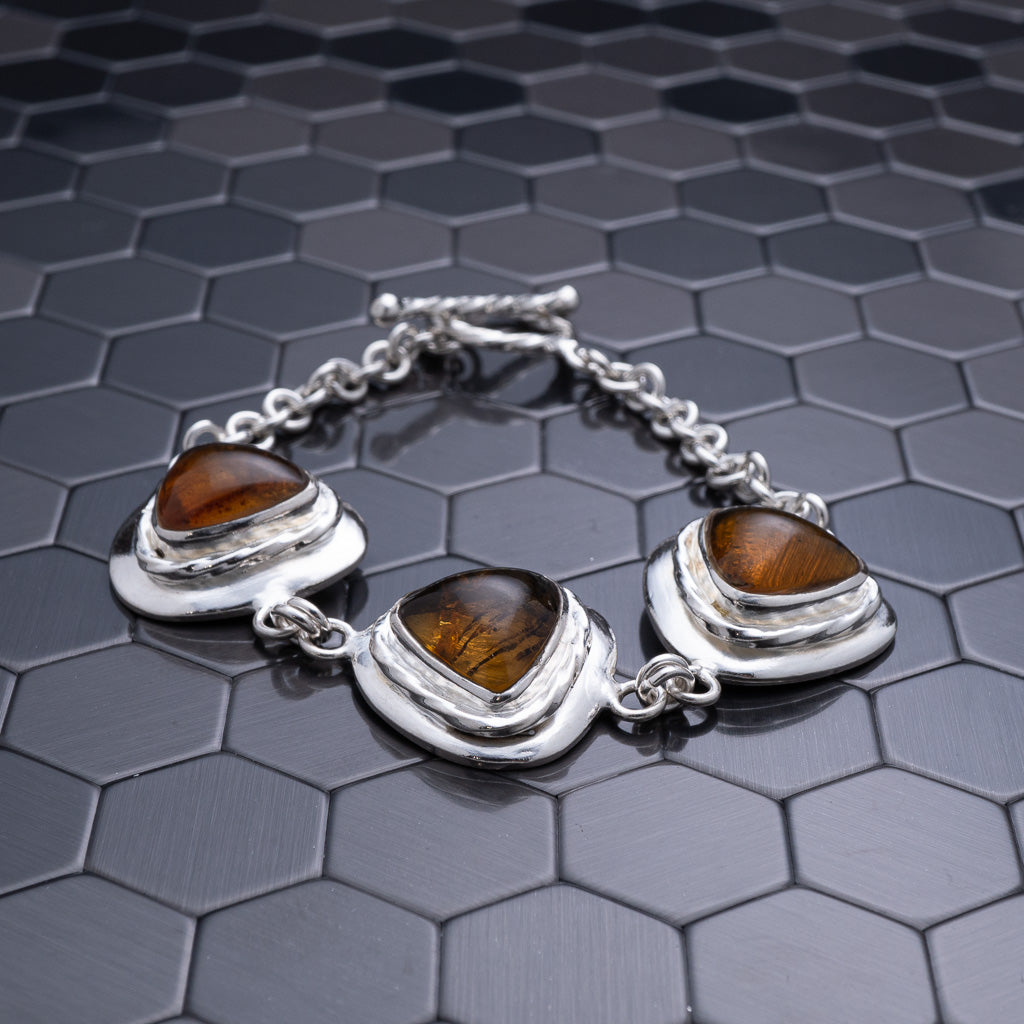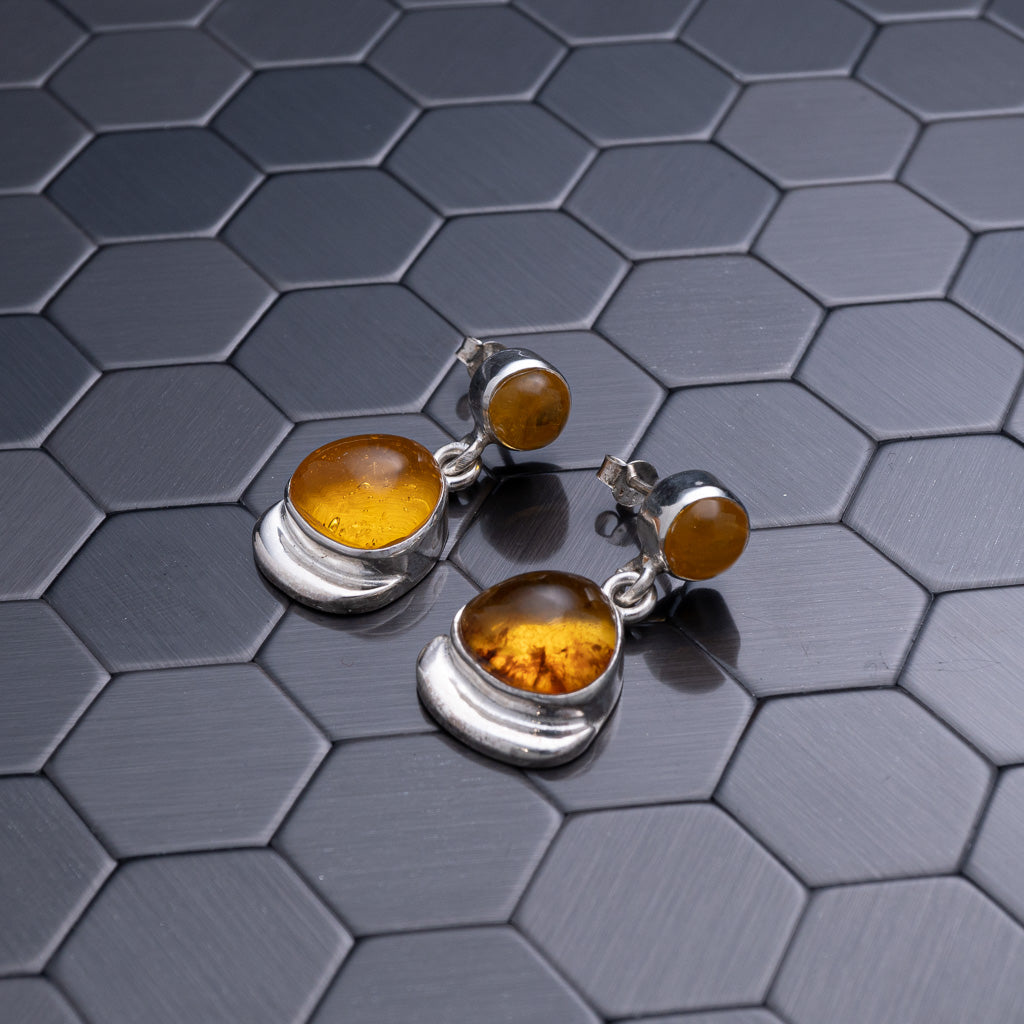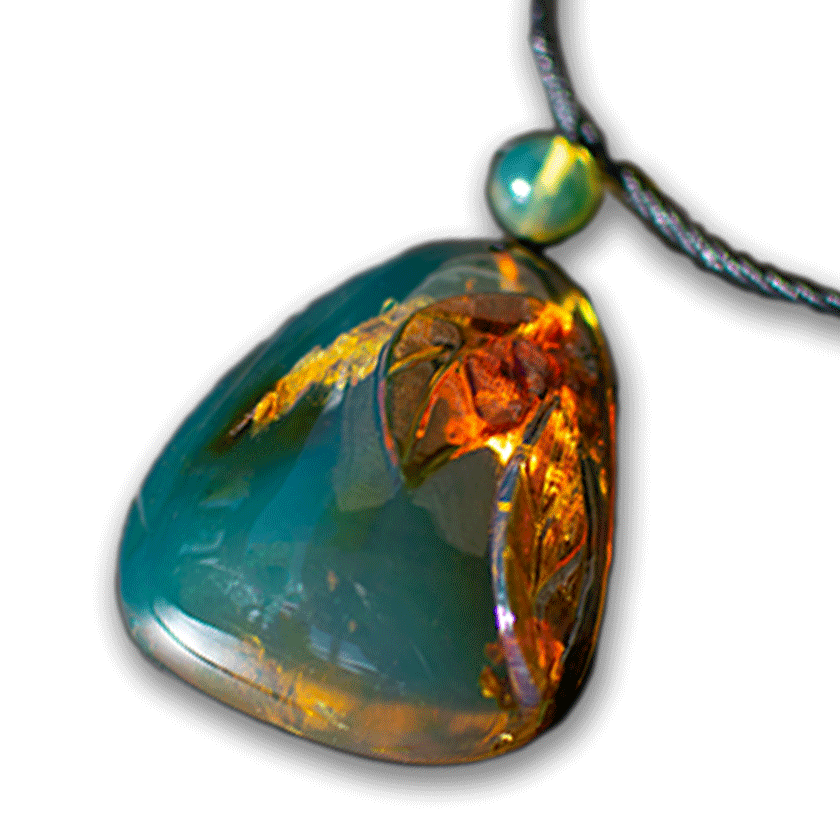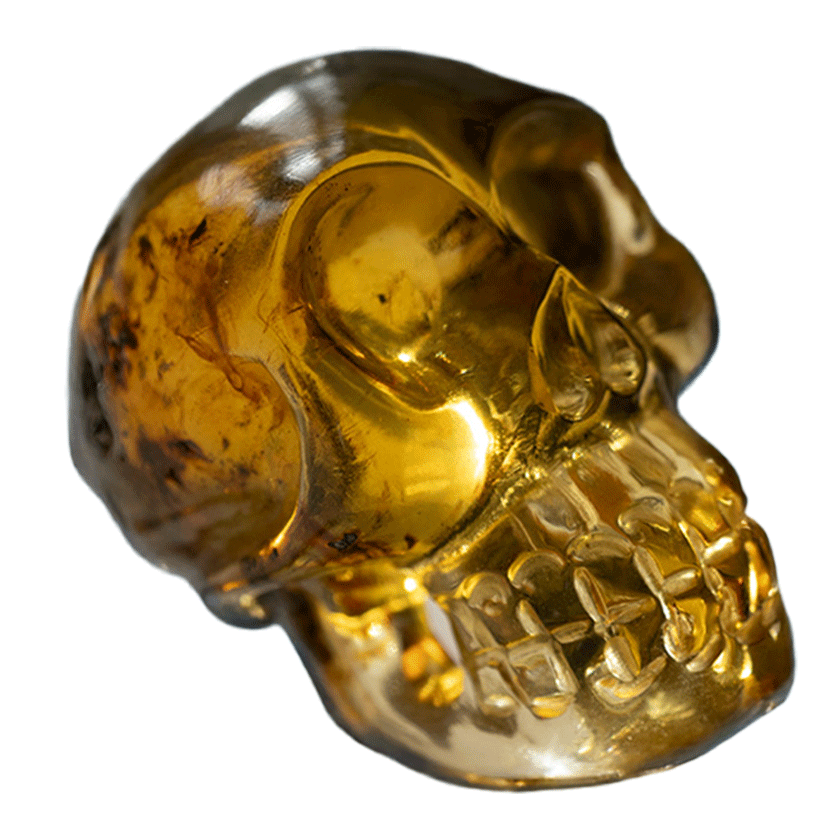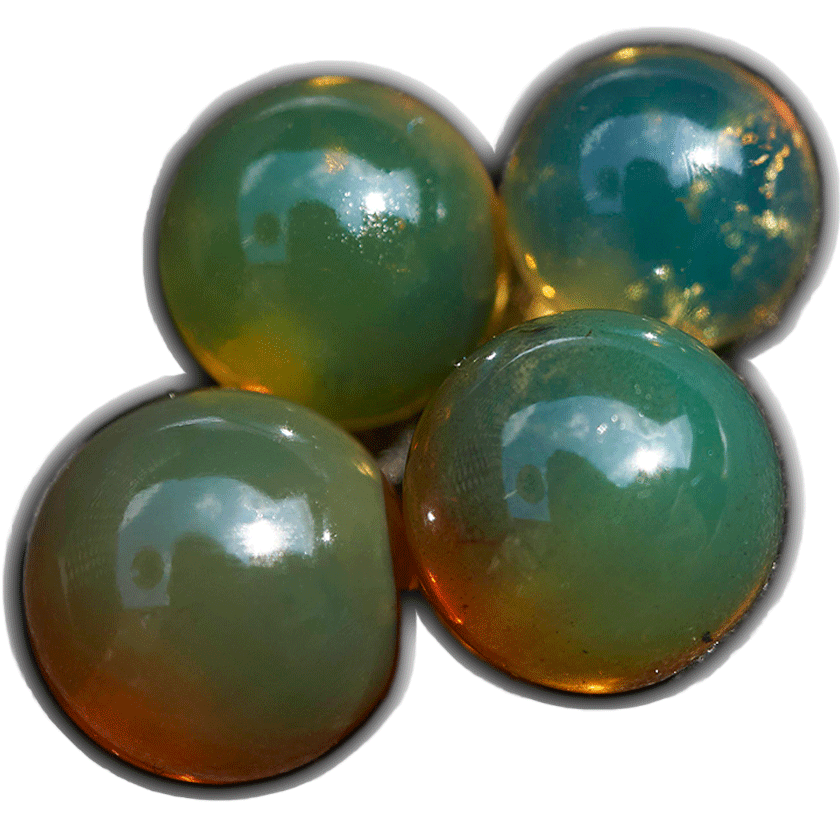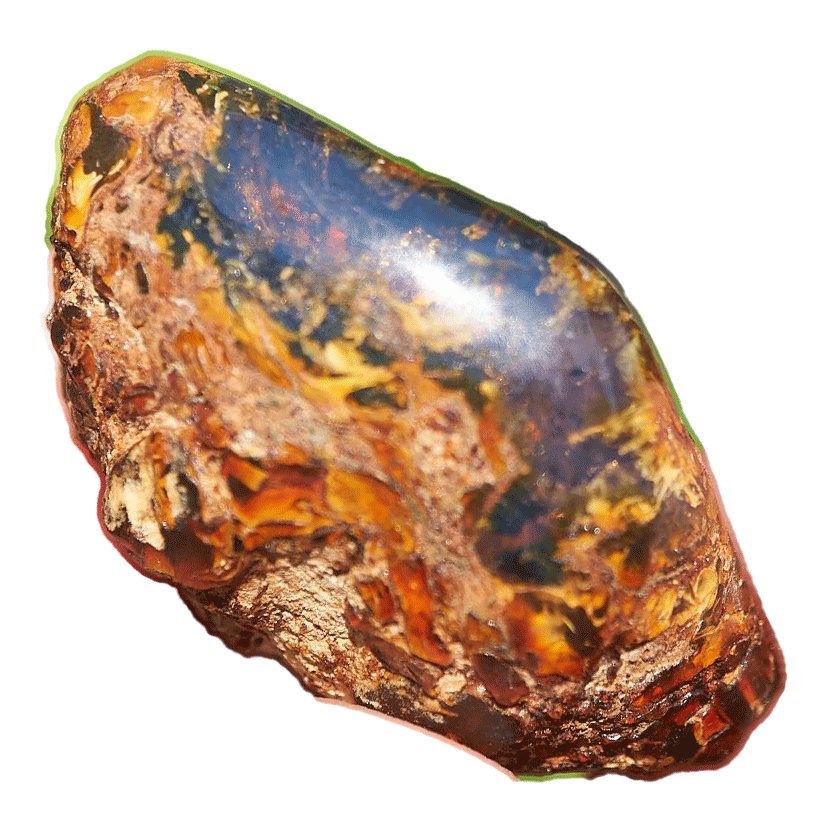


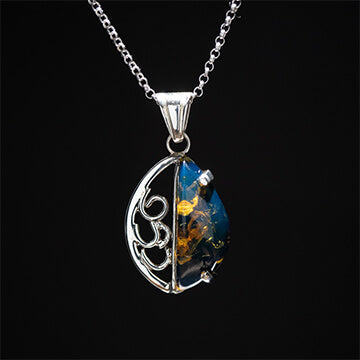
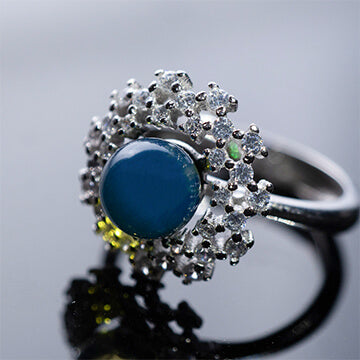
Handcrafted in DR.

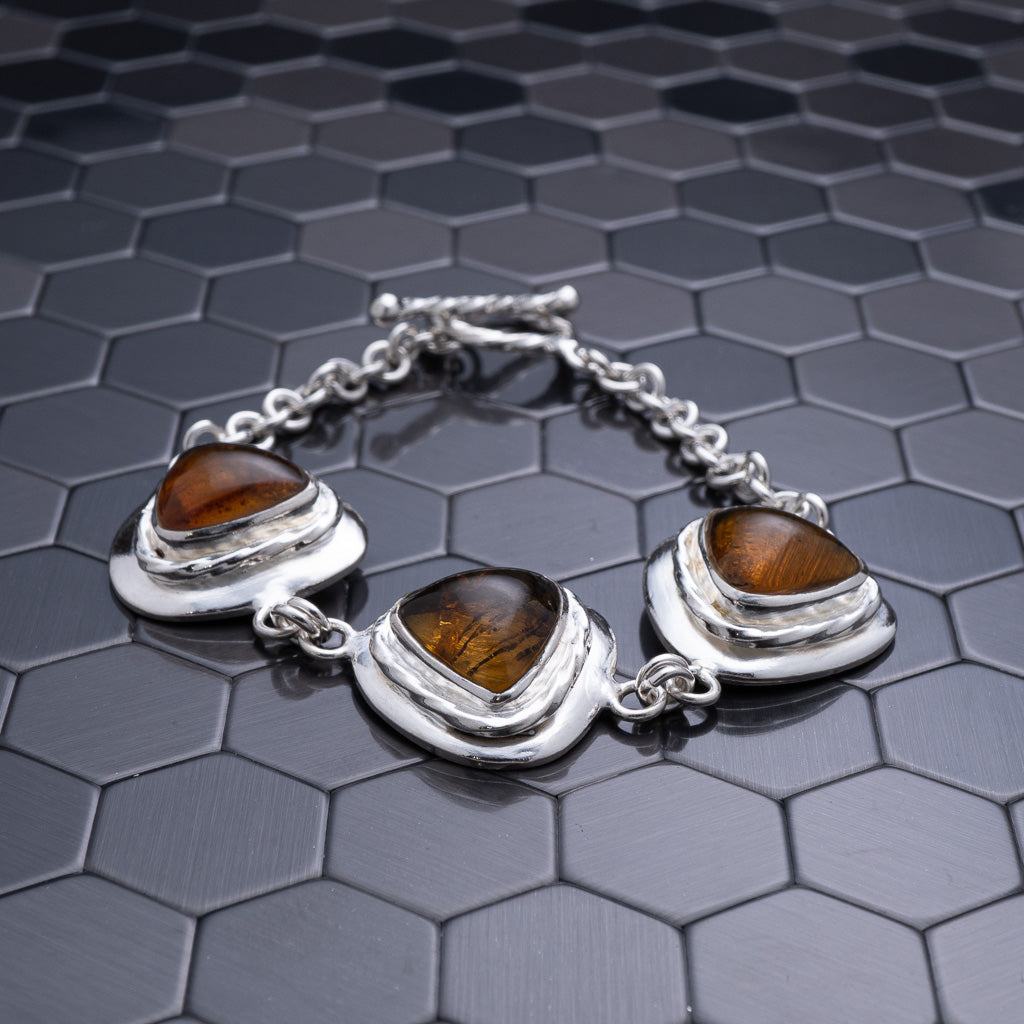
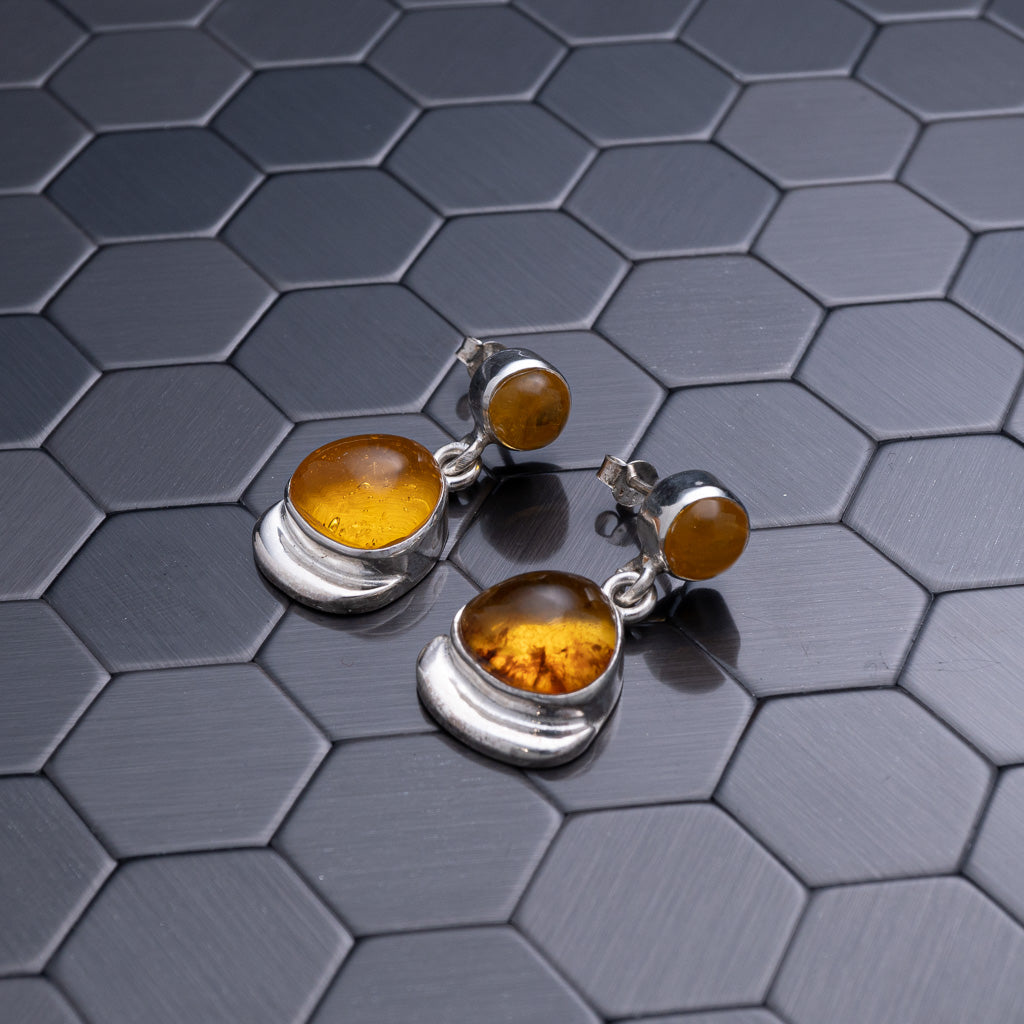


100% Handcrafted in DR.

Gemstone bracelets represent one of the most versatile and personally meaningful forms of jewelry available today. These pieces combine the natural beauty of minerals with wearable art, offering both aesthetic appeal and, for many wearers, believed metaphysical properties. Whether you're drawn to the calming blue hues of Caribbean stones, the protective qualities of black tourmaline, or the vibrant energy of citrine, selecting the right bracelet requires understanding materials, construction methods, and proper care techniques. In 2026, consumers increasingly seek authenticity, ethical sourcing, and craftsmanship that stands the test of time.
The foundation of any exceptional gemstone bracelet begins with the quality of the stones themselves. Natural gemstones vary dramatically in clarity, color saturation, and structural integrity, factors that directly impact both appearance and durability.
When examining gemstone bracelets, several key factors determine overall quality and value:
Natural variations in gemstones add character and authenticity. The National Association of Jewellers guidance on gemstone descriptions emphasizes the importance of transparent disclosure regarding treatments and enhancements, which helps consumers make informed purchasing decisions.
The gemstone industry employs various enhancement techniques to improve appearance or durability. Heat treatment, irradiation, and coating are common practices that should be disclosed to buyers.
| Treatment Type | Common Applications | Permanence | Disclosure Required |
|---|---|---|---|
| Heat treatment | Sapphire, ruby, tanzanite | Permanent | Yes |
| Irradiation | Blue topaz, some diamonds | Permanent | Yes |
| Coating | Mystic topaz, coated quartz | Temporary | Yes, critical |
| Dyeing | Agate, howlite, coral | Semi-permanent | Yes |
Understanding these treatments helps buyers assess long-term value and care requirements. Some enhanced stones require gentler cleaning methods or protection from specific environmental conditions.
The diverse world of gemstone bracelets offers options for every preference, budget, and intended purpose. Each stone brings unique visual characteristics and cultural associations.
Traditional favorites remain popular for their timeless appeal:
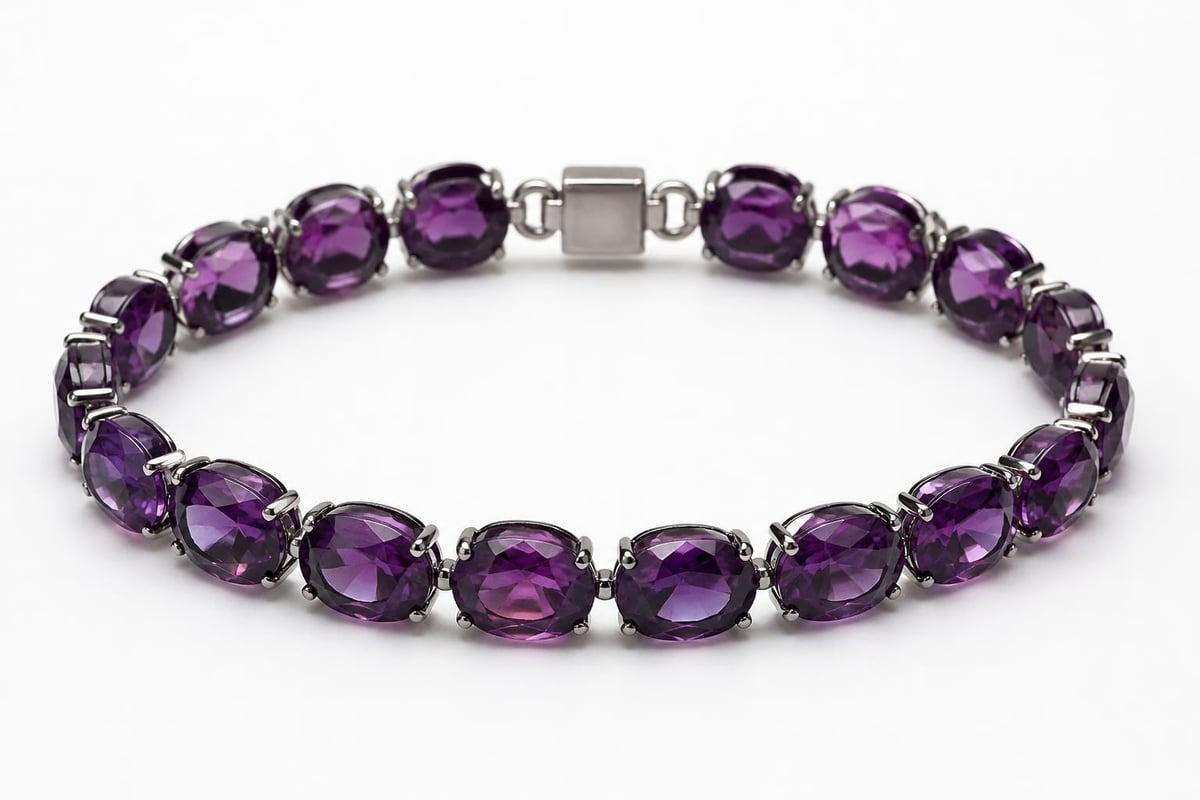
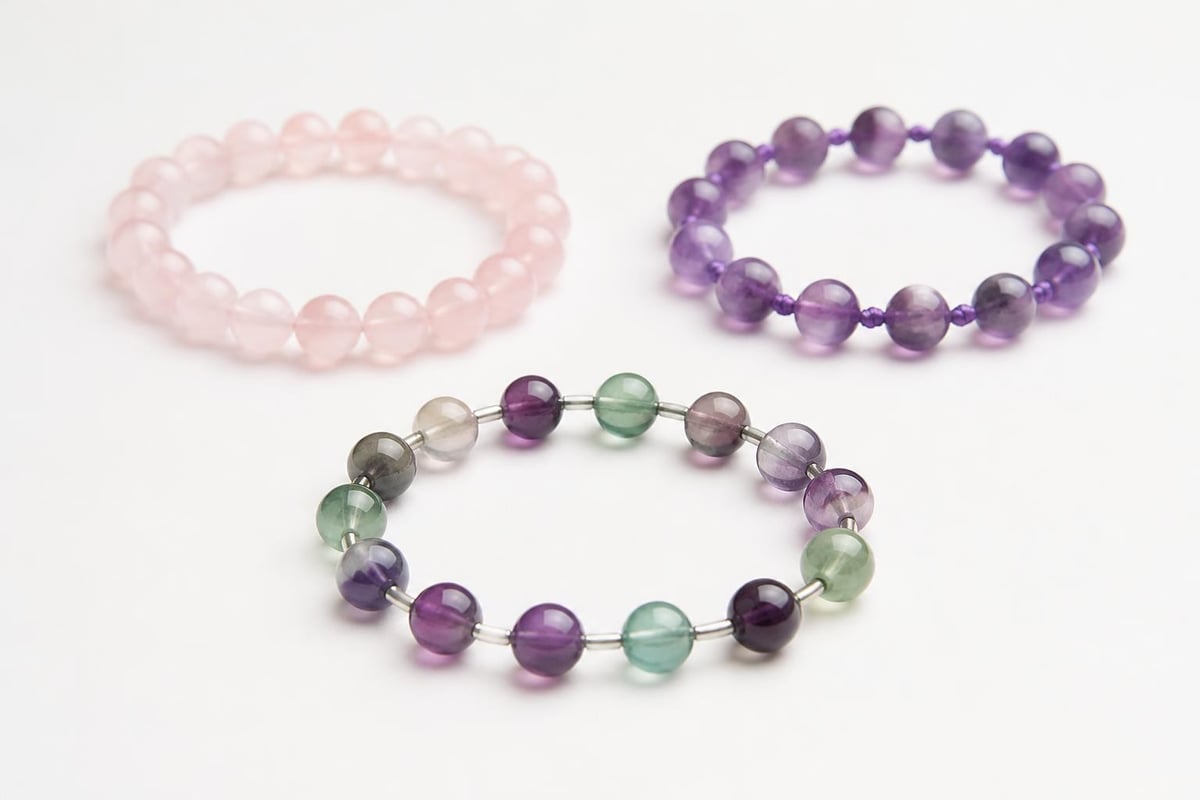
Amethyst provides purple sophistication ranging from pale lavender to deep violet. This quartz variety offers excellent durability (7 on Mohs scale) and affordability compared to precious gemstones.
Rose quartz delivers soft pink tones associated with compassion and emotional healing. Its gentle color complements most skin tones and wardrobe choices.
Tiger's eye creates striking chatoyancy with golden-brown bands. This stone's fibrous structure produces a distinctive shimmer that shifts with movement.
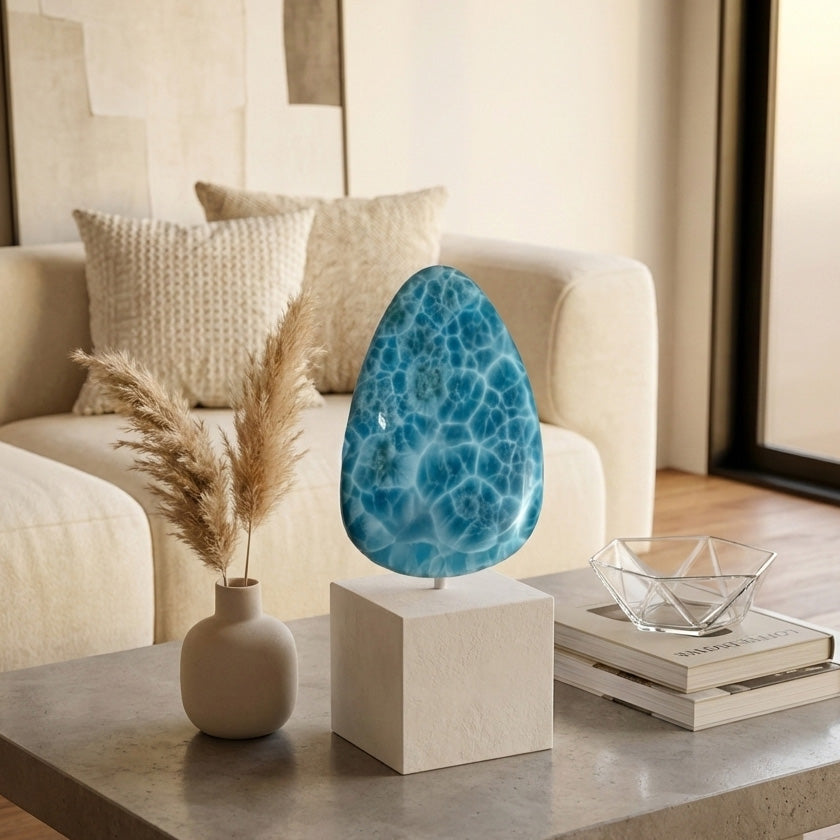
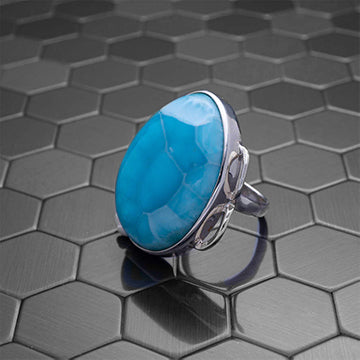
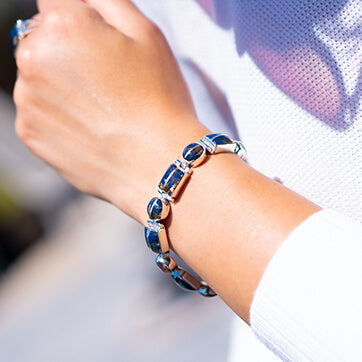
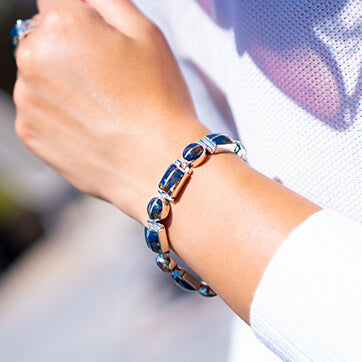
Rare stones from specific geographic regions command attention for their unique origins. Larimar, found exclusively in the Dominican Republic, displays stunning blue-green patterns reminiscent of tropical waters. This volcanic stone's limited availability and distinctive coloration make it highly sought after for statement jewelry pieces.
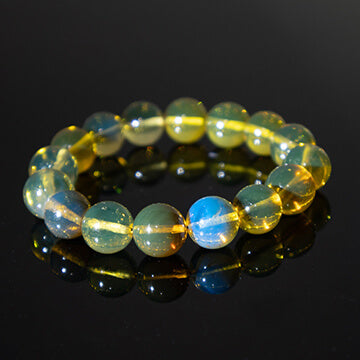
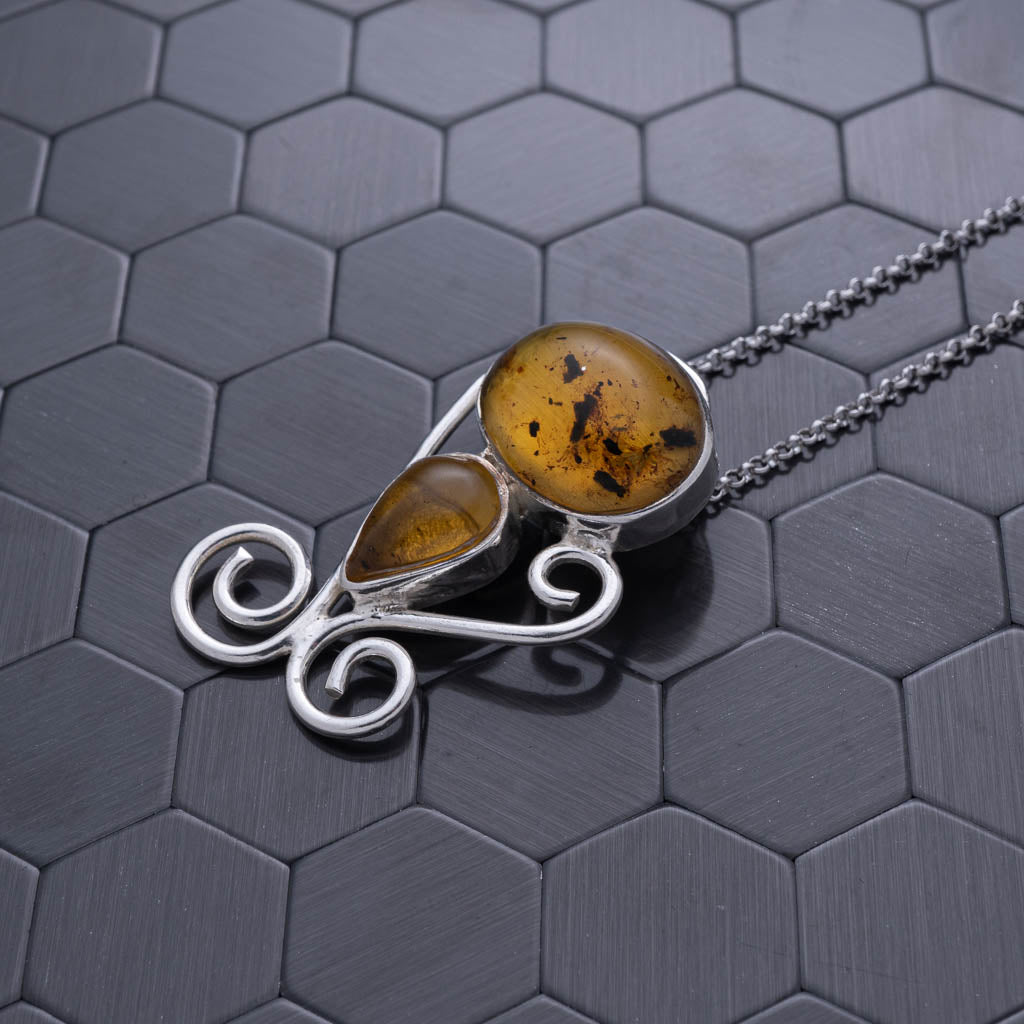
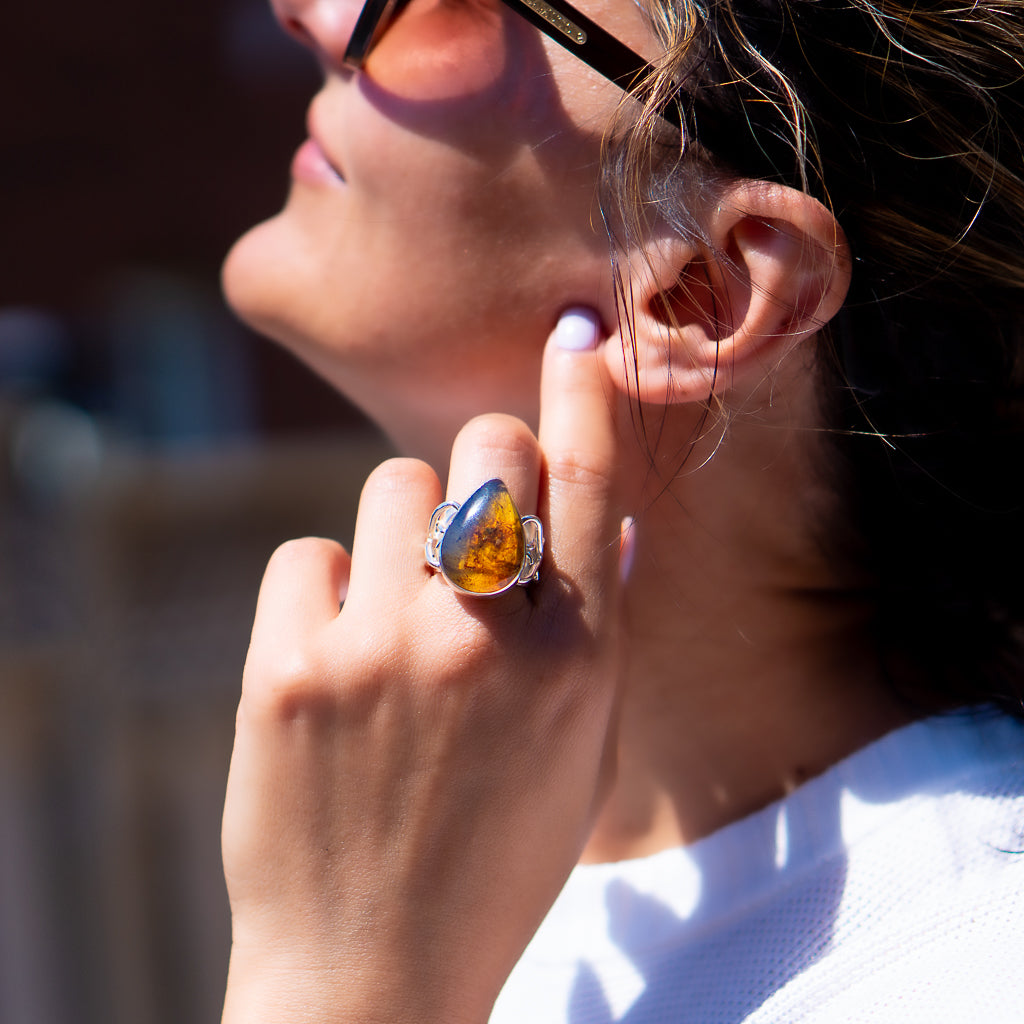
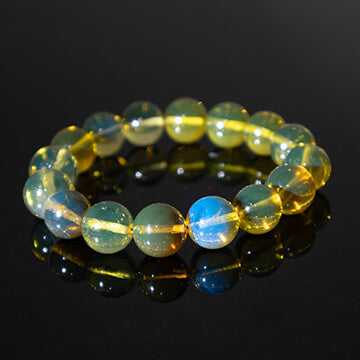
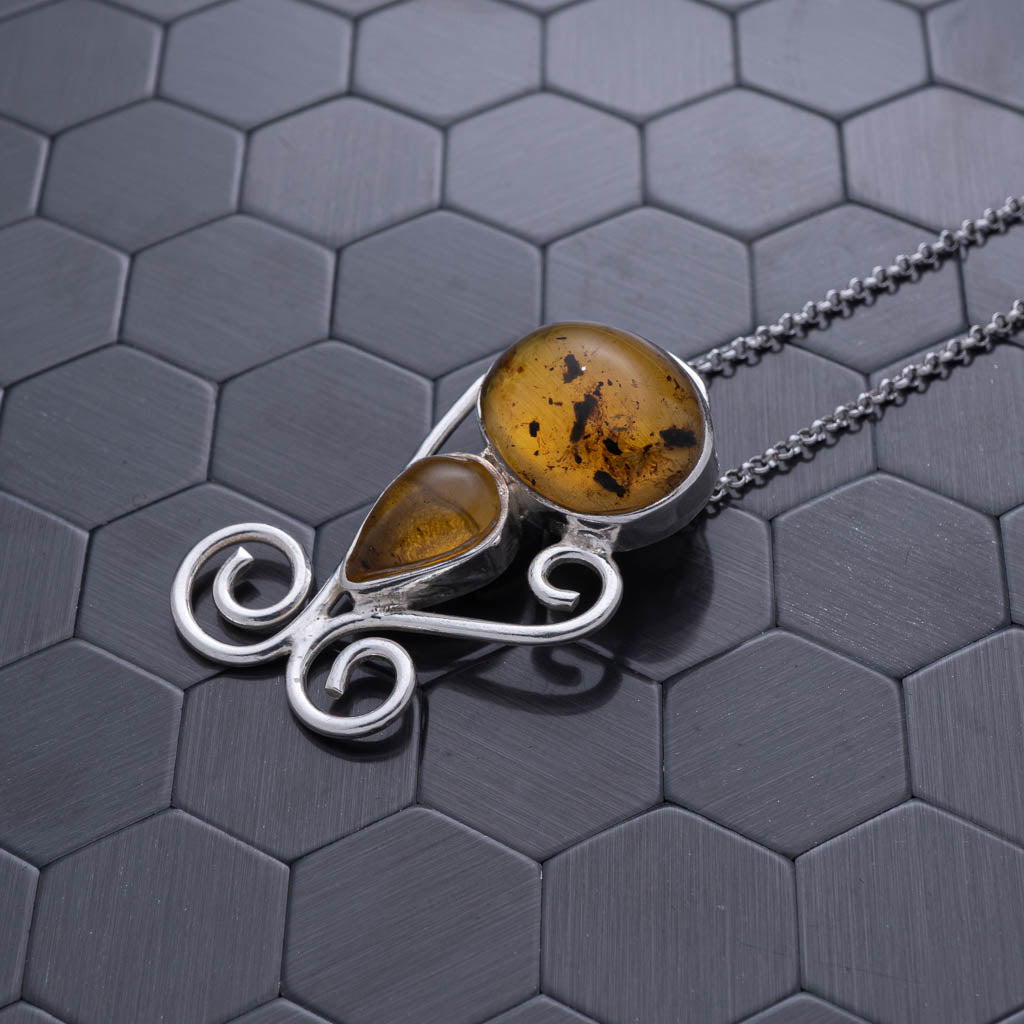
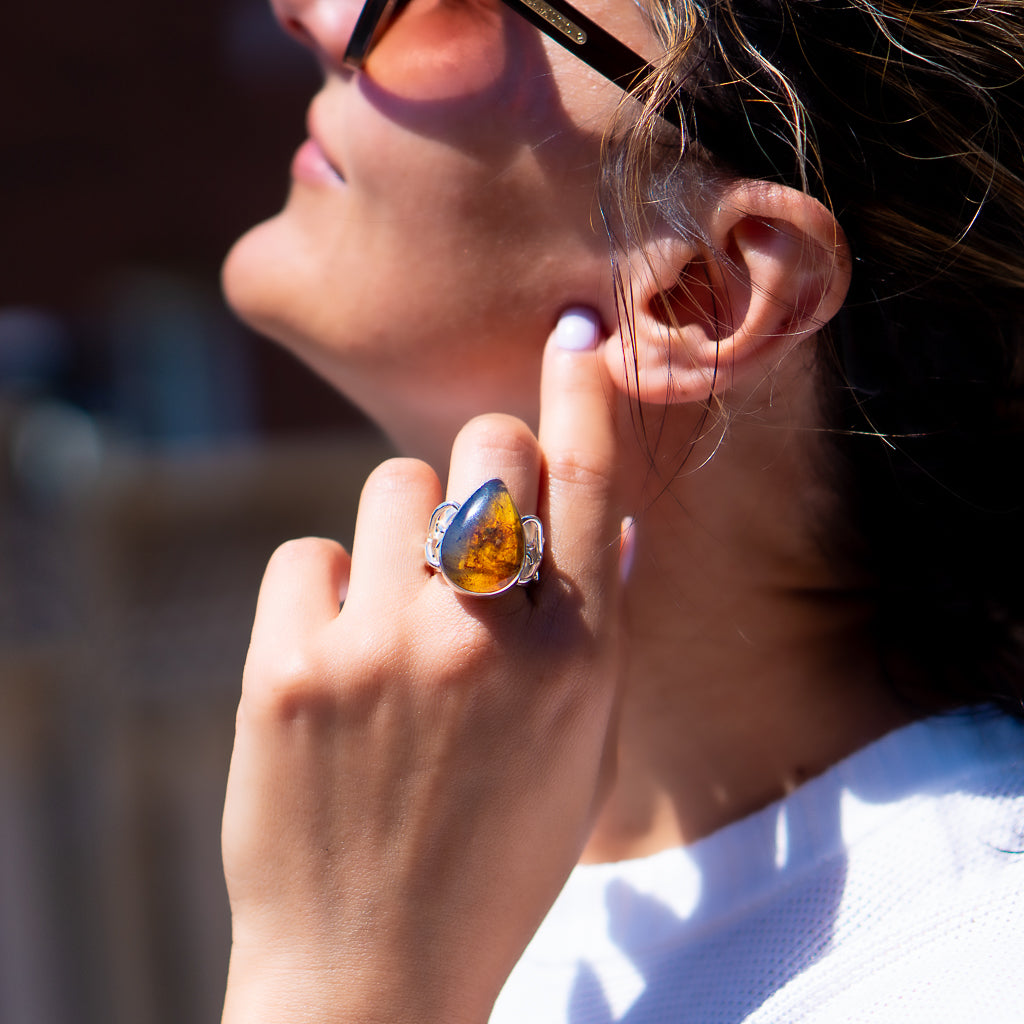
Dominican Blue Amber represents another Caribbean treasure, exhibiting extraordinary fluorescence under UV light. These regional specialties offer conversation-starting uniqueness that mass-produced jewelry cannot replicate.
Many wearers select gemstone bracelets for their believed energetic properties:
While metaphysical properties remain subjective, the psychological comfort and intentionality these beliefs provide enhance the wearing experience for many individuals.
The structural integrity of gemstone bracelets depends heavily on assembly techniques and material choices beyond the stones themselves.
Professional jewelers select stringing materials based on stone weight, wearer lifestyle, and aesthetic goals.
Stretch cord provides convenience for easy on-off wear but requires periodic replacement. Elastic degradation accelerates with exposure to oils, lotions, and sunlight. Quality stretch bracelets use multiple cord strands for redundancy.
Wire and cable construction offers superior strength for heavier stones. Beading wire with steel or nylon cores resists breakage while maintaining flexibility. Professional crimping techniques ensure secure connections.
Silk or nylon thread with knotting between beads prevents total stone loss if the strand breaks. This traditional technique adds length and creates elegant spacing, though it requires more maintenance than modern alternatives.
The closure mechanism significantly impacts both security and user experience:
| Clasp Type | Security Level | Ease of Use | Best For |
|---|---|---|---|
| Lobster claw | High | Moderate | Everyday wear |
| Toggle | Moderate | Easy | Statement pieces |
| Magnetic | Moderate | Very easy | Limited mobility users |
| Box clasp | High | Moderate | Fine jewelry |
| Stretch (no clasp) | N/A | Very easy | Casual bracelets |
Individual dexterity and lifestyle factors should guide clasp selection. Users with arthritis often prefer magnetic closures despite their slightly lower security rating.
Proper sizing ensures comfort, appearance, and longevity. An ill-fitting bracelet experiences accelerated wear and provides diminished aesthetic impact.
Accurate wrist measurement prevents disappointment:
Snug fit: Wrist measurement plus 0.5 inches – minimal movement, stays in place during activity
Standard fit: Wrist measurement plus 0.75 inches – slight movement, comfortable for all-day wear
Loose fit: Wrist measurement plus 1 inch – slides freely, creates relaxed bohemian appearance
Bracelet stacking continues trending in 2026, requiring thoughtful consideration of dimensions and materials. Mixing different gemstone bracelets creates personalized style statements but demands attention to hardness compatibility.
Softer stones (turquoise, pearl, amber) should not stack directly against harder materials (quartz, topaz, garnet) that can cause abrasion damage over time. Inserting leather or metal spacer bracelets between incompatible hardness levels protects investment pieces.
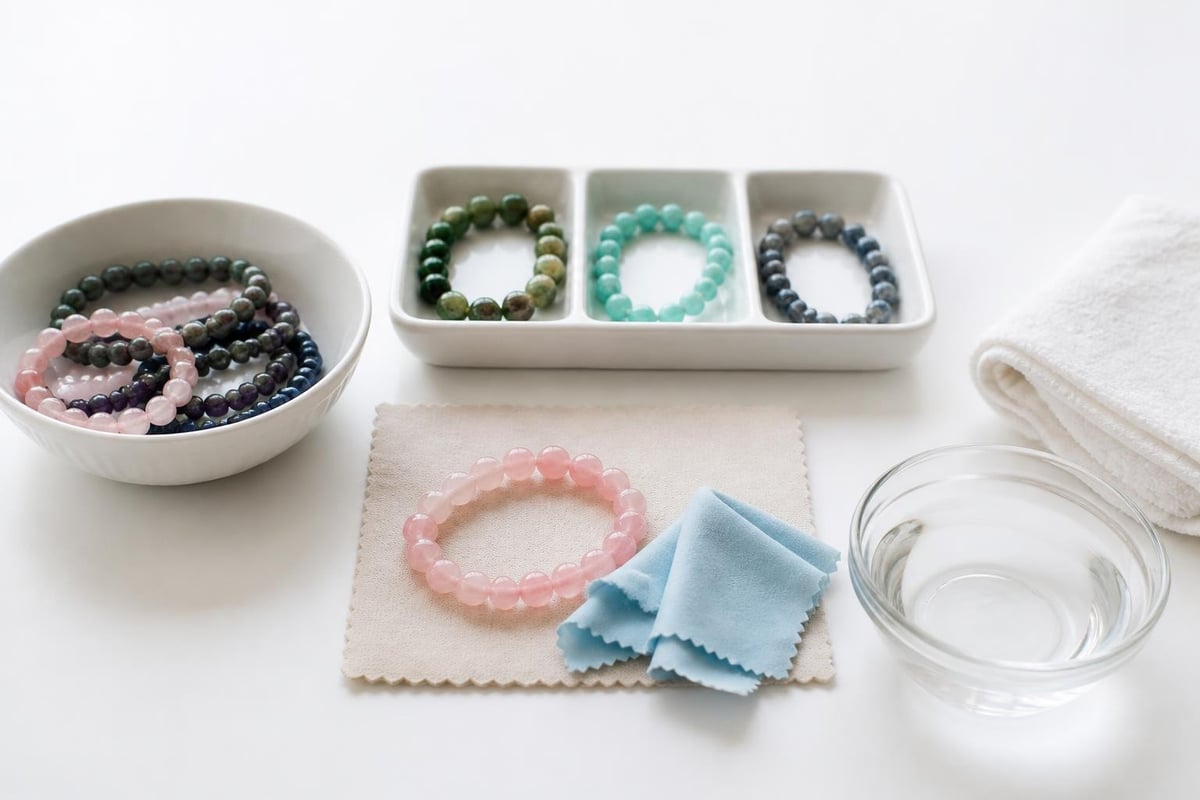
Preserving the beauty and integrity of gemstone bracelets requires understanding material-specific vulnerabilities and establishing consistent care routines.
Different gemstones tolerate varying cleaning approaches. The Victoria & Albert Museum conservation guidance provides museum-standard protocols applicable to personal collections.
Safe for most stones (quartz family, jasper, agate):
Require gentle care (pearl, opal, turquoise, larimar):
Professional cleaning recommended (emerald, tanzanite, kunzite):
Proper storage prevents unnecessary damage during non-wear periods:
Direct sunlight causes fading in amethyst, kunzite, and some treated stones. Storage areas should remain dark when jewelry is not being worn.
Consumer awareness regarding supply chain ethics has dramatically increased across the jewelry industry. The Responsible Jewellery Council's 2024 Code of Practice establishes comprehensive standards for responsible sourcing that benefit both communities and environments.
Reputable jewelers provide origin information and chain-of-custody documentation for their gemstones. This transparency allows consumers to support mining operations that prioritize:
Small-scale artisanal mining often provides more traceable and community-beneficial sourcing compared to industrial operations, though verification requires diligent supplier relationships.
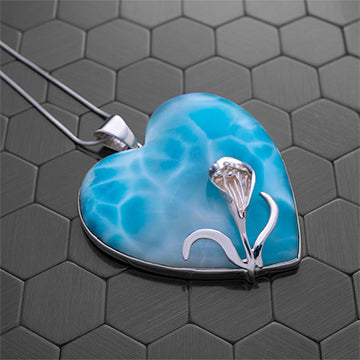
Purchasing gemstone bracelets from businesses that specialize in specific geographic materials supports regional economies and preserves traditional craftsmanship. For instance, Larimar Creations focuses exclusively on Dominican stones, ensuring authenticity while supporting Caribbean artisan communities. Handcrafted Larimar pendants and other jewelry pieces showcase the unique properties of regionally-sourced materials that cannot be replicated elsewhere.
Gemstone bracelets transition seamlessly across contexts when selected and styled thoughtfully. Understanding formality levels and coordination principles maximizes wardrobe versatility.
Conservative workplace environments and formal occasions call for restrained approaches:
Color selection: Neutral tones (smoky quartz, grey moonstone, black onyx) maintain professional appearance while adding subtle interest. Single-strand designs project polish without distraction.
Metal coordination: Matching bracelet metals to watch and ring metals creates cohesive presentation. Mixed metals appear intentional when repeated across multiple accessories.
Size proportion: Smaller beads (4-6mm) suit formal contexts better than chunky statement pieces. Delicate construction appears refined rather than casual.
Relaxed settings permit bold experimentation:
The key to successful casual styling involves maintaining some unifying element (color family, metal tone, or design motif) that prevents haphazard appearance.
Quality gemstone bracelets can appreciate over time, particularly pieces featuring rare materials, exceptional craftsmanship, or designer provenance.
Strategic collectors consider multiple value drivers:
| Factor | Impact on Value | Stability |
|---|---|---|
| Stone rarity | High | Increasing |
| Craftsmanship quality | High | Stable |
| Designer attribution | Variable | Market-dependent |
| Material purity | Moderate | Stable |
| Historical significance | High | Increasing |
| Condition/preservation | High | Controllable |
Limited geographic availability drives appreciation for stones like larimar, Paraiba tourmaline, and imperial topaz. As accessible deposits deplete, scarcity increases value for well-preserved examples.
Intentional collection development creates both personal enjoyment and potential financial return:
Insurance appraisals every three to five years track value changes and ensure adequate coverage for loss or damage scenarios.
The gemstone field constantly evolves with new discoveries, treatment technologies, and market dynamics. Serious enthusiasts benefit from ongoing education through authoritative sources.
The Gemmological Association of Great Britain diploma specifications outline comprehensive gemological knowledge standards that inform consumer education even for those not pursuing professional certification. Understanding identification techniques, synthetic detection, and treatment recognition empowers confident purchasing decisions.
Industry publications, museum exhibitions, and specialty retailers with educational missions provide accessible learning opportunities. Many established jewelers offer workshops covering topics from basic gemstone identification to advanced care techniques.
While gemstone bracelets pose minimal risks for most wearers, certain situations require awareness and precautions.
Metal components (clasps, spacers, wire) trigger reactions more frequently than stones themselves:
Testing new jewelry on small skin areas before extended wear identifies potential issues before they become problematic.
Remove gemstone bracelets during activities that risk impact or chemical exposure:
Creating wear routines that protect investment pieces extends their functional lifespan significantly.
Beyond selecting pre-made designs, custom creation allows perfect alignment with individual preferences and requirements.
Collaborative design processes produce truly unique results:
Initial consultation establishes vision through discussion of color preferences, size requirements, budget parameters, and intended symbolism. Bringing inspiration images aids communication.
Stone selection involves reviewing available materials, examining quality variations, and discussing origin or treatment transparency. Reputable artisans welcome questions and provide detailed information.
Design refinement may include sketches, digital renderings, or physical mockups depending on complexity. Multiple revision rounds ensure satisfaction before final production begins.
Timeline expectations vary based on material availability and technique complexity. Custom pieces typically require 4-8 weeks from concept to completion.
Gemstone bracelets serve meaningful roles in marking significant life events:
These intentional pieces carry emotional weight beyond aesthetic considerations, making thoughtful design particularly important.
Gemstone bracelets offer remarkable versatility, combining natural beauty with personal meaning and practical wearability. Understanding quality indicators, proper care protocols, and styling approaches ensures maximum enjoyment and longevity from these treasured accessories. Whether you're drawn to rare Caribbean stones or seeking ethically sourced materials that tell compelling origin stories, Larimar Creations provides expertly handcrafted jewelry featuring authentic larimar and Dominican Blue Amber, with worldwide shipping that brings these exceptional pieces to collectors and enthusiasts globally.