
Larimar
Blue Amber
Green Amber
Amber Carvings
More

by Admin September 21, 2026 6 min read

A tiny wing, a fern fragment, or a perfectly preserved gnat can turn a warm golden stone into a window onto an ancient Caribbean forest. This amber inclusion collecting guide is for collectors who want more than a beautiful piece of amber. It is for those drawn to the remarkable moment when natural resin captured a living detail and preserved it across millions of years.

An inclusion should never be treated as a novelty alone. Its value rests on authenticity, condition, visibility, rarity, and the character of the amber surrounding it. Dominican amber, celebrated for its clarity and extraordinary range of color, gives collectors an especially vivid way to appreciate these prehistoric treasures.

What Makes an Amber Inclusion Worth Collecting?

Amber is fossilized tree resin, not tree sap. Over immense spans of time, resin hardened and transformed, occasionally preserving insects, plant matter, feathers, fungi, and air bubbles caught within it. Each authentic inclusion is singular. Even two specimens containing similar flies will differ in pose, detail, transparency, and surrounding color.

For many collectors, clarity is the first attraction. A clean amber body creates visual depth and lets the inclusion appear suspended in space. Yet perfectly transparent material is not the only desirable choice. A golden honey tone can flatter a botanical inclusion, while a darker cognac specimen may create dramatic contrast around a pale insect or leaf fragment.

Rarity matters, but it depends on context. Small flying insects are more commonly encountered than larger beetles, spiders, scorpions, or well-preserved plant structures. A common insect with sharp anatomical detail and excellent presentation may be more rewarding than a rarer inclusion obscured by fractures or cloudiness. Collect what holds your attention, then learn why it is special.

Why Dominican Amber Holds Collector Appeal

Dominican amber formed in the Caribbean from the resin of an extinct relative of the modern algarrobo tree. It is often estimated to be 15 to 30 million years old, and it is respected by collectors for its clarity, rich range of warm hues, and frequent biological inclusions.

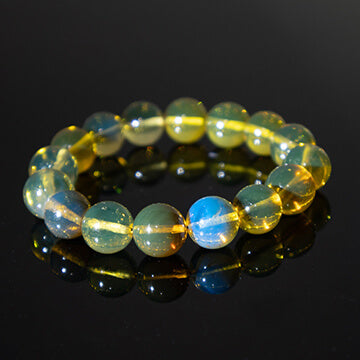
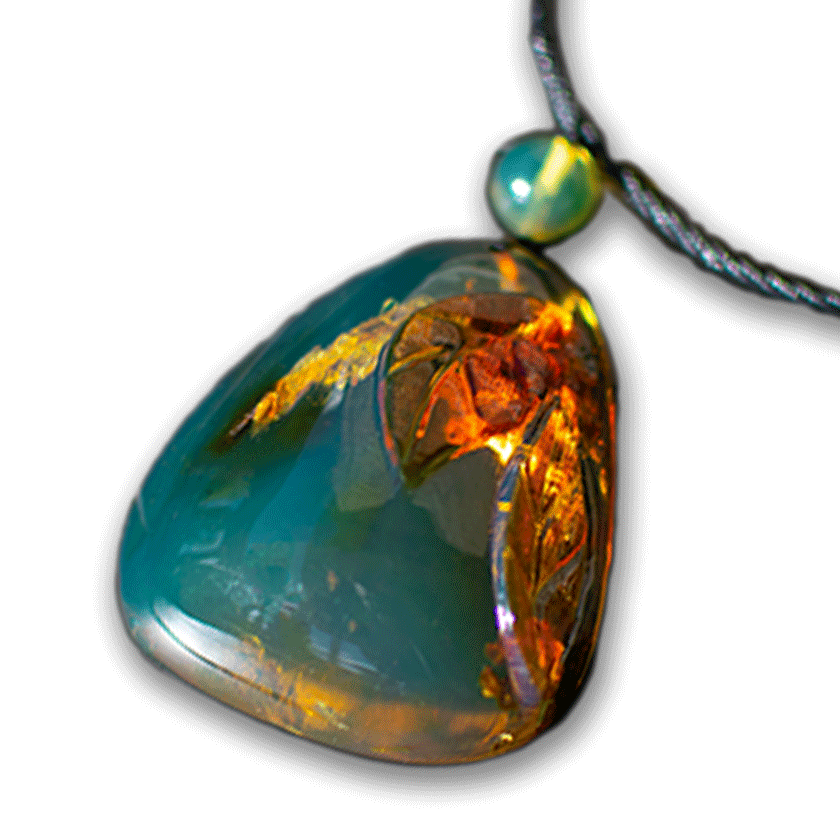
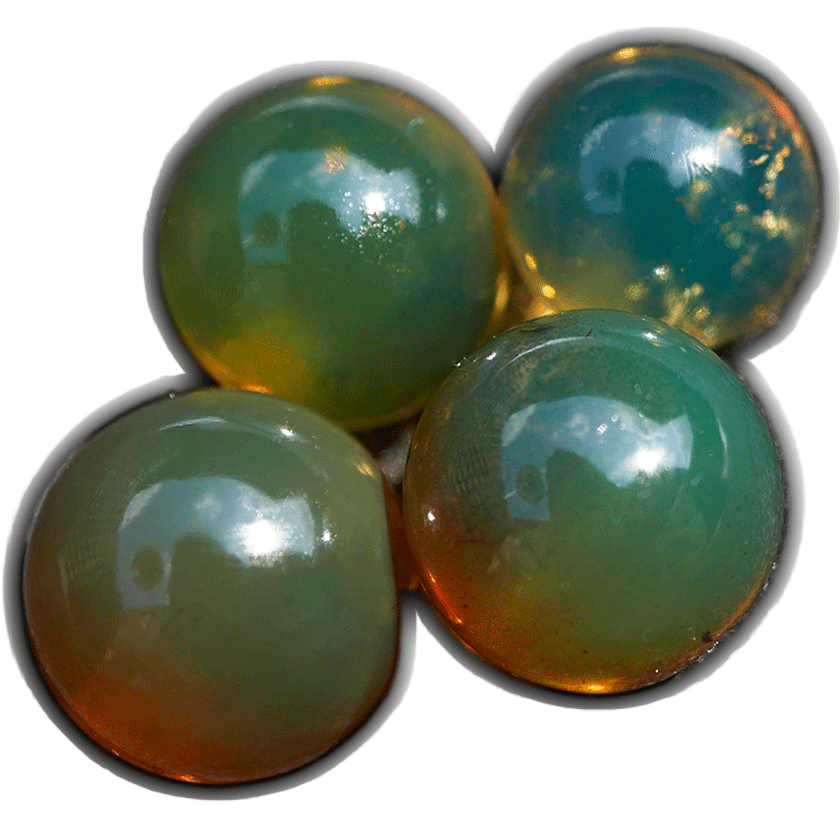
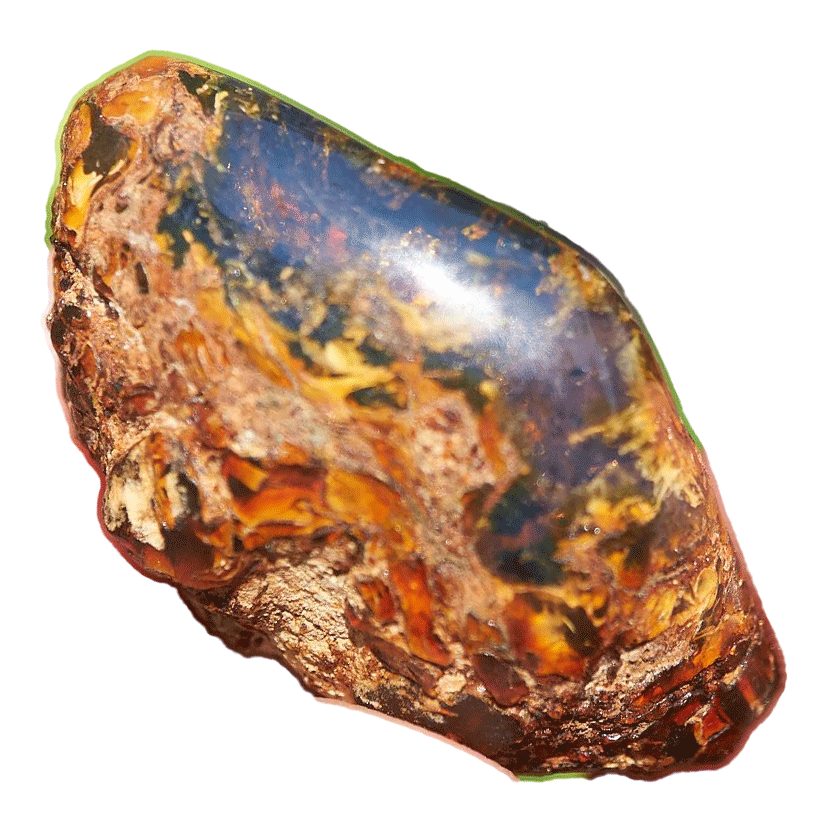
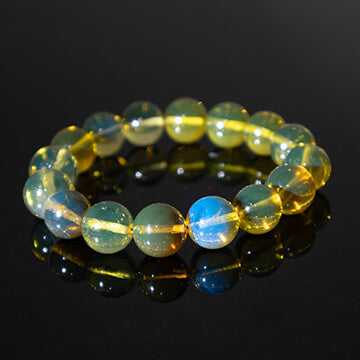
The Dominican Republic is also the celebrated source of natural blue amber. Under ordinary light, blue amber may appear honey, cognac, or almost clear. Under sunlight or ultraviolet light, certain pieces reveal a captivating blue fluorescence. When a genuine inclusion appears within blue amber, the combination can feel especially rare: ancient life held inside a gem with an unmistakably Caribbean glow.

This does not mean every blue-toned piece is a superior inclusion specimen. Some of the best-preserved inclusions occur in golden material, and some blue amber is better appreciated for color alone. The strongest collection is built with intention rather than a single rule about what is most valuable.

Amber Inclusion Collecting Guide: Start With a Focus

A focused beginning helps prevent a collection from becoming a group of unrelated impulse purchases. You might collect Dominican insect inclusions, botanical material, amber in a particular color family, or pieces designed to be worn as jewelry. Another satisfying approach is to collect a small range of specimens that tells a story, from simple bubbles and leaf fragments to more detailed insects.

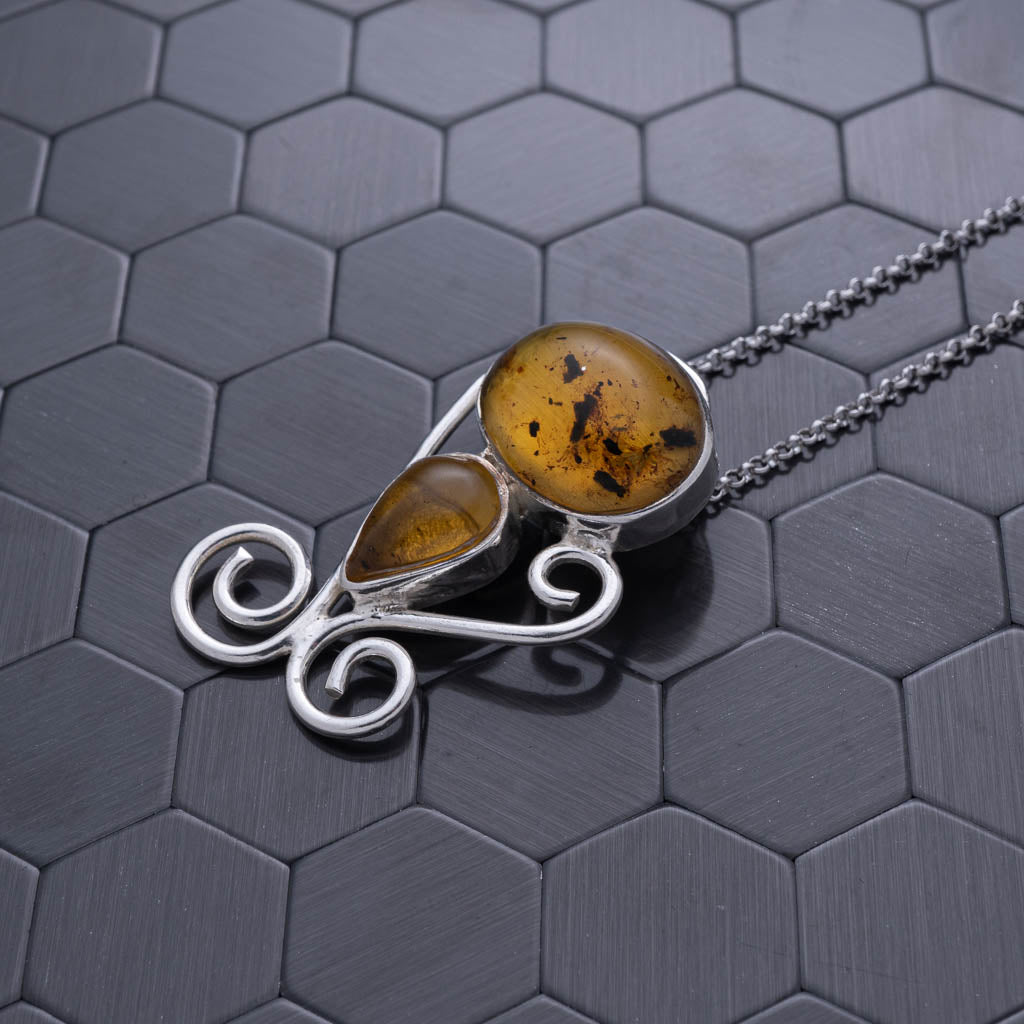
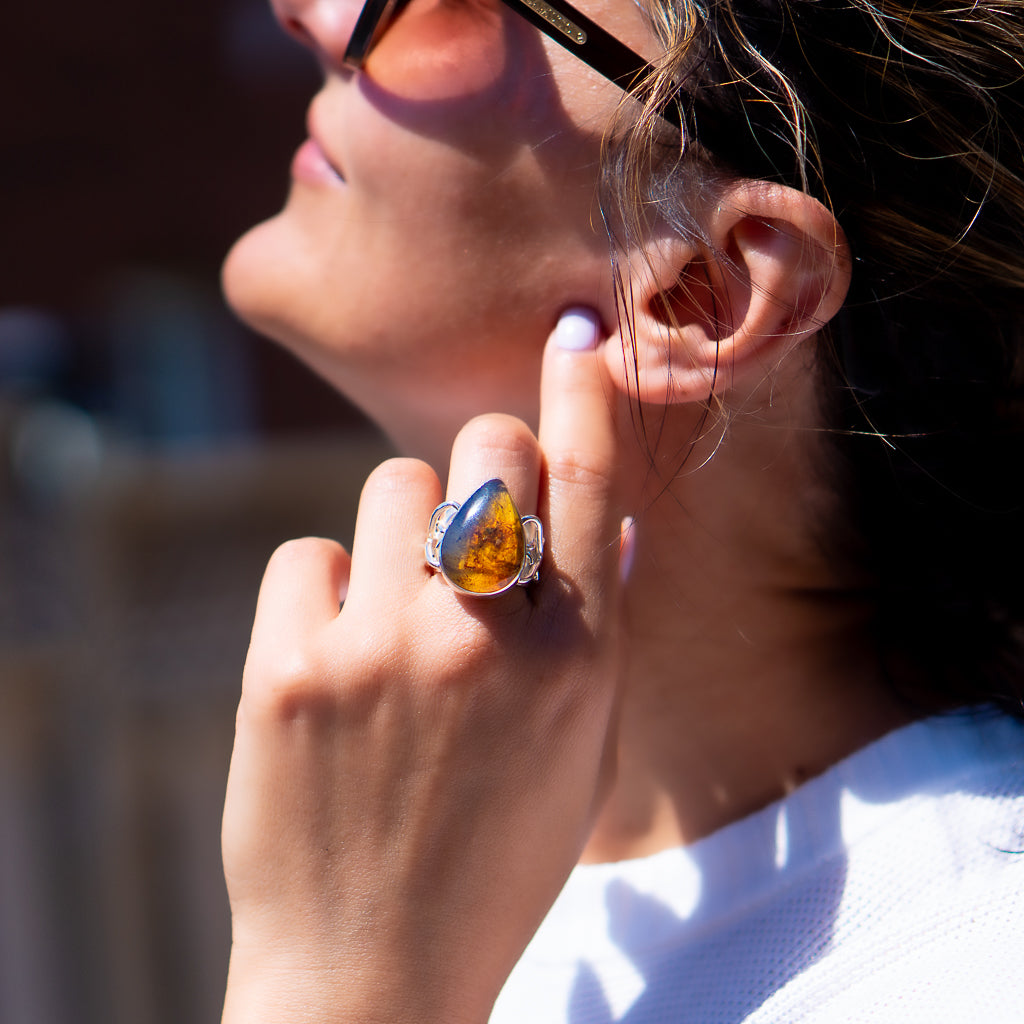
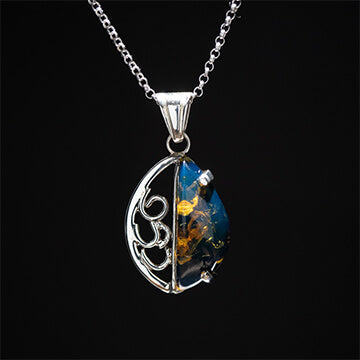
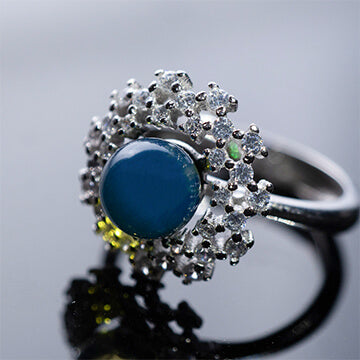
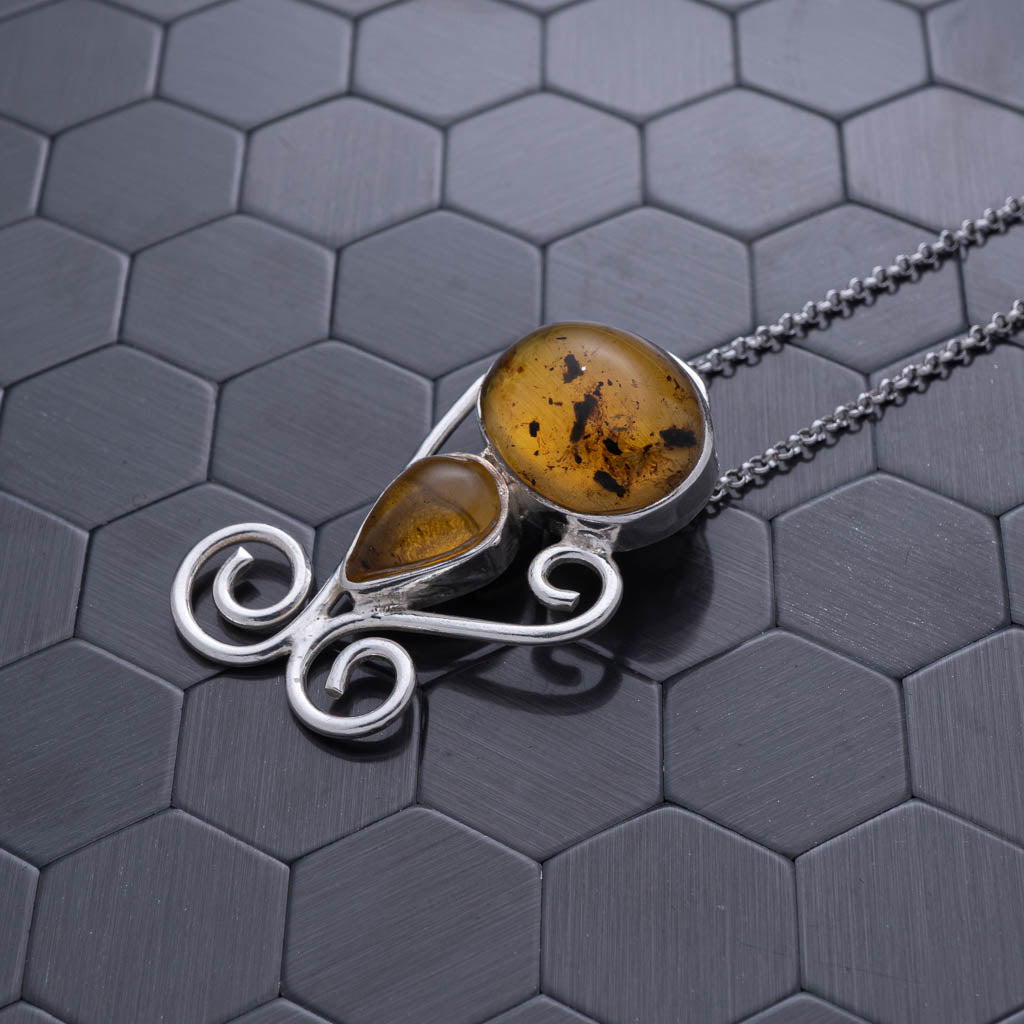
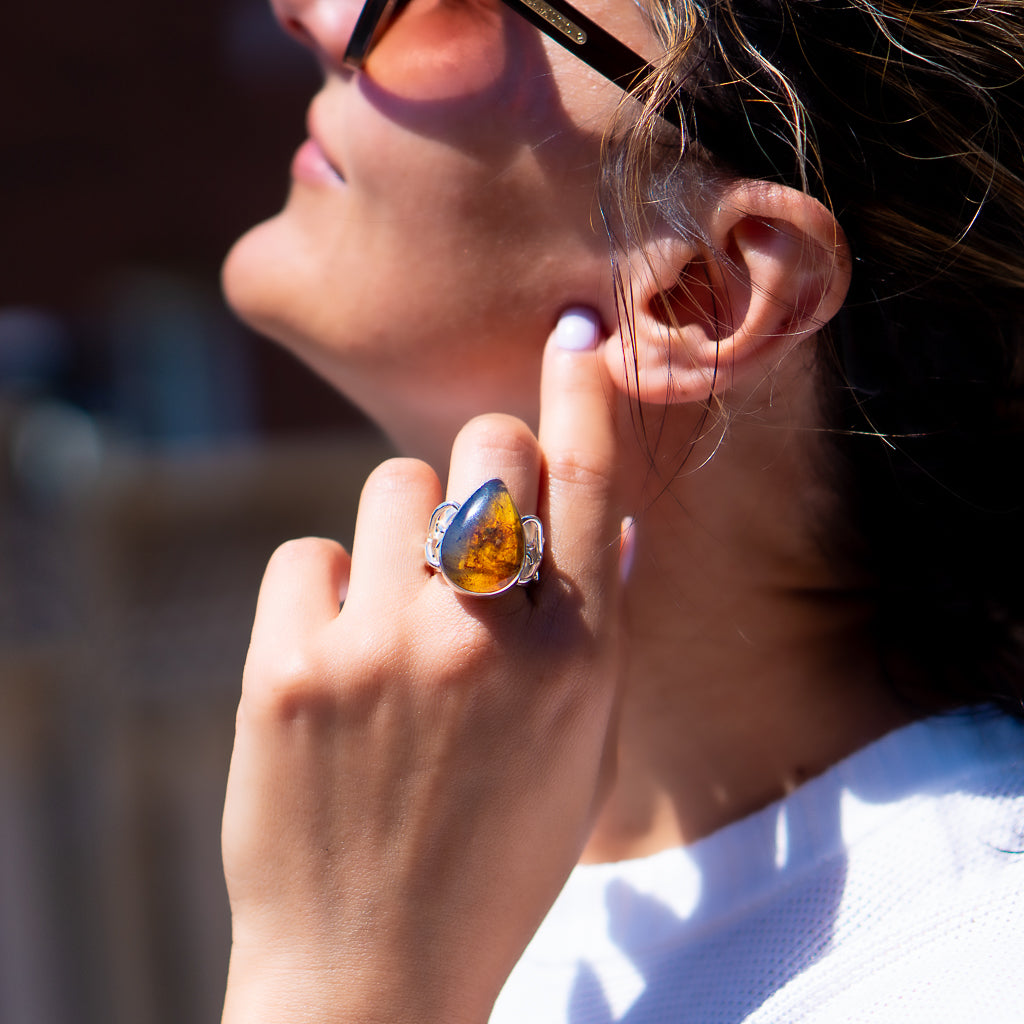
Wearable inclusions require a different eye than display specimens. In a pendant or ring, the inclusion should be visible at a comfortable viewing distance and protected by a thoughtful setting. Cabochons and polished freeform pieces offer more room to study detail, particularly under magnification. Raw pieces can be compelling as well, although their surfaces may conceal part of the internal scene.

Before you buy, decide whether your priority is scientific interest, visual beauty, jewelry wearability, or a meaningful gift. There is no wrong answer, but clarity of purpose makes it easier to recognize a piece that deserves a place in your collection.

How to Assess a Specimen Before You Choose It

Ask for clear images taken from more than one angle, ideally against both light and dark backgrounds. One photograph can make a specimen look clearer than it is, hide a surface repair, or exaggerate the size of an inclusion. A reputable seller should be able to describe the material, origin, dimensions, and any treatments or visible imperfections.

Look closely at four qualities:

  • Inclusion visibility: Can you readily see the specimen, its outline, and meaningful detail without straining?
  • Amber clarity: Is the material transparent, lightly misted, or heavily clouded? Cloudiness is not automatically a flaw, but it affects display.
  • Condition: Check for cracks, crazing, chips, unstable fractures, and polishing marks near the inclusion.
  • Composition: Consider the placement of the inclusion. A centered insect with natural space around it often presents better than one pressed against an edge.
A crack does not always make an inclusion undesirable. It may be stable, distant from the subject, and reflected in the price. However, a fracture passing through the inclusion or a repair that is not disclosed should prompt caution. Collectible amber deserves transparent representation.

Size deserves context, too. A larger piece of amber is not necessarily more valuable if the inclusion is faint or poorly positioned. Conversely, a small specimen can be exceptional if it contains a crisp, complete insect. The best pieces reward repeated viewing.

Be Alert to Copal, Composites, and Modern Additions

Not every resin specimen sold as amber is fully fossilized amber. Copal is younger, partially matured resin that can look similar but has a different age and collector status. It may contain real insects, yet it should be described honestly as copal rather than ancient amber.

Other concerns include reconstituted amber, assembled pieces, drilled specimens with inserted insects, and material treated to enhance color or clarity. A floating insect that looks too perfectly placed, has an unnatural posture, or appears surrounded by a visible boundary may deserve further scrutiny. This does not mean a collector can authenticate every specimen from a photograph. It means provenance and seller expertise should carry real weight.

Avoid home tests that may damage a specimen. Heat, solvents, and invasive scratching are poor choices for a piece you hope to preserve. Professional assessment, source documentation, and a trusted specialist are far more useful than a destructive test.

Understanding Value Without Chasing Hype

Amber inclusions are priced according to a combination of rarity, preservation, clarity, size, origin, and presentation. An identifiable spider or beetle may command more interest than a tiny midge, but exact identification is not always possible from a retail image. Claims of exceptional rarity should be supported with confidence and care, not dramatic language alone.

Provenance is part of the piece. Dominican origin adds meaningful context, particularly for collectors of Caribbean amber and blue amber. Documentation, informed sourcing, and clear certification practices help establish confidence that the material is what it is represented to be.

Condition and craftsmanship also matter when amber is set in jewelry. A finely polished cabochon in a secure, protective setting may offer better long-term enjoyment than a larger but vulnerable freeform stone. The trade-off is simple: a museum-style specimen emphasizes study, while a pendant lets you wear a piece of the Caribbean close to you.

Viewing Inclusions Like a Collector

A 10x loupe is one of the most satisfying tools a new collector can own. Use it under indirect daylight or a soft LED light. Move the light rather than the specimen at first, watching for surface reflections that can obscure fine legs, wings, antennae, or plant fibers.

For blue amber, examine the piece in several lighting conditions. Natural sunlight can reveal fluorescence beautifully, while ultraviolet light may intensify the blue response. Do not assume that a strong glow confirms every aspect of authenticity, however. Fluorescence is one characteristic among many, and it should be considered alongside known origin and reliable sourcing.

Photography is worth practicing. Place the amber on a neutral background, use diffused light, and photograph from several angles. Building an image record helps you enjoy subtle details over time and gives your collection a meaningful personal archive.

Protecting Amber for Years to Come

Amber is softer than many gemstones and should be treated with care. Store each piece separately in a soft pouch or lined compartment so it does not rub against harder jewelry. Keep it away from prolonged heat, harsh sunlight, perfumes, hairspray, household cleaners, and ultrasonic cleaners.

To clean a polished specimen or amber jewelry, use a soft dry cloth. If necessary, lightly dampen the cloth with water, then dry the piece promptly. Do not soak amber or use chemical jewelry dips. Sudden temperature changes and dry storage conditions can contribute to surface stress over time.

For a particularly meaningful inclusion, consider alternating between wearing it and displaying it in a protected case. A beautiful specimen does not need to be hidden away, but mindful handling preserves the detail that made you choose it.

The most memorable amber collection grows slowly, one honest and captivating specimen at a time. Choose pieces that invite a second look, ask careful questions about their origin, and let each inclusion keep its quiet connection to an ancient Caribbean landscape.

Polished Rings: Craftsmanship and Quality Guide 2026

Polished Rings: Craftsmanship and Quality Guide 2026

10 min read

Discover the art of polished rings, from lapidary techniques to metal finishing. Expert insights on polishing gemstones and metals for jewelry.
Read More
Amber Inclusion Collecting Guide for Beginners - Larimar Creations

Amber Inclusion Collecting Guide for Beginners

6 min read

This amber inclusion collecting guide helps you assess Dominican amber, identify genuine inclusions, and choose specimens with lasting collector appeal.
Read More
Polished Jewelry: Complete Guide to Care and Brilliance - Larimar Creations

Polished Jewelry: Complete Guide to Care and Brilliance

10 min read

Discover the art of polished jewelry care, from understanding finishes to maintaining gemstone luster. Expert guide for preserving your treasures.
Read More