
by Admin June 16, 2026 6 min read

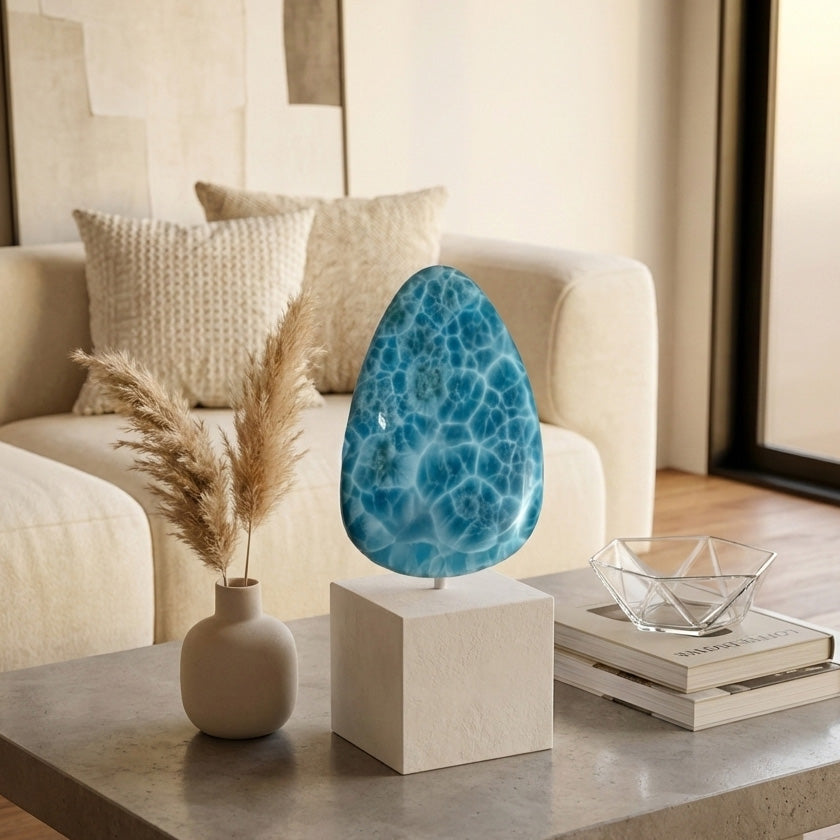
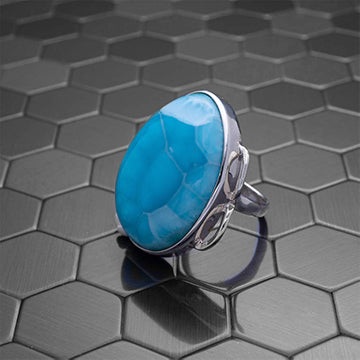
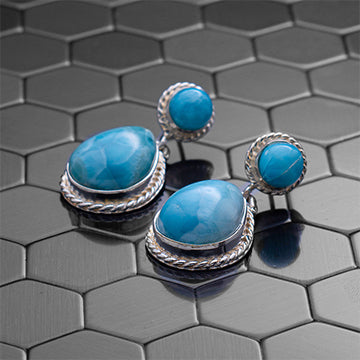
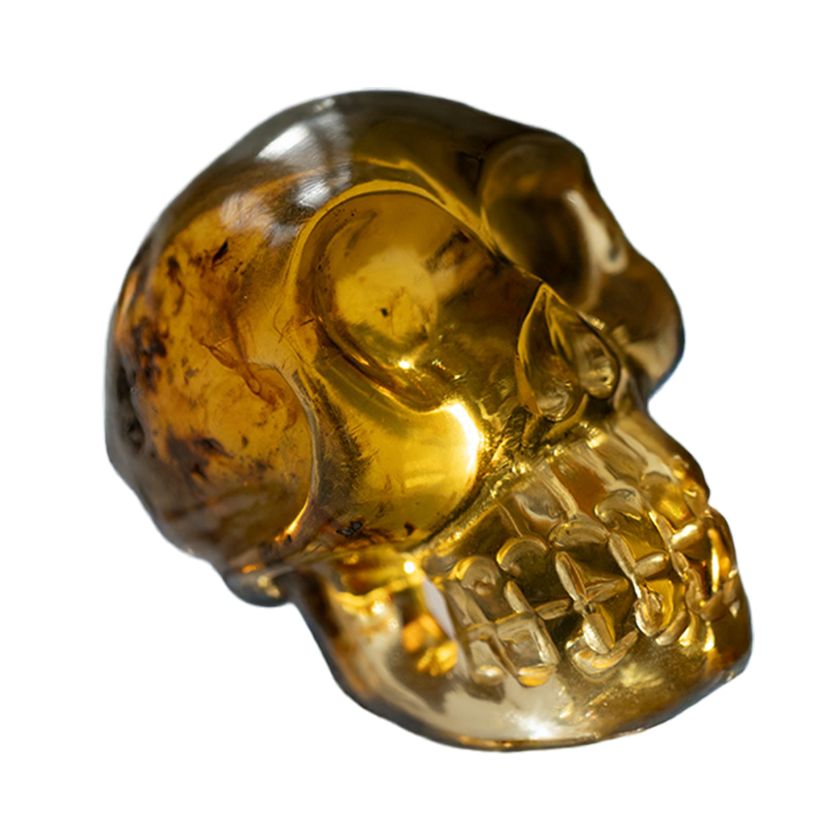
A hand-cut Larimar cabochon or a glowing piece of Dominican blue amber does not compete on the same terms as factory-made jewelry. It wins for a different reason. The future of artisan gemstone jewelry belongs to pieces that carry origin, skill, and unmistakable natural character - the kind of jewelry a buyer can feel connected to before it is ever worn.

That shift is already underway. Buyers are moving away from anonymous accessories and toward gemstones with a story, a place, and a traceable path from source to finished design. For artisan makers and collectors, this is not a passing preference. It is a deeper change in what luxury means.

Why the future of artisan gemstone jewelry looks more selective

For years, mass-market jewelry trained shoppers to expect speed, uniformity, and trend turnover. Artisan gemstone jewelry offers the opposite. No two stones are exactly alike. Inclusions vary. Color can move from soft seafoam to electric blue, from warm golden amber to rare blue flashes. Settings reflect the hand of the maker rather than the template of a machine.

That difference is becoming more valuable, not less. As consumers become more familiar with gemstone sourcing and production methods, they are asking sharper questions. Where was this stone mined? Is it natural? Was it treated? Who made the piece? Can its origin be verified?

The brands and artisans that can answer those questions clearly will stand apart. The future is not simply handmade for the sake of handmade. It is handmade with proof, with expertise, and with respect for the material itself.

Authenticity will matter more than trend cycles

In artisan jewelry, authenticity has always mattered. Going forward, it will be one of the strongest purchasing drivers.

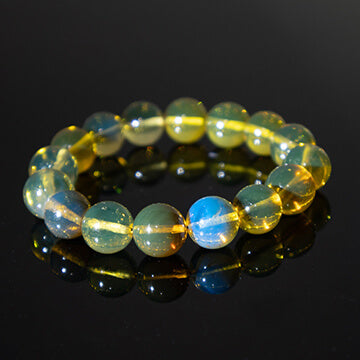
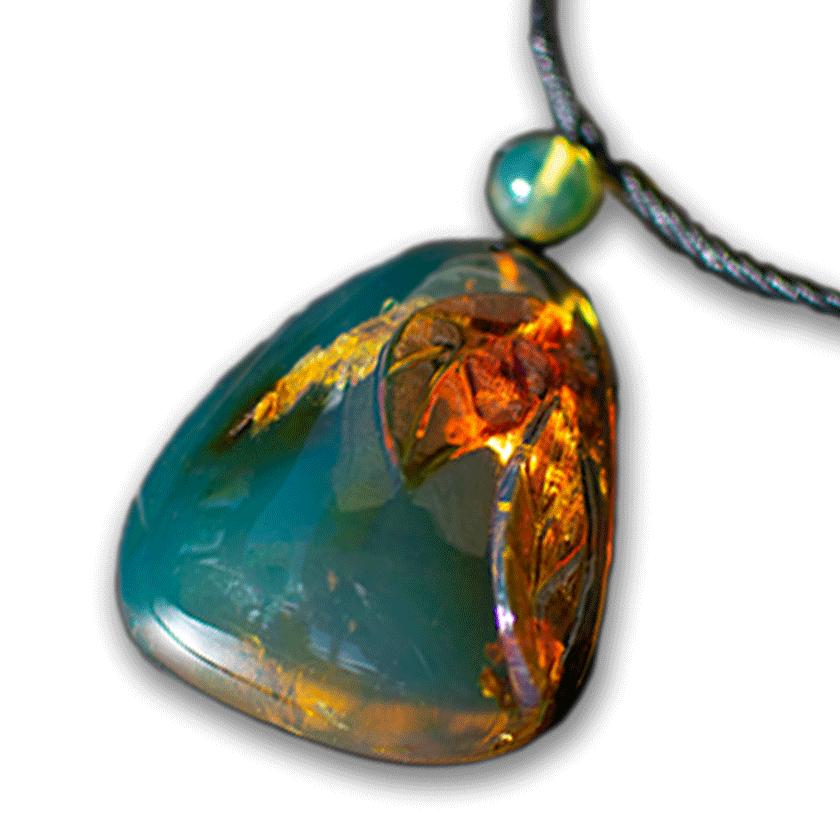
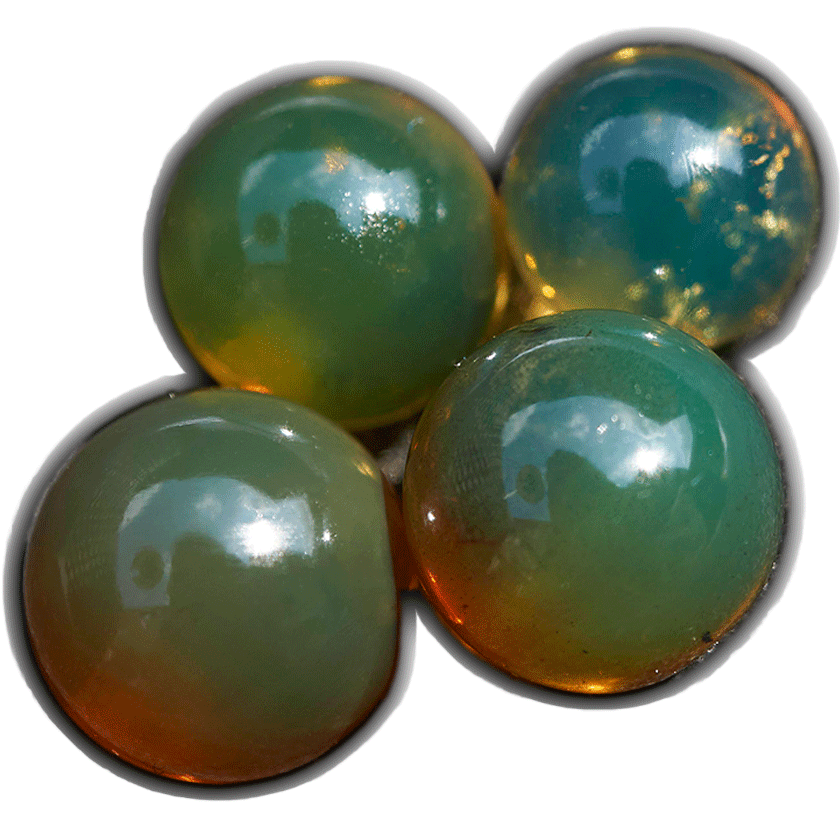
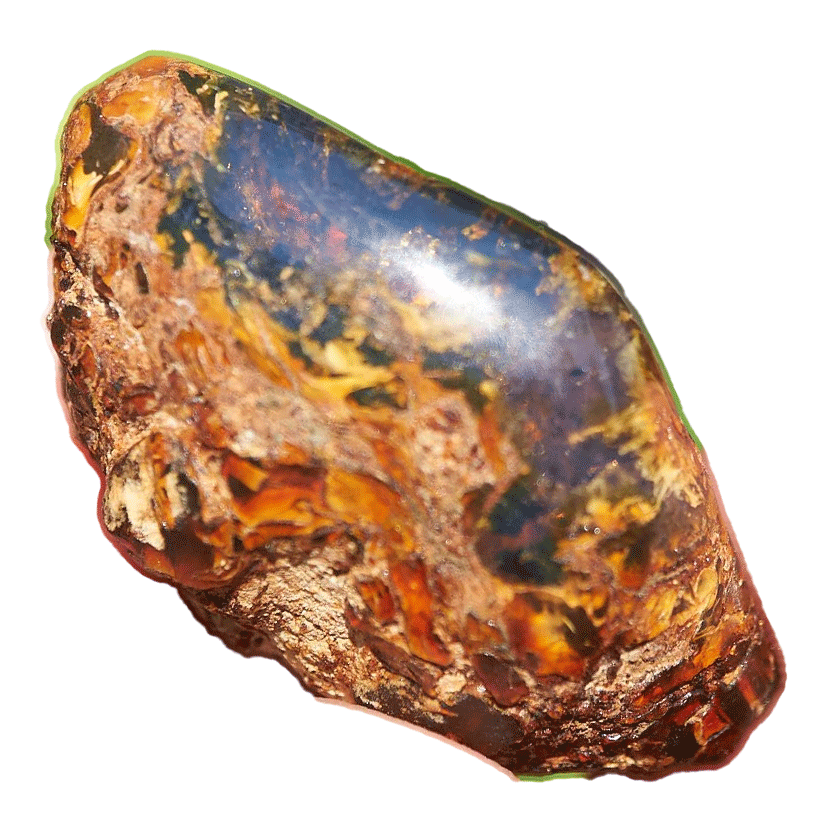
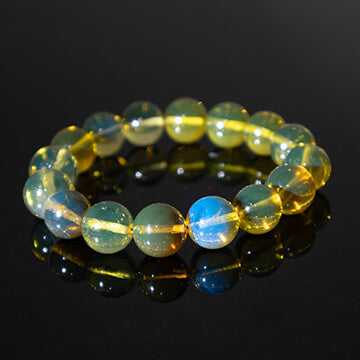
This is especially true for rare regional stones. Larimar and Dominican amber are not interchangeable with generic blue gems or amber-toned resin. Their appeal comes from what they are and where they come from. Larimar carries the visual calm of Caribbean water, but it also carries geological rarity. Dominican amber, particularly blue amber, offers a level of distinction that collectors immediately recognize.

As shoppers become more educated, broad style claims will carry less weight than documented authenticity. Certificates, origin details, and honest gemstone descriptions will increasingly shape trust. A premium buyer is rarely just purchasing color and sparkle. They are purchasing confidence.

There is a trade-off here. Greater transparency raises the standard for sellers. It also raises the perceived value for buyers. When authenticity is clearly established, artisan gemstone jewelry feels less like an impulse buy and more like a meaningful acquisition.

Certified stones and origin stories will shape demand

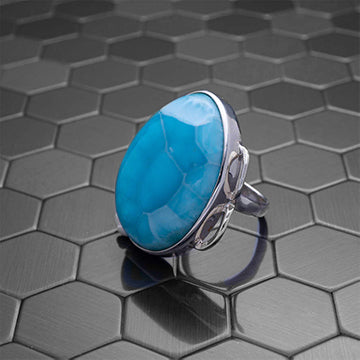
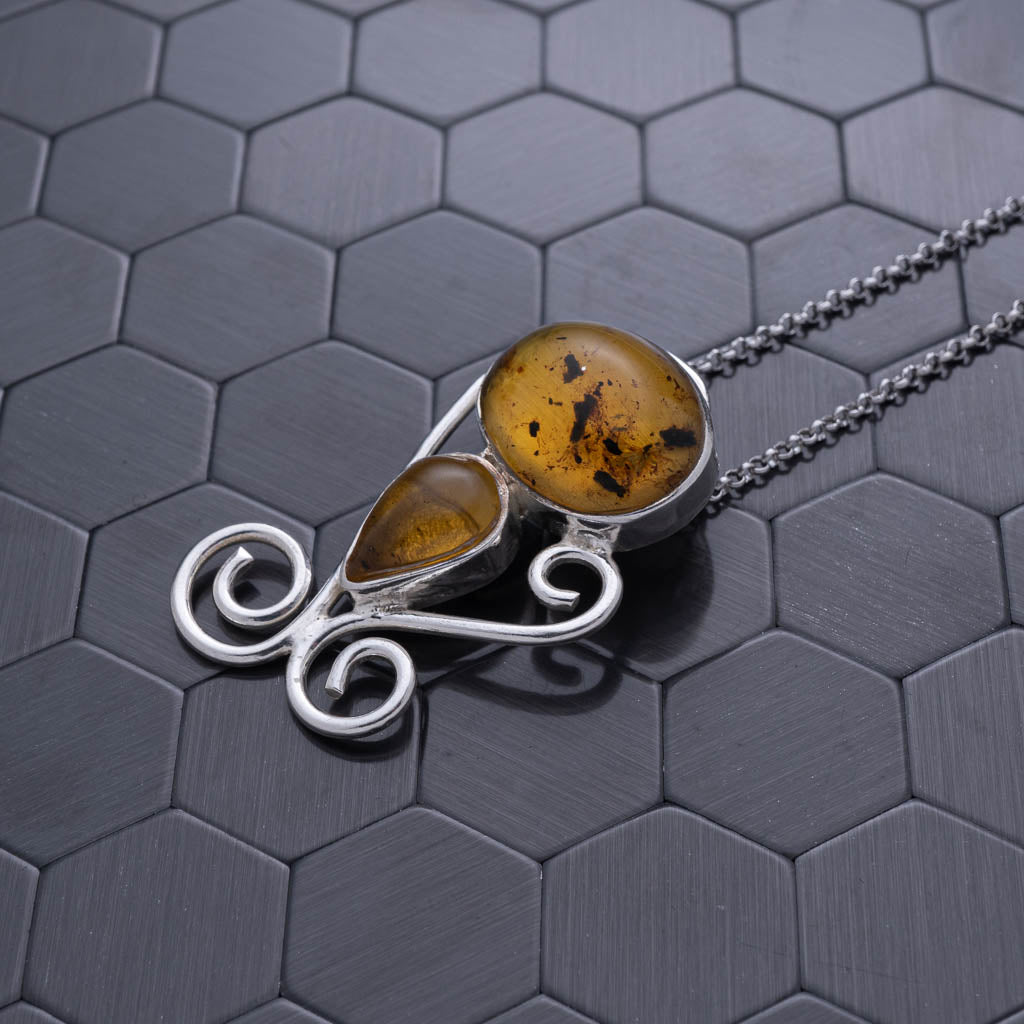
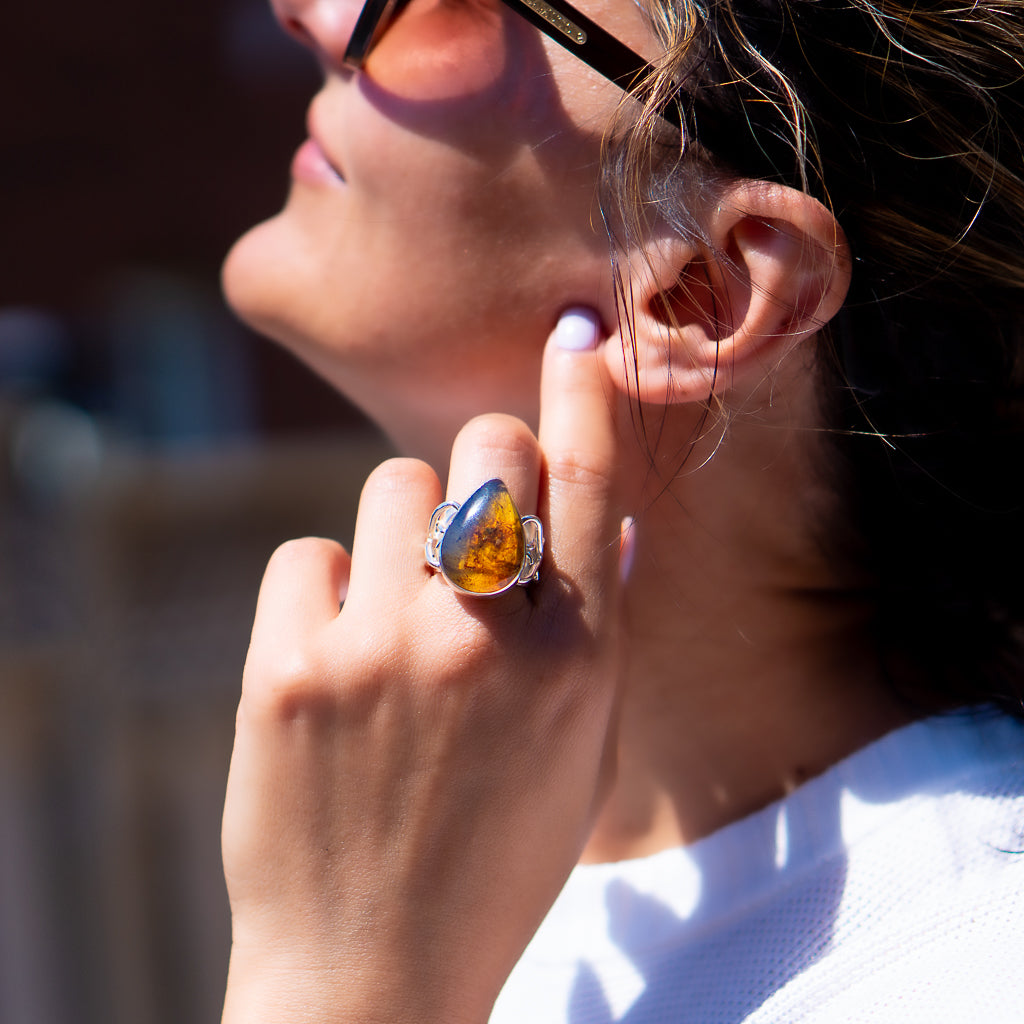
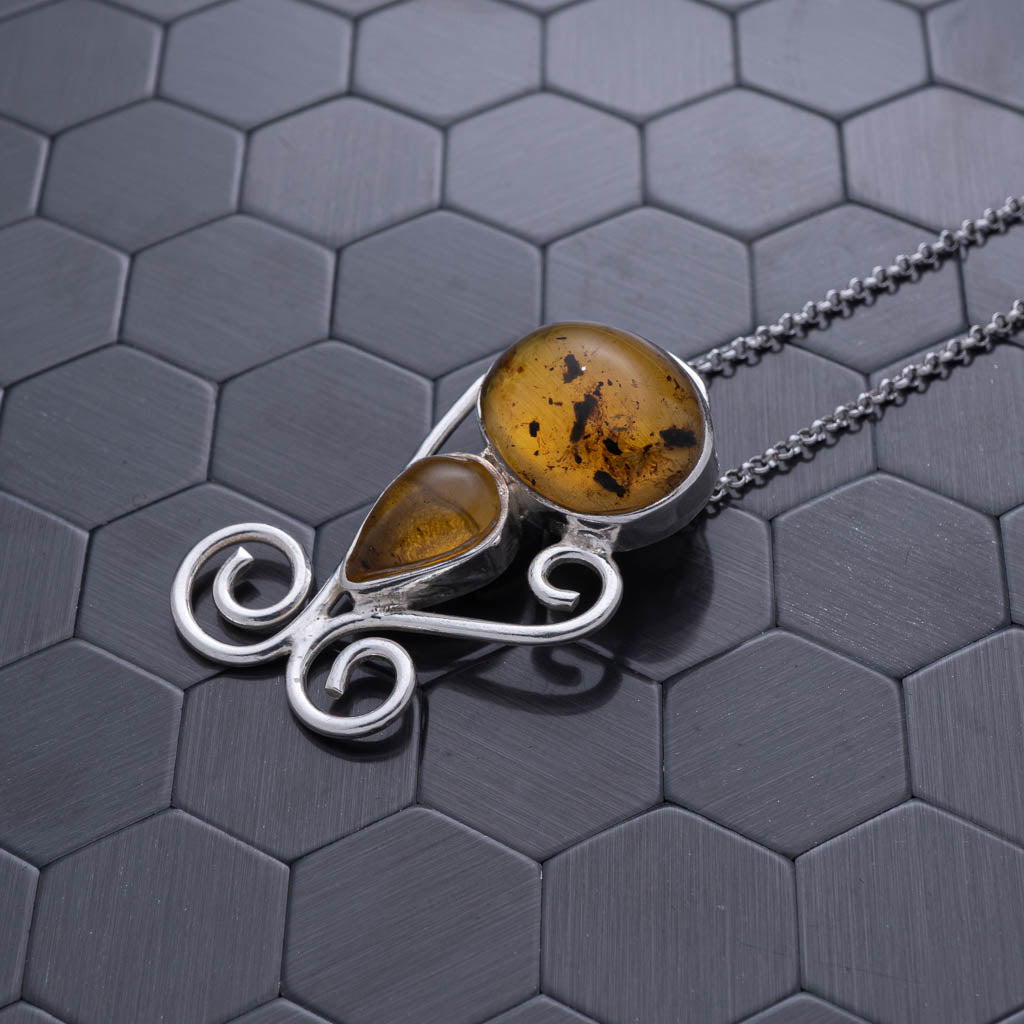
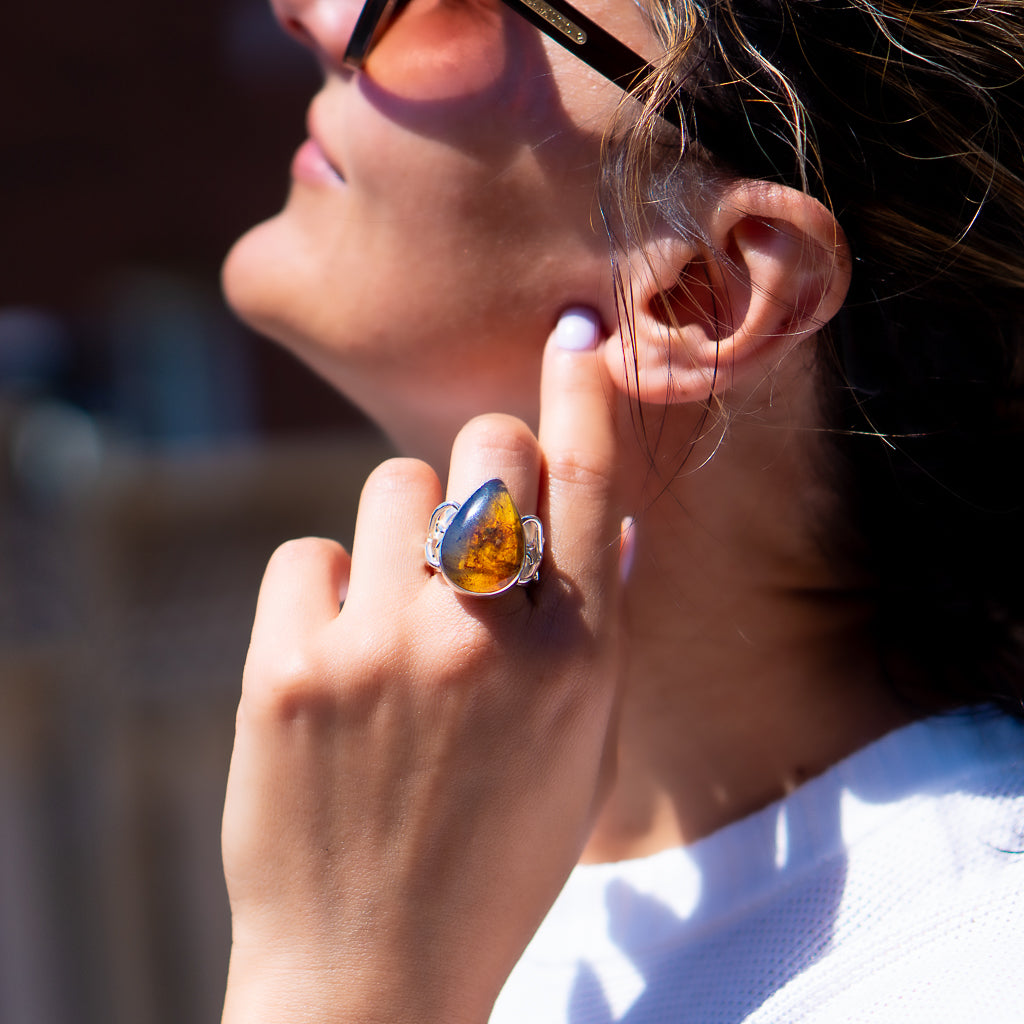
Not every buyer wants the same level of detail, but many want more than a beautiful photo. They want context. They want to know whether a pendant features a genuine hand-selected cabochon, whether a ring was crafted around the natural shape of the gem, and whether the stone has a recognized place of origin.

That is particularly important in niche gemstone categories where imitation and confusion can dilute the market. In the years ahead, certified and origin-specific jewelry will likely become the preferred standard for discerning buyers, gift shoppers, and collectors alike.

Craftsmanship will become part of the product itself

The artisan sector has sometimes treated craftsmanship as a background detail. That approach is changing. Buyers are no longer only interested in the finished piece. They are interested in the making.

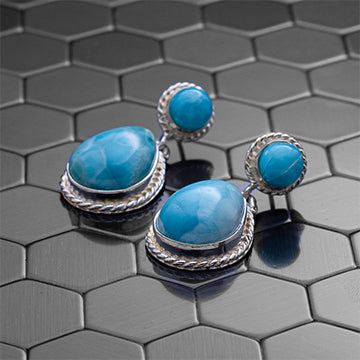
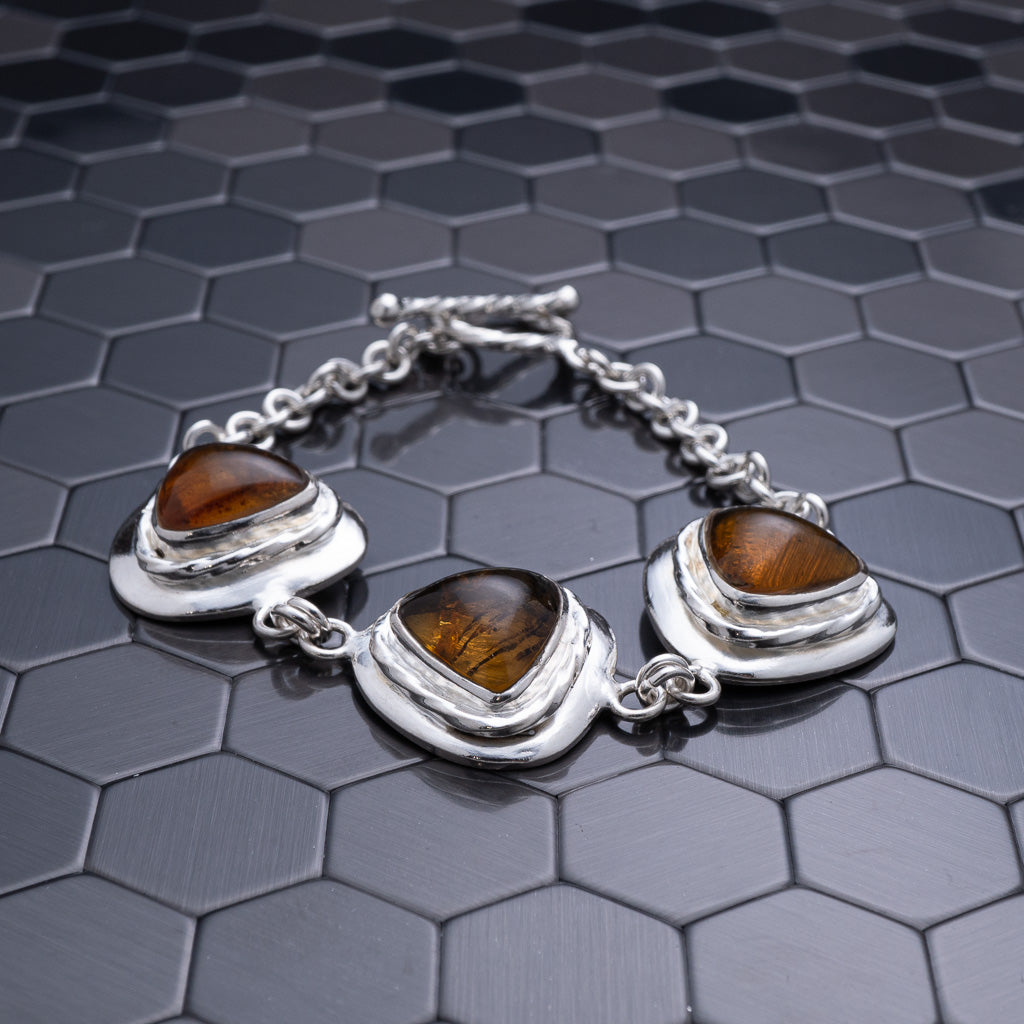
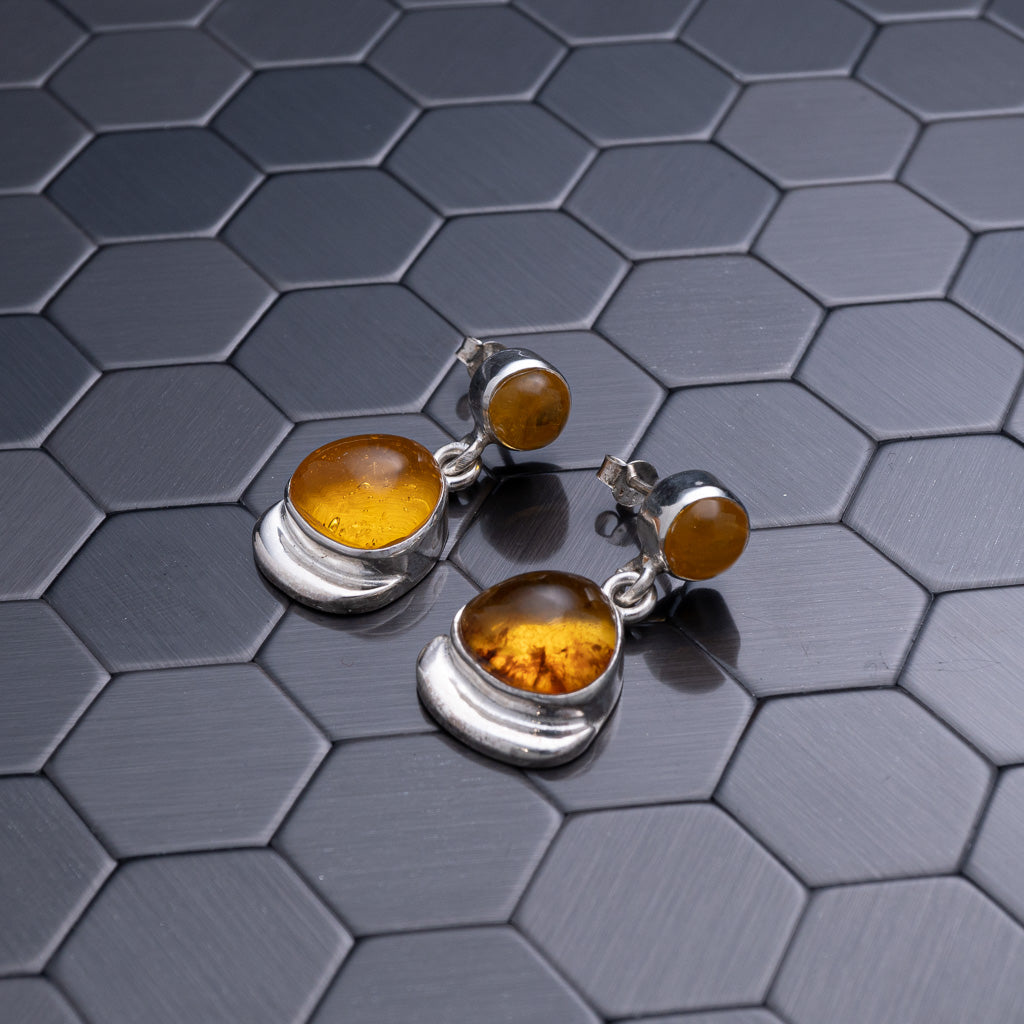
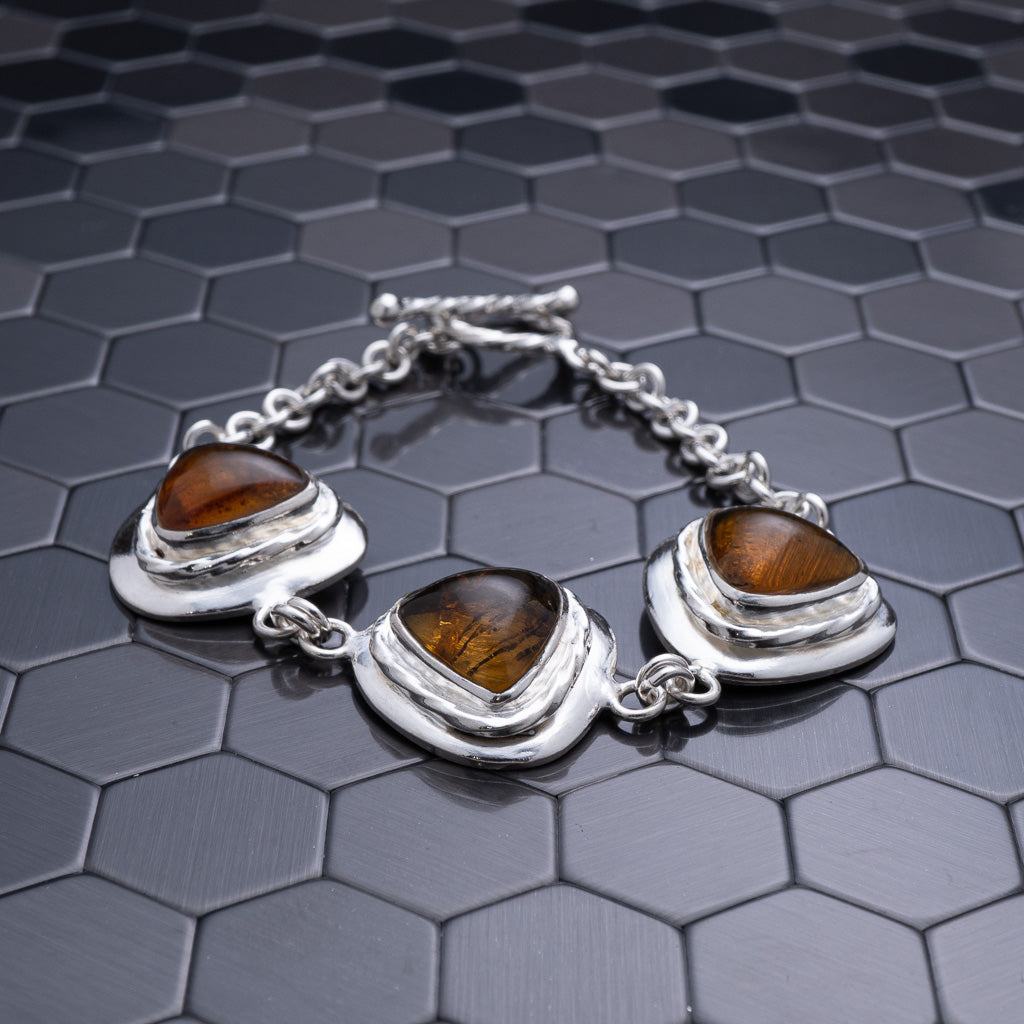
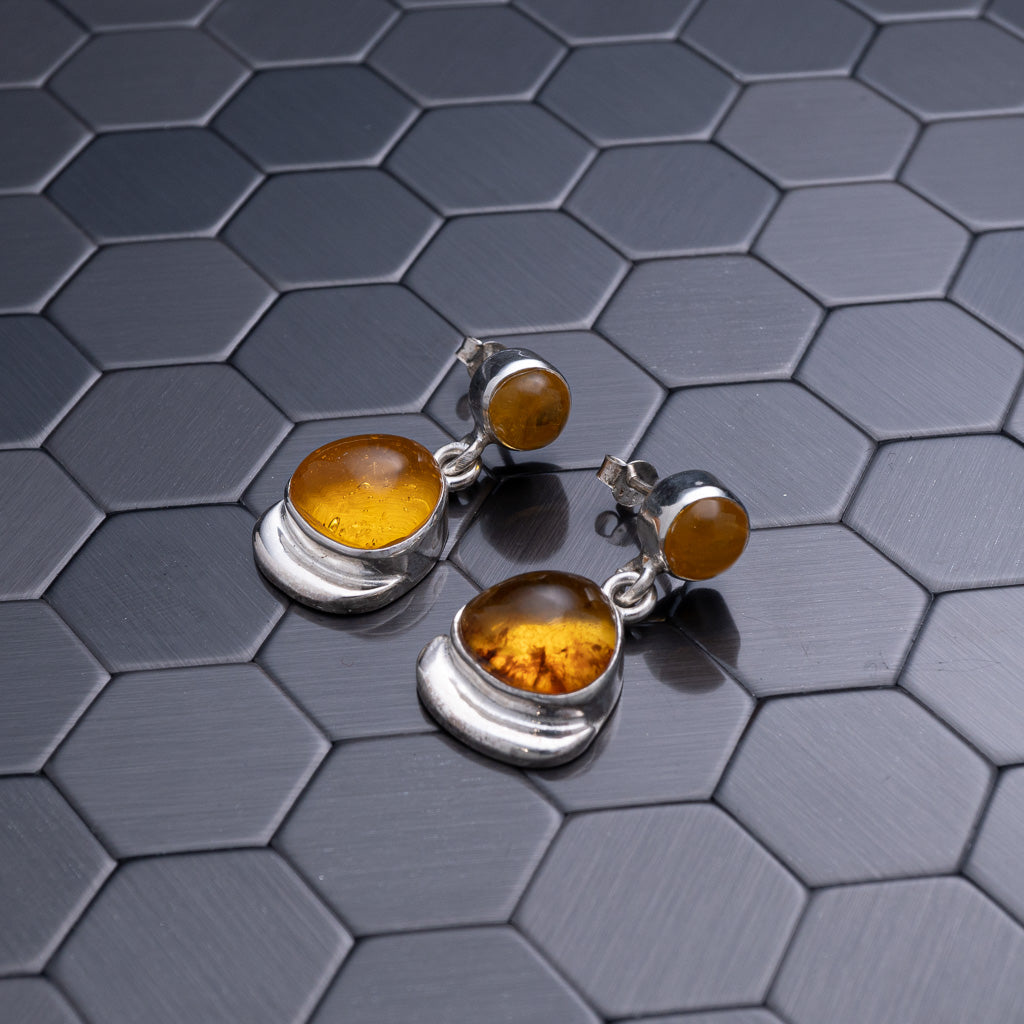
A bezel set by hand, a one-of-a-kind carving, a polished cabochon chosen for its natural patterning - these are not hidden production notes. They are part of the value. The future buyer wants to understand why one handmade bracelet, pendant, or pair of earrings feels more special than another.

This favors jewelers who design around the gemstone rather than forcing the gemstone into a standard formula. It also favors smaller-batch production. Limited releases and individually varied stones create a sense of rarity that mass production cannot imitate.

For a brand rooted in rare Caribbean materials, that is an advantage. The more a piece reflects the natural identity of Larimar or amber, the stronger its position in the market.

The collector mindset will keep growing

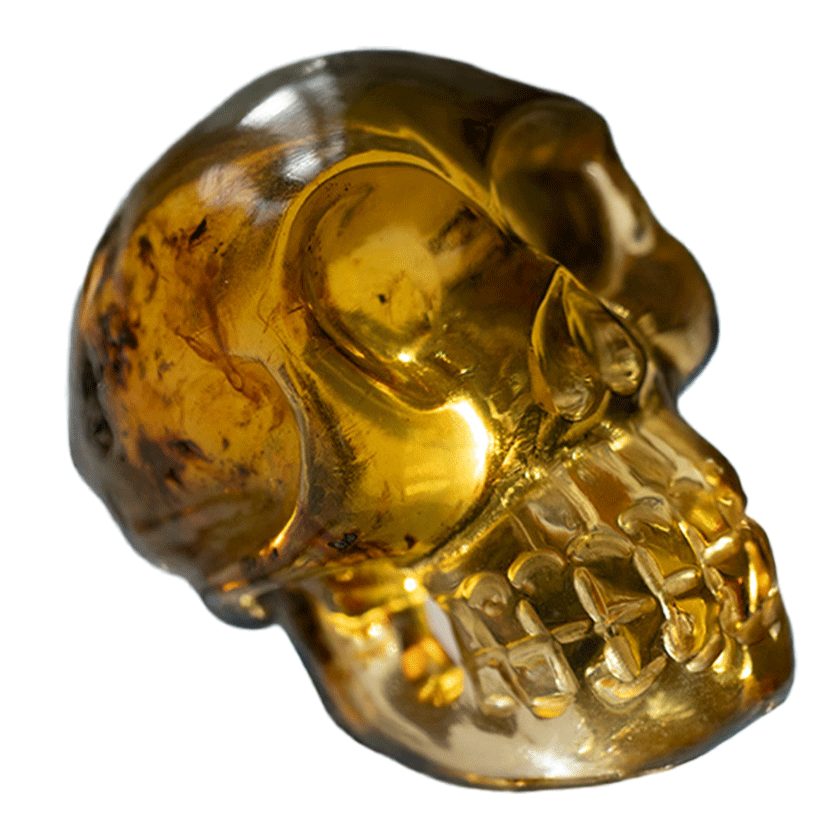
One of the most interesting shifts in the future of artisan gemstone jewelry is the overlap between jewelry buying and collecting. Many customers no longer separate adornment from acquisition. They may begin with a pendant or ring and then develop an interest in loose cabochons, beads, carvings, fossils, or special cuts of gemstone material.

This matters because collector-driven demand tends to be more informed and more loyal. Collectors appreciate rarity, gemstone quality, and source credibility. They notice details like color zoning, transparency, matrix patterns, and cut quality. They are less interested in disposable fashion and more interested in lasting distinction.

That collector mentality also influences gift buyers. A meaningful gemstone gift now carries greater appeal when it feels uncommon and rooted in a real place. A piece of Larimar or Dominican amber can offer that emotional quality while still meeting the expectations of fine jewelry.

Jewelry will need to appeal to both wearers and connoisseurs

Some artisan brands will lean too far in one direction. If a piece is purely collectible, it may lose daily wear appeal. If it is designed only for broad fashion taste, it may lose gemstone identity. The strongest future collections will balance both.

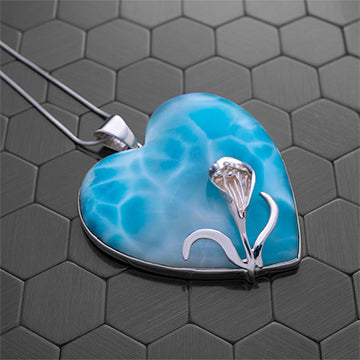
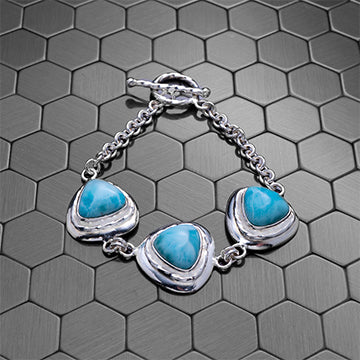
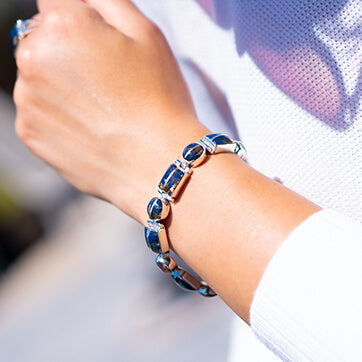
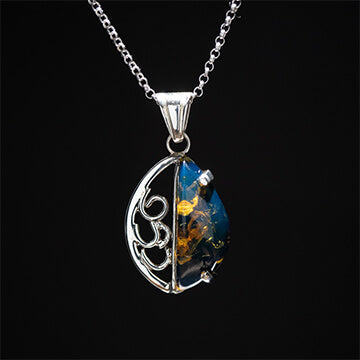
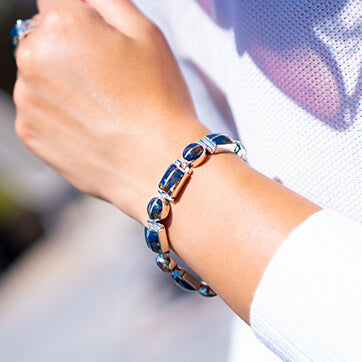
That means refined settings, wearable proportions, and genuine gemstone presence. A heart pendant can feel romantic and giftable while still showcasing the integrity of a rare stone. A bracelet can feel elegant and effortless while still appealing to someone who values the material itself.

Digital shopping will increase the value of trust

Because so much jewelry discovery happens online, trust has become part of the product experience. This is especially true for artisan gemstone categories where visual nuance matters.

A future-ready jewelry brand cannot rely on beauty alone. It needs credibility. That includes accurate photography, clear stone descriptions, straightforward certification language, and enough education to help buyers understand what makes the piece exceptional.

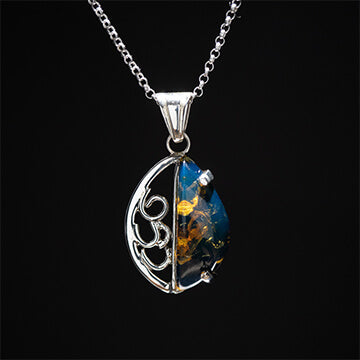
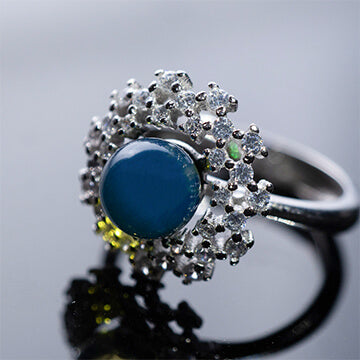
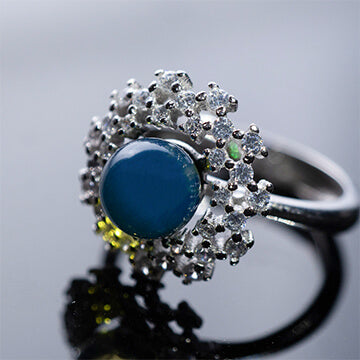
For rare stones, online retail can be a powerful advantage. It allows specialized brands to reach buyers well beyond a local market. Someone in the US, Europe, or Asia can discover a handcrafted Dominican blue amber pendant or a Larimar ring without needing access to a niche gemstone shop. But distance also makes proof more important. The stronger the sourcing story and authenticity standards, the more confidently customers will buy.

Sustainability will be judged through honesty, not slogans

Buyers increasingly care about how jewelry is made, but they are also more skeptical of vague ethical claims. In artisan gemstone jewelry, the future will favor honest sourcing language over polished generalities.

That does not always mean a perfectly simple supply chain. Gemstones are natural resources, and mining, cutting, and jewelry production involve real-world complexity. What customers want is clarity. They want to know whether a brand respects the origin of its materials, works with genuine stones, and presents them truthfully.

For niche gemstones tied closely to one region, cultural and geographic integrity become part of sustainability. A stone should not be stripped of its story to fit a generic luxury narrative. Its value is increased by preserving that connection.

Design will become more personal and less standardized

As the market matures, personalization will not only mean engraving. It will mean choosing a gemstone for its color pattern, symbolism, origin, or one-of-a-kind shape. Natural variation is no longer a flaw to manage. It is the reason a buyer says yes.

This is where artisan gemstone jewelry has a strong future. Every natural stone offers visual individuality. A Larimar pendant can resemble moving water. A blue amber ring can reveal light in a way that changes from day to evening. These are intimate experiences with material, not repeatable factory effects.

That said, personalization has limits. Some buyers want a perfectly matched earring pair or a highly polished fine-jewelry finish. Others want obvious hand-touched character. The future market will support both, as long as the maker is clear about what the piece is meant to be.

What buyers will value most

Over the next several years, the strongest artisan gemstone jewelry will likely share a few traits. It will be grounded in authentic material, transparent about origin, refined in craftsmanship, and distinctive enough to feel rare. It will invite both emotional connection and informed appreciation.

For brands such as Larimar Creations, this direction is more than a trend forecast. It is a reminder that the most enduring jewelry has always offered more than decoration. It offers place, story, and the quiet assurance that what you are wearing could not have come from anywhere else.

The next chapter of artisan gemstone jewelry will not be defined by volume. It will be defined by pieces that feel true - to the stone, to the maker, and to the person who chooses to wear a piece of the Caribbean.


Let's Stay In Touch