
FREE WORLD WIDE SHIPPING
HANDCRAFTED IN THE DOMINICAN REPUBLIC
BEST QUALITY LARIMAR
FREE WORLD WIDE SHIPPING
HANDCRAFTED IN THE DOMINICAN REPUBLIC
BEST QUALITY LARIMAR
FREE WORLD WIDE SHIPPING
HANDCRAFTED IN THE DOMINICAN REPUBLIC
BEST QUALITY LARIMAR
FREE WORLD WIDE SHIPPING
HANDCRAFTED IN THE DOMINICAN REPUBLIC
BEST QUALITY LARIMAR
FREE WORLD WIDE SHIPPING
HANDCRAFTED IN THE DOMINICAN REPUBLIC
BEST QUALITY LARIMAR
FREE WORLD WIDE SHIPPING
HANDCRAFTED IN THE DOMINICAN REPUBLIC
BEST QUALITY LARIMAR
100% Handcrafted in DR.
by Admin November 15, 2026 6 min read
A vivid blue Larimar cabochon or a Dominican blue amber pendant can feel unmistakably special the moment you see it. Yet beauty alone cannot tell you where a stone came from, whether it is natural, or how its characteristics compare with others in its category. That is where gemstone certificate value becomes part of a thoughtful purchase. A credible document gives a rare Caribbean gemstone a documented identity, helping you buy with greater confidence and preserve the story behind the piece.
For collectors, gift buyers, and those choosing a future heirloom, certification is not simply paperwork tucked into a box. It is evidence that supports authenticity, origin claims when they can be verified, and the qualities that make one natural gemstone different from another.
A gemstone certificate, often called a laboratory report or identification report, records findings made by a qualified gemologist or gemological laboratory. The exact contents vary according to the stone and the type of report, but a meaningful report may identify the material, describe whether it is natural or laboratory-created, disclose detectable treatments, and record measurements, weight, color, transparency, and notable internal characteristics.
For a gemstone set in jewelry, the report may describe the stone in its mounted condition. For a loose cabochon, carving, bead strand, or amber specimen, there may be more opportunity for detailed examination. A report can also include a photograph, report number, security features, and the date of examination. These details help connect the document to the exact gemstone you own.
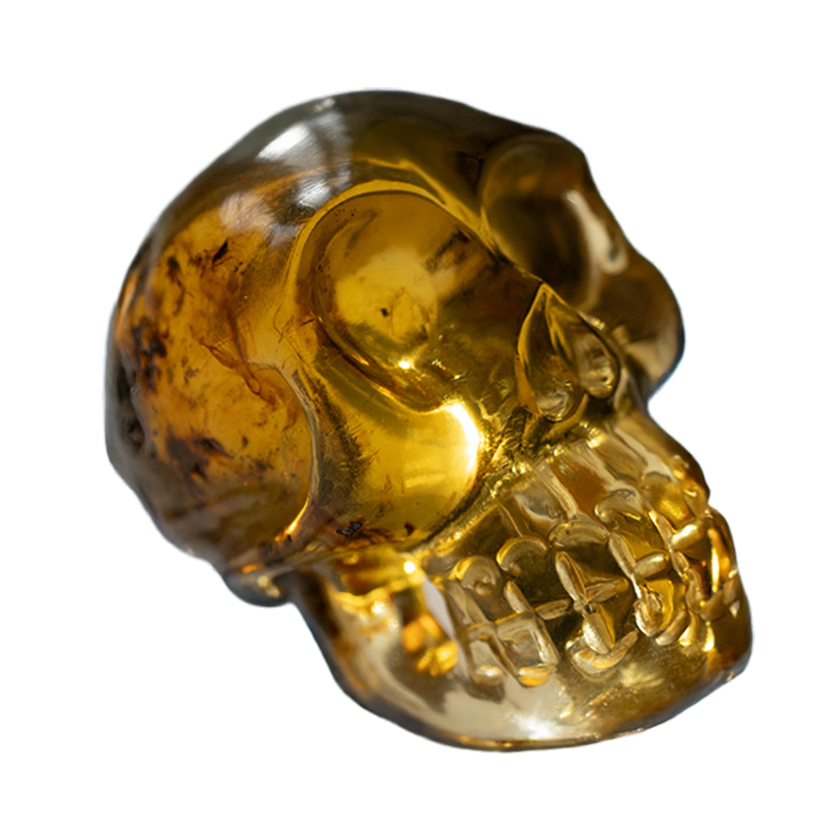
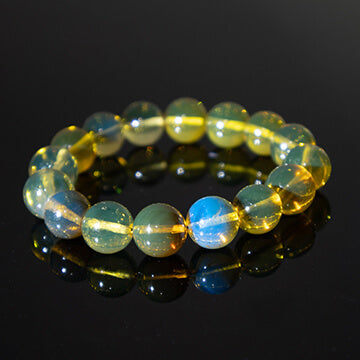
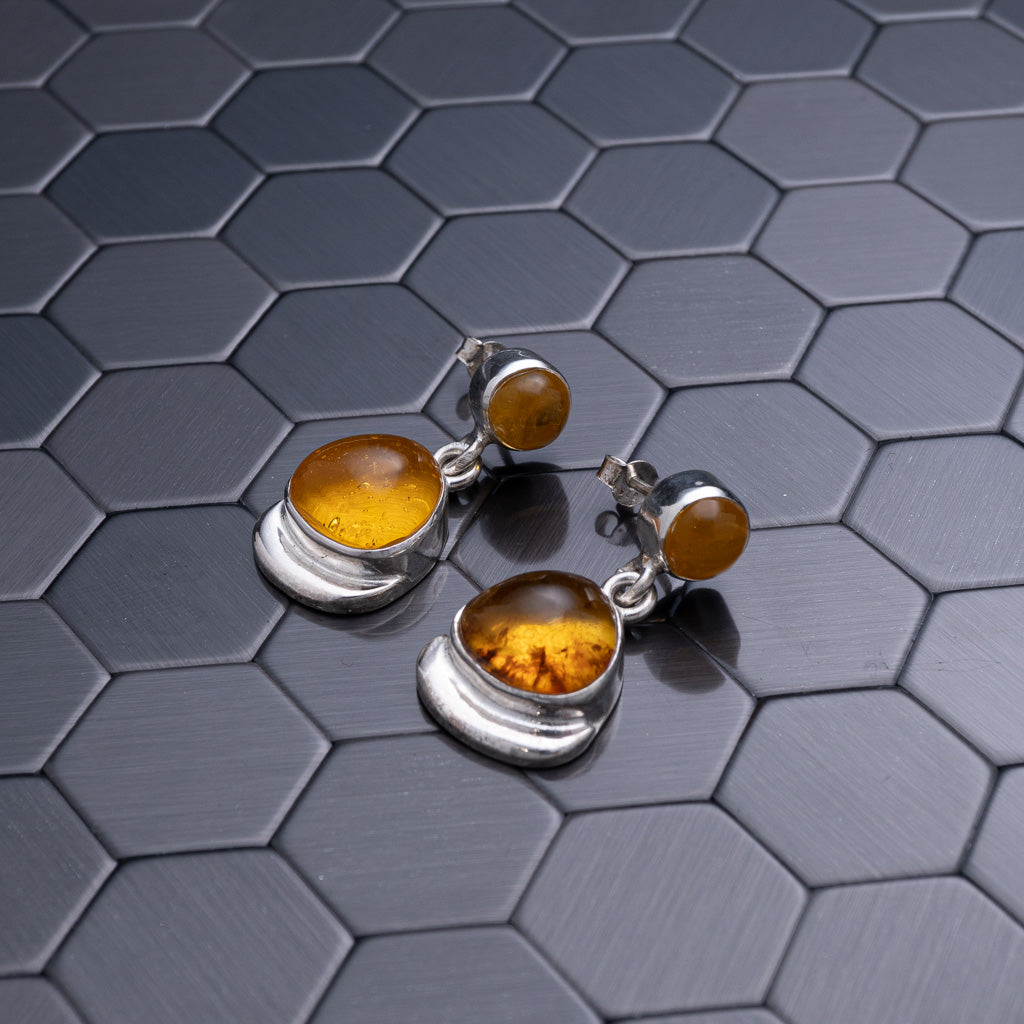
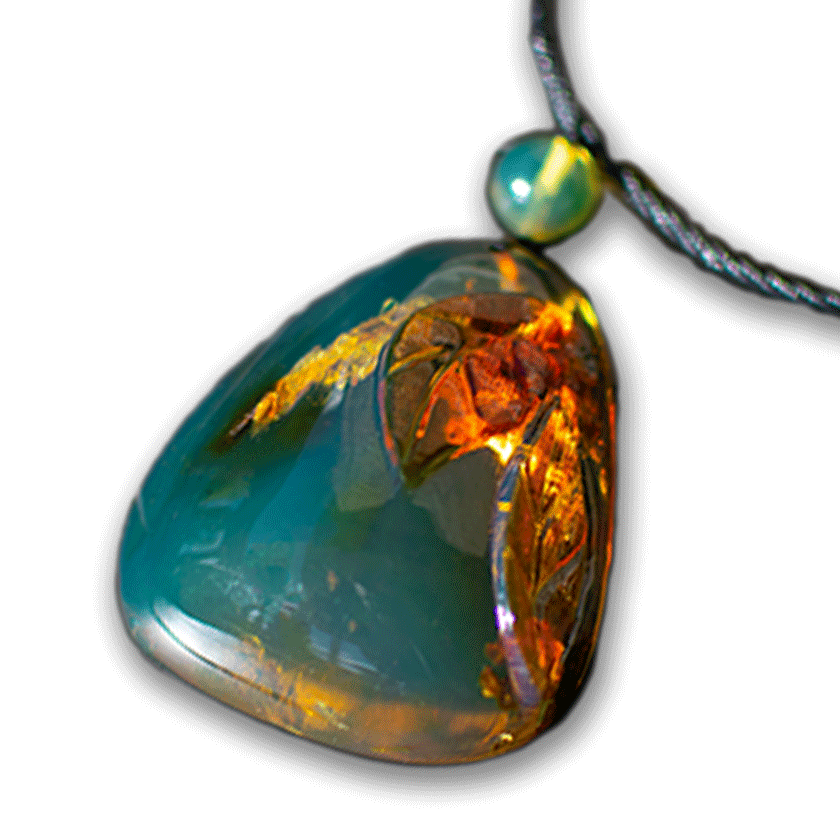
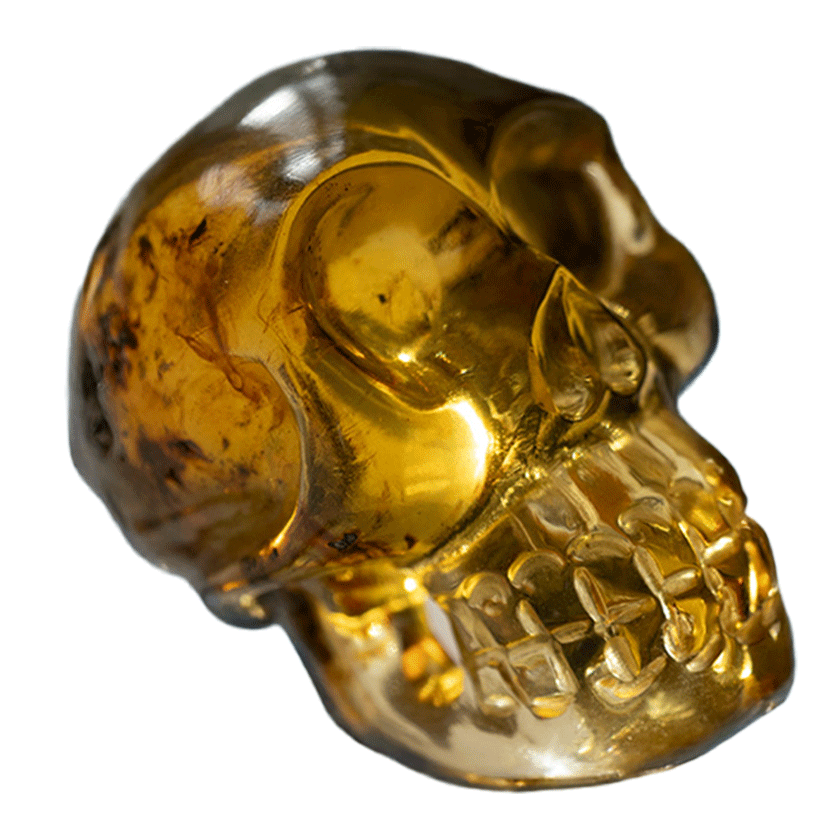
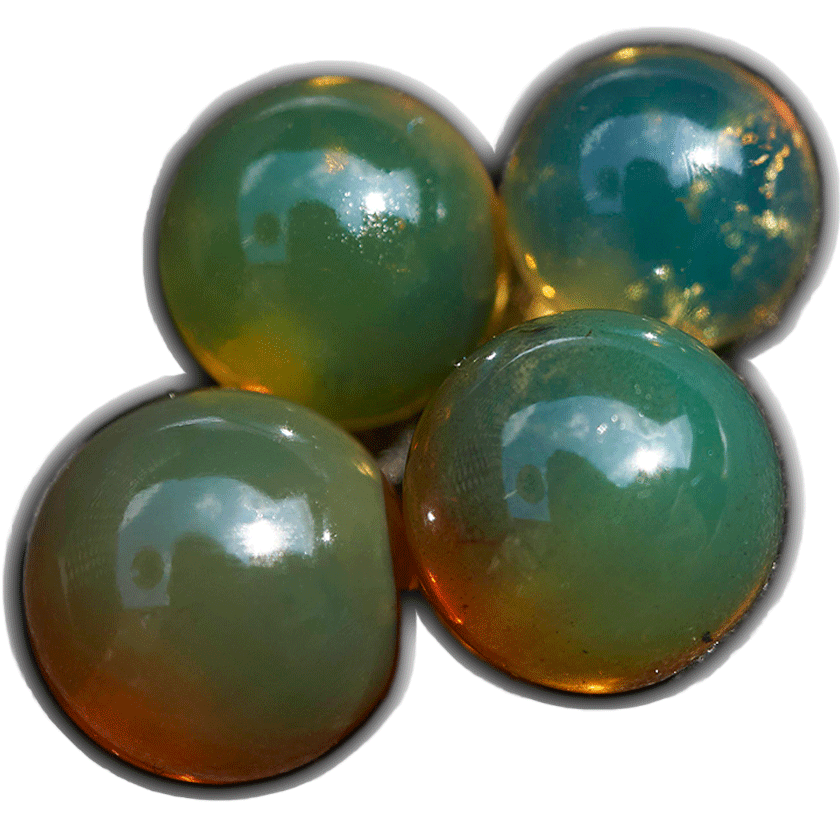
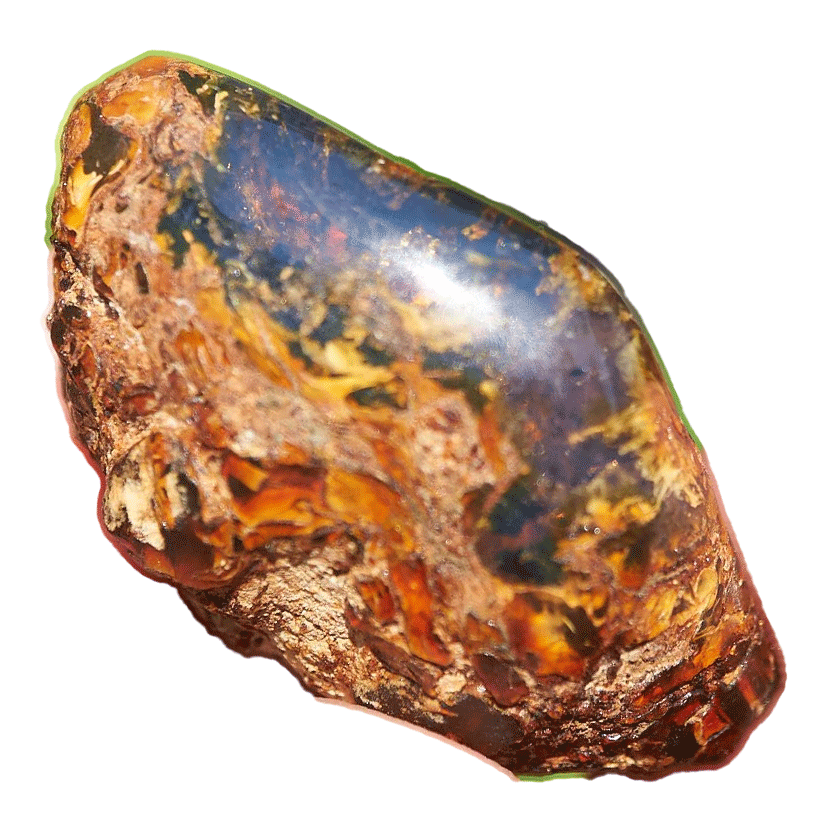
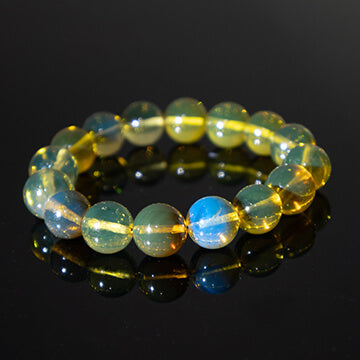
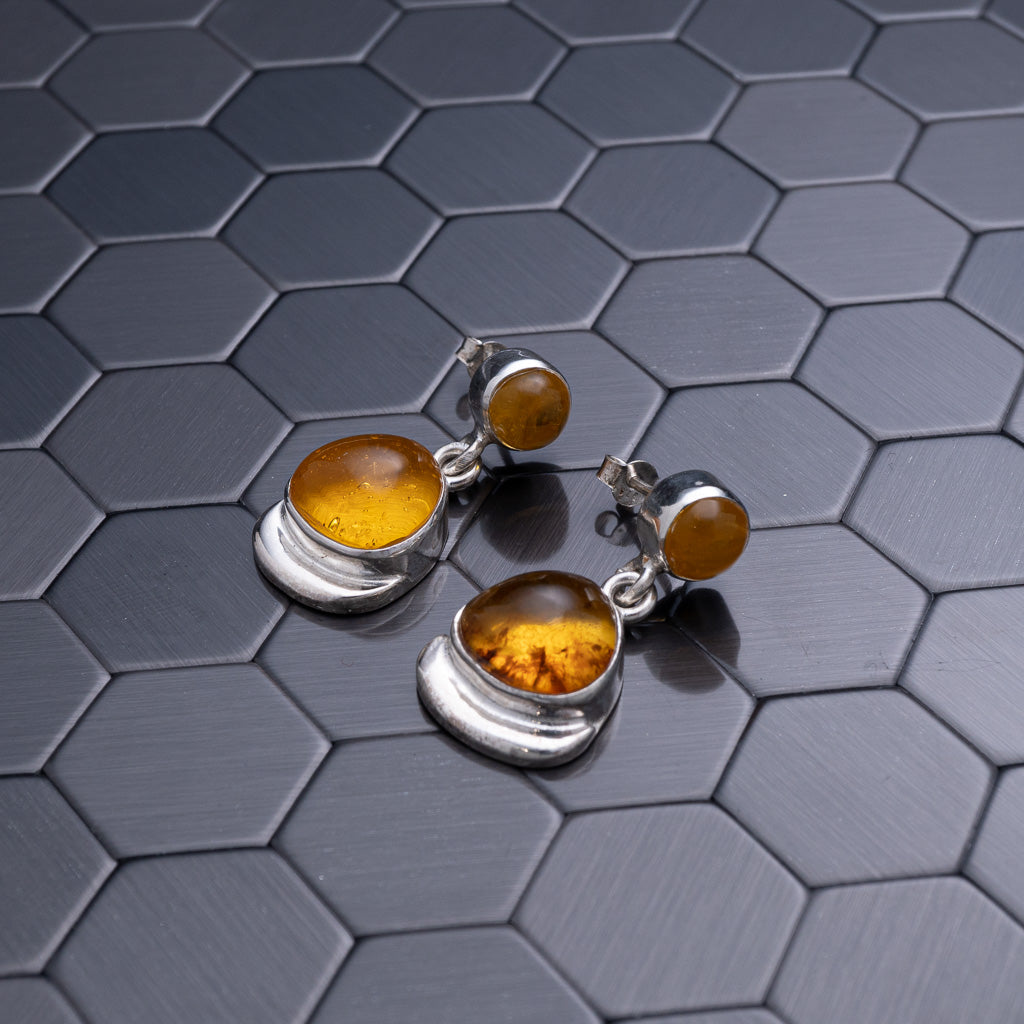
With Dominican amber, a certificate may support identification as natural amber and distinguish it from common look-alikes, such as plastic, copal, glass, or assembled materials. It may also describe the specimen’s color and inclusions. Blue amber deserves especially careful attention because its prized blue glow is often best observed under ultraviolet light or strong natural sunlight. The body color, fluorescence, clarity, size, and presence of natural inclusions all contribute to its individual character.
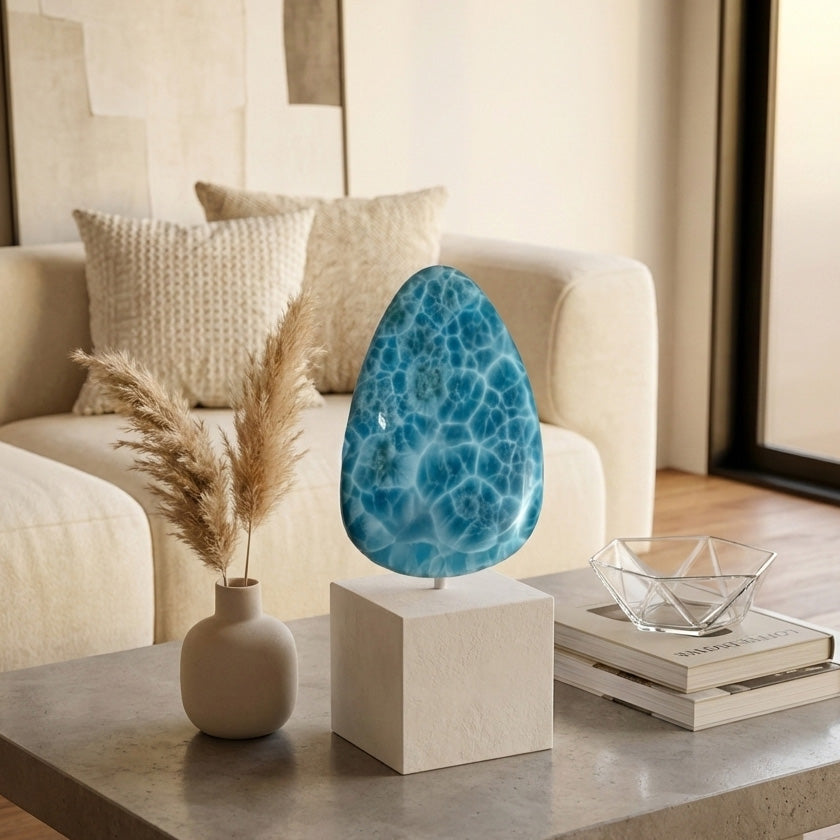
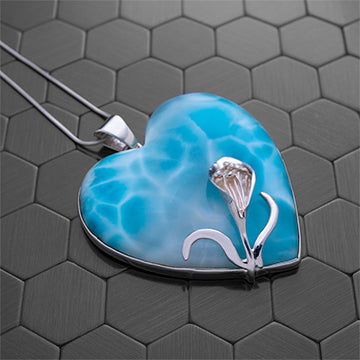
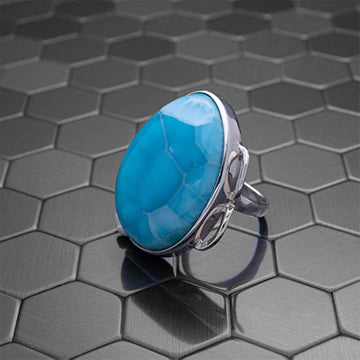
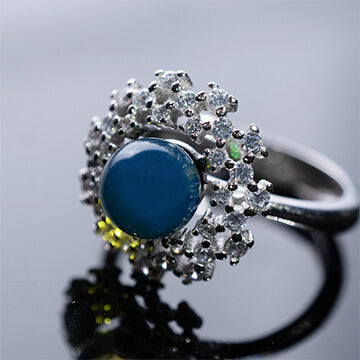
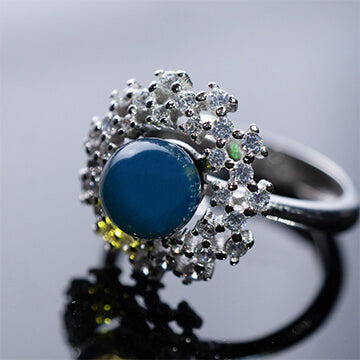
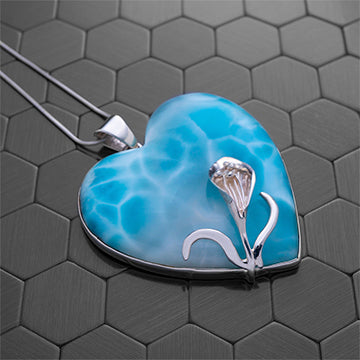
Larimar presents a different set of considerations. Its signature blue-and-white pattern is beloved precisely because no two stones are alike. A report may identify the material as pectolite and, where substantiated, support a Dominican origin claim. Still, pattern quality, cutting, polish, color distribution, and the artistry of the finished setting remain matters of skilled judgment rather than a single line on a certificate.
This distinction protects buyers from a common misunderstanding. A gemological certificate identifies and describes a gemstone. An appraisal estimates monetary value, usually for a stated purpose such as insurance replacement, estate planning, or resale. They serve different roles.
A certificate does not promise that a stone will rise in price, nor does it establish a retail value on its own. An appraisal is also not proof that a gemstone is natural or from a claimed source unless the appraiser has reliable gemological documentation to support that conclusion. The strongest records often work together: a gemological report for identity and characteristics, a detailed sales receipt for the piece purchased, and an appraisal when insurance coverage is needed.
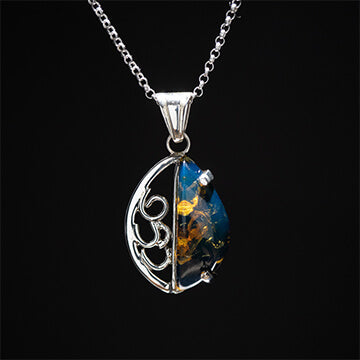
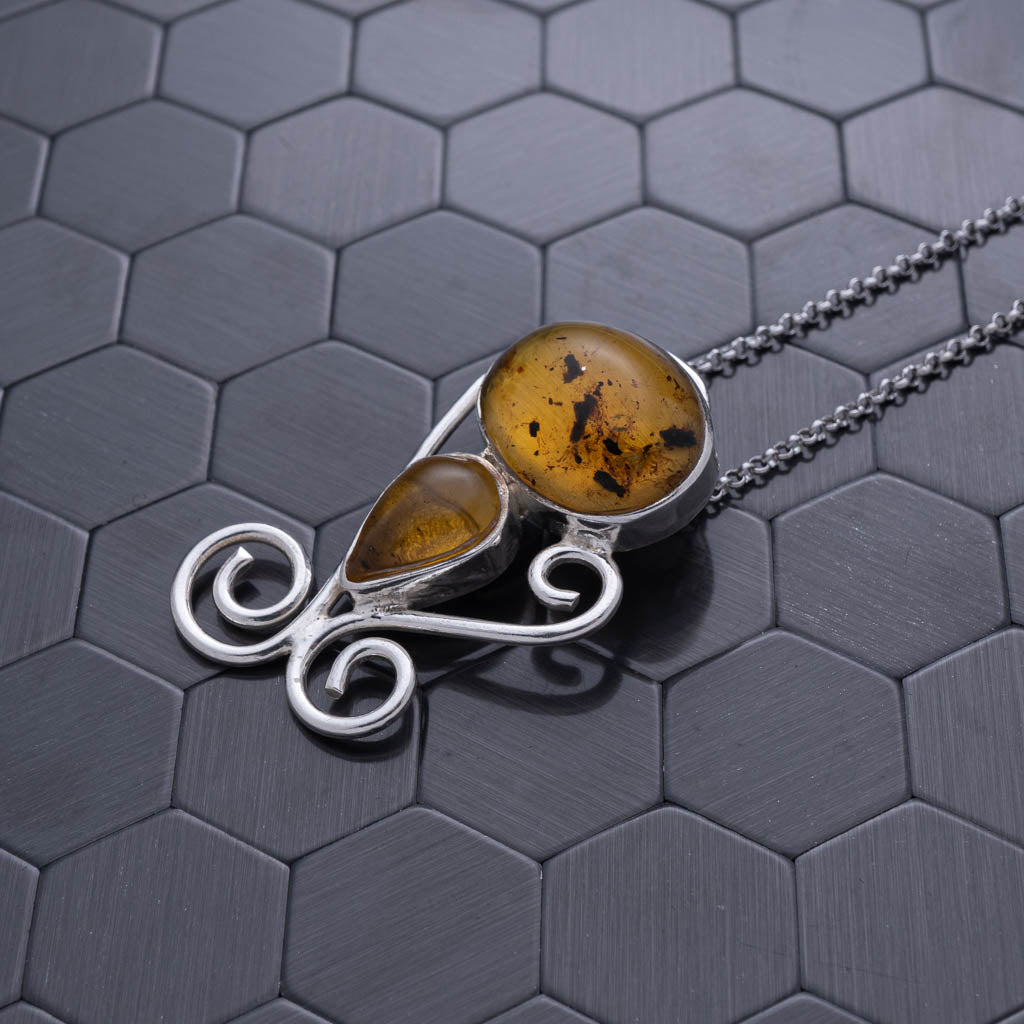
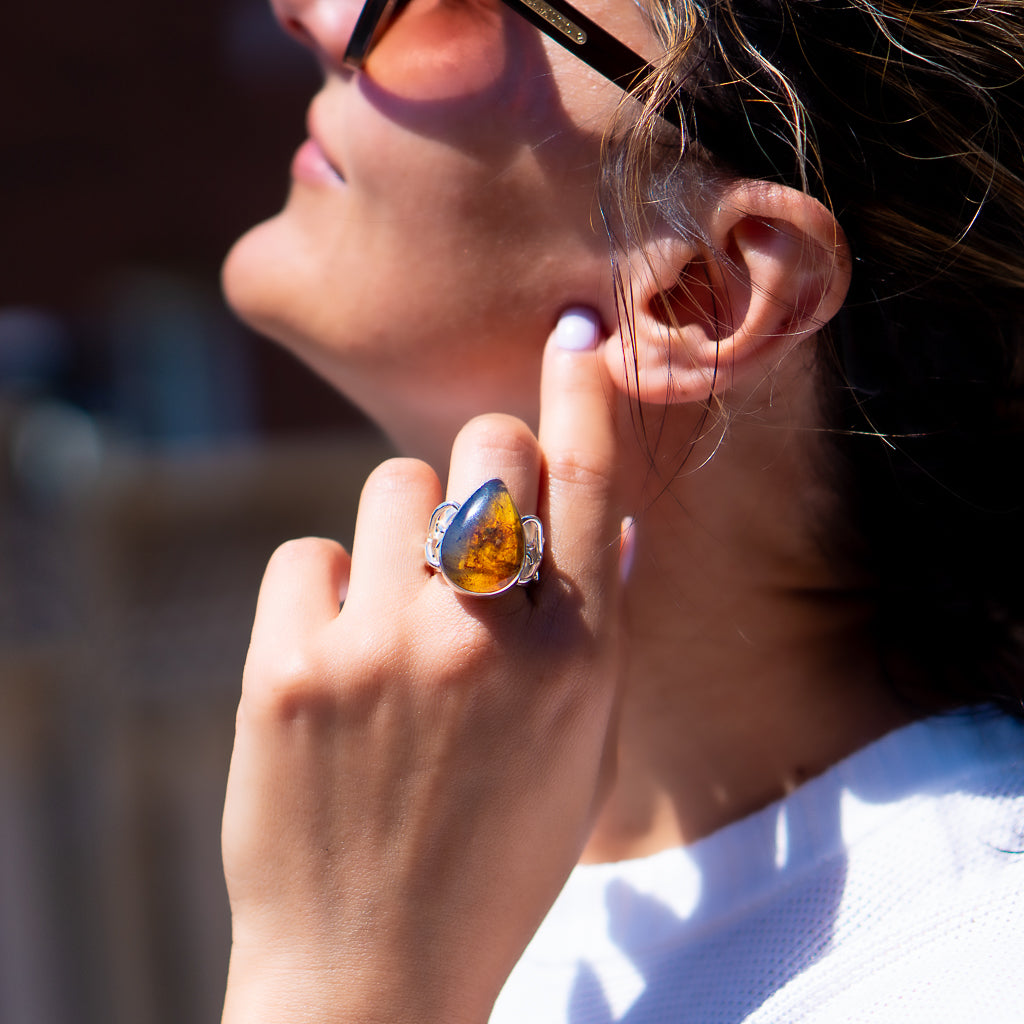
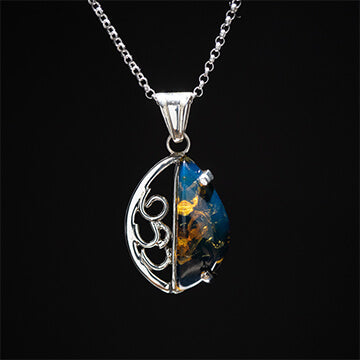
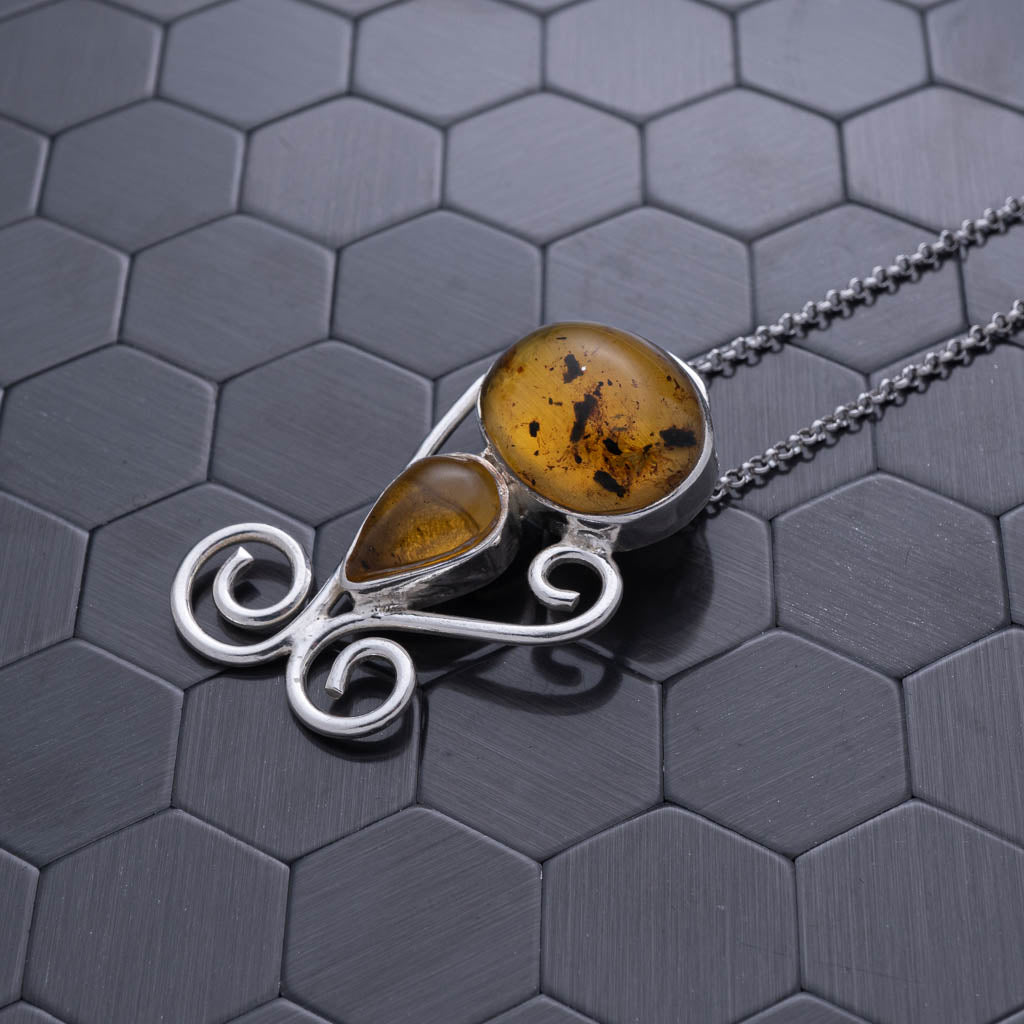
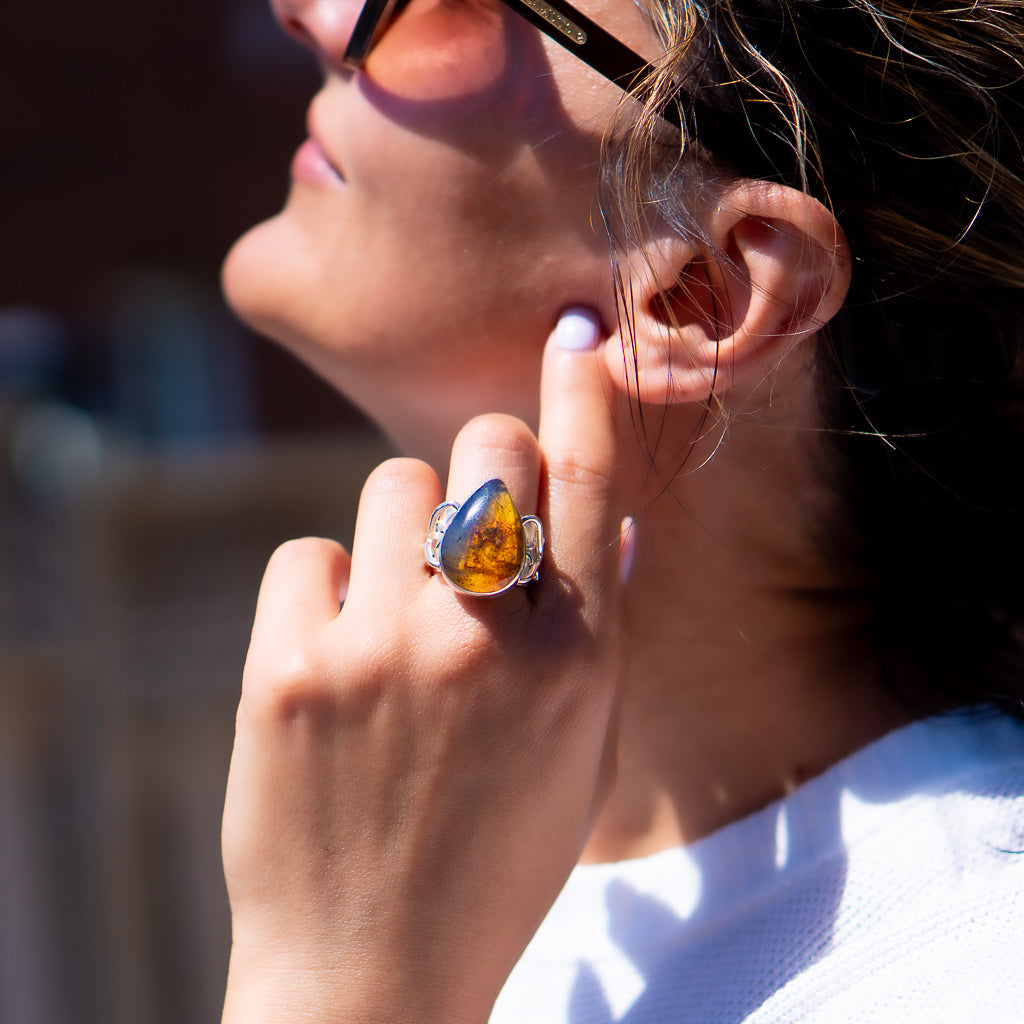
For a handcrafted pendant or ring, the monetary value includes more than the center stone. Precious-metal content, design complexity, artisan labor, condition, and the rarity of the finished piece all matter. A certified blue amber stone in a carefully made setting may carry a different market position than the same-size stone sold loose, even if both are genuine.
The more unusual a gemstone category is, the more valuable clear documentation becomes. Larimar is associated with the Dominican Republic and carries an oceanic beauty that has inspired its reputation as a Caribbean treasure. Dominican amber has its own remarkable identity, especially blue amber, whose fluorescent effect can appear almost otherworldly in the right light.
Those distinctive traits also create room for confusion in the marketplace. Broad labels such as “blue stone,” “Caribbean amber,” or “rare amber” are not substitutes for informed sourcing. Natural variation should be expected, but vague descriptions should not be.
Certification helps a buyer ask better questions. Is the material identified as natural? Is the stated origin supported, or simply presented as a seller’s claim? Has the gemstone been treated, reconstructed, dyed, or otherwise enhanced? Does the report number, photograph, weight, and description correspond to the item in front of you?
The answer will not always be identical for every piece. Some jewelry is sold with a formal independent laboratory report, while other items may be accompanied by a certificate of authenticity from the seller, supported by direct sourcing and material expertise. These are not automatically equivalent. An independent laboratory report generally carries more weight as third-party evidence, while a seller-issued certificate can be valuable when it clearly identifies the piece, explains the material, and comes from a specialist with transparent standards.
A certificate is powerful, but it has limits. It cannot measure how deeply a blue amber pendant resonates with its wearer, how elegant a Larimar ring looks against the hand, or whether a particular pattern is more beautiful to you than another. Those are personal decisions, and they are part of why natural gemstones remain so compelling.
It also cannot guarantee future resale results. Gemstone markets shift, tastes change, and resale prices are often lower than original retail prices. Rare material, strong provenance, excellent condition, and respected documentation can support desirability, but jewelry should first be chosen because you value its craftsmanship and character.
Origin can be especially nuanced. Some materials can be linked to geographic sources with strong confidence when their features and available testing support it. In other cases, a laboratory may not be able to conclusively determine origin. A trustworthy seller will not turn an inconclusive result into a certainty.
Begin by looking for specificity. A useful document names the material rather than relying on a poetic trade term. It should state whether the stone is natural when that determination has been made, describe any detectable treatment, and include enough measurements or identifying details to connect it to the purchase.
Next, consider who issued it. A recognized independent gemological laboratory offers third-party evaluation. If the certificate comes directly from the seller, read it as a statement of that seller’s guarantee and ask how the gemstone was sourced, examined, and matched to the document. Specialist brands that focus closely on Larimar and Dominican amber should be able to speak clearly about the material rather than offering generic jewelry language.
Then compare the paperwork with the actual piece. A loose blue amber cabochon should match the listed dimensions, weight, color description, and visible inclusions. For jewelry, check whether the report refers to the complete item or only the gemstone. If a report includes a number or online verification method, confirm that the information matches without relying solely on a printed card.
Finally, examine the purchase terms. Clear product descriptions, realistic photography in different lighting, an itemized receipt, and a fair return policy provide practical protection alongside documentation. At Larimar Creations, the focus on authentic, certified Caribbean gemstones reflects the standard discerning buyers should expect from any specialist source.
Once your jewelry arrives, keep its certificate, receipt, any independent appraisal, and photographs together in a safe place. Photograph the front and back of the piece, its hallmarks, and distinctive gemstone features. If the jewelry is ever insured, repaired, gifted, or passed down, these records make its history easier to understand.
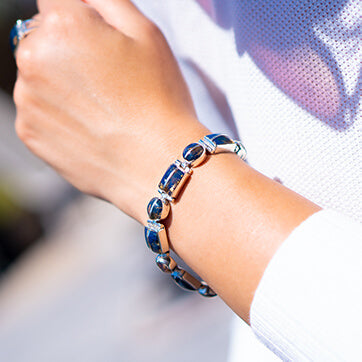
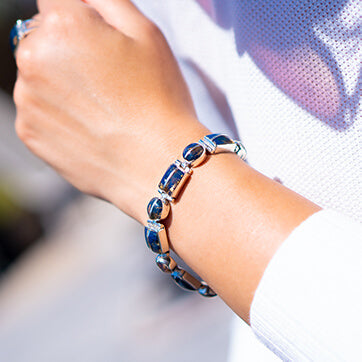
For amber, avoid storing paperwork where it might be affected by oils, perfumes, or cleaning products kept with jewelry. Amber is an organic gem material and benefits from gentle care. Larimar also deserves protection from harsh chemicals and unnecessary knocks, particularly when set in rings and bracelets that receive daily wear.
A certificate adds confidence, but the finest value is found in the complete story: a natural stone, a credible origin, skilled craftsmanship, and a piece you will be glad to wear for years. Choose documentation that is clear enough to protect that story, then choose the gemstone whose Caribbean light feels unmistakably yours.
Sign up to get the latest on sales, new releases and more …
8 min read
6 min read
8 min read