

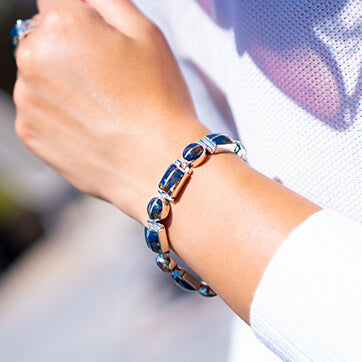
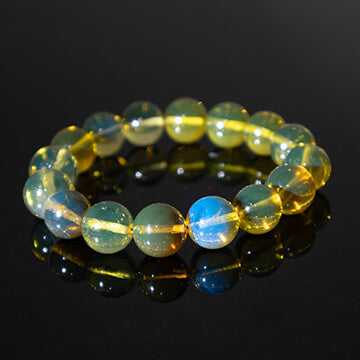
Handcrafted in DR.

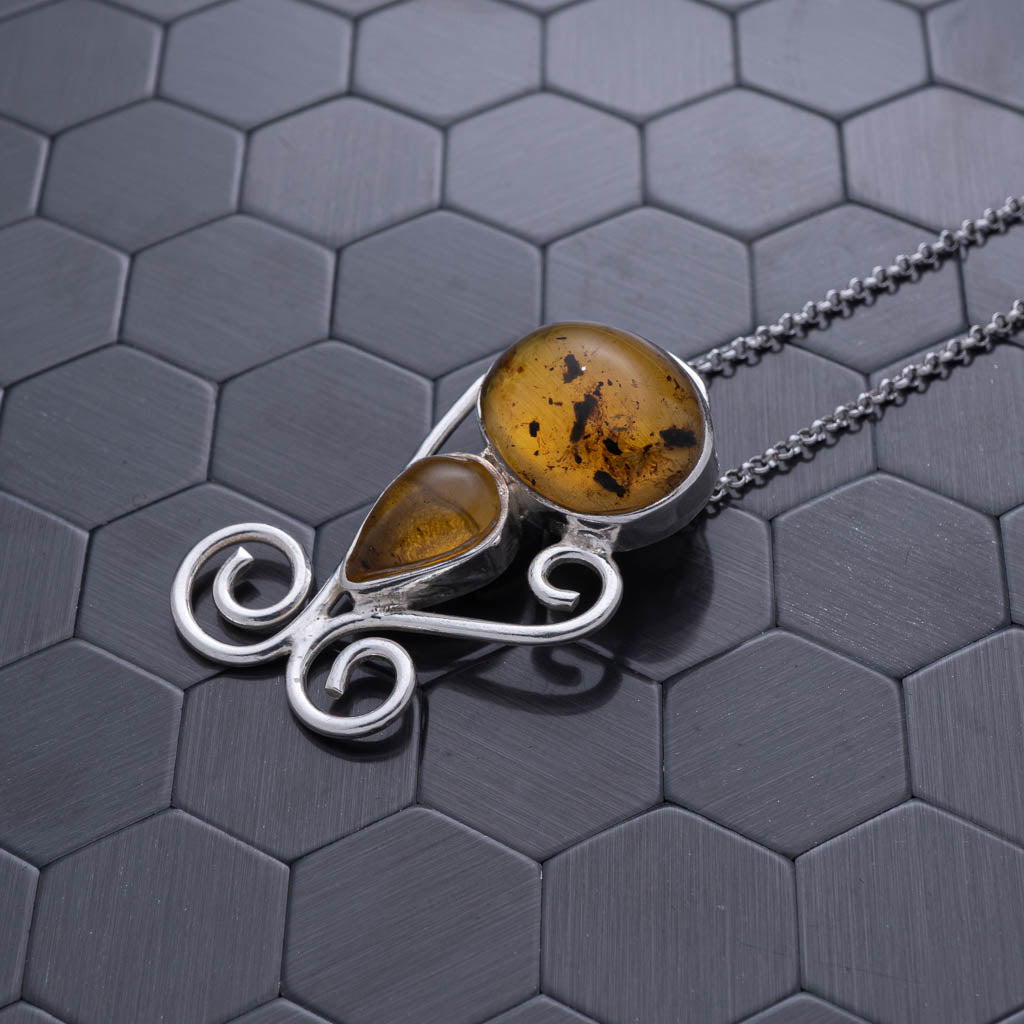
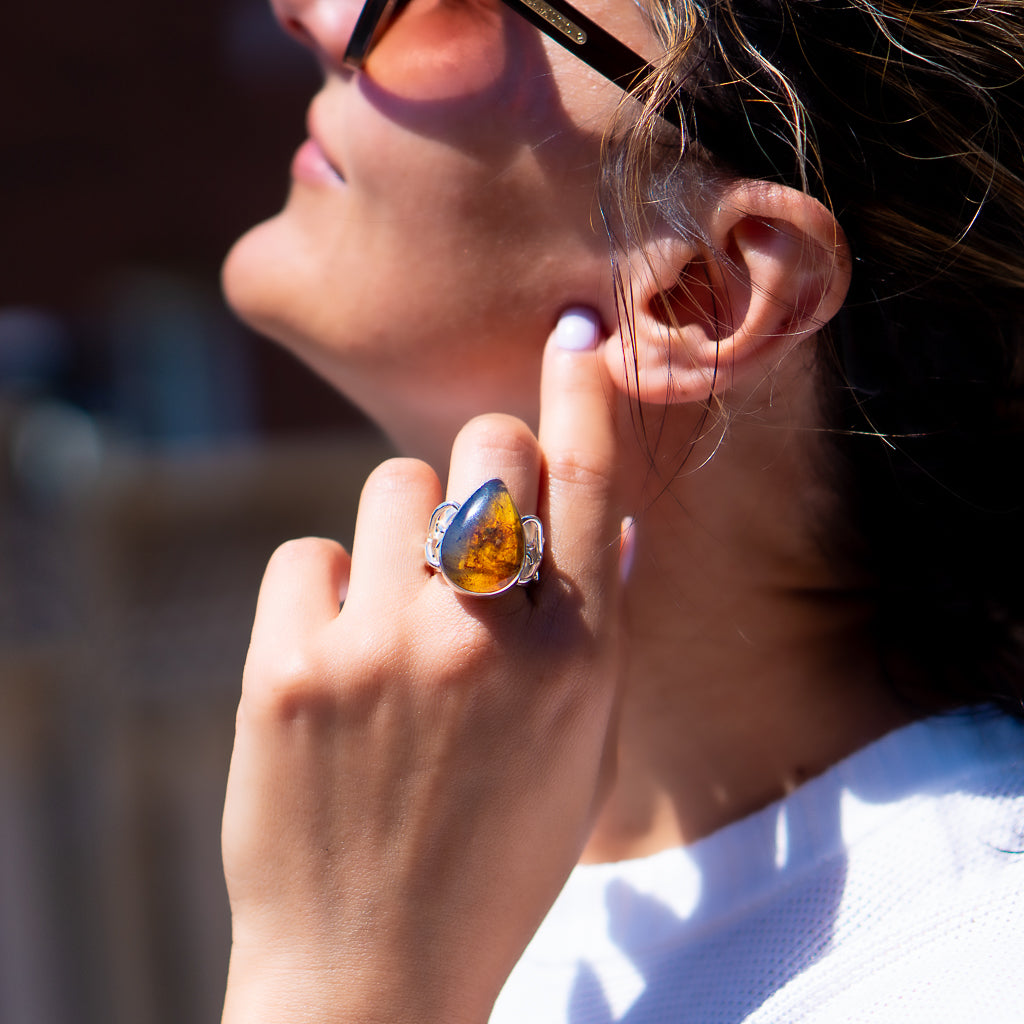
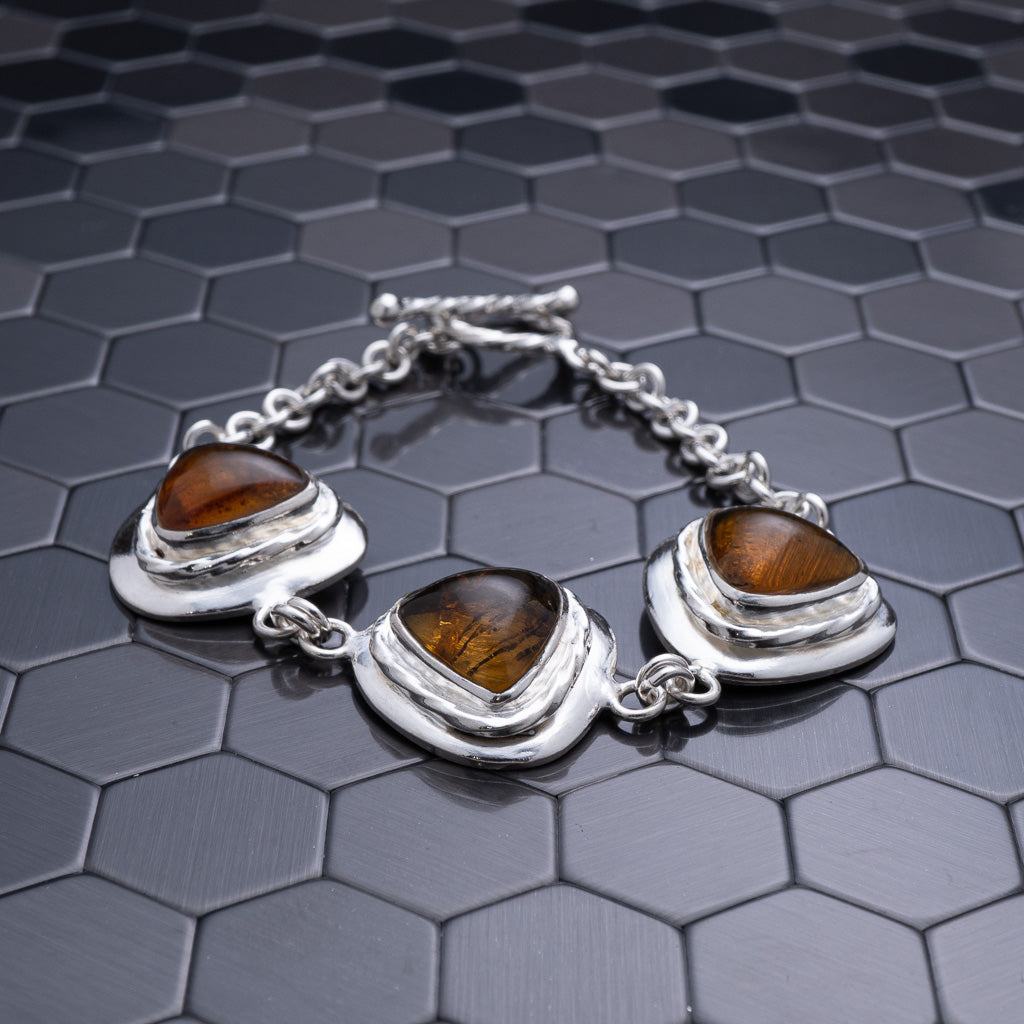
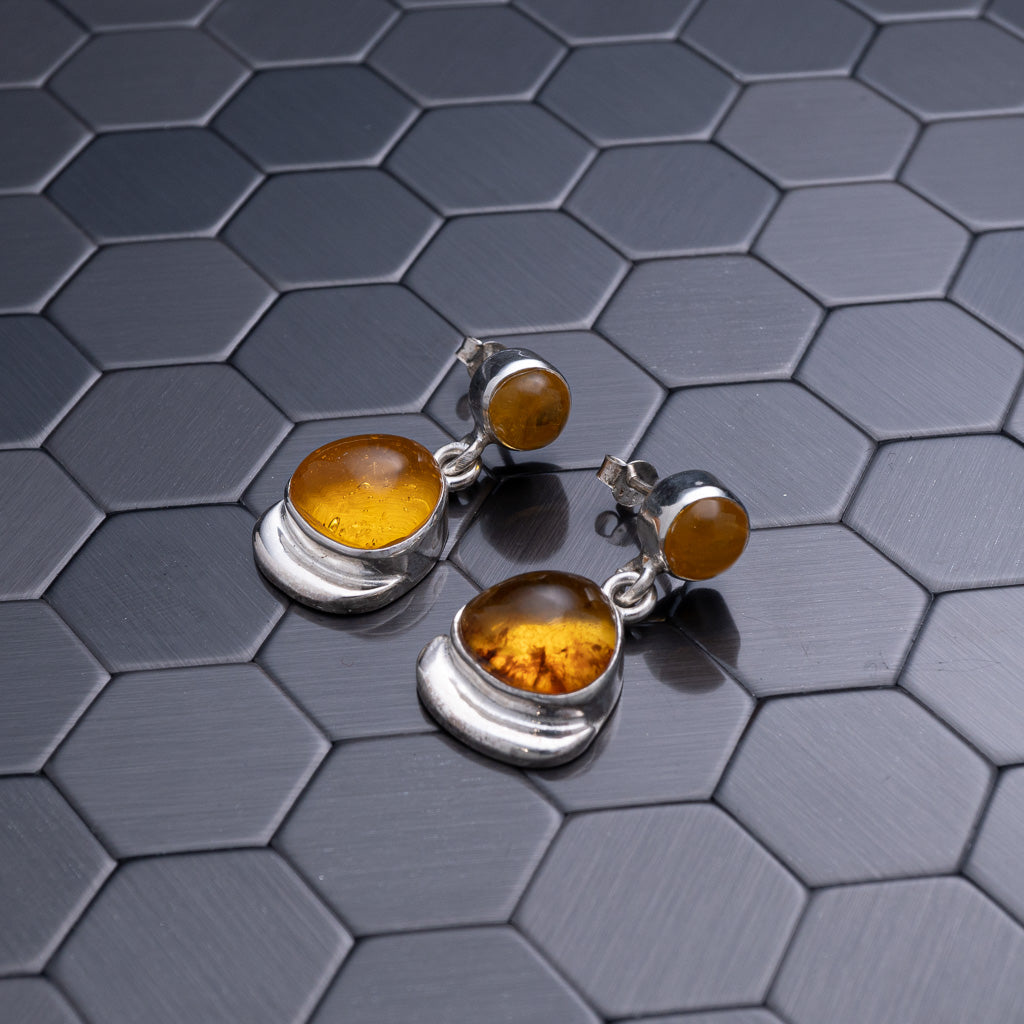


100% Handcrafted in DR.

A green pendant necklace represents one of the most versatile and elegant jewelry choices available today. Whether you're drawn to the deep forest tones of emerald, the soft translucence of jade, or the unique character of rare gemstones, green pendants offer unmatched sophistication. The color green itself symbolizes growth, renewal, and harmony, making these pieces meaningful additions to any jewelry collection. This comprehensive guide explores everything from gemstone selection to styling techniques, helping you make informed decisions when choosing your next statement piece.
The world of green gemstones extends far beyond the traditional emerald. Each stone brings distinct characteristics, durability ratings, and price points that affect both aesthetics and long-term value.
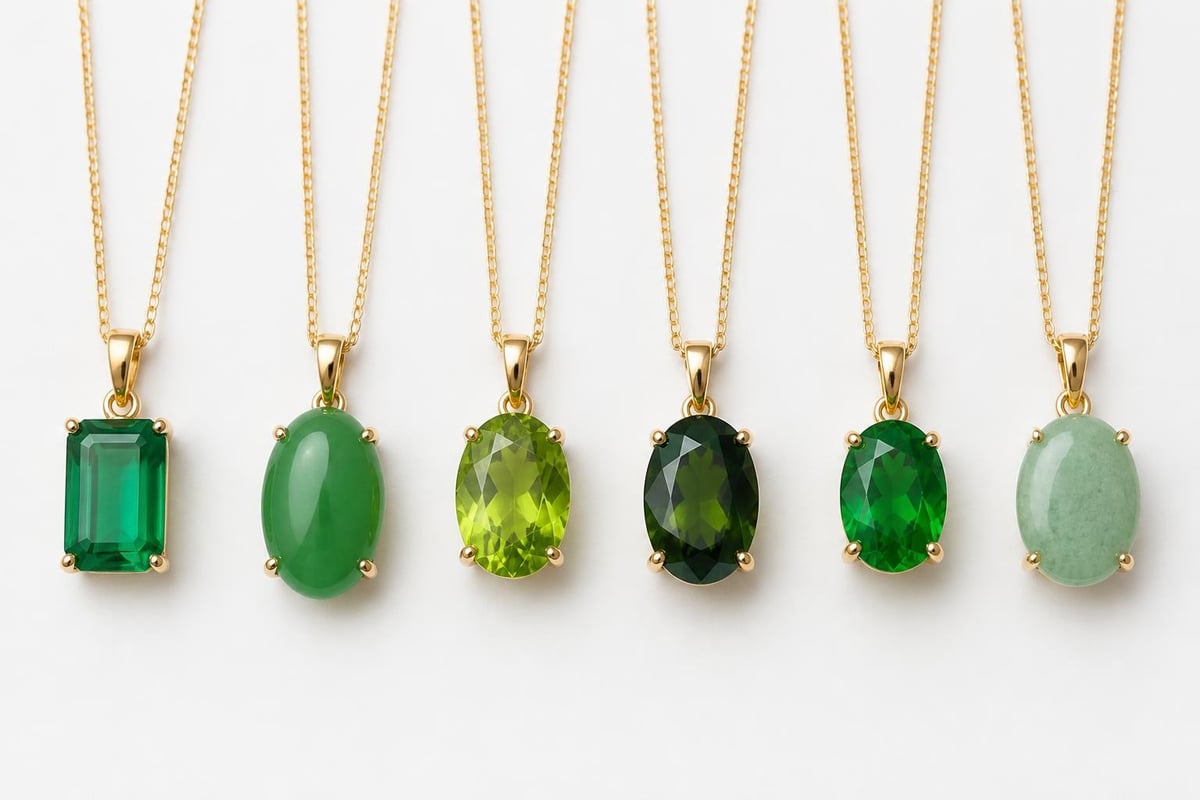
Emerald stands as the most recognized green gemstone, valued for its rich color and historical significance. Colombian emeralds command premium prices due to their pure green hue, while Zambian stones offer bluish-green tones at accessible price points. Sapphires also occur naturally in green variations, providing exceptional hardness and durability for daily wear.
Jade comes in two mineralogically distinct forms: jadeite and nephrite. Jadeite exhibits more vivid colors and greater translucency, while nephrite offers creamy textures and superior toughness. Both types have deep cultural significance in Asian traditions and modern fashion.
Popular green gemstone options include:
Beyond mainstream options, collectors seek rare specimens that offer distinctive character. Demantoid garnet displays exceptional brilliance with horsetail inclusions that authenticate Russian origins. Green diamonds, while extraordinarily rare, represent the ultimate luxury investment.
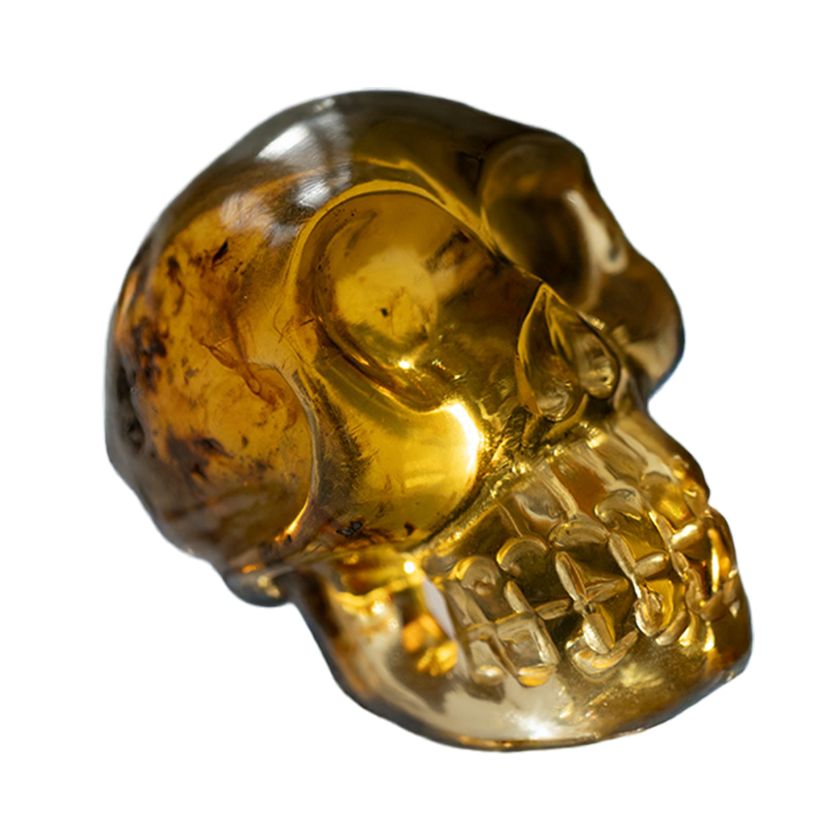
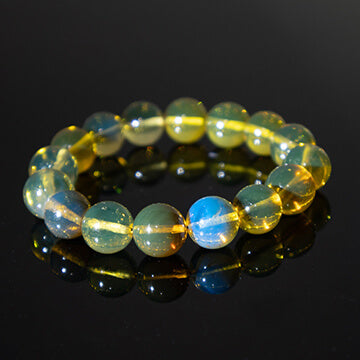
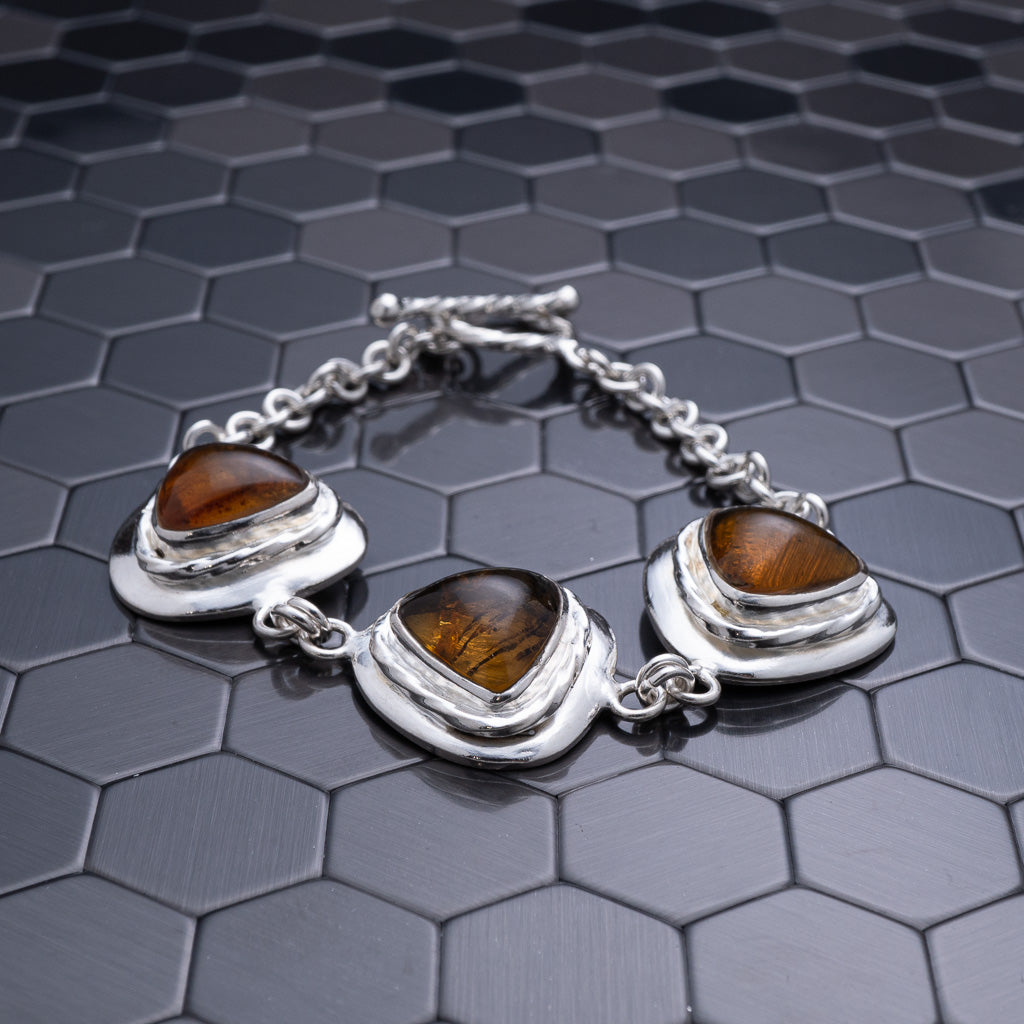
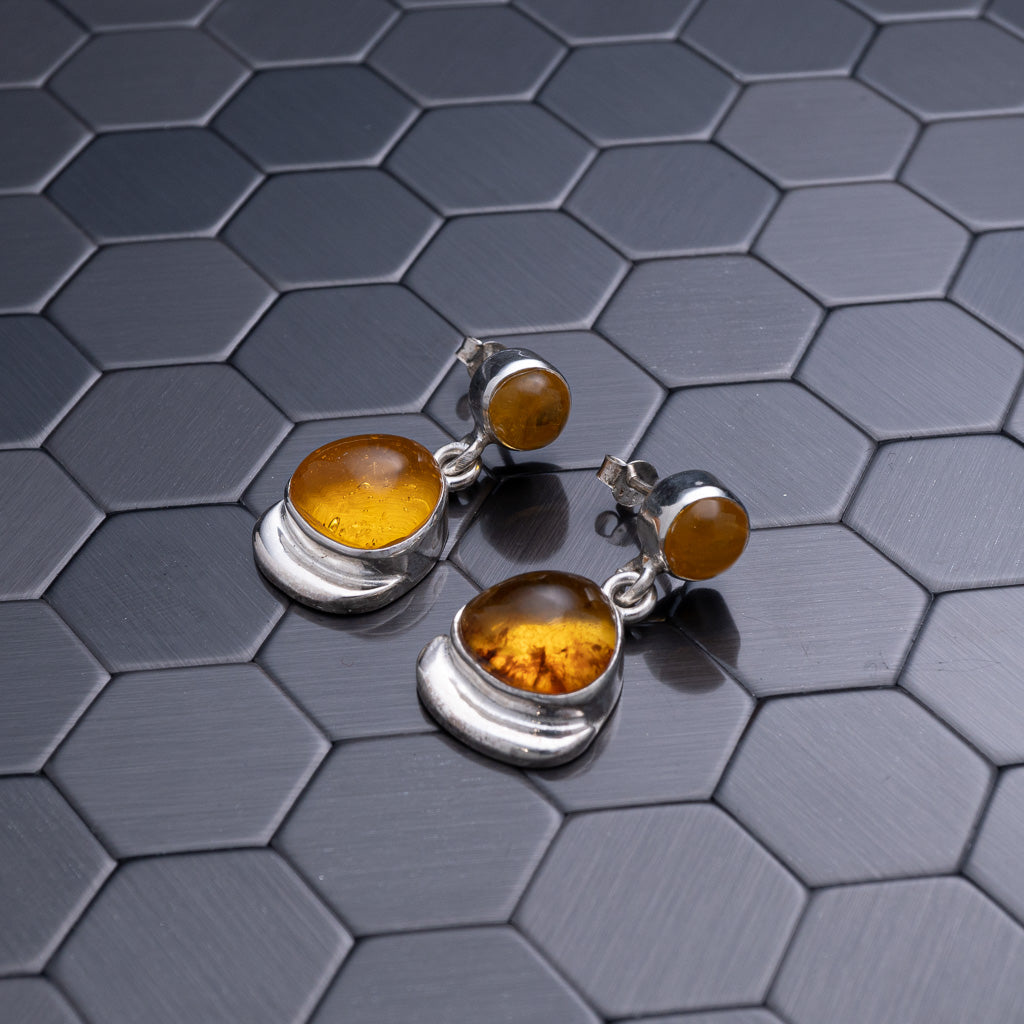
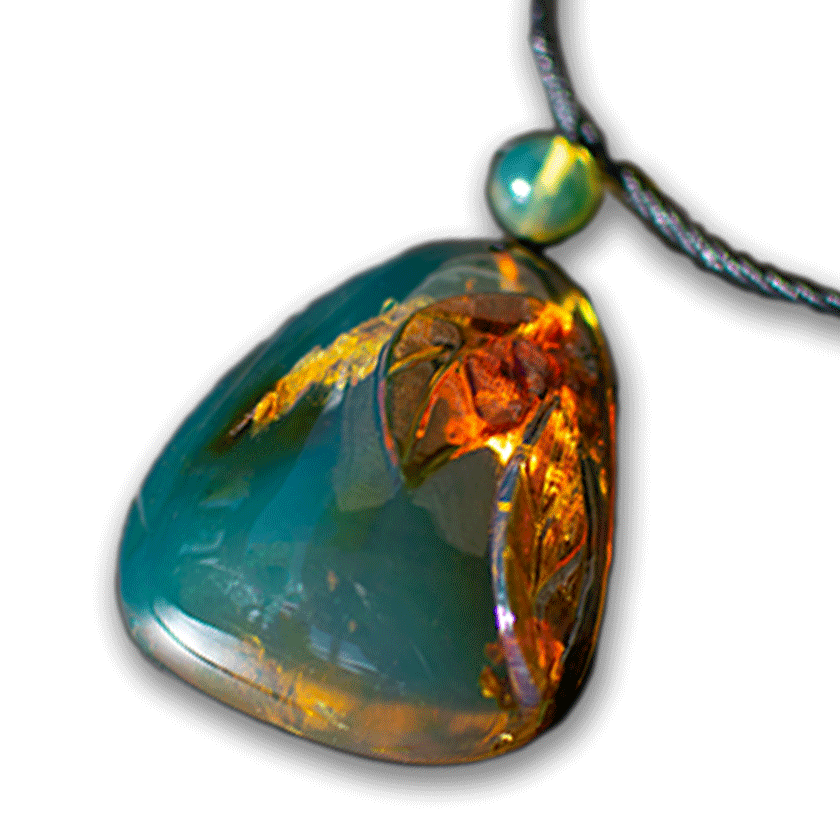
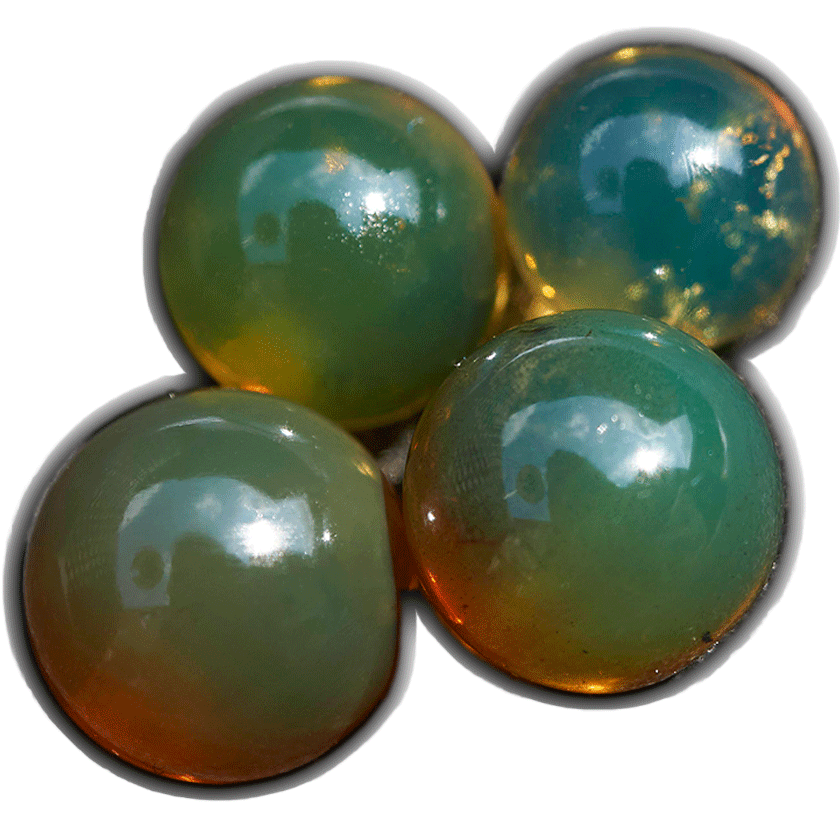
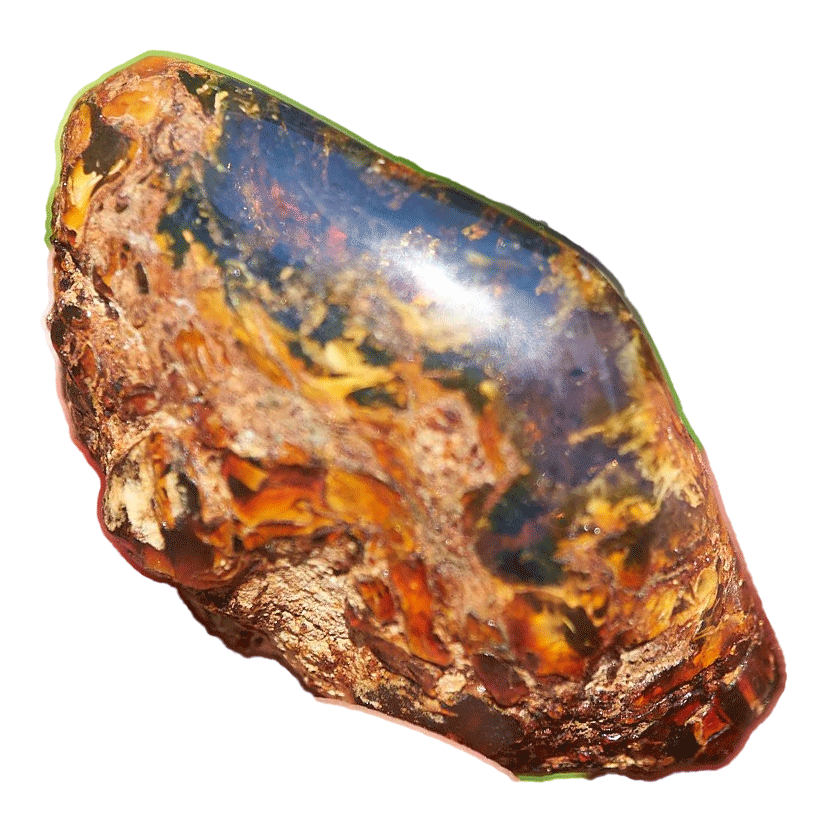
Moldavite appeals to metaphysical enthusiasts as a tektite formed by meteorite impact. Its distinctive bottle-green color and textured surface make each piece unique. Dominican green amber provides another rare option, fluorescing under UV light with remarkable intensity.
| Gemstone | Hardness (Mohs) | Price Range | Best For |
|---|---|---|---|
| Emerald | 7.5-8 | High | Special occasions |
| Green Sapphire | 9 | Medium-High | Daily wear |
| Jade (Jadeite) | 6.5-7 | Medium-High | Cultural significance |
| Peridot | 6.5-7 | Low-Medium | Casual elegance |
| Tsavorite | 7-7.5 | Medium | Emerald alternative |
| Green Tourmaline | 7-7.5 | Medium | Color variety |
The setting choice dramatically impacts how your green pendant necklace presents itself. Modern designs range from minimalist solitaires to elaborate vintage-inspired creations.
Current trends favor clean lines and geometric shapes that let the gemstone command attention. Bezel settings encircle stones completely, protecting edges while creating sleek profiles perfect for professional environments. Floating designs suspend gems using nearly invisible prongs, creating illusions of weightlessness.
Tension settings grip stones through precise pressure, eliminating visible metal from certain viewing angles. These modern approaches work exceptionally well with transparent stones like peridot and tsavorite, maximizing light transmission.
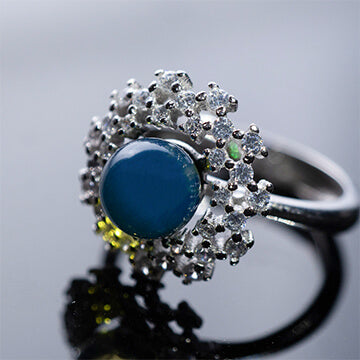
Art Deco influences remain popular, featuring geometric patterns, milgrain details, and contrasting metal combinations. Halo settings surround center stones with smaller accent diamonds or complementary gems, amplifying visual impact while protecting main stones.
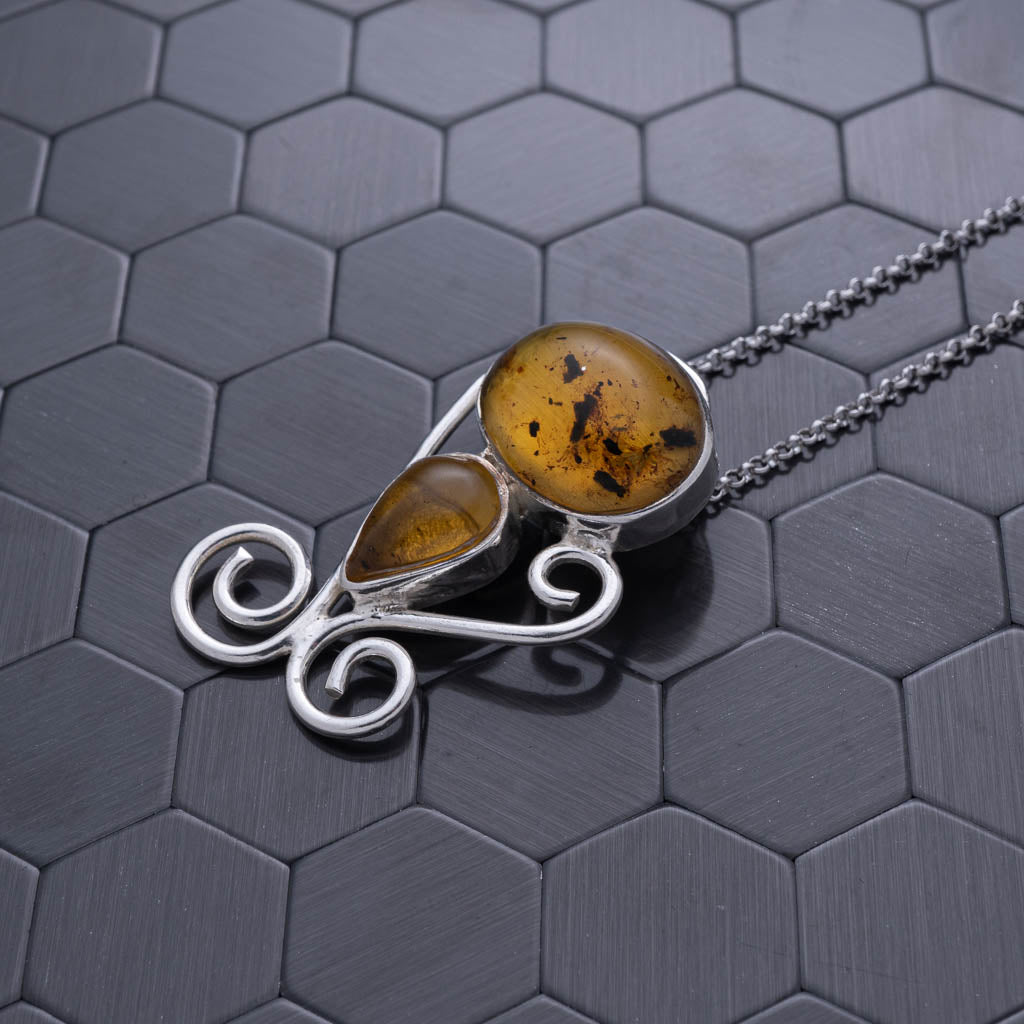
Filigree work creates delicate metal lace patterns that add romantic elegance. Victorian-inspired designs incorporate floral motifs, scrollwork, and intricate engraving that transforms simple pendants into wearable art. These elaborate settings suit special occasions and formal wear.
Key design elements to consider:
Metal selection affects both aesthetics and durability. Each option brings distinct characteristics that complement green stones differently.
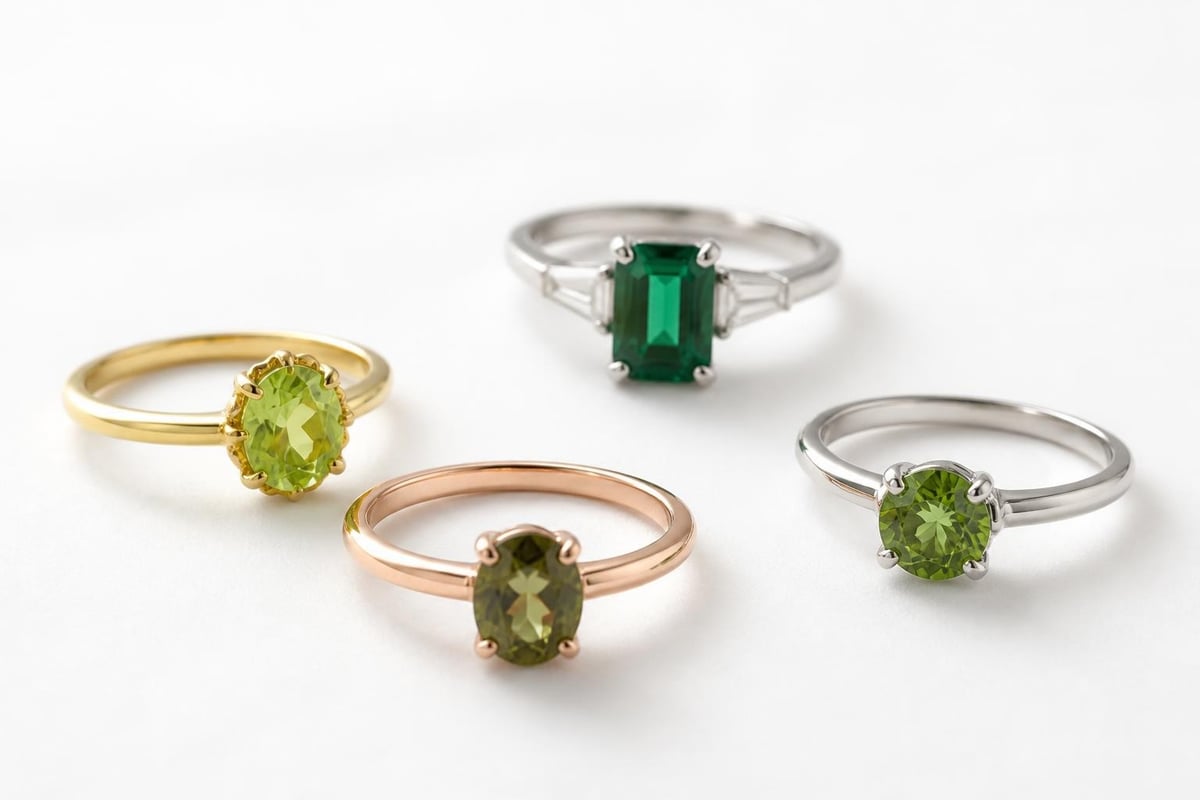
Yellow gold provides warm contrast that enhances olive and yellow-green stones like peridot. The traditional appeal of gold suits vintage designs and adds inherent value. White gold offers cool tones that make blue-green emeralds and tourmalines appear more vivid.
Platinum delivers exceptional durability and naturally white color that never requires replating. Its density creates substantial feel and secure settings, though at premium cost. Rose gold has gained popularity for its romantic warmth, creating stunning combinations with mint-green stones.
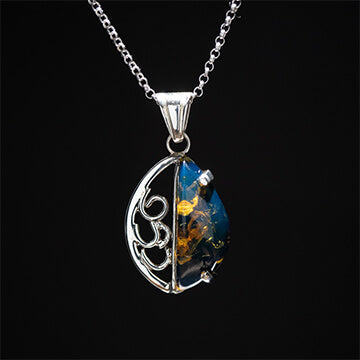
Sterling silver presents accessible luxury with excellent workmanship potential. While requiring occasional polishing, silver jewelry allows intricate detailing and broader design experimentation. Many contemporary designers pair silver with green amber and aventurine for bohemian aesthetics.
| Metal Type | Pros | Cons | Best Green Stone Pairing |
|---|---|---|---|
| Yellow Gold | Warm, classic, valuable | Shows wear, needs care | Peridot, chrome diopside |
| White Gold | Modern, bright, affordable | Requires replating | Emerald, tsavorite |
| Platinum | Durable, hypoallergenic | Expensive, heavy | Investment emeralds |
| Rose Gold | Trendy, romantic, unique | May fade over time | Mint tourmaline, jade |
| Sterling Silver | Affordable, versatile | Tarnishes, softer | Green amber, aventurine |
Proper sizing ensures your green pendant necklace flatters your frame and suits intended occasions. Scale, chain length, and visual weight all contribute to successful presentation.
Choker length (14-16 inches) positions pendants at the collarbone, ideal for highlighting delicate features and complementing off-shoulder necklines. Princess length (18 inches) represents the most versatile choice, sitting just below the collarbone for universal appeal.
Matinee length (20-24 inches) creates elegant drape suitable for business attire and layering. Opera length (28-34 inches) allows dramatic presentation and enables doubling for shorter styles. Consider your torso length when selecting chains, as standard measurements fit differently across body types.
Small pendants (under 0.5 inches) suit minimalist aesthetics and daily wear. Medium sizes (0.5-1 inch) provide balanced visibility without overwhelming features. Large statement pieces (over 1 inch) demand attention and work best for special occasions.
Proportion tips for different settings:
Proper maintenance preserves beauty and extends the lifespan of your green pendant necklace. Different gemstones require specific care approaches based on their physical properties.
Hard stones like sapphire and tsavorite tolerate ultrasonic cleaning and warm soapy water. Soft bristle brushes remove dirt from settings without scratching surfaces. Rinse thoroughly and dry with lint-free cloths to prevent water spots.
Softer materials including malachite and jade require gentler approaches. Use only damp cloths for wiping, avoiding harsh chemicals and temperature extremes. The International Gem Society provides detailed cleaning guidance for various gemstone types and setting styles.
Emeralds present special challenges due to natural inclusions and common oil treatments. Avoid ultrasonic cleaners and prolonged water exposure. Instead, use soft cloths with minimal moisture, checking periodically for loose prongs or setting damage.
Individual soft pouches prevent scratching when stored with other jewelry. Fabric-lined boxes with compartments keep pieces separated and protected from environmental factors. Avoid storing emeralds near heat sources, as temperature fluctuations affect treatment stability.
Remove pendants before showering, swimming, or applying cosmetics. Chlorine damages metal finishes while lotions create buildup that dulls gemstone surfaces. Put jewelry on last when dressing to minimize exposure to hairspray and perfumes.
Maintenance schedule recommendations:
Strategic styling maximizes the impact of your green pendant while creating cohesive looks for various occasions. Color coordination, layering techniques, and seasonal considerations all influence presentation.
Complementary colors create visual interest. Orange and coral tones form natural partnerships with green, making terracotta blouses and rust sweaters excellent choices. Analogous color schemes using blues and yellows create harmonious combinations that feel effortless.
Neutral backgrounds in white, black, gray, and beige allow green pendants to become focal points. Monochromatic green outfits gain dimension when pendant tones differ from clothing shades. Metallic accents in gold or bronze add warmth without competing for attention.
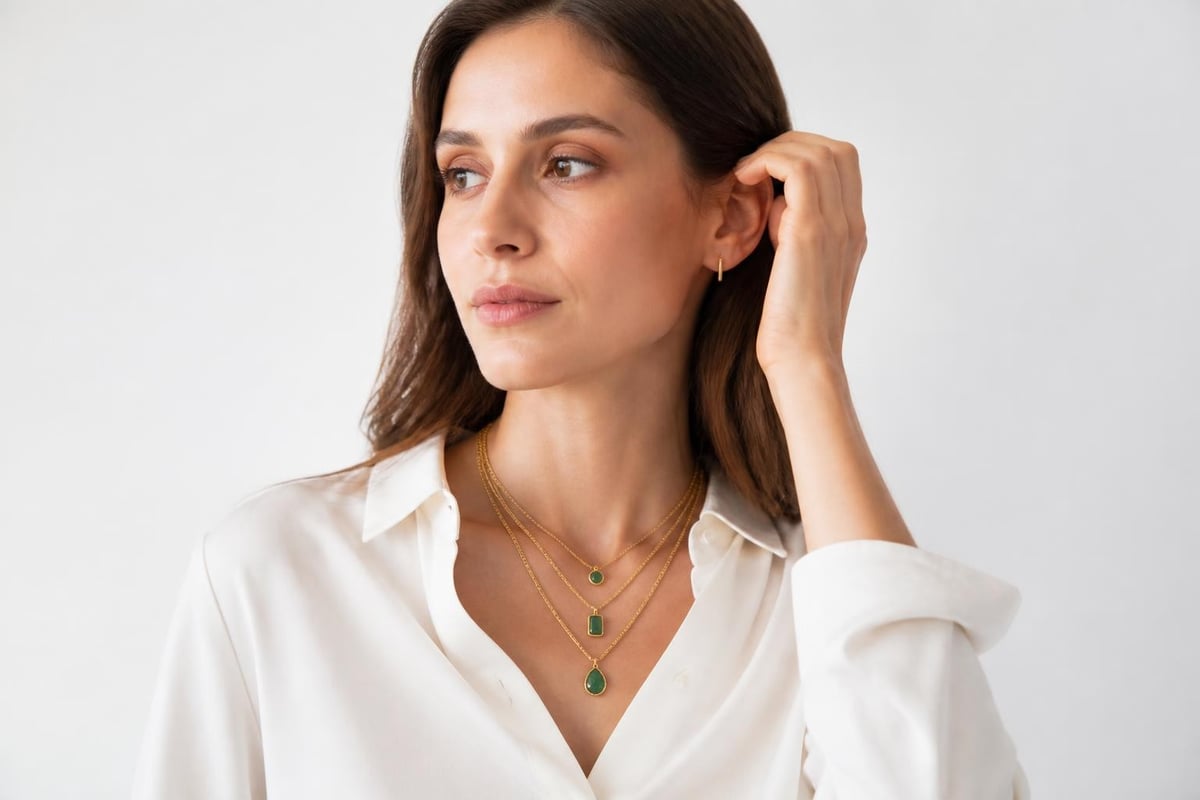
Varying chain lengths creates depth without tangling. Pair your green pendant at princess length with longer gold chains or shorter chokers featuring different design elements. Maintain visual balance by keeping one piece as the focal point while others provide supporting roles.
Mix metal finishes intentionally rather than matching everything perfectly. Combining necklaces in different textures and weights adds contemporary edge. Odd numbers (three or five pieces) typically appear more visually pleasing than even groupings.
Professional settings benefit from simple solitaire designs in conservative sizes. Pair with structured blazers and solid-colored blouses, keeping other jewelry minimal. Medium-toned greens like sage and forest appear more versatile than vivid hues.
Casual occasions allow creative freedom with bohemian styles, mixed materials, and relaxed proportions. Layer green pendants with wooden beads or leather cords for organic aesthetics. Weekend wear accommodates experimental combinations that express personal style.
Formal events showcase statement pieces with exceptional stones and elaborate settings. Evening gowns with simple necklines provide ideal canvases for dramatic green pendant necklaces. Coordinate with complementary earrings while avoiding necklace-plus-bracelet-plus-ring overload.
Understanding value factors helps make informed purchasing decisions. Quality indicators, pricing structures, and long-term appreciation potential vary significantly across gemstone types.
The four Cs apply beyond diamonds. Color intensity and saturation determine desirability, with vivid pure hues commanding premiums. Clarity affects transparency, though some stones like emerald naturally contain inclusions that don't diminish value when minor.
Cut quality maximizes brilliance and color presentation. Well-proportioned stones reflect light optimally, while poor cutting reduces visual appeal regardless of material quality. Carat weight influences price, though smaller high-quality stones often surpass larger inferior specimens in value.
Certification and documentation importance:
Natural untreated emeralds represent significant investments, particularly Colombian and Zambian origins. Market demand remains strong despite economic fluctuations, making quality pieces viable long-term holdings. Synthetic and lab-grown alternatives offer visual similarity at fraction of cost, though lacking investment potential.
The Responsible Jewellery Council sets industry standards for ethical sourcing and sustainability practices. Consumers increasingly value transparency regarding mining conditions, treatment processes, and environmental impact. Responsible sourcing may command premiums but aligns with values-driven purchasing decisions.
Green amber and other rare materials occupy specialized market niches. Limited availability creates scarcity value, while unique characteristics attract collectors. Research comparable sales and consult specialists when considering significant purchases.
Custom creation allows precise realization of design visions. Working with skilled artisans transforms concepts into unique green pendant necklaces perfectly suited to individual preferences.
Initial consultations establish aesthetic goals, budget parameters, and timeline expectations. Bring inspiration images showing preferred styles, settings, and proportions. Discuss gemstone priorities, whether emphasizing size, quality, or specific color tones.
Computer-aided design (CAD) renders preview finished pieces before production begins. Review models from multiple angles, requesting adjustments to proportions, details, or stone placements. This iterative process ensures satisfaction before significant investment.
Selecting center stones involves balancing quality with budget. Many jewelers maintain stone inventories or source specific specimens matching requirements. Examine stones under various lighting conditions, as appearance changes dramatically between fluorescent and natural light.
Repurposing inherited jewelry creates meaningful connections across generations. Extract green stones from outdated settings and reimagine them in contemporary designs. Combine multiple family pieces into unified creations that honor history while suiting modern aesthetics.
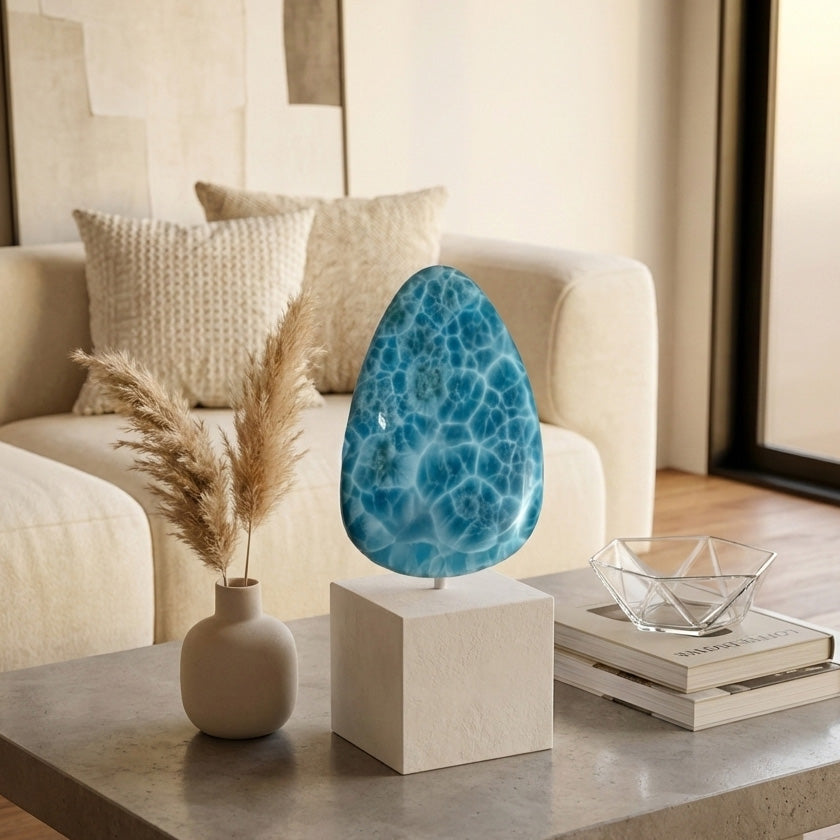
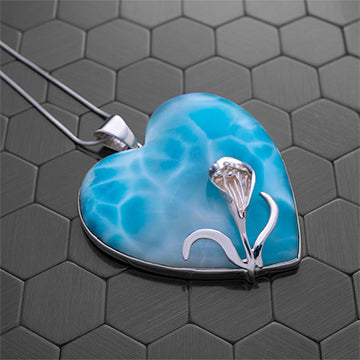
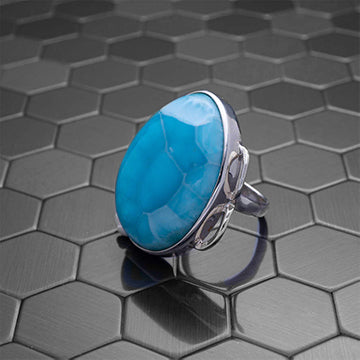
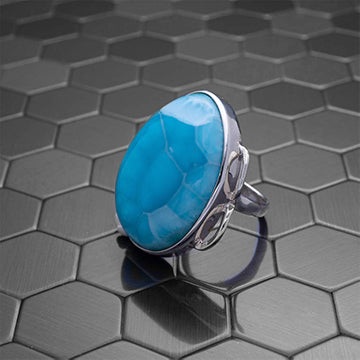
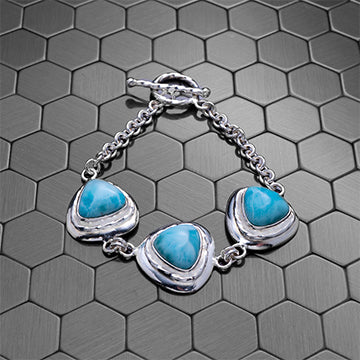
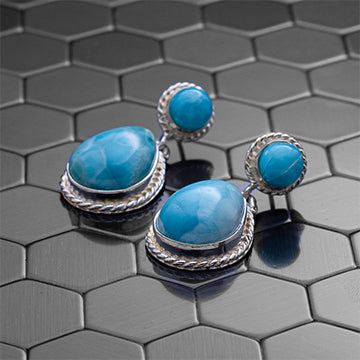
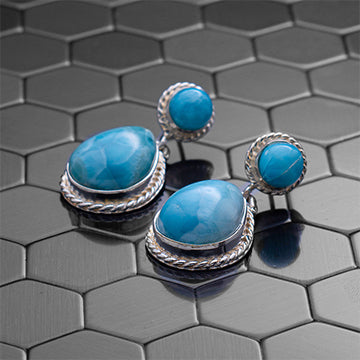
Consider incorporating Larimar Pendants alongside green stones for unique two-tone designs. The rare blue stone provides striking contrast while maintaining cohesive color temperature. This approach works particularly well with mint-green tourmalines and pale jades.
Engraving adds personal touches through names, dates, or meaningful symbols. Interior engraving maintains clean exterior aesthetics while preserving sentimental messages. Some designers incorporate fingerprints, handwriting, or custom motifs that transform jewelry into deeply personal talismans.
Conscious consumption extends to jewelry purchases. Understanding supply chains, treatment processes, and environmental impacts enables alignment with personal values.
Artisanal small-scale mining supports local communities but may lack environmental controls. Industrial operations implement reclamation programs and worker protections, though scale creates larger ecological footprints. Fair trade certification ensures miners receive equitable compensation and work in safe conditions.
Recycled metals reduce mining demand while maintaining quality. Reclaimed gold and silver undergo refining that restores purity levels identical to newly mined materials. This sustainable choice significantly reduces environmental impact without aesthetic compromise.
Lab-grown gemstones offer conflict-free alternatives with minimal environmental disruption. While lacking the geological romance of natural formation, they provide accessible options for budget-conscious consumers. Disclosure remains essential, as lab-grown stones should never misrepresent themselves as natural.
Blockchain technology increasingly tracks gemstones from mine to market. Digital records document origin, treatment history, and ownership transfers. This transparency combats fraud while supporting ethical sourcing claims.
Request documentation proving claims about sustainable practices, ethical sourcing, or fair trade certification. Legitimate vendors provide evidence supporting marketing statements rather than relying on vague assertions. Independent third-party verification carries more weight than self-certification.
Green stones carry rich symbolic meanings across cultures and historical periods. Understanding these associations adds depth to jewelry choices and gift-giving decisions.
Ancient Egyptians revered green stones as symbols of fertility and rebirth. Emeralds adorned pharaohs and decorated sacred objects, believed to provide eternal youth. Romans associated green gems with Venus, goddess of love and beauty.
Chinese culture elevates jade above all gemstones, considering it more valuable than gold. The stone embodies virtue, grace, and immortality. Imperial jade commands astronomical prices due to cultural significance and exceptional color saturation.
Green represents growth, harmony, and renewal in contemporary symbolism. A green pendant necklace makes meaningful gifts for new beginnings: graduations, career changes, or personal transformations. The color's association with nature appeals to environmentally conscious individuals.
May birthdays traditionally celebrate with emerald birthstones. However, peridot serves as August's birthstone, while jade represents various zodiacal signs. These associations influence gift-giving traditions and personal jewelry collections.
Symbolic associations by shade:
Modern treatments enhance natural stones or create entirely new visual effects. Understanding these processes supports informed purchasing and realistic expectations.
Heat treatment intensifies color and improves clarity in many green stones. This stable permanent process enjoys wide industry acceptance when properly disclosed. Temperatures and durations vary by material, with some stones requiring specific atmospheric conditions.
Oil and resin filling conceals surface-reaching fractures in emeralds. Cedar oil represents traditional methods, while polymer resins provide enhanced stability. These treatments require periodic maintenance and care modifications, affecting long-term ownership experience.
Irradiation creates green colors in some diamonds and topazes. Controlled radiation exposure alters crystal structure, producing stable color changes. Regulatory oversight ensures safety, with treated stones posing no health risks.
Gemological laboratories employ sophisticated equipment detecting treatments invisible to naked eyes. Spectroscopy reveals chemical signatures indicating heating or irradiation. Microscopic examination identifies filler materials and characteristic inclusion patterns.
Purchase certified stones when investing significantly. Independent laboratories like GIA, AGL, and GRS provide objective assessments free from sales motivation. Certification costs represent wise investments protecting against misrepresentation.
Selecting the perfect green pendant necklace involves balancing aesthetic preferences, quality considerations, and practical factors like durability and care requirements. Whether you choose classic emerald elegance or explore rare alternatives, informed decisions ensure lasting satisfaction.
Larimar Creations brings decades of expertise in handcrafted gemstone jewelry, specializing in rare materials and exceptional artistry. Explore our collections of unique pendants, rings, and custom creations, all backed by our commitment to authenticity and worldwide shipping that brings extraordinary jewelry to your doorstep.