
FREE WORLD WIDE SHIPPING
HANDCRAFTED IN THE DOMINICAN REPUBLIC
30% DISCOUNT APPLIED AT CHECKOUT
FREE WORLD WIDE SHIPPING
HANDCRAFTED IN THE DOMINICAN REPUBLIC
30% DISCOUNT APPLIED AT CHECKOUT
FREE WORLD WIDE SHIPPING
HANDCRAFTED IN THE DOMINICAN REPUBLIC
30% DISCOUNT APPLIED AT CHECKOUT
FREE WORLD WIDE SHIPPING
HANDCRAFTED IN THE DOMINICAN REPUBLIC
30% DISCOUNT APPLIED AT CHECKOUT
FREE WORLD WIDE SHIPPING
HANDCRAFTED IN THE DOMINICAN REPUBLIC
30% DISCOUNT APPLIED AT CHECKOUT
FREE WORLD WIDE SHIPPING
HANDCRAFTED IN THE DOMINICAN REPUBLIC
30% DISCOUNT APPLIED AT CHECKOUT
100% Handcrafted in DR.
by Admin August 28, 2026 6 min read
A blue amber pendant can look like a small piece of Caribbean daylight held in gold or silver. That beauty is only part of its value. A thoughtful Dominican amber provenance guide helps you understand where a stone came from, how confidently its origin can be supported, and what to ask before bringing a rare piece into your collection.
For jewelry lovers, provenance turns an already personal purchase into a meaningful one. For collectors, it helps distinguish a compelling natural specimen from a vague claim, a reconstructed material, or an imitation sold with a romantic story. Dominican amber deserves that level of attention because its color, clarity, fluorescence, and ancient inclusions are genuinely exceptional.
Provenance is the documented history of a gemstone or specimen. With Dominican amber, it begins with geographic origin: the Dominican Republic, particularly the amber-bearing regions of the northern part of the island. It also includes the path between mining, cutting, setting, and sale.
This matters because "amber" is a broad material category, not a single origin. Natural fossilized resin is found in several countries, and each deposit can have its own visual character, geological age, and market value. Baltic amber is widely known for warm honey and cognac tones. Dominican amber is especially admired for remarkable transparency, vivid yellow and green tones, and the rare optical phenomenon called blue amber.
A genuine origin claim should not rely on color alone. A clear golden stone may be Dominican, but it may also come from another source. Likewise, a blue glow is an exciting clue, not a complete chain of evidence. The strongest provenance combines the material itself with credible seller disclosure and documentation.
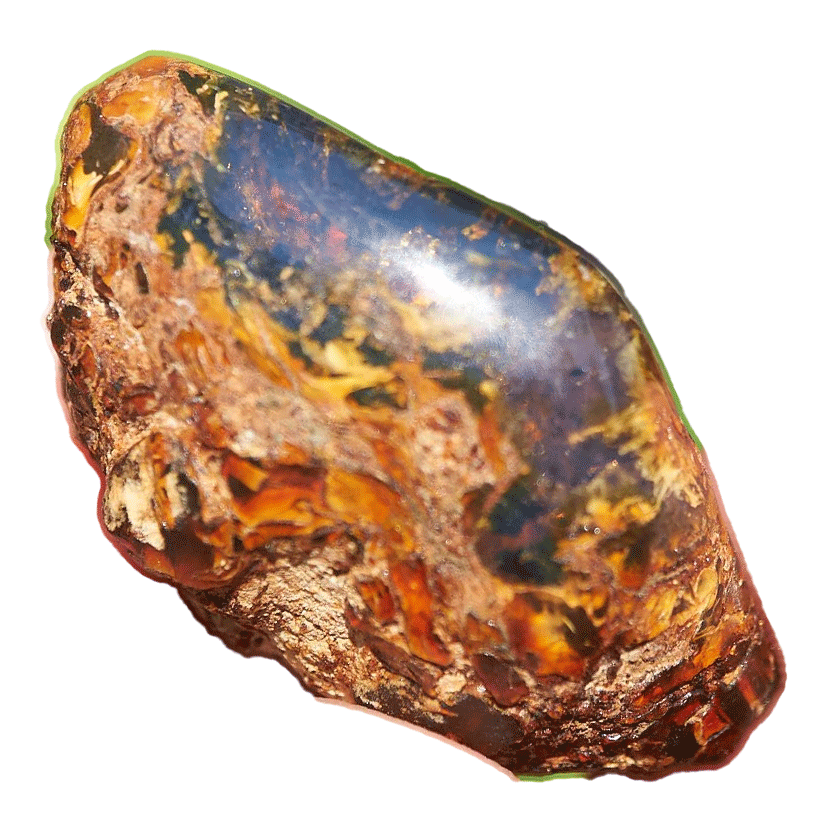
Much of the Dominican Republic's prized amber comes from the Cordillera Septentrional region. These deposits are associated with ancient tropical forests and resin-producing trees related to the extinct Hymenaea protera. Over millions of years, resin hardened into amber, sometimes preserving an extraordinary record of small creatures, plant material, and atmospheric debris.
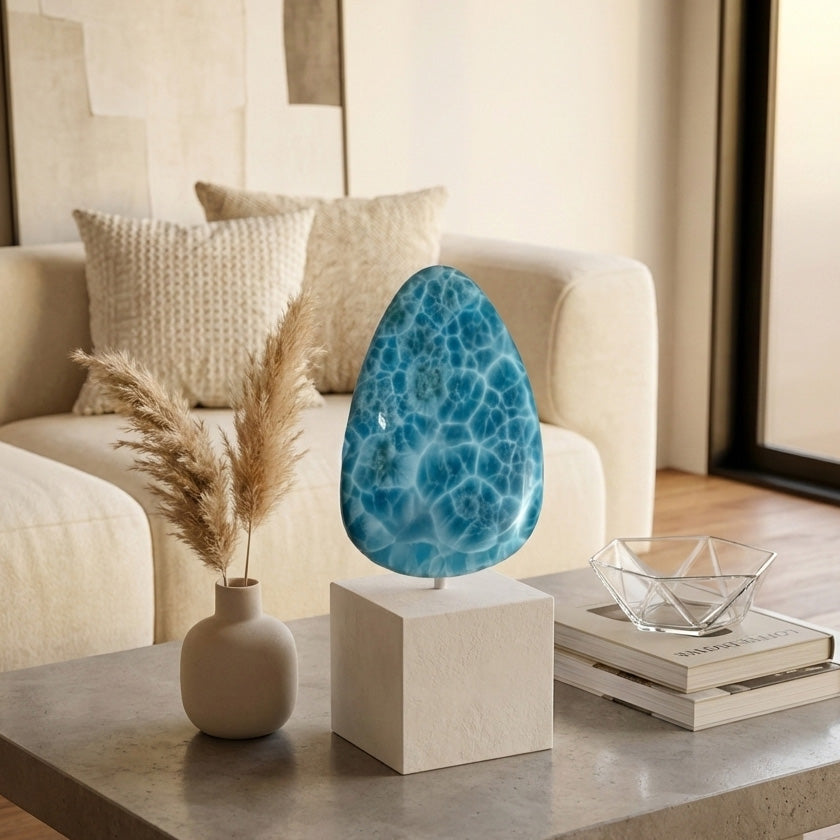
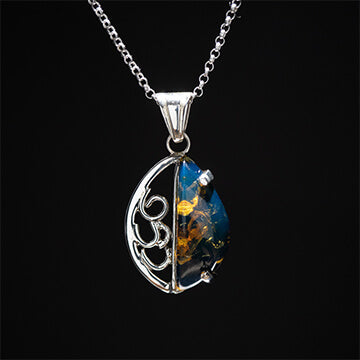
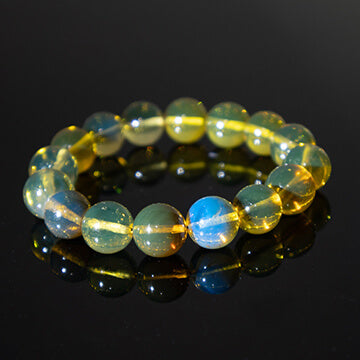
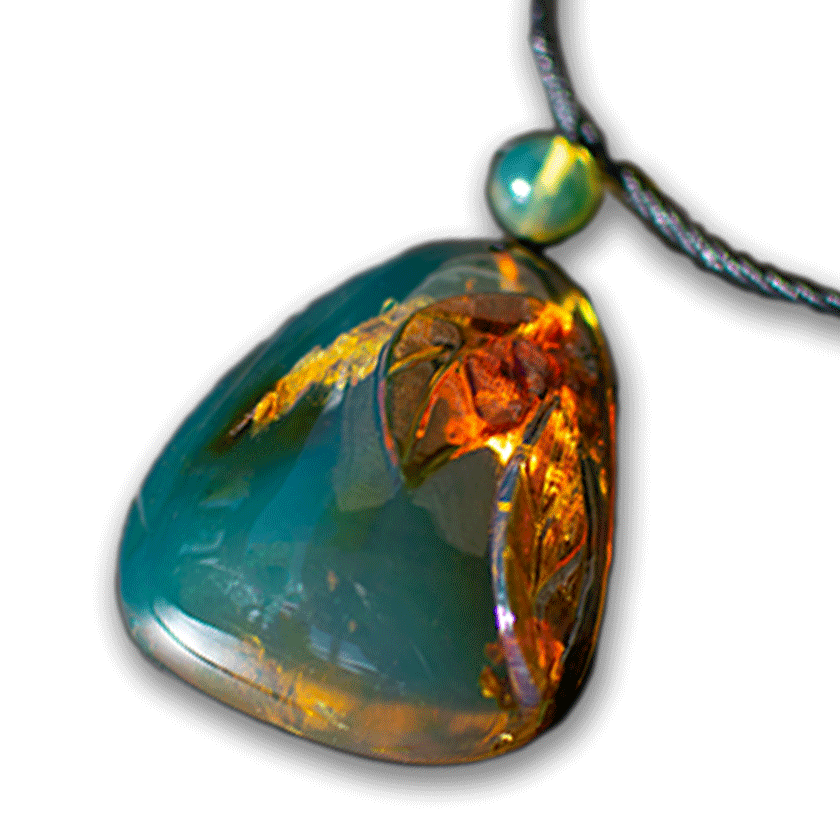
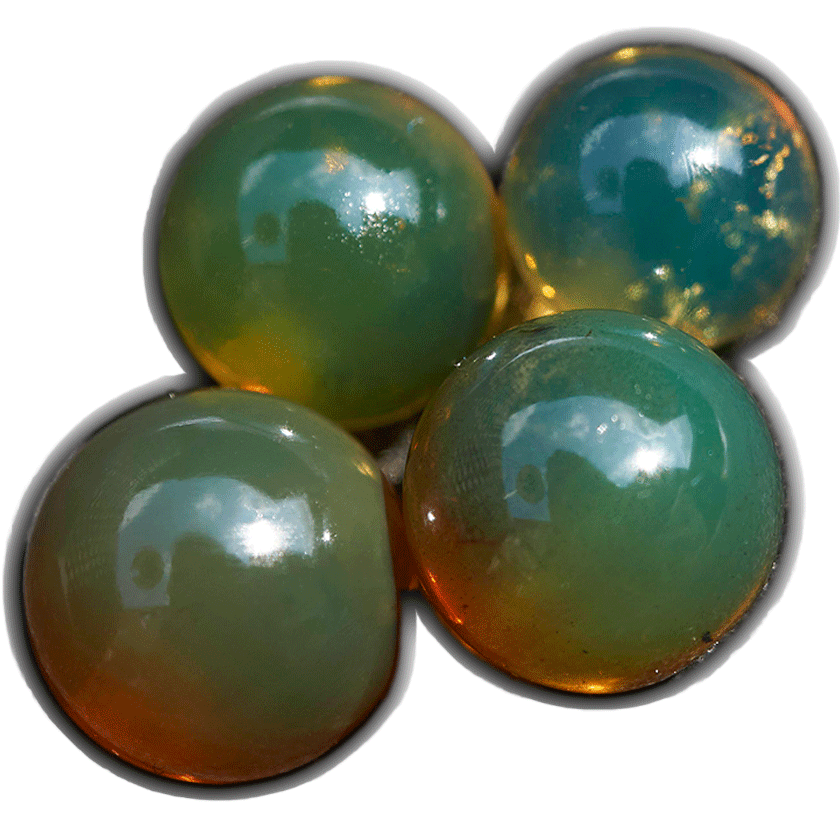
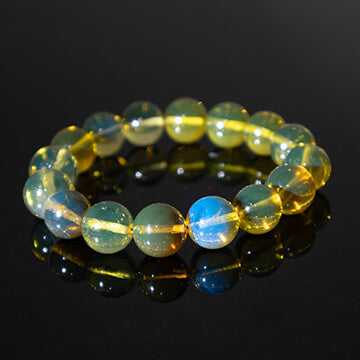
The blue variety is particularly coveted. In certain lighting conditions, especially sunlight or ultraviolet light, some Dominican amber displays an electric blue, blue-green, or violet fluorescence. The visible body color may remain honey, golden, or nearly clear, while the blue effect seems to rise from within the stone. Each piece responds differently to light, which is why blue amber jewelry feels so alive when worn.
Rarity does not mean every blue-looking piece is equal. A finely polished cabochon with strong, clean fluorescence and good transparency is usually more desirable than a cloudy piece with a faint effect. But beauty is personal. Some collectors prefer natural texture, internal veils, or organic shapes that reveal the amber's ancient character rather than pursuing perfect clarity alone.
A reputable seller should be able to state plainly that an item is natural Dominican amber and identify whether it is blue amber when that claim is being made. Look for language that is specific rather than decorative. "Caribbean-inspired" and "amber color" describe a mood or appearance. They do not establish origin.
Ask how the stone was sourced and whether the seller works directly with Dominican miners, local lapidaries, established suppliers, or a documented import chain. Not every handcrafted jewelry studio owns a mine, and that is not the standard to expect. What matters is whether the business can responsibly trace its supply and communicate honestly about what it knows.
At Larimar Creations, the focus on Dominican stones creates a natural reason to ask deeper questions about origin, craftsmanship, and the character of each individual gem. A meaningful answer should feel clear and measured, not overly dramatic or evasive.
A certificate can be valuable, but the word itself is not a guarantee. Read what the document actually certifies. It may identify a piece as natural amber, record its weight and dimensions, describe visible inclusions, or state an origin based on supplier records. Those are useful details, but they do not all carry the same weight.
Independent gemological reporting can support material identification, although assigning a precise geographic origin to amber may be more complex than identifying some traditional gemstones. Scientific testing, expert observation, and trace-element analysis can contribute evidence, yet paperwork is most meaningful when it is connected to a transparent chain of custody.
For a fine pendant, ring, or pair of earrings, retain the invoice, certificate, product description, and photographs. For high-value loose amber, large carvings, or fossil inclusions, request detailed images and a written account of the specimen's stated origin. This record protects the story of the piece as it moves through your collection or becomes a treasured gift.
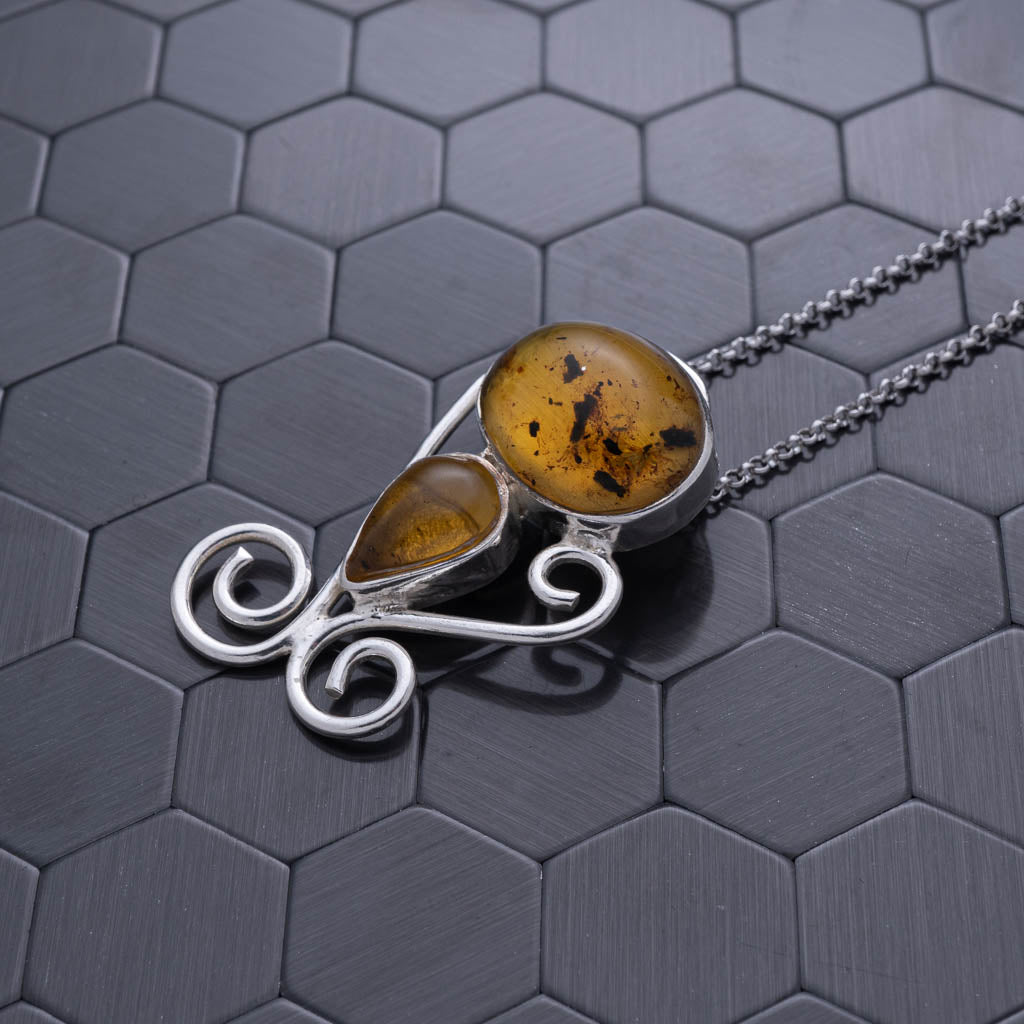
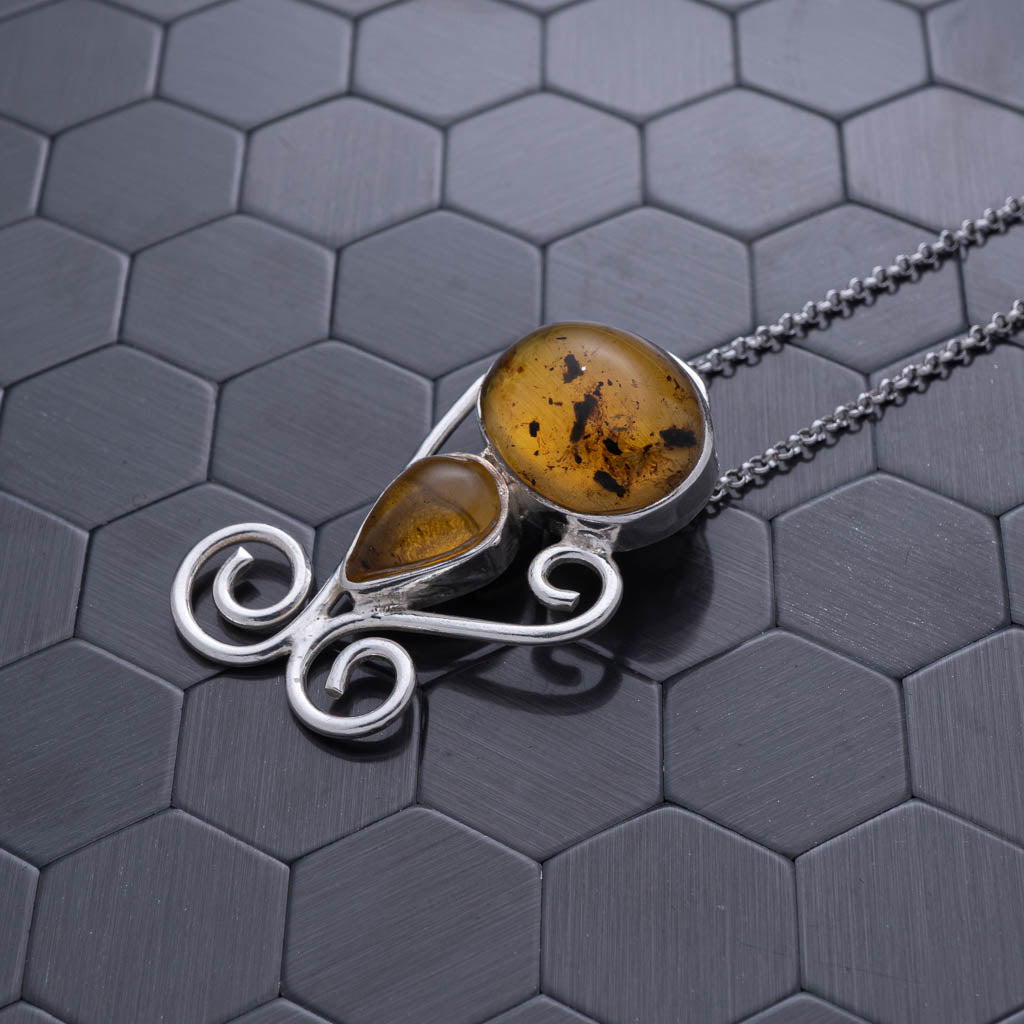
Natural Dominican amber has variation. It may contain tiny bubbles, flowing internal patterns, cloudiness, botanical fragments, or zones of changing color. These features are not automatically flaws. In fact, they can be beautiful evidence that the material formed in nature rather than in a factory mold.
At the same time, natural amber can be polished to a glassy finish and cut into refined, elegant jewelry. Surface perfection does not prove an imitation. Instead of looking for one supposedly foolproof visual test, consider the whole presentation: the stone's transparency, internal structure, stated origin, workmanship, price, and documentation should make sense together.
Be wary of claims that sound too absolute. A seller who promises that every piece will glow vivid neon blue in every room is setting an unrealistic expectation. Blue amber's effect depends on the specimen, its thickness, its polish, the surrounding setting, and the light source. Daylight and ultraviolet light can reveal a more dramatic response than ordinary indoor lighting.
Avoid damaging at-home tests. Scratching, heating, or applying solvents can harm amber and may not provide a reliable answer. Saltwater float tests, static tests, and scent tests circulate widely, but they are not substitutes for professional identification, especially when a finished jewelry piece contains metal, adhesives, or a delicate setting.
Amber's desirability has always attracted substitutes. Plastic, glass, resin composites, and pressed amber can imitate the color and transparency of natural material. Copal, a younger and less fully fossilized resin, may also be sold carelessly as amber. It can be attractive in its own right, but it is not equivalent to ancient Dominican amber and should be labeled accurately.
Pressed amber is made by fusing smaller amber fragments under heat and pressure. It is still amber material, yet it is different from a single natural piece. Its value and appearance are different, particularly to collectors seeking a one-piece cabochon or a specimen with natural inclusions.
Treatments require equally clear disclosure. Heat may alter color or clarity. Some pieces may be backed, coated, dyed, or combined with other materials to intensify visual effects. None of these practices automatically makes a jewel undesirable, but undisclosed enhancement weakens confidence. When the material is rare, transparency from the seller is part of the luxury.
If an insect or plant inclusion is the centerpiece of a purchase, apply an even higher standard. Natural inclusions can command strong interest, while fabricated or inserted inclusions are a known concern in the market. Ask for close photographs from multiple angles, a description of the inclusion, and disclosure of any restoration. A serious seller will welcome careful questions.
A small everyday amber bead does not require the same level of investigation as a large blue amber cabochon or a fossil specimen. Let the price, rarity, and purpose guide the depth of your review.
For wearable jewelry, focus on whether the amber is natural, Dominican in origin, and appropriately disclosed if treated or reconstructed. Also inspect the setting. Amber is softer than sapphire or diamond, so a protective bezel, thoughtful prong placement, and sensible wear habits can preserve its polish. Remove amber jewelry before swimming, exercising, using perfume, or applying hair products.
For a collector piece, ask for dimensions, weight, high-resolution photos in normal and ultraviolet light when relevant, provenance documents, and a statement about restoration. A rare inclusion may also benefit from an independent expert opinion. The expense can be worthwhile when a specimen is intended as a long-term acquisition.
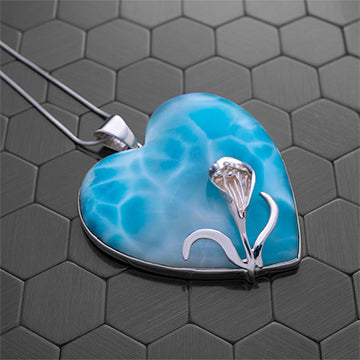
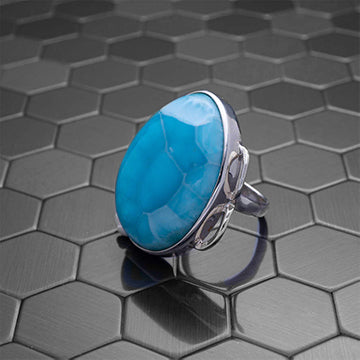
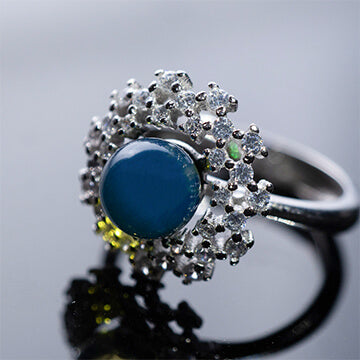
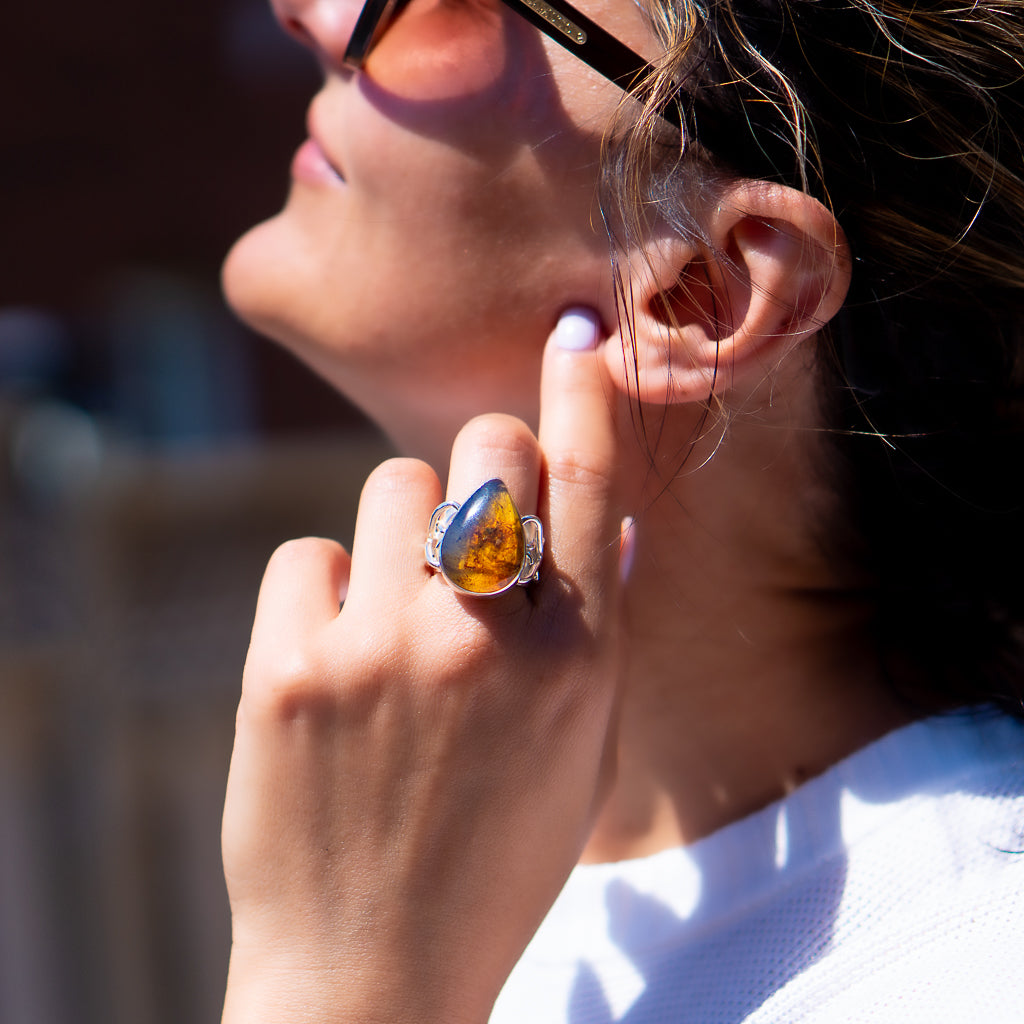
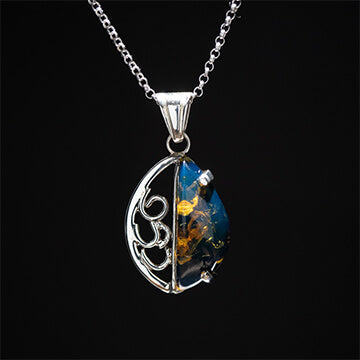
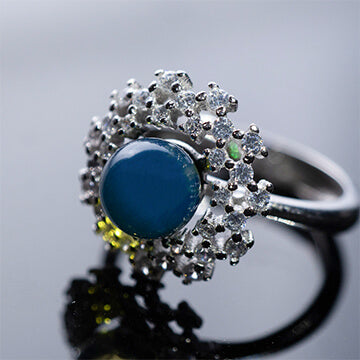
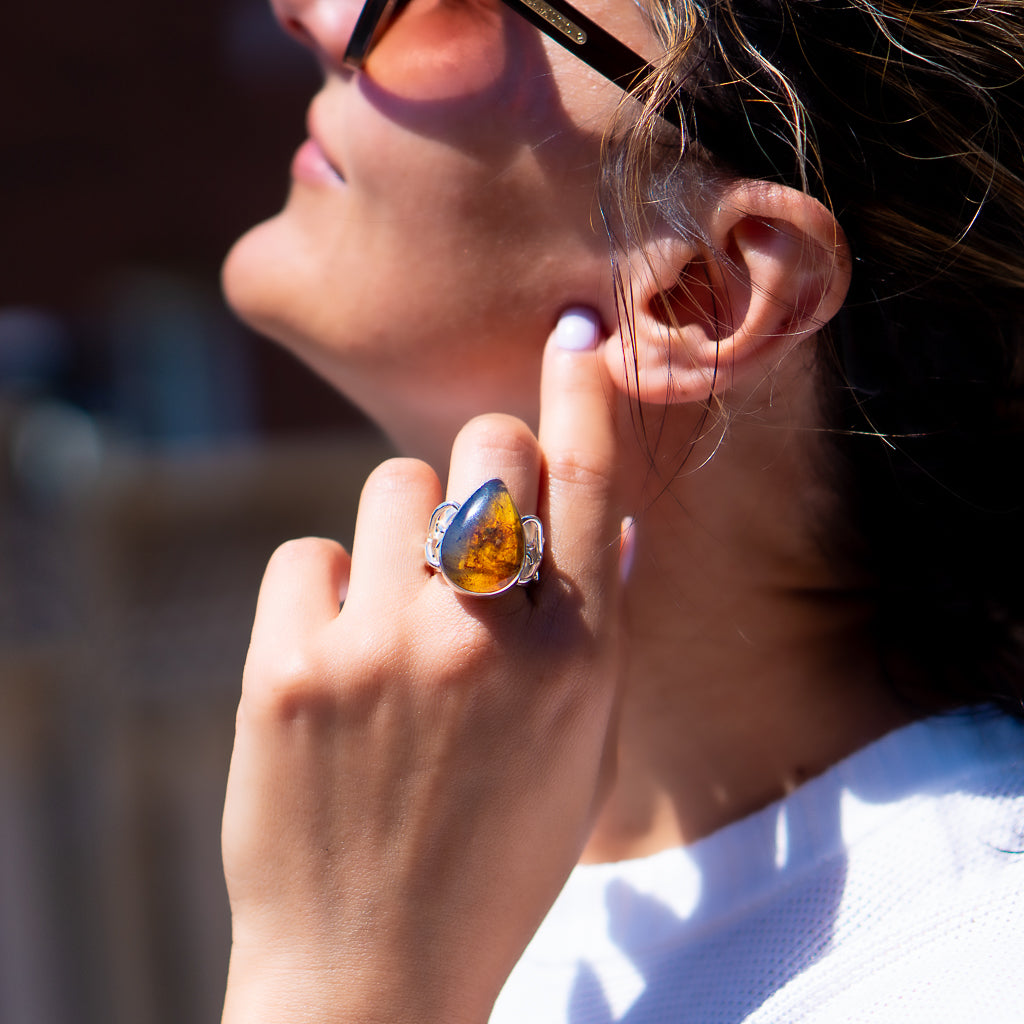
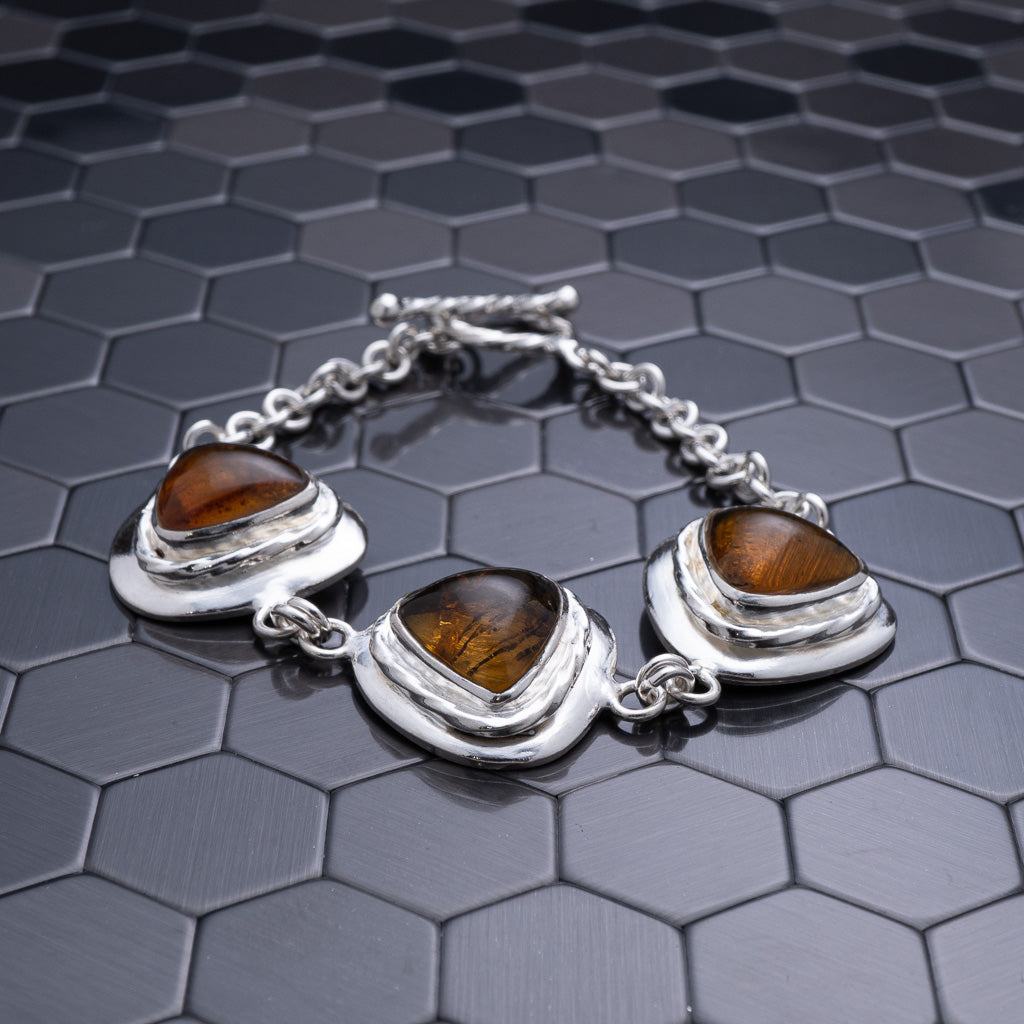
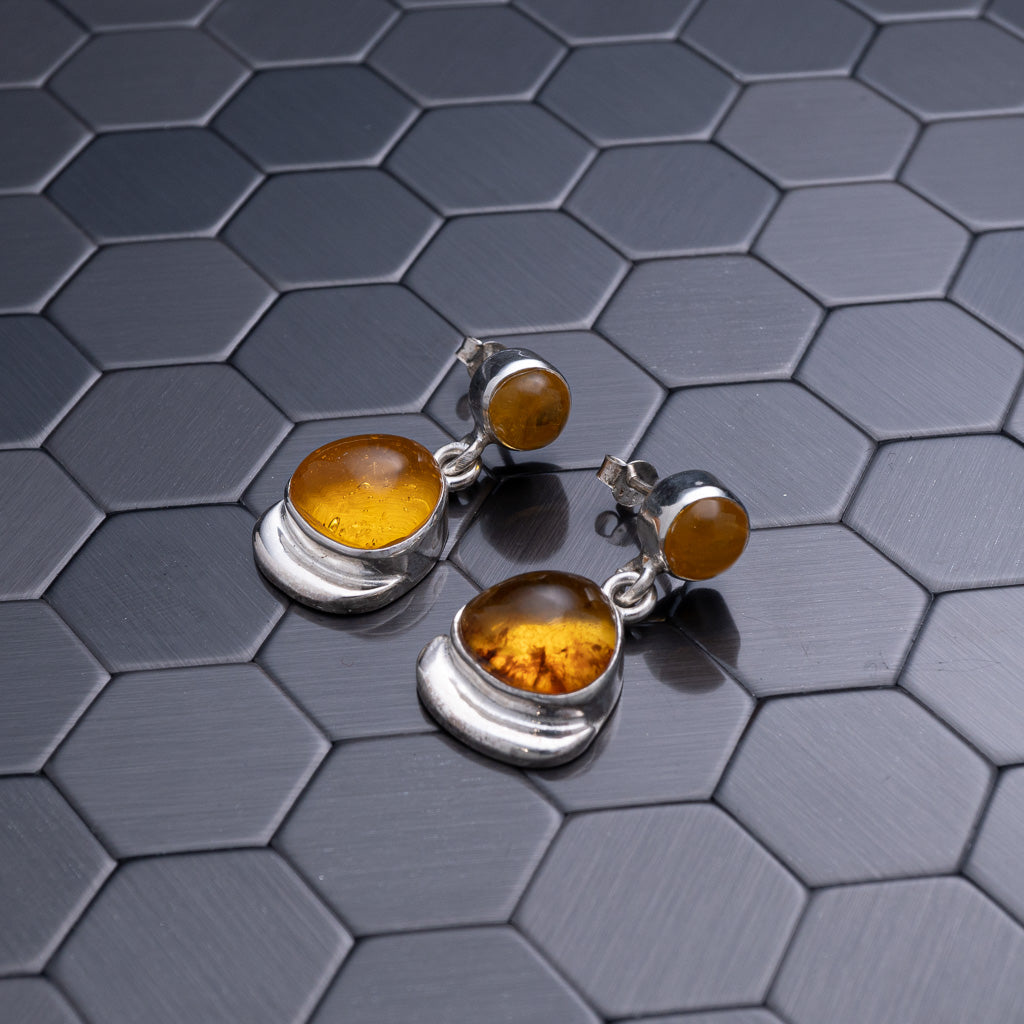
For a gift, provenance becomes part of the sentiment. A carefully chosen Dominican amber heart pendant or blue amber ring does more than add color to a jewelry box. It carries a connection to an ancient Caribbean landscape, shaped by hand for someone with a story of their own.
The best Dominican amber is not defined by a single shade, a marketing phrase, or a certificate viewed in isolation. It is recognized through alignment: a stone whose natural beauty, origin statement, documentation, price, and craftsmanship all support one another.
Take a moment to view your amber in changing light, notice its internal world, and keep its accompanying records somewhere safe. When a piece has been selected with care, you are not simply wearing a beautiful gem. You are wearing a piece of the Caribbean with a history worth preserving.
Sign up to get the latest on sales, new releases and more …
9 min read
6 min read
11 min read